12 Boss Fights Down in Two Chapters: Why Phantom Blade Zero Has Already Claimed My Game of the Year
Calling "Game of the Year" before a game has been fully completed has always been a cardinal sin for games media. But after going hands-on with the first two chapters of Phantom Blade Zero, I still want to put that statement right at the top: this game may very well become my personal Game of the Year.
This article aims to make two things clear: the reasons it has me completely hooked so far, and the handful of areas that left me less than satisfied. Yet even after tallying up every one of those deductions, my conclusion remains unchanged - this is going to be an outstanding game.
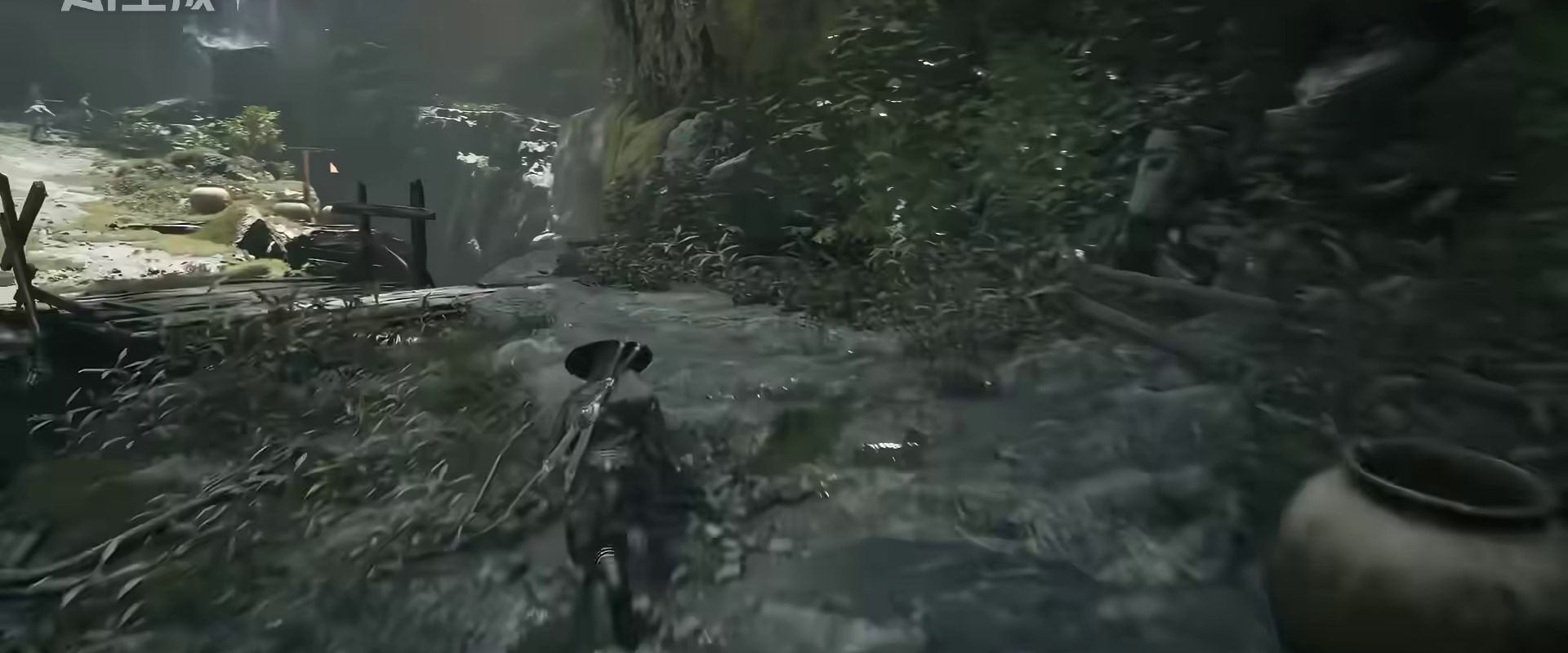
First, some background. Phantom Blade Zero is an action RPG developed by the Chinese studio S-GAME (Lingyoufang) - the very team founded by Liang Qiwei, whose journey stretches all the way back to the Rainblood series. Mechanically speaking, I wouldn't classify it as a soulslike: its combat is deeply rooted in Chinese martial arts and kung fu, and you feel it within the very first minute of trading blows with an enemy - parries, deflects, and counters flow together in one seamless chain, at a tempo so fast it borders on ferocious.
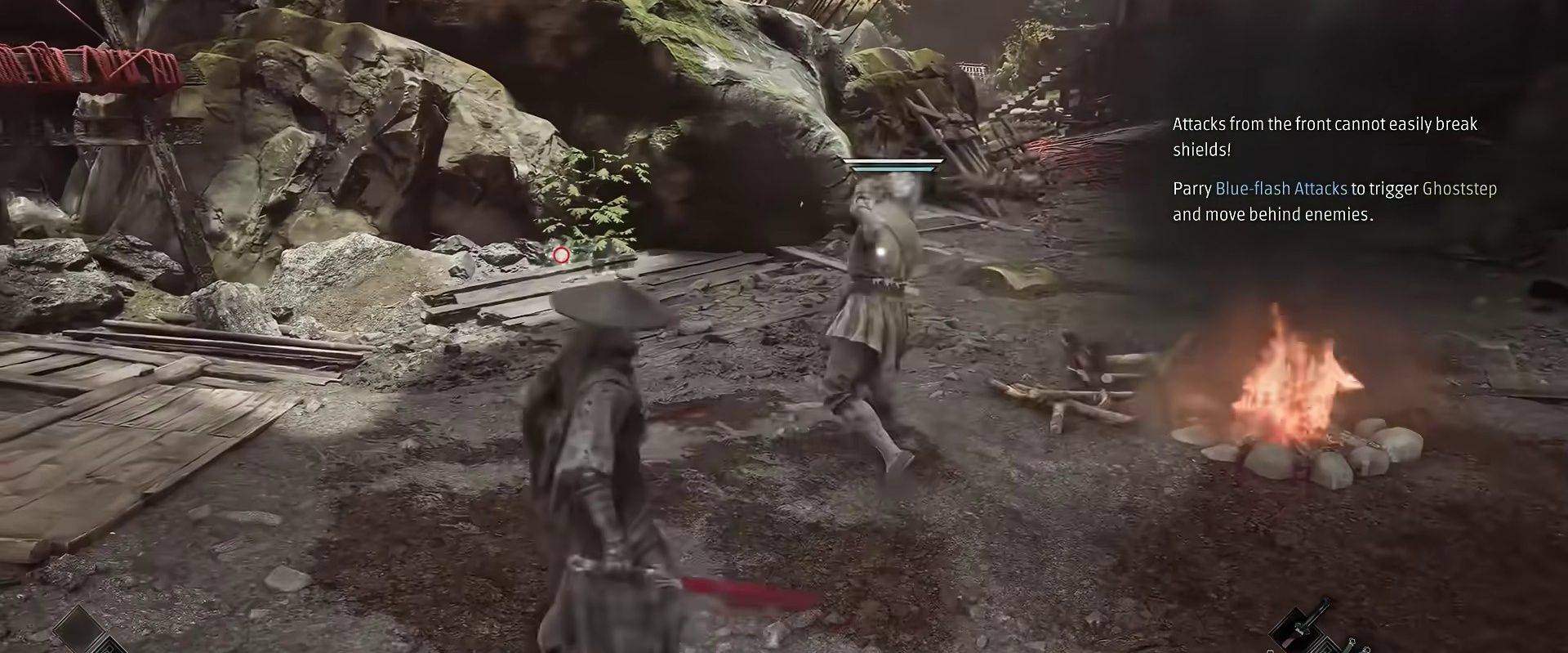
1. Not a Soulslike, but a Kung Fu Film You Can Play
Many who have watched the gameplay footage share the same question: are those combat scenes really driven by player input?
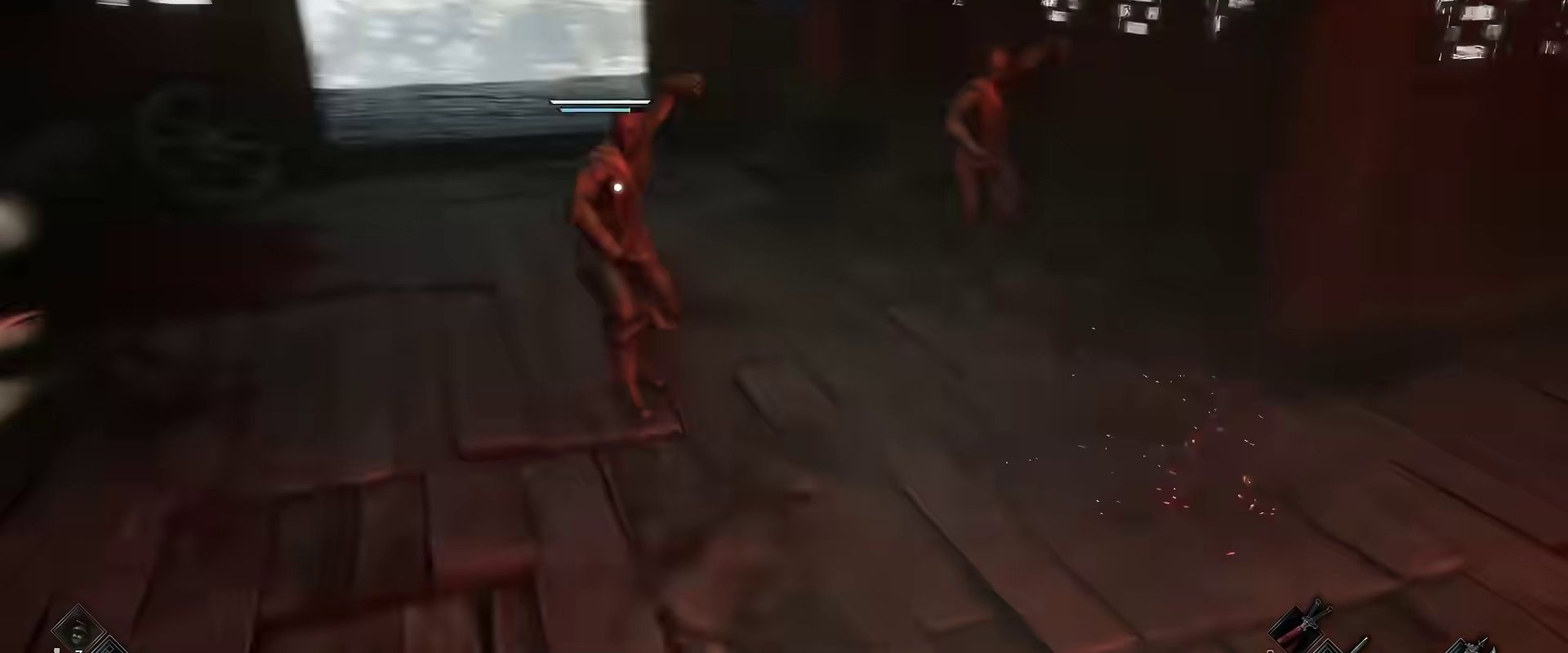
The answer is a resounding yes. What's more, the "kung fu" Phantom Blade Zero has put into its action is the most "brute-force" - and the most extravagant - kind: the entire game is built on live-action motion capture. Every action animation in the game comes from real mocap shoots; even a subtle motion like "opening an object" was captured specifically for that purpose.
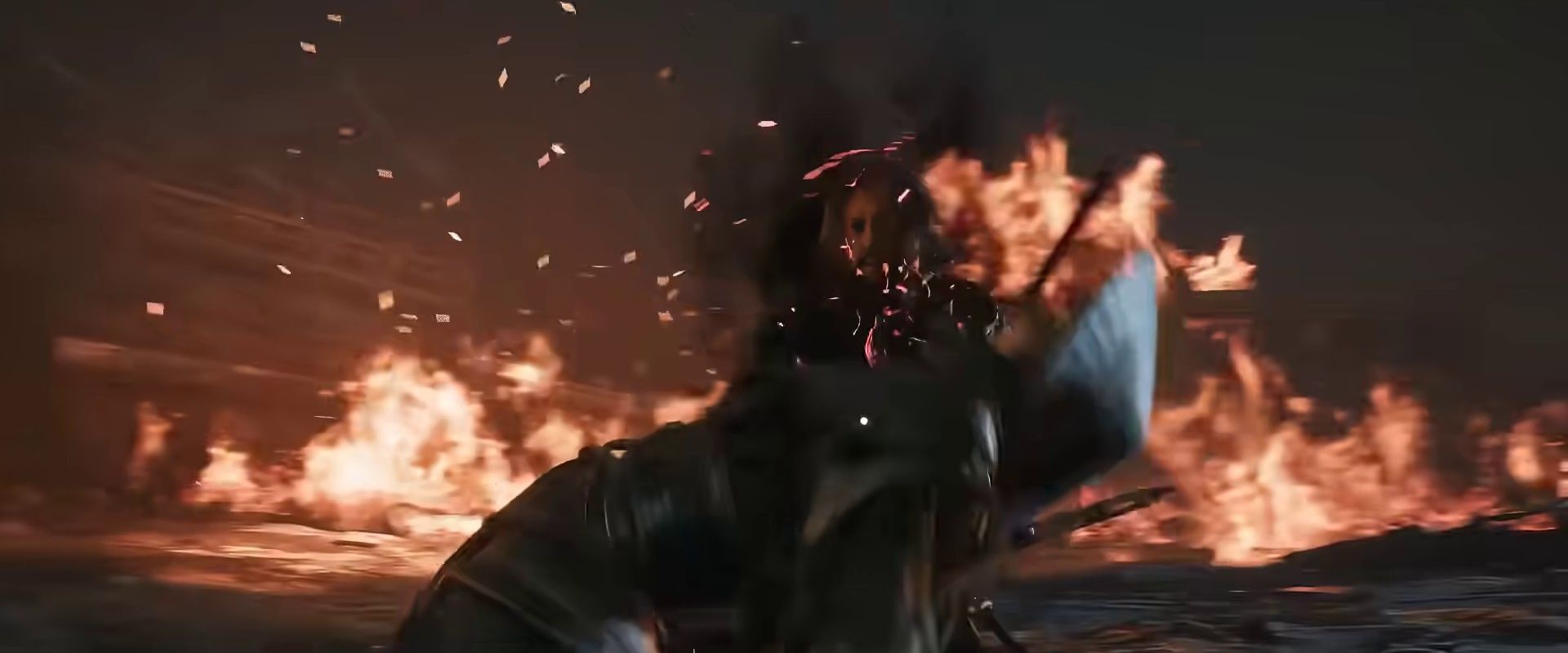
In other words, none of the moves you see in combat were hand-keyed from scratch by animators. They were first "performed" move by move by real actors in a studio, then cleaned up and polished by the animation team. This pipeline guarantees that every frame of combat carries the weight and power-generation logic of real martial arts - which is precisely why it looks "like a kung fu film."
Behind every blade swing and every force-deflecting move you see on screen lies the sweat of a real person, shed in a motion-capture studio.
2. Enemies Don't Respawn: A Smarter Resource Economy
Phantom Blade Zero features a sprawling world map, with each region carrying its own regional map. You can fast travel between checkpoints within a region, or move directly from one region to another. Sounds fairly standard? The real divide comes down to a single detail: enemies do not respawn.
This has a decisive impact on both combat and exploration, because the currency earned from defeating enemies - the hard currency used to unlock skills and upgrade weapons - has a finite total supply.
That means you have to make trade-offs: do you sink everything into weapon upgrades, or spend it on unlocking skills? And if it's skills, which ones do you unlock first? How you allocate this limited income is a strategy in itself.
As a result, exploration takes on meaning far beyond what you'd find in comparable games. In many action games, you spend ages looting chests and combing every corner only to walk away with a pile of currency - hardly thrilling. But in Phantom Blade Zero, every unexpected windfall feels genuinely rewarding - because this currency is something you can actually put to use.
When exploration rewards are directly tied to progression resources, "just one more stretch ahead" becomes the most natural driving force in the game.
3. Zero-Burden Progression: Respec Anytime, Free "Refunds"
If the limited currency is the "tight" side of the design, then the progression system's leniency is the "loose" side - and loose to a genuinely touching degree.
You can respec your character's stat allocation at any time, and you can also recover, free of charge and at any moment, all the materials and currency you spent upgrading a weapon. Here's a concrete example: you've just upgraded a weapon to +5, only to immediately pick up a new one that works better. No problem - reclaim every material and every coin you put in, then turn around and bring the new weapon up to +5 as well, without a single coin going to waste.
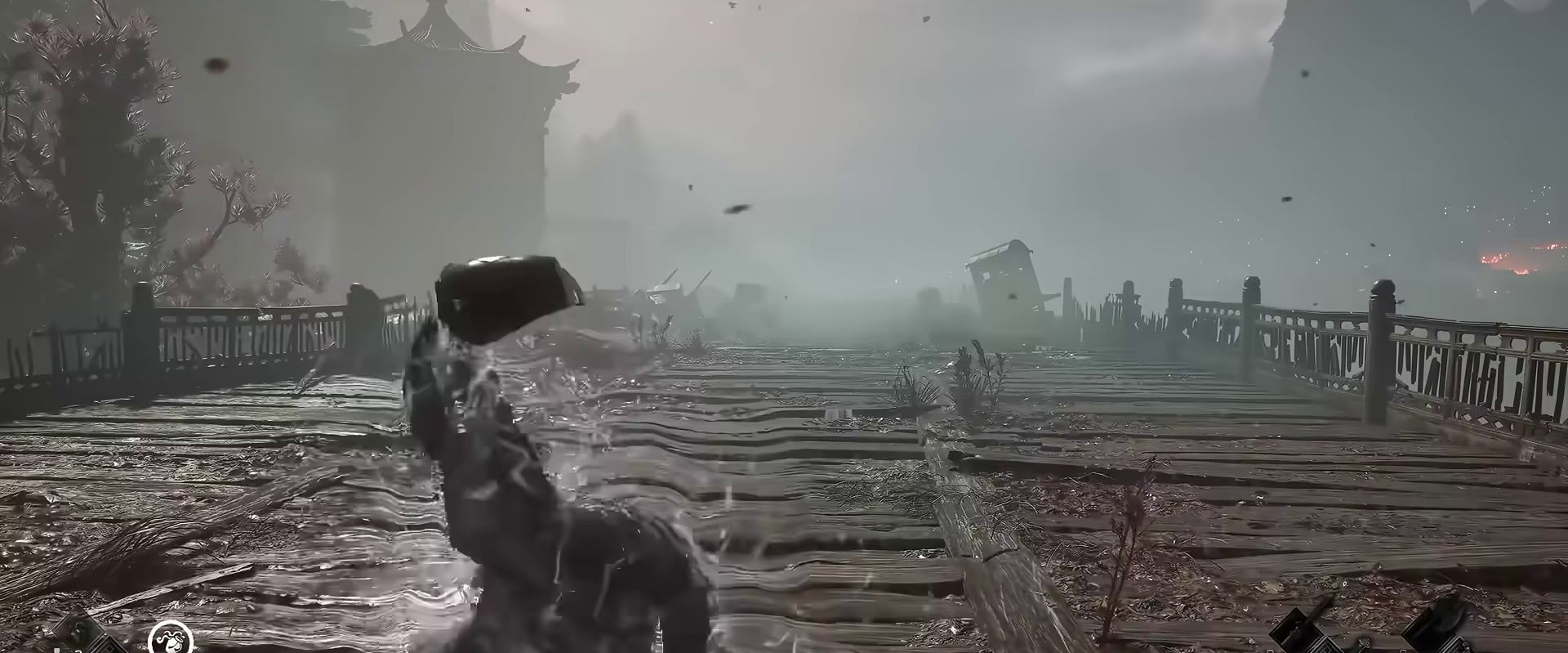
So what's the benefit of this design? It completely eliminates "progression anxiety." You don't need to comb through guides, you don't need to fear misallocating points, and you don't need to agonize back and forth between weapons - trial and error is free, and changing your mind costs nothing. The same goes for skill points: want to switch builds? Just respec whenever you like.
In a game where the total supply of currency is finite, this kind of "zero-burden" leniency is all the more precious: it keeps the strategy in the macro-level trade-offs, while handing the freedom of micro-level decisions entirely back to the player.
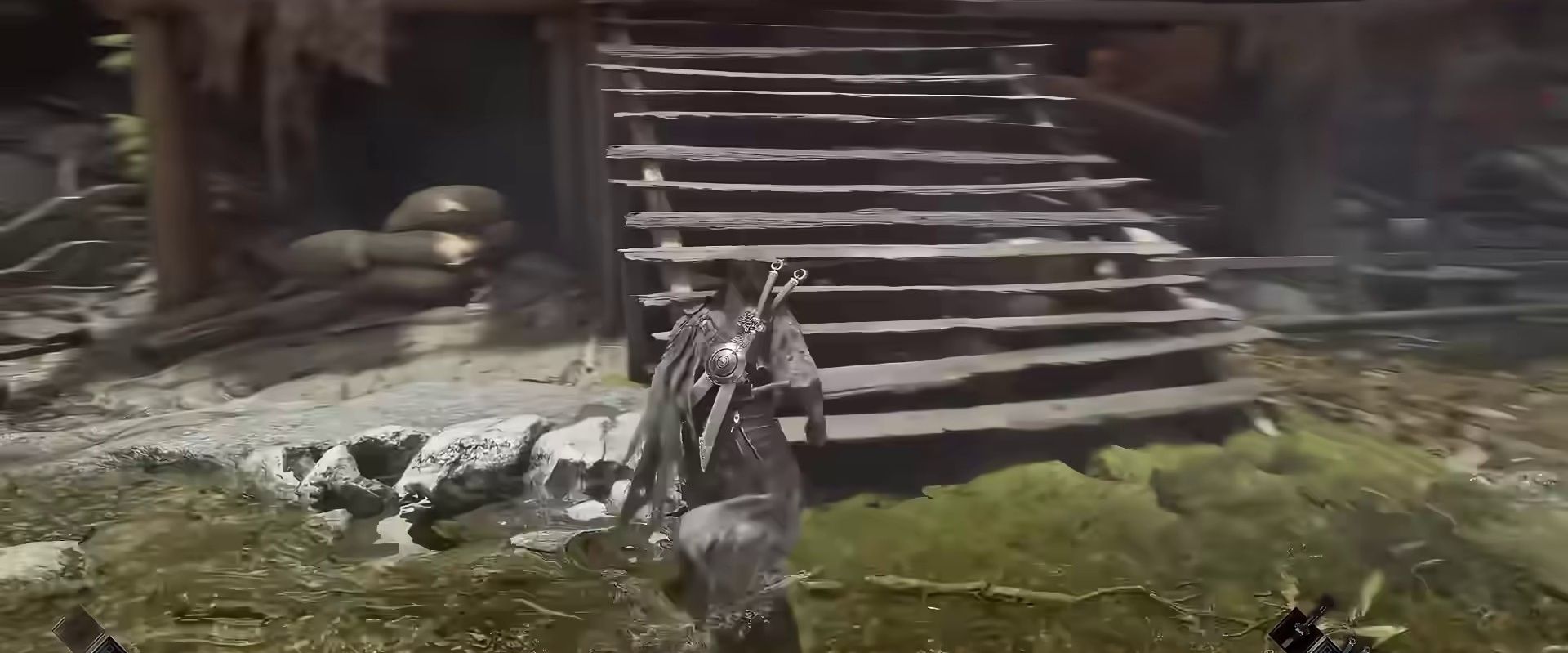
IV. Combat: Kung-Fu Mind Games with a Low Skill Floor and High Skill Ceiling
Next up is the game's biggest highlight - combat.
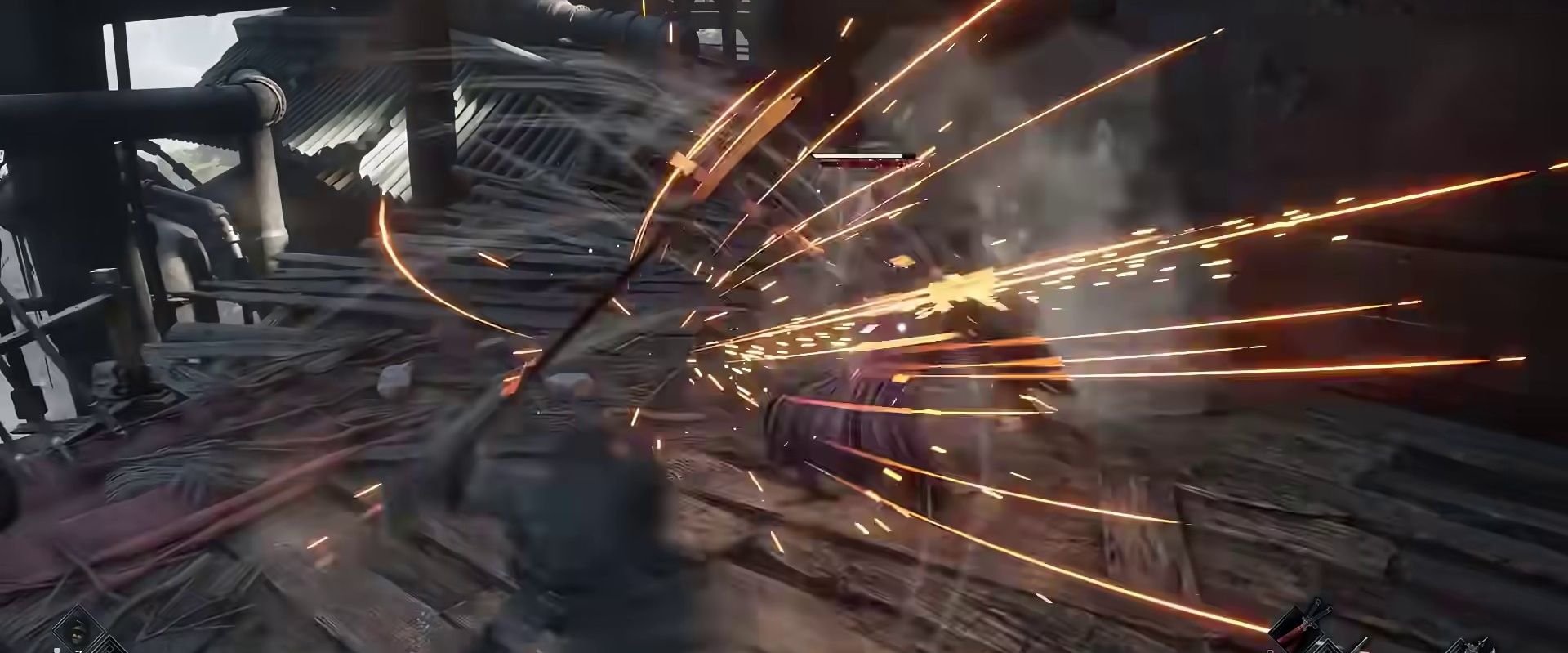
If you've been keeping up with the gameplay footage of Phantom Blade Zero, you already know just how dazzling its combat looks. But once you actually get your hands on the game, you'll find that the flash is only skin deep - the backbone of this system is a rhythmic push-and-pull between offense and defense.
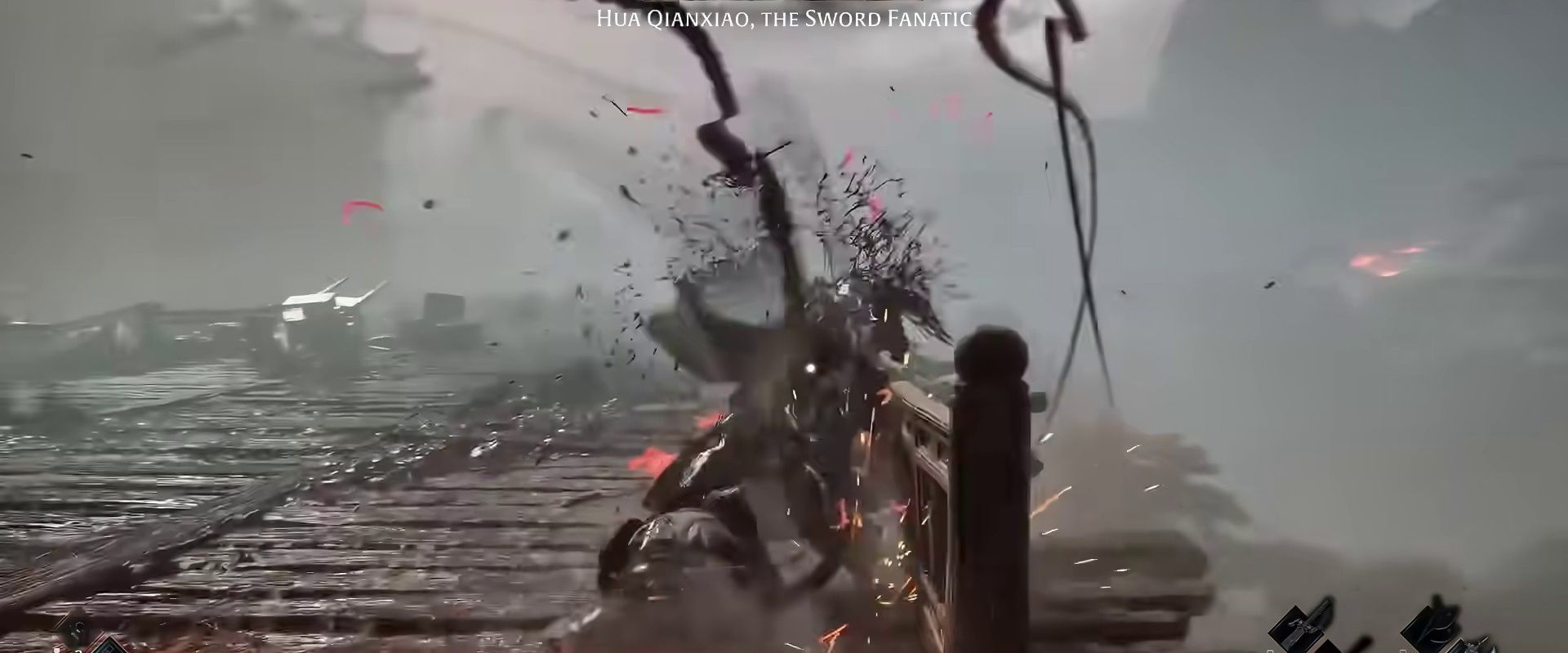
What I especially love is how it weaves parries and blocks into a single, unified defensive system. The game runs on a set of mechanics akin to posture and stamina bars, and even the red-flashing perilous attacks have their own counters. The result is a rare sense of rhythm in combat: you can open with a ferocious assault before falling back into defensive blocking, or simply deflect the enemy's blows outright, waiting until an opening appears to wrest back the initiative.
Attack, block, parry, counter - four moves cycling over and over, forming the very heartbeat of Phantom Blade Zero's combat.
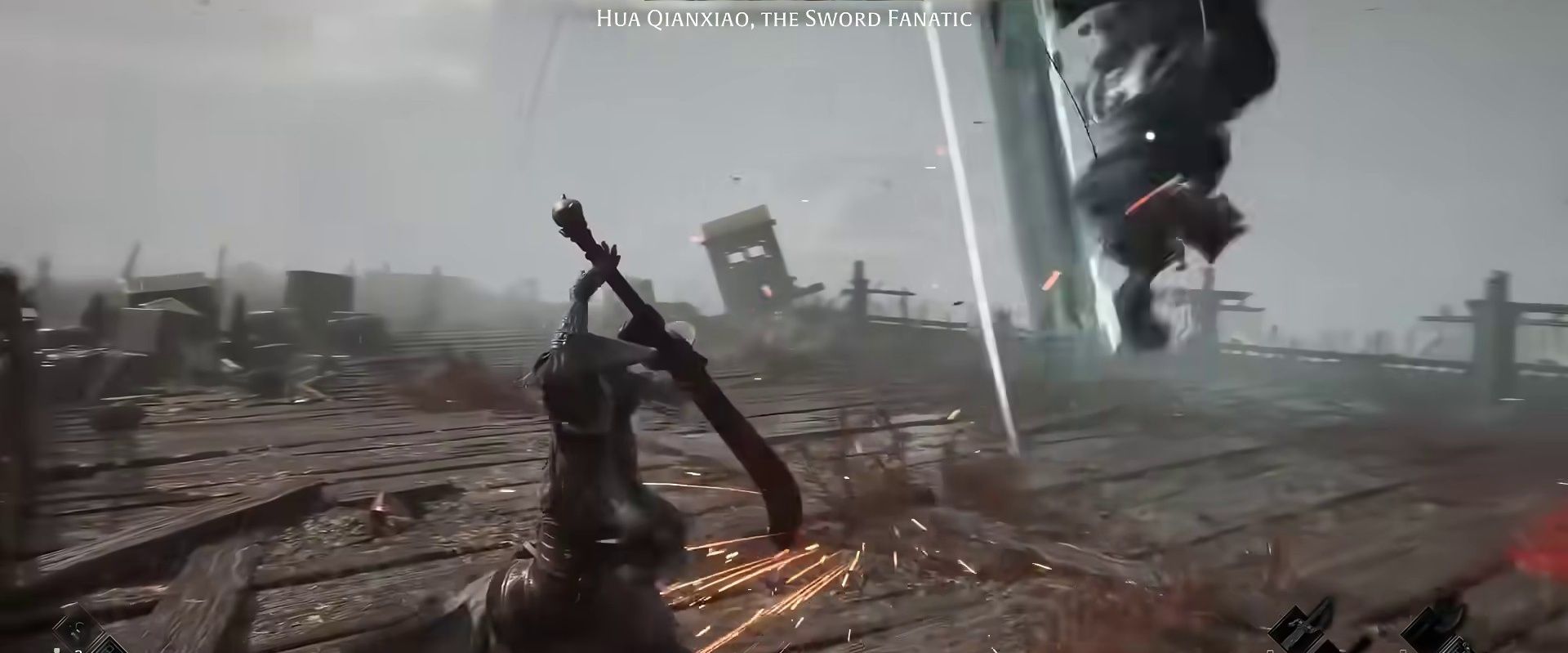
More importantly, this system rules out one-sided steamrolls entirely. You'll never end up hammering a boss that has no way to fight back, and you'll never find yourself pinned down by a boss with no way to respond. You have to pick your moment before you strike - and so does the enemy. Every duel becomes a constant tug-of-war over tempo between both sides.
What's most remarkable of all: the skill floor is low, and the skill ceiling is sky-high. Newcomers can savor the thrill of combat with nothing more than blocks and counters, while veterans can put on a masterclass with precise parries and combos. For an action game to serve both types of players this well is genuinely impressive.
V. Thirty Weapons: Swap the Blade, Swap the Playstyle
The weapon design philosophy of Phantom Blade Zero can be summed up in six words: easy to learn, hard to master.
The game features roughly 30 weapon types - if memory serves, there may be even more, but at least 30. Each weapon can be upgraded four or five times (though in reality the number of possible upgrades goes far beyond that), and reaching certain upgrade stages unlocks passive effects or new skills.
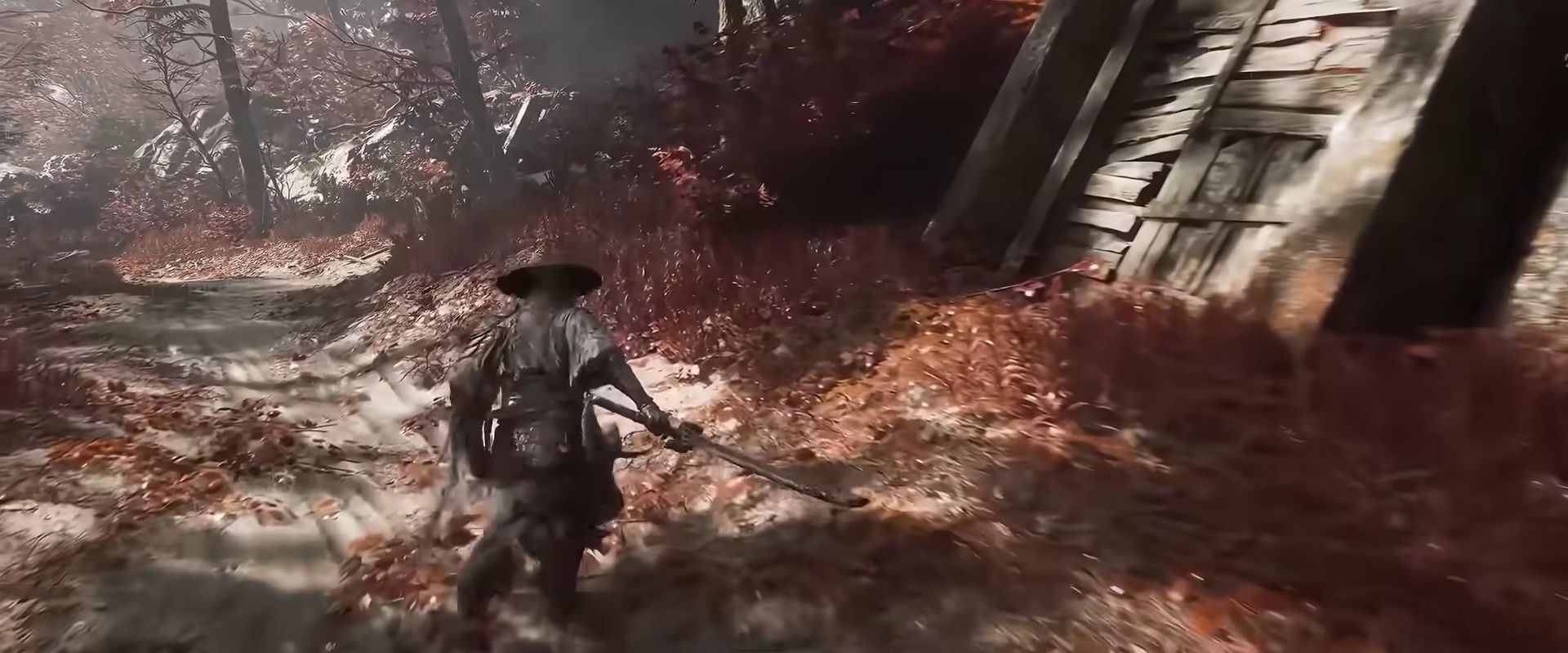
You can equip two weapons at once. My advice is to pair different types whenever possible: for example, a heavy weapon alongside a dual-wield set, or a medium weapon paired with a heavy one. That said, carrying two weapons of the same type is perfectly viable too - especially once you've obtained certain talismans that grant passive effects. For instance, if a talisman boosts the damage of one-handed weapons while you wield them, then running two one-handed weapons to double that bonus is a perfectly legitimate build.
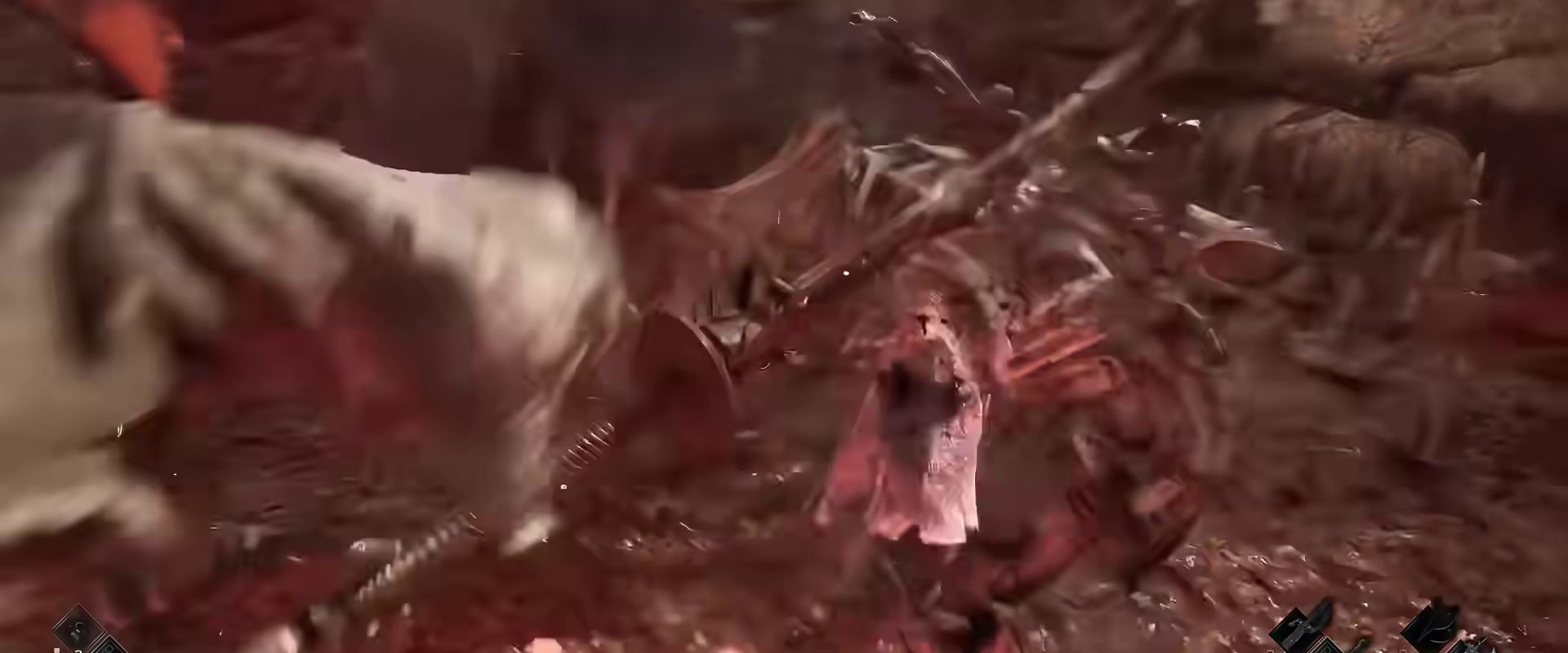
The key is that these unlocked passives and skills genuinely change the way you fight. Even if you ignore these systems entirely, you can still fully enjoy the combat; but if you want to dig deeper, the game offers a wealth of weapons to acquire and mix and match. Swap in a different weapon set, and the entire playthrough feels like a completely different experience.
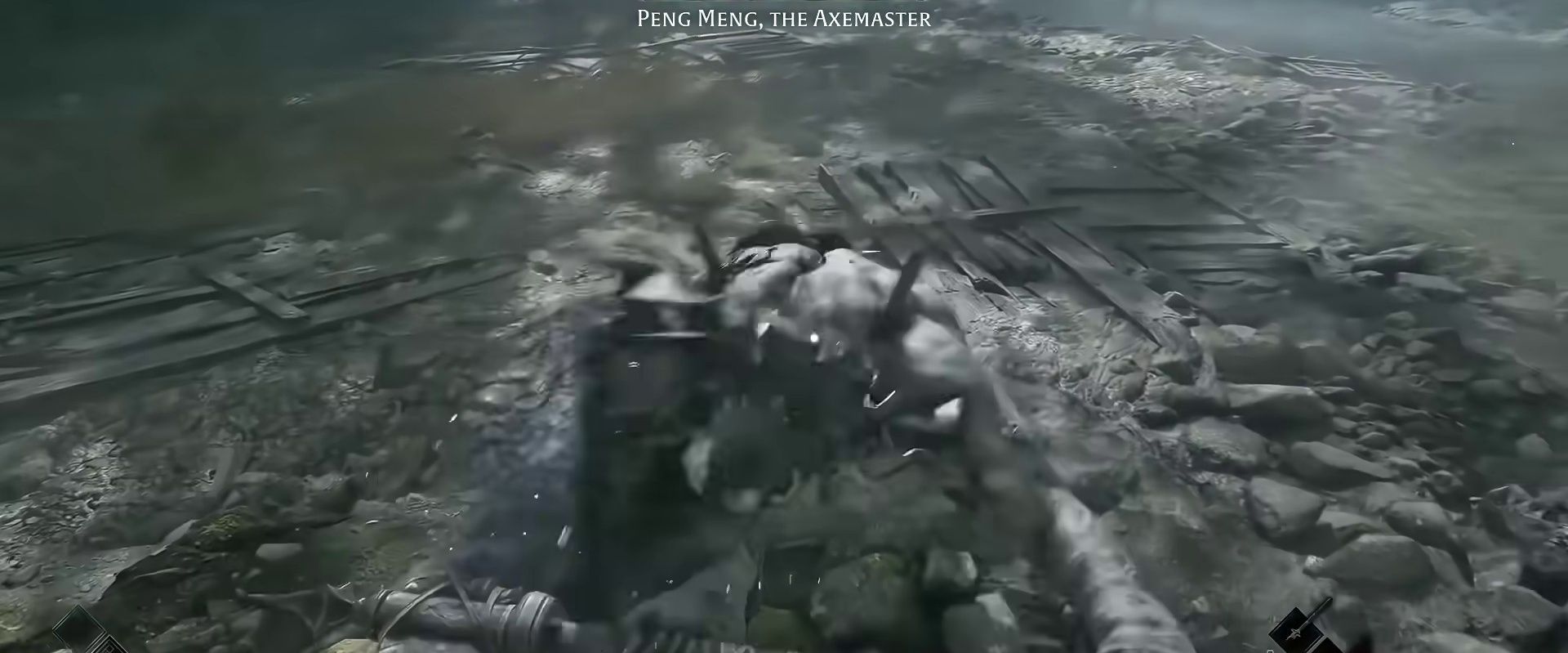
6. Boss Fights: 12 in Two Chapters, No Two Alike
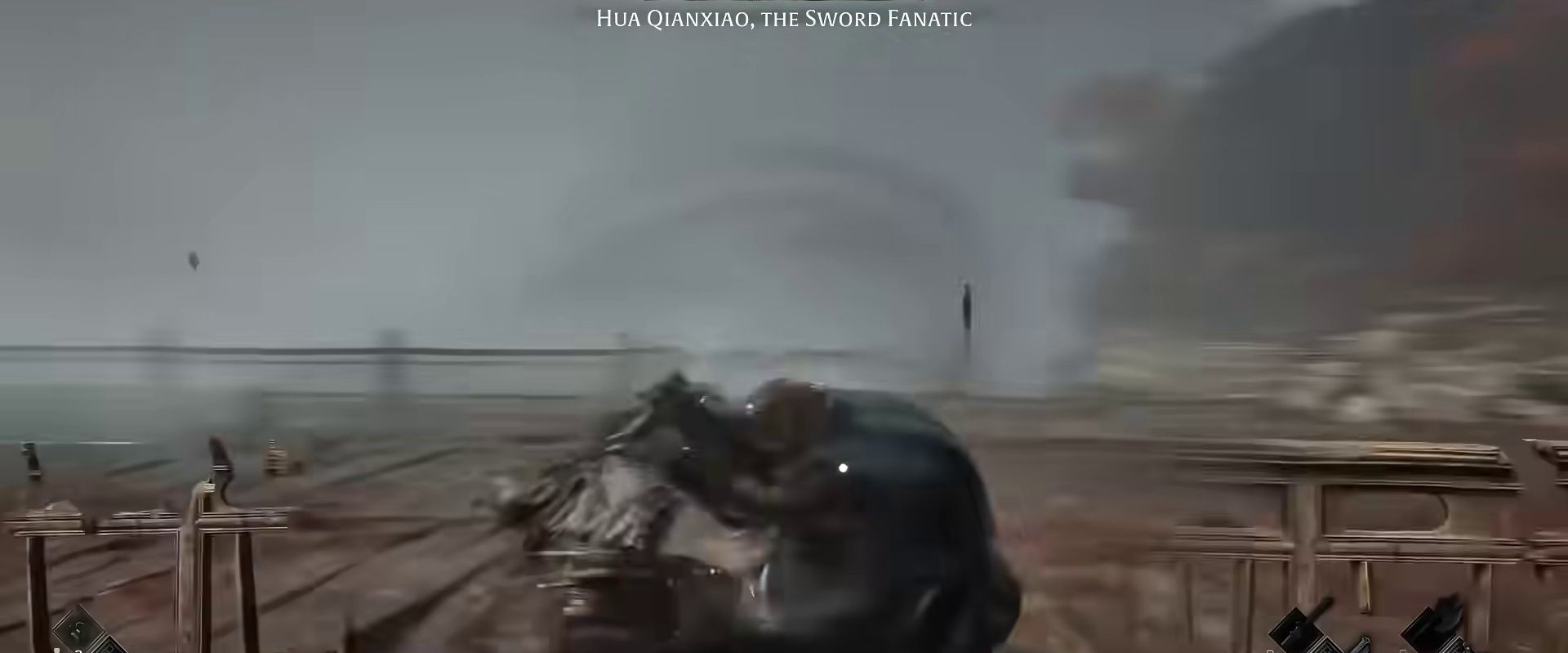
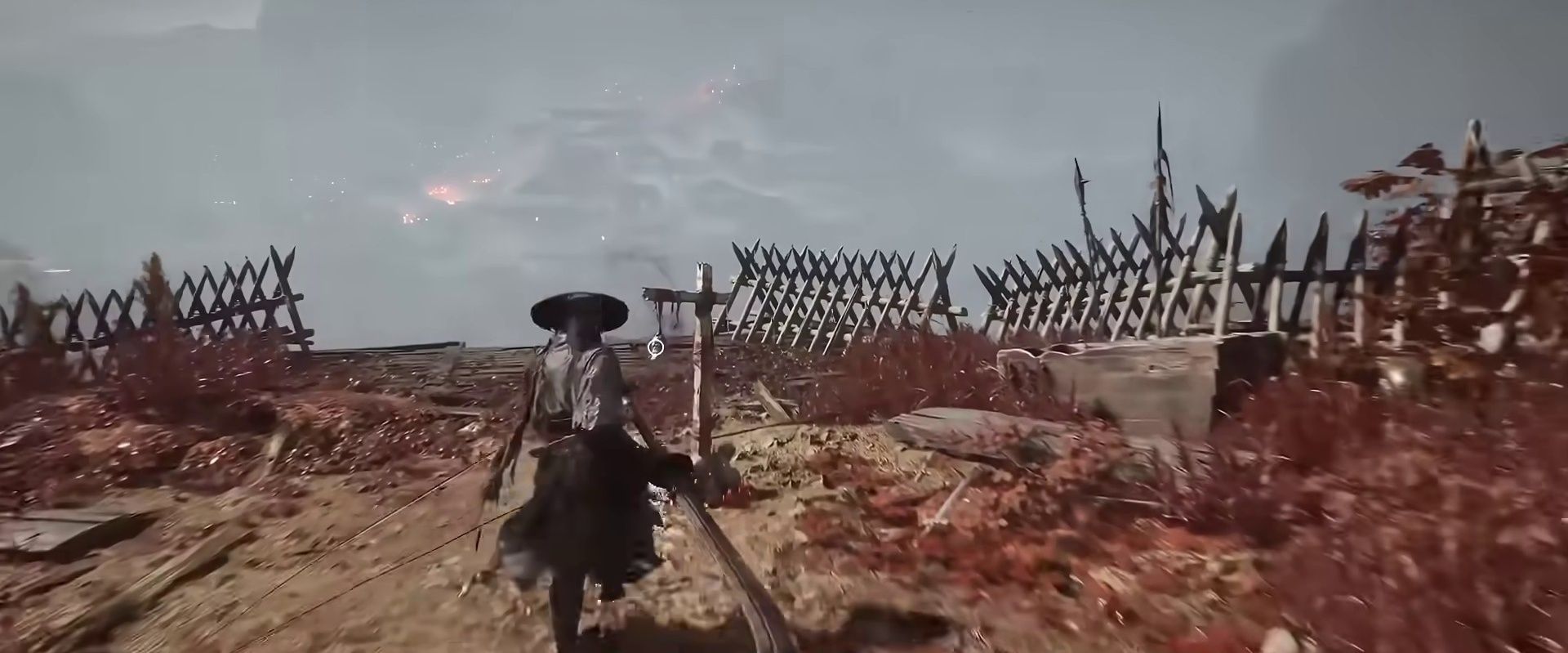
The numbers speak for themselves: in just the first two chapters, I fought roughly 12 to 15 boss battles.
On top of that, the game has Metroidvania elements, so I know I definitely missed a few - you can revisit earlier areas, unlock new routes, and take on optional bosses. I simply didn't meet the unlock requirements at the time, which means the real boss count is only going to be higher.
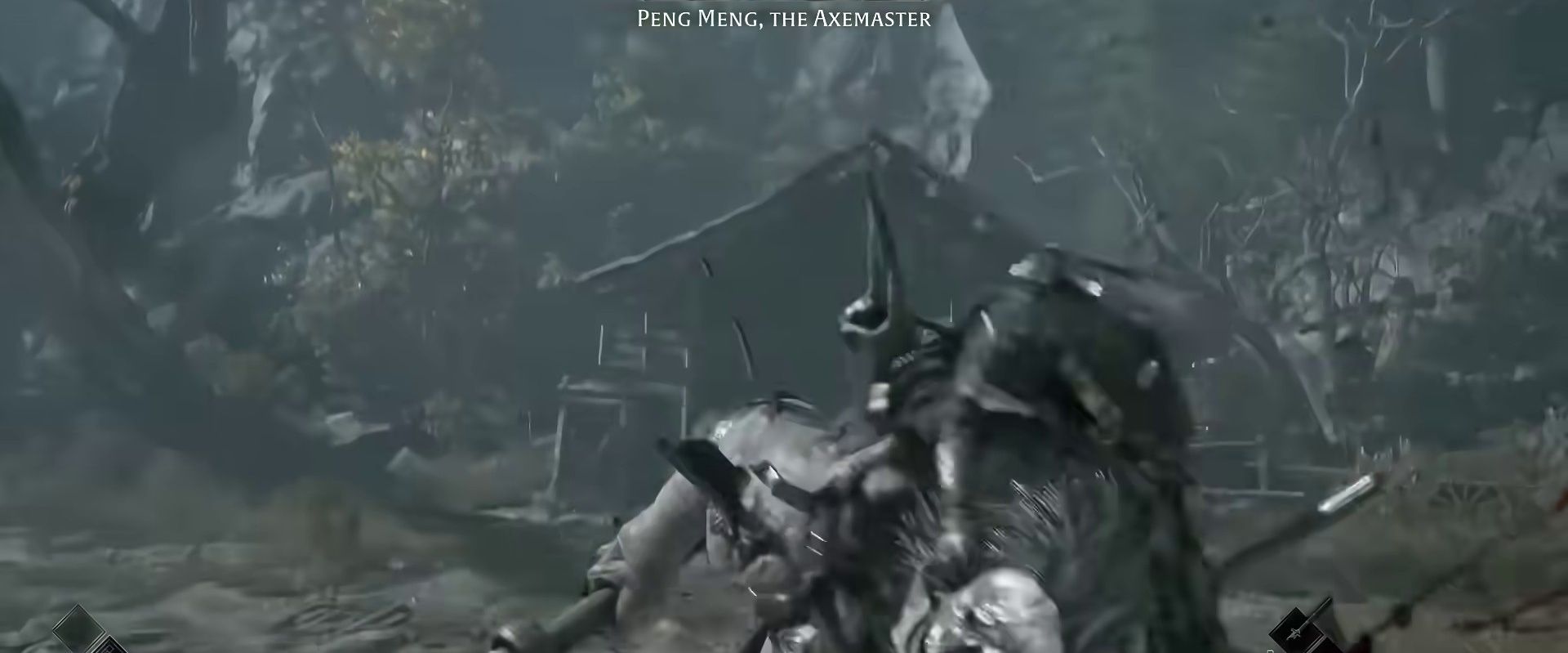
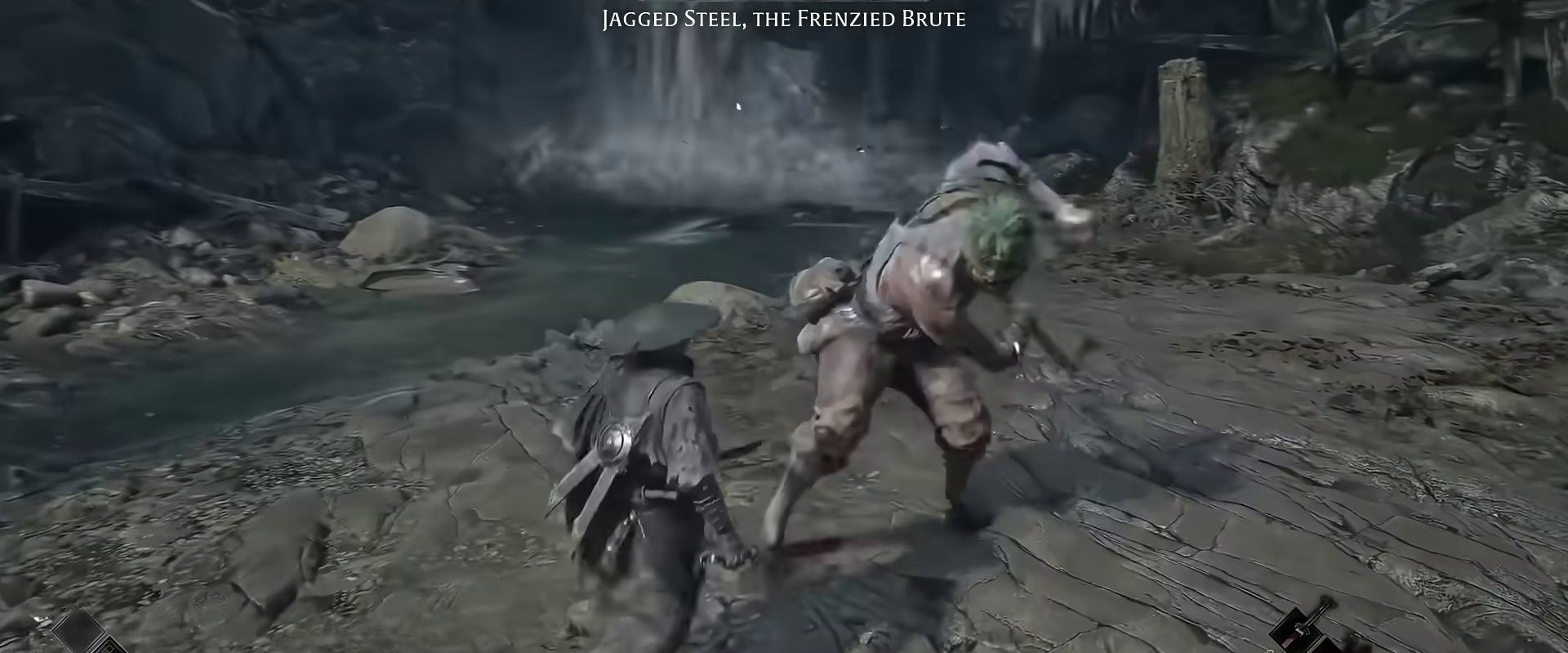
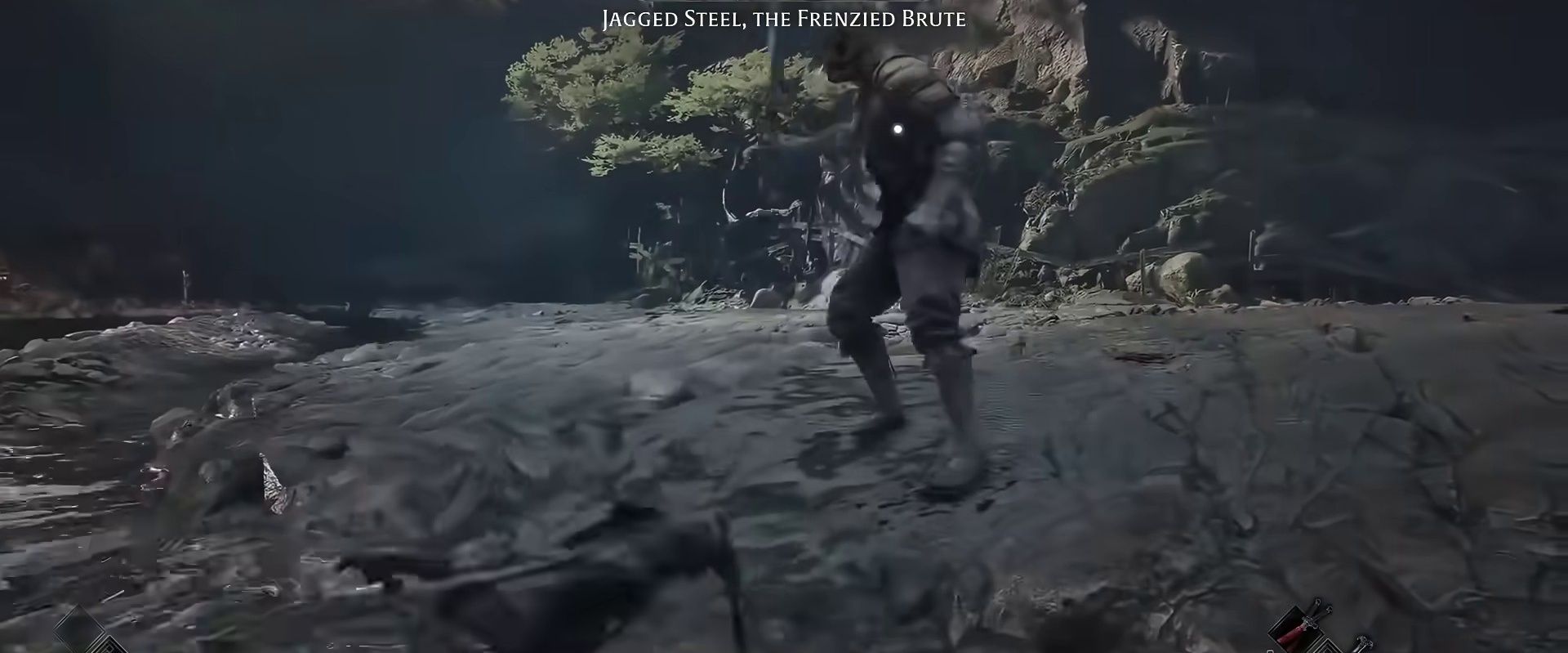
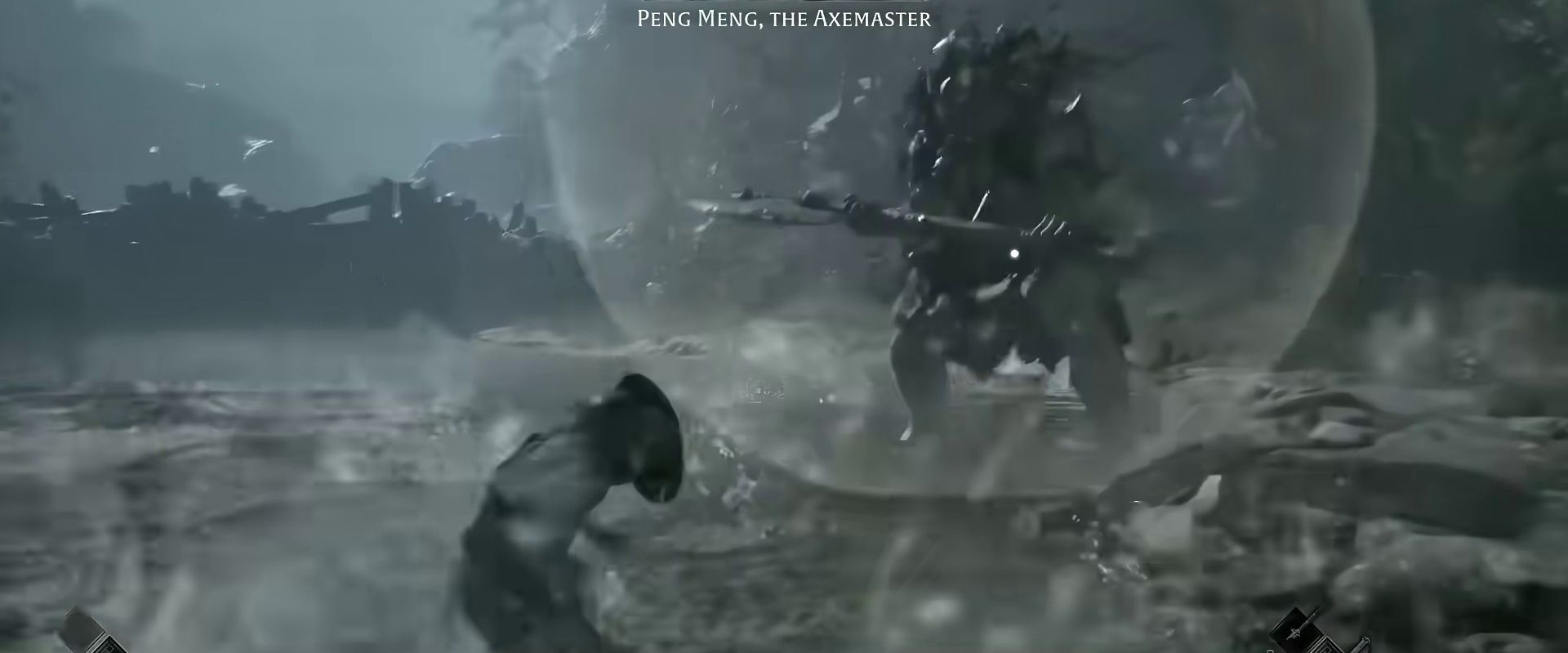
What truly left me in awe was the density of the design. Many of the game's bosses are humanoid (supernatural creatures show up too, of course), and humanoid enemies are, in theory, the easiest to reduce to cheap "reskins." Yet Phantom Blade Zero still manages to give each boss's attack patterns enough variety that every fight delivers a distinct experience.
Even more extravagant is the detail work on the animation side: many bosses have their own dedicated deflect and parry animations, designed individually around each boss's weapon and motion-captured separately. So when you take on different bosses, the defensive and counter moves you see are never the same, and the "texture" of each duel shifts along with them.
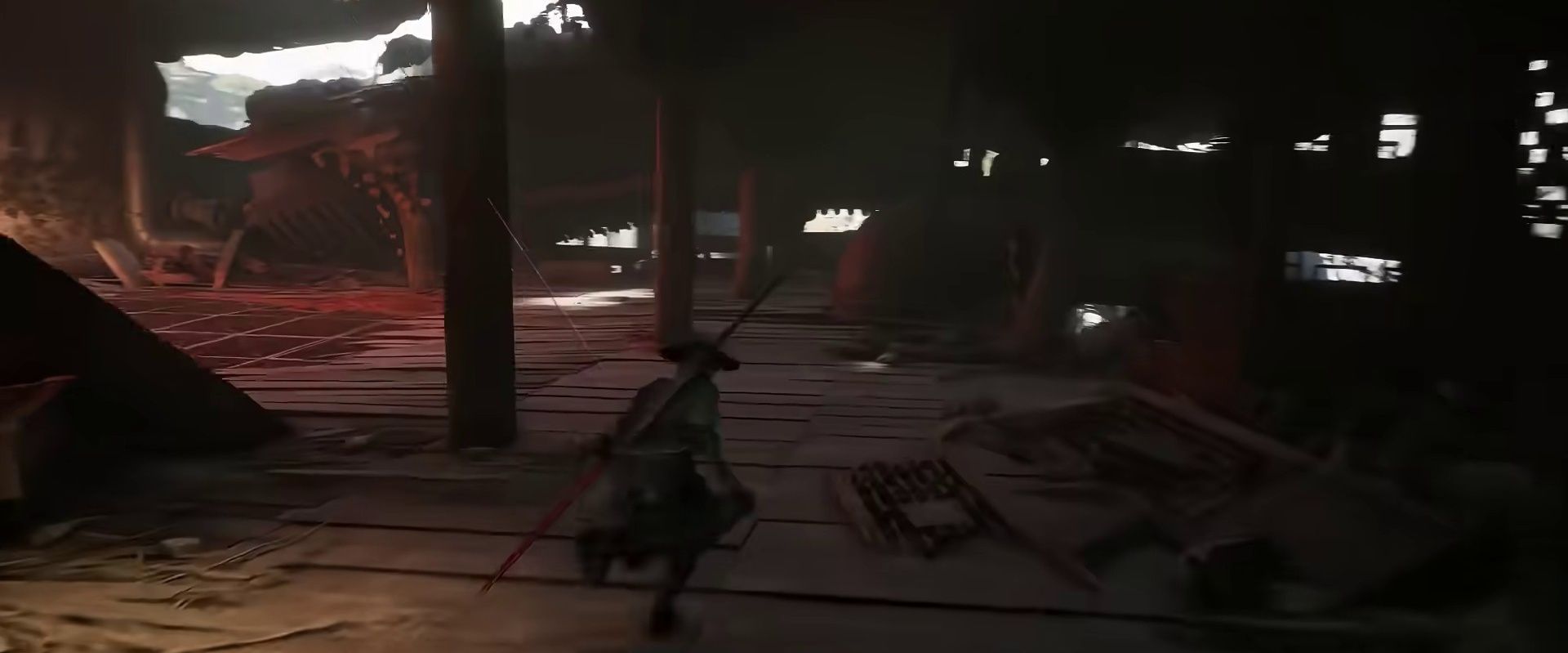
Even the way a boss "blocks your blade" gets its own dedicated motion capture - this density of detail is the sincerity of S-GAME (Lingyoufang), plain and simple.
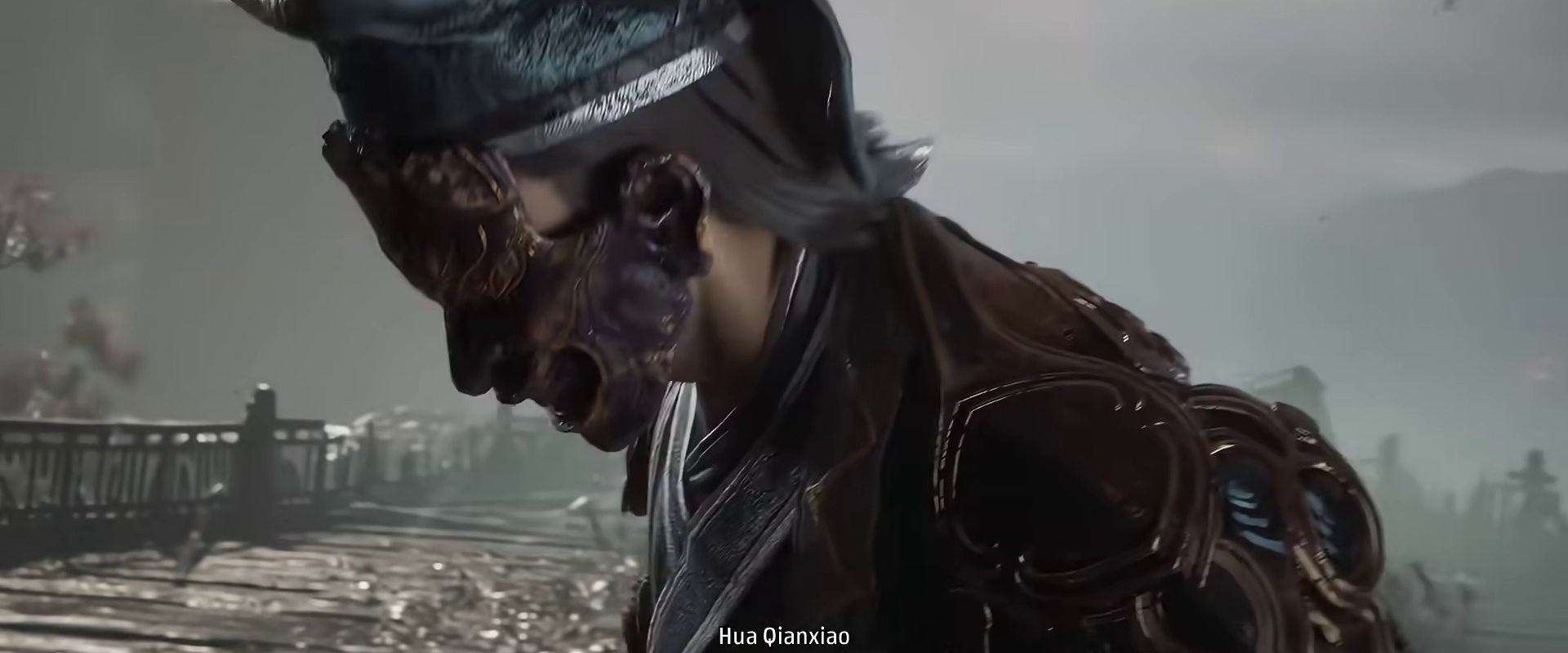
Based on what has been revealed so far, the game has around 8 chapters (I can't be 100% certain, but it should be about 8). Extrapolating from the first two chapters, the full game should feature roughly 50 to 60 distinctive boss battles. That number is frankly staggering - and every single one has been fun to play. I can't wait to meet the rest of them.
7. Sub-Weapons as Keys: Metroidvania-Style Exploration
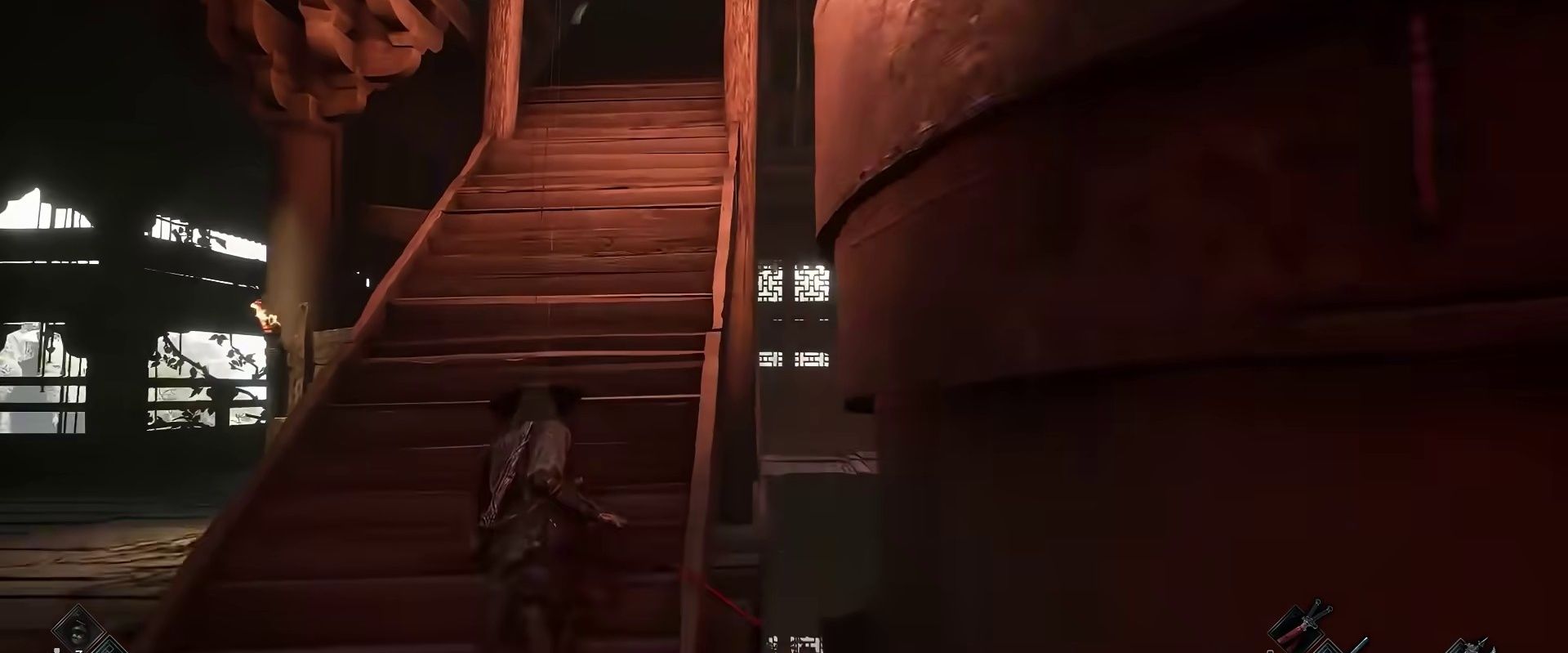
On the exploration front, Phantom Blade Zero likewise captures the essence of the Metroidvania formula: sub-weapons are the keys that unlock the map.
The game features a set of special sub-weapons that consume a specific resource when used. Once the resource runs out, it must be replenished by defeating enemies or landing attacks. Beyond combat, these weapons also serve an exploratory function:
- Use the bow to shoot down objects perched in high places and claim the loot;
- Use the axe to hack through chains and enter previously sealed-off areas;
- Once you acquire the chain weapon, you can hook onto distant points and reach places that were previously inaccessible.
The brilliance of this design lies in how it turns "backtracking" into "new frontiers." Every area you passed by early on without finding a way in becomes enticing all over again once you obtain a new sub-weapon.
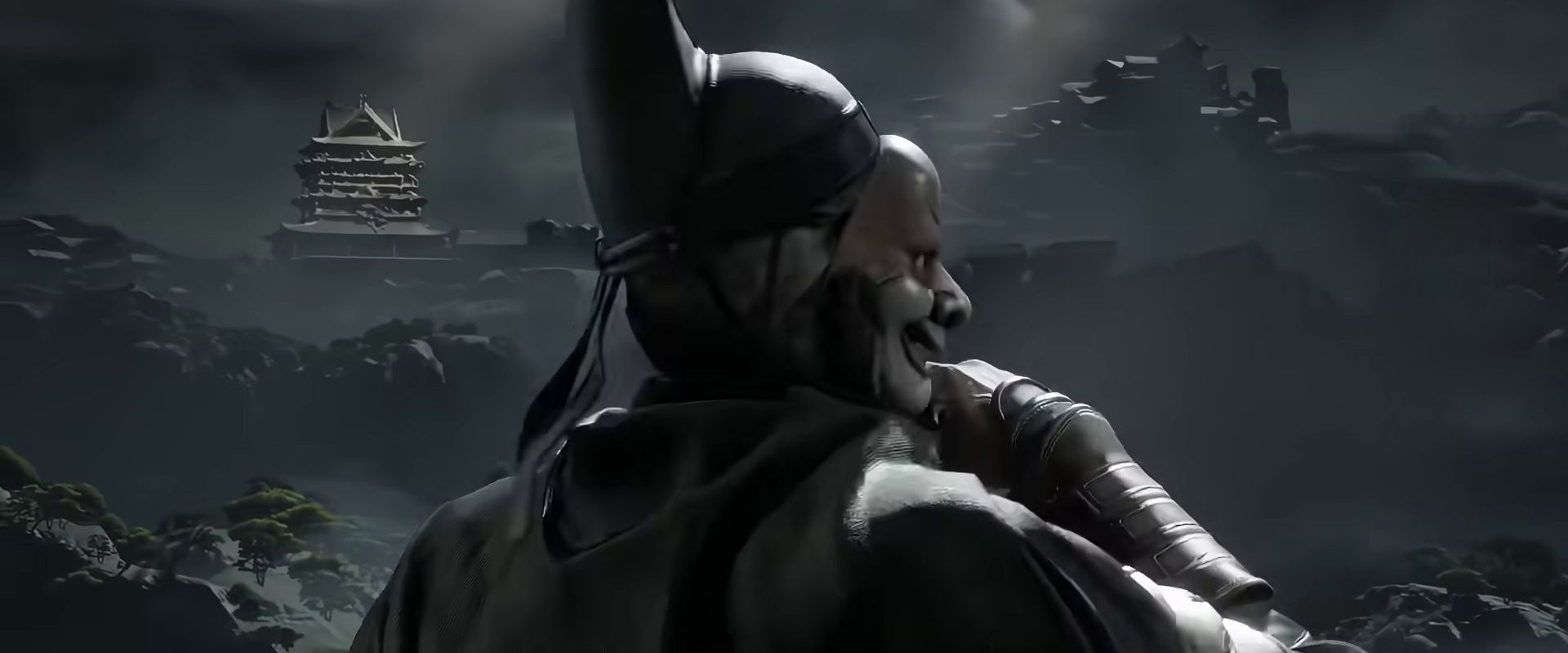
I genuinely love their approach to designing the game world: it doesn't qualify as a true open world, but many areas offer highly flexible routes, letting you explore in different directions. Semi-open area design + Metroidvania-style ability unlocks preserve the density of the level design while granting exploration plenty of freedom - that sense of balance is handled with real finesse.
8. Reservations: Let the Bullets Fly a Little Longer Before the Credits Roll
Of course, this preview is not unreserved praise. There were a few things over the course of my playthrough that left me less than fully satisfied - just none of them enough to shake my overall verdict: even with those points docked, this is still a truly outstanding game.
It must also be acknowledged that what I've experienced so far covers only the first two chapters, with the story yet to fully unfold. How the various systems will evolve in the late game, and whether the limited-currency design turns harsh over the long haul - all of that still awaits the test of the full release. Until the game has been beaten, it's only fair to let the bullets fly a little longer.
But one thing is certain: the fully motion-captured kung fu performances, the finely tuned ebb and flow of offense and defense, boss fights that never repeat themselves, zero-burden progression, and exploration brimming with that "finding a key" feeling - Phantom Blade Zero has already laid down, in crystal-clear fashion, the skeleton a great action game needs.
All that remains is to wait for the flesh to grow over those bones.
Top Community Comments
@txlm001 (15 likes):
"Why do you get to play the first two chapters? Think about us - we still have to wait until the 29th. [doge]"
This playful jab tinged with envy is a true reflection of the player community's mood - as early access content made its way online, most people on the other side of the screen were still counting off the days on their fingers. Distilling that anticipation into a concrete date like "the 29th" shows that this wait has entered countdown mode. For a game that has yet to release, "can't wait" is itself the highest form of word of mouth.
@Yongchu Feima (0 likes):
"He hasn't even finished the story, so it's hard to really judge it yet."
The level-headed voices deserve to be on record too. This comment points out a simple fact: every hands-on impression based on the first two chapters so far runs into the "limited sample" problem - combat, systems, and boss fights can be vetted ahead of time, but for an ARPG's final quality, story and narrative carry just as much weight. That reservation makes for a curious echo of the earlier "let the bullets fly for a while."
@Qianli Mingyue Zhaowo Huan (14 likes):
"[cheers]"
The simplest expression, the most direct attitude. Beneath a long-form hands-on analysis, a single "cheers" speaks for the silent majority: no reasons needed - just stay hyped.
📌 One-Sentence Summary
With its fully motion-captured kung fu choreography, attack-defense exchanges that pair a low skill floor with a high skill ceiling, 12 unique boss fights across two chapters, and a zero-grind progression system, Phantom Blade Zero has already reserved its seat among the Game of the Year contenders - the only suspense left is how much longer we'll have to wait.