Cutting "Enemy Respawn on Bonfire Rest": Phantom Blade Zero Dares to Rewrite Soulslike Tradition - But Is It Actually Right?
1. As Release Nears, a Design Choice That Has Veterans Crying 'Betrayal of the Ancestors'
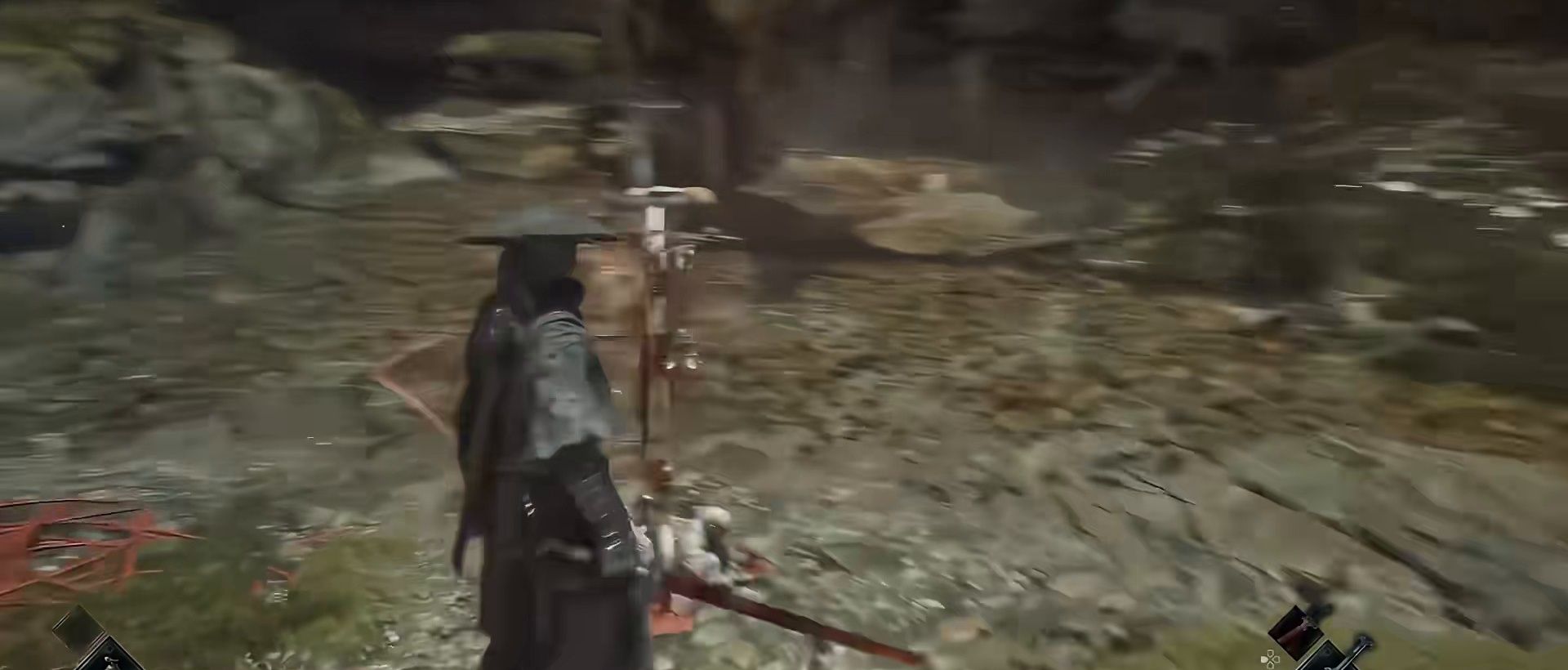
Phantom Blade Zero is set to officially release on October 29, yet right on the eve of launch, producer Soulframe Liang dropped a bombshell in a media interview - a design choice that has many soulslike veterans exclaiming it's "a decision that betrays the ancestors": once players rest at a bonfire, enemies no longer respawn.
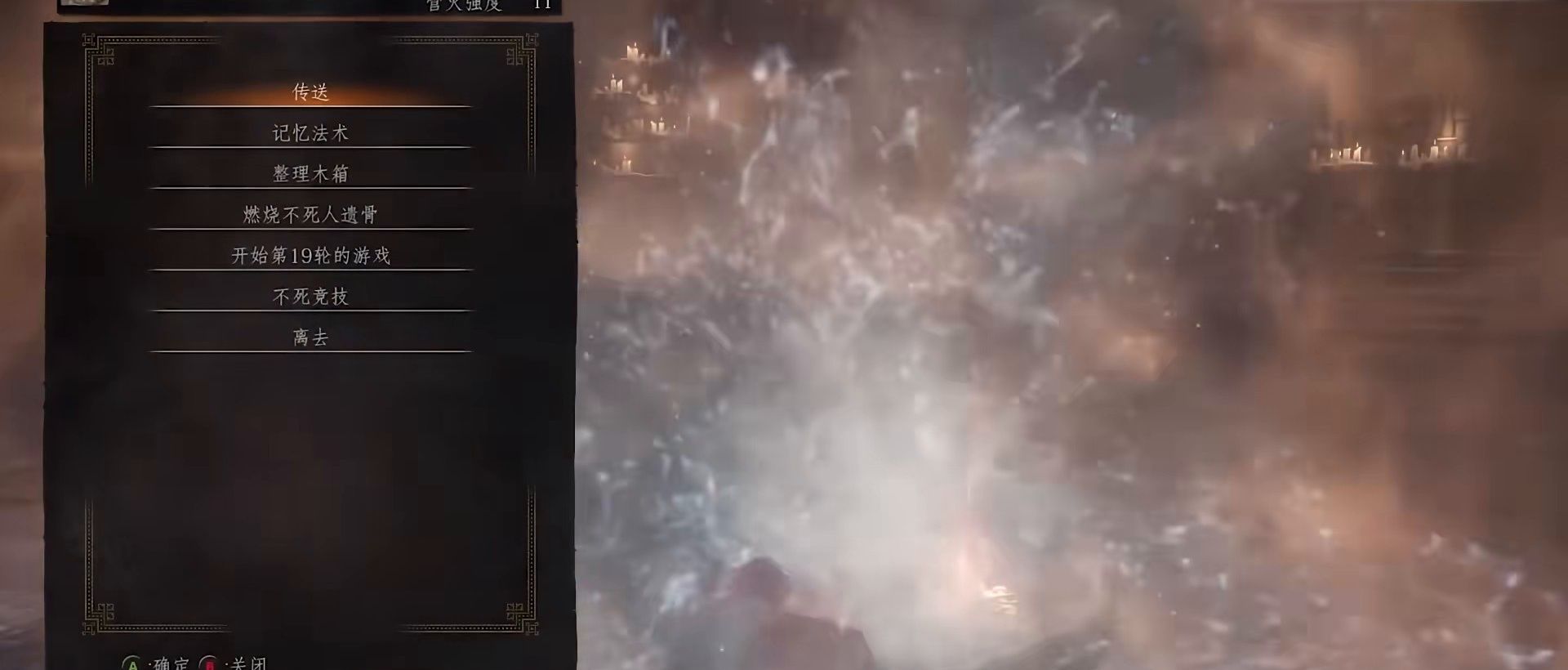
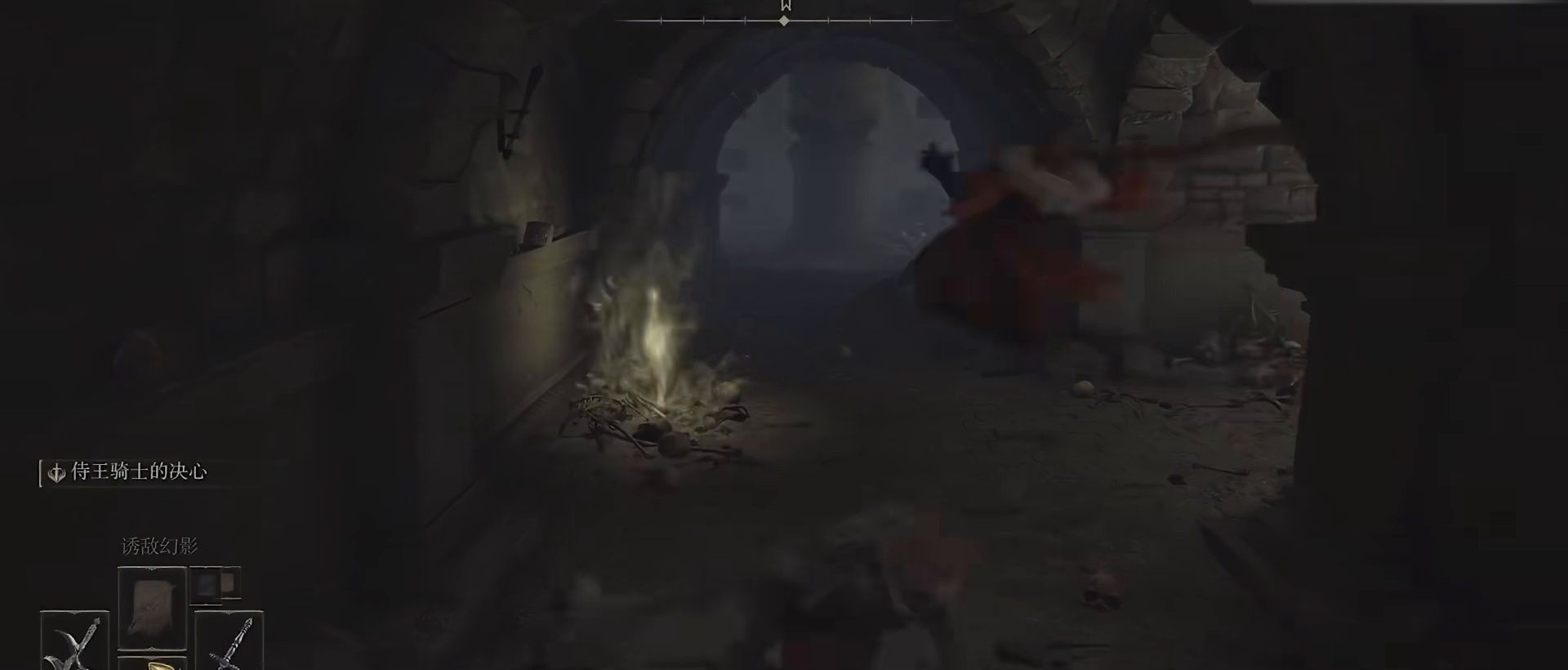
First, a quick primer for players who've never touched a soulslike: "resting at a bonfire" is the checkpoint mechanic of the genre. Sit down by the bonfire, and your HP refills and your healing items restock - but the price is that every enemy you painstakingly cleared along the way respawns on the spot. If you backtrack to explore side quests you missed the first time around, you'll have to cut through them all over again while traversing the map. Since this is a time-honored convention handed down from the Dark Souls series, veterans simply call it "resting at a bonfire."

II. One Stone, a Thousand Ripples: Players Are at Each Other's Throats
The moment the "no enemy respawn on bonfire rest" mechanic was revealed, it instantly ignited a polarized debate across the player base.
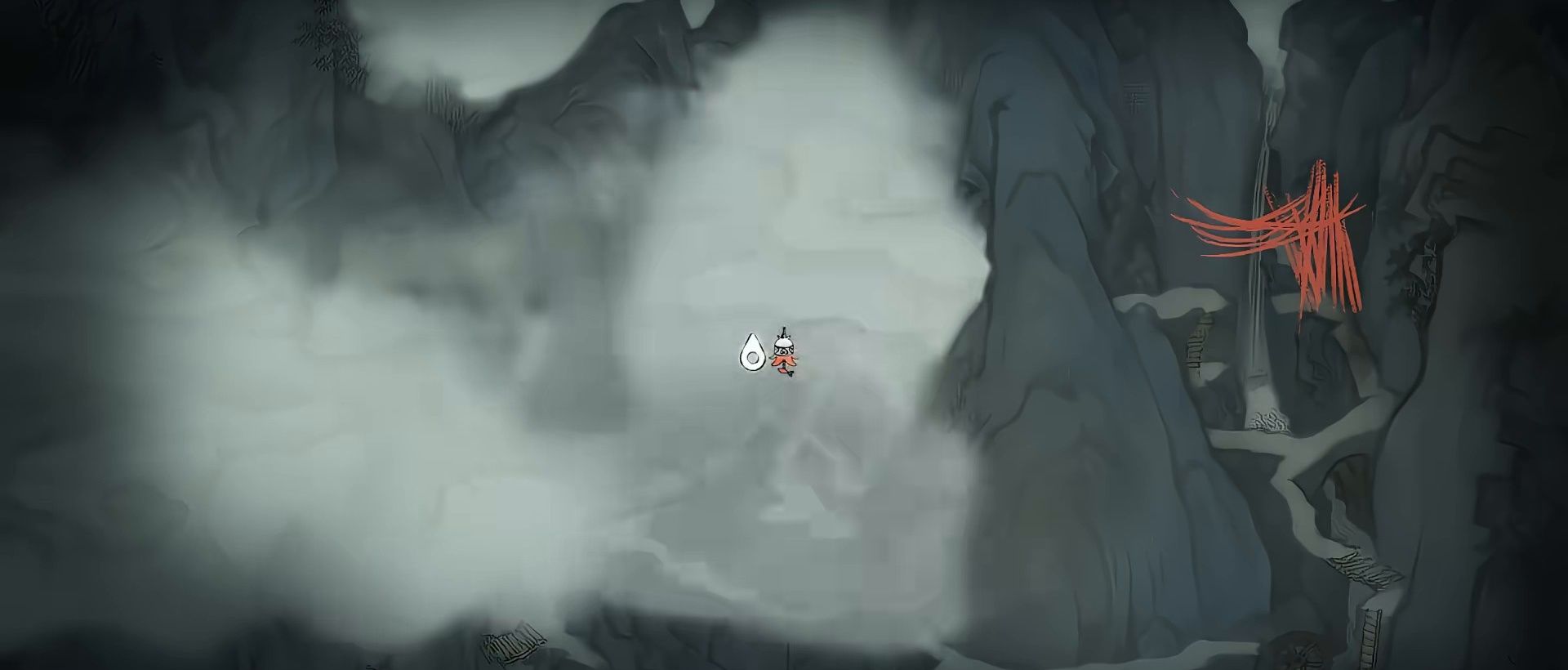
Some players think Phantom Blade Zero has real nerve, daring to rewrite the soulslike genre's "hallowed traditions" - with this change, once you're low on health after clearing trash mobs, your only option is to head back and ring the bell (summoning helpers), essentially hopping straight into the "wheelchair." Others, however, believe this change is exactly the right call: it saves time and delivers a greater sense of accomplishment, with no need for pointless enemy respawning.
III. Enemy Respawn on Bonfire Rest: Why Is It a "Match Made in Heaven" for Soulslikes?
To answer why Phantom Blade Zero removed this mechanic, we first need to start with what soulslikes fundamentally are.
As everyone knows, the defining trait of soulslikes is hardcore combat and death penalty. Even a max-level character can suffer instant death from a single mistake against a basic boss. This razor-thin margin for error fills every fight with tension - it's a "masochist-style" brand of torment, where the pleasure comes precisely from the suffering along the way.
Enemy respawn on bonfire rest, meanwhile, is a natural fit for soulslikes, for three main reasons:
First, it's a practice loop. Respawning and killing trash mobs lets players, in a relatively safe environment, gradually explore their own moveset and adapt to the rhythm. Once you've killed them enough times to know them inside out, the muscle memory kicks in.
Second, it's a stat-farming mechanism. The XP and materials accumulated from repeated enemy respawns can make up for shortfalls in a player's level and gear.
Third, and most importantly, it's the backdoor soulslikes leave open for "players who can't beat the boss." By grinding proficiency and stats to close the gap, then coming back for a rematch, even less skilled players can brute-force their way to a hard-fought path forward.
That's why enemy respawn on bonfire rest is a design that naturally fits the soulslike framework.
4. But Once It Goes Wrong, the Frustration Is Absolutely Brutal
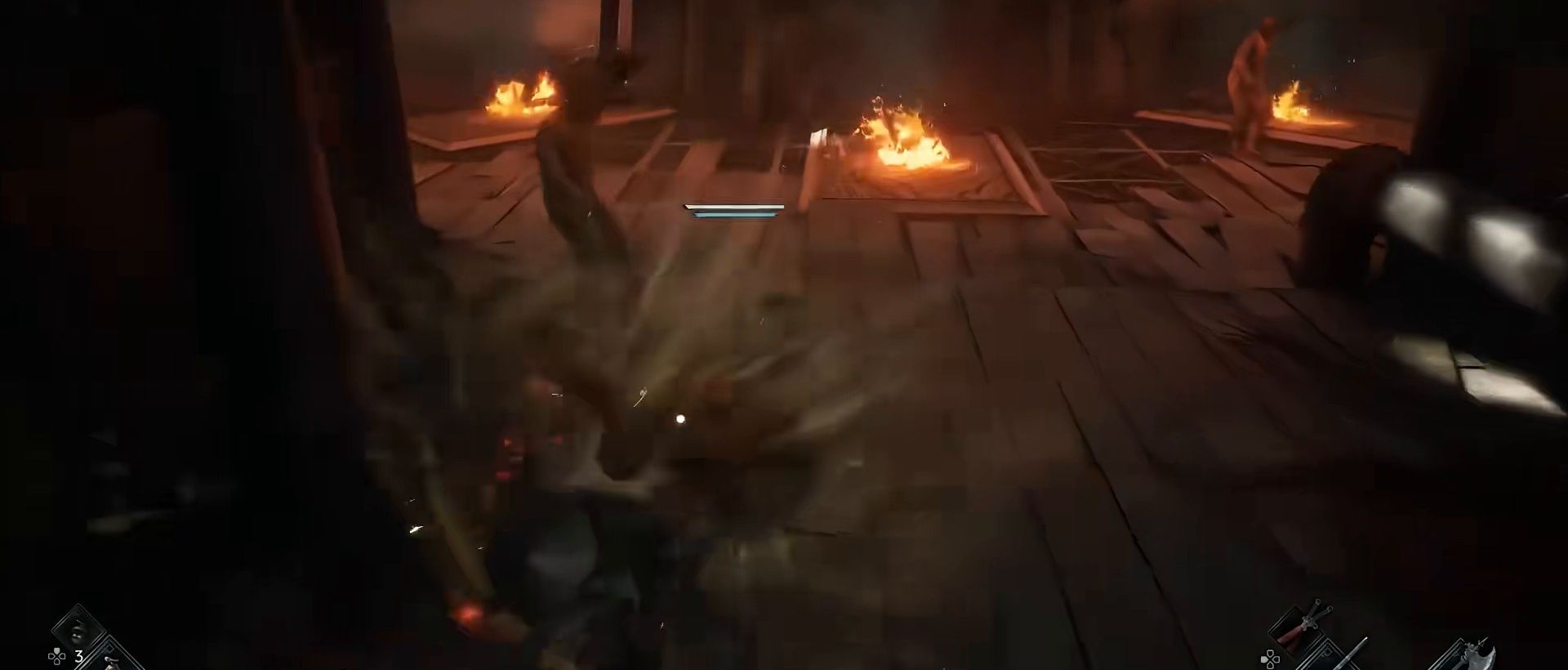
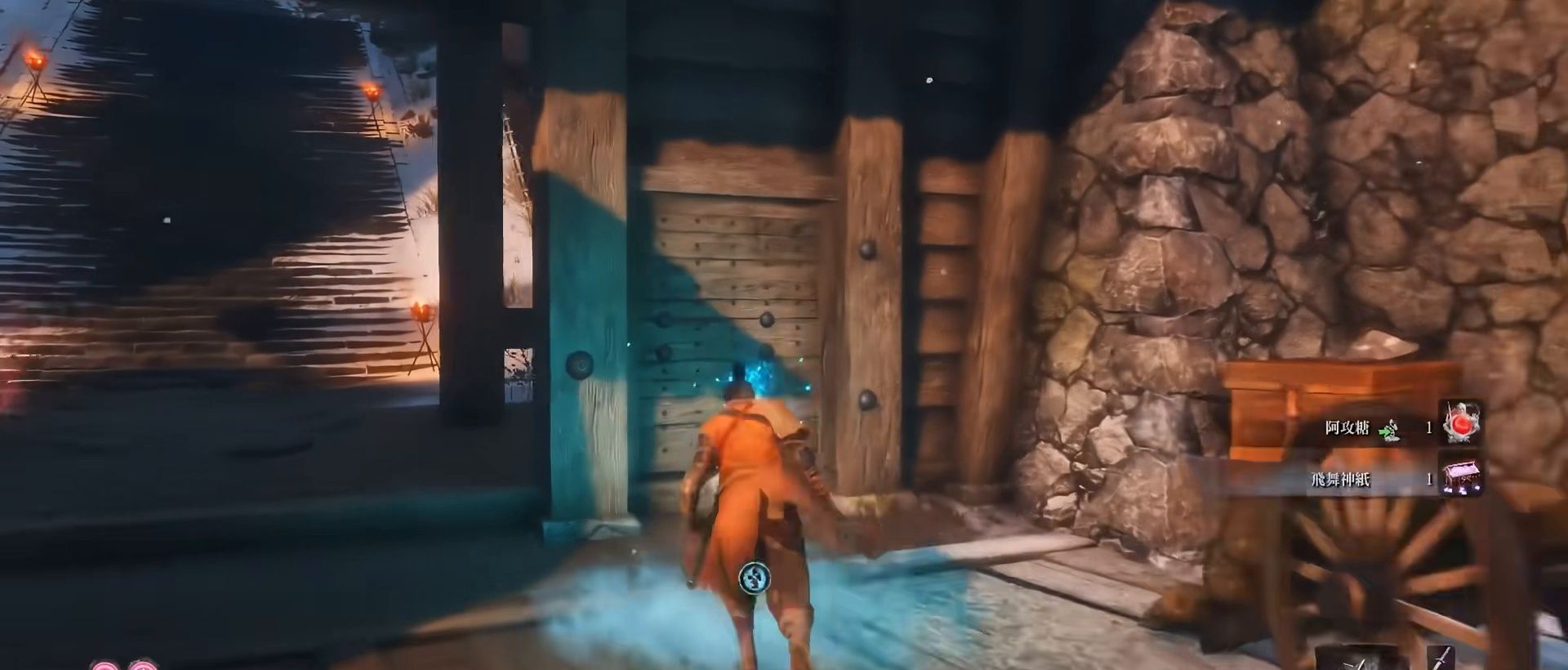
When this kind of design backfires, the frustration can be downright lethal. The video offers a ready-made example: **Mortal Shell 2, which just released on August 20 this year** - anyone who's played it will know exactly what we mean.
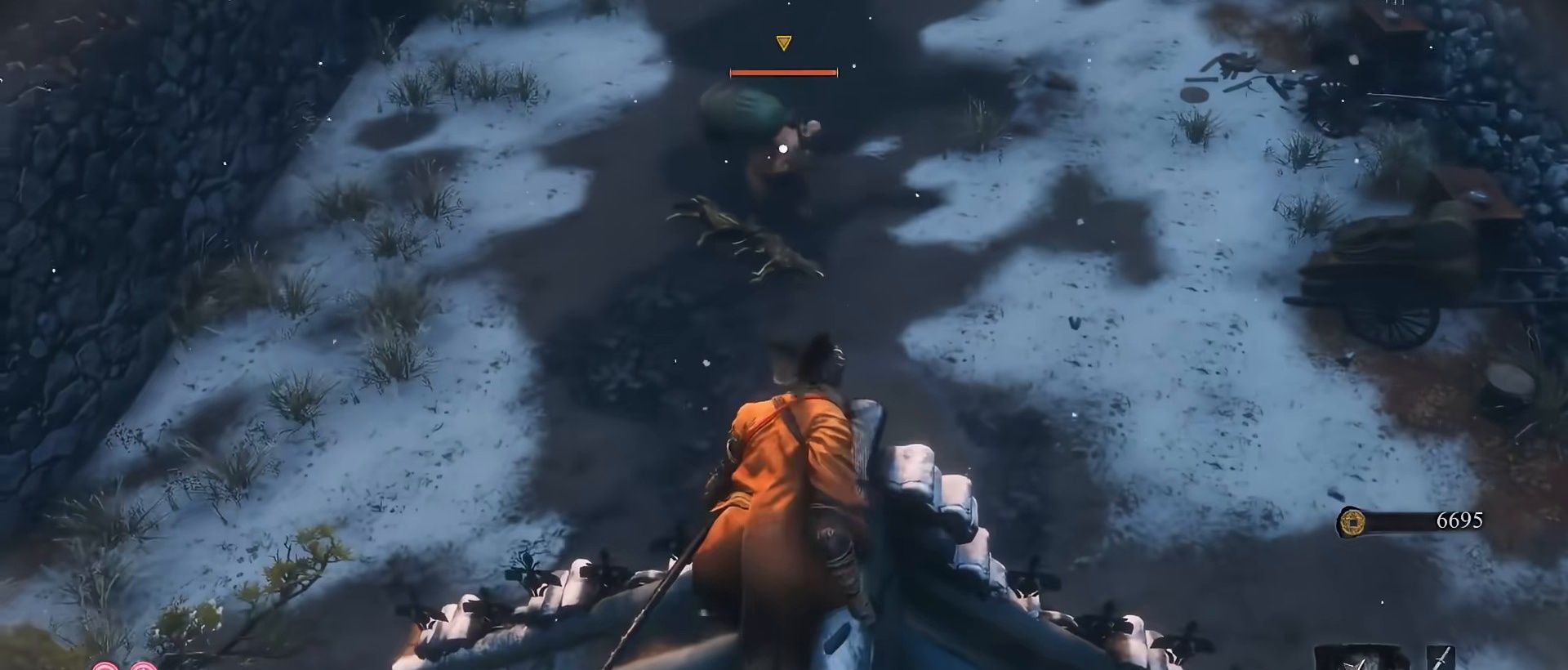
The complaints flooding feeds (read: the roasting) center on a few main points: far too few checkpoints, spaced way too far apart. Die once, and you're forced into a grueling "365-mile trek" through a map crawling with enemies just to recover your corpse; get hit with instant death halfway through an exploration run, and the last ten-plus minutes of progress go straight down the drain - blood pressure through the roof.
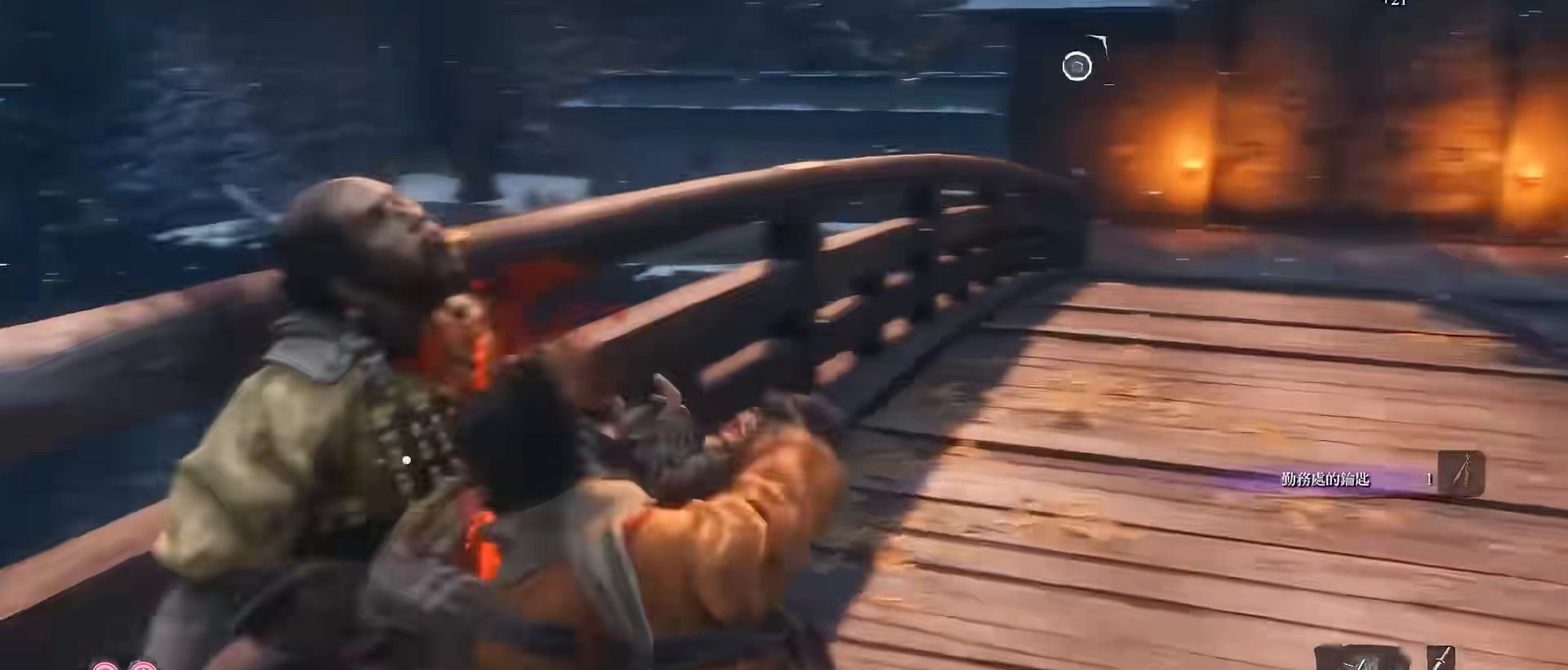
Even more absurd, the game litters the map with "hellish traps": supplies tucked into the dimly lit ground that trigger hazards you then have to manually reset, and even a light graze from a basic enemy is enough to blow your entire health bar away. The late game even throws in a massive hanging monster that whips you across the face with its "genitals"...
The backlash got so vicious that the devs rushed out an emergency patch adding more bonfire rest points to the game - only then did the Steam review rating start to climb back up.
That's not hardcore design. That's deliberately screwing with players.
5. Why Does Phantom Blade Zero Insist on Going Against the Grain?
So why does Phantom Blade Zero insist on defying this "iron rule" of soulslikes?
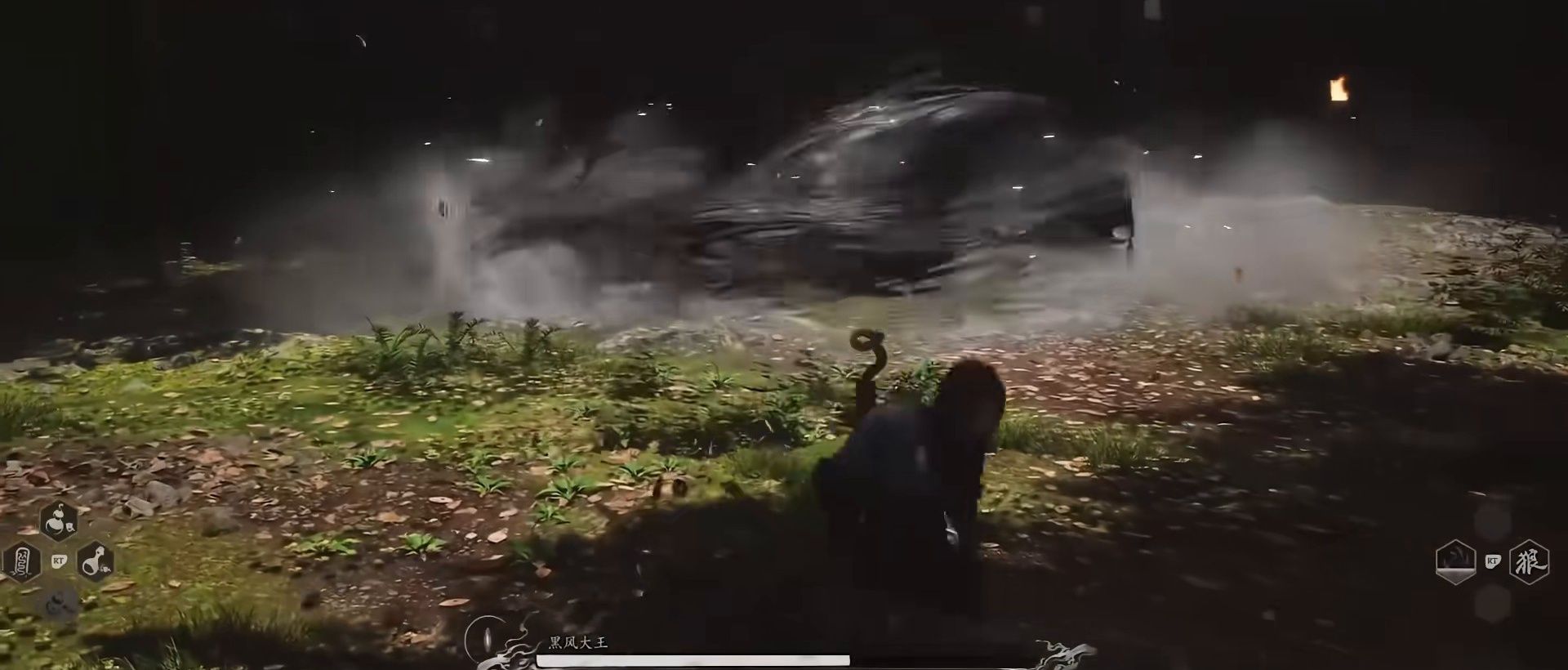
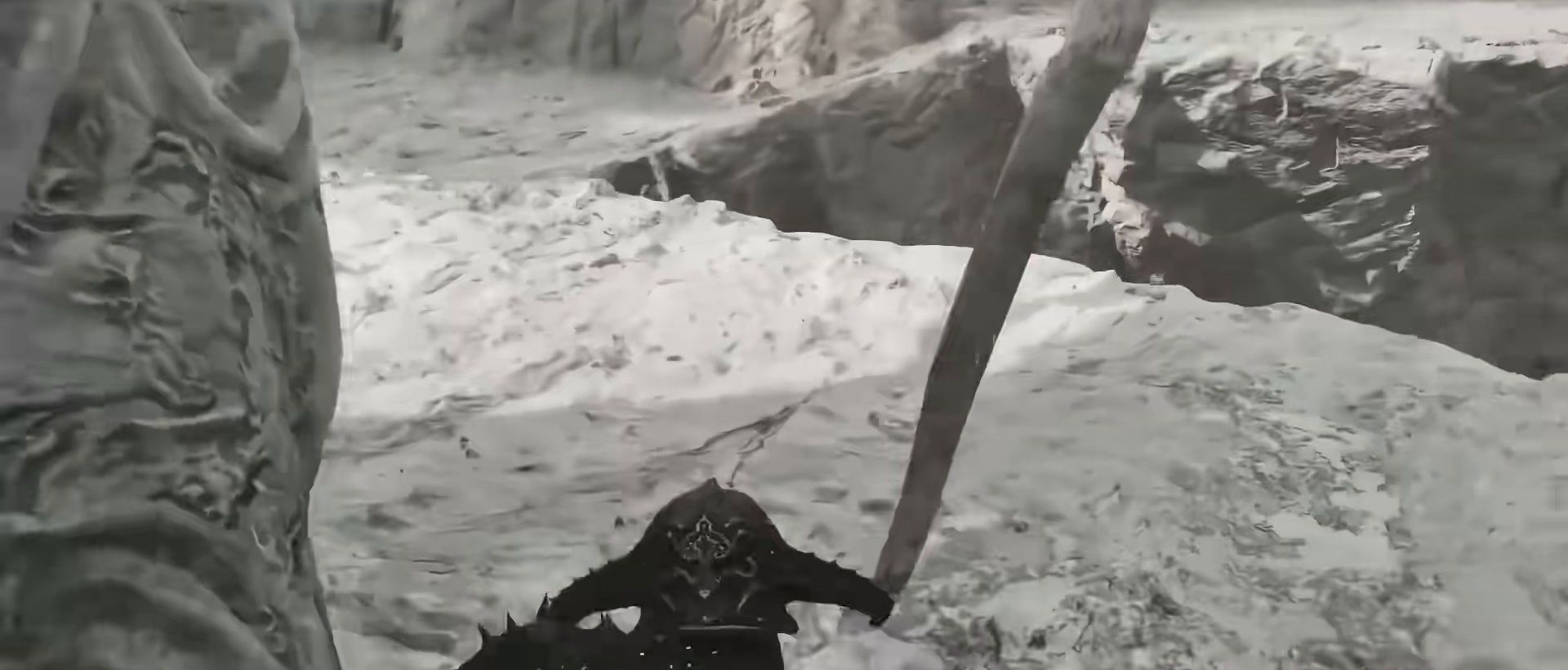
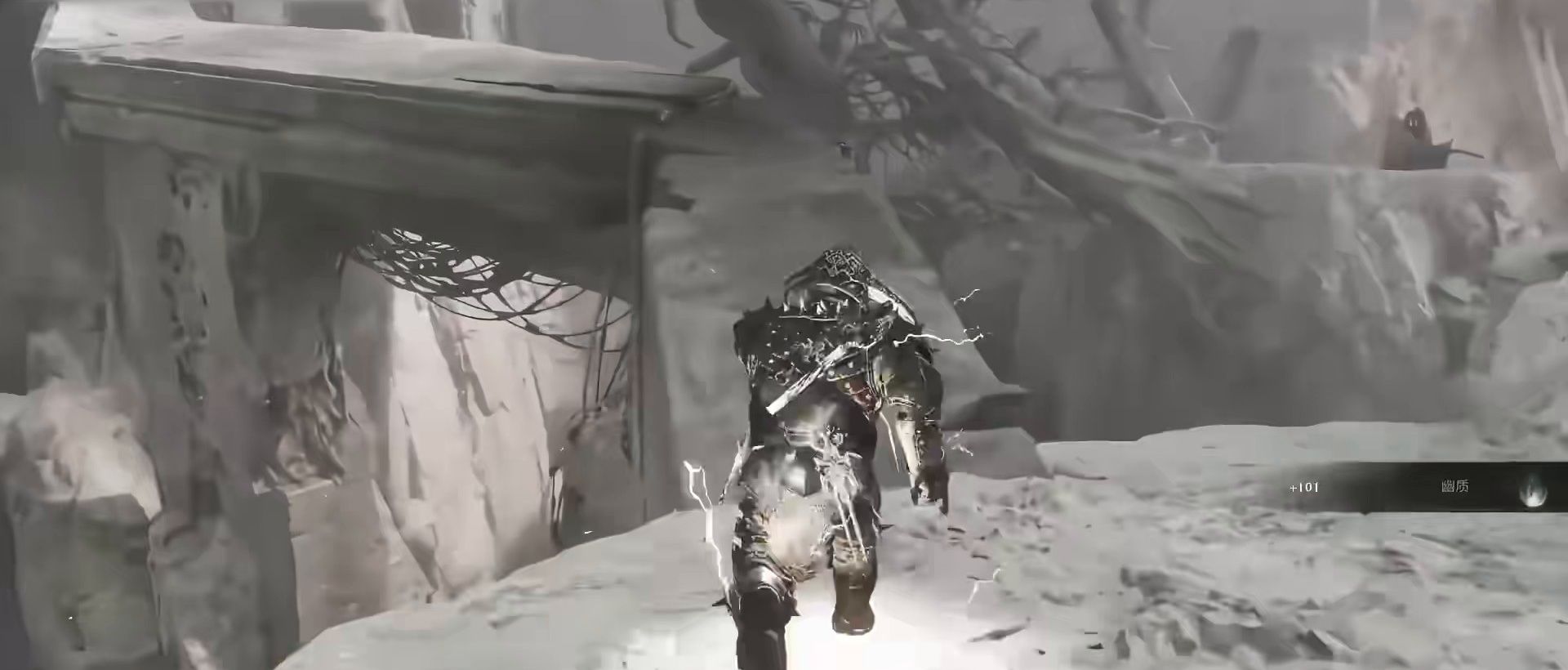
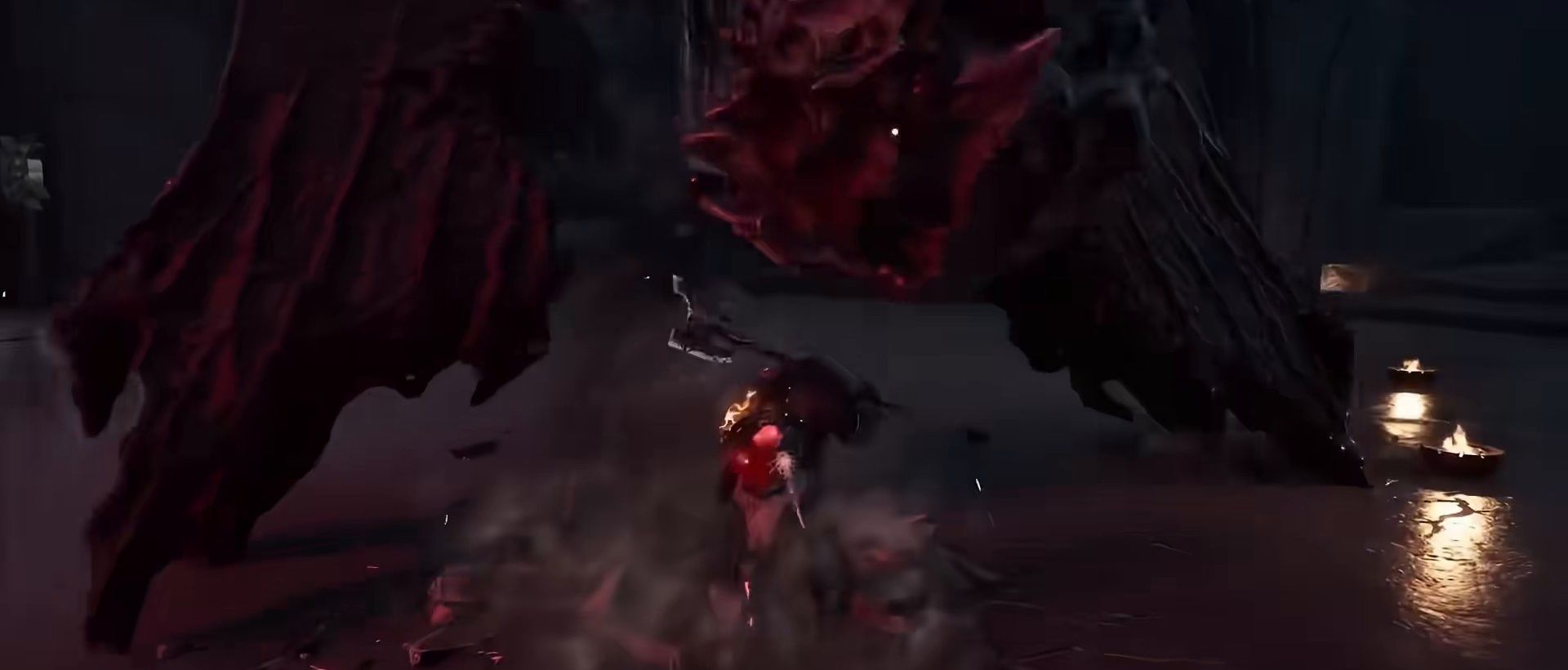
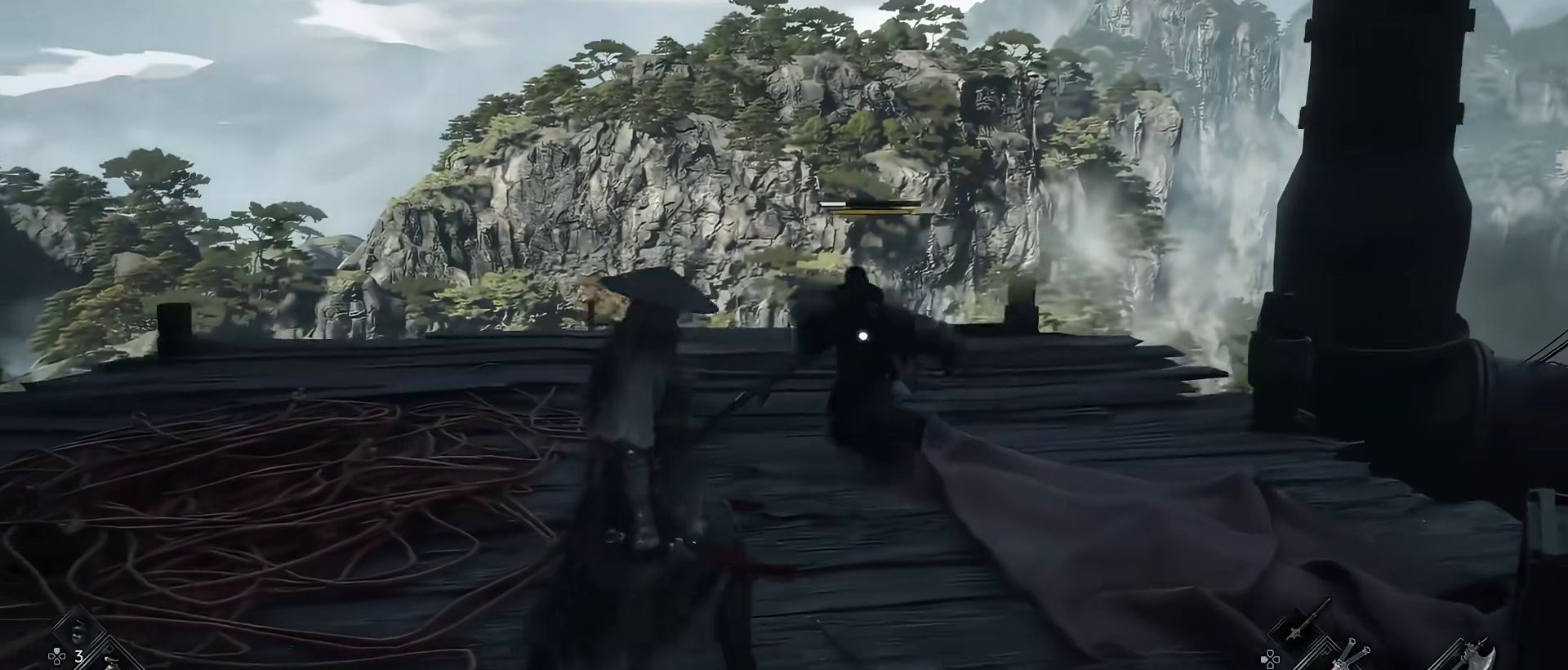
According to producer Liang Qiwei himself, it's mainly because the worldbuilding logic simply doesn't add up. Soulslikes come with a lore framework specifically built to explain "why enemies can revive after death" - whether it's a curse or reincarnation, the writers always provide a convenient narrative out. But Phantom Blade Zero is a realistic wuxia-punk title. Its protagonist is a swordsman with only "66 days left to live." If he cuts his way through and clears every enemy off the road ahead, then that road should be safe.
And no one understands the pain of "corner ambushes" better than soulslike players: you know the trick full well, yet an enemy is still planted in the corner, forcing you to hug the wall in constant dread. Now that enemies are gone for good once killed, traversing the map no longer keeps your nerves on edge - you can finally take in the scenery in peace, and players will never have to endure that "lurking dread" again.
6. Next: Easing the Burden - Every Minute Must Be Worth It
Here's Liang Qiwei, in his own words:
"I don't want players going through the same content over and over again. We want every minute of the game to feel valuable to the player."
Short on resources and looking to get stronger? His answer: push forward, don't look back - go explore, go take on new bosses.
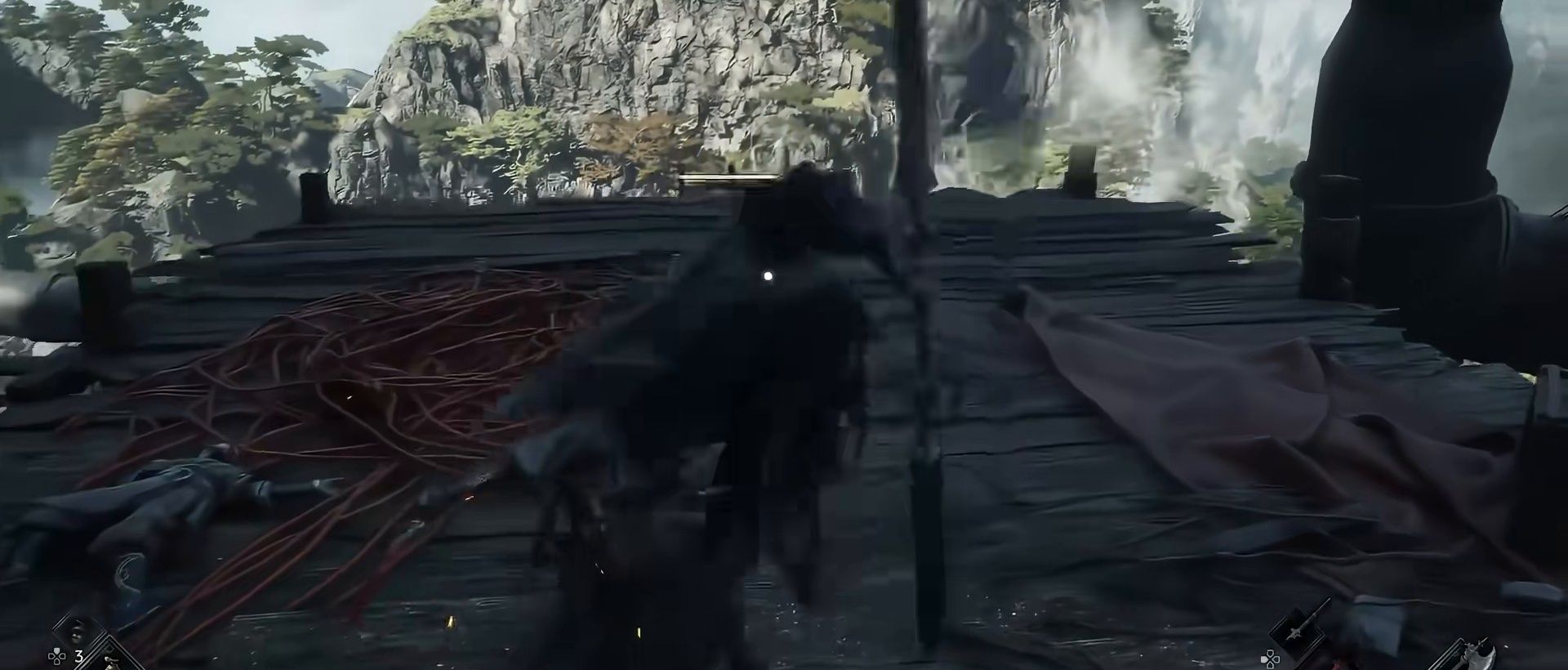
The market is already flooded with games that, the moment they place a checkpoint, default to lifting the entire soulslike playbook wholesale, never mind whether it actually fits their worldbuilding - rest at the bonfire, enemies respawn, grind them down again... Phantom Blade Zero flat-out refuses to play by that logic. It would rather keep resources finite than let a single swing of your blade feel wasted.
7. The Cost of Changing the Old Ways: Concerns Remain
Of course, breaking with the old ways doesn't come without a price.
Once resources become finite, the fun for grinders gets squeezed - that's a trade-off you simply can't avoid. Some players have also raised doubts: if enemies no longer respawn yet you can rest at a bonfire indefinitely, wouldn't the high-difficulty "66-day mode" be watered down by that very convenience?
And there's an even more practical concern: with enemy respawn gone, will the game simply be too short? Might players feel they got a bad deal on their 268 yuan purchase?
8. Author's Take: Putting the Choice in Players' Hands
In Detective P's view, Phantom Blade Zero's decision to remove the enemy respawn on bonfire rest mechanic is essentially handing the choice back to the players.
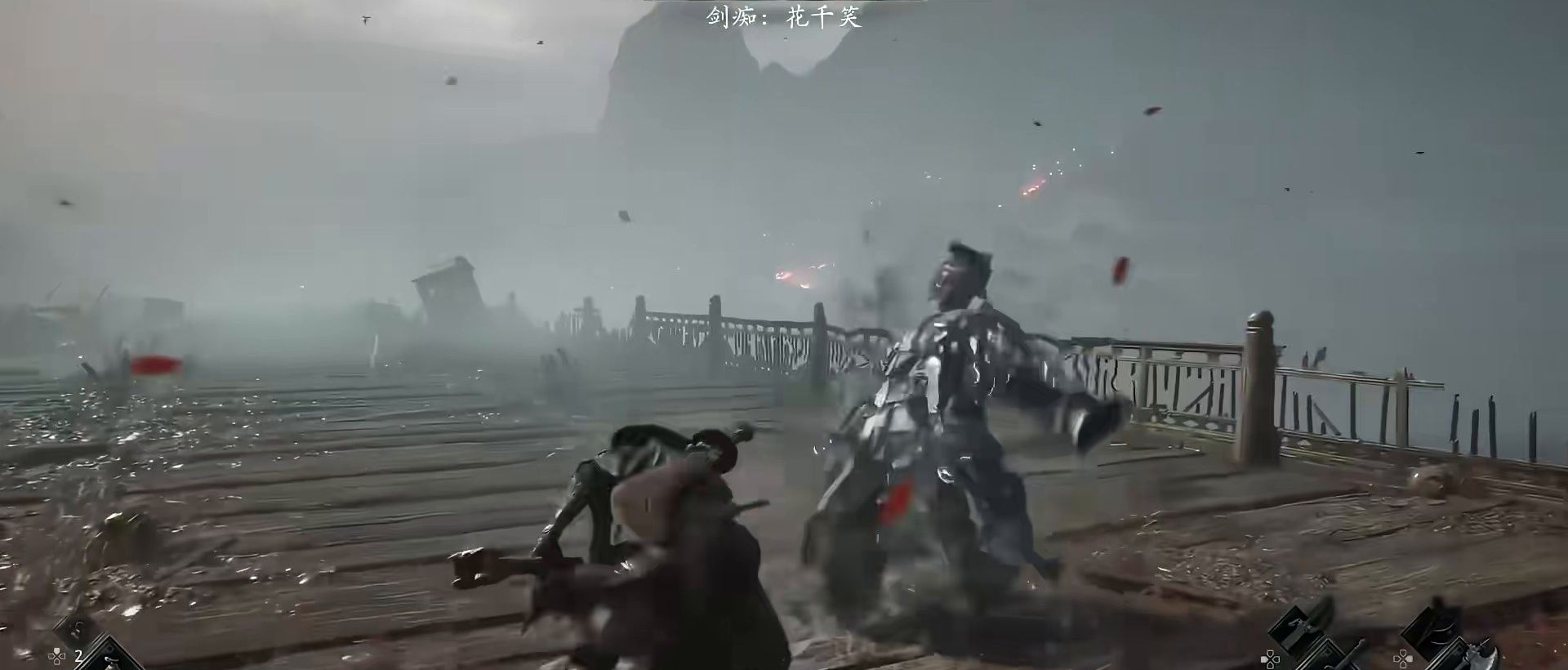
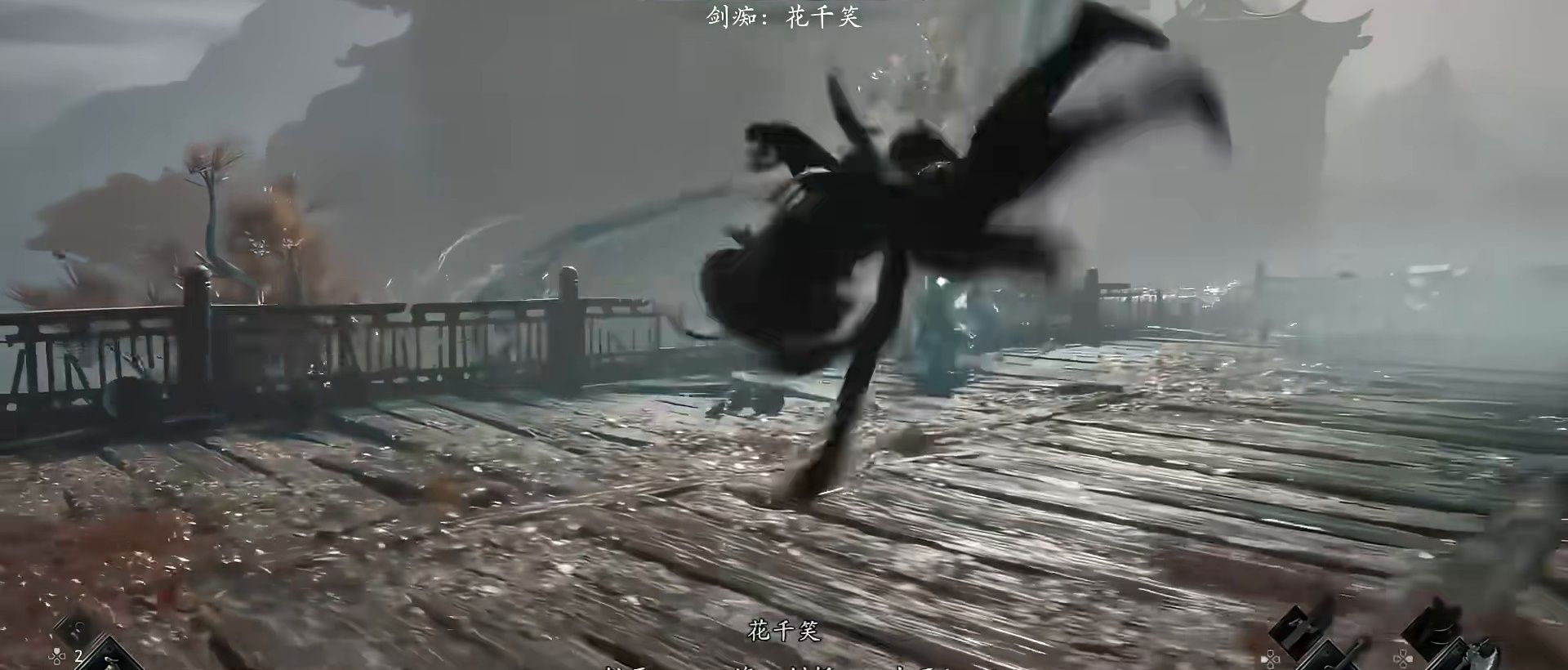
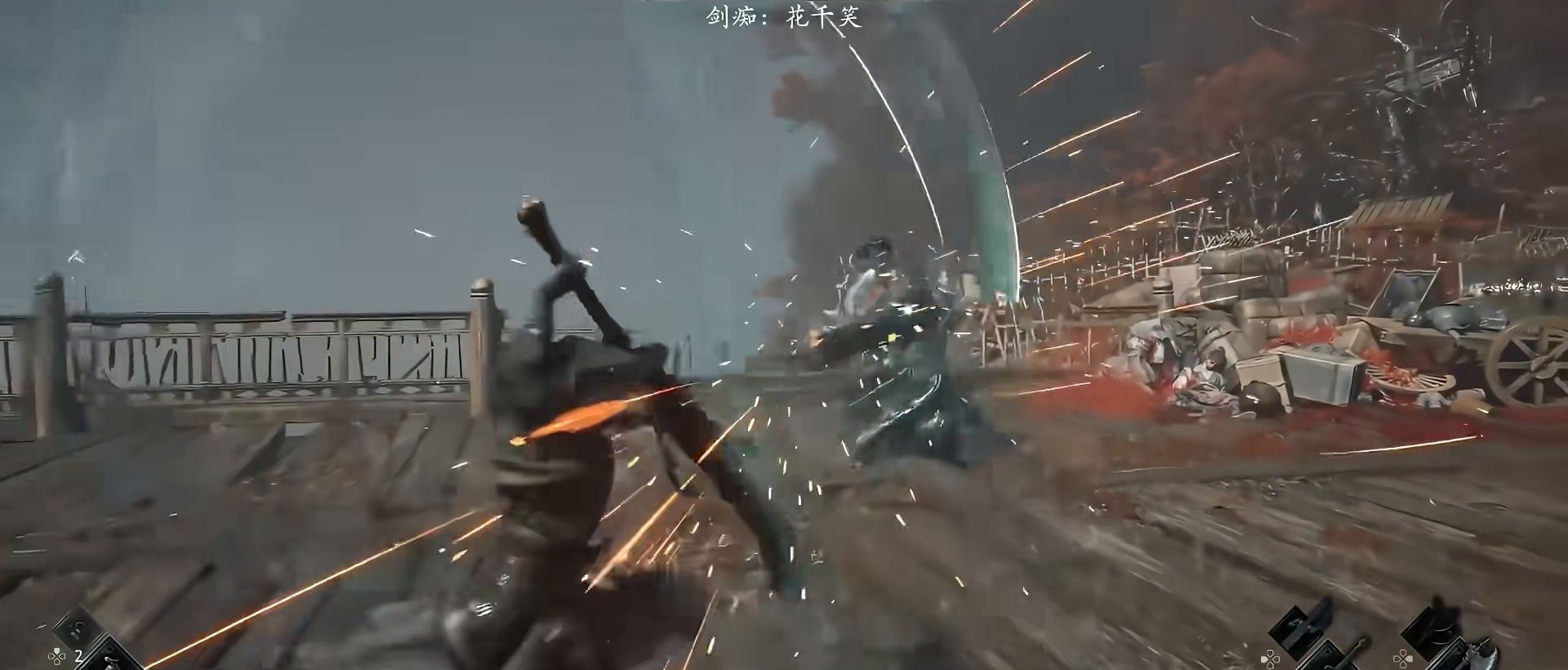
You can either steamroll straight through, or fight an enemy, rest at a bonfire, fully restore your condition on the spot, and go again - the extra time spent traversing the map is a cost in itself, so it may not actually save you any time. Compared with the pointless filler quests padding out Onimusha: Way of the Sword's open world, and the "Hyakki Yagyo" and "Dohatsuten" encounters replayed hundreds of times, removing enemy respawn on bonfire rest is actually the finishing touch on an already excellent combat system.
Stepping back for a moment: in Phantom Blade Zero's high-difficulty mode, enemy damage and AI are on a whole different tier - one or two convenience mechanics alone say nothing about the overall difficulty. Games always have to look after the regular players who just want to sit back and enjoy the story - reducing the torment of repetitive grinding is absolutely not a bad thing. As for the true masters who want to push their limits, they can always impose their own restrictions and crank up the intensity themselves.
9. Conclusion: Confident in Content Length
The producer's whole intent here is to keep you from falling into the repetitive busywork of "grinding for grinding's sake." Liang Qiwei has also stated that a full playthrough of the main story takes roughly 25-30 hours, and the team is confident in both the length and quality of the content - there's no need to pad things out with enemy respawn on bonfire rest.
Alright, that's it for this episode. I'm Detective P, and I'll see you in the next one.
Appendix: Top Community Comments
The video had only been live for a single day - here are its most popular comments (as of October 17, 2026):
🗨️ Twenty-Year-Old Kid_Luohe Shenli (74 upvotes)
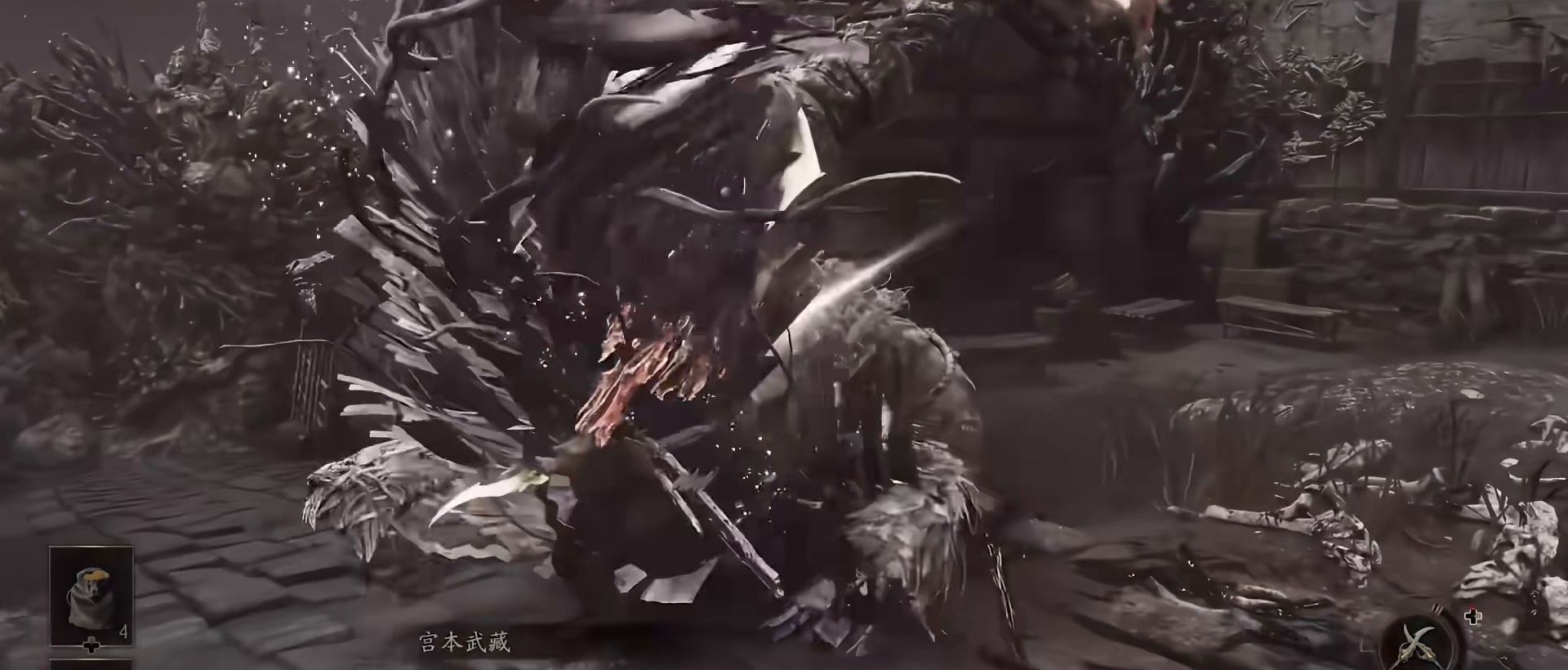
First of all, it has to be a soulslike before it can "remove the soulslike elements."
- This comment pinpoints the core premise of the entire discussion: many people argue over "whether enemy respawn on bonfire rest should be removed," yet overlook whether Phantom Blade Zero even counts as a soulslike in the first place. If the game never positioned itself as a soulslike to begin with, then the whole debate about "betraying the genre's sacred traditions" was never valid from the start.
🗨️ Black Matchstick (4 likes)
This isn't even a soulslike.
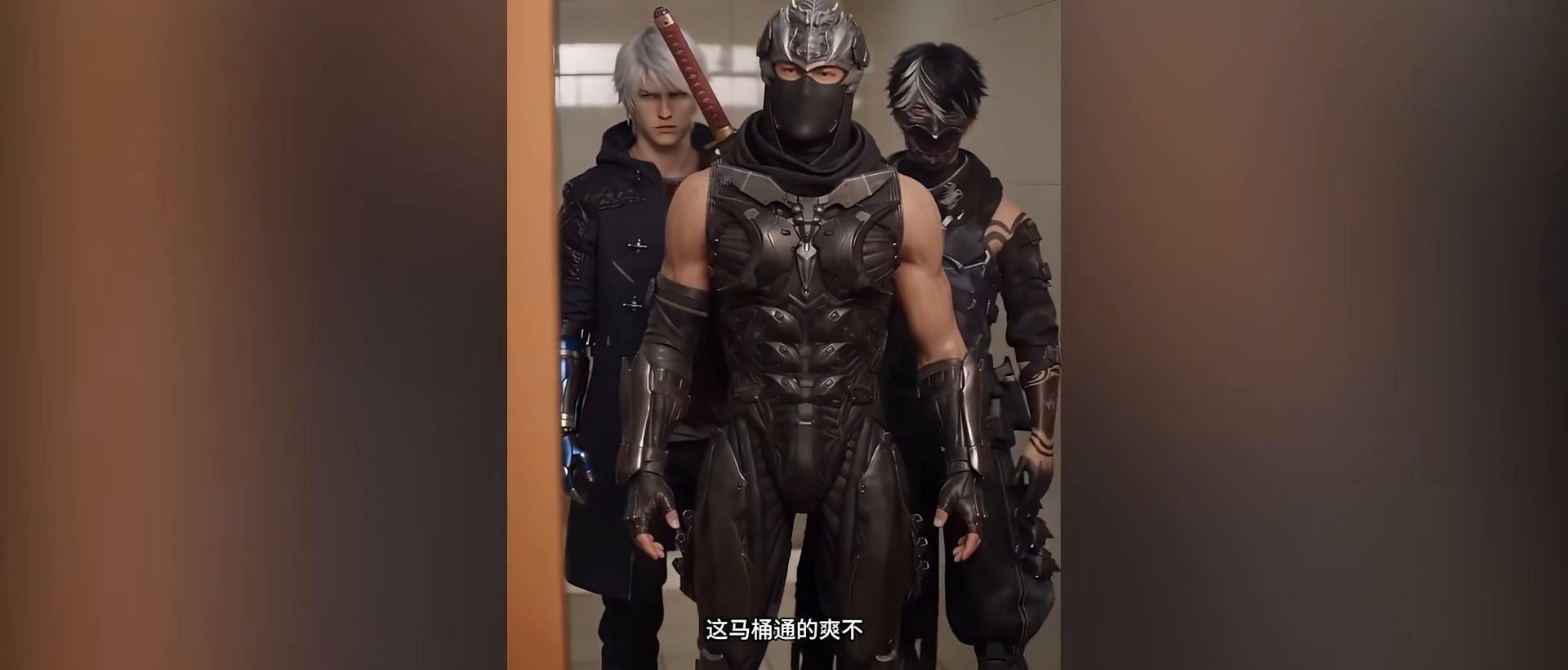
- Echoing the previous comment: in the eyes of some players, Phantom Blade Zero's combat design is closer to that of traditional wuxia action games (following the combo philosophy of titles like Devil May Cry and Ninja Gaiden) - it merely "looks like a soulslike." Judged by its own standards, any change to the bonfire rest mechanic makes sense.
🗨️ York in a Brainstorm (3 upvotes)
How will history remember this chapter of gaming? A game design philosophy once led astray by a Japanese data company - now being steered in a completely different direction by a Chinese wuxia-punk game?
- This comment elevates the discussion to the level of industry history: the soulslike mechanic of "enemy respawn on bonfire rest" originated in Japan (FromSoftware), and now it's being reinterpreted - even actively reworked - by the Chinese wuxia-punk game Phantom Blade Zero. Could this be an attempt by homegrown AAA titles to define their own design language?
📌 One-Sentence Summary
Phantom Blade Zero removing "enemy respawn on bonfire rest" isn't a rejection of soulslikes - it re-answers the question "does repetitive grinding have meaning?" with a design philosophy of "limited resources + every slash counts." It hands the choice back to players, and puts the question of whether homegrown AAA titles dare to forge their own path squarely on the table.
This article was transcribed and polished from the Bilibili video "Why Is Phantom Blade Zero Removing the 'Enemy Respawn on Bonfire Rest' Soulslike Mechanic?" by Detective P. Images are video screenshots (no platform watermarks). The content is for informational purposes only and does not represent any particular stance.