Cutting Projects, Cutting Dungeons, Cutting Content: The Single Standard Behind Phantom Blade Zero's Three Rounds of "Subtraction"
With the official release on October 29 drawing ever closer, the publicly available information on Phantom Blade Zero is already enough to piece together a clear picture of its development. Comb through producer Liang Qiwei's statements over the past year and more, and one intriguing detail emerges: on three separate occasions, he brought up the same action - "cutting."
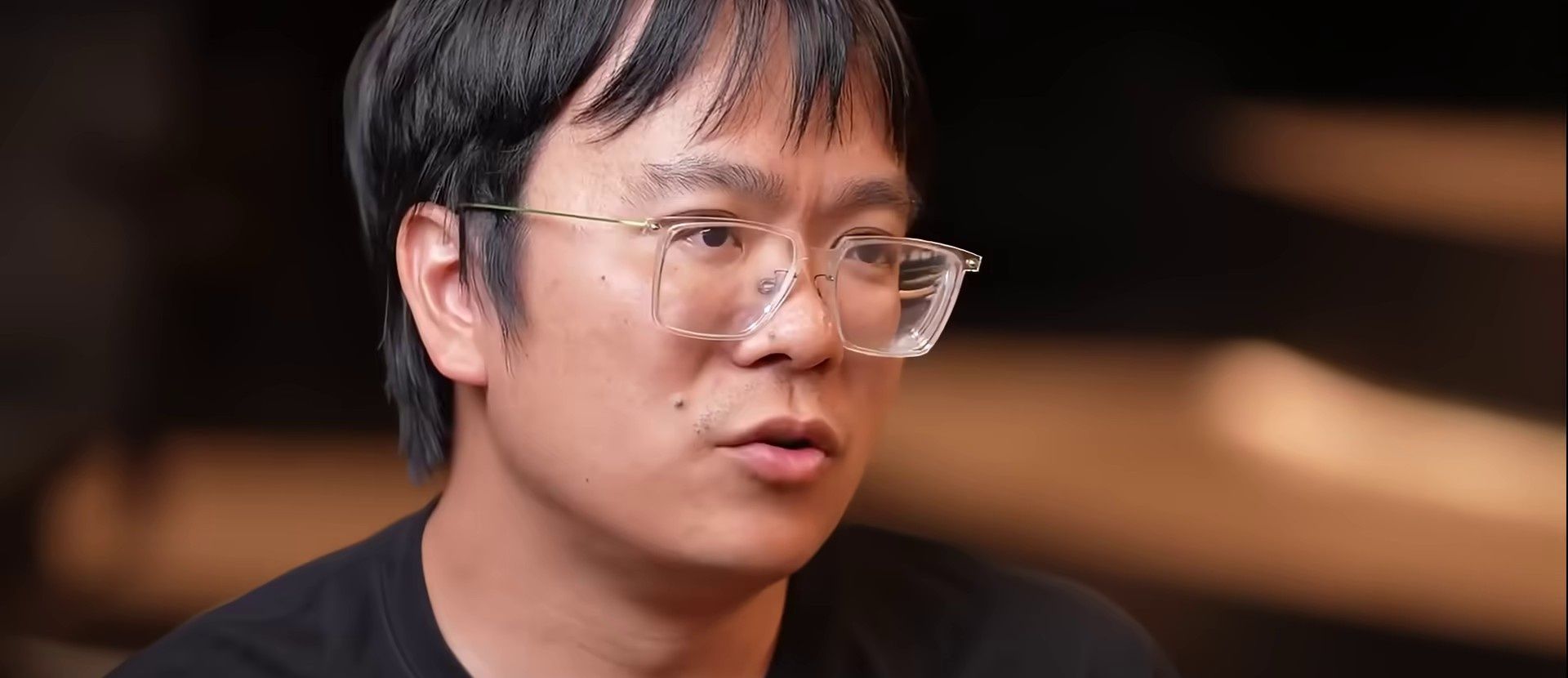
The first time, what was cut were the company's other new projects; the second time, hellish dungeons and levels that were easy to get lost in; the third time, a portion of the content, along with quite a few scenes that were redone. The targets of these three cuts were all different, yet they pointed to the same standard: whether it would interrupt the continuous experience of a player's first playthrough.
This is not some mystical slogan, but a yardstick that can be applied to concrete development decisions. This article goes through the ins and outs of each of the three cuts, and on that basis offers a prediction that can be put to the test as soon as the game releases - once October 29 has passed, the answer will reveal itself.
Three Cuts, One Standard
For a hotly anticipated action game, cutting content is nothing unusual; what is unusual is cutting this systematically, this consistently. The three statements span more than a year - made at a player community event, a media hands-on session, and an official delay announcement - yet the logic behind the cuts never changed: everything is subordinated to the continuity of the player's first playthrough.
In other words, the yardstick for whether a piece of content stays or goes is not "how polished it is," but "whether it makes the player stop." Getting lost and getting stuck break the rhythm of slaughter; gloomy environments drag down the first impression; and the state of the day-one build directly determines the word of mouth among the first wave of players - three lines that ultimately converge on the same point of origin.
And the all-in bet on resources is what made all of this possible - that is this article's own judgment, to be elaborated later. This consistency, running through everything, is the most intriguing aspect of Phantom Blade Zero's development philosophy. Below, we lay out the three cuts one by one.
The First Cut: Killing All New Projects to Bet Everything on One Title
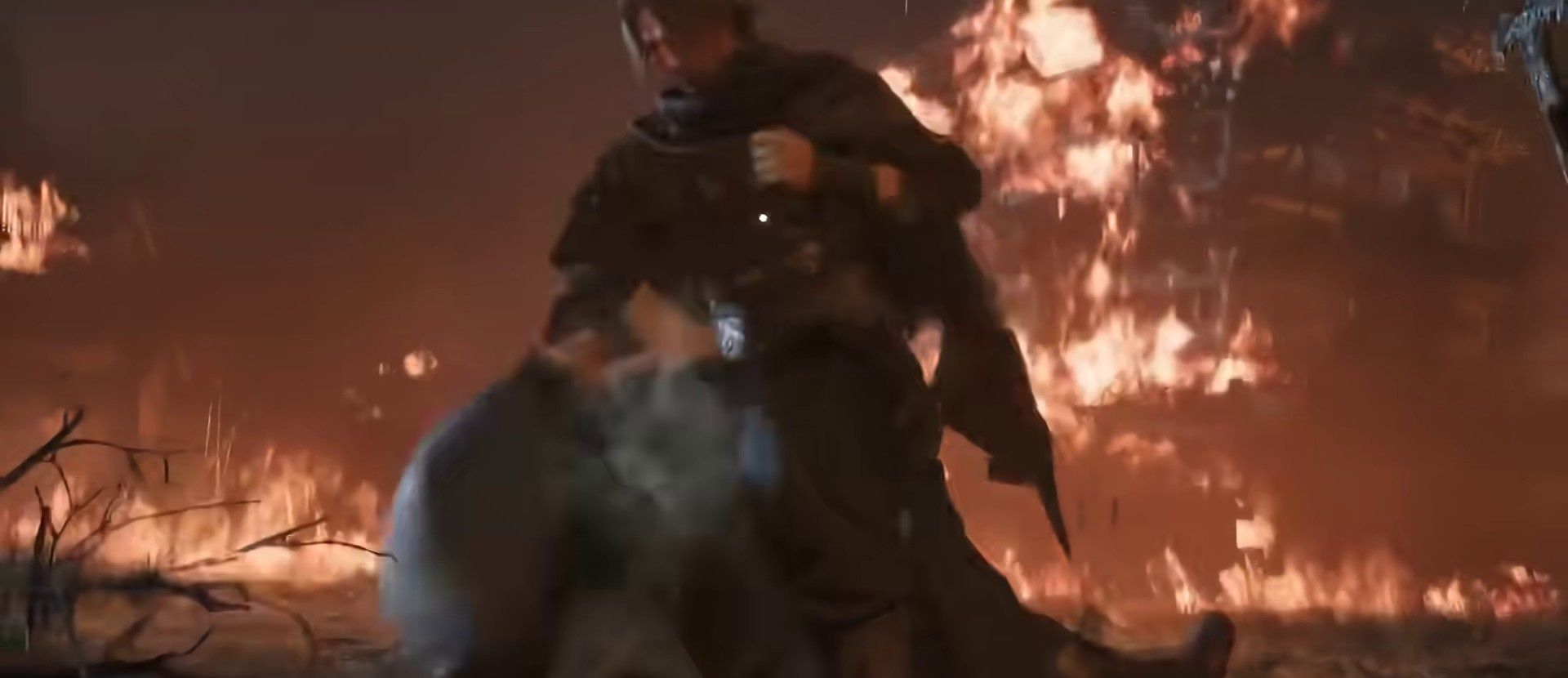
In June 2025, Liang Qiwei revealed during exchanges with streamers and players that the company had already cut every one of its other new projects, one by one, funneling all of its energy and resources into Phantom Blade Zero.
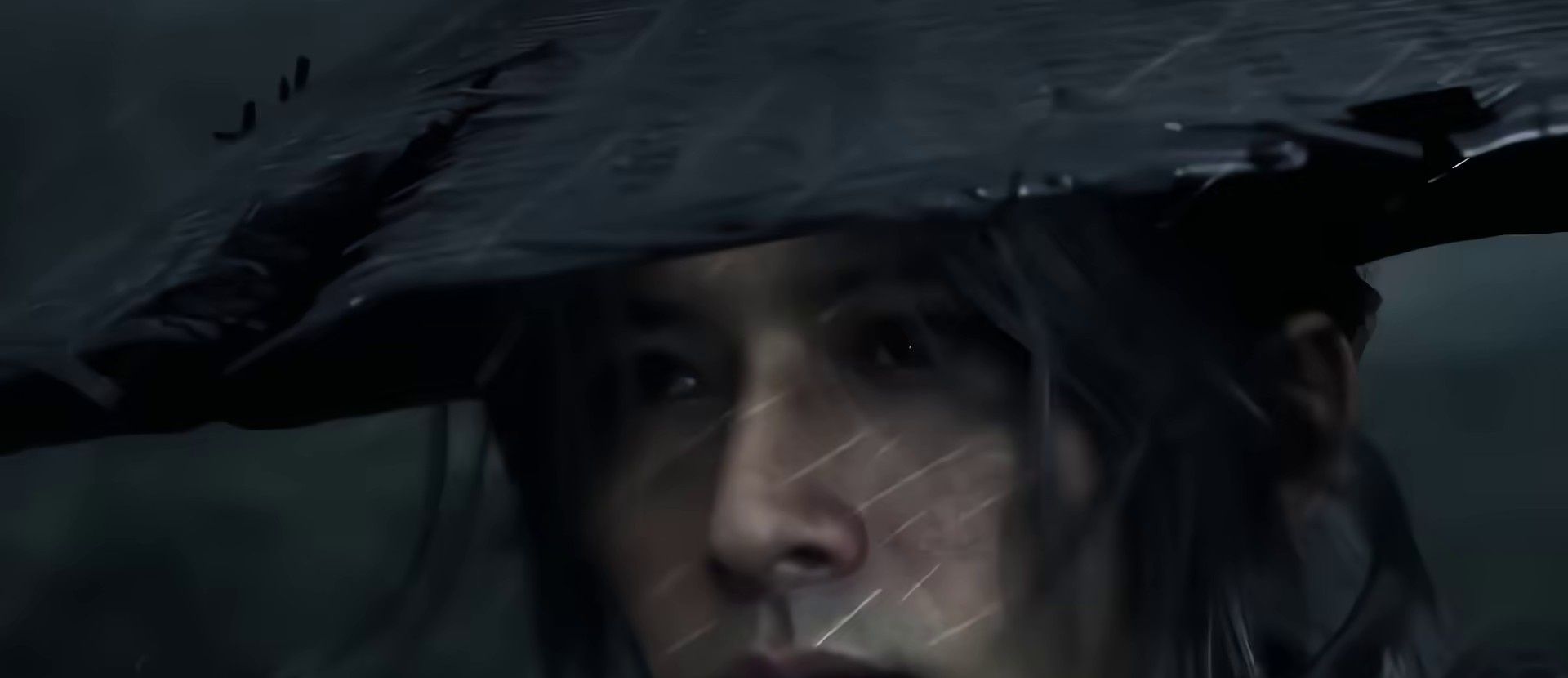
He specifically brought up the team's mobile-game era: having to stare at revenue curves every single day, a pressure that eroded everyone's mental state. Anyone who has worked in long-term live operations knows the feeling - when a product's worth is measured in DAU, retention, and revenue, every decision a developer makes ends up being tugged along by the data.

This studio, which got its start with the Rainblood series and stepped into the mainstream spotlight through the Phantom Blade mobile game, was - according to a 17173 breakdown - simultaneously pushing forward four new projects with wildly different gameplay styles back in 2018. Going from four parallel tracks to a single all-in bet is a complete reversal in direction. This was no ordinary business contraction, but a thorough strategic pivot: trading the insurance logic of "blooming on multiple fronts" for the gambler's logic of "betting it all on one title."
Judging by the confidence behind the next two cuts, this concentration of resources was the prerequisite - without going all-in on a single bet, the team would have had no standing to say "no" to content that was already finished.
The Second Cut: Hellish Dungeons and Maze-Like Levels Exit the Stage Entirely
The second "cut" happened at the 2025 Beijing Shougang playtest event. Liang Qiwei told the media that in May of that year, the game underwent a major overhaul: all manner of hellish dungeons, along with the maze-like levels where players could end up wandering for ages, were cut entirely.
The reasoning he gave was remarkably specific:
Players take on the role of a wuxia hero who leaps across rooftops and walls, carving through enemies with exhilarating momentum - they shouldn't get stuck halfway through the slaughter, trapped in a forest and wandering in circles.
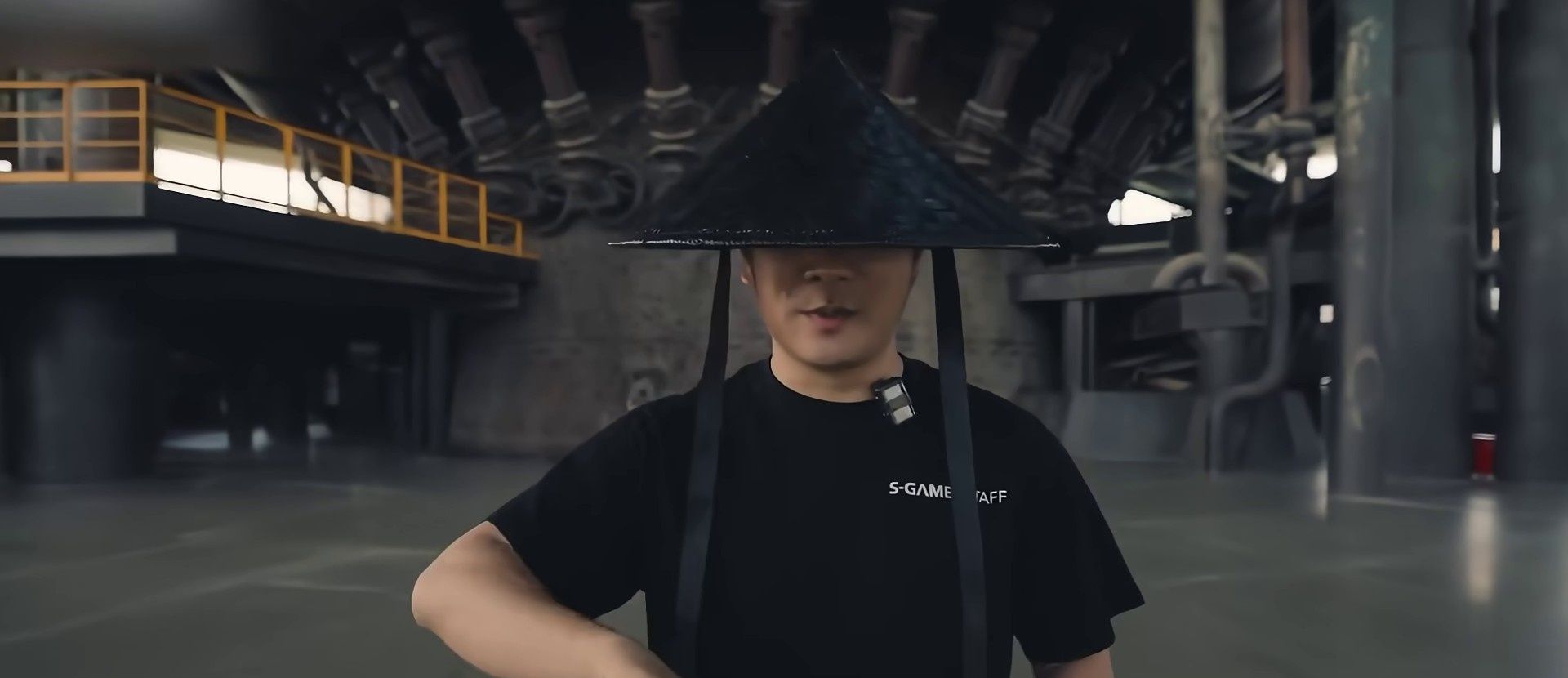
He also argued that "the more complex the level, the better" is a misconception. When a journalist pointed out that the game lacks the hellish atmosphere common to soulslike titles, his response was rather direct:
There's no such need - why deliberately make it that way?
And he added that the team cannot do what only Hidetaka Miyazaki can do.
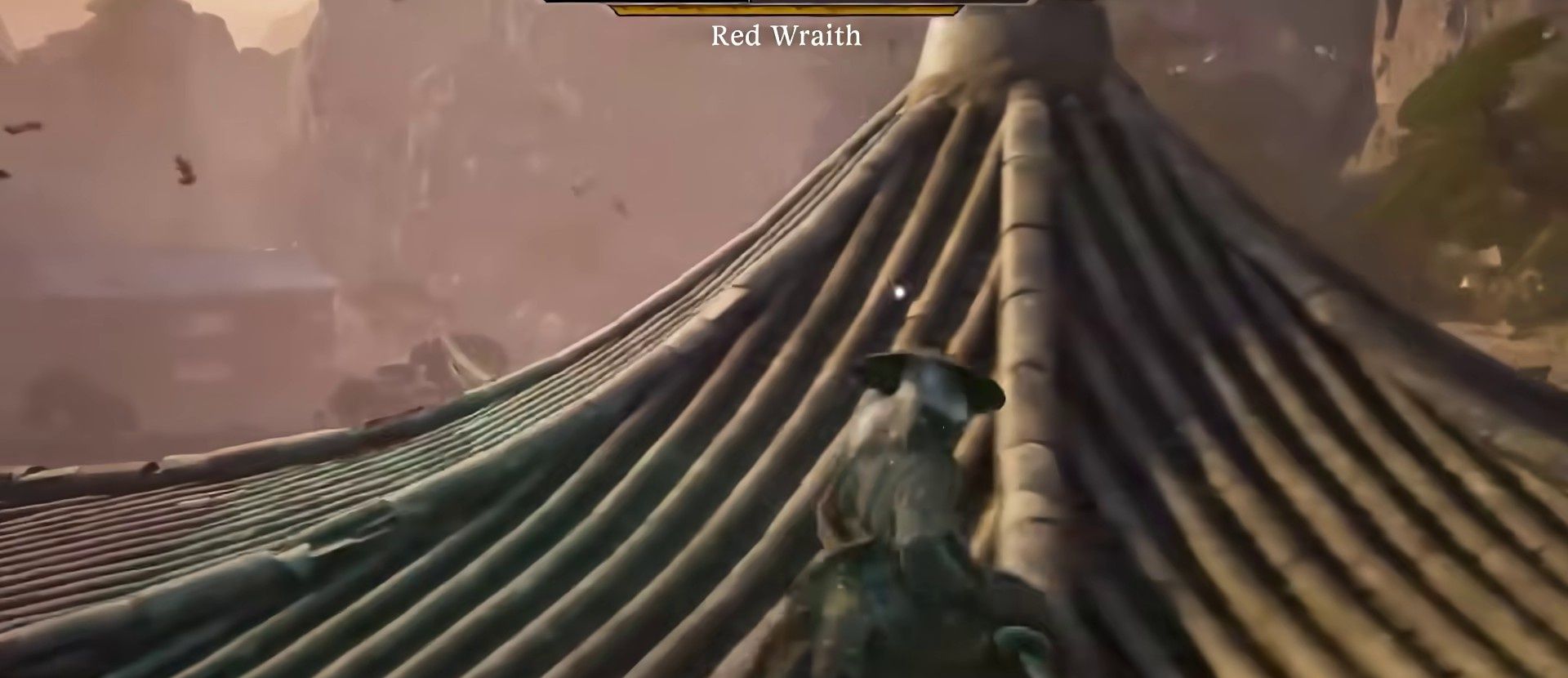
This line deserves to be savored on its own. It is not a rejection of soulslike design, but an act of clear-eyed self-awareness: the hellish atmosphere is FromSoftware's signature, the auteurial imprint of Hidetaka Miyazaki. When others force an imitation, what they usually end up learning is "misery," not "depth." What Phantom Blade Zero wants is a continuous experience of fluid, flowing wuxia action - not a transplant of the aesthetics of suffering.
Of course, the cost is plain to see: the exploration depth and puzzle-solving pleasure that complex levels provide have been deliberately surrendered. How to weigh this trade-off is clearly a divisive question in the player community - more on that later.
The Third Cut: A 50-Day Delay, a Battle to Defend First Impressions
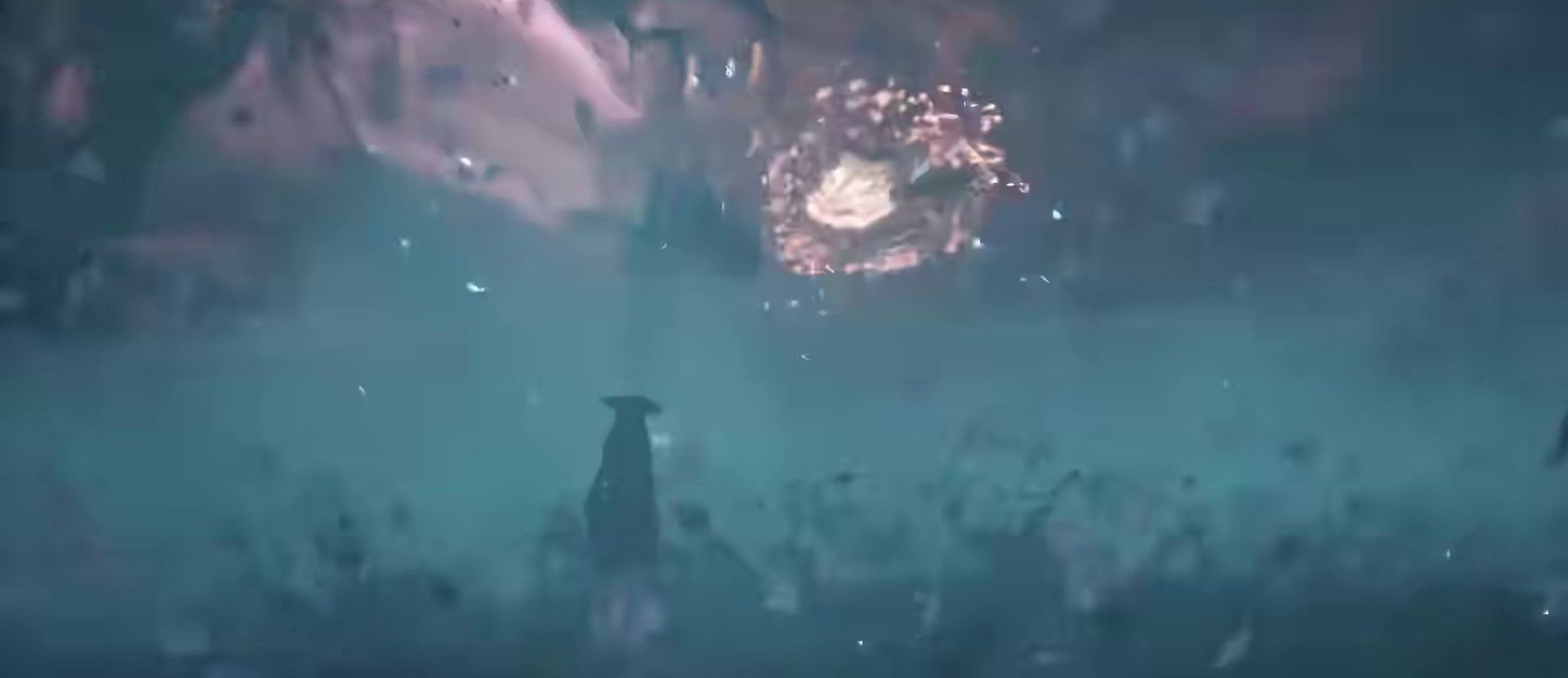
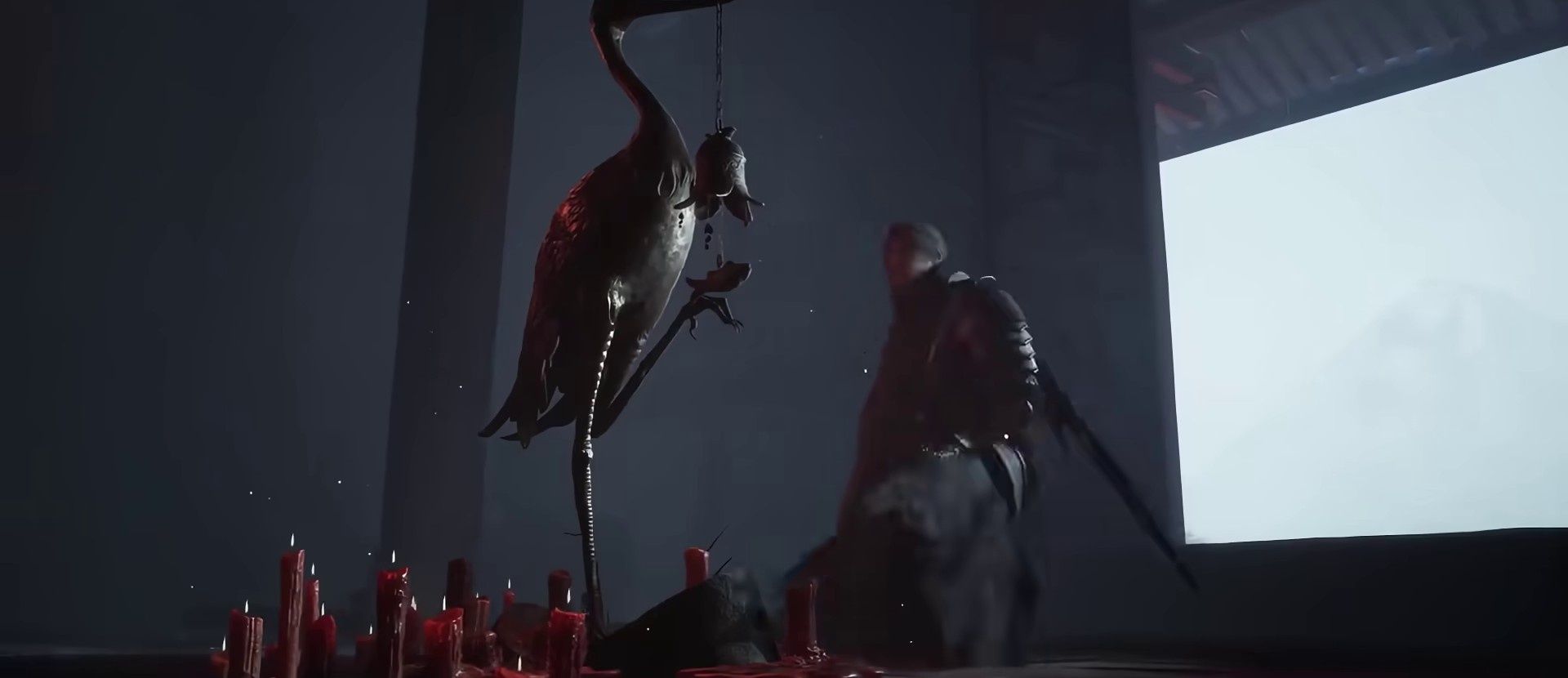
The third "cut" was written into that delay announcement. Liang Qiwei wrote: over the past few months, the team began a meticulous review of its content, focusing on polishing a portion of the key material; at the same time, it upgraded a batch of character models and rebuilt many environments, in order to change the game's previously rather dark and gloomy overall look.
He was candid that a 50-day delay couldn't solve everything, but that this work would directly shape how players feel the first time they actually get their hands on the game. Even more crucial was this statement:
This work could have been saved for post-release updates, but day-one players deserve a more polished product.
At a time when "rush to release, survive on patches" has practically become industry convention, these words carry real weight. How many major titles treat day-one patches as routine practice and treat their first wave of players as de facto testers? Phantom Blade Zero chose to go the opposite way: it would rather delay by 50 days than leave the parts that most affect first impressions unpolished before release.
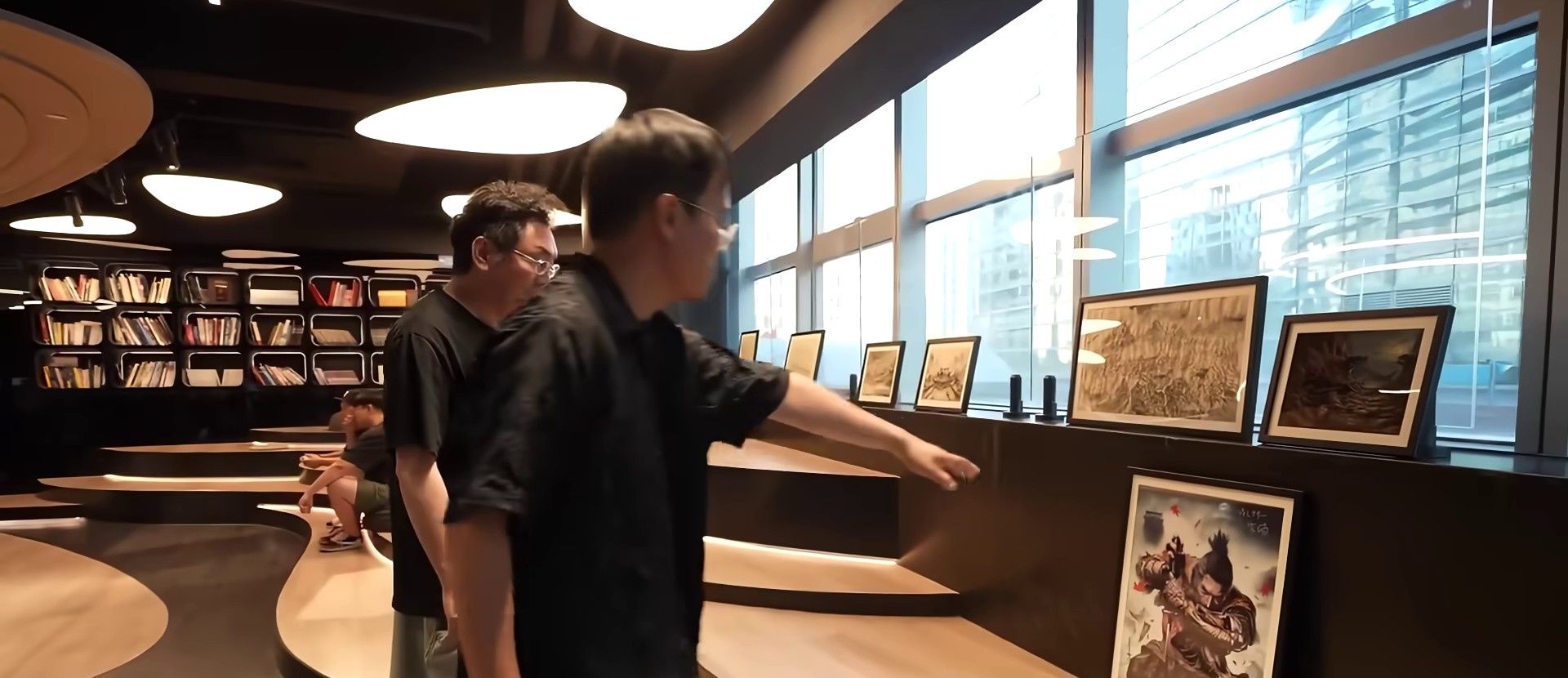
The dark, gloomy visual presentation was explicitly singled out for rebuilding, which likewise serves this same logic - a first impression comes only once, and there is no chance to "fix it after release."
Three Subtractions, One Standard: The Logic and Cost of Scope Management
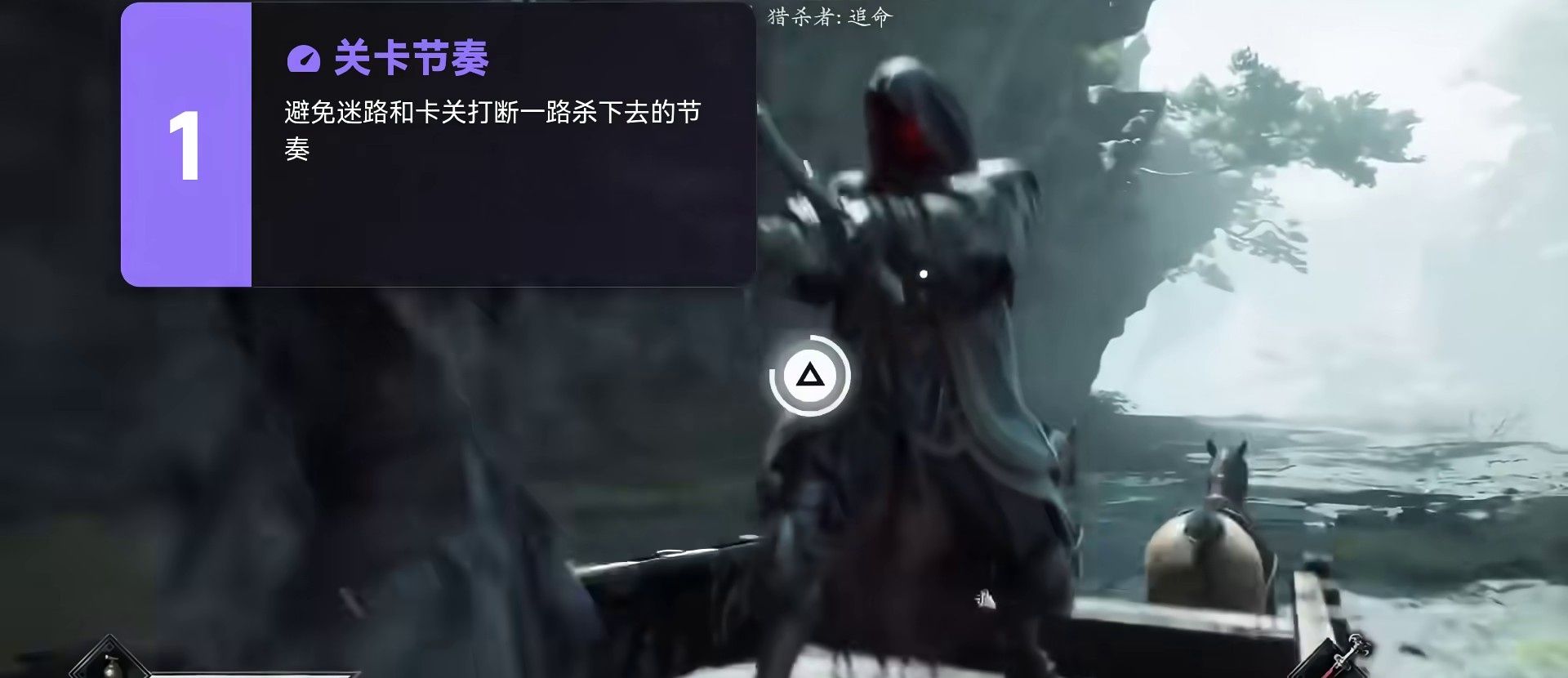
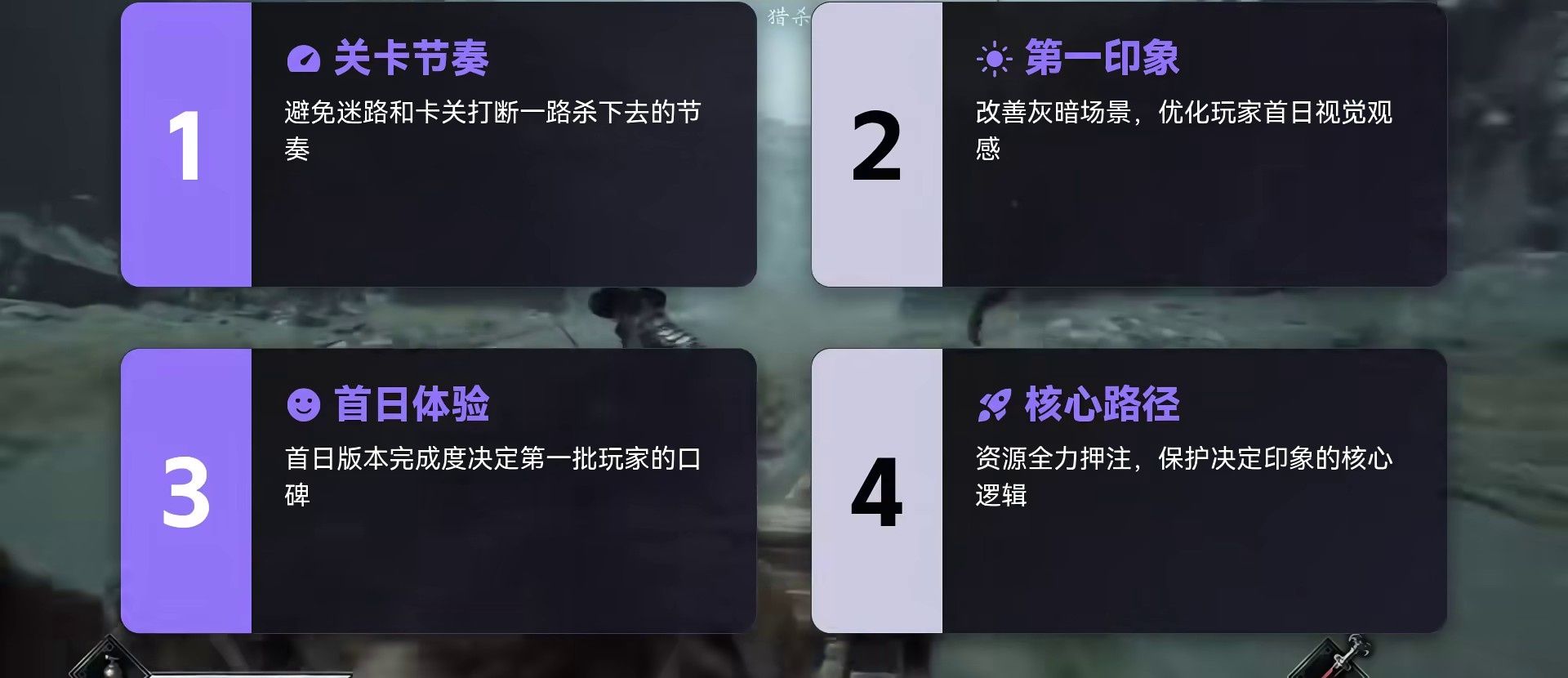
Put the three "cuts" side by side, and the underlying standard becomes fully clear:
- Getting lost or stuck breaks the momentum of fighting your way forward;
- Gloomy environments alter the first impression;
- The polish of the day-one build determines how the first wave of players feels;
- Going all-in on resources is what made all of this possible.
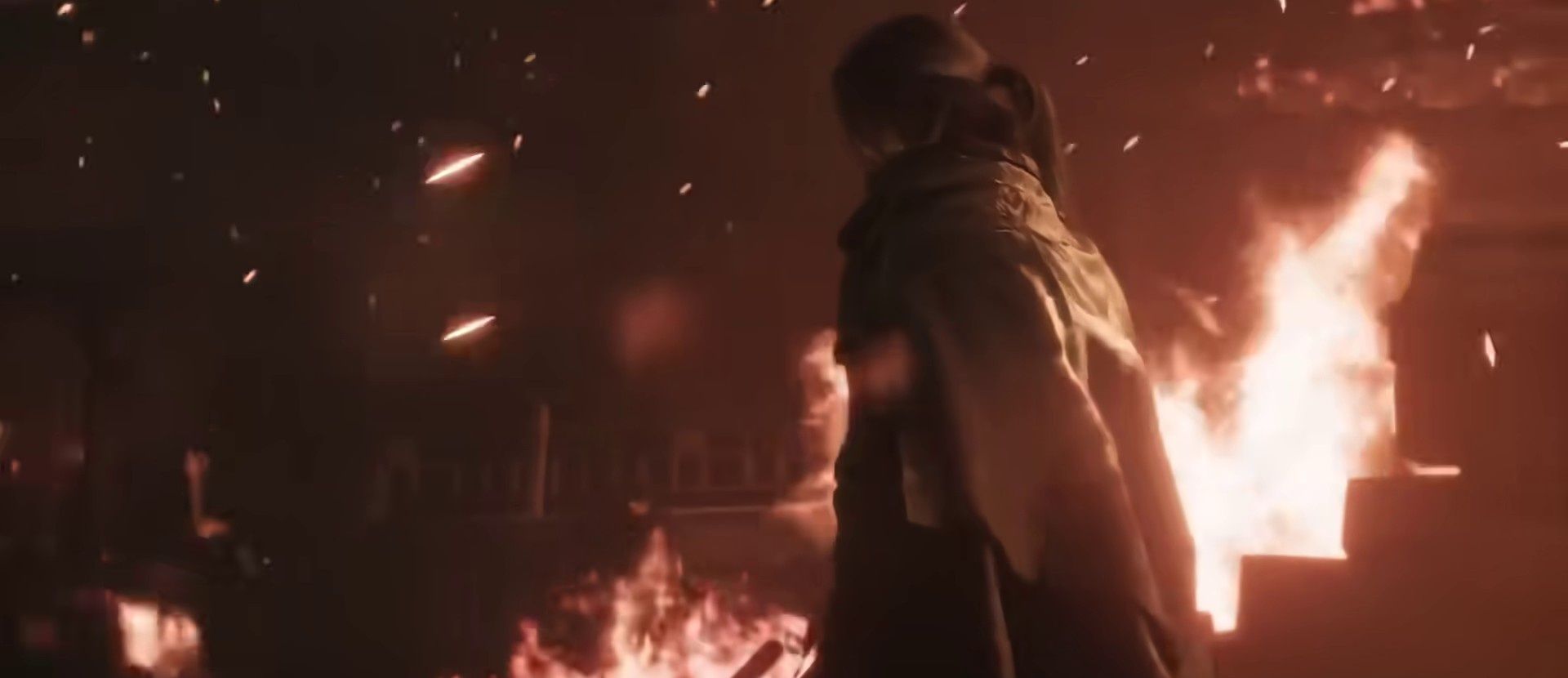
To be clear, that last point is this article's own judgment, not his exact words. But from a development standpoint, this entire sequence of moves is textbook scope management: when resources are limited, protect the core path that shapes first impressions first, then trim everything else.
The payoff of this logic is immediately visible: smooth pacing, a consistent visual identity, and a complete day-one experience. The cost is just as clear - the exploration depth and puzzle-solving enjoyment that intricate levels provide were deliberately given up, and the richness of the level structure most likely falls short of titles renowned for their map design.
Subtraction is never free. The only question is: was this tuition worth paying?
A Verifiable Prediction: After October 29, Steam Reviews Will Settle It
Based on the verification above, here is a clear, falsifiable prediction:
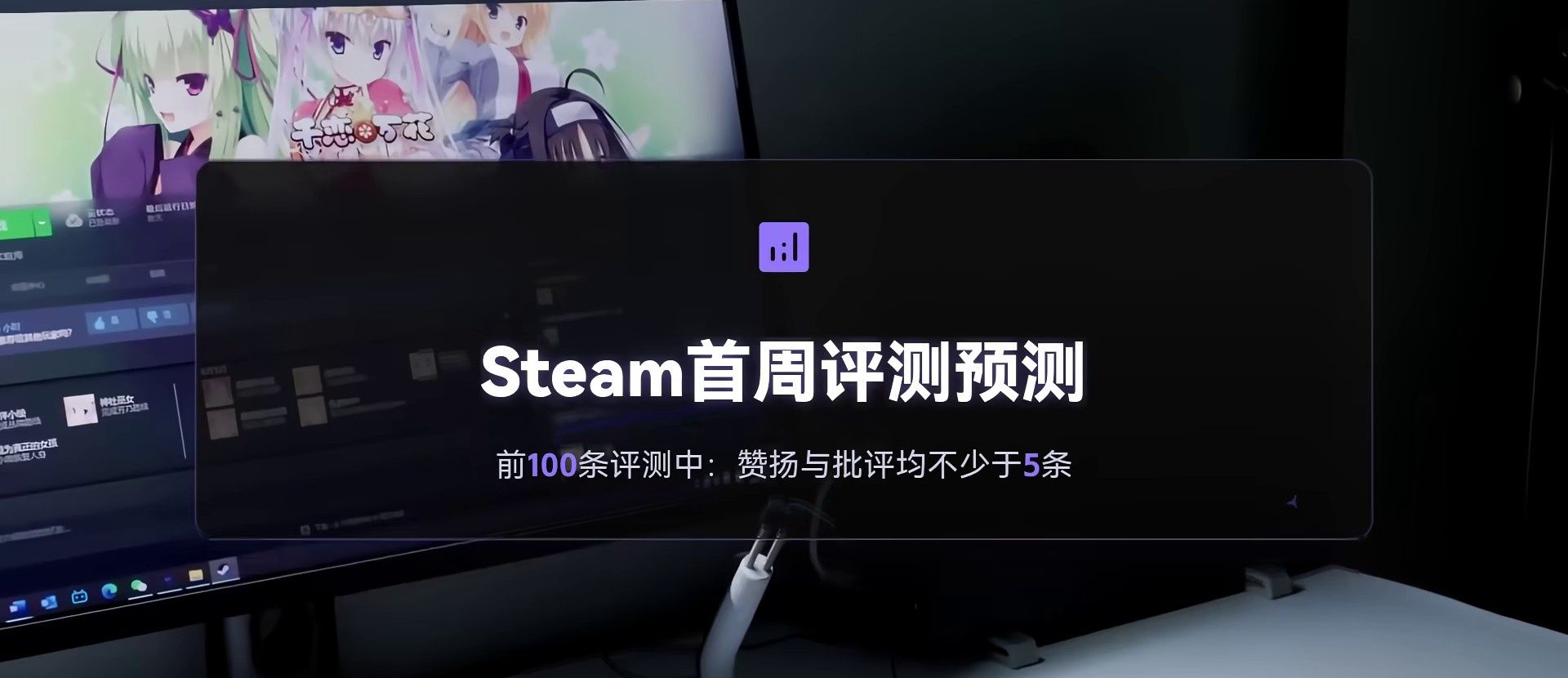
In the first week after release, among the top 100 Simplified Chinese reviews on Steam sorted by "Most Helpful," the reviews that mention level design or exploration will include no fewer than 5 praising and no fewer than 5 critical entries.
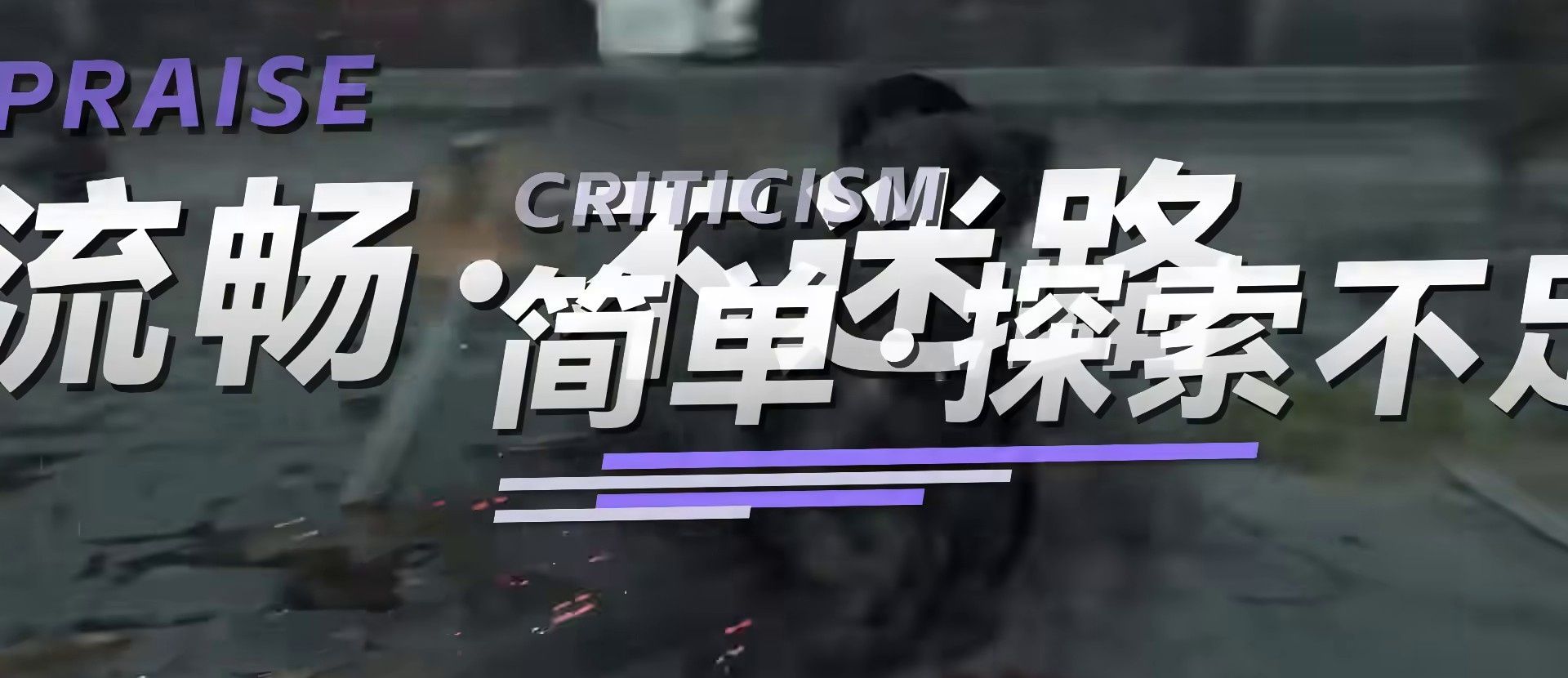
Praise will center on "never getting lost" and "smooth pacing"; criticism will center on "the levels are too simple" and "not enough of a sense of exploration."
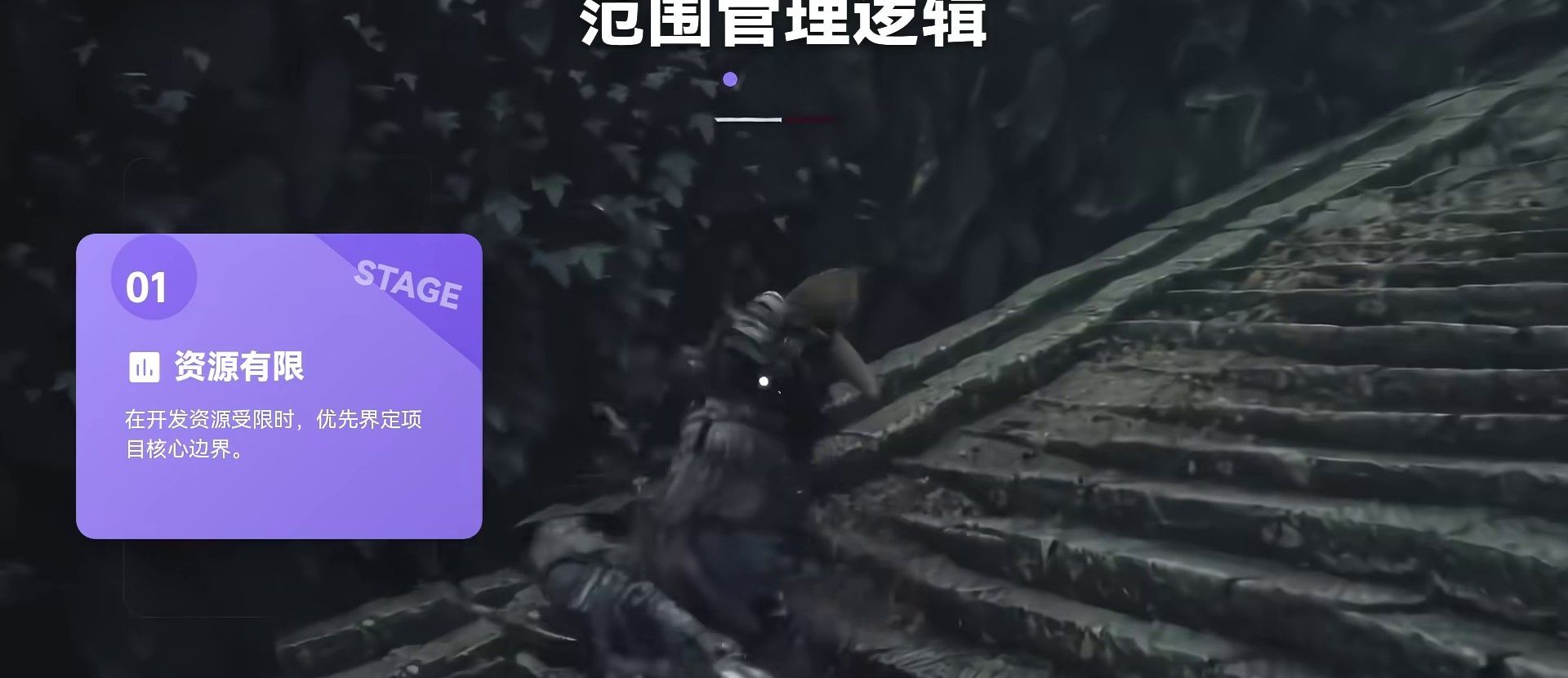
Two points underpin this prediction. First, maze-style levels were deliberately scaled back, and the stated reason points squarely at smoothness - smoothness will be praised, simplicity will be slammed, and voices on both ends are inevitable. Second, Liang Qiwei has publicly said he does not want to deliberately build Netherworld-style design, and trade-offs like this tend to divide players - division being the one thing the review section never lacks.
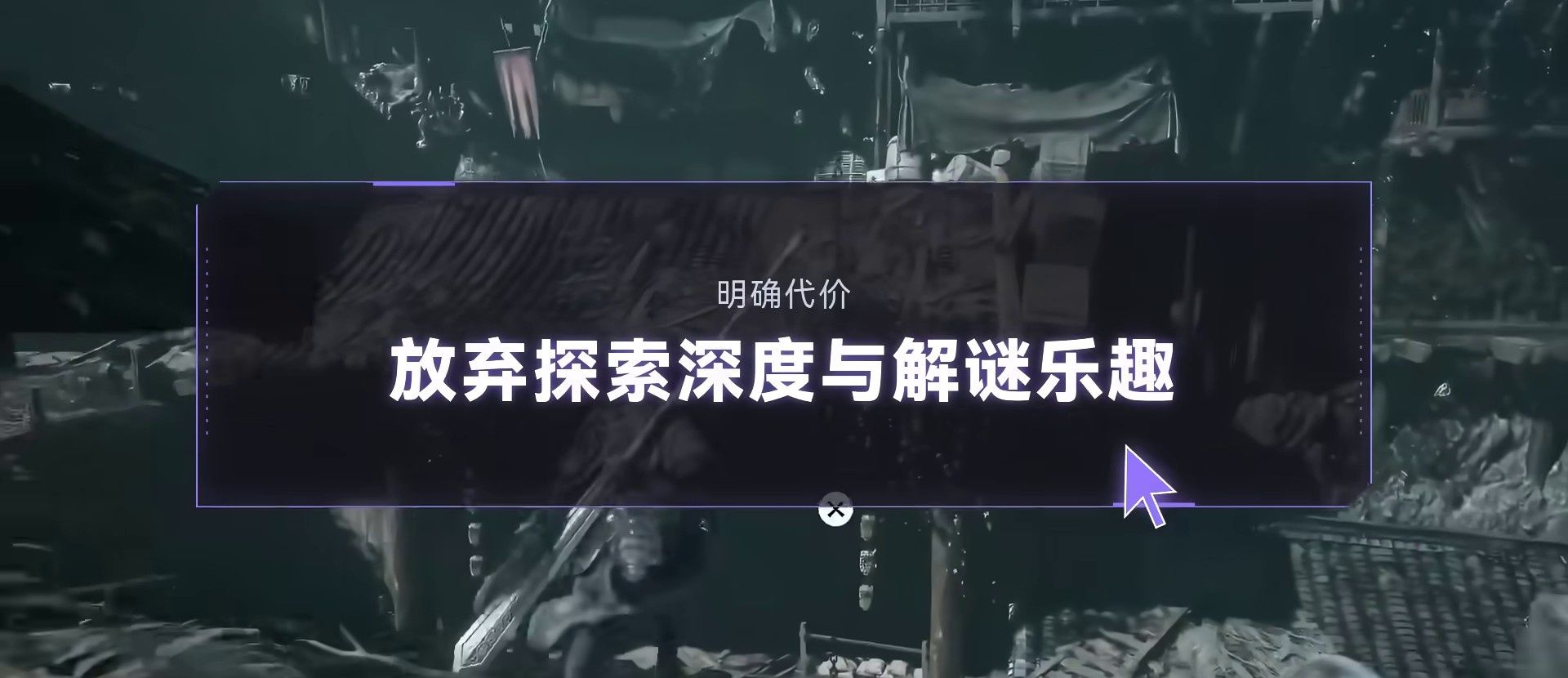
Verifying it isn't complicated either: on the seventh day after October 29, simply tally the sample described above by hand. When that day comes, whether the prediction holds or the call falls flat, the review section will deliver a public answer.
For everyday players, what lies behind this prediction is really a more practical either-or choice: if you were expecting soulslike-style, interconnected exploration and suffering, you may need to adjust your expectations; if all you want is wuxia action that thrills from start to finish, this round of subtraction is right up your alley. Does cutting the Netherworld dungeons let more players have a great time, or does it take away something a portion of players wanted? The answer to that question may say more about where Phantom Blade Zero stands than any score could.
Top Community Comments
The top-voted comments in the comment section happen to provide vivid samples for this “debate over trade-offs.”
@Wanbi (293 likes): “A 0-hour Phantom Blade Zero player tells you: if this game doesn’t come out, life is simply unlivable.”
“0-hour player” is self-deprecating slang in the player community - not a second played, yet the enthusiasm is already maxed out. This comment looks like a meme, but it accurately captures Phantom Blade Zero’s current situation: expectations have been pumped sky-high by trailers and demos, and players are already emotionally invested before they’ve even gotten hands-on. This also indirectly explains why Liang Qiwei is so fixated on “the continuous experience of a first playthrough” - the higher the first batch of players’ expectations, the lower the margin for error for a first impression.
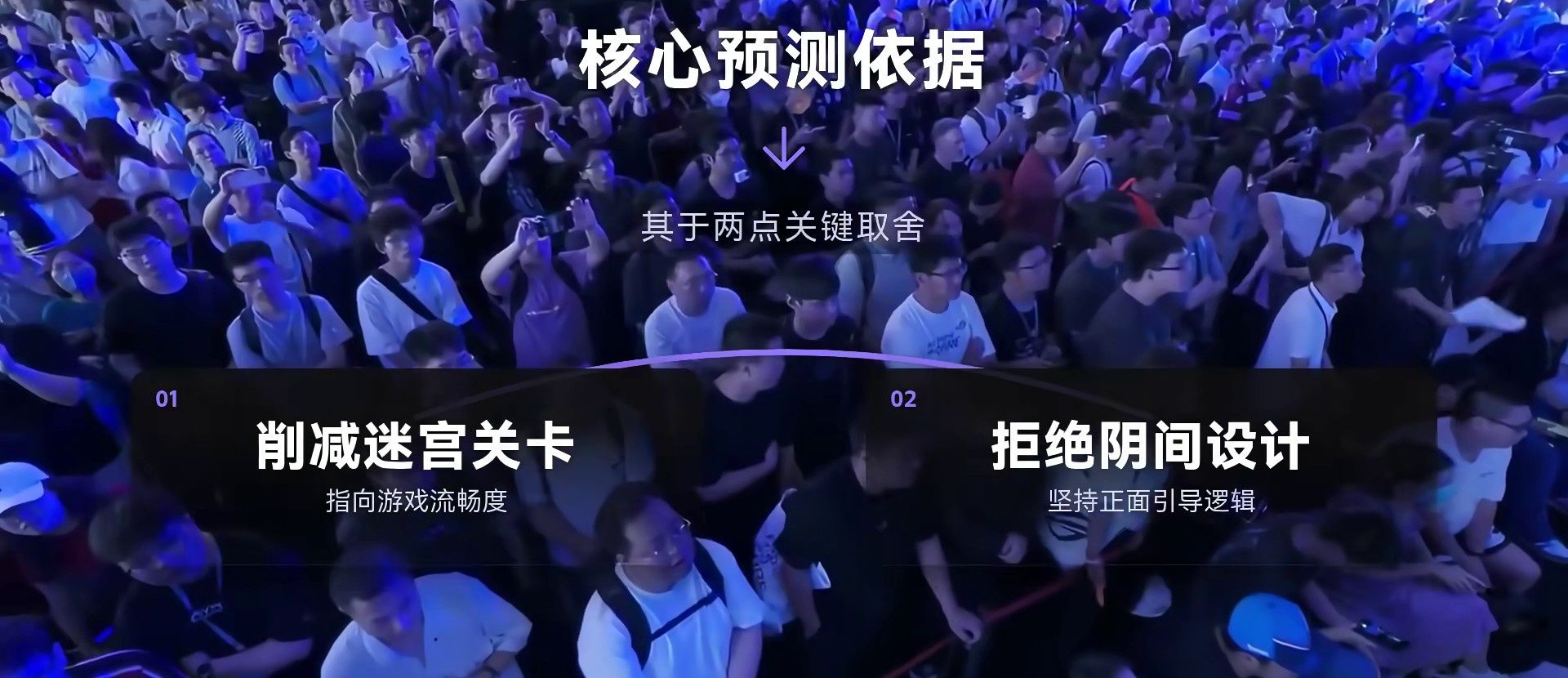
@Unkickable Roadside Stray (83 likes): “Dungeons! If you didn’t know better, you’d think this was Sen’s Fortress, Blighttown, Farron Keep, Irithyll Dungeon, the Bed of Chaos, and the Subterranean Shunning-Grounds.”
Rattling off FromSoftware’s entire catalog of “greatest hits” - Sen’s Fortress’s trap-filled halls, Blighttown’s poison swamp, Farron Keep’s cursed marshland, the oppressive Irithyll Dungeon, then the Bed of Chaos and the Subterranean Shunning-Grounds - these are all memories of suffering etched into soulslike players’ DNA. On the surface, this comment jokes “thankfully it wasn’t made that way,” but between the lines there’s a trace of nostalgia: for all their complaining, soulslike players have always had a love-hate relationship with hellish dungeons. This is exactly the emotional soil for the faction predicted to criticize the lack of exploration.
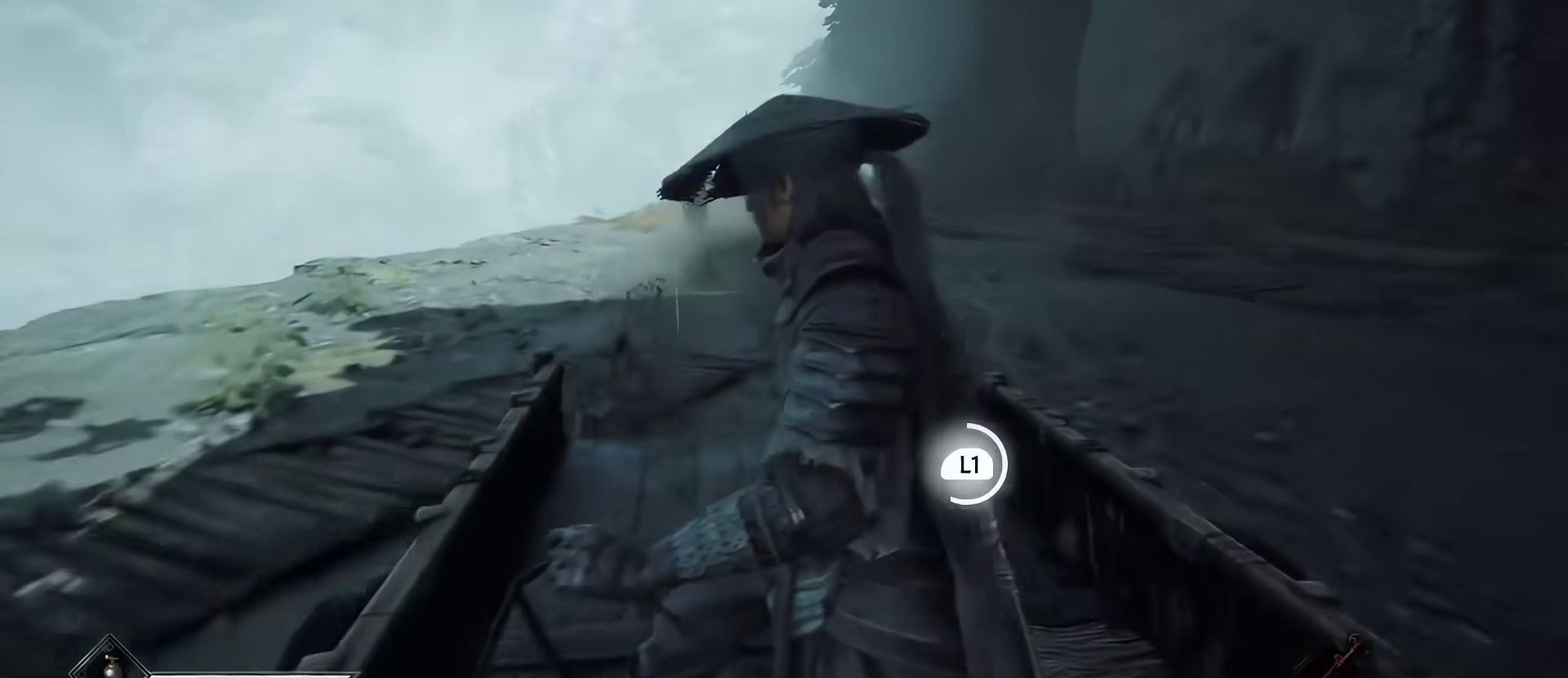
@Longligeqi (3 likes): “The dark♂ dungeon of furry-scanning [doge].”
In just one short line, the entire payload lies in the symbols: the “♂” and the doge head are iconic meme markers in the community; translated, they mean “I’m just joking, don’t take it seriously.” When “hellish dungeons” degrade from a serious level-design philosophy into a meme endlessly consumed in danmaku, its weight as a selling point is quietly dissolving - for more ordinary players, this may be precisely what justifies cutting it.
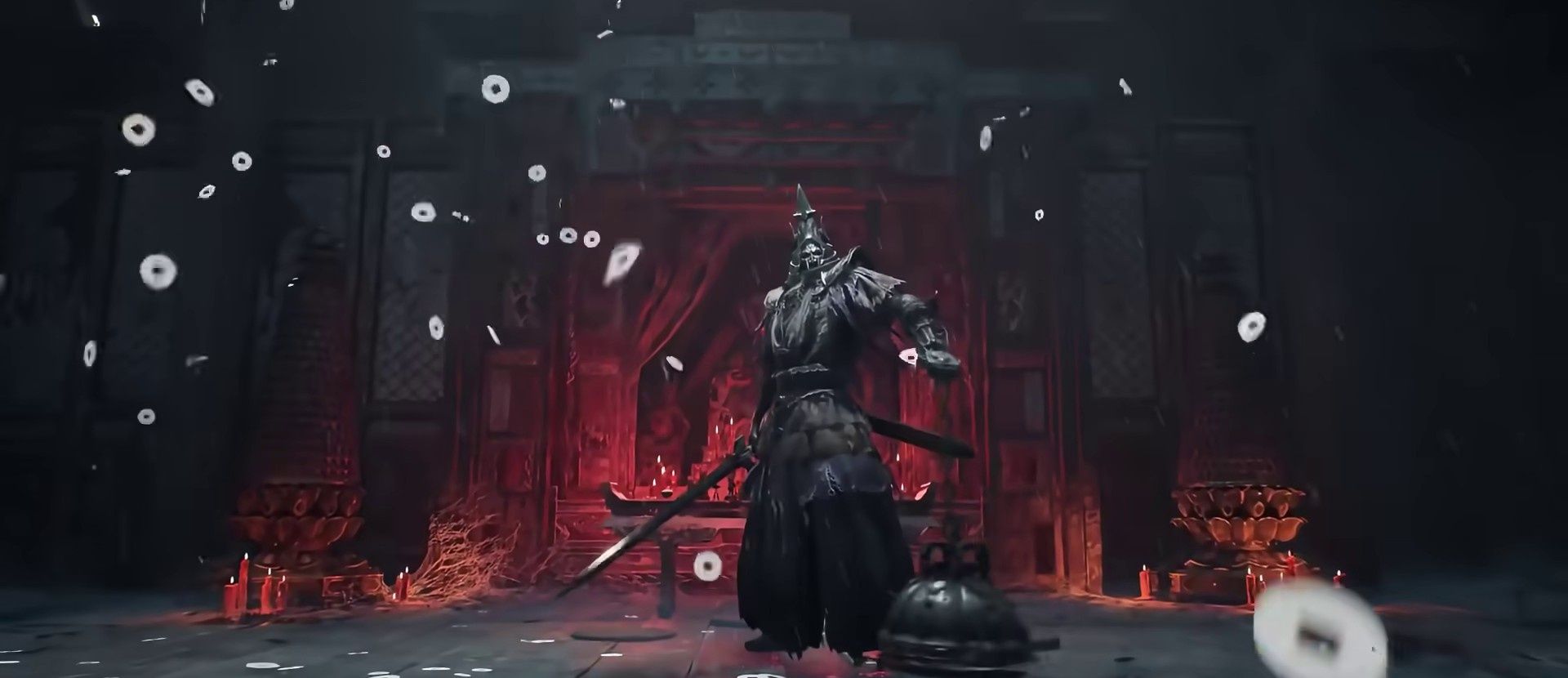
Three comments: one expresses the urgency of “it has to come out”; one reveals nostalgia through teasing; one turns the controversy itself into a joke. Together they confirm that judgment: the decision to cut the hellish dungeon is destined to make some people cheer and leave others grumbling.
📌 One-Line Takeaway
Phantom Blade Zero's three "cuts" - cutting the project, cutting dungeons, cutting content - all point to the same development principle: the player's continuous first-playthrough experience is the top priority above all else; trading scope for fluidity and polish, while also willingly ceding exploration depth. Whether this bargain ultimately proves a blessing or a regret, the Steam review section will deliver its first batch of answers after October 29.