Enemies Never Respawn, Bosses Can Be Retried from Phase Two: Japanese IGN's 6-Hour Hands-On with Phantom Blade Zero - More "RPG" Than Expected
After several rounds of gameplay footage pushed expectations to a peak, S-GAME's new wuxia action title Phantom Blade Zero has finally opened its doors to the media. Japanese IGN editor Kurabe was granted roughly six hours of continuous hands-on play - his first time truly holding the controller and taking command of this shadow assassin living on borrowed time. Six hours in, his understanding of the game had been completely overturned: it is not the "pure action game" the outside world assumed it to be, but a work with an astonishingly high concentration of RPG elements.
First Impressions: More "RPG" Than Expected
Before going hands-on, everything Kurabe knew about Phantom Blade Zero came from the footage officially released by the studio: razor-sharp blade flashes, rapid-fire parries, a dark wuxia setting - by all appearances, an action game with mechanical execution as its absolute core. But once he actually played it, the first thing to break through his defenses, ironically, was the game's deep role-playing foundation.
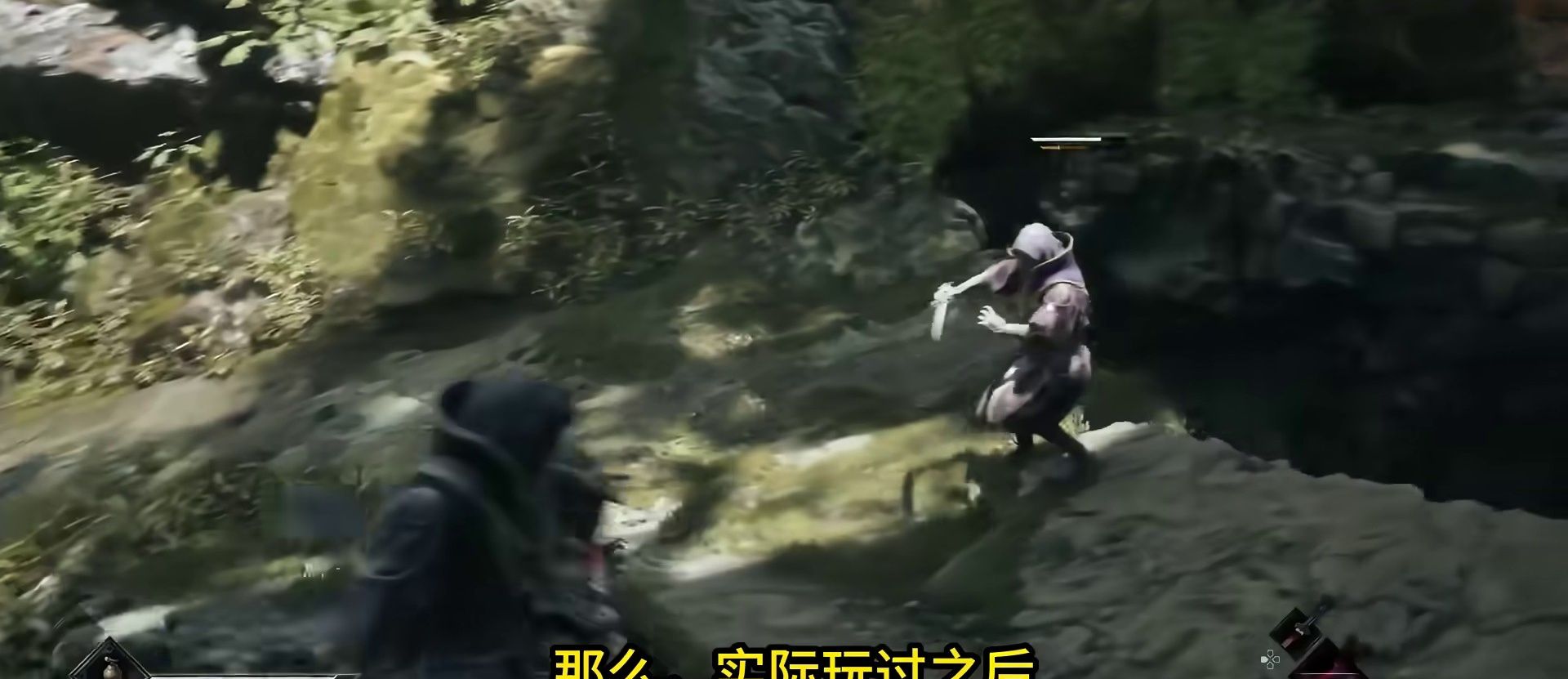
This "RPG feel" doesn't manifest in dry stats panels. Instead, it seeps into every pore of the area structure, weapon collection, and build crafting: finish a boss fight, and you'll find yourself weighing which weapon to swap in; step into a new area, and you'll start pondering how to set up your loadout to handle it. Action is the surface - role-playing is the substance beneath.
"Before the demo, I thought this was a pure action game. Only after playing did I realize its RPG density far exceeded my expectations."
What's more remarkable, these RPG elements aren't stacked up in isolation - they interlock seamlessly with the worldbuilding. And it was this, more than anything else in the entire hands-on, that excited this editor the most.
It all starts with the map structure.
Not an Open World, but a Diorama-Style Jianghu Brimming with Hidden Life
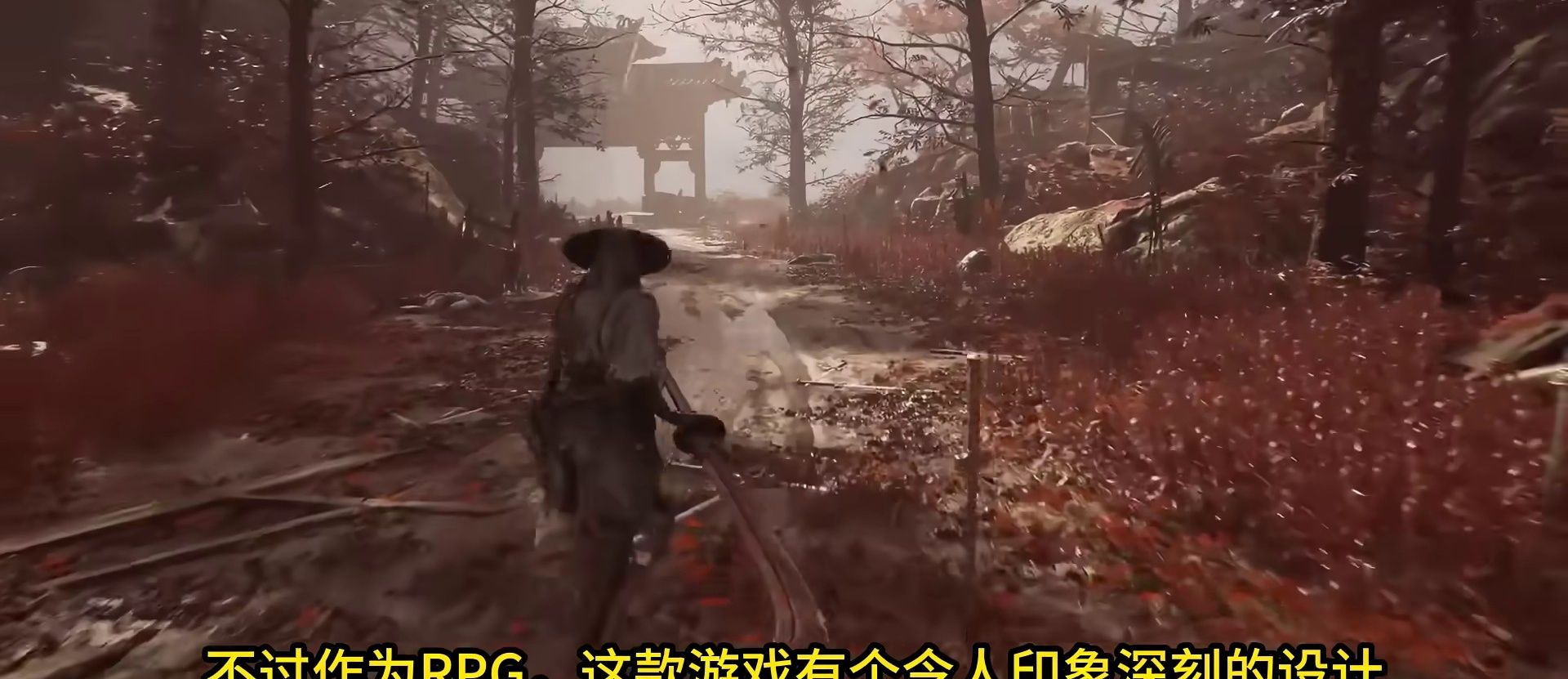
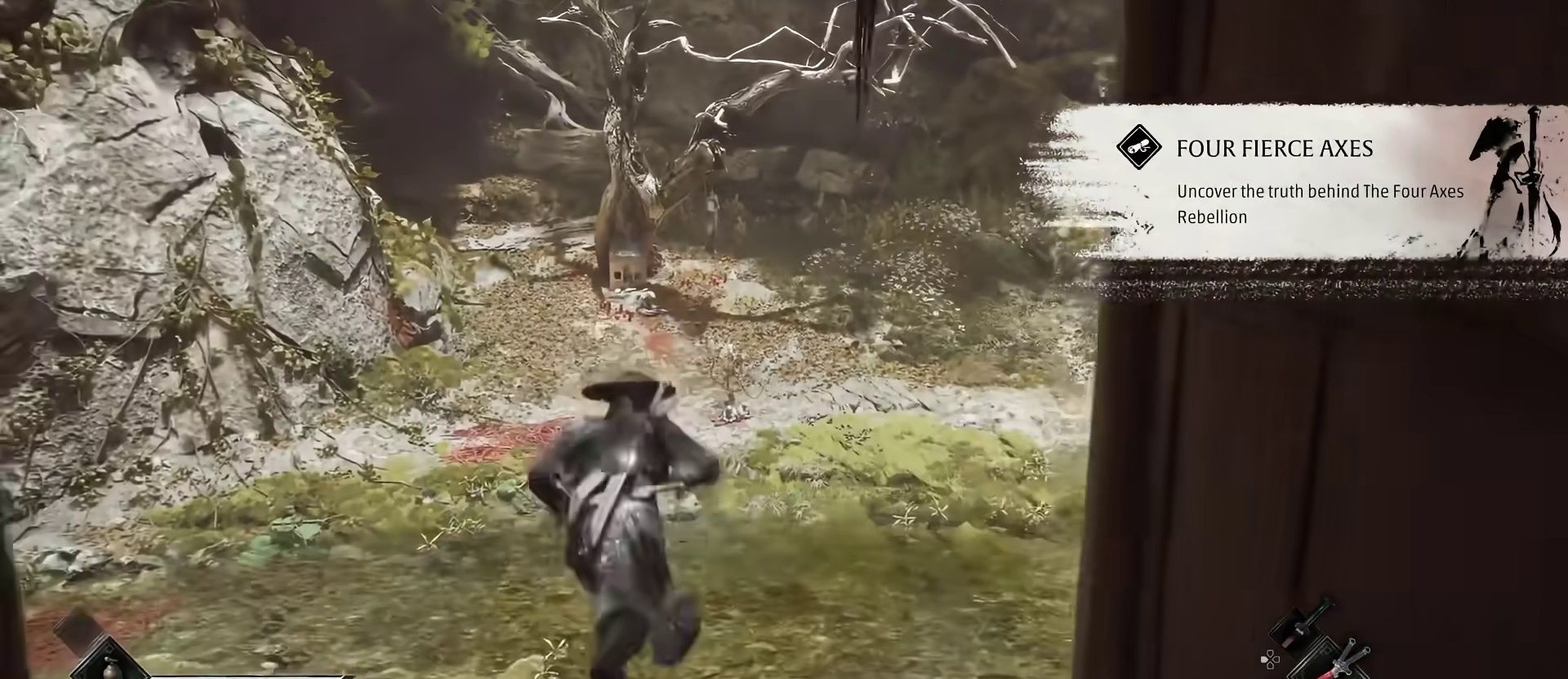
First, let's clear up a common misconception: Phantom Blade Zero is not an open world. It has none of those massive sandboxes that stretch out of sight at a glance; instead, it adopts a Metroidvania-like structure - composed of compact, interlocking zones, with plenty of branching paths and secrets tucked between them that are well worth the detour.
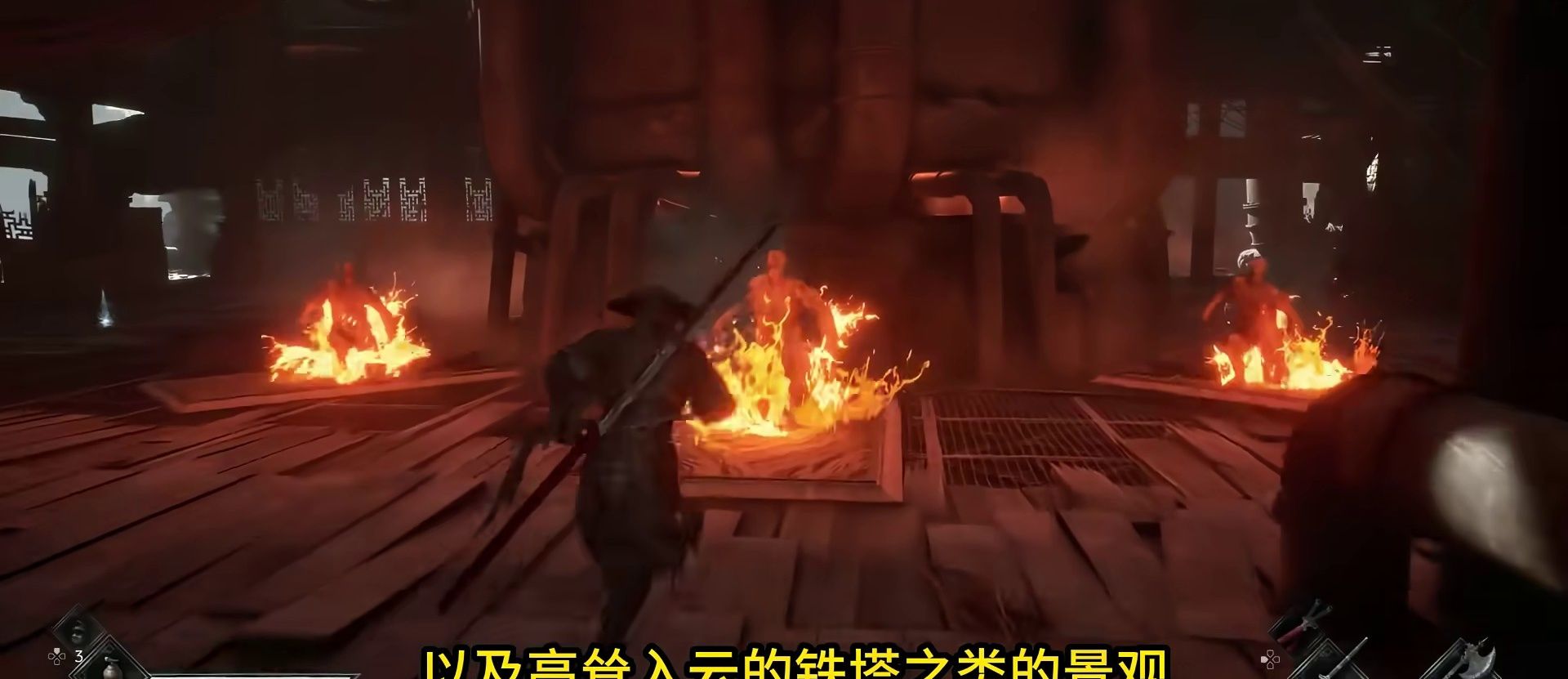
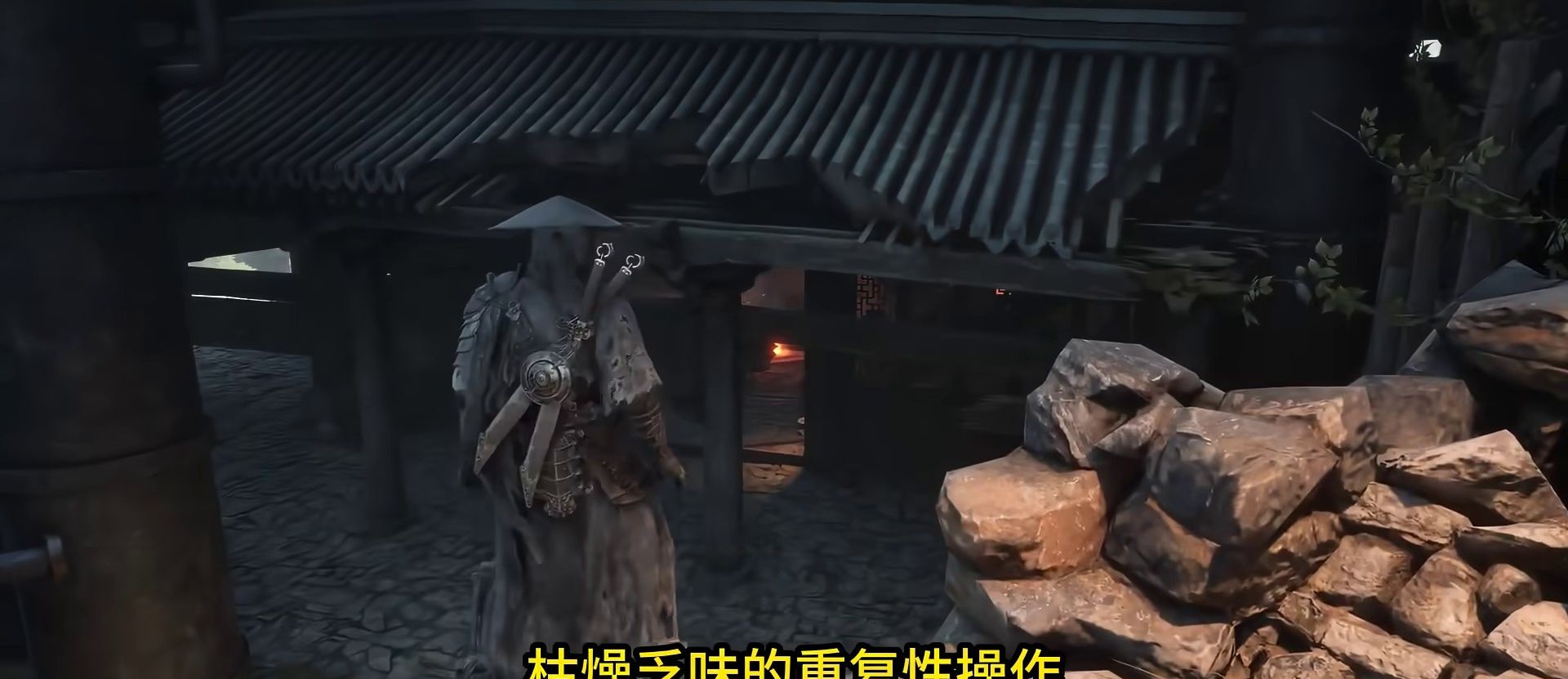
The handling of spatial atmosphere is where the real craftsmanship shows. By genre convention, dim, oppressive areas ought to be lurking with lethal danger, with players tightening their grip on their blades before stepping inside. But Phantom Blade Zero refuses to play by the book: many seemingly treacherous dark corners are home to villages wreathed in curling cooking smoke, where people go about their lives as usual. The aura of death and the warmth of everyday life sit separated by a single wall - and this contrast gives the word "jianghu" a tangible, lived-in weight.
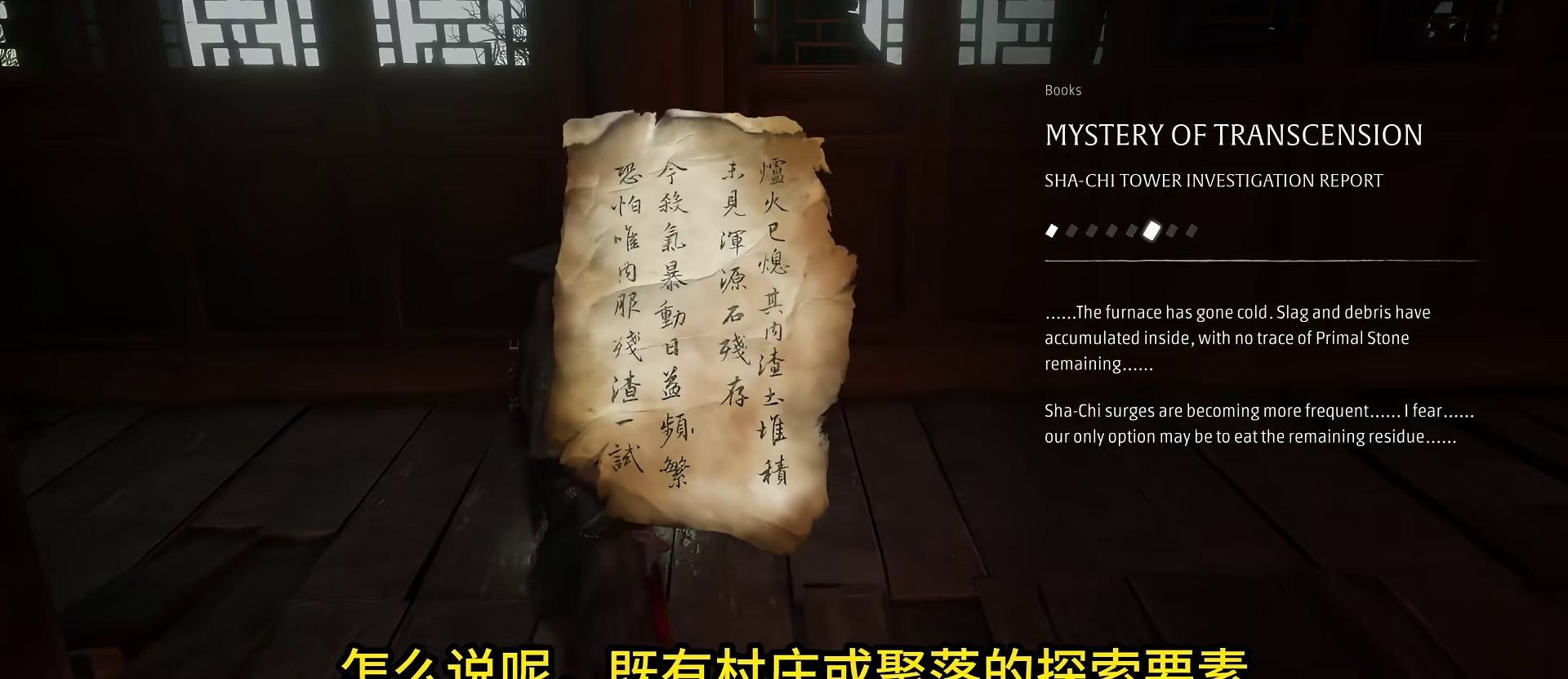
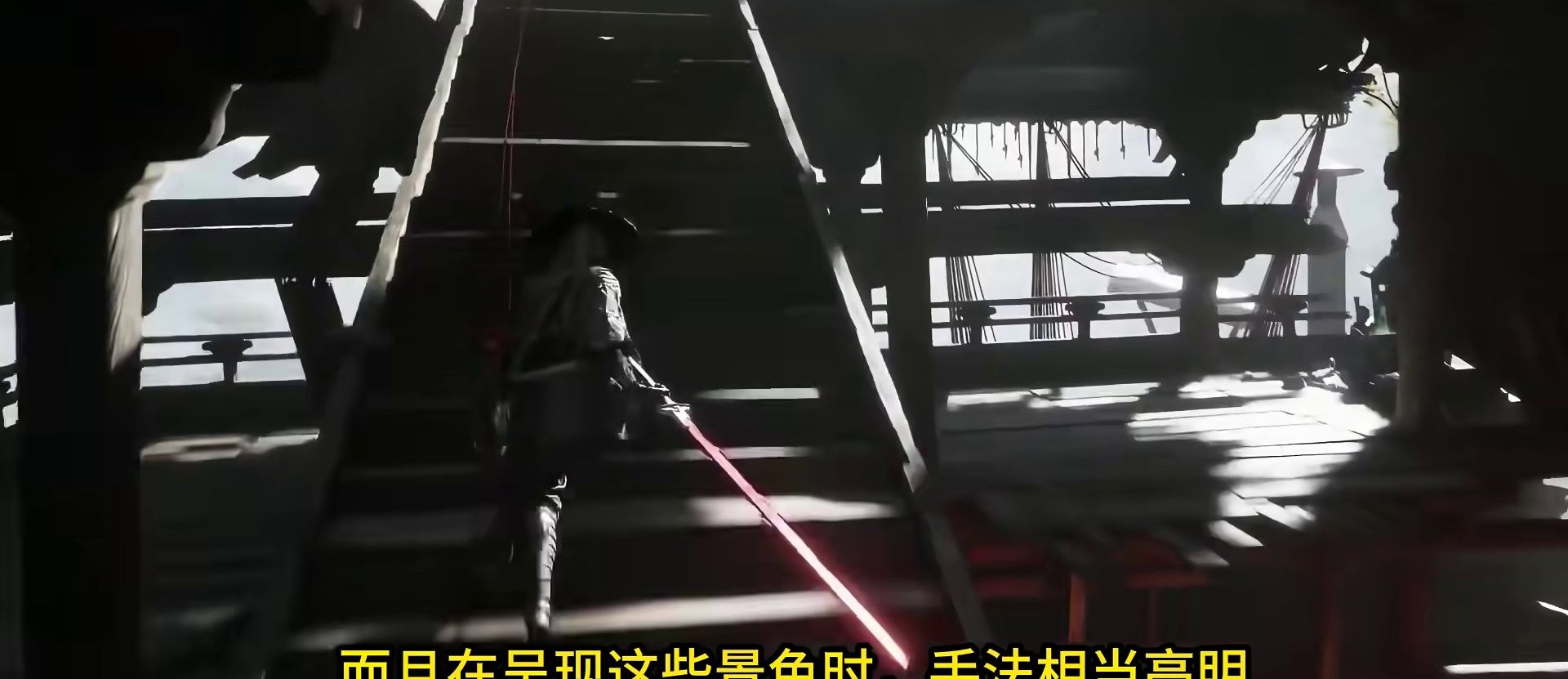
On the art and music front, the name producer Liang Qiwei coined for this aesthetic has long since spread far and wide - "kungfunk": the flying eaves and storied pavilions of the traditional East mash together in symbiosis with industrial-punk machinery; the soundtrack goes even bolder, as Han-style folk melodies, midway through, cut without warning into the distorted walls of sound of metal and rock, colliding into a listening experience that defies categorization yet hits incredibly hard.
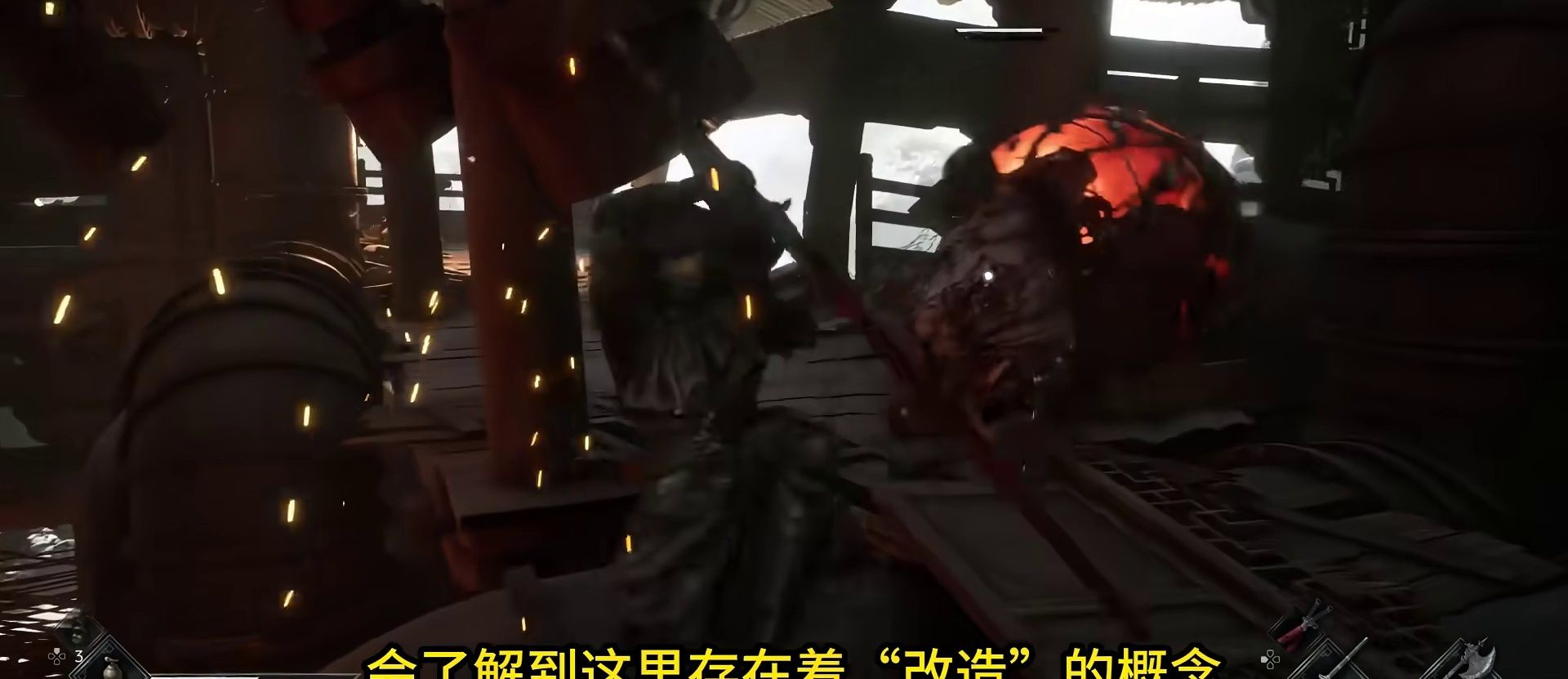
"The kungfunk blend is utterly distinctive - you never know whether the next melody will be folk or metal."
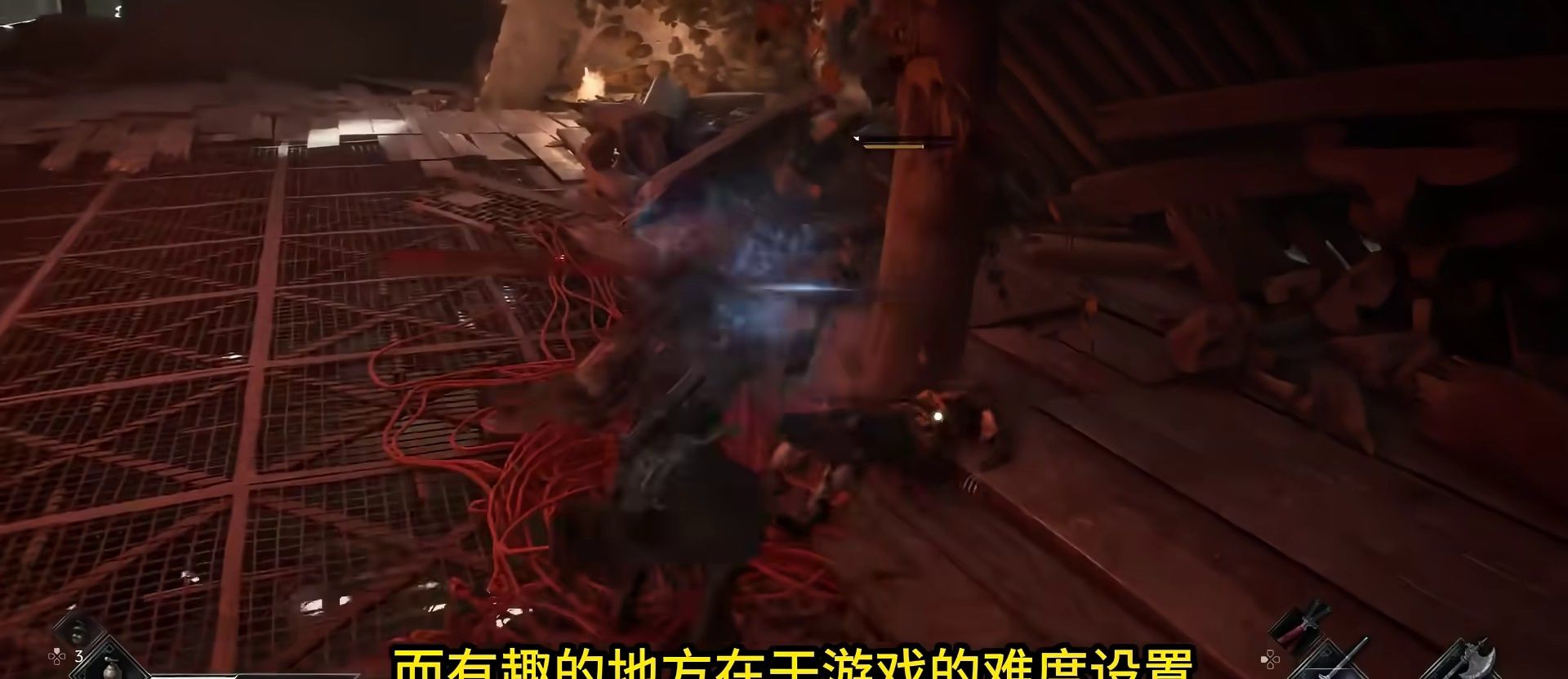
A 66-Day Lifespan Countdown: Worldbuilding and Gameplay in Perfect Sync
The story of Phantom Blade Zero begins on a brutally cruel note: the protagonist, Soul, is betrayed and left with fatal wounds, with only 66 days left to live. Uncovering the true culprit and settling old scores within those 66 days serves as both the game's main narrative thread and the overarching directive for the player's every action.
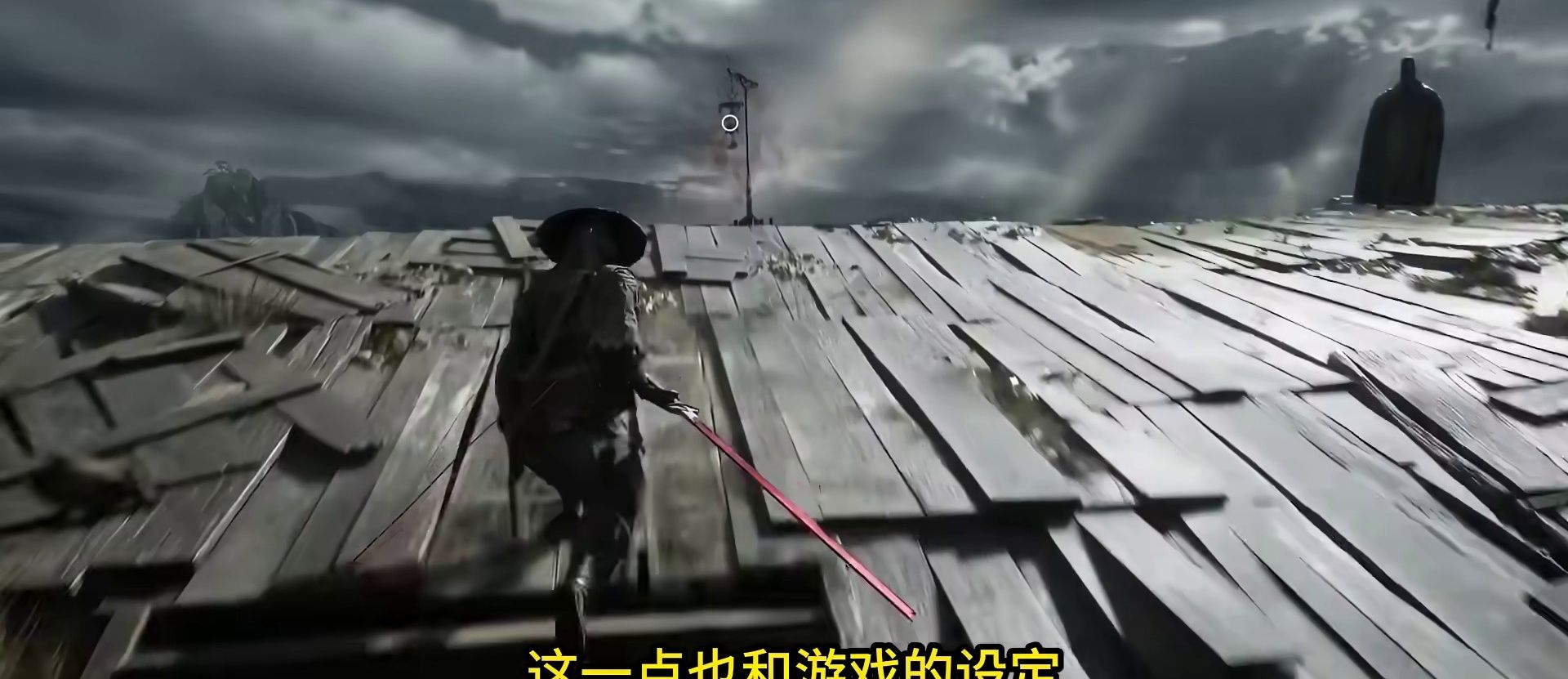
The demo confirms that the game offers three difficulty levels to choose from. What truly deserves applause, however, is how tightly the difficulty system aligns with the narrative - the 66-day deadline is not just a line of dialogue; like the Sword of Damocles, it hangs over the entire journey, lending the outcome of every battle genuine narrative weight.
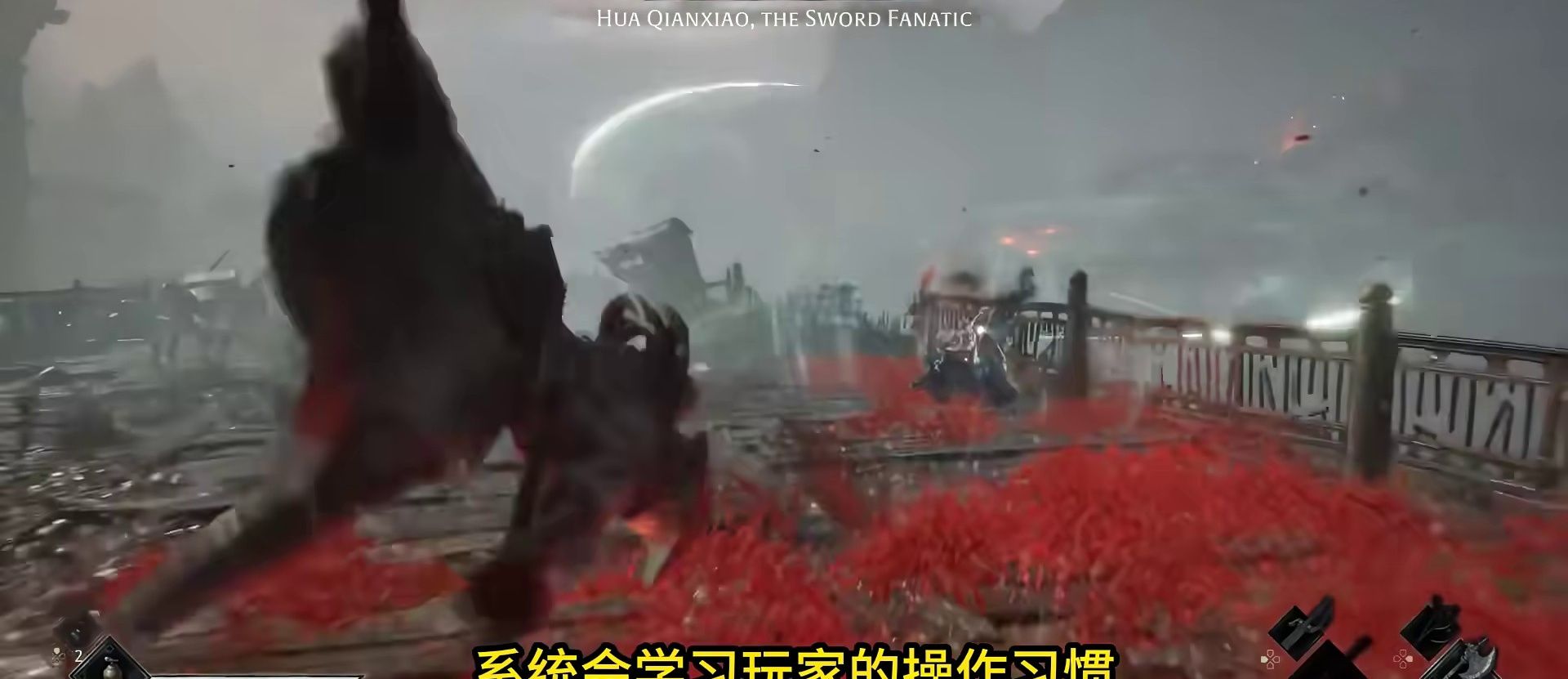
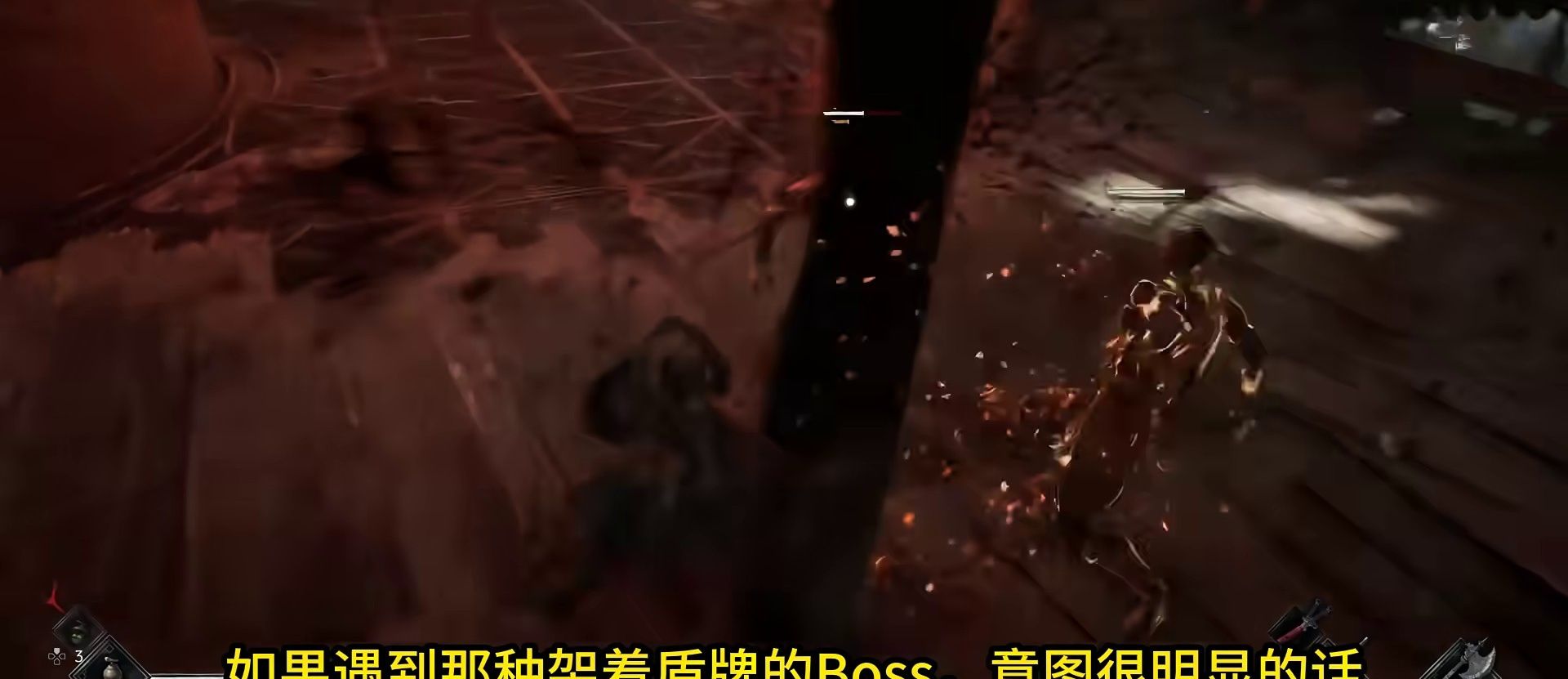
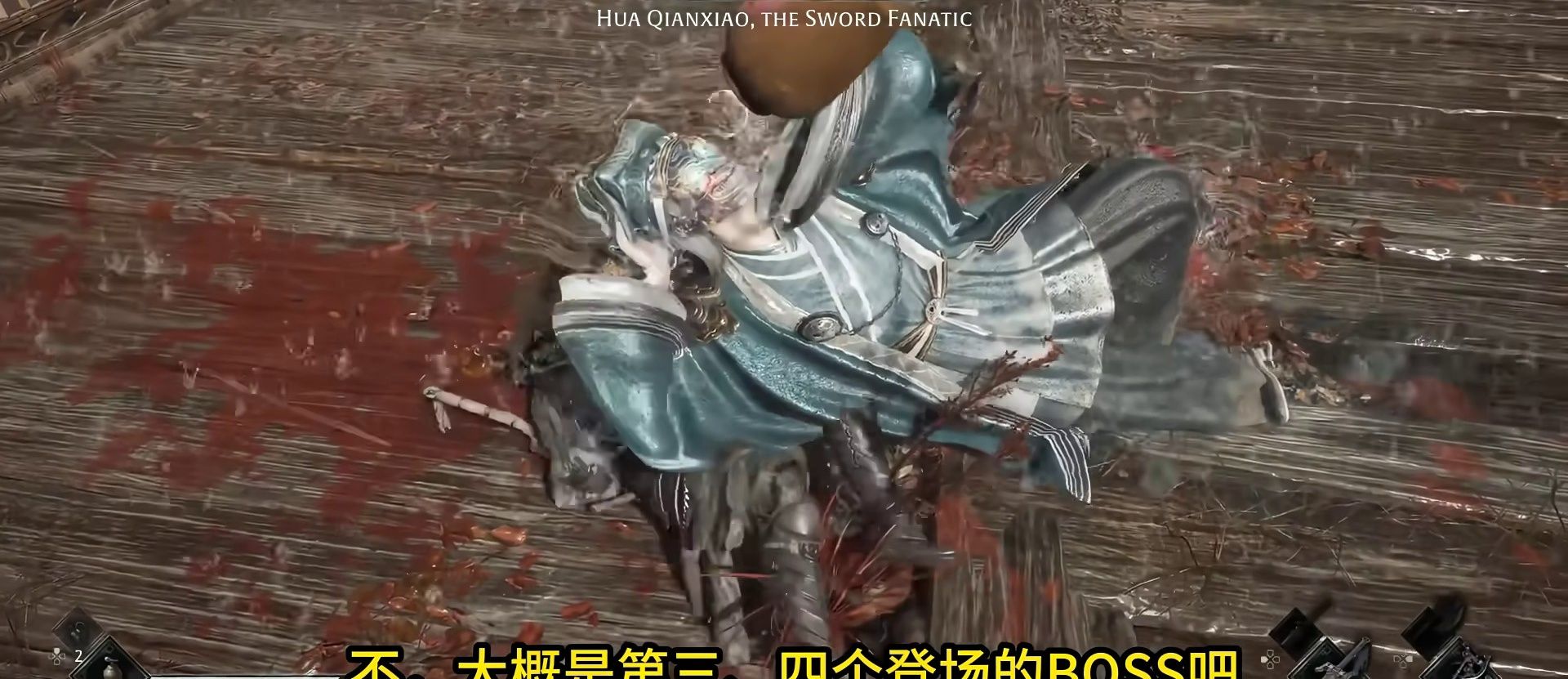
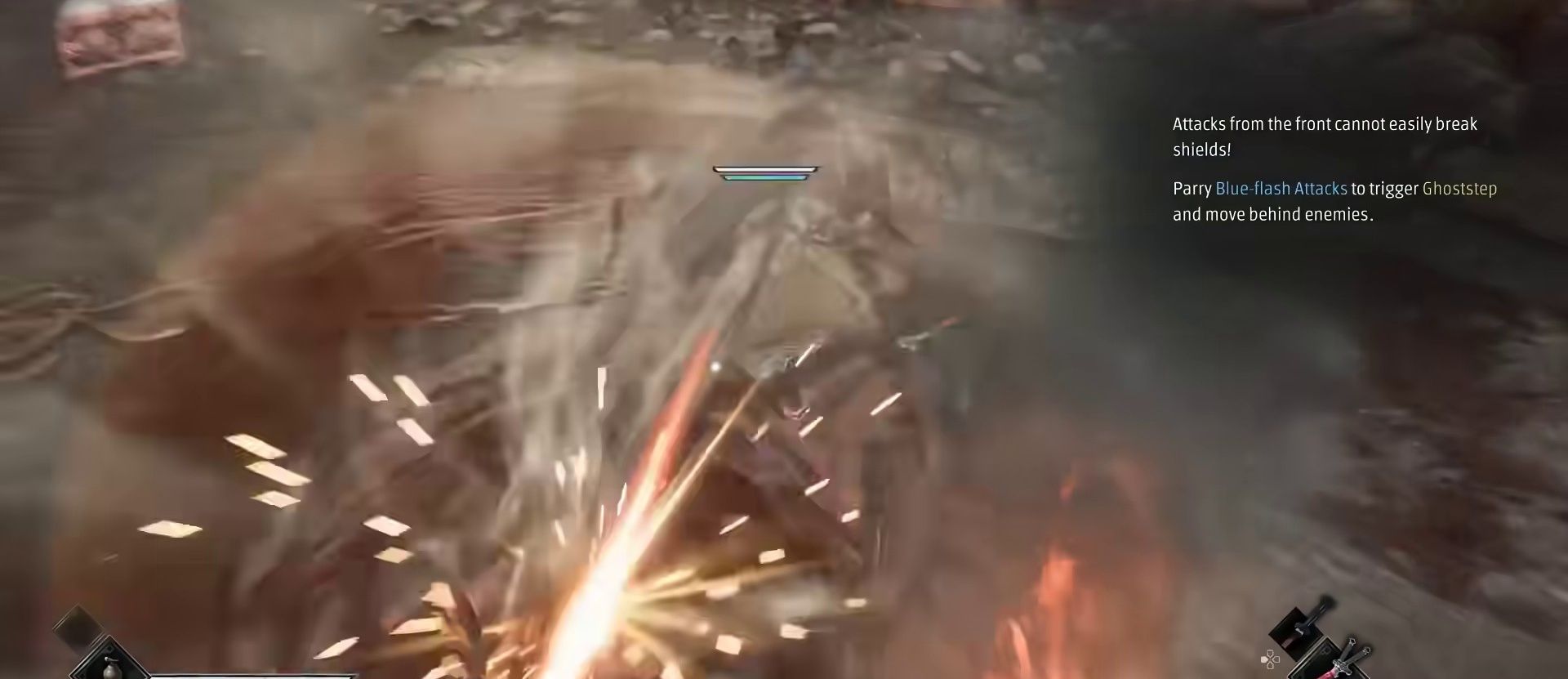
When it comes down to hands-on mechanics, this system boils down to a single word: Block. Fail to parry with precision, and your health bar will be torn to shreds without hesitation by enemy combos - practically "block failure means death." Our hands-on editor admitted outright that the entire combat logic reminded him of Sekiro:
"'Shadows Die Twice' - that phrase fits Phantom Blade Zero without a hint of dissonance."
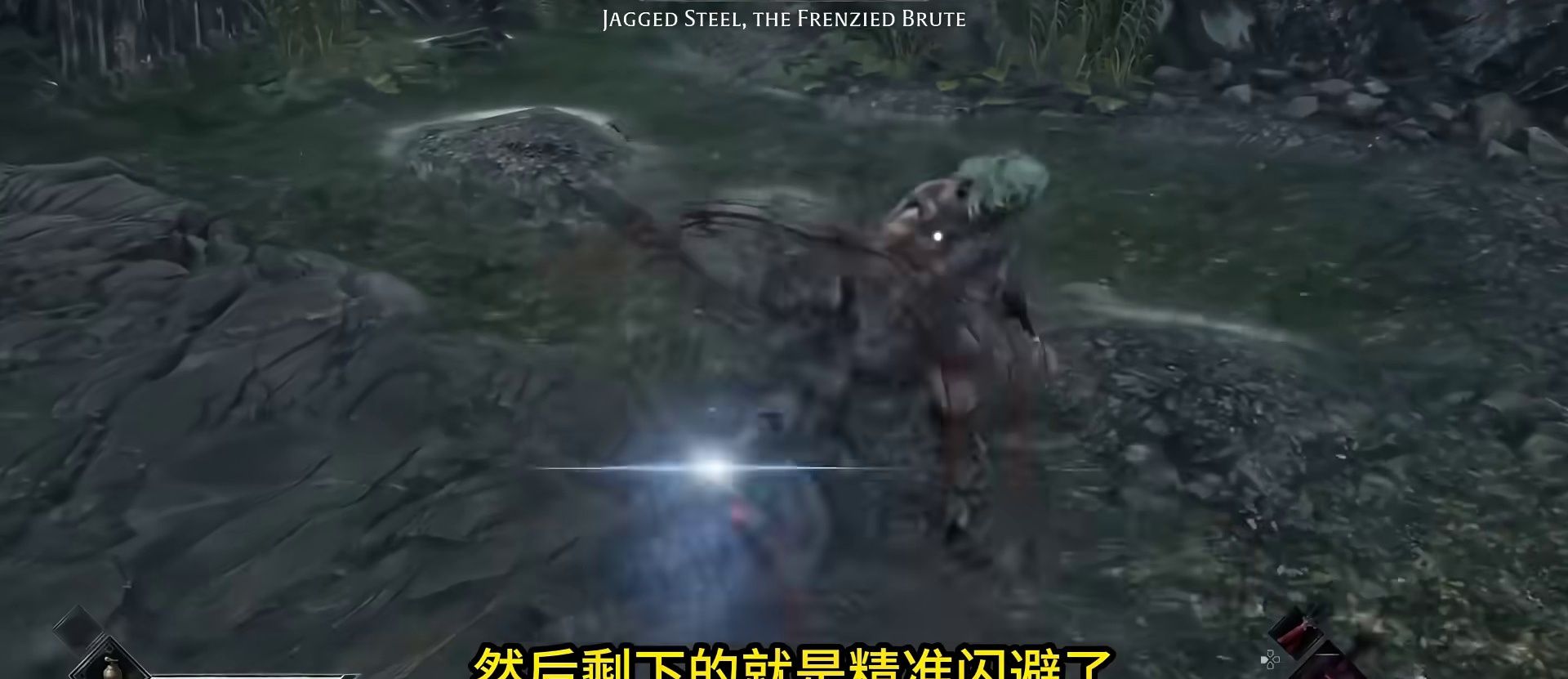
This high-pressure "parry or die" design interlocks with the move system of Chinese martial arts, and together they form the very core of the game's thrill.
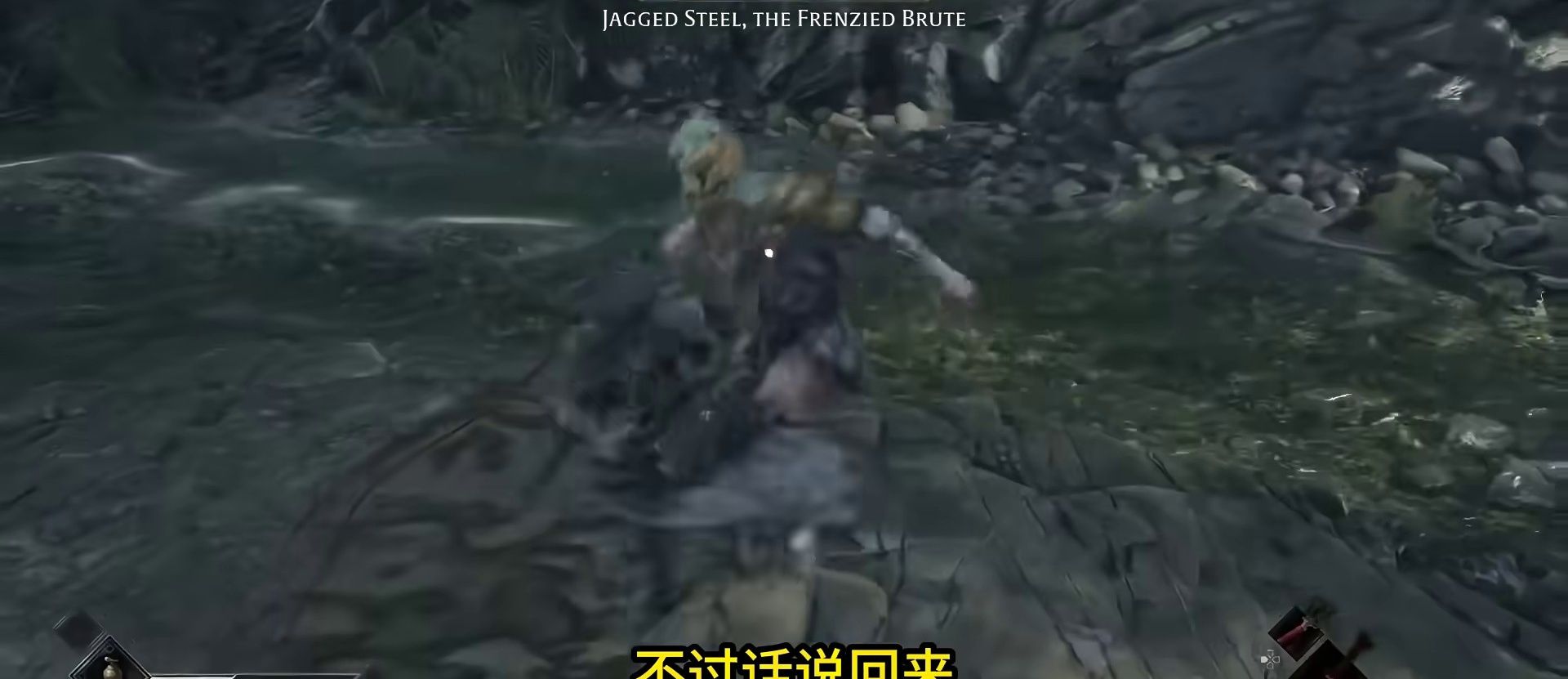
Powered by Donnie Yen's Motion Capture: Fast, Gorgeous, Relentless Chinese Martial Arts
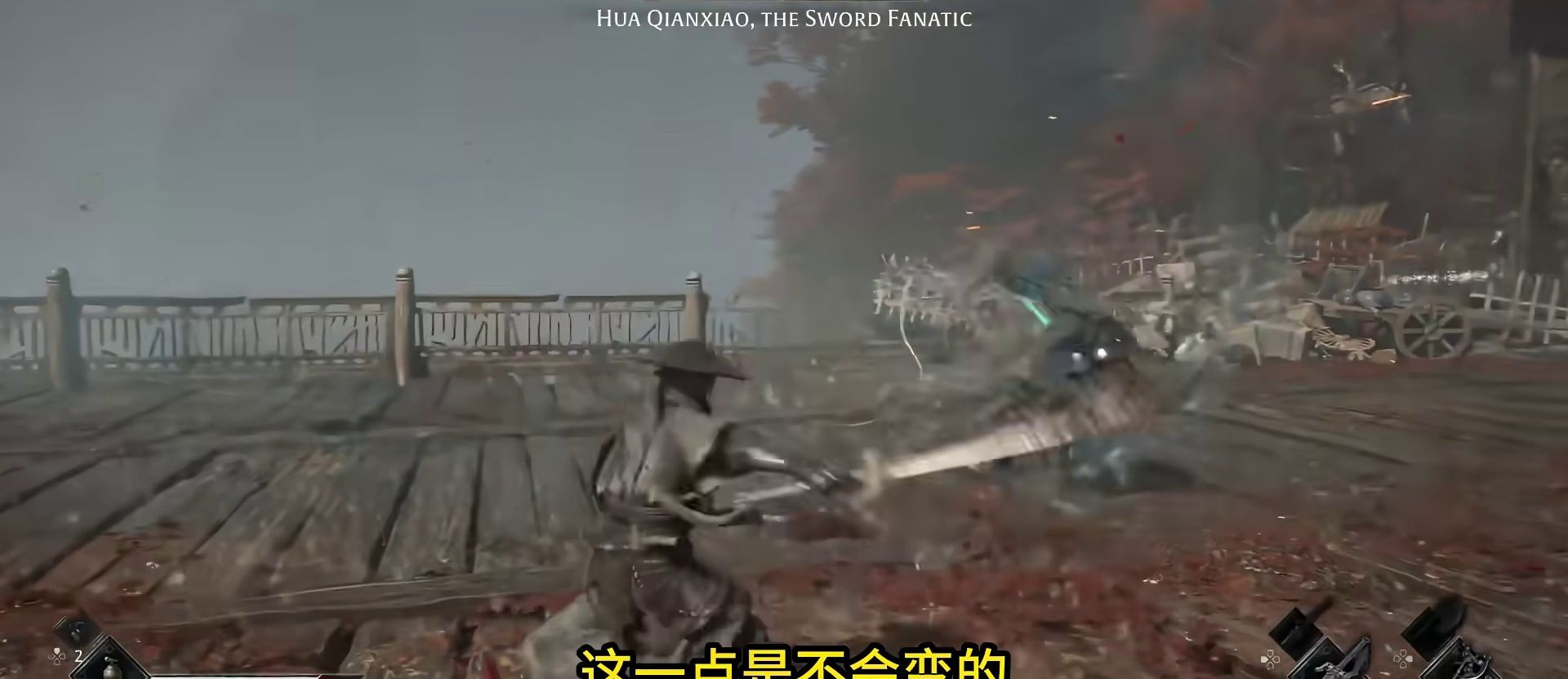
The combat system is the very foundation of Phantom Blade Zero. The game brought in kung fu superstar Donnie Yen for motion capture, so every slash, dodge, and weave carries a solid martial arts foundation - sleek, precise, with spectacle value maxed out.
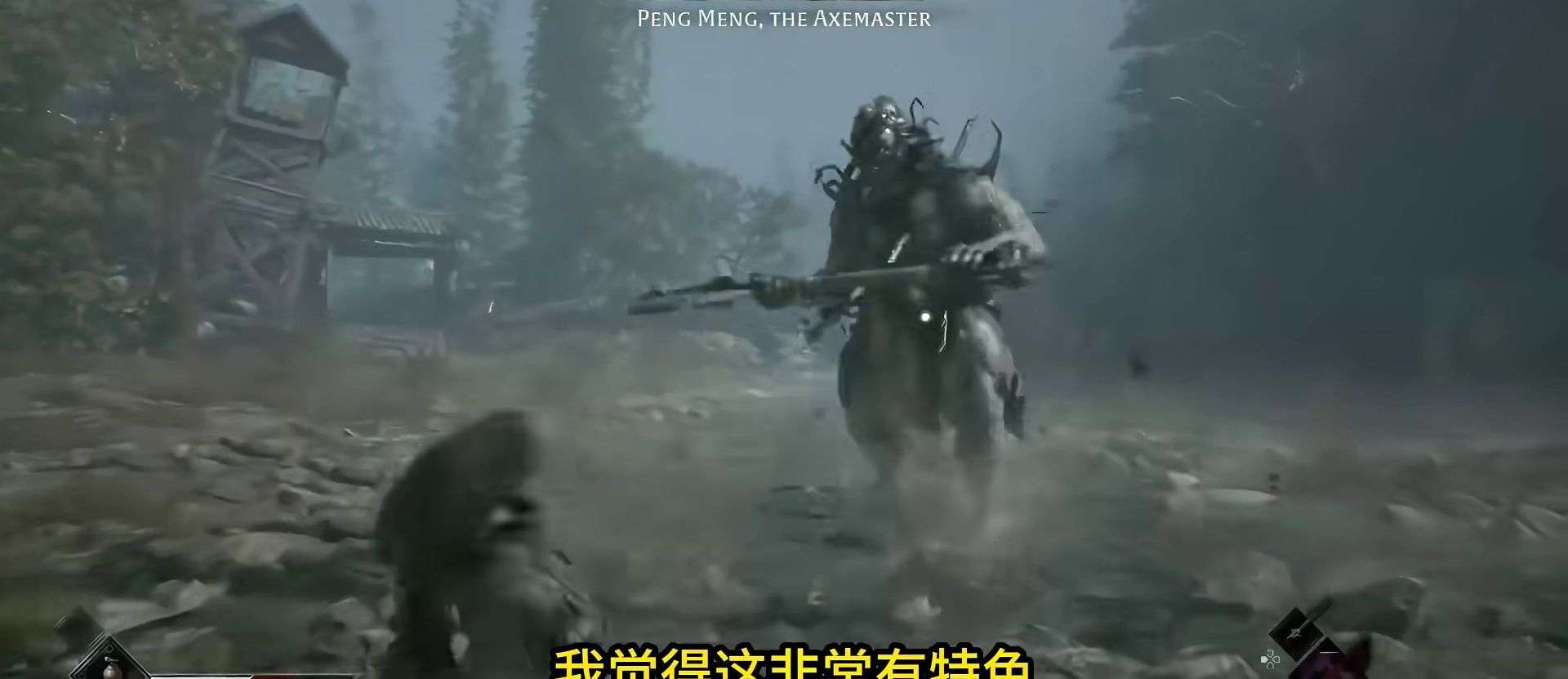
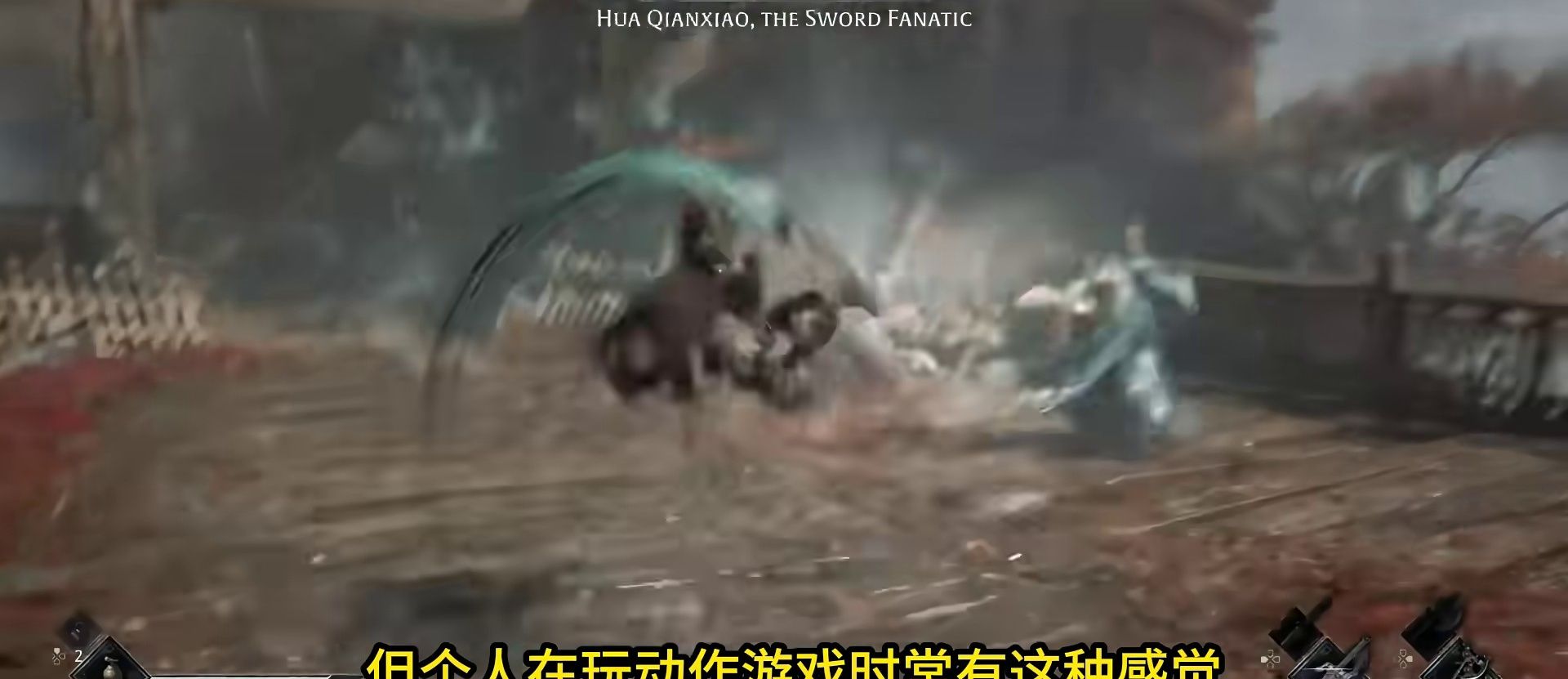
Our hands-on editor had just recently played Onimusha: Way of the Sword, and the side-by-side comparison made the difference immediately tangible: Phantom Blade Zero's combat pace is noticeably faster, with moves chaining together like flowing water. He also brought up Chinese-themed action games like Wo Long - Chinese martial arts naturally carry a gorgeous, flowing combo quality that only gets smoother the longer you fight - and that's precisely what makes this game so captivating.
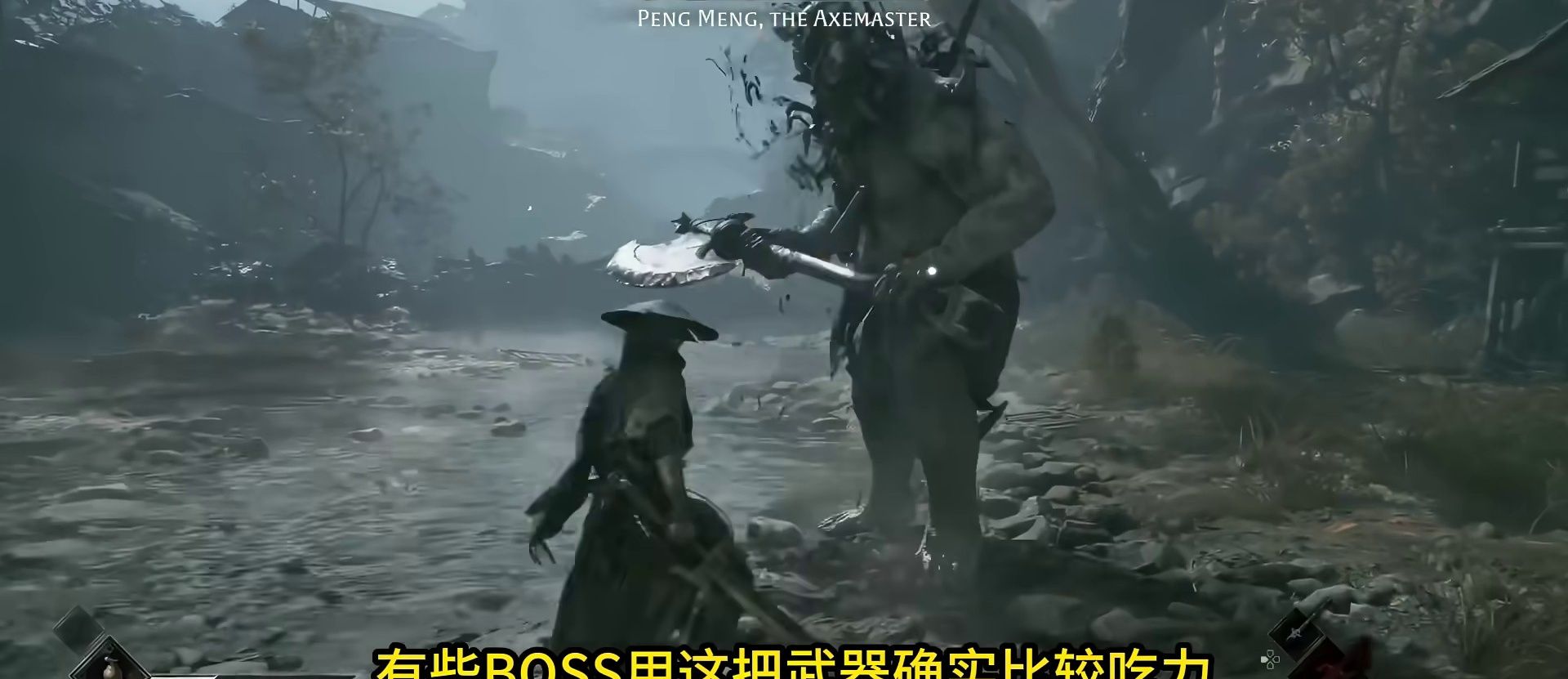
Importantly, this "speed" isn't mindless acceleration - it's speed built on parry windows and combo rhythm: every strike follows its own offense-and-defense logic, and every dodge paves the way for the next exchange.
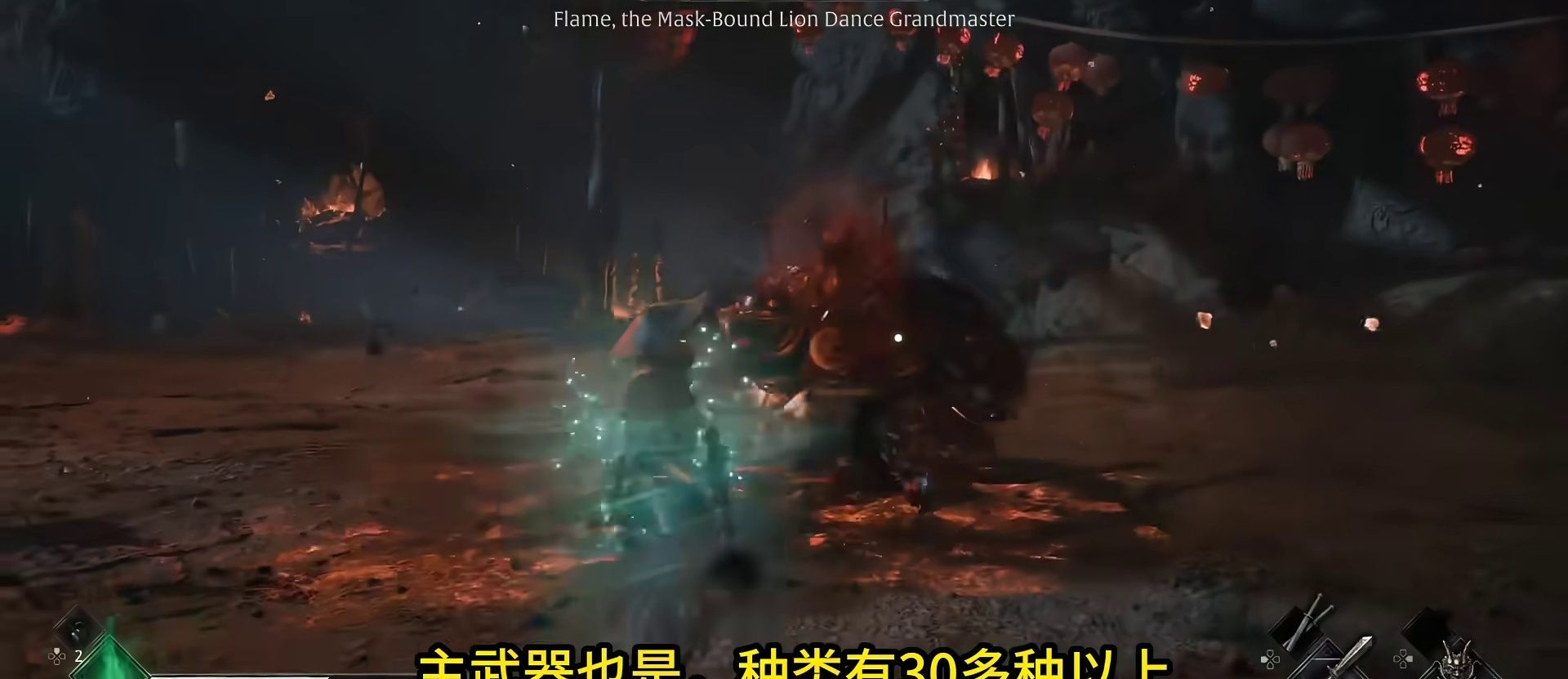
And to bring real variety to this high-speed offense and defense, it's time for the game's equipment system to take the stage.