Foreign Fans Rave "Game of the Year" but Won't Preorder? A Deep Dive into the China - Overseas Sentiment Divide Around Phantom Blade Zero
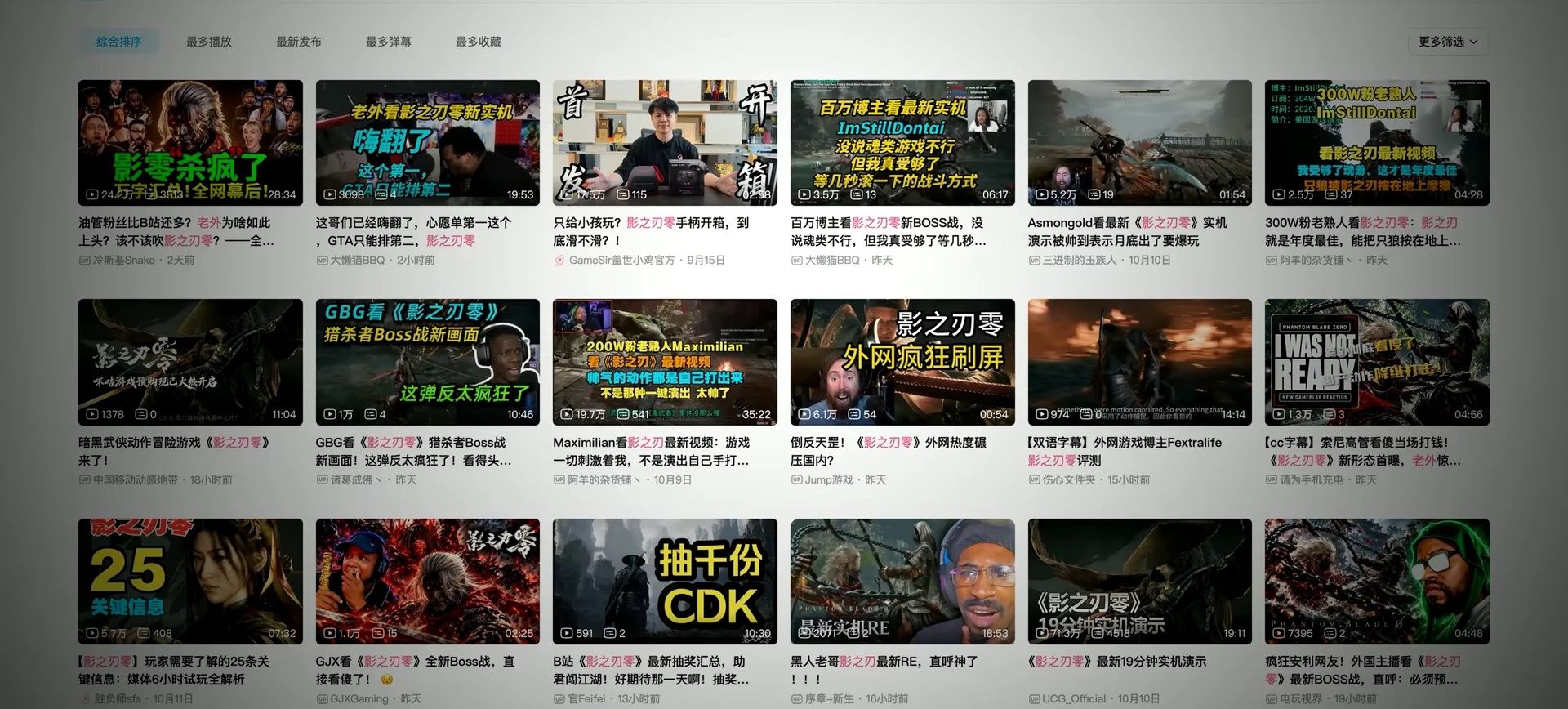
This weekend, the hottest Phantom Blade Zero topic on Bilibili was no longer the game itself, but a far subtler question: why are foreigners so hooked?
With the release drawing near, overseas media previews went live in a concentrated wave as embargoes lifted, sparking a rare tide of "reverse reposting": in just six days, 42 Bilibili channels uploaded 142 pieces of overseas content, with reviews from Maximilian, IGN, and GameSpot - fitted with Chinese subtitles - pouring nonstop onto the front page. IGN's editor's six-hour long-form preview alone was reposted by different accounts at least eight times; just one of those uploads surpassed 200,000 views, and IGN Japan's preview was reposted four times as well.
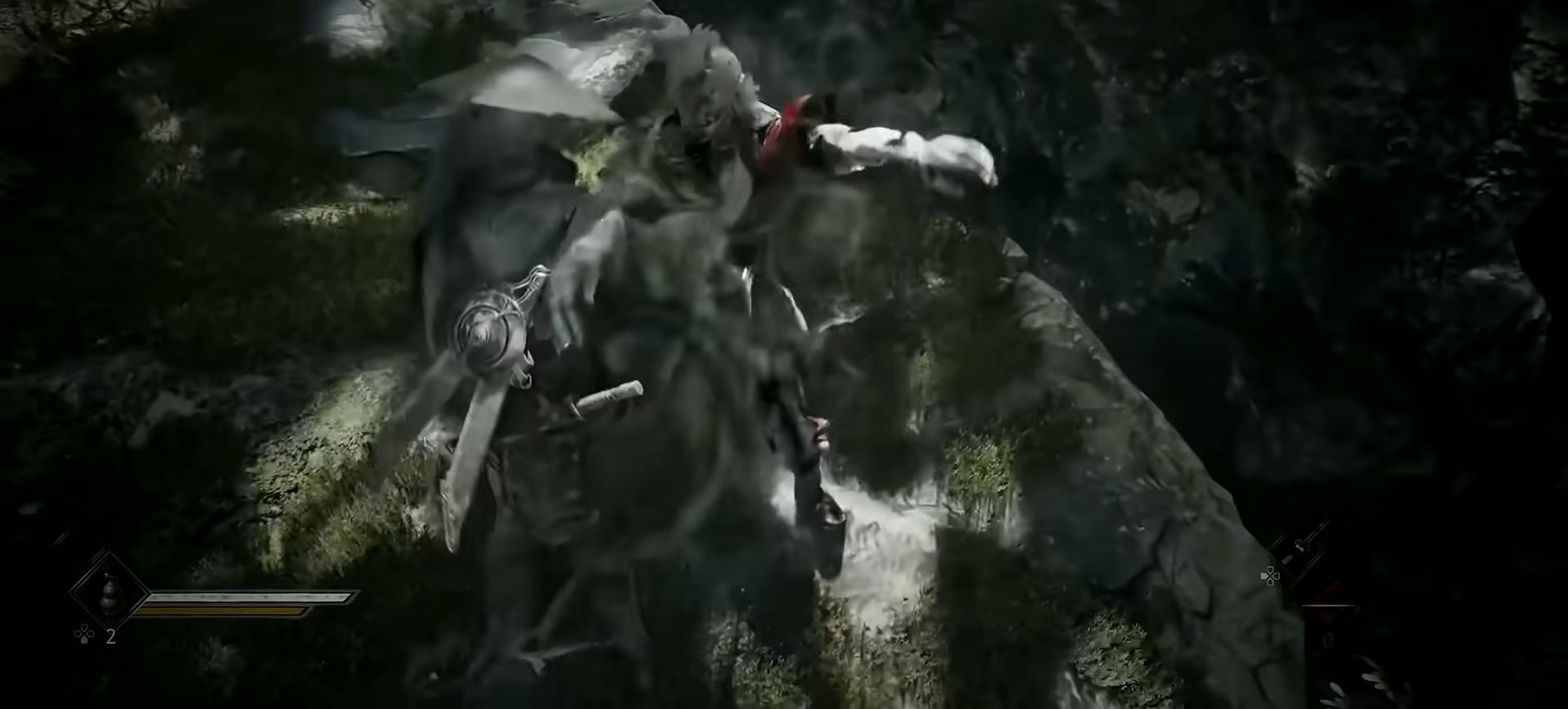
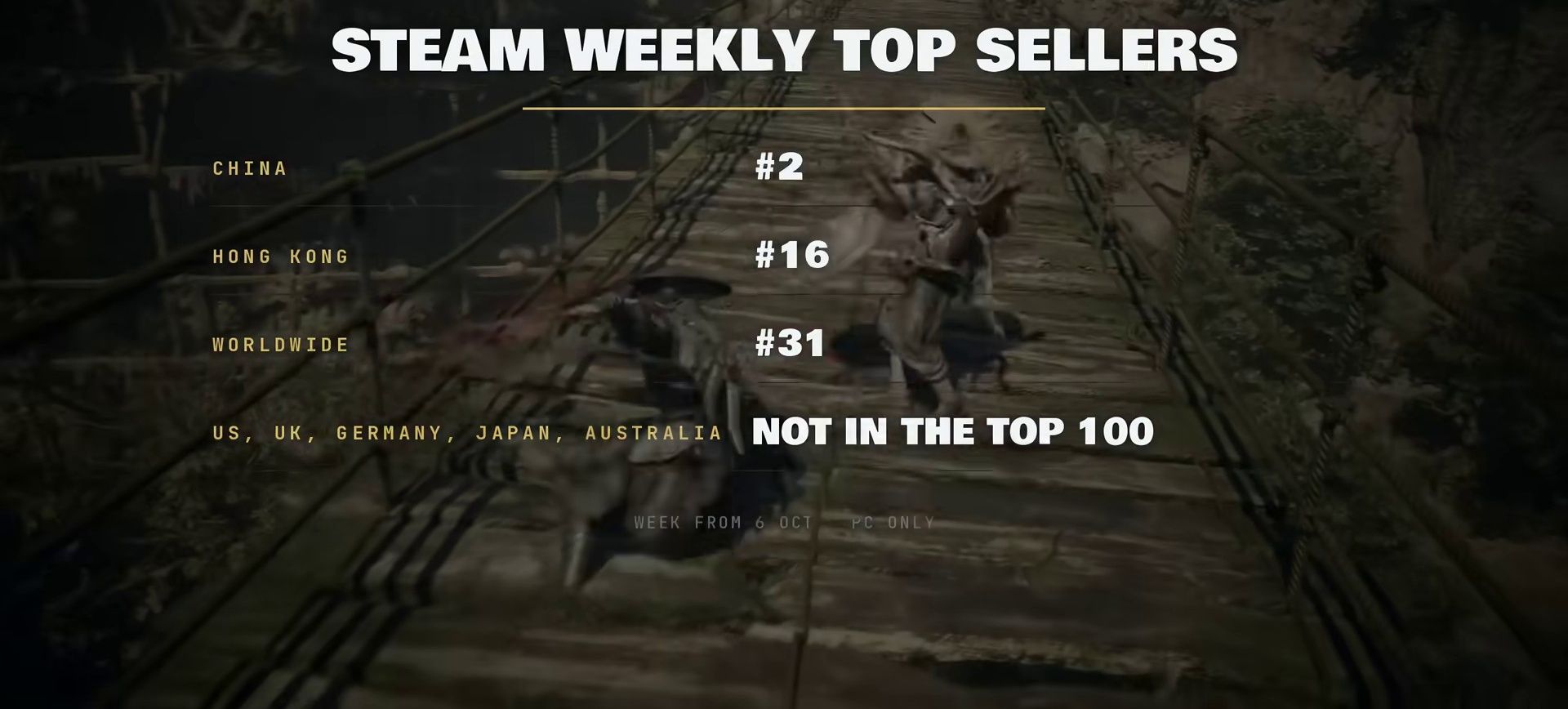
Yet at the very same time, another set of numbers sits in jarring contrast: in the domestic market, the game is a top-seeded contender on the preorder charts; in the US region, however, its name is nowhere to be found in the top one hundred.
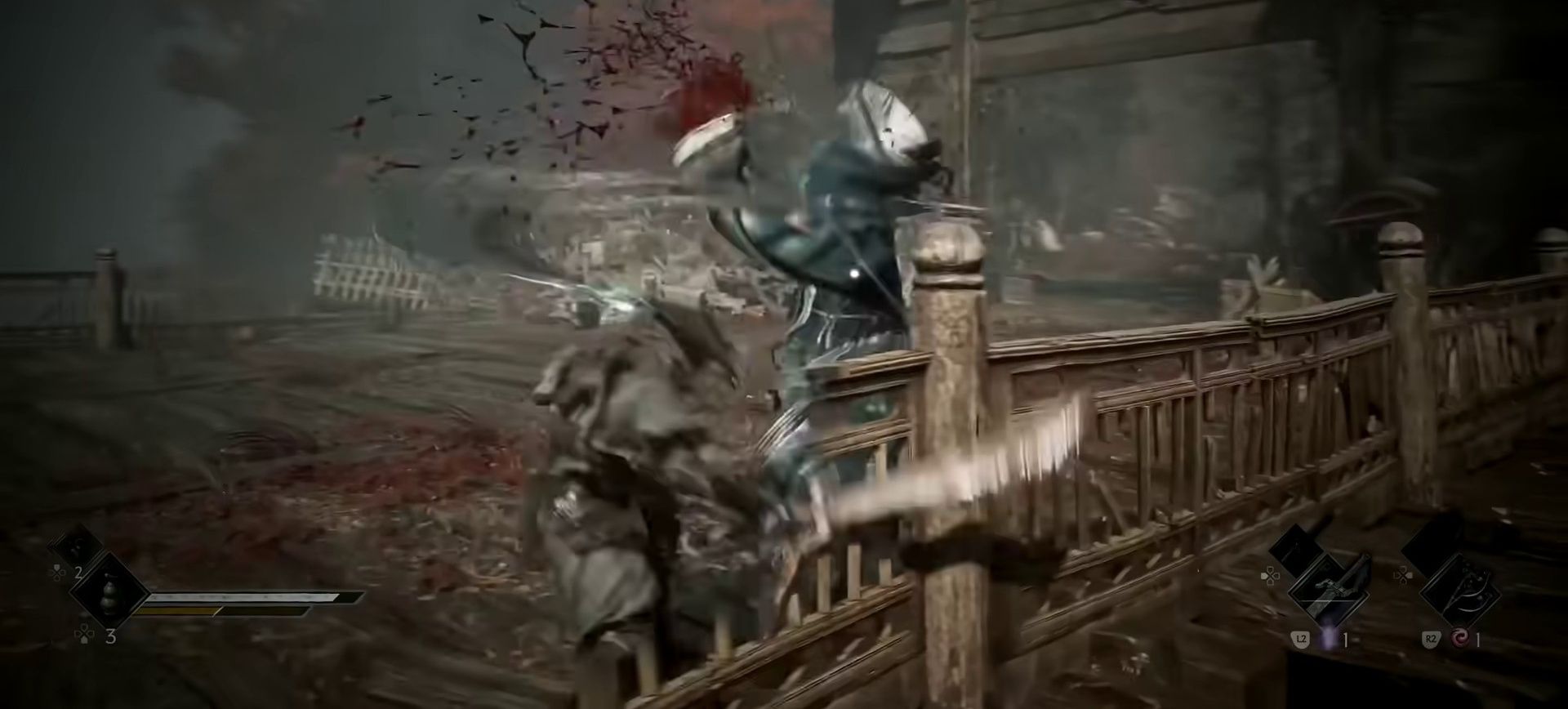
Overseas, "Game of the Year" is being shouted from the rooftops, yet the wallets tell a more honest story; Bilibili is basking in pride, while domestic media sound surprisingly measured. The gap between these two currents of sentiment is the story most worth reading closely before Phantom Blade Zero's release.
The Disconnect: Overseas Fans Shout "Game of the Year," but It's Nowhere to Be Found on the US Charts
Let's start with the lively side. Once the embargo on overseas previews lifted, Bilibili was flooded with "foreigner reaction" content - which is itself a signal: Chinese audiences have begun consuming "what foreigners think of homegrown games" as a standalone content category. Forty-two channels, 142 reuploads, and individual videos pulling in view counts in the 200,000s show that this wave of attention is not some niche circle's self-congratulation, but a bona fide traffic event.
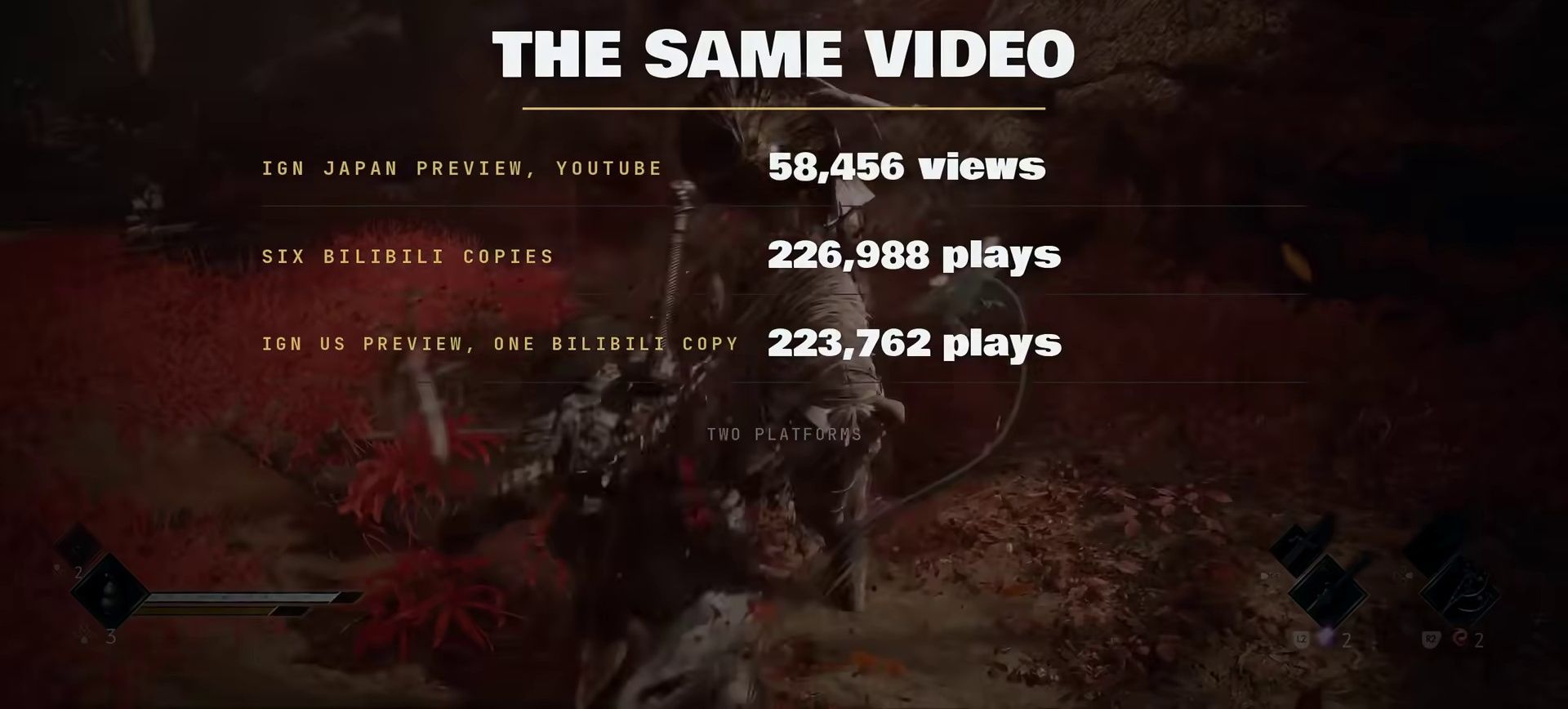
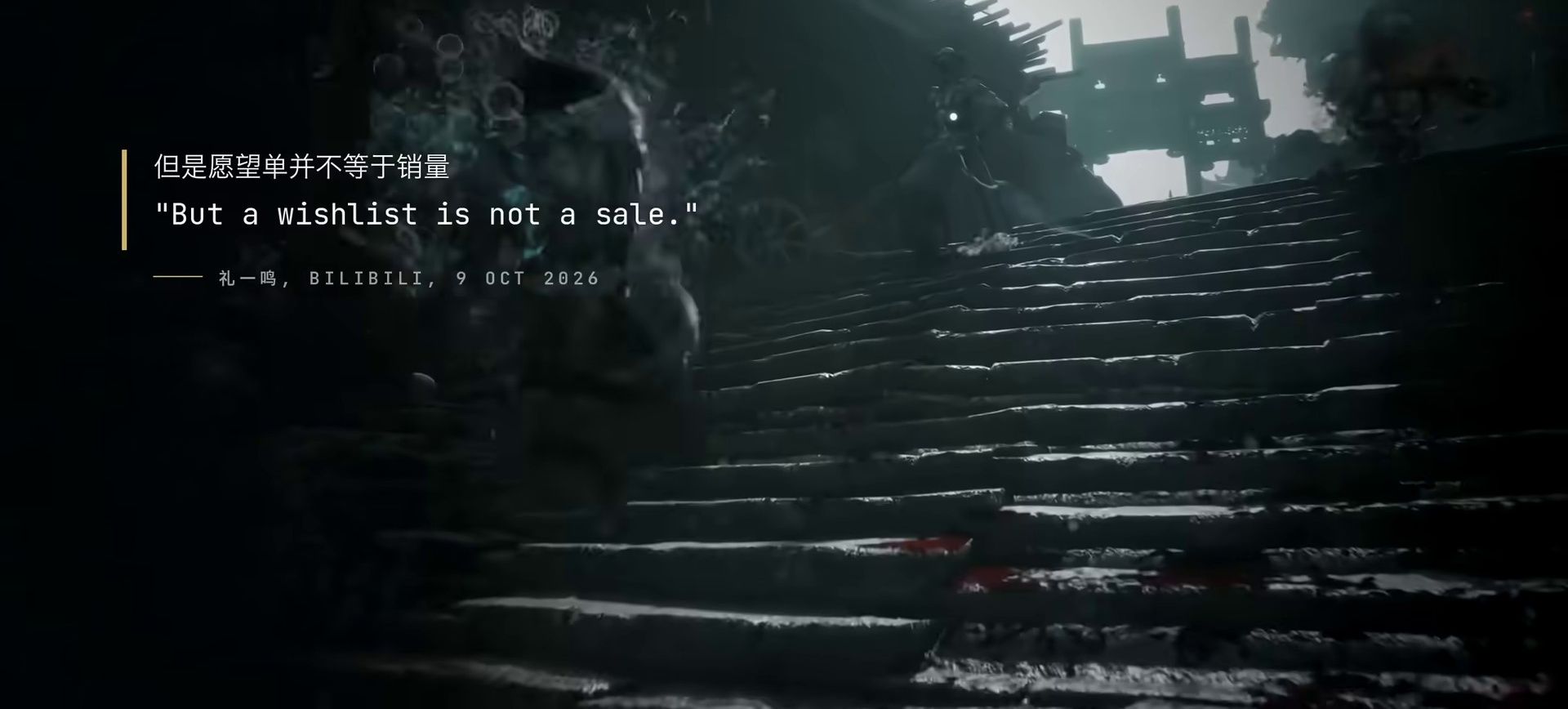
Now for the quiet side. On the US wishlist and preorder charts, Phantom Blade Zero has failed to make a splash commensurate with its buzz - sitting outside the top 100. A rare split has emerged between the mouths shouting "Game of the Year" and the hands reaching for wallets.
This split is not hard to explain: shouting slogans costs nothing, while placing an order costs tens of dollars. Overseas players can sincerely praise a trailer while just as sincerely waiting for it to go on sale. But the widening gap between buzz and sales reminds everyone of one thing: the heat of overseas sentiment cannot be directly converted into market results.
The truly interesting questions are these: why is this the game getting all the hype? And why, conversely, are core domestic players holding their fire and watching coolly from the sidelines? Read on - the answers on both sides offer plenty to chew on.
Why Are Foreign Players Hooked? Three Surprisingly Simple Answers
Why Phantom Blade Zero, of all games? Pulling together what overseas creators and the development team have been saying these past few days, the answers are plain to the point of bluntness.
First, kung fu cinema has been paying dividends for half a century. From Bruce Lee to Jackie Chan, Jet Li, and Donnie Yen, Western audiences' love for Chinese-language kung fu films has endured for decades. What Phantom Blade Zero taps into isn't a new taste, but an old aesthetic proven countless times over.
Second, the term "kungfunk" sells itself. The development team is quite confident on this point: foreigners don't even need to see the game itself - the name alone is enough. That kind of conceptual recognizability is something no marketing budget can buy.
Third, and this one stings the most: Western players have grown fatigued with their own AAA blockbusters. When assembly-line open worlds and annualized sequels leave people uninspired, something with a completely unfamiliar visual language naturally feels "new."
In other words, what overseas commentary is hyping may not be "the pride of homegrown gaming," but rather a long-lost sense of freshness. This positioning, ironically, hews closer to commercial logic than "national pride" ever did.
Role Reversal: Ten Years Ago We Begged for Chinese Localization - Now It's Others' Turn to Ask
The most poignant thing about this wave of discussion is a complete role reversal.
Ten years ago, it was Chinese players flocking to the comment sections of global blockbusters, begging developers over and over to "add Chinese." Now, the script has flipped. Liang Qiwei - founder of S-GAME and producer of Phantom Blade Zero, better known to overseas communities by his ID Soulframe - recently mentioned in an interview that Turkish players have already come to him on their own, asking: could you add Turkish?
Just as, more than a decade ago, Chinese players demanded Chinese from the world's biggest titles.
The direction of localization requests has always been the most honest indicator of market leverage: whose language gets actively requested is the market being taken seriously. Bilibili basking in this pride right now is entirely understandable.
The Collective Calm of Domestic Media: 15 Hands-On Previews, and No One Shouted "Game of the Year"
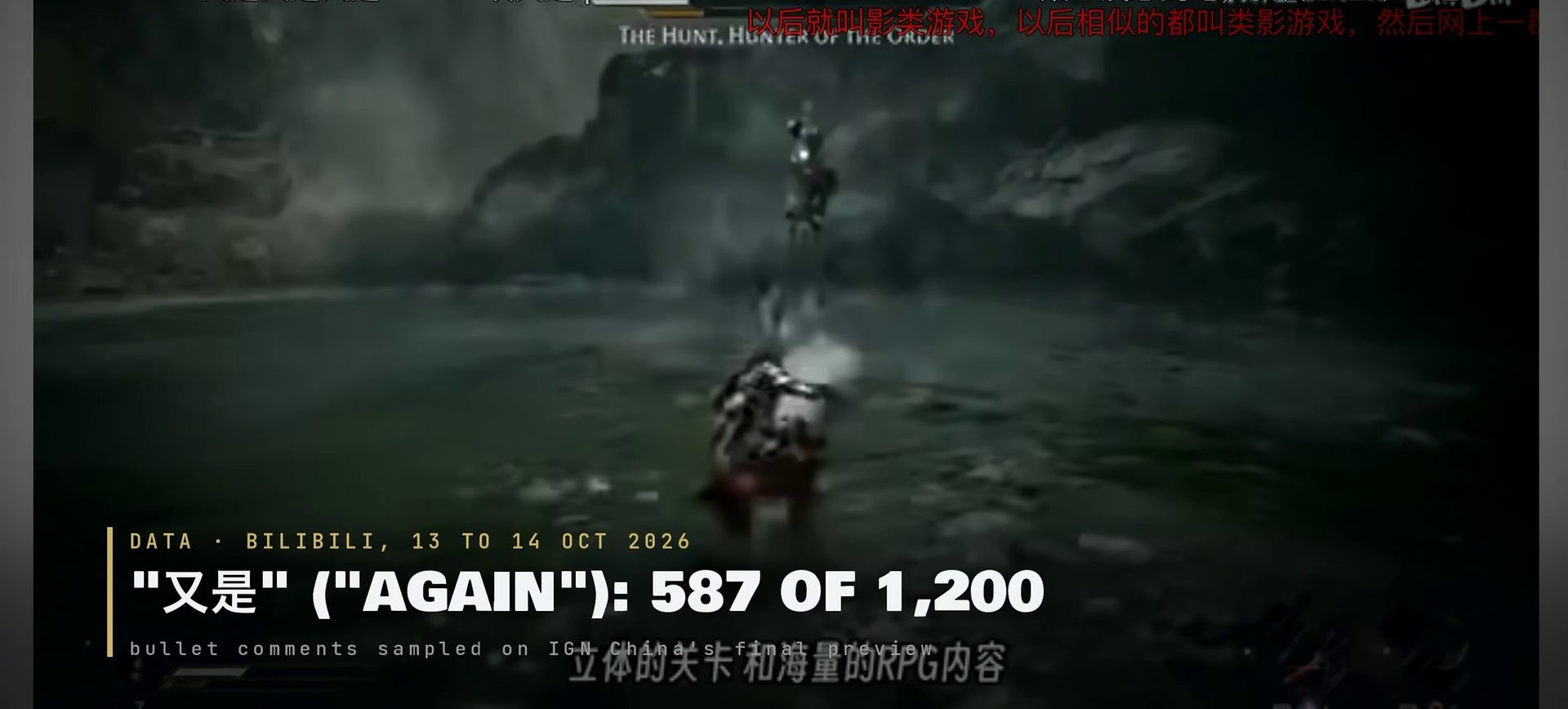
The buzz is on the overseas internet; the calm is domestic. The verifiable sample this time is remarkably complete: hands-on reports from 15 domestic media outlets, 11,000 danmaku, plus another 2,000 comments.
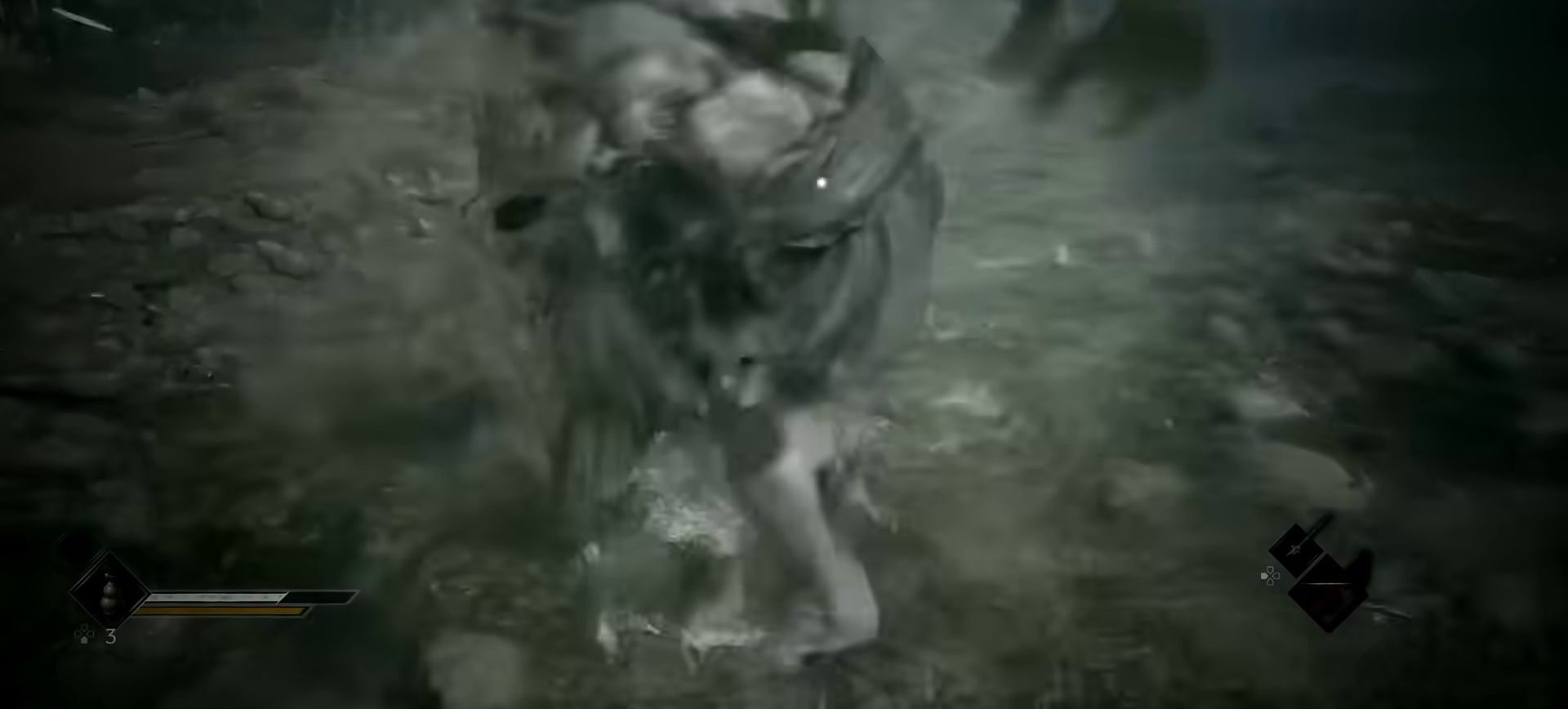
On September 3, domestic media attended a closed-door hands-on session in Beijing that ran nearly a full day. Recording on site was prohibited, so even the outlets' own videos were cut from the same batch of assets distributed by S-GAME. Among that material was a gameplay footage clip of the first two bosses - and as of press time, almost no corresponding version could be found on overseas platforms - which makes the words written by domestic media, ironically, the part of this news cycle most worth a close read.
Put the headlines and conclusions of the 15 reports side by side, and the picture looks like this:
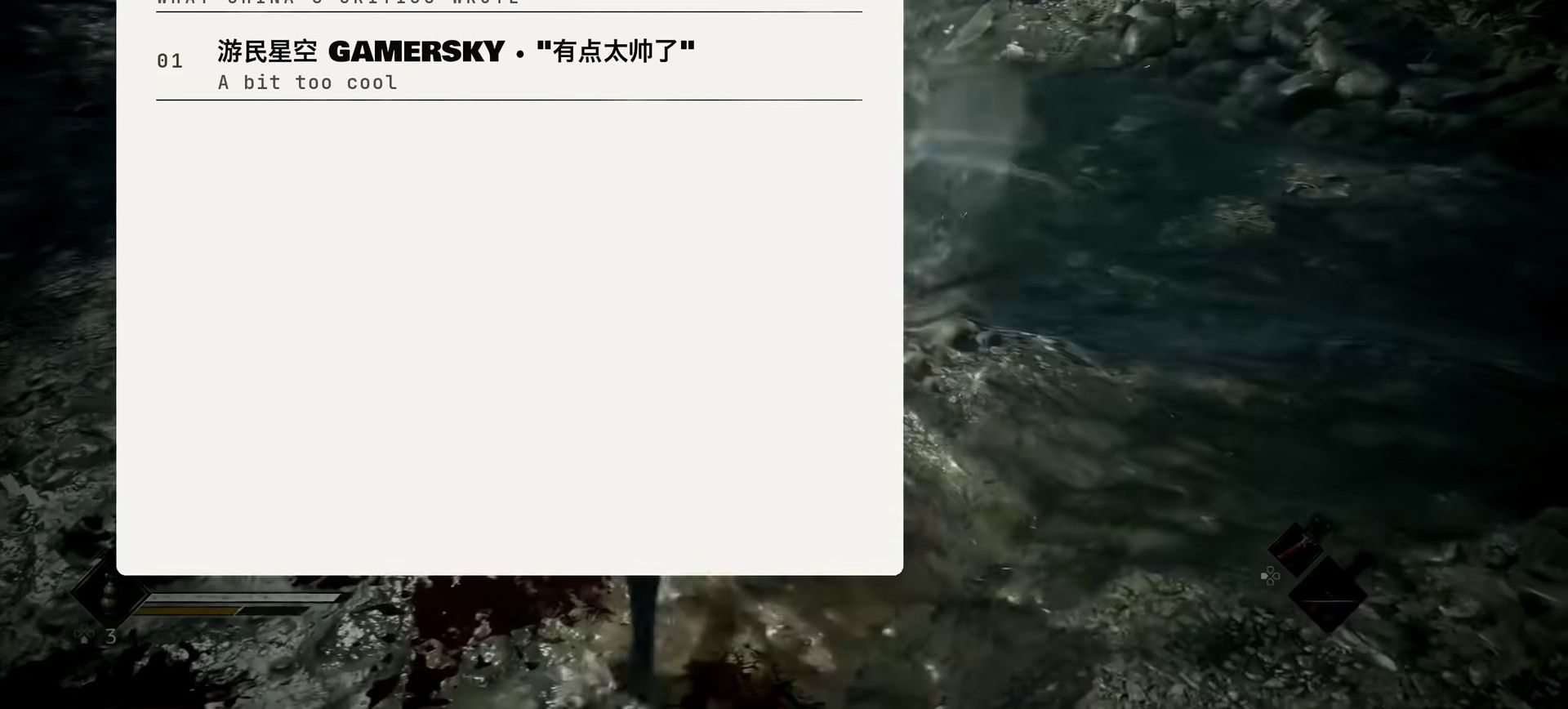
- Gamersky: "A bit too cool for its own good";
- 3DM: "It's just great";
- IGN China: "Possibly the homegrown wuxia game with the most international flair";
- Chule: advised readers who had been holding off that they "can rest easy now";
- Youyanshe: "One of a kind";
- And one outlet simply tossed out a single character, "hāng" - internet slang for "top-tier," whose original meaning is to ram earth for a foundation. A double entendre, and both layers are intended.
Warmth, gratification, and relief form the undertone of the domestic coverage. But note one detail: of the 15 outlets, not a single one called it "Game of the Year." 3DM even admitted frankly that it hadn't held much expectation going in - the project's ambition was so vast that people dared not take it at face value.
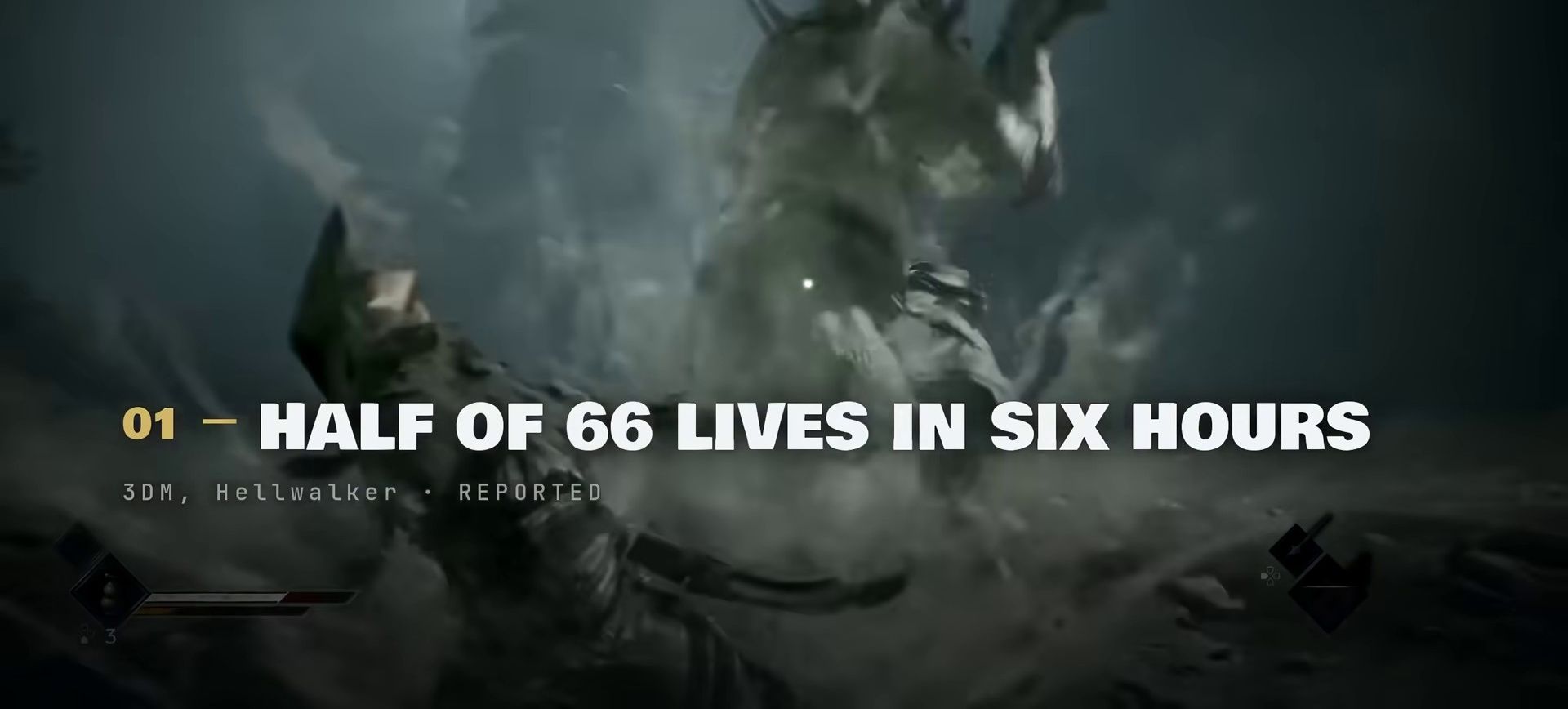
Beyond the restraint, there were also the hardcore details from the session that never made the press releases. The hardest of the three difficulty tiers has a name with real punch - "Hell Walker." One editor picked it, and by their own account burned through nearly half of protagonist Soul's 66 lives in six hours. This game's difficulty is not PR talk, but a feel paid for in lives by the media on site.
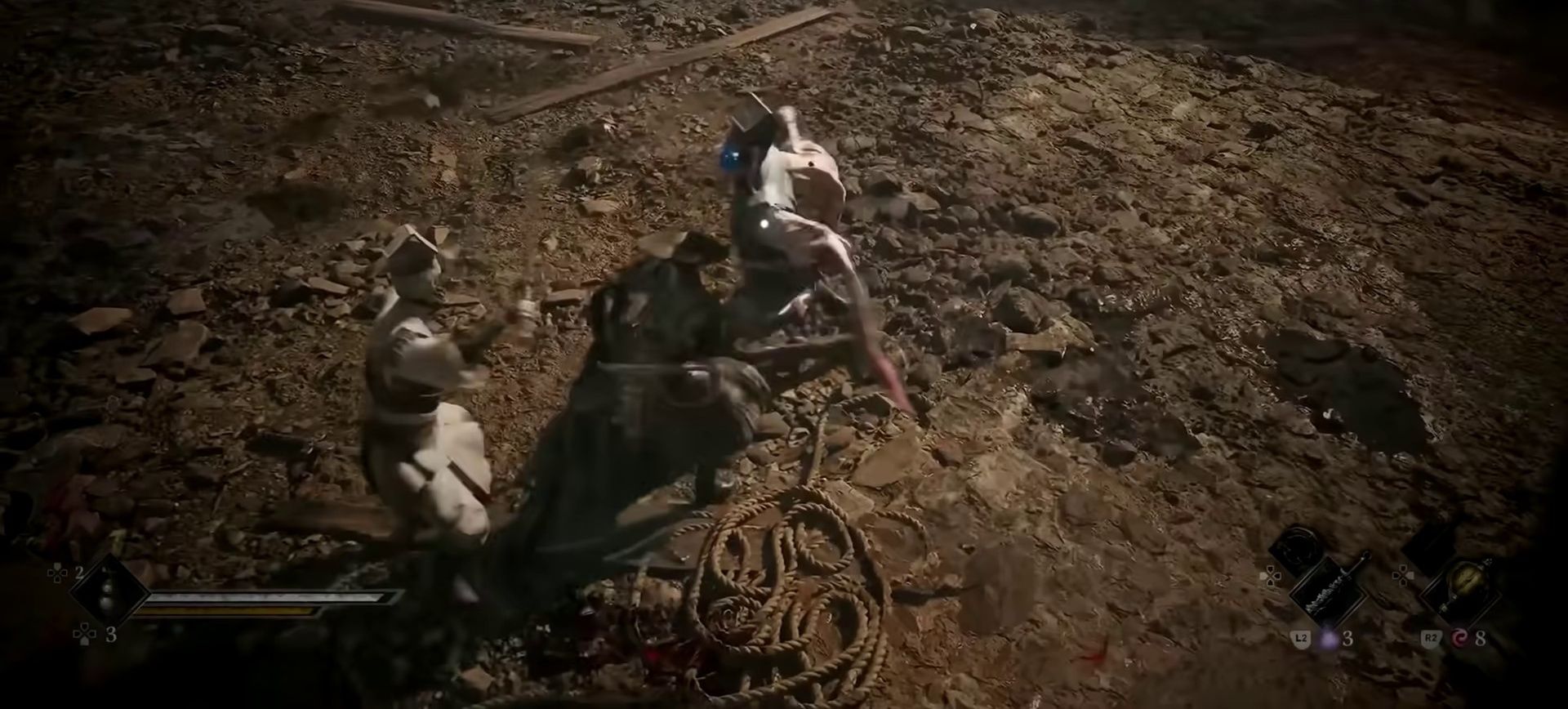
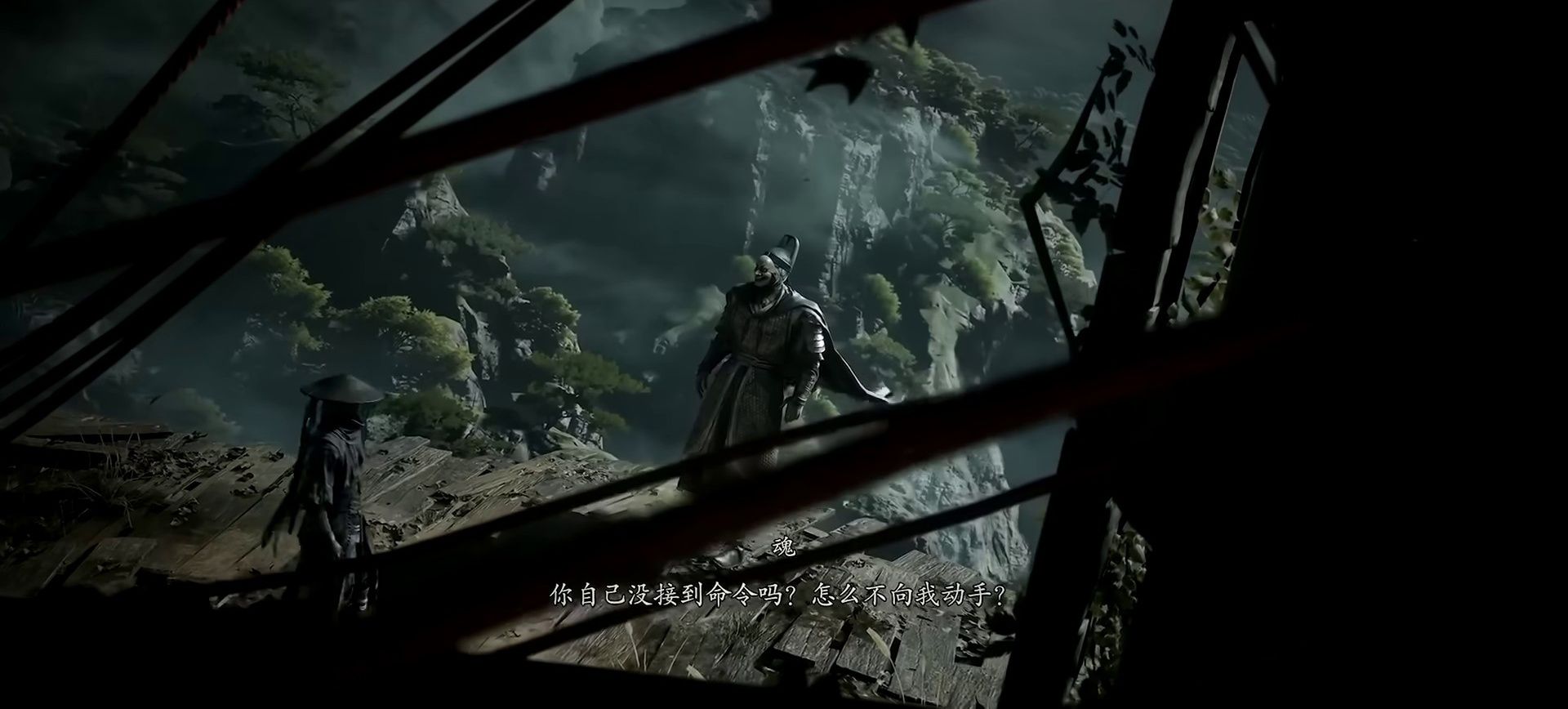
Youyanshe's observation is even more interesting: among the media on site, fewer than half found and defeated the hidden side quest boss; and only three or four people discovered that masked man - the boss with a cameo appearance by Donnie Yen. Put plainly: the content density far exceeds what a single hands-on session can digest, and whatever anyone saw was only the tip of the iceberg.
The Point Overseas Coverage Skipped: This Is a Complete RPG
Overseas headlines were almost entirely about the fighting, yet domestic reports all converged on the same surprising point: this is a complete RPG.
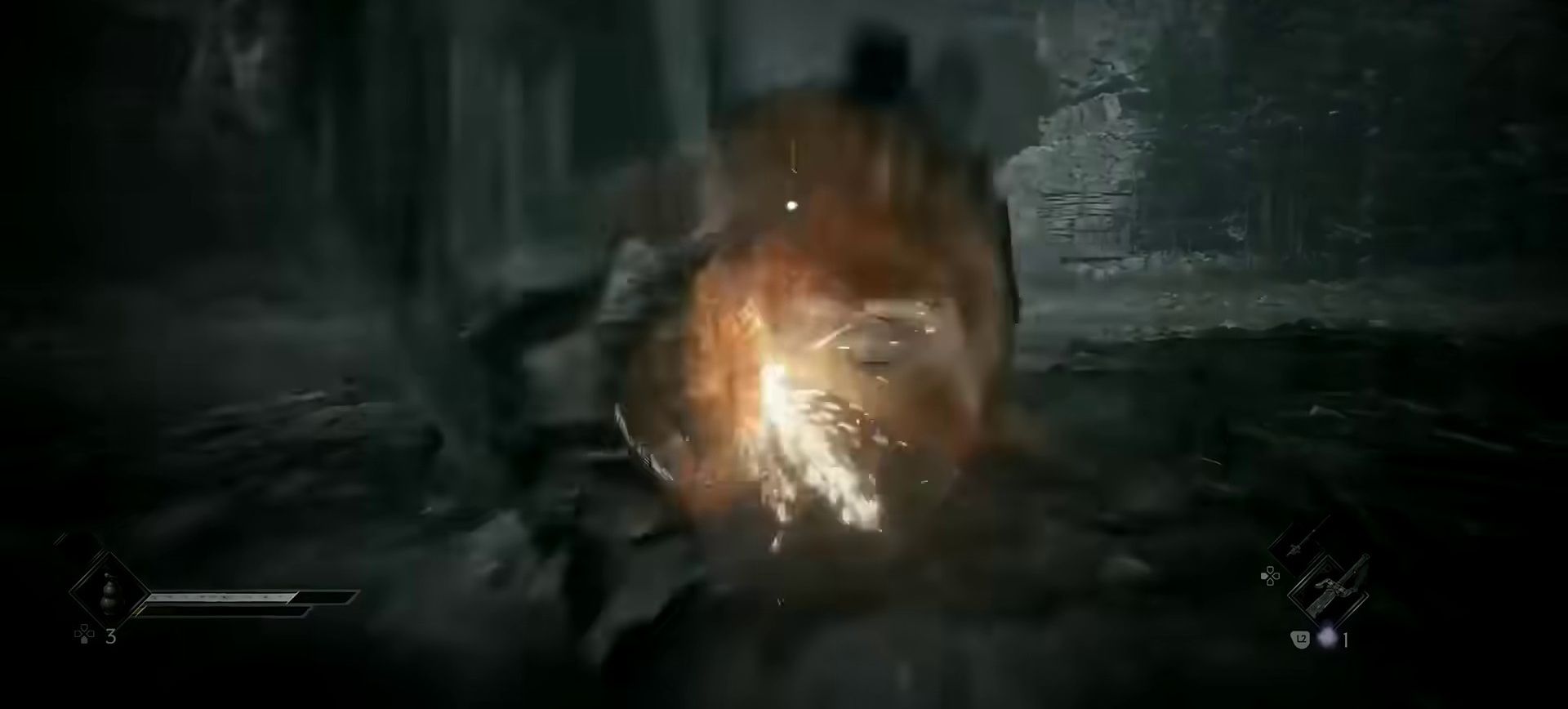
Game Reseach Society went a step further:
It could genuinely end up being made into a 3D Metroidvania.
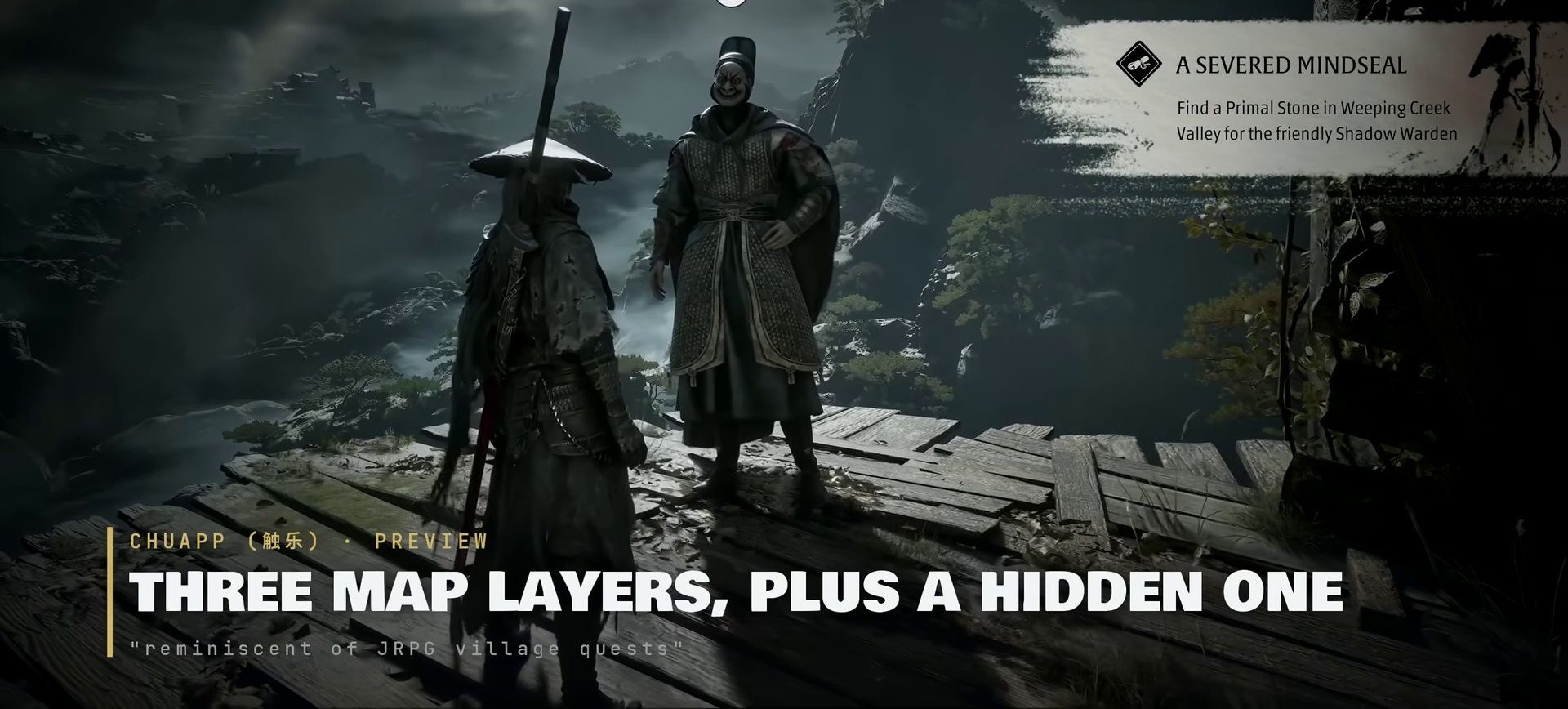
Liang Qiwei made that promise as far back as 2023, when it sounded like pure fantasy; now that the demo has landed, even the writers themselves admit that this "fantasy" is turning into actual gameplay. In the first map, Chule found three vertical layers plus a hidden one; the side quests take a form reminiscent of the leisurely village errands of Japanese RPGs. Beneath the action-game shell lies a complete skeleton of exploration and narrative.
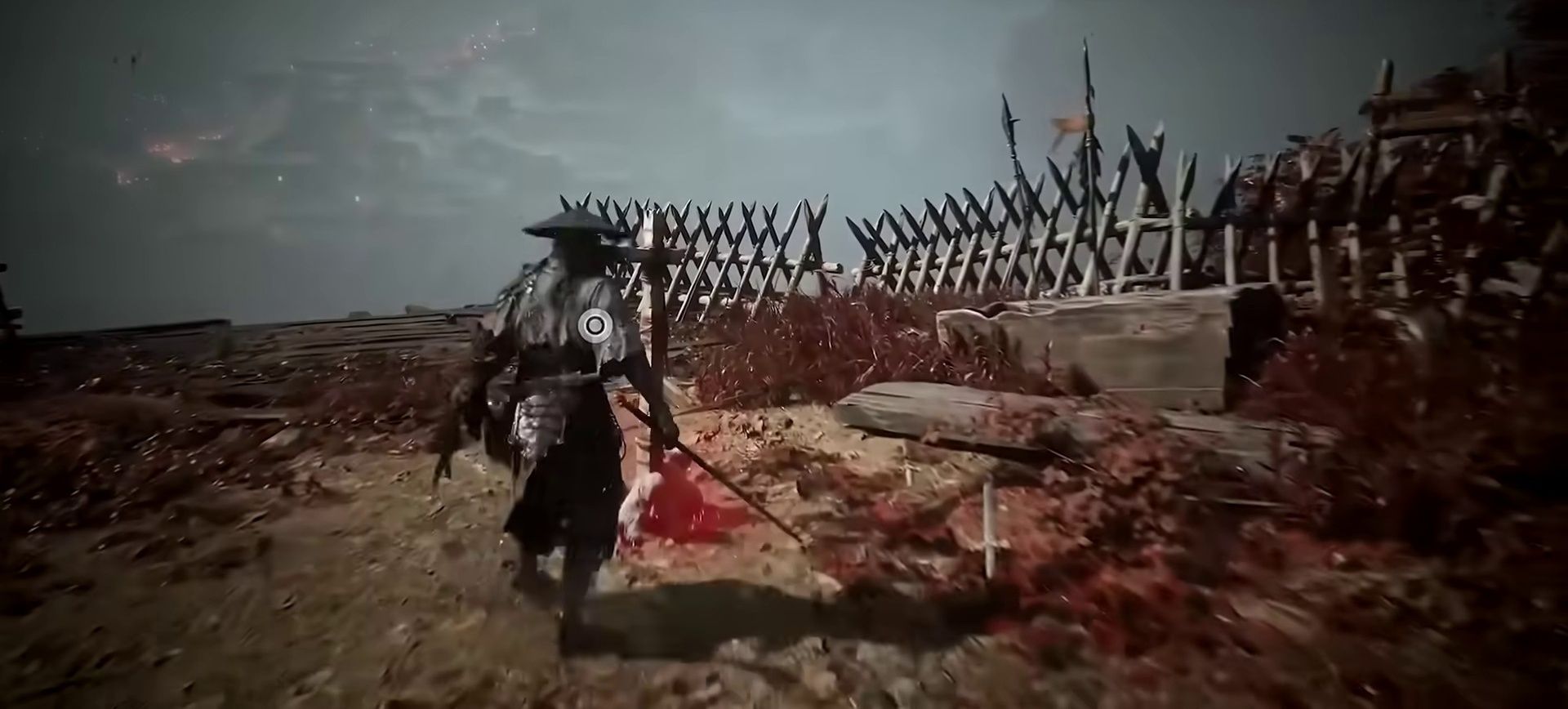
Even more interesting is the mismatch in frames of reference. Overseas reviews invoke Sekiro at every turn, yet the game domestic media reached for this week as a point of comparison was Street Fighter 6 - Gamersky noted that draining an opponent's posture bar before punishing them feels like dealing with an exhausted opponent in Street Fighter; 3DM said that the resource-consumption system operates more like Street Fighter 6's Drive Gauge.
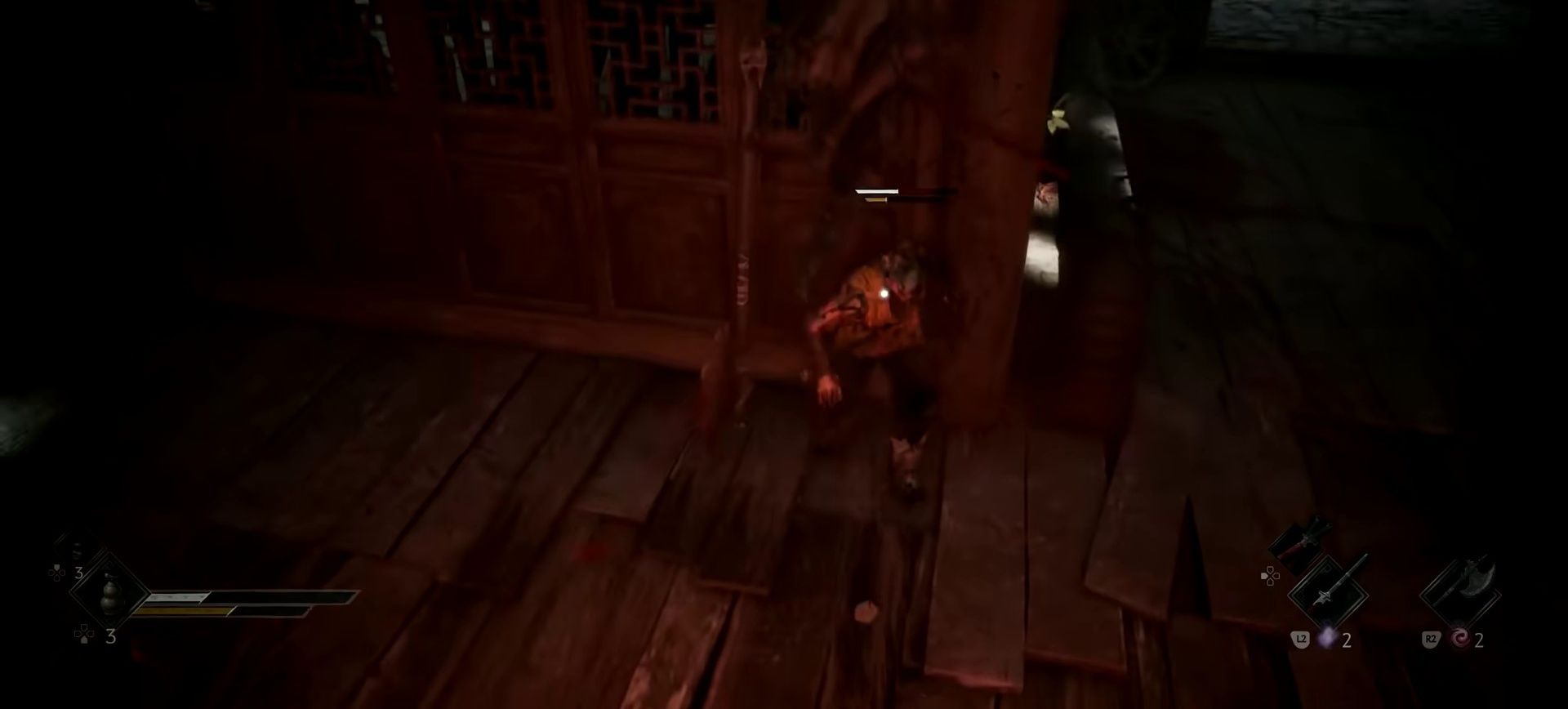
When a homegrown action game starts being discussed within the framework of fighting games rather than that of soulslikes, it means its combat system has grown complex enough to demand a whole new vocabulary. And the benchmark repeatedly invoked in this week's domestic reviews is no longer Sekiro - that in itself is a signal.
The Trust Comeback: From "PPT" and "Vaporware" to "What You See Is What You Get"
To understand the "restrained warmth" in the domestic discourse, you first need a stretch of history that overseas coverage never carried.
S-GAME got its start in mobile games, and the Phantom Blade series left deep memories with a generation of players on their phones - and a sizable part of that memory was monetization pressure. So when Phantom Blade Zero was announced in 2023 with no official word on its business model, many people's first reaction was: another nostalgia cash-grab? Two nicknames thus trailed the game for a long time: "PPT" - a game that exists only in presentations; "vaporware" - promises that outweigh delivery.
And this week, after combing through all 11,000 danmaku comments, the number of times those two words appeared was: zero.
The author at GamerSky summed up this arc in one sentence:
First it was a community joke, then "another nostalgia cash-grab" - and now, having played it, what you see is what you get.
One viewer's summary was blunter than any analysis:
Back in the mobile days the monetization was so aggressive I couldn't stick with it - this time I preordered the Deluxe Edition outright.
Of course, the story has another layer of tension, and the keyword is Black Myth: Wukong. Chinese players are still arguing to this day over the scores Western media gave Black Myth back then, and a meme video with nearly 80,000 views is currently making the rounds on Bilibili, its entire theme a single line: Western media hyped it to the heavens, then turned around and gave it an 8. Having lived through that full experience, the domestic community's sensitivity to "review politics" has been cranked to the max. In GamerSky's comment section, one reply struck a deep chord:
The people least willing to see Phantom Blade Zero score high aren't necessarily foreigners.
This line is worth chewing over: the war of public opinion around this game going forward may not have its main battlefield overseas, but in the one-upmanship over expectations, the moral baggage of the word "homegrown," and the tug-of-war over stances inside the community itself. External praise is icing on the cake; internal trust is the warmth in a snowstorm - and on that front, S-GAME has just won back the better part of it with a single hands-on demo.
Top Community Comments
Huonai Longweicao (9 likes):
We're watching foreigners react to us reacting to foreigners playing the game we made [doge]
A one-word quip - "nesting dolls" - got upvoted to the top, yet it sums up the spectacle structure of this entire discourse event with precision: Chinese players watching foreign content creators watching Chinese players watching foreign content creators go hands-on with a homegrown game. It sounds like a tongue twister, but it lays bare the essence - once "watching foreigners react" becomes a form of content consumption in its own right, what everyone is really trying to confirm is whether their own cultural product can stand firm within someone else's framework of judgment.
yiyu22 (5 likes):
Black Myth was nowhere to be seen on overseas charts before release either - the moment it launched, it shot straight to the top.
This comment speaks directly to the concern that the game was "nowhere to be found in the US region." Before its release, Black Myth: Wukong was similarly absent from overseas most-anticipated lists; after release, it fought its way to the front of every major chart. Preorder and wishlist data reflect marketing cadence and channel differences, not a game's ultimate fate - Chinese players have already put this through one complete round of validation with Black Myth.
Chunhe--Jingming (4 likes):
If this game can't break ten million, I'll wash my hair upside down.
They staked their credibility in the most internet way possible. Ten million in sales is an astronomical figure for a homegrown buy-to-play single-player title, but the subtext of this comment is clear: after these rounds of hands-on feedback, the community's confidence in the game's baseline no longer needs proving - the only remaining debate is whether it will be a "big hit" or a "mega hit."
📌 One-Line Takeaway
*The divide between overseas and domestic reception of Phantom Blade Zero is, at its core, a misalignment in expectation management: foreign audiences are cheering for the fresh "kungfunk," while Chinese players are demanding confirmation of a trust that was once betrayed - and the fact that "PowerPoint" and "vaporware" have zeroed out across eleven thousand danmaku comments shows that this confirmation is largely complete.*