Homegrown Wuxia's Leap to the Summit: A 50-Hour Deep Dive into Phantom Blade Zero and Industry Observations
After years in development, Phantom Blade Zero has long been met with concerns that its visuals looked "too good to be true" - especially considering that its developer, S-GAME, was previously best known as a mobile game studio deeply rooted in the mobile market. But as a single-player blockbuster spanning PC and consoles, after a full 50 hours of fluid, flowing kungfu gameplay, I can say with confidence: it not only avoids the trap of empty promises, but achieves a perfect unity of gameplay and visual presentation.
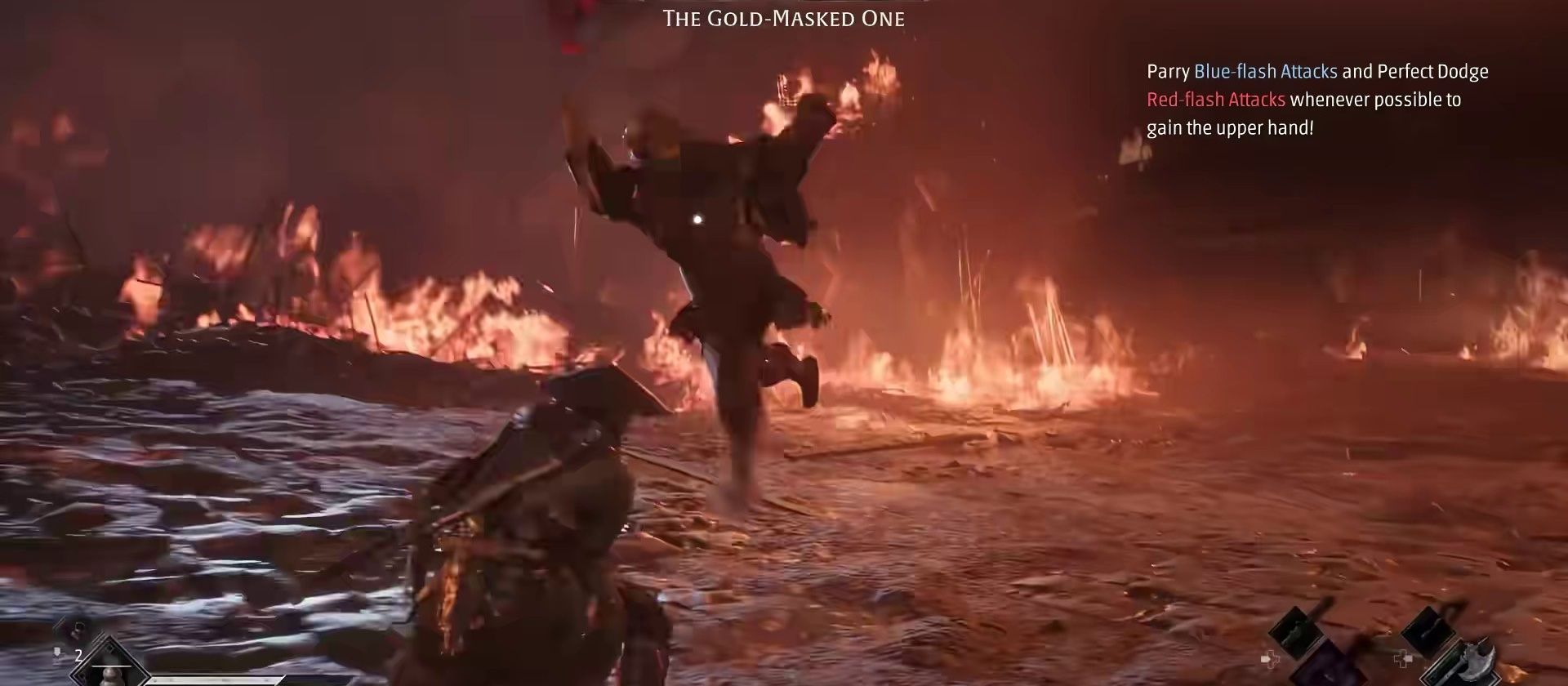
This is a stunning action game with exceptionally well-tuned combat. Every beautifully designed level offers a wealth of secrets to uncover and side quests to complete, while its relentless stream of finely crafted encounters is packed with breathtaking, brilliant moments. Although the somewhat convoluted story and occasional performance issues may not quite live up to its incredible combat system, the game delivers near-perfection in virtually every other respect. In the vast majority of moments spent slashing through enemies and weaving through the wuxia world, all I felt was pure exhilaration.
Sixty Days of Life and Death: A Cluttered Yet Captivating Martial World Enigma
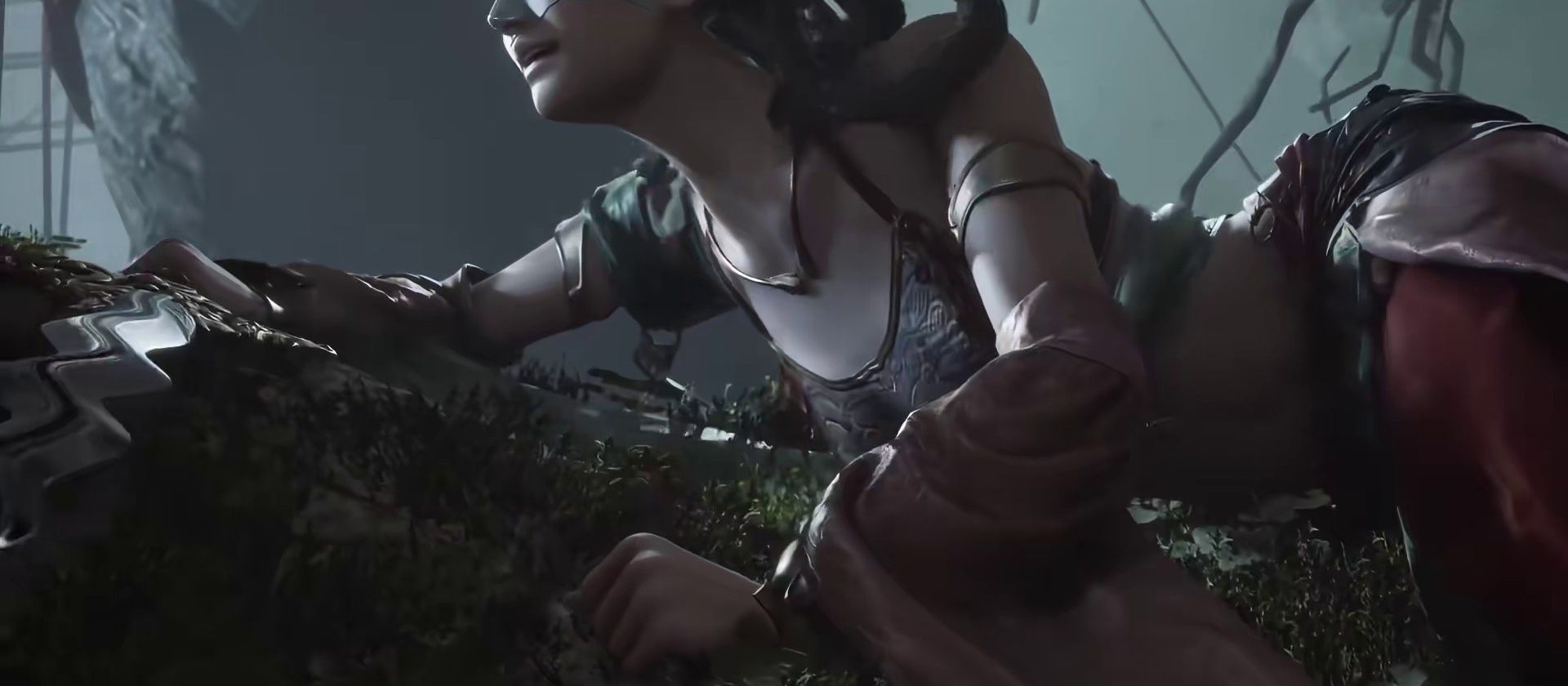
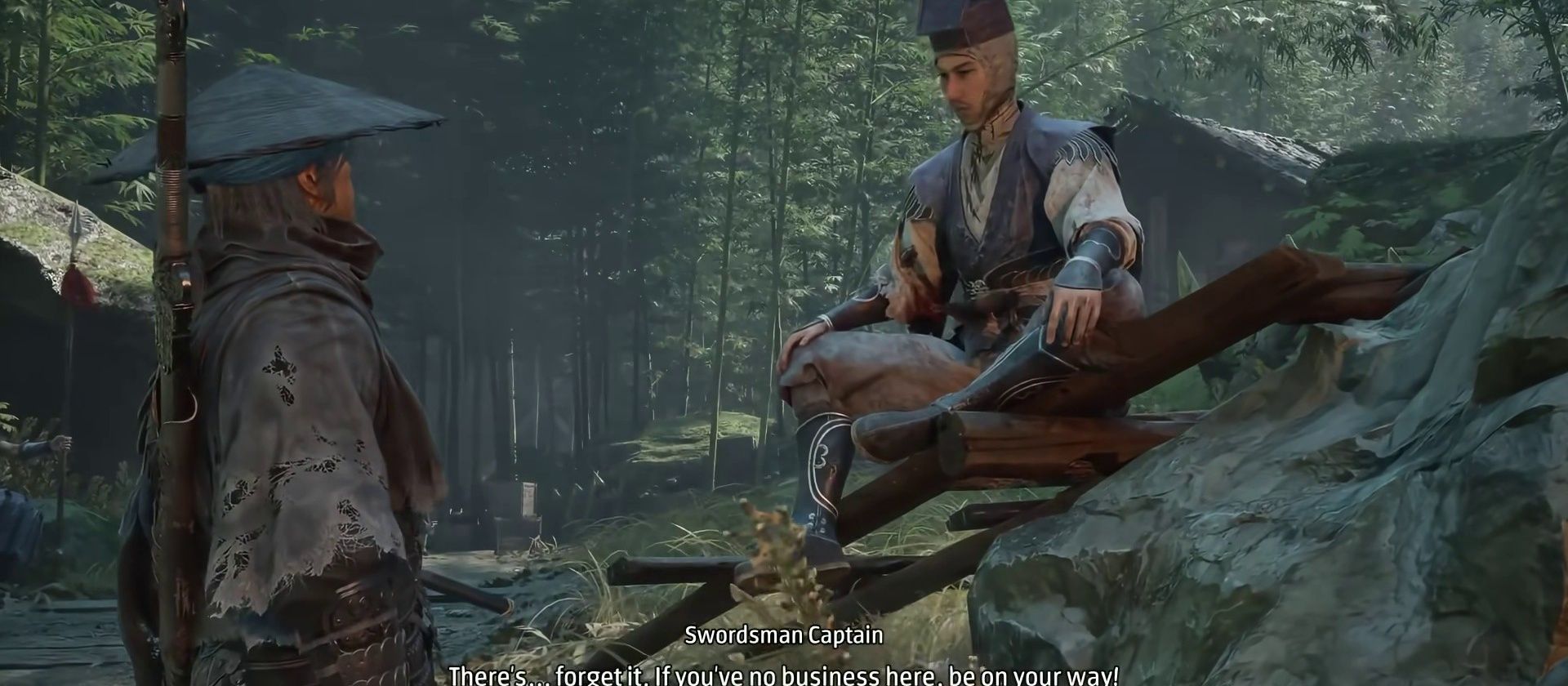
Phantom Blade Zero's gameplay unfolds like a bona fide wuxia epic. You play as Soul, a hard-hitting martial artist of mysterious origins who, with only 66 days left to live, sets out on an odyssey of revenge through the ruins of the Shadow Realm, battling all manner of exotic beasts and deadly foes along the way.
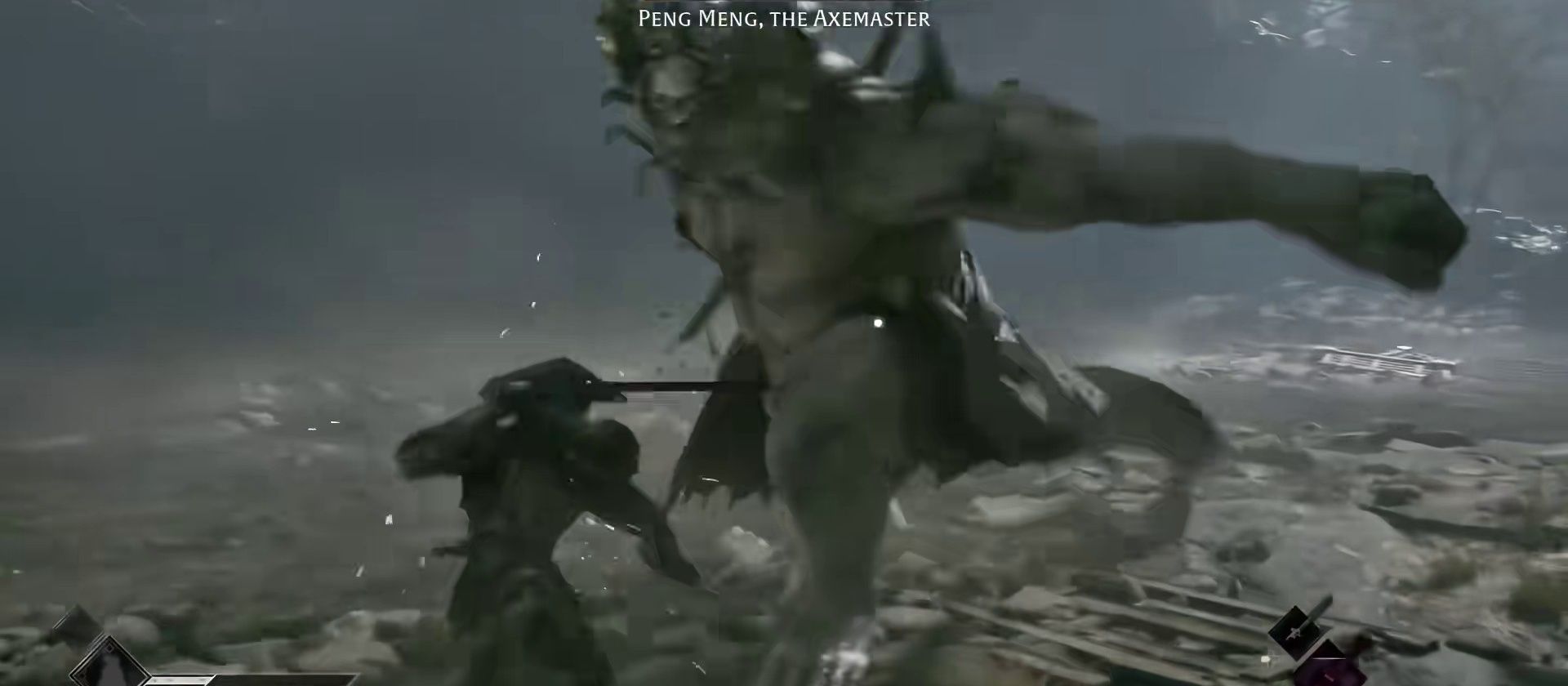
"This unusual smoothness delivers the most satisfying, meticulously tuned combat I've experienced in a long time."
There's no denying that storytelling isn't this game's strong suit. It tries to cram in far too much, piling on heaps of cryptic proper nouns, dozens of characters, and a timeline that's needlessly convoluted. Over the first few hours, players are shuttled back and forth between different points in time - the present, several years ago, several months ago, even just days prior. By the time I faced the first real boss, I was already worn out by the sheer volume of backstory.
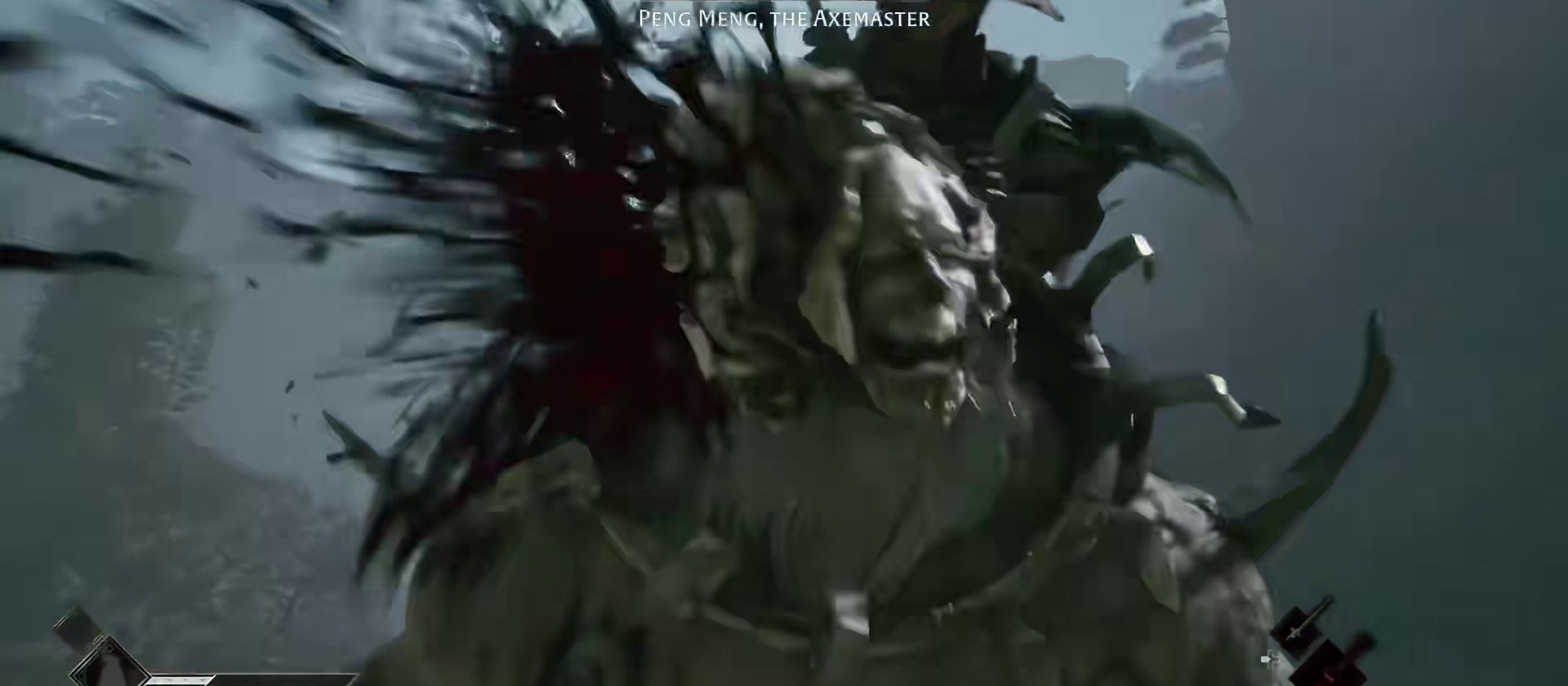
Fortunately, there are still plenty of endearing characters along the way - above all the ever-stoic protagonist Soul, who wouldn't bat an eye even if a mountain collapsed before him - to make me forgive the game for occasionally squandering my time with unnecessary flashbacks and long-winded exposition. Besides, most of your time is actually spent exploring the world and crossing blades with powerful foes, and the developers clearly want you to keep your attention fixed on the action side of the adventure.
Ultimate Action Feel: A Combat Philosophy of Effortless Control
Fortunately, this part of the experience is "outrageously good." Within just a few minutes, the precise block and dodge mechanics eliminate any sense of input resistance, feeling as natural as breathing.
The system built from weapons, combos, special abilities, and upgrades is deep without becoming overly complex, and each element is introduced gradually at an incredibly intelligent pace. Everything is designed so that you slip into this combat system as smoothly as putting on a tailor-made, flowing wuxia robe. I've always held combat feel and pacing in games of this genre to exacting standards, yet Phantom Blade Zero gave me the warm familiarity of "reuniting with an old friend." This is an elusive, almost mystical quality of game feel that's extraordinarily hard to pin down - and Phantom Blade Zero nails it perfectly.
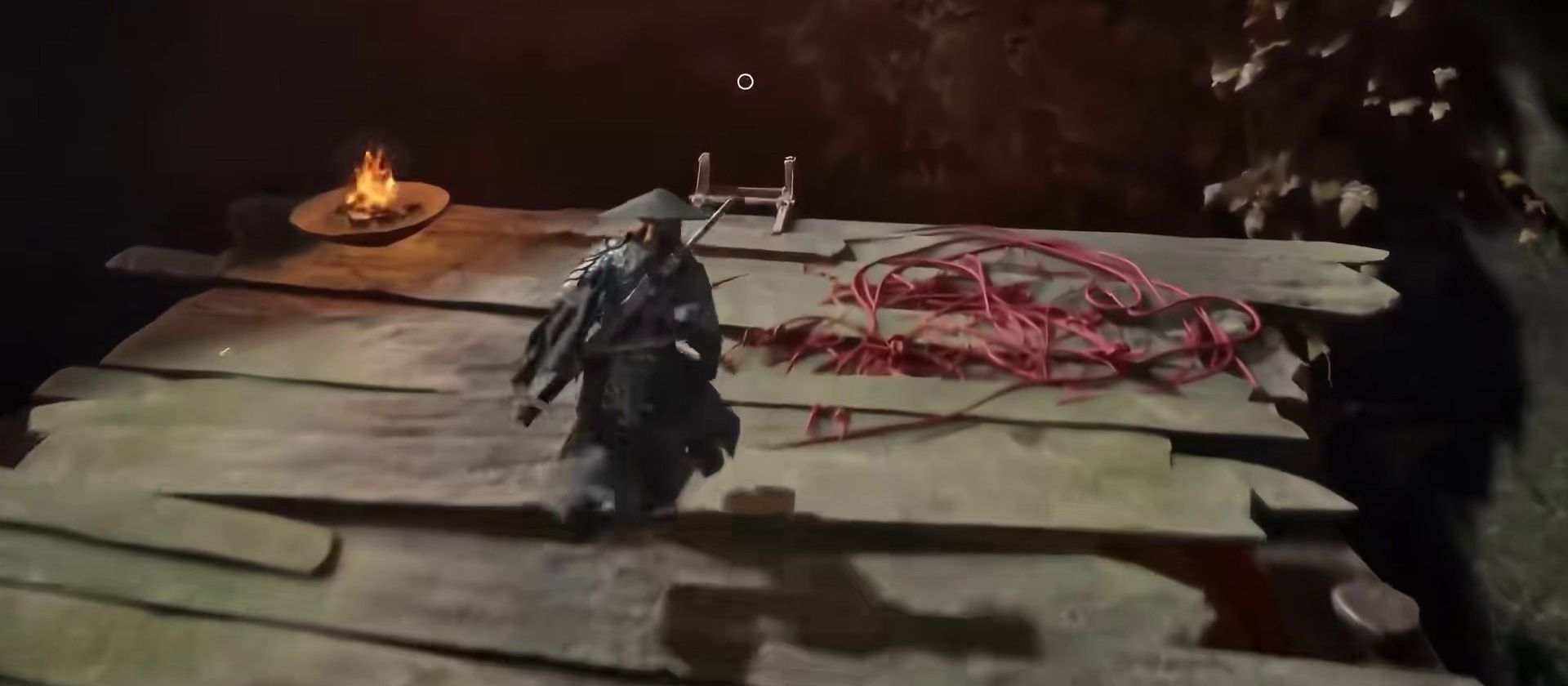
A Massive Arsenal and the Core "Posture" Duel
What's even more impressive is that this excellent combat feel isn't just evident in the early game - it carries through dozens of weapons, each with its own unique moveset.
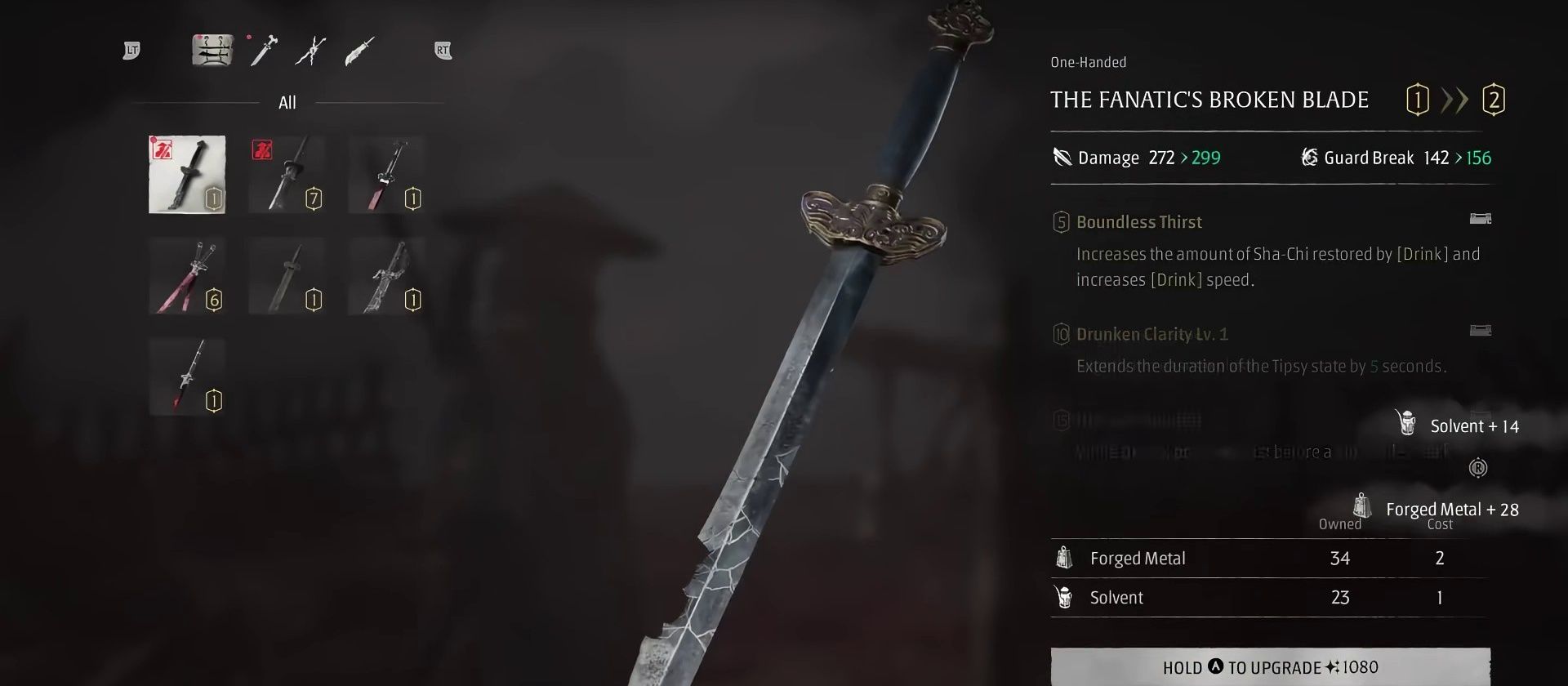
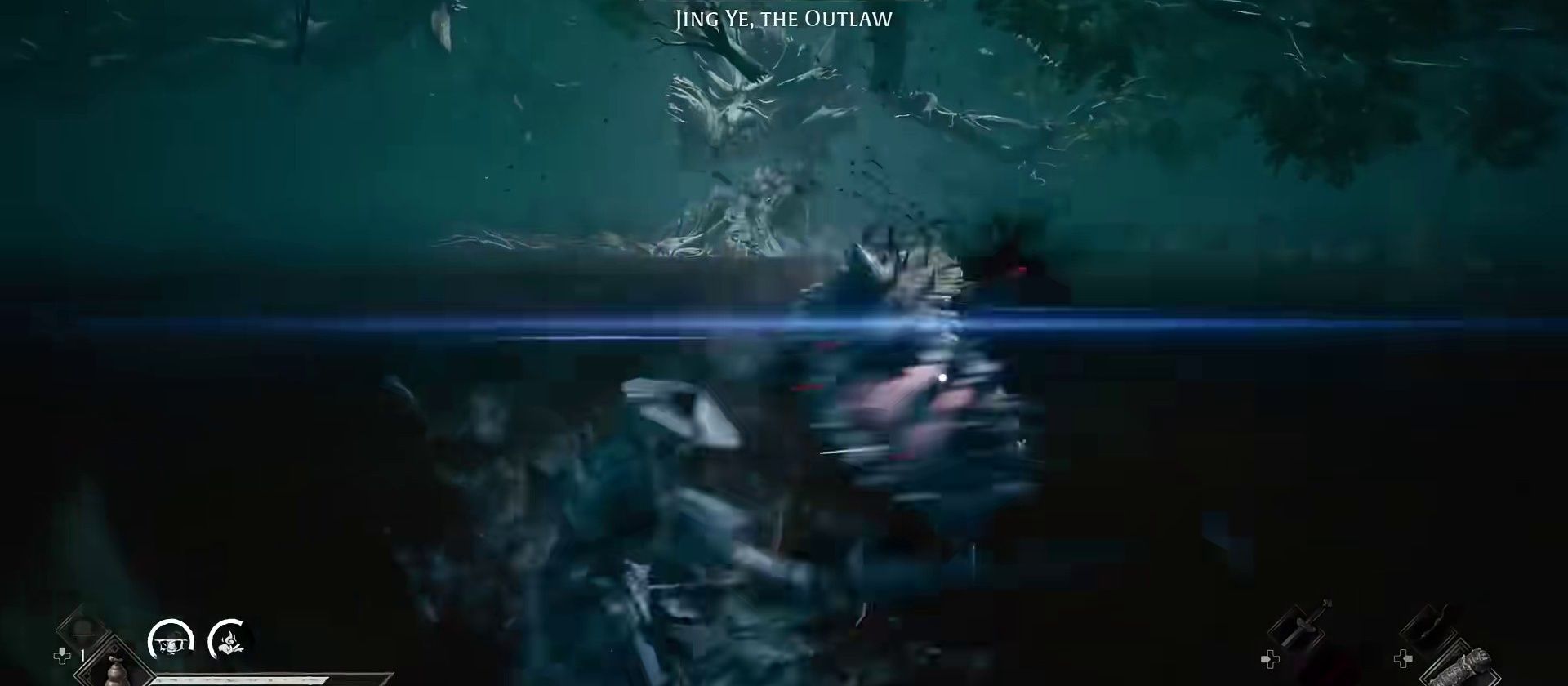
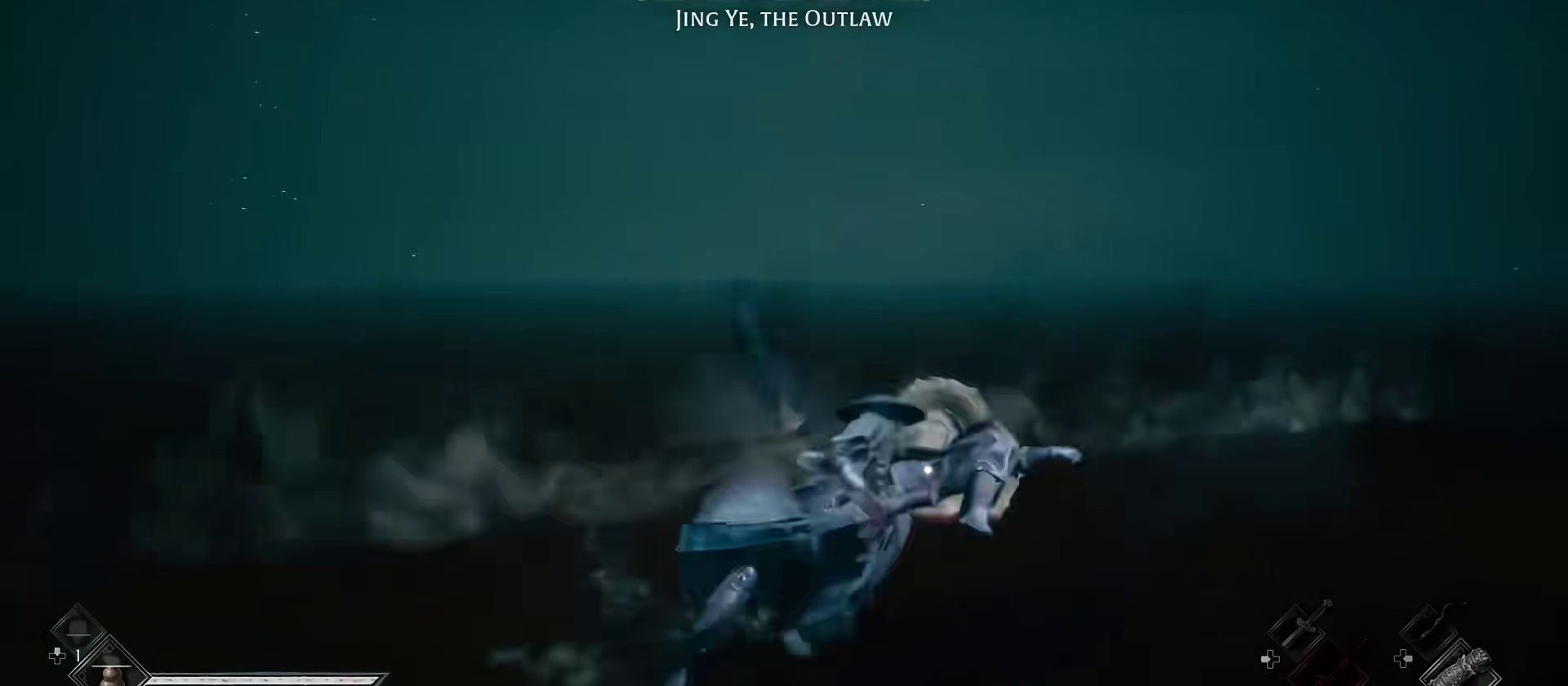
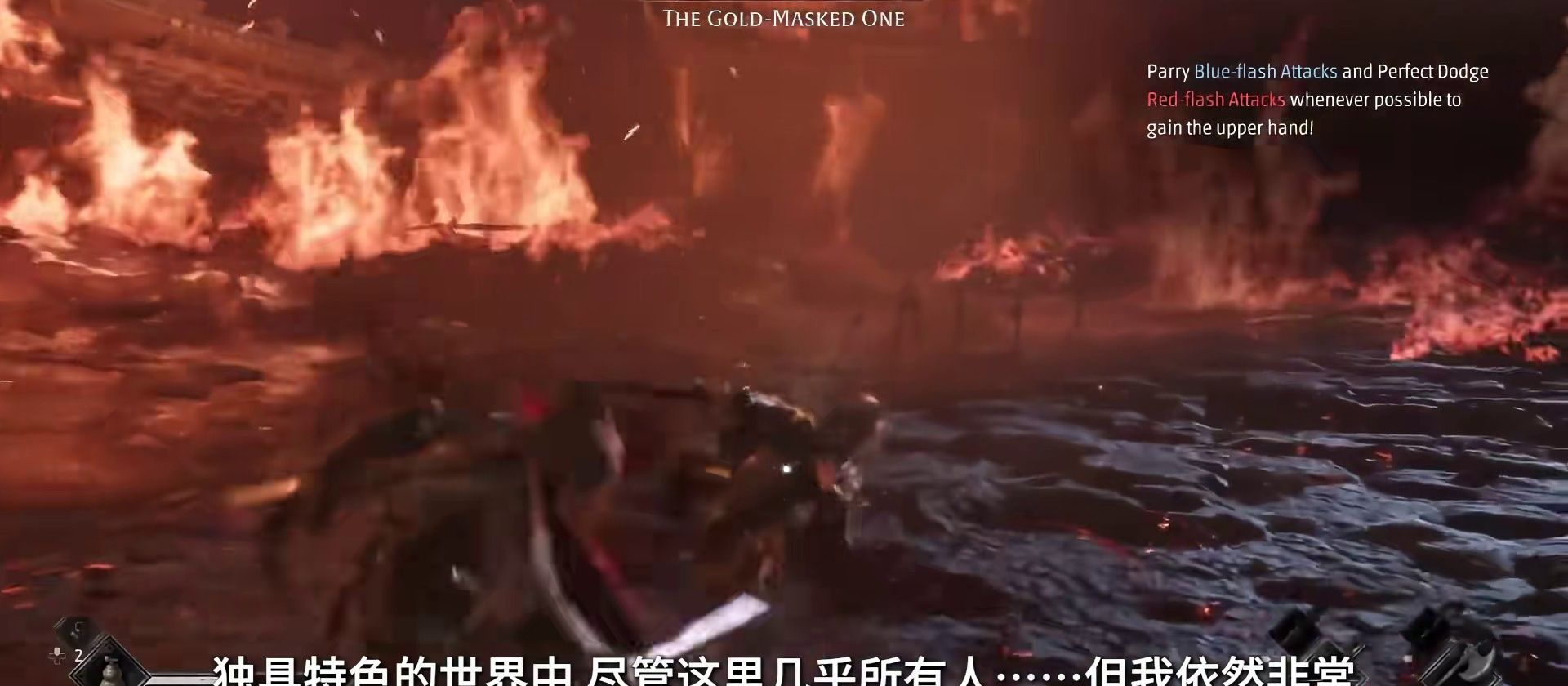
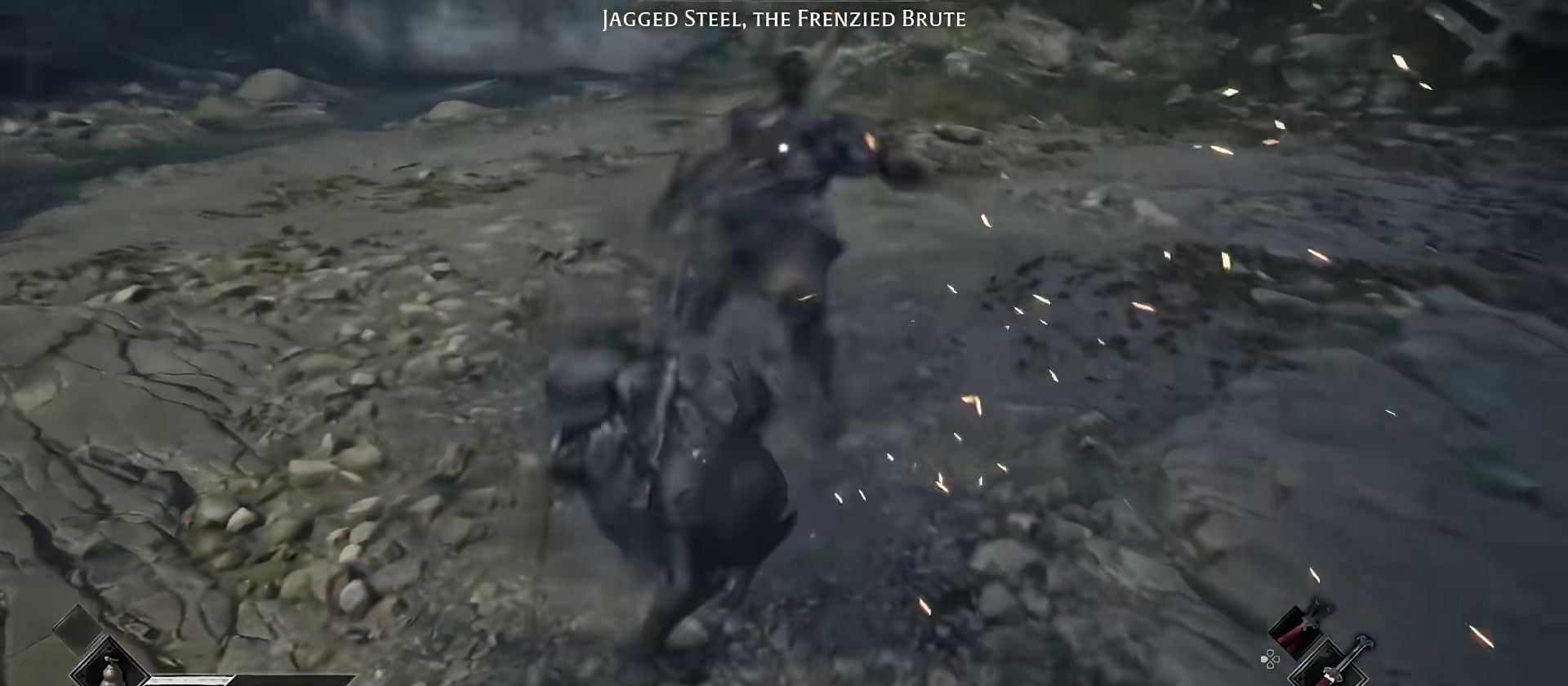
The game doesn't just encourage you to swap weapons mid-combat - it outright forces you to do so. Since switching your current melee weapon is one of the key ways to restore your "posture/stance" bar (it only takes a single button press), and since many enemies - bosses in particular - have special attacks that can instantly wipe out your posture, you're compelled to switch between different weapons on a regular basis. This in turn forces you to commit multiple movesets and special skills to memory.
Fortunately, Phantom Blade Zero offers an extremely convenient mechanic that lets you reset and reallocate your weapon upgrade points at any time. You have almost no reason to stubbornly stick to a single loadout - especially since you'll often happen to pick up a well-suited weapon right before entering a new area or facing a boss. For example, just a few steps before entering a fire-attribute boss's area, I happened to pick up a water cannon weapon - that kind of clever design is nothing short of brilliant.
Rich Martial Arts Movesets and Highly Flexible Build Crafting
Beyond melee weapons, you'll also unlock practical tools such as a grappling hook and a bow over the course of the game. They can work wonders in combat, and outside of it they are the go-to means for exploring the map, smashing through obstacles, or reaching special areas.
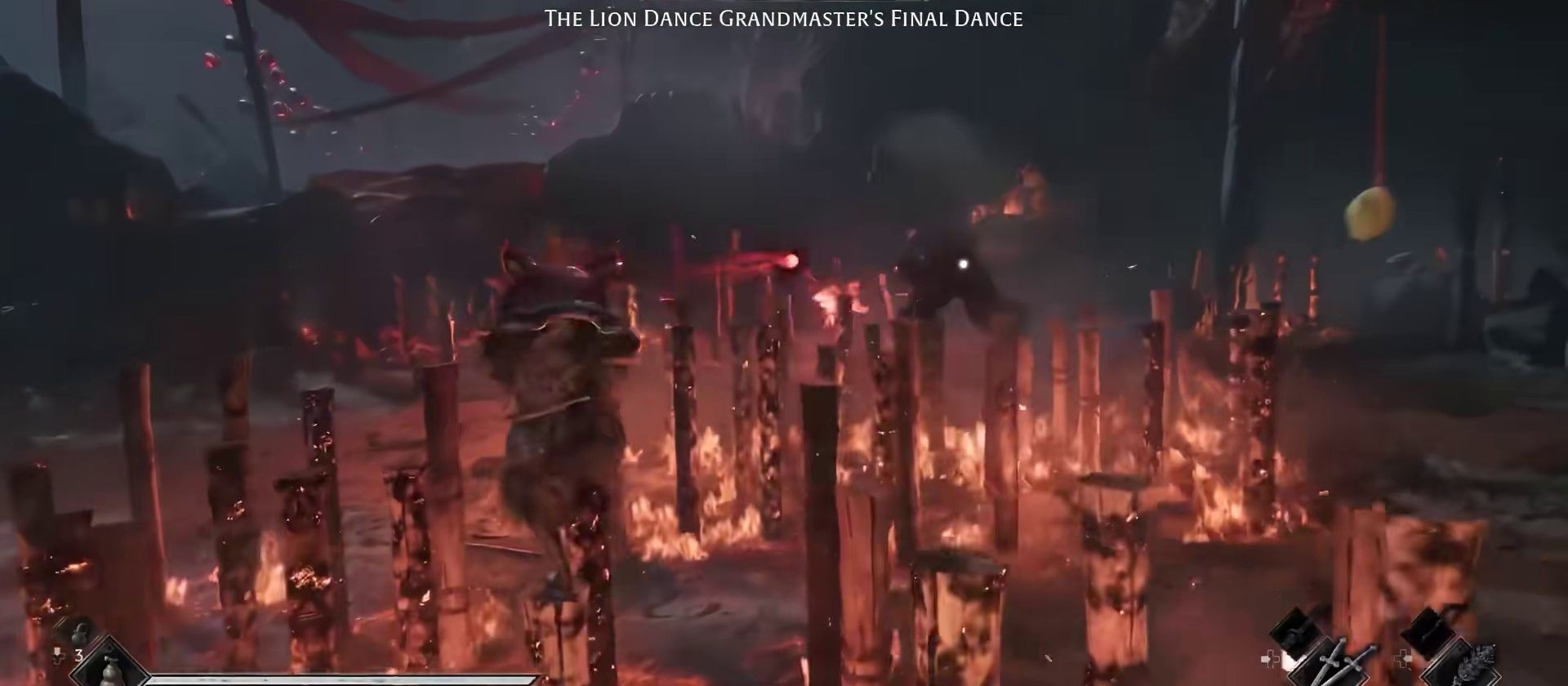
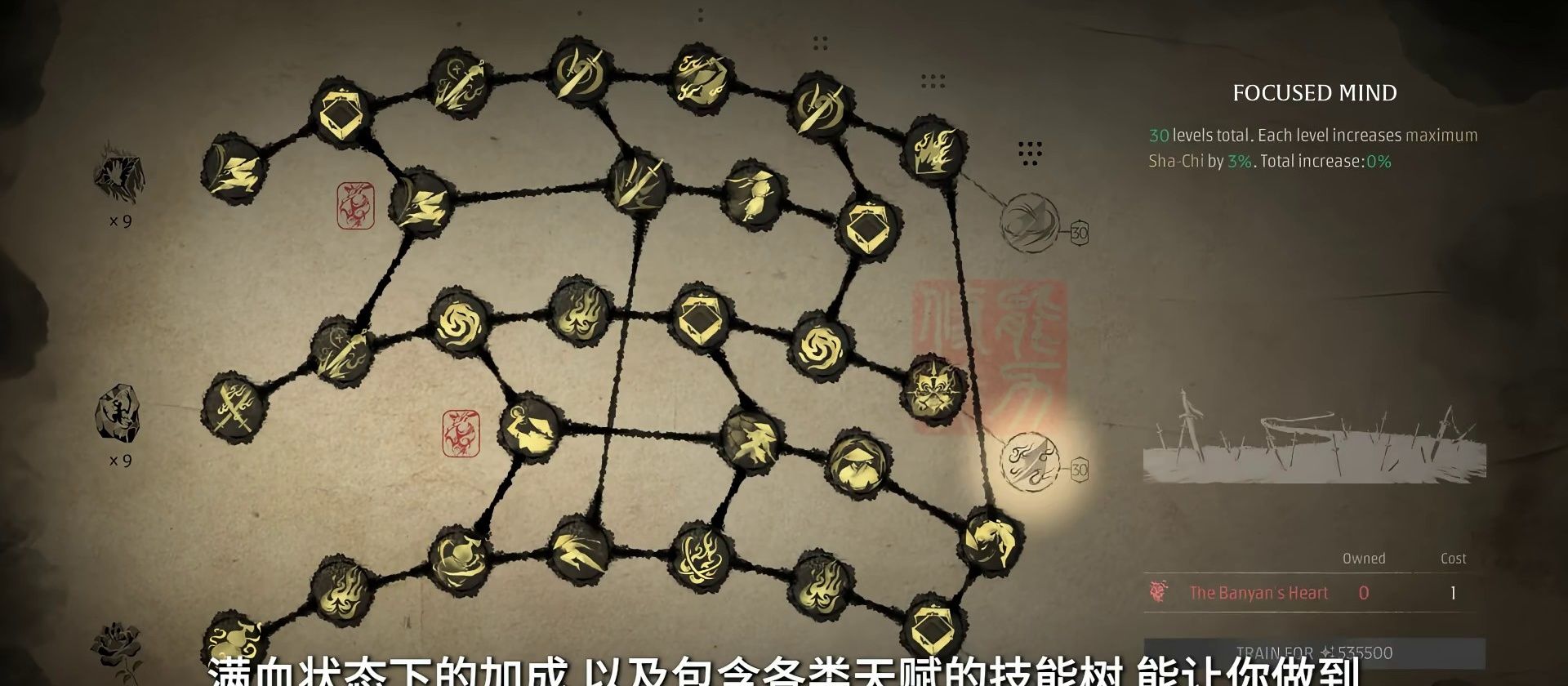
On top of that, a variety of amulets that grant interesting buffs (such as a major damage boost while at full health), challenging secret martial arts techniques, and skill trees that let you "dodge in mid-air" or "carry more supplies" together form a vast, deep system.
The depth of the upgradeable dimensions and custom playstyles is a pleasant surprise - I spent far more time here than in comparable games, simply testing out different weapons and frequently swapping my loadout. Even setting everything else aside, the experimentation is absolutely worth it just to watch the wildly varied, highly stylized execution animations when clearing out mobs.
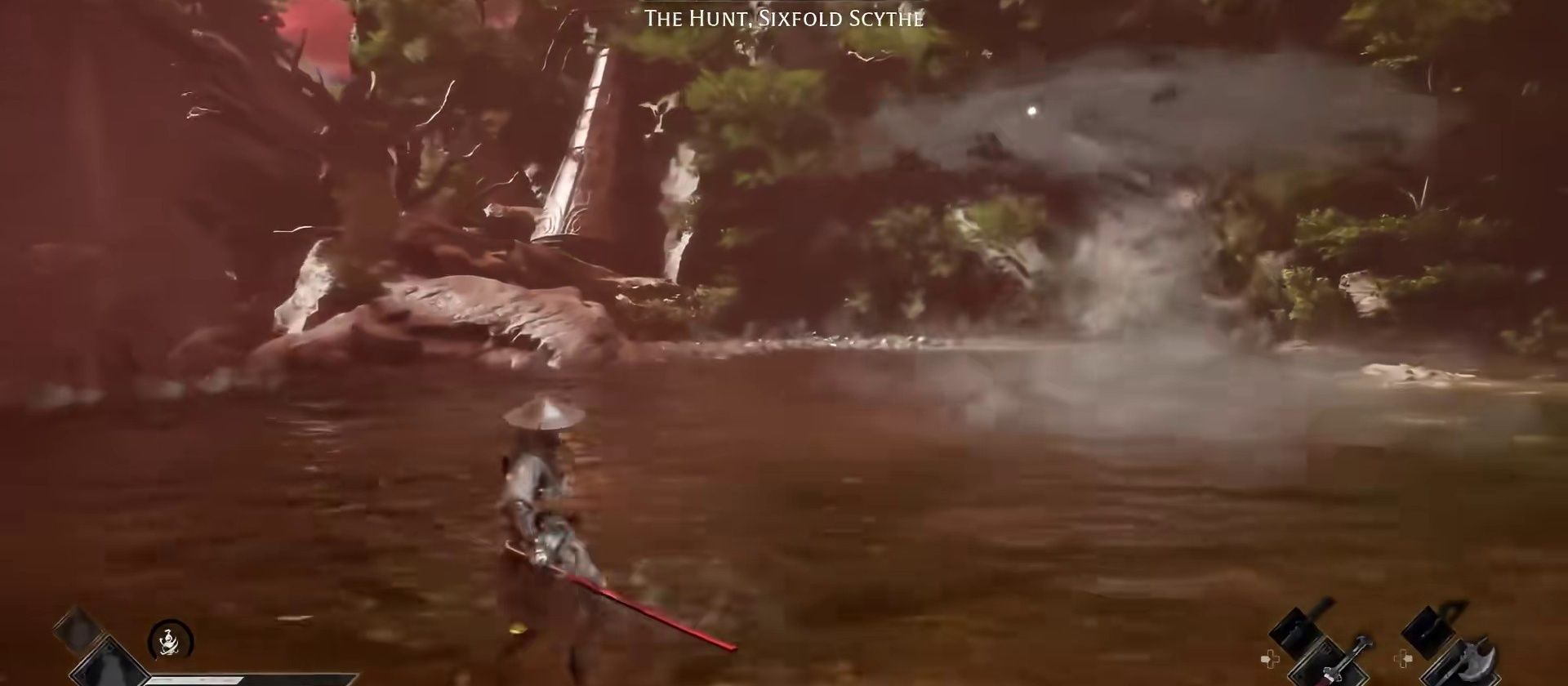
Diorama-Style Exploration Riddled with Secrets: The Gauntlet of Eight Maps
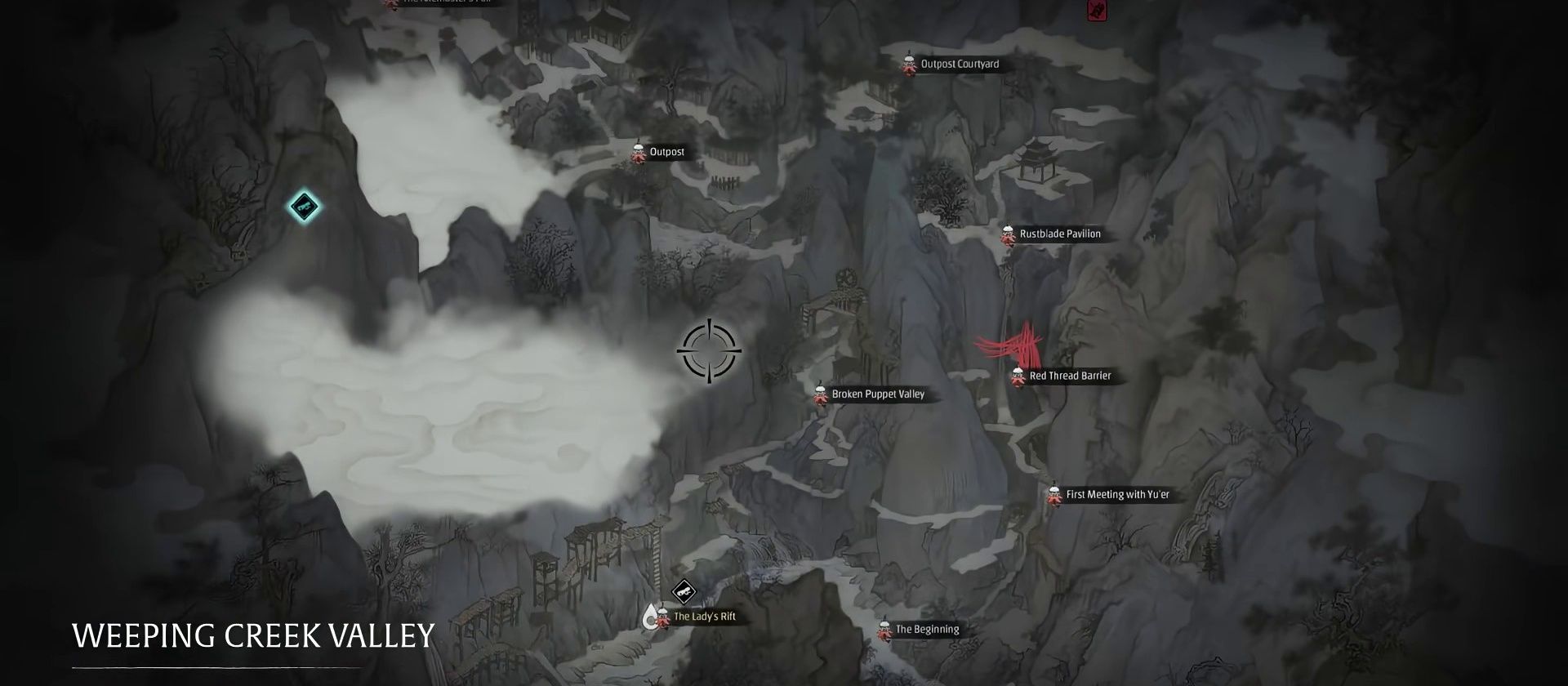
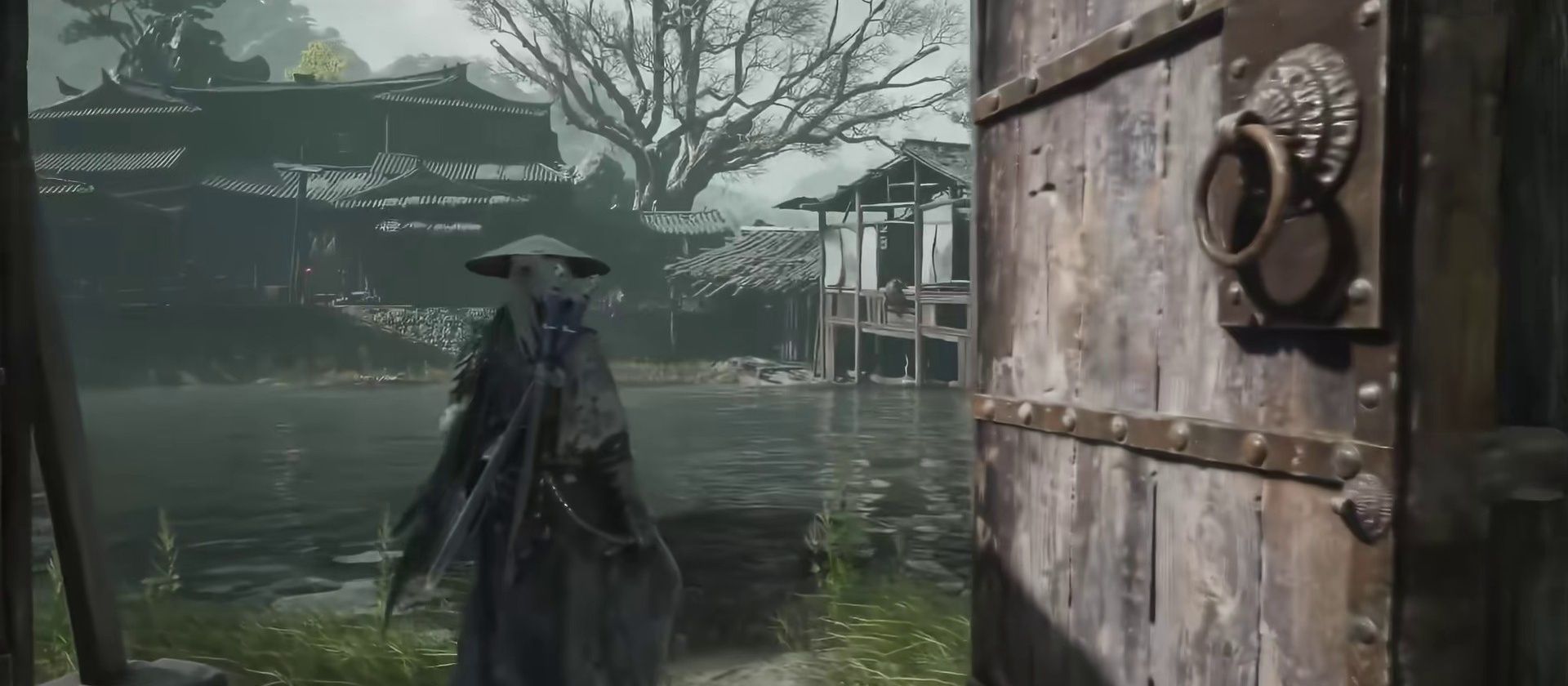
You'll have ample time to experience all of this, because Phantom Blade Zero has prepared a full eight maps for you to stride through.
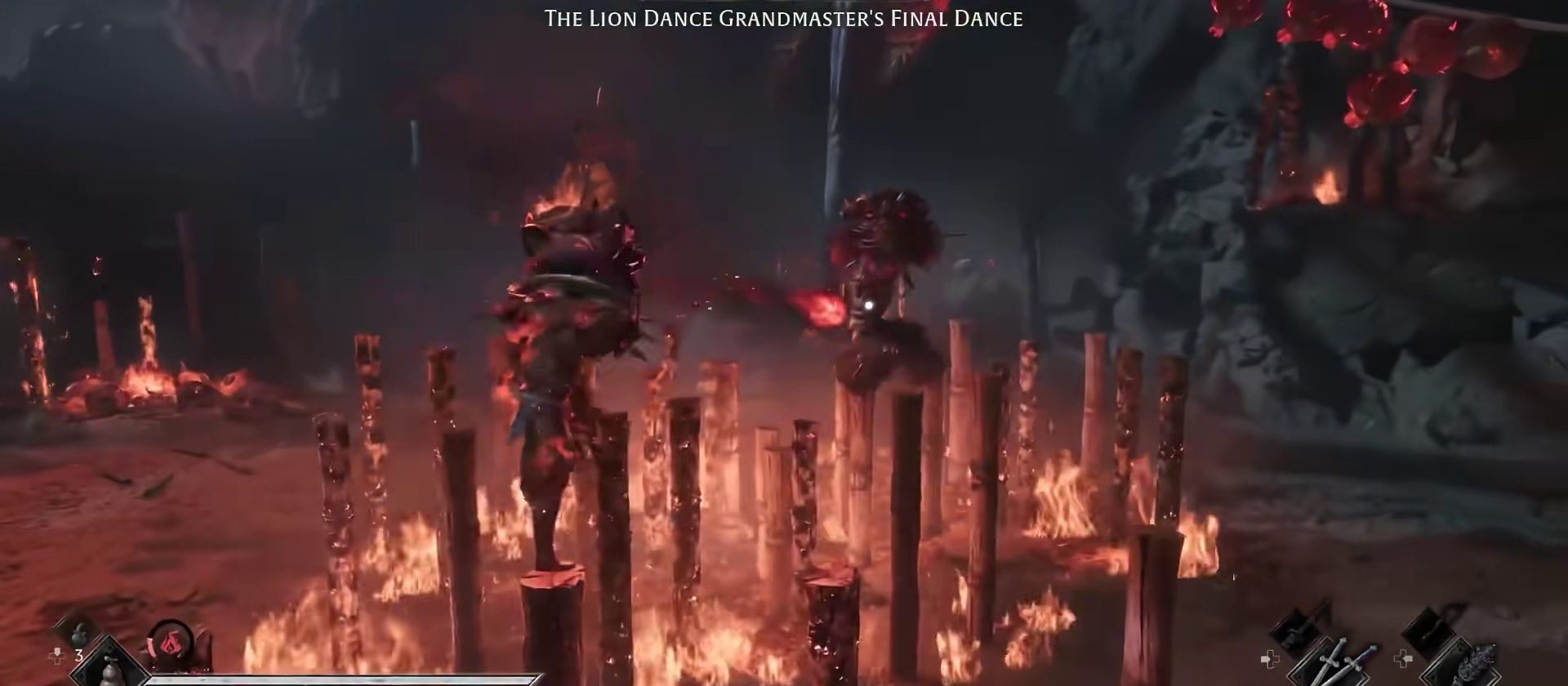
Each map is a battleground riddled with secrets, brimming with powerful foes to vanquish, side quests waiting to be unlocked, and hidden treasure chests. This design, which deeply intertwines hardcore combat with map exploration, makes every minute of the game feel truly worthwhile.
Flaws and Concerns: The Regret of Not Fully Matching Its God-Tier Action
But all praise must be grounded in objectivity. In the realm of "blockbusters" where titans clash, performance optimization is often the touchstone for measuring a game's maturity.

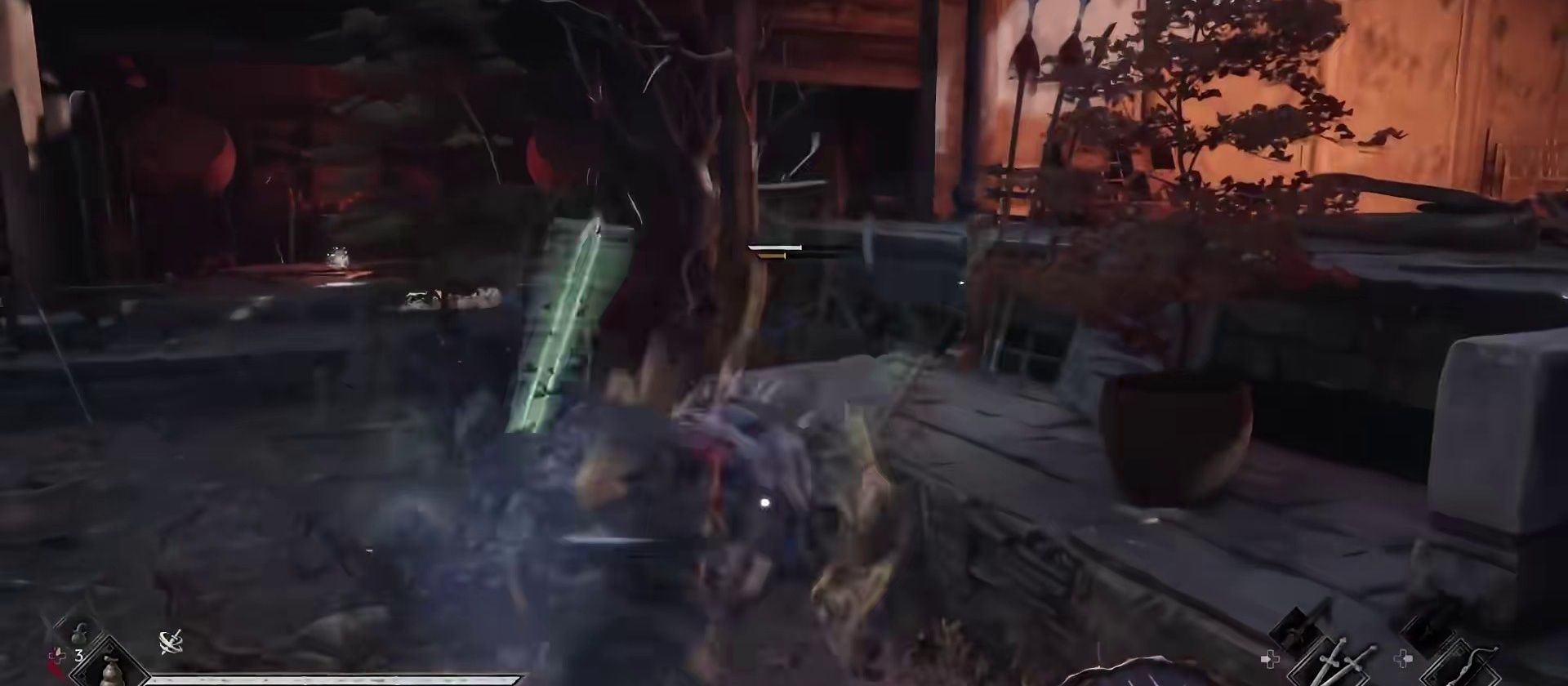
Admittedly, the occasional performance issues in certain scenes (such as frame rate fluctuations) and the somewhat rough optimization do let down what is otherwise an utterly mind-blowing action system. In some complex scenes, you may notice compromises in visual fidelity.
Breaking Stereotypes: The Evolution of Chinese Single-Player Games
Looking beyond the game itself, we should also recognize the industry significance behind Phantom Blade Zero. From S-GAME, a studio once known primarily for its mobile games, to delivering such a stunning purely single-player experience, Liang Qiwei and his team have traveled an extraordinarily difficult road.
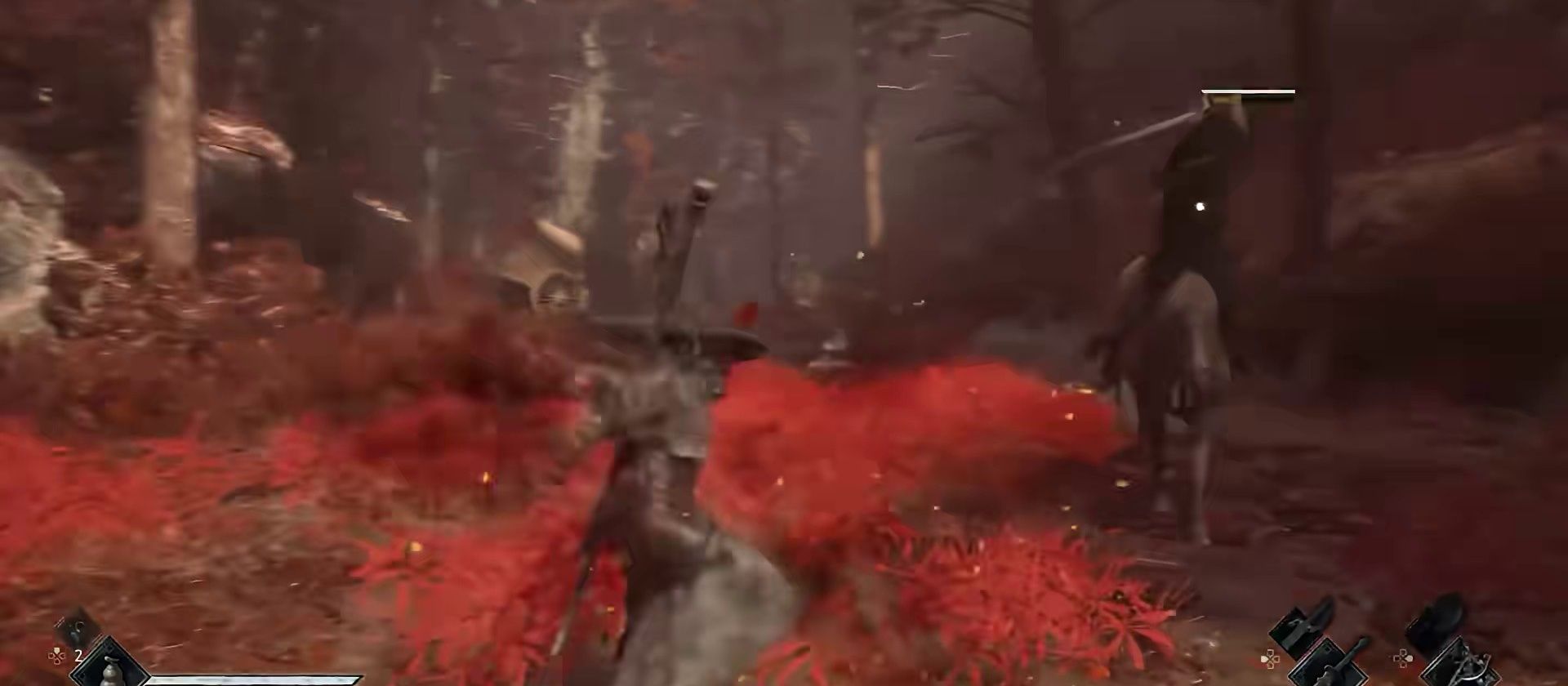
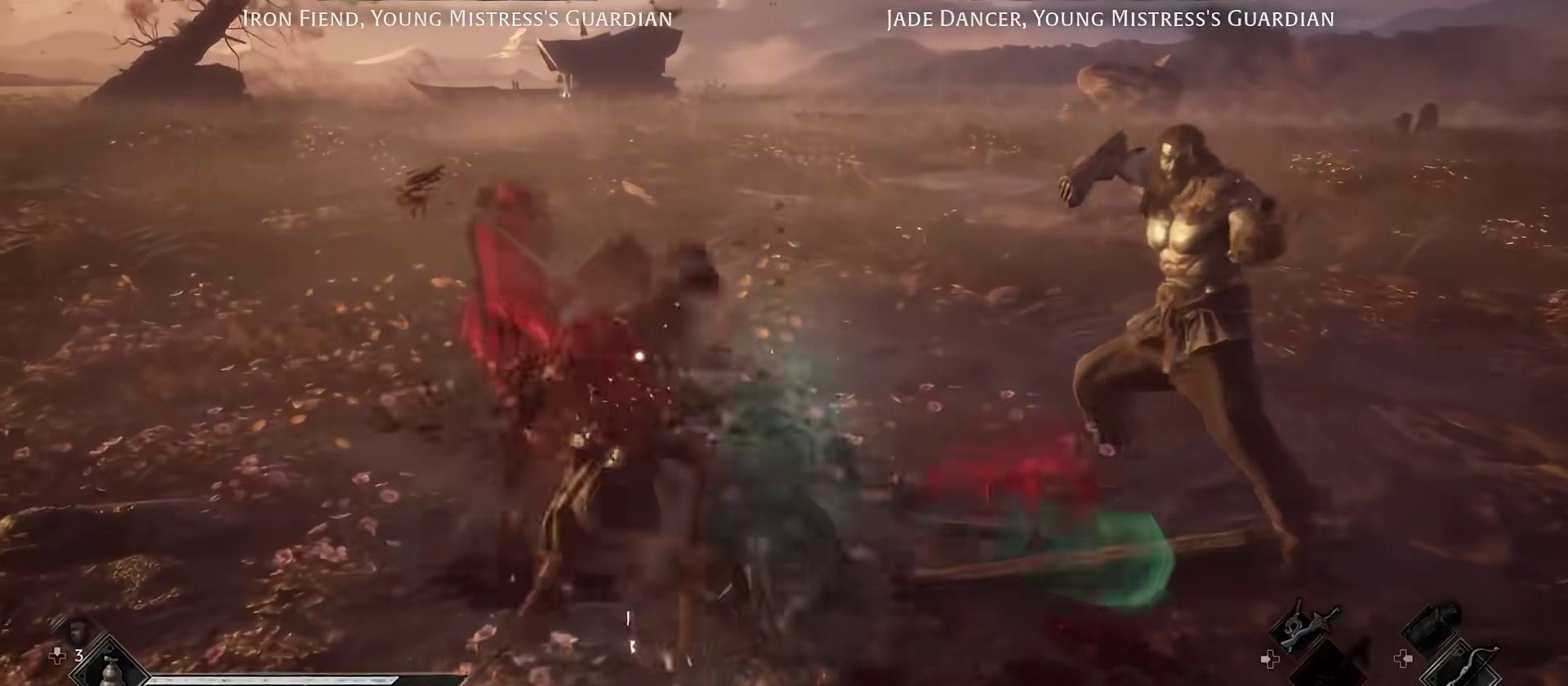
It proves that Chinese game developers are fully capable of delivering world-class, industrial-grade production values in the highest-spec realm of single-player action games. This is no longer a compromise with the past, but a charge toward the future.
Top Community Comments
@Wang Amin:
Some reviewers are clearly just out to spite people. Giving Phantom Blade Zero a 60, and giving Marvel's Wolverine a 60 as well - is that reasonable? Are those two even comparable? The average sits at 88 right now; without him dragging it down, it might have hit 90 and earned a "Must-Play." No matter how strict the scoring, this game deserves at least an 80 - how could it possibly drop to a 60?
Editor-in-Chief's Take: This reflects the distrust some players harbor toward the scoring standards of game media. Reviewers often hand out harsh scores to show off their "no-nonsense professionalism," but behind that may lie an oversight of how differently a game performs across various hardware - or simply a tendency among media folks to weight story and narrative logic more heavily.
@GhostRevolver:
Onimusha: Way of the Sword got a 10 from IGN US, and Phantom Blade Zero only gets a 9? Hard to say that isn't blatant favoritism.
Editor-in-Chief's Take: This comment carries an obvious undertone of comparison-driven frustration. Onimusha: Way of the Sword has indeed earned extremely high acclaim from North American media, while Phantom Blade Zero, as a relative newcomer, has likewise landed high scores. The slimmest of margins often comes down to the reviewing editor's personal taste and preferences for different genres - but whether it's a 9 or a 10, it's proof enough that both titles stand in the same top tier.
@Myouren:
When a game has this many bugs and invisible walls, and a story this muddled, and it still pulls a score like this - you should be able to guess just how strong its strong suits really are.
Editor-in-Chief's Take: This player hits the nail squarely on the head. For a sprawling action game, early bugs and exploration boundaries (invisible walls) are all but unavoidable. But when a game can still land a high score despite these flaws, it means its core combat experience and visual presentation have reached the point where "the flaws no longer overshadow the brilliance."
📌 One-Line Takeaway
Phantom Blade Zero is not only a wuxia epic that shatters the stereotype that "mobile game studios can't make top-tier single-player titles," but also an industrial leap that perfectly fuses hardcore action with Eastern aesthetics.