It Took Finishing Chapter One to Realize: Phantom Blade Zero's Ambitions Go Far Beyond a Great-Feeling Combat System
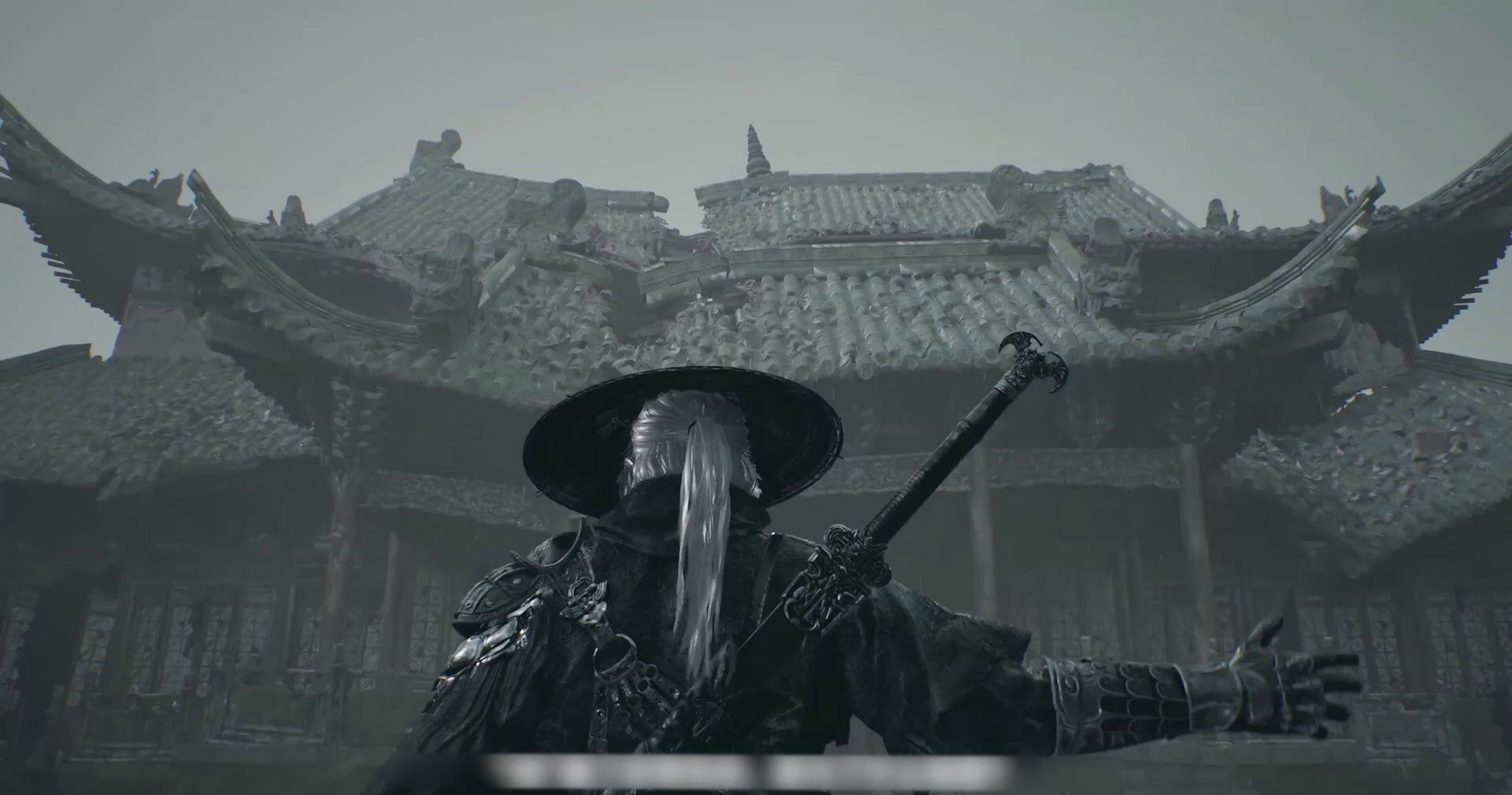
On September 3, we were invited to an in-person, closed-door playtest of Phantom Blade Zero hosted by developer S-GAME (Lingyoufang). Over roughly six hours of hands-on time, we fully completed the game's first chapter on Normal difficulty and took on two boss fights from later chapters.
If my expectations for Phantom Blade Zero had been those of "a wuxia ARPG with a heavy soulslike flavor," then finishing the first chapter left me with only one conclusion: its strengths extend far beyond the combat itself. An AAA-caliber combat system, breathtaking Chinese-style enemy designs and presentation, and level design packed with more content than expected - the three are tightly interwoven, and even now as I look back, they still strike me again and again.
Six Hours of Hands-On: What Did We Actually Play?
Having taken part in the previous round of in-person hands-on sessions, I've always had full confidence in the game's combat system - "great game feel" has never been something Phantom Blade Zero needed to worry about. And precisely because of that, what truly stunned me this time was, of all things, the map design and exploration experience.
First, the scope of this preview: a full playthrough of Chapter One, plus two boss fights from later chapters. As for just how many brutal battles were packed into these six hours, I'll break that down later.
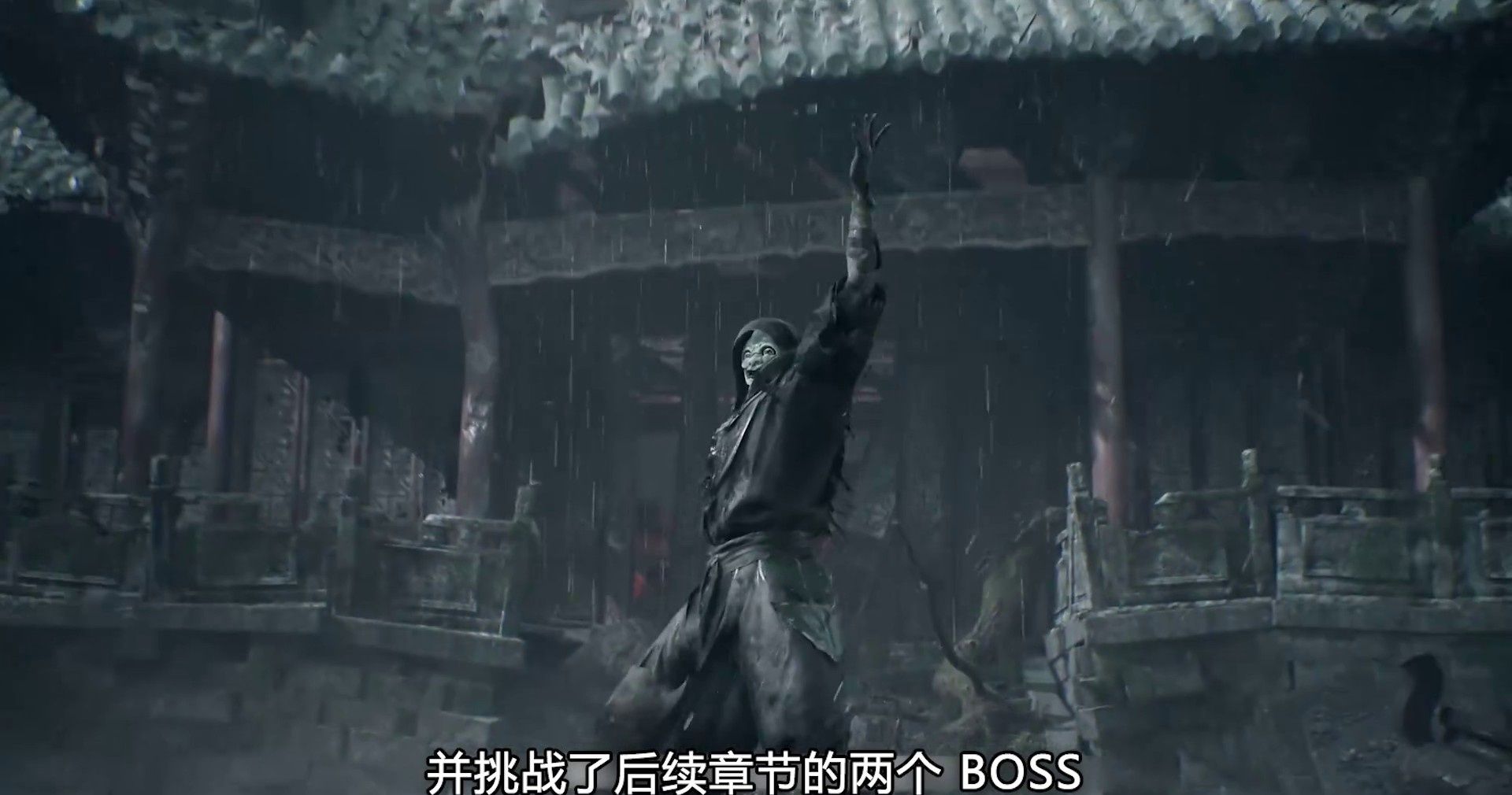
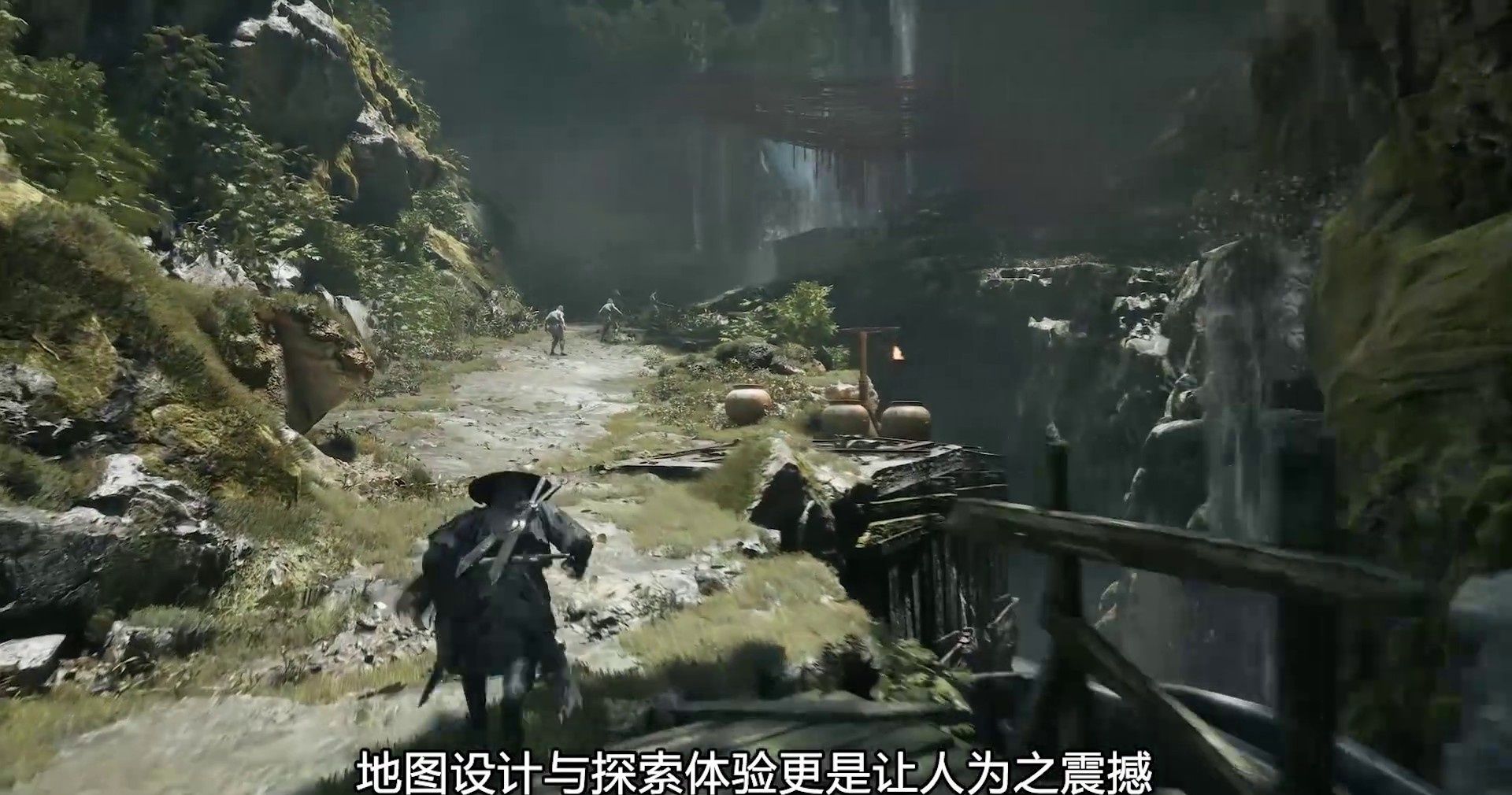
The most pleasantly surprising part of the preview turned out to be exactly what the previous promotional material had barely touched on: the levels and maps.
Already "Top-Tier" in Chapter One: A Vast Map and Dense Exploration
The map of this game's first chapter alone is already remarkably expansive, with plenty of areas scattered along the way that invite deeper investigation - an exploration experience that ranks among the very best in its genre.
The attention to detail is equally meticulous: the environment is strewn with classical poems and verses, and pausing to read them closely grants a small currency reward, giving players a "reason to stop." At the same time, skipping them costs you nothing - the sense of restraint is calibrated just right. The small contraption puzzles interspersed throughout the journey mostly have intuitive solutions, so you'll never be held up by a single puzzle for too long, keeping the exploration pacing consistently on point.
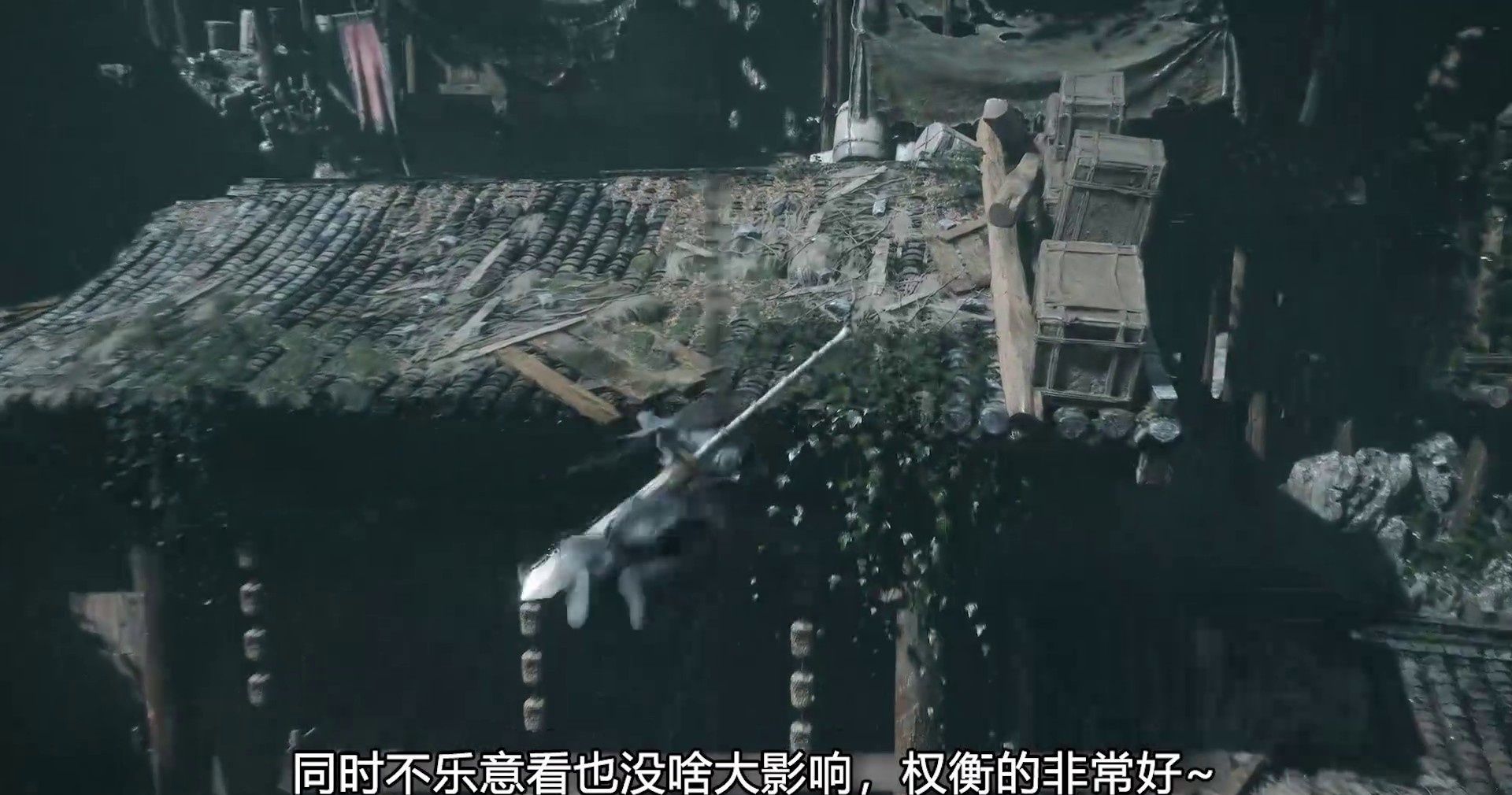
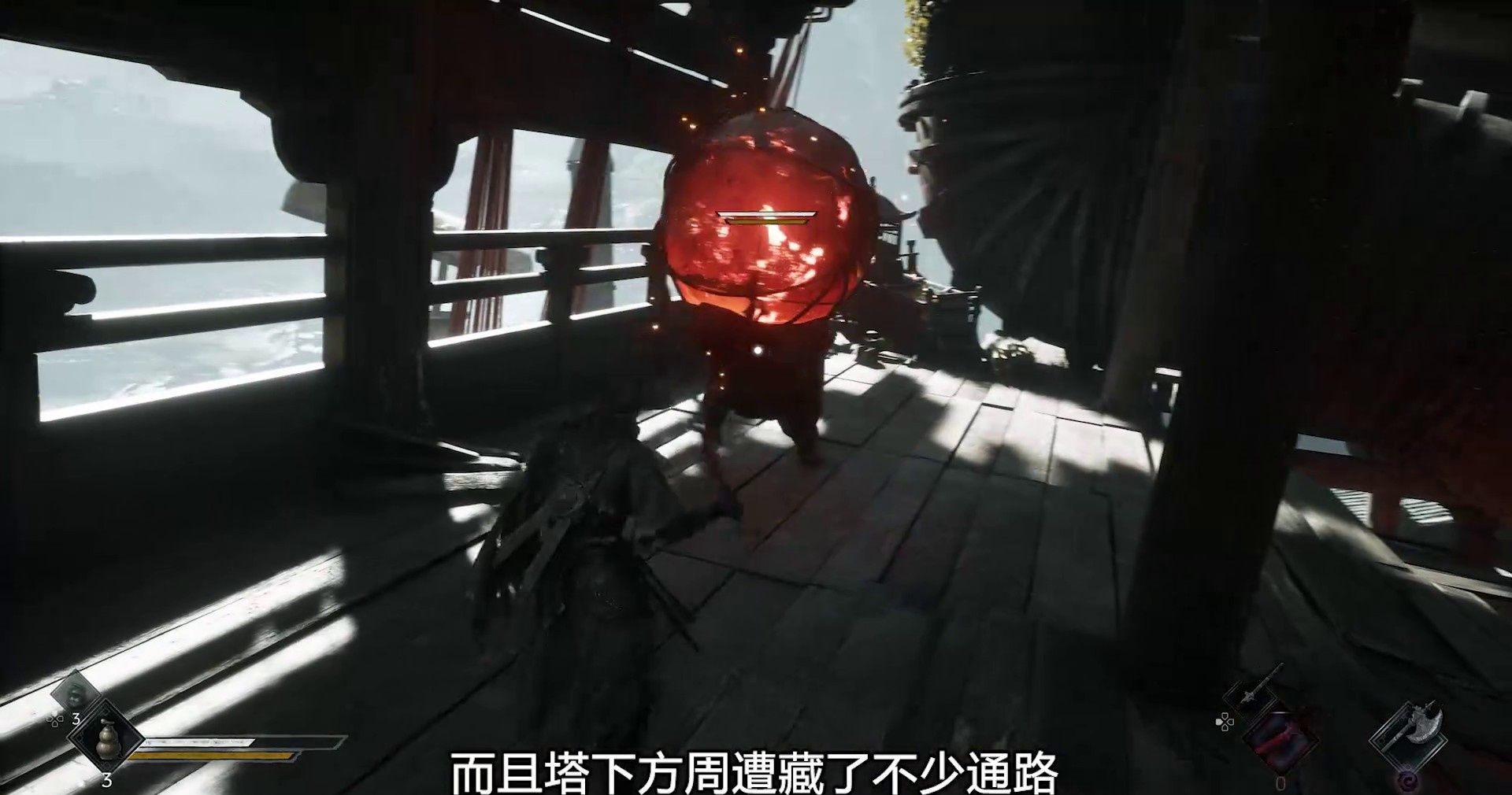
The "Killing Intent Refinement Tower" and the Three Bronze Men Formation: Intricately Interlocking Hakoniwa Design
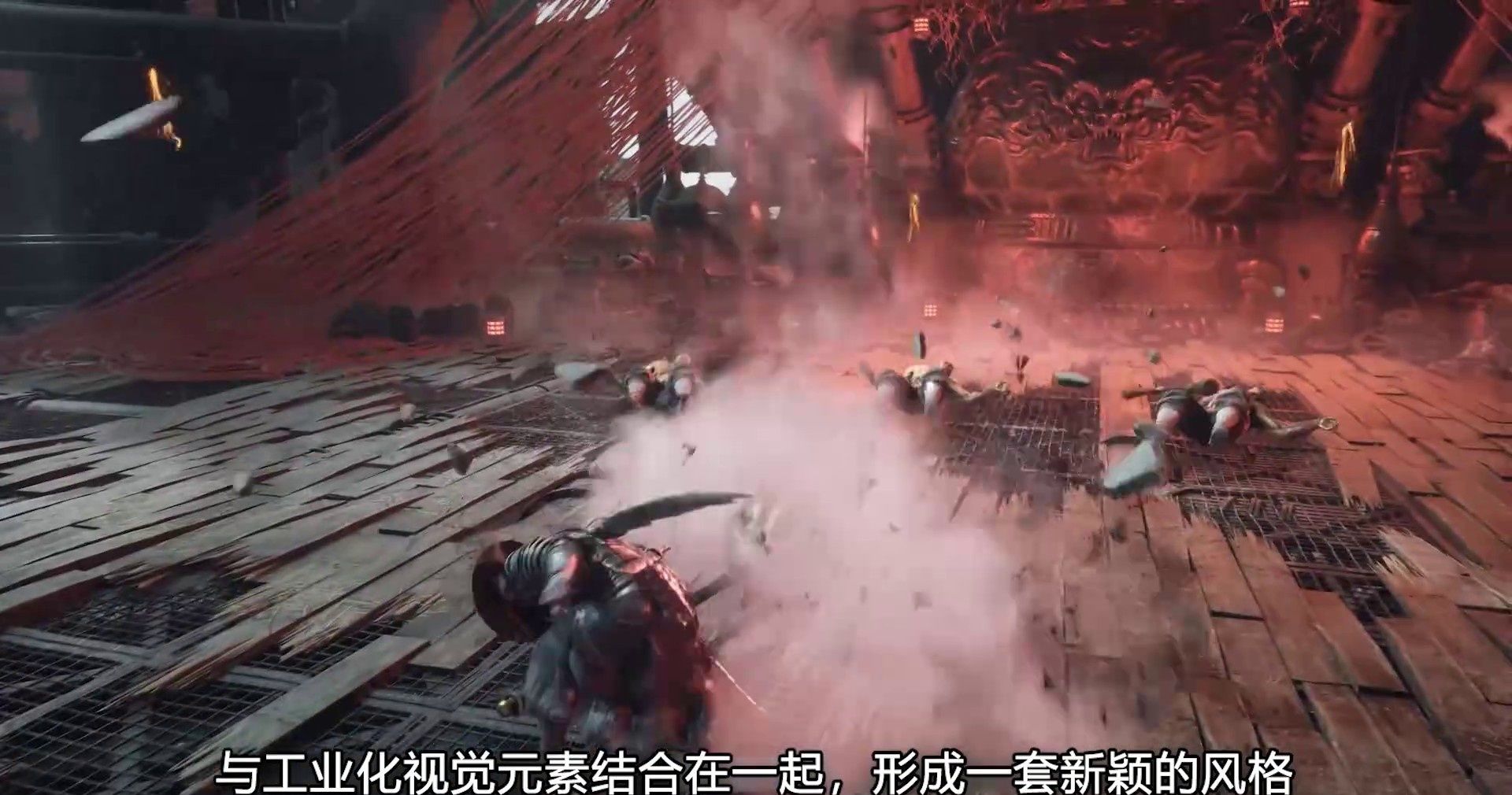
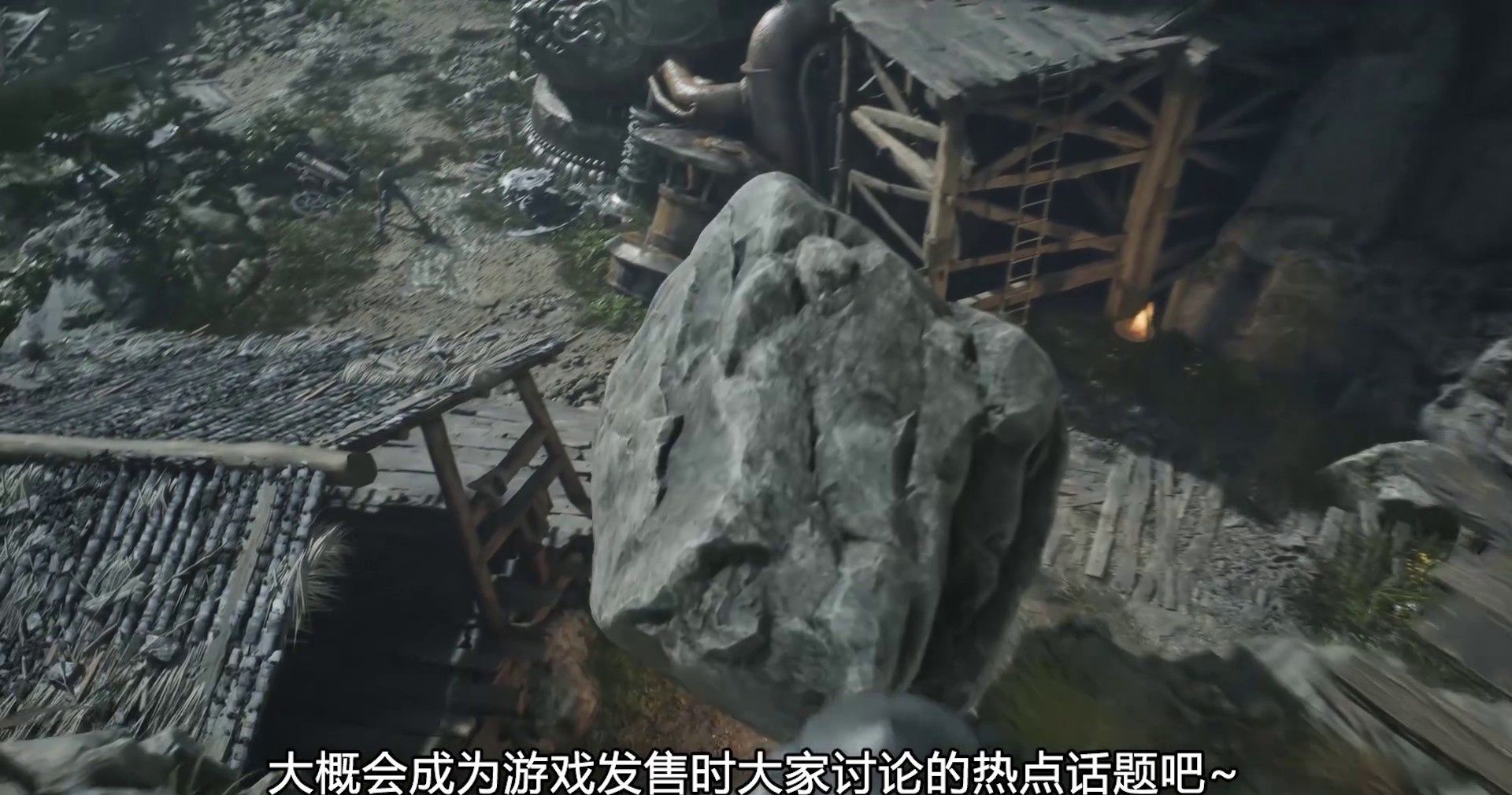
Here's an example. The main quest brings players to a "Killing Intent Refinement Tower," whose appearance carries a distinctly steampunk flavor - a reminder to everyone that the wuxia world of Phantom Blade Zero really isn't the wuxia of stereotype.
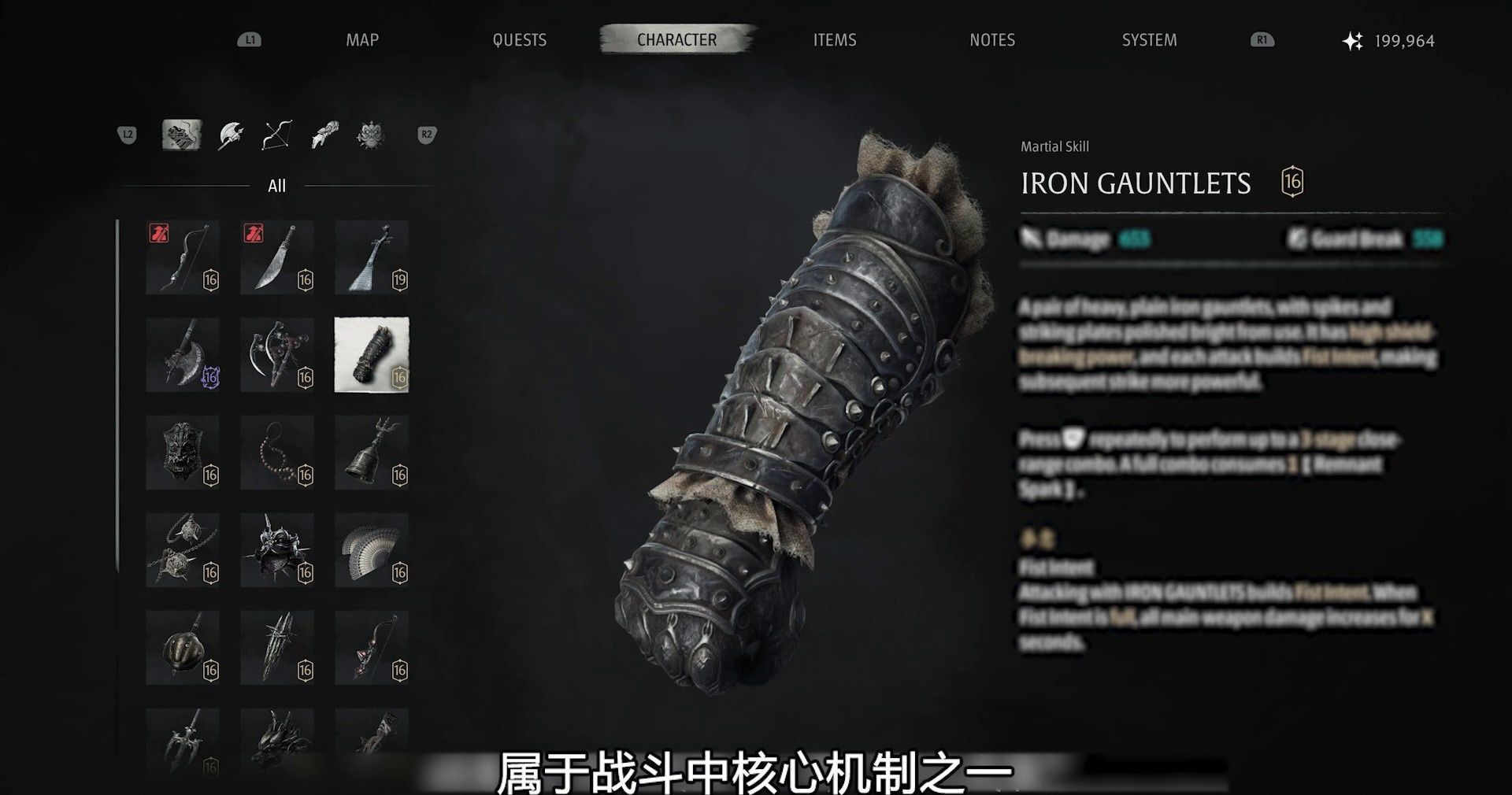
The tower's design is remarkably thorough: plenty of hidden routes snake around its base, its several floors are linked by crisscrossing doors, and you can hunt for keys and open the fire-viewing ports on the Killing Intent Furnace to claim rewards - a highly polished hakoniwa structure (compact, densely interconnected level design). More importantly, genuine thought went into how its enemies are laid out.
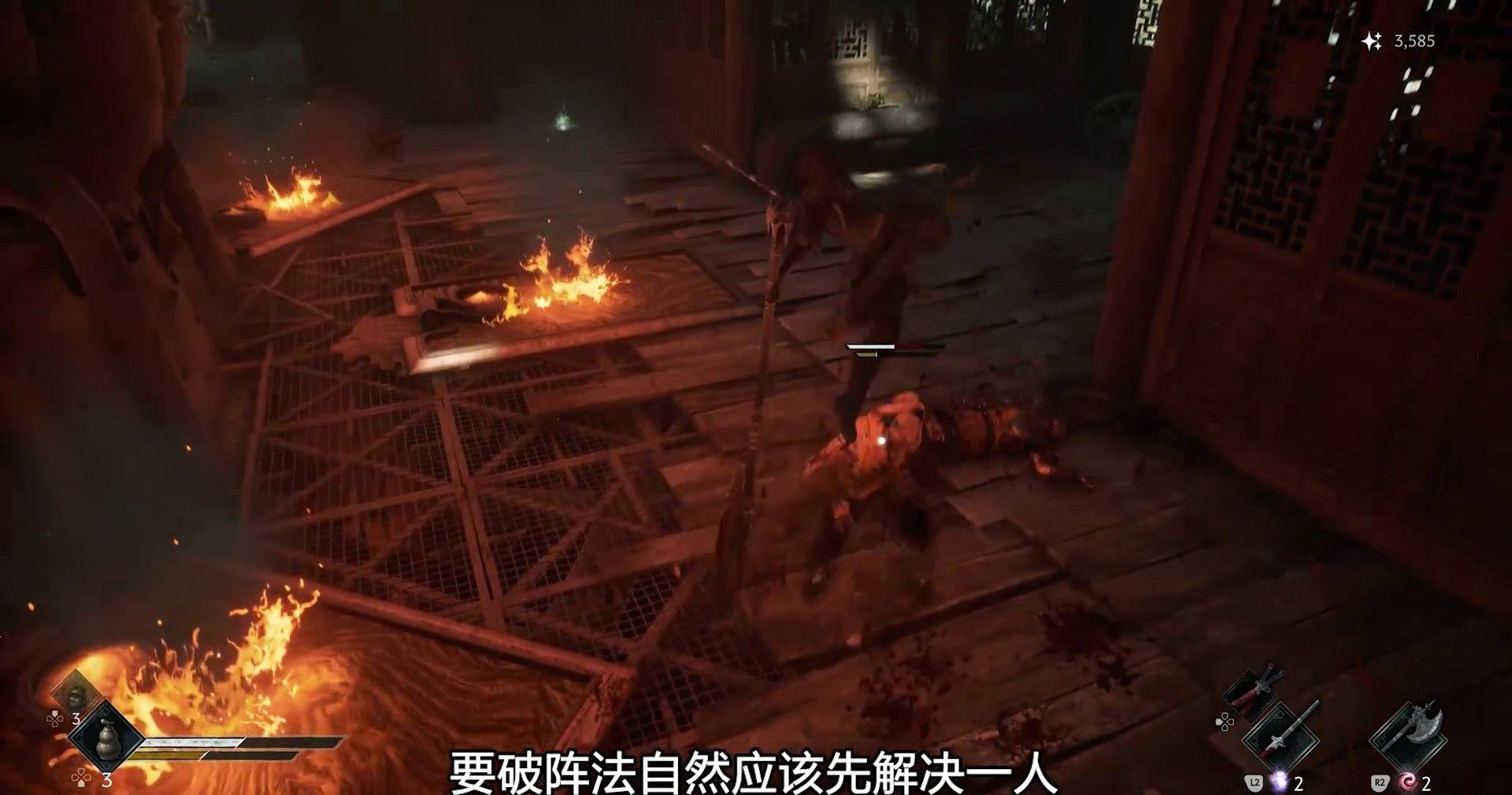
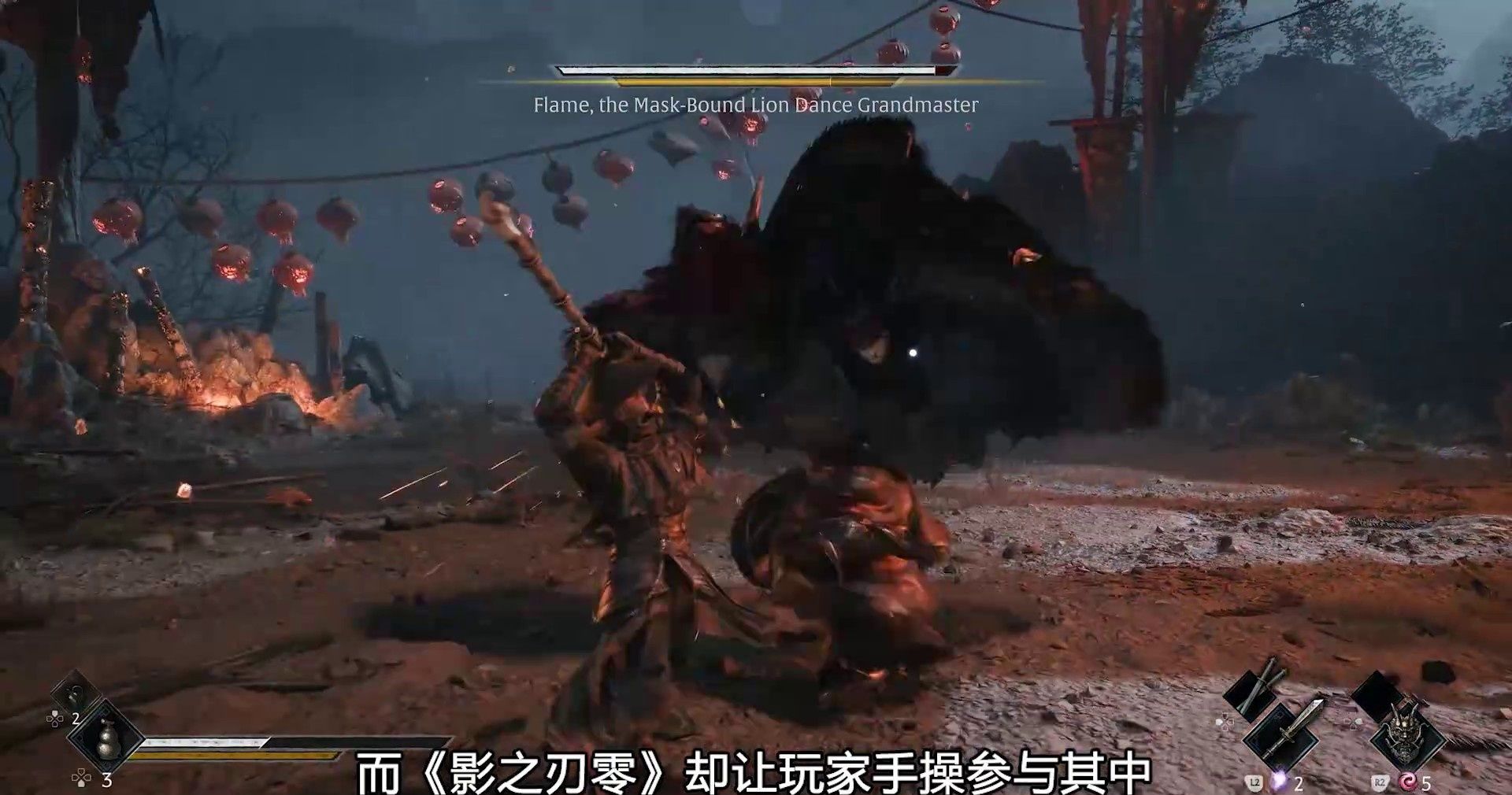
Beyond the standard mobs, a "Three Bronze Men Formation" lies in ambush here. Once the formation is broken, it drops precious elixirs, and the group AI driving these enemies delivers a genuinely spectacular presentation. Players can intuit the answer at a glance: to break a formation, the natural move is to focus fire on one member first - which brings out their special state, "Bronze Form": you must break their guard before you can take them down quickly. The whole design interlocks piece by piece - genuinely clever.
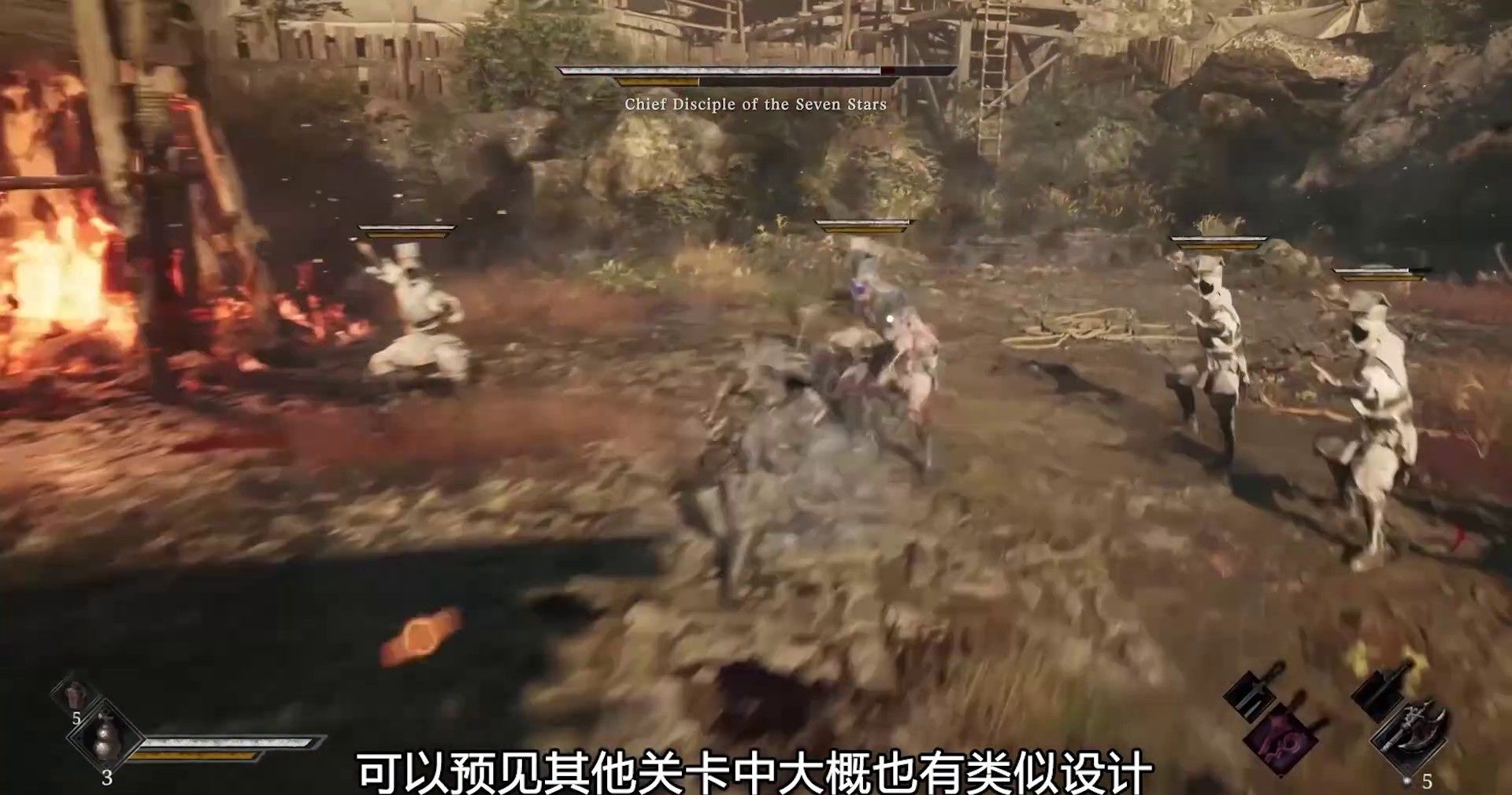
One more note: I'd assumed group AI was reserved for specific bosses like the "Seven-Star Sword Formation," yet even the ordinary enemy packs encountered mid-level come with the same setup. It's safe to bet other levels will feature similar designs - no more worrying that the trash-mob clearing segments will ever feel boring.
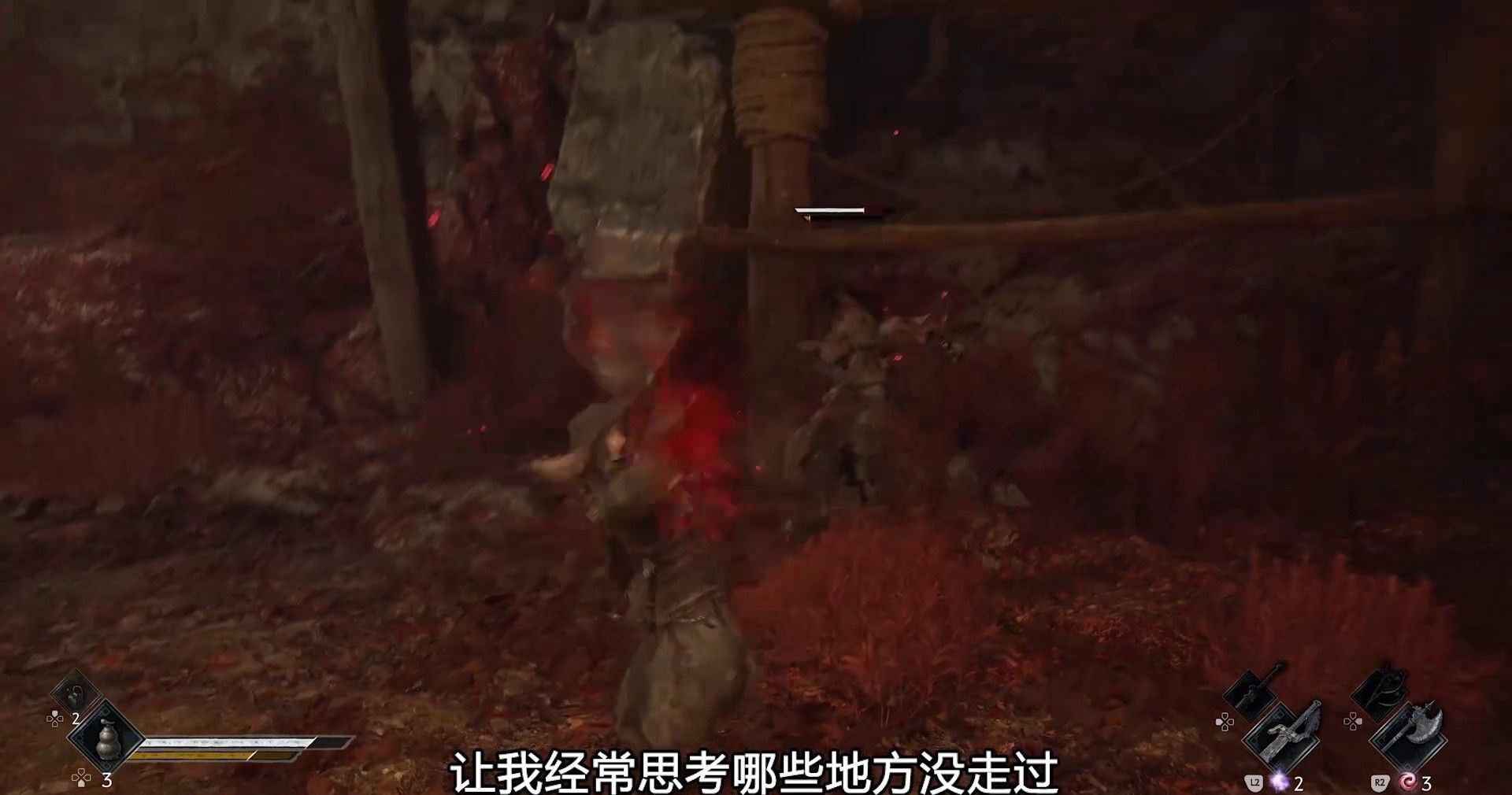
Shadow Armaments and Exploration Percentage: A Metroidvania-Style Exploration Loop
Beyond populating the map with densely handcrafted zones, the game also has players retrace their steps. As you progress and acquire new Shadow Armaments, you can break through barriers such as chains and wooden planks to reach areas that were previously inaccessible - which gives the whole experience a hint of Metroidvania flavor.
On top of that, the map displays an exploration percentage, which constantly had me wondering which paths I hadn't yet taken. That said, 100% exploration wasn't achievable in Chapter 1 during this hands-on demo - certain areas only become accessible after progressing into later chapters. I'd expect the full release to feature interconnection between the various chapter maps.
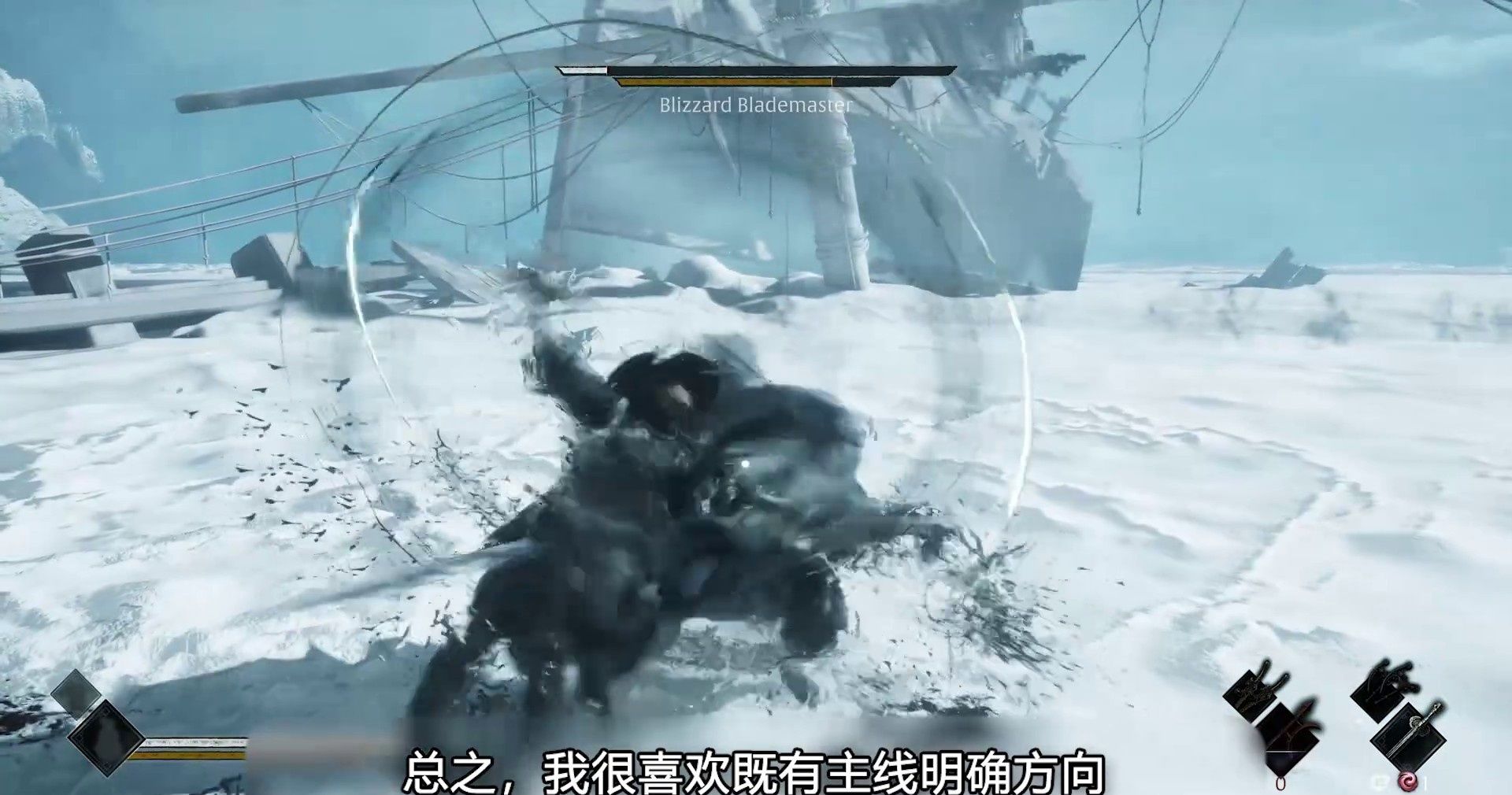
It's also worth mentioning that Chapter 1 already features a character portrayed by Donnie Yen. To avoid spoilers, I'll leave that part for you to discover on your own.
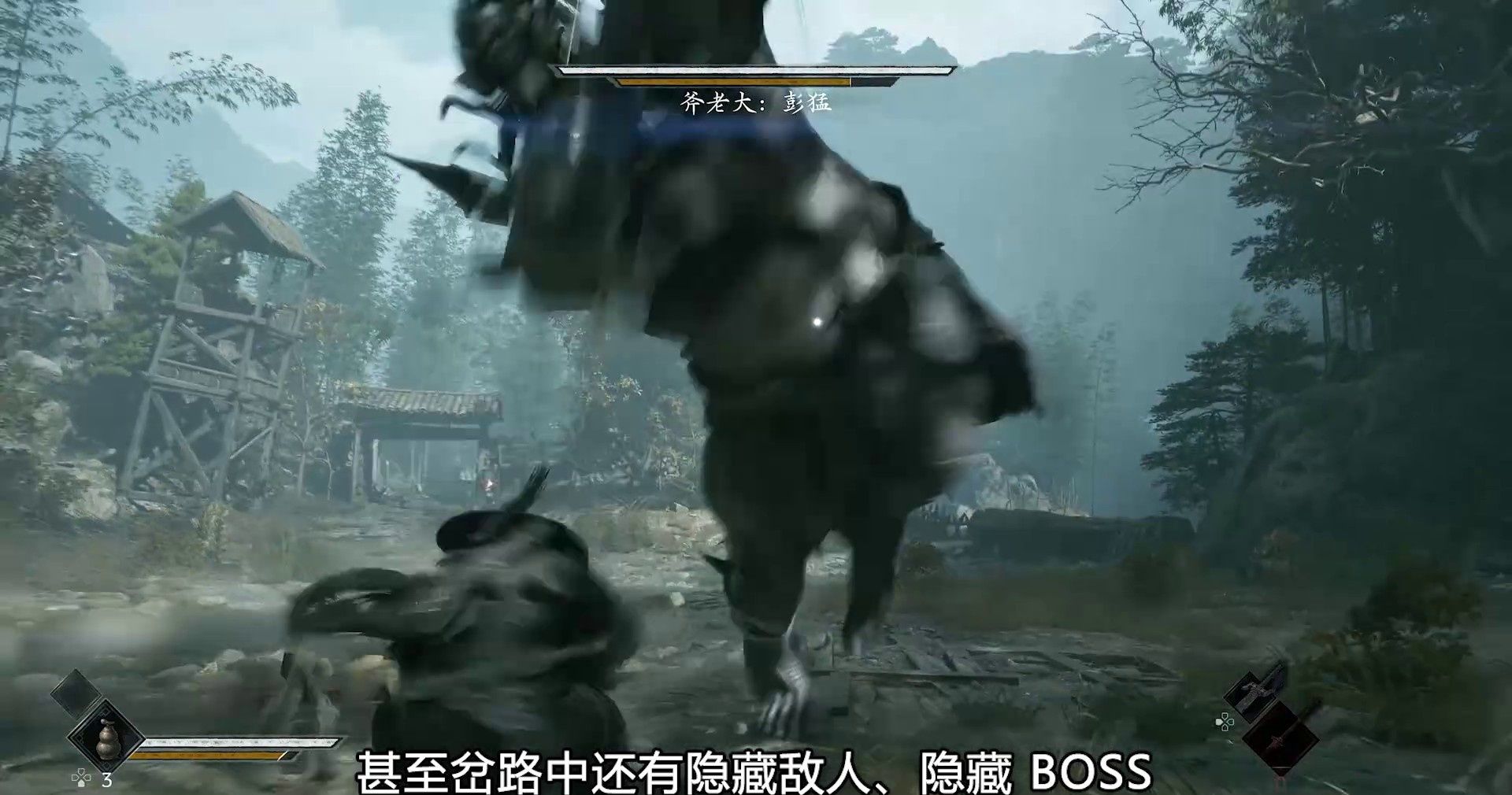
I really love this kind of level design - one that gives players a clear main-quest direction without ever fully restricting their freedom.
A Fresh Slate of Bosses: Hua Qianxiao's Sword and Qi
Of course, the combat experience didn't disappoint either - in fact, it turned out even better than expected.
The bosses featured in this demo - the Frenzied Brute, Wufo (known to many players as "Boss Buddha"), Zhuiming the Hunter, and the Sword Maniac Hua Qianxiao, plus the hidden enemies and hidden boss tucked away at the forked paths - each have a distinctly unique identity. None of them are reskins or recycled assets, and a lineup of this scale is genuinely generous.
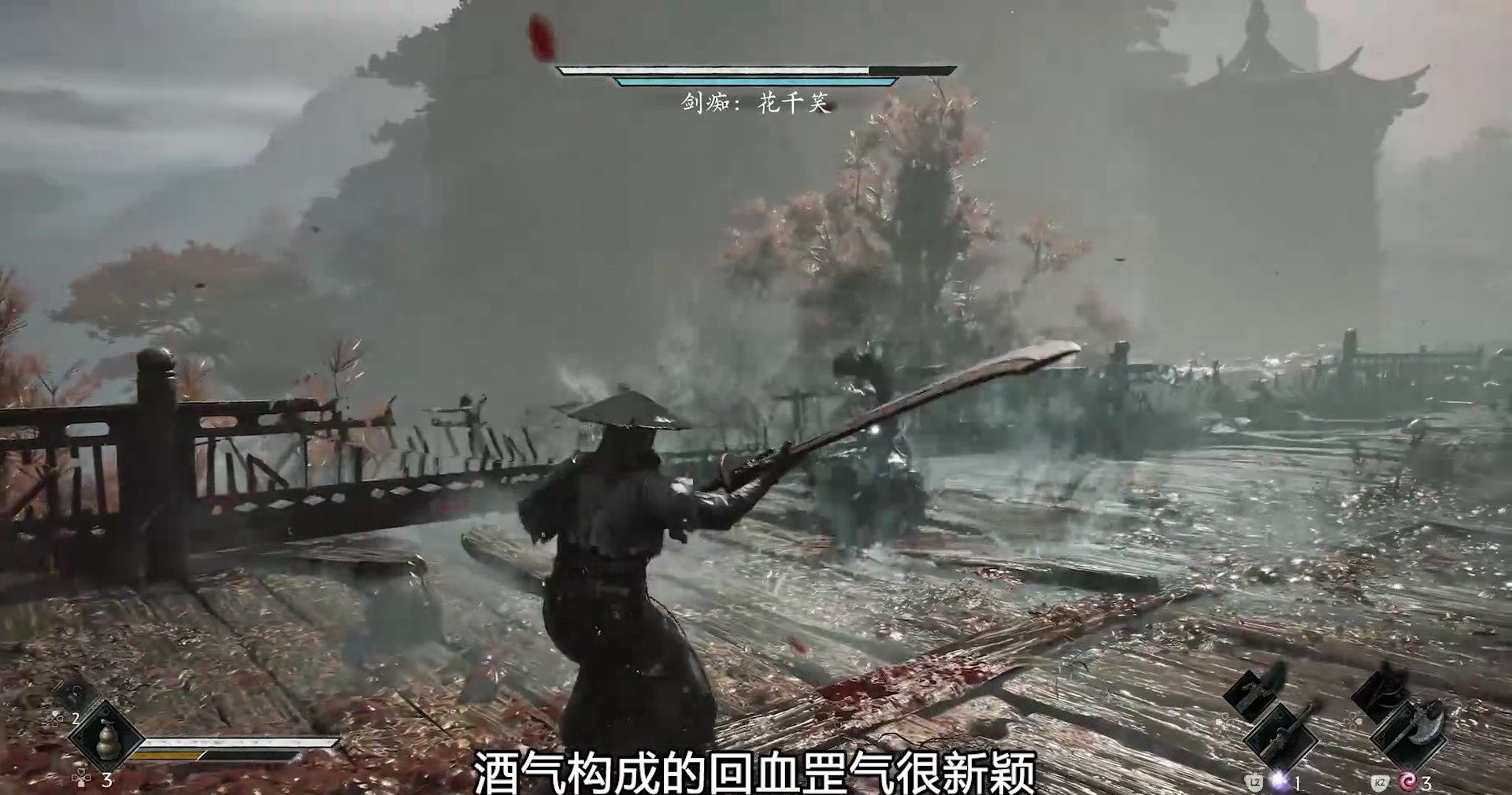
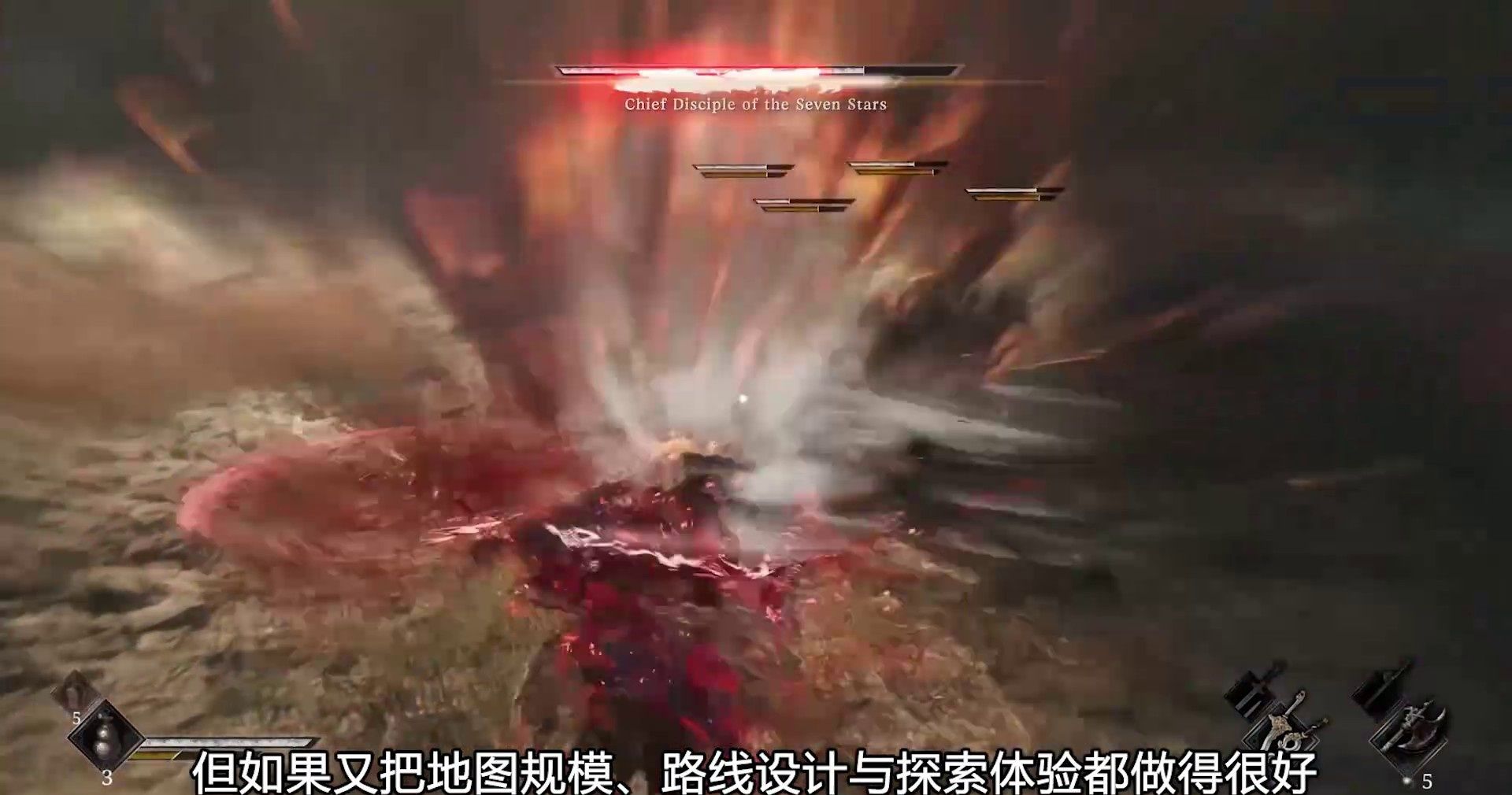
Among them, Hua Qianxiao the Sword Maniac is a quintessential boss with a distinctly Chinese flavor: a "Nineteen Swords" technique paired with Taoist robes instantly evokes countless classic swordsman archetypes. And it's not just the looks - the fight itself feels thoroughly wuxia. A health-restoring qi aura woven from sword qi exudes immense pressure, while his flowing swordplay and the blade energy it unleashes are dazzling to keep up with: shattering the qi aura and dodging the sword qi both demand real thought. This fight also lets you wield the shadow armament "Fierce Captive," previously claimed from Wufo, bringing together polished presentation, exploration rewards, and satisfying combat feel all at once.
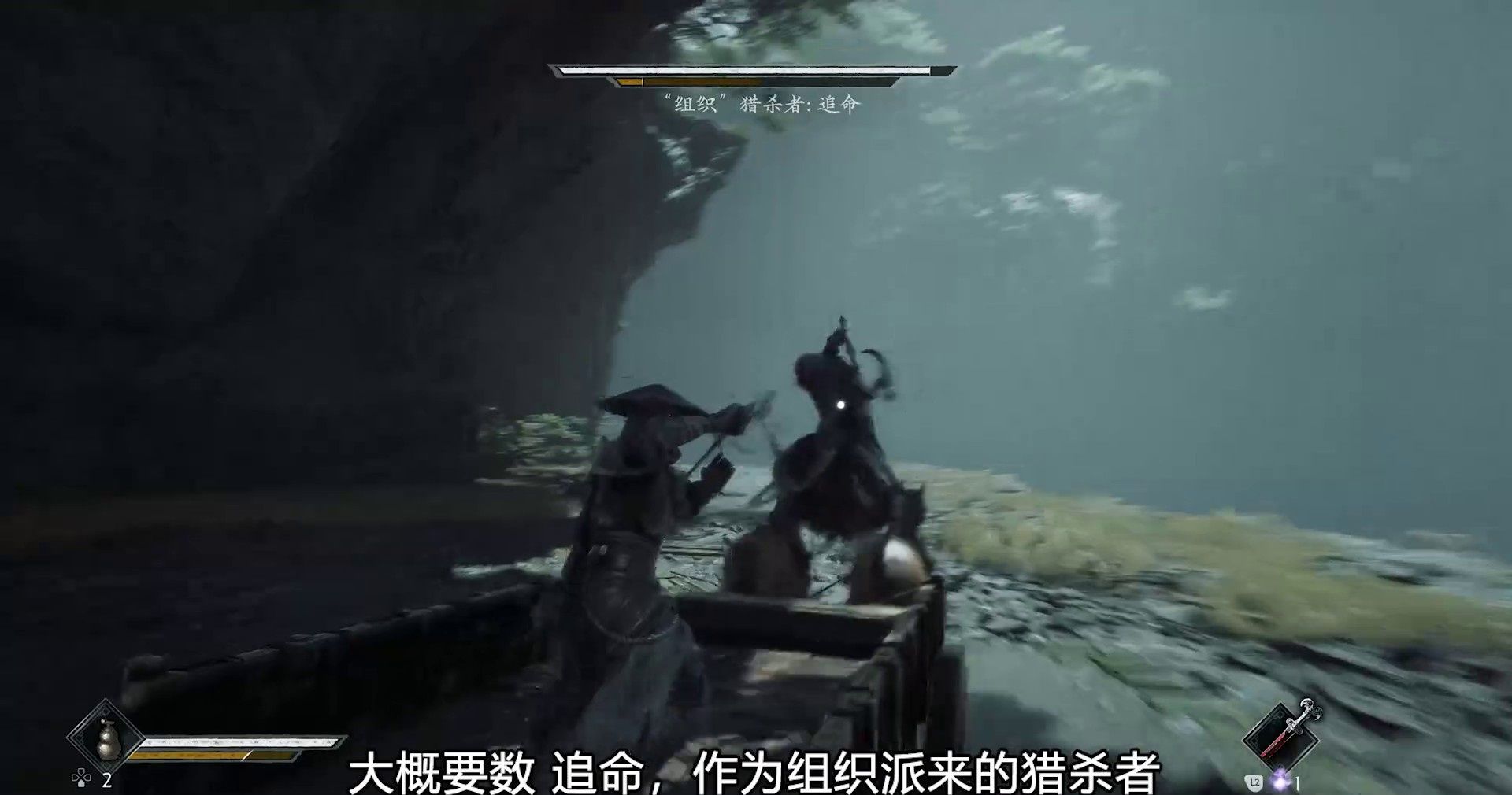
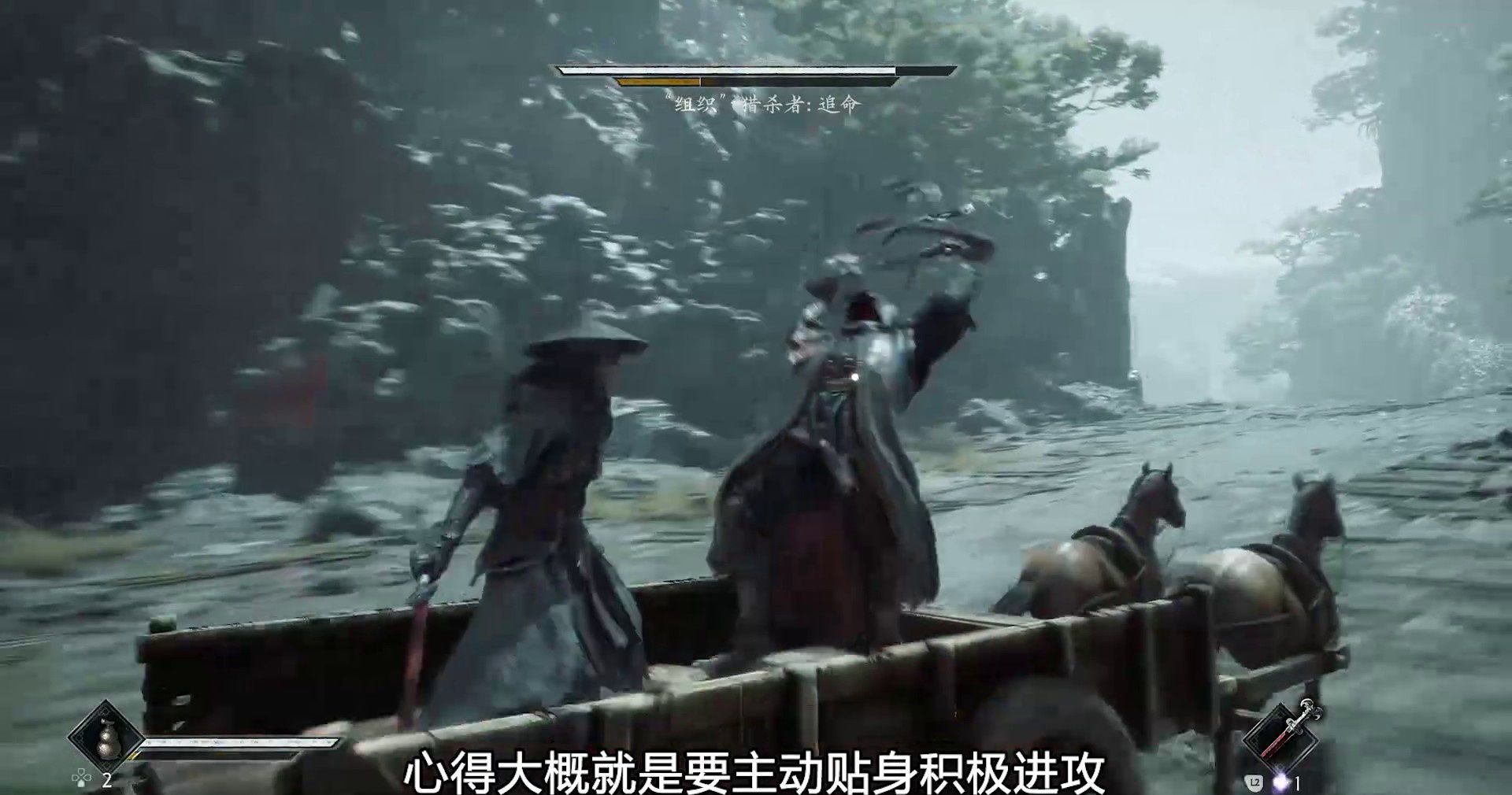
The Most Relentless Opponent: The Hunter Zhuiming and the Philosophy of Close-Quarters Aggression
The toughest boss in this demo was probably Zhuiming. As a hunter dispatched by the Order, his claw hook was already his core visual language in our earlier run-ins; once we finally came to blows, that trait was on full display - he mixes rapid close-range attacks with long-range strikes, and even has instant-repositioning dashes for creating distance. I died to him more times than I can count.
Fortunately, progress carries over once you push him into phase two - even a failed attempt lets you restart from phase two fully restored, so you can settle in and methodically learn his moveset. My takeaway: stay in his face and play aggressively. Holding down block without ever letting go will drain your Killing Intent in no time; sometimes you're better off decisively trading damage to buy an opening for a counter.
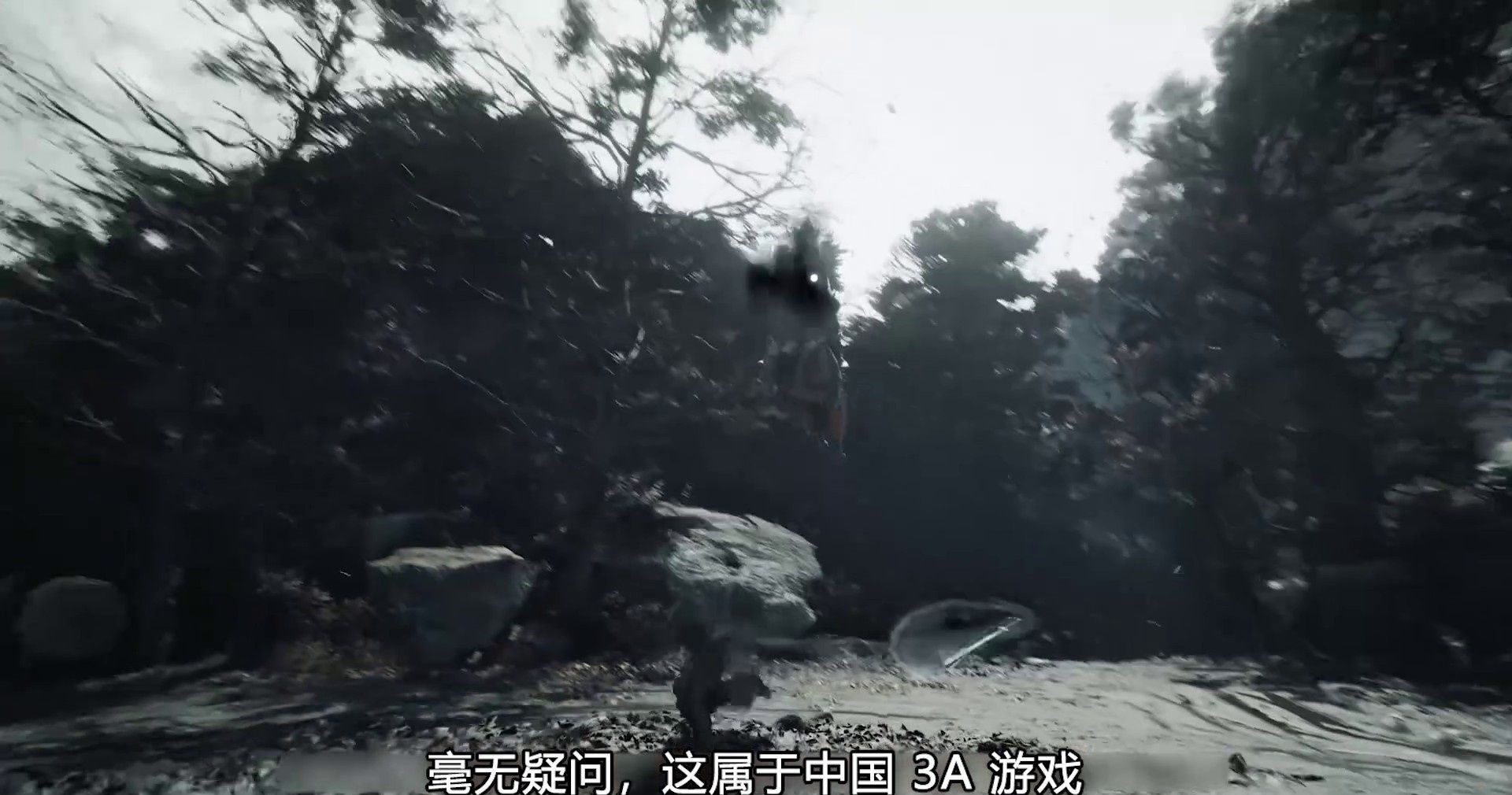
Wuxia-Punk Made Real: 66 Days to Live and an Industrialized Jianghu
I won't go into the story in detail here, but after finishing the first chapter, I gradually came to understand what Phantom Blade Zero means by wuxia-punk.
Having evolved from the Rainblood series, S-GAME (Lingyoufang) has fused traditional wuxia sensibilities with industrial visual elements, forging a fresh and distinctive style. The protagonist, Soul, has only 66 days left to live, yet still chooses to set out on a path to clear his name - wuxia fans will instantly get exactly what they're looking for: jianghu feuds and unyielding integrity. Meanwhile, visual designs like the Killing-Intent Modification Tower ensure that a new generation of players won't find it dated or old-fashioned, infusing this traditional charm with modern innovation. No wonder producer Liang Qiwei has always treated "wuxia-punk" as the core label - after finishing the first chapter, the term finally took on a concrete shape.
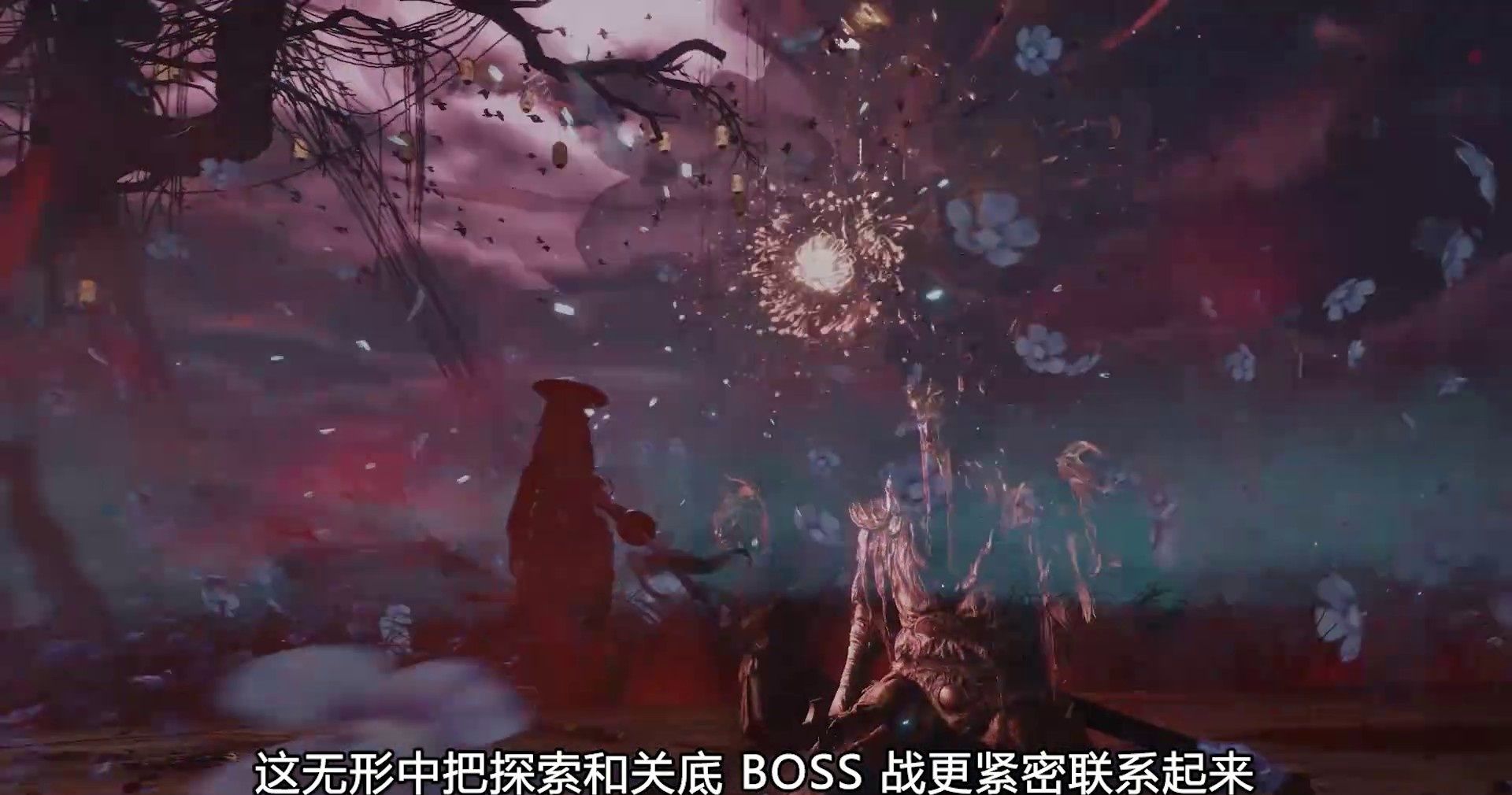
Without a doubt, this is yet another new path explored by Chinese AAA games in the wake of Black Myth: Wukong.
As for how this new style will serve the story going forward, I very much look forward to finding the answer in the full release.
A Sneak Peek at Later Chapters: Madame Twin Serpents, a Mystery Guest, and Wuzun atop the Plum Blossom Poles
As the demo drew to a close, we also got hands-on with two boss fights from later chapters: Madame Twin Serpents and Wuzun.
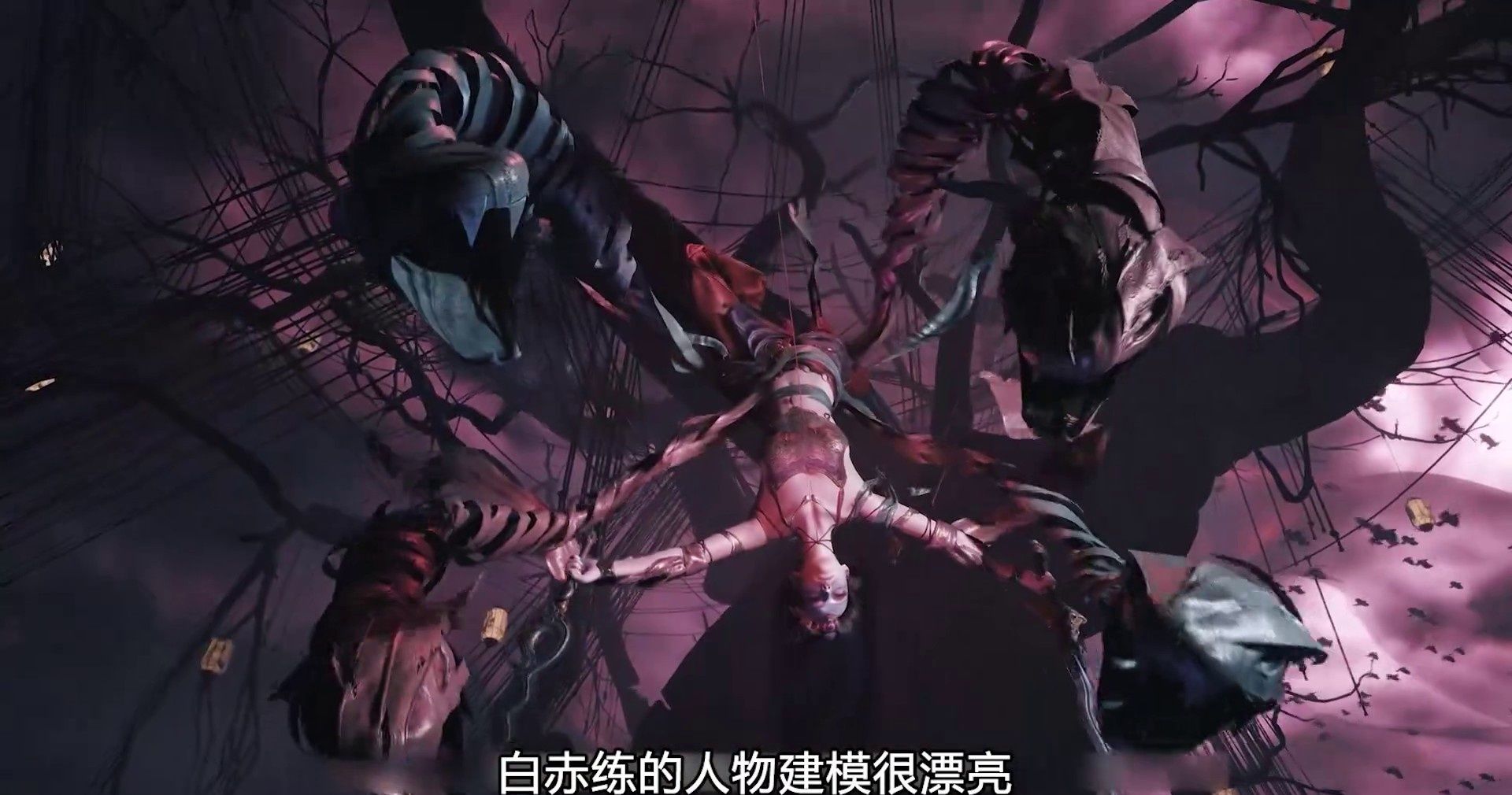
Madame Twin Serpents boasts a gorgeous character model, with more than a hint of the legendary "Rainbow Skirts and Feathered Robes" about her. In combat she often hovers mid-air, drifting like a dancer - though thankfully she closes the distance on her own, so you won't be chasing her all over the arena. Once she enters her second phase, a few special mechanics await.
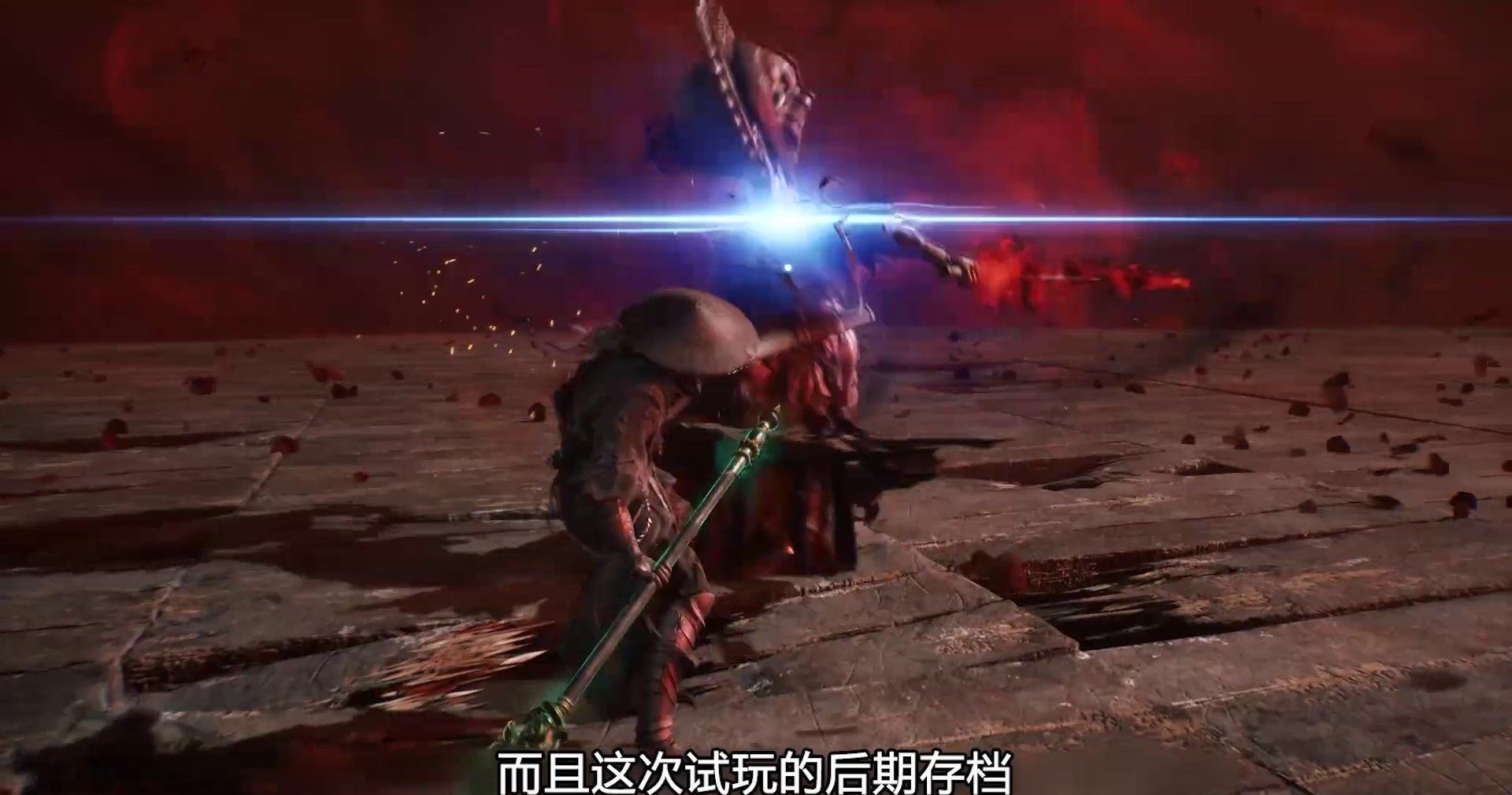
What's even more noteworthy is that the save file provided by the developers had certain conditions from earlier levels pre-set: midway through the fight, a mystery guest steps in to lend a hand. This subtly ties exploration and end-of-level boss fights more closely together. In the previous demo, it was enemy reinforcements who joined the fray, forcing players to take on two foes at once; this time, the tables have turned - now we've got backup of our own, and it's the boss getting ganged up on. It's a genuinely fresh and fun mechanic.
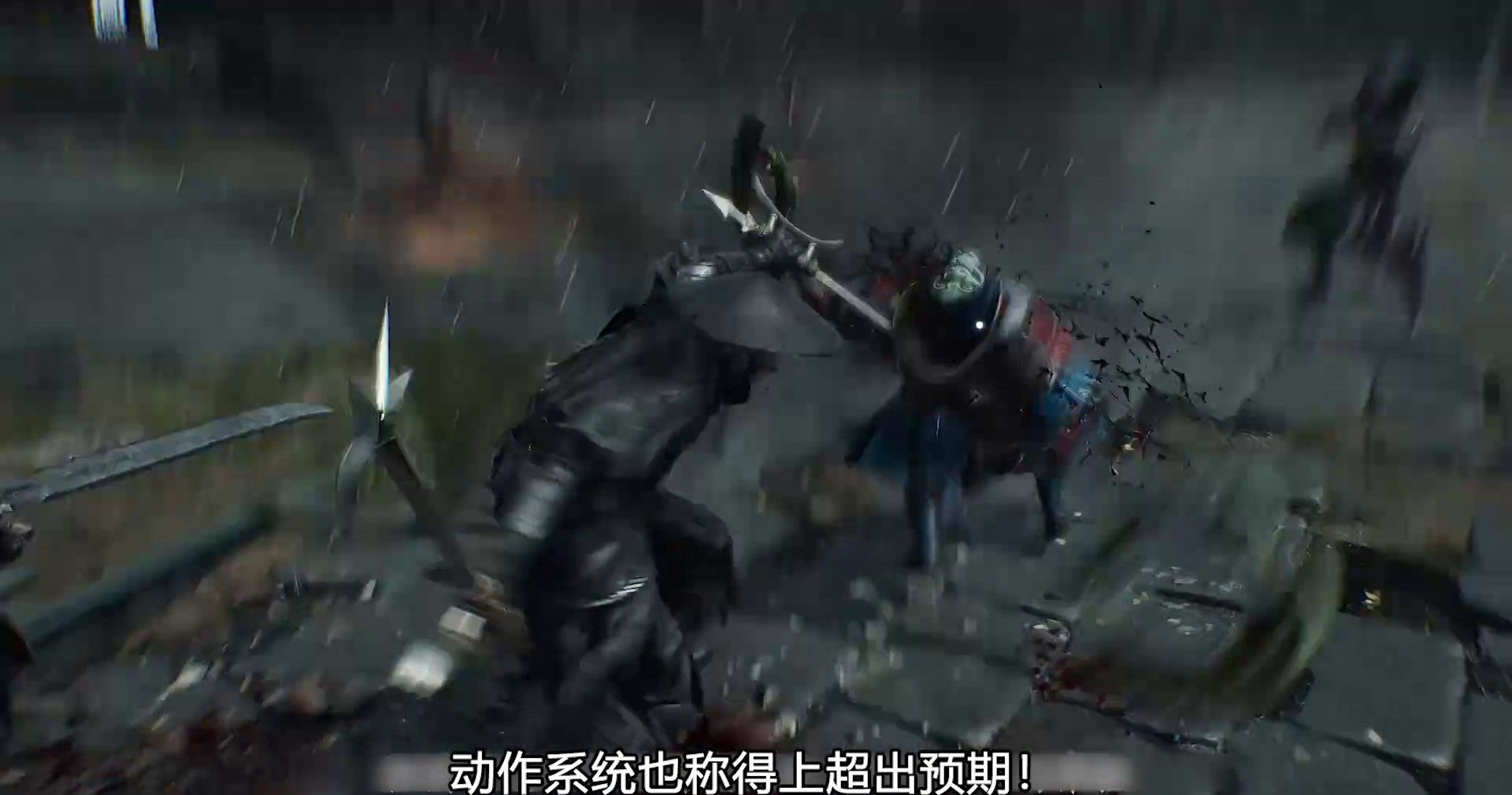
As for Wuzun, most of you have probably seen his moves in the trailers, but going hands-on reveals even more surprises. In typical AAA blockbusters, these cinematic highlight moments are simply QTEs; Phantom Blade Zero, however, puts the player directly in control of the action, taking both the combat experience and the sense of immersion to a whole new level. Once you've whittled down a certain portion of Wuzun's health, he deploys the plum blossom poles and summons junior martial artists; clear them out, and you earn the right to take to the poles, leaping up to duel him in martial combat atop them - further reinforcing the core concept of "wu" (martial arts). Whether in presentation or gameplay creativity, there's simply nothing to fault.
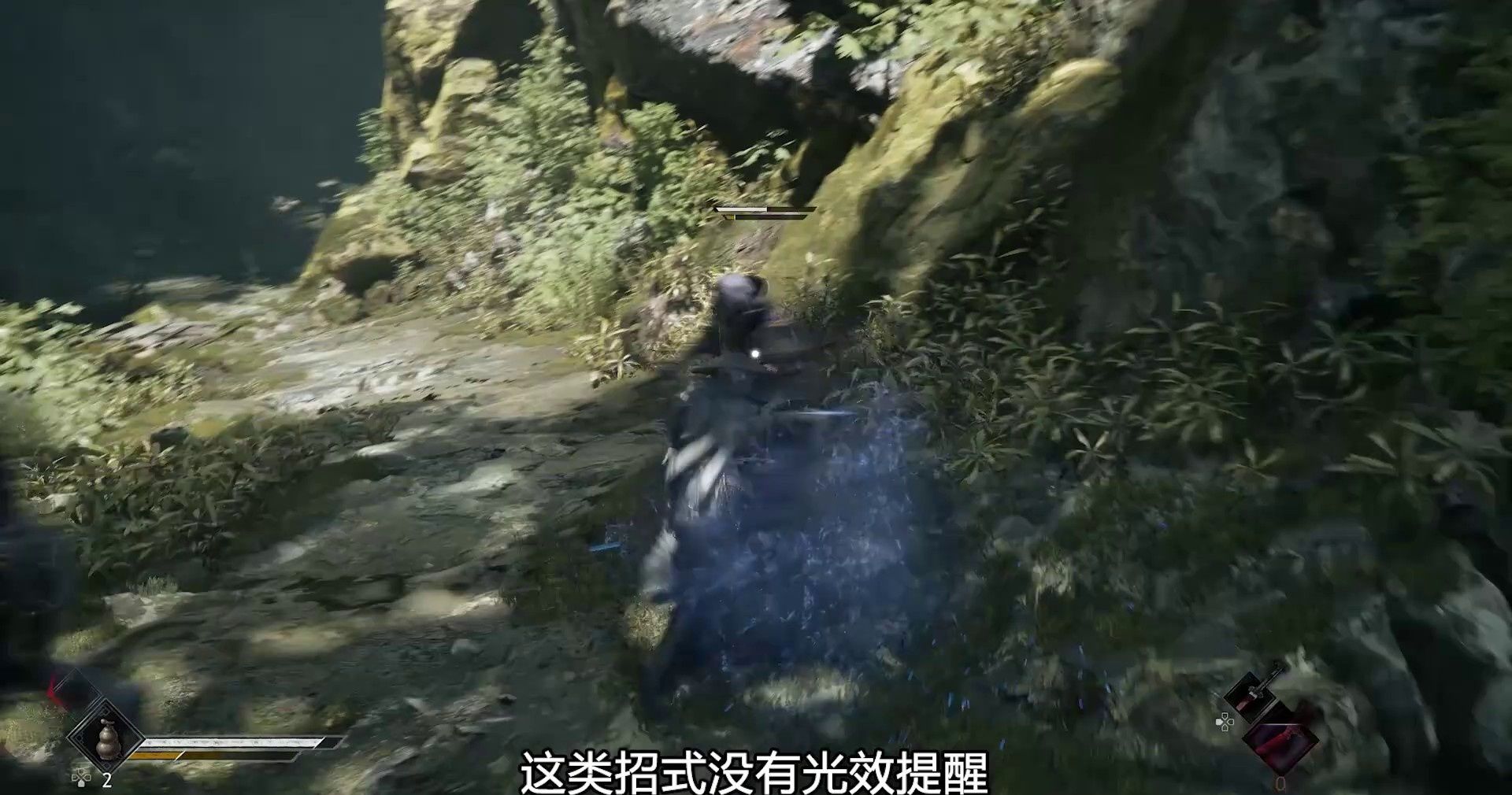
What's more, under this late-demo save, players have a remarkably diverse arsenal of ways to handle each encounter. Never mind playing it yourself - even just watching from the sidelines, you'll often catch your own jaw dropping in awe:
"Wait - you can fight it like that?"
To preserve this sense of discovery, we'll hold back on further details and leave them for you to experience firsthand.
Top Community Comments
@ppvNiTian (56 likes): "16 more years? That's seriously gonna be the death of me! Even just dropping a new video to keep me hanging would do."
- Behind the hyperbole, this quip speaks to the true agony of the wait: with a long stretch still to go before the official release, players aren't asking to play it right away - even a little more new material trickling out to "whet the appetite" would be enough. That very eagerness is, in its own right, further proof of just how much substance the hands-on demo content carries.
@Sonkwo (232 likes): "On September 3, I attended the offline, closed-door hands-on demo of Phantom Blade Zero! Here's a detailed rundown for everyone."
- This comment lays out the full story behind the experience: an invite-only, in-person closed demo, with everything shared based on firsthand play. That it earned the highest like count of the lot shows that what readers trust most is precisely this kind of "participant's perspective" sharing.
@ISEUL-T (223 likes): "That whole staking-out-the-void thing - come on, let me see!"
- A meme-flavored "let me see!" captures the onlookers' state to a T: feasting on every detail from behind the screen yet unable to actually get their hands on the game, they can only "clamor for updates into the void" in the comments section, sitting tight for the next wave of firsthand scoops.
All three top comments point to the same fact: when it comes to Phantom Blade Zero, player hype was maxed out long ago - and the only thing everyone wants now boils down to a single word: faster.
📌 One-Sentence Summary
Phantom Blade Zero proves - with a top-tier combat system, a series of intricately interlocking wuxia microcosms, and a boldly distinctive wuxia-punk aesthetic - that in the wake of Black Myth: Wukong, Chinese AAA still has a new road like this one to travel. Its ambitions reach far beyond simply "playing well."