More Forgiving Than Sekiro, Tighter Than Elden Ring: After 6 Hours of Hands-On, Has Phantom Blade Zero Found the "Golden Mean" of Action Games?
When a homegrown action game is put to the test firsthand by an editor at a leading Japanese gaming outlet, and the verdict points straight at the twin peaks of Sekiro and Elden Ring, things get very interesting indeed. KURABE, an editor at IGN Japan, recently received roughly six hours of hands-on access to Phantom Blade Zero - his first time actually playing S-GAME's new action title. Until then, his knowledge of the game had been limited to trailers and character showcases.

After six hours, the core verdict he delivered was surprising, yet entirely logical: this is, of course, an action game, but in many scenarios it "feels more like an RPG than expected"; and as for the overall experience, it is more forgiving than Sekiro, tighter than Elden Ring. In other words - Phantom Blade Zero may have genuinely found the "golden mean" of action games.
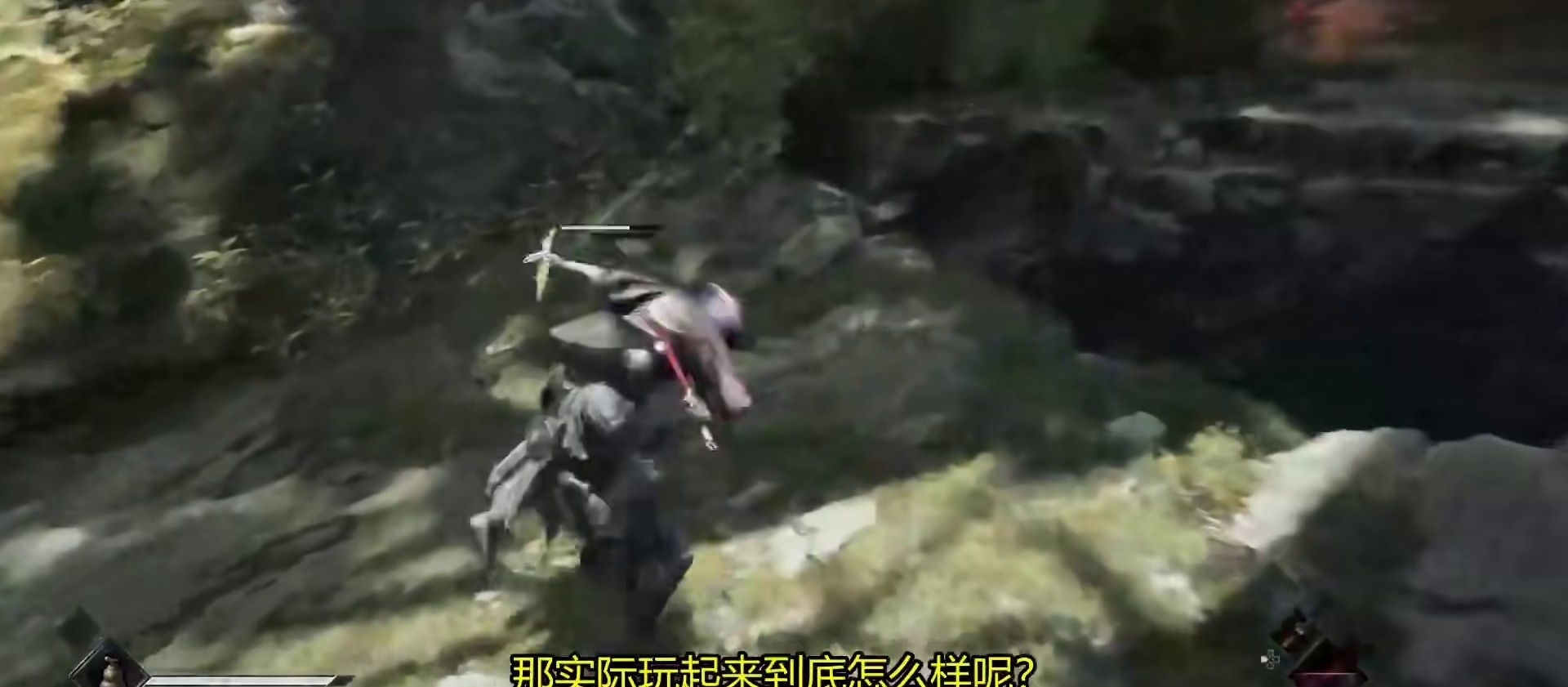
Where does this verdict come from? Break down his six hours of observations one by one, and you'll find that behind every conclusion lies a specific, clever design decision.
An "Unexpected" Hands-On: The Shell of an Action Game, the Skeleton of an RPG
As an editor who has played a great many action games and has long tracked player community feedback, KURABE considered himself mentally prepared for this kind of title. Yet Phantom Blade Zero still exceeded his predictions - not on the action front, but at the structural level.
"I originally thought this was a pure action game, but in certain moments, it felt more like an RPG to me."
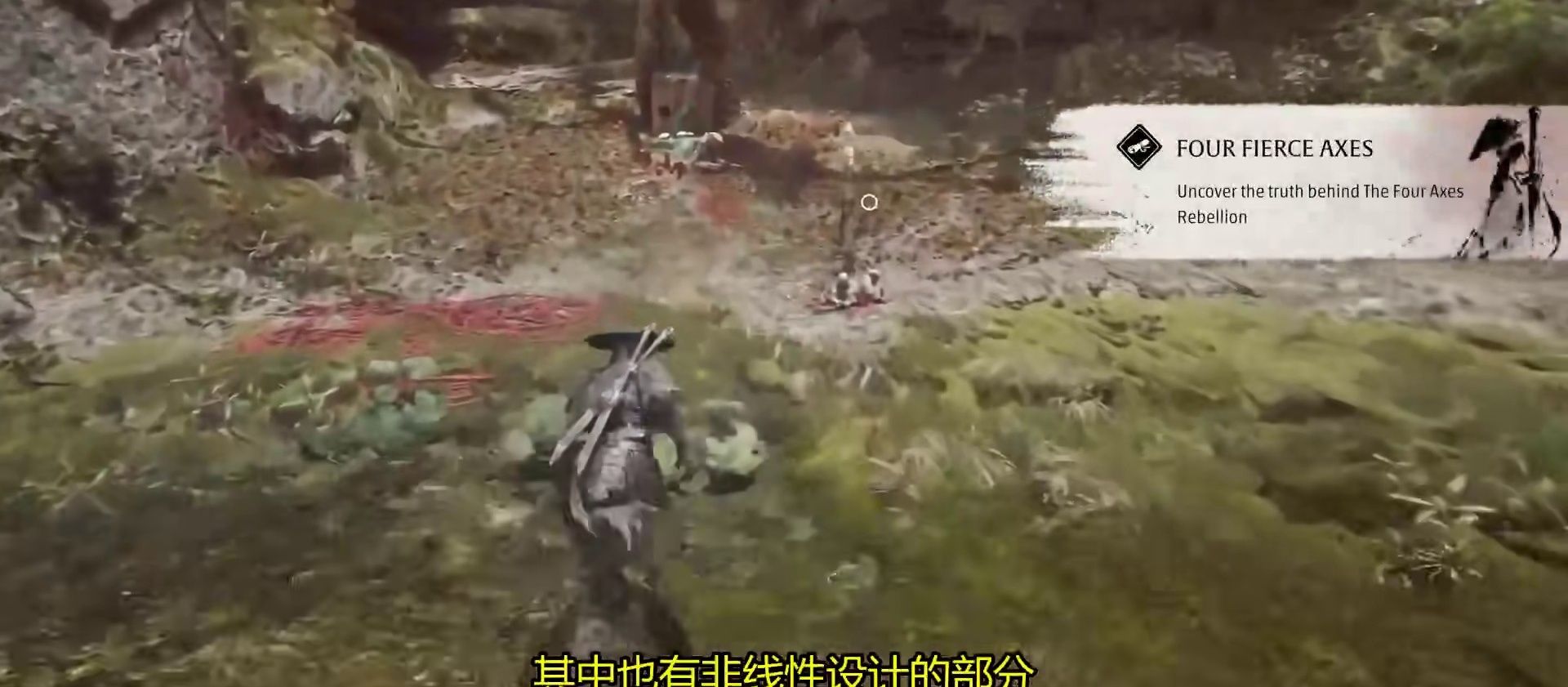
The "RPG feel" here does not mean the game has turned into a grind-fest; rather, it refers to how the skeleton of traditional RPGs - progression systems, equipment management, checkpoints, and exploration structure - has been fitted, whole and intact, into the shell of an action game. And that skeleton is precisely what sets it apart from pure action titles like Sekiro and Onimusha - it is also the source of all the "friendly" and "compact" verdicts that follow.
Above Ground and Below: Not a Soulslike Interconnected World, but a "Jianghu Where People Actually Live"
Let's start with the exploration structure. Most of the demo unfolds in above-ground areas, yet the opening region already comes with a sizable large underground level. But KURABE was especially emphatic on this point: it is neither a Castlevania-style Metroidvania, nor the precisely interlocking world design typical of soulslikes, but a straightforward, no-frills combination of "a sprawling overworld above ground + large dungeons below."
What truly stuck with him was a counterintuitive detail: in soulslike games, a dark area more or less means danger - players default to expecting nothing there but monsters, traps, and oppressive gloom. Phantom Blade Zero is not like that - tucked inside its dark areas are villages, and in those villages there are people: NPCs, and the lived-in warmth of everyday life.
"In soulslike games, dark places usually mean danger; but this game isn't like that - there are villages in the dark areas too, and plenty of people living in them."
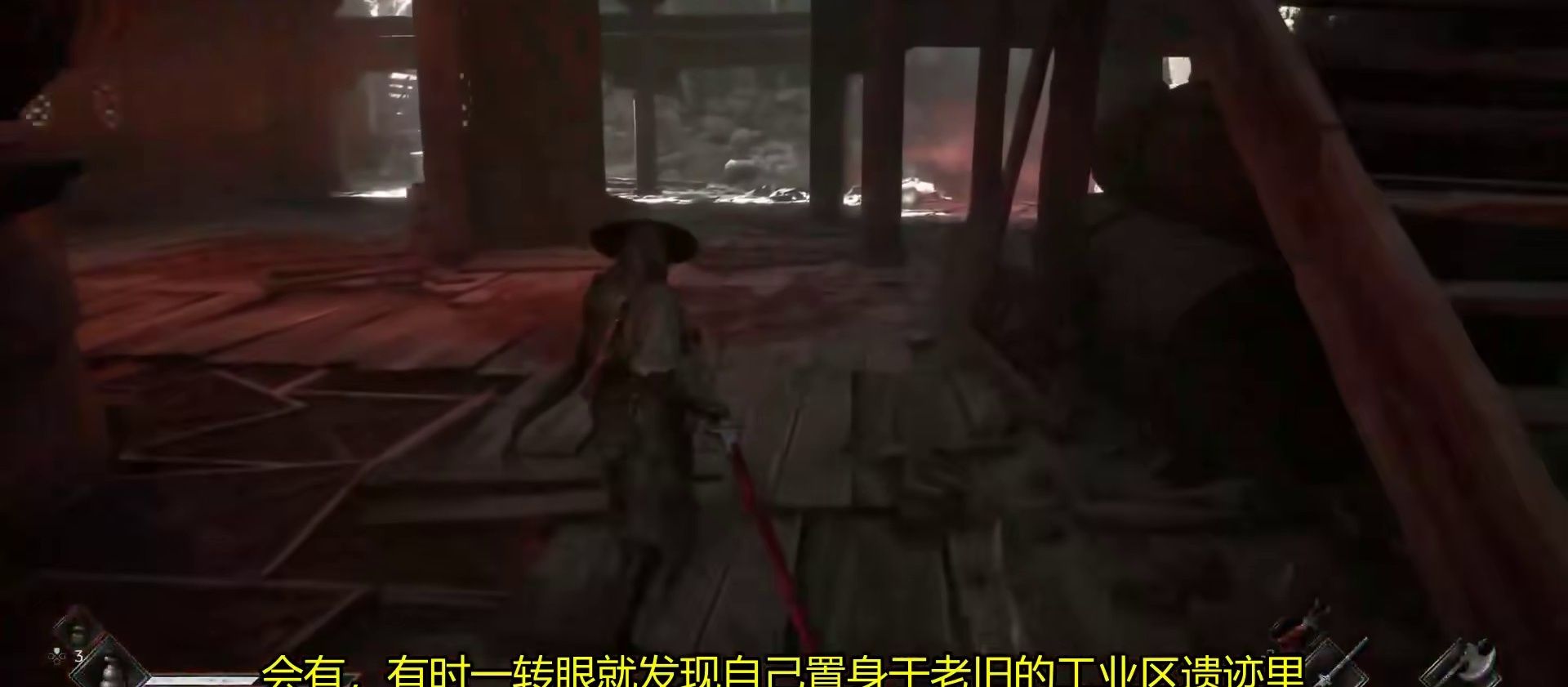
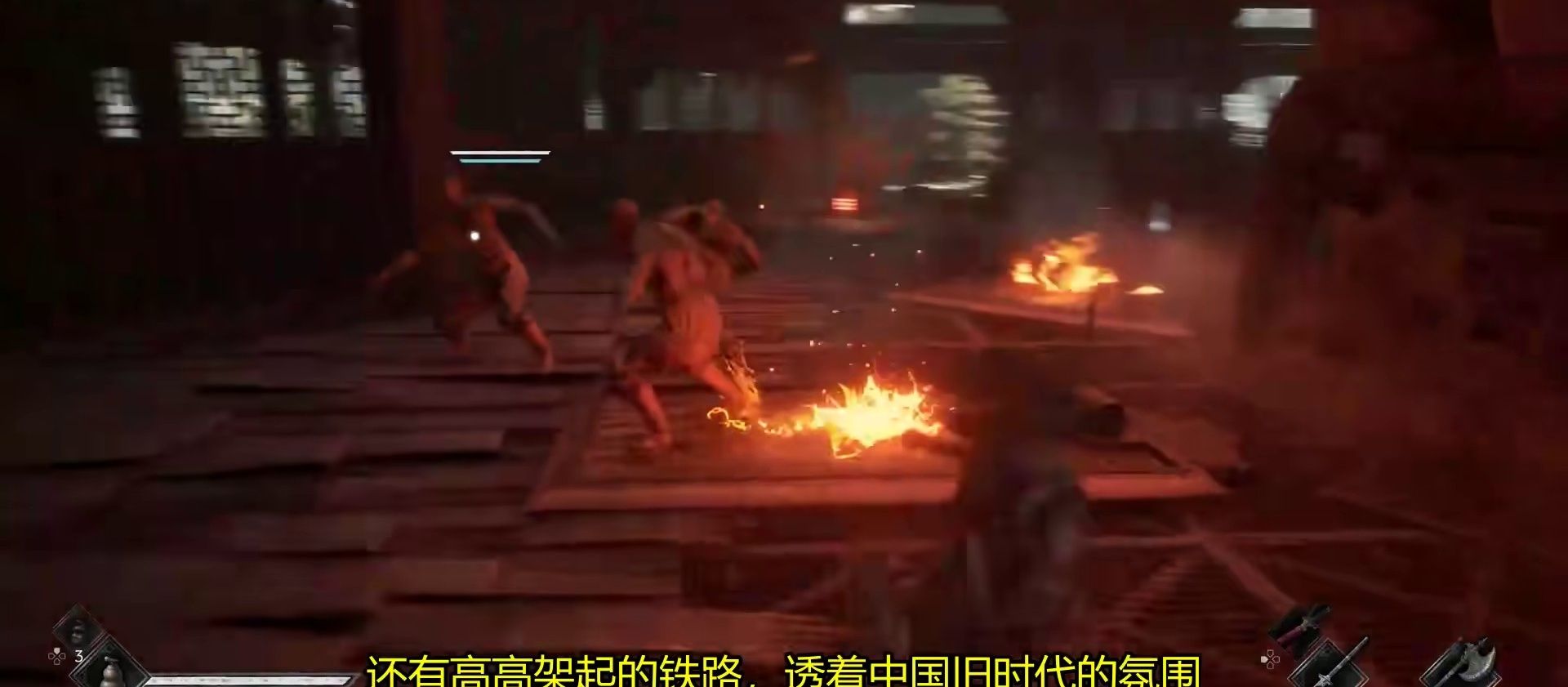
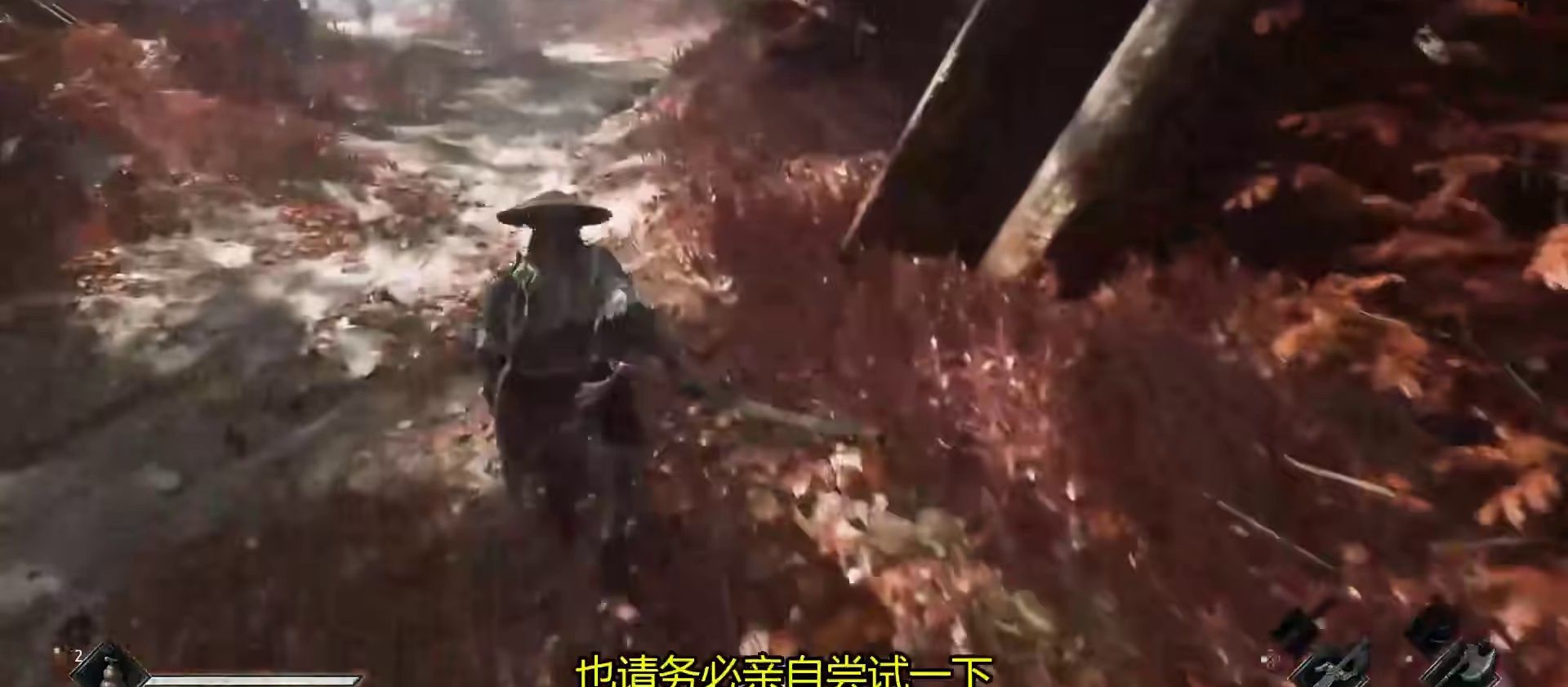
Venturing deep into the mountain regions, the mountain-and-stream scenery is beautiful enough that it hardly feels like a "soulslike" world; yet mixed in among these traditional vistas stand towering chimneys and industrial pipelines. The world is no wasteland - people live in the jianghu. That single choice directly shapes the game's overall tone: the sense of oppression remains, but the sense of despair has been taken away.
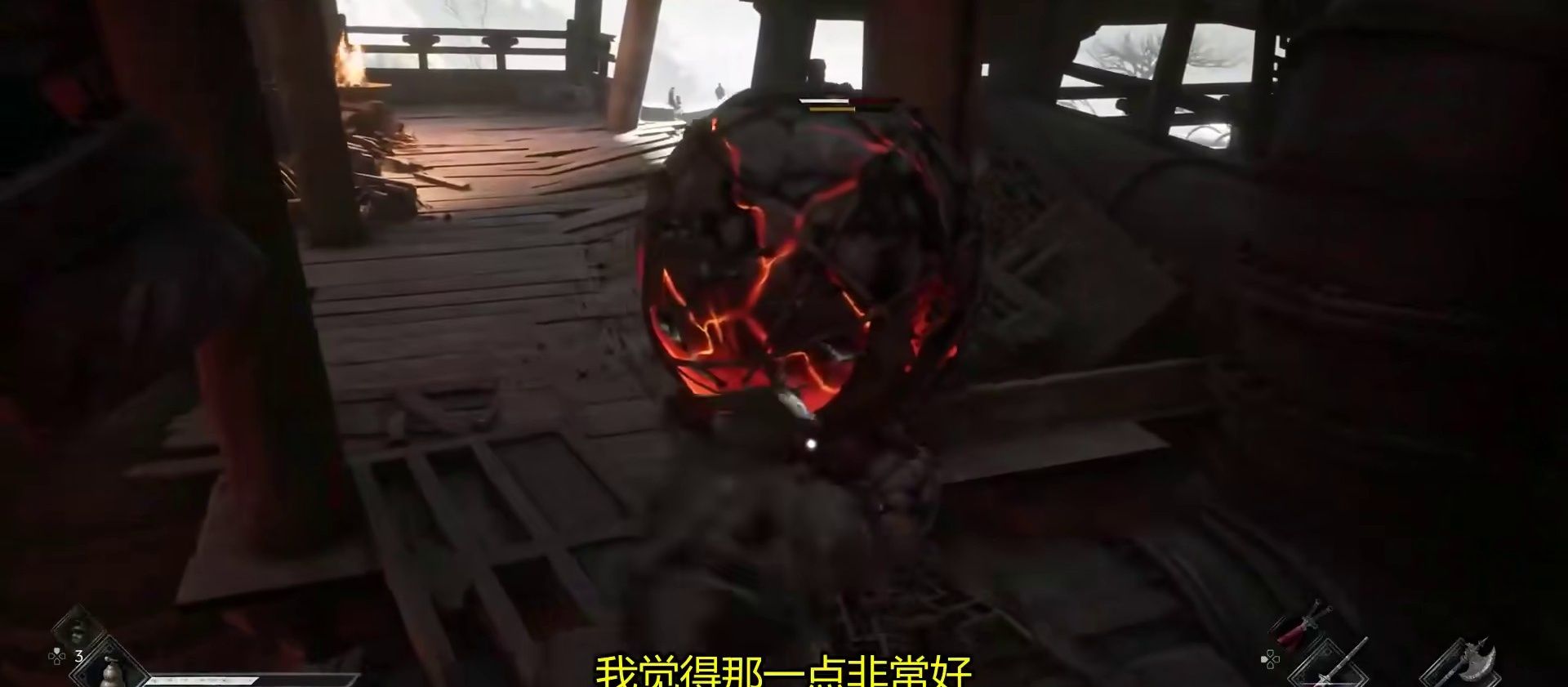
Kungfunk: Chimneys and Metal Music Grow Out of Wuxia Landscapes
The above visual strategy has a clear worldbuilding name: kungfunk. The juxtaposition of traditional Chinese scenery and industrial landscapes forms the unique foundation of Phantom Blade Zero - not a simple “retro + mechanical” skin, but a narrative language interlocked with the exploration design of “villages, forts, and corporate strongholds.”
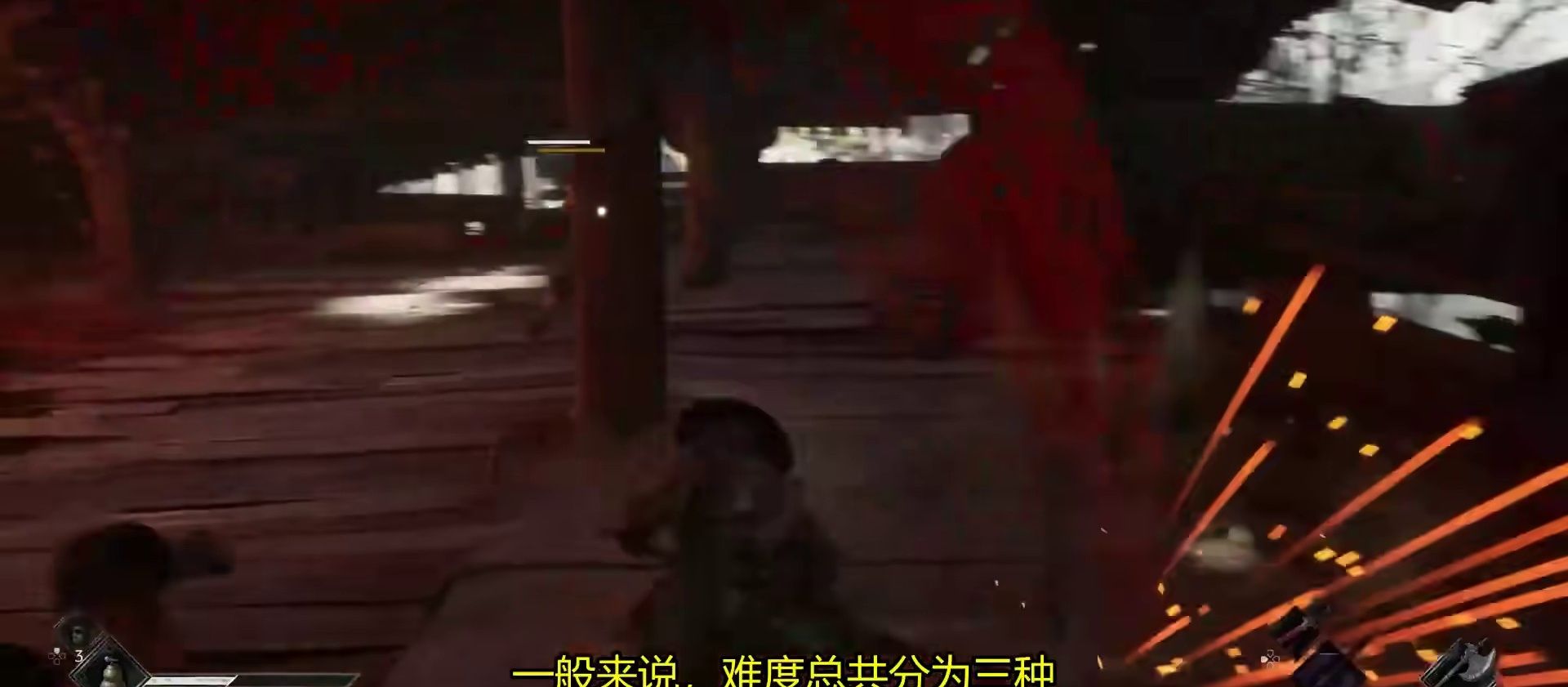
The same applies to the aural layer. The soundtrack is built on a foundation of kung fu film-style folk music, but at the white-hot moments of combat, it suddenly cuts into modern styles such as metal and rock - maximizing the contrast, yet unexpectedly fitting the kungfunk worldbuilding perfectly.
“Traditional Chinese scenery is mixed with industrial landscapes, and kung fu film-style music suddenly turns into metal and rock at a certain moment - this design is very unique.”
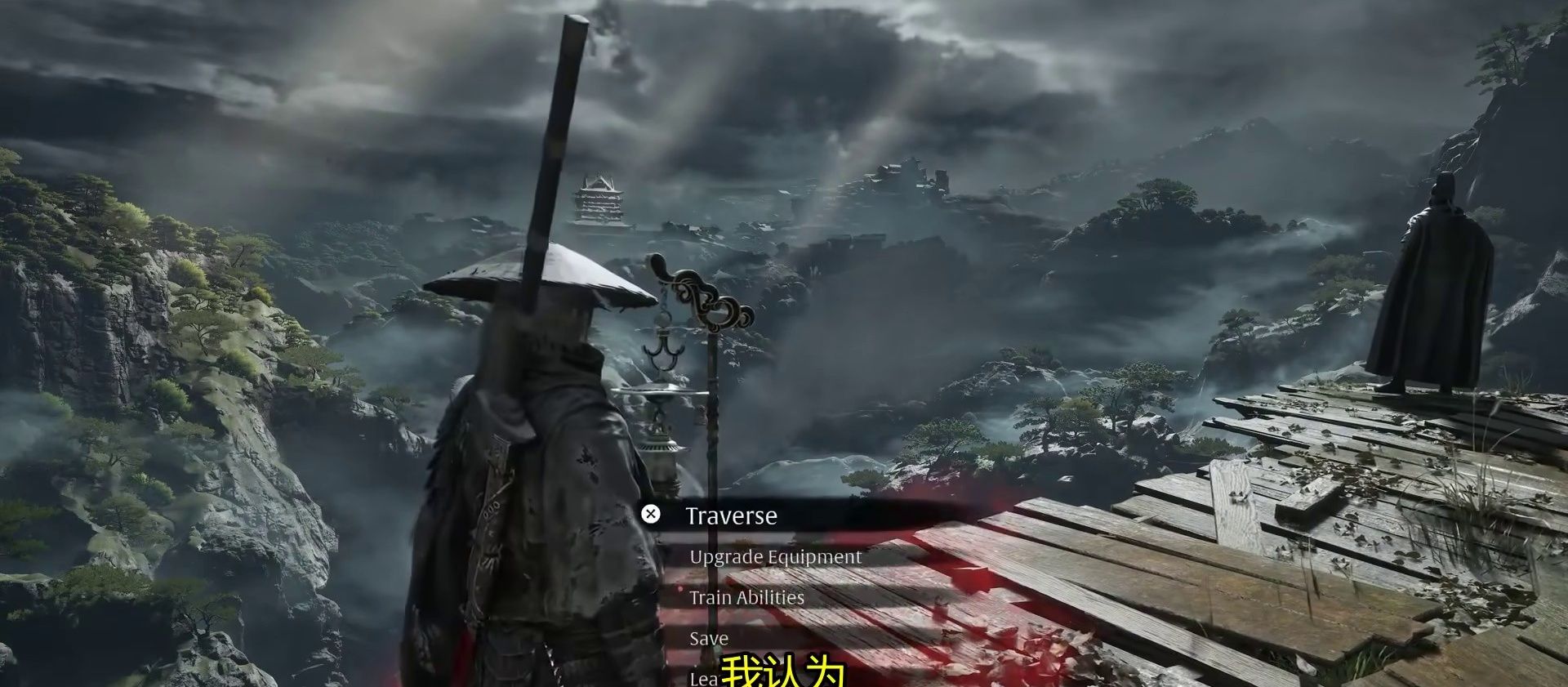
In KURABE’s view, this dual-track design of “tradition × industry” and “folk music × metal” makes the process of exploring villages and strongholds inherently full of informational richness and stylistic distinctiveness. You won’t mistake Phantom Blade Zero for any other action game - in an era of highly homogenized art and music, that alone is a rarity.
Weapon System: Twenty to Thirty Weapons, Full Movesets Even in a Weakened State
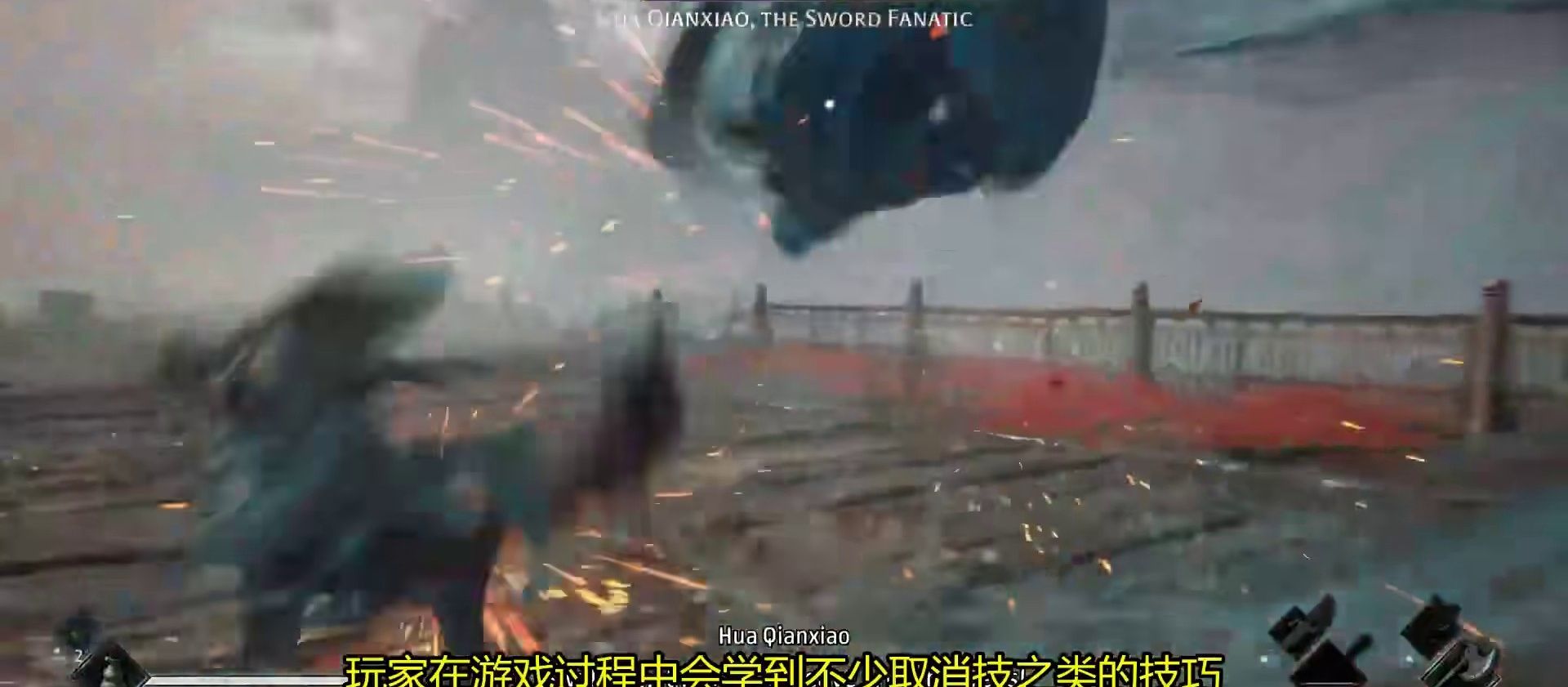
Talking about combat, KURABE drew a comparison with Onimusha: The Way of the Sword, which he had played just recently: by comparison, Phantom Blade Zero is faster-paced, with more fluid transitions between offense and defense, leaving almost no breathing room between one move and the next.
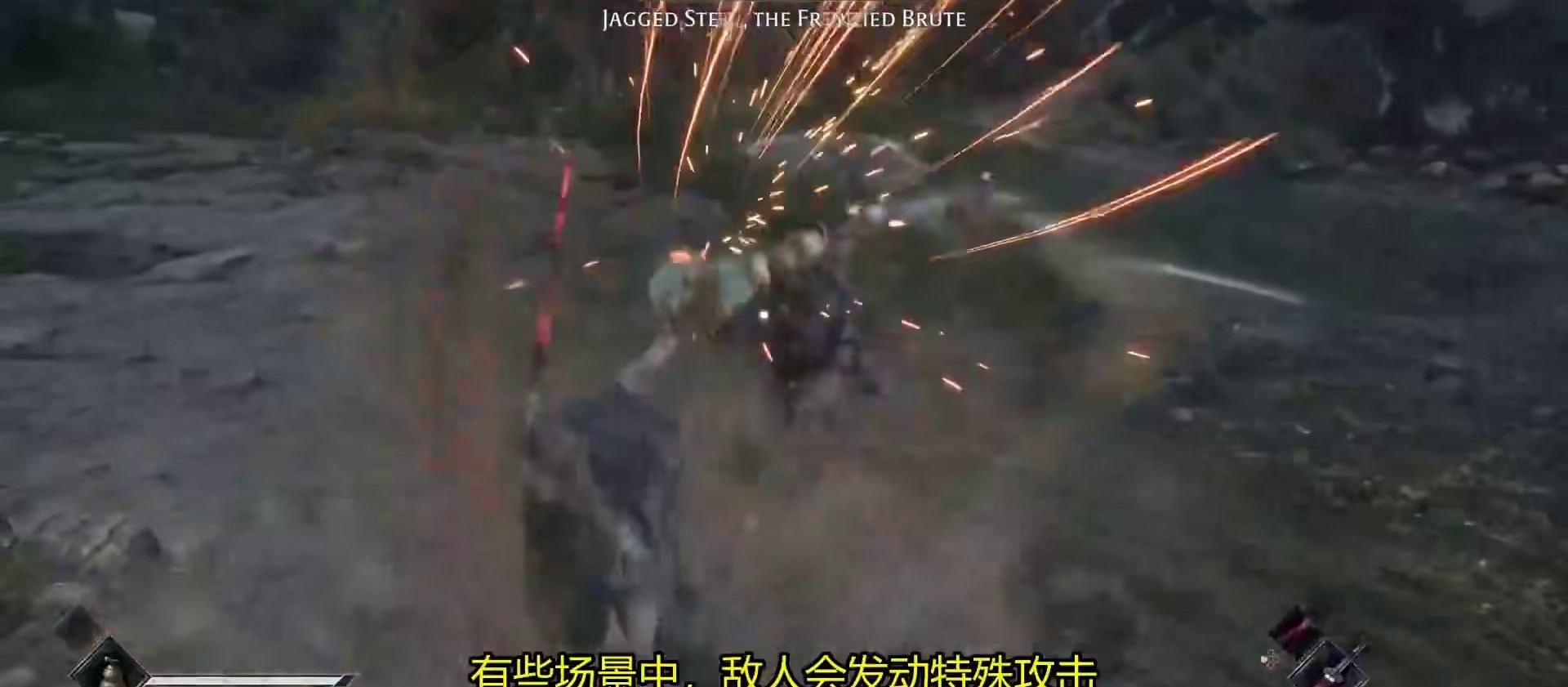
The weapon count was the first surprise: the demo alone featured twenty to thirty different weapons. Each one feels distinct and comes with its own learning curve, but the game grants players enormous freedom - you can swap weapons and upgrade them at any time, and weapon crafting and equipment management can all be handled in the stronghold buildings. The whole flow is far smoother than what you'd expect from an early demo.
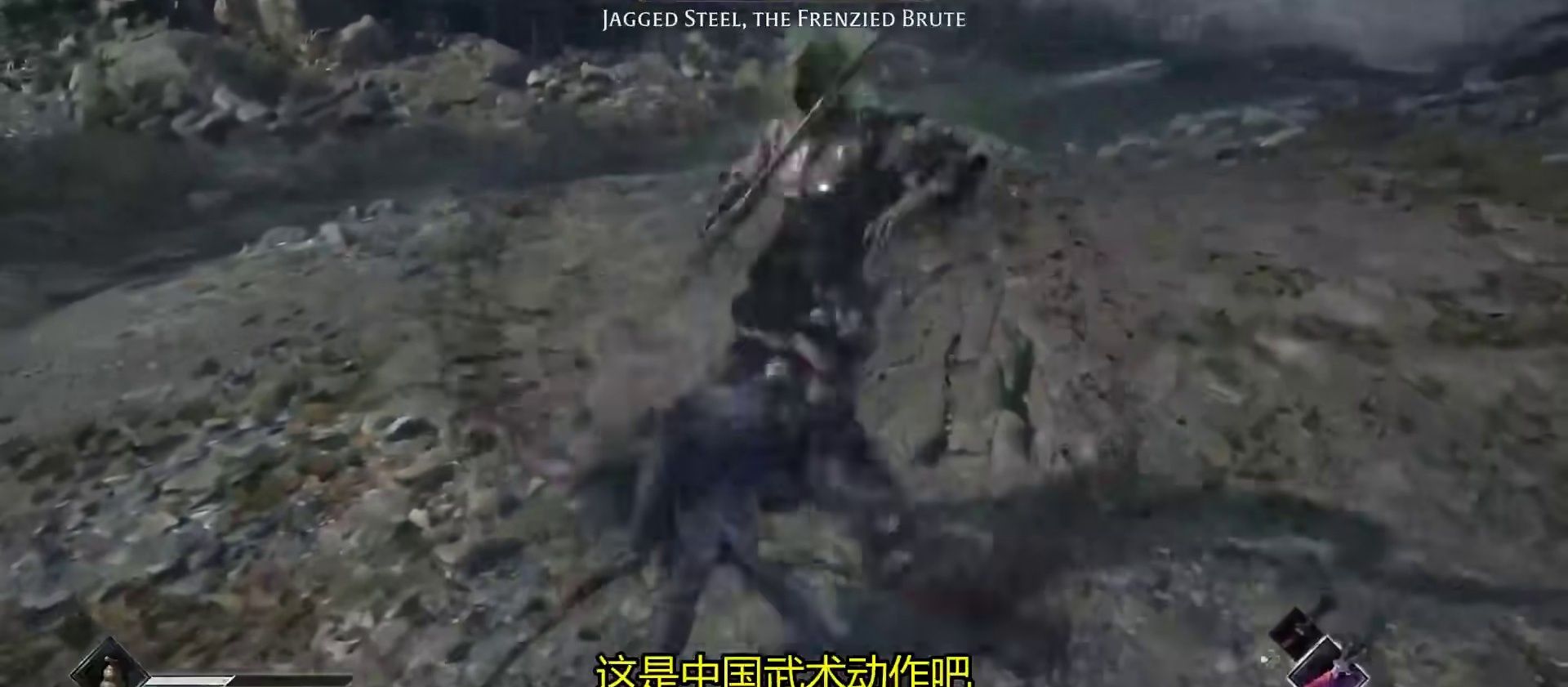
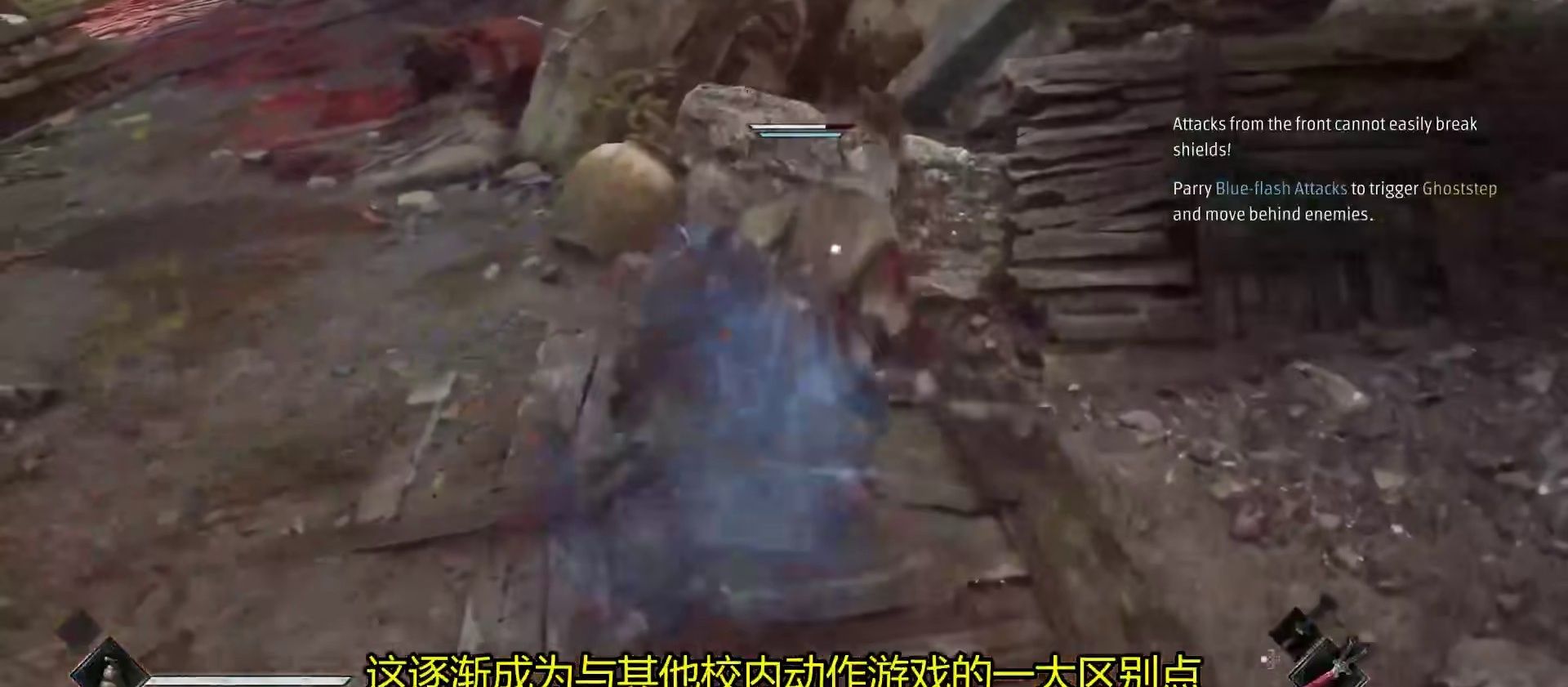
But the truly crucial design decision is this: even in a weakened state, players can use every technique. Stats don't lock your moveset, and power isn't something you grind for - your ceiling depends on execution and understanding, not levels and affixes.
"Even in a weakened state, you can use every technique - strength depends on your hands, not your level."
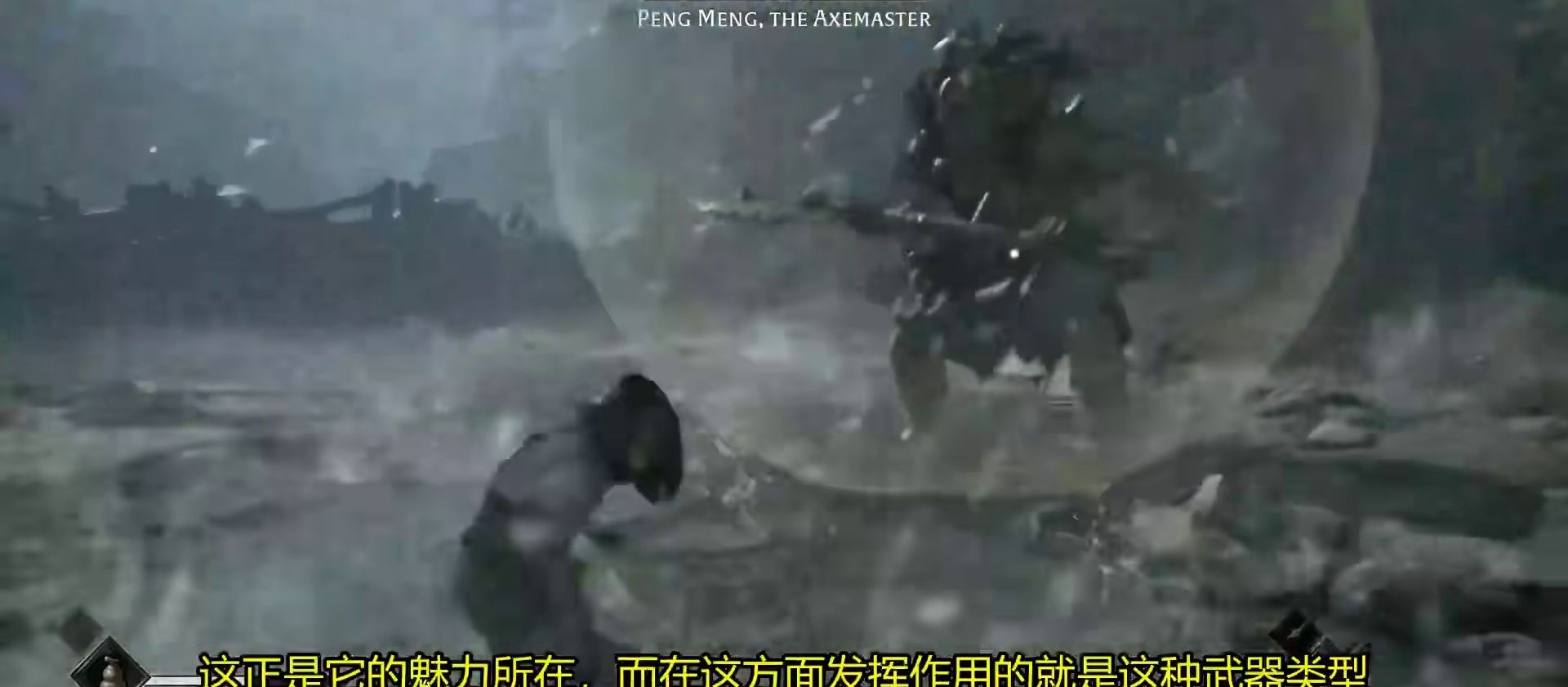
What's even more interesting is that this weapon logic is symmetrical in both directions: enemies will likewise pick up weapons similar to yours, and outmatched grunts will even switch weapons on the spot to counter you. Swapping weapons isn't a reskin - it rewrites the entire logic of the duel. The developers clearly want "reading weapons" to become the core dialogue between player and enemy.
Checkpoints Are Like Bonfires, But Enemies Don't Respawn
Another source of the "RPG feel" is the checkpoint system. The game features checkpoints where you can level up and upgrade (called "Suzu" in the demo), functionally very close to a soulslike bonfire - but there is a decisive difference between the two.
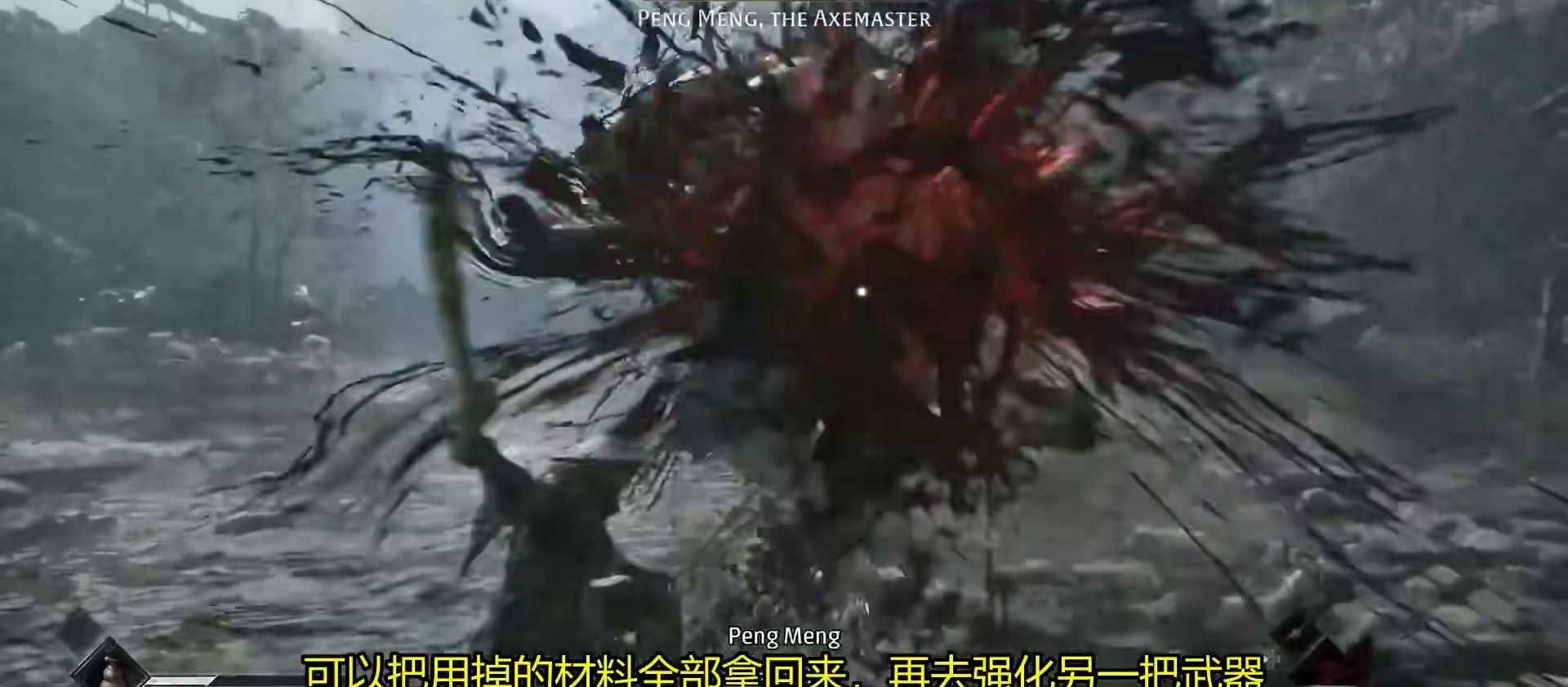
Enemies here don't respawn.
In soulslike games, you can repeatedly clear enemies along the same route to stockpile resources and grind levels; in Phantom Blade Zero, enemies on the path are gone once defeated. Want to level up? You have to move forward and challenge enemies you haven't beaten yet.
"Enemies here don't respawn. Want to level up? Then go somewhere else."
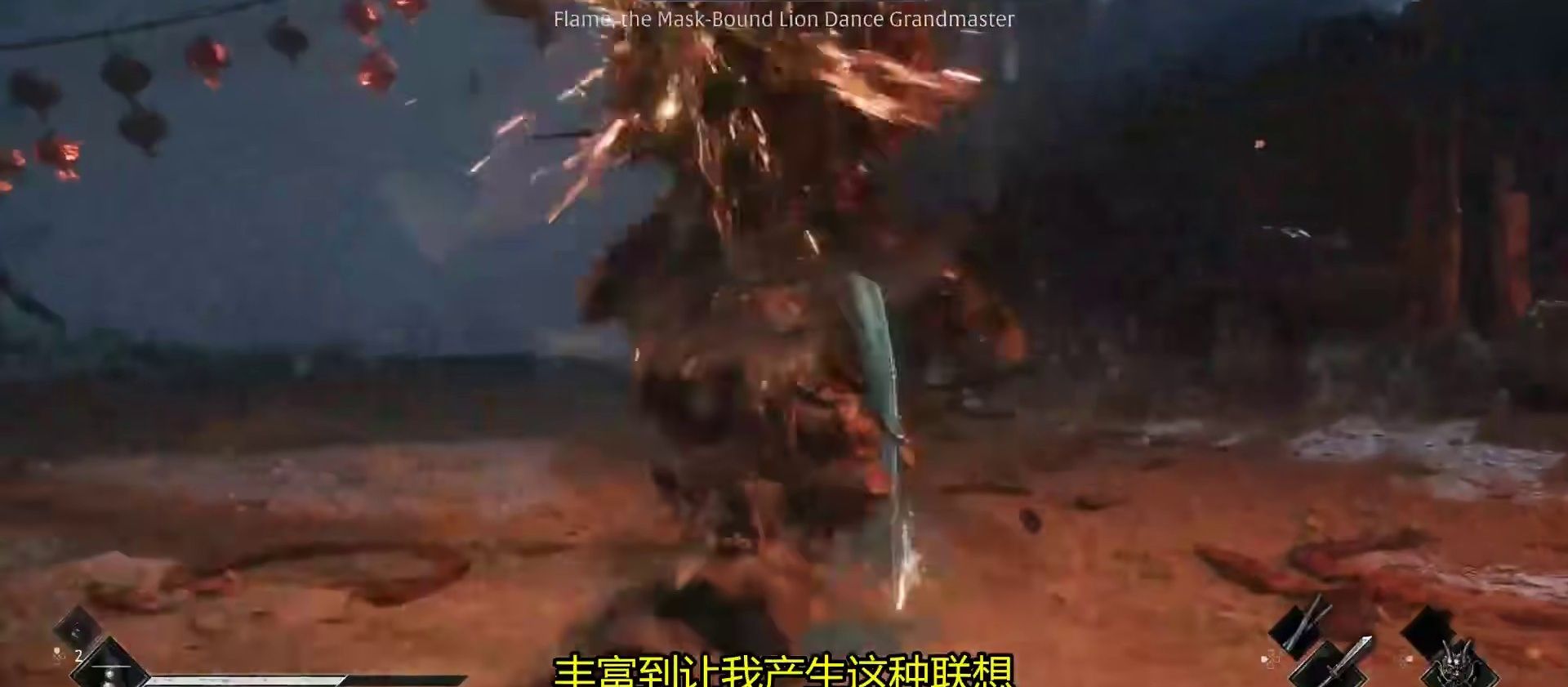
This rule seems simple, but its effects are profound: it removes "grinding" entirely at the systemic level, giving players no reason to stand still, so the pacing is forcibly kept tight. The judgment that it is "more tightly paced than Elden Ring" originates here - Elden Ring's openness lets you detour, grind levels, and stall, while Phantom Blade Zero's structure gently but firmly pushes you forward.
Boss Fights: Die in Phase Two, Restart from Phase Two
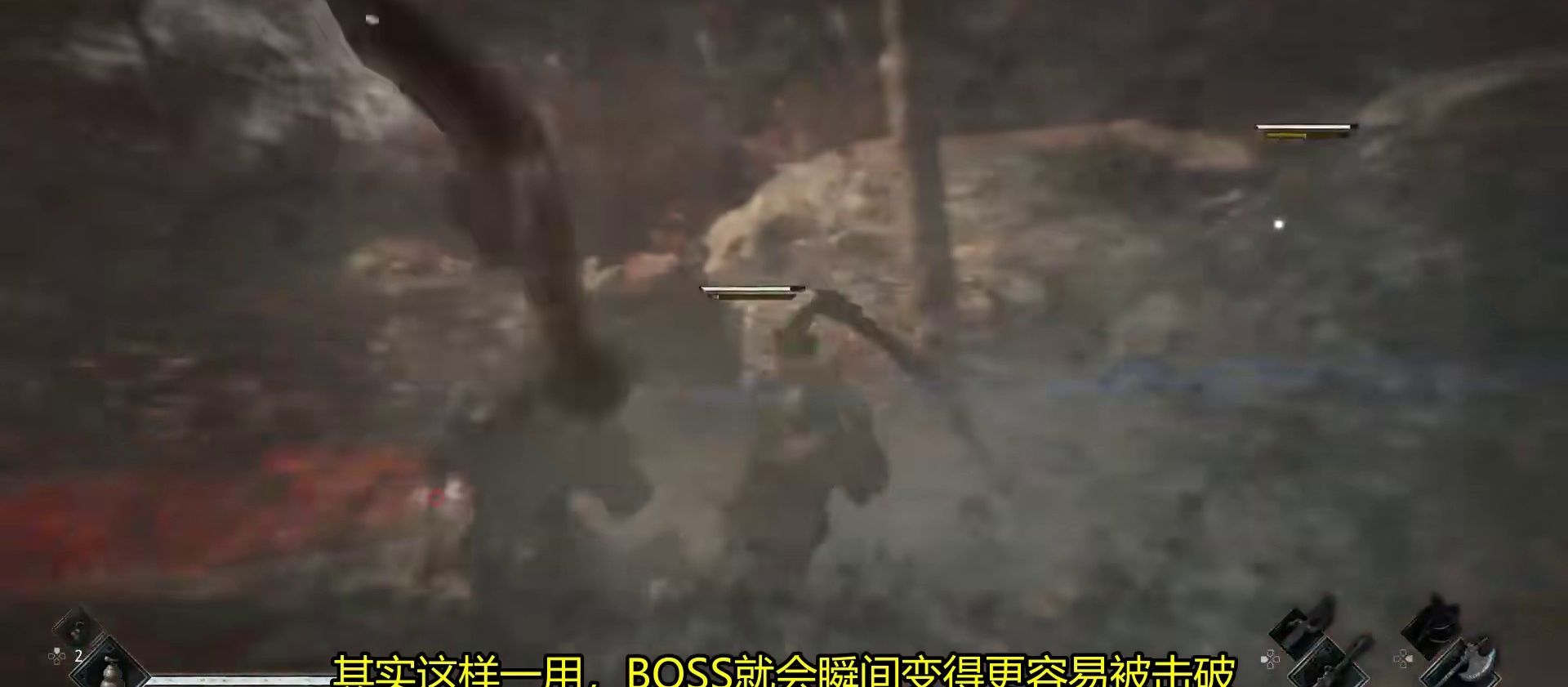
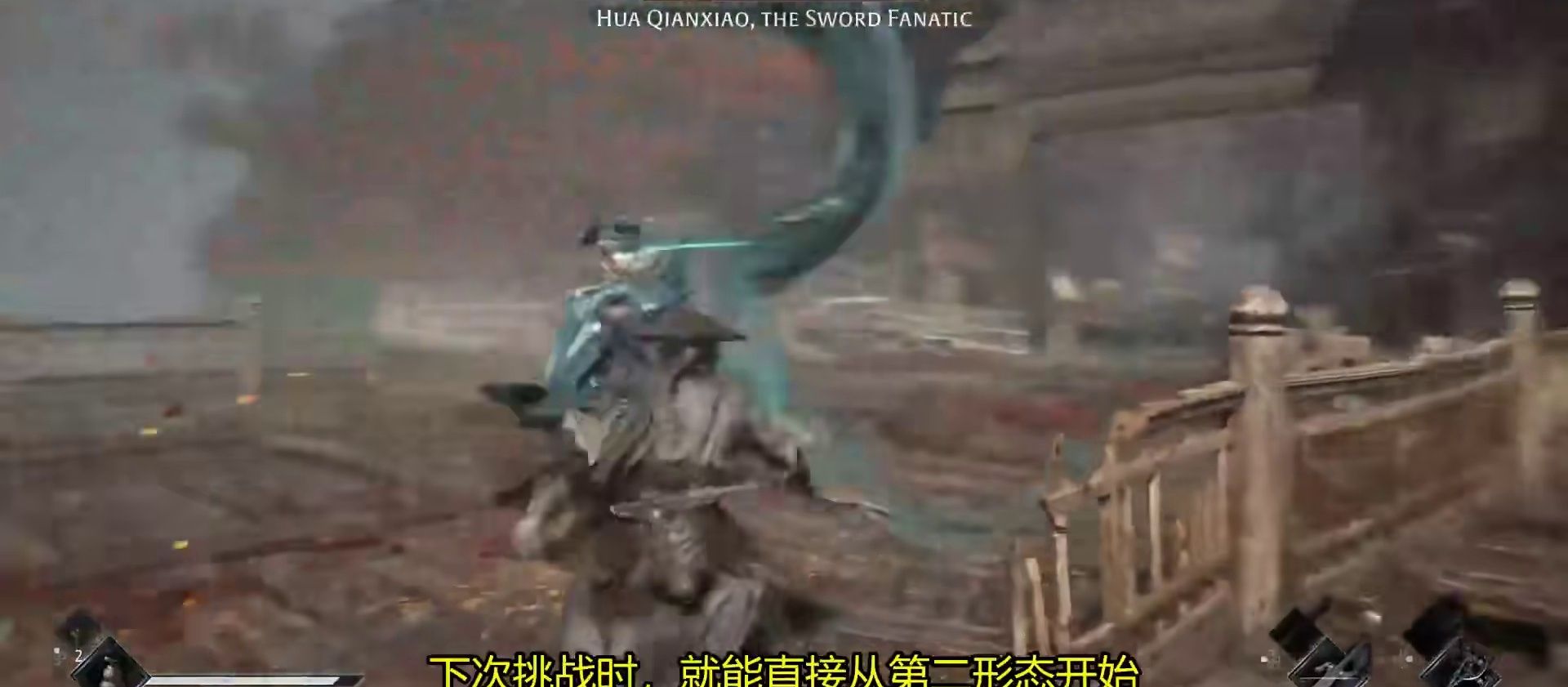
Boss fights use a multi-phase design, and in the demo KURABE ran into a boss with three or four phases. Under traditional soulslike rules, dying in the second phase means starting over from the beginning - the victory over phase one becomes a "ticket" you have to buy again and again.
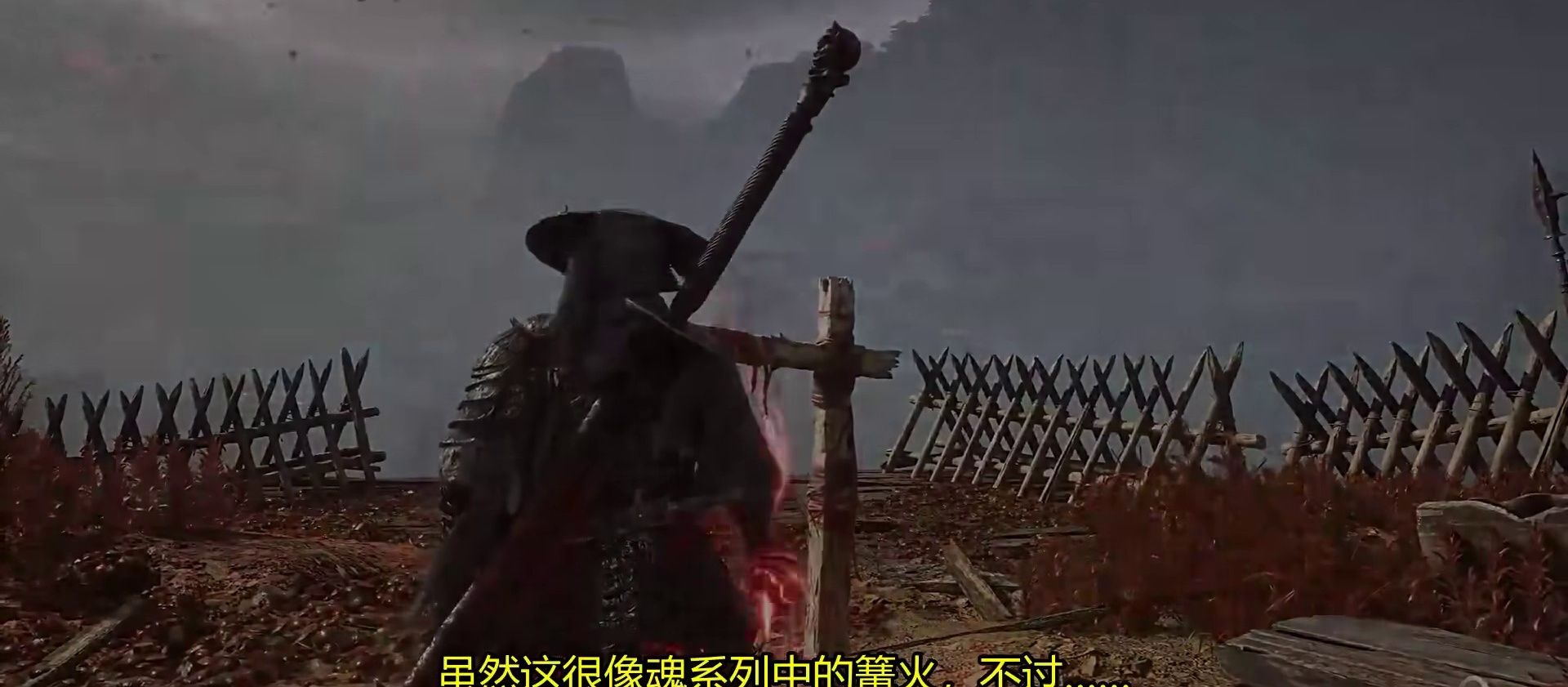
Phantom Blade Zero's choice: whichever phase you die in, that's the phase you restart from.
"After dying in the second phase, your next attempt can start directly from phase two."
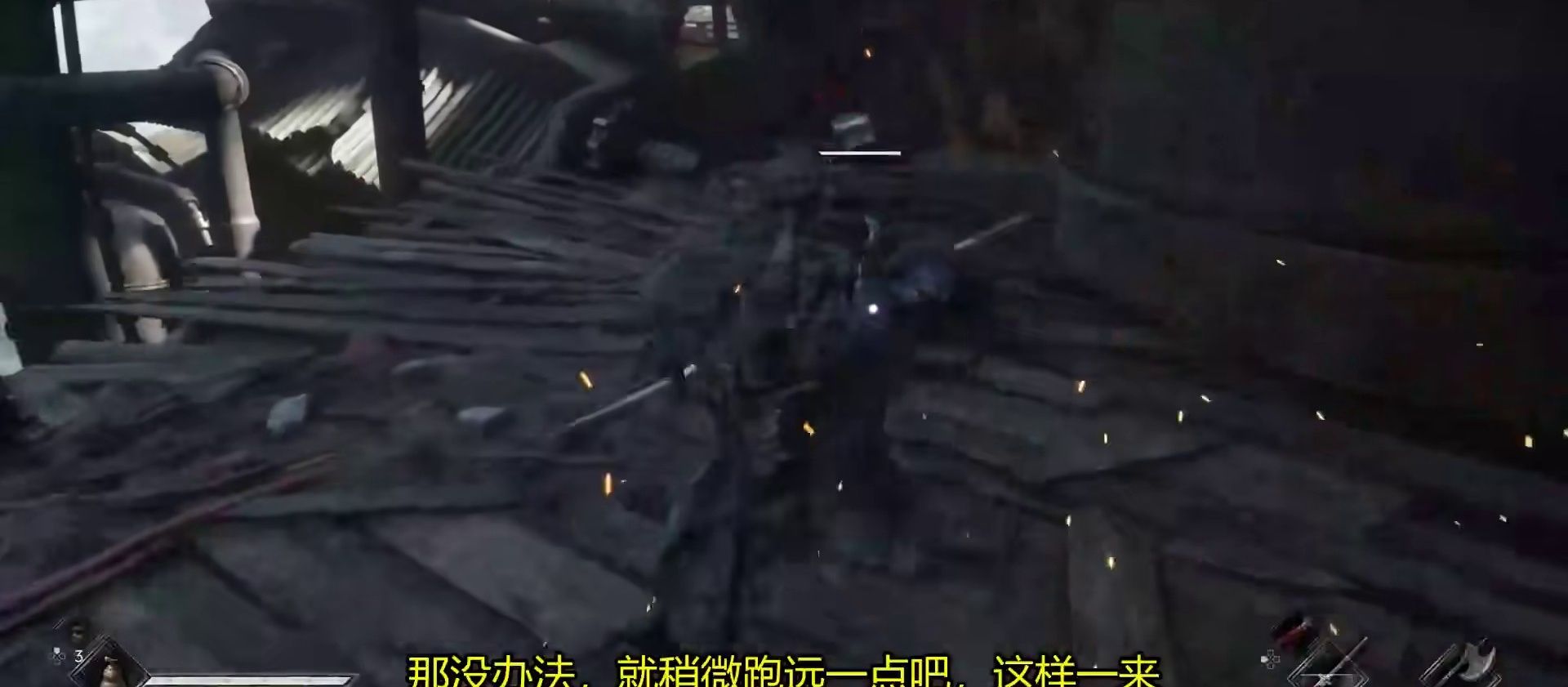
The brilliance of this design lies in what it strips away versus what it keeps: it removes the repetitive grind while preserving the learning curve. What you repeat is no longer what you've already mastered, but what you haven't yet. The player's time is respected, yet the boss's threat is not discounted in the slightest - and that is precisely the essential difference between "friendly" and "easy": friendliness removes meaningless frustration; easiness lowers the ceiling of the experience. Phantom Blade Zero chose the former.
Friendlier than Sekiro, Tighter than Elden Ring: Does the "Golden Middle Ground" Hold Up?
Piecing together the observations from these six hours, a complete design blueprint comes into focus:
- Stage-based retries → friendlier than Sekiro;
- No enemy respawn + strong guidance structure → tighter than Elden Ring;
- Full moveset even in a weakened state → depth comes from execution, not stats;
- Villages and the warmth of everyday life → the sense of oppression is retained, the sense of despair removed.
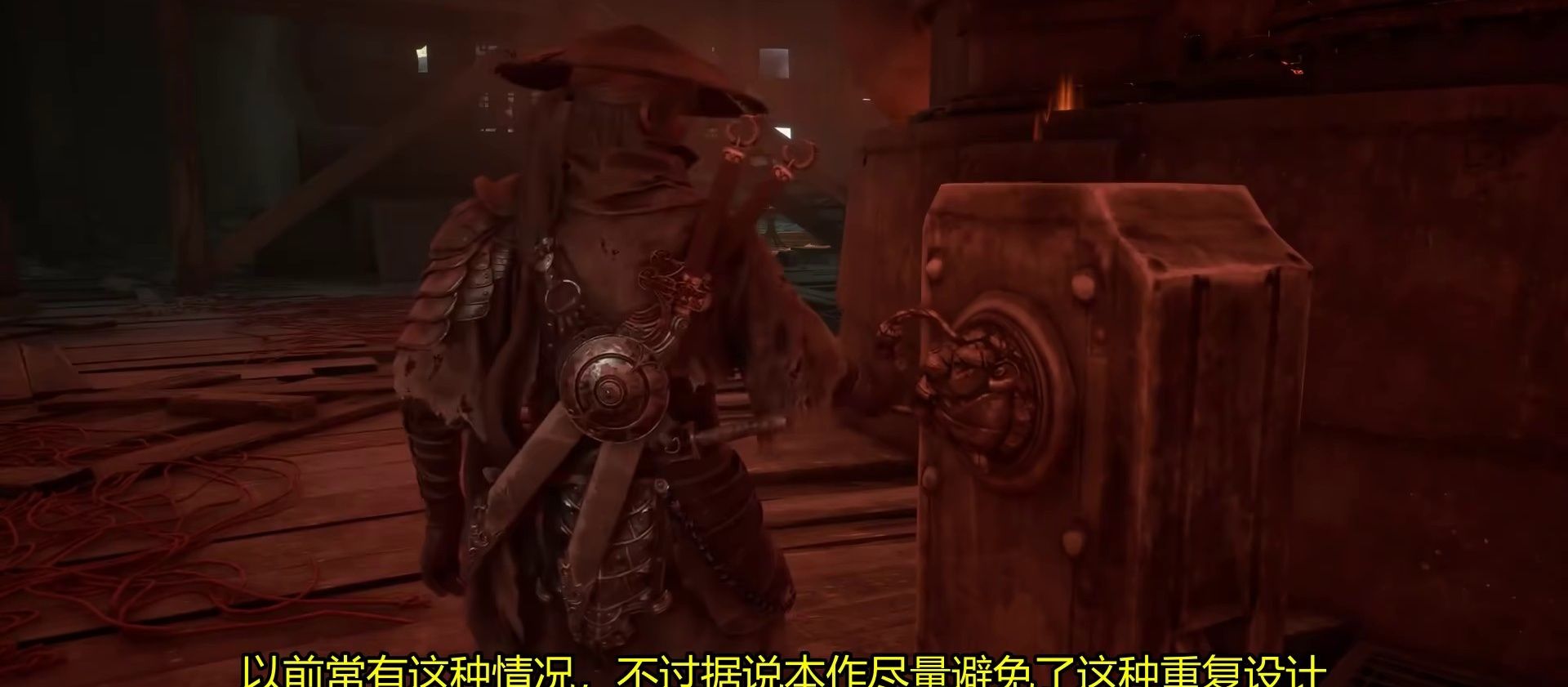
It's worth noting that producer Liang Qiwei and S-GAME, the studio he heads, have never made a secret of their passion for studying Sekiro - Liang Qiwei has even written a lengthy design breakdown of the game. Viewed from this angle, Phantom Blade Zero reads more like a critical inheritance of the soulslike formula: keep the skeleton of progression and checkpoints, strip out the punitive repetition, then use kungfunk worldbuilding to complete its own self-expression.
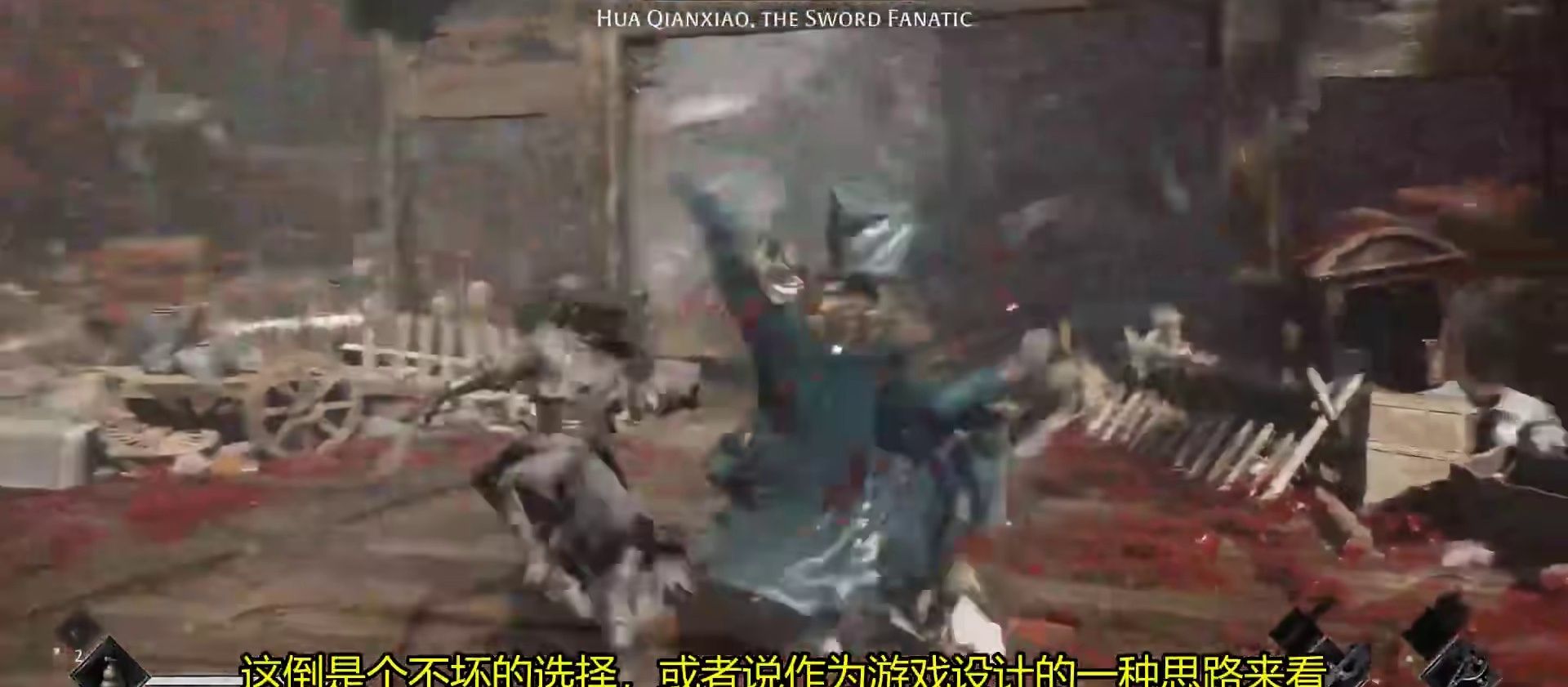
"Phantom Blade Zero isn't 'easier' than Sekiro - it's 'friendlier' than Sekiro. The former lowers the ceiling; the latter removes meaningless repetition."
Whether the "golden middle ground" holds up will ultimately be put to the test by the full release. But at least across these six hours, it has laid out a clear enough path: the depth of an action game doesn't need to be proven through suffering.
Top Community Comments
@HereForTheLulz (313 likes):
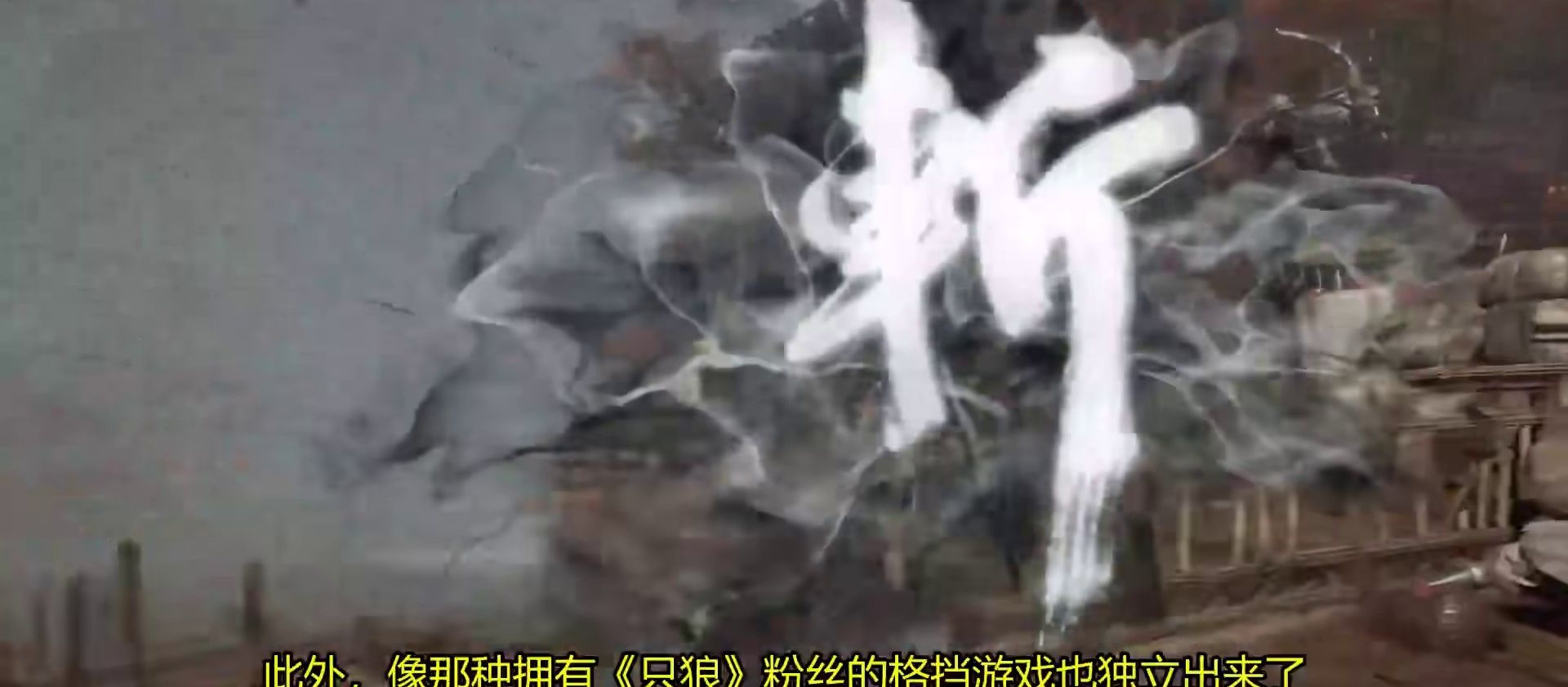
"Sekiro is the very game that drove the Phantom Blade Zero director to write an entire long-form essay."
This top-liked comment pinpoints the underlying logic of the entire hands-on preview report: Liang Qiwei's history with Sekiro has long been an open secret - this is the director who studied Sekiro frame by frame and wrote thousands of words on it, the definitive "star pupil." So "more accessible than Sekiro" was never a difficulty-lowering slogan shouted by outsiders, but the answer sheet handed in by a developer who has thoroughly mastered Sekiro. The student knows best where the teacher's exam is hard, and therefore knows best where to leave a door open for those who come after.
@MysteriousAccount (195 likes):
"A 100-year Phantom Blade veteran here to tell you: this game is straight-up unplayable until it actually releases [laugh-cry]"
Standard-issue tautology humor, yet it nails the community's most genuine emotion dead-on: how can a game that hasn't even released have "century-old veterans"? Trailers watched over and over, hands-on reports read one after another - yet the real thing remains forever out of reach. This seemingly contrarian joke is, at its core, the player community's collective anxiety of quenching thirst with imaginary plums - the deeper the anticipation, the sharper the torment.
@TemperatureBeneathTheSnow (73 likes):
"Sigh, homegrown again - can homegrown companies only make homegrown games? [speechless] Sigh, a game again - can game companies only make games? [speechless]"
Using reductio ad absurdum to mock the reflexive doom-saying: by applying the "homegrown again" sentence pattern verbatim to "games," the absurdity instantly exposes itself - if homegrown companies don't make homegrown games, should they make imported ones instead? That this comment earned so many likes shows players have long grown tired of the preset narrative that "homegrown = no good." When a game is good enough, its origins are nothing more than a line on its résumé - not an original sin.
📌 One-Line Takeaway
With its one-two punch of "phase retries, no enemy respawn, and a full moveset even in a weakened state," Phantom Blade Zero carves out a friendlier, tighter middle path between Sekiro's hardcore combat and Elden Ring's open world - the "golden mean" of action games, and S-GAME may have actually found it.