Offense-Defense Transitions Are the True Essence of "High Speed": In-Depth Pre-Release Musings on Phantom Blade Zero

With only days left until Phantom Blade Zero's official release, the twenty-minute gameplay footage dropped by Liang Qiwei and S-GAME, the studio he runs, has thrust the old topic of "high-speed action games" back into the spotlight. Reviews across major outlets have been remarkably consistent in their messaging: this is not a game where you can turtle up behind your guard - you need to take the initiative and attack.
But in action game circles, "should you attack proactively" is a question that has been rehashed countless times. Wo Long, Sekiro, Onimusha: Way of the Sword, and now Phantom Blade Zero all give players the means to neutralize incoming attacks, unlike traditional action games that emphasize relentless offense and pinning enemies down for long stretches. Which raises the question: in a game with parries, on what grounds can it be called "proactive"? And in a game whose attacks come out lightning-fast, on what grounds is it called "high-speed"?
In action games, "high speed" isn't necessarily just about how fast a character's moves come out - it's also about how frequently both sides contest for the initiative, and whether the player can keep converting defense into offense.
Once this idea truly clicks, many of the debates raging ahead of release turn out to have their answers already.
What "High Speed" Really Means: Not the Speed of Your Strikes, But the Frequency of Contested Initiative
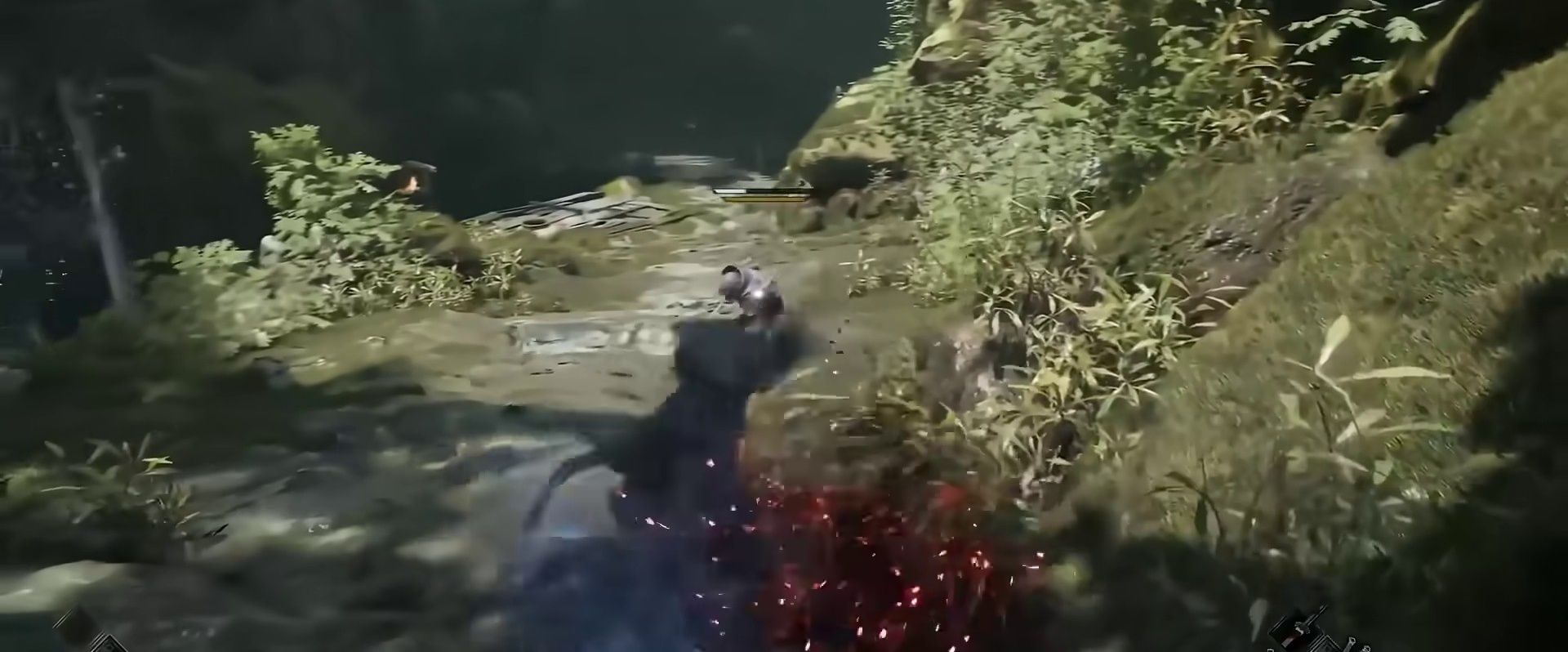
Here's a commonly overlooked fact: the action speed of Ninja Gaiden 2 is actually not faster than that of Ninja Gaiden 3 or Ninja Gaiden 4, and Ryu Hayabusa's basic attack animations are noticeably a beat slower. Yet the vast majority of players and viewers still perceive Ninja Gaiden 2 as "extremely high-speed."
The reason lies in the extremely high frequency of attacks and counterattacks exchanged between both sides. The protagonist and the enemies are constantly in a state of action, with virtually no pauses - and they can't afford to pause, because in Ninja Gaiden, stopping means death. It is precisely this continuous back-and-forth of offense and defense between both sides that creates the perception of "speed" at the visual level.
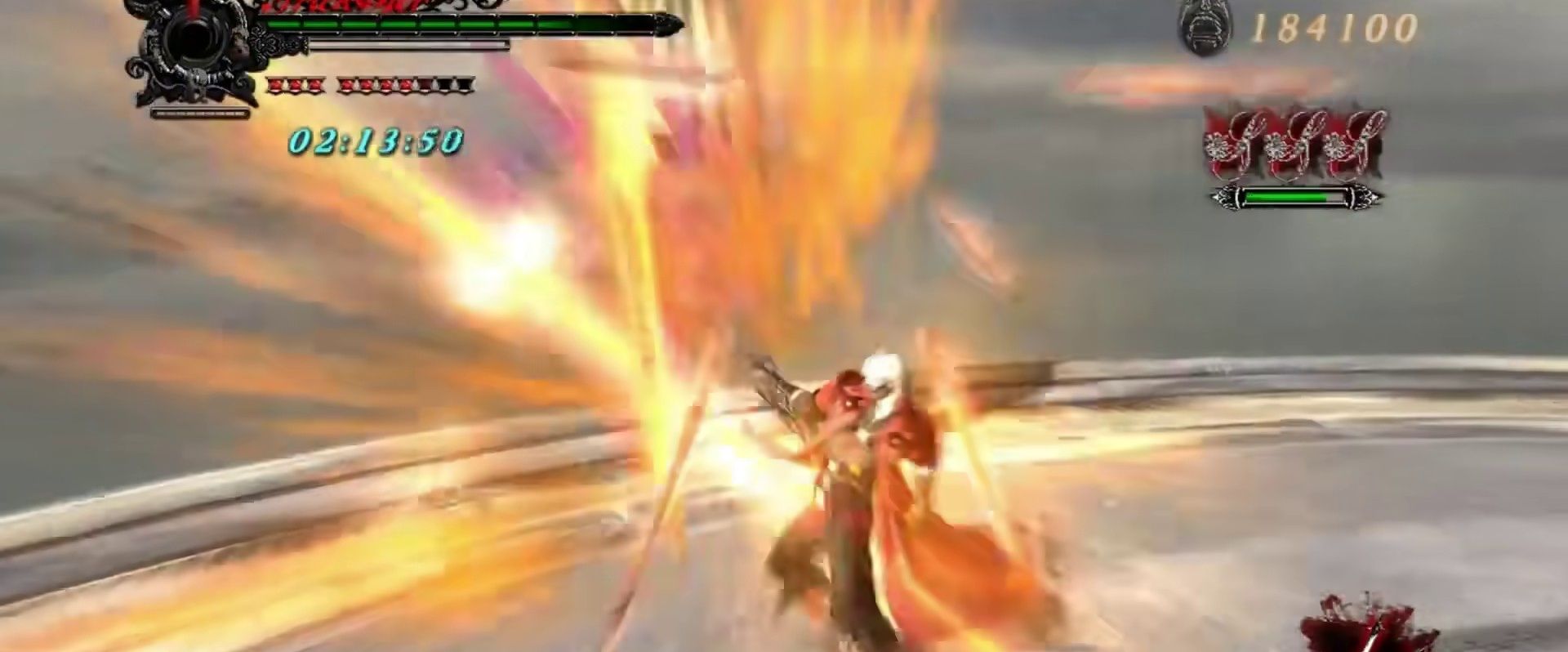
By contrast, look at Devil May Cry: in most cases, players feel the protagonist strikes very quickly, while the enemies' attack speed is actually not that fast; the core of its combat is more a matter of strategy and combo choreography. It remains a top-tier action game - it's just that "high speed," in its case, manifests more as the density of the player's own output.
"Speed" is a perception, and that perception is determined by the density of offense-defense interaction. This is the basic consensus we need to establish before discussing Phantom Blade Zero.
Lessons from Traditional Action Games: The Initiative Has Always Been in the Player's Hands
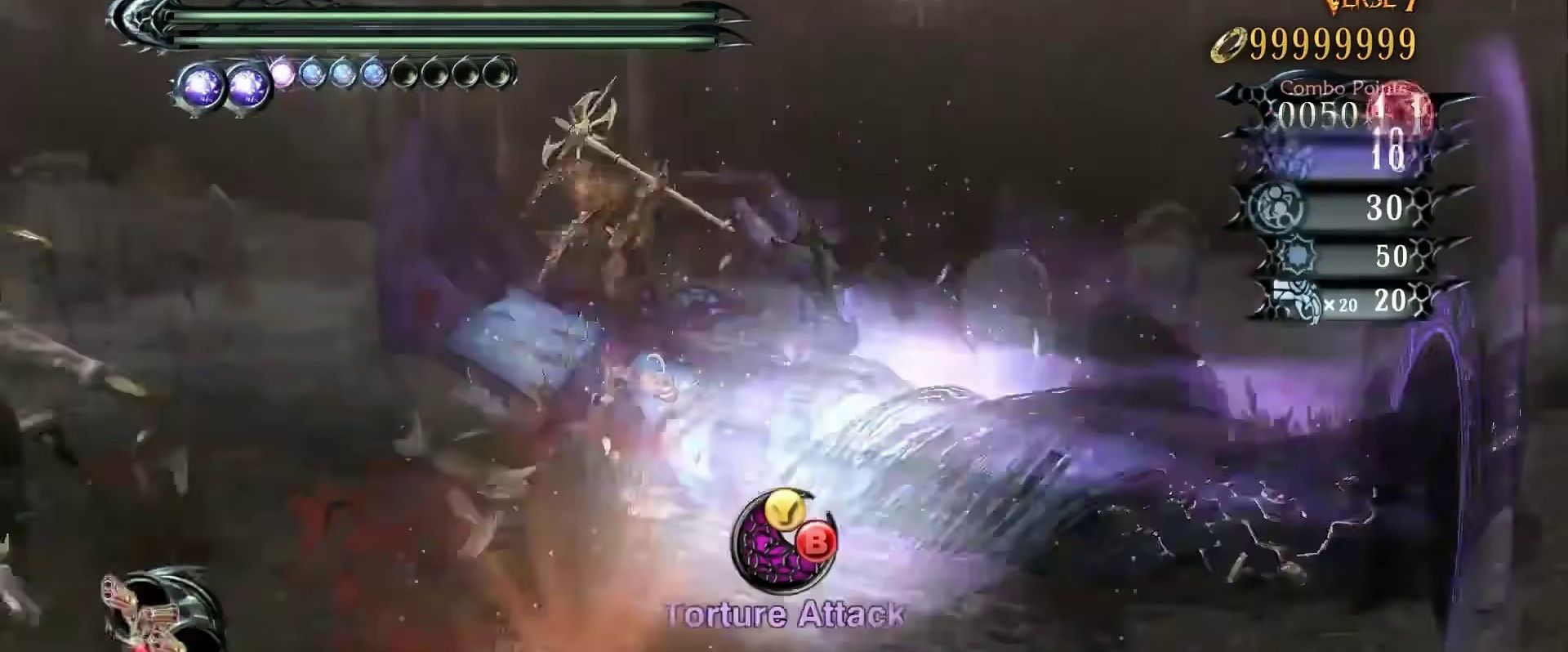
Within the design context of traditional action games, setting aside gimmick enemies and super-armor bosses, as long as your skills are good enough - or you resort to some "cheap tricks" - you can keep enemies pinned down for extended periods: in Devil May Cry, juggling opponents so they never touch the ground or get back up is a fundamental skill for veterans. Even when boss fights feature heavy super armor, there are usually tools - poise, or blade clashes that chip away at it - that force enemies to expose openings, and exploiting those mechanics lets you steamroll just as thoroughly for long stretches.
To players of traditional action games, the initiative rests largely in their own hands.
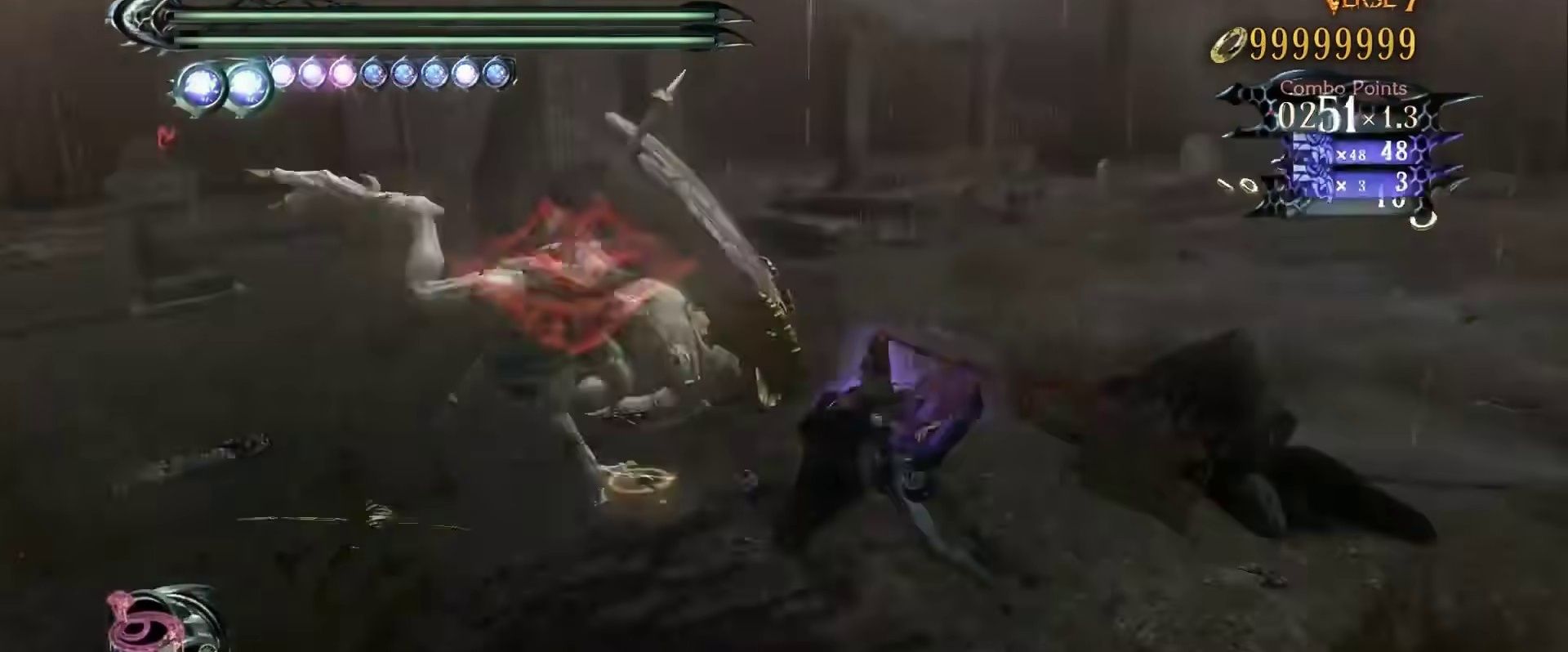
Bayonetta is a perfect case in point. Everyone knows "Witch Time": after a perfect dodge, time briefly slows, handing players a huge damage window from which to keep pressing the attack. But the reality is, the first game's "Nonstop ∞ Climax" difficulty contains no mechanic where dodging automatically triggers Witch Time - the game instead emphasizes mastery of your magic resource, along with skillful use of weapons and accessories.
More crucial still is Dodge Offset, the mechanic that keeps combos running: it allows you to preserve the input progress of your original combo while dodging. In other words, an enemy's sudden assault doesn't mean you have to abandon the combo you're in the middle of. Traces of this "preserve your input progress" thinking can also be found in games like God of War (2018) - switching over with a different resource and keeping the fight going is, in itself, a way of turning defense into offense.
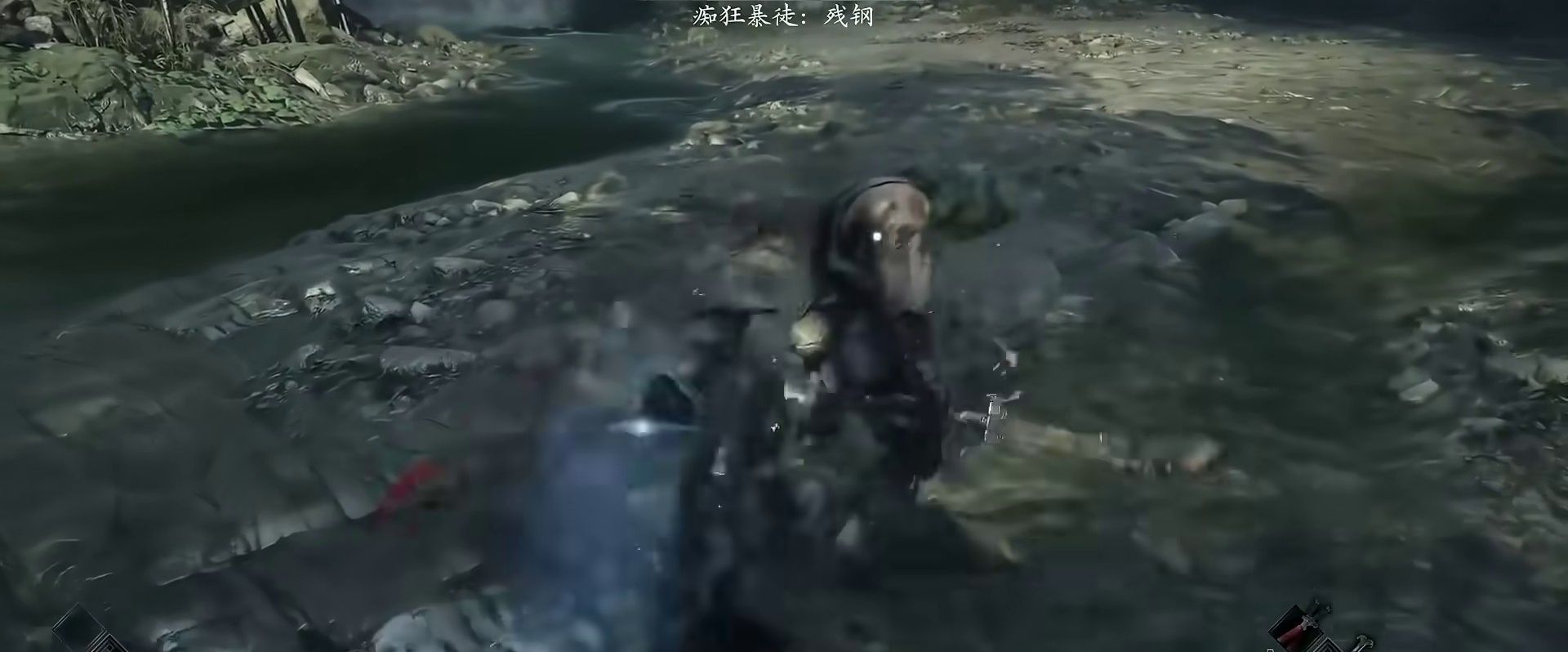
From all this, we can arrive at a more reliable criterion:
To judge whether an action game leans passive, don't just look at whether it features perfect parries or rewards for precise dodges - look instead at whether players can leverage its mechanics to sustain their own offense.
Wo Long, Sekiro, Onimusha: Different "Dashboards" for Reclaiming the Initiative
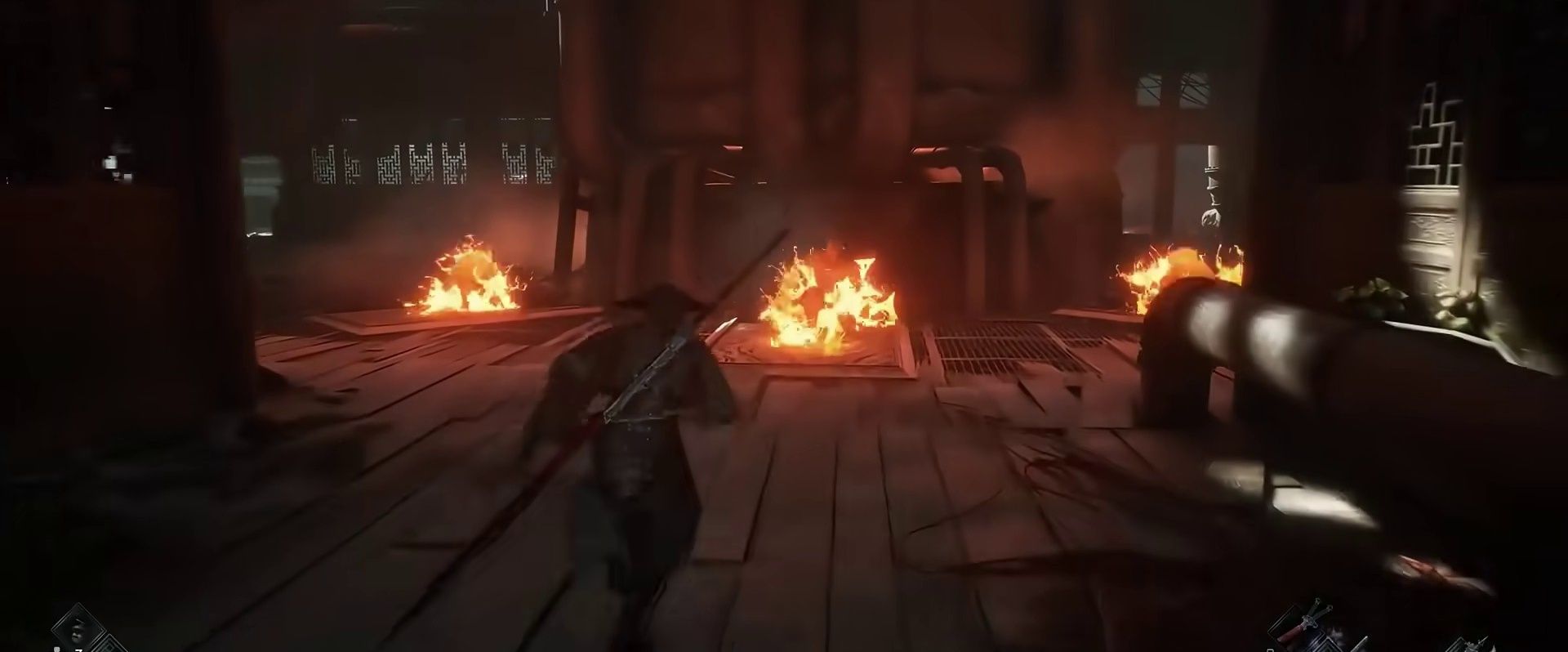
In recent years, ARPGs have, simply put, often required players to "respond to enemy attacks and land counters," and this occupies a large share of combat, commanding substantial resources and rewards. Different games place the "seize back the initiative" mechanic in different places.
Phantom Blade Zero's precise defense (known among players as "PD") can whittle down an enemy's killing intent bar. Call this gauge Spirit, stamina, or Posture - its core purpose is the same: to show players, plainly and directly, that beyond HP, the opponent has another resource that can be depleted.
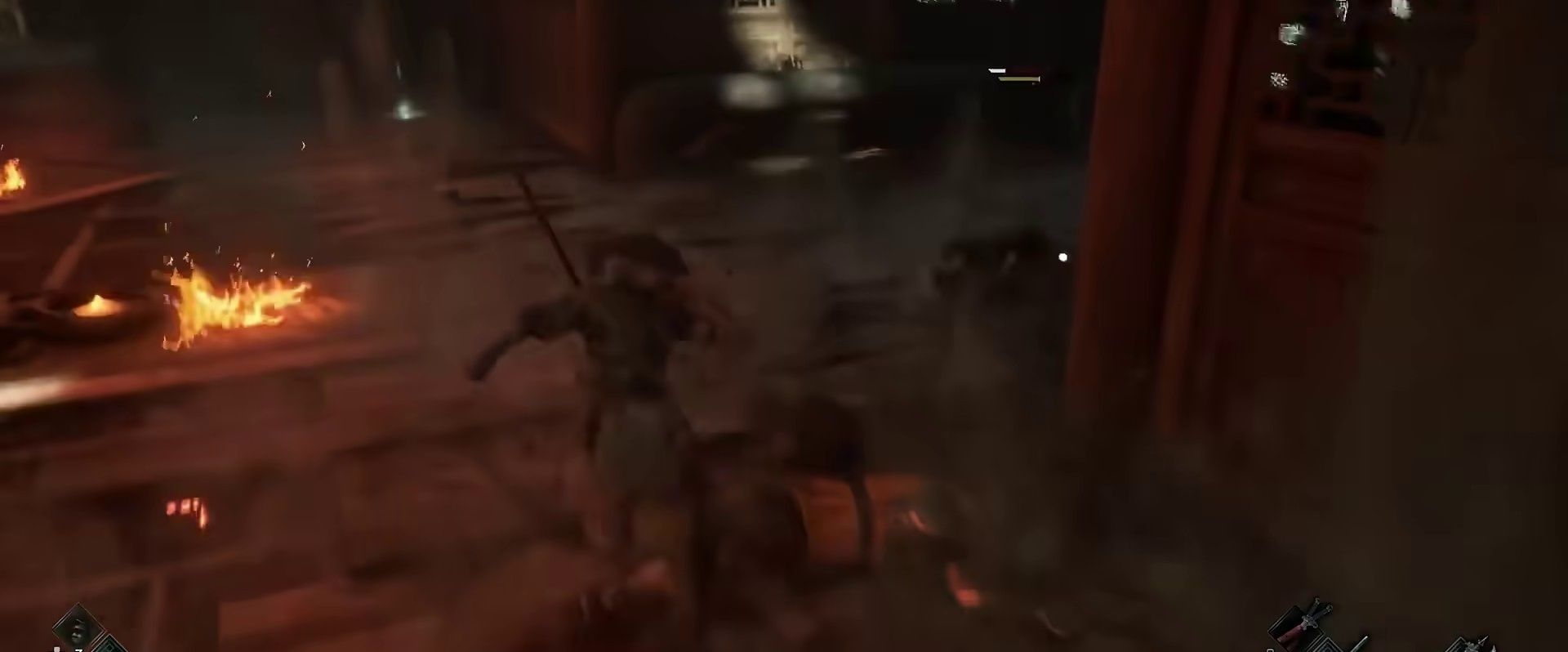
The same design language goes by different names across different titles - Wo Long accumulates Spirit through deflects and attacks, then converts it into skills and wizardry spells; in Sekiro, both precise defense and attacks build up the opponent's Posture gauge; in Onimusha, an Issen deflects an attack and likewise wears down the opponent's posture resource. The gauge names differ, but the logic is the same: turn the initiative into a visible dashboard and force you to strike.
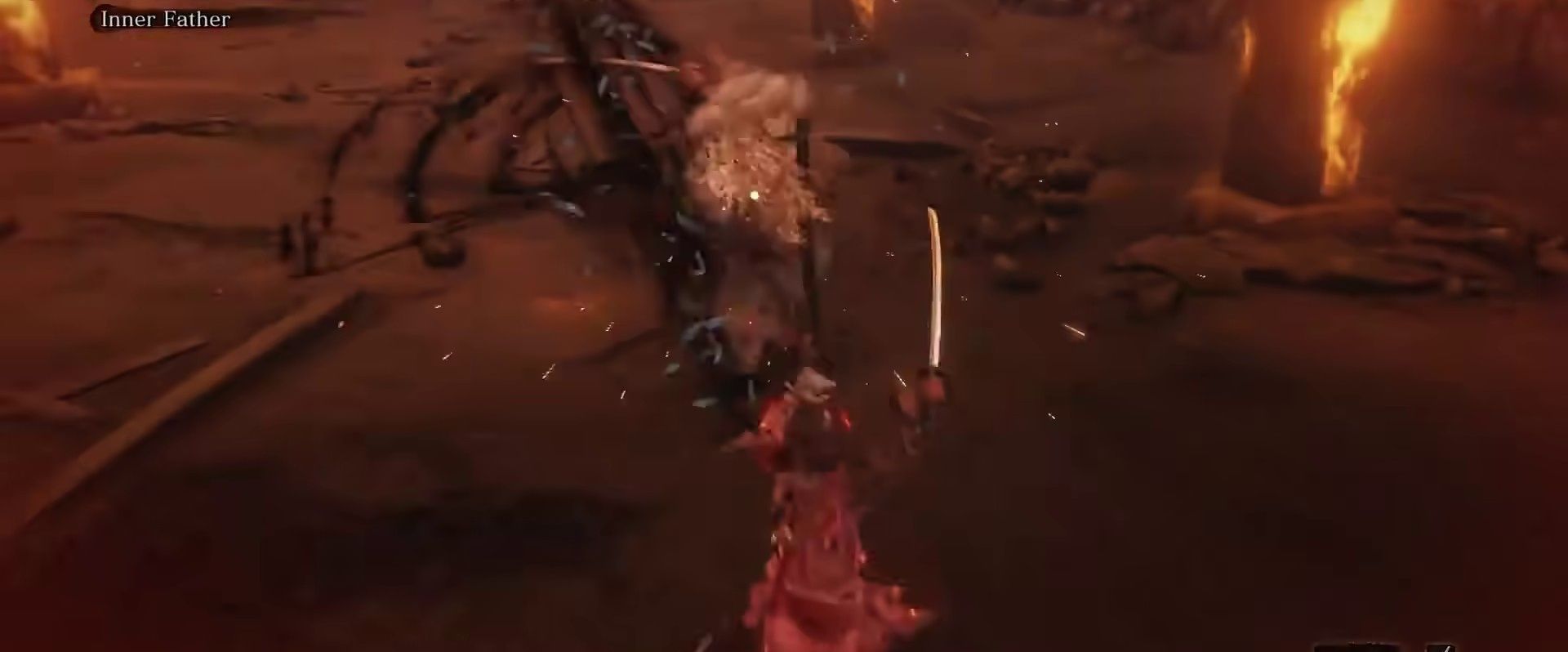
If players want to defeat enemies more efficiently, going on the offensive is a must. The question lies in how high the rewards are - and it's precisely the highest-reward gameplay that makes some players feel the game is "too passive." This is the point most worth scrutinizing before release.
Red Light, Blue Light Aren't the Original Sin: Frequency and Hit Detection Are What Matter
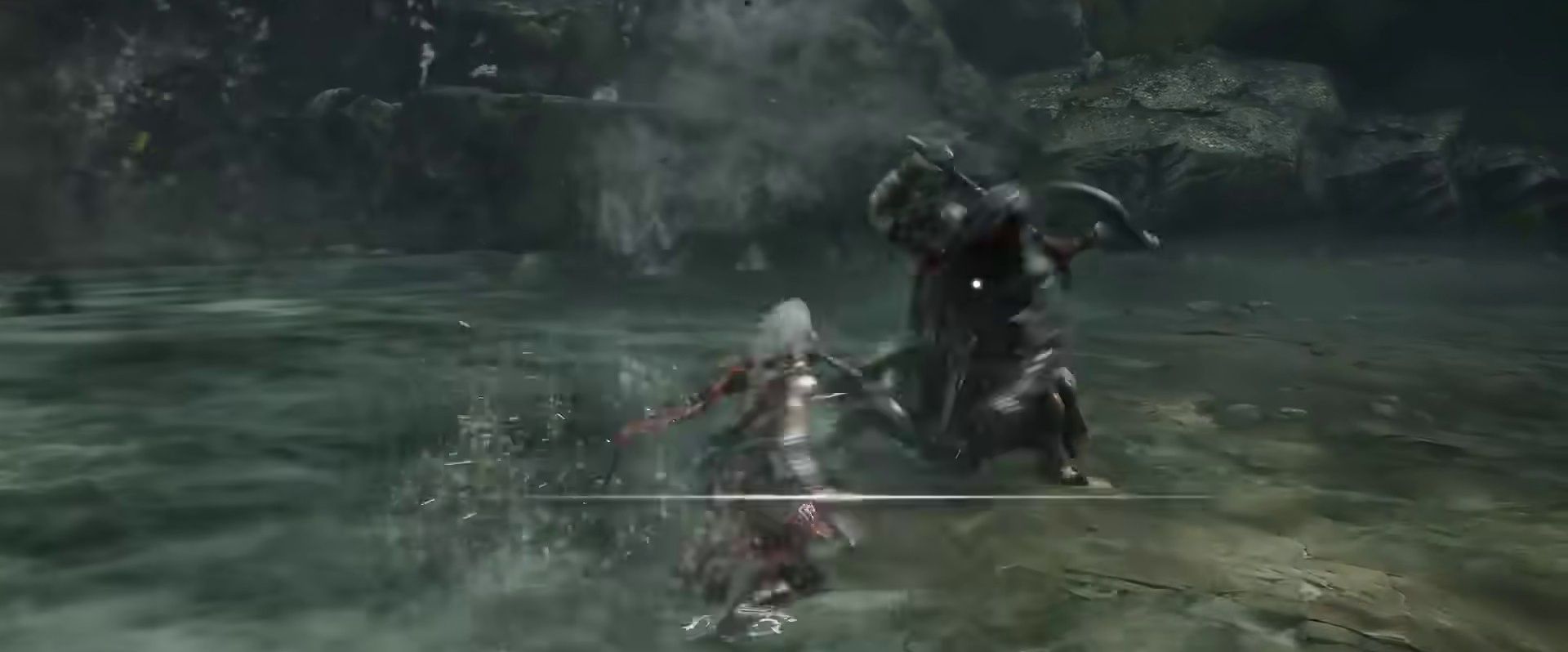
Hence the gripe from some players: in Phantom Blade Zero, it's "dodge on red, block on blue." After all, games with traffic-light attack cues are a dime a dozen these days. But the design itself isn't worth objecting to - what truly deserves scrutiny is how often these cues trigger and how strict or lenient the hit detection is.

Another dimension that often gets overlooked is forced interrupts. Phantom Blade Zero likewise has forced-interrupt skills: an enemy's flowing combo string normally can't be cut short, but a forced interrupt can stop them cold and reset the exchange. For comparison, Sekiro's Mortal Blade can plow straight through an enemy's offense, and Onimusha's Issen and weapon arts can likewise forcibly break an enemy's combo.
Forced interrupts, perfect guards, dodges, proactive offense - the depth of an action game's offense and defense rarely comes down to how many colored cues it has, but to whether these tools can flow into one another in a loop, each sustaining the next.
"You Haven't Even Figured Out Sekiro, Yet You're Already Talking": A Parry Playstyle Doesn't Mean Passively Taking Hits
In the run-up to release, clickbait is never in short supply - takes that poke fun at action games or lecture niche players stopped surprising anyone long ago. But here a blunt word must be said: some people are weighing in without even having figured out Sekiro.
Sekiro likewise demands proactive offense - it is by no means a game of purely parrying enemy attacks. The lower an enemy's health, the slower their posture bar (the yellow bar) typically recovers. Ask yourself: who could ever beat Sekiro purely by parrying, without attacking at all?
This circles back to the earlier point: in Sekiro, Wo Long, and Onimusha, if you want to fight fast and fight well, proactive offense is required. The difference is that Onimusha can indeed be played through pure Issen counters and pure parry-into-execution chains - but at a cost: it is far slower than weaving those skills into your offense.
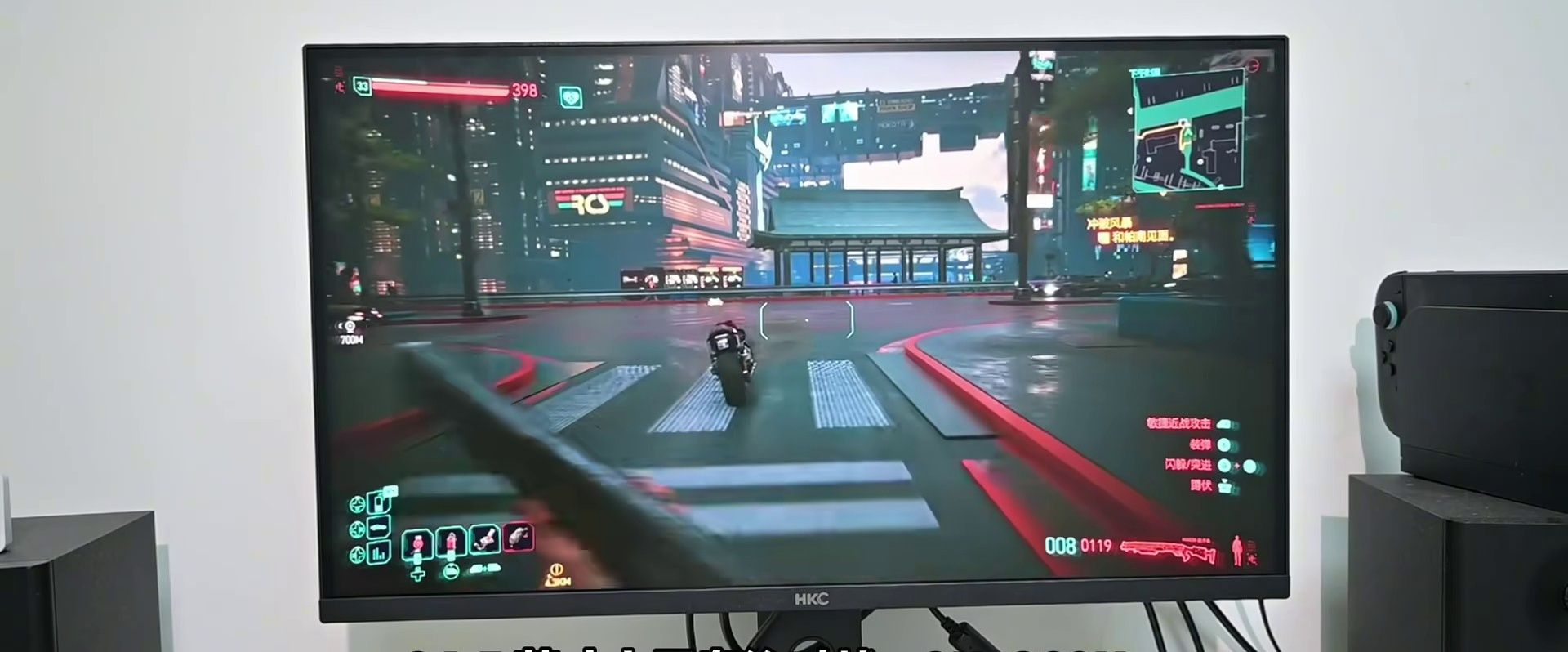
"Passive" versus "active" has never been a black-and-white matter of picking sides - it is a trade-off between payoff and efficiency.
Reducing it to slinging labels at one another only distorts the discussion further.
Unprompted Grabs and "Black Box" Status Effects: Two Concerns Exposed by the Hands-On

Setting aside the macro design behind the scenes, the gameplay footage still contains a few specific sticking points worth discussing. The first is the elite enemy who drinks to restore his killing intent: after dashing in with a string of attacks, he chains into a grab with no color-coded telegraph, mixing it into his offense - genuinely hard to guard against.
For comparison, look at how earlier games handled it: in Sekiro, grabs come with obvious motion telegraphs - whether it's your first encounter with Genichiro or a Samurai General, there's a clear wind-up telling you "I'm about to grab you"; in Nioh 2, some enemies signal their grabs with a distinct red glow, cueing you to counter or dodge.
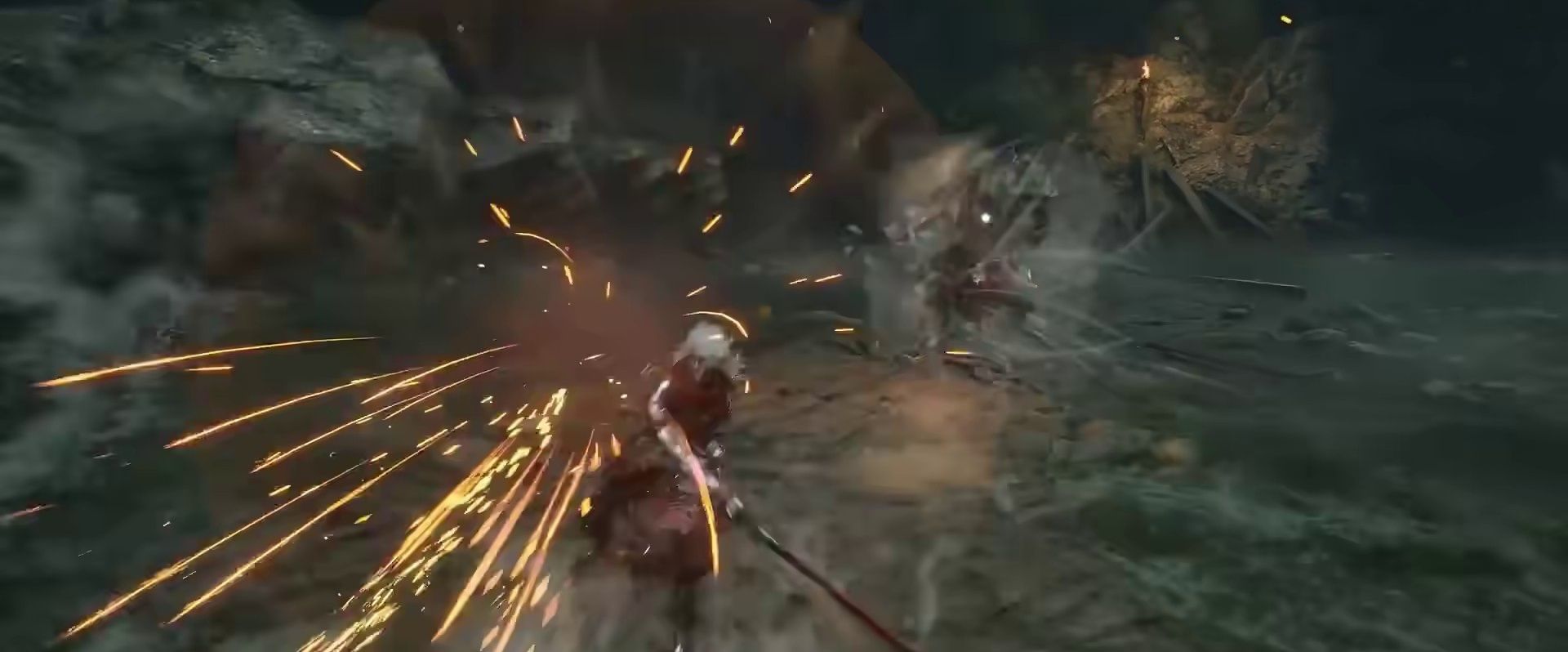
To be fair, this grab deals no damage on hit, but the enemy uses the opening to drink and restore his killing intent, and once that's done, he fires a red-glowing arrow for players to deflect back at him. Even so, a sneak attack with zero telegraph like this is hard not to resent the first time you see it. Worse still, these grabs can also be embedded within other moves - the current footage already shows two attacks that "turn into a grab halfway through." Without memorizing the patterns, without committing each move's wind-up to memory, and having to dodge at the very instant an attack comes out, it's genuinely tricky to handle.
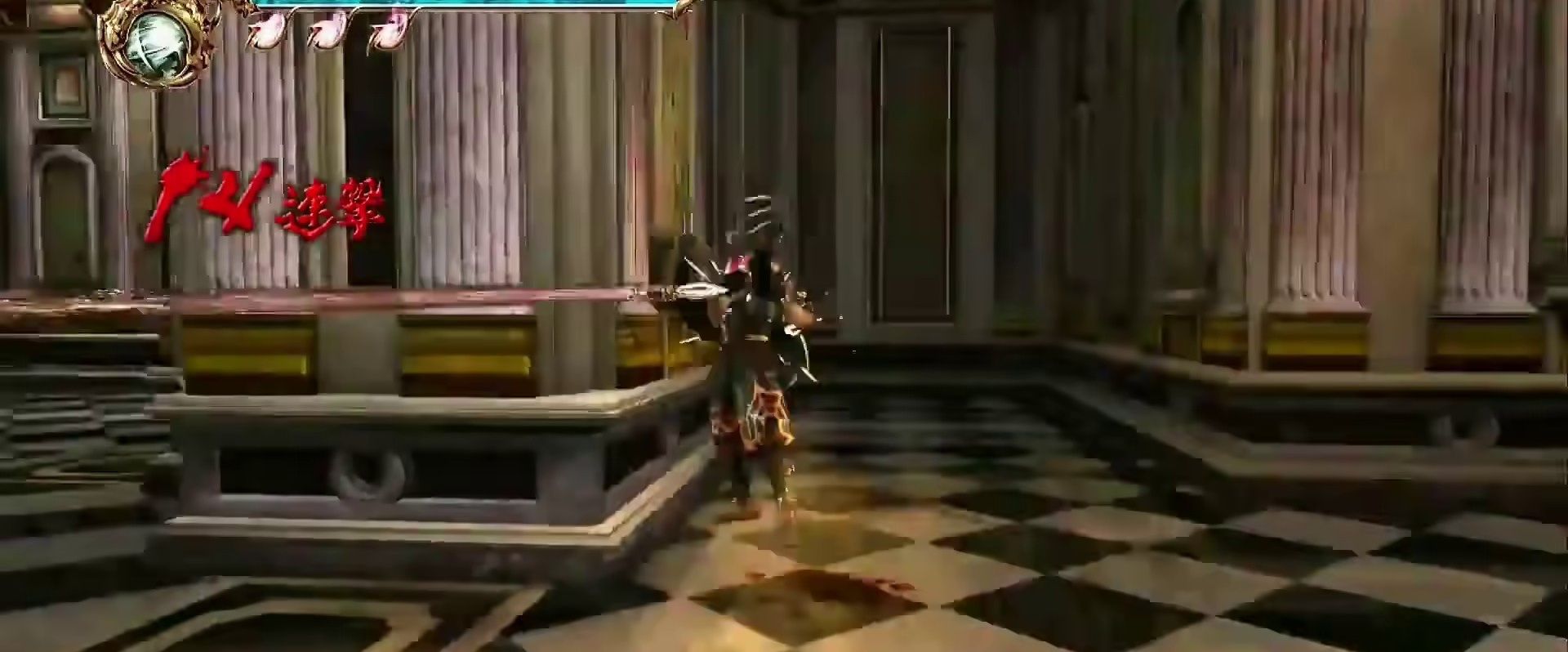
The second issue is information transparency. At present, the "blood burst"-type status effects attached to weapons (similar to blood loss in Elden Ring) do not display any buildup progress when they land on enemies, whereas Nioh does provide status buildup indicators; currently, only ailments affecting yourself - such as injury or burn - show any indication on the health bar. An ideal fix would be to add a toggle: players who find the UI too cluttered can switch it off, while those who want to track buildup can turn it on - each to their own. As for how often these consecutive grabs trigger, going by standard design practice, the final release will most likely see some adjustments.
Pre-Release Watchlist: Perfect Parry Windows, Attack-Defense Cycles, and Weapon Depth
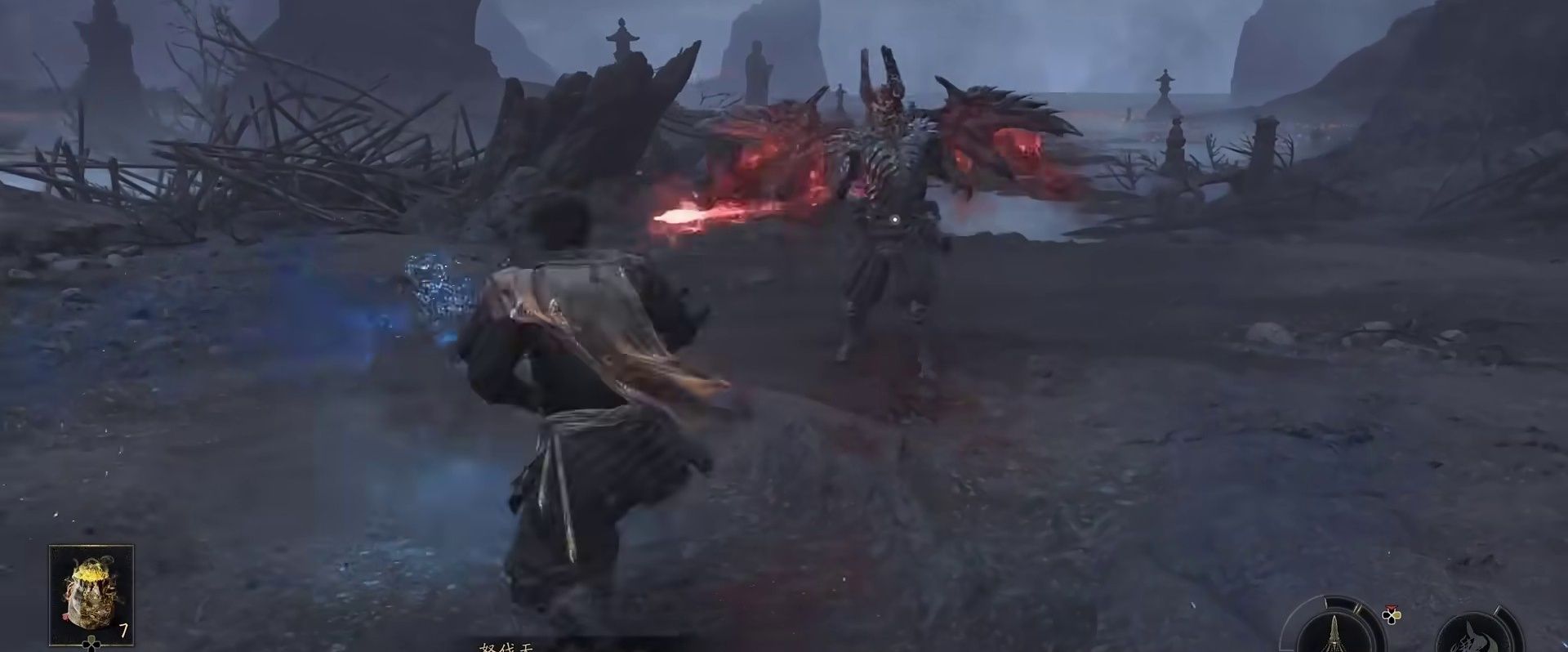
Back to the original question: is it fast? The answer is - faster isn't necessarily better, and faster doesn't automatically mean smoother. The rhythm of attack deflection and perfect parries in Phantom Blade Zero looks fast on screen, but there's no need to worry about a steep learning curve. What you really need to know is this: in actual gameplay, just how much pressure can we put on enemies through weapons and mechanics?
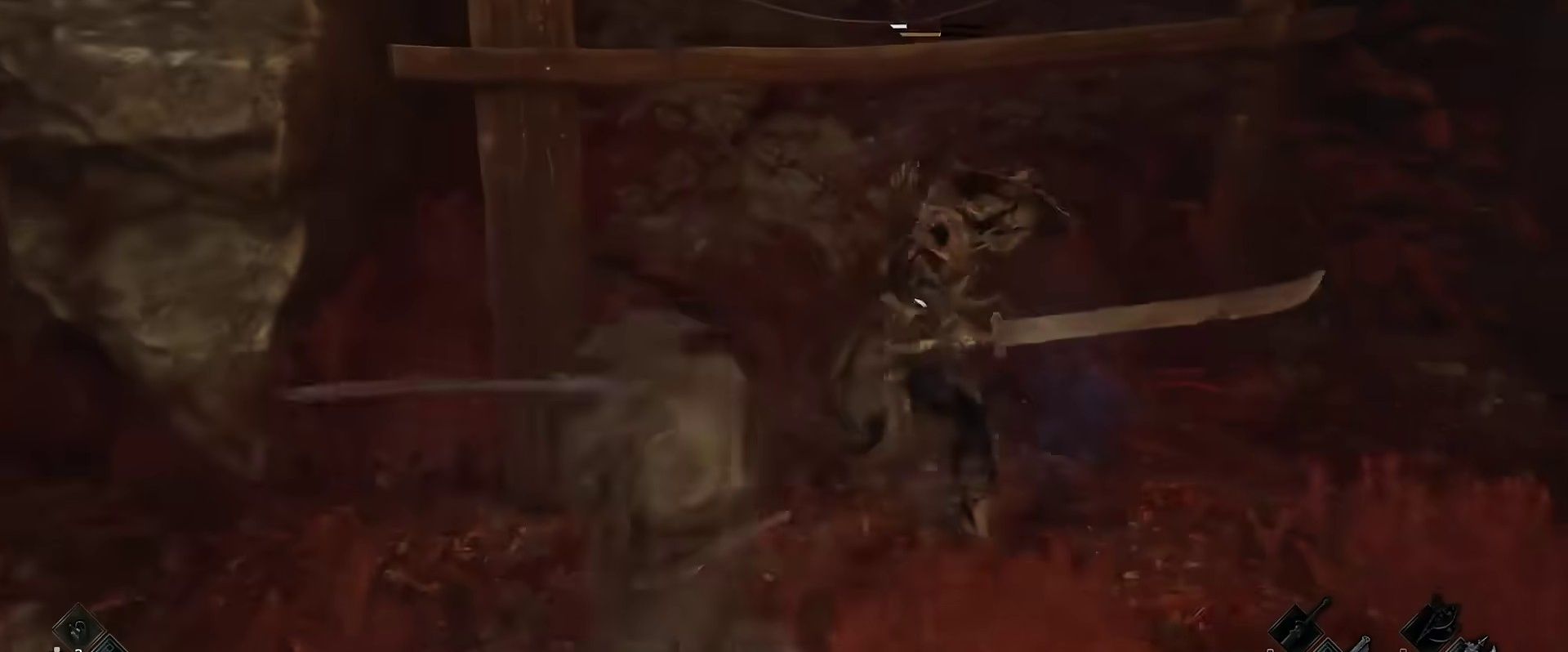
From a player's perspective, the more pressing questions are: how many frames does the perfect parry window last? Can perfect parries, the "Ghost Step," counters, and proactive offense chain together into a continuous, unbroken attack-defense cycle? After all, high-speed action games still can't do without the support of visuals and frame rate - these are the things you'll genuinely experience when buying the game, and where the term "high speed" ultimately proves itself in practice.
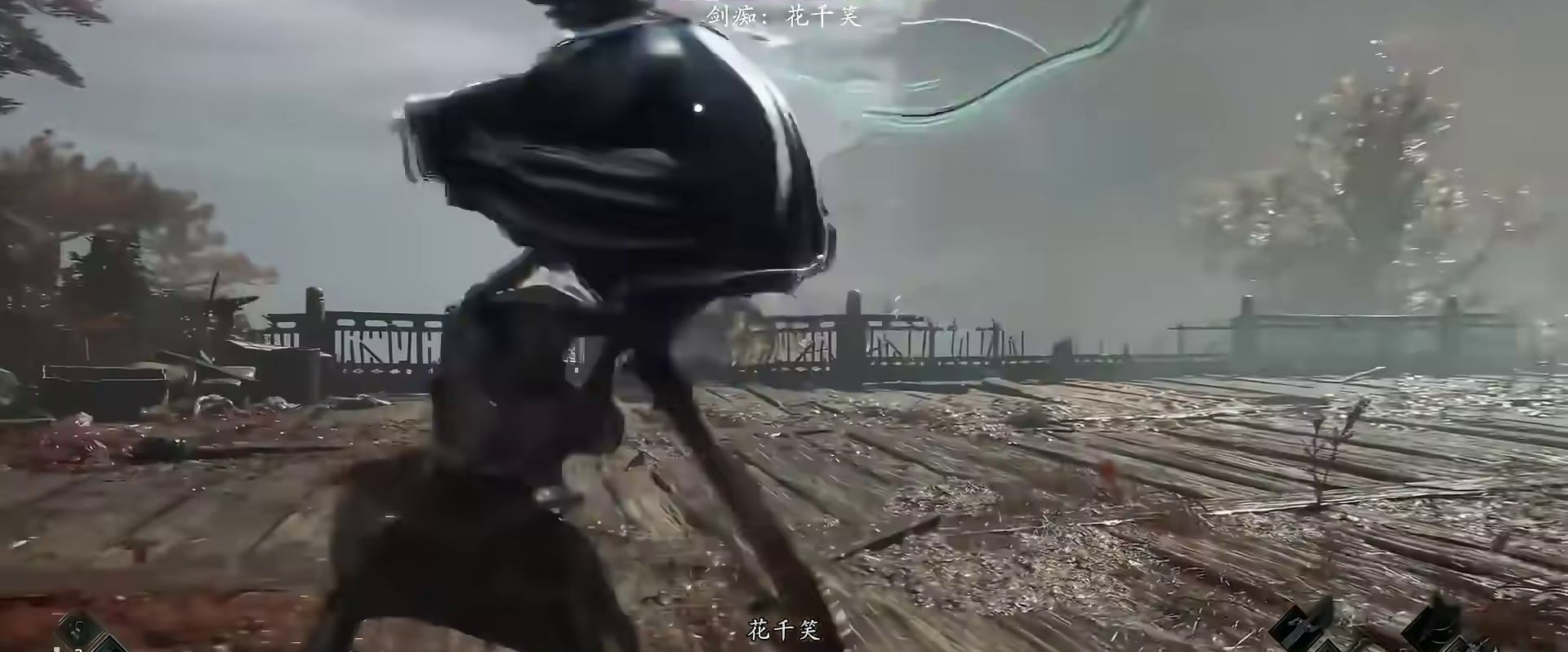
Weapons are another open question. The weapon movesets shown so far are already enticing enough, but as players, what we care about most is this: will these weapons also come with special effects that make playstyles even more unfathomable and truly widen the gap between masters and average players?
In Closing: Let Your Own Hands Do the Judging
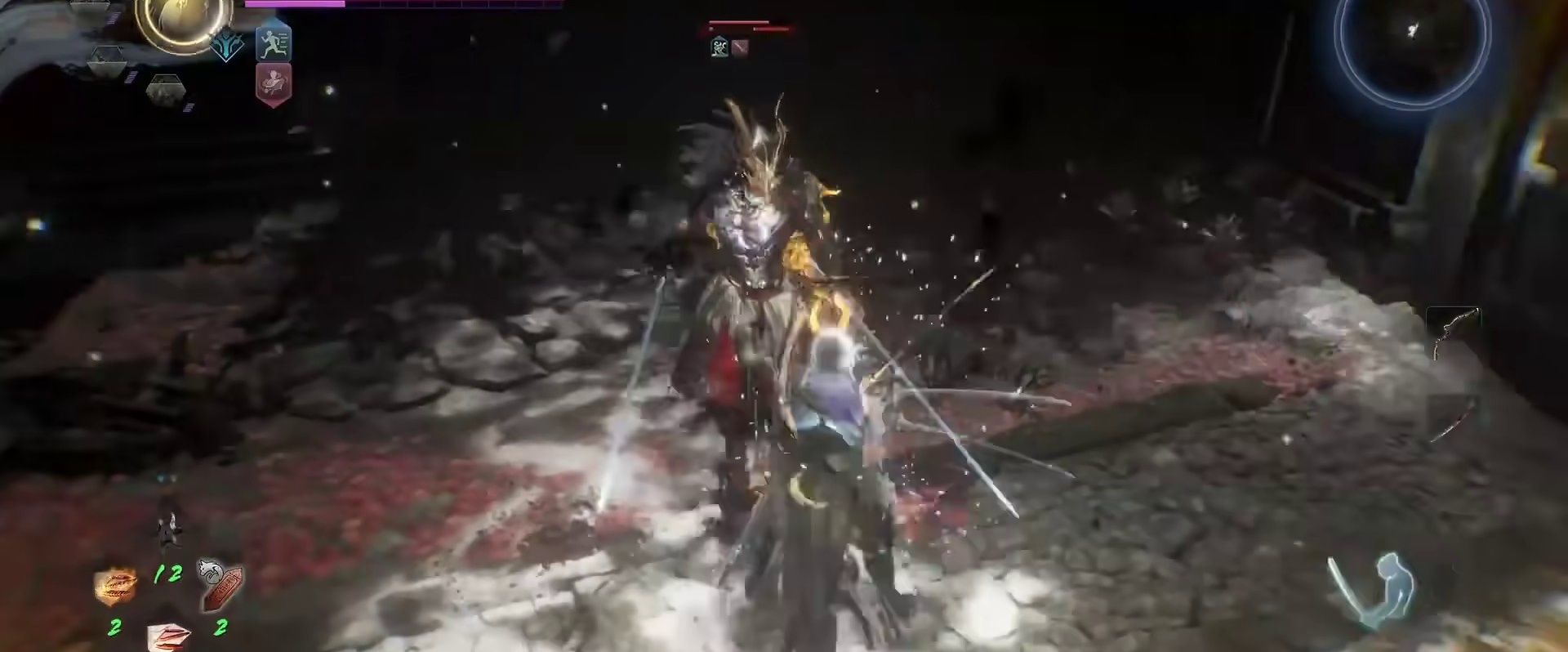
Of course, we're well aware of where the current gaming market's tastes lie: lower the barrier to entry, deliver depth in moderation - but never too much of it. That's commercial reality, and it's also what most players genuinely want. As for where exactly Phantom Blade Zero will ultimately draw its line between accessibility and depth, we'll likely only find out after release.
But at the very least, before you press that preorder button, set aside labels like "high-speed," "passive," and "active" for the moment. The joy of action games has never lived in disputes over terminology; it lives in the cycle of dismantling enemies time and again and reclaiming the initiative. Pre-release debates can get lively - but the conclusion? Leave it to your own hands.
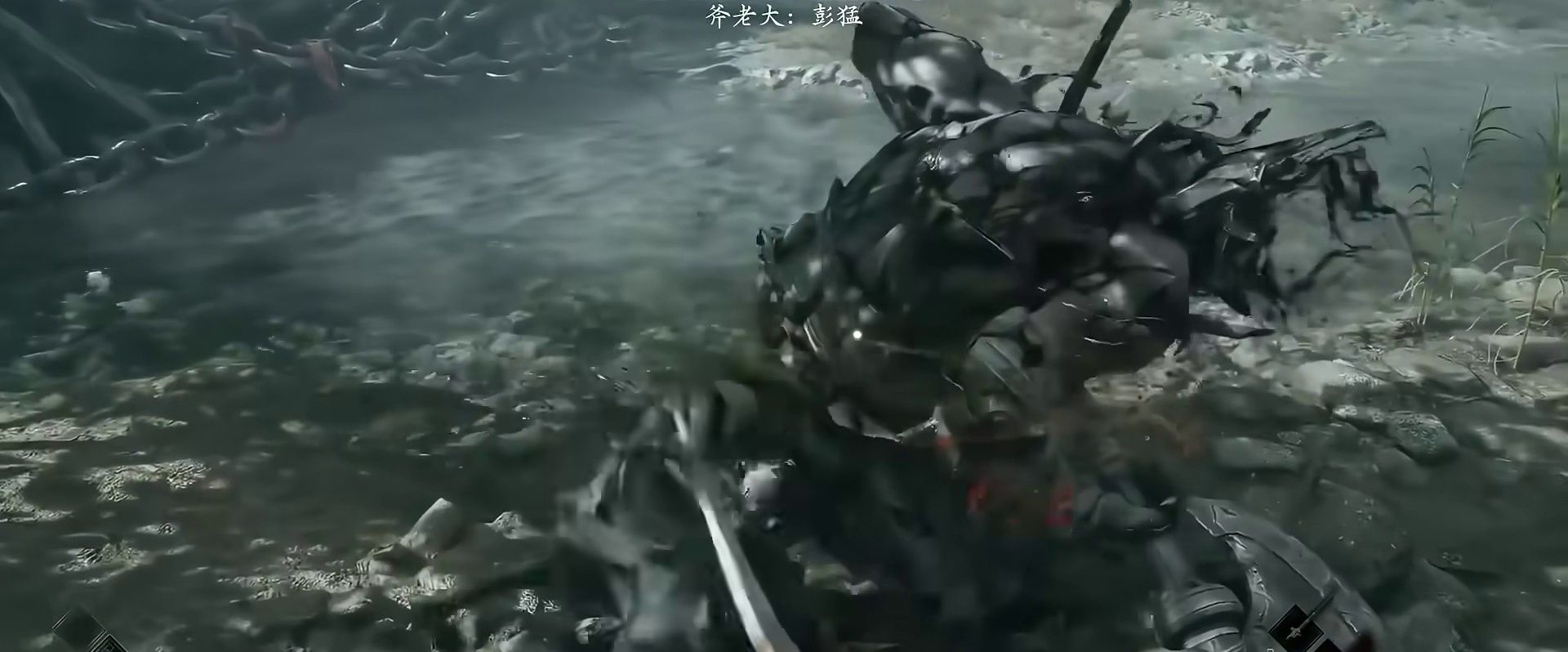
The Killing Intent bar will empty, and the posture bar will break - but what truly determines whether you can go "high-speed" will always be the resolve behind your next strike.
Top Community Comments
@Koukoukoukoukou Qinxian (50 upvotes): Honestly, a lot of fans of homegrown single-player titles still haven't figured out the difference between "action design" and "action system." A game doesn't automatically become a high-speed action game just because the action looks fast.
Analysis: This comment hits the nail on the head. Action design is about presentation - the look of each move, animation pacing, hit feedback; action system is about mechanics - resource loops, who holds the initiative, and the pathways of offense-defense transitions. A game whose characters strike swiftly and whose presentation dazzles is not necessarily "high-speed" at the system level; conversely, the oppressive pressure that Ninja Gaiden 2 builds by stacking attack-defense frequency is what high speed means at the systemic level. Conflating the two is the most common pitfall in the entire "high-speed" debate.
@Dasi Aofeng (13 upvotes): This is just Lord Ye loving "high speed" - when a genuinely fast game is finally served up, the loudest voices are precisely the ones who can't stomach it. If it feels great to play, that's enough. Agonizing over labels like "high speed" only means chasing the trivial at the expense of what actually matters, and tying yourself into knots.
Analysis: A scathing riff on the idiom "Lord Ye's love of dragons" - professing to adore what you actually fear - aimed squarely at today's discourse. Plenty of people shout loudly for "high speed," yet the moment a game that truly emphasizes attack-defense frequency and gives you no room to breathe lands in front of them, the first to bounce off are often those very same people. Terminology debates without hands-on experience behind them are castles in the air - the sheer thrill is the hard currency of action games.
@yxwbbwc (2 upvotes): Release day is a workday, though!
Analysis: However deep the technical discussion goes, it can't drown out a single cry of despair from the nine-to-five crowd. This seemingly off-topic comment is in fact the truest player sentiment of all: every grand narrative about offense-defense transitions and perfect-parry frame data ultimately comes down to one plain question - "when can I actually play it?" For some players, getting time off approved is the real "hidden mechanic" for clearing Phantom Blade Zero in its first week.
📌 One-Line Takeaway
The true essence of "high speed" lies not in attack speed, but in how frequently both sides contest for the initiative and how densely offense and defense trade places - whether Phantom Blade Zero truly measures up will ultimately be proven by every offense-defense cycle you execute with your own hands.