Phantom Blade Zero 6-Hour Hands-On Deep Dive: Not a Soulslike, but a Grammar of Attack and Defense You Need to Relearn
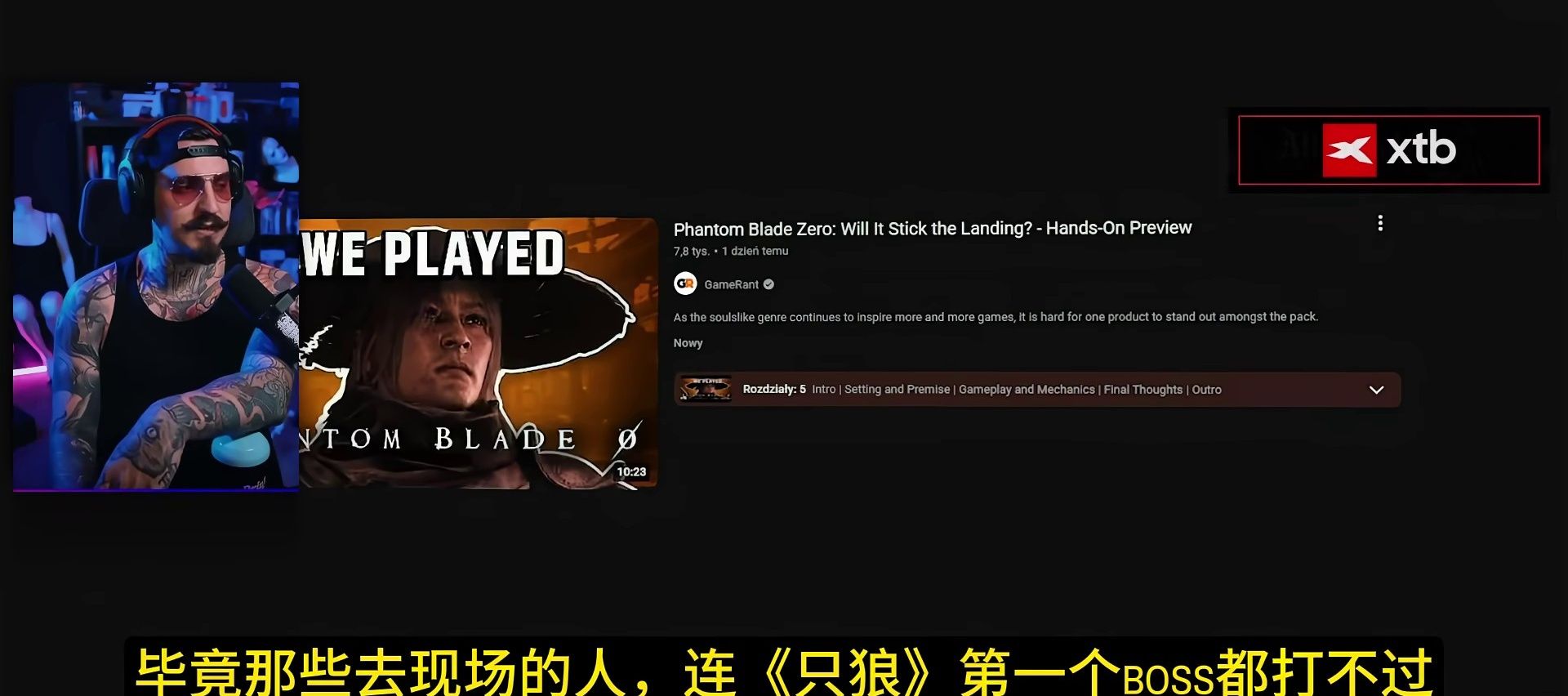
Over the past few years, every appearance of Phantom Blade Zero has been accompanied by the same set of questions: Is it really just another soulslike? Can a Chinese team truly translate the flashes of blades in its trailers into actual game feel? This time, a six-hour hands-on gameplay session pushed the discussion from "guessing" to "verifying" - a large group of media outlets and content creators were invited on-site and given enough time to get a handle on a combat system that had never been fully showcased before. The conclusion is sharper than expected: its greatest ambition lies not in resembling anyone, but in resembling no one.
1. Chinese Teams and the "Soulslike" Presumption: Where the Skepticism Comes From
Skepticism toward Chinese developers often comes not from the games themselves, but from the inertia of past experience: trailers that outshine the finished product, marketing that pushes harder than the content, and genre labels that arrive before design intent. Players aren't unwilling to believe - they've simply been burned too many times. So when a homegrown action game sets out to run a large-scale hands-on demo in the mainland market, what it faces is really an extra exam question - trading playable hours for trust, not edited cuts for hype.
This demo has been discussed again and again because the information it delivered was, unusually, concentrated on just two things: combat and visuals. Not concept lore, not worldbuilding promotion, but "what it actually feels like to sit down and play for six hours." Those attending were allowed to go hands-on themselves, compare notes with peers, and take the systems apart. For a game long scrutinized through the "trailer filter," this is the plainest - and most effective - way to prove itself.
II. "Not a Soulslike": What This Combat System Rejects
On the surface, Phantom Blade Zero's controls do look "classic": light attacks, heavy attacks, and a separate block/parry system. At the mere sight of this setup, many people instinctively file it into the soulslike drawer. But the most common feedback after going hands-on is exactly the opposite - it plays more like an action game than an RPG; it has the silhouette of a soulslike without its skeleton.
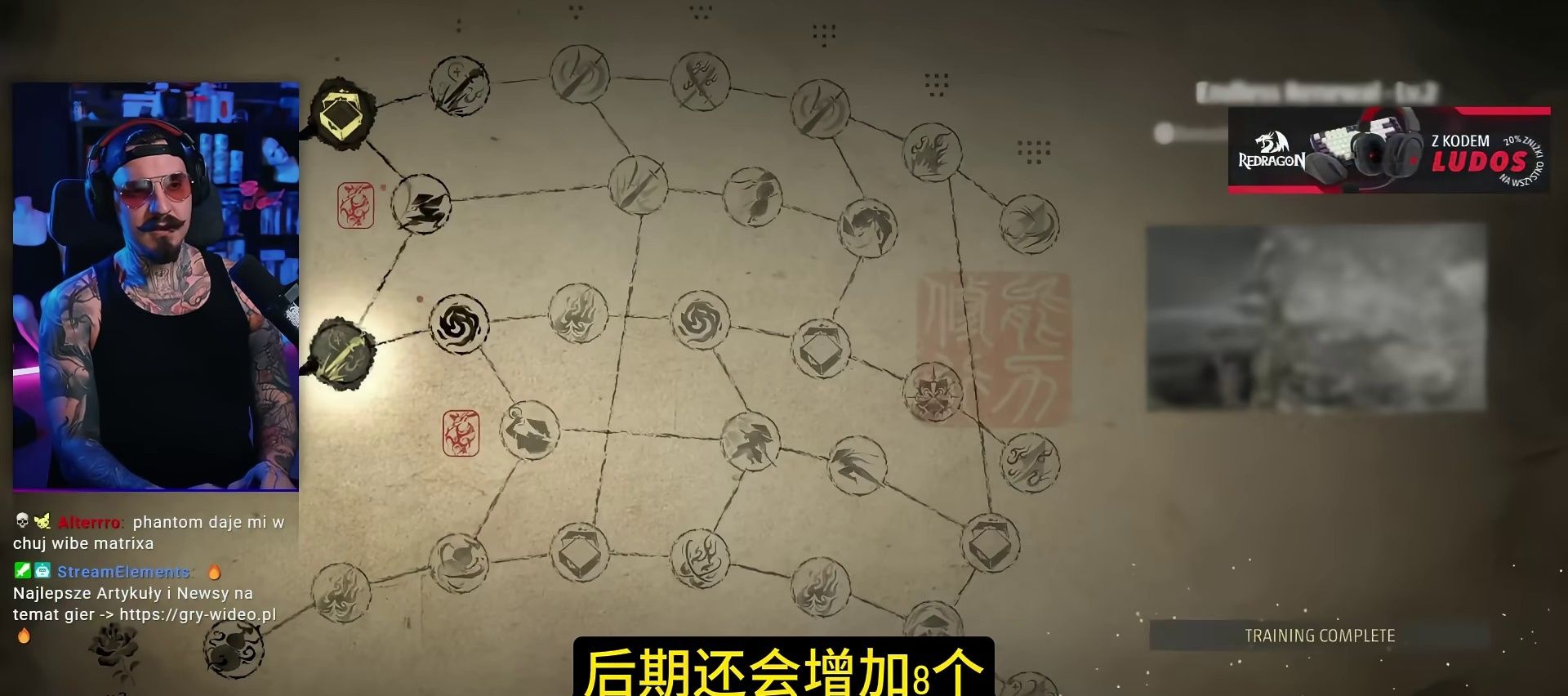
It does borrow certain elements that have proven effective: bonfire-style nodes where you can rest and level up your character, and a map structure built around exploration loops. But these are the "joints," not the "soul." Hands-on players were explicit on this point: if you're worried about the game because you don't like soulslikes, you can rest easy - what it offers is something entirely different.
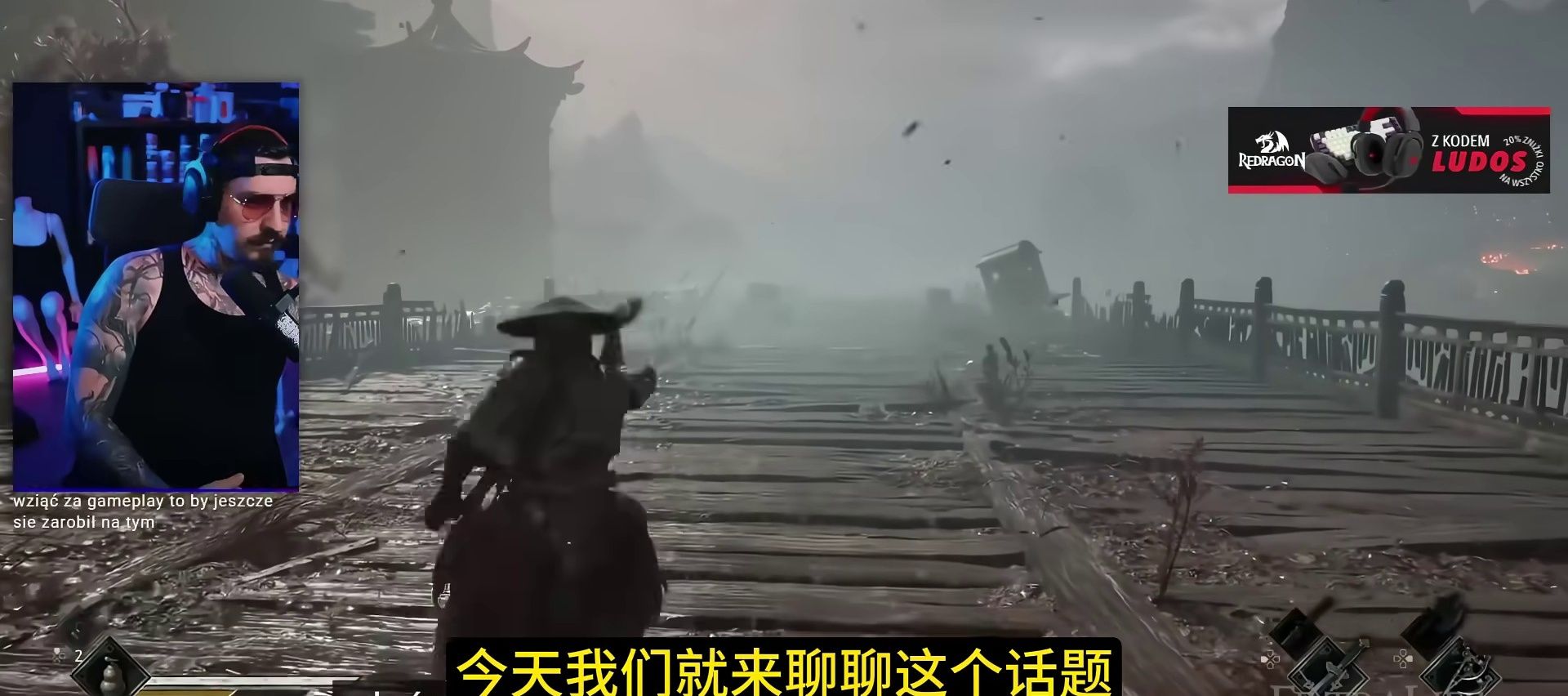
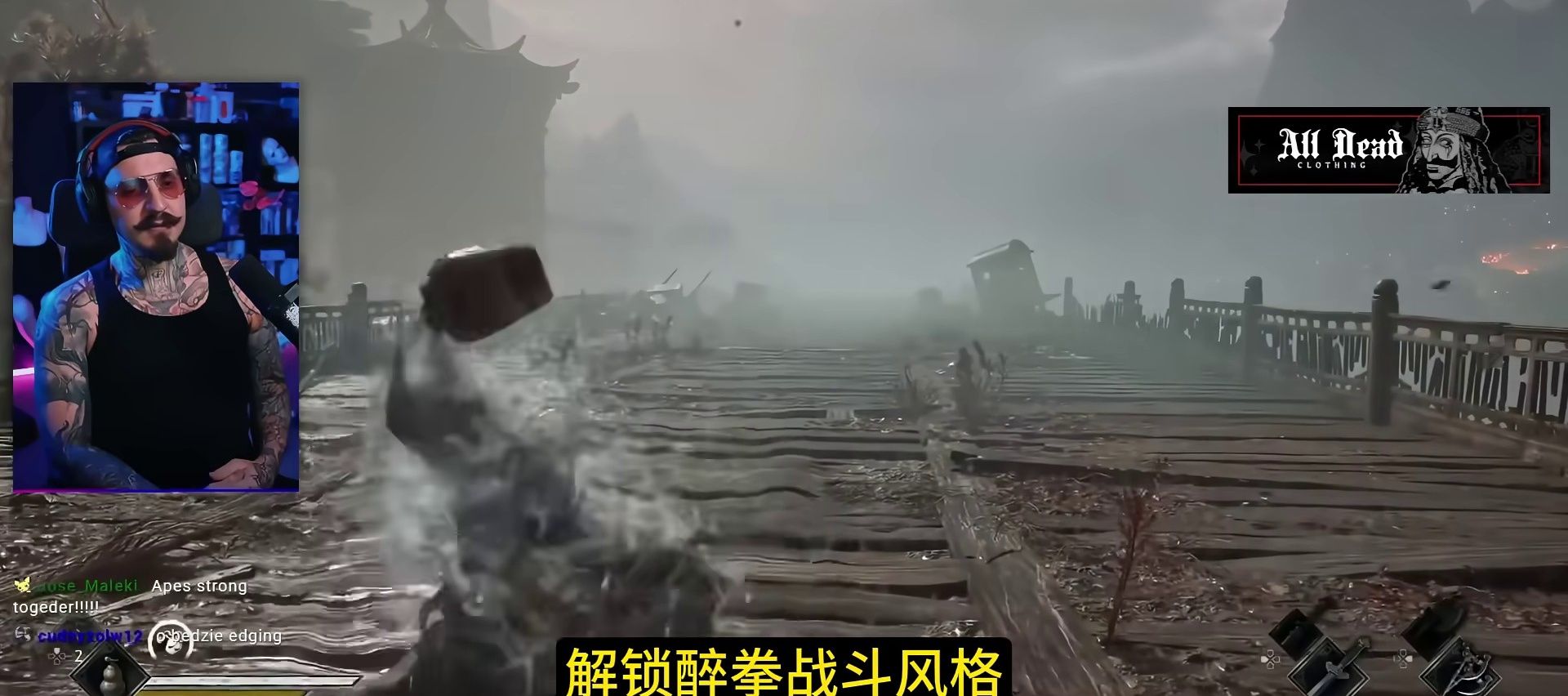
Calling a game a "such-and-such-like" essentially swaps its design intent for a label. And Phantom Blade Zero's intent, judging from the demo build, is crystal clear: to make combat itself the selling point, rather than the death penalty. Even the bosses' multi-phase structure has been tuned to cut down on repetitive work - according to hands-on accounts, failing in phase two doesn't force you to replay phase one from the beginning, a design direction that runs counter to the soulslike logic of "reinforcing memory through repetition."
So rather than arguing over whether it "counts," it's better to ask a more precise question: what does it want players to learn through combat?
III. Attack and Defense in Sync: Parrying Mid-Combo Is Phantom Blade Zero's Signature Grammar
This is the part of the entire system that most deserves to be singled out on its own.
Traditional action games - including the vast majority of soulslikes - cut combat into two beats: an offensive beat and a defensive beat. Players study an enemy's attack animation, judge when the move will end, then seize that "window" to land a combo. Combat thus becomes a continuous series of decisions: attack now, or block? Roll, or run?
Phantom Blade Zero chooses to compress those two beats into one. Attack and defense are designed as two independent systems that can run at the same time: you can insert a block or a parry in the middle of your own combo, then flow straight back into it. Offense is never cut short by defense, and defense is never given up for offense.
Attack and defense are no longer an either-or decision, but two systems running in parallel at the same moment.
This difference may sound like a minor tweak at the level of controls, but its actual impact is considerable. It means players no longer have to "wait for the opponent to finish" - instead, they must actively weave defense into their own offensive rhythm. It also means combat will look extraordinarily dense and continuous: blade flashes never stopping, attack and defense never pausing, with the tempo held entirely in the player's hands.
Hands-on players were remarkably candid about this system: it is something entirely new, and it demands to be learned.
"I already know my little boy won't be able to handle this game, because it's a system you have to relearn from scratch."
That remark is both a worry and a compliment. The worry lies in the barrier to entry: the game has no intention of catering to players whose muscle memory has already been shaped by soulslikes. The compliment lies in the ambition: rather than settling for optimization within an existing framework, it attempts to redefine "when to defend" - the most fundamental question an action game can ask.
IV. Animations No Longer Telegraph: Players' Reading Skills Are Back in Demand
The direct consequence of attack and defense sharing the same rhythm: the "telegraphing" function of enemy animations has been weakened.
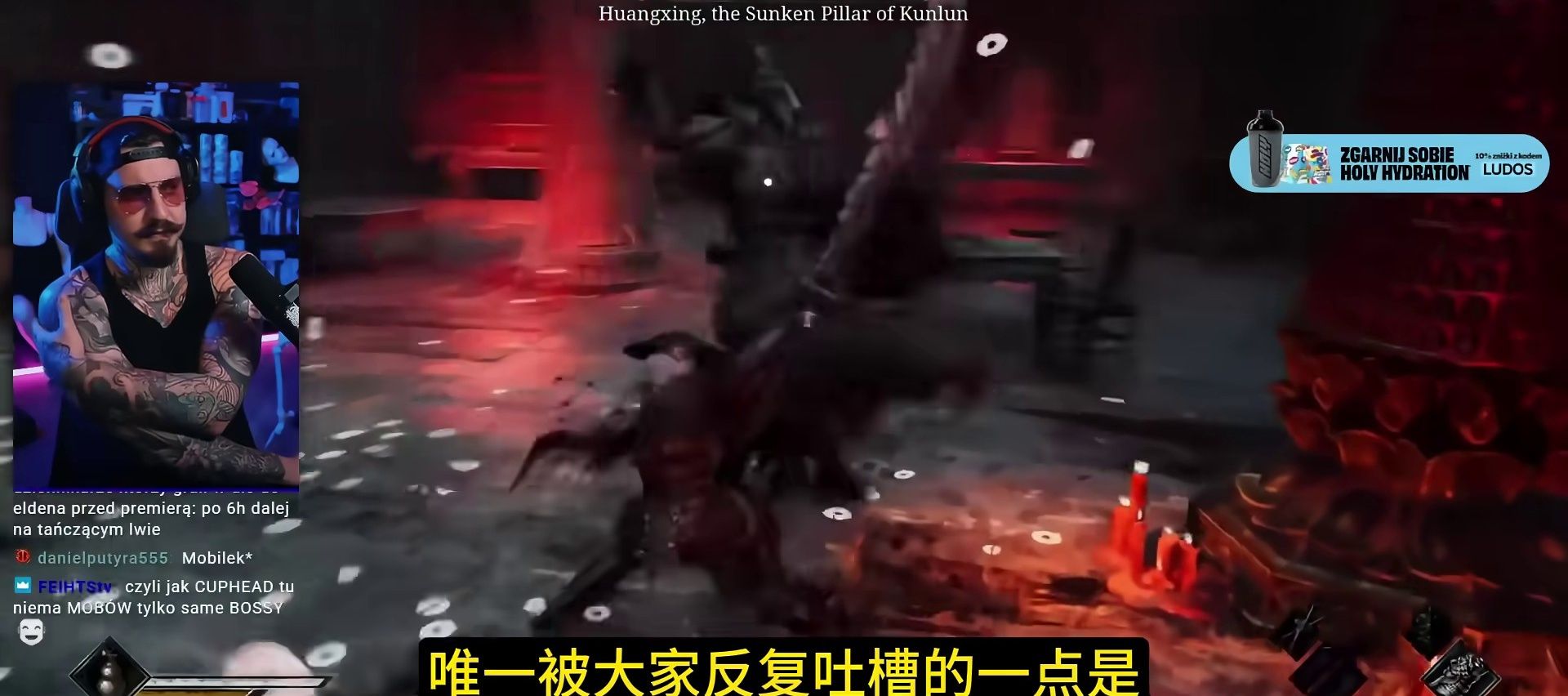
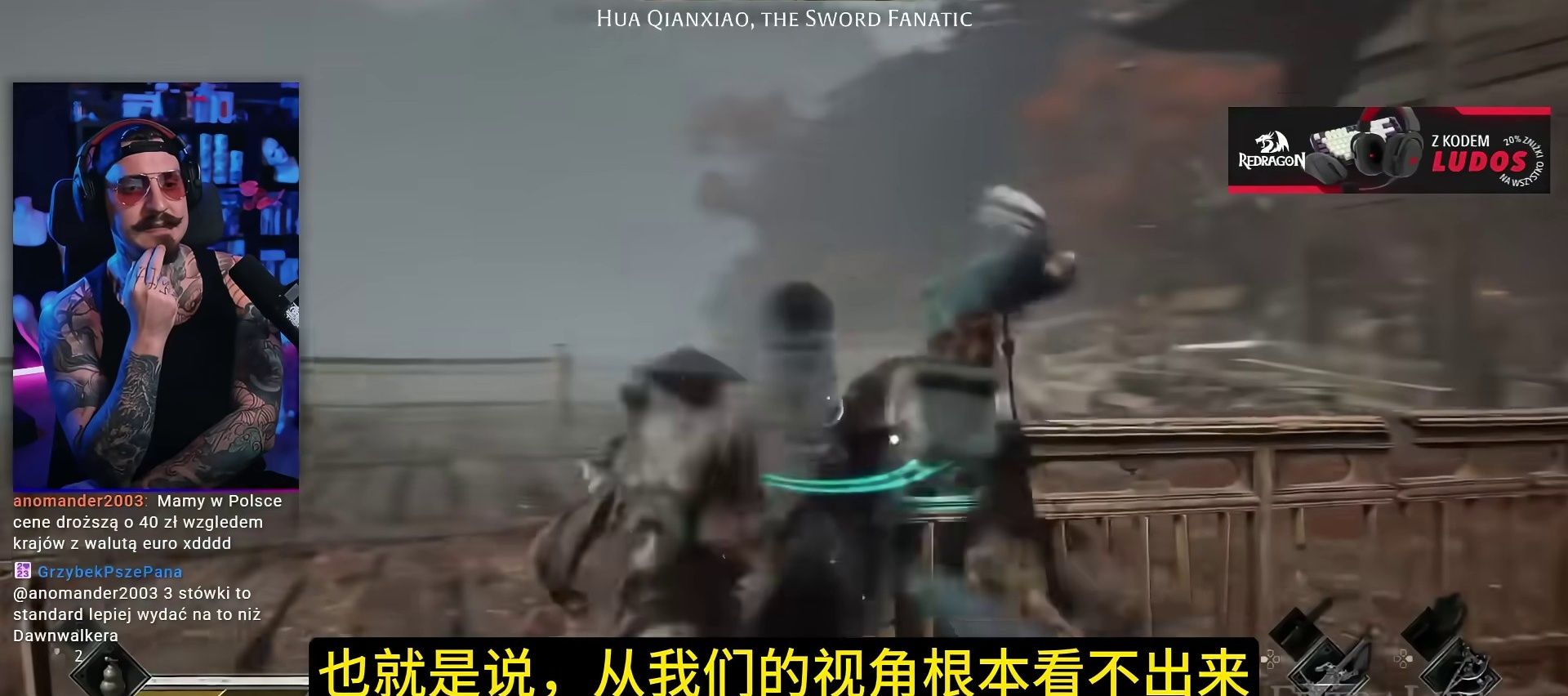
In most action games, a player's sense of security comes from visualized rhythm cues - the wind-up, the charge, the flash, the recovery. Together, these signals form a cue system that tells you "when to defend, when to strike." In Phantom Blade Zero, however, a single animation may conceal two attack hitboxes, and the cues are far from obvious - from a spectator's viewpoint, it's nearly impossible to tell where you're supposed to respond.
This means players can no longer rely on the passive loop of "watch the move, then react." Instead, they must step into the rhythm ahead of time: anticipate the length of the opponent's combo, actively plan their own attack-to-defense ratio, and leave room for defense within their offense. The source of difficulty thus shifts from reaction speed to an understanding of rhythm.
For action-game veterans, this is actually an exciting direction: it elevates "reading moves" from pure visual reflex into an understanding of combat structure. But for players accustomed to explicit cues, the first few hours will likely feel rather frantic.
5. Dual Weapons and "Phantom Edge": Equipment Is a Playstyle, Not Stats
Phantom Blade Zero gives players another layer of expressive freedom through its weapons. The character can carry two weapons and switch between them instantly in combat; completing a switch mid-combo also partially restores a specific resource. This turns "switching weapons" from an emergency measure into part of the combo - the switch itself is a reward, not just a reaction.
The arsenal is equally substantial: roughly 30 main weapons, plus 25 special abilities known as "Phantom Edge," which can unleash exclusive special attacks of their own. These are acquired progressively by exploring the world and defeating enemies and bosses, and each one comes with its own playstyle.
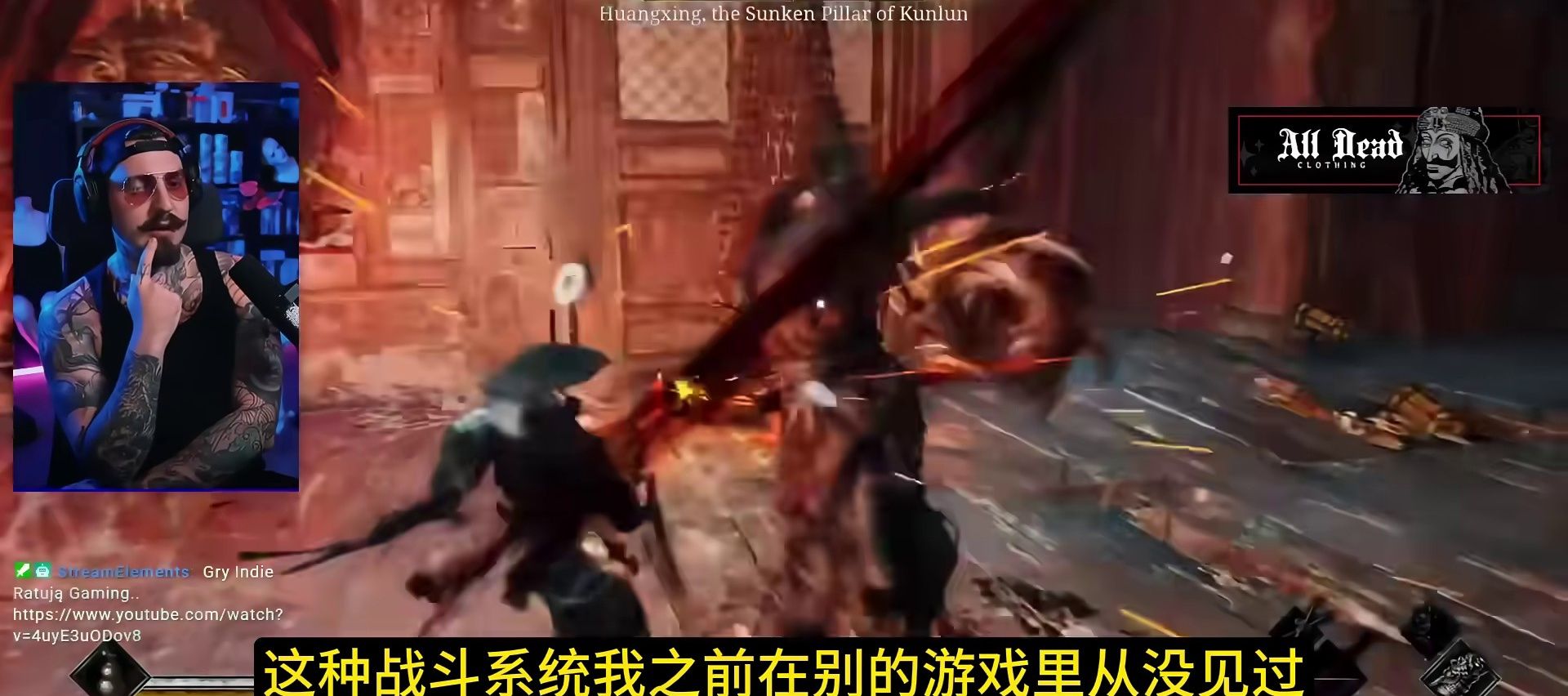
The key lies not in the numbers but in the design logic: if 30 weapons are just 30 sets of stats, players will ultimately pick whichever has the highest attack power; but if each weapon changes the grammar of its controls, the structure of its combos, and the offense-to-defense ratio, then "choosing a weapon" becomes "choosing a playstyle." Judging from hands-on feedback, the latter is the direction.
This also explains why demo players emphasized "equipment as playstyle": true progression depth shouldn't be reflected in stat-sheet growth curves, but in how the moves in a player's hands change.
VI. A Metroidvania Skeleton: Bonfires, Exploration, and the Questions Beyond 6 Hours
Zooming out, the game's skeleton carries a distinctly Metroidvania flavor: the map features exploration loops, there are bonfire-style checkpoints where you can rest and level up your character, and progression and exploration are woven into the rhythm of combat rather than isolated in menus.
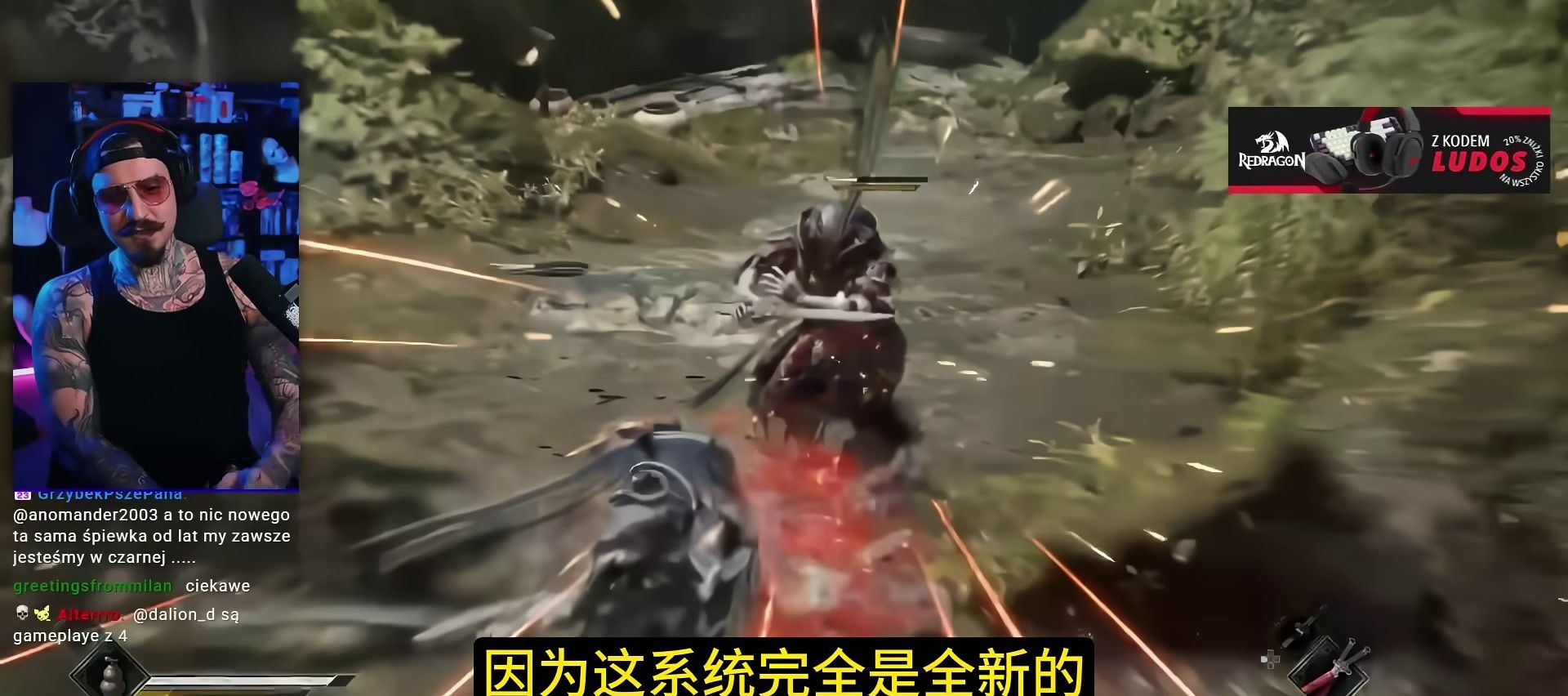
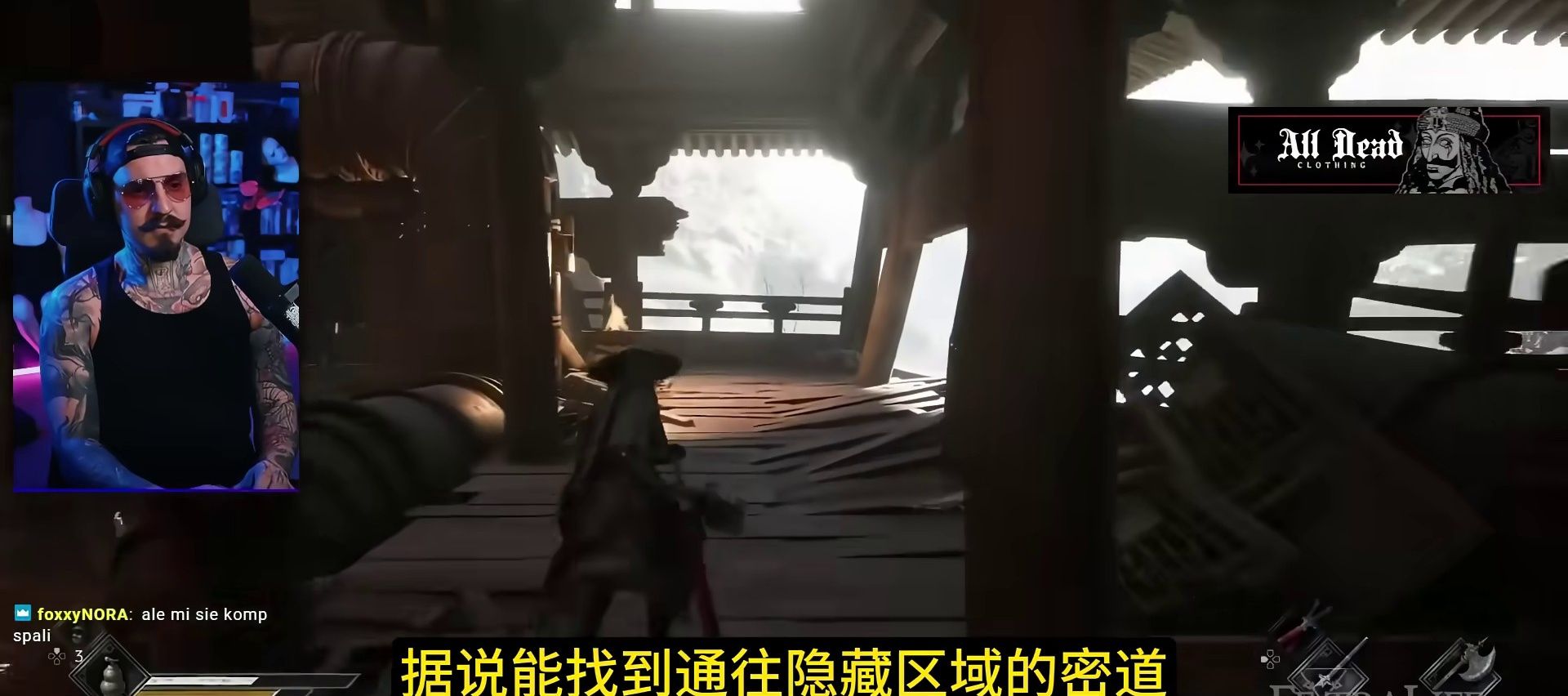
What can six hours reveal? The feel and logic of the combat system, the breadth of its equipment, the design tendencies behind boss fight phases, and the consistency between visuals and hit feedback. These are precisely the aspects an action game finds hardest to prove through trailers - and also where this hands-on demo was most convincing.
What can't six hours reveal? Long-term pacing, late-game stats balance, narrative completeness, replayability, and whether that "requires relearning" system stays addictive after dozens of hours. The answers to these questions will have to wait for the finished product.
But at least one thing has already been proven: this is not a game that survives on labels. It has chosen the hardest road of all - making players relearn how to play an action game all over again.
Top Community Comments
"Are soulslikes the ancestor of all games worldwide? What have they even pioneered? Why do they get to represent action games?"
The anger behind this comment isn't actually aimed at Phantom Blade Zero. What it targets is the process by which the word "soulslike" swelled from a genre descriptor into a universal yardstick. When every action game has to first answer "are you soulslike or not," it isn't just the creators who take offense - it's also every other branch that action games have spent decades cultivating.
"He makes his living in this line of work, so he has no choice but to force a soulslike angle."
It's a harsh verdict, but one worth chewing on. The content ecosystem does suffer from a certain inertia: pinning a new release to the hottest genre label delivers the steadiest traffic and the least effortful discussion. The problem is that once the label precedes the experience, the work's true design intent never makes it into the conversation. The Phantom Blade Zero hands-on matters precisely because it spent six hours dragging the discussion back from labels to how the game actually feels.
"Ninja Gaiden is a high-speed soulslike, Resident Evil 4 is a shooter soulslike, Assassin's Creed is a stealth soulslike, Onimusha is an Issen soulslike, Silent Hill is a puzzle-solving soulslike, God of War is a cinematic-narrative soulslike, and Expedition 33 is a JRPG soulslike."
This parallel-structured sarcasm could almost serve as the epitaph for label-driven criticism. The moment Ninja Gaiden gets called a high-speed soulslike and Resident Evil 4 gets called a shooter soulslike, the classification tool has completely broken down - it no longer describes anything; it merely repeats a buzzword.
📌 One-Line Takeaway
What makes Phantom Blade Zero most worth anticipating is not that it finally "resembles" something, but that it forces players to unlearn the old rhythm of attack and defense and pick up a new grammar - one where you can parry even in the middle of a combo.