Phantom Blade Zero 6-Hour Hands-On + Liang Qiwei Interview: Combat Is Just the Tip of the Iceberg - the "Kungfunk" Pyramid Is Far Vaster Than You Think
On October 9, Japanese media outlet 4Gamer was invited to Beijing, where S-GAME held a Phantom Blade Zero hands-on event for media from around the world as a final warm-up ahead of the game's official release on October 29. After the six-hour hands-on session wrapped up, company founder and game director Liang Qiwei, together with the audio producer, sat down for a joint interview with the Japanese press.
This was no lightweight session: media attendees had to fully clear the first chapter on-site, and also take on two boss fights pulled from the latter half of the game. In the interview that followed, the Japanese press's questions landed almost entirely on the points players care about most - the number of bosses, difficulty tiers, enemy AI, and that most central question of all: why do the trailers show nothing but high-speed combat, yet once you actually get your hands on the game, exploration and side quests turn out to take up so much time?
In Liang Qiwei's own words, Phantom Blade Zero is "a pyramid that builds high-speed action on top of an RPG foundation." This six-hour hands-on and interview happened to lay that pyramid bare in full, from its tip all the way down to its foundation.
Six-Hour Hands-On: Beyond the Trailers, There's an "Iceberg Beneath the Surface"
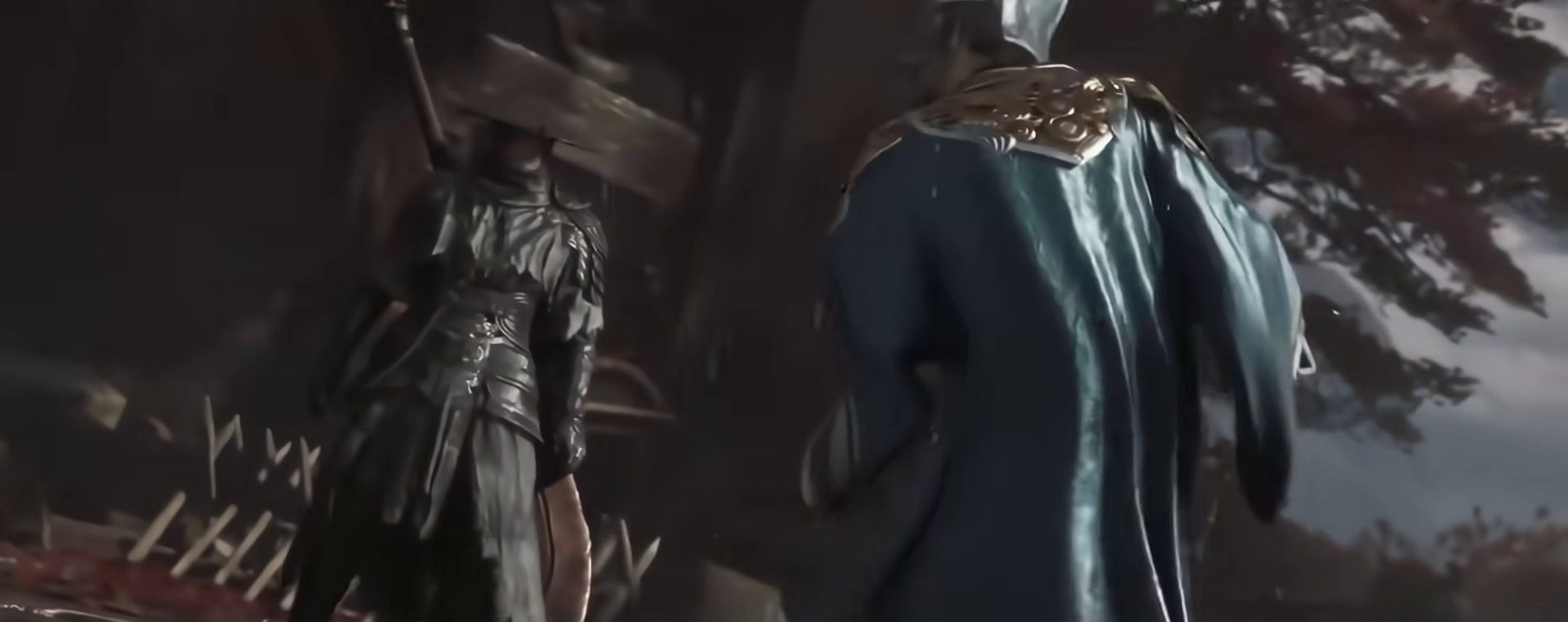
First, some background. Phantom Blade Zero is an action RPG that combines Chinese wuxia with steampunk-style mechanical body modifications - a style S-GAME calls the "kungfunk" style. The protagonist, "Soul," was once the organization's most feared ace swordsman, until he was framed and stabbed through the chest by his own sworn brother, barely kept alive by an artificial heart - and the time left to him is only 66 days.
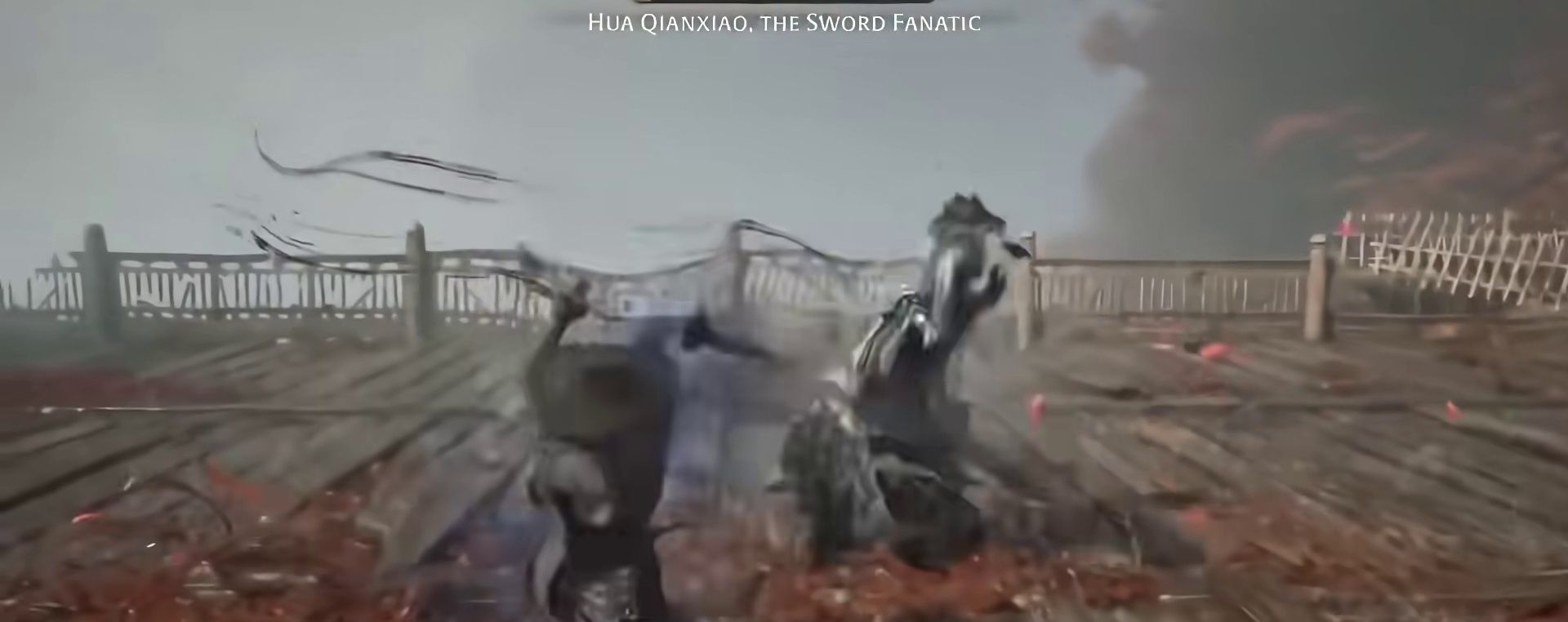
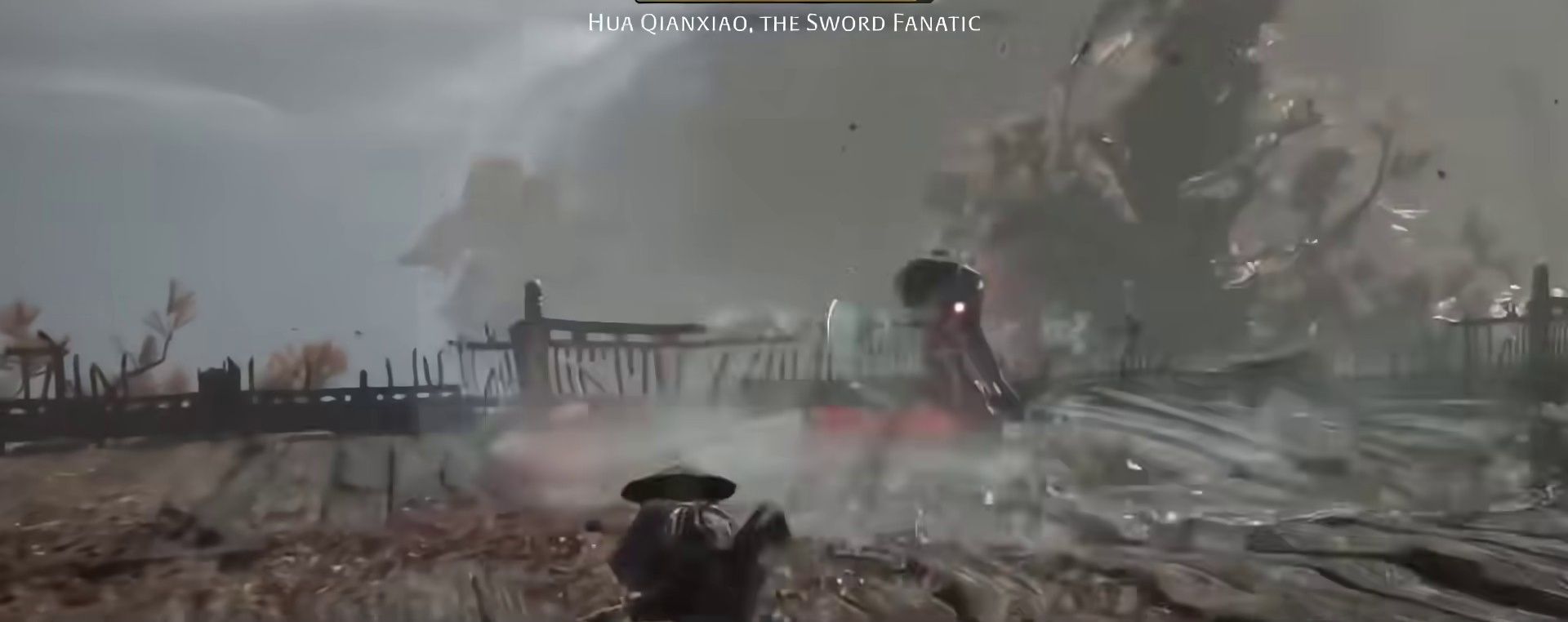
Up to this point, the trailers have shown one thing over and over: high-speed exchanges of attack and defense - counters, executions, reversals, all in one unbroken flow. But once you actually get your hands on the game, you discover that just as much time goes into opening the map, turning down side paths, and pushing forward through side quests. The Japanese media's questions centered first on this very gap - and that gap is precisely a key to understanding the game.
"Actually More Than 30": Weapons and Bosses Mirror Each Other
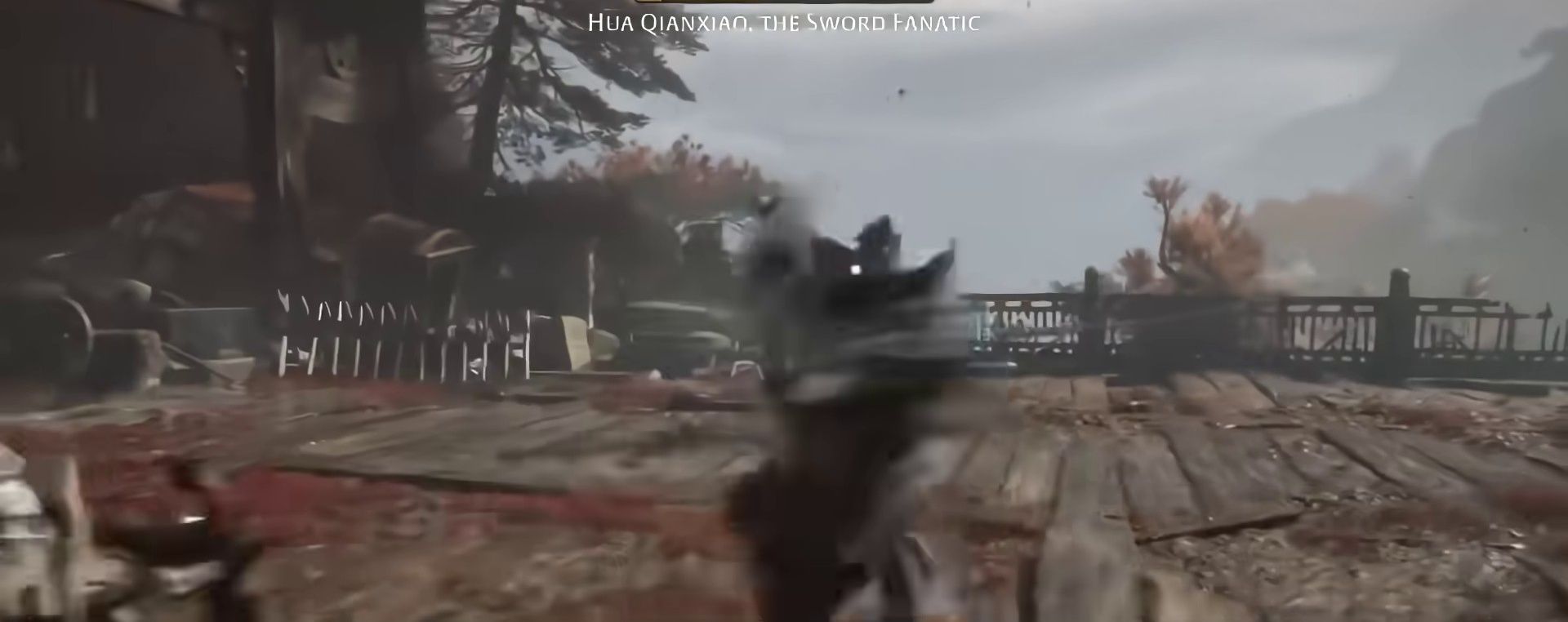
The very first question was already packed with information: every boss featured in the demo offers a distinctly unique playstyle. We heard there are roughly 30 bosses - how did you achieve a sense of cohesion?
Liang Qiwei's answer nearly doubled that number on the spot:
"Actually, there are more than 30. On the weapon side, there are 30 main weapons and over 20 sub-weapons, and every single one of them is obtained by defeating a boss. Since there are as many bosses as there are weapons, that's at least 50 - and in reality, possibly even more."
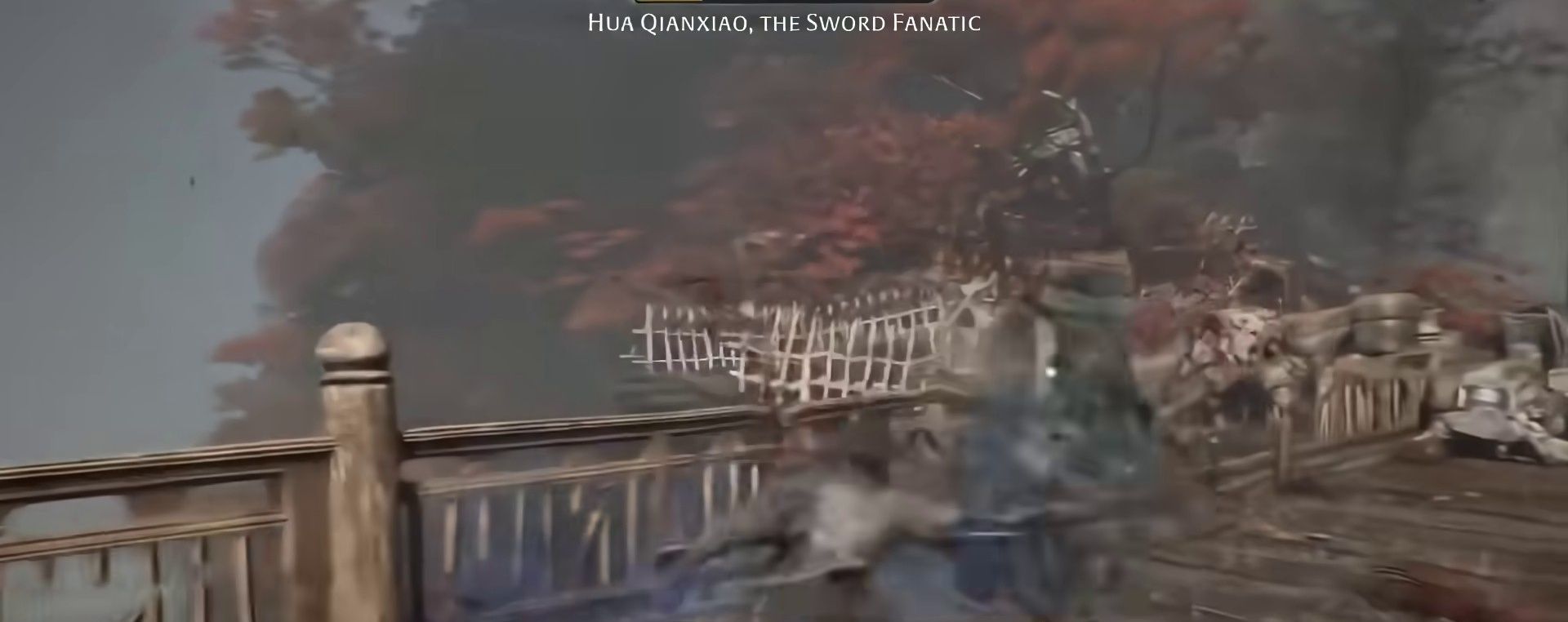
The design logic here is crystal clear: weapons are the loot, and bosses are the weapon compendium. Every new weapon you acquire corresponds to an opponent you defeated with your own hands - the urge to collect and the sense of accomplishment are welded firmly onto the same track.
As for the sense of cohesion, the answer points to the work's signature style itself: kungfunk. As the demo shows: some enemies are towering, others are small; some are sluggish, others fight on horseback - yet they all take traditional Chinese wuxia as their starting point, with S-GAME's own new elements layered on top. That throughline runs constant from start to finish. On top of that, the team further differentiates enemies through how they are fought and their physique.
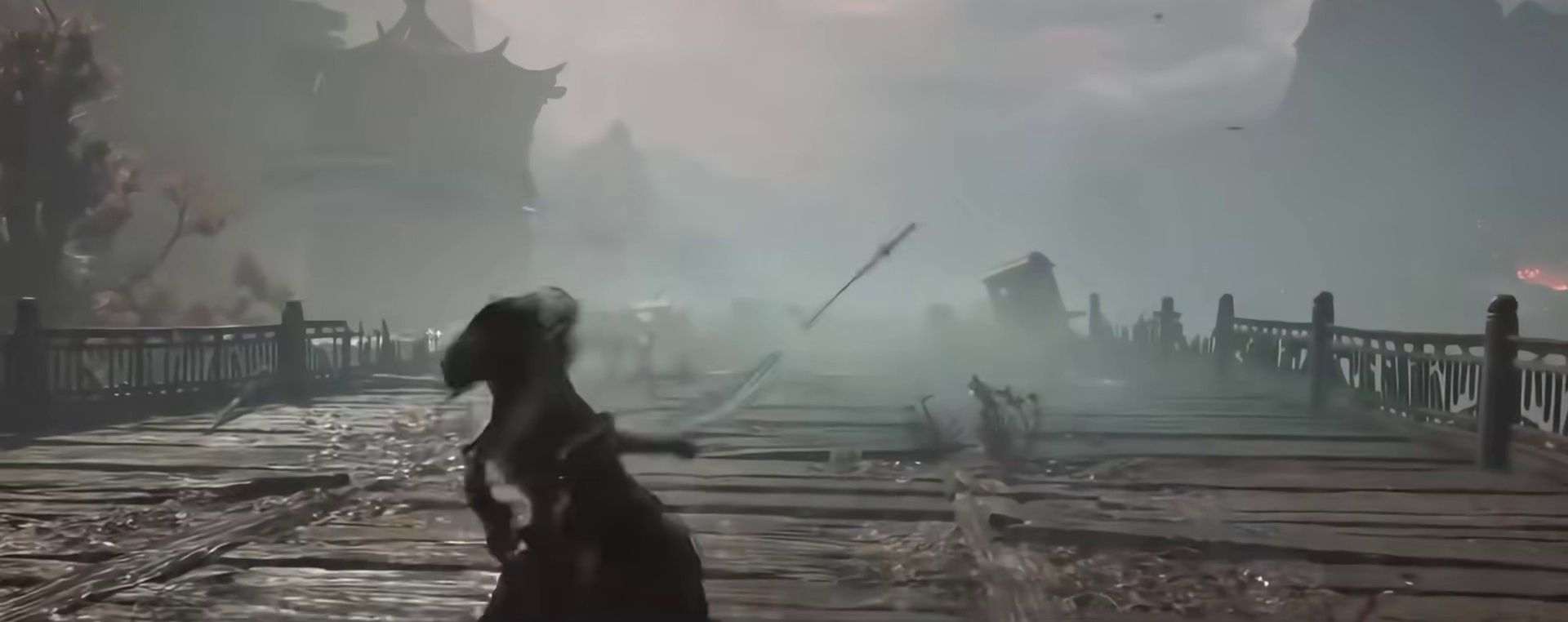
Liang Qiwei also left one parting hook: the further you push into the latter half, the more the variety multiplies. In other words, the diversity on display in the demo is only a small slice of the full picture.
The Pyramid Structure: High-Speed Combat Is Only the Tip
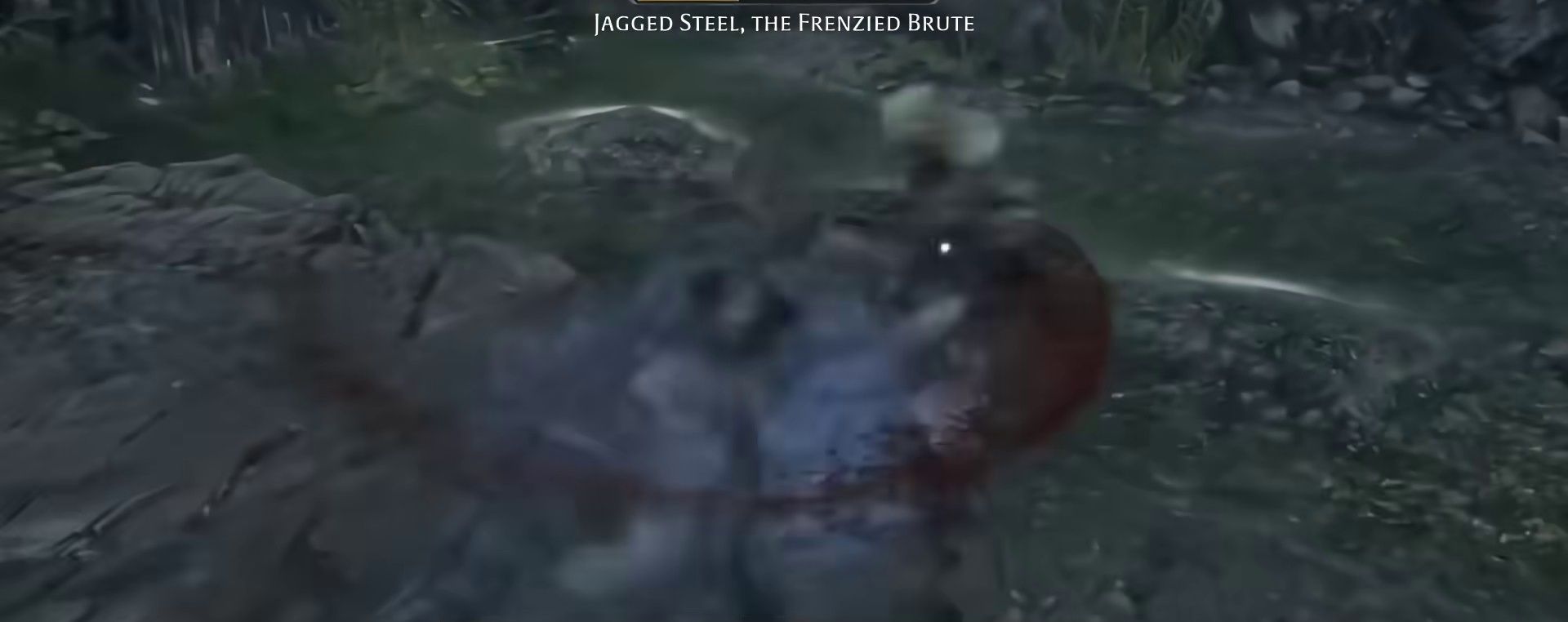
The Summer Game Fest demo two years ago left many with the impression that it was hardcore to the point of driving players away: downed enemies would rise again, the mobs on the field were strong, and the boss was stronger. This demo, however, took a completely different direction - why?
Liang Qiwei's explanation is the single most revealing passage of the entire interview:
"Everything we've shown before, whether demos or trailers, was combat and nothing but combat, because we wanted players to experience outstanding combat. Precisely because of that, it may have been perceived as a hack-and-slash game that's all mindless slashing, or a pure hardcore action game. But this game's structure is like a pyramid: the foundation is the strong storytelling of an RPG, solid map exploration, and substantial side quests; the middle layer is intricate, interlocking map and level design; and high-speed combat sits only at the very tip."
In other words, this is a game that blends multiple genres, one unlike any existing title. Liang Qiwei believes it has absorbed the essence of several celebrated works and organically fused them into something entirely new.
"Combat is easy to showcase in a trailer and comes across as thrilling, so we put it front and center. But that was merely the tip of the iceberg. As for what lies beneath the surface - now that you've played it today, I believe you've already been surprised."
This statement can essentially be read as Phantom Blade Zero's "positioning manifesto": it is not a Musou or soulslike draped in wuxia skin, but a hybrid that uses combat as its showcase window and RPG structure as its skeleton.
No Enemy Respawns: Stripping the "Grind Logic" from the Wuxia World
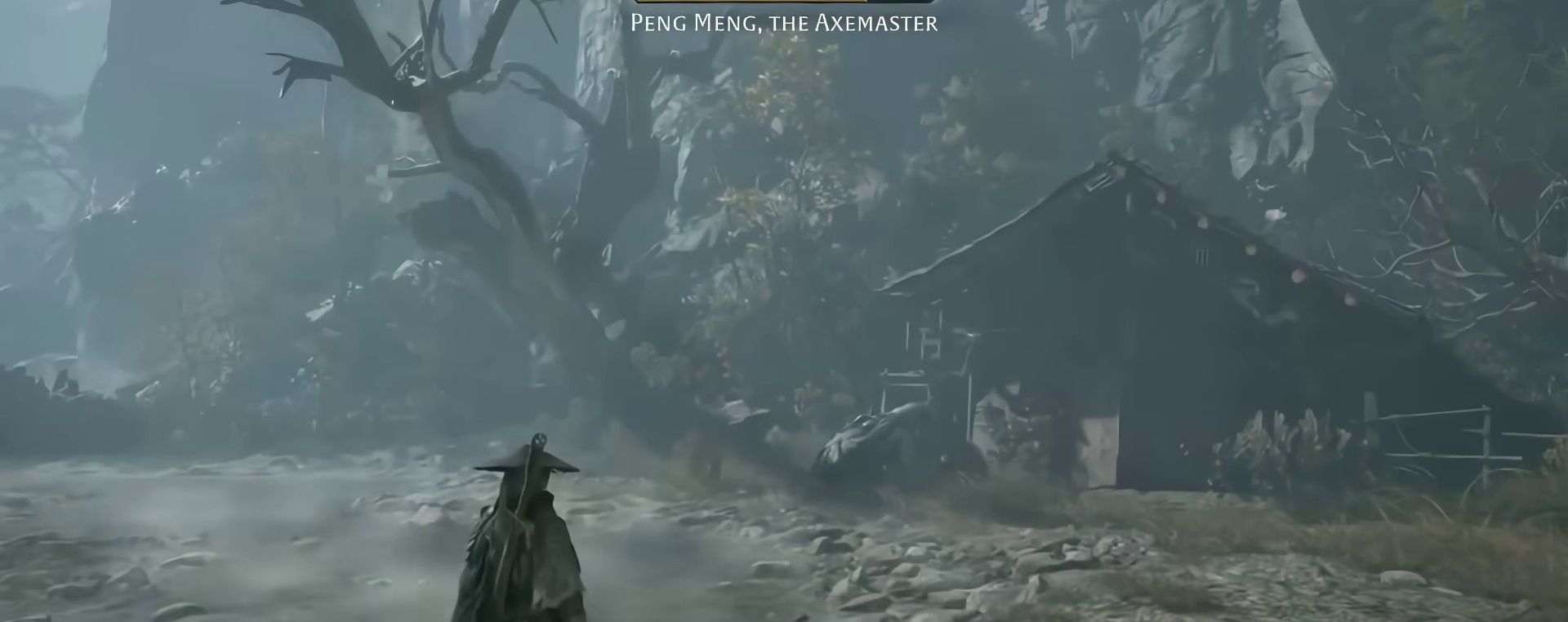
Another plainly visible change in the demo: enemies, once defeated, no longer respawn - in previous builds, they did. What was the intent behind this design?
Liang Qiwei offered two reasons:
"The first is that we want everything in the game to carry value - we don't want players repeating the same content. The second is that we want players to focus on advancing the story, and on this world itself."
He went on to pinpoint the very essence of the action-game experience: nothing in combat is more delightful than coming face to face with an unfamiliar opponent for the first time. Letting enemies respawn is a design adopted by many games - some for farming materials over and over, others for grinding certain stats - but S-GAME is quite confident in this title's experience and quality, and so wants players to always be experiencing something new.
Following this line of logic, the Japanese media pressed further: so upgrading weapons would mean having no choice but to head to places you haven't visited yet? Liang Qiwei's answer was crisp and decisive:
"Exactly. That's precisely what we want players to do. When you want stronger stats, don't grind the same spots over and over - instead, explore the map down to its every last corner. That's a design choice. Looked at the other way, it also means the resources on the map are finite."
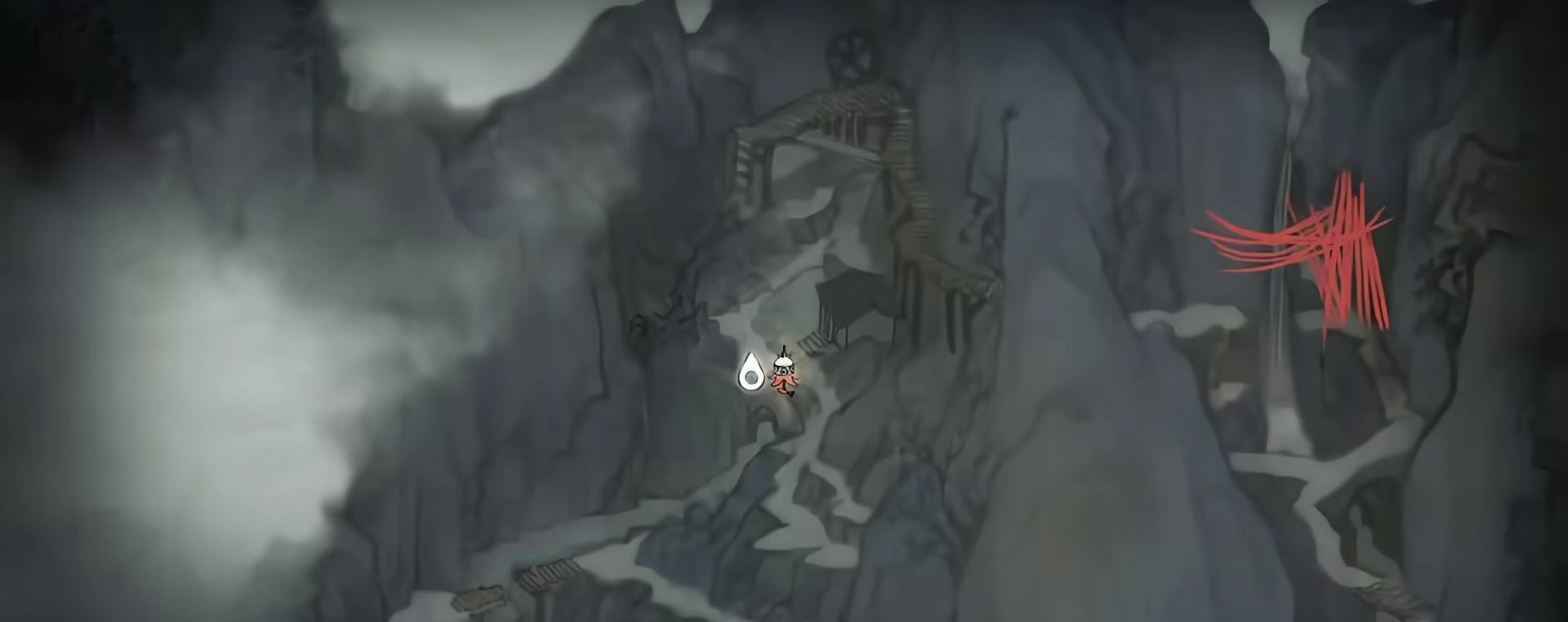
No enemy respawns + finite resources + exploration as growth - this one-two punch knocks "grinding" clean out of the game and drives players into every corner of the map. At a time when open worlds routinely pad their playtime with "repetitive farming," this is a design statement that is both decidedly counter-trend and remarkably confident.
Entrant Mode: Making Everyone Feel Like a Kung Fu Master
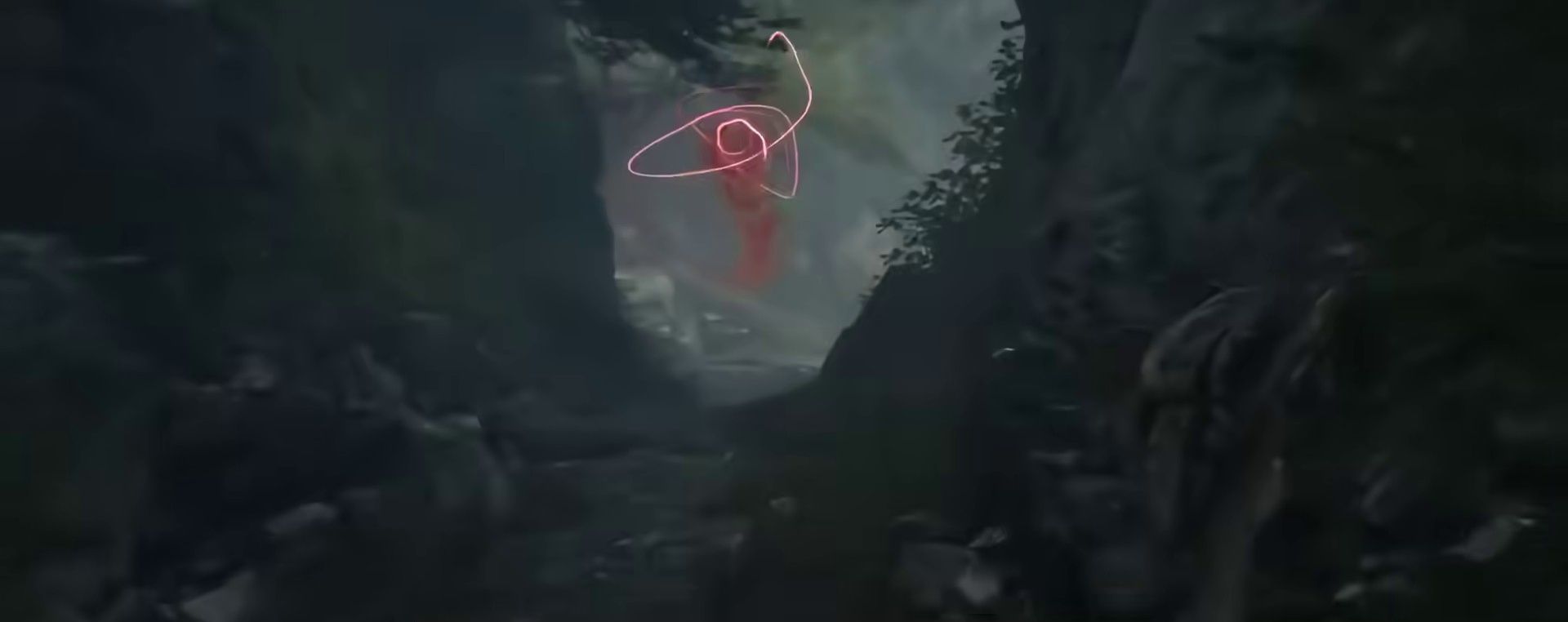
Phantom Blade Zero has drawn enormous attention, and after its release it will inevitably attract large numbers of everyday players who aren't skilled at action games. The game prepares an easy mode called "Entrant" - so where exactly does its simplicity lie, and just how simple is it?
Liang Qiwei's answer revealed a wealth of tuning details:
"The difference between the easy Entrant mode and the hard Heaven-Defier mode lies mainly not in stats. What changes far more is the AI's aggression, and the degree to which the AI reacts to the player's actions."
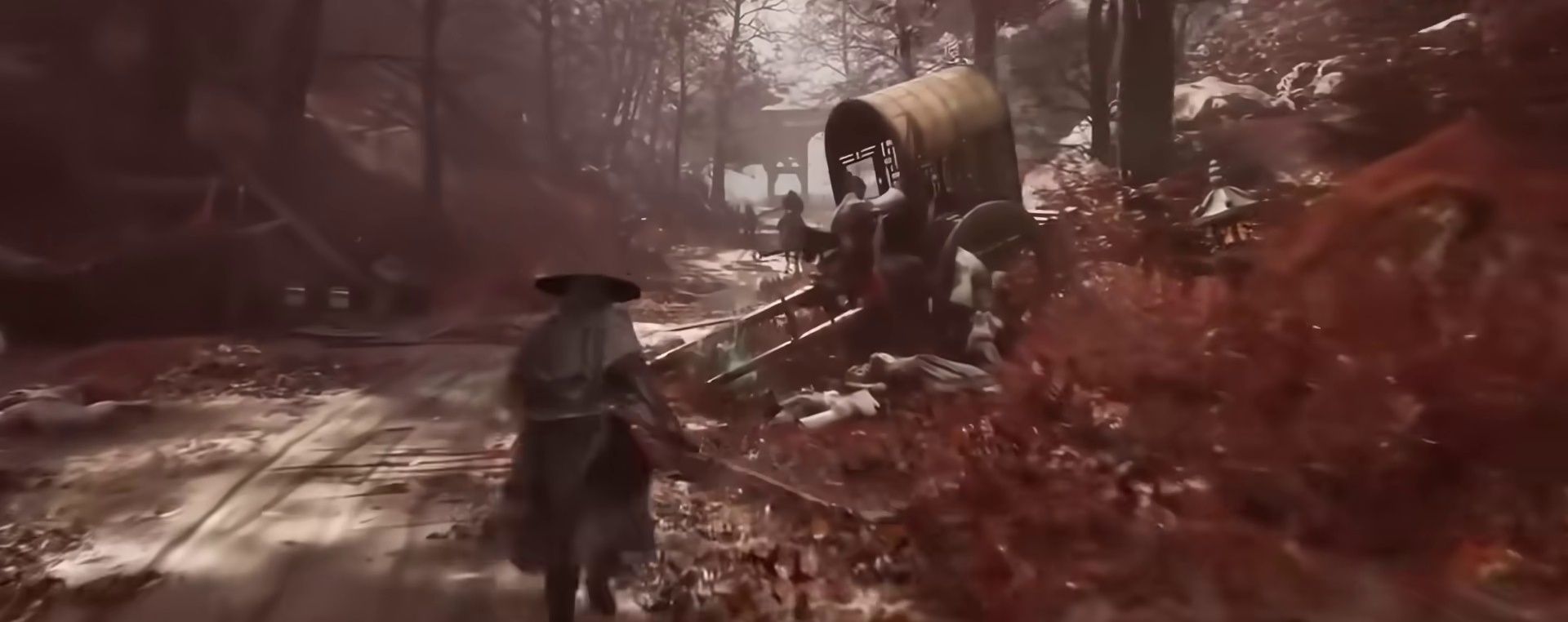
Enemies in Entrant mode will take up stances and strike dramatic poses just like in wuxia films. They will still circle around the player, but with far less urge to attack, and their stances are much easier to break. The team iterated extensively on this, aiming to let ordinary players clear the game with ease without ever feeling bored.
"If a single slash could fell an enemy, things would certainly be simpler - but also dull. We want players and enemies to engage in complex back-and-forth exchanges, forming genuine clashes and pulling off stylish moves."
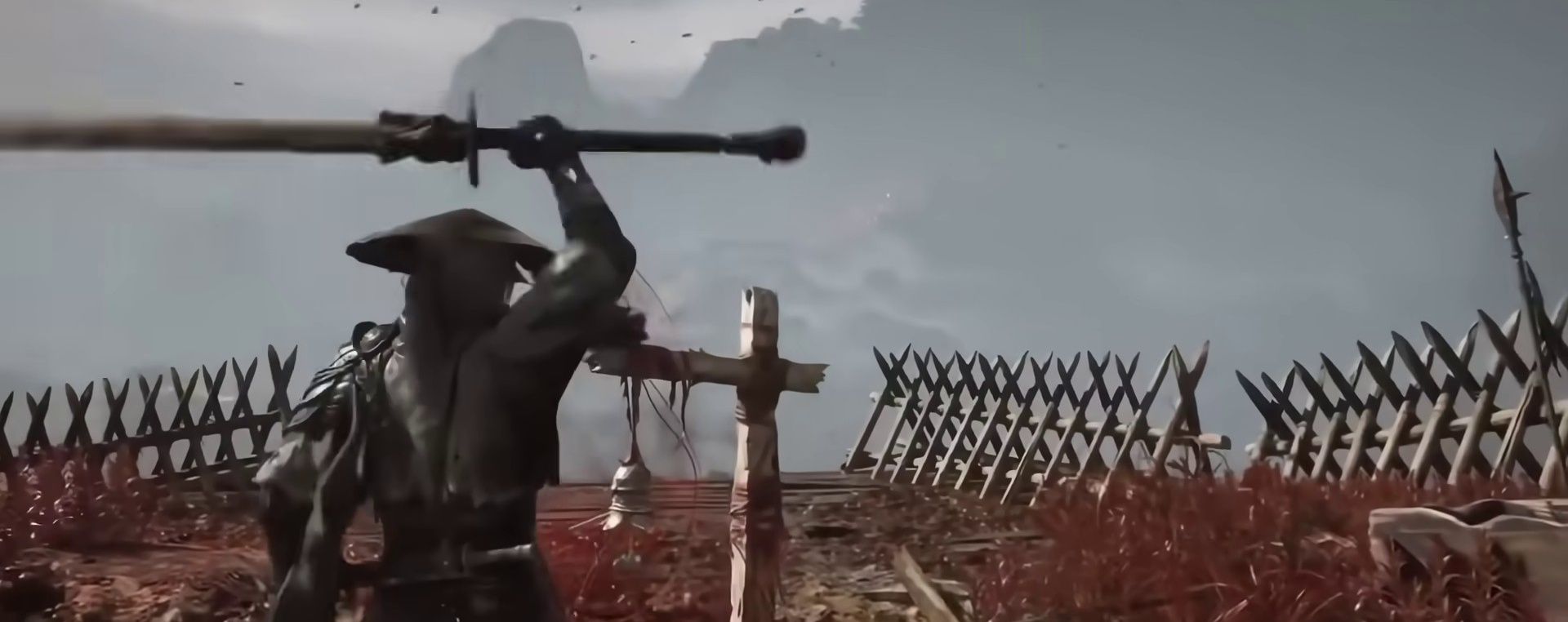
As Liang Qiwei put it at State of Play: making everyone feel like a kung fu master - that is the guiding idea behind the design. While preserving the fun, the game uses every means to shave down the difficulty: there are many different execution animations, each one gorgeous; and when you're surrounded by multiple enemies, stylish moves appear that can wipe out an entire crowd in one fluid motion.
The technical skill required is lowered, but the theatrical spectacle is preserved. With simple button inputs, you get an experience akin to watching a wuxia film - that is what defines "Entrant" mode. Difficulty can be compromised; style cannot. This is perhaps the most captivating product philosophy of the entire game.
66-Day Mode: The AI That "Reads" Players, and Behavior Trees
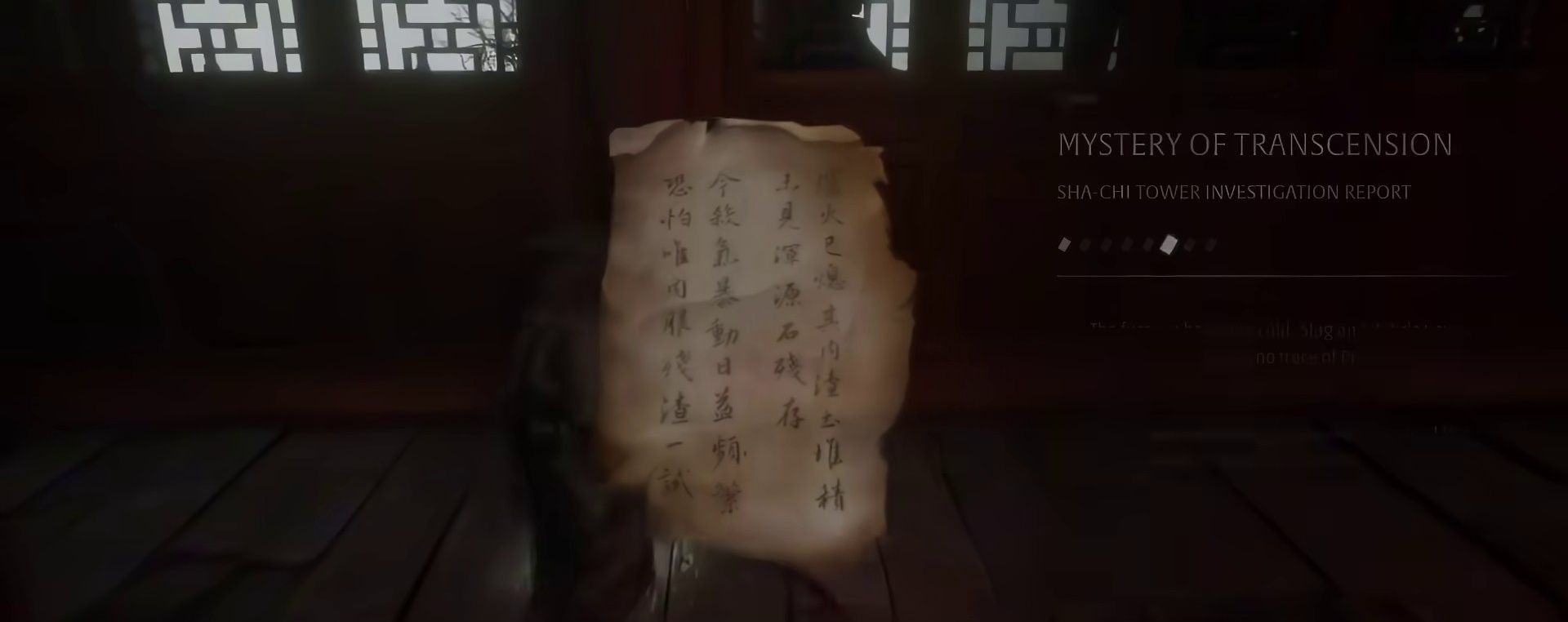
Now we come to the most hardcore part of the interview. We had heard that in the hardest 66-Day Mode, enemies learn the player's actions and playstyle - how is that achieved?
Liang Qiwei first offered a correction:
"Defier of Heaven and 66-Day share the same difficulty level; 66-Day simply adds one extra restriction - you can die at most 66 times. The AI runs at its highest tier in both modes; there is no difference on that front."
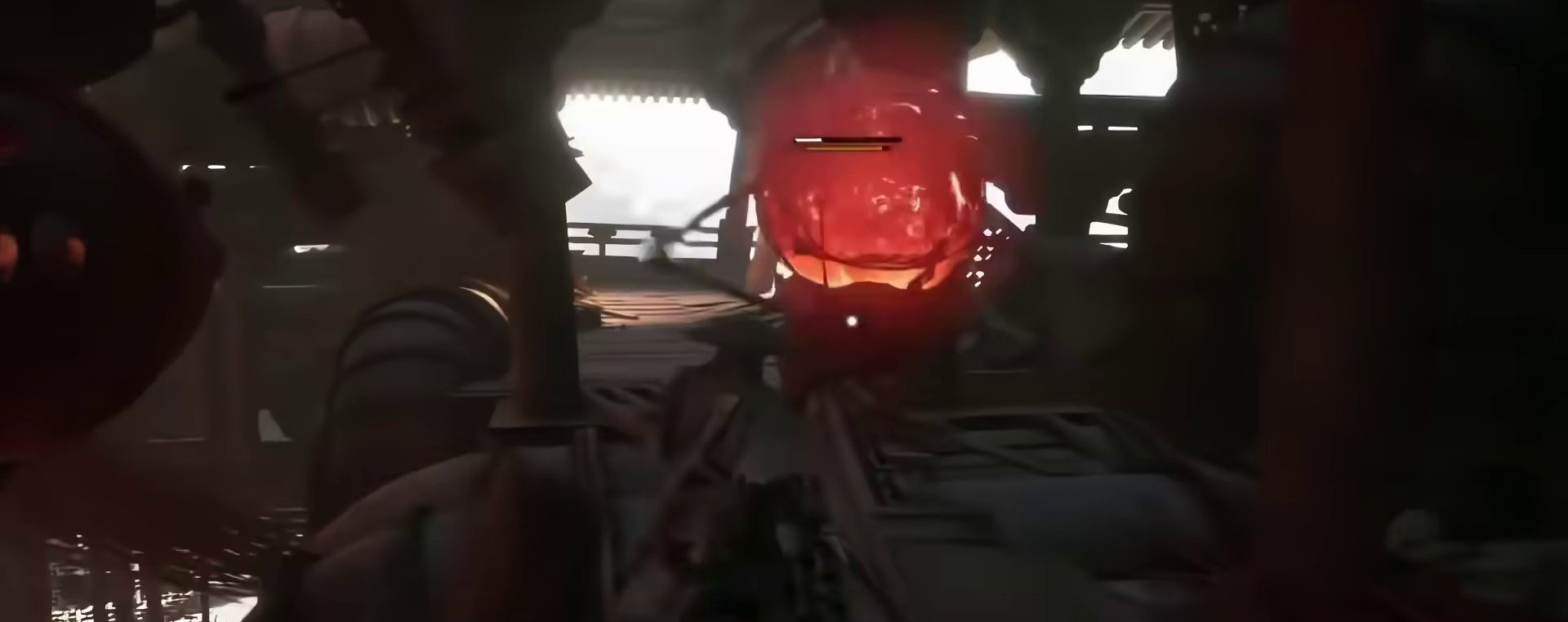
This AI was built by treating the hypothetical opponent as a human being and modeling it on "human-versus-human combat": it uses feints to bait out your moves, and it will even pause mid-combo, waiting for you to strike first before deciding its next move based on that action - giving players the sensation of fighting a living, breathing person.
Liang Qiwei was candid about the most common pitfall of PvE action games: high difficulty that amounts to nothing more than inflated stats. To skilled players, that always feels like something is missing - it never delivers that fighting-game sensation where every single round plays out completely differently. So the team wanted to add a slight hint of the feeling that "a human is at the controls":
"In theory, a computer can read all of your inputs, and building an AI you absolutely cannot beat is indeed possible - but that's the other extreme. Right now we've tuned the intensity to sit close to the ideal point, keeping it at a level where you feel 'hmm, it seems a bit different.' Underneath, there really is a fairly complex decision-making system at work, but it does not actually read your inputs."
So - is it possible to clear the game in 66-Day Mode without dying even once? Has anyone on the development team managed it? The answer, for now, is no. Precisely because of the AI's variability described above, even if you've studied a boss inside and out, the harder the boss, the more your approach will differ from one attempt to the next. Mastery and rote memorization alone will not get you through every boss unscathed. The enemy AI is built on behavior trees.
That said, Liang Qiwei left us with something to look forward to:
"It's possible. I believe that sooner or later, some player is bound to do it."
An Animation Workload So Massive That "Traditional Methods Can't Do It"
The playtest journalist noted that taking on the bosses was immensely satisfying - he died plenty of times himself, yet watching others fight looked every bit as cool. The moves in the publicly released footage were done with motion capture, right? Where did the creative ideas for the boss moves come from? Do you start with the moves you want to create and then define the boss's appearance around them, or do you finalize the boss design first and then conceive the moves?
Liang Qiwei called it an excellent question and echoed what he had said in a previous IGN interview:
"The volume of animations in this game is enormous - traditional methods simply can't produce it. The traditional approach goes: this boss has this move, that move, and that move, each defined as this or that specific motion; once everything is designed, you head to the studio and shoot it..."
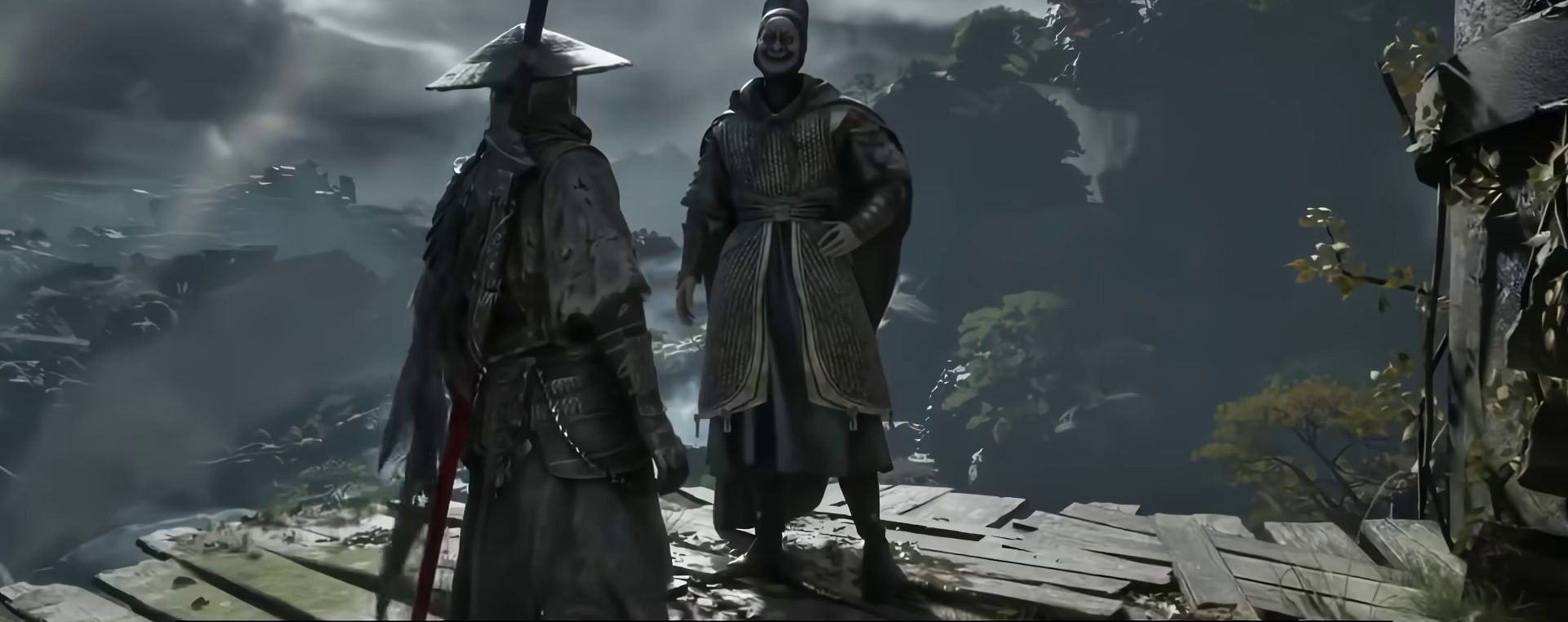
Set against a scale of more than 50 bosses, 30 primary weapons, and over 20 secondary weapons, the weight behind that "can't do it" speaks for itself. Traditional assembly-line animation production clearly cannot sustain the moveset density and presentation quality that Phantom Blade Zero is going for; the entire animation production pipeline the team built for this purpose may well be the game's deepest moat.
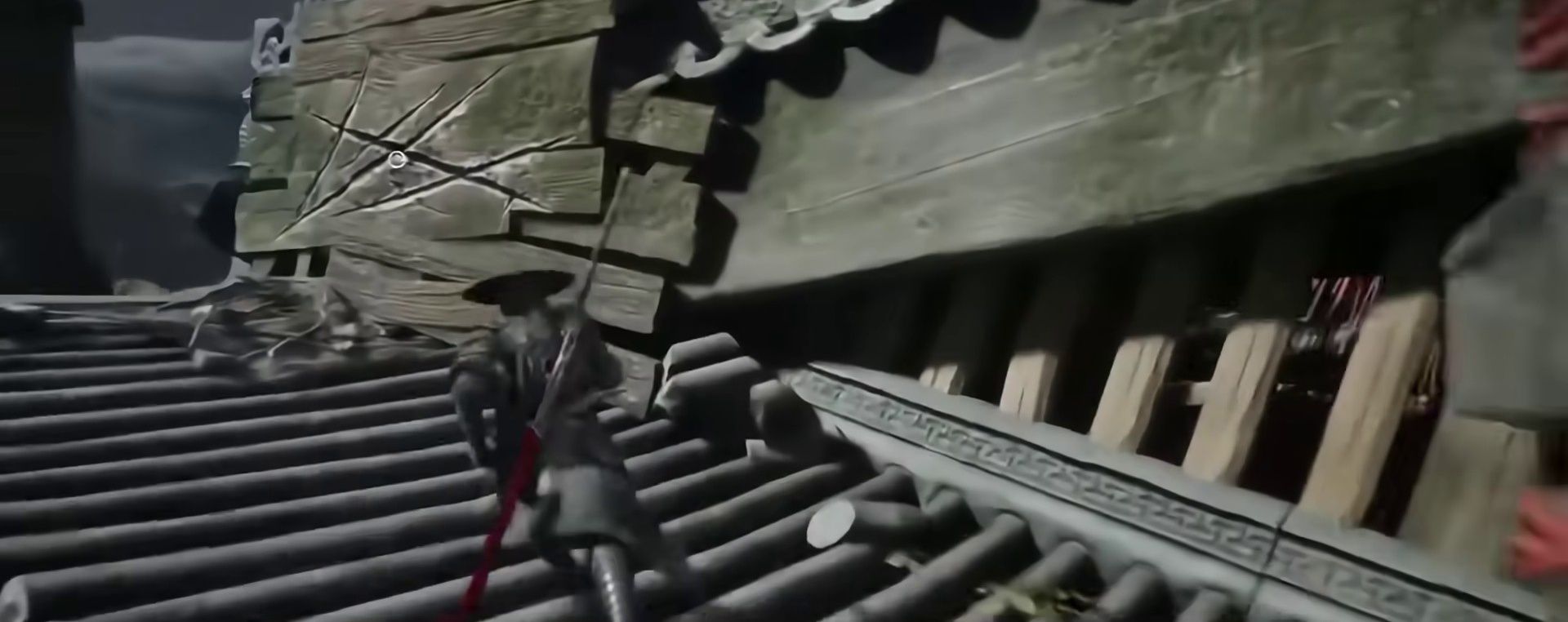
The countdown to the October 29 release has begun. Judging from what this six-hour playtest and exclusive interview have revealed, what Phantom Blade Zero aims to be goes far beyond "a wuxia action game" - it is a complete pyramid built on a kungfunk foundation, with exploration and narrative forming its body and high-speed swordplay crowning its spire. What scenery lies above that spire - October 29 will tell.
Top Community Comments
@IAmNot613:
"The press is really professional - every question they asked was meaningful. I'm genuinely looking forward to enemies that act more human."
This comment speaks for a sizable chunk of core players. Unlike the canned, press-release-style questions typical of launch events, every single question from the Japanese media this time went straight for the design logic - enemies that don't respawn, tiered difficulty, humanized AI - all asking "why was it built this way." And "enemies that feel more human" is precisely the boldest promise in the entire piece, and the one most worth putting to the test: if the AI in 66-Day Mode can genuinely throw feints and play psychological mind games, the old PvE action-game paradigm of "clearing the game through pattern memorization" will be rewritten.
@TanukiDove:
"Honestly, it's all just about the vibe. Never mind the mask - even Wu Song's drunken fist was 'drunk in form, not in intent,' or more like seven parts drunk in form, three parts drunk in intent. If you actually drank yourself into a daze and flopped down in the middle of the ring, how would you fight anyone? Even Jamie from Street Fighter doesn't drink until he blacks out before a fight - at most he has just enough to get red in the face."
A textbook case of "arguing a point through memes." Using Wu Song's drunken fist and Jamie from Street Fighter as examples, this player draws a clear boundary for "human-like AI": real kung fu is about being drunk in form but not in intent, and the same applies to AI's "human-likeness" - the point isn't to replicate human behavior wholesale, but to capture the spirit and the feel of a genuine mind game. This lines up perfectly with Liang Qiwei's argument for restraint - that push it too far and you swing to the other extreme: what humanization calls for is exactly those "three parts drunk in intent," not an actual blackout.
@MouGai:
"There are a few too many 'humanoids' in this comment section - any chance you could take the rest of us along to get rich too? [doge]"
A meme-flavored quip that grabs the "human-like AI" jargon straight out of the interview and runs with it - the concentration of "human-likeness" among the comment section's armchair pundits really is a bit high. Beyond the quick laugh, it also shows, indirectly, that "AI acting human" has already broken out of its niche and become a go-to gag in the player community.
📌 One-Line Takeaway
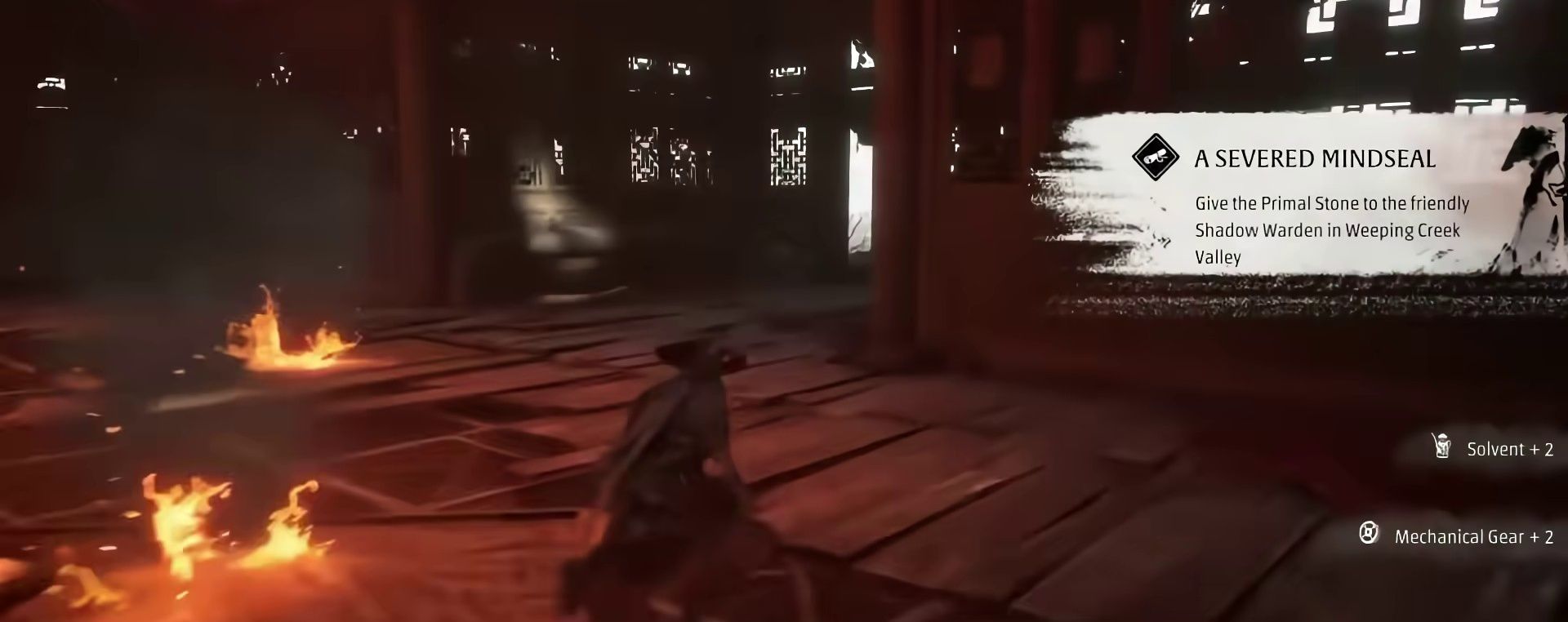
Phantom Blade Zero is not a hack-and-slash game wearing a wuxia skin - it is a pyramid built on a kungfunk foundation. High-speed combat is merely the tip; beneath the surface, the exploration, storytelling, and an AI that "reads its players" are where S-GAME's true ambition lies.