Phantom Blade Zero: A 32-Hour In-Depth Playthrough - Behind 325 Deaths, an Action-Game Feast That Belongs to Chinese Players
The price I paid to deliver this review was several consecutive nights of total sleeplessness, plus a wrist that came dangerously close to tendonitis. Thirty-two hours of playtime, 325 humiliating deaths, a collection rate frozen at 61%, and a bad ending I hurried to reach - this is the "report card" I'm handing in for my first-ever playthrough of Phantom Blade Zero.
As an ordinary player who never got access to any offline hands-on sessions, the out-of-game embargo timing and my real-world work schedule made this experience extremely hardcore. But setting all of that aside, let's get straight to this year's heavyweight release.
I can give you my overall verdict in one sentence right up front: It is so good it surpasses every homegrown game I have ever seen.
This is by no means a polite pleasantry. Liang Qiwei and S-GAME poured more than a decade of heart and soul into this project, bringing the full essence of the Rainblood series to the stage as a "final dance." They crammed everything they could conceive of and everything they were capable of into this game, holding nothing back. The sheer volume of content even left me with a lingering dread when I looked back on my "decision to speedrun it."
Just as he said before release:
"I have poured all of my heart and soul into this work, treating it as the final dance of my game development career."

Rewritten Rules of Combat: A Strategic Duel Centered on "Sha Qi"
To really get into Phantom Blade Zero, we have to start with its combat system - the one that killed me 325 times and had me clashing blades even in my dreams.
If you were previously hooked on the dazzling blade clashes and acrobatic dodging from the trailers, you'll find once you actually get your hands on the game that the thrill is every bit as real. It differs from typical action games that rely purely on rolls and dodges to play keep-away, and it does away with the stale convention of draining an enemy's stamina bar. The game's underlying combat logic rests entirely on a single resource shared by both you and your enemies - Sha Qi (killing intent).
In this world, players have unlimited stamina and can run and dodge at will. But in combat, doing so is tantamount to waiting to die. As long as the Sha Qi gauge is still lit, both you and your enemy can use defense to ward off each other's attacks.
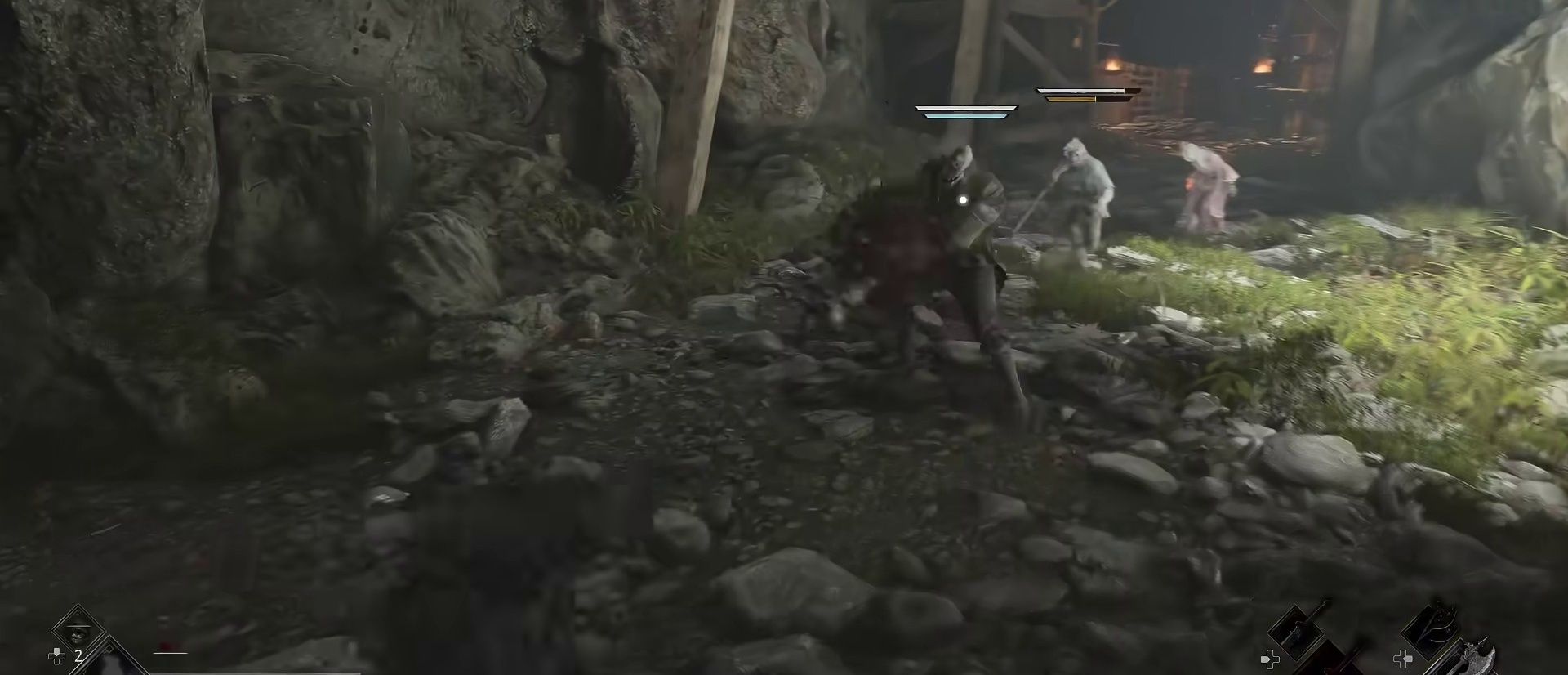
You have to abandon the ingrained habit of "slash once, dodge once." In Phantom Blade Zero, you need to press forward with relentless, oppressive offense that forces your enemy to keep warding off your strikes. Once the enemy's Sha Qi is depleted by your normal attacks, that's your moment to unleash a heavy attack and finish them off - and vice versa.
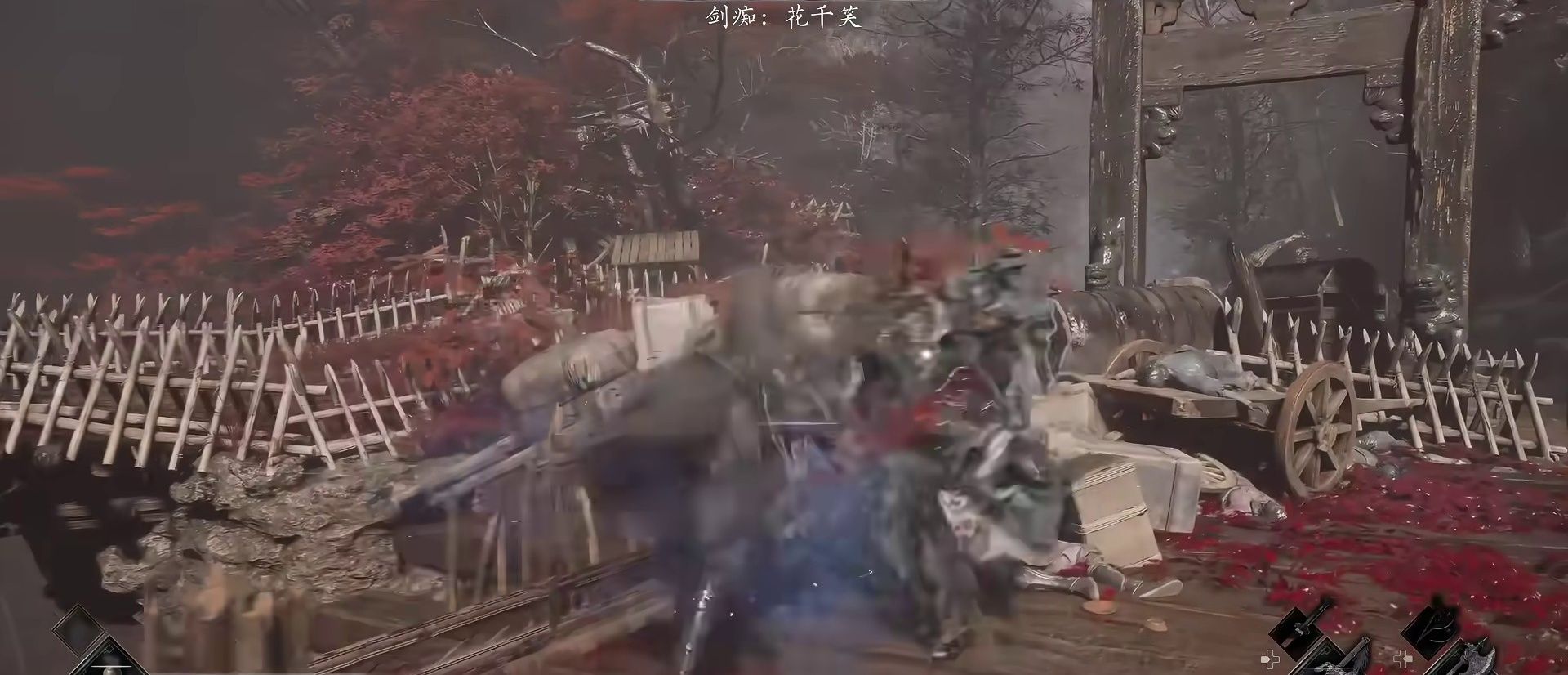
That said, bosses aren't just mindless machines that block like training dummies. After a few exchanges of blows, they'll immediately counterattack. At that point, it falls to you - the one being pressured - to actively spend your own Sha Qi to block their onslaught. If you fail to keep your Sha Qi expenditure in check, you're bound to find yourself in a grueling fight.
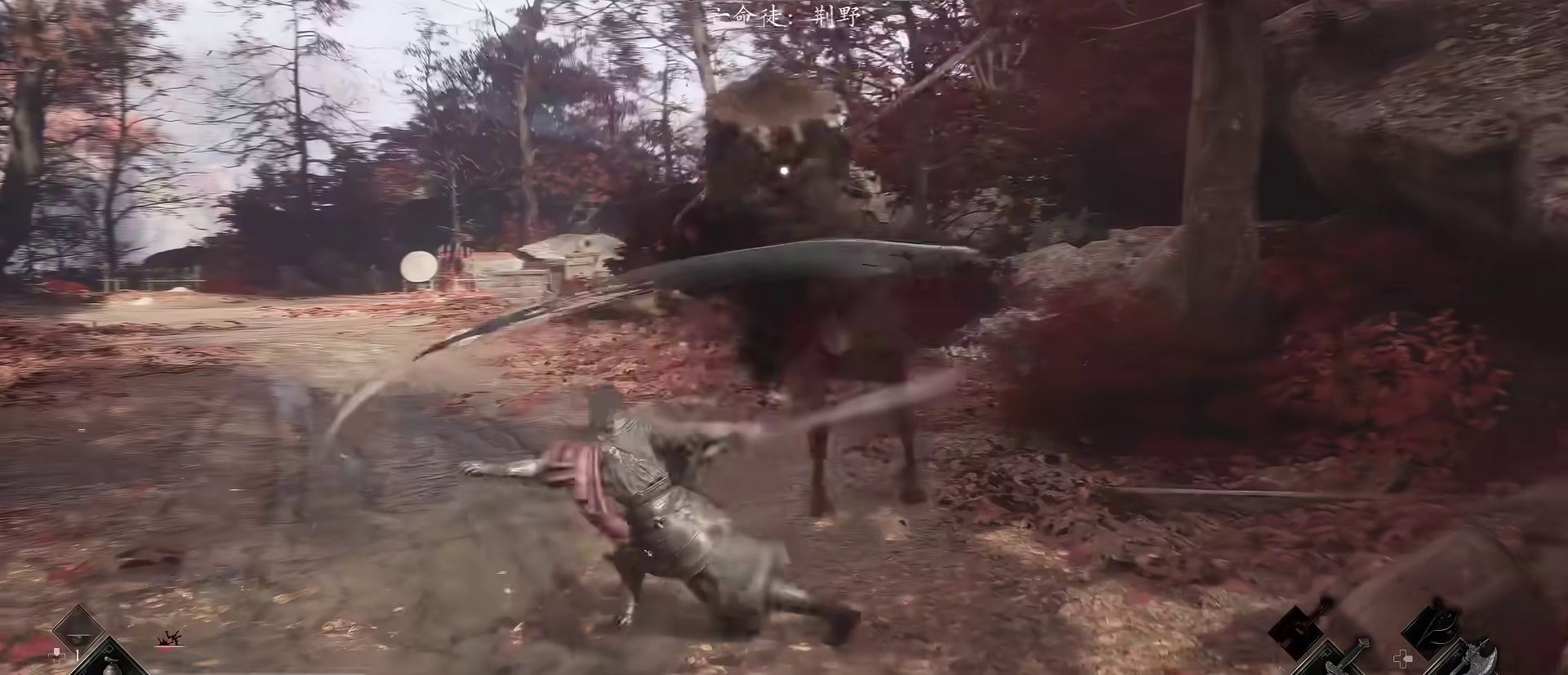
Red-Glow and Black-Glow Kills: Tactical Combat and Counterplay
To balance these intense transitions between offense and defense, the game introduces an extremely logical resource-management system.
You can not only switch to a second weapon to instantly restore your entire Kill Intent meter, but also seize opportunities during exchanges of blows - known among players as red-glow and blue-black-glow attacks. These two moves are essentially the margin for error reward provided by the developers. As long as you react in time to press block, you not only rapidly drain the enemy's Kill Intent, but also restore your own Kill Intent meter, allowing you to seize the attack rhythm back into your own hands.
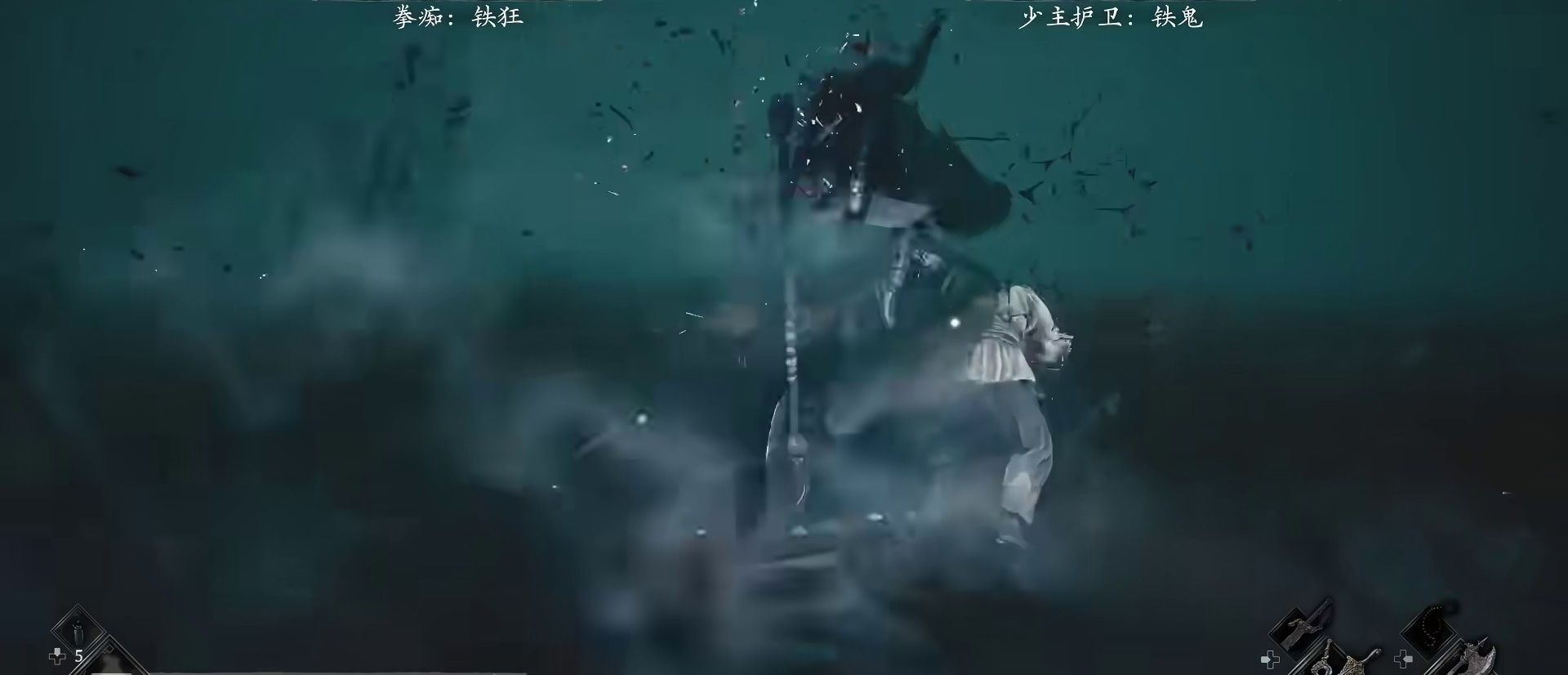
However, the enemy possesses countermeasures in the form of imposing black-glow attacks. If you choose to block, you will lose all your Kill Intent; if your dodge timing isn't perfect, you will take massive damage.
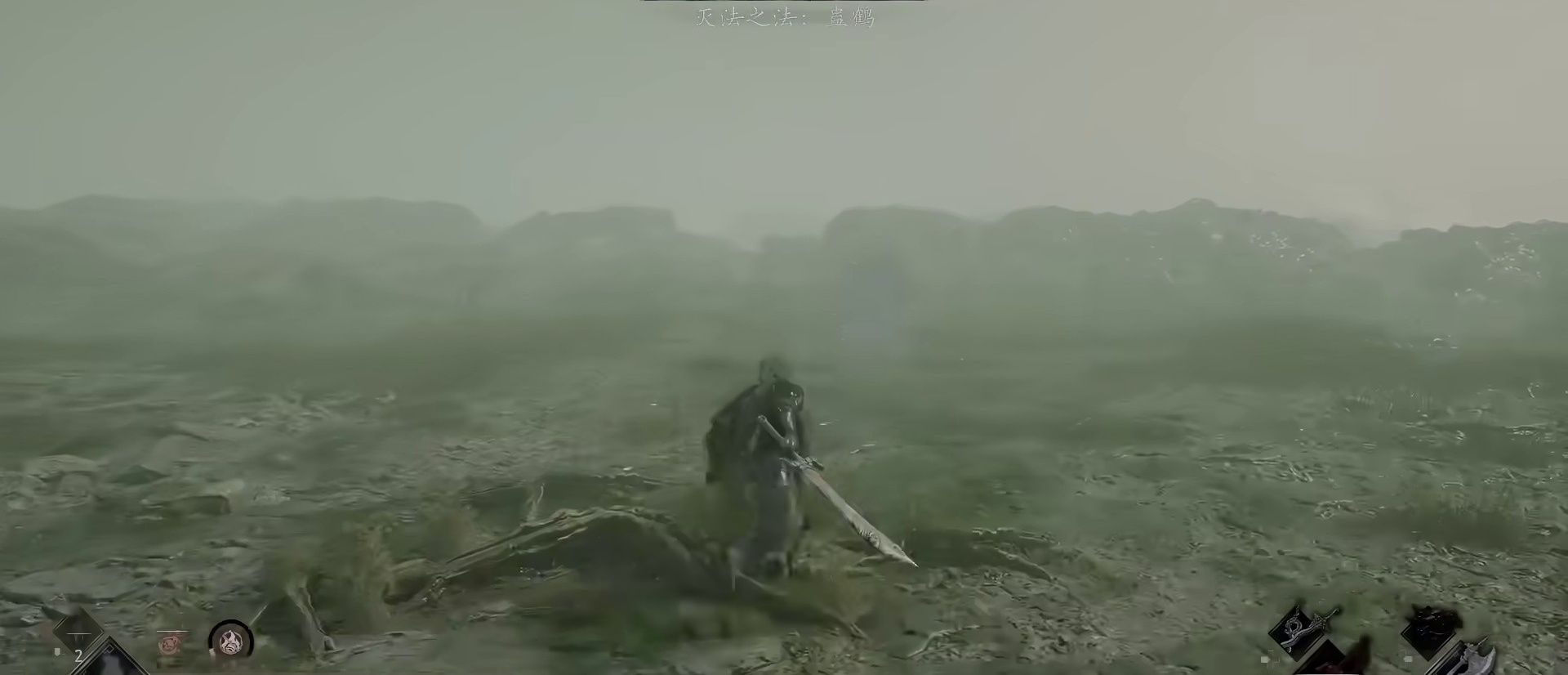
Consequently, every BOSS fight here feels like a duel between two evenly matched, three-dimensional martial arts masters. The transition between offense and defense happens in the blink of an eye; as sword flashes intersect, every exchange becomes a deadly showdown where each strike could be fatal.
What's particularly unique is that I've rarely seen another game like Phantom Blade Zero, which makes you feel like you're getting one step closer to victory with every attempt at a BOSS. You can clearly sense that if you just block one more attack, dodge one more red-glow attack, or refrain from greedily swinging for one more strike, you might finally triumph.
Yet, when you face the BOSS again full of confidence, your inflated ego is often shattered by a single combo. It feels as though a master has baited you with a weak point, tricking you into thinking you had a chance, only to end up leaving you defeated on the ground. This is why every time I put down the controller and lie in bed, my mind still replays those back-and-forth battles, and even in my dreams, the red, blue, and black glows continue to flicker before my eyes.
30 Main Weapons Build an Extensive Build System
Fortunately, the challenging bosses in Phantom Blade Zero are numerous beyond counting, appearing as common as wild dogs by the roadside. You can wander into any corner, and you might find someone standing there ready to exchange a few moves, giving you that constant urge to say, "I have to take another run at it."
Of course, quantity does not equal a perfect experience in every encounter. I can't say I was completely convinced by all 325 of my deaths. Some boss mechanics and moves genuinely made me want to smash my controller a few times.
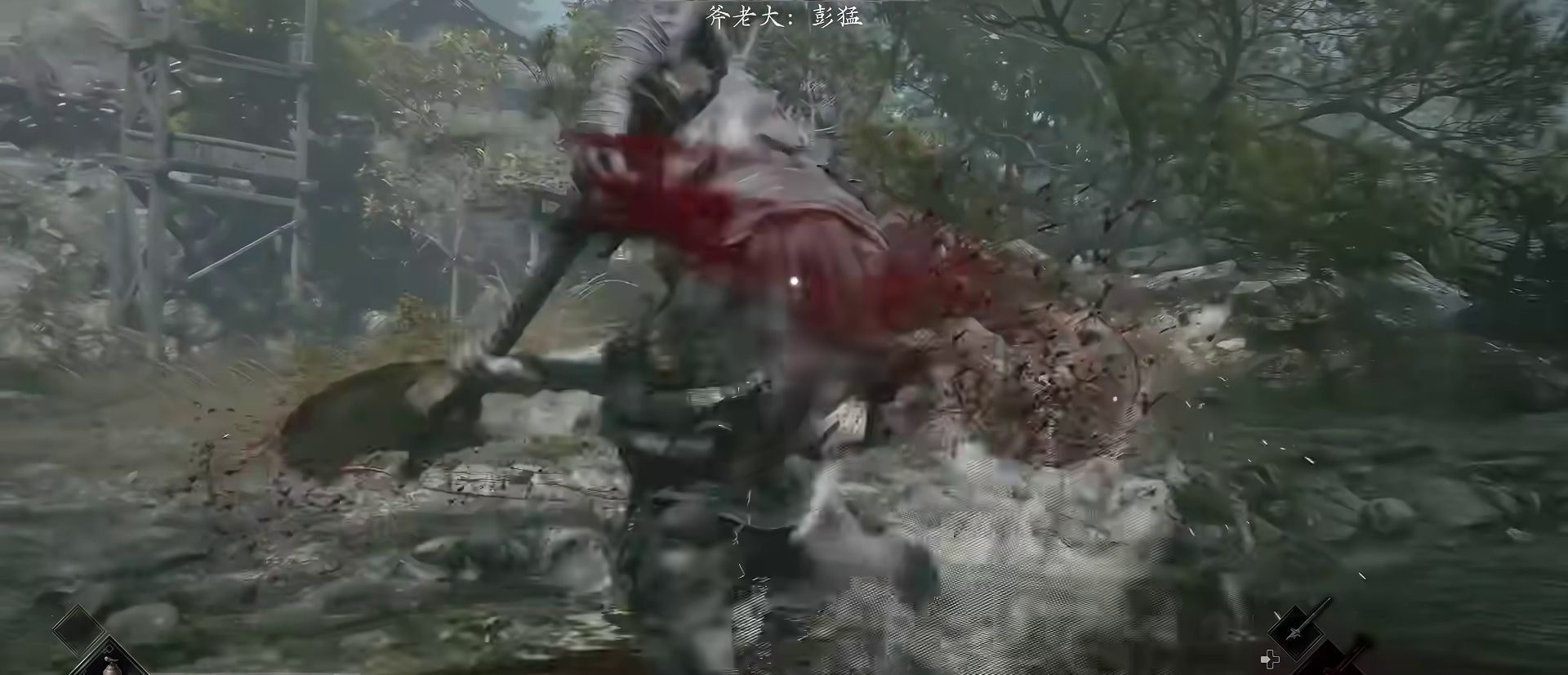
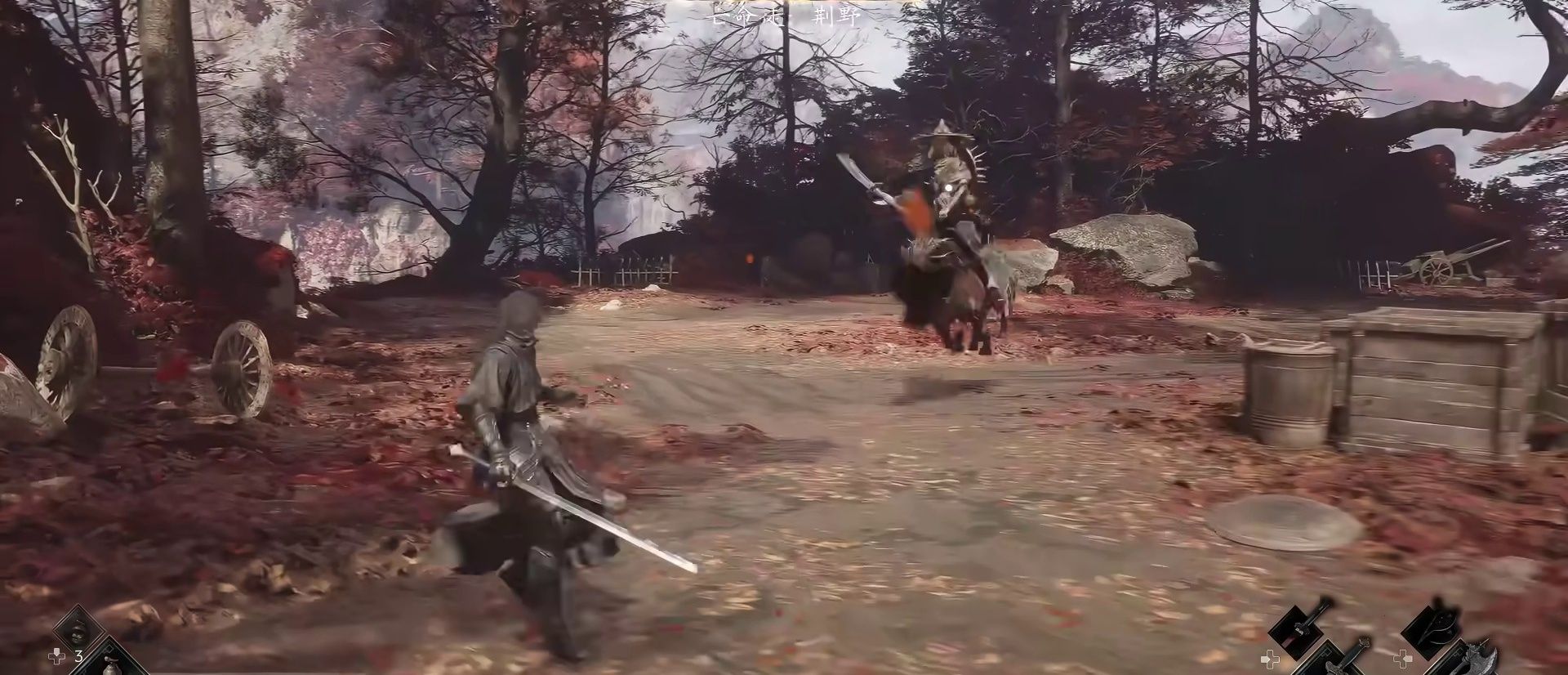
For instance, in Chapter 3, I was utterly tormented by a mounted boss. On horseback, he throws ranged darts to chip away at your health; once dismounted, he deploys a spiked shield for defense, and attacking him even triggers reflect damage. Or take the boss at the Shenshen Four Points in Chapter 2: it throws poison balls from a distance. You have to rush in, land a couple of hits, and then dodge away, all while avoiding the omnipresent poisonous gas covering the arena.
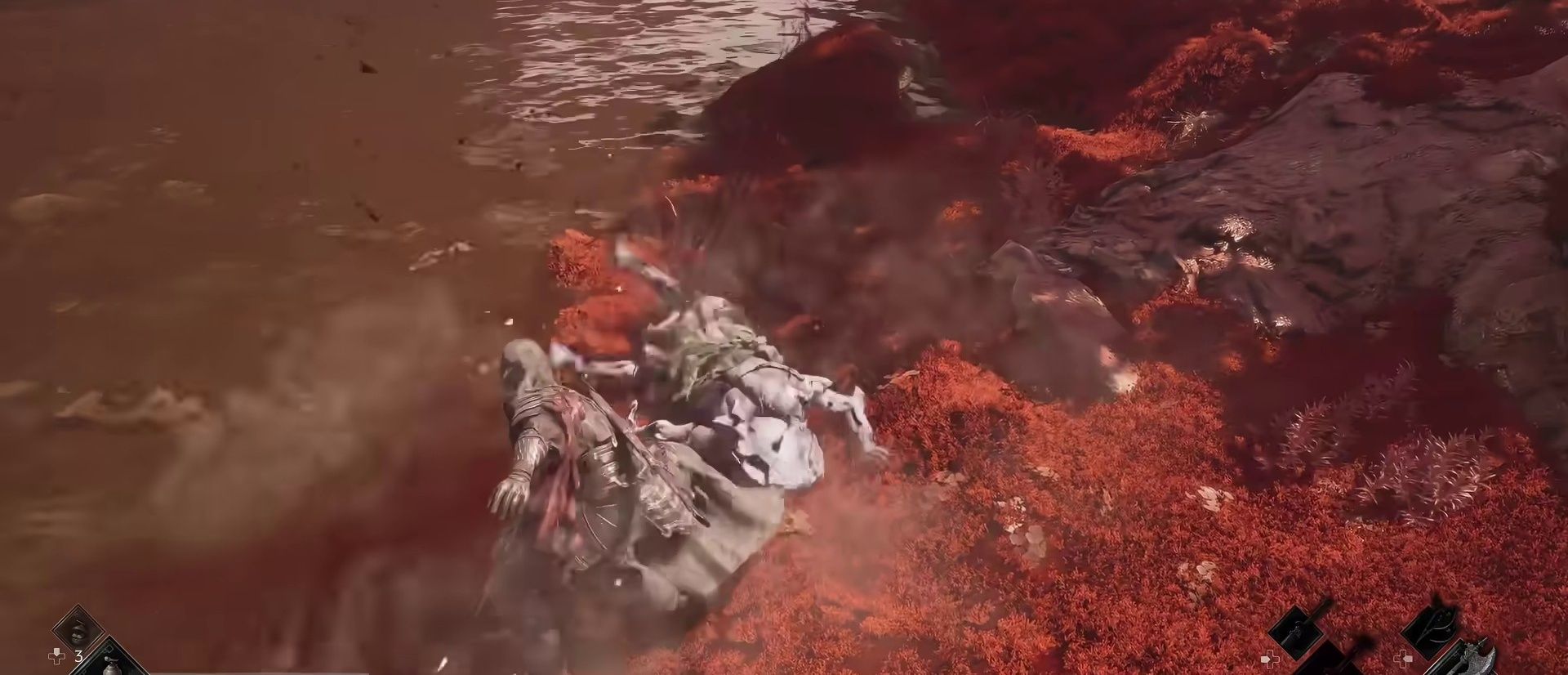
But nobody needs to worry too much. While these bosses might feel a bit "unfair" at certain moments, they almost always have specific counters.
For example, against that mounted boss, using an axe as your secondary weapon in actual gameplay and unleashing two charged attacks can shatter his horse. As for the poison-ball boss, equipping poison-resistant accessories can significantly lower the difficulty.
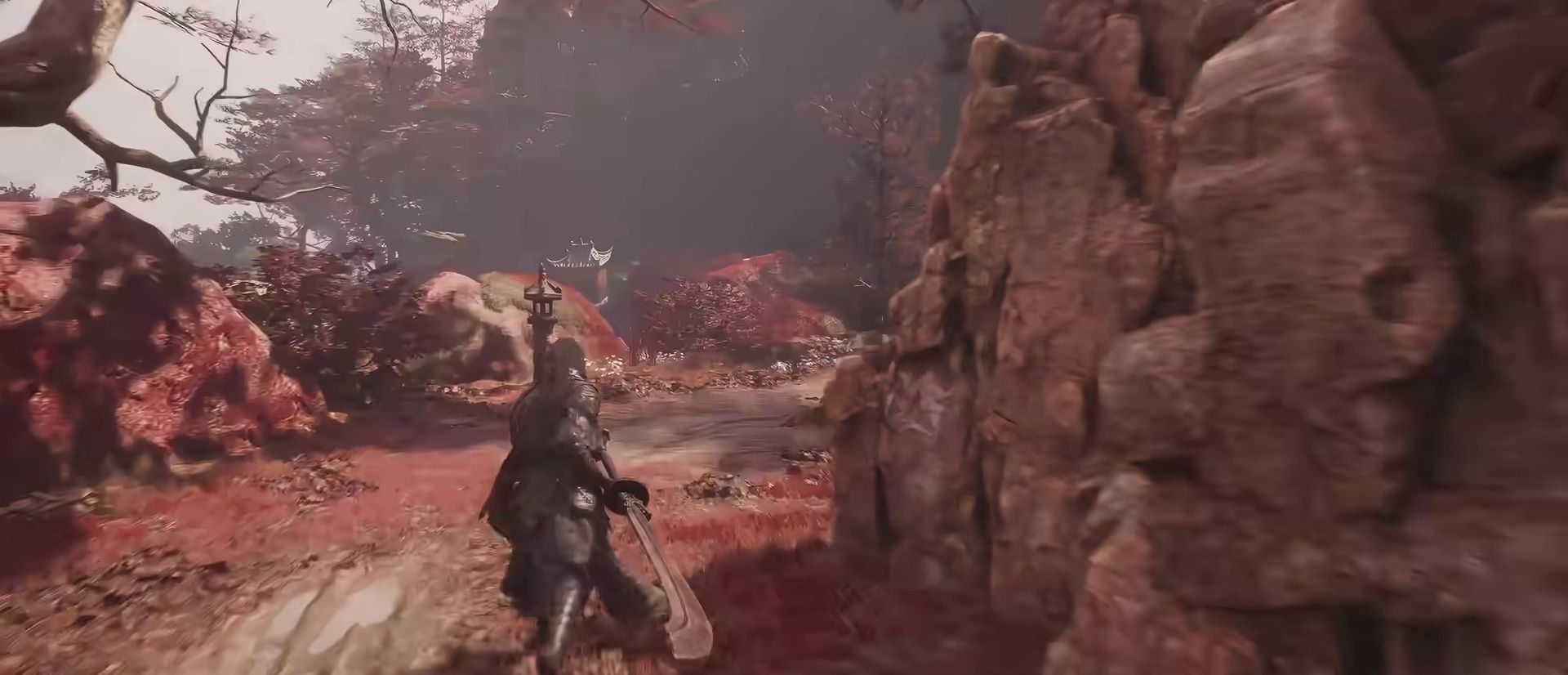
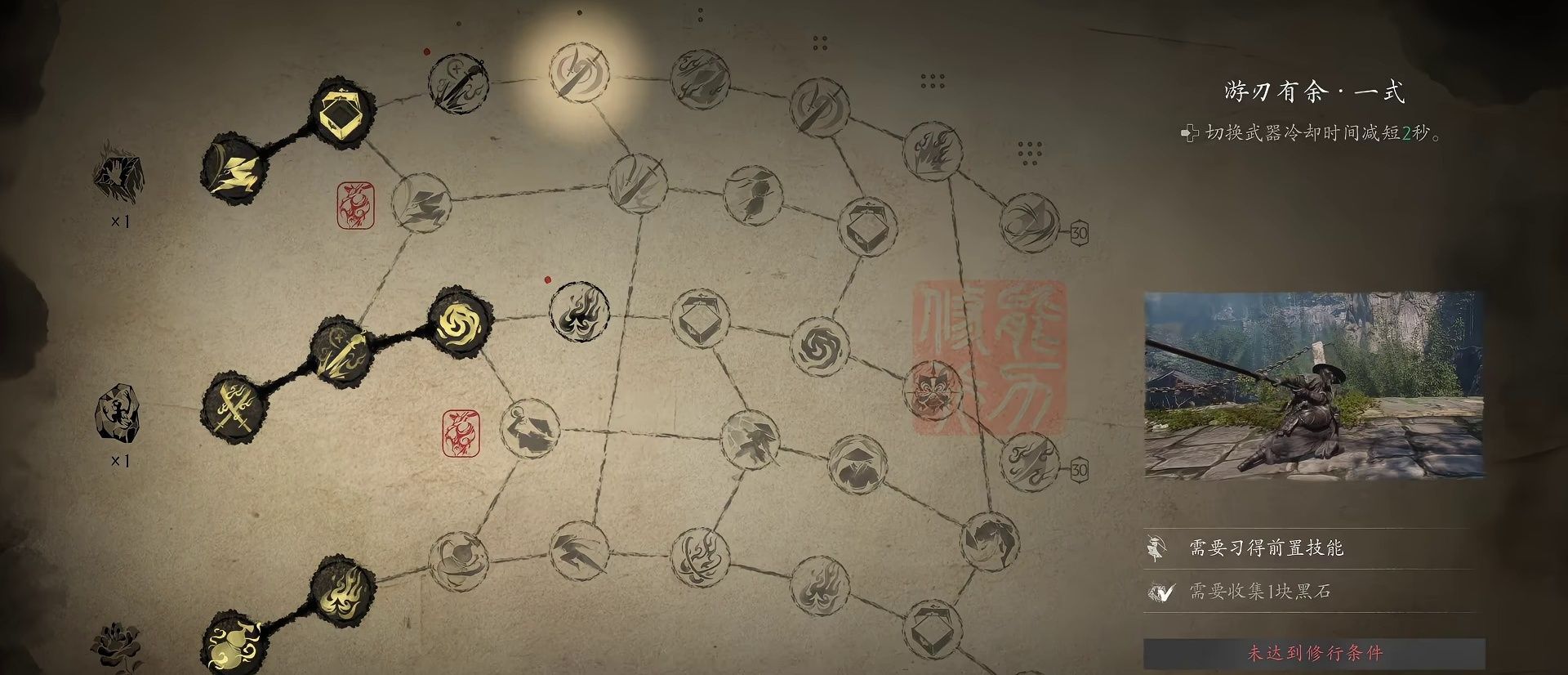
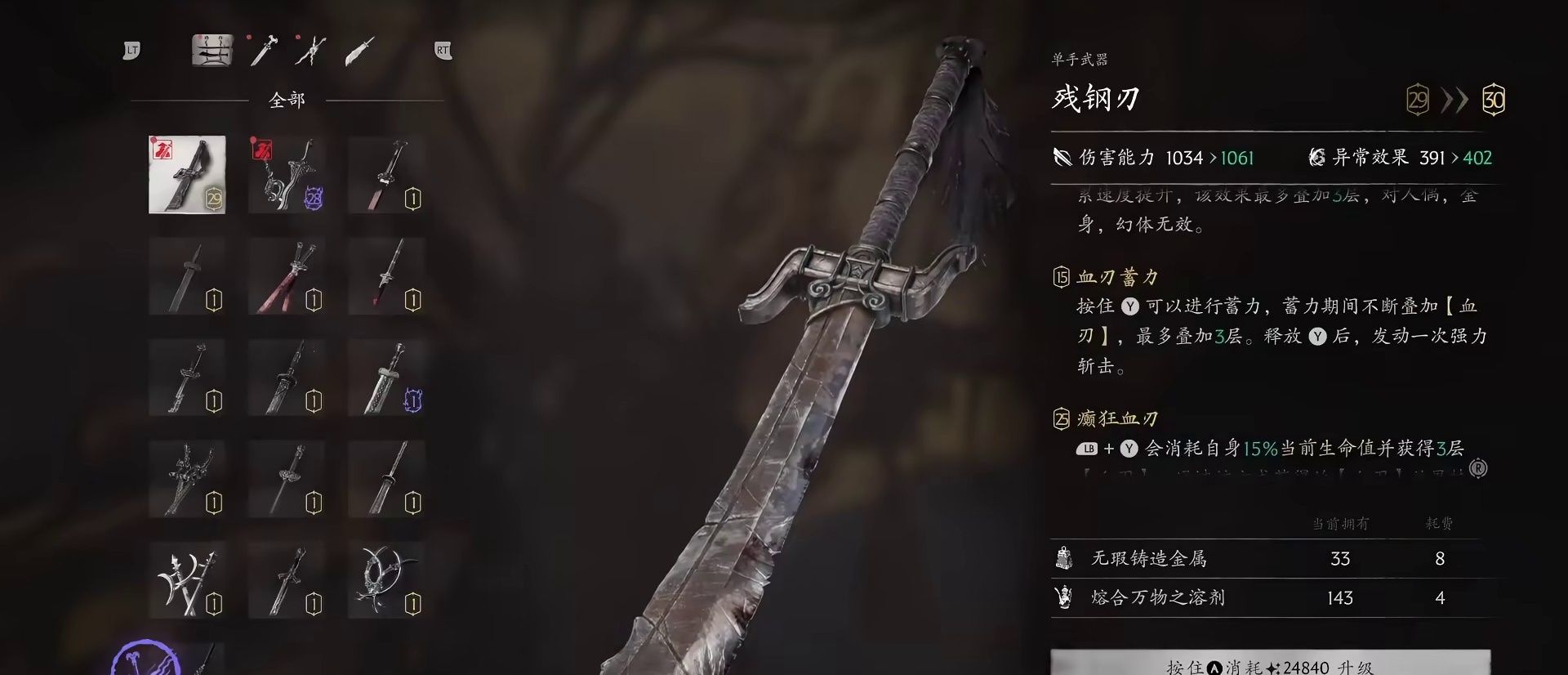
And this is precisely where the biggest and most captivating feature of Phantom Blade Zero lies. 30 main weapons, 25 shadow weapons, 6 accessory slots, and 2 healing items - all of this constructs an incredibly vast and rich build system.
Every main weapon features unique attack animations and special moves: some can accumulate frost buildup to deal frost damage, some allow you to take a gulp of wine to switch to ranged attacks, and others are specifically designed to counter shield-wielding enemies. The secondary weapons also boast various unique effects, ranging from shield-breaking axes and rapid-displacement chains to water taps that counter fire-elemental bosses - you name it, they have it.
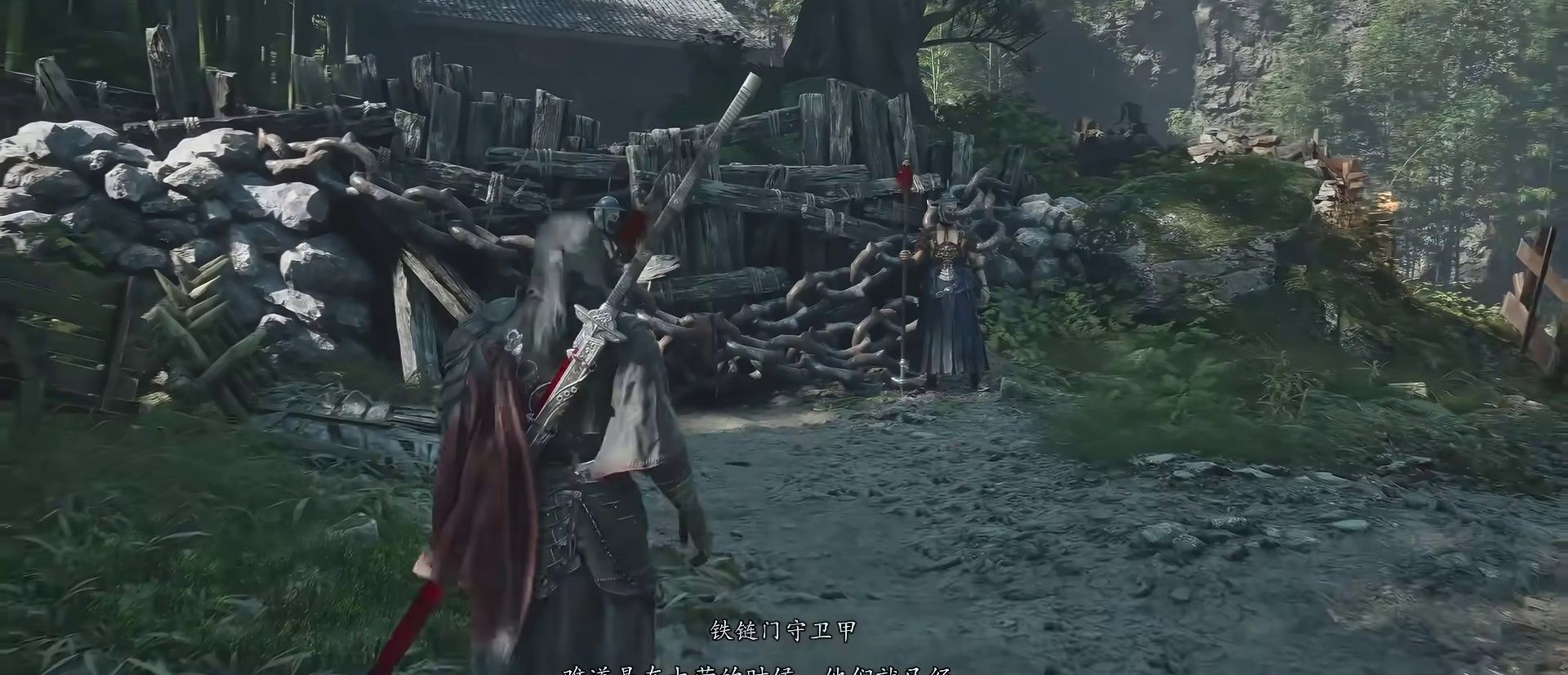
Combined with accessories offering different elemental bonuses and consumables with unique effects, almost every seemingly insurmountable boss encounter can be solved. As long as you carefully rummage through your inventory, you can always find a targeted strategy.
You can use accessories to gain temporary secondary weapon support, allowing for infinite ranged ammo consumption; or you can simply transform into a summoner, letting the enemies experience the horror of being relentlessly cleared by an invincible boss.
The reason I am so captivated by this system is this: It doesn't make you feel invincible from start to finish; instead, even when you know you might get beaten up in the next fight, it still makes you want to switch up your build and jump right back in to try again.
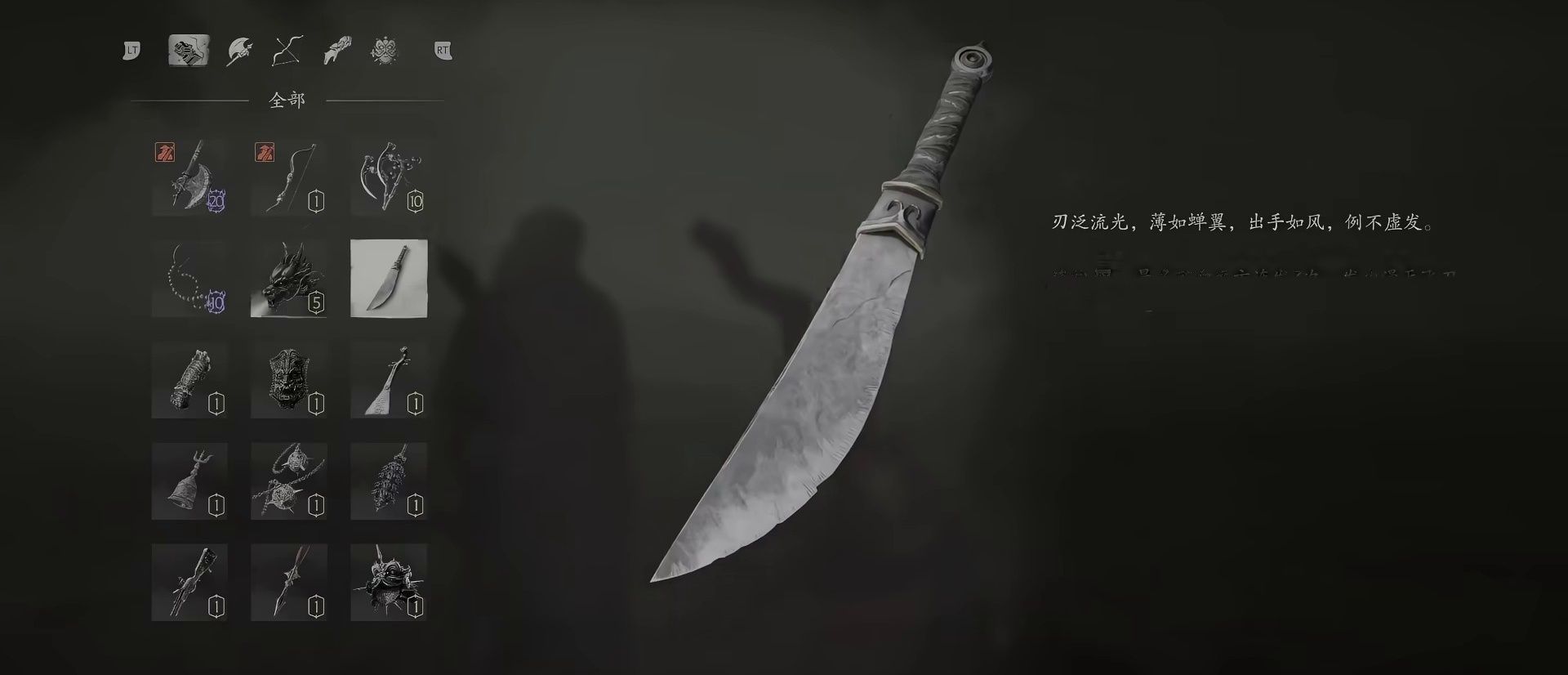
Regrettably, due to time constraints, I didn't experience the full depth of this gameplay system, nor did I collect all the weapons. I charged through the game using just a starter Glaive. But perhaps this also proves one thing: even without using specialized counter-weapons, you can still clear the game through pure skill, though it certainly makes the fights much more grueling.
Map Structure Design: Vast Without Being Cluttered
Next, let's talk about the "vastness" of Phantom Blade Zero that I've been emphasizing all along.
Of course, this isn't the hollow kind of "vast" that's merely padded out by a 134GB install size. It's the kind that had me marveling nonstop throughout my all-too-brief 30 hours with the game: "How is this map so huge?" "Why are there so many side quests?" "There's actually a path here?" "They even hid a boss in a spot like this?"
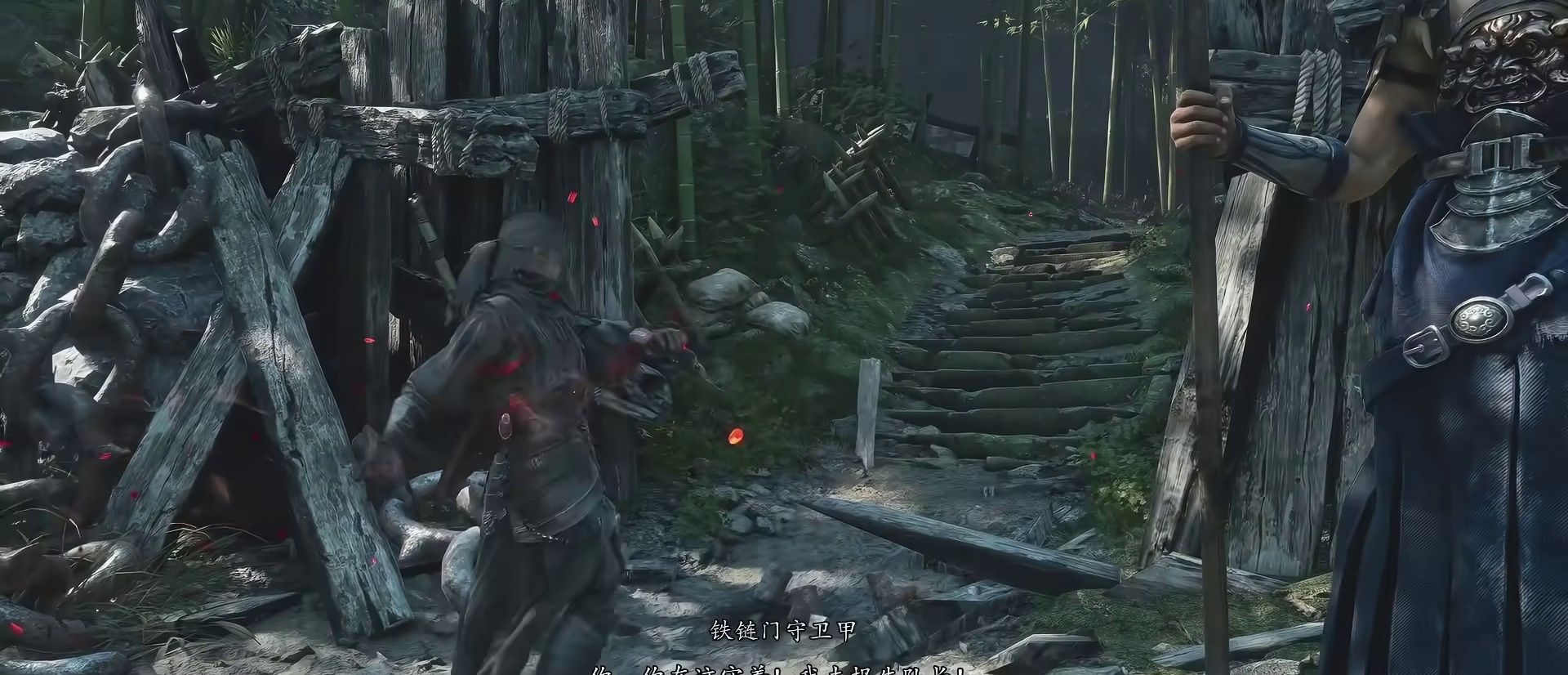
Structurally, the game's map is still built from a series of standalone, large-scale linear levels. The main path is clearly defined, with branching routes constantly splitting off to the sides: some branches dead-end at nothing more than a supply cache, some loop back onto paths you've already traveled, and others remain locked until you obtain the corresponding shadow weapon later in the game. All in all, the map design achieves "abundant yet never chaotic".
It never creates the illusion of being lost. You always have a clear sense of where enemies might be waiting and where a gate needs unlocking, and it's hard to go wrong no matter which way you head. Even a complex map like Pangzhen, built primarily from streets, buildings, and narrow alleys, never gave me a single unpleasant moment.
On top of that, Phantom Blade Zero also incorporates some of the ingenious design touches you'd find in soulslike games. These paths are anything but static - they climb and dip across different elevations, twisting and turning every which way. After a stretch of exploration, you'll be startled to realize you're actually right above a route you walked earlier; or, after wandering in circles, you'll find yourself back beside the dog-rescue bonfire.
But what reassured me most was that, across this entire journey of exploration, there are no lethal traps, no mobs ready to shove you off a cliff, and none of the malice where a treasure chest suddenly turns into a monster and takes a bite out of you. A warm bonfire sits just a few steps down the road, and everything feels quiet and serene.
Minor Enemies That Don't Respawn and Interlocking Side Quest Threads
In player communities prior to this, there had been fierce debate over whether "minor enemies not respawning after death" is actually a good design choice. After this in-depth hands-on experience, I can firmly deliver my verdict: not only is this design perfectly fine - the experience it creates is outstanding.
It not only frees players from any mental pressure while exploring the map, but also guarantees that when you backtrack later, you won't be repeatedly tormented by enemy groups you've already defeated.
That's right - in this game, an enormous number of side quests will guide you back to old maps you've already cleared. What's truly commendable is that these side quests are almost never the kind of menial filler busywork thrown in just to pad the numbers. At the end of each quest, the game hands out generous rewards such as main weapons, shadow weapons, and key progression items.
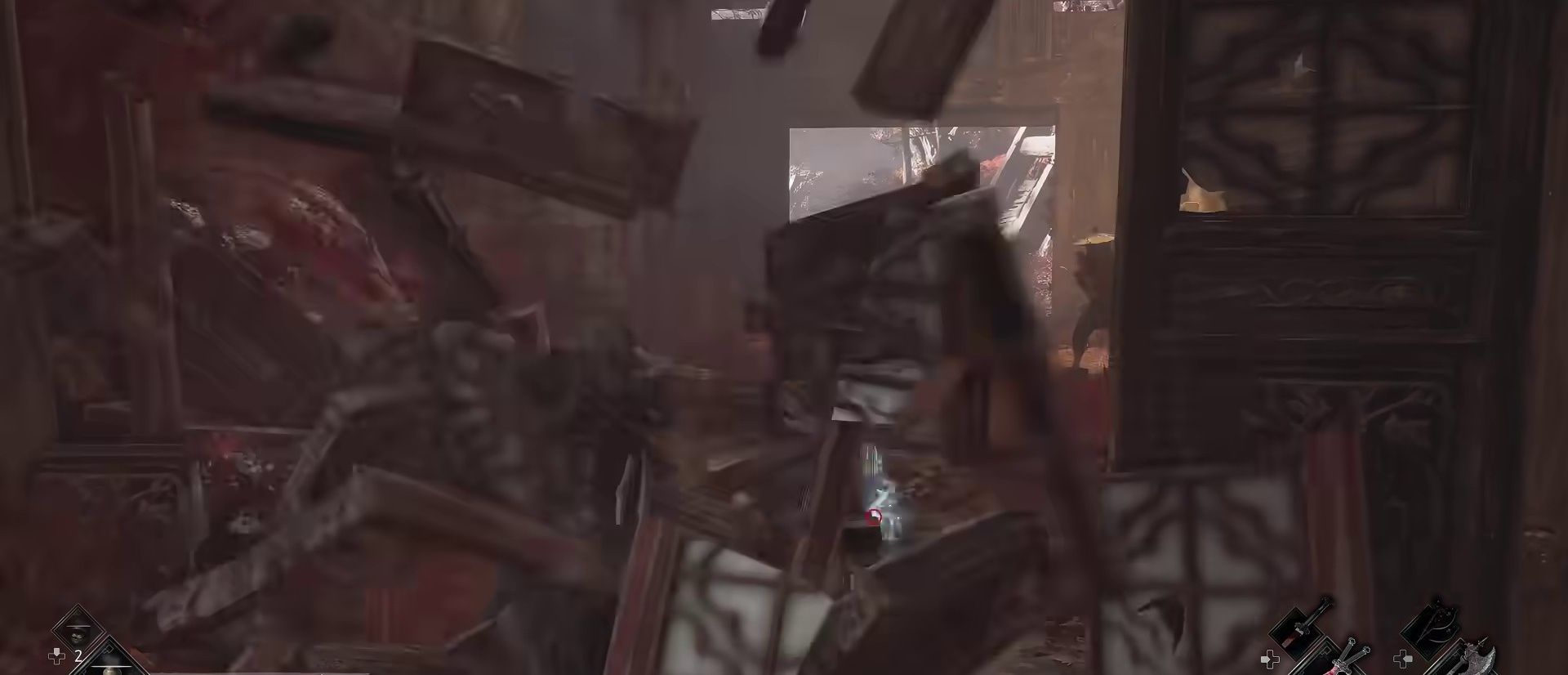
It is precisely the existence of these side quests that has me marveling, time and again, at how Phantom Blade Zero's sheer scale defies expectation. Nearly every side quest here comes with a complete narrative arc of its own, or a corresponding elite boss. What's more, the development of these branching storylines can even interlock with the main quest and stretch across several large maps.
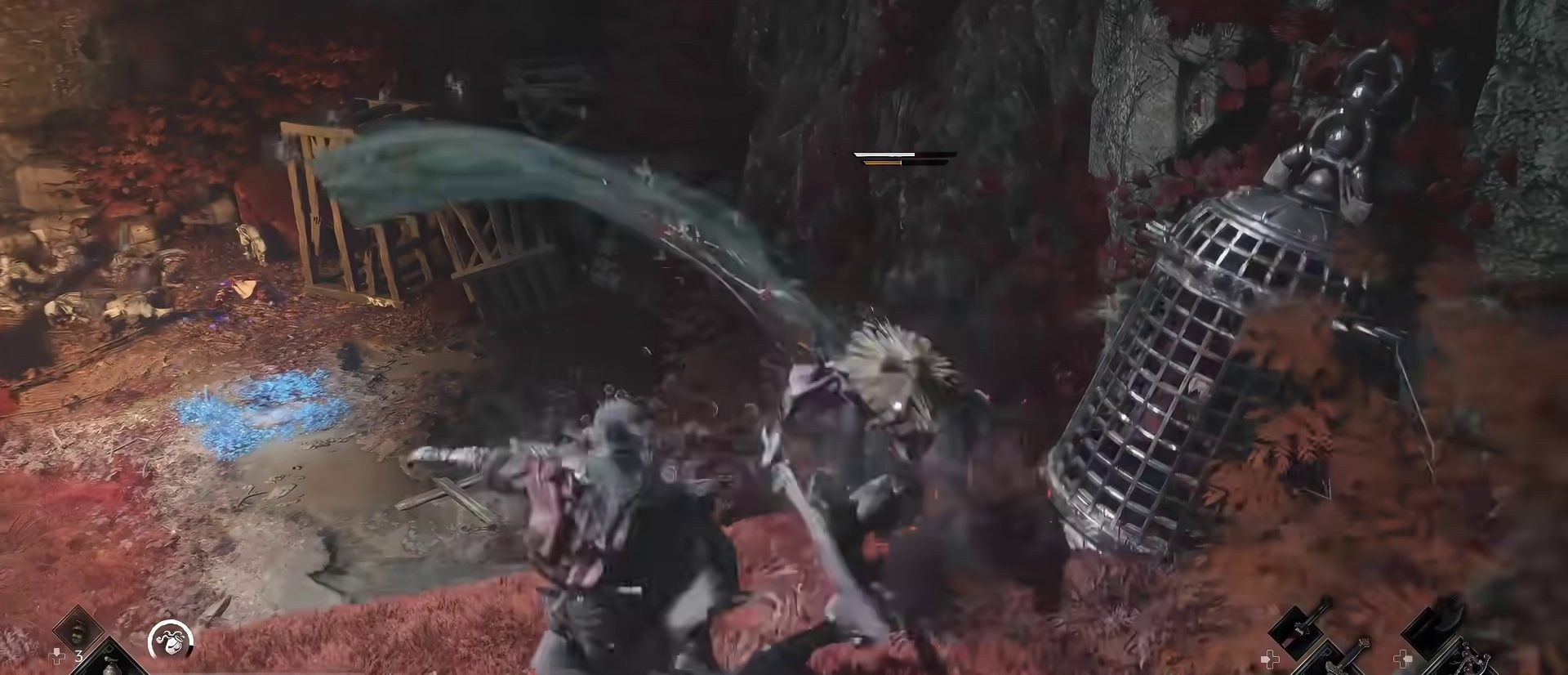
For example, in Chapter 1 you can pick up the axe - a secondary weapon - in West Valley, which opens up a side questline about the Four Bell Towers; yet this storyline doesn't truly reach its conclusion until Pangzhen.
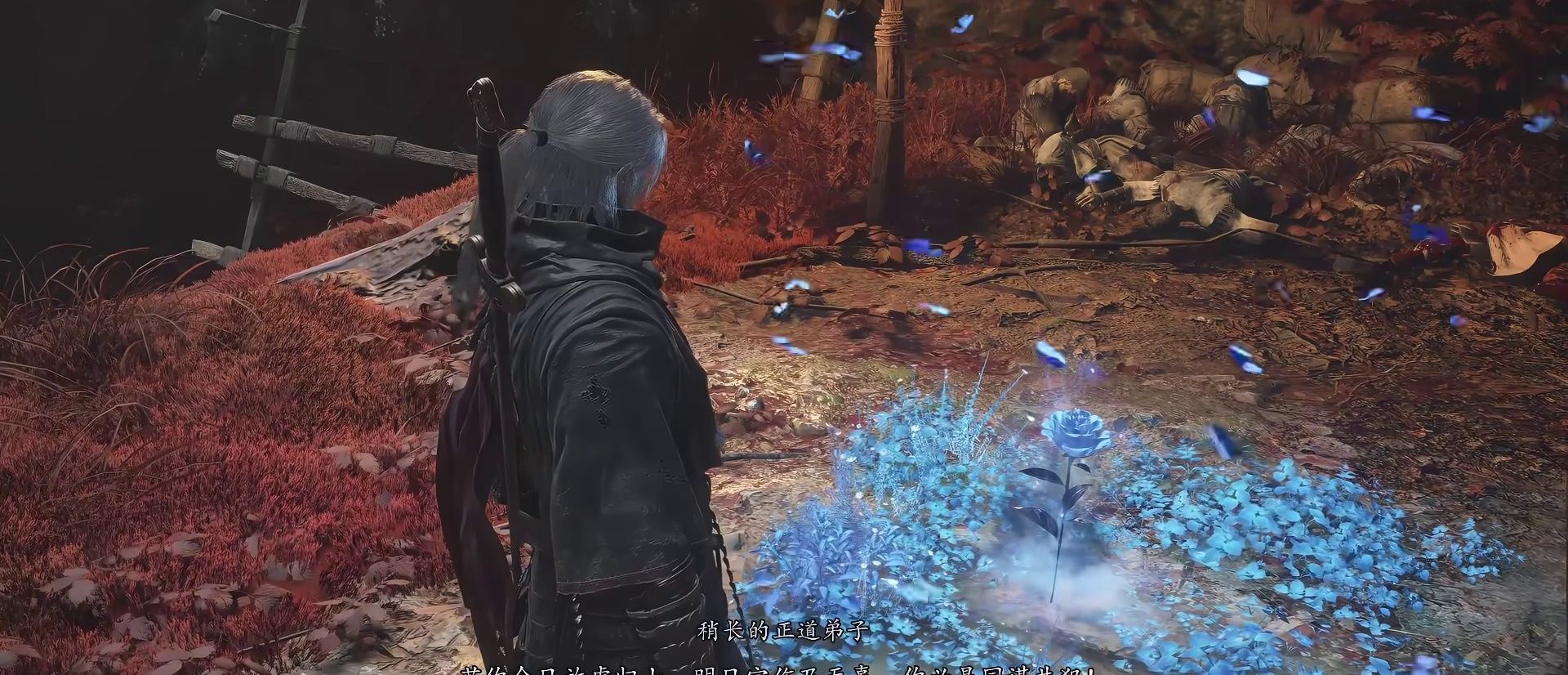
As the story advances, you may receive a prompt to return to West Valley - a place you've already passed through, now upended by dramatic new developments. Meanwhile, a key you happen to pick up along the way lets you slip through a previously sealed gate, unlocking an entirely new map region. And a shadow weapon dropped by a certain boss serves as a reminder that some side quest or new area on an earlier map is now ready to be opened up.
Most crucially of all, all of these intricate story branches and locked-off paths are marked on the map. Every quest location, every spot you haven't visited yet - it's all laid out with crystal clarity, completely dispelling any player anxiety about "missing content."
The Balance Between Combat Frustration and Its Solutions
Returning to combat itself, the hardcore appeal of Phantom Blade Zero lies in its "airtight precision." Every crisp "clang" of a deflected blade, every racing heartbeat when the red glow flashes, keeps the player's nerves on edge.
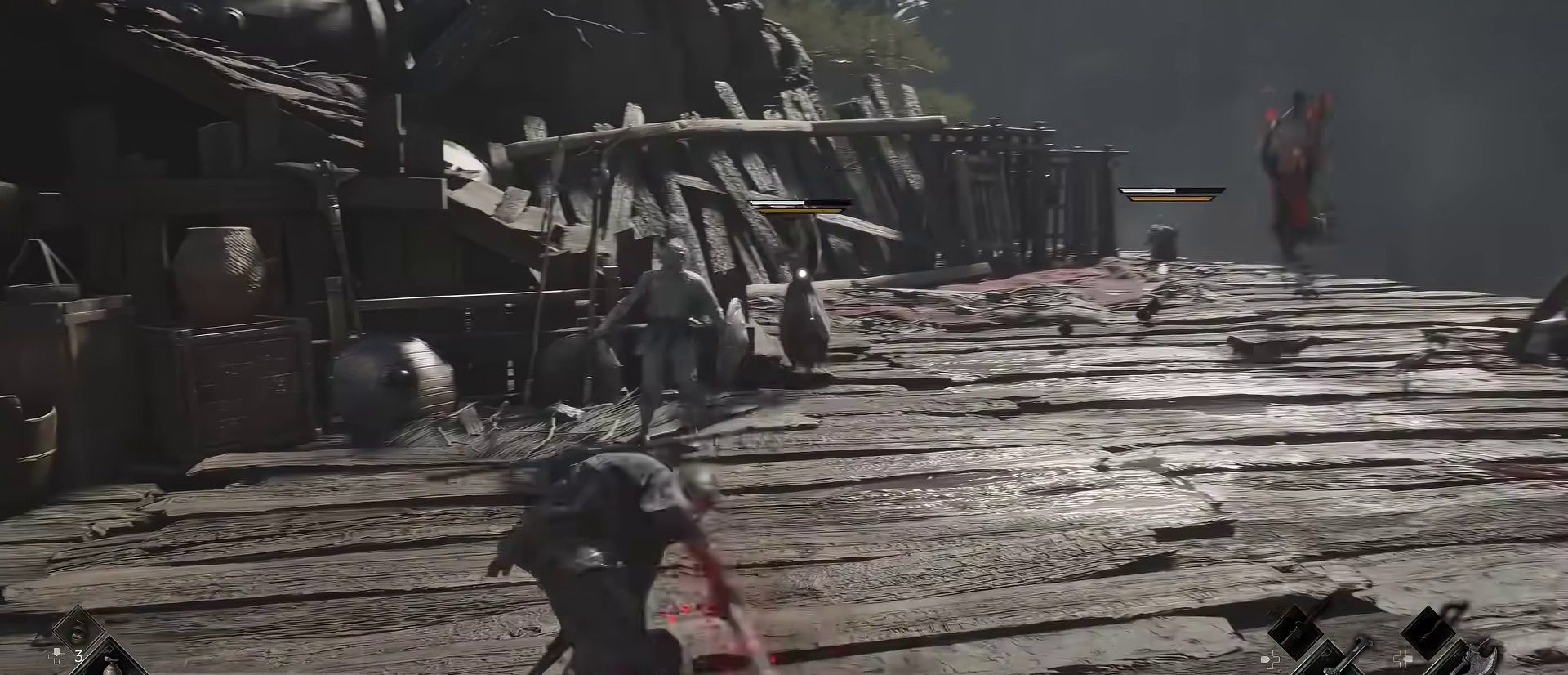
The enemy AI in the game is remarkably sophisticated. Not only do enemies parry and pressure you through the Killing Intent system, they will also deploy ranged weapons or special mechanics to disrupt you at just the right moment. This means players cannot simply fixate on the blade flashes before their eyes - they must also read the enemy's attack wind-ups and track shifts in the Killing Intent gauge.
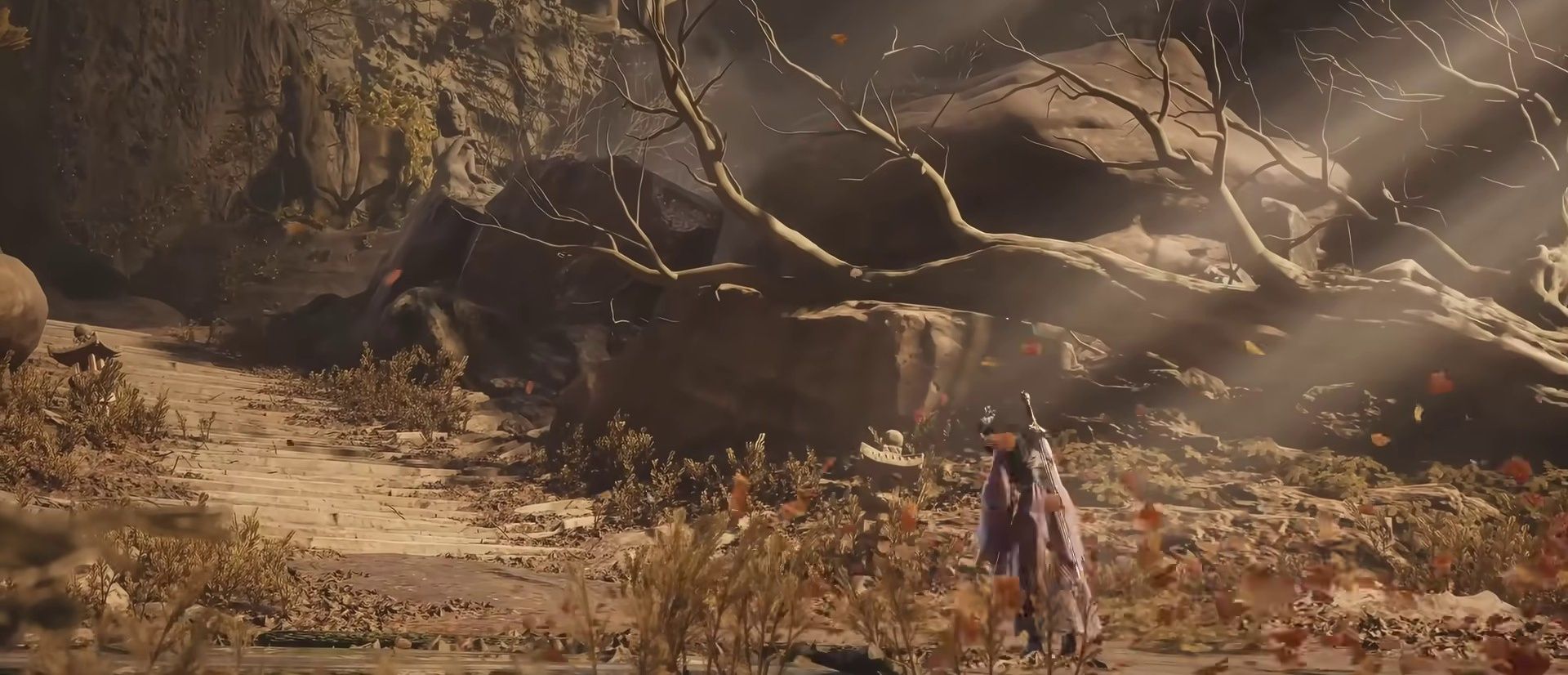
I once fought a battle deep in a swamp, where the monsters were not only thick-skinned and tough, but also exploited the terrain's concealment to launch ambushes. Facing a challenge of this difficulty, the game's thirty-plus main weapons and rich combination options became the key to breaking through.
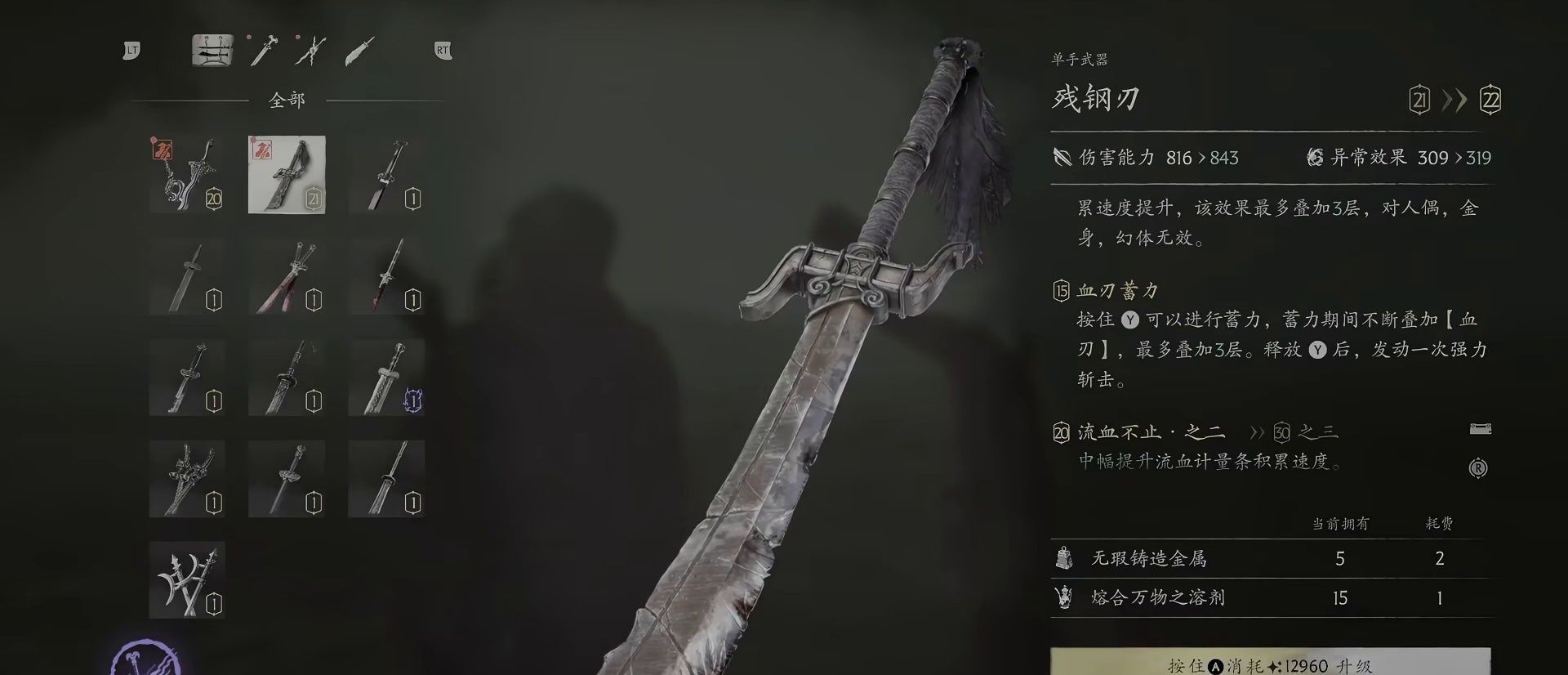
It feels like solving a complex puzzle. When, through relentless trial and error, you finally discover the weapon combination and combat rhythm that counters your current foe and successfully take them down, the sense of achievement is beyond compare.
A Feast for Chinese Players - and What They Hope For
_Phantom Blade Zero_ is not just a game - it’s more like a love letter to every Chinese action game player. In an era when homegrown single-player games are gradually reviving, we finally have our own hardcore action title that can compete with top-tier international releases.
S-GAME has taken a very solid step forward. They not only carry forward the _Rain Blood_ series’ signature somber atmosphere and wuxia narrative, but also deliver a major breakthrough in depth of gameplay.
If you ask me whether _Phantom Blade Zero_ is worth buying, I’ll tell you without hesitation: it’s not only worth it - it deserves to be savored carefully by every player who loves action games. In an age full of disposable, formulaic titles, a work this sincere is truly rare.
Finally, if you’re ready to embark on this adventure, please be patient. In this game’s world, every death is a form of growth, and every exploration brings unexpected rewards.
Top Community Comments
On "Media Privileges and Player Fairness":
One player questioned: "When exactly did this nasty habit of handing early access to major media outlets or influencers so they can shill for the game become popular? Players pay real, hard-earned money for games - why on earth should these people get to play first? If you're so keen on letting them play first and shill for it, then make them buy it."
Media Interpretation: This reflects the player community's instinctive wariness about review objectivity today. Releasing review scores or hands-on access before a game's release is often seen by some players as a "quid pro quo." In reality, though, early embargo lifts are a standard promotional strategy across the global games industry, originally intended to give media outlets enough time to complete an in-depth experience and offer purchase recommendations - not simply to "hype things up." A game's quality ultimately comes down to its own merits. As we expressed in our review, those 325 deaths brought not just frustration, but proof of the game's depth.
On "Voice Acting Performance and Emotional Delivery":
One comment pointed out: "The uploader's voiceover really needs work - this choppy, halting narration makes my skin crawl."
Media Interpretation: For an in-depth article, the expressiveness of the writing itself often matters more than the narrator's voice. When conveying the grim, cold-blooded wuxia atmosphere of Phantom Blade Zero, the occasional pauses may well be intended to recreate that breath-held tension of combat. Either way, clear and fluent delivery remains the foundation for enhancing audience immersion.
On "Review Subjectivity and Suspicions of 'Paid Promotion'":
Another voice argued: "You say out loud that you can't give high scores, that you can't be too subjective, yet in reality it's all flattering embellishment - it reeks of paid promotion."
Media Interpretation: Any review is, at its core, a fusion of the reviewer's subjective experience and the game's objective mechanics. When we say a game "surpasses every homegrown game I've ever played," that conclusion rests not only on 32 hours of intensive play, but also on how it breaks through traditional action-game mechanics - such as the rework of the "Killing Intent system." Striking a balance between criticism and praise is an eternal challenge for game media, and our goal has always been the same: to ensure that truly outstanding works are never buried.
📌 One-Line Takeaway
Phantom Blade Zero is not a leisurely journey, but a discipline of dancing on the blade's edge. The 325 deaths earned more than proof of completion - they were the deepest tribute to the art of combat.