Phantom Blade Zero: A 6-Hour In-Depth Hands-On - Between Killing Intent and Blade Light, a Do-or-Die 66-Day Journey to Pangzhen
With the October 29 release date fast approaching, Phantom Blade Zero is revealing an increasingly complete picture of itself to the world. Last month, we got an early hands-on with the game - a full 6 hours, playing from the opening chapter all the way through to the Boss challenges of the mid and late game - and came away with a grip on virtually every facet of this title.

To be honest, before setting out, I assumed this was primarily a hack-and-slash action game. But after 6 hours with it, my most tangible takeaway was this - not only is the combat a blast, the exploration and narrative are exceptionally solid as well.

That verdict may sound plain, but set against the wuxia action genre - a category where games tend to shine in one area while falling short in others - it comes close to a frontal breakthrough. Below, we'll take this journey, woven from killing intent and blade light, apart piece by piece and tell it to you in full.
The 66-Day Countdown: Soul's Desperate Journey
The story takes place in a hidden martial world known as the Shadow Realm. Players take on the role of the protagonist Soul, once the most feared assassin of the mysterious organization "Shadow." After a cataclysmic upheaval, he is betrayed, and a fated duel with a former close friend leaves him with a grievous, heart-piercing wound - hanging on by a thread. At the critical moment, a mysterious healer known as "Ghost Hand" saves him with a secret life-extending art - but at a price: he has only 66 days left to live.
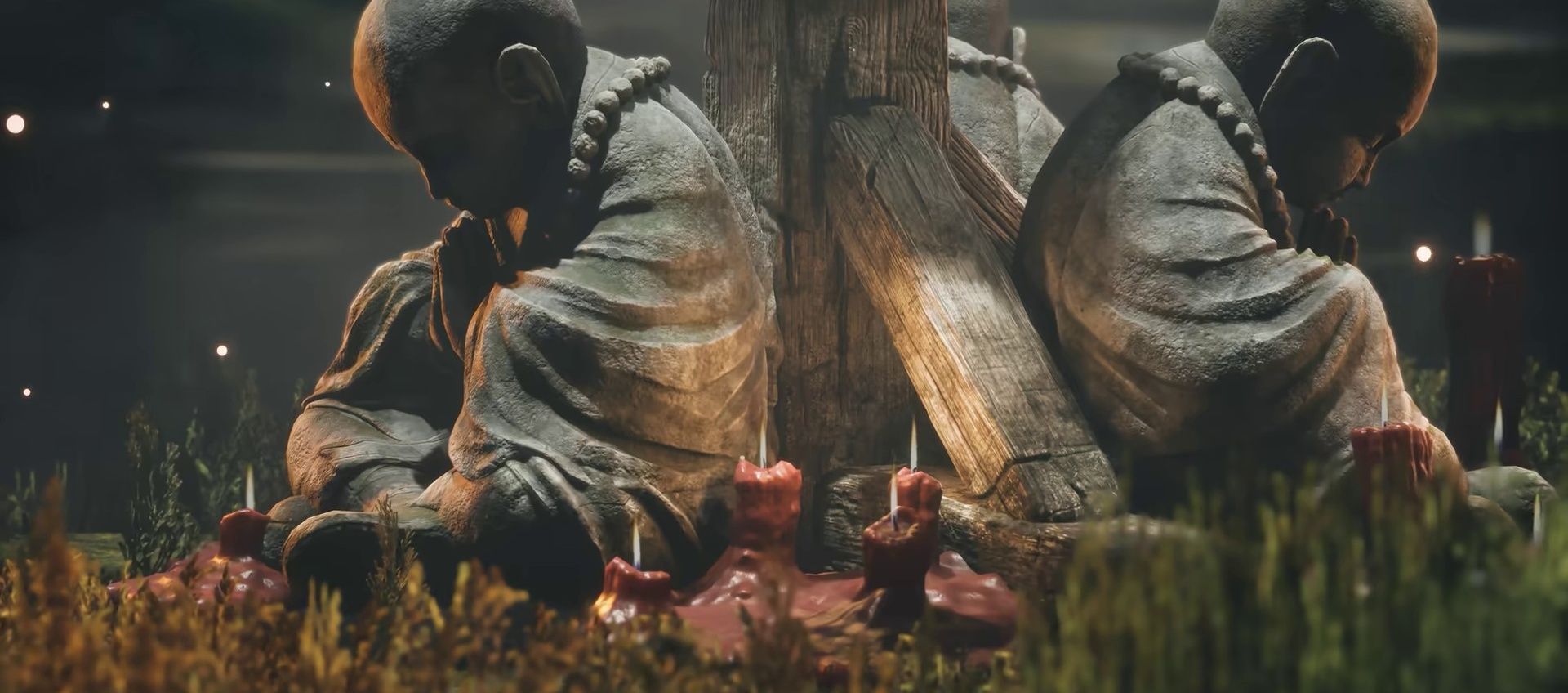
And so Soul sets out on a journey of flight and truth-seeking, heading for his fated destination, Pangzhen, in an attempt to unravel a conspiracy capable of upending the entire martial world.
The 66 days are both a countdown and a blade hanging over the player's head.
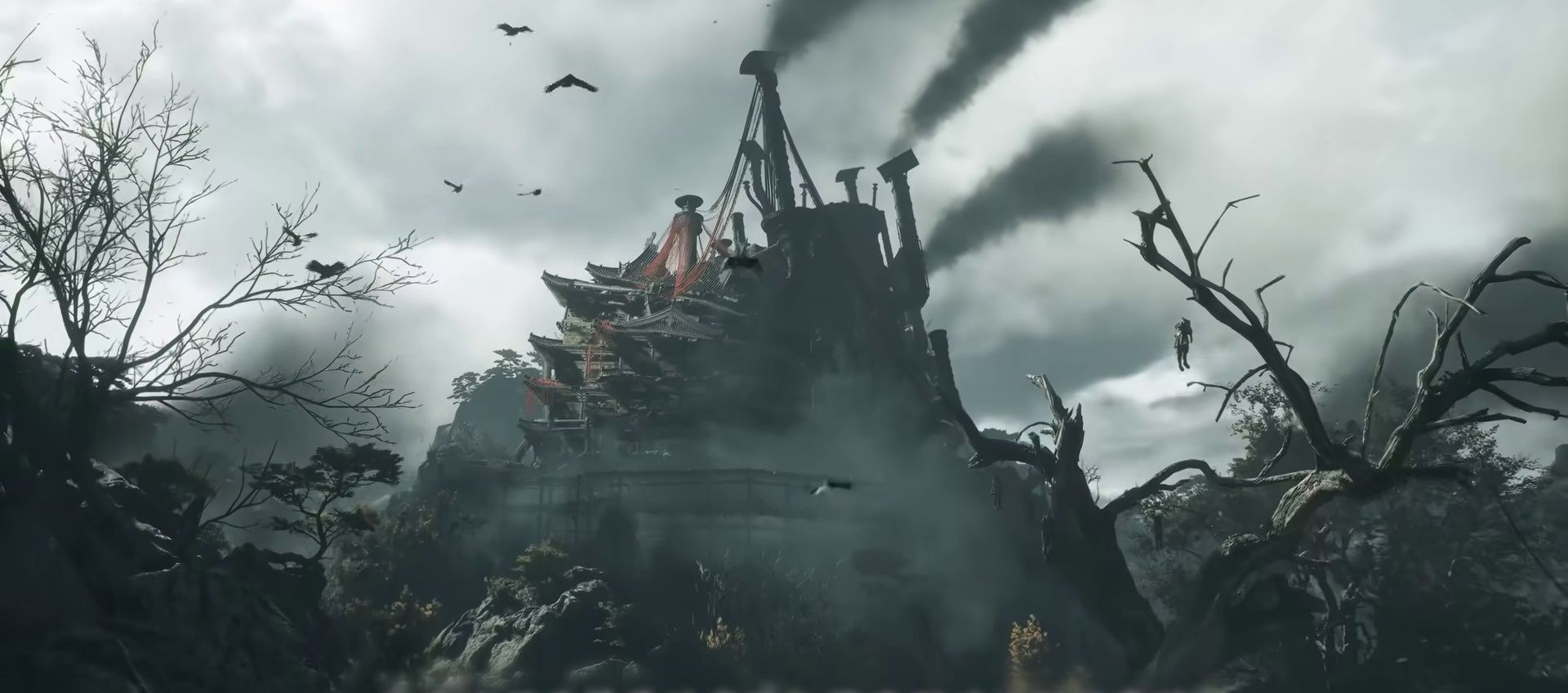
The brilliance of this setup lies in how it writes "time pressure" into the narrative DNA: every exploration you undertake and every battle you fight unfolds along a life meter that never stops draining. The sense of desperation isn't shouted through lines of dialogue - it is grown into the game's very skeleton at the design level.
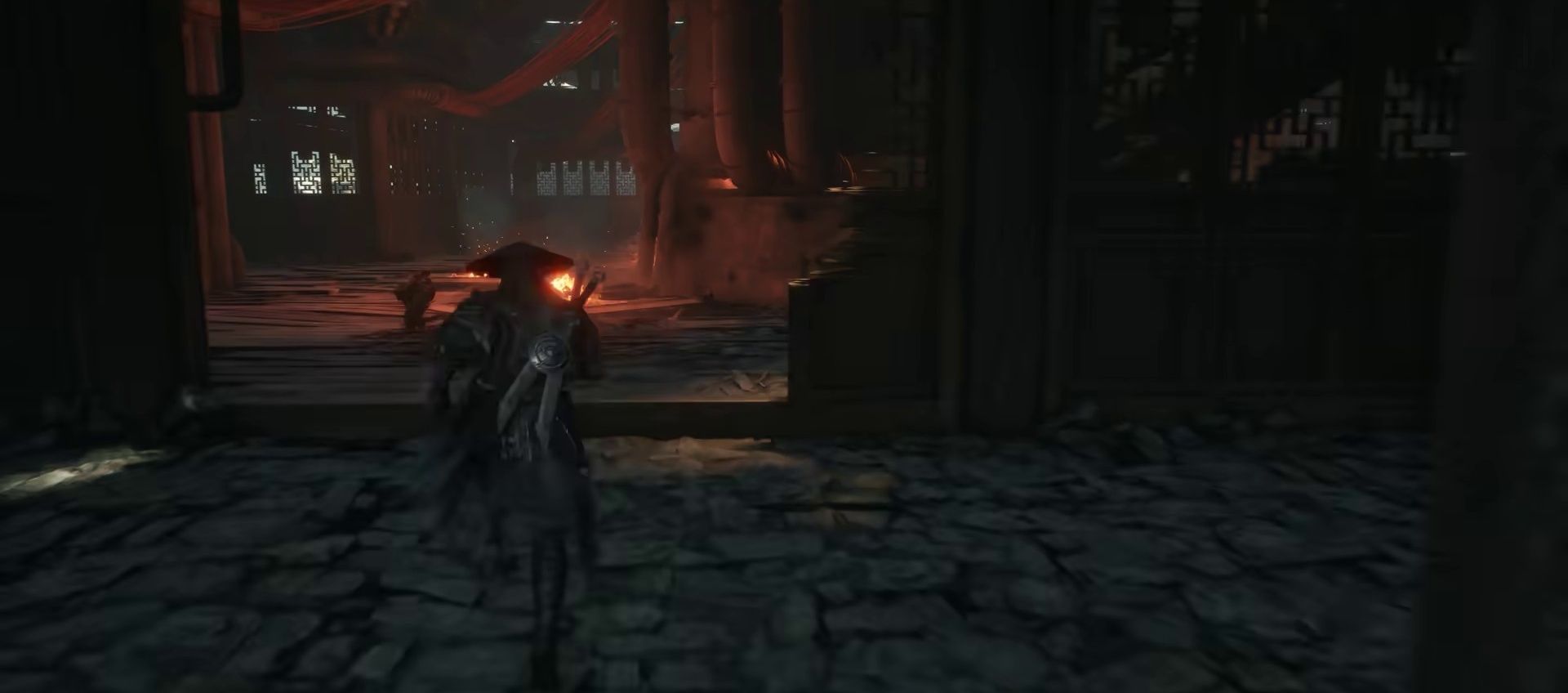
Ink-Wash × Steam Machinery: The Shadow Realm Jianghu in a Single Hakoniwa
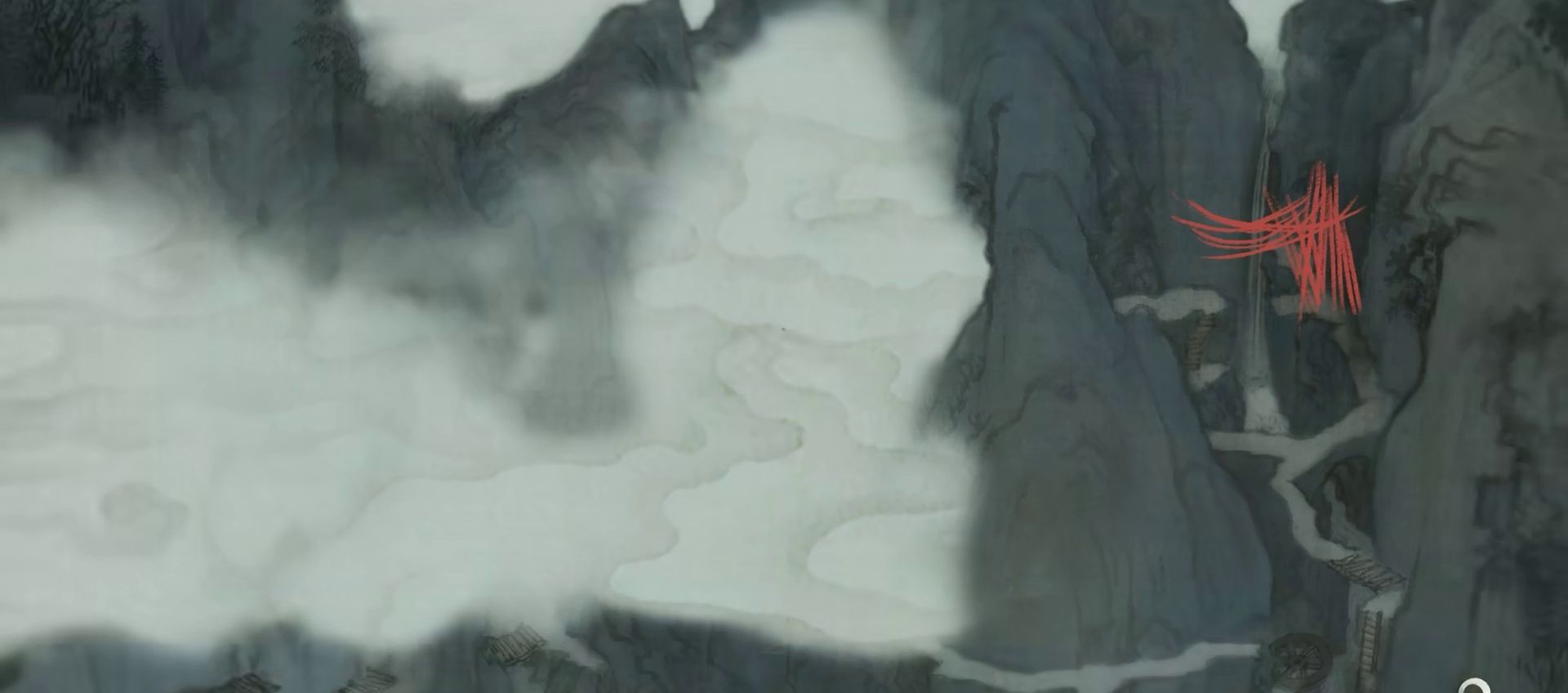
Phantom Blade Zero is neither an open world game nor a strictly linear adventure. Instead, its expansive, ink-wash-style maps interconnect to form one massive hakoniwa-style level, which in turn builds out the entire Shadow Realm jianghu.
Pangzhen is the game's most important central hub, with starkly different environments branching out around it: a valley overrun by bandits, steam-powered steel towers... Every one of these locations has been meticulously crafted. Beyond the main story, the area also conceals side quests, rare curios, hidden enemies, and crucial story-related clues - all of which can only be unlocked and obtained through exploration.
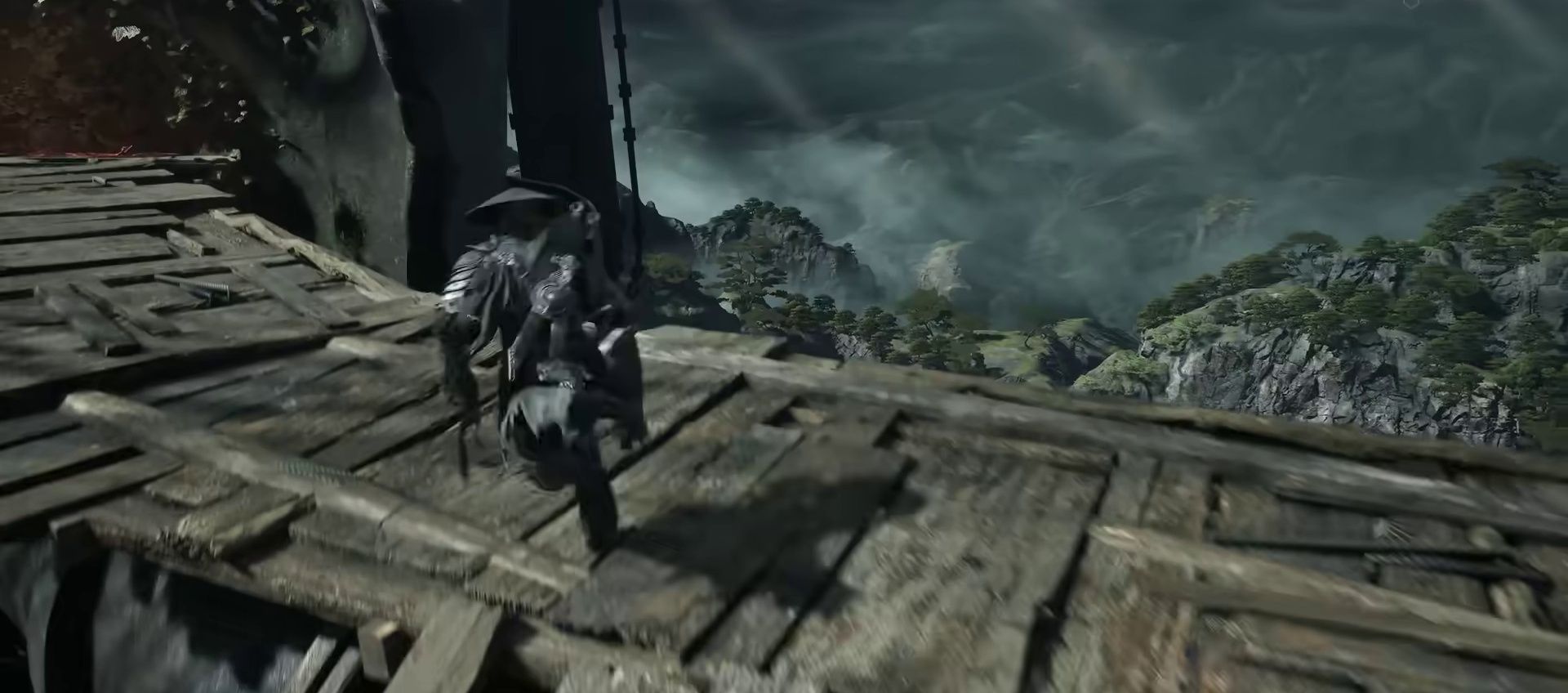
This design gives the game a spatial experience unique within the wuxia genre: one that fuses the temperament of traditional ink-wash painting with the texture of industrial machinery. While exploring the colossal steel tower, I thought several times that I had reached the end, only to turn around and discover hidden passages and secret areas - that feeling of "seemingly small, yet nested layer upon layer" came through powerfully.
Overall, the juxtaposition of ink-wash aesthetics and steam machinery feels visually fresh, and it made me all the more willing to stray off the main path and comb through every nook and cranny.
Wuxia-punk isn't a texture - it's a temperament that grows out of the level structure itself.
Kill Arts Offense and Defense: A Resource Game on the Blade's Edge
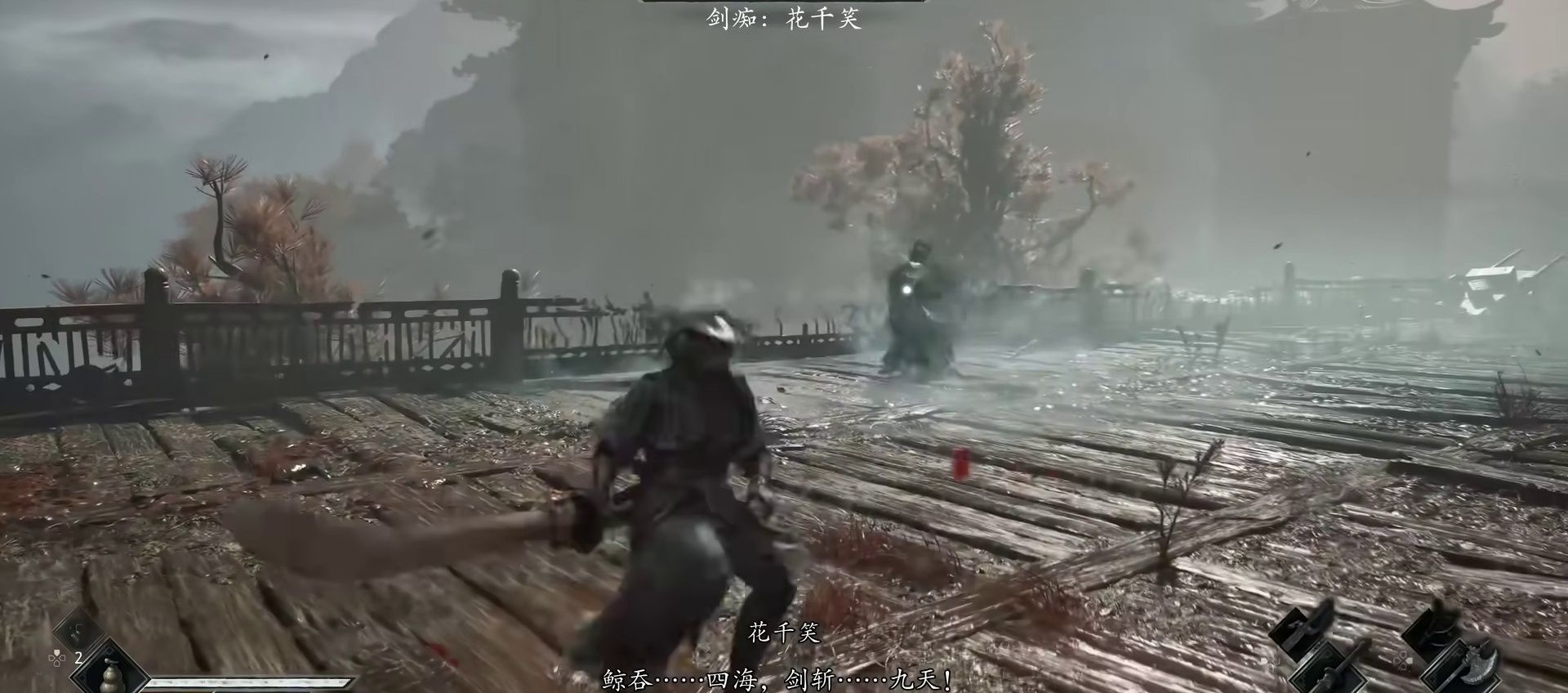
Combat is the core of Phantom Blade Zero. Drawing inspiration from traditional Chinese martial arts, folklore, and kung fu cinema, the game lets players personally unleash intricate martial arts moves and experience rapid offense and defense through distinctive fighting styles - this was especially evident in the Sword Maniac fight this time around, which felt like starring in a wuxia film of your own.
The entire combat system revolves around Kill Arts, which serve both offensive and defensive functions: players and enemies alike have Kill Arts, and every weapon comes with its own attack rhythm, attack range, and combo skills. Launching Kill Arts attacks, maintaining your stance, and blocking enemy attacks all drain your Kill Arts; once they run dry, you're left in an extremely dangerous state.
In recent years, action games have favored the "wear down posture, break the guard" design philosophy. What makes Phantom Blade Zero special is that it binds offense and defense into a single resource bar: the key to combat is sustaining relentless offense while keeping enough in reserve for defense. Draining an enemy's Kill Arts will break their guard, creating the perfect opening to strike; landing a perfect block shaves off a large chunk of the enemy's Kill Arts while restoring your own; and switching weapons fully restores all of your Kill Arts, though it comes with a cooldown, so you'll need to time your swaps carefully.
There is also Pure Kill Arts, a resource independent of Kill Arts, used to unleash Weapon Skills. Kill Arts attacks build up Pure Kill Arts faster, and Weapon Skills can in turn interrupt an enemy's most powerful moves - time your releases right, and you can reclaim the initiative in the middle of a fight.
At first, I habitually held down the defensive stance, and quickly discovered how dangerous it was once my Kill Arts ran dry - getting pinned down and battered by enemies felt downright suffocating. Only gradually did it click for me: you can't rely on blocking and countering alone in this game; you have to take the initiative, press the attack, and drain the enemy's Kill Arts.
Perfect Block and Ghost Step: Turning Defense into a Lethal Reversal
Defense, dodging, and countering enemy moves make up a vital part of combat. While in Stance, you automatically block an enemy's consecutive attacks, but maintaining Stance drains your Killing Arts, and each blocked hit costs extra on top of that. In combat, then, you should avoid turtling behind your guard the whole time; instead, read the enemy's movements and defend only at the moments you truly need to.
Perfect Block is the soul of this system: it consumes none of your own Killing Arts, yet heavily depletes the attacker's, letting you convert defense directly into offensive opportunities.
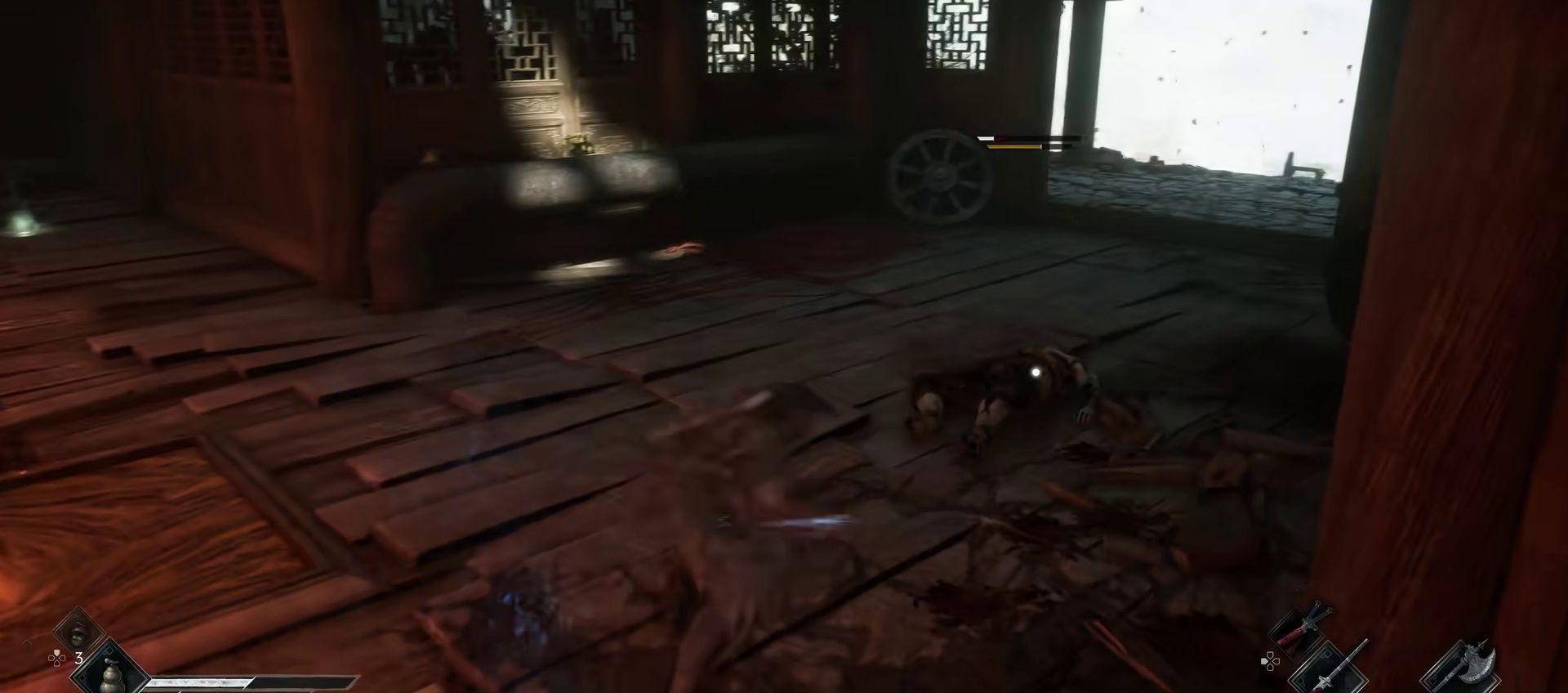
The game also uses color to "telegraph" enemy attacks: a blue flash signals an incoming blockable skill - you can block it normally, or land a Perfect Block at the instant the attack is about to connect, triggering Ghost Step to slip behind the enemy and open up a counterattack window; red-glow skills cannot be blocked and must be dodged.
Against enemies with strong frontal defense, triggering Ghost Step by Perfect-Blocking a blue-flash skill is especially effective. The moment Ghost Step activates and your silhouette flashes behind the enemy, that rush of defense instantly flipping into offense is intensely satisfying.
A Perfect Block is not the end - it's the opening stance of a reversal.
55 Weapons: Building Your Own Martial Arts Style
Soul's arsenal comprises 30 primary weapons and 25 Shadow Arsenal sub-weapons, each with its own functions and characteristics. Through weapon pairing and build crafting, players can forge a personalized combat style.
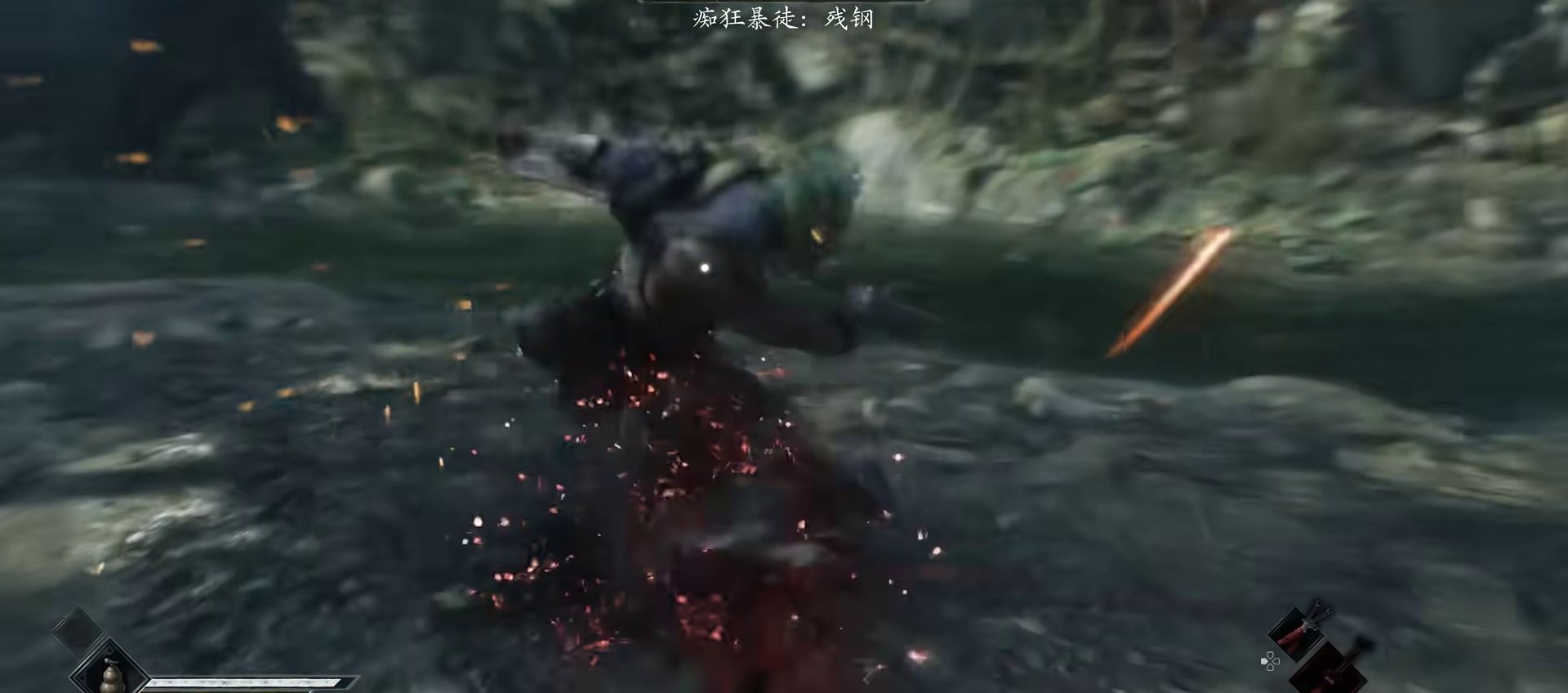
A few examples: the Drunken Sword, which enhances evasion; the White Serpent Chain, which can transform into a lethal ranged strike; and the Spirit Hand Soft Sword, which overcomes hardness with softness... Primary weapons also unlock new forms and movesets as you progress through the story. Even more thoughtfully, the game supports resetting weapon levels and refunding all invested materials, allowing players to immediately sink resources into newly acquired gear - virtually eliminating progression anxiety.
Shadow Arsenal weapons, meanwhile, provide tactical options across different attack types, letting players adapt flexibly to enemy distance, defensive traits, or positioning. Using Shadow Arsenal consumes a resource called "Dark Source," and its uses are replenished after resting at a bell.
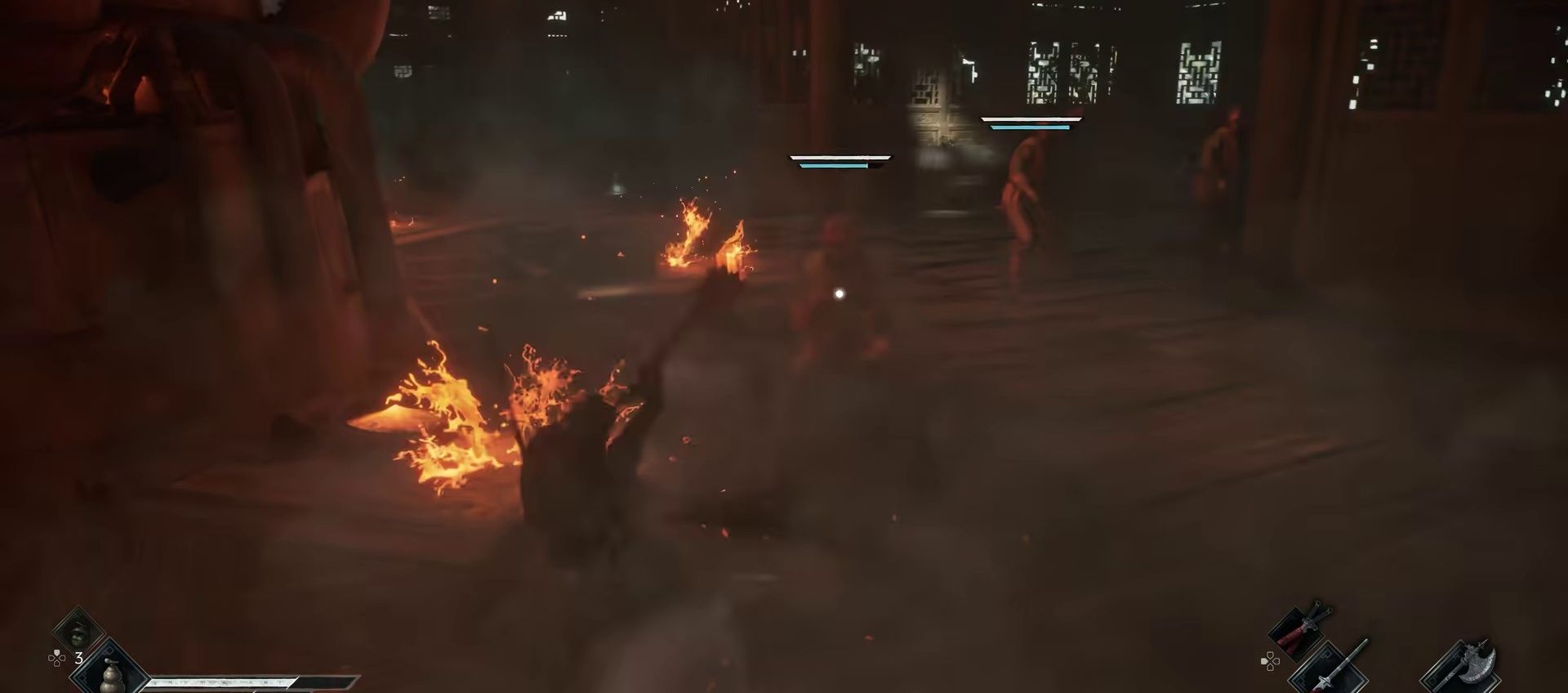
The combination of refined killing arts and the Shadow Arsenal adds a toolbox-like layer of strategic depth on top of visceral, blade-to-flesh melee: special arts can interrupt an enemy's powerful attacks, while the Shadow Arsenal covers opponents that are tough to handle with melee alone. Knowing when to swap weapons and when to unleash a special art is itself a martial art.
Boss Gallery: From Hands-On Combat Lessons to Kung Fu Movie Showstoppers
During the six-hour hands-on session for the media, we mostly experienced the content of the game's first chapter. The map displays a completion percentage in real time based on your exploration progress, covering things like unlocking bells, obtaining weapon blueprints, and collecting various items. After rushing through the first chapter in two to three hours, my completion was barely past the halfway mark - so I fast-traveled back from Chapter 2 to Chapter 1 to continue exploring, and found there was still a huge amount of content left to dig into. The Steel Colossus Tower area in particular: if you only follow the main story, you may not have set foot in even half of its zones.
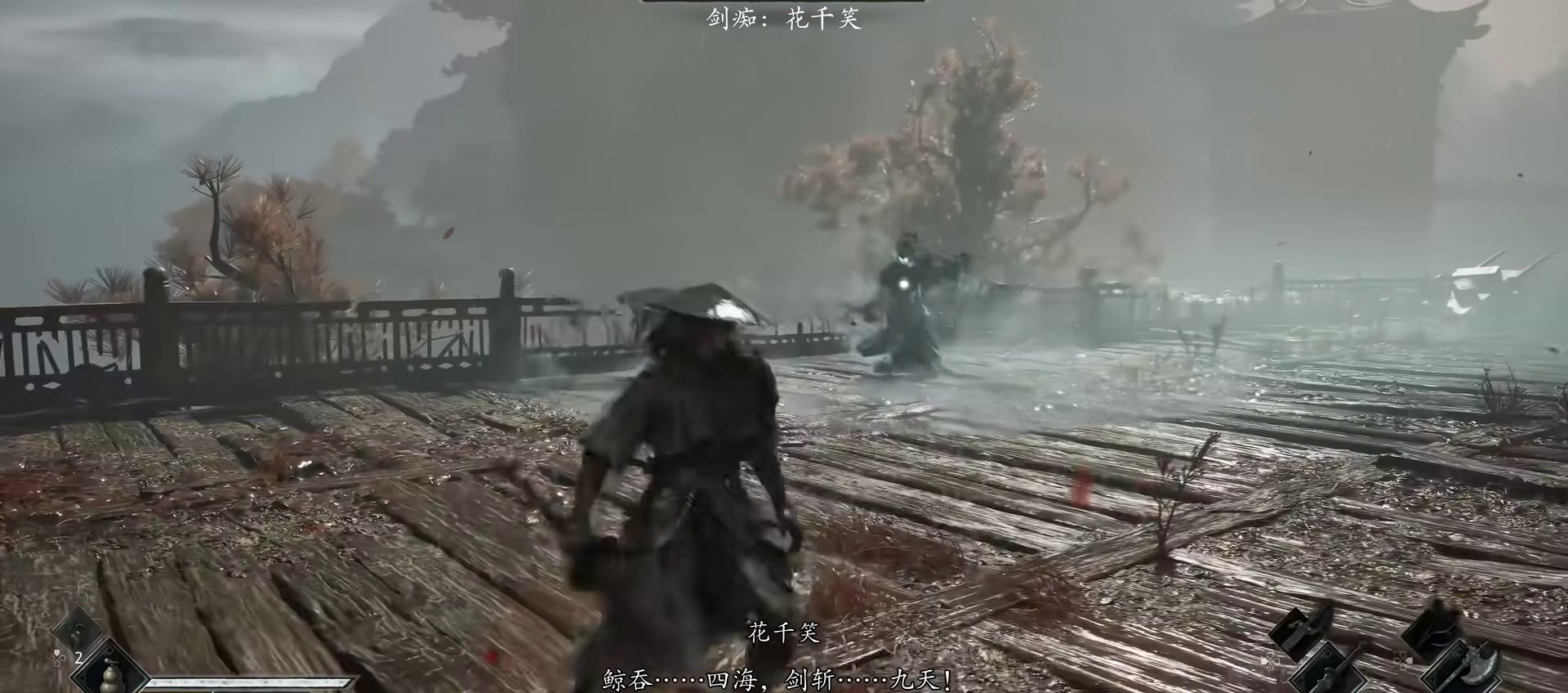
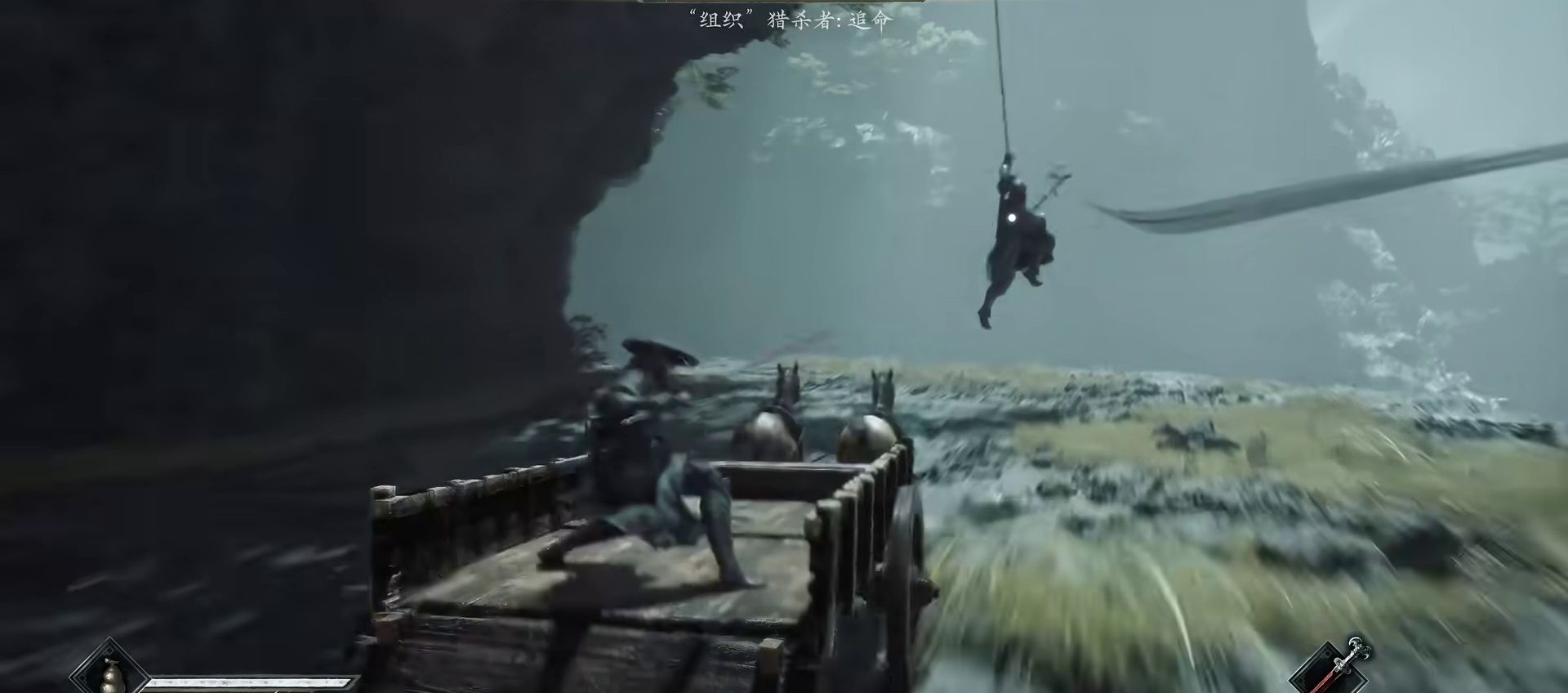
Bosses appearing in Chapter 1 include Crimson Berserker - Cangang, Constable - Peng Meng, and Order Hunter - Zhui Ming, among others, and later in the session I also got to experience the boss fight against Sword Maniac - Hua Qianxiao. None of the fights on normal difficulty are particularly tough, and the game also offers easier and harder difficulty settings for players to choose from.
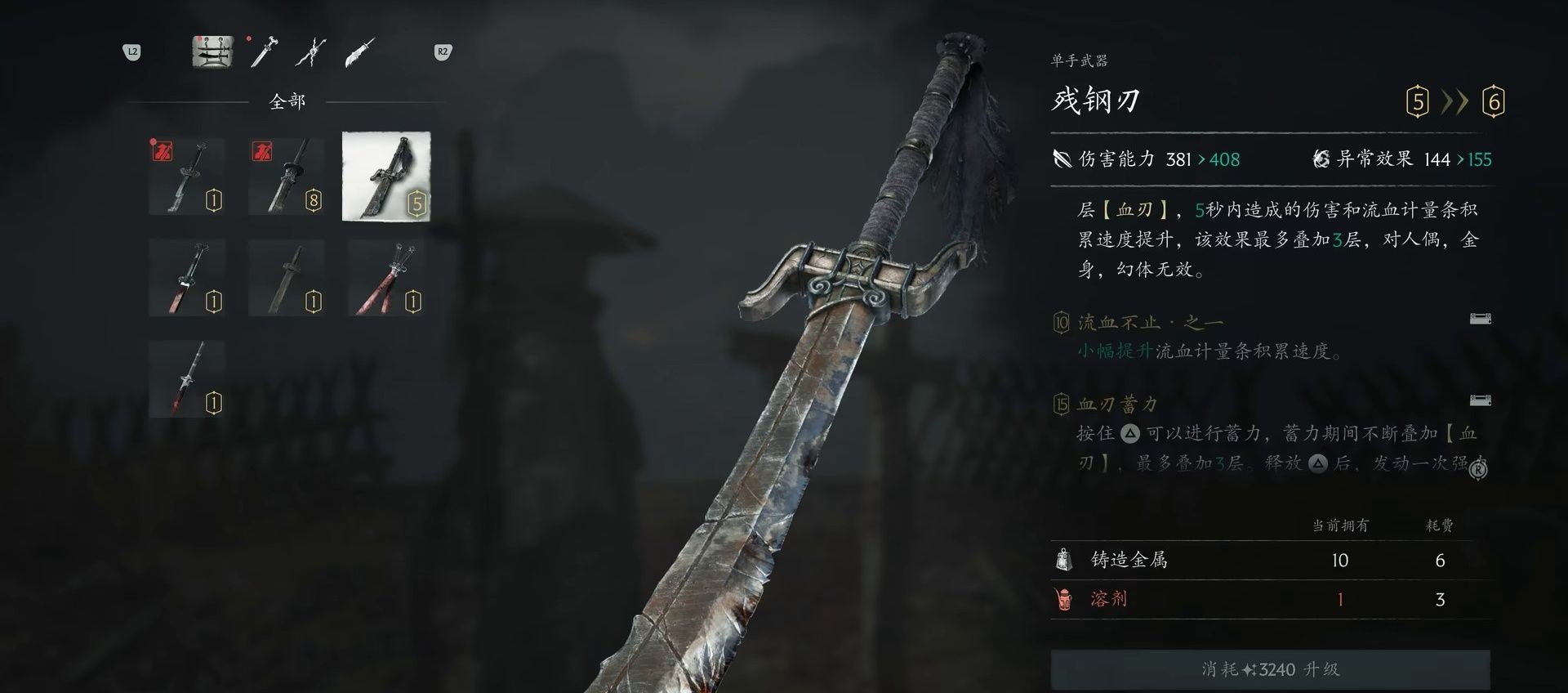
Cangang is an introductory boss from the early hours, with clearly telegraphed attack windups - blocking and dodging your way through, you can take him down very smoothly, like a hands-on combat lesson. Defeating him rewards you with the Cangang Blade, built around a bleed mechanic: hits cause enemies to bleed and build up a gauge, and once the gauge fills, it triggers a far more severe hemorrhage, encouraging players to keep pressing the attack.
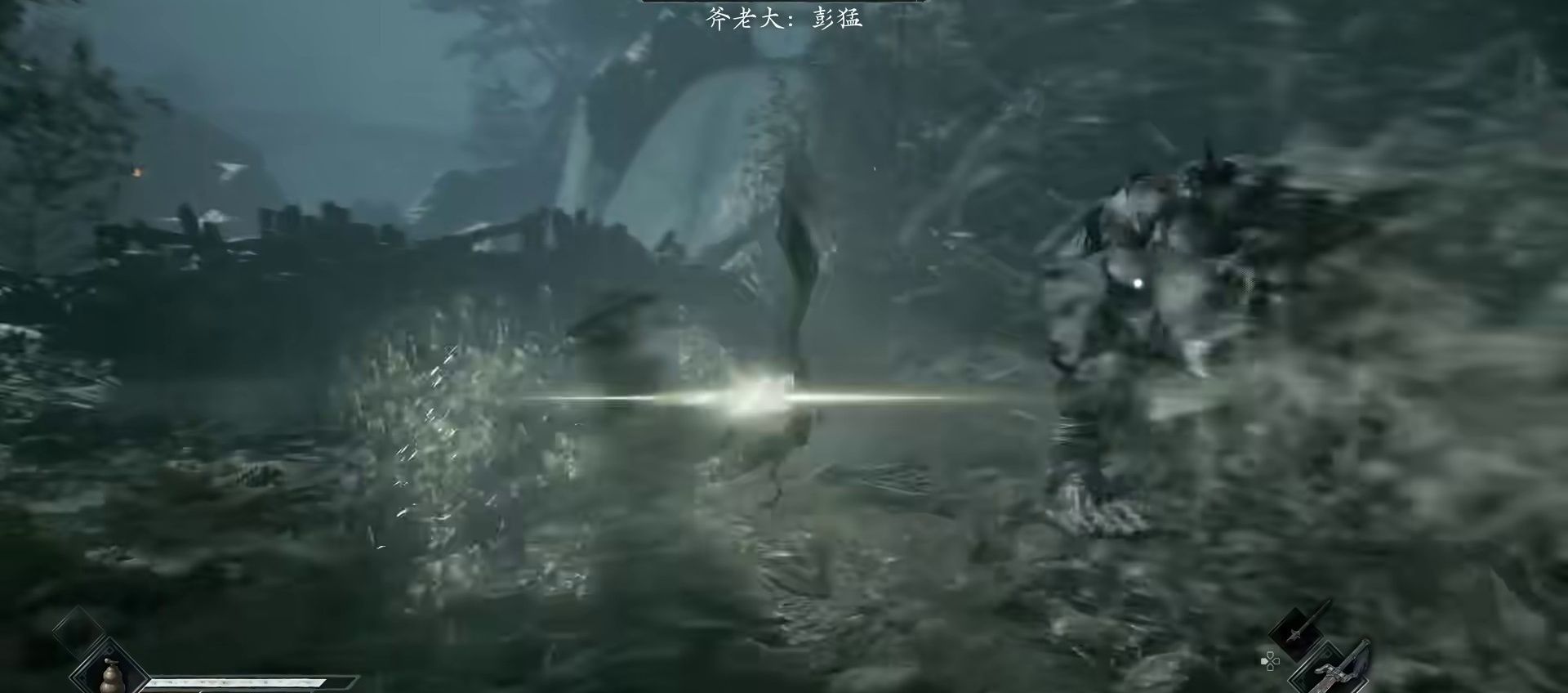
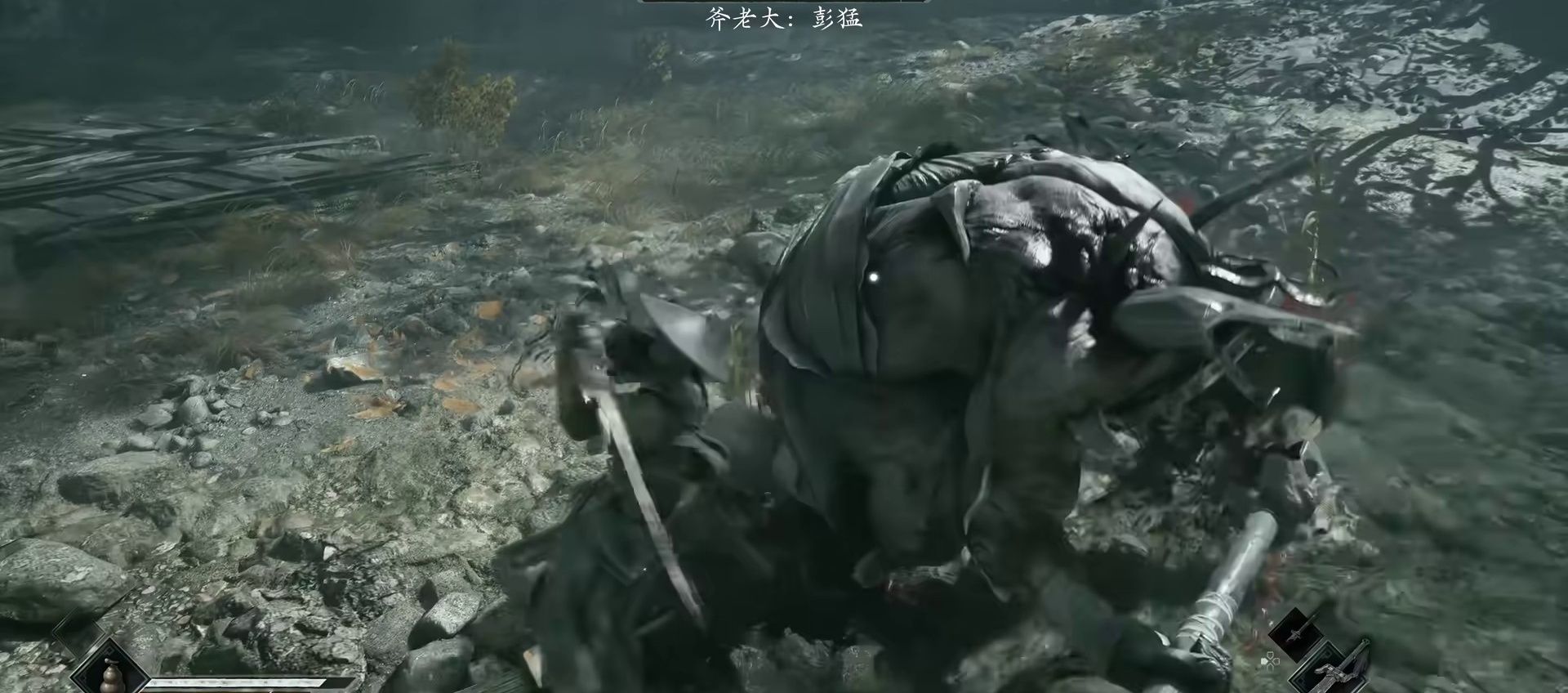
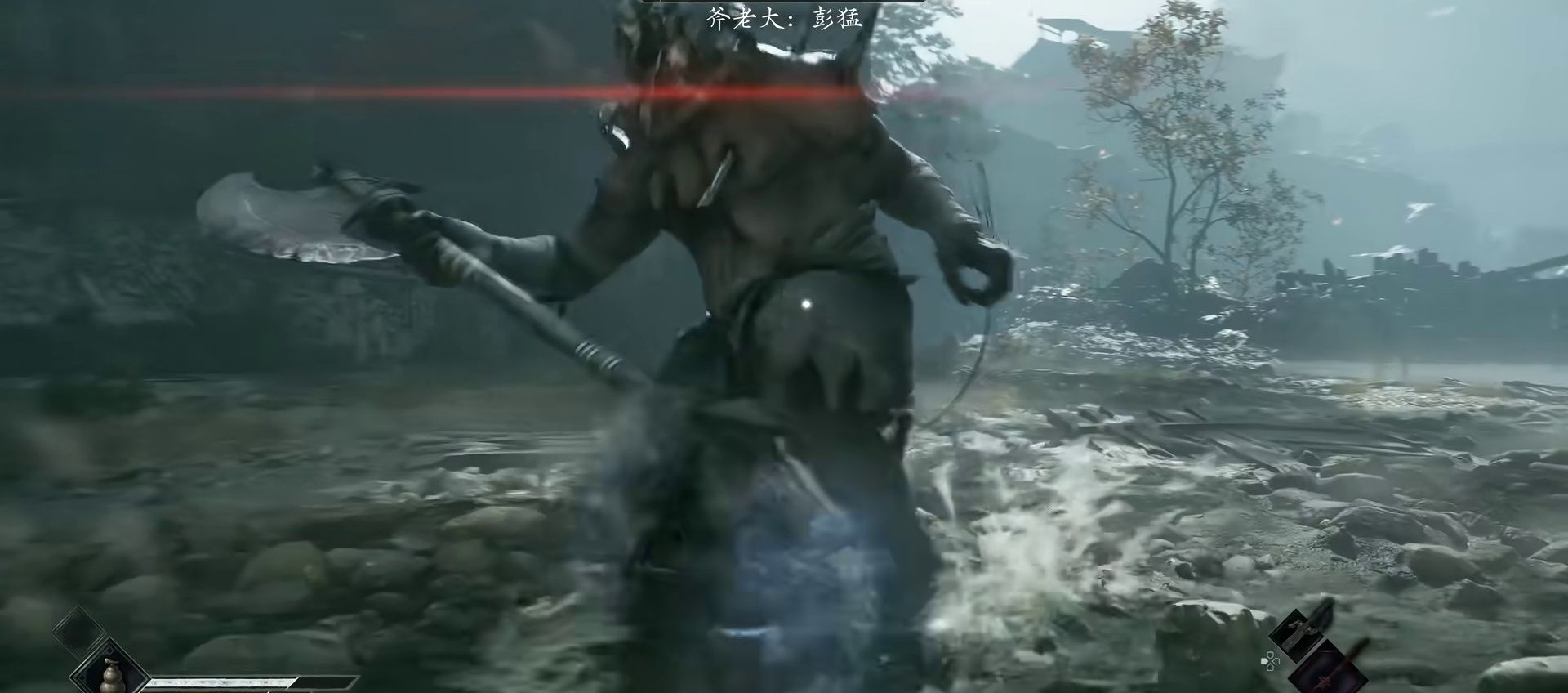
Peng Meng's fight is all broad, sweeping swings, and paired with his enormous frame, the sense of pressure is overwhelming. Defeating him grants Soul's first Shadow Armament, the Chest-Charge Axe: it supports multi-stage charging, its shield-shattering power makes it highly effective against large shield-wielding enemies, and it can even cut through the iron chains blocking your path without ever needing to be equipped.
Zhui Ming makes his first appearance in a horseback chase, then steps away for a time before resurfacing later in the campaign. He has two combat phases; his high-speed movement left me scrambling, and in the second phase, his dashing charges and ranged harassment at one point left me unable to find a window to deal damage. Defeating him rewards you with Zhui Ming's Tether Chain, which lets Soul keep applying pressure beyond standard melee range and hook distant targets for mobility.
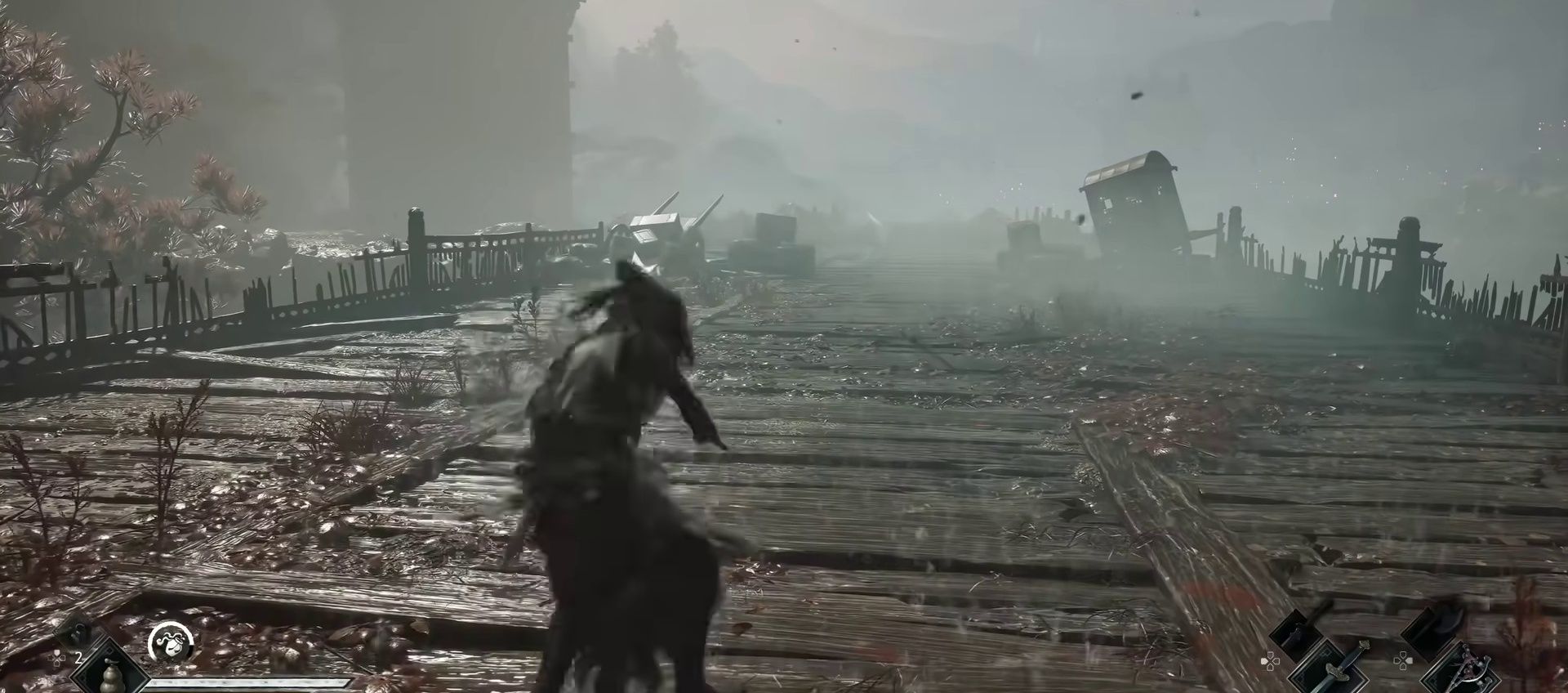
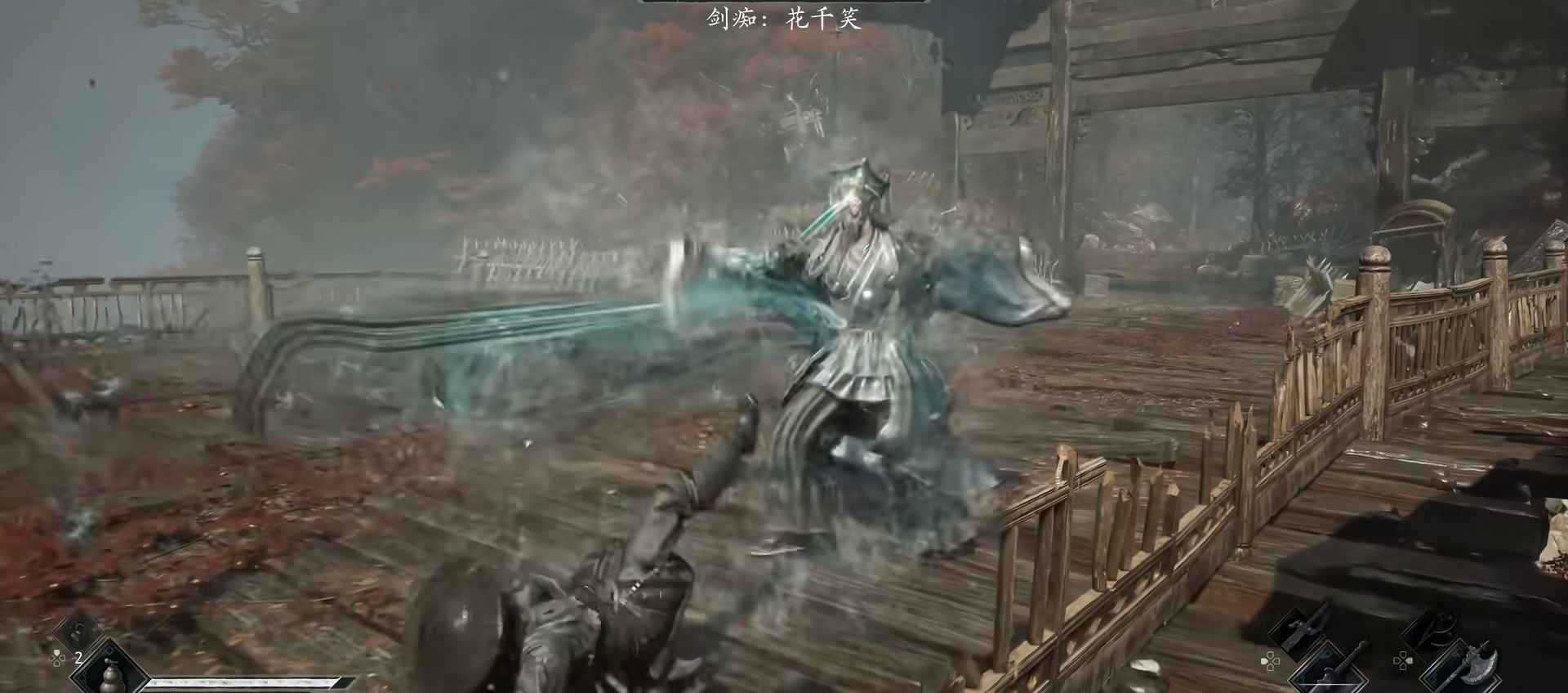
Sword Maniac - Hua Qianxiao, meanwhile, was the fight that left the deepest impression on me in the early game - and my favorite of the entire preview. This battle delivers the effortless elegance and beauty you only find in classic wuxia films, with every move blending power and suppleness - the counter where he traps the flying sword between his feet flows in one unbroken motion, so cool it gave me goosebumps, and the moment it ended I wanted to run it back immediately.
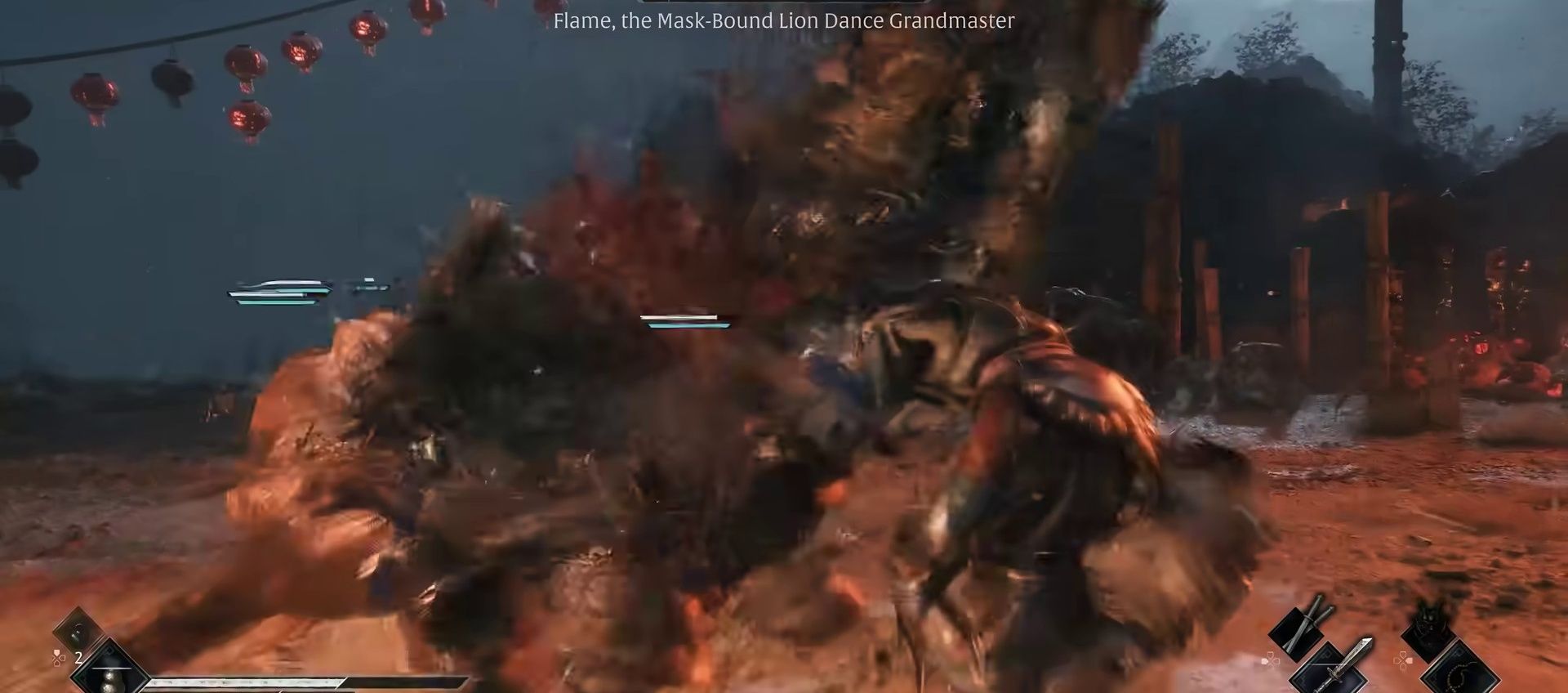
Defeating Hua Qianxiao rewards you with his matching weapon, the Madman's Broken Sword: it revolves around state switching - drinking wine restores your Killing Technique and temporarily puts you in a tipsy state, during which normal attacks and Killing Technique attacks are converted into ranged flying-sword strikes. The drinking animation and drunken sword movesets that come with this weapon are also steeped in that wuxia film flavor.
Beyond the first chapter, this preview also included two boss fights from the mid-to-late game: Madam Twin Serpents - White Serpent Chain and Martial Sovereign - Blazing Feast, mainly showcasing how the later portions are designed in terms of visual style, mechanical complexity, difficulty, and overall feel. The Martial Sovereign boss fight appeared in the trailer at the earlier SGF showcase, but playing it for real is even more spectacular than the trailer: the battle is split into two phases, with the second unfolding atop the plum blossom poles - a completely different kind of "blast clash" gameplay. We had to fire fireballs at the enemy while dodging left and right between the poles to avoid the blasts he hurled our way, all while resupplying ammo in time; if two shots were fired simultaneously, the fireballs would cancel each other out mid-air. After taking a certain number of hits, the enemy falls off and enters a guard-break state.
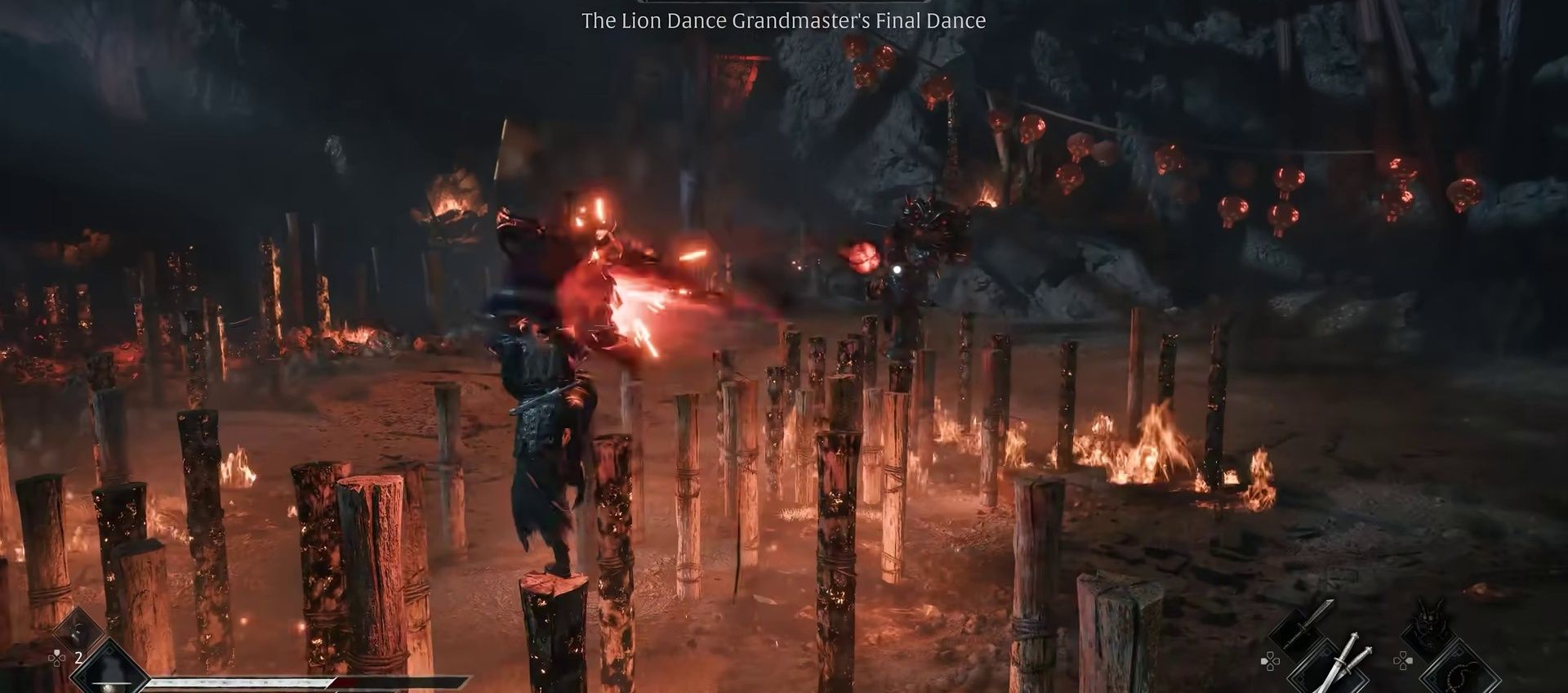
There's also a wonderfully thoughtful detail: if you die during the second phase of a boss fight, the retry starts you directly from the second phase, and your supply items are still automatically restocked to full.
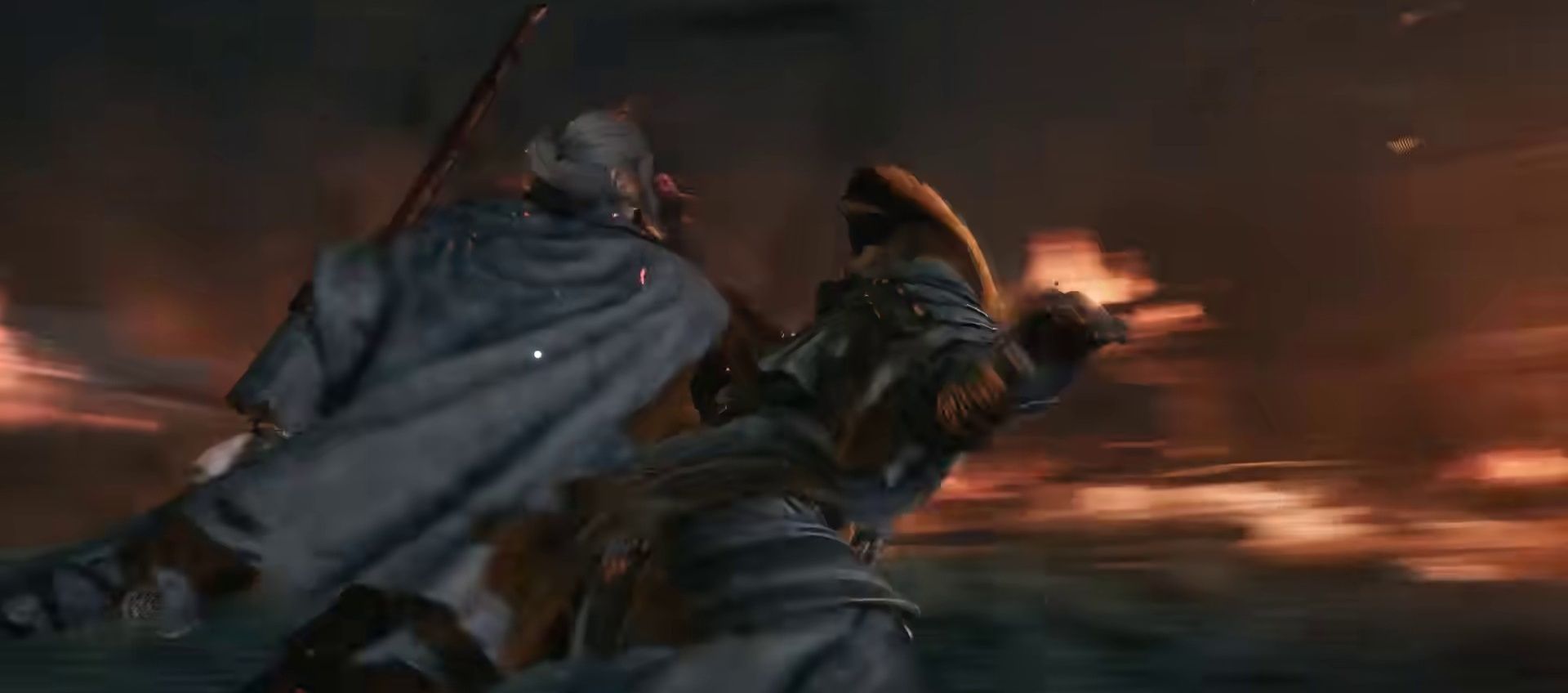
And then there's Demon Ape, the close-quarters combat brute brought to life with Donnie Yen's involvement, who also appeared in the preview in a certain form. The encounter in the preview was only a beginning - he will show up multiple times throughout the full game. Demon Ape's presence takes the thrill, the impact feel, and the sense of speed up yet another level: his aura is clearly on a different tier from the other enemies, every move carries an oppressive weight, yet there's an unhurried composure about him - he even has room to show off mid-fight. Crossing hands with him leaves you wanting more - and down the line, there will be chances to challenge him again.
Wuxia-Punk: A Modern Expression of Traditional Wuxia
Overall, Phantom Blade Zero weaves together the texture of traditional kung fu, wuxia-punk aesthetics, sandbox-style exploration, and resource-management-style action combat, seeking a more modern form of expression within the traditional wuxia genre.
It is also a continuation of the bloodline of Rainblood and the Phantom Blade series - S-GAME and producer Liang Qiwei have spent years cultivating this Shadow Realm universe of surging undercurrents, and this time they have delivered a work that is first-rate in level structure, combat pacing, and action presentation.
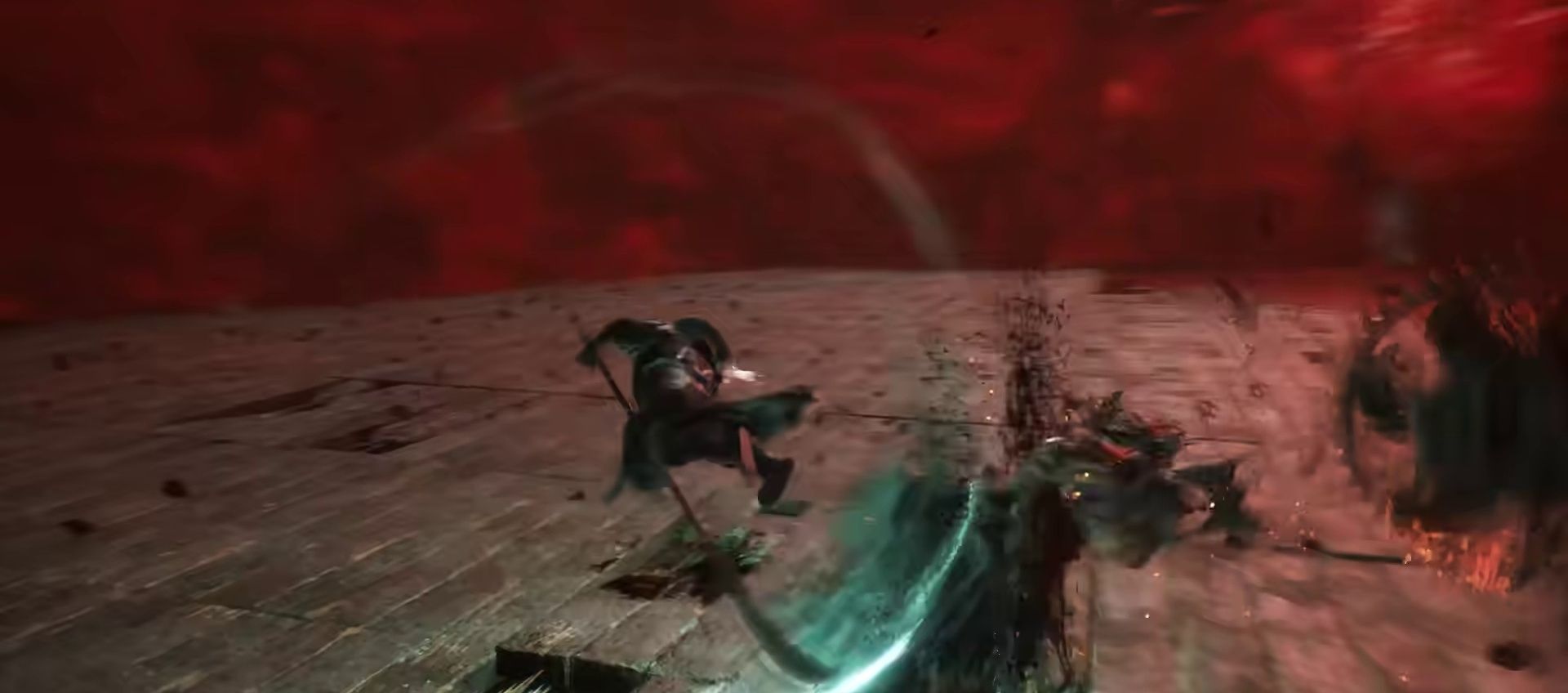
After the hands-on session ended, I was still recalling the fluid grace of the Sword Maniac fight, the chaos of the Martial Venerable fight, and the sheer speed of the Demon Ape fight. As the October 29 release date approaches, how the game fully brings together the 66-day desperate journey, the undercurrents running through Pangzhen, and the kung fu combat system shaped with Donnie Yen's involvement will remain a key focus of our ongoing coverage.
I'm already looking forward to continuing this 66-day desperate journey.
Top Community Comments
@NightPhantom12138 (180 likes): "Let's be honest: if this game doesn't release, it's simply unplayable."
A line of "correct nonsense" took home the most likes in the entire thread. This brand of "nonsense literature" snark is precisely the community's most genuine anxiety laid bare: the more dazzling the gameplay footage gets, the harder the days of waiting for release become. Commenters trading this joke back and forth is, at its core, an unspoken collective countdown.
@Sunward (66 likes): "I'll put it plainly: this game is flat-out unplayable right now."
A "copy-paste" echo of the top comment. Players chaining the same sentence template is less a complaint than a form of shared gallows humor - everyone knows full well that the question was never "can it be played," but "how many days are left?"
@TobaccoWorm (10 likes): "I always feel like the videos on Bilibili are a bit blurry."
It reads like nitpicking, but it's really the plainest way of showing they care about a game built on action choreography: viewers want to catch every frame of blade-flash and every detail of each ghost step's movement. For an action game, being second-guessed over image quality is, in a sense, a compliment in itself.
📌 One-Line Takeaway
With a 66-day do-or-die countdown, Phantom Blade Zero packs the romance of ink-wash jianghu, steampunk contraptions, and kung fu cinema into a single Pangzhen - on October 29, watch this blade leave its sheath.