Phantom Blade Zero: After Six Hours of Hands-On Play, What It Most Wants to Cut Isn't the Difficulty, but the Soulslike-Style Repetitive Grind
Six hours is enough for an action game to show its true colors. My initial expectations for Phantom Blade Zero were straightforward: fast, razor-sharp wuxia action built around weapons and movesets. But once I actually got into the game, the strongest impression was this - it truly is an action game, and a more RPG-driven one than I expected. Exploration, progression, side quests, hidden bosses, equipment builds - none of these dilute the combat; instead, they open up the pacing outside of combat even further.

After Six Hours of Hands-On Play, the First Expectation to Fall Was "Pure Action Game"
Phantom Blade Zero's first impression is easy to freeze in place as a "high-speed wuxia action game." Blade flashes, executions, stances, boss fights - these keywords are striking enough, and more than enough for players to slap a label on the game at the trailer stage. But after roughly six hours of advance hands-on time, the impression that actually lingers isn't as simple as "the combat feels great." It's that beyond the action, the game has buried a remarkably complete RPG skeleton.
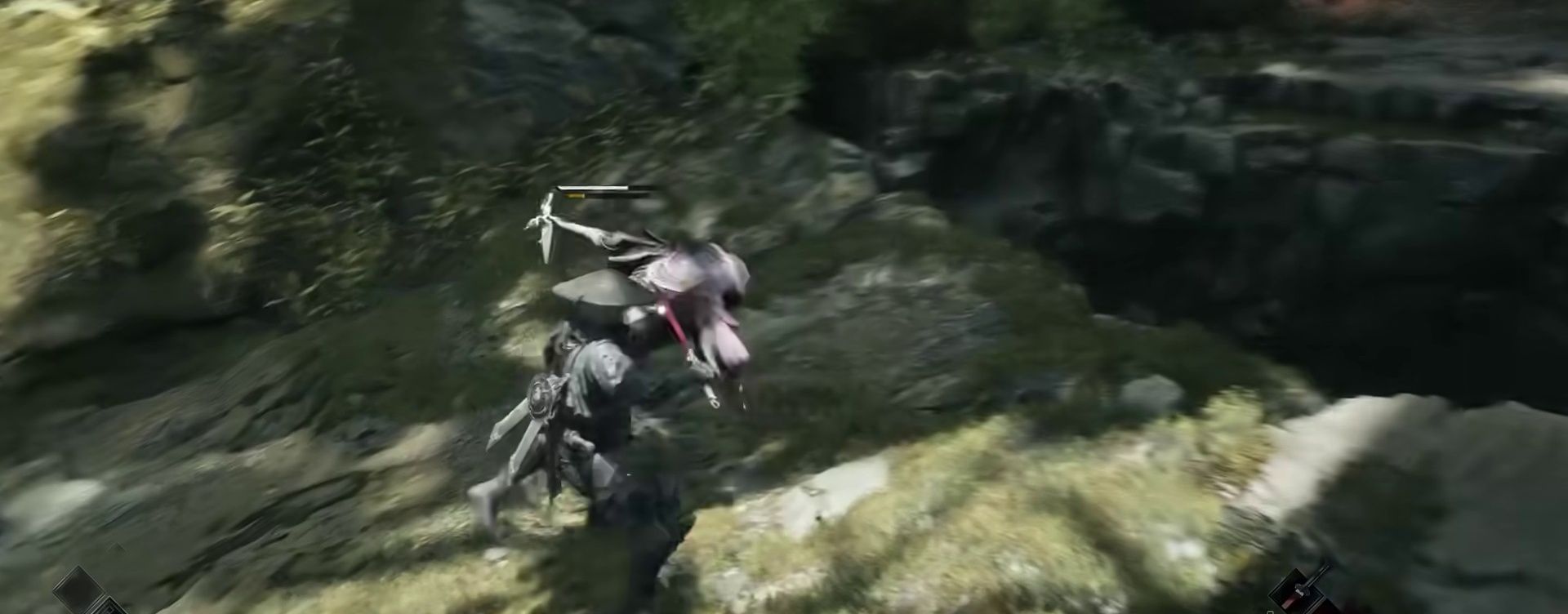
Exploring villages, wandering through markets, triggering side quests, the existence of hidden bosses - none of this feels like a straight line leading only to the boss room. You'll stop at some unremarkable fork in the road, and you'll come to understand the world anew because of a single document, a conversation, or an unfamiliar NPC. It's still an action game, but "action" isn't everything.
It's still an action game, but "action" isn't everything; RPG-style exploration, progression, and side quests are stretching the pacing wide open.
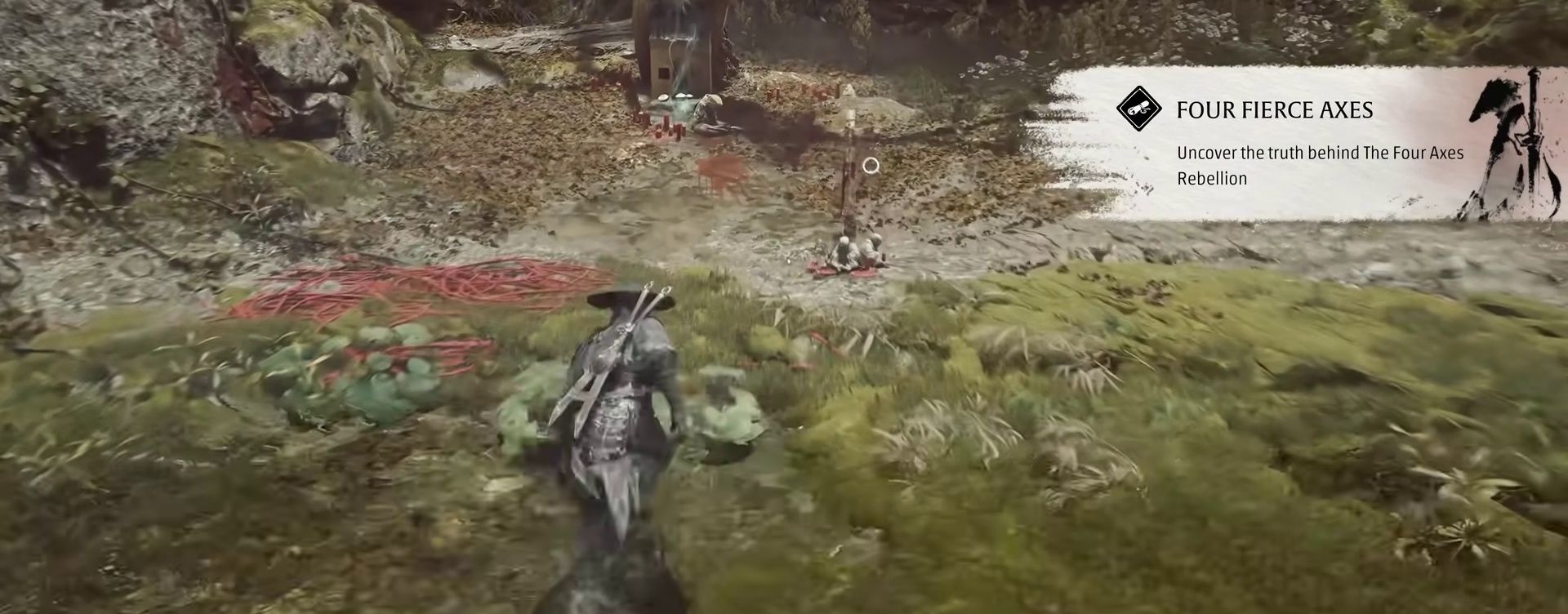
What makes this design so rare is that it never reduces the RPG elements to stats stacked up in menus. Levels, weapons, equipment, side quests - in the end, they all feed back into the combat experience. Players aren't just looking at a pile of systems; they're using those systems to understand enemies anew, to understand the map, and to figure out how they should grow stronger.
Villages, Markets, and Industrial Ruins: How Worldbuilding Grows into the Gameplay
Phantom Blade Zero's worldbuilding isn't propped up by long stretches of narration. It unfolds more gradually, woven between villages and markets: you think you're simply exploring a jianghu settlement, then round a corner and suddenly stumble upon weathered industrial ruins; you assume it's just a set piece, only for the documents scattered about to start filling in the lore.
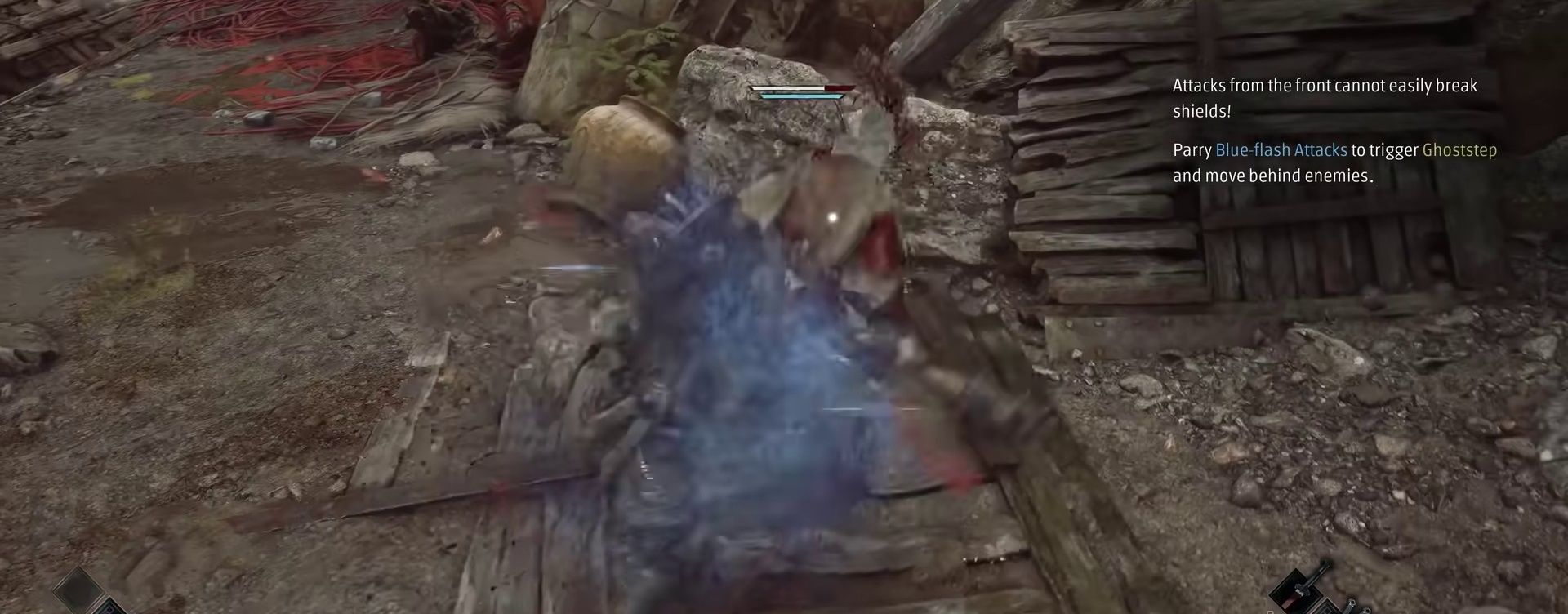
This "discovering the setting through exploration" approach works better than simply playing cutscenes. It lets players piece the clues together on their own, and it keeps environments from being mere containers for combat. Why would a mechanism like this appear here? Why does this village coexist with traces of industry? By the time players start asking these questions, the worldbuilding has already grown into the gameplay.
Good worldbuilding isn't set dressing - it's about letting players understand the rules through exploration.
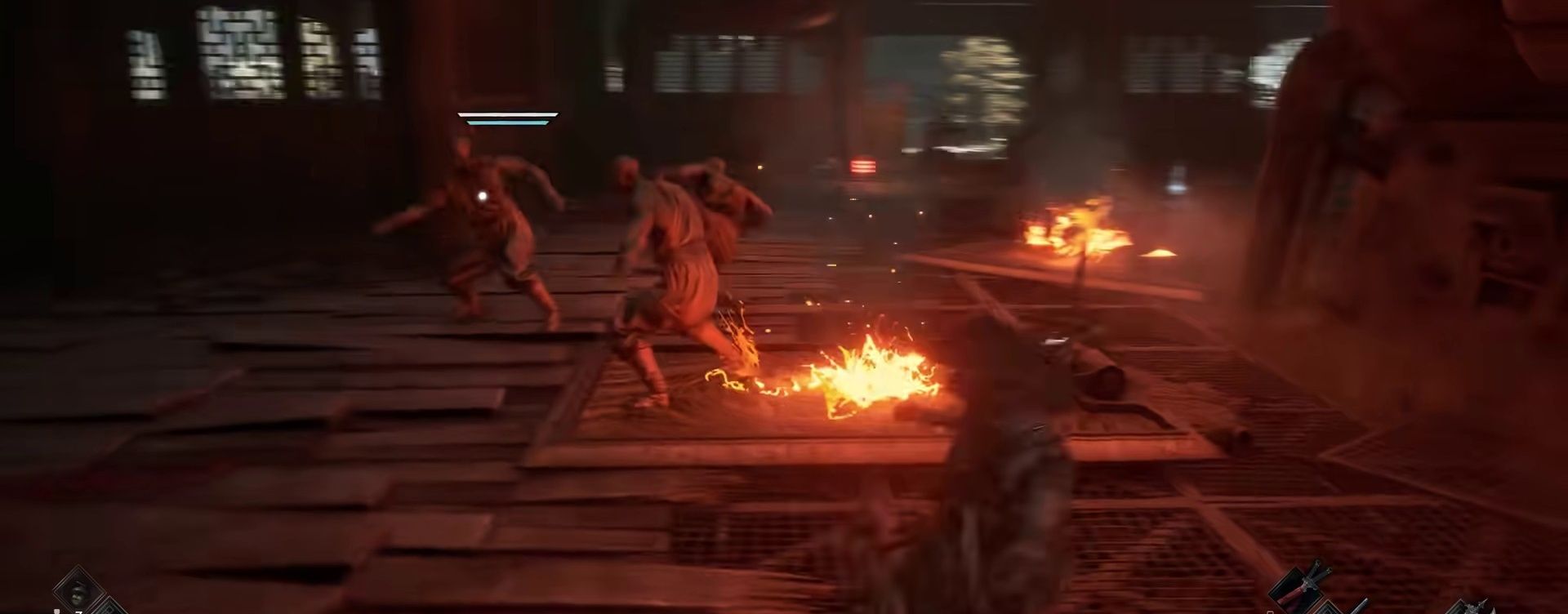
More importantly, there is no disconnect between the game systems and the worldbuilding. Checkpoints, leveling, fast travel, enemy placement, and Boss design are not convenience features shoehorned in out of nowhere - they are kept as consistent as possible with the overall tone. A game that manages to make "the setting explain the systems, and the systems in turn reinforce the setting" has already gone further than many peers that chase nothing but visual spectacle.
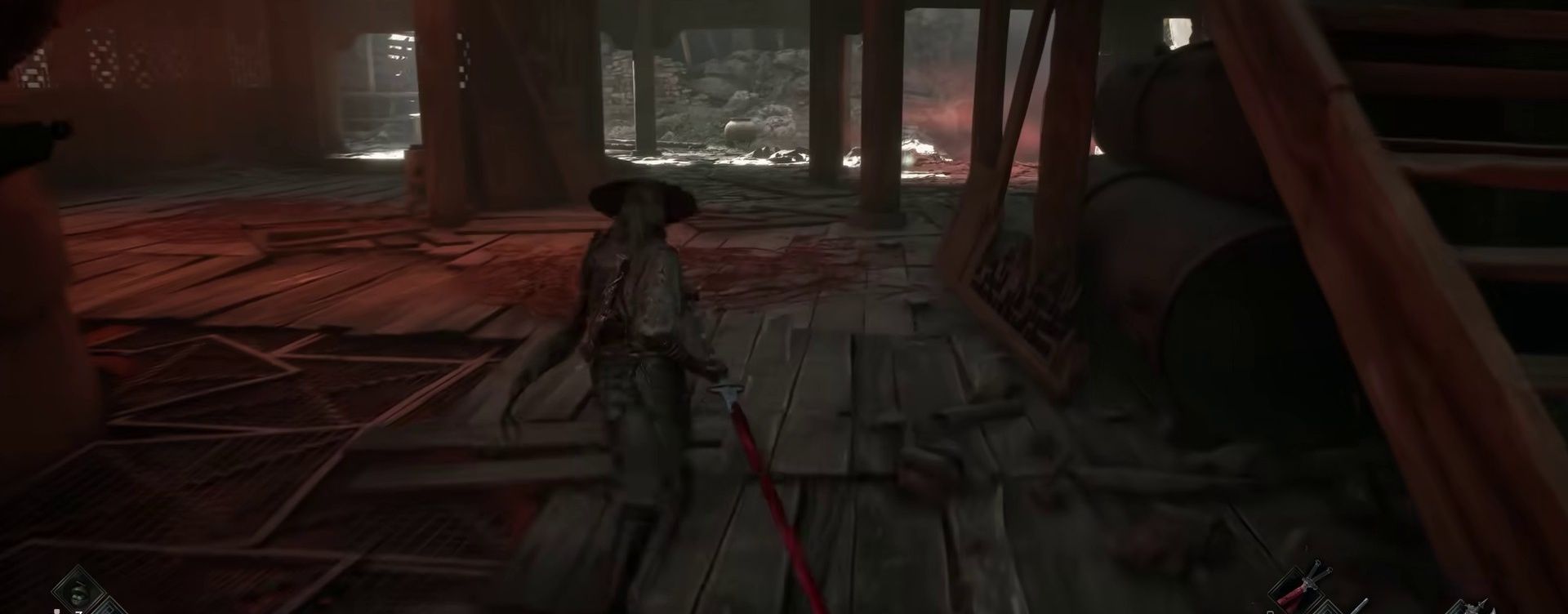
30+ Primary Weapons, 20+ Secondary Weapons: An Underrated Depth of Builds
Phantom Blade Zero's weapon count is staggering: over 30 primary weapons and more than 20 secondary weapons. At first glance, this looks like the typical "quantity as a selling point" move common to action games. But once you actually get hands-on, you'll find that secondary weapons are far from dispensable backups - a considerable number of them are enough to change the entire logic of a fight.
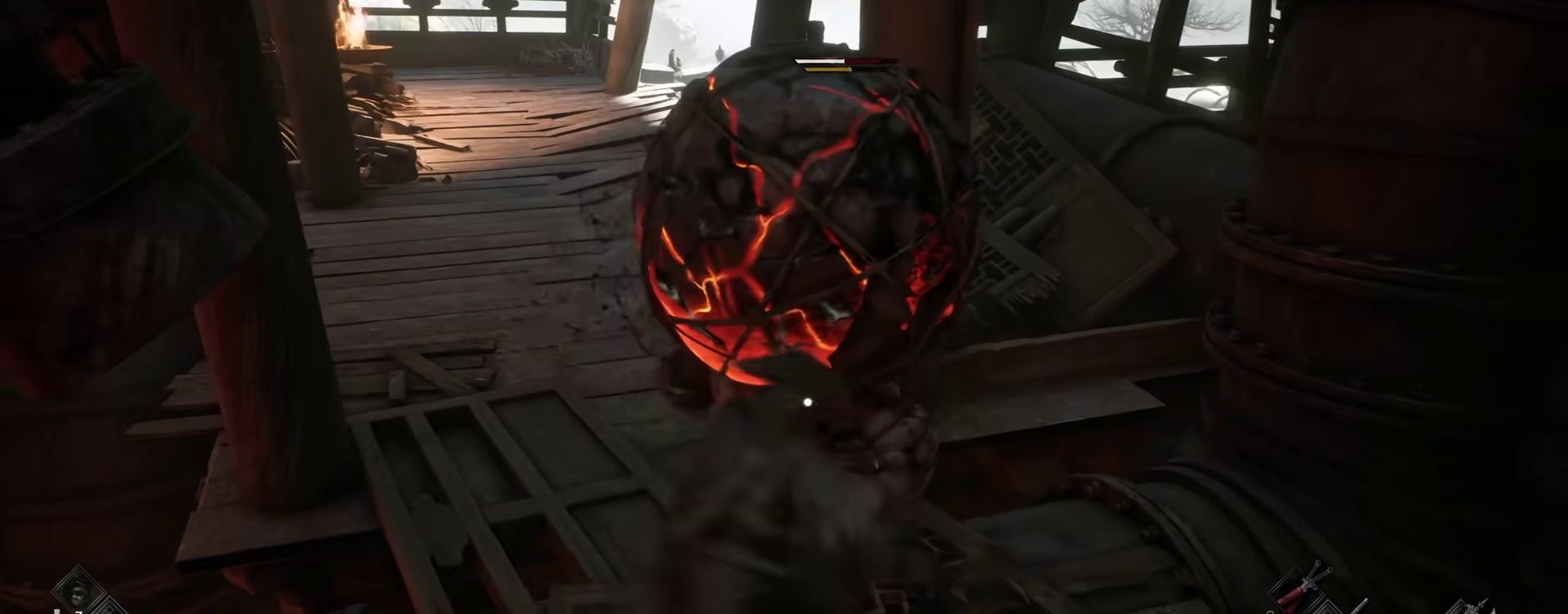
Some secondary weapons work like ranged shots, letting you lock onto and snipe down enemies from a distance; others specialize in breaking an enemy's posture, making even the most troublesome Bosses quickly expose openings; and a few seemingly unremarkable pieces of gear become the hidden answer against specific Bosses. The game never spells out every weakness for you - instead, it encourages players to boldly swap weapons, swap gear, and swap Builds.
Secondary weapons aren't backups - they're a second language.
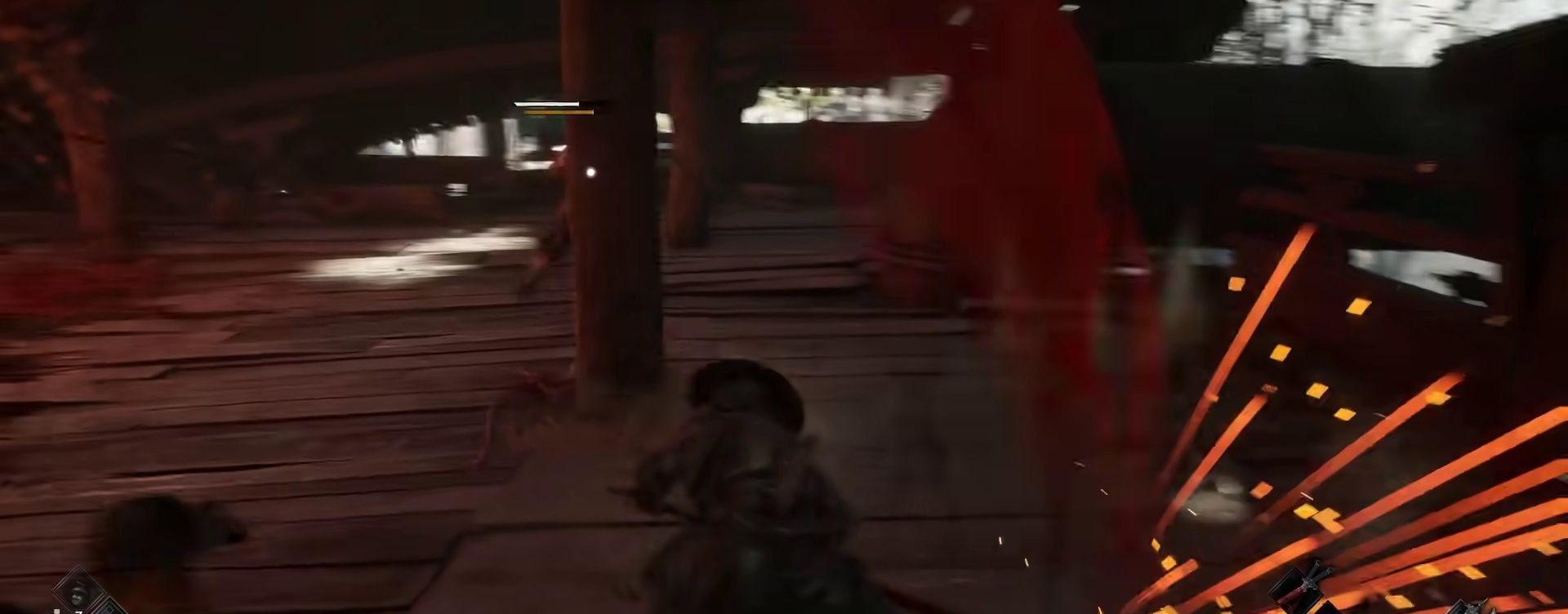
For players used to "beating the whole game with a single weapon," this will be no small challenge. That's because Phantom Blade Zero's Bosses don't just test your reflexes and combos - they also test how well you understand your arsenal. Against the same Boss, switching to a different loadout or a different approach can drop the difficulty by a whole tier in an instant. This kind of Build depth makes it feel more like an action RPG than a pure stage-based action game.
No Revival, No Enemy Respawn: What It Wants to Eliminate Is "Repetitive Labor"
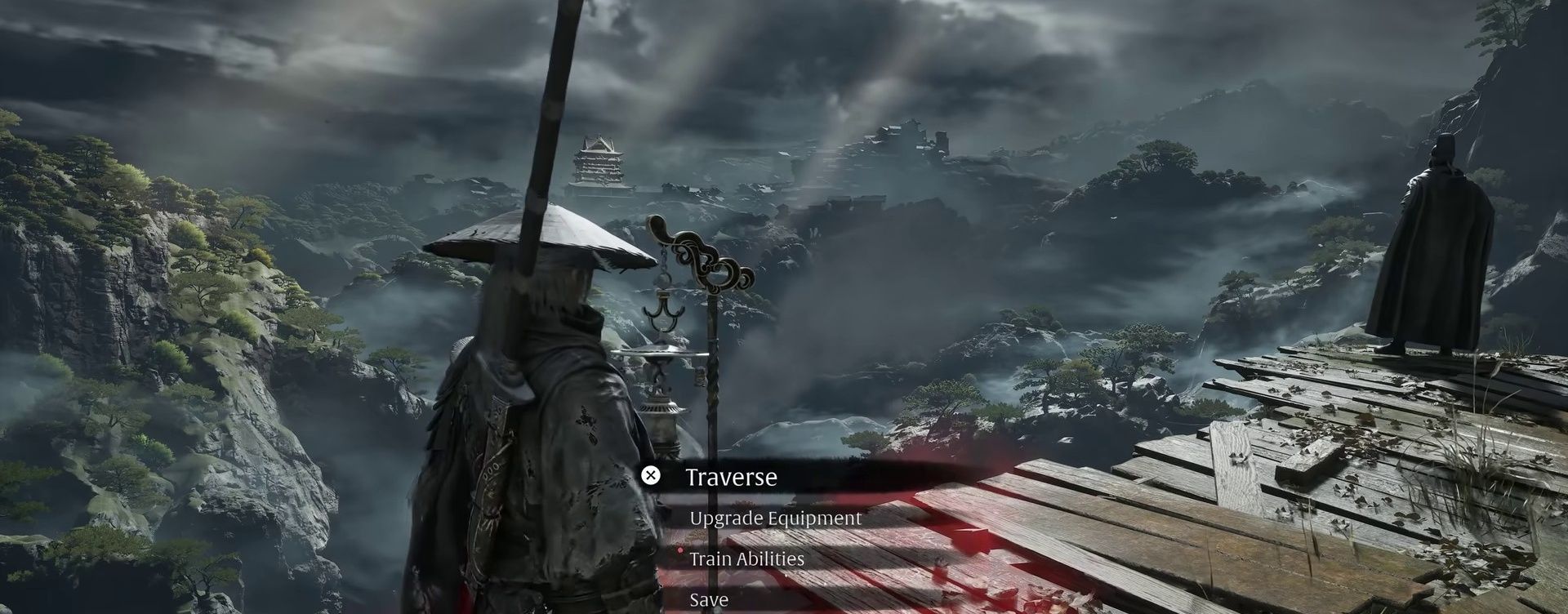
Phantom Blade Zero has a highly noteworthy design decision: enemies essentially never respawn. Players can level up and fast travel at Checkpoints like the "Bell," but repeatedly clearing out the enemies in the same area will not become the norm. In other words, if you want to grind your level up, you can't do it by standing in one spot and farming the same pack of mobs over and over.
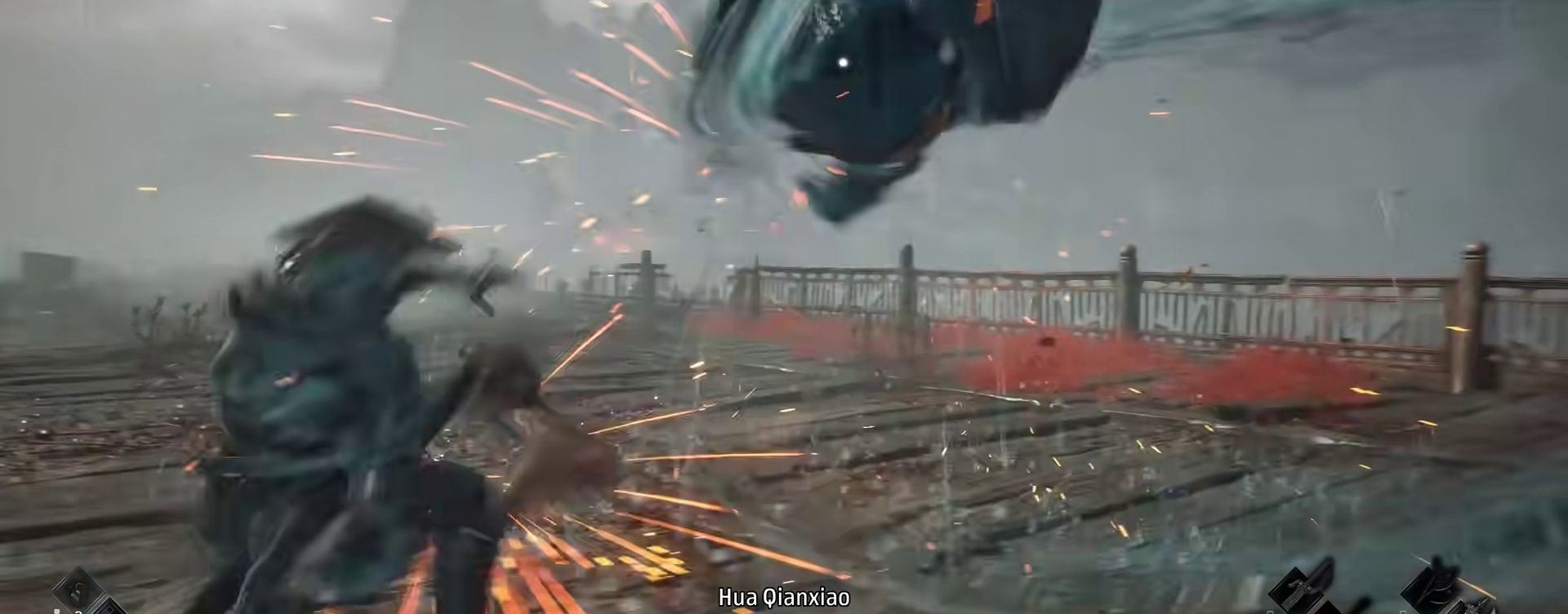
This is clearly intentional. The development team wants to keep players from falling into a monotonous, repetitive loop as much as possible - running to a Checkpoint, triggering enemy respawn, fighting through it all again, respawning them again. Soulslikes and traditional RPGs alike tend to slip into this kind of rhythm, but Phantom Blade Zero has chosen a more radical path: removing "grinding" from the progression path.
It removes "grinding" from the progression path, forcing players to trade exploration for growth.
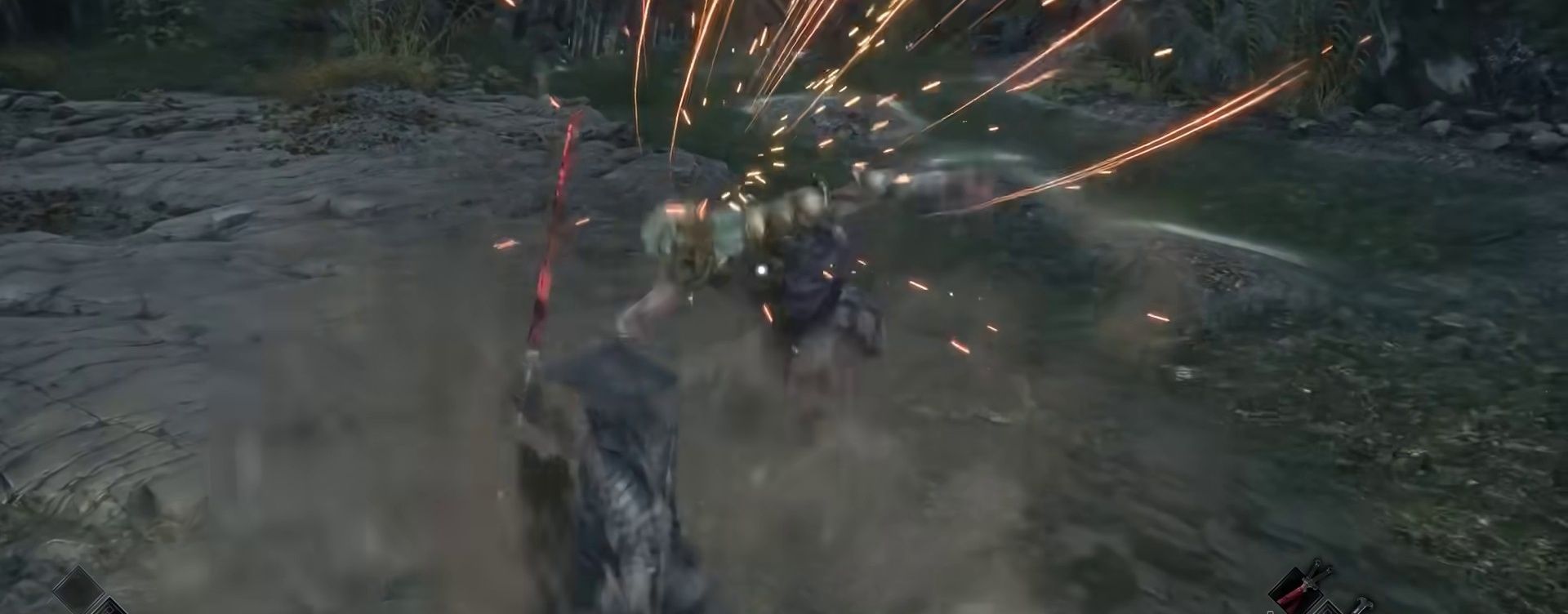
In its place are more substantial side quests and branching paths. You might set off to explore somewhere else in pursuit of a level-up, only to stumble halfway into a hidden Boss you've never even heard of, or trigger an unexpected Side Quest. This design means "getting stronger" is no longer just a matter of stats growth, but a series of rediscoveries of the world itself.
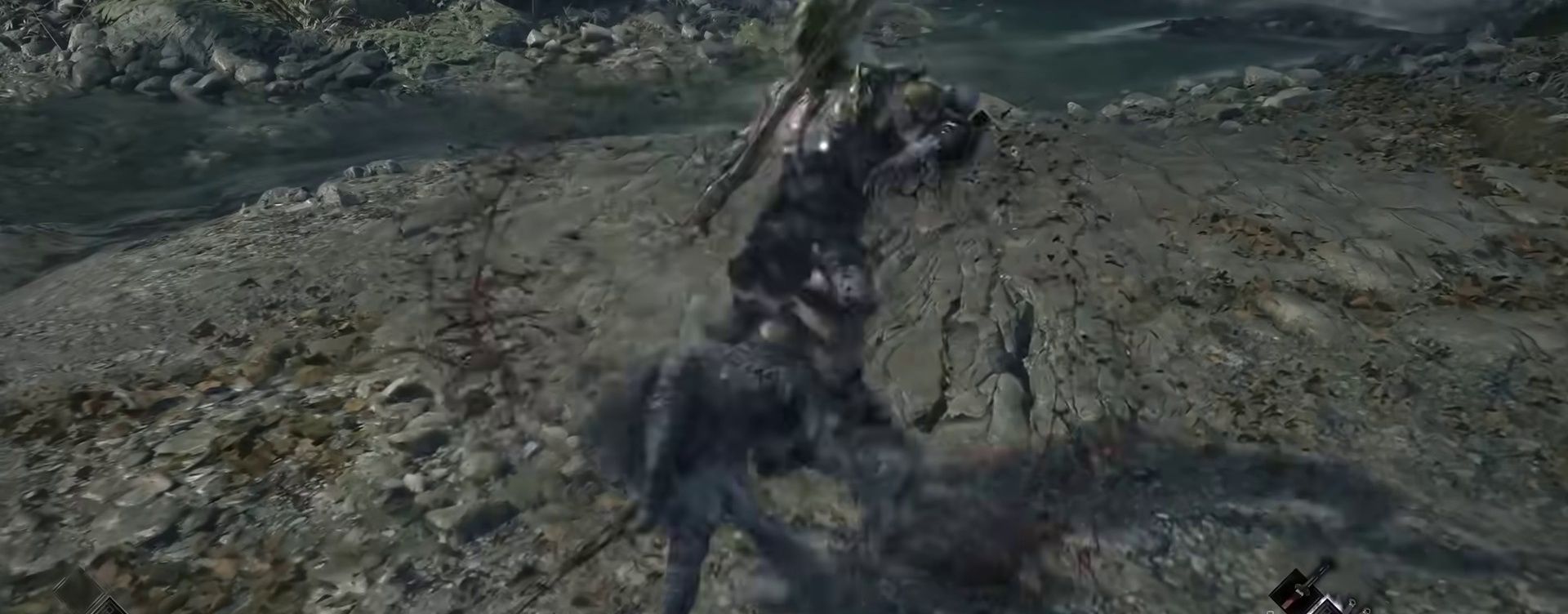
Restarting Boss Fights from Phase Two: Considerate, or Diluting the Ritual?
The bosses in Phantom Blade Zero are no pushovers. The first few might be cleared with standard play, but by the mid-game, grueling battles become almost inevitable. What's more agonizing: after finally taking down a boss, you may discover that was only its first phase - the real challenge still lies ahead.
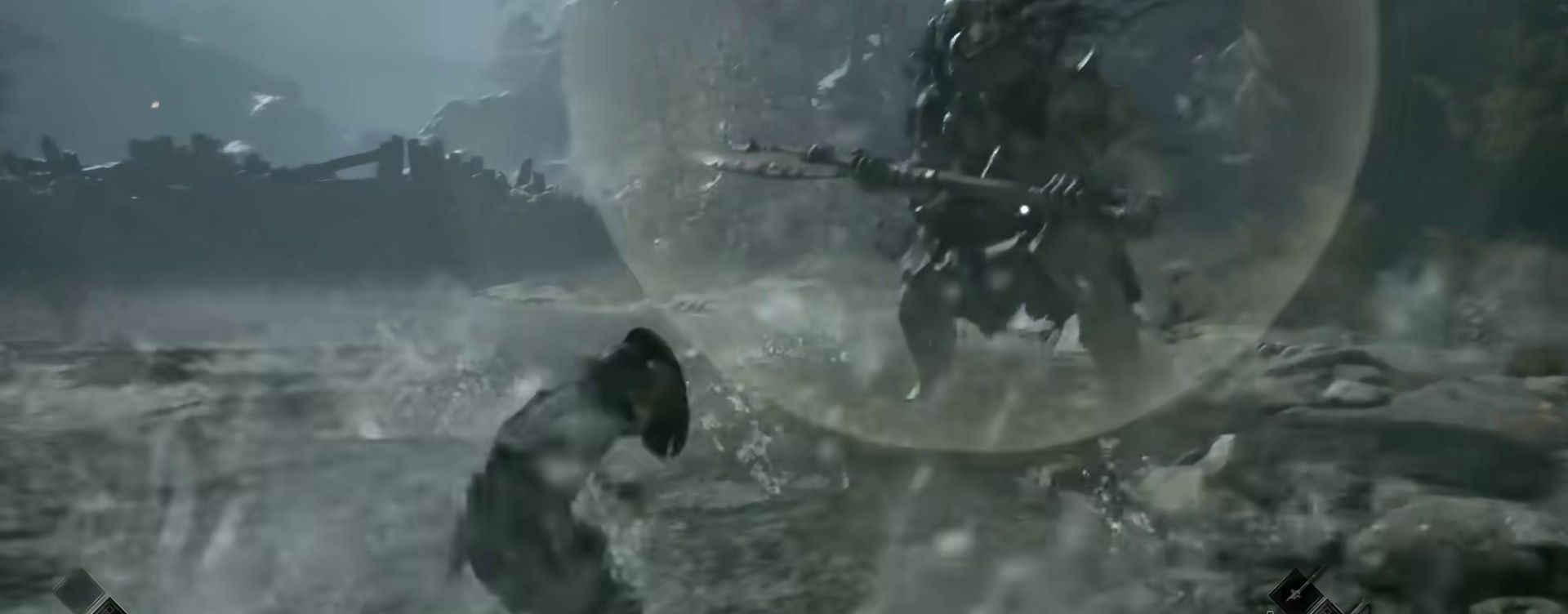
But here the game makes a design choice that is both controversial and considerate: if you die during the second phase, your next attempt can start directly from phase two. In other words, the first phase you've already cleared doesn't need to be replayed over and over. It carries forward the overall philosophy of "minimizing repetitive work," letting you focus your energy on the part that's actually blocking you.
The repetitive grind is cut out - but so is the ritual of "proving yourself all over again from phase one."
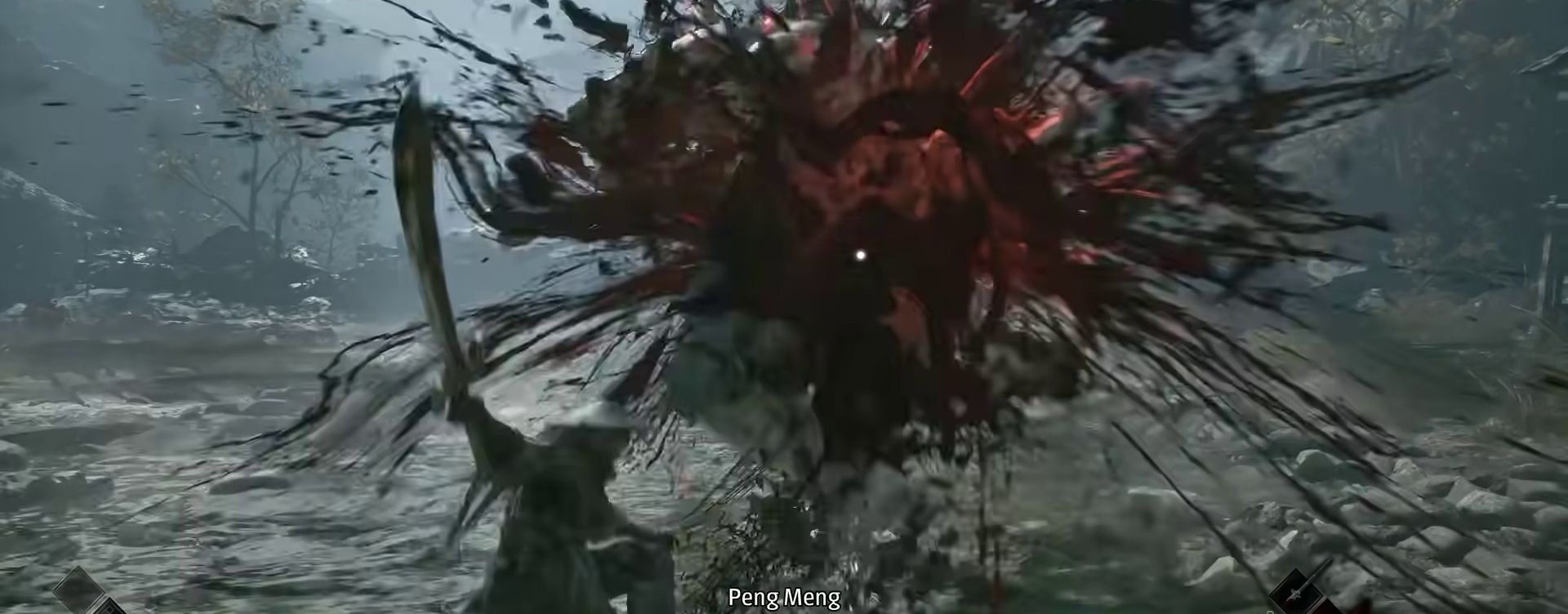
This is, of course, a good thing. Especially for players with limited time who don't want to be put through the same sequence again and again, this design is remarkably friendly. But it may also produce a different feeling: once the first phase becomes a sequence that "can simply be skipped," the full rhythm of the boss fight, the sense of escalation from weak to strong, and the ritual of final victory may all be diminished.
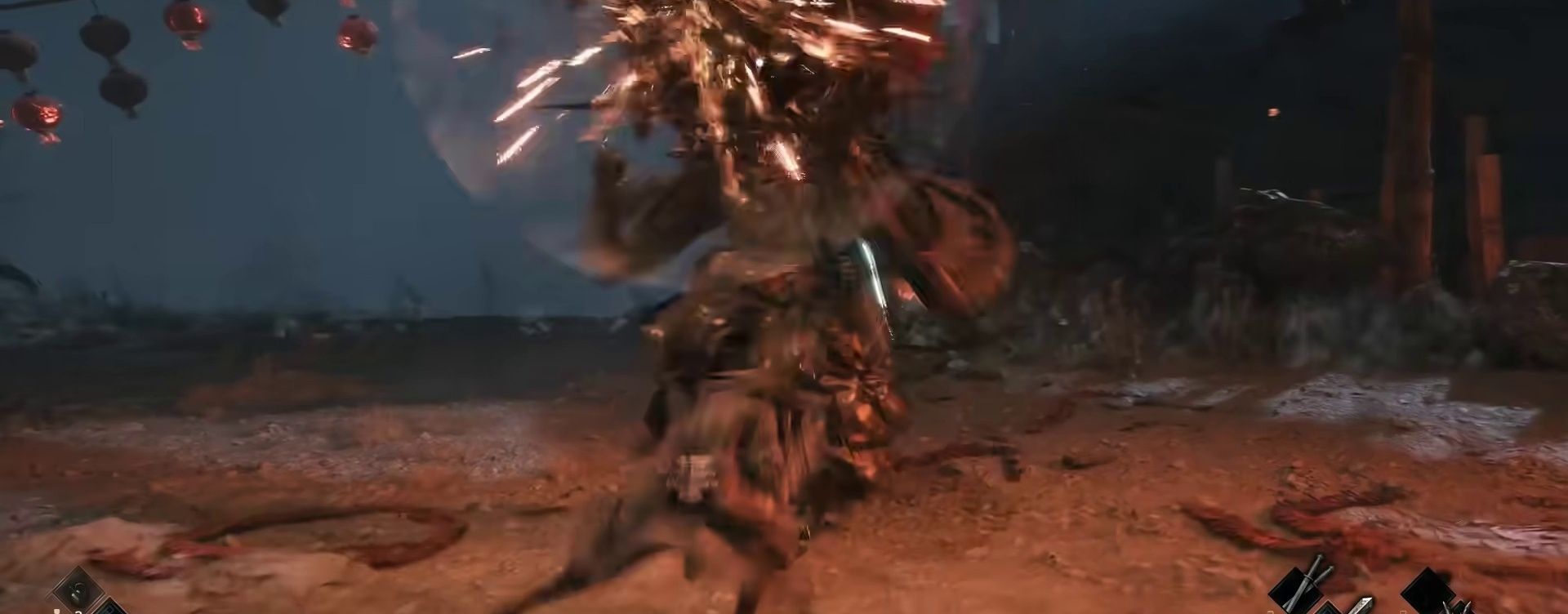
So this isn't a simple right-or-wrong question, but a deliberate design trade-off. It chose convenience, chose to cut repetition, and chose to get players into high-intensity confrontation faster. Whether this consideration leaves some hardcore players feeling that "something is missing" will depend on how the final release strikes its balance.
High Difficulty Isn't a Stats Wall: Understanding Enemies Matters More Than Brute Force
On high difficulty, Phantom Blade Zero doesn't simply thicken enemy health bars and crank up attack damage. Instead, it pushes players to truly understand their enemies: rather than hammering away with the same combo, you're meant to probe enemy openings, stances, attributes, and hidden weaknesses. In other words, difficulty isn't a wall - it's a question.
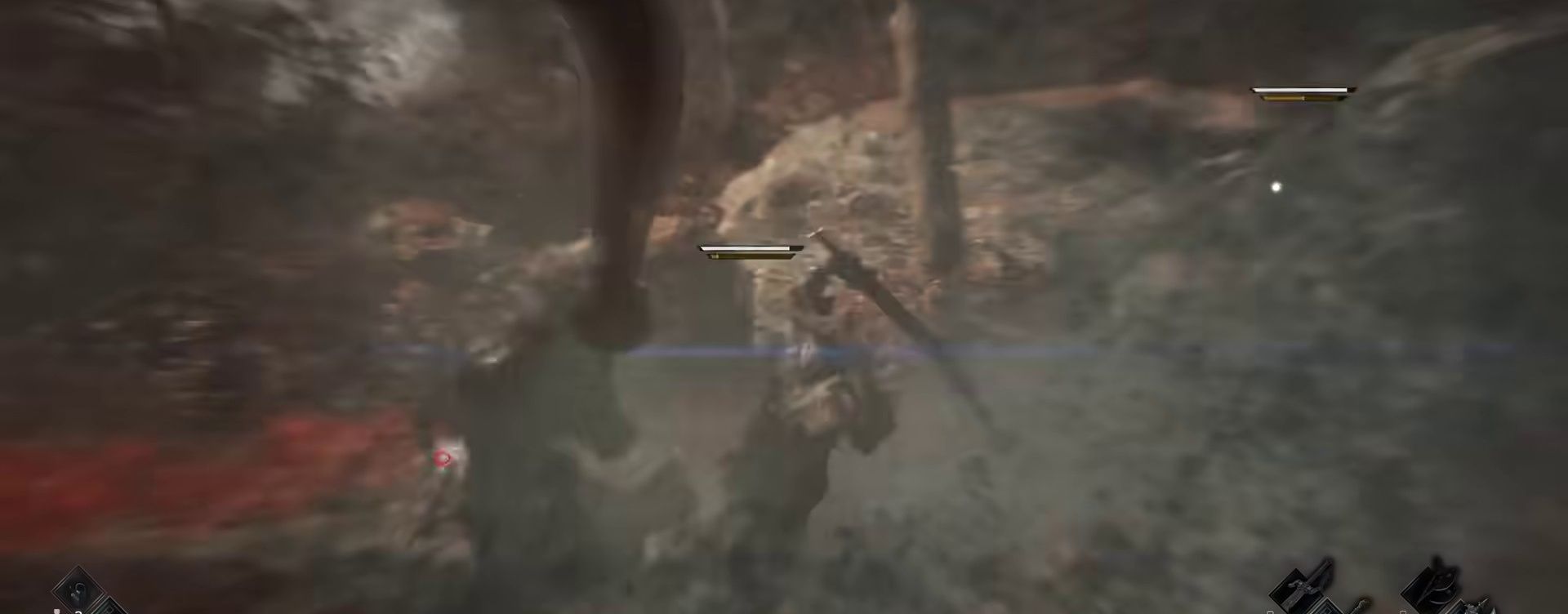
This design philosophy is consistent with the game's worldbuilding. Duels in the jianghu were never meant to be a mere contest of stats. The enemies you face have their own moves, habits, and fears. Breaking stances with fire, disrupting rhythms with ranged weapons, creating openings with different secondary weapons - none of these are flashy add-ons; they're the directions the combat system genuinely encourages.
Difficulty isn't a wall, but a question: have you truly read your enemy?
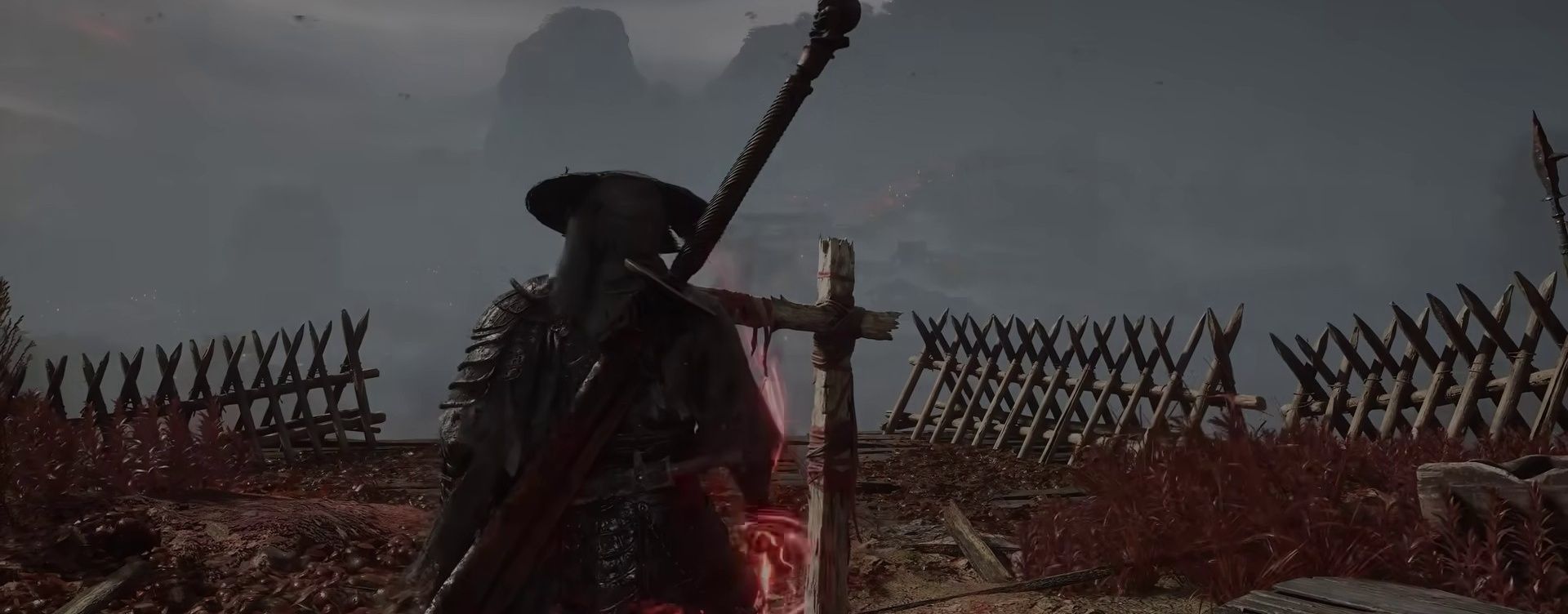
For players used to "one build to rule them all," this may bring frustration - but also a stronger thrill of cracking the puzzle. Especially when you discover that a certain boss actually has a simpler counter you'd simply never tried before, that "wait, so this is how you fight it?" moment becomes one of Phantom Blade Zero's most captivating experiences.
From Onimusha to Chinese Martial Arts: The Integration of Action, Weapons, and Narrative
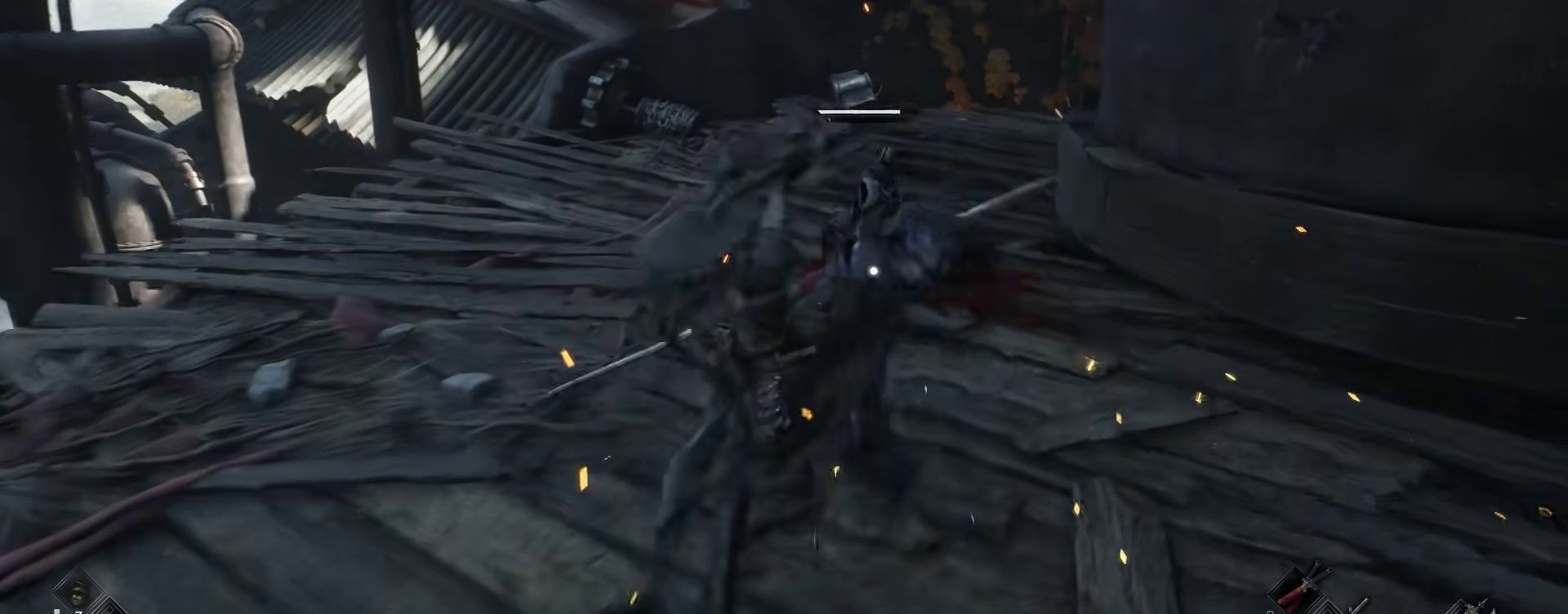
If you place Phantom Blade Zero alongside chanbara action games like Onimusha: Way of the Sword, you'll find that it unfolds with noticeably greater richness. It emphasizes not only the moment when blades cross, but also the rhythm, body movement, and weapon characteristics of Chinese martial arts. Those moves aren't just for show - they express a character's identity, sect, killing intent, and past.
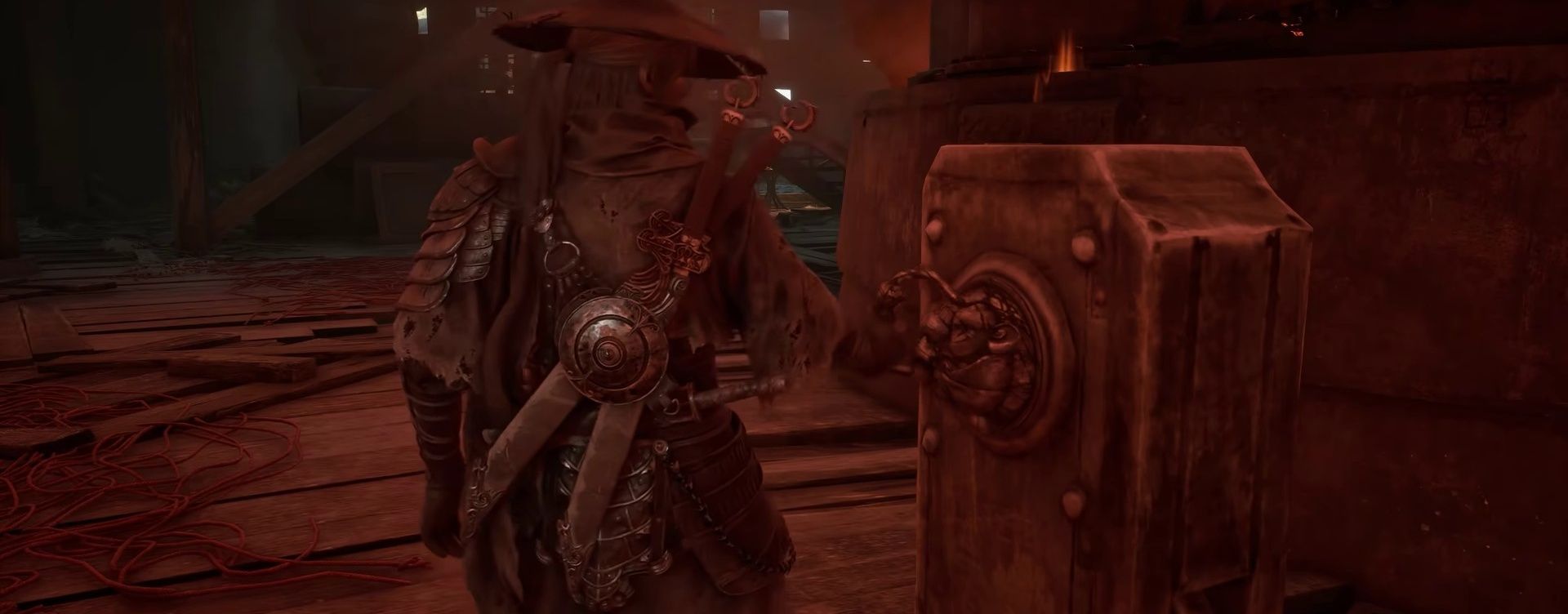
Weapons in this game aren't simple stat tools, either. The combination of primary and secondary weapons changes your attack range, guard-breaking options, combat rhythm, and resource loop. Acquiring, upgrading, and switching weapons isn't just about "getting stronger" - it's more like learning a whole new body language. When a weapon has personality, a combo is no longer just a combo.
When a weapon has personality, a combo is no longer just a combo.
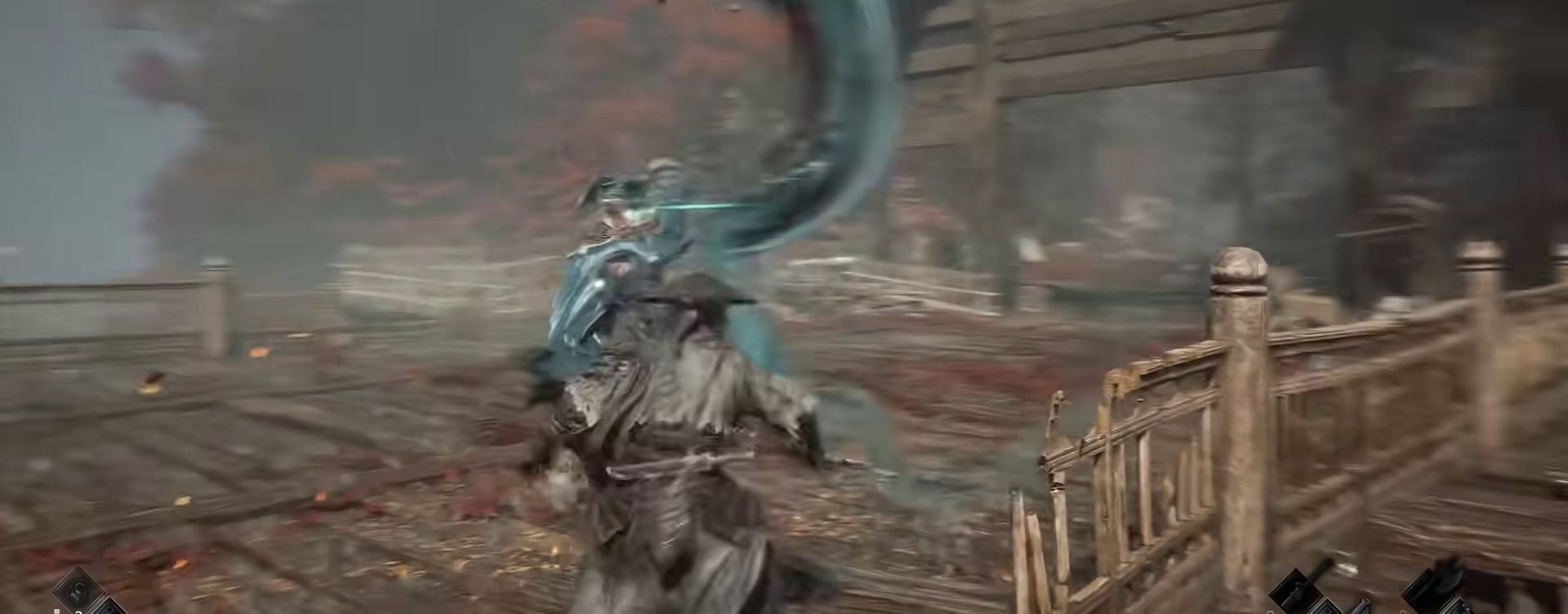
In the vision of Liang Qiwei and S-GAME, Chinese martial arts are clearly no mere coat of paint. They need to permeate the action design, Boss logic, environmental atmosphere, and narrative expression. The real challenge isn't getting characters to perform a beautiful sword routine - it's making players feel, through the controls themselves, that "this is the movement grammar of Chinese martial arts."
What Does Phantom Blade Zero Ultimately Feel Like? An RPG Action Game with Soulslike Pressure
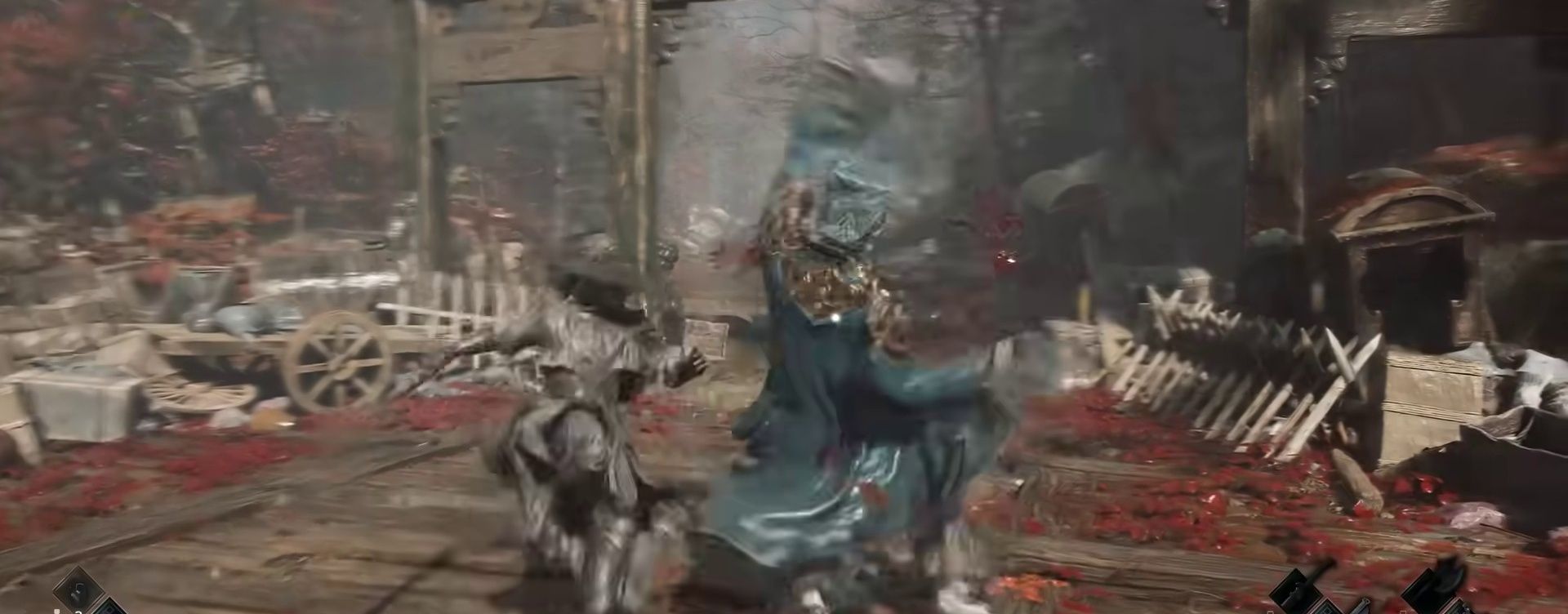
So what does Phantom Blade Zero actually feel like? It carries soulslike-style pressure: bosses are tough, deaths are frequent, checkpoints matter, and stances and openings must be read. Yet it refuses to inherit the parts of the soulslike formula that wear players down the most: no enemy respawn, no clearing the same map over and over, direct restarts from a boss's second phase, and substantial side quests and hidden content.
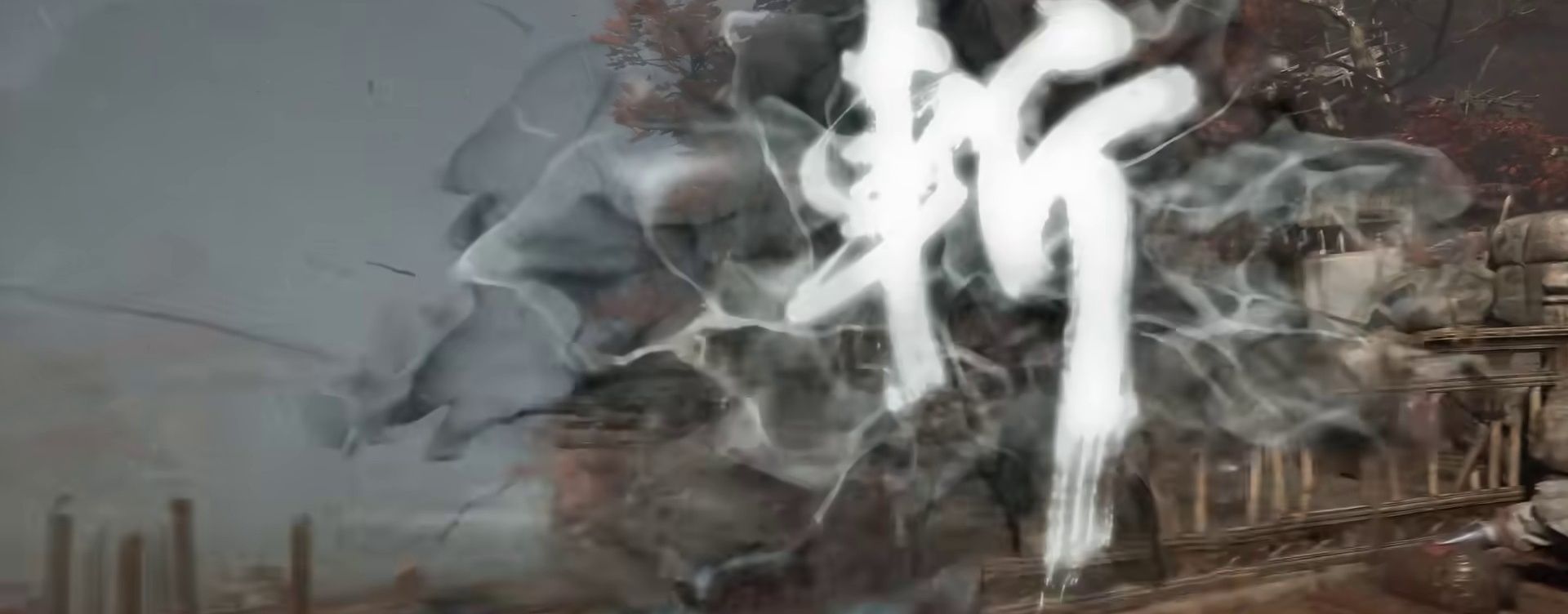
It's closer to an "RPG action game with soulslike pressure." Action is the core, but not the only thing; difficulty is the threshold, but not the goal. It wants players to grow stronger through exploration, to solve problems through gear changes, and to understand enemies after failure after failure - rather than repeating the same drudgery along the same stretch of road.
It borrows the soulslike's pressure, yet refuses to inherit its repetition.
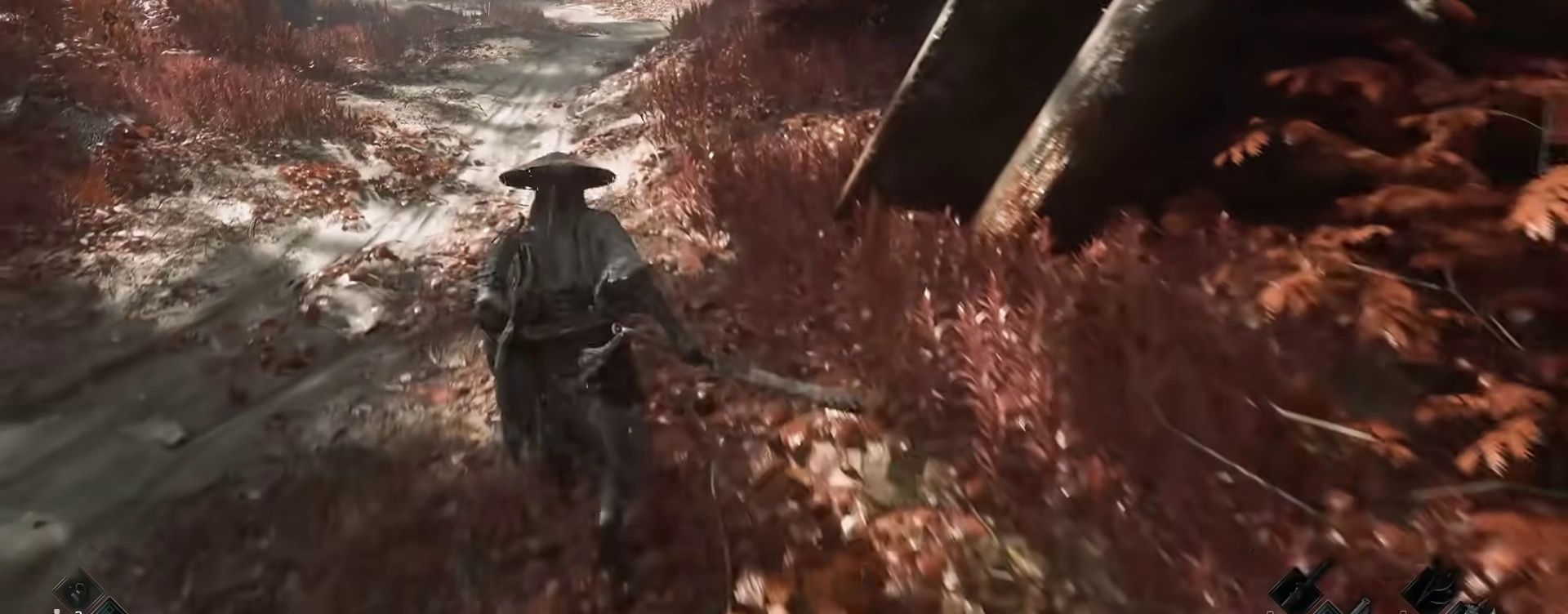
For players weary of the "soulslike" label wars, this may be the most exciting thing about Phantom Blade Zero. It isn't in a rush to prove which genre it belongs to; instead, it's using systems design to answer a more fundamental question: can an action game sustain high-difficulty combat without trapping players in repetition?
Top Community Comments
The troll-style irony of "yet another soulslike." One viewer wrote: "After typing out the words 'yet another soulslike,' I cheerfully propped my legs up on the desk..." This comment frames the community's label wars as a prank. What it truly satirizes is how, once "soulslike" becomes a catch-all tag, discussion easily slides from concrete design talk into factional mudslinging. The harder a game is to capture in a single sentence, the more likely it becomes a target of these label wars.
"Even the notoriously strict Japanese IGN gave it a positive review." This is a highly upvoted quip. Japanese IGN has a reputation among players for exacting tastes; if even it handed down a positive verdict, then Phantom Blade Zero's combat, systems, and overall polish have at least cleared a fairly high bar. For a title that has yet to officially release, this kind of feedback will inevitably raise expectations.
A long string of "yet another..." rhetorical questions. One viewer listed: "Homegrown again? Soulslike again? Wuxia again? ... A game again?" This isn't earnest categorization - it's irony aimed at the barrage of labels. Players aren't rejecting homegrown wuxia; they're weary of element checklists standing in for judgments based on actual experience. The real question Phantom Blade Zero must answer isn't "how soulslike is it," but whether its own combat, exploration, and progression hold up on their own terms.
📌 One-Line Takeaway
Phantom Blade Zero is not an action game defined by the "soulslike" label. Beyond its high-difficulty wuxia combat, it packs in more RPG-style exploration, greater build freedom, and a level and boss design philosophy that aims to eliminate repetitive grind.