Phantom Blade Zero: After Soulslike Fatigue, It Reignites the Madness of Action Games with a Faceless Boss Fight
When superhero shows get praised to near-perfect scores, and Star Wars keeps being served up yet again, the audience's first reaction isn't necessarily excitement - it's fatigue. We're not rejecting good content; we're rejecting being pushed along by IP inertia. But when the camera cuts to Phantom Blade Zero's boss fight, that fatigue suddenly cuts out: no lengthy recap, no cosmic family tree - just the flash of blades, rain, drumbeats, and a faceless figure radiating an overwhelming presence. It doesn't need to convince you first; it makes you sit up straight first.
After Aesthetic Fatigue, Why Phantom Blade Zero, of All Things, Makes You Sit Up
We're living through a phase surrounded by "sequels" and "universes." Superhero shows can be made well, and Star Wars can still flash brilliance now and then, but when every recommendation comes bundled with the anxiety of "you've missed the peak," watching turns into a chore. Some people get pitched an anime with a 9.5 rating and still can't muster any excitement; others are reflexively turned off the moment they hear the words "Star Wars." This isn't a matter of taste - it's overload.
What truly breaks fatigue has never been more explanation - it's a more direct jolt.
Phantom Blade Zero's demo belongs to the latter. It doesn't treat wuxia as a backdrop; it pushes the action, the rhythm, and the killing intent all to the foreground. You first register the boss's oppressive presence, then the protagonist's movement, and only then does it dawn on you: this isn't yet another soulslike you need to psych yourself up for - it's an action spectacle that makes you want to grip the controller right now.
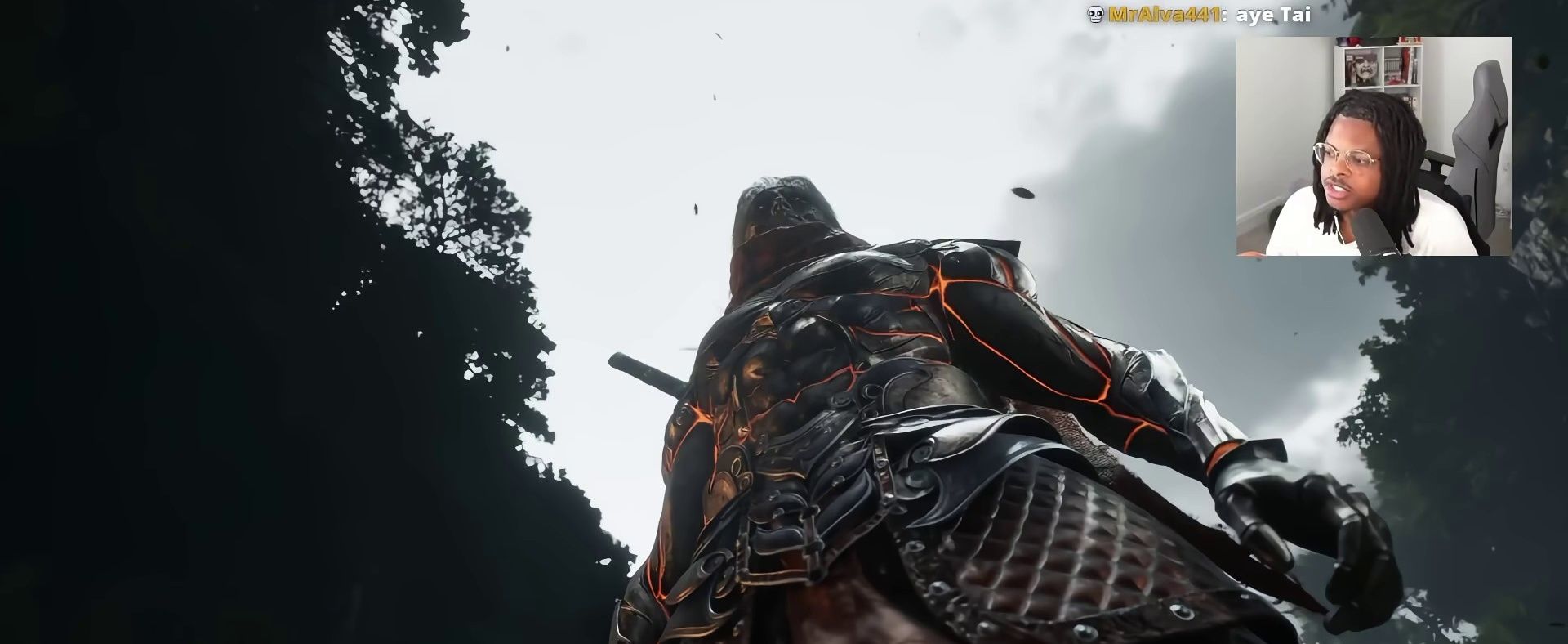
It carries a long-lost sense of "directness." No need to binge ten seasons of anime first, no need to memorize the family tree of some universe, no need to buy into some grand narrative in advance. The blade leaves its sheath, the music kicks in, the boss is standing right there - and everything already holds. For weary viewers, this kind of directness is more persuasive than any worldbuilding lecture.
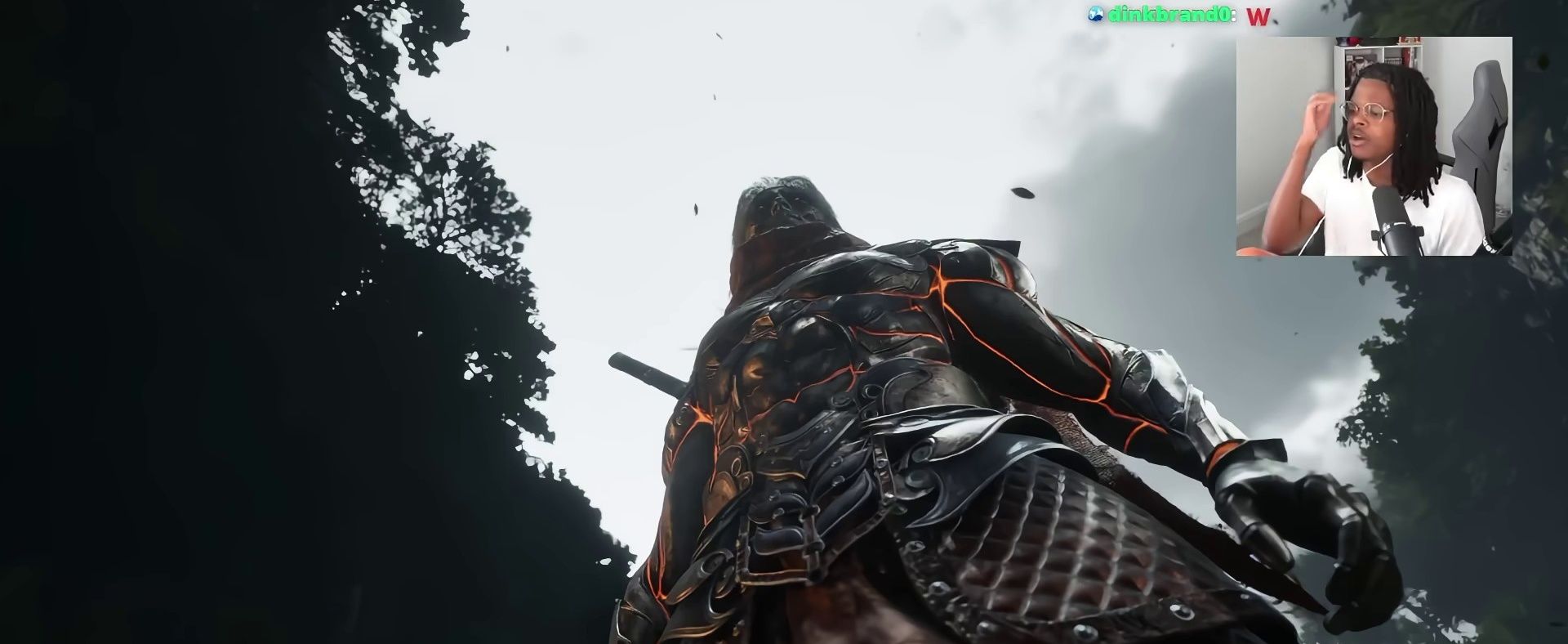
And that's precisely why it makes people realize, all over again, that the most primal appeal of action games has never been "I just decoded another piece of intricate lore," but "I want to charge in right now and fight this guy."
A Faceless Boss with Screen-Filling Presence: The Action Design Grabs You at First Glance
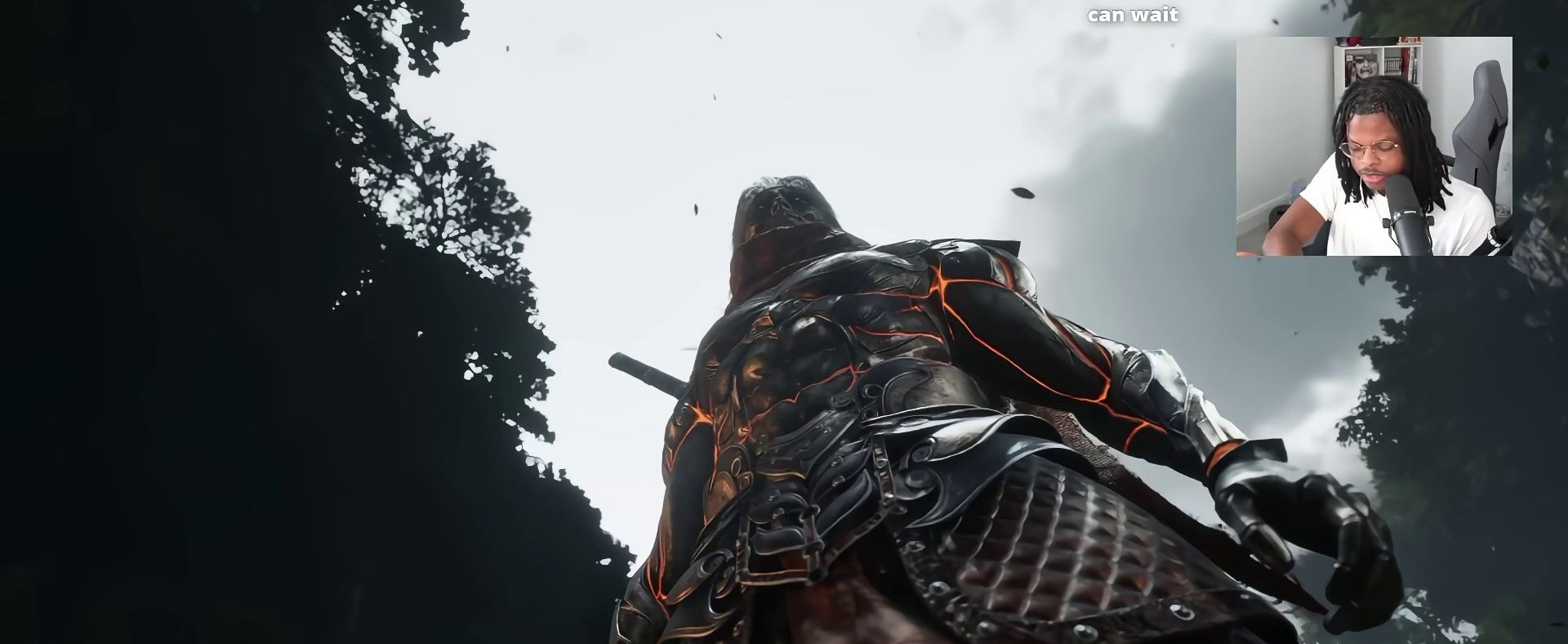
The most captivating thing in the gameplay footage is precisely that "faceless" boss. It has no facial features, none of the intimidation that traditional villains build through dialogue and expressions - yet it maxes out its presence through its stance, its turns, its steps, and the speed of its strikes. It's like a weapon that walks, or a nameless god of slaughter stepped straight out of some Eastern tale of the strange and supernatural.
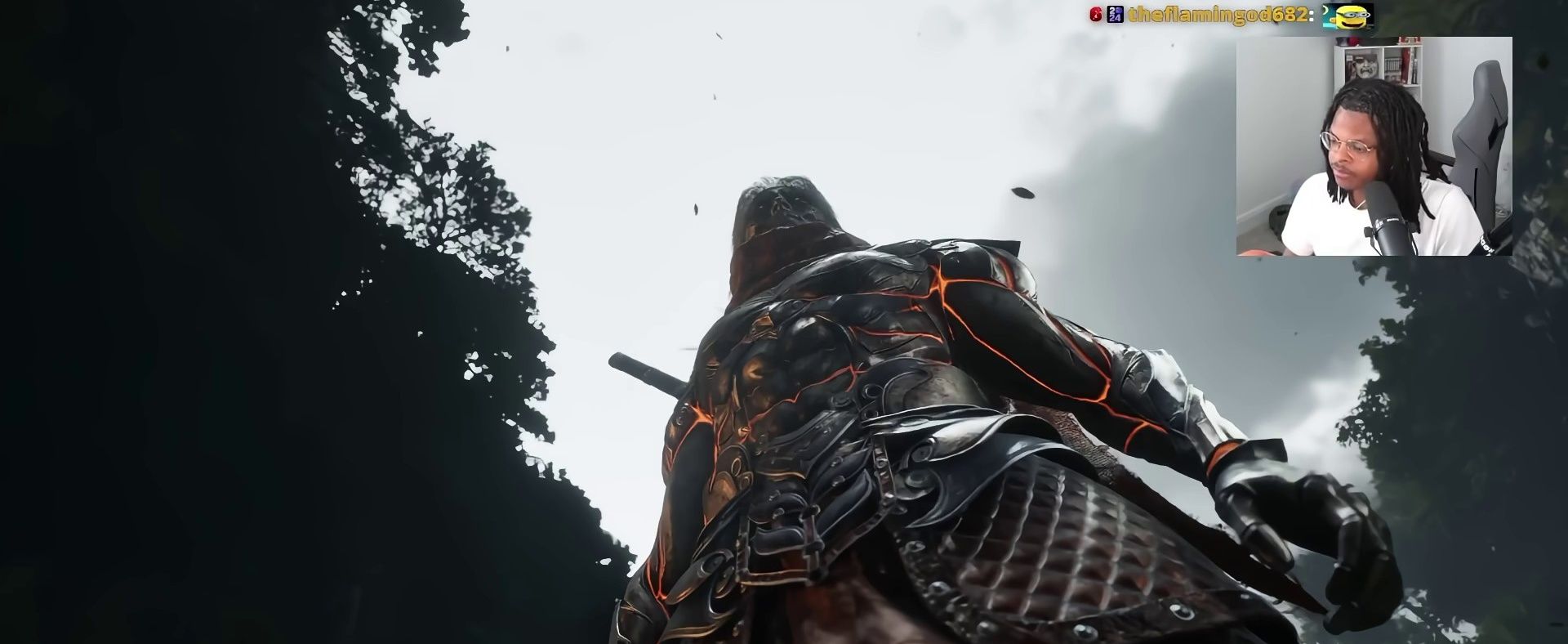
It has no face, yet it understands presence better than many bosses that do.
That presence isn't stacked up through a health bar - it's built from the "weight" and "negative space" of its movements. Every pause feels like it's waiting for you to make a mistake; every lunge compresses your reaction window. The camera never rushes to show off visual effects; it lets the moves themselves take center stage. This design philosophy is old-school, yet sophisticated: first make players believe the opponent is a master, then make players believe they can become one too.
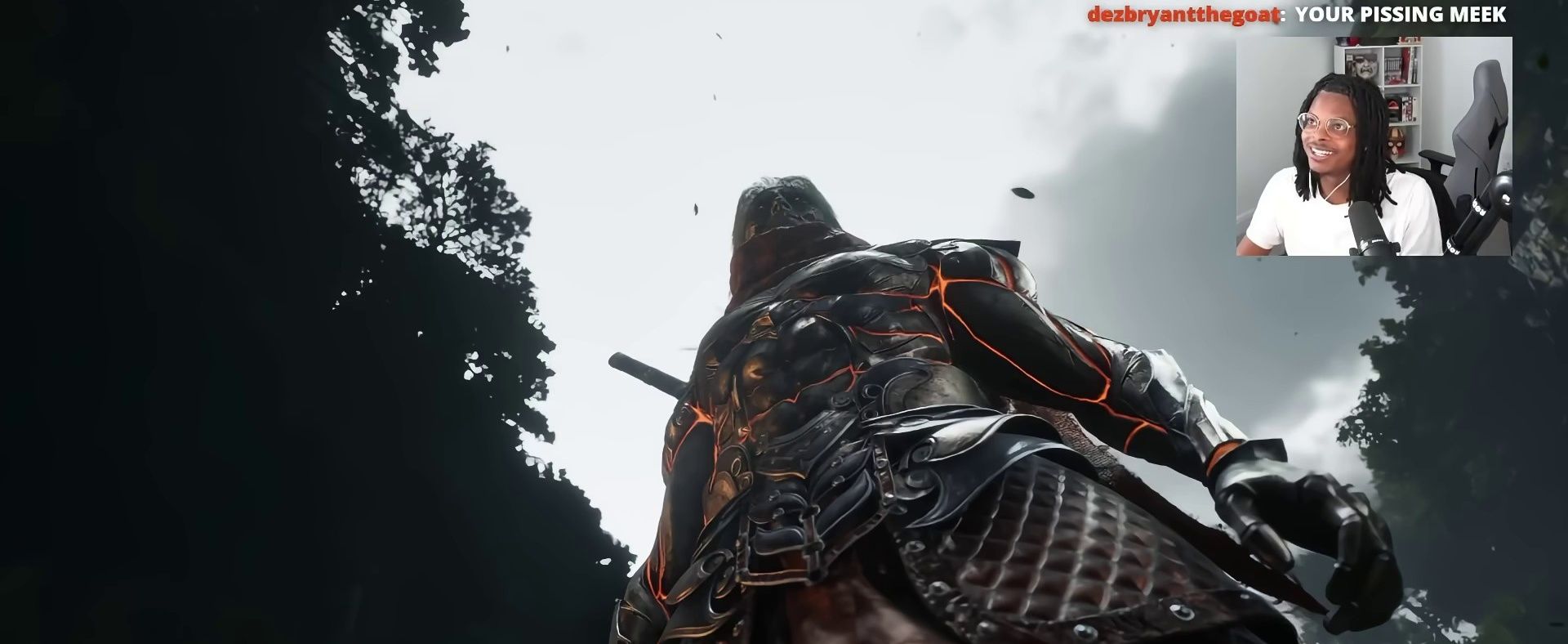
More importantly, this boss design never falls into the cliché of "the bigger, the stronger." Its physique may not be exaggerated, yet every inch of its movement carries menace. You'll notice yourself instinctively holding your breath while watching the footage - not because the visuals are gory, but because the rhythm of the action has written tension into your bones.
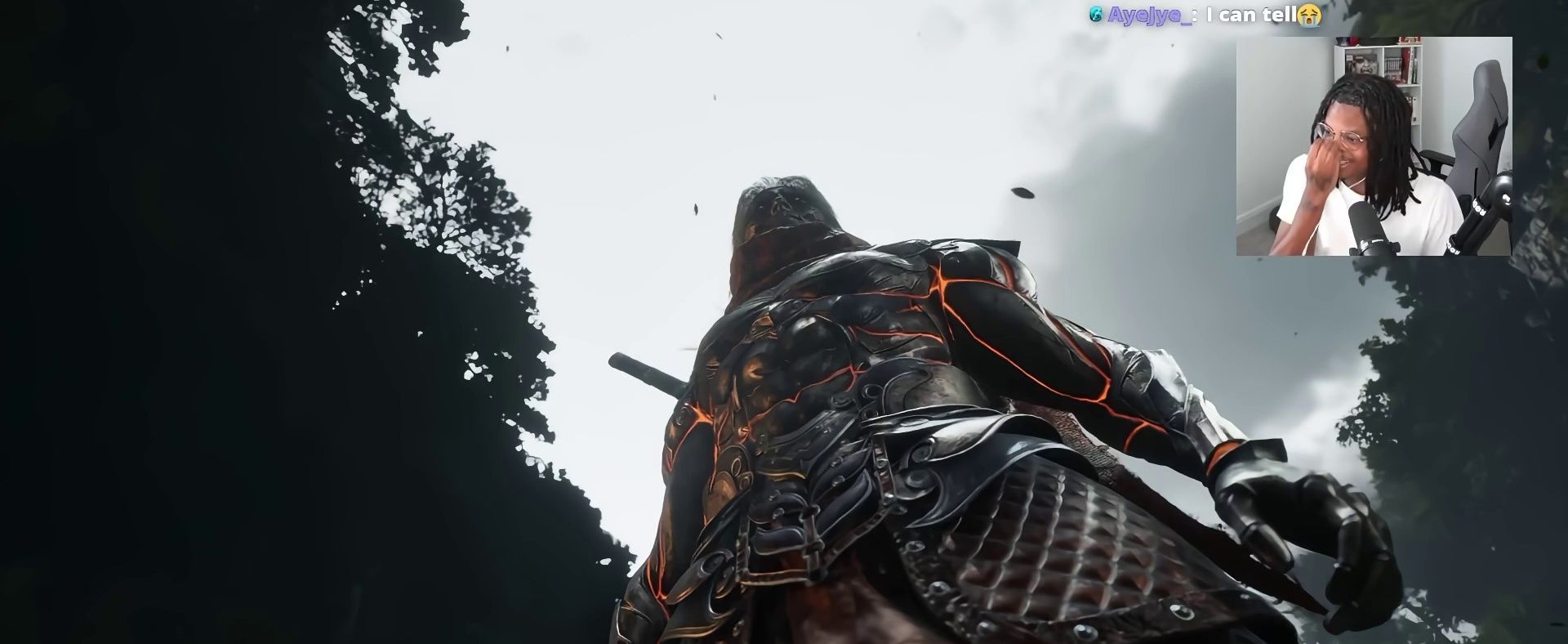
A great boss fight is never just a wall of stats. It should feel like a conversation - except the two sides speak not in words, but in blades, footwork, and timing. This gameplay footage from Phantom Blade Zero, at the very least, offers a glimpse of what such a conversation could look like.
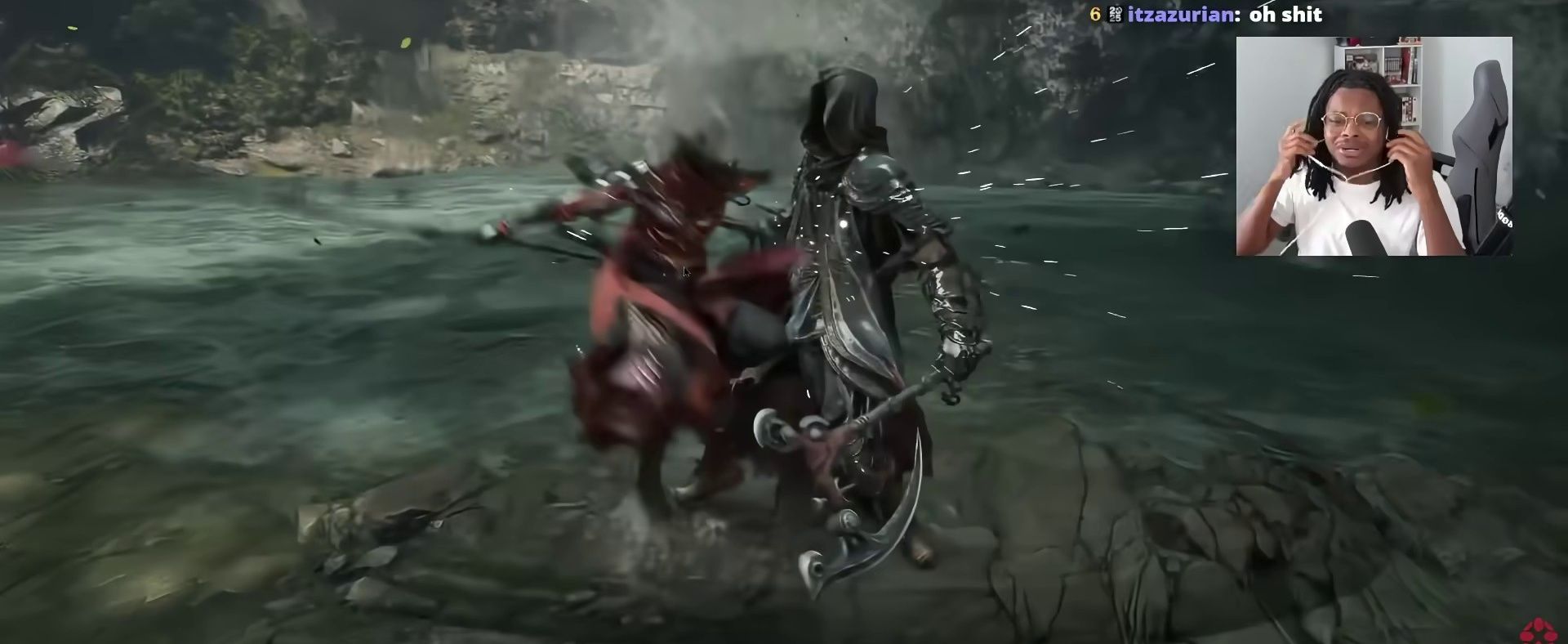
Rejecting "Wait, Roll, Wait": It Wants to Give the Initiative Back to the Player's Blade
Soulslike action games have taught players a great deal: observation, patience, memorizing attack patterns, managing stamina. But they've also bred a kind of fatigue - wait, roll, wait, roll, find an opening to land one strike, then fall back to safety. For many players, this loop certainly delivers a sense of accomplishment, but when every game starts imitating it, combat can easily turn into a ritual of restraint.
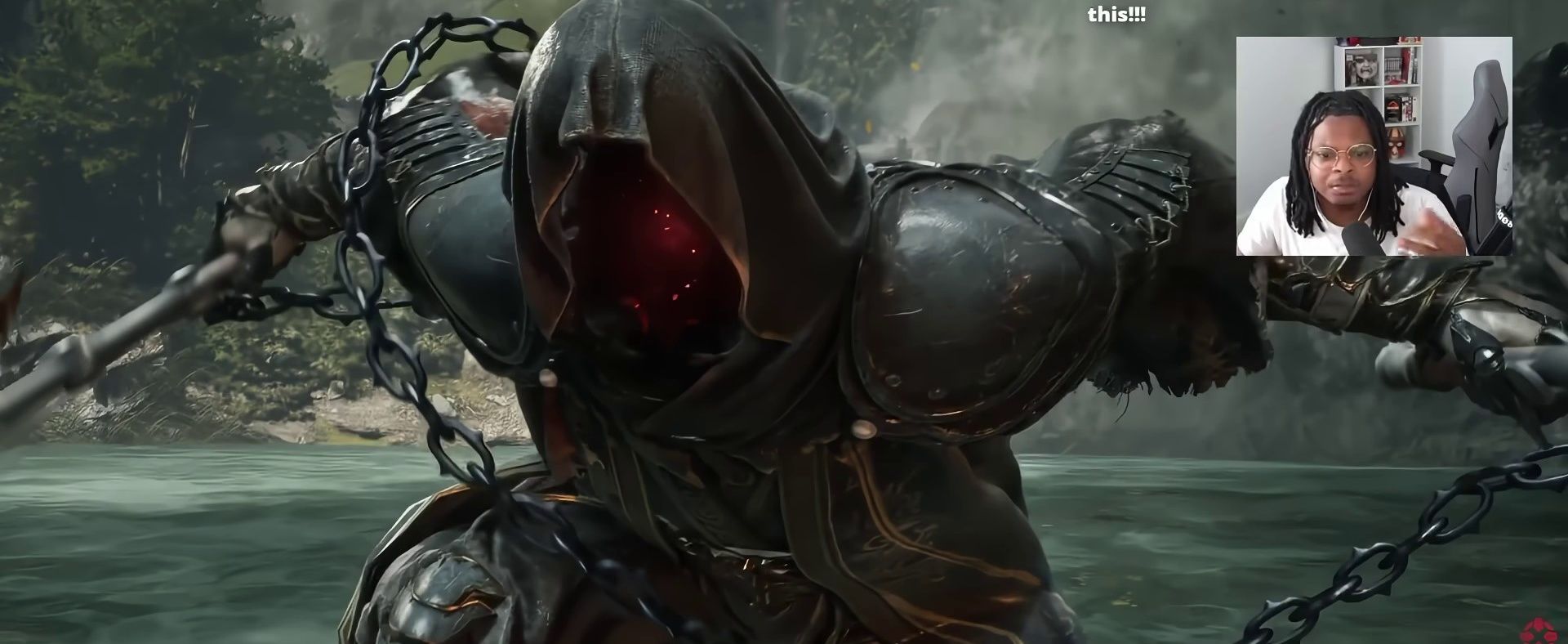
Players aren't afraid of difficulty - they're afraid of forgetting why they drew their blade in the first place, trapped in the "wait - roll - wait" loop.
The Phantom Blade Zero demo is exciting precisely because its rhythm refuses to be pure retreat. In the protagonist's movement, combos, blocks, and counters, there is a desire to press forward and take the fight to the enemy. It still demands precision, and the Boss can still punish you, but it never leaves the player stuck forever in the state of "waiting for the opponent to finish their performance."
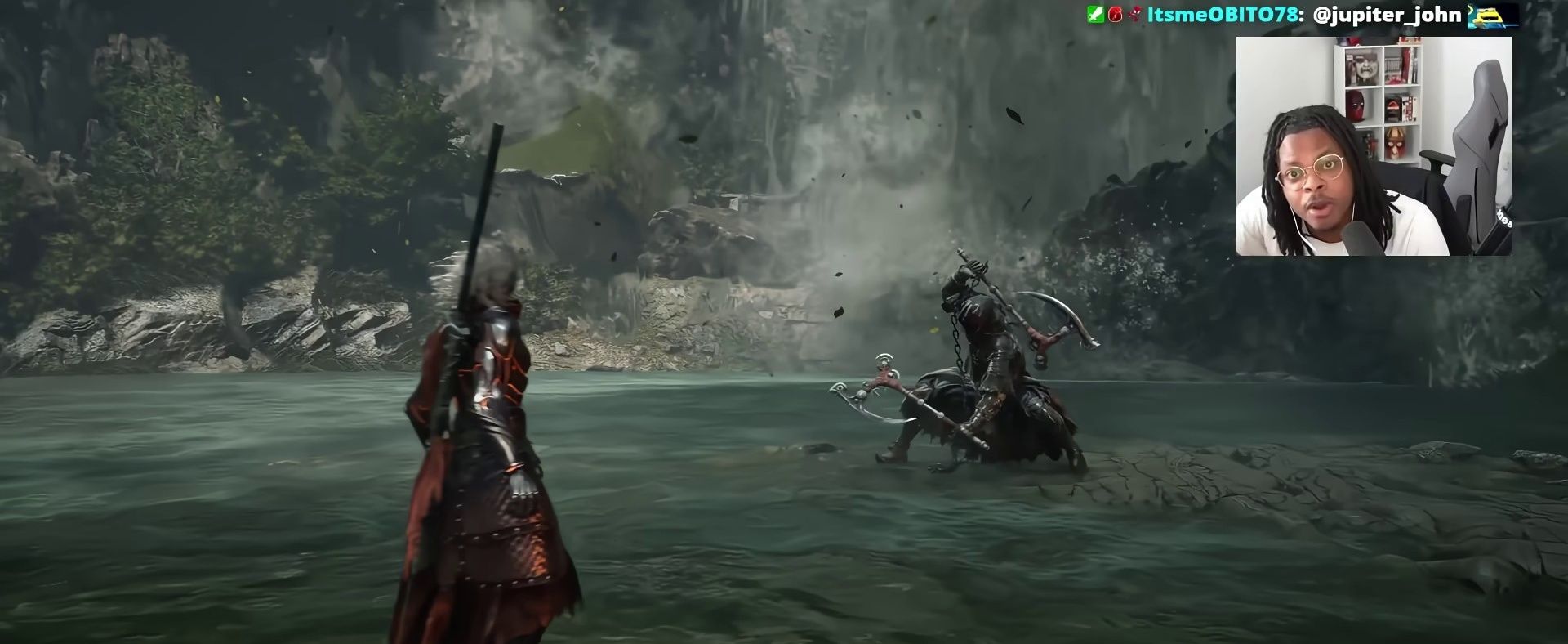
You want to swing your blade, to interrupt, to snatch back the initiative at the very instant the blades cross. This "aggression" is exactly what many of the soulslike titles that followed lack most. Difficulty can be high, but high difficulty shouldn't only mean longer waits and a smaller margin for error - it can also mean faster offense-defense transitions, more frequent judgment calls, and more satisfying feedback.
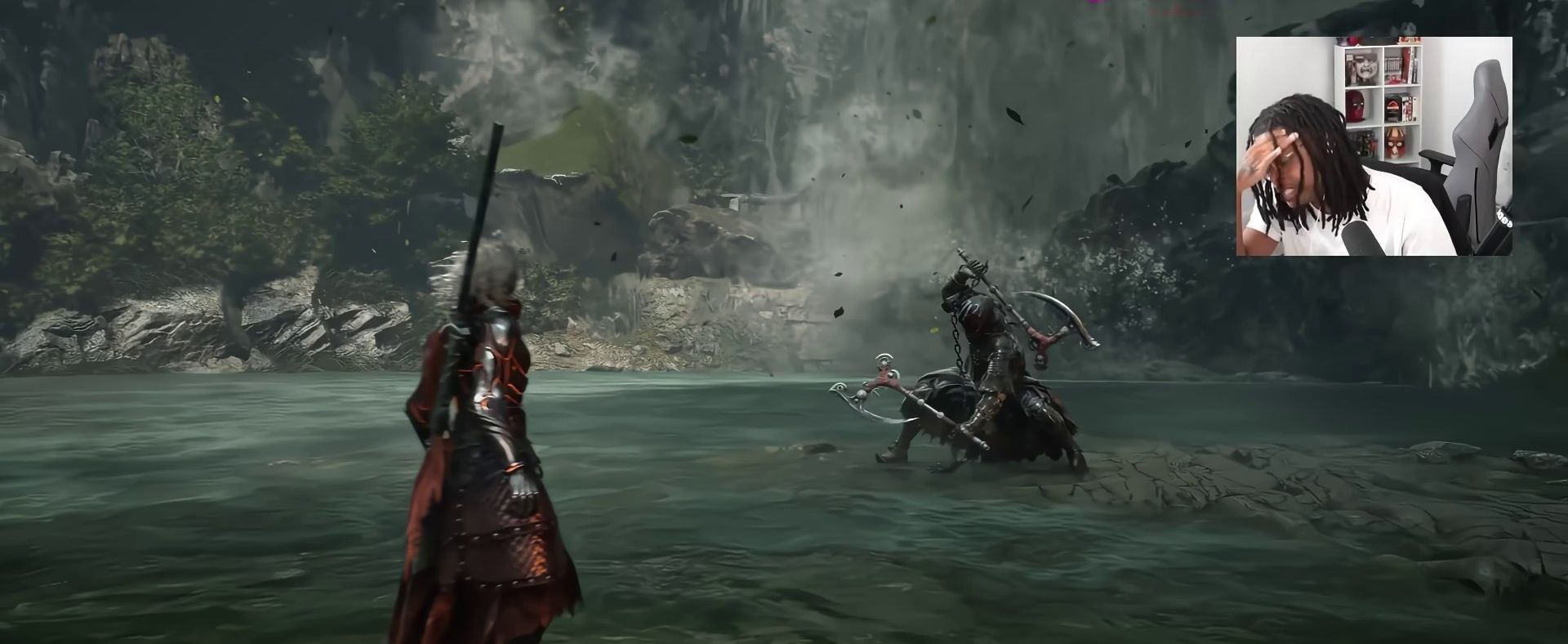
When an action game makes you stop thinking only about "how do I survive" and start thinking about "how do I fight back," it has already grasped the core flame at the heart of the action genre.
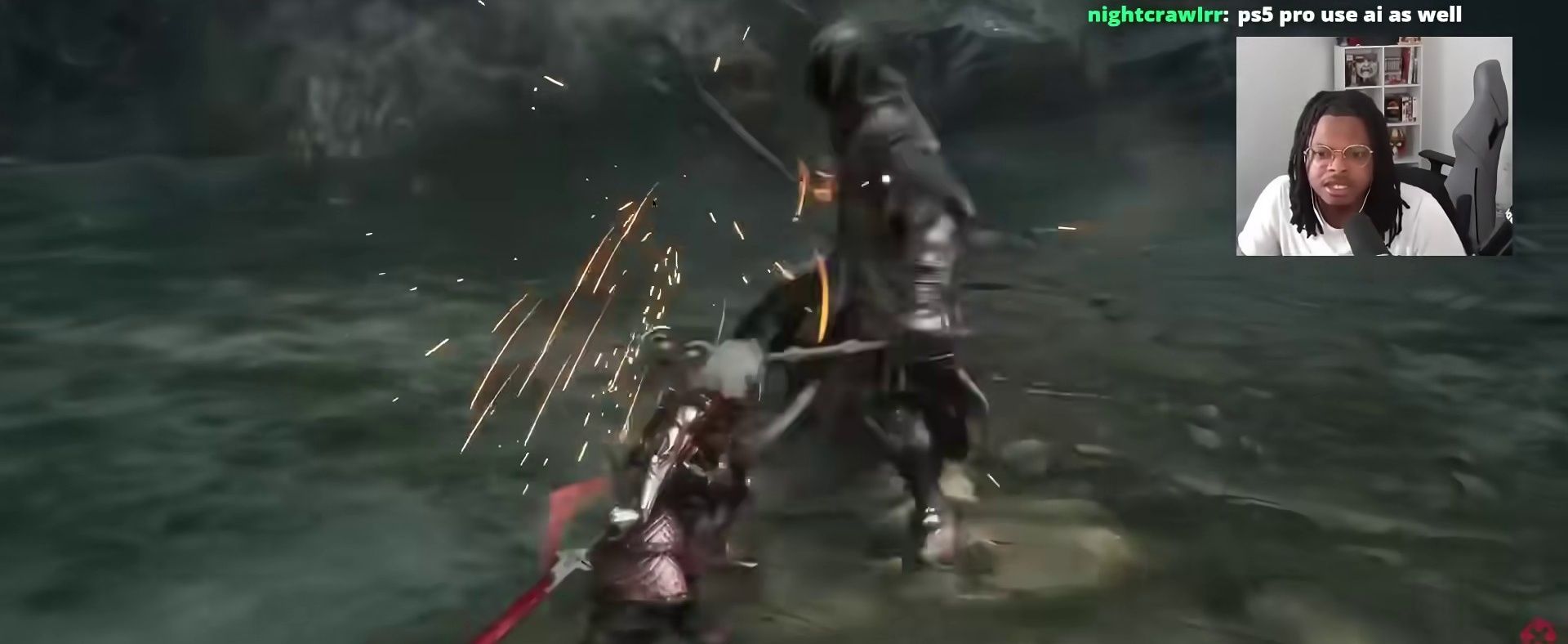
Parries, Tornadoes, Phase Two: A Symphony of Wuxia Action
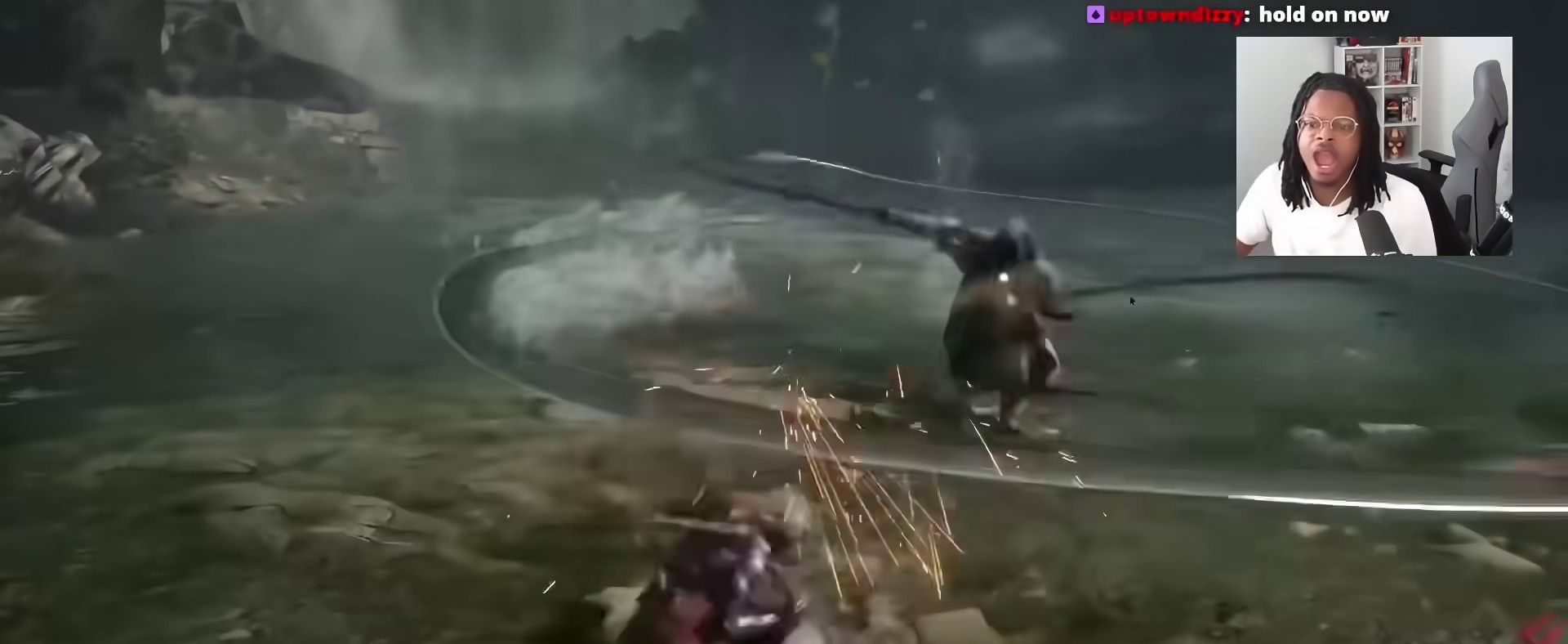
What's even more striking is that its parries don't feel like mechanical pattern memorization - they feel like the "listening to the wind" of wuxia cinema. The character doesn't even need to keep their eyes locked on the opponent; their body has already completed the parry at precisely the right moment. This kind of action language calls to mind Hong Kong wuxia films, chanbara, and rapid-fire editing - not simply a reskin of Sekiro's parry bar.
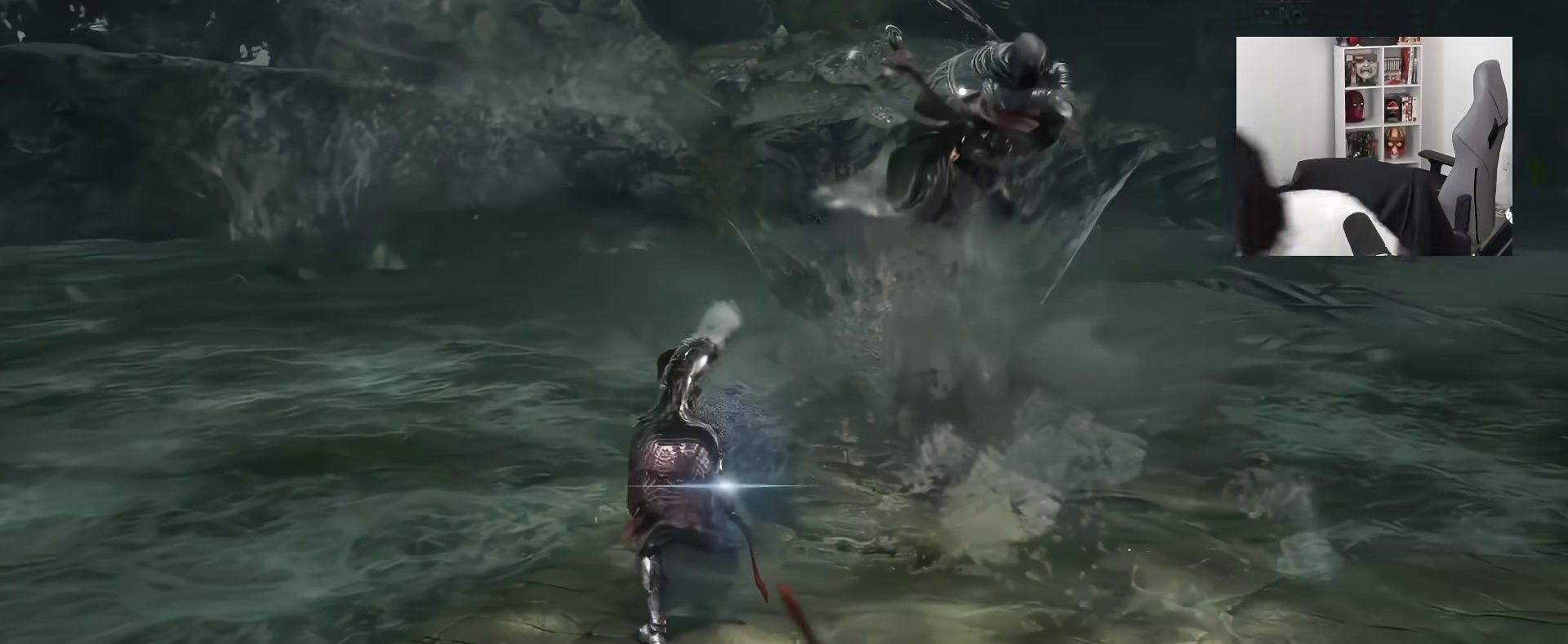
A parry isn't rote memorization - it's that "listening to the wind" moment from a wuxia film.
Bosses spin up tornadoes, fights enter phase two, and the music escalates right along with the mounting pressure. What hooks you most in the gameplay footage isn't just the flashy moves - it's that the game knows when to give players a breather, and when to tighten the tempo another notch. When phase two arrives, it's not a simple case of "more HP, more damage" - the entire scene plunges into another kind of frenzy.
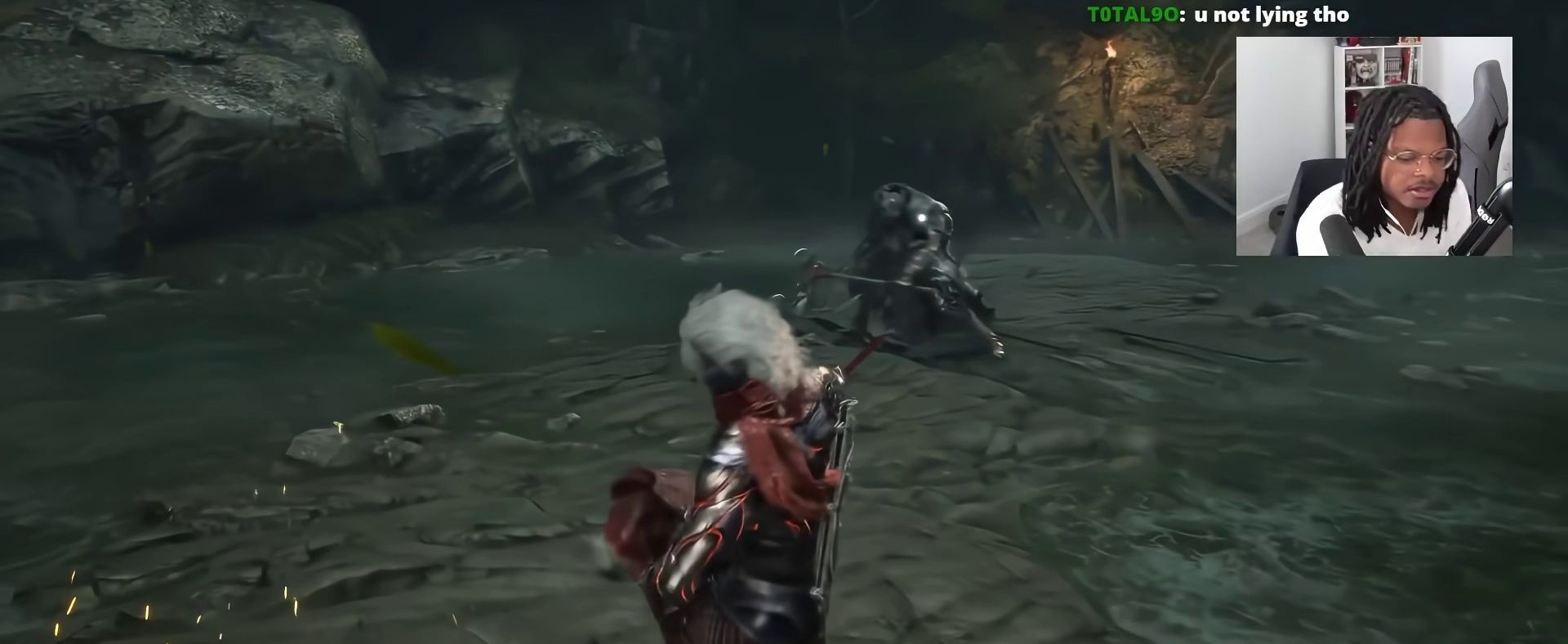
Music here isn't background - it's the driving force. Drums, strings, and the clash of metal blend together, making combat feel like a fight sequence edited straight into a film's climax. You know full well you're just sitting in front of a screen, yet your shoulders tense up with the rhythm without you even noticing.
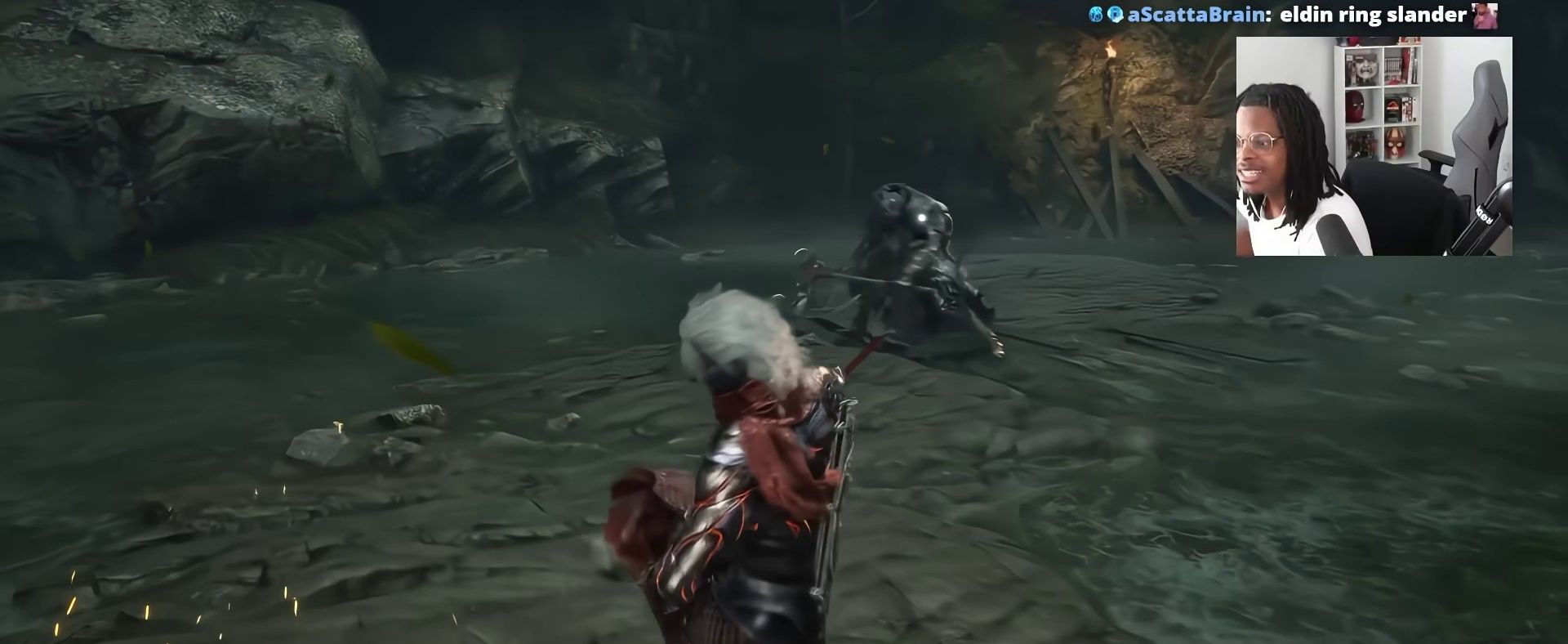
You can't help thinking: one more try - this time I'll send that blade right back. Not because it's easy, but because the game makes you believe that next time, you really can pull it off.
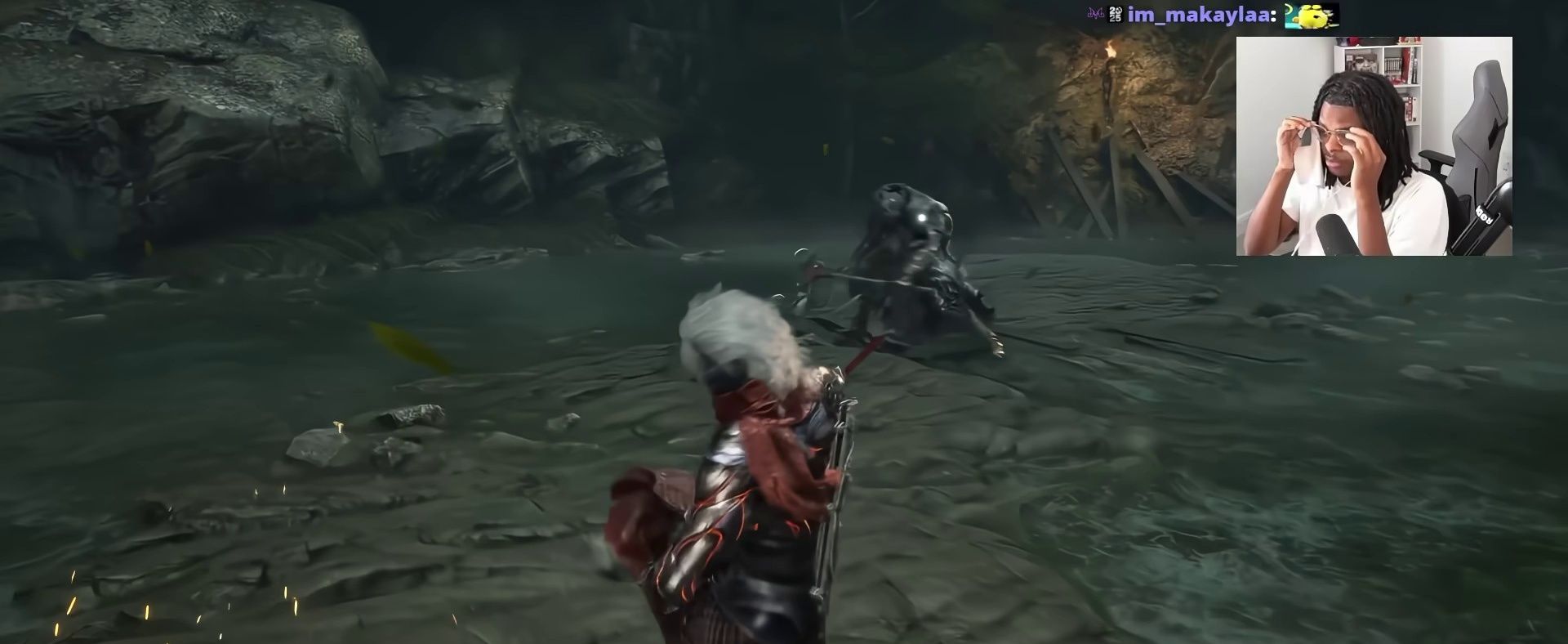
From PC to Deluxe Edition: What Gets Players Fired Up Isn't Just Their Eyes
Real desire eventually comes down to platform and edition. The PS5 Pro's price tag gives people pause, but if a PC can run it, then "that's underselling it"; yet for titles like GTA, a console seems unavoidable. And so players fall into the classic modern dilemma: crunching numbers with one hand while being seduced by the deluxe edition's bonuses with the other. They want the wallpapers, the skins, the original soundtrack, early access - or simply that token of "I was part of this moment."
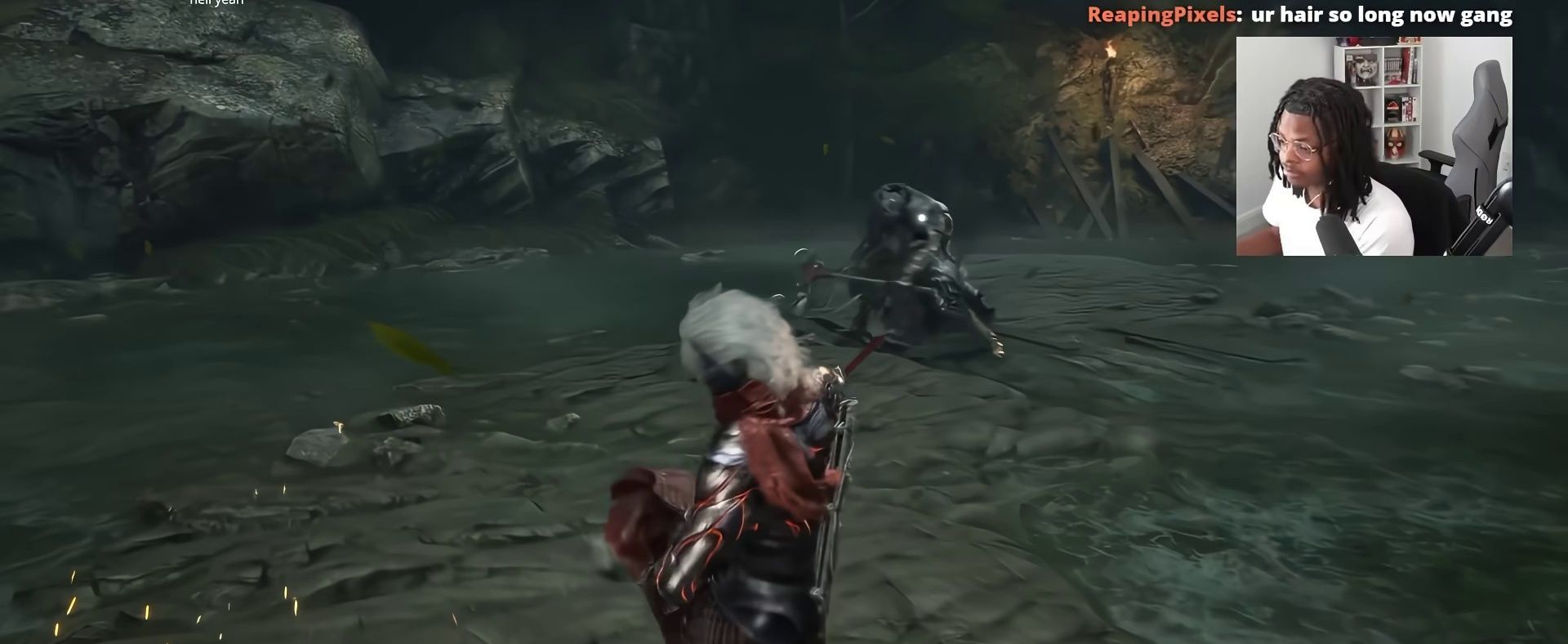
Game of the Year isn't shouted into existence - it's carved out one slash at a time.
The fact that the Phantom Blade Zero demo can make people shout "Deluxe Edition" on the spot shows that what it offers isn't abstract anticipation, but a concrete desire to own it: I want to play it, I want to play it now, I want to play it at the best image quality and in the most complete edition. For a title that has yet to truly deliver its full picture, this kind of impulse is extraordinarily precious.
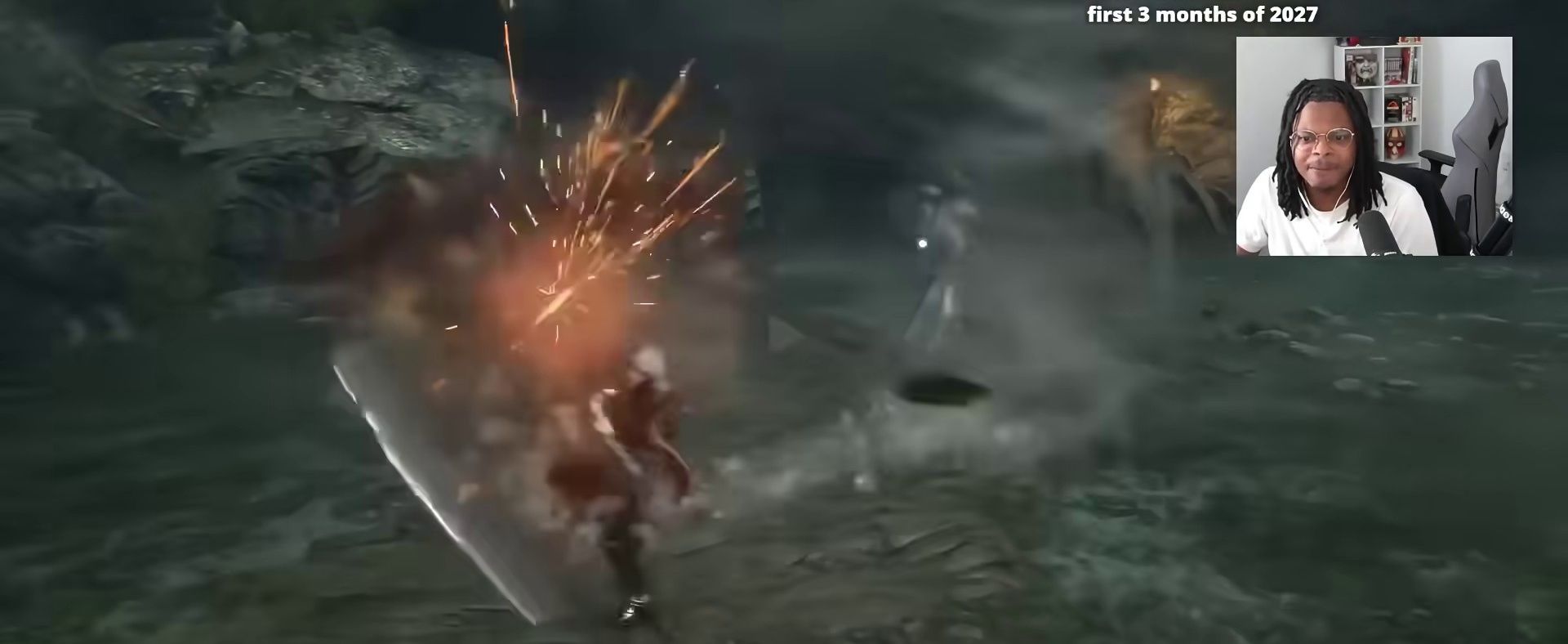
It proves that the appeal of action games can still cross language, IP, and niche circles to strike directly at players' most primal nerve. You don't need to first become a fan of some franchise, nor do you need to catch up on the lore in forums - you only need to see that one slash, and then start wondering: can my PC run it? Is my console going to gather dust? Is my wallet beyond saving?
This shift from "just looking" to "I want it" is often more honest than any marketing slogan. Players can talk tough, nitpick, and type "it's just okay" in the comments, but the body doesn't lie - shopping carts and wishlists never do.
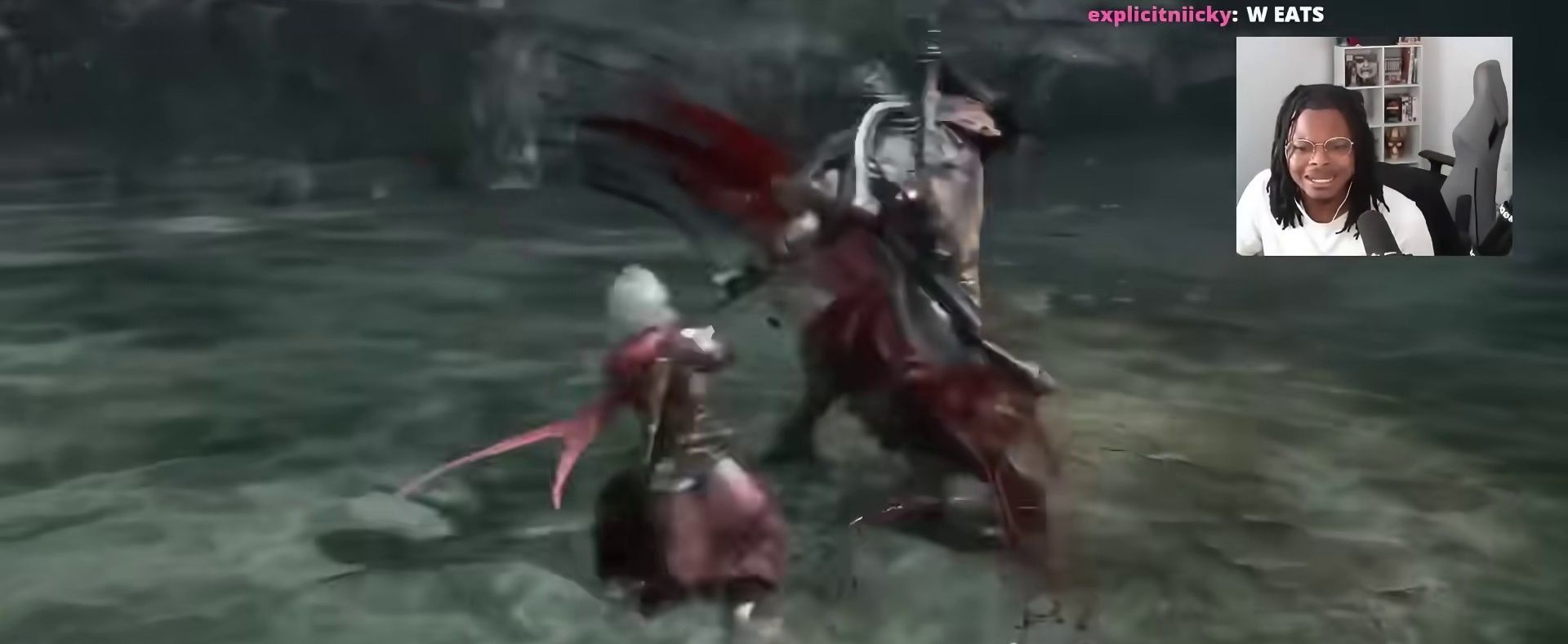
Game of the Year Contender? It Restores the Dose of "Madness" Action Games Have Been Missing
Calling "Game of the Year" now is, of course, far too early - but the demo did showcase that kind of potential. Not because the visuals are stunningly realistic, nor because the bosses are enormous, but because S-GAME and Liang Qiwei have fused the wuxia-punk aesthetic, the hardness of action games, and the rhythmic feel of kung fu cinema into a single whole. It is neither as grim and brooding as a pure soulslike, nor as weightless as a pure hack-and-slash. What it wants is every strike biting into flesh, offense and defense constantly interweaving, and a long-lost sense of "madness."
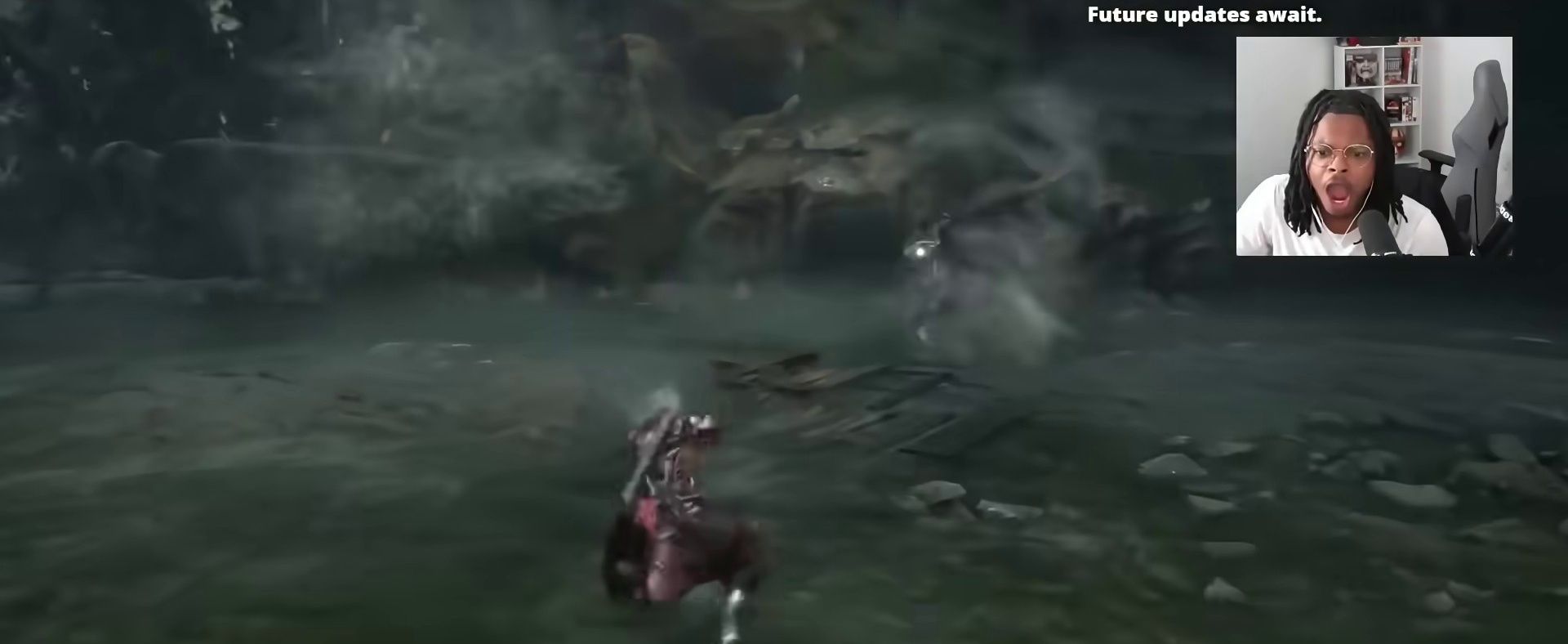
What makes Phantom Blade Zero so compelling is not what it resembles, but that it makes you want to take the initiative and swing your blade again.
If the final product can maintain the action density, boss design, and music quality shown in the demo, it may not become everyone's comfort zone, but it could well become a force that action game players cannot afford to ignore. What it aims to prove is not merely that homegrown action games can hold their own, but that wuxia can, within the global action game landscape, possess a form of expression that refuses to be co-opted by the "soulslike template."
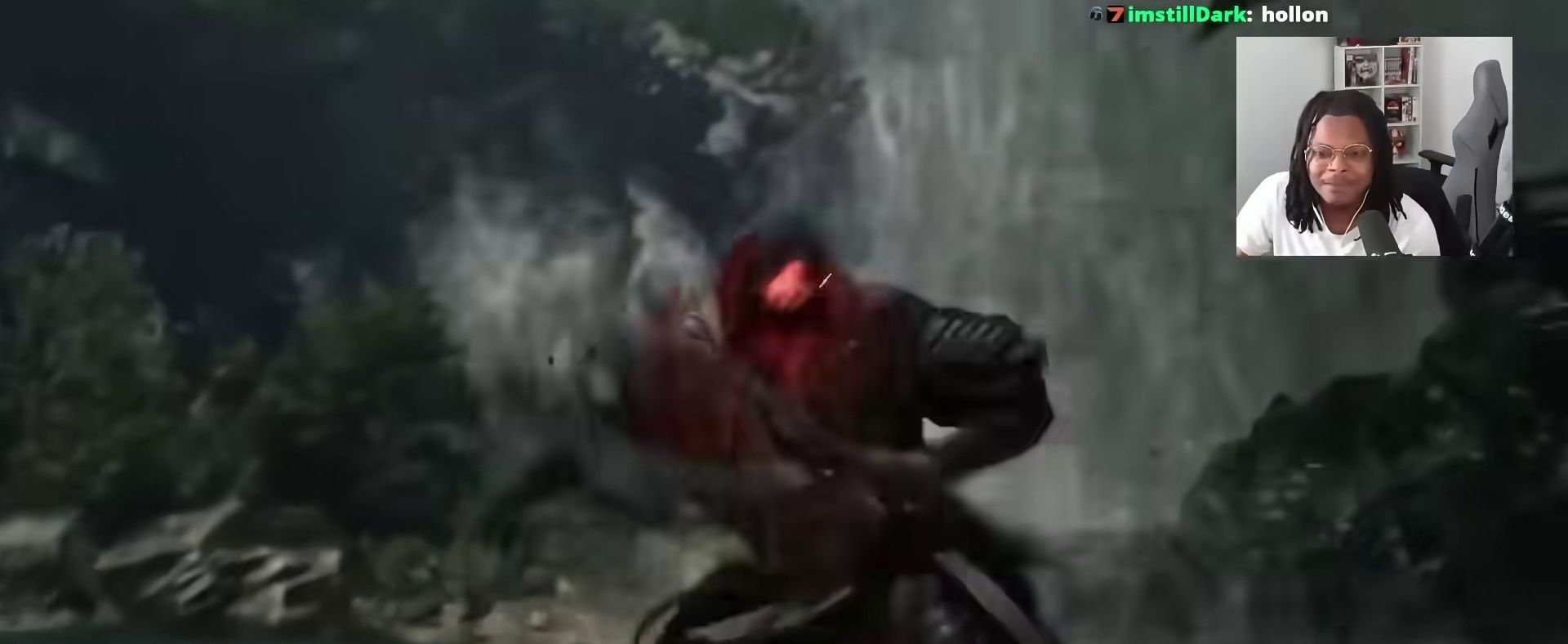
Of course, the higher the expectations, the greater the risks. Can the demo's exhilaration sustain a full playthrough? Can the boss design keep delivering fresh surprises? Will the level pacing be dragged down by the narrative? These are all questions only the final product can answer. But for now, at least, it has already made countless players willing to set their doubts aside.
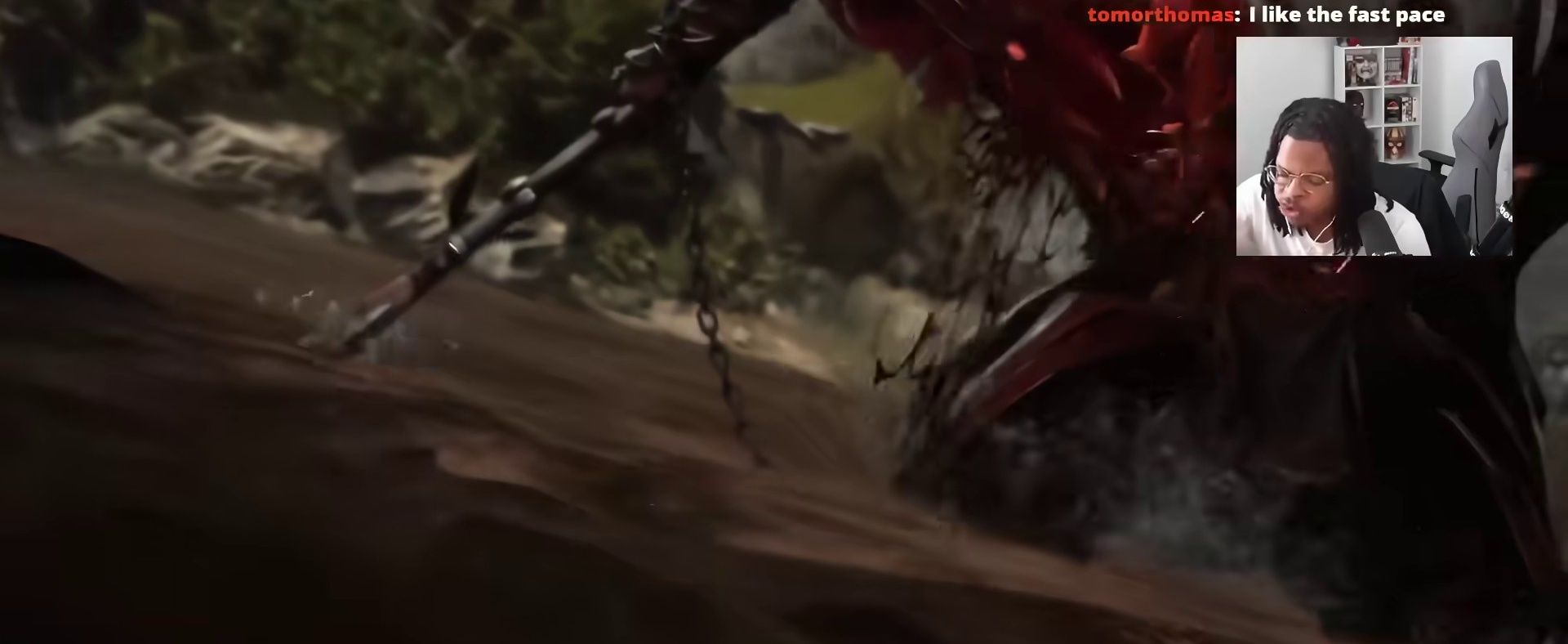
Because in an era when action games increasingly resemble precision instruments, what we truly need is something a little less safe, a little less orderly - even a little mad.
Top Community Comments
- "The world has suffered soulslikes long enough."
A single short line that sums up soulslike fatigue with pinpoint precision. The soulslike genre is still at its peak, of course, but players get tired too: they don't want to sit through the same dialogue after every death replay, and they don't want to break every fight down into a pattern-memorization drill. The anticipation for Phantom Blade Zero is built on precisely this collective sentiment of "we've suffered soulslikes long enough" - a craving for offense and defense that is more proactive, more ferocious, and closer to the editing rhythm of a wuxia film.
- "Eh, this game is just alright. Haven't played it once since buying it - no motivation to even launch it."
Cold on the surface, but in truth it's a community-style defense mechanism. The more you anticipate something, the more you fear disappointment, so you preemptively drop your own expectations to rock bottom. Yet when a game is genuinely compelling, this kind of talk tends to turn into "just one more boss and then I'll sleep" once you actually start playing. Talking tough is how players protect their own excitement.
- "What good does all the hype do? Nobody's playing this game - zero daily concurrent players. I bought it over two months ago and never opened it, never even downloaded it; it's been gathering dust in my library. But I'm planning to download it at the end of the month and give it a go - I'd really like to see for myself whether this game is actually any fun."
This is a textbook case of tough talk on the way to eating one's words: question, mock, leave the door open - all three steps complete. It isn't sentencing Phantom Blade Zero to death; it's an awkward way of admitting, "I've actually already been won over." Sometimes "gathering dust in my library" is precisely what anticipation overload looks like turned inside out.
📌 One-Line Takeaway
The most striking thing about Phantom Blade Zero isn't making players believe it resembles some other game - it's making them want to proactively swing the blade again.