Phantom Blade Zero: Amid "Soulslike Fatigue," It Slashes Back to the Summit of Wuxia Action with the Smoothest Blade
Action game players are going through a strange kind of fatigue: bosses keep getting harder, the windows keep getting narrower, the spectacle keeps getting more lavish - yet fewer and fewer titles actually get your heart beating in sync. Sword masters, parries, executions, flying daggers, monster hordes - every year these elements alone can be stitched together into a dozen new releases. Precisely because of that, Phantom Blade Zero from S-GAME, the studio led by Liang Qiwei, didn't spark instant excitement. But five minutes of actual hands-on time flips that judgment. This isn't just "yet another action game" - it turns "cool" and "smooth" into a system-level experience.
The smoothest, most satisfying action feel since Sekiro - it's been a long time coming.
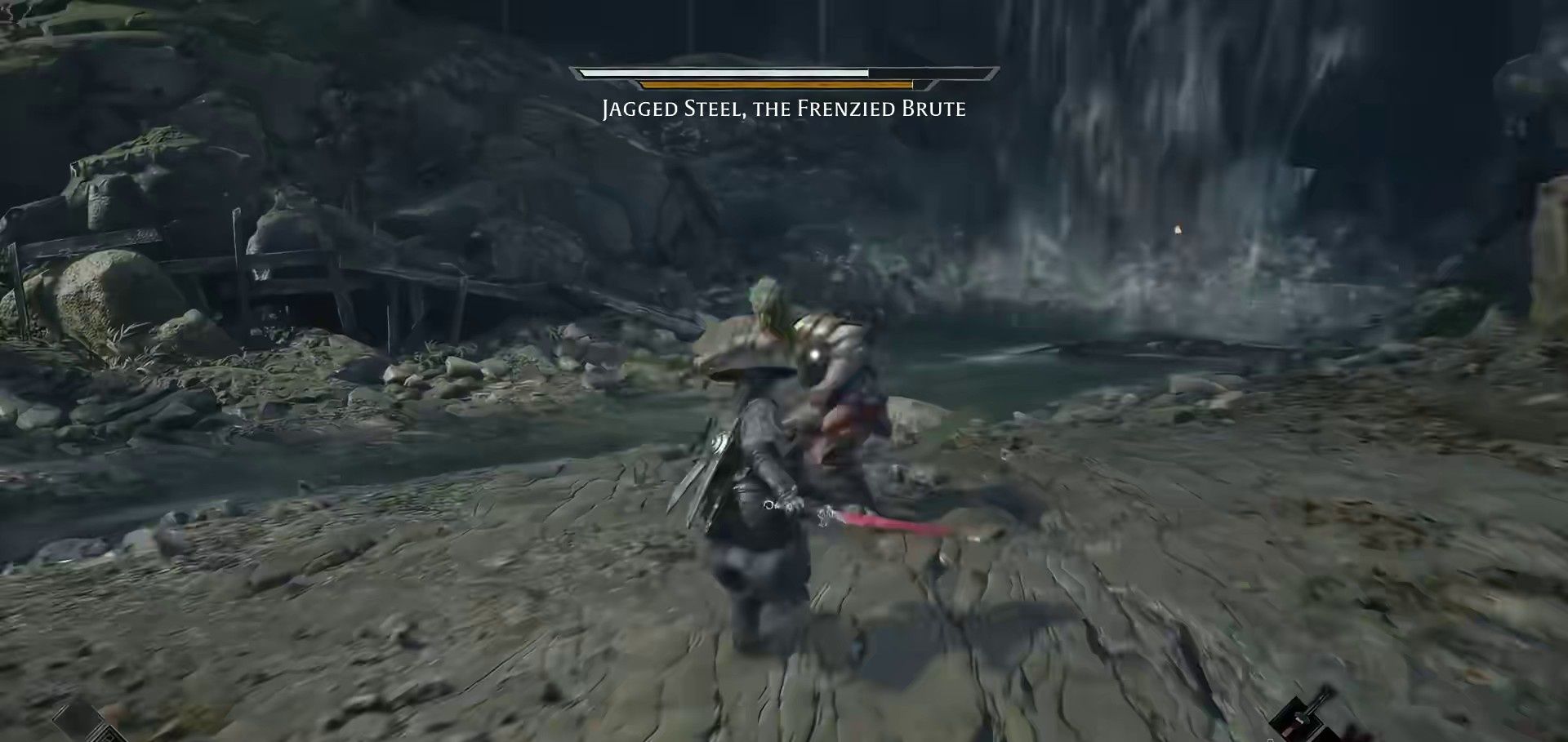
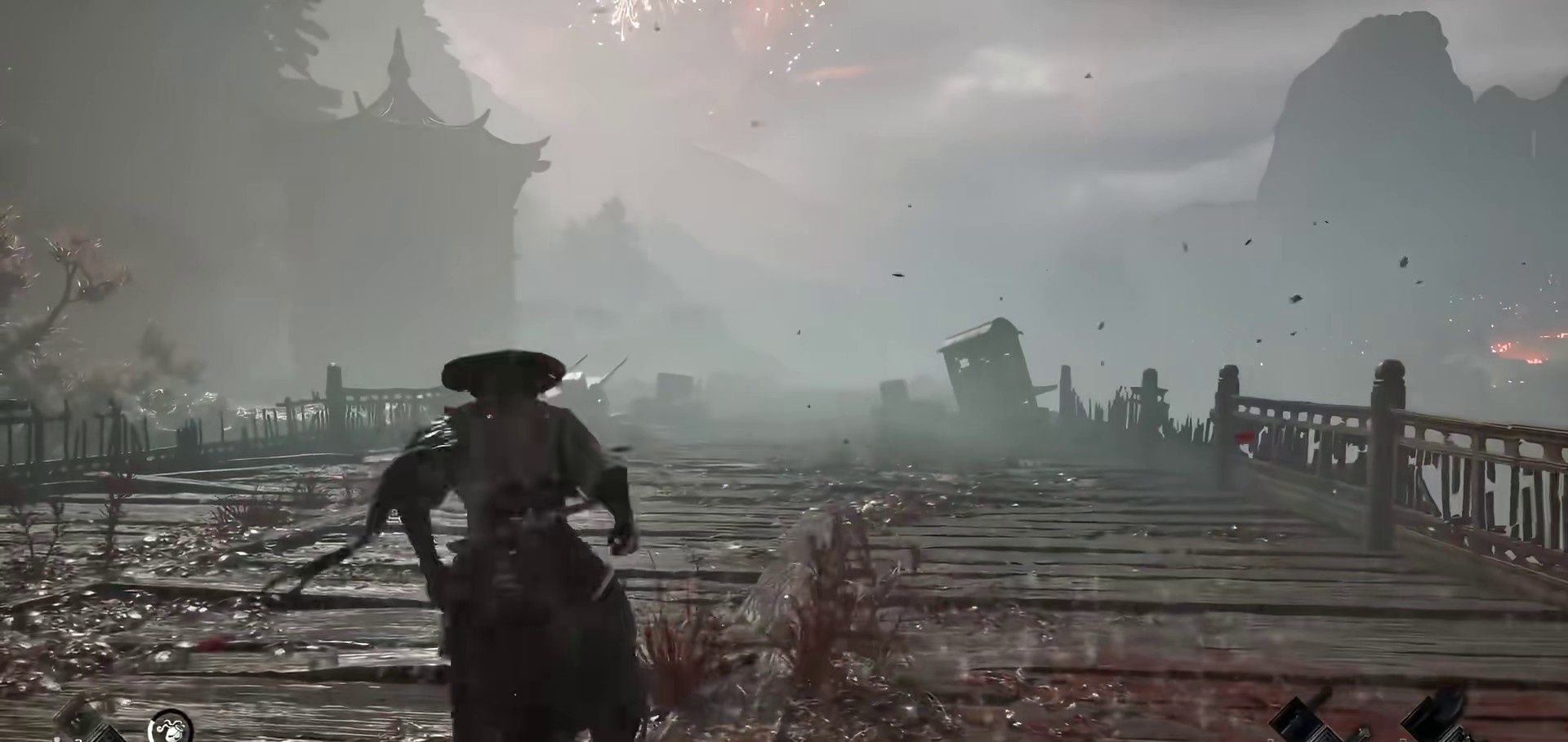
Across a six-hour hands-on session, the density of the first chapter's adventure was astonishing. It doesn't lean on one or two boss fights to carry the show; instead, roughly every half hour it throws out a mechanic, a set piece, or an enemy you've never seen before. By the time I left, my most immediate takeaway was this: any list of 2026's most anticipated action games must include Phantom Blade Zero.
Style Is the Blade: Donnie Yen, Lion Dances, and Eerie Hearts
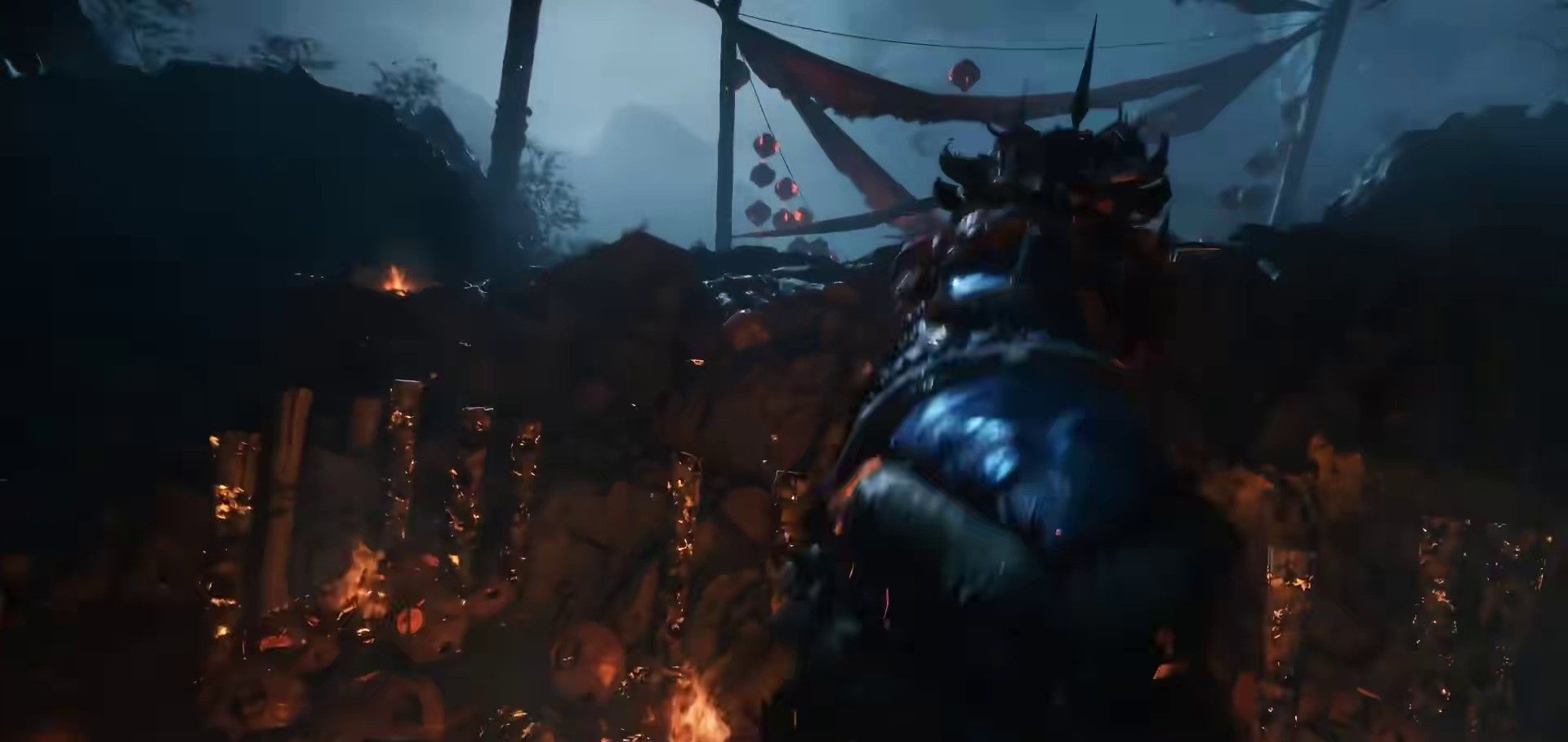
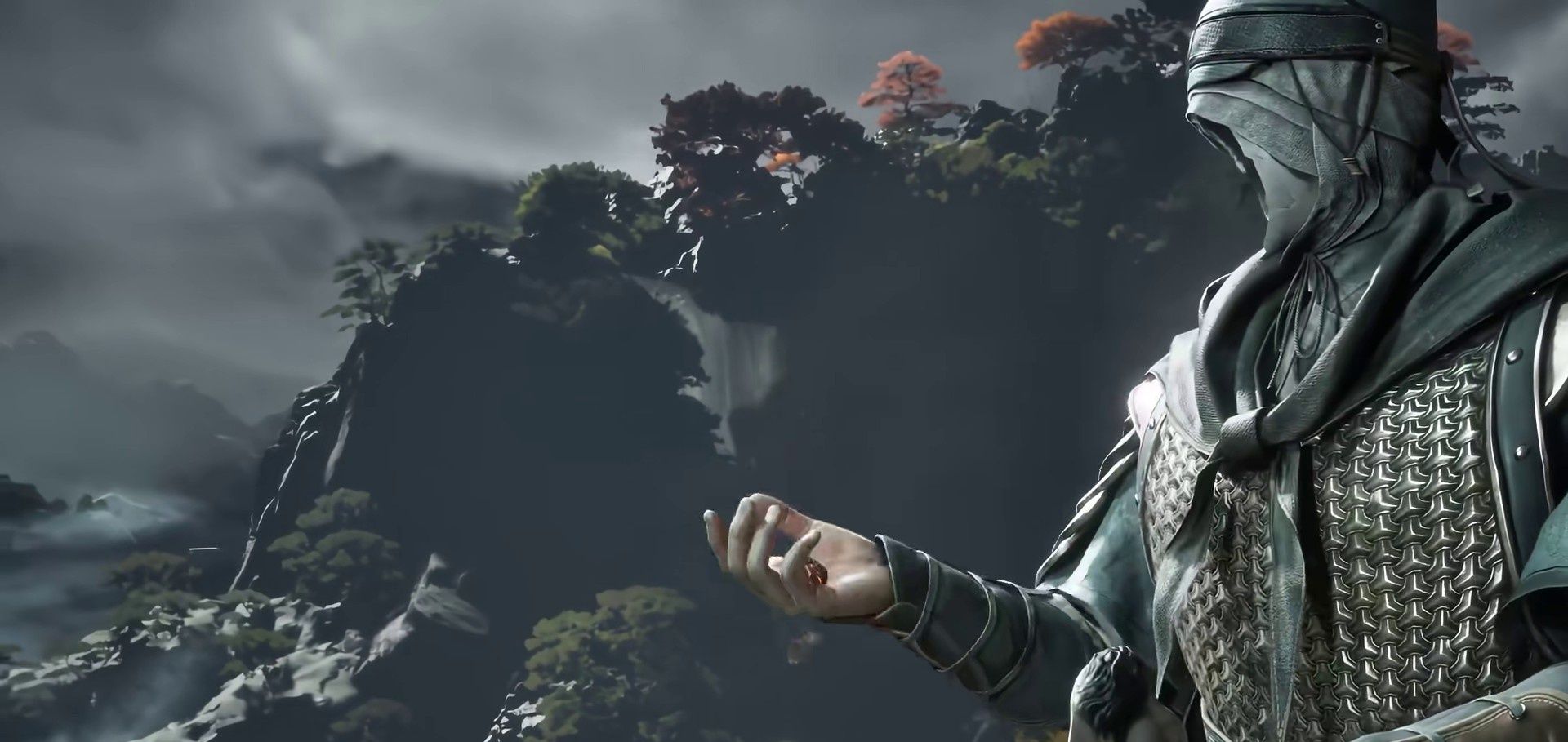
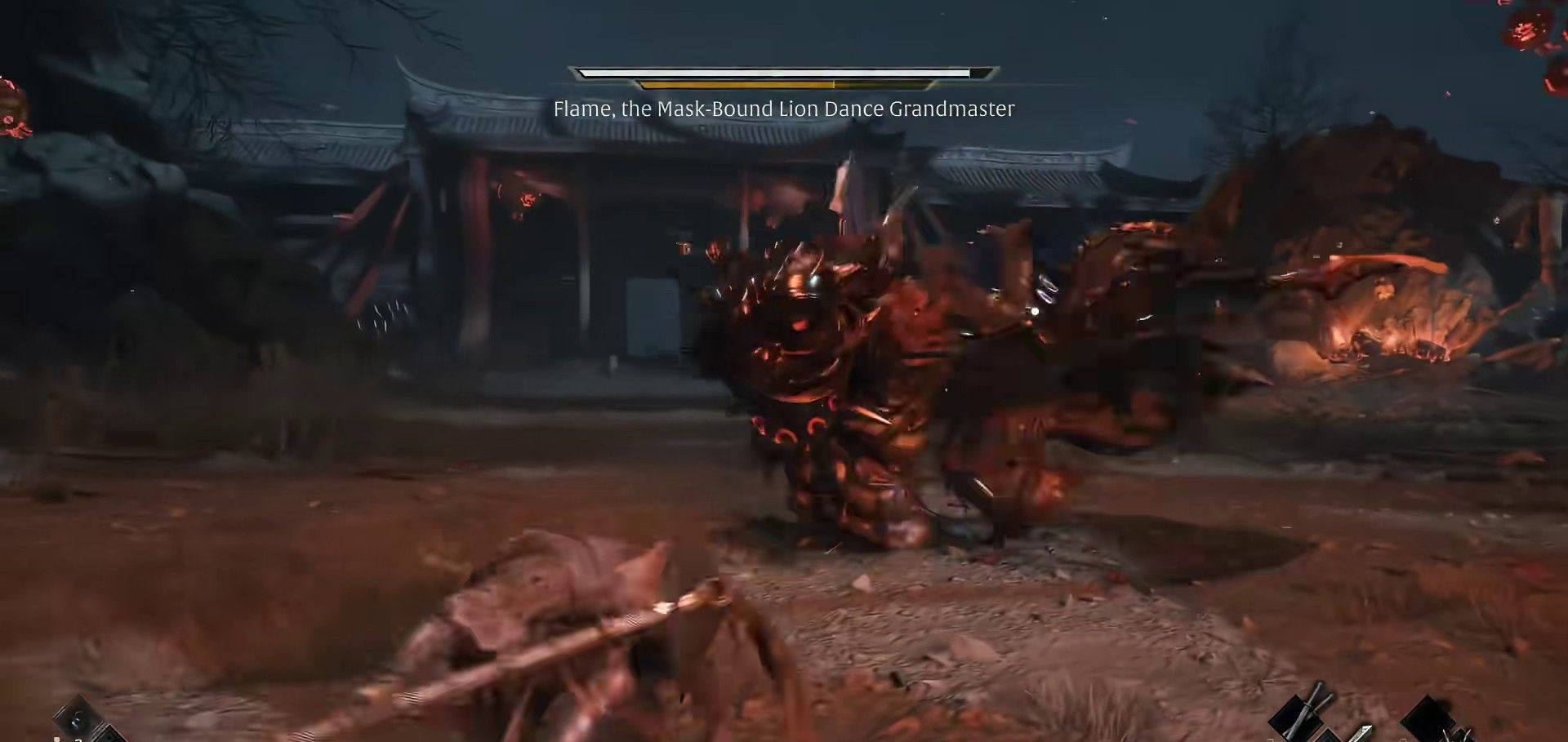
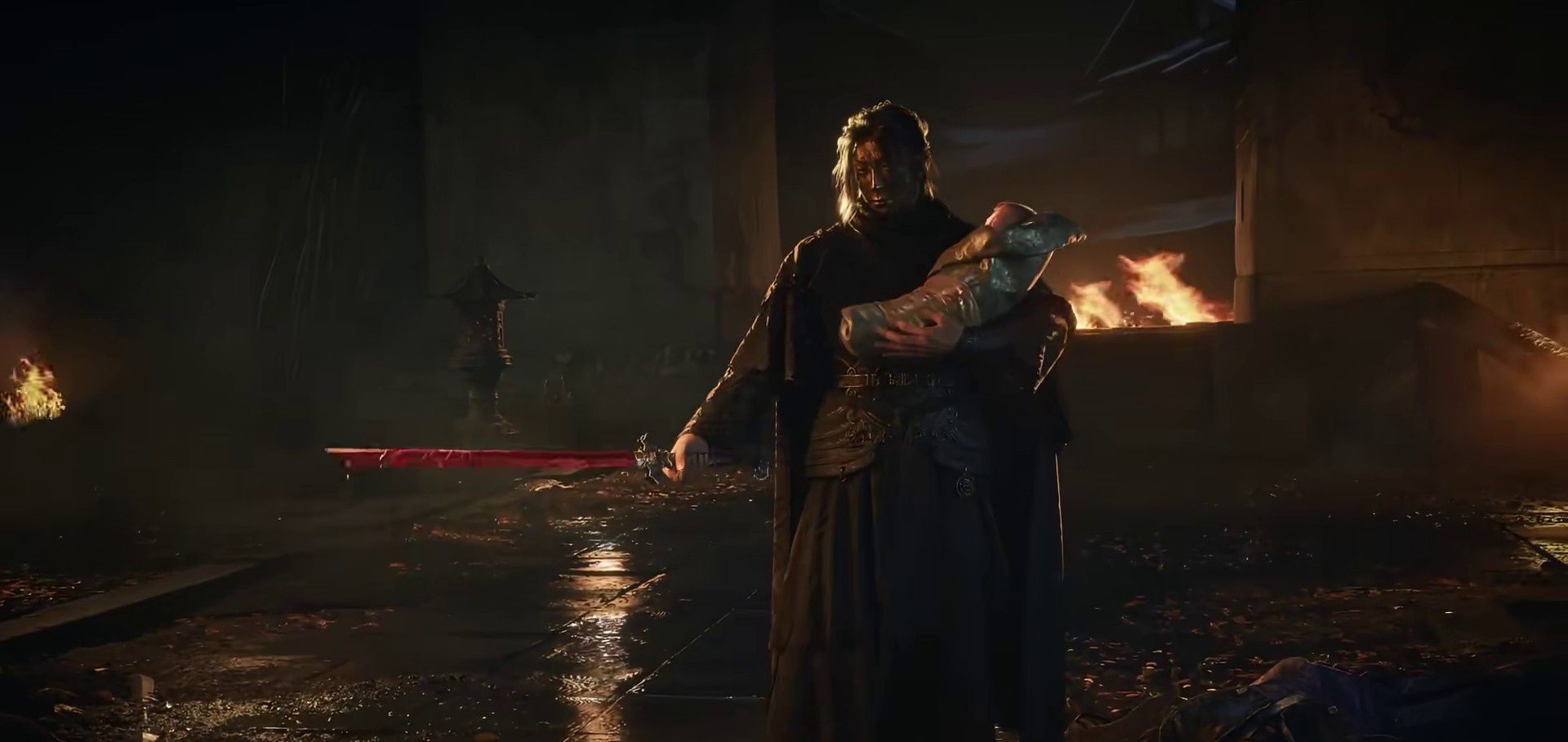
The first thing Phantom Blade Zero hits you with is its unapologetic style. It isn't content with "a cool swordsman slashing monsters" - instead, it crams Hong Kong-style wuxia, zhiguai strange tales, folklore, and surreal imagery into the frame all at once. In one cutscene, the character played by Donnie Yen balances a baby at the edge of a blade while driving back the attackers swarming him, with choreography that is both dangerous and elegant. Another boss fight pits players against a lion dance, which they ultimately harness as a fighting form of their own. And not long after the opening, you must choose which heart to accept from a bizarre spectral monster - it tells you in the most blunt terms possible: this is a game with its "metal" factor maxed out.
Exploration Density: Something New Every Half Hour
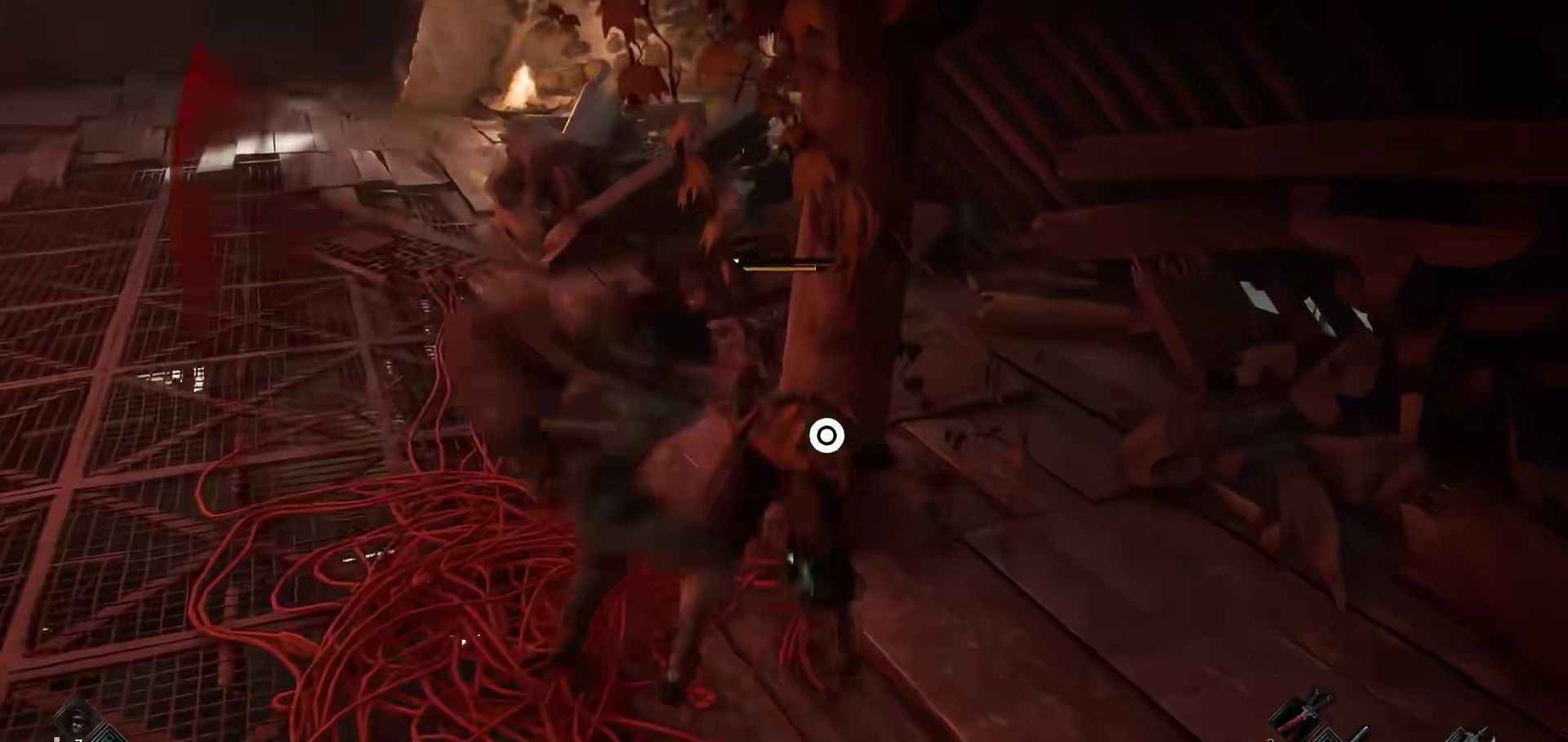
Giving an action game a cool sword-wielding protagonist is nothing special; the hard part is keeping players constantly surprised beyond the act of cutting down enemies. The most striking thing about this hands-on demo was the density of exploration rewards. Every level conceals a considerable number of side quests, secrets, and optional challenges, so the pacing never falls into the monotonous loop of "clear enemies - open doors - fight the boss," but instead keeps switching between combat, discovery, and decision-making. Almost every half hour, you'll stumble upon something you've never seen before. This ability to keep supplying a steady stream of freshness is far more convincing than raw difficulty alone.
Combat Feel: The Smoothest Parrying Since Sekiro
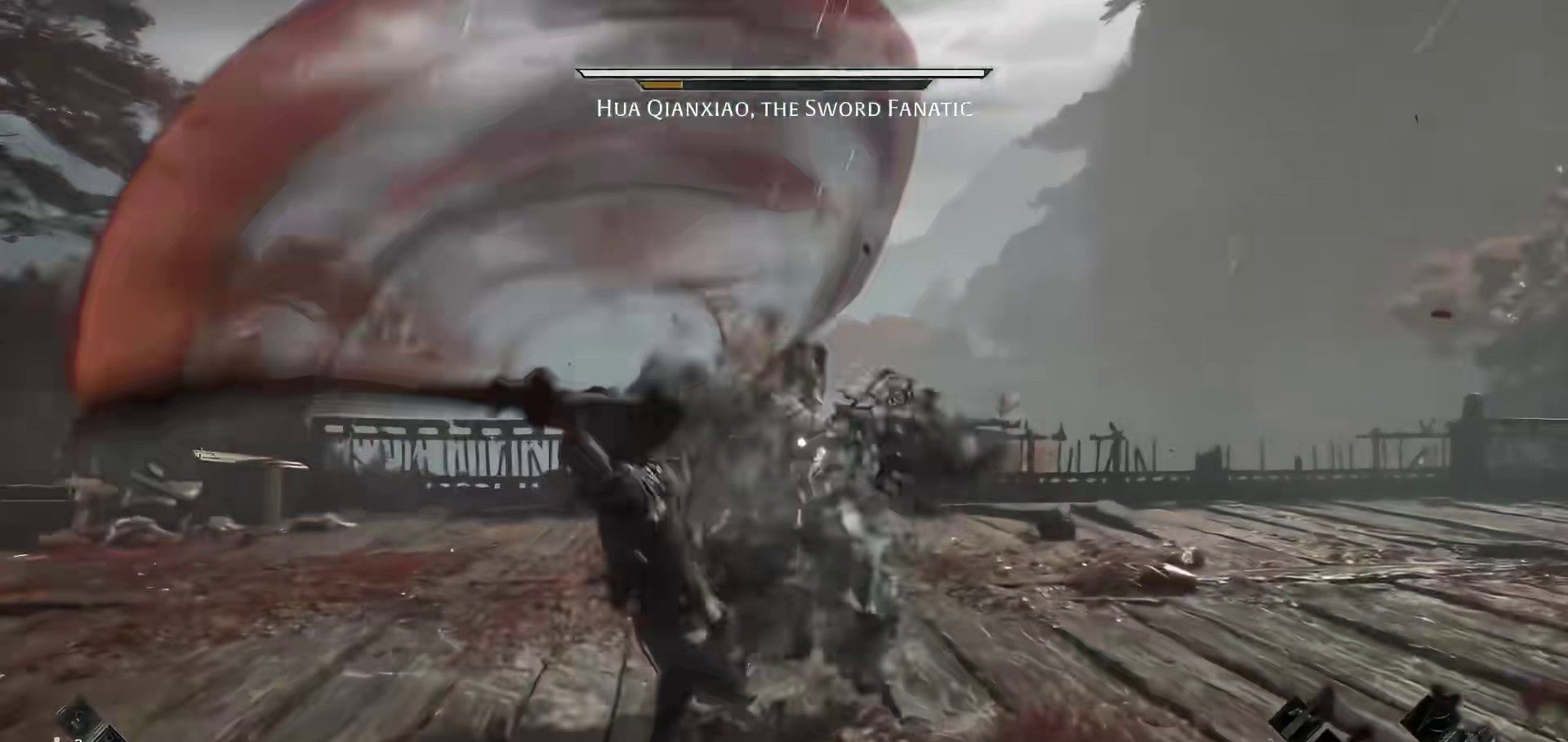
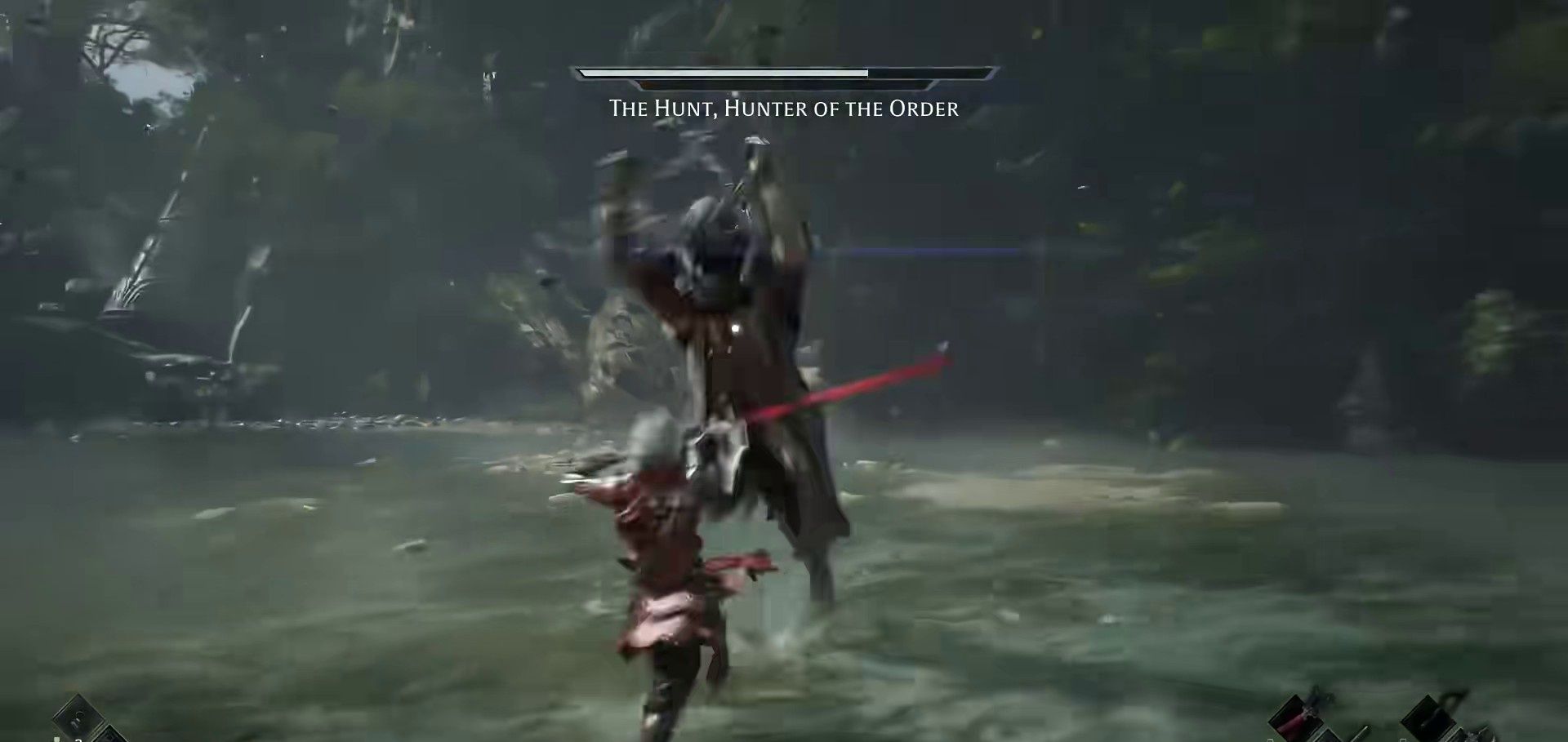
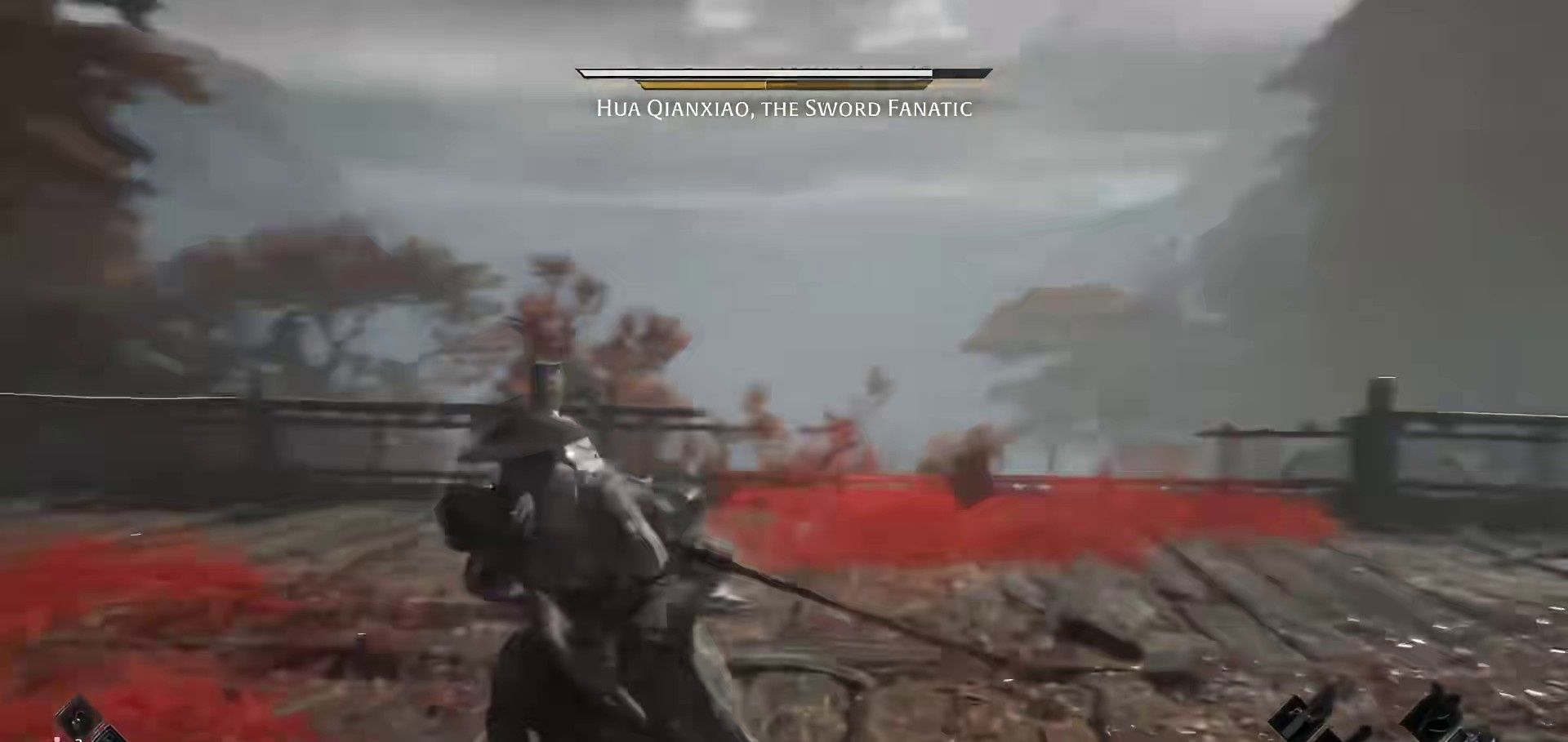
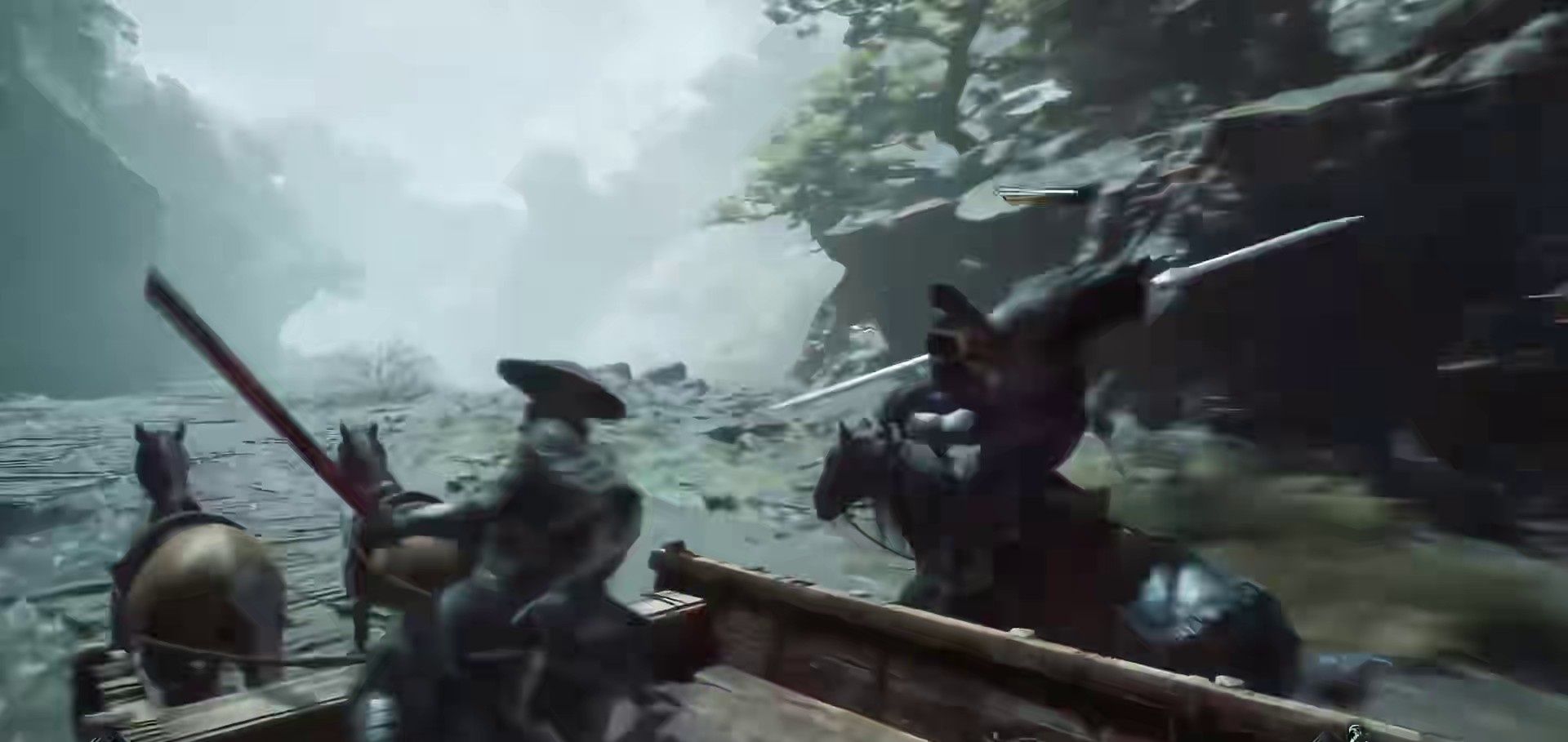
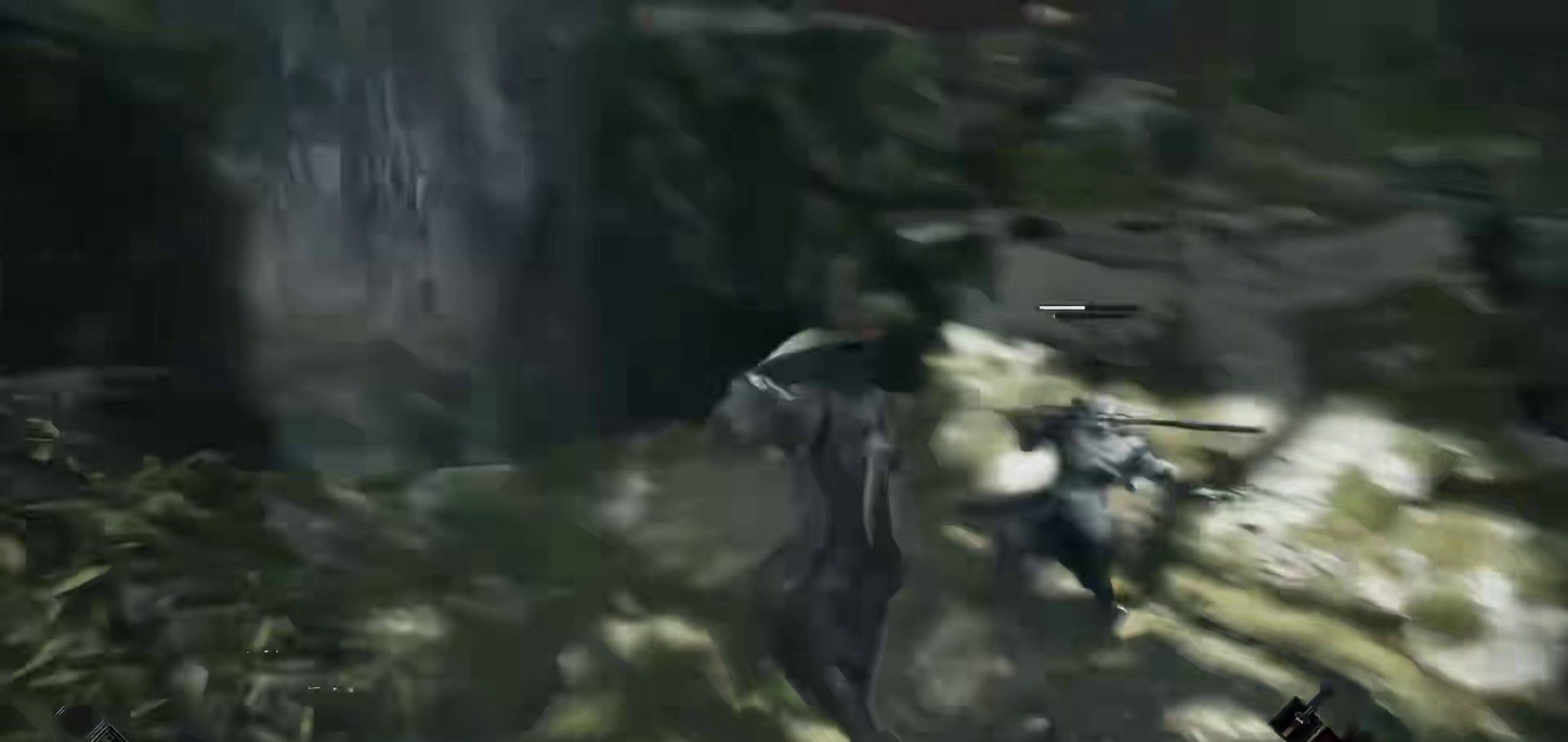
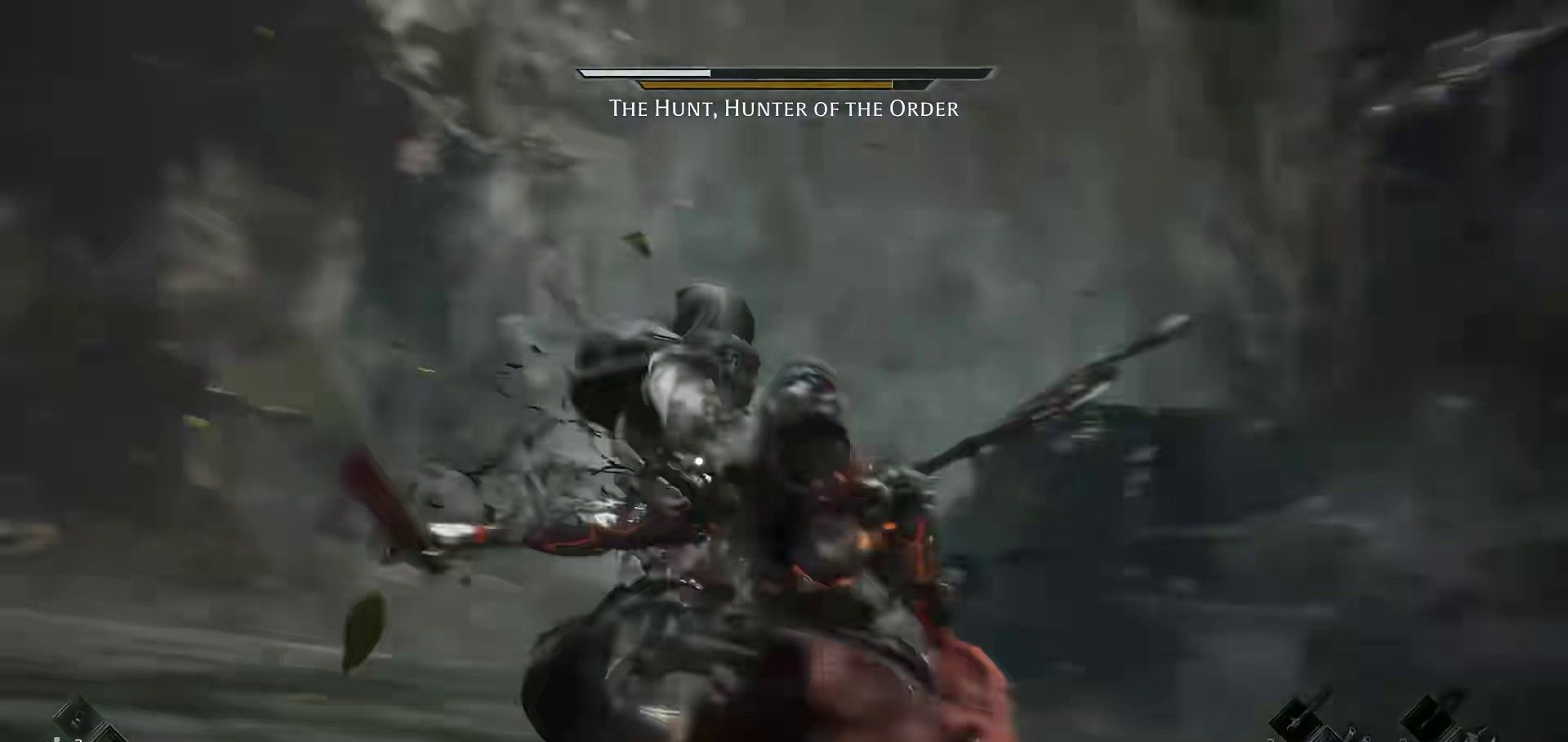
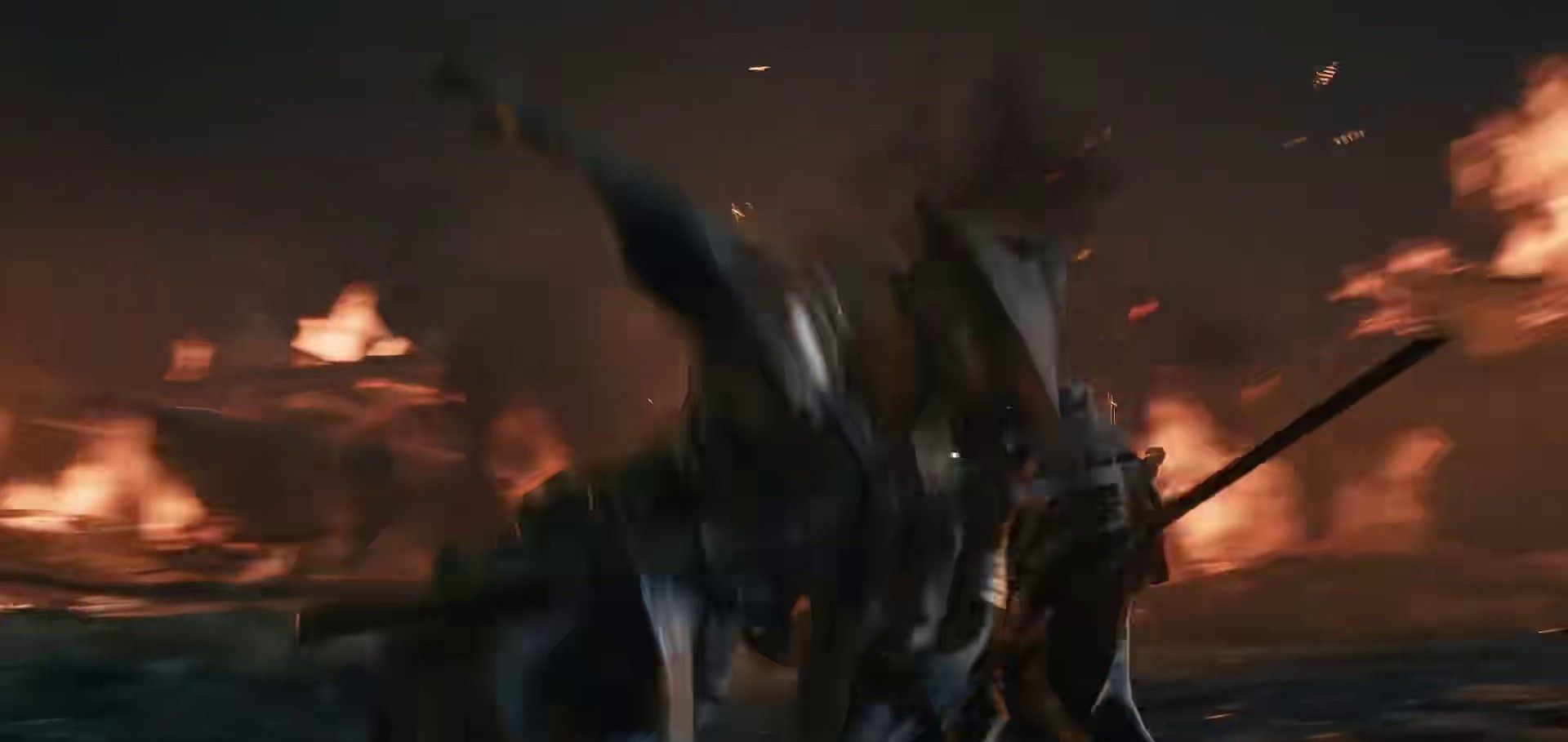
Combat is, without question, the absolute star of Phantom Blade Zero. From the very first second, it makes you feel like a badass: standing atop a horse-drawn carriage to fend off pursuers, deflecting gunfire with your sword; chaining parries to break an enemy's posture, then closing out with a brutal execution; even, when caught between two attackers, sending both flying at once with a single over-the-top double kick. More importantly, these moments aren't scripted set pieces - they're real-time play, built on fluid parry mechanics and attack combos.
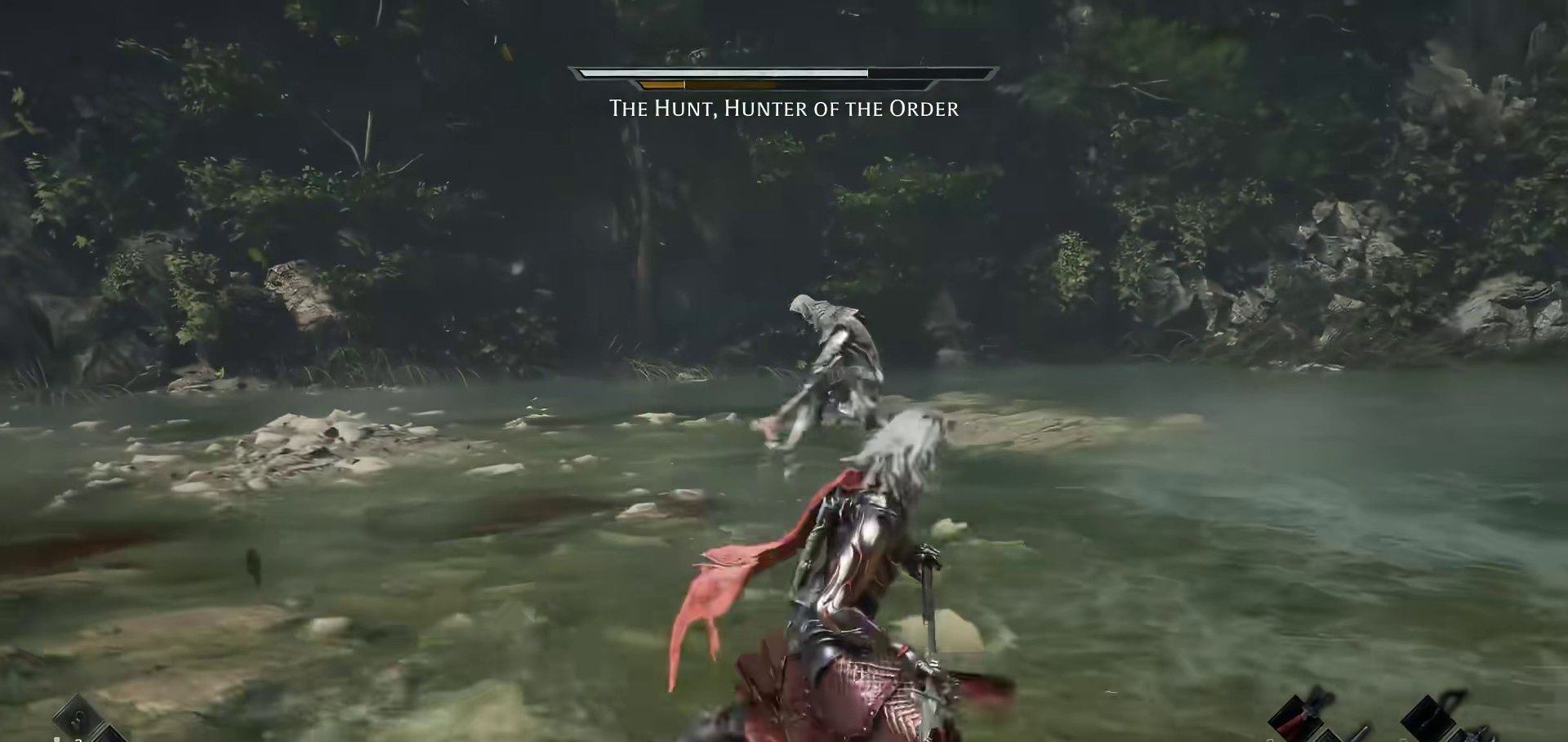
It has a rare gift: making you feel like you're the only person in the world who could pull off that sequence.
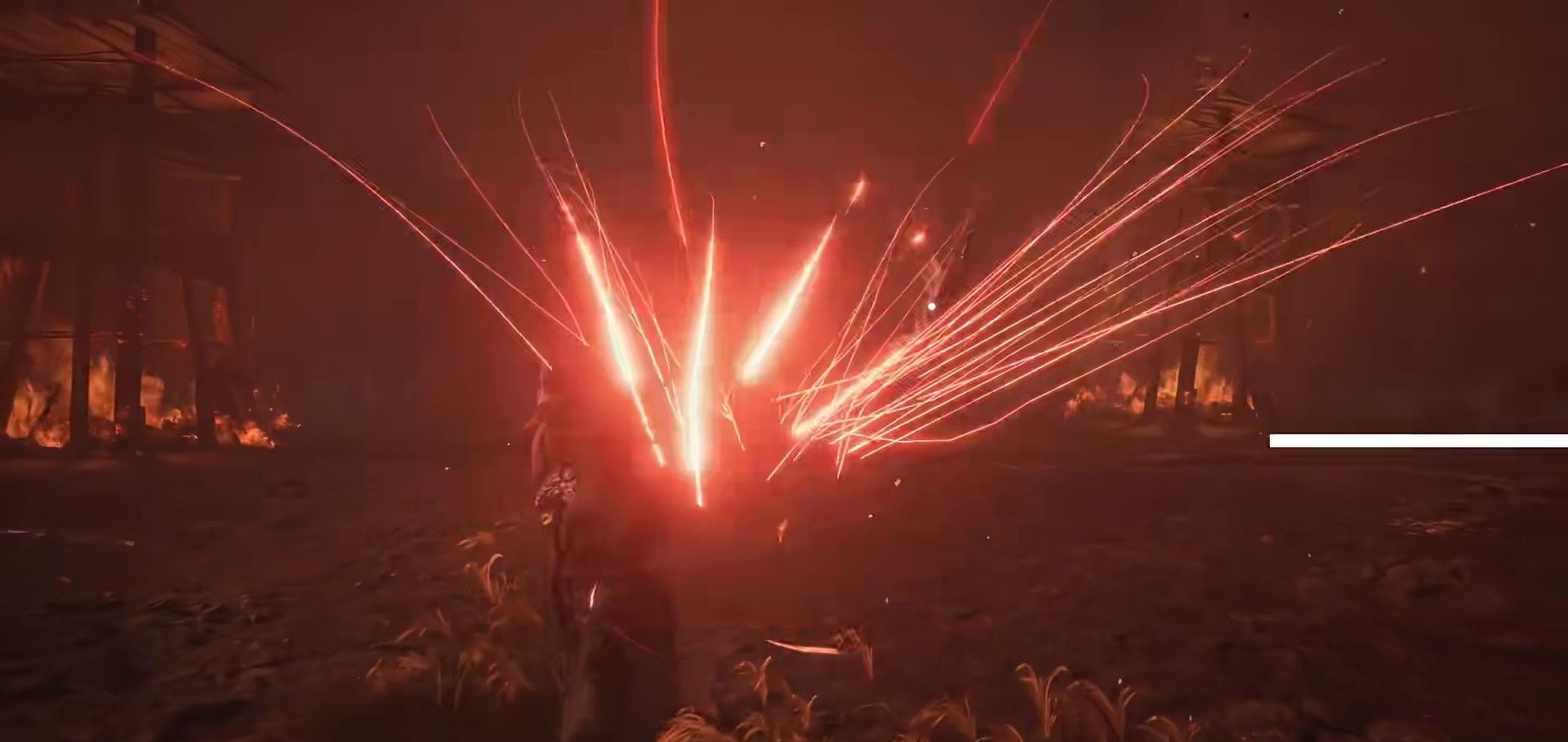
In the demo, you can parry three flying daggers in a row, then launch into a mid-air flip and come around with a spinning slash, leaving your enemy with no chance to fight back. For action-game connoisseurs, even the slightest shortfall in parry windows, hit feedback, sound design, or camera shake is enough to break the immersion. But Phantom Blade Zero gets a remarkable number of tiny details right. It makes the controller very hard to put down.
Weapons as Playstyles: Greatsword, Drunken Fist, and Flying Swords
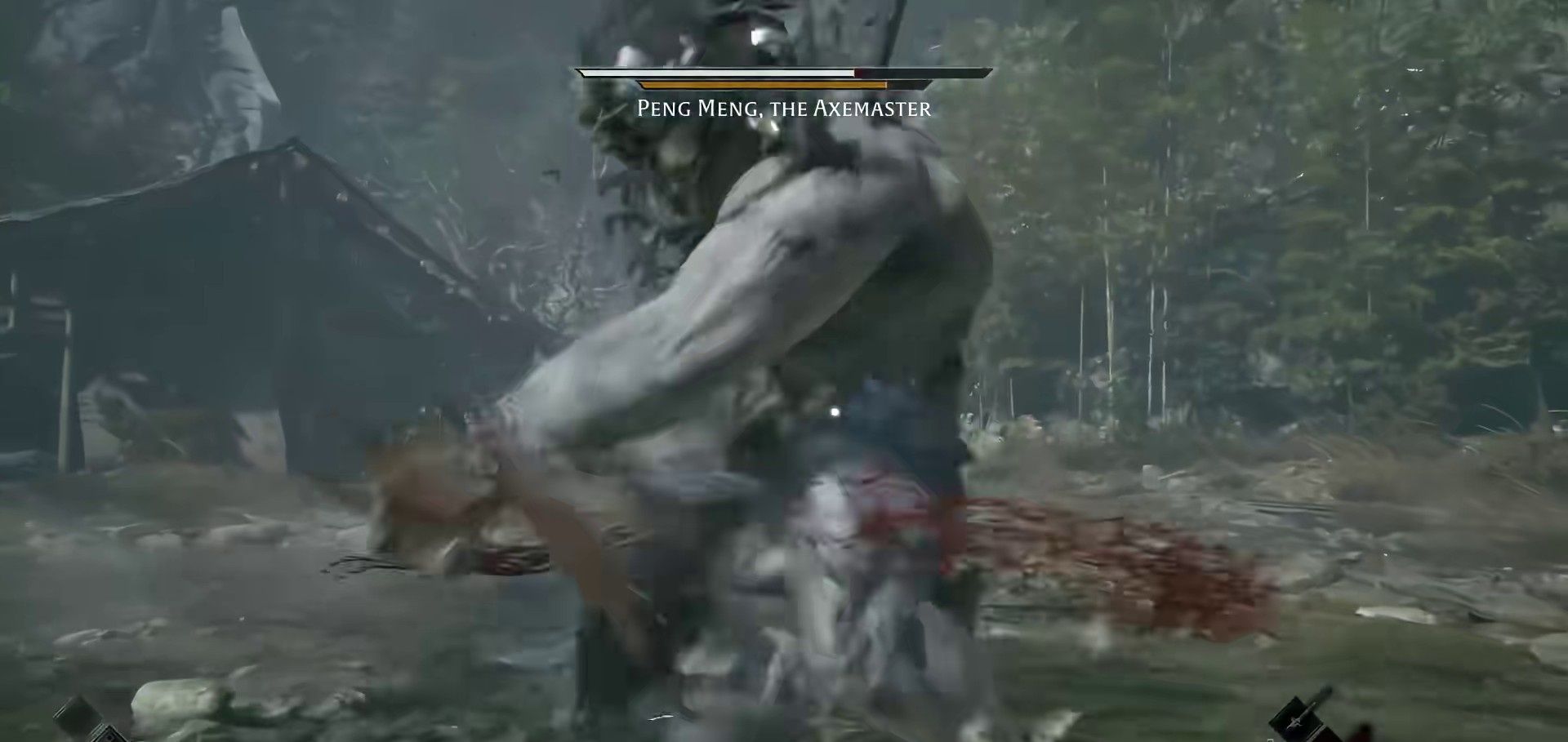
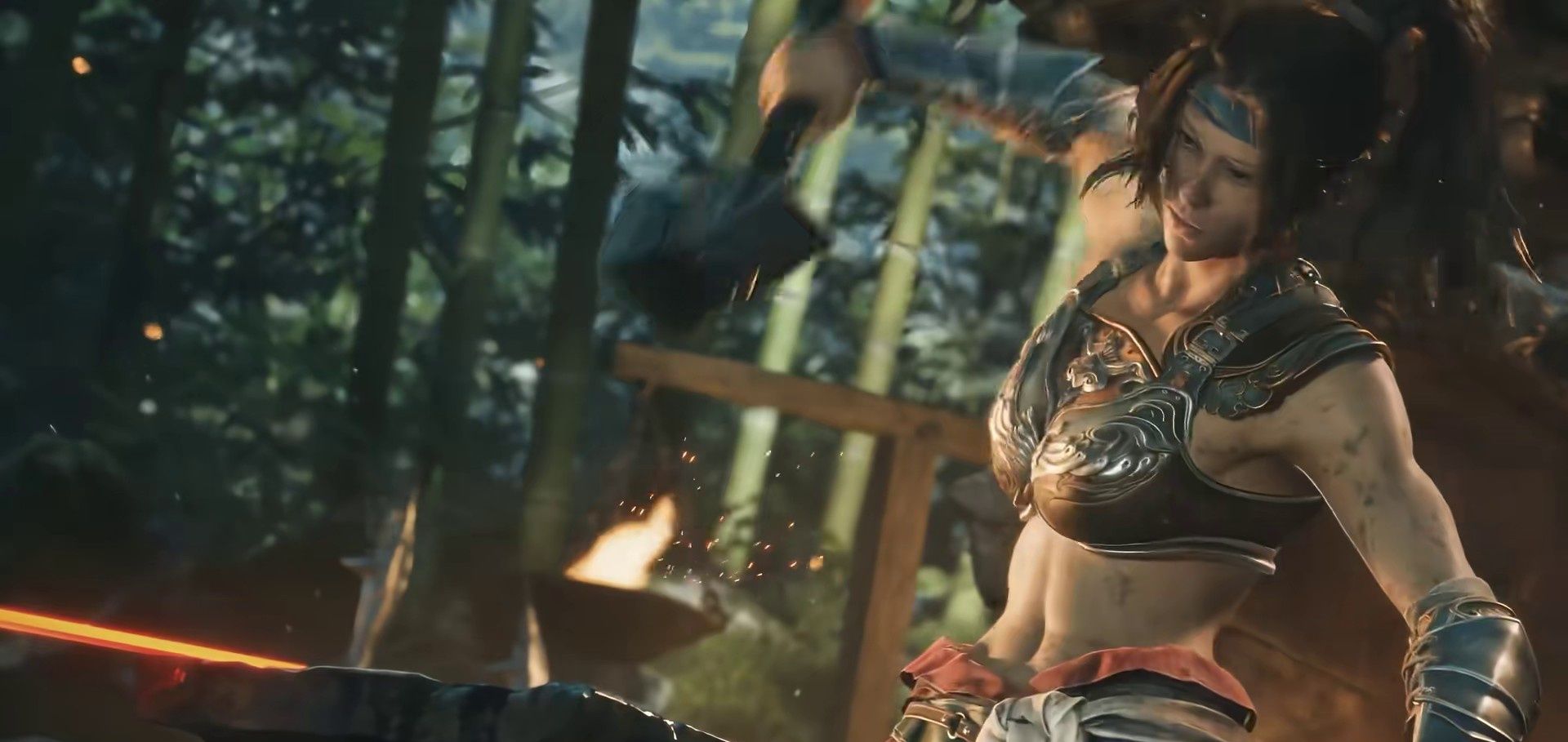
If combat feel is the hook, the weapon system is the net that keeps you engaged. Every weapon encountered in the demo has a strong personality: defeating an optional Boss grants a two-handed greatsword with high damage and an oppressive presence, letting you steamroll through many encounters with raw damage output; another Boss, a drunken fist master, rewards you with his drunken fist style, making your character sway and stagger unpredictably while manipulating blades with the mind - even hurling a sword at enemies like a ranged weapon. The differences between weapons run so deep that you have to relearn combos, spacing, and each weapon's strengths and weaknesses. This is not just a stats swap - it's a complete restructuring of how you fight.
Progression System: Kung Fu Is More Than a Single Combo
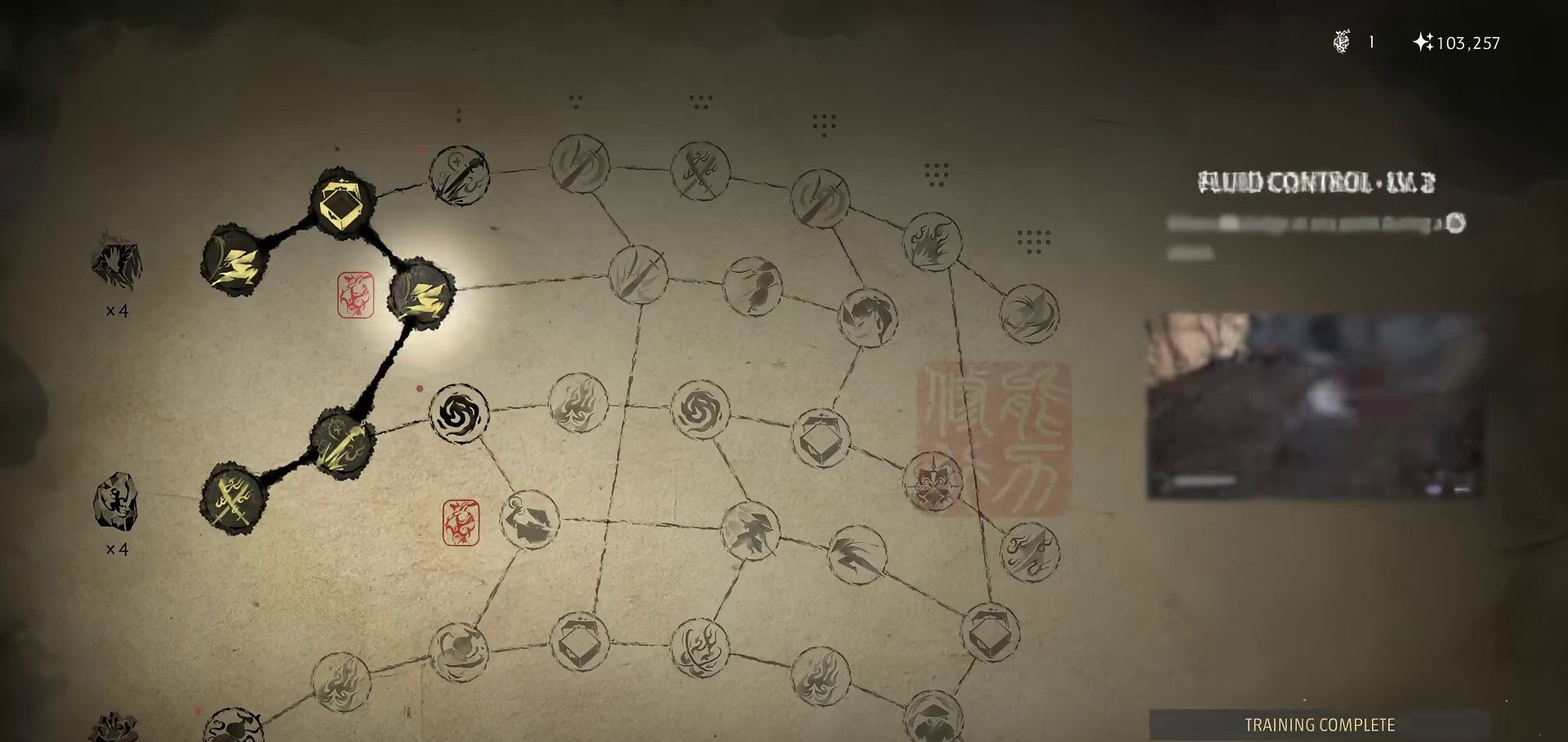
Before you've cut down your 100th grunt, the progression system keeps handing players new goals. Weapons can be upgraded with materials to boost their stats and abilities, while the skill and "kung fu" systems call for gradual mastery. The demo shows that what it's aiming for isn't a single linear upgrade path, but letting players develop their own playstyle across weapons, movesets, exploration, and countering specific enemies. The demo content wraps up here, but one thing is already clear: Phantom Blade Zero's ambition goes beyond "fighting well" - it's about "forging your own wuxia."
Top Community Comments
One player quipped: "Homegrown again - why is it they only ever make this kind of homegrown game?" On the surface it reads as disdain, but underneath lies a complicated sentiment: homegrown action games have long been scrutinized under a magnifying glass. The moment a title carries the word "homegrown," it must prove itself hardcore enough while also facing the nagging question of "why always this kind?" But the value of Phantom Blade Zero lies precisely in refusing to stay trapped inside the label: with Donnie Yen-style action design, a lion dance Boss, the heart dilemma, and weapon schools, it pushes "homegrown wuxia action" toward a more stylized direction.
Another viewer's rant ran even longer: "Ugh, another soulslike, another Roguelite, another open world game, another sandbox game..." This nearly endless list of genres is a spot-on satire of today's flood of game labels. Any new release can be crammed into some lane, and any innovation can be flattened by a single "yet another so-and-so-like." Phantom Blade Zero certainly shares action-game common ground - parry, stance, Boss fights - but its fluid combos, weapon differentiation, exploration density, and folkloric spectacle cannot be summed up by the word "soulslike." Rather than rushing to file it into a genre, it makes more sense to ask whether it has recombined genre language into something new.
Yet another viewer defused the prejudice with reverse logic: "I'll go first: homegrown again, and human again." It's a jest, but also a reminder: if "homegrown" can be treated as an original sin, then "human" can be a charge too. For Phantom Blade Zero, what truly deserves discussion is not its origins, but whether it can deliver in 2026 on the edge this demo has already shown.
📌 One-Line Takeaway
Phantom Blade Zero isn't just another action game stamped with the "soulslike" or "homegrown" label - with its fluid parries, weapon styles, high-density exploration, and hardcore wuxia spectacle, it makes the flash of blades in 2026 something to genuinely look forward to.