Phantom Blade Zero Closed-Door Hands-On: After Six Hours of Fierce Combat, I'm Taking Back All My Doubts
The Beijing nights were already growing chilly in early September. Walking out of the hands-on venue in Chaoyang District and crossing the lawn downstairs, I slipped off the wristband that had granted me entry to the Phantom Blade Zero closed-door hands-on event. As I stand here now, I can say this: my most urgent wish at this moment is for someone to club me over the head and knock me out cold, so I can fast-forward through one long sleep straight to December 29 - the day the game officially releases.
Truth be told, I hadn't been all that excited about Phantom Blade Zero to begin with, because the ambition it displayed was simply too vast - so vast it bordered on the unrealistic.
Doubts First, Praise Later: I Once Thought Its Ambition Was Unrealistic
Early last year, during an interview at an in-person hands-on event, S-GAME producer Liang Qiwei mentioned that the game features more than 30 weapons in total - and they're not the same model with a color swap; every single one is a fully independent module.
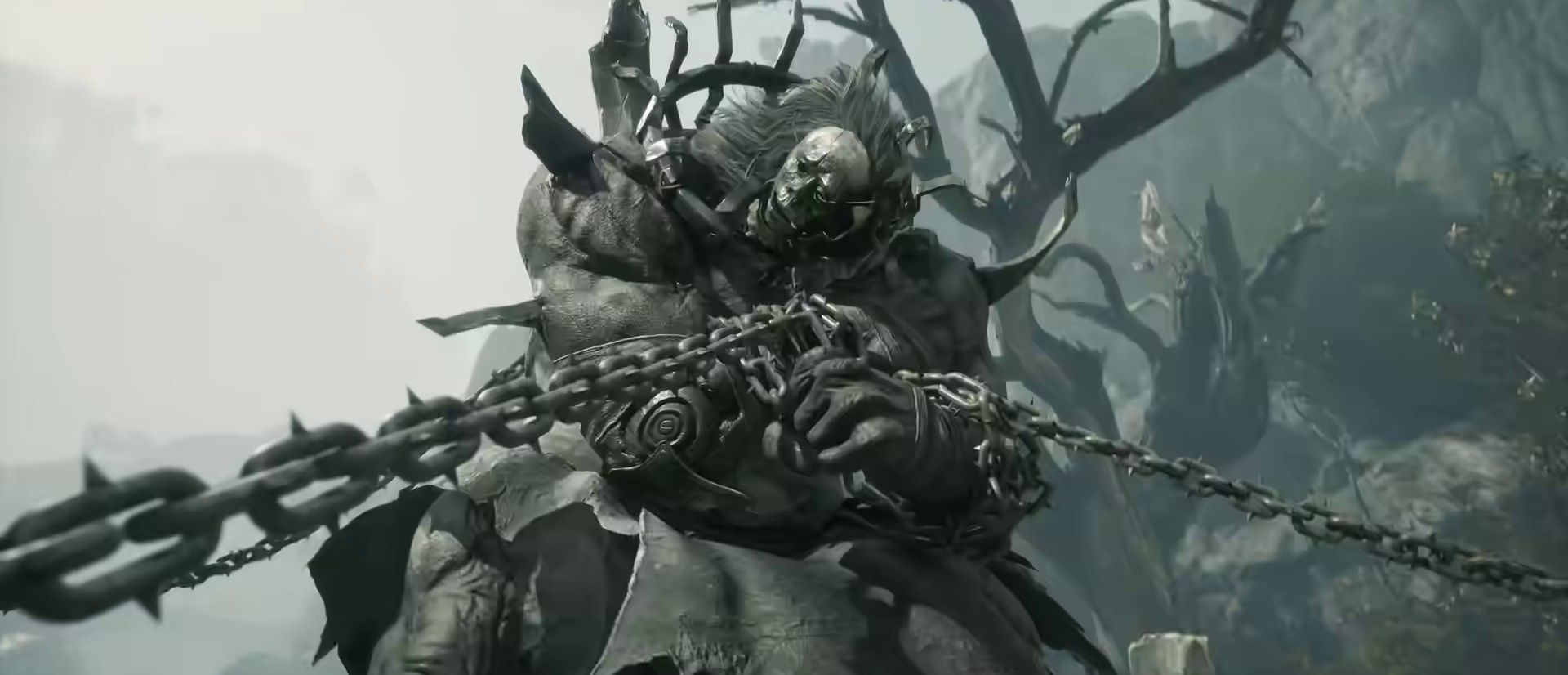
At another hands-on session, meanwhile, a fellow journalist revealed the game's scale: 20 hours for the main story alone, and roughly 40 hours to fully clear the main story plus all major side quests. To put it bluntly, for a game driven primarily by action gameplay, that scale is downright "insane" by industry standards.
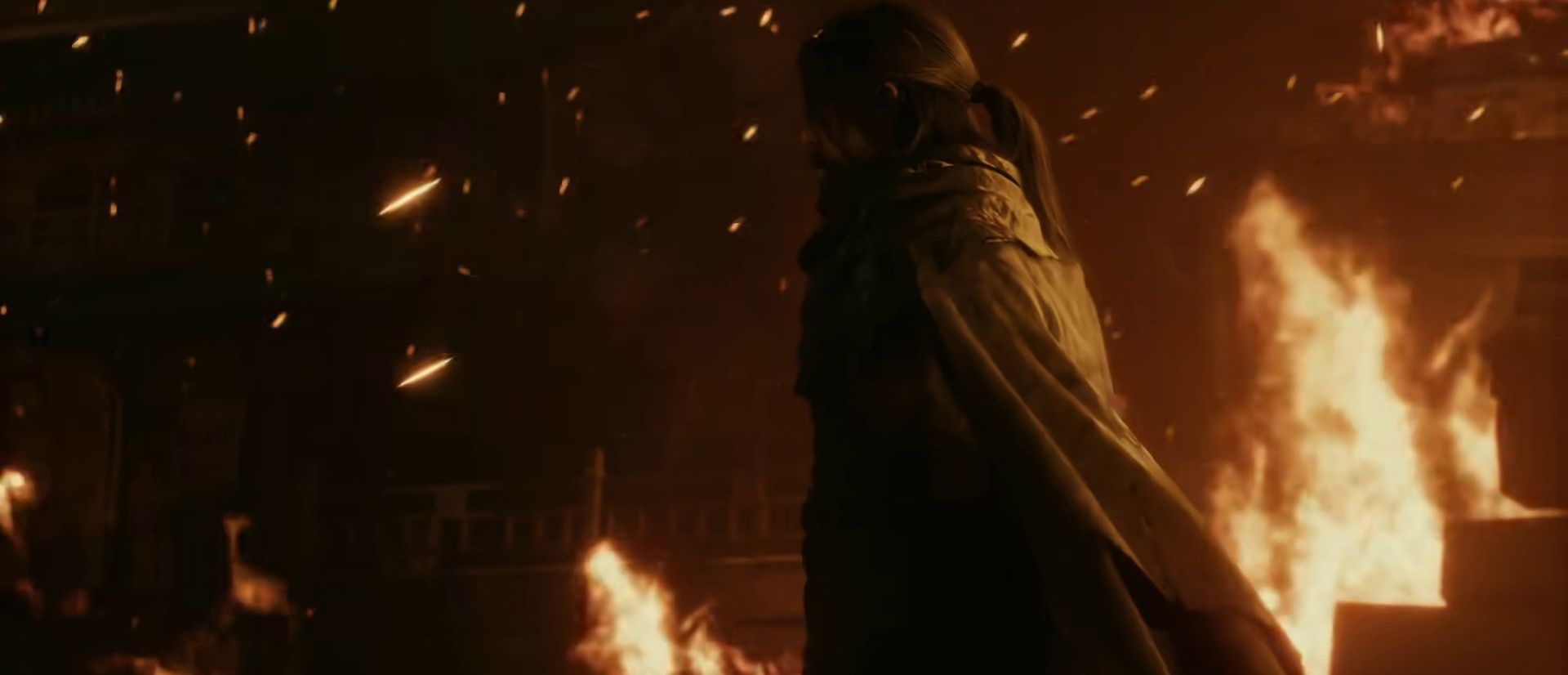
Even taking a step back - assuming those 30 weapons all deliver on quality and the 40-hour playthrough isn't padded with filler - I still harbored doubts about its combat system. I attended two in-person hands-on sessions for Phantom Blade Zero: in one I fought Huang Xingzi, and in the other, the Senior Brother - and I barely broke a sweat in either. The combat system is undeniably stylish - the attack animations, the hit feedback, and the response on defense and dodging all felt spot-on. But the protagonist's overly strong defensive and evasive capabilities always raised one question in my mind: Fighting this stylishly - is that really my skill, or is the game's difficulty just a built-in safety net?
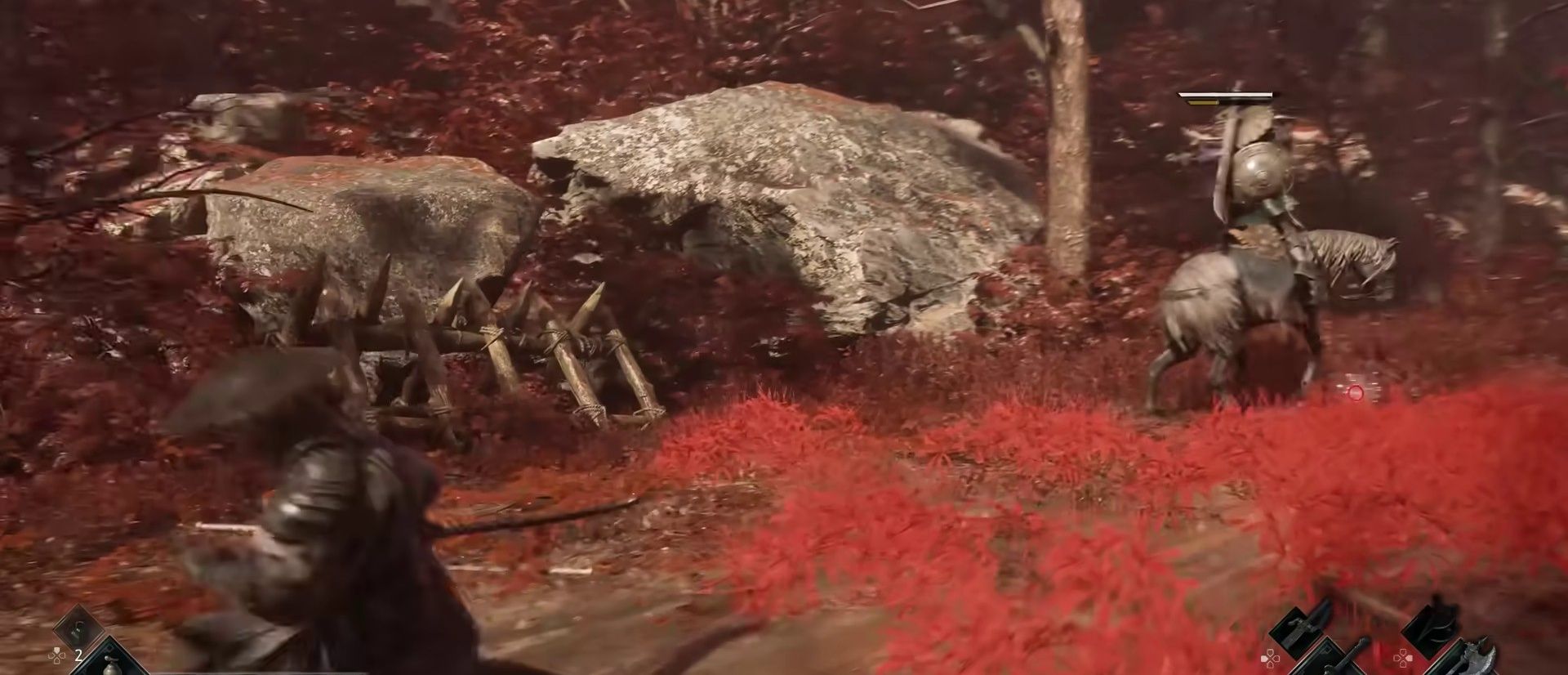
To put it plainly, I was genuinely afraid Phantom Blade Zero would turn into one of those games - the so-called "formulaic" action gameplay where you hold block and never let go, dodge the red flashes, parry the blue ones, and punish the stagger windows with a couple of sneaky hits.
That said, you've probably figured out from the very beginning that this writer putting on airs is actually setting up a classic "doubt first, praise later" reversal. Now, on to the main event.
Not a Curated Demo, But the Full Version Still in Debug
This playtest offered the most complete look at the game's flow of any Phantom Blade Zero playtest event to date. To be precise, what was provided this time was no longer some specially curated demo, but the complete version - development finished and currently in Debug.
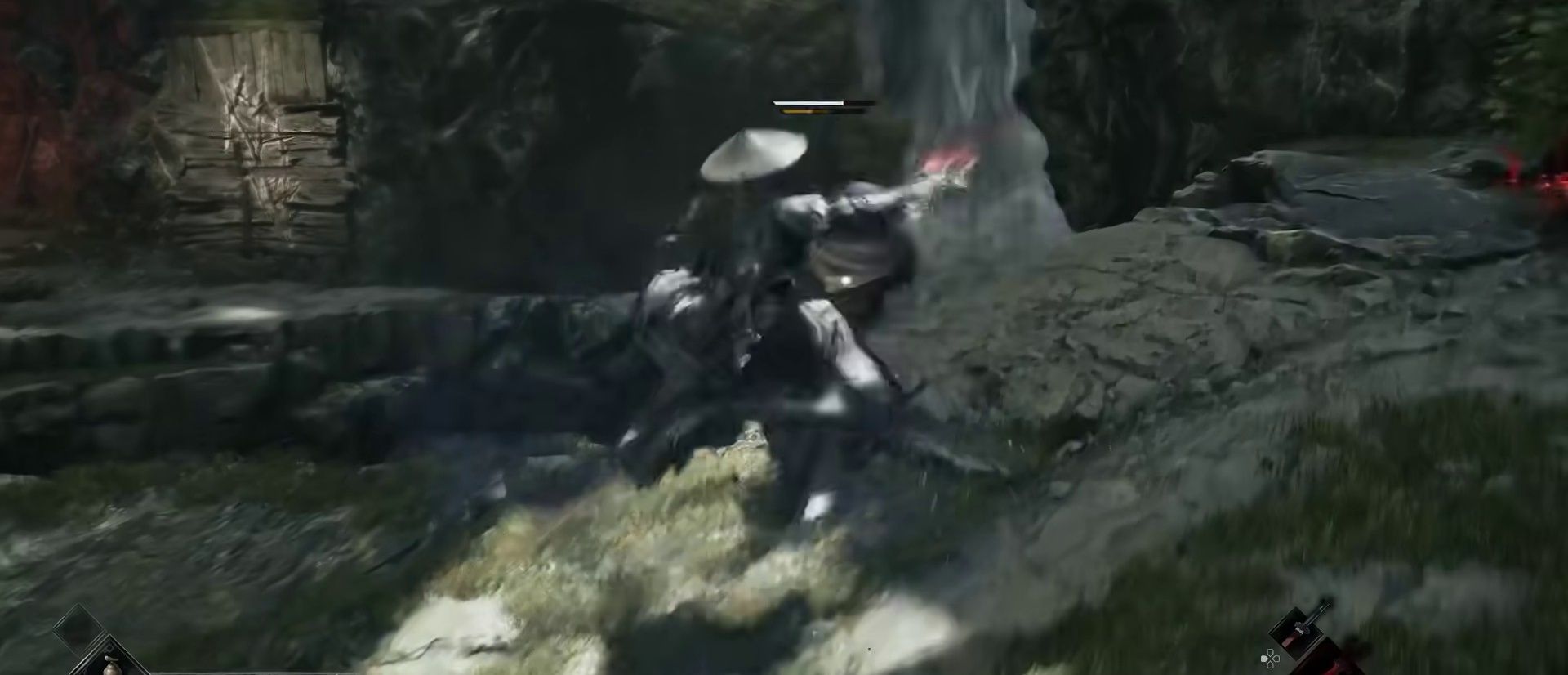
Six consoles were lined up in a row inside the playtest dojo. We entered and took our seats at 10 a.m., starting from the prologue tutorial and battling straight through until the session wrapped up at 6 p.m. Subtracting the hour-plus spent on interviews and meals, that left just over six hours - how far you got and how thoroughly you explored came down entirely to your own skill.
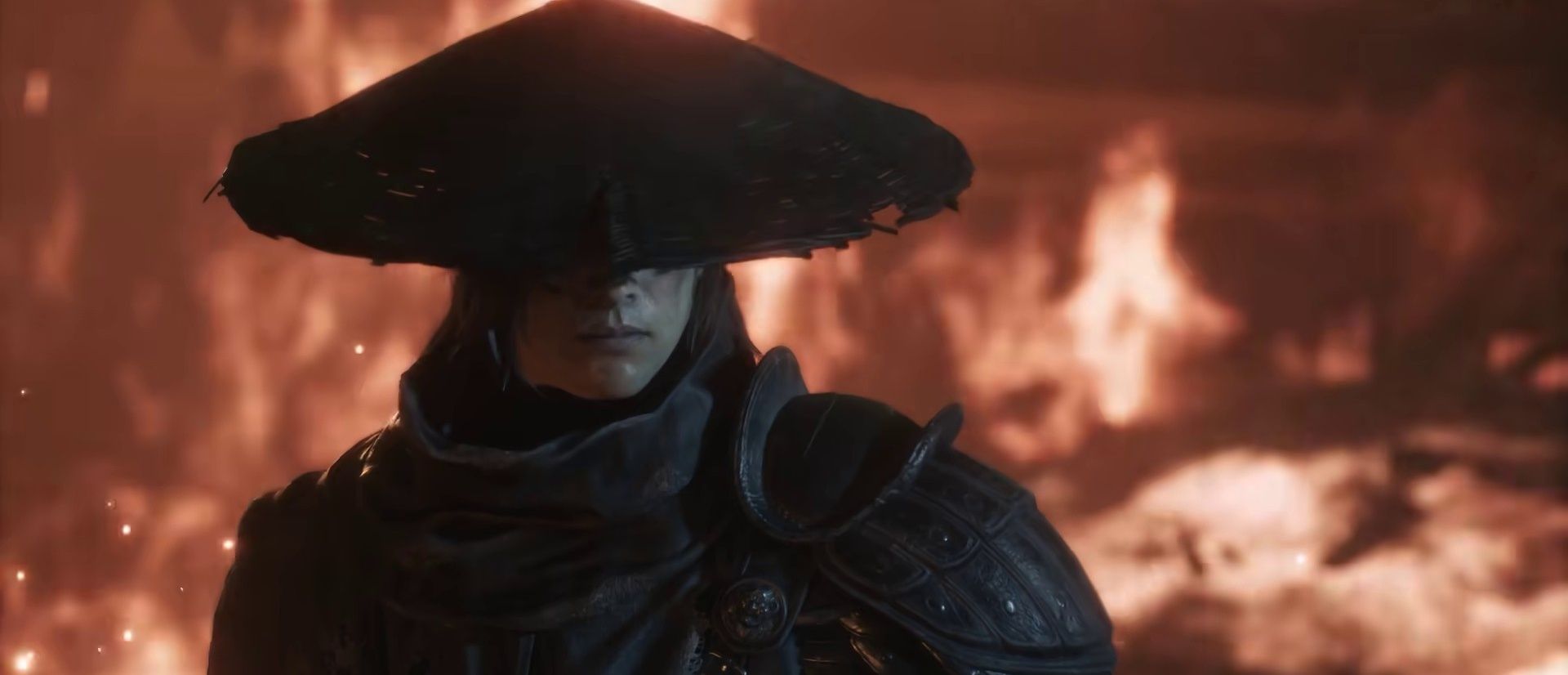
As with previous sessions, the organizers did not allow us to record footage, so the images accompanying this article may not fully correspond to the progression described - we ask for your understanding. Additionally, apart from two late-game bosses that staff manually skipped ahead to so we could experience them specifically, I played the entire session on "Heaven-Defier" difficulty.
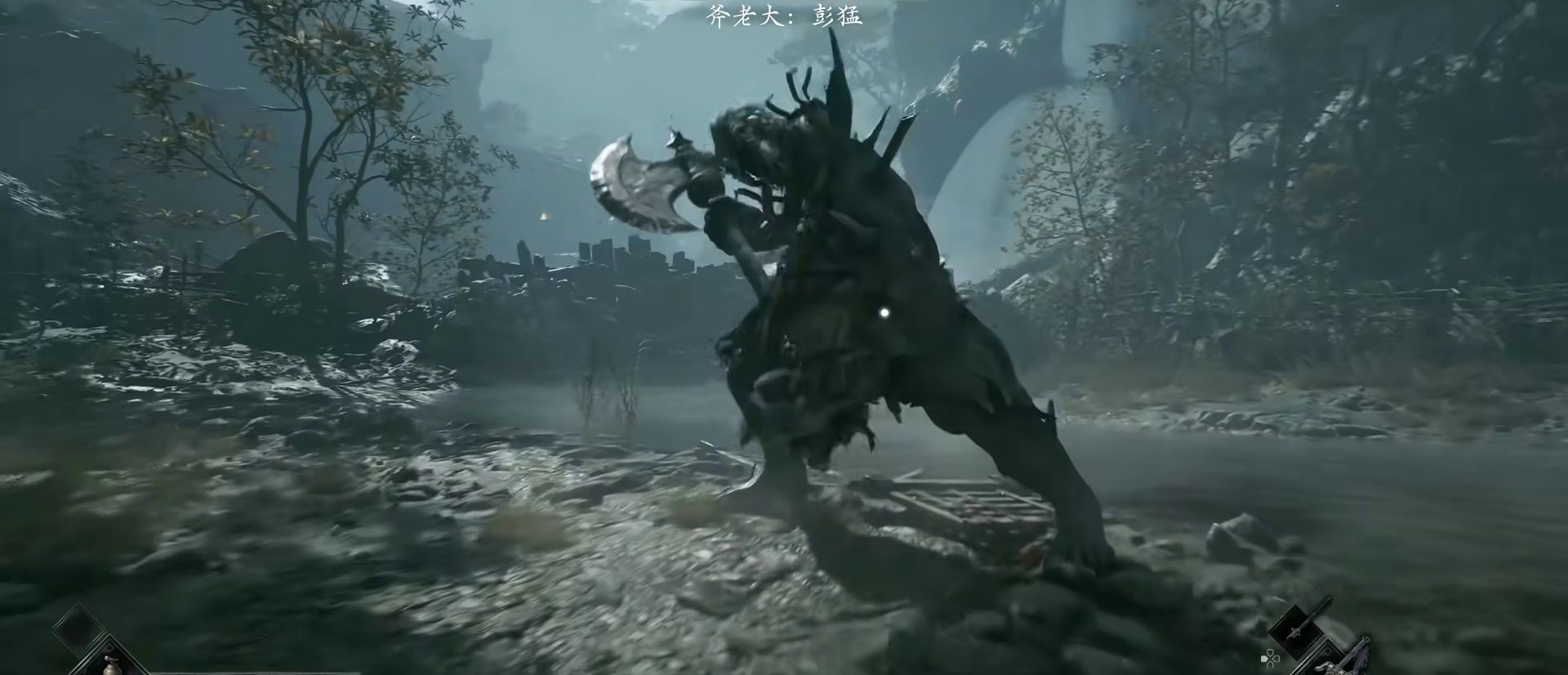
"Killing Intent" Isn't a Stance Bar - It's Wuxia's Ledger of Offense and Defense
At first glance, Phantom Blade Zero's combat system seems to trigger a strong sense of déjà vu: both the player and enemies have a yellow bar beneath their health bars, and when it empties, their stance breaks; holding the guard button lets you deflect attacks at the cost of that yellow bar; to break your guard, enemies unleash a barrage of blue-glow attacks that chew through the yellow bar, and only precise blocks can perfectly neutralize them; there are also unblockable red-glow attacks, which demand a dodge input at exactly the right moment.
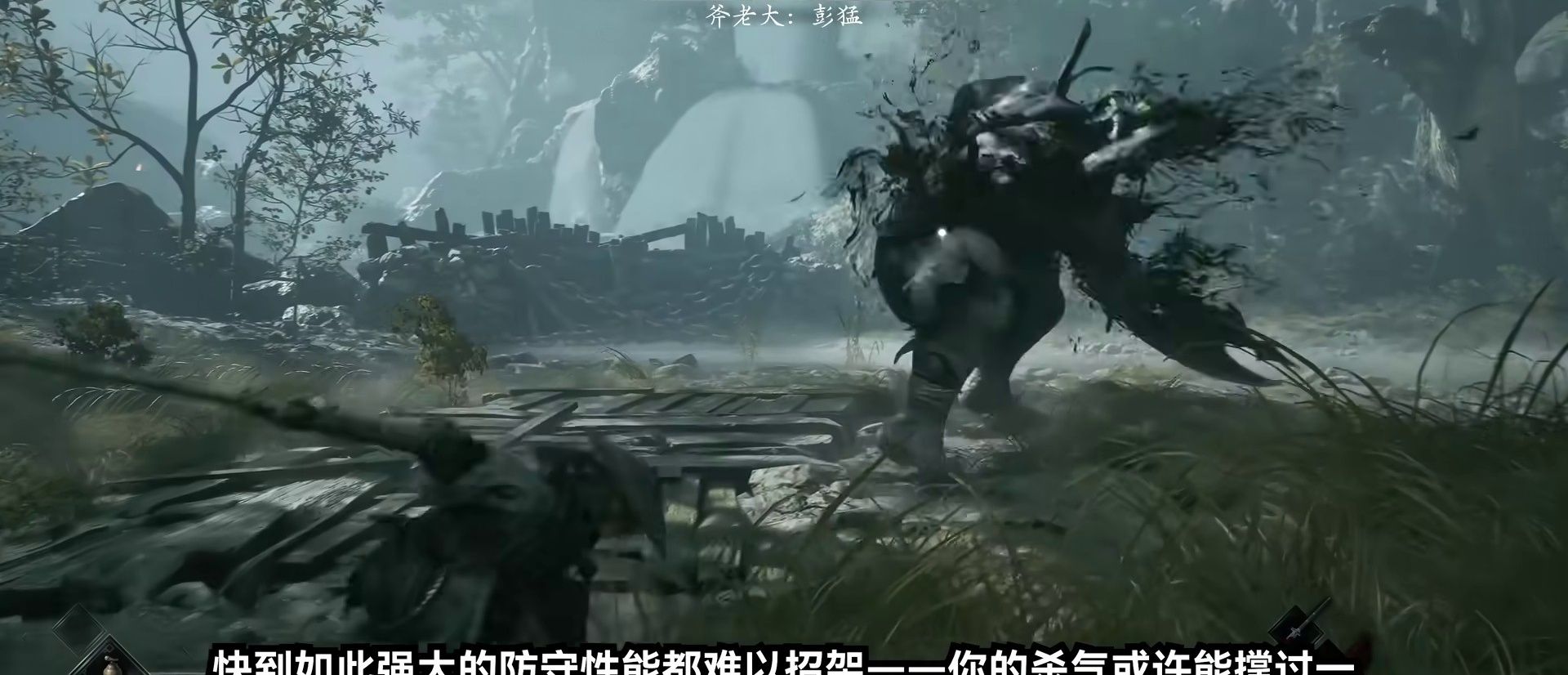
Today's players know this setup all too well. Some call it "soulslike," others say it has that "souls flavor" - no matter the label, it feels awkward. In essence, everyone has sampled far too many of these action systems, and aesthetic fatigue is hard to avoid.
But Phantom Blade Zero is not that kind of game.
Wuxia dramas often feature a scene like this: two swordsmen locked in a tangle of blows, one strike answered by one block - it looks like an even back-and-forth, but in truth one of them has already fallen into a losing position, and one more push would send their entire defense collapsing. In Phantom Blade Zero, you'll see this play out as a matter of course.
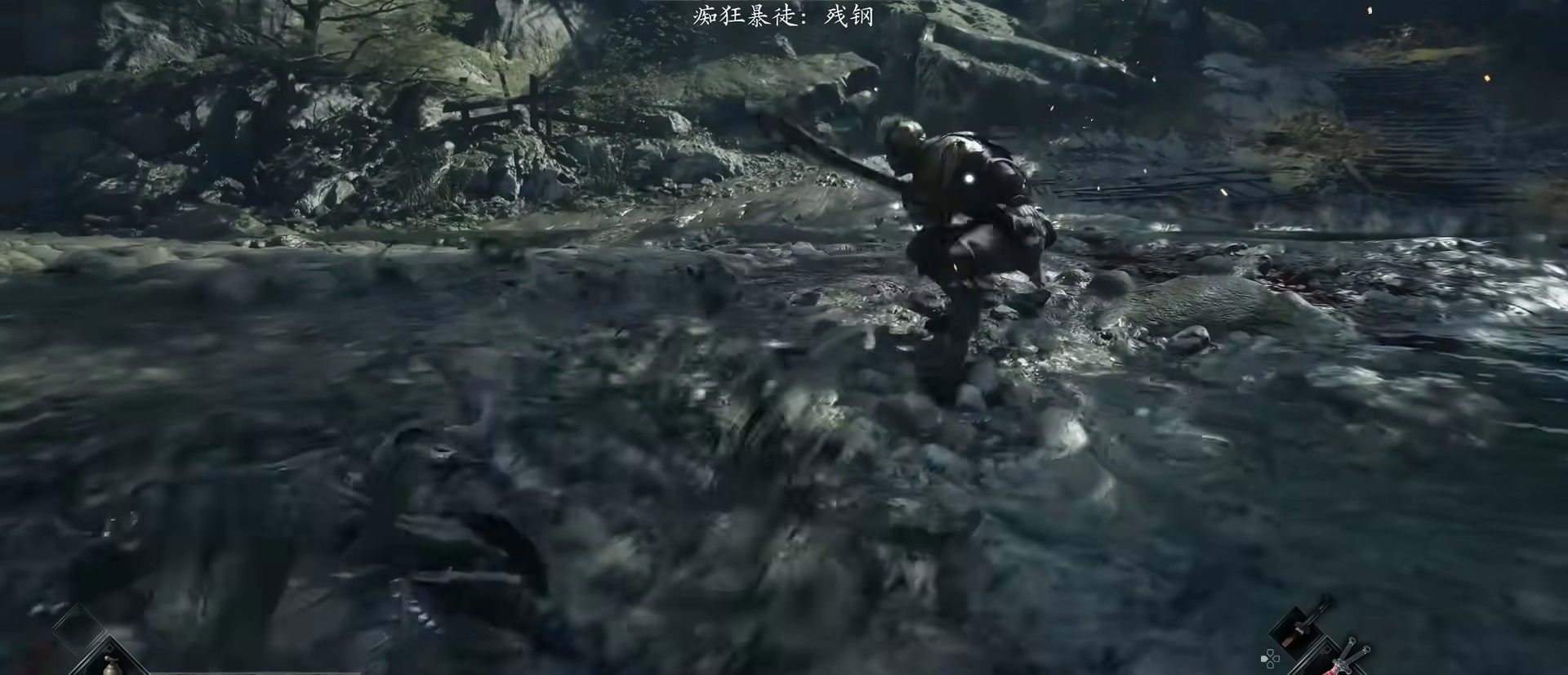
First of all, the claim that "both the player and enemies have a yellow bar beneath their health bars" isn't quite accurate - it invites the misreading that this is a guard bar or stance bar. The yellow bar's real name is Killing Intent.
Its function is more akin to the Drive Gauge in Street Fighter 6: not merely a defensive resource, but one that can also be spent on offense.
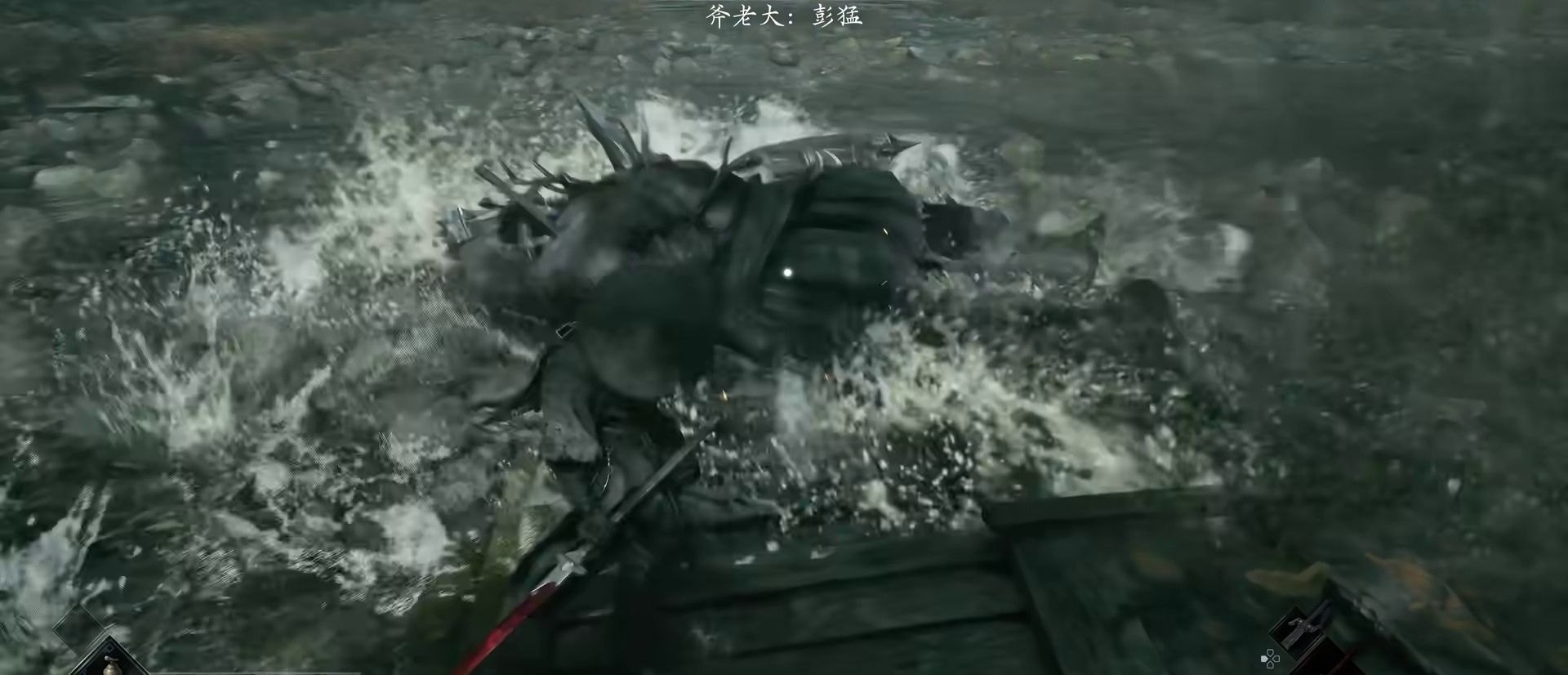
Killing Intent refills whenever you land a precise dodge or switch weapons; but when it's drained to empty, you fall into a "Depleted" state where Killing Intent can't be used at all, leaving you fragile enough to crumble at a single touch. The protagonist's attacks split into light-attack combos built purely from the square button, and Killing Intent Chains that weave in the triangle button - as the name suggests, these moves consume the protagonist's own Killing Intent in exchange for powerful effects: higher damage, faster drain of the enemy's Killing Intent, and, on certain special-effect weapons, debuffs inflicted on the opponent. In return, burning Killing Intent puts you in a far more dangerous position: when the bar runs low, any defense short of perfect will break your guard instantly.
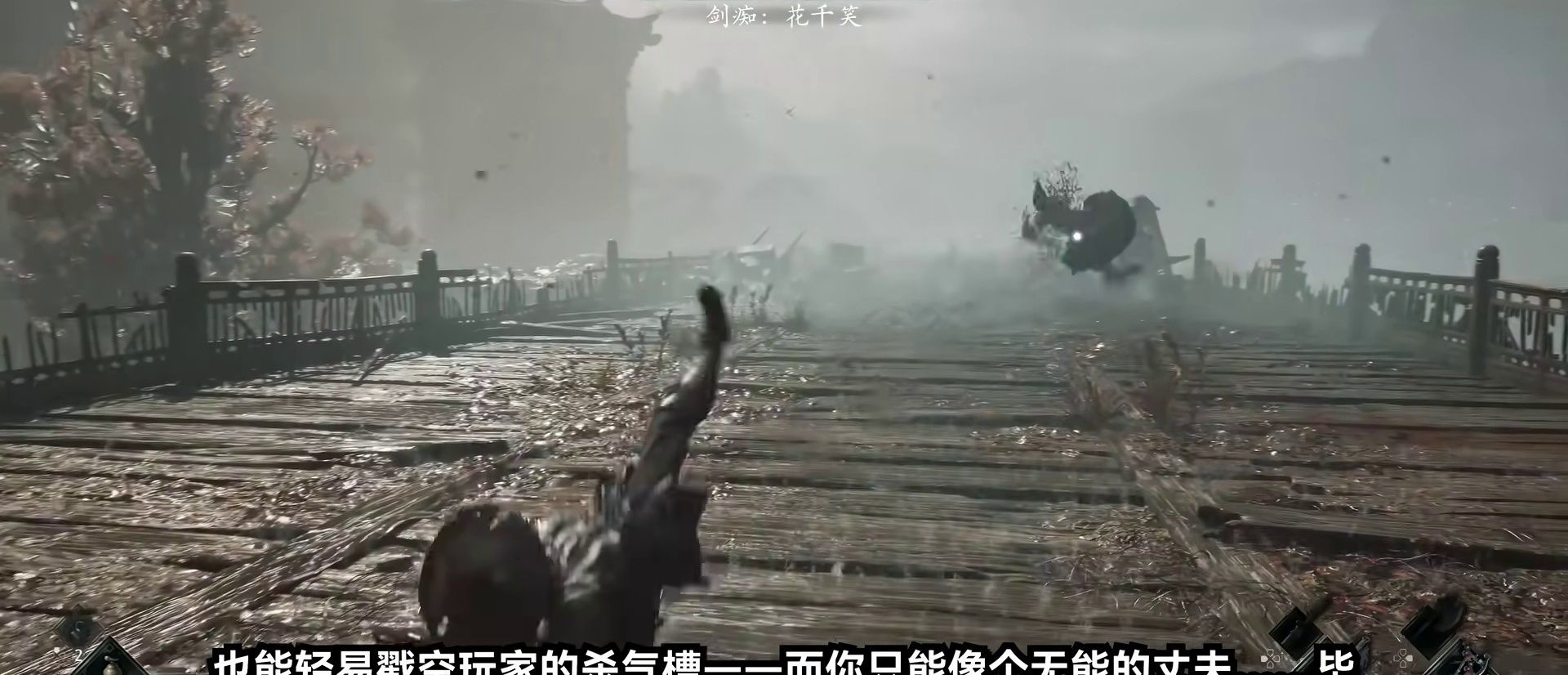
Mapped onto the silver screen, this is the young warrior who, armed with nothing but raw valor, throws out grand, sweeping strikes - only for a grandmaster to casually unravel and redirect them; a dozen-odd exchanges later, his strength is fading and his form in disarray, and one careless move leaves his vitals run through. Which is why you can't attack blindly - you must fight within your means.
Defense Is Strong, but the Pace Is Faster: Turtling Gets You Nowhere
At the same time, you can't just turtle up, either. Phantom Blade Zero's defensive tools really are strong: the timing windows for precise defense and dodging are relatively generous, and the cancel priority is high - as long as you hold down block, the vast majority of standard attacks can be neutralized.
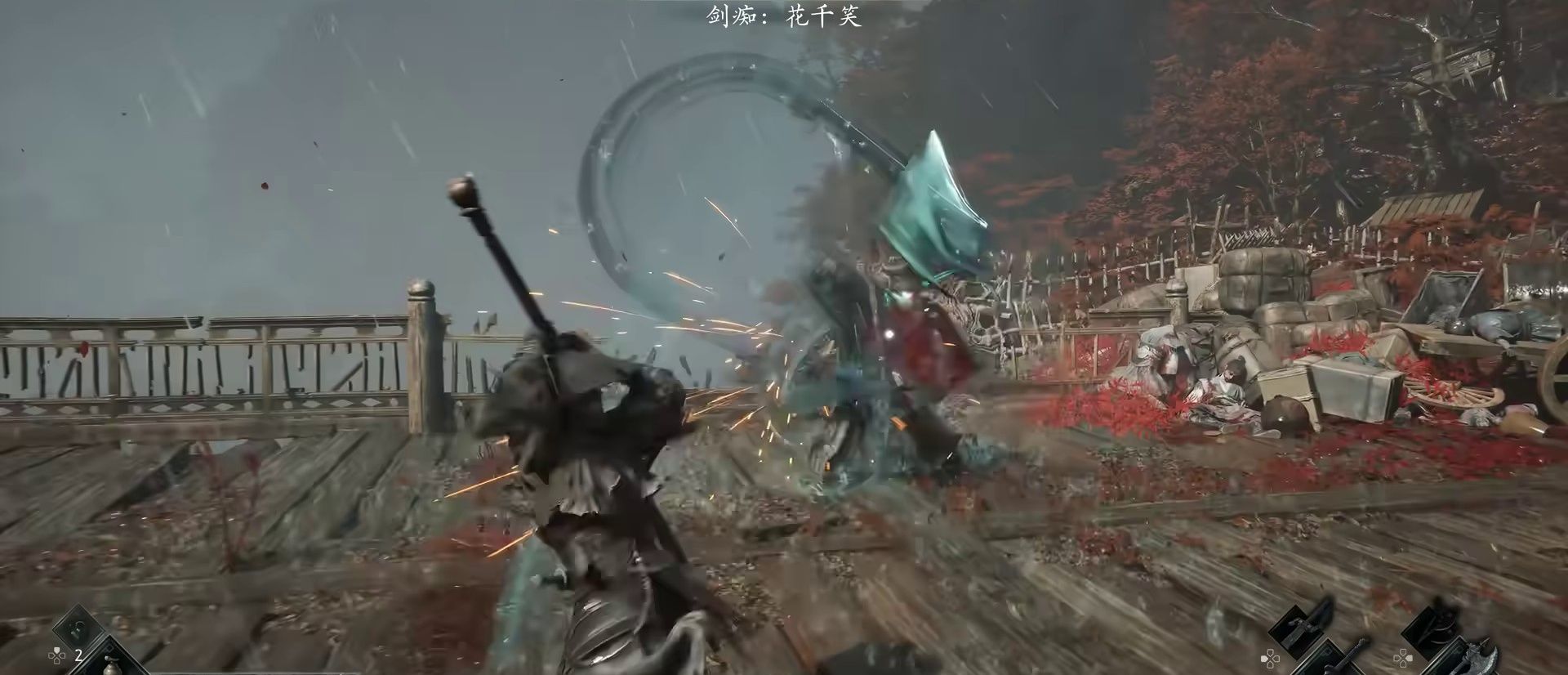
However, Phantom Blade Zero's combat pace is extremely fast - so fast that even defenses this powerful struggle to hold up: your Sha (killing intent) may carry you through one string of standard attacks, but the enemy will quickly follow up with a second and a third; you may deflect ordinary blade chops and axe swings, but against enemies charging at you like raging bulls, along with the fire and bleed effects coating their weapons, even landing every single precise defense won't fully spare you from chip damage.
Mapped onto the silver screen, this is precisely the fate of those elders brutally swarmed by attackers: at first, drawing on years of hard-earned experience and instinct, they manage to parry wave after wave of assaults, yet they cannot avoid being wounded by hidden force and concealed weapons; internal injuries accumulate unnoticed, until, under one massive, full-force cleave, they are sent flying into a wall and die coughing up blood.
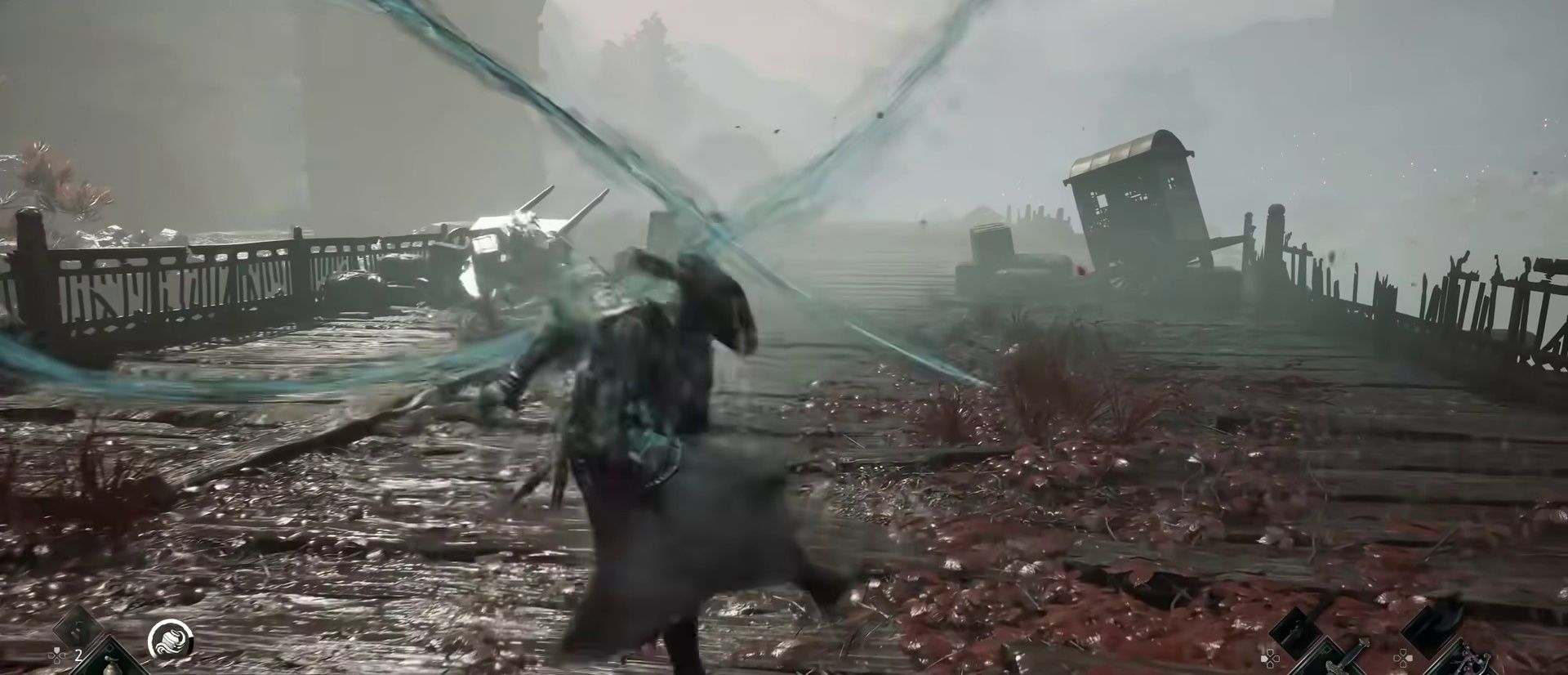
So what would a true master of the martial world do? The answer: the Sha mechanic applies to enemies as well. Whether attacking or defending, they bear exactly the same risks you do. Your task is simply to execute better than they do - turning defense into offense, and weaving offense into defense.
Precise defense and dodging buy you the breathing room to regenerate Sha; proactive offense, in turn, keeps the enemy from resetting their stance.
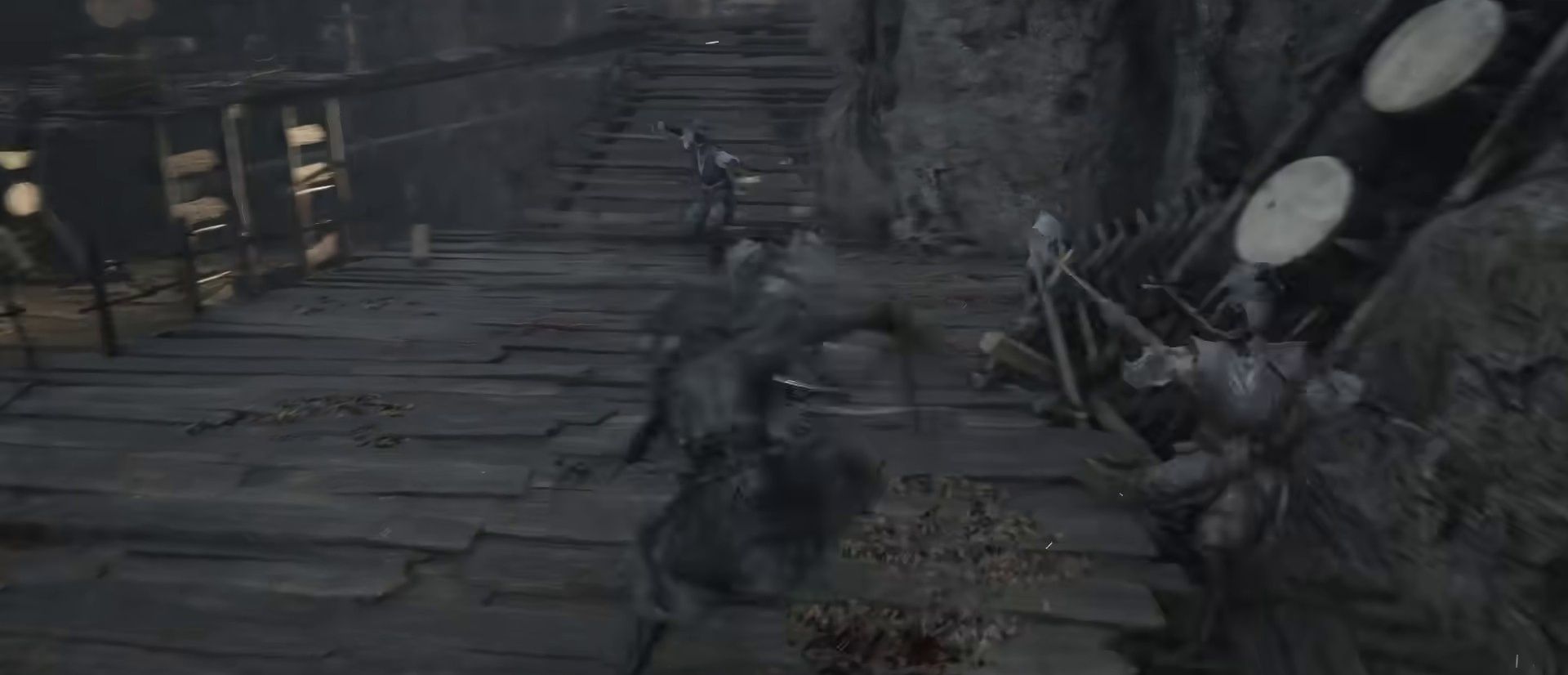
Evade the brunt of an enemy's fiercest onslaught, then strike at their openings as the assault loses momentum. If you're skilled enough, you can lean entirely on the high cancel priority of this game's defensive moves to land a precise defense even in the middle of trading blows; when your Sha runs low, use precise dodges or weapon swaps to refill your resources; then spend that recovered resource to interrupt the enemy's moves, draining their Sha at a whirlwind pace and locking them under total suppression. The game fully encourages you to play this way - the very first skill Phantom Blade Zero drops for players does exactly this: striking while the enemy is mid-attack deals bonus damage.
Of course, fully reading a Boss sounds difficult - and in practice, it is. Phantom Blade Zero does not telegraph every dangerous Boss move the way mainstream action games on the market do: many moves with no red or blue glow that look barely threatening can have effects far beyond what players imagine; and plenty of so-called normal attacks would be outright cheap tactics in any other game.
Hua Qianxiao: A Booze-Loving Mechanics Monster - Cunning but Fair
Take, for example, Hua Qianxiao, who showed up in a previous trailer. In his normal state, he's a fairly standard sword-wielding Boss - the difference is that this old rascal will spend the fight fishing for chances to take a drink.
If you fail to interrupt him in time and he fires up his "sauce-aroma engine," his performance gets a massive boost: not only do his flying swords gain speed and range, he also slips past your attacks with graceful drunken footwork, and can even launch an airborne grab that plants him on top of your head for a long, hearty swig - then hurls another flying sword the moment he's done. The first phase of that grab comes with no red or white flash telegraph whatsoever, making it a genuine "you're eating this one" move in Phantom Blade Zero; and the flying swords that converge from all directions after he drinks can easily drain your Killing Intent gauge - leaving you standing there like some hapless meathead, watching him finish his power-up.
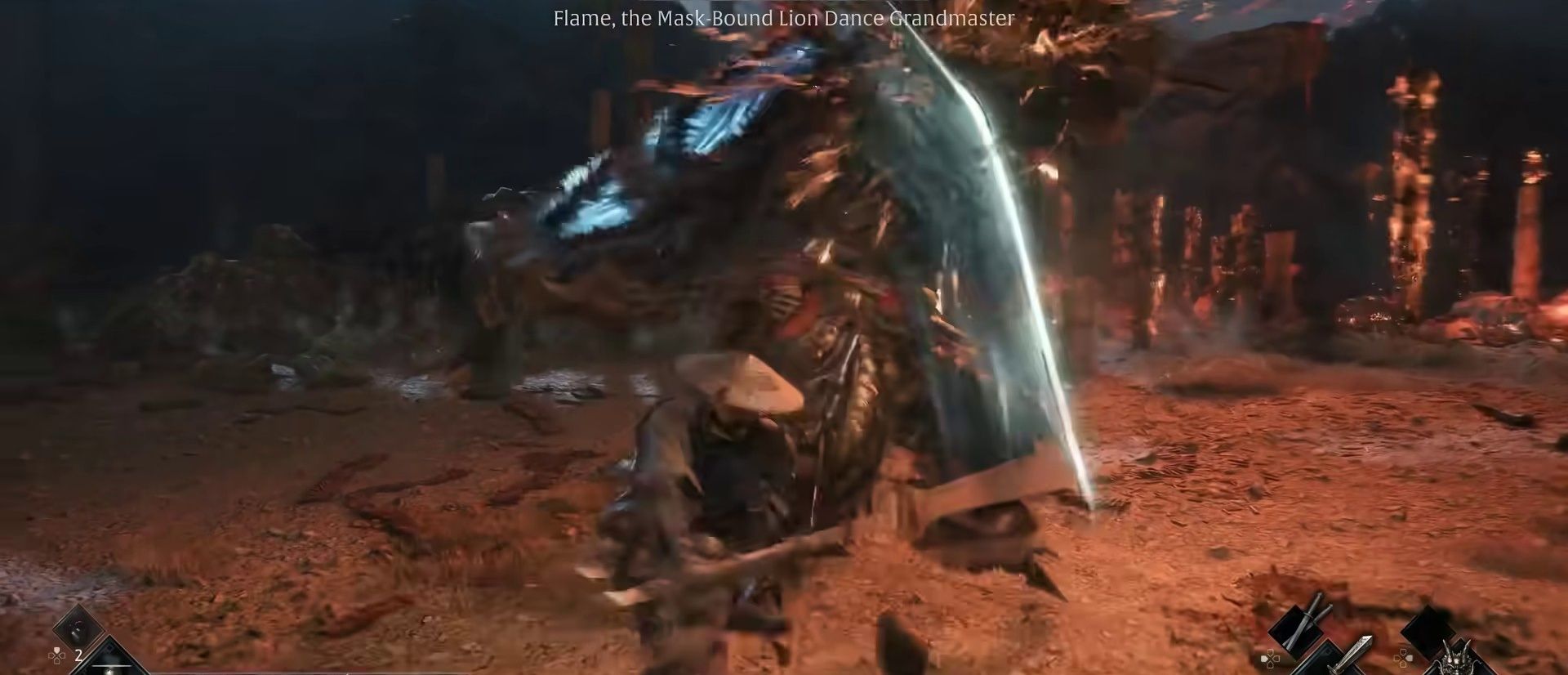
But cheap as these tricks are, the Boss fights as a whole remain fair. You can feel that they're simply doing everything they can, with the abilities they've been given, to beat the player. Across my entire run, I never sensed any so-called input reading, nor any unreasonable frame-skipping or fast-slow swing mixups.
These guys are just riding their own "wheelchair" - not cheating and taking me for an idiot.
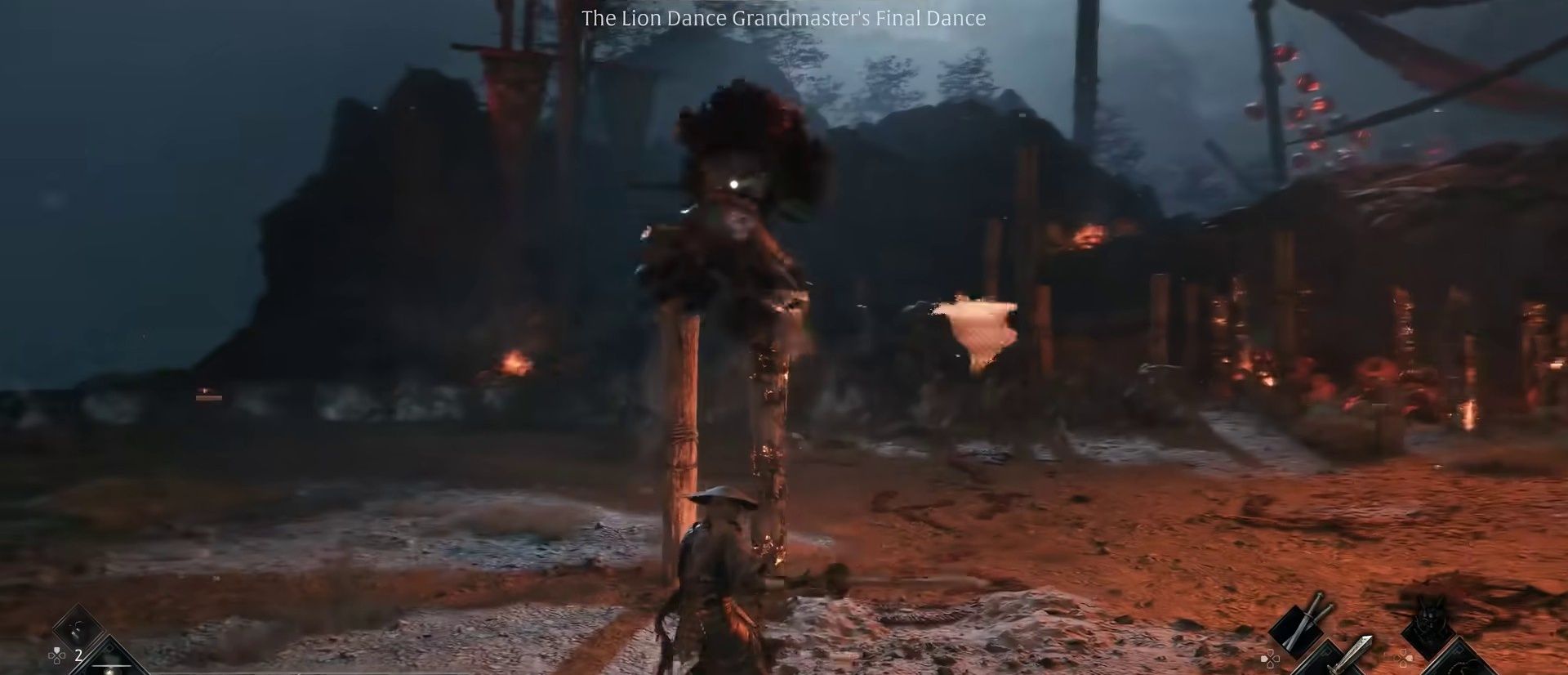
If only my reactions were a hair faster, my counterplay a touch more refined, and my resource management a little more disciplined, I could clear this hurdle. The game's stat design isn't outrageous either: Hua Qianxiao doesn't put crushing pressure on your health bar, and the second phase of that cheap grab can be avoided by reacting to the red flash - handled properly, it can even leave him staggered.
That said, a mechanics monster is still a mechanics monster. The moment he sneaks in a chance to drink, the fight shifts into his rhythm - and until you catch an opening and cut his drinking session short, you'll be stuck in an extremely passive position; plenty of those near-impossible-to-guard killing moves will keep collecting their tuition from you, too.
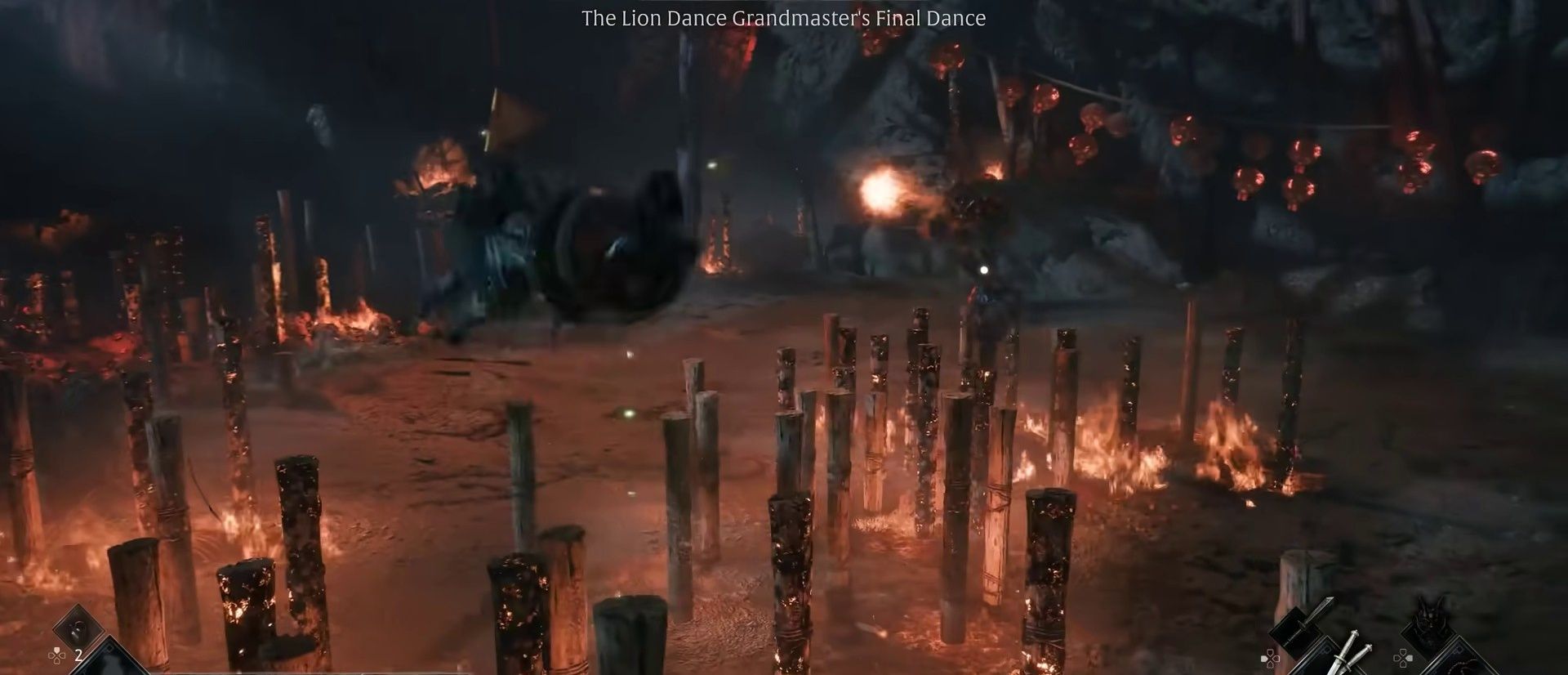
Stealing the Boss's Kung Fu: The Drunken Sword's Three-Stage Evolution
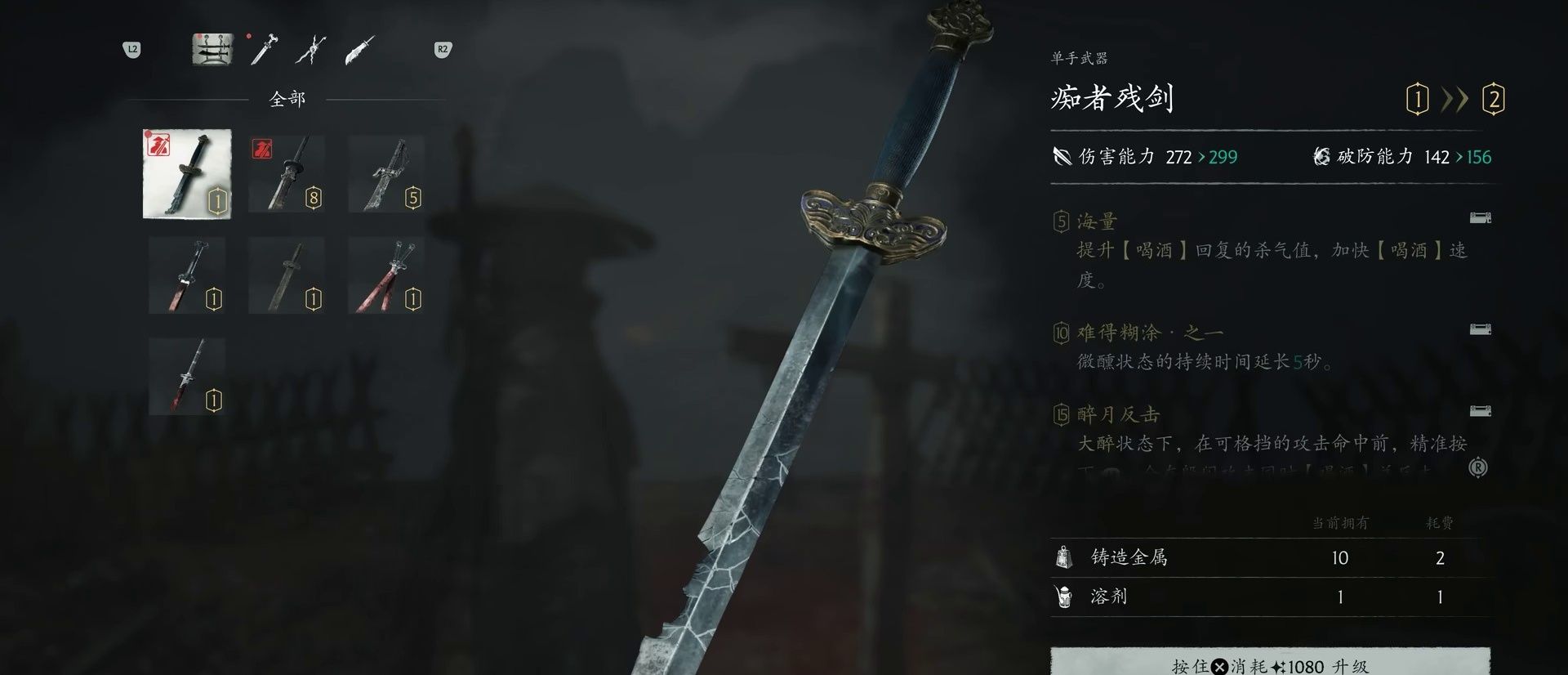
The good news is that Phantom Blade Zero isn't just a game that hands you challenges - it also generously rewards the brave souls who clear them: every Boss you kill, you can strip the weapon right out of their hands. After cutting down Hua Qianxiao, his flying sword - together with the complete "Drunken Sword" kung fu style - became yours.
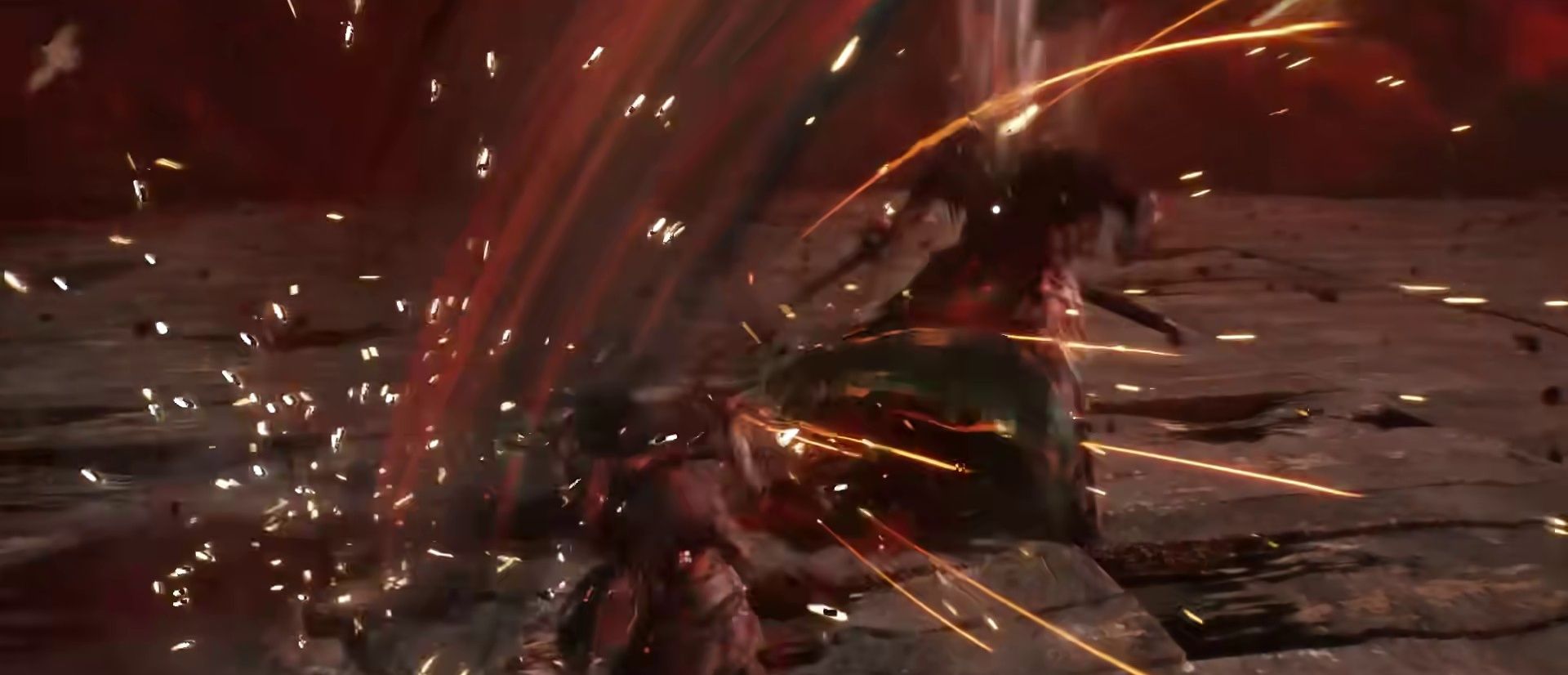
This was the first weapon I'd gotten my hands on that drastically reshapes the basic attack moveset. The "technical" weapons I'd tried before each had their own distinct movesets, but they still fell within the bounds of conventional weapons; the Drunken Sword's moveset, by comparison, changes things on a far more dramatic scale.
Like Hua Qianxiao's version, the Drunken Sword in its base form is just an unremarkable one-handed sword, with thoroughly mediocre reach and damage. But as everyone knows, you can't play the Drunken Sword without getting drunk: take a swig at any point during combat, and the blade is infused with spirit, transforming into a flying sword - yes, the fully auto-locking kind. All you have to do is keep mashing buttons where you stand and let the sword handle the rest.
And if, while drunk, you once again unleash the signature weapon art that consumes refined Killing Intent - firing up the "sauce-aroma engine" - the Drunken Sword takes yet another leap in performance: the flying sword grows even more powerful, while your footwork devolves into a lurching, teetering drunken stagger, with slower movement speed and shorter dodge distance. Yet it's precisely in this state that you can, with perfectly timed stumbles, slip past any enemy attack - yes, any. There's no need to deliberately input blocks or dodges; when an enemy's attack comes at you, you simply dance through it as if wearing the Evasion Mantle from Monster Hunter: World, neutralizing it completely.
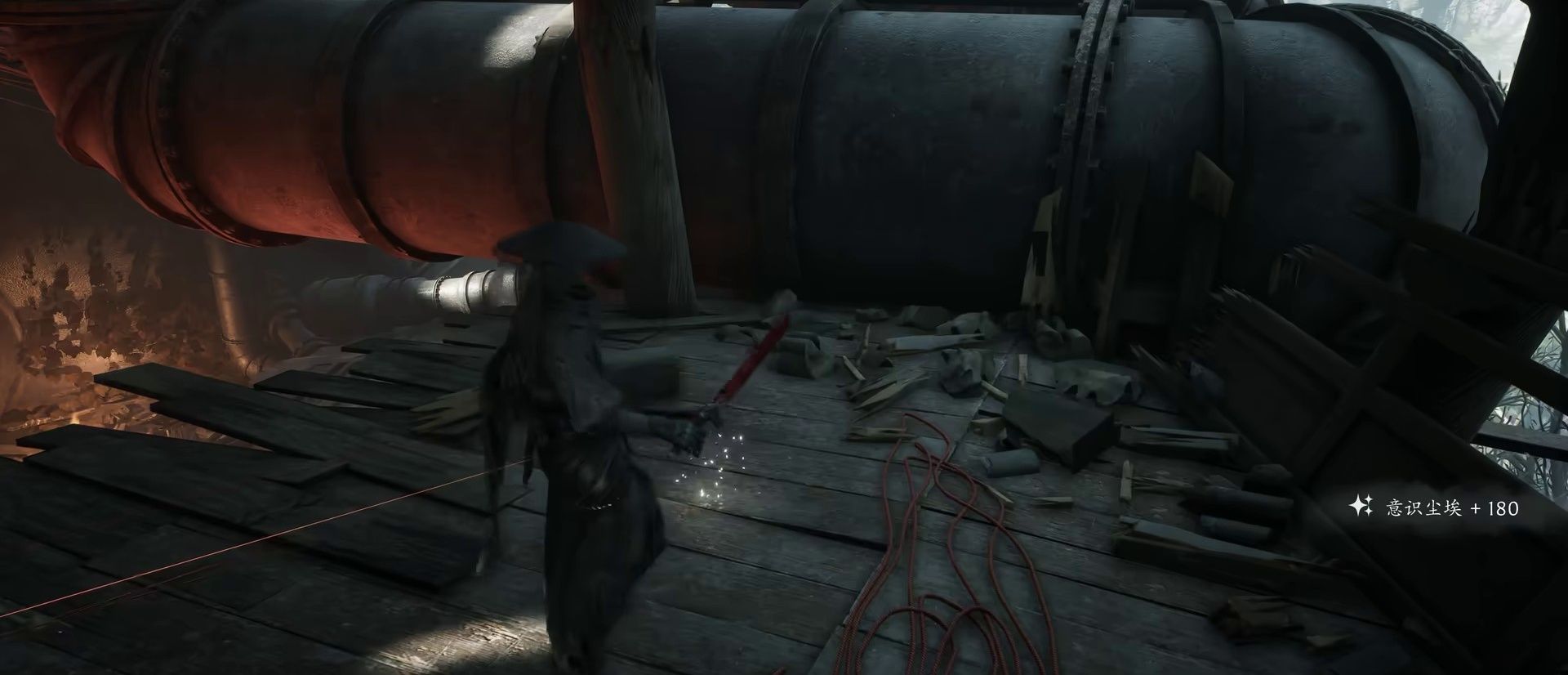
Pass through ten thousand blossoms, and not a single petal clings to you.
To put it more bluntly: you're now a spinning top - in your enemies' eyes, you're not just slippery, you're flat-out impossible to hit.
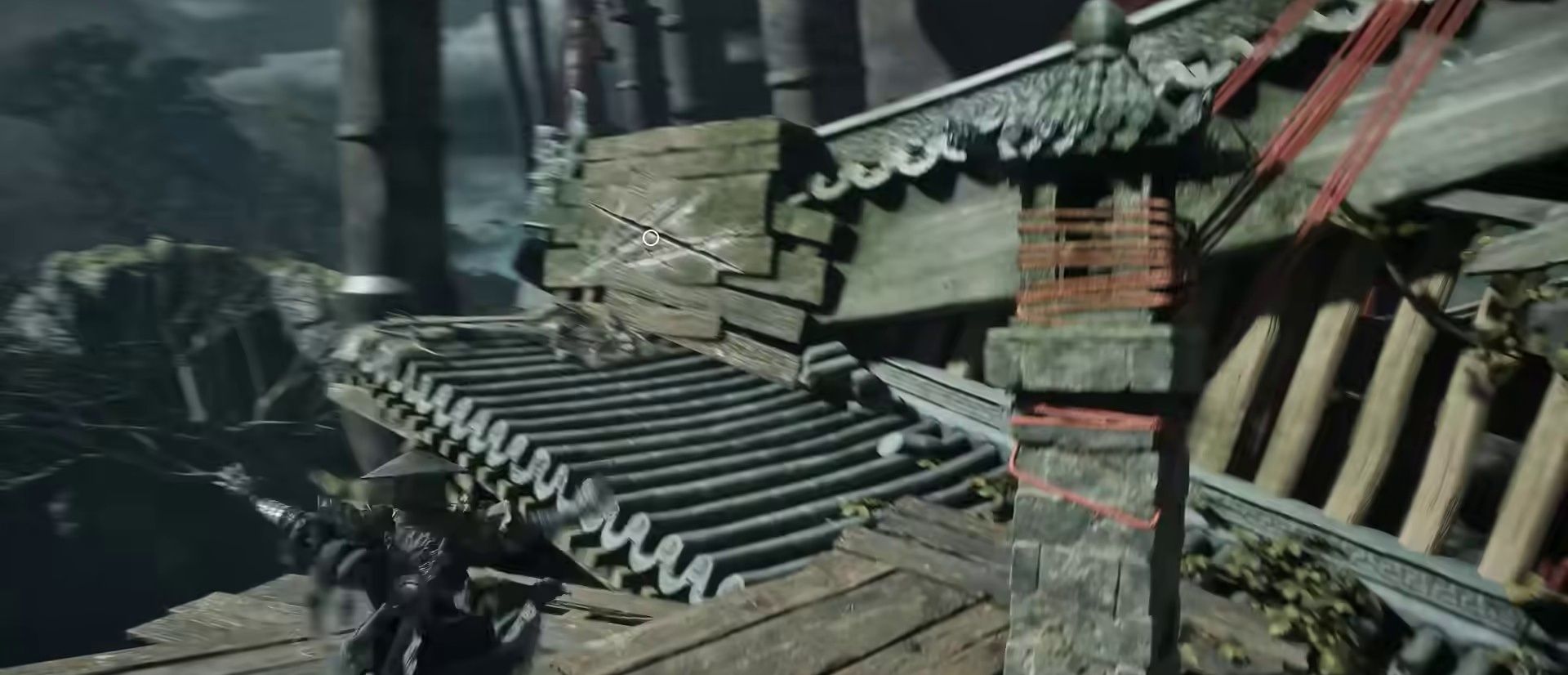
Not long after, I went up against a serpentine Boss called the "Incandescent Chain." In its second phase, it hangs suspended in midair by puppet strings, just like the Big Senior Brother before it - conventional weapons often can't reach that far, leaving you to passively wait for it to strike first; this is exactly where the flying sword's ultra-long range counters it perfectly.
Fly slowly, my darling - my flying sword will follow you always.
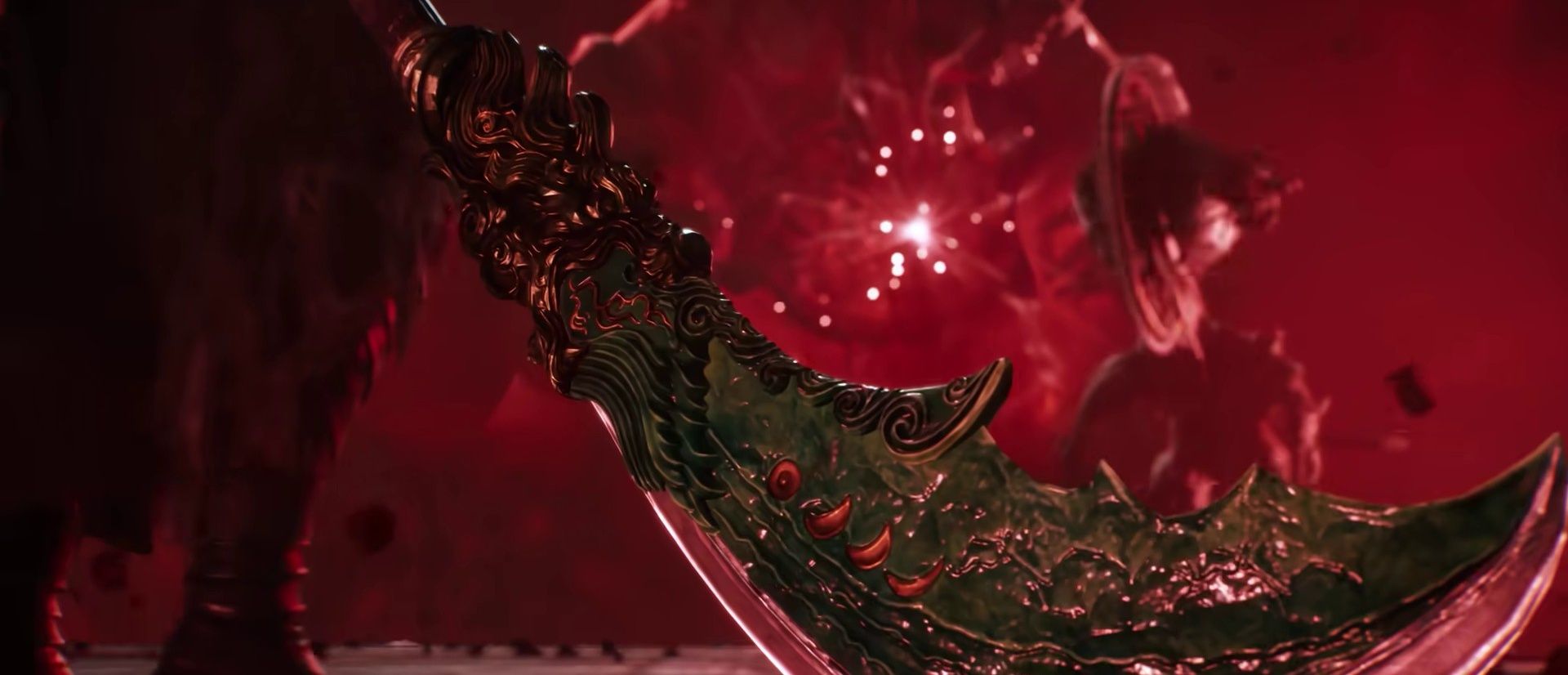
You could say that with the Drunken Sword equipped, you have the confidence to face any Boss. After more than six hours of play, pushing from the prologue tutorial all the way into the late game, my attitude toward Phantom Blade Zero had already shifted from "I can't believe it" to "I can't wait." Whether all 30 weapons deliver consistent quality, or whether the 40-hour campaign is padded with filler - six-plus hours naturally isn't enough to verify all of that; but at least on combat, the most crucial dimension of all, the answer it has turned in is plenty impressive. December 29 - hurry up and get here.
Top Community Comments
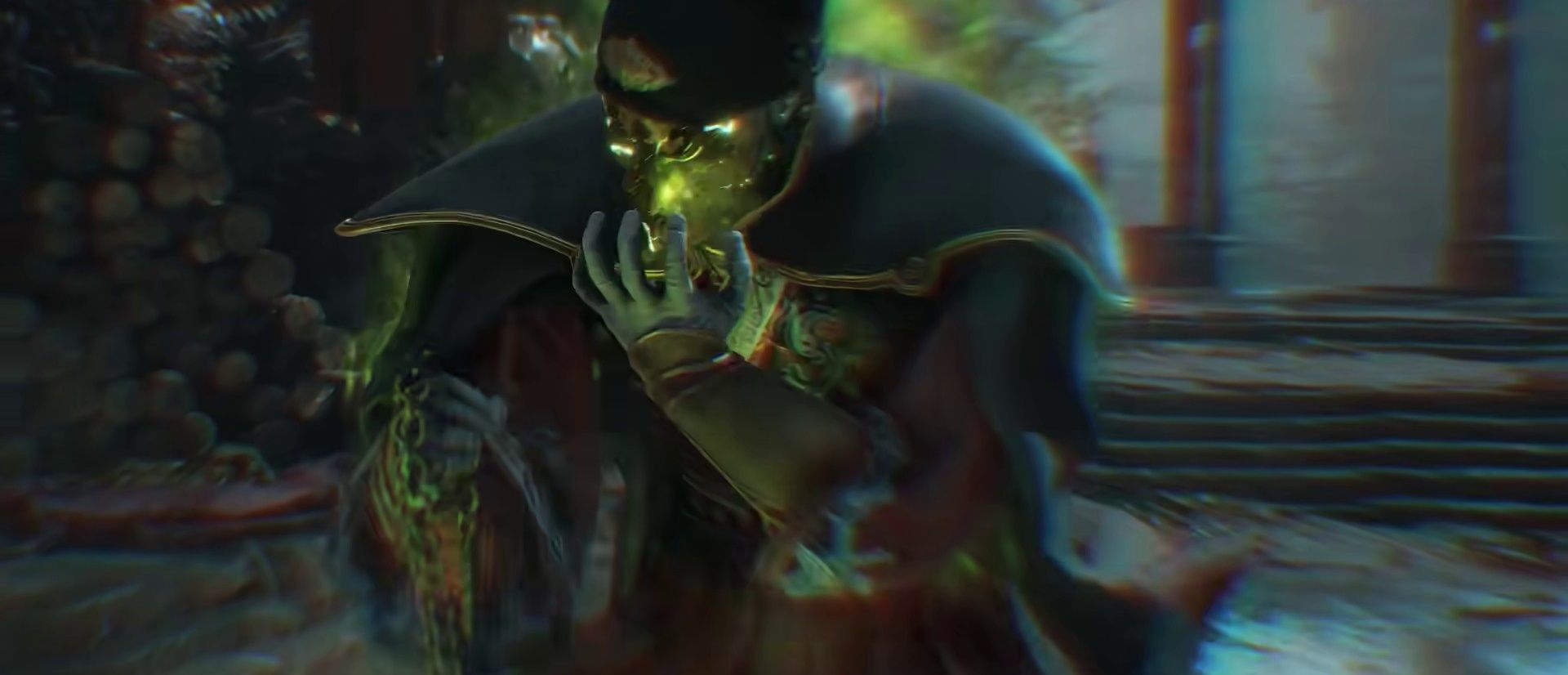
After the piece went live, the comment section was full of voices worth discussing. We've selected a few of the most upvoted comments and, with light polishing, present them below:
- @3sksms (151 upvotes): "In case you didn't know, 3DM cut the opening rant." - This comment points to an interesting phenomenon in how content spreads: when the same hands-on preview was published across different channels, the opening passage of "self-doubt" was removed in its entirety, leaving only the positive experience. Yet it is precisely this dip-then-rise structure that forms the emotional arc of the whole piece - without the initial doubt, there would be no conviction after the hands-on. Cutting the rant, ironically, strips the article of a bit of its human touch.
- @Fangcaodi_- (97 upvotes): "Why use AI-generated copy? The devs give you an exclusive behind-closed-doors preview, and this is what you turn in? Classic 3DM." - This comment takes aim at an old problem in the content industry: once you secure a scarce closed-door preview slot, do you hand it to a human writer to polish over time, or push it through a template for rapid mass production? At a time when readers are increasingly sensitive, that "AI flavor" alone is eroding the trust between media and players.
- @Xiusechengjian (78 upvotes): "The copy is at least 90% AI: piled-up words, excessive description, an abrupt 'some people say...', plus a bunch of baffling memes. Liang Qiwei's marketing budget was spent right on the hilt of the blade." - What stings most is that final line: "spent it on the hilt," a twist on the saying "good steel belongs on the blade's edge," implies that the marketing resources were handed to media outlets, yet the outlets failed to do the content justice - and what ultimately takes the hit is the game's own word-of-mouth dividend. For the developer, this may be a more sobering warning than a single negative review.
Setting aside the debate over the prose, what viewers truly care about has always been the game itself: whether the Killing Intent system is easy to pick up, whether the Drunken Sword will throw off the balance, and how many surprises the full version still holds in store. The answers to these questions can only be unveiled on release day, by every player who takes the blade into their own hands.
📌 One-Line Takeaway
I once dismissed "30 unique modular weapons and a 40-hour campaign" as pie in the sky, but more than six hours with the full-version demo convinced me: Phantom Blade Zero's ambition is no empty promise - on December 29, every action game player should set their alarm.