Phantom Blade Zero Closed-Door Interview Deep Dive: Dazzling Combat Is Just the Tip of the Tower - S-GAME Wants to Build a "Three-Tier Pyramid"
In a recent round of closed-door hands-on interviews for Phantom Blade Zero, producer Liang Qiwei spoke at rare length about the parts that lie beyond combat - level exploration, side quests, progression and loadout building, and multi-playthrough gameplay. Nearly everything previously shown to the public revolved around combat; the razor-sharp flash of blades and cinematic presentation made it all too easy to pigeonhole the game as a pure action title. But the information revealed in this round of interviews makes one thing clear: combat is only the tip of the iceberg.
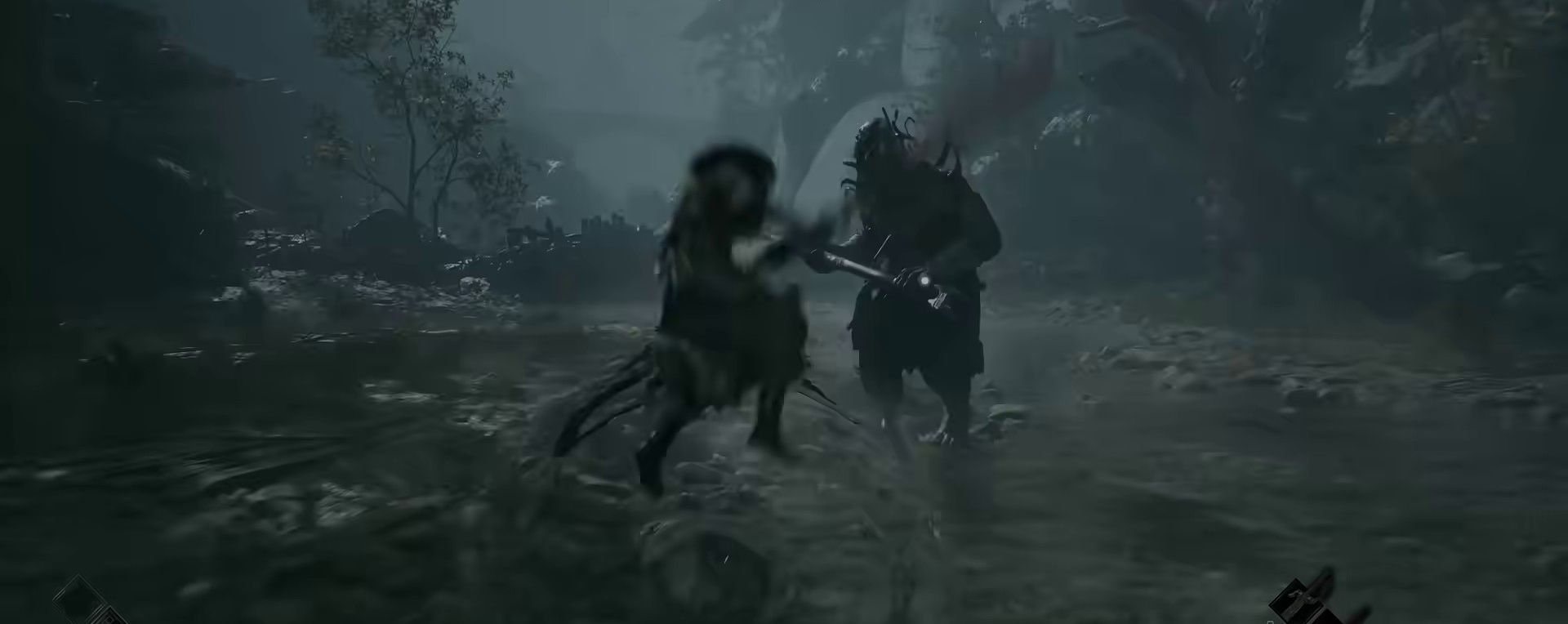
Judging solely from the previously released trailers, Phantom Blade Zero does indeed give the impression of a "pure action game." But once you actually get your hands on it, you'll find that underneath it all is a full-fledged ARPG framework - a large world map, main story, side quests, NPCs, quests, weapon progression, and a wealth of exploration content are all there; it's only in combat that the design leans more toward character-action (ACT) territory.
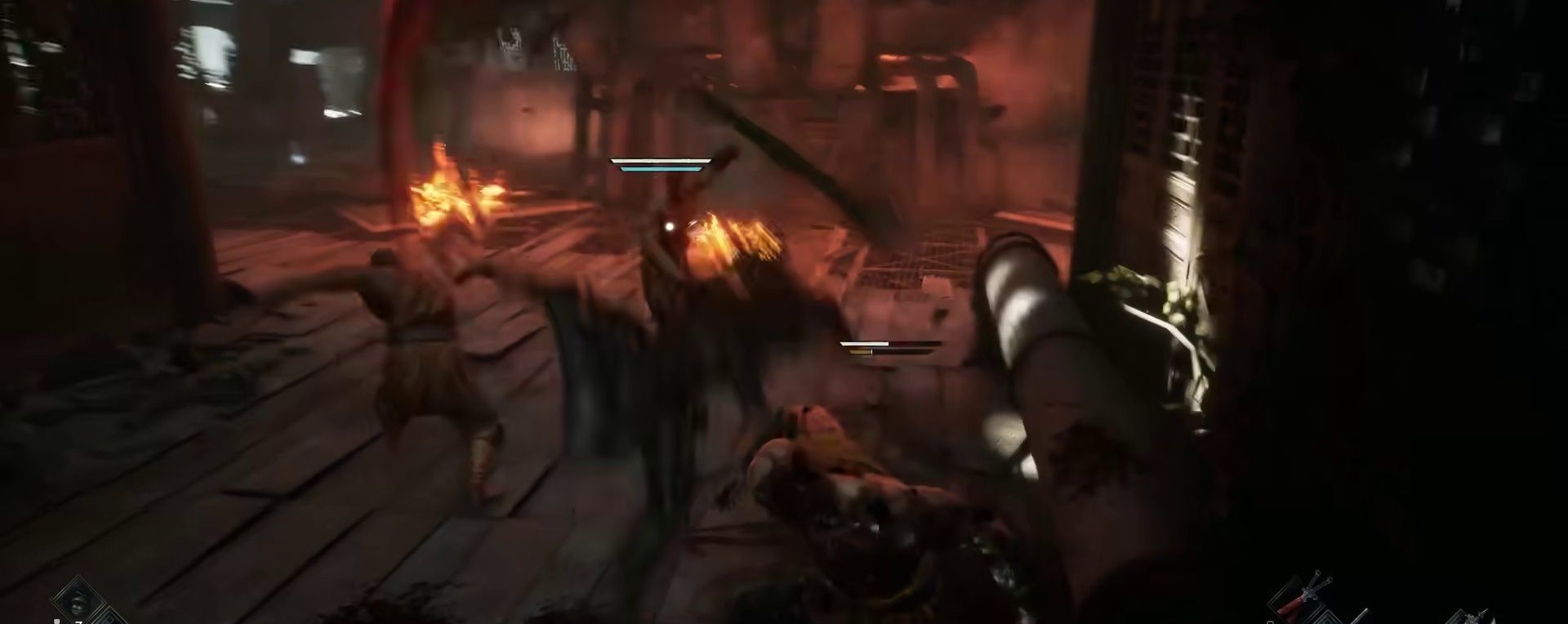
Beyond the "Action Game" Foundation: A Three-Tier Pyramid
Liang Qiwei likens the entire game to a three-tier pyramid: the base tier is the overall framework of a traditional ARPG, the middle tier consists of multi-layered levels that have absorbed certain soulslike design principles, while the dazzling combat most easily spotted by players in the trailer actually sits at the very top of this pyramid.
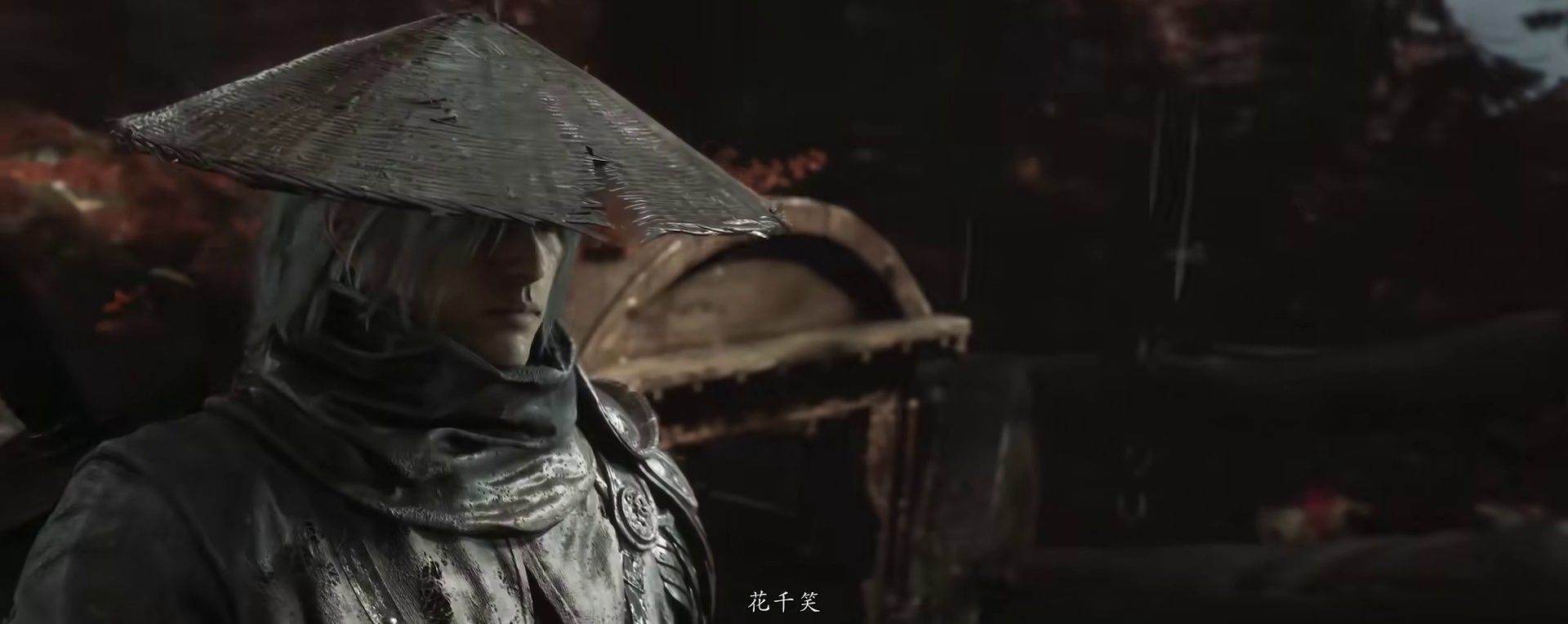
This metaphor essentially sets the tone for understanding Phantom Blade Zero.
For Phantom Blade Zero, combat is not everything - the team hopes to combine combat, exploration, and character progression so that together they form one complete gameplay experience.
In other words, those adrenaline-pumping flashes of steel are a "top-layer performance" built upon exploration of the vast map, level structure, and character progression. Drawing conclusions from combat clips alone would, in fact, misjudge the true scale of this product. For S-GAME, the goal is not to create a "playable wuxia film," but a jianghu - a martial arts world - that players can traverse and savor again and again.
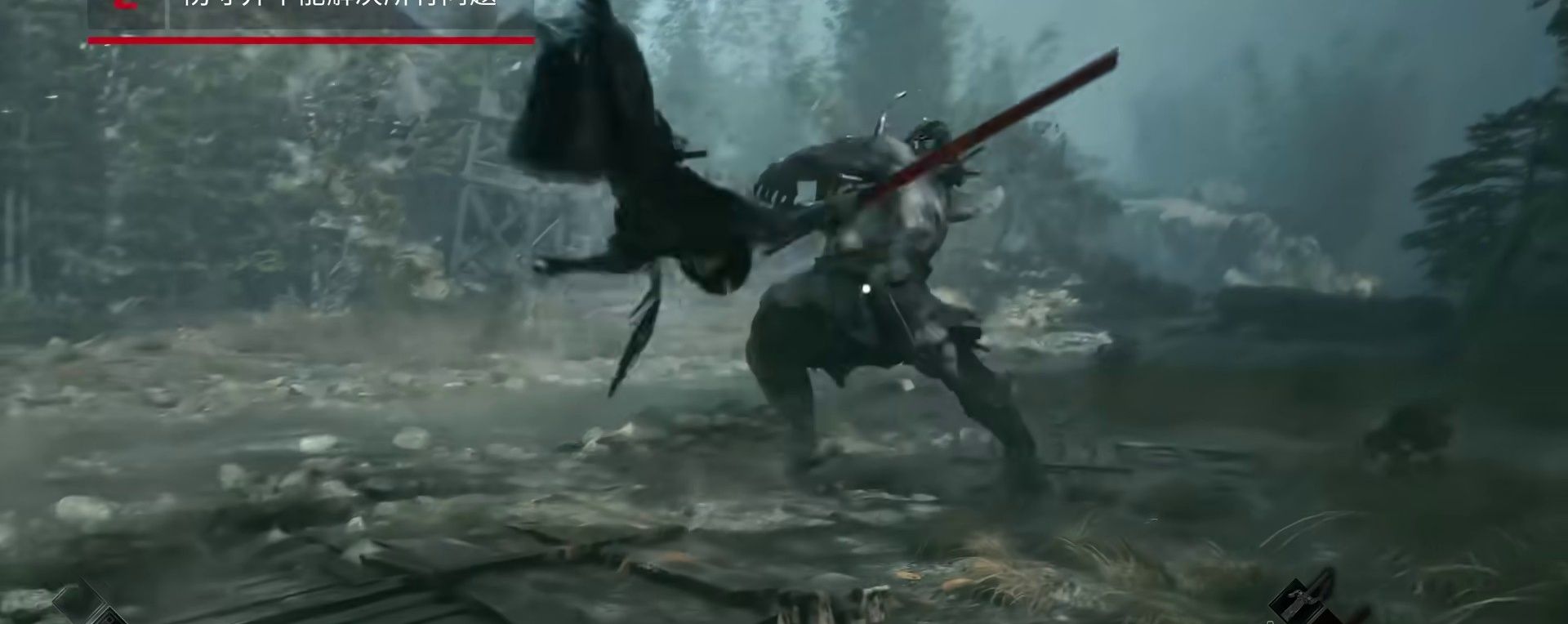
The 70/30 Split of Attack and Defense: Offense Is the Best Defense
Phantom Blade Zero certainly has defensive tools like block and parry, but what it truly encourages is not standing still and waiting for enemies to make their move.
According to the development team, in terms of the overall stats design, roughly 70% of a boss's killing-intent depletion has to come from the player's proactive offense and combo pressure, while the returns from defensive parries account for only about 30%.
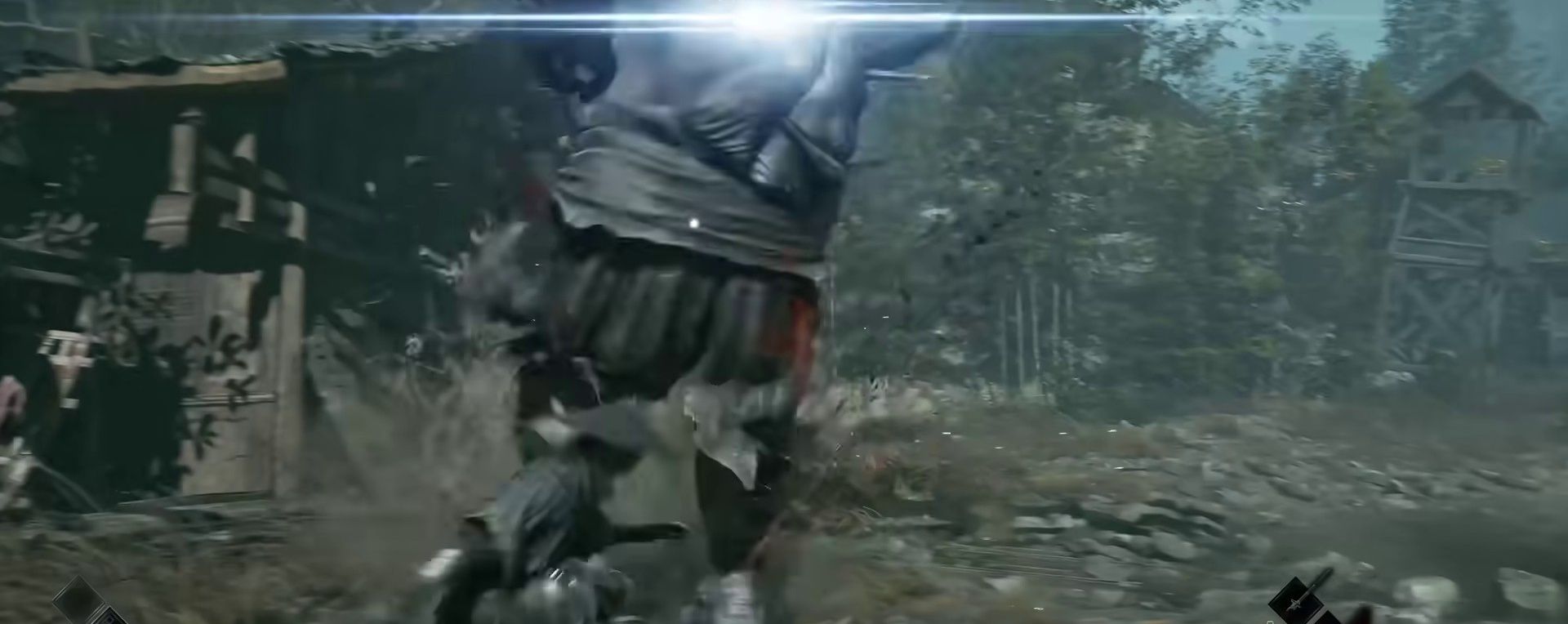
This means players can certainly adopt a defense-oriented playstyle, but it will be noticeably less efficient. Especially in the late game, if you keep relying on perfect defense and parries to slowly whittle down a boss's killing intent, you will clearly feel the combat rhythm dragging.
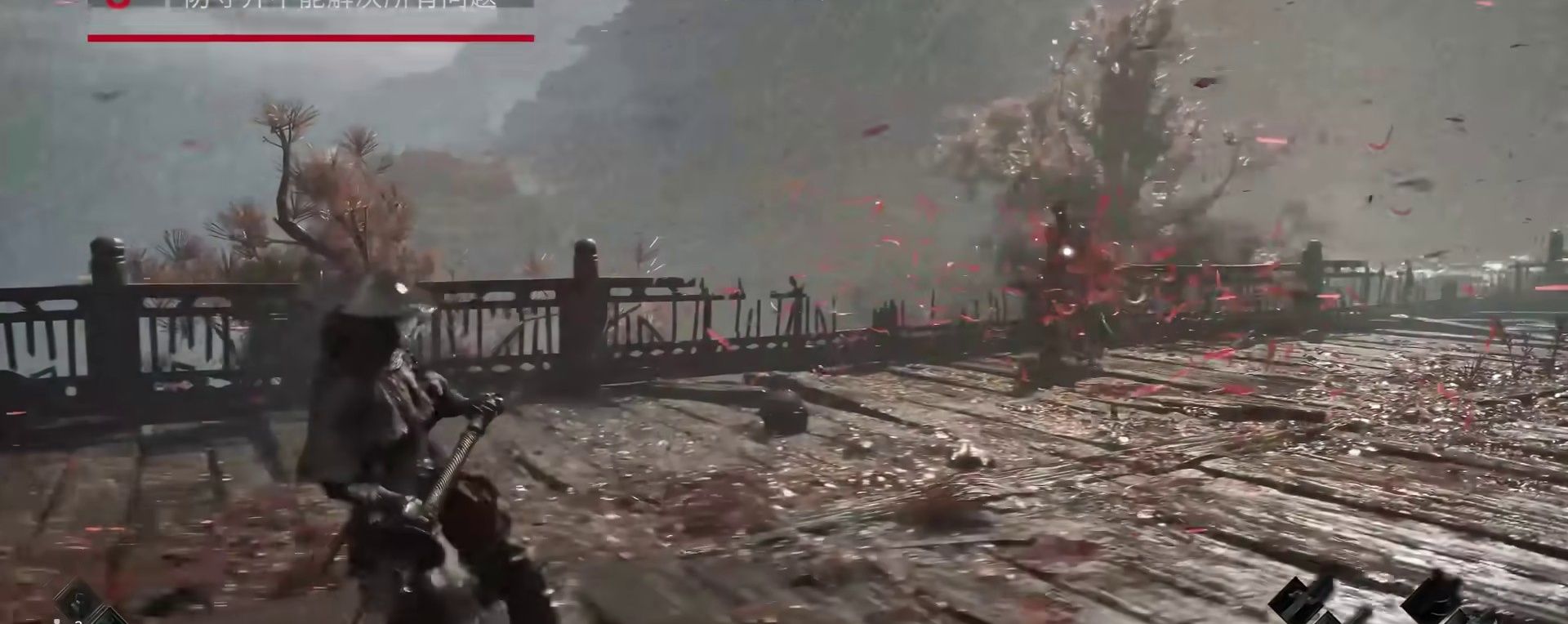
Instead, the truly efficient approach is to constantly look for openings to close in on enemies, keeping up relentless pressure through chained attacks, special skills, and a variety of weapon effects.
Defense is a tool; offense is the goal.
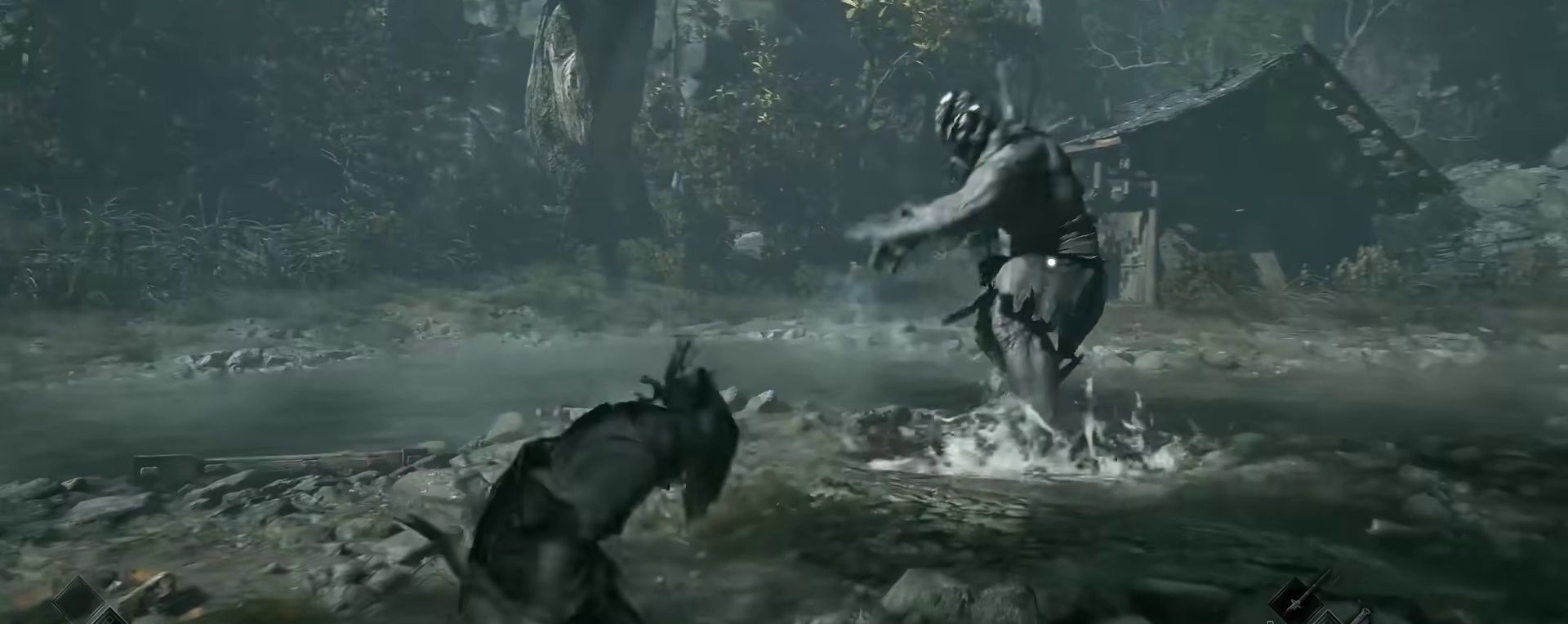
This 70/30 stat orientation also preemptively answers a common concern: games where parrying feels great can easily slide into an "infinite defense" turtling playstyle. As it stands, the lever at the stats level has already locked out that possibility - you can choose to play it safe, but the game's pacing will tell you that the blade must leave its sheath.
Not Every Attack Can Be Blocked: Learning to "Read" Your Enemies
Phantom Blade Zero's combat has another distinctive trait: not every move can simply be solved with a block. Some boss attacks, even when successfully defended, can inflict bleeding or burning - or even wipe out your killing intent gauge entirely.
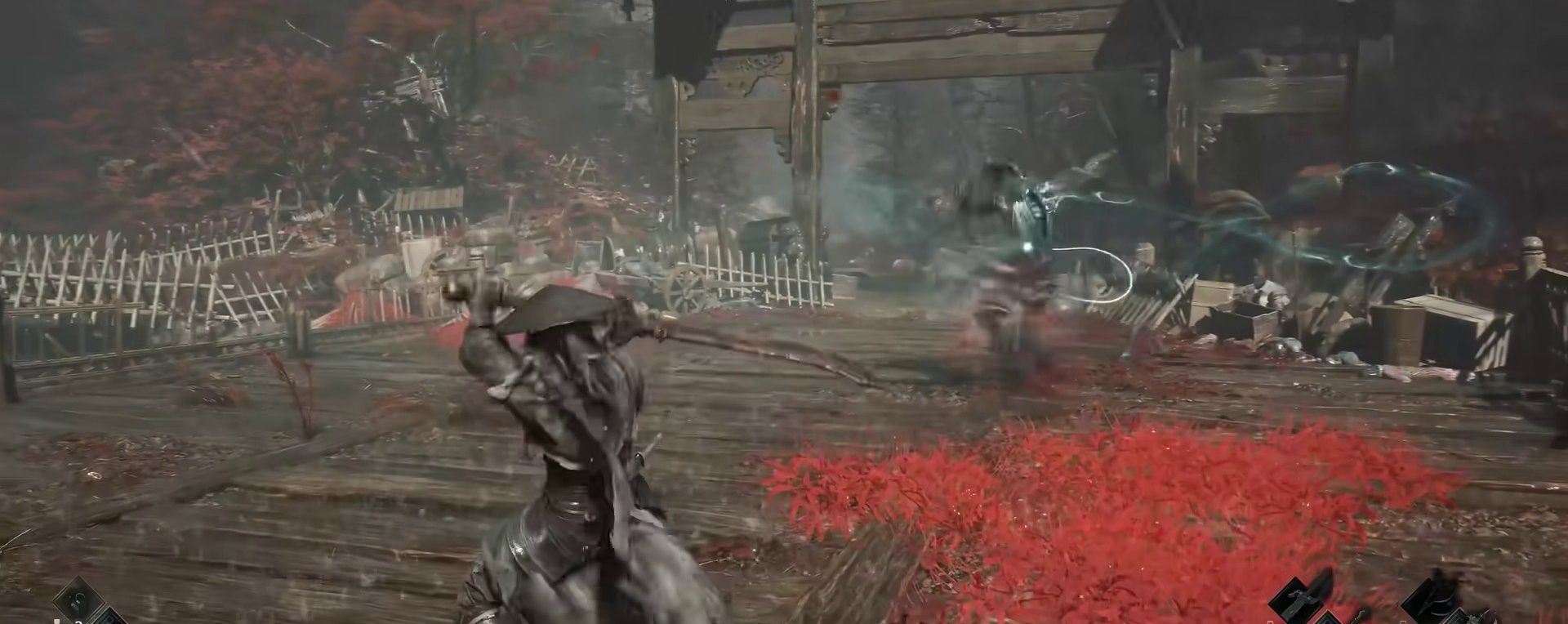
The development team sees this design as part of the combat itself. When facing a massive weapon, for example, players should be able to tell at a glance that this is not a strike to take head-on with an ordinary weapon.
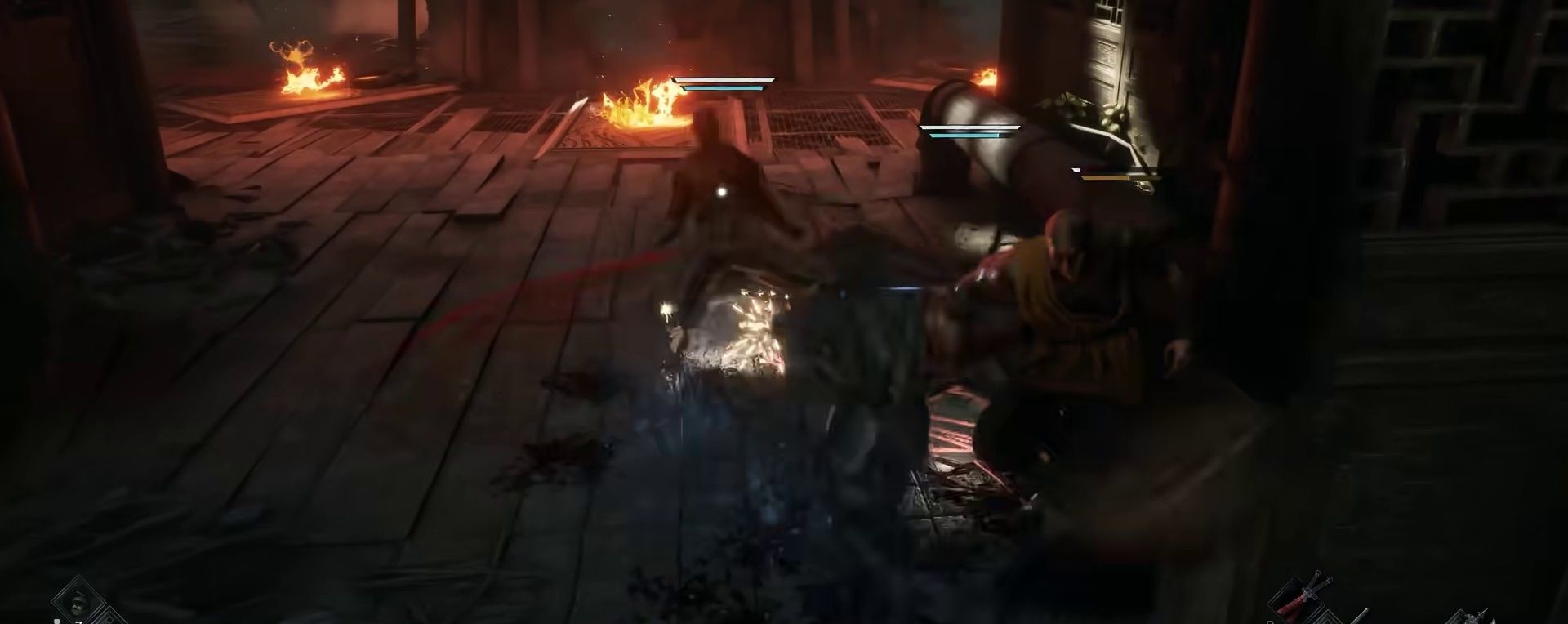
In other words, the game doesn't cram every move into one rigid "see an attack, block it" rule set. Instead, it wants players to make their own judgment based on the enemy's movements, their weapon, and how each attack plays out.
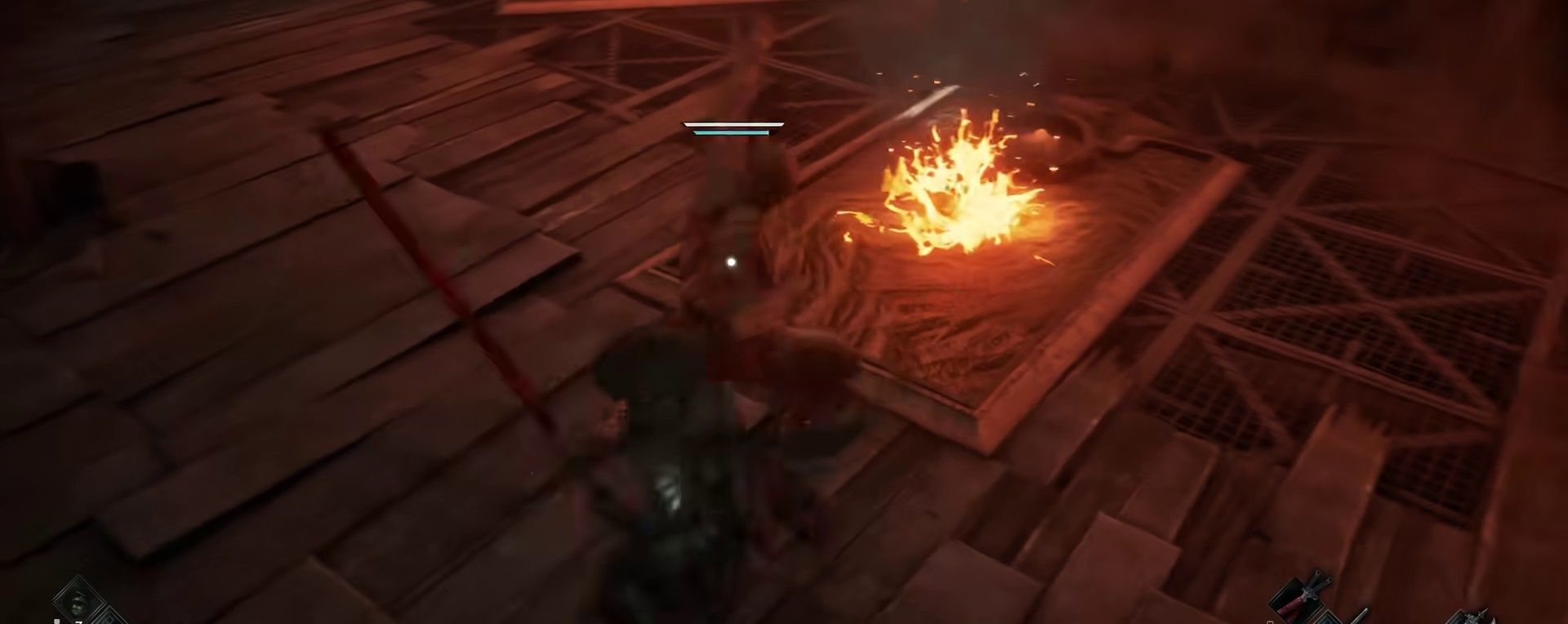
To make players willing to experiment, the team made major concessions on convenience: respawn points for main-story bosses are placed as close to the fight as possible, the traditional death penalty has been removed, and when re-challenging a multi-phase boss, you can pick up directly from the phase you already reached.
The prerequisite for encouraging aggression is making failure less costly.
This combination of "high judgment cost + low failure cost" reflects a clear design philosophy: the game isn't asking you to drill moves into conditioned reflexes - it wants every fight to be built on observation, judgment, and the moment you commit to striking.
Weapons as Strategy: Swapping Weapons Isn't Just a Reskin
In Phantom Blade Zero, many weapons inherently come with entirely different combat functions, and can even change how players approach certain types of enemies. A single weapon may take on multiple roles at once - dealing damage, breaking shields, controlling killing intent, and more.

In other words, weapon selection in this game is, at its core, part of combat strategy itself. The development team doesn't want players to beat the game wielding a single weapon from start to finish.
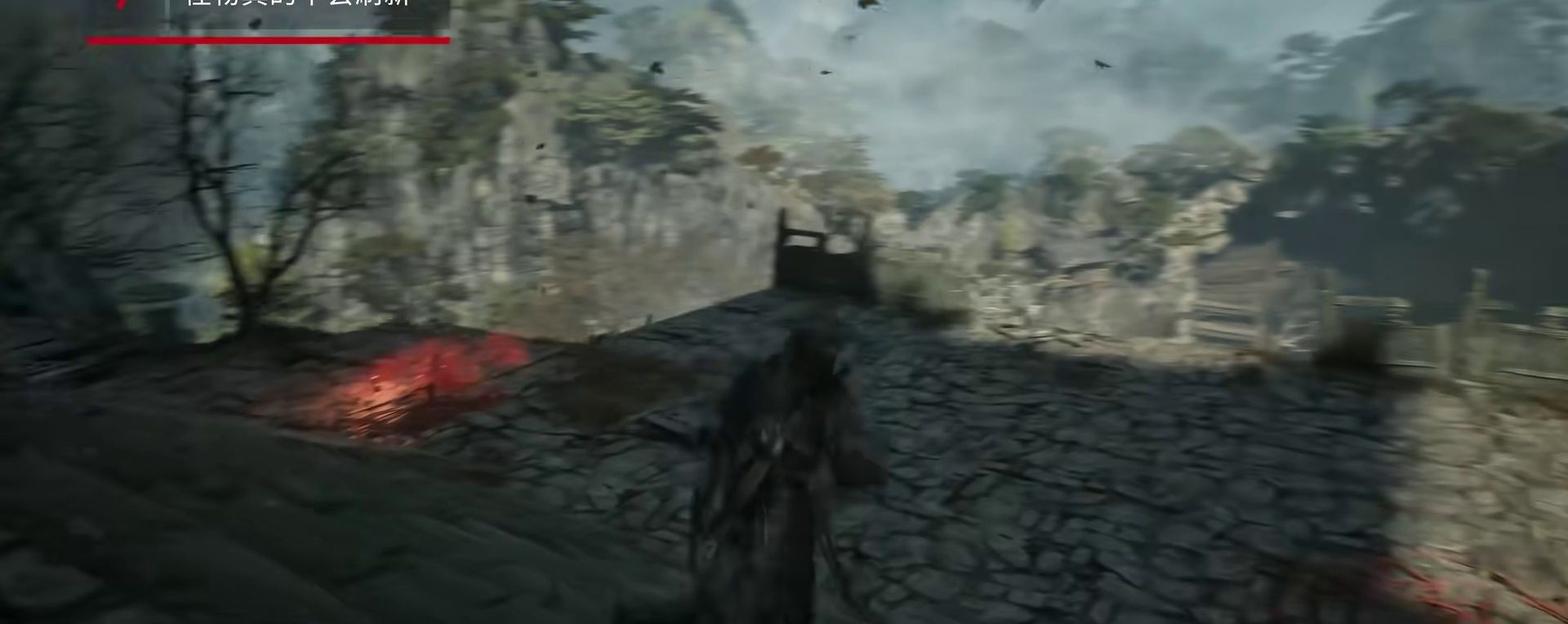
To achieve this, the game's first three chapters take on a fairly explicit "teaching" role: through the placement of enemies and the design of levels, players are continually exposed to different types of weapons. For example, right after you obtain a very powerful heavy weapon, you may soon discover an enemy that it's particularly well-suited to dealing with - at that moment, the game is actually telling you: different weapons each have their own ideal use cases.
What's worth noting is that the team would rather let players "naturally grasp" which playstyles make the most sense through stats and mechanics, rather than popping up tutorial boxes to force them into line. This subtle, unobtrusive approach to teaching is also the mainstream practice among top-tier action games in recent years.
Build Split 50/50: Loadout and Execution Are Both Indispensable
The Build system in Phantom Blade Zero is not a simple case of "the higher-tier your gear, the higher your damage." As revealed, skill-based combat and Build loadouts each account for roughly half of the game, and the two must work in tandem.
At the system level: players can unlock six accessory slots, and no more than three accessories of the same type can be equipped - meaning there is no way to endlessly stack a single stat.
As players progress through the game, they will gradually encounter shields, elemental resistances, and enemies with all kinds of special mechanics - and a Build that once worked well may become ineffective as a result. This forces players to keep hunting for new accessories and recombine their approach to combat.
The unspoken logic behind this design: your loadout sets the floor, while your execution sets the ceiling. With the environment constantly shifting, no single loadout can carry you through every encounter - players must dynamically strike a balance between "adjusting their Build" and "refining their execution."
Once a Monster Dies, It Stays Dead: A "Reasonable" Jianghu
One rather distinctive design choice in Phantom Blade Zero is that after players rest at a checkpoint, the regular enemies across the map do not respawn.
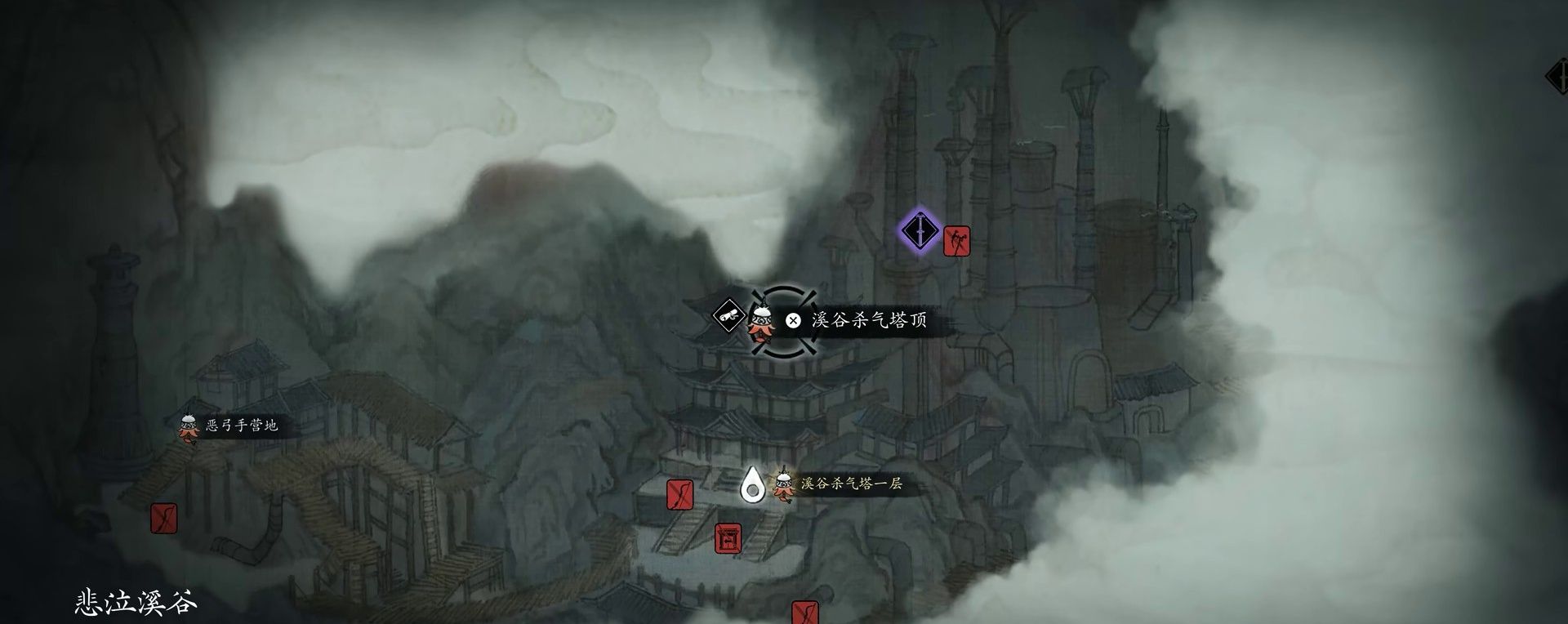
Liang Qiwei believes that, from a worldbuilding standpoint, once players have fought their way through, the paths they have already cleared should become safer. The game also features certain NPCs who ask players to help clear out enemies along the way - if the regular enemies they had just wiped out were to respawn, it would actually make the whole world feel illogical. So the game simply adopts a rather thorough solution:
Once a monster dies, it stays dead.
The impact of this design is equally direct: the resources players can obtain from regular enemies are limited, so character progression cannot be solved simply by repeatedly farming enemy respawns. Progression resources are instead obtained mainly through exploration, quests, and boss fights, which in turn reinforces the game's positioning that "exploration itself is gameplay."
The design of the fast travel system reflects this same restraint. Checkpoints in the game support unlimited fast travel, but if players fast travel from anywhere other than a checkpoint, they must consume a Travel Talisman. Liang Qiwei explains: if players could fast travel anytime, anywhere, then in the late game a great deal of time would turn into "open the map, click on a quest, fast travel there, complete the quest, then fast travel back" -
The map would ultimately become one giant quest checklist.
Phantom Blade Zero hopes to strike a balance between the two: players can fast travel to the vicinity of their objective, easing the burden of long-distance traversal; but before actually reaching their destination, they still need to make their way through the environment on foot. Because traversing the map itself can also become part of discovering new content.
Side Quests That Expire, and a Narrative That Won't Force You to Piece Together Notes
The side quests in Phantom Blade Zero don't simply sit there waiting for players forever. As story beats keep advancing, some NPCs' circumstances change, and certain quests may become unavailable outright.
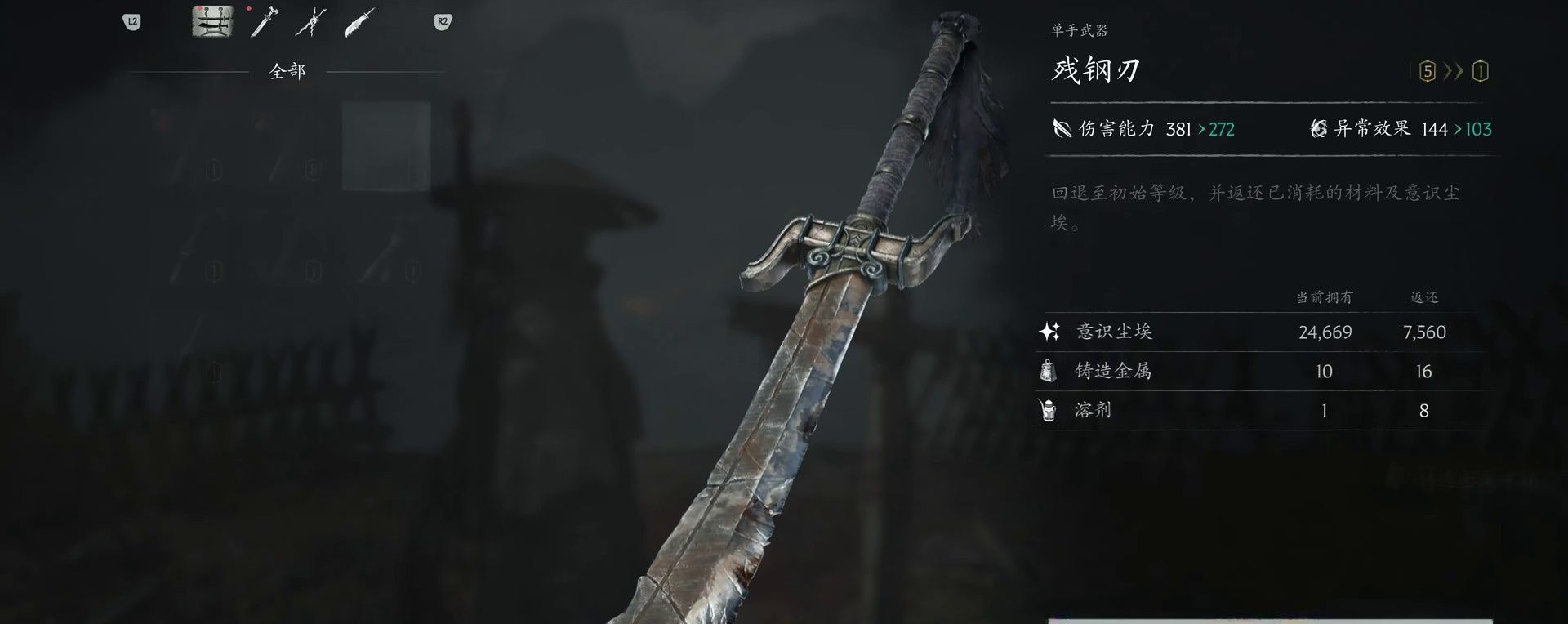
For example, if you come across a squad of righteous warriors battling thugs on the road, you can choose to step in and help, or simply walk away. If you didn't help at that moment, once the story moves on, those NPCs may have already been overwhelmed - and the corresponding quest line ends right there.
Quests in the game are color-coded by type: gold marks main quests, while purple quests are story-critical side quests - beyond fleshing out a wealth of lore and character stories, these may contain hidden bosses, hidden weapons, and can even influence the final ending.
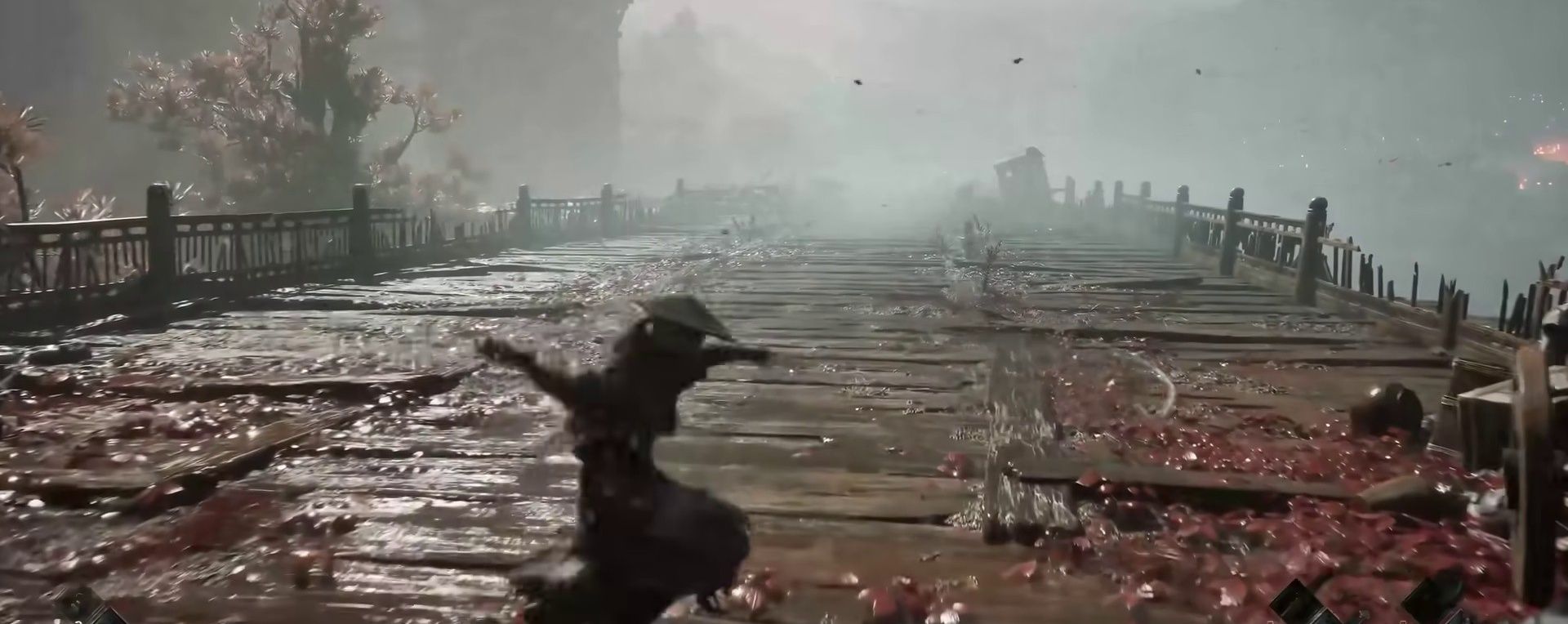
On the narrative front, the development team stated that Phantom Blade Zero's main story will still be told in a fairly traditional, straightforward way - players won't need to piece together dozens of scraps of notes just to figure out what happened in the main storyline. The truly fragmented content shows up mostly in non-main-story characters and side stories - the pasts of certain supporting characters, bosses, and ordinary people have to be slowly pieced together through exploration, quests, and scattered bits of environmental detail.
The main quest tells the story clearly; side quests fill out the entire Shadow Realm.
Players don't have to comb through every corner to understand the main story, but those willing to dig deeper will find a more complete wuxia world within these fragments. This "dual-track" approach to narrative can be seen as a localized refinement of soulslike fragmented storytelling: clarity for everyone, depth for those who opt in.
New Game+ Is the Game's Final Form: The Trade-off Between Weapon Inheritance and Boss Rush
In Phantom Blade Zero, powerful weapons are often bound to formidable foes - and the stronger the weapon, the closer it typically sits to the late campaign. That raises a problem: if a truly powerful weapon can only be obtained near the very end, players may barely get any time to wield it on a first playthrough.
So the development team simply placed the complete weapon experience in New Game+: weapons upgraded in the first playthrough carry over directly into the second, with no difficulty restrictions. With a full arsenal in hand, going back to challenge earlier bosses can play out in entirely different ways.
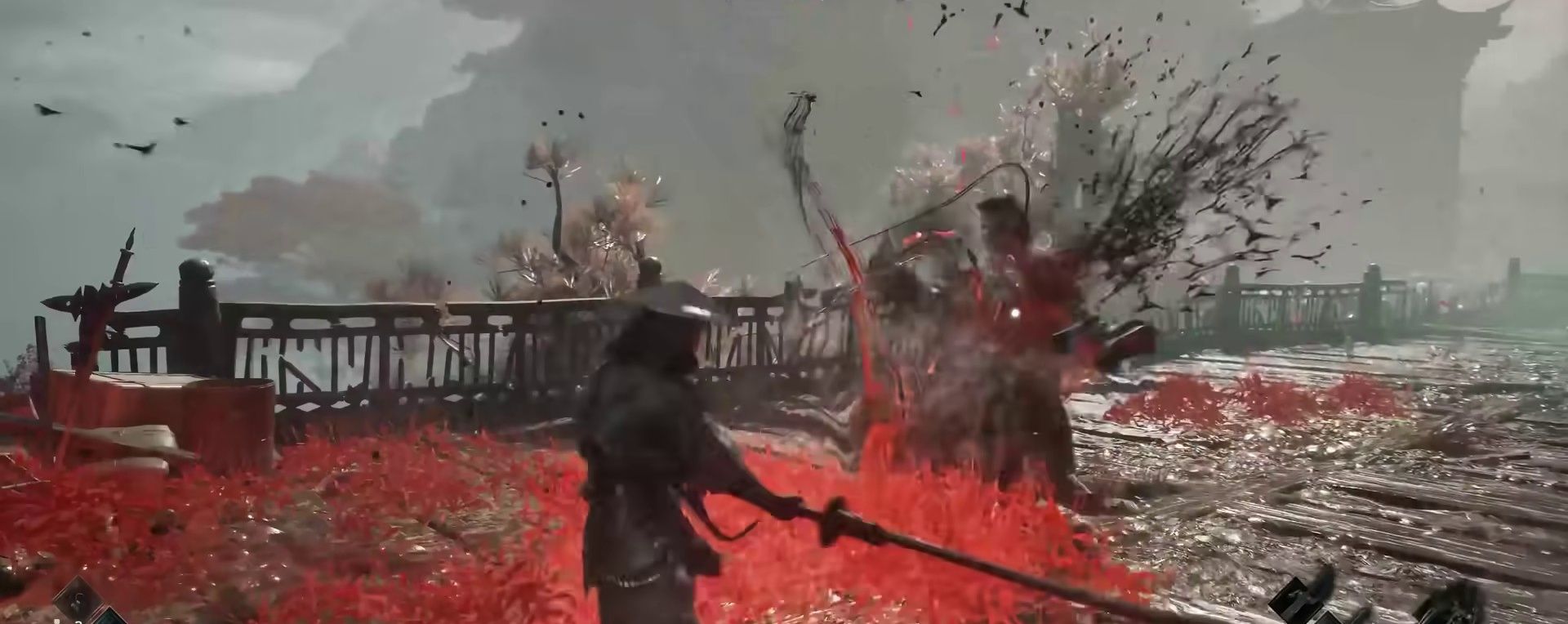
That said, despite the game's many memorable bosses, the launch version will not feature a traditional Boss Rush mode for the time being. One reason: these boss fights are tightly bound to story scenes and scripted presentation - many bosses don't simply show up in an arena for a one-off duel, but are woven into entire levels. Carving them out into a Boss Rush isn't something that can be solved by copying over a set of combat systems.
The game will, of course, later offer content akin to a "Trial Space," letting players repeatedly take on certain elite enemies and mini-bosses; as for the major bosses, for now they can be re-experienced mainly through New Game+ and future challenge content. For a game built around the idea of "weapons as strategy," New Game+ isn't just another layer of stacked difficulty - it's a thorough reinvention of the gameplay. And that may well be the ultimate form of what Liang Qiwei calls the "complete game experience."
Top Community Comments
XiangmajinOvO (89 likes): Ninety percent of the comment section is trolling - it's unwatchable. It's not like the content released so far lacks anything worth discussing, but scroll through the top comments and it's nothing but trolls.
This highly upvoted comment gives voice to the frustration of many level-headed players. To be fair, the information density of this interview was hardly low - attack and defense stats split 70/30, side quests that can fail, map design with no enemy respawn - any one of these is enough to sustain a serious discussion. But when the space for discussion is occupied by meme-flinging trolls stirring the pot, genuinely valuable perspectives end up drowned out. This viewer's complaint is less about defending the game than about defending "discussion" itself.
Yebuqin (55 likes): Open the video, watch five seconds, hit pause, then start pushing a narrative with a perfectly straight face.
Echoing the comment above, this one satirizes a familiar internet spectacle: the verdict takes flight before the content has even been watched. For a title carrying expectations as high as Phantom Blade Zero, this fast-food-style approach of "judging a game in five seconds" is precisely why design details that can only be appreciated hands-on are the ones most easily overlooked.
Feng___zi (8 likes): Humans again? Is making humans all this game knows how to do?
This comment, meanwhile, carries that quintessential gamer humor - by "complaining that all the enemies are human," it actually highlights Phantom Blade Zero's genre DNA from the opposite direction: the appeal of a wuxia action game lies precisely in the duel of blades between people. Every enemy is a readable martial artist whose techniques, weapons, and openings are all written into their movements - which ties right back to the combat design mentioned earlier, "making judgments based on the enemy's movements and weapons." In a sense, this throwaway joke is the plainest form of praise the game could receive.
📌 One-Line Takeaway
Phantom Blade Zero isn't trying to be "a flashier soulslike" - it's a three-tier pyramid built on a traditional ARPG foundation, with multi-layered level design as its middle tier and dazzling combat as its spire. Combat that rewards offense with seventy percent of your gains, enemies that never respawn once killed, side quests that expire, and a narrative that never forces you to piece together scraps of notes - together, these assemble a wuxia world that makes sense, invites exploration, and is worth multiple playthroughs.