Phantom Blade Zero Final Preview: A 66-Day Countdown of Life, and a Rendezvous with the Wuxia-Punk Jianghu
Just last month, S-GAME (Lingyoufang) opened up the complete build of Phantom Blade Zero for a behind-closed-doors, hands-on session. Although this build still needs further polishing and optimization before its final release, the studio held nothing back, letting us play for a full afternoon - more than enough to form a complete picture of the game's opening stages. At previous events, the team had only handed out scattered fragments: a handful of boss fights and very short level segments. They offered glimpses of the core gameplay, but the full picture always stayed out of reach. This closed, immersive session, by contrast, took in a far broader view - from story and characters to weapon upgrades and skill progression - making S-GAME's ambition, and the meticulous craftsmanship that Liang Qiwei and his team have poured into sculpting their wuxia-punk world over the years, feel genuinely tangible.
A Build That's "Practically the Full Game"
Let's start with the most immediate impression: the preview build we were given this time is, for all intents and purposes, the complete version of the game. Although the game had not yet been locked for release at the time of the hands-on, all content development was finished, and the team had already moved into the debugging, tuning, and optimization phase. Judging by how the game actually ran that day, at least across the first several hours we didn't run into a single serious bug that impeded progress - overall performance was remarkably stable.
For a game whose selling points are high-speed action and precise hit detection, that level of polish is itself part of its competitive edge. The closer a title gets to release, the more faithfully a preview build reflects what players will actually experience - and that gives this preview far greater reference value than any stage demo before it.
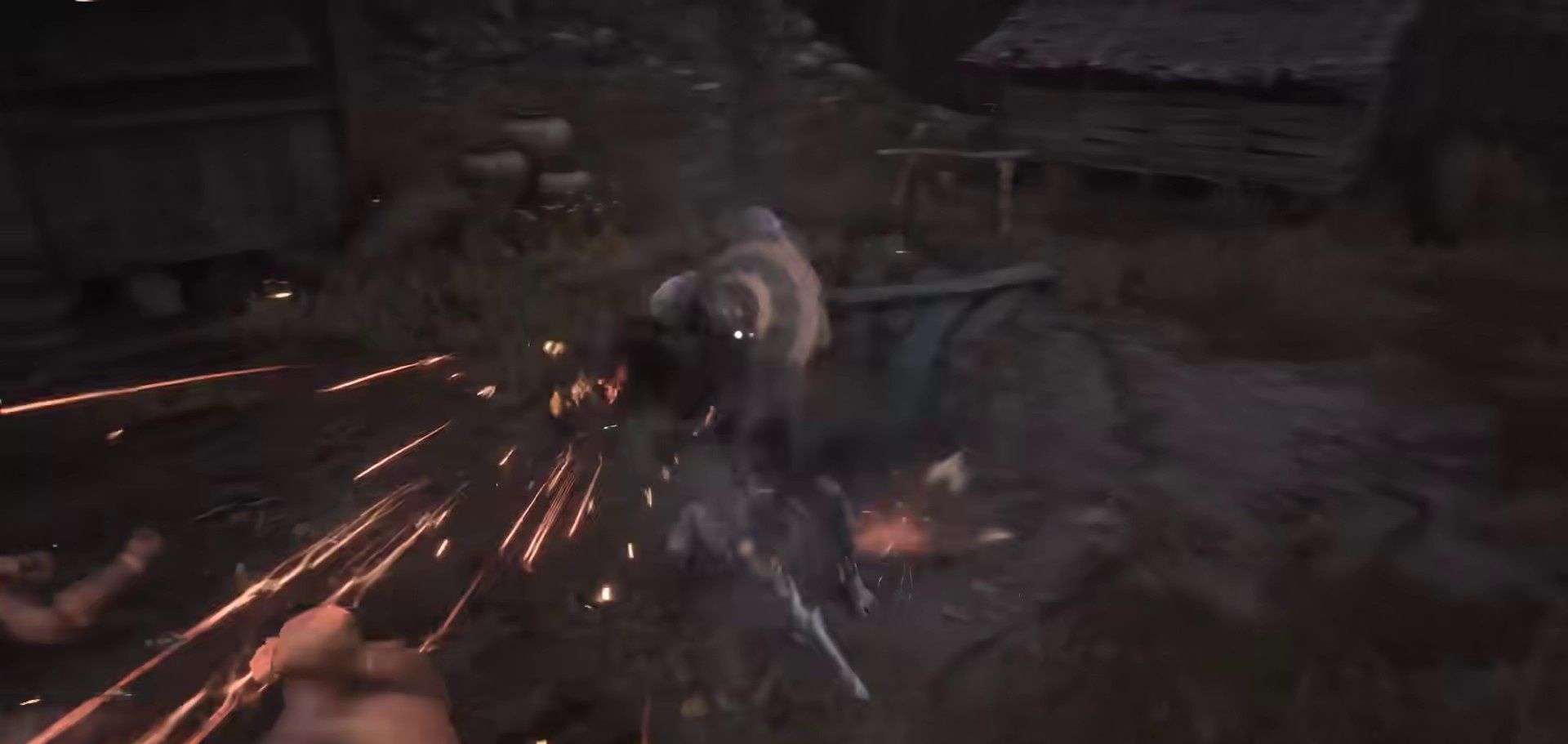
Daring to put a "practically complete" build into players' hands is, in itself, a statement of confidence.

The 66-Day Countdown: Soul's Final Journey
The game opens with a flashback sequence centered on the protagonist, Soul. In the "Shadow Realm," a hidden jianghu world, Soul sets out on an adventure to Pangzhen with only 66 days left to live.
We won't reveal too much of the story here, for spoiler reasons. Rest assured, though: if you've played the earlier entries in the Phantom Blade series, you'll run into plenty of familiar faces; and even if this is your first taste of the franchise, it won't hinder your immersion in the slightest - new players need not worry about any barrier to entry.
"66 days" is a remarkably clever narrative device: it outfits the entire adventure with an invisible mainspring. Every stretch of the map you uncover, every weapon you max out, every opponent you cross paths with - it all unfolds within a countdown you can clearly feel. The road through the jianghu is long, yet Soul's time is short - and that sense of urgency is precisely the most poignant form of "living toward death" that wuxia storytelling has to offer.
Hakoniwa, Ink-Wash, and Steam: An Immersive Stage for Wuxia-Punk
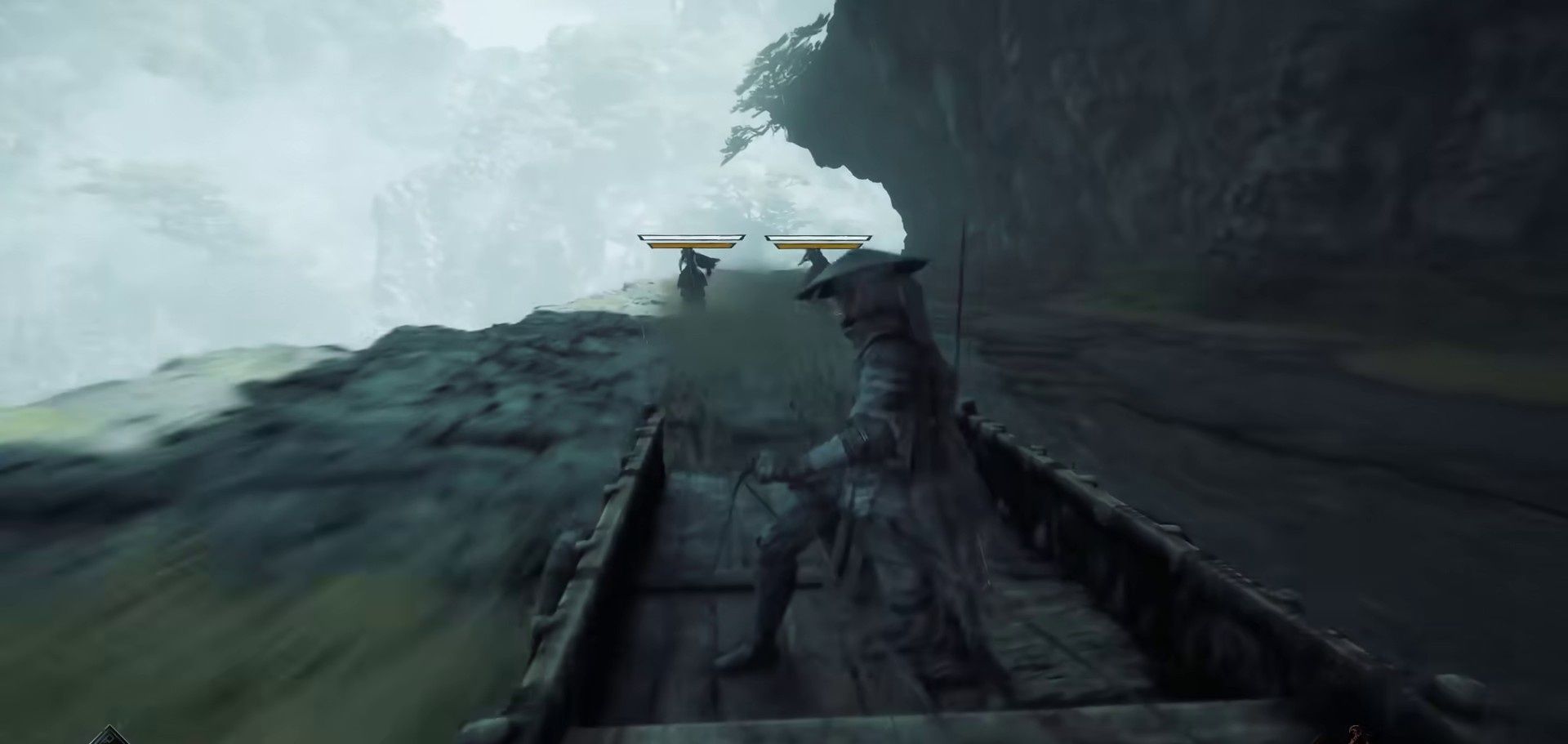
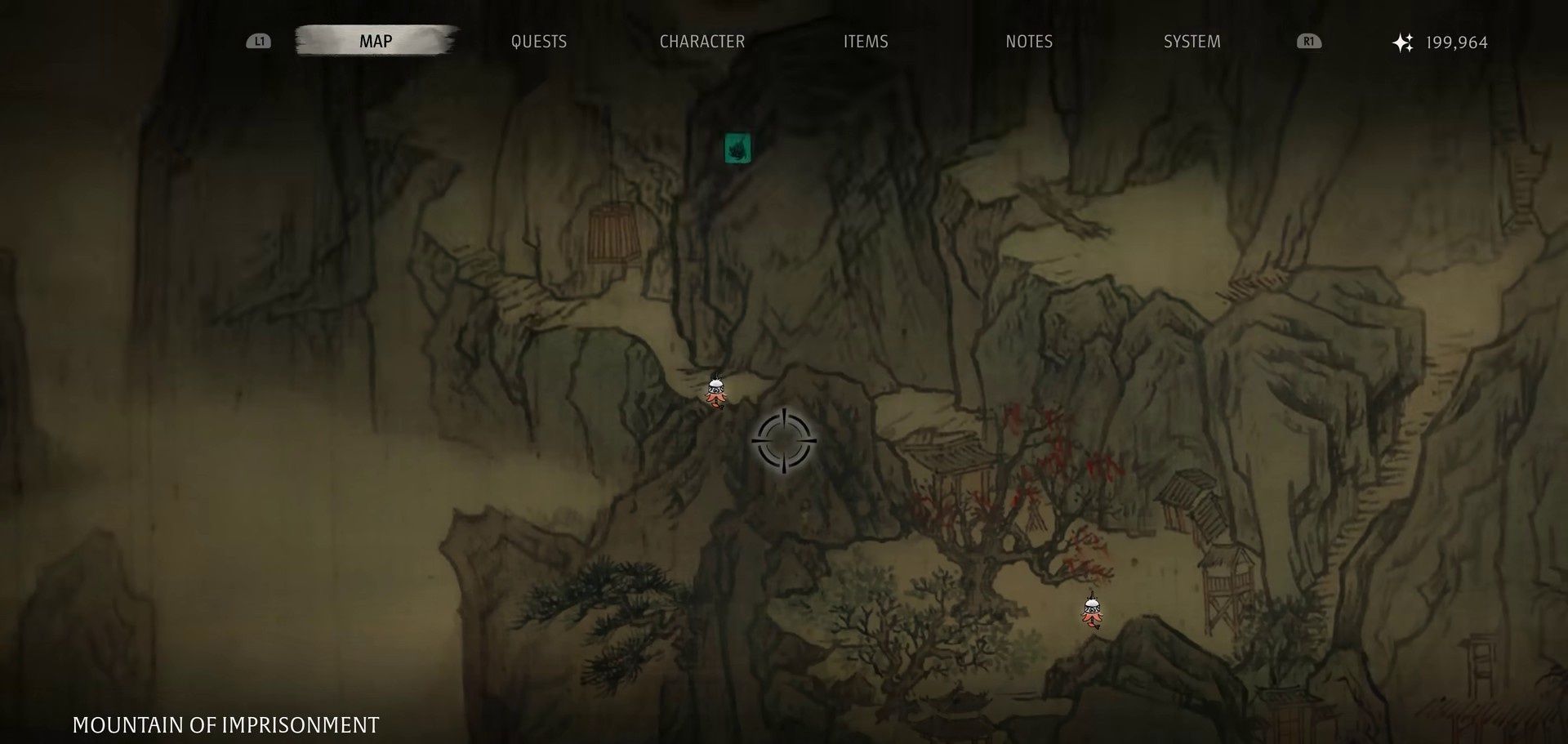
The game's main campaign employs hakoniwa-style level design - neither a fully open world nor a strictly linear adventure. Judging from the first two levels in our hands-on demo, the game's overworld map is rendered in seamless ink-wash artwork: players lift the fog of war through exploration, and any area once revealed can be freely revisited. The map is also dotted with zones that can only be accessed with late-game skills and items or after reaching specific story beats, which gradually open up as players push forward through the campaign.
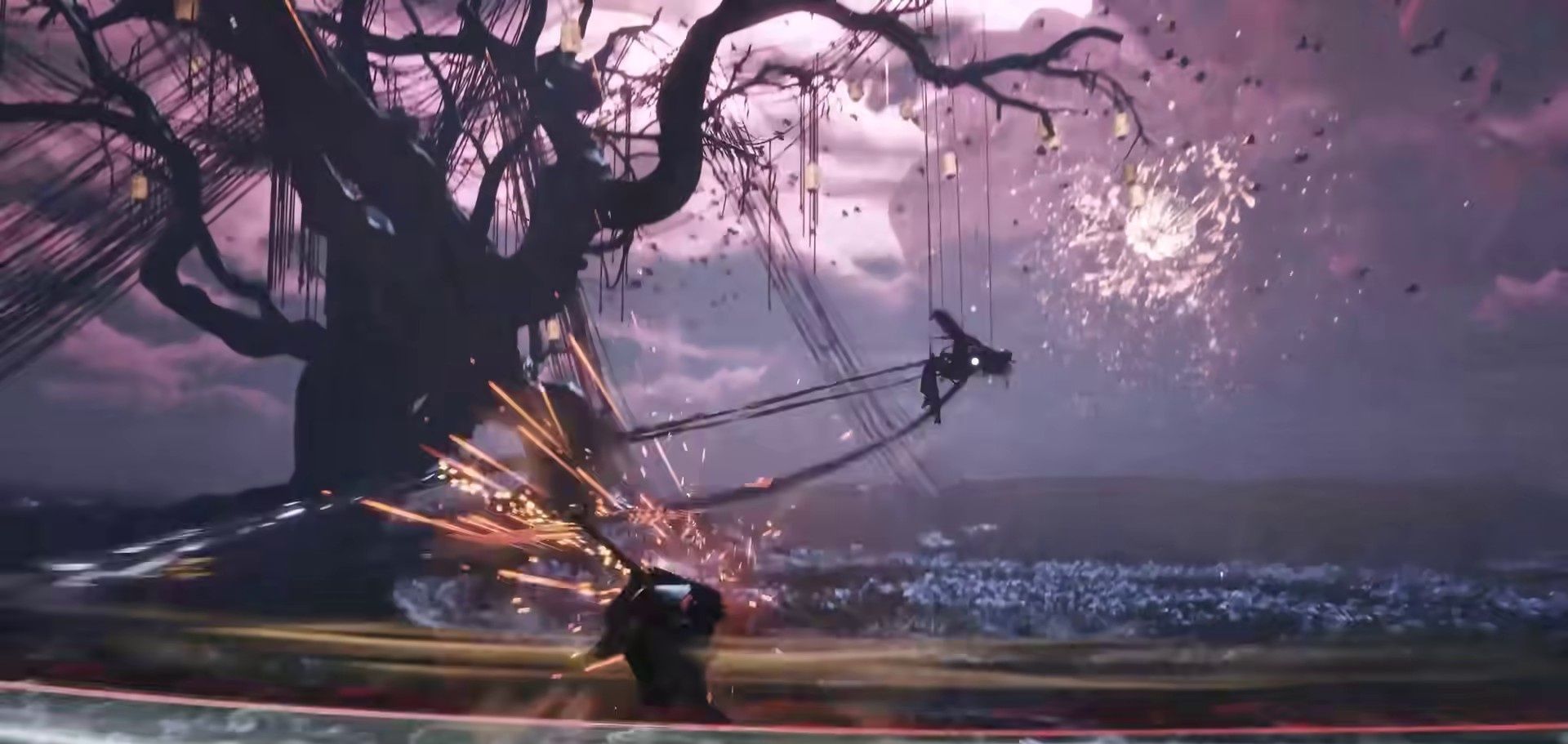
Pangzhen naturally sits at the heart of the map, but stretching outward from it lie landscapes and vistas of an entirely different character. Set against the game's signature wuxia-punk aesthetic, players can gaze upon picturesque mountains and rivers one moment, then step into steam-powered towers of steel the next. These seemingly disparate visual elements blend together with remarkable naturalness - distinctive yet never jarring - providing a deeply immersive stage for the entire adventure.
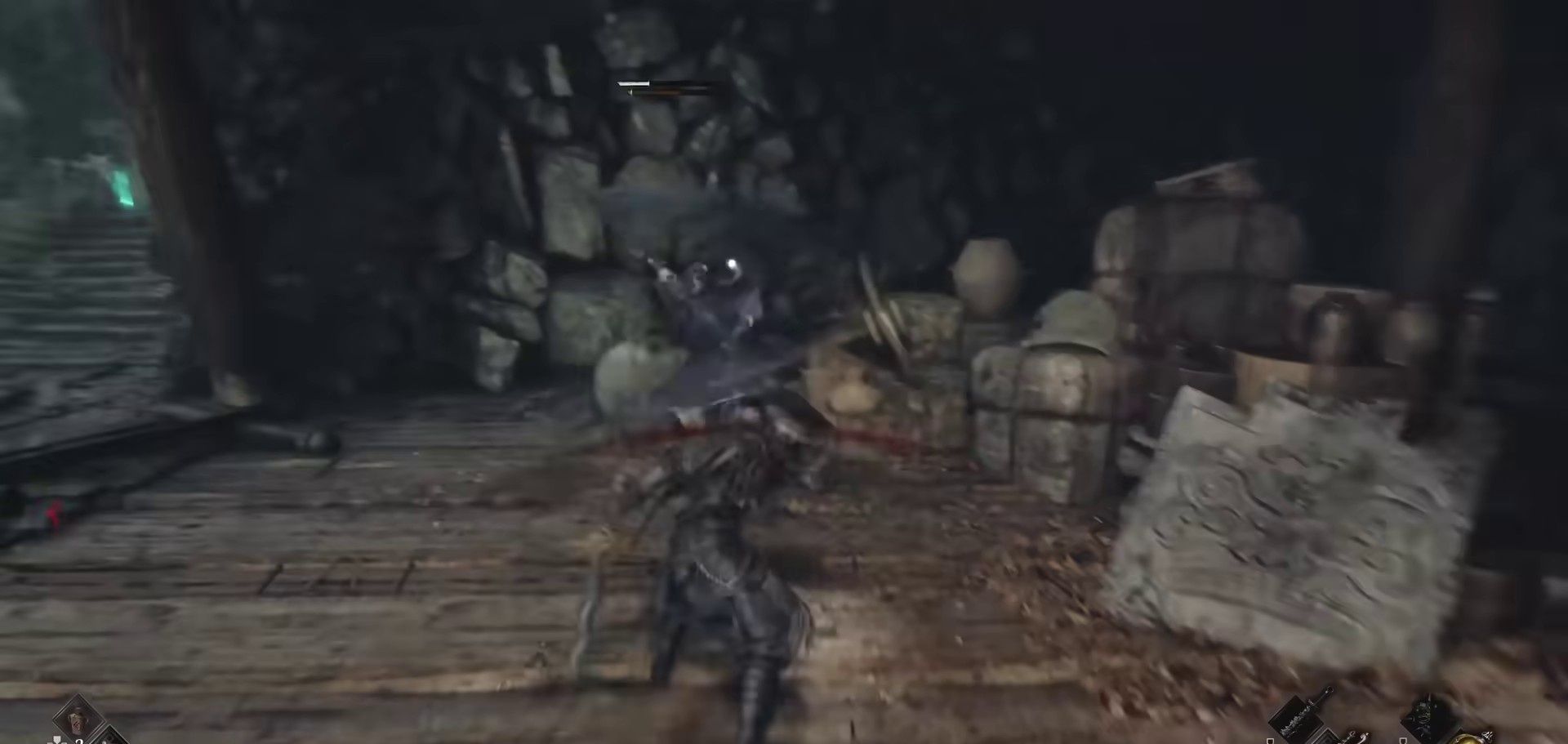
Mountains and rivers share the frame with steel; blades dance alongside steam - Phantom Blade Zero stitches two eras that were never meant to meet into a single map.
Between Blue Light and Red Light: Victory Hinges on a Split Second
The combat system is the core driving force of this title's gameplay. It draws on the razor-sharp style of Hong Kong wuxia cinema while also taking cues from traditional Chinese martial arts and folk traditions, ultimately refining a distinctive style that showcases martial arts aesthetics through high-speed action.
Beyond basic attacks, parries, and dodges, the protagonist must keep a close eye in combat on the blue light and red light skills enemies unleash:
- Blue light skills can be parried: parry the instant an attack is about to land to trigger a perfect parry;
- Red light skills cannot be parried, only dodged: dodge the instant an attack is about to land to trigger a perfect dodge.
Whether it's a perfect parry or a perfect dodge, beyond the flashier presentation, both open up prime opportunities for a counterattack. When masters duel, victory is decided in the blink of an eye - this system turns the wuxia ideal of "anticipating your opponent's move and prevailing through counterattack" into a mechanic you can trigger with your own hands.
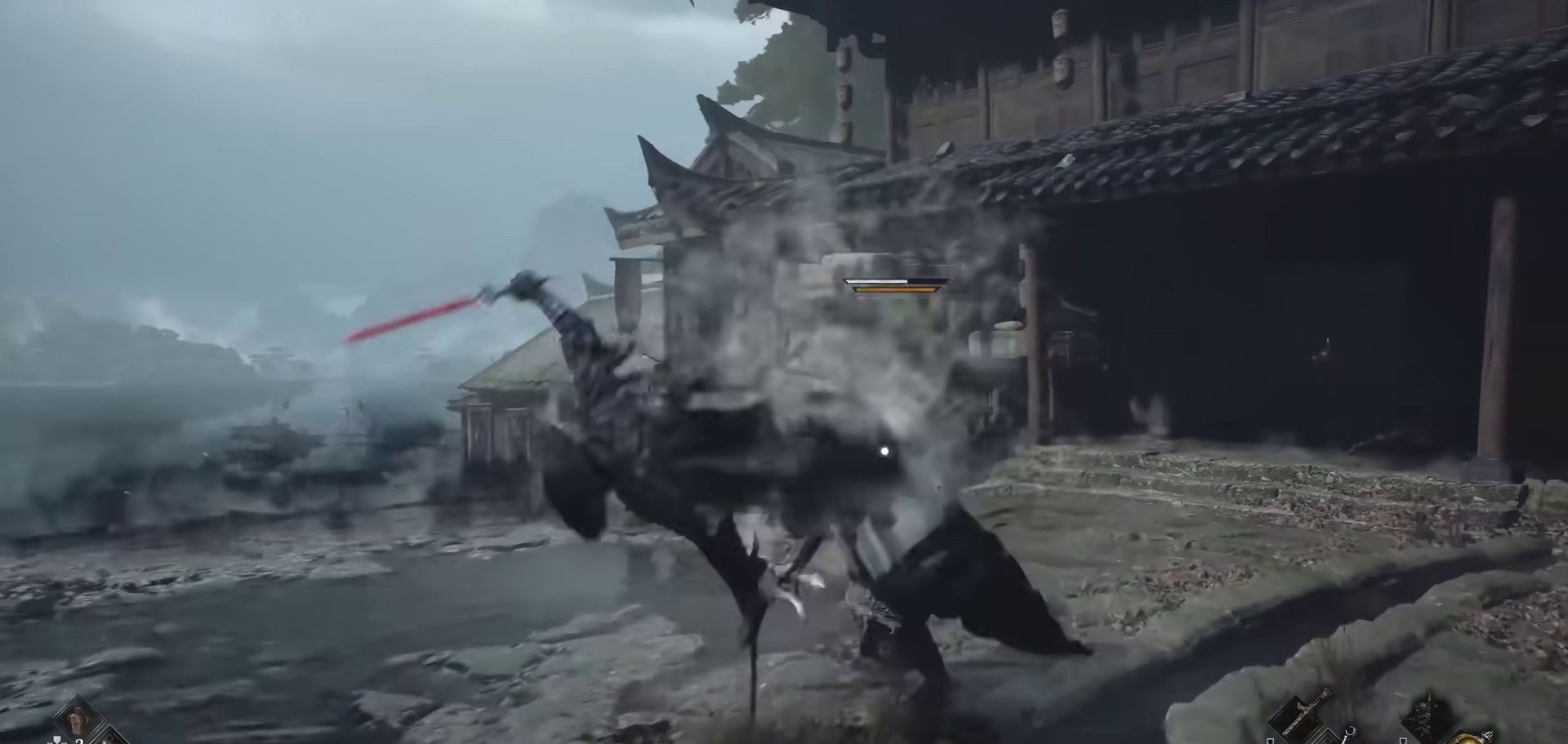
Read the move, break the move, end the fight with a single strike - that's what a clash between masters is all about: anticipation and a racing heart.
The Killing Intent Balance: A Resource Game Between Offense and Defense
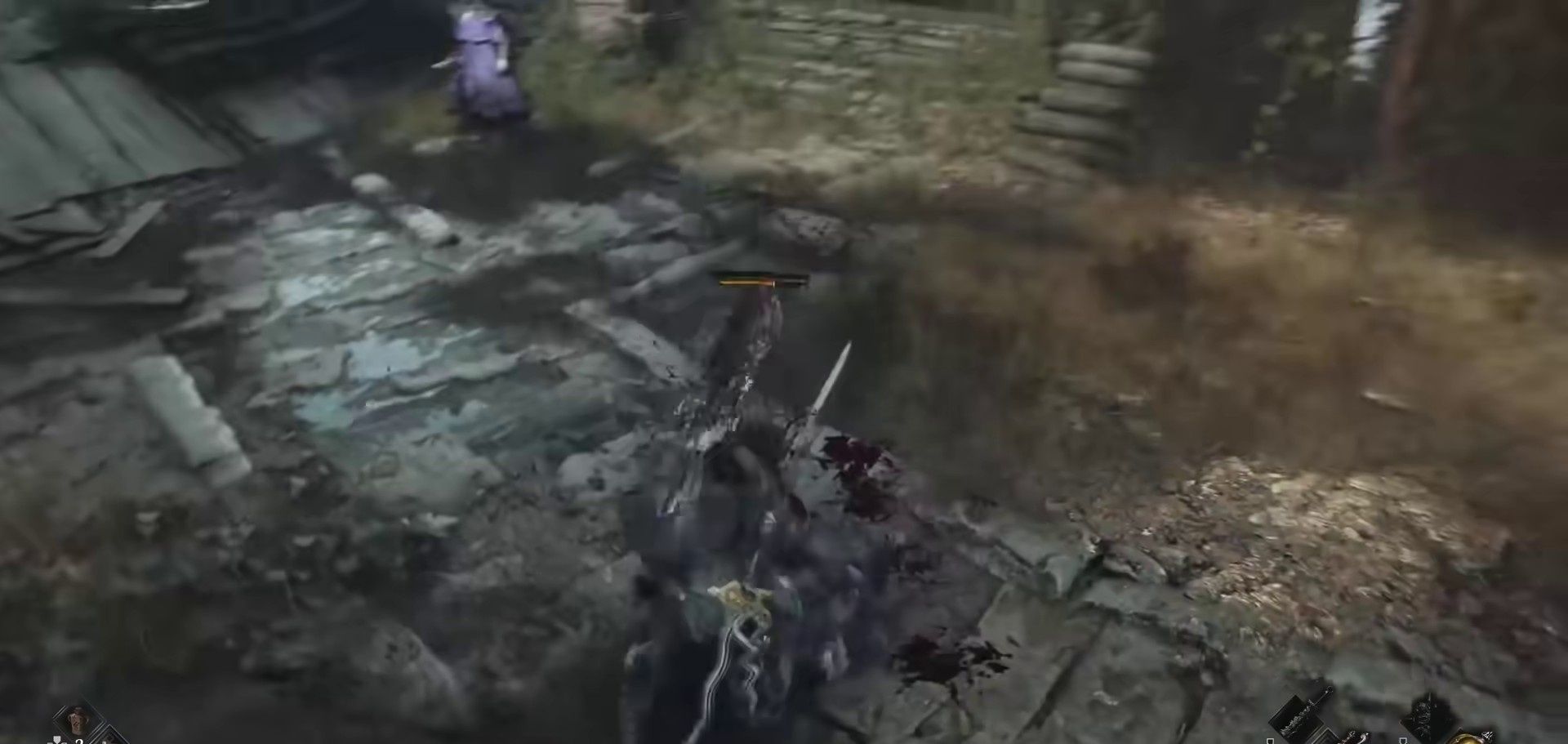
At the heart of the combat system lies a resource system called Killing Intent. It's somewhat similar to the stamina bar in soulslikes, yet fundamentally different: both offense and defense consume Killing Intent. This forms the game's most fundamental tactical balance - if you pour all your Killing Intent into offense, you'll find yourself unable to hold your defensive stance when you need it, simply because none is left. Recklessness comes at a price.
Fortunately, each weapon has its own independent Killing Intent pool, so players can recover the resource by switching weapons; and different weapons tend to represent different combat rhythms. As a result, weapon switching is no longer just an extension of combos - it has become an art of resource management in its own right.
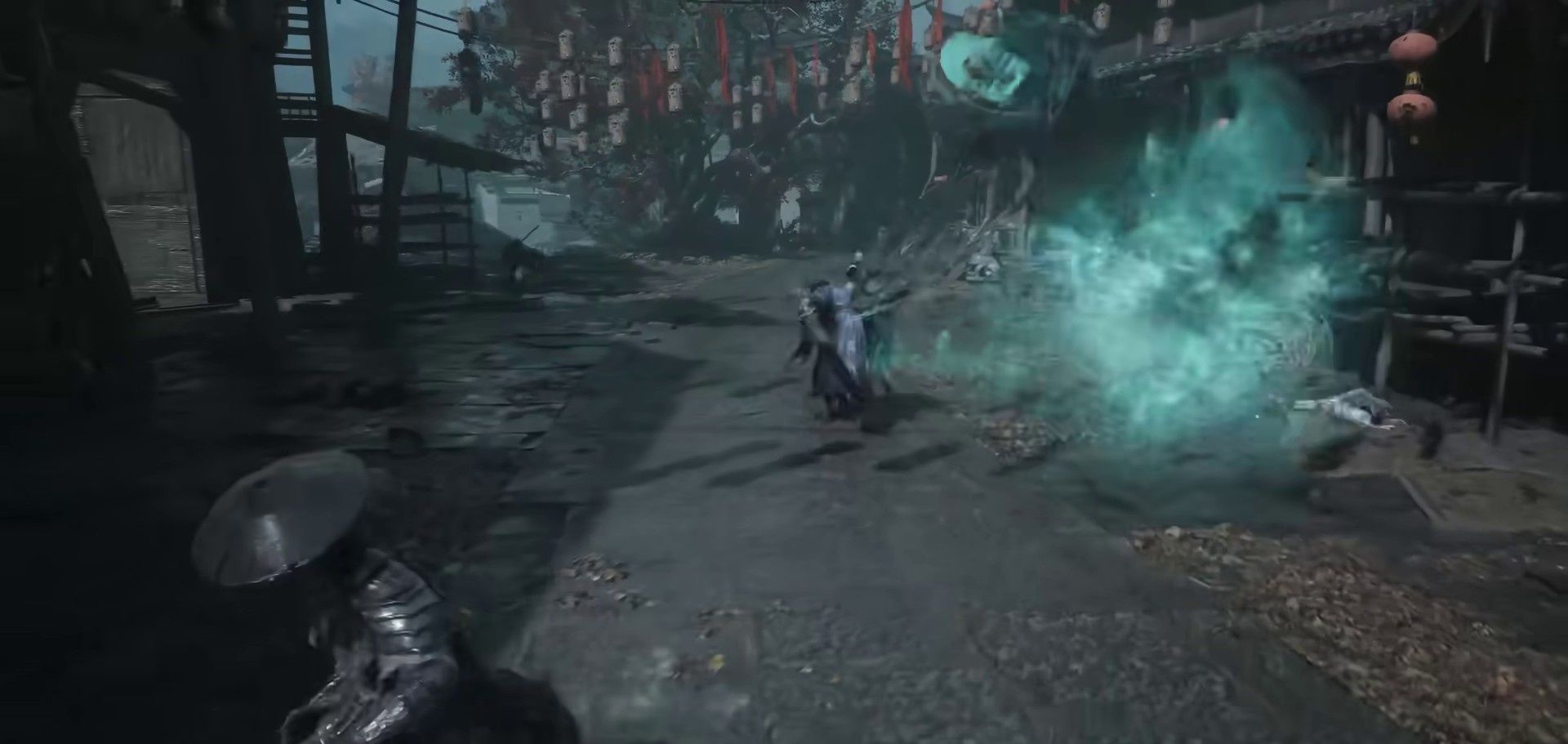
Separate from regular Killing Intent is another system called Refined Killing Intent: on one hand, it accumulates as you consume regular Killing Intent while attacking; on the other, it's required to unleash the Ultimate of your currently equipped main weapon. Most Ultimates are finisher moves that automatically chain attacks, and they also interrupt enemy offense while being performed. Timed well in combat, they can absolutely turn the tide of battle in a single stroke.
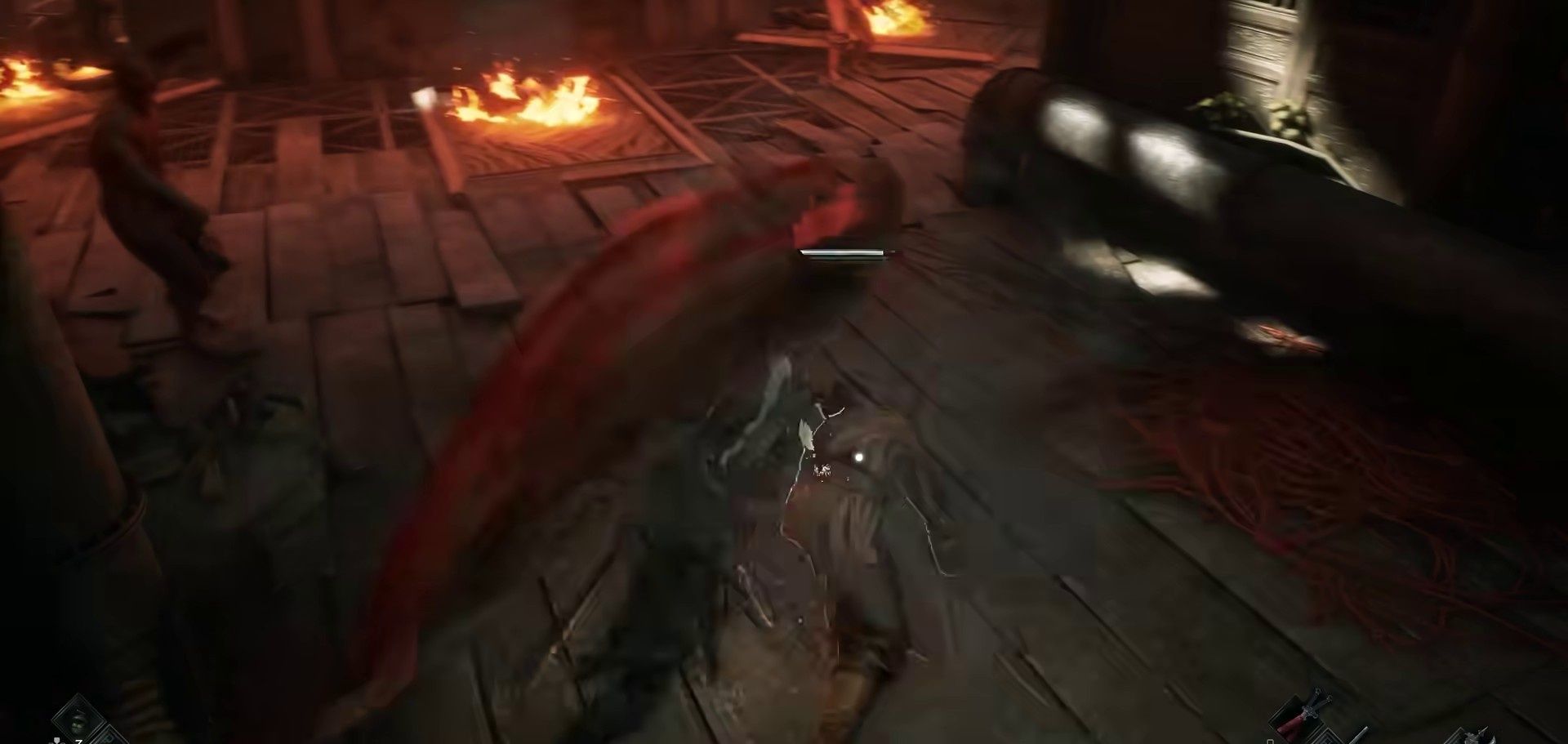
Offense builds the resource, defense spends it, and the Ultimate delivers the decisive blow - "Do I swing this blade or not?" is the question Phantom Blade Zero forces you to answer every single second.
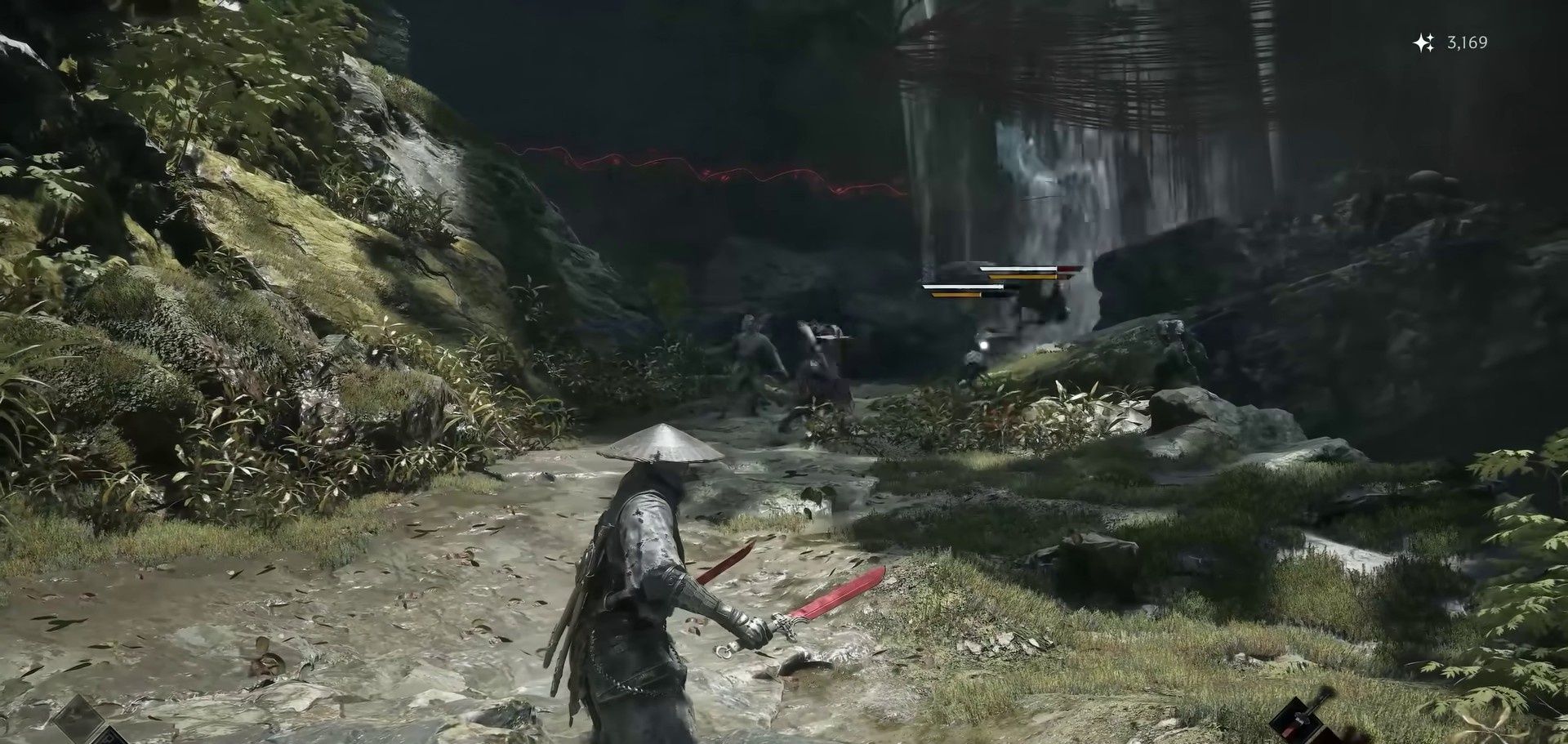
From 30 Primary Weapons to Skill Trees: Building Your Jianghu
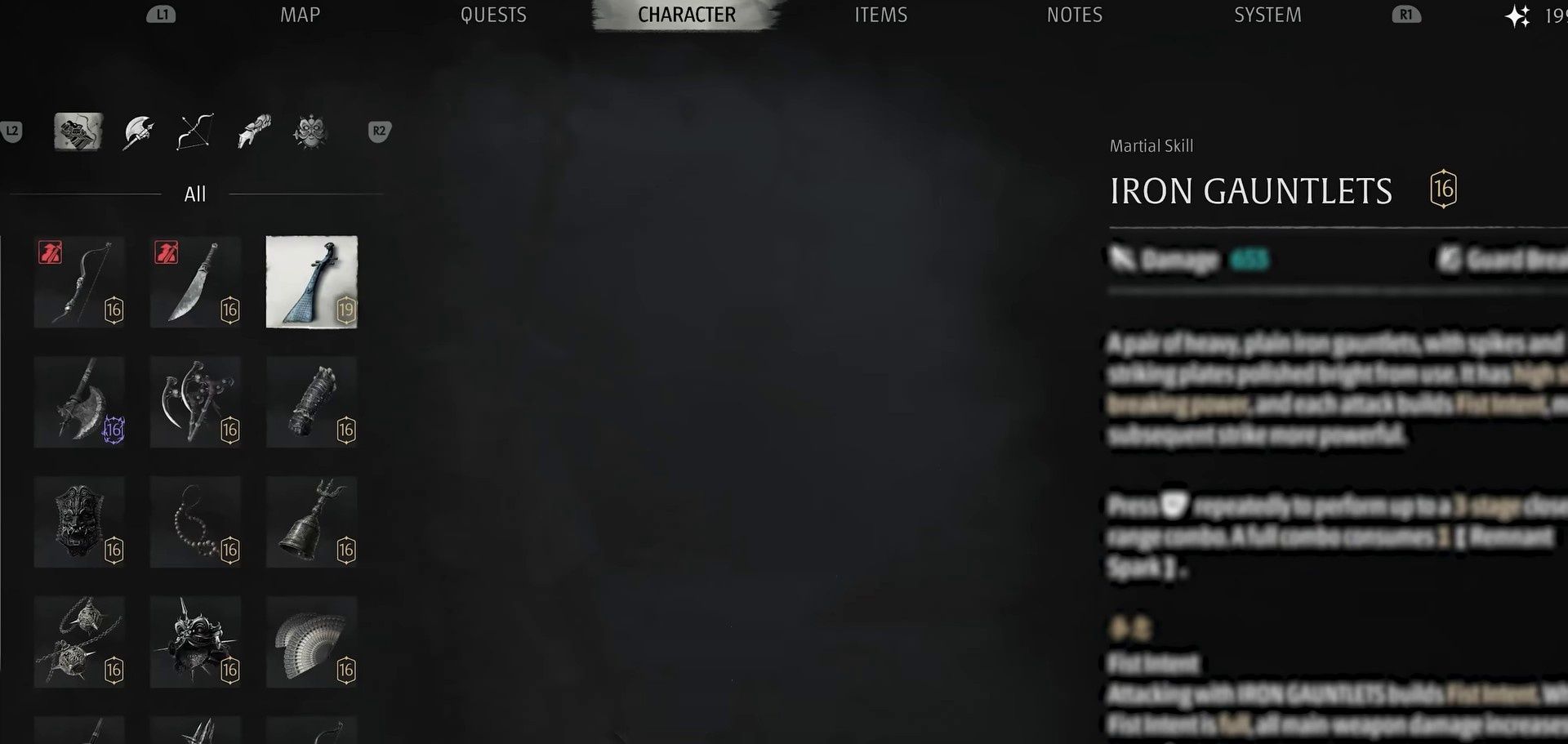
The game equips players with 30 primary weapons, plus 25 secondary weapons known as the "Shadow Arsenal." Drawn from the traditional wuxia world and infused with steampunk elements, these easy-to-wield armaments each come with their own strengths and corresponding skills. By pairing primary and secondary weapons, every player can craft their own combat style - storming strongholds and slaying demons across the jianghu. Some secondary weapons even boast special exploration functions, hiding the keys that unlock shortcuts.
All weapons can be upgraded by consuming the corresponding items, unlocking new forms and movesets and constantly giving rise to fresh combat combinations. Better still, these upgrades can be reset at any time, and the materials can be redirected into other weapons - the cost of trial and error is virtually zero, so players are free to swap in whichever weapon feels smoother and more effective.
Beyond weapons, gear, accessories, and the skill tree together shape the player's progression curve. Gear and accessories grant all kinds of defensive and skill effects - when facing particular terrain or particular enemies, certain pieces of gear can work wonders. Gear across different slots can also be freely mixed and matched to stack buffs to the max.
The skill tree grows with your level: it starts out as three paths - Offense, Defense, and Skills - and as your level rises, the three paths gradually converge and interweave, forming interdependencies and cause-and-effect relationships that underpin ever more complex skill combos.
Mobs Don't Respawn, but Bosses Show Their True Colors
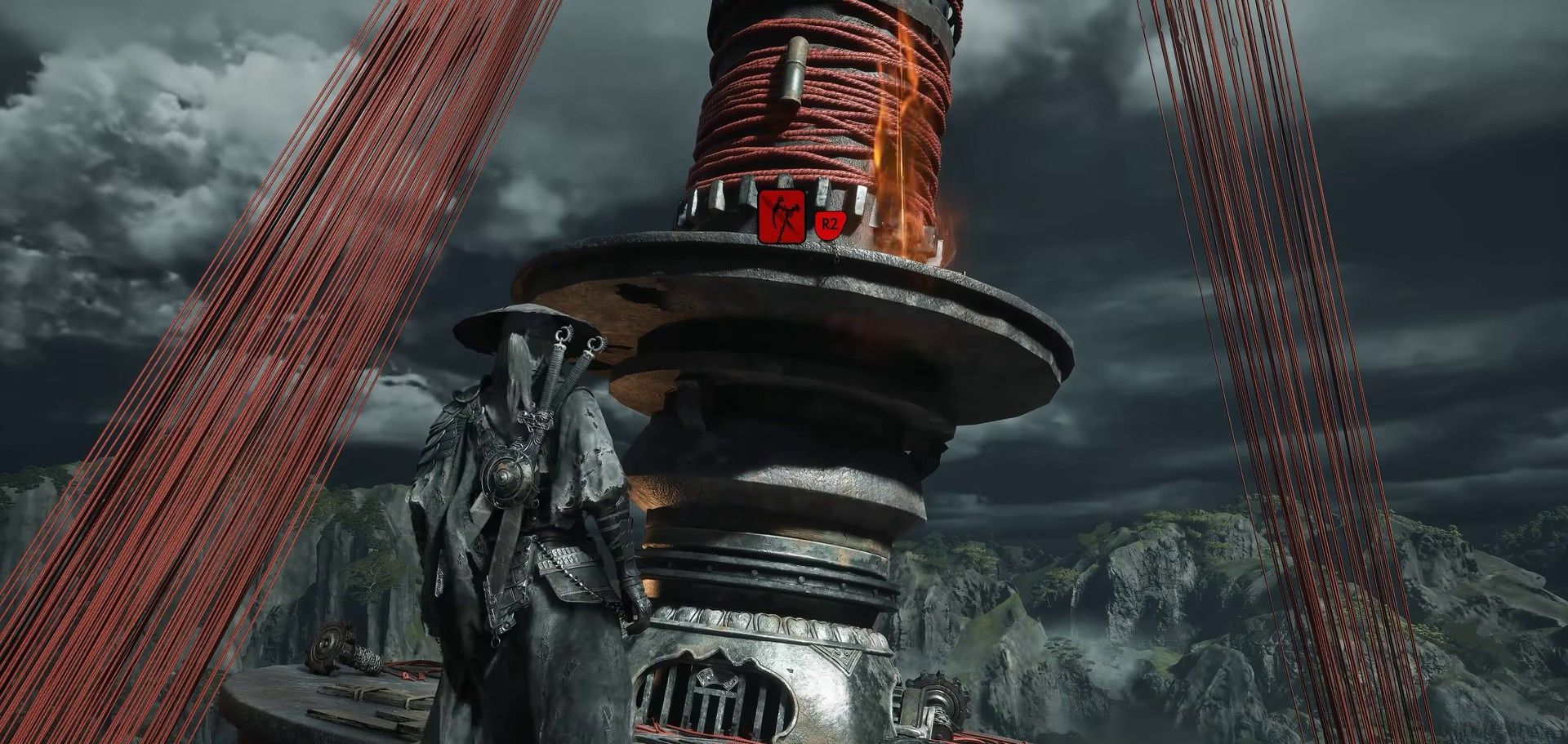
Over several hours of hands-on play, we covered nearly every inch of the first chapter's levels - with the exception of a handful of areas that only open up in the mid-game. The game features a genuinely considerate design choice: mobs do not respawn. Once an area has been fought through and cleared, you can move back and forth through it safely from then on; even resting at the in-game bell or fast-traveling won't bring the mobs back. For players who love to scavenge every last corner of the map, this is nothing short of a godsend.
The mob ecosystem holds some intriguing details as well: rival gangs are hostile to one another, and as you push forward, you'll stumble upon scenes of mobs from different factions brawling with each other. You can hang back and reap the spoils as they wear each other down, or wade straight in and stir the pot, letting both sides slug it out to their hearts' content. That said, however nimble the protagonist may be, do your best to avoid getting swarmed by mobs - even a hero is no match for four hands, an old saying that still very much holds true in the Shadow Realm.
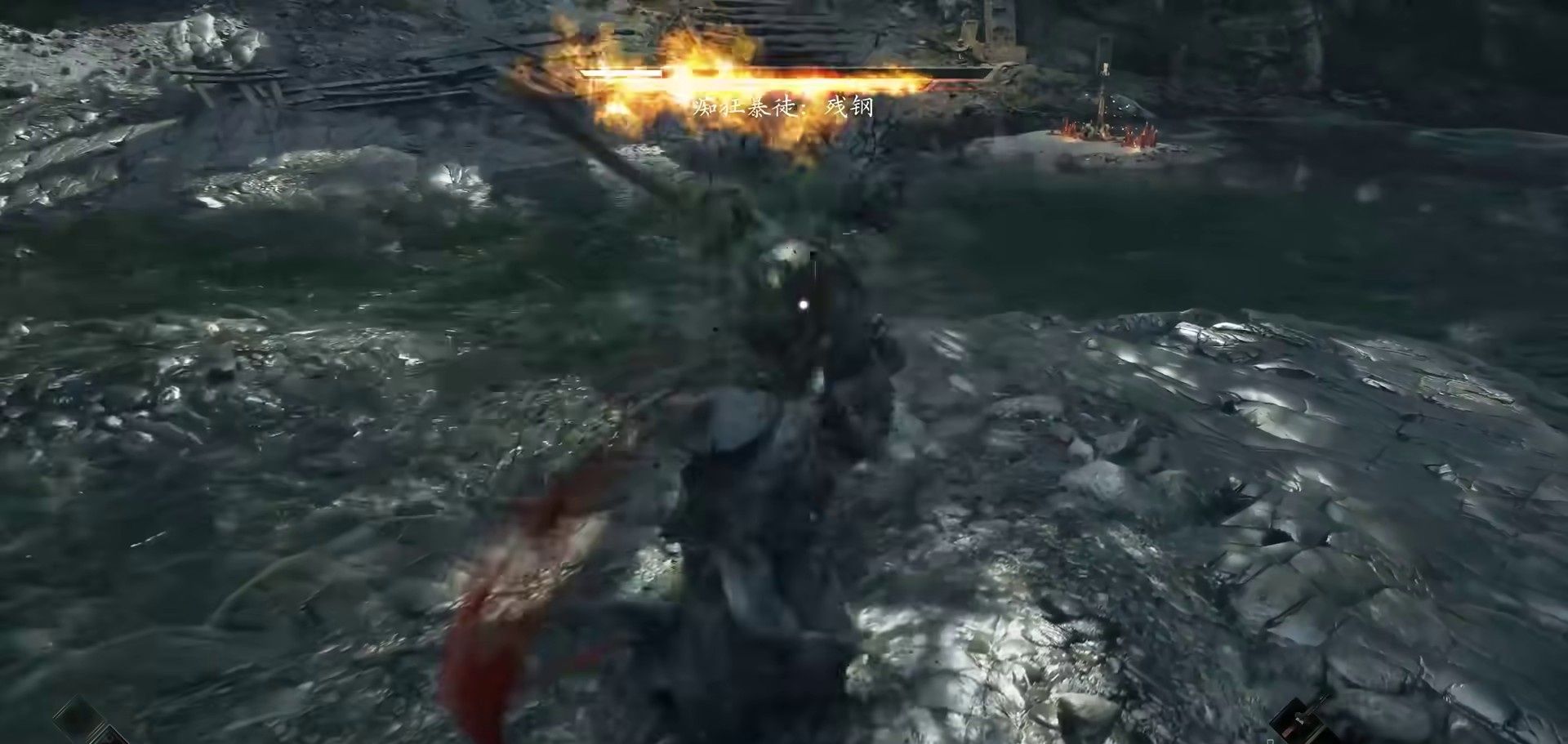
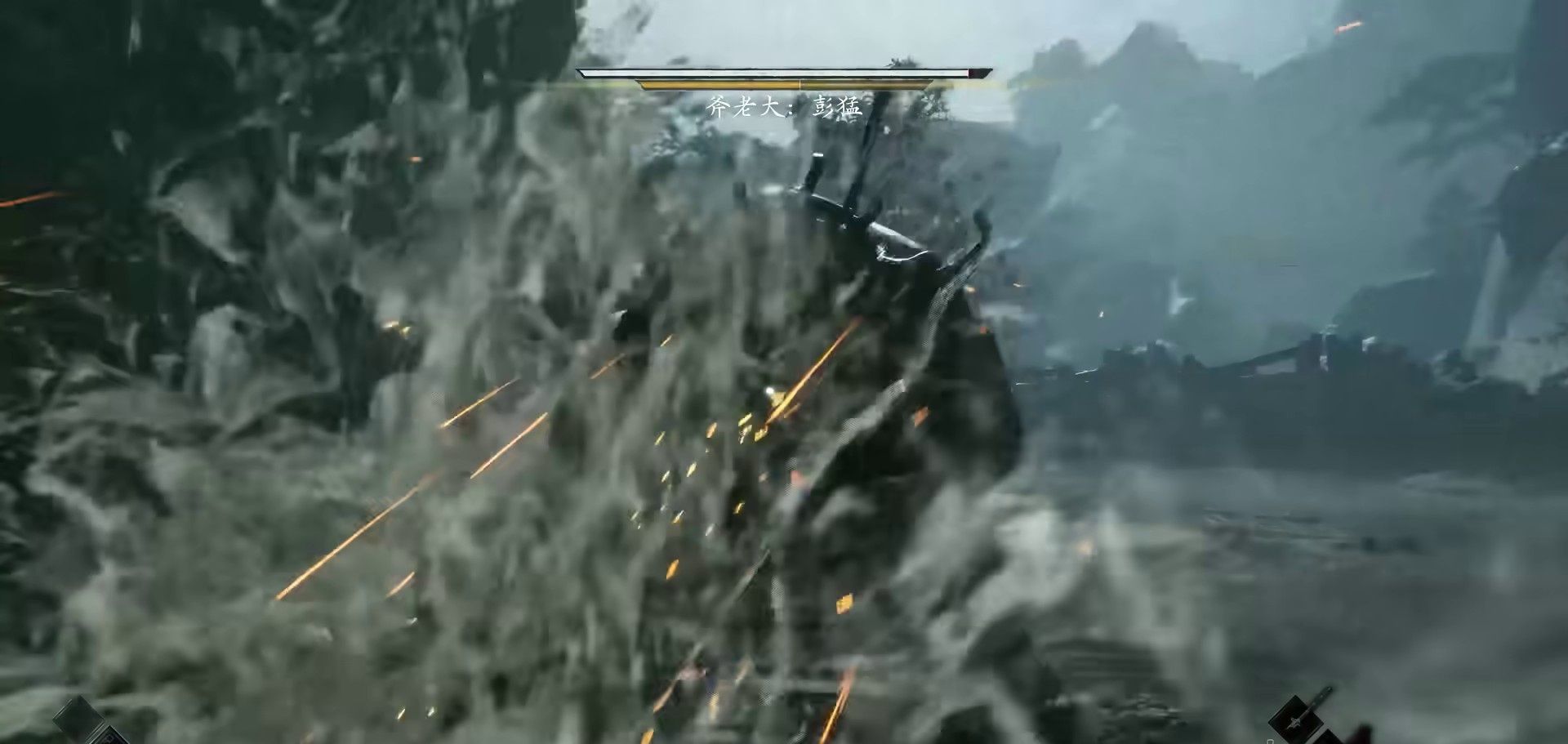
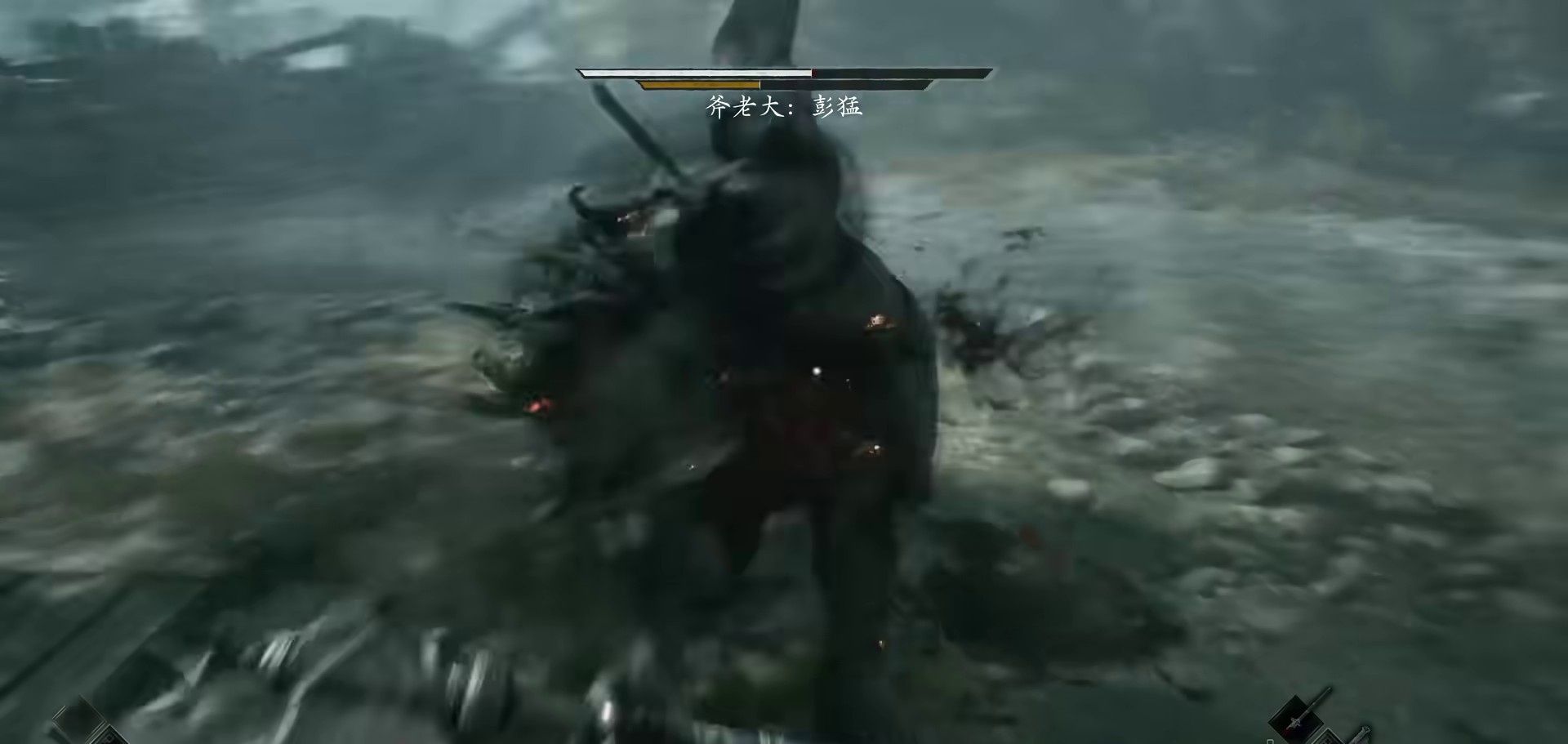
At certain spots in each level, boss-tier enemies lie in wait. The early Cangang the Crazed Brute is a plainly instructional tutorial boss: the attack structure is clear, most moves come with pronounced wind-ups, and the whole point is to help players get used to the rhythm of boss fights. Pengmeng the Axe Boss, the main boss of the opening level, is a pure powerhouse - his moveset is built around big, sweeping swings, and both his towering frame and the weighty hit feedback make him feel intensely oppressive; defeating him rewards you with a secondary weapon that can smash through obstacles and carve open new paths. The late-game Hua Qianxiao the Sword Fiend, meanwhile, makes his entrance after a fairly lengthy story sequence, clearly a major antagonist of considerable weight.
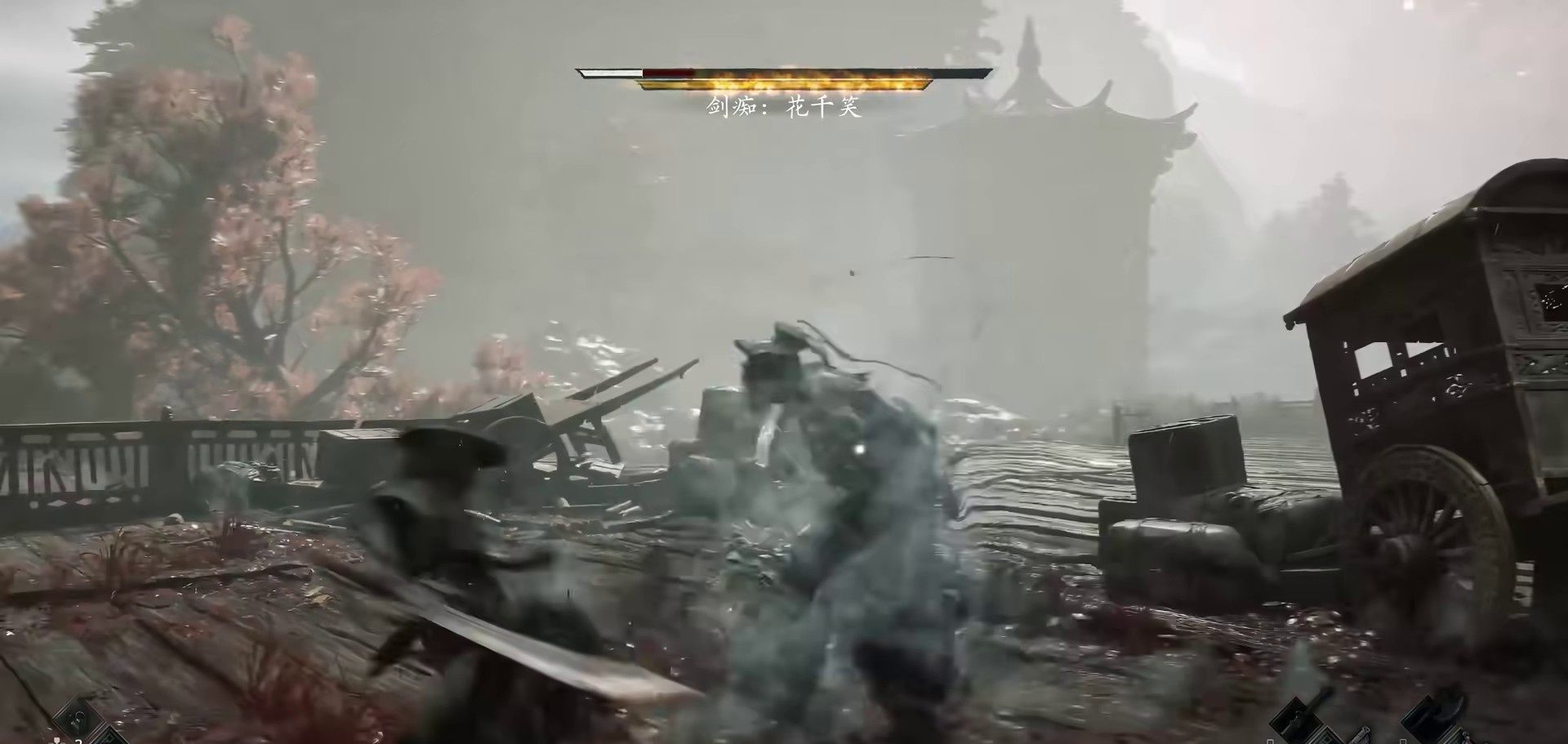
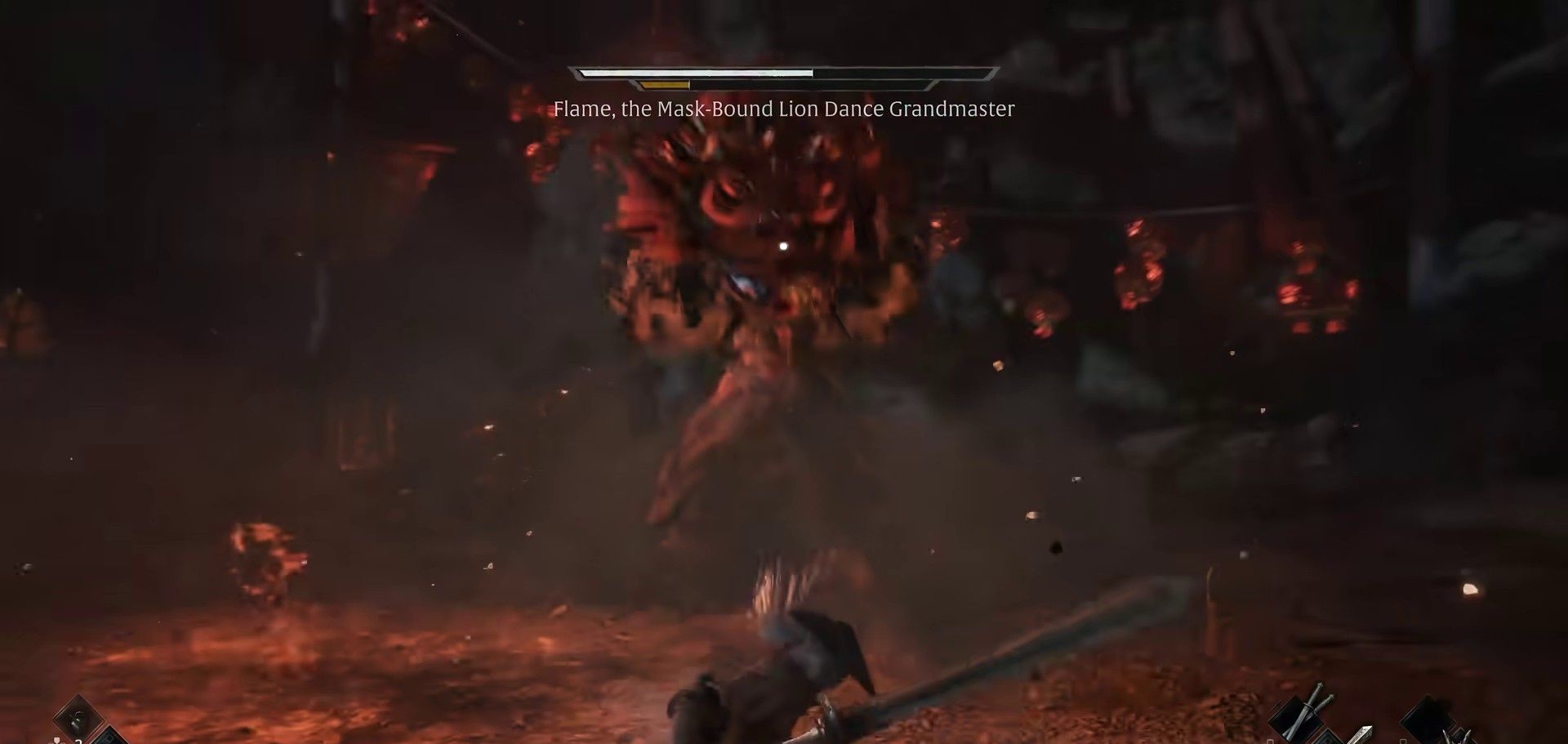
Beyond the main demo, the event also offered two mid-to-late-game bosses for hands-on time: Madame Twin Snakes and Lieyan the Martial Sovereign. These two fights primarily showcased how combat feels once weapons and skills have been upgraded in the later stages of the game, while also embodying the design philosophy of "making smart use of mechanics" in boss fights - take Lieyan, for example: he comes with fire-based attacks, and going head-to-head with him head-on can easily cost you dearly; but if you can find a water vat in the environment and douse him with it, the fire damage drops dramatically, and the boss fight's difficulty plunges.
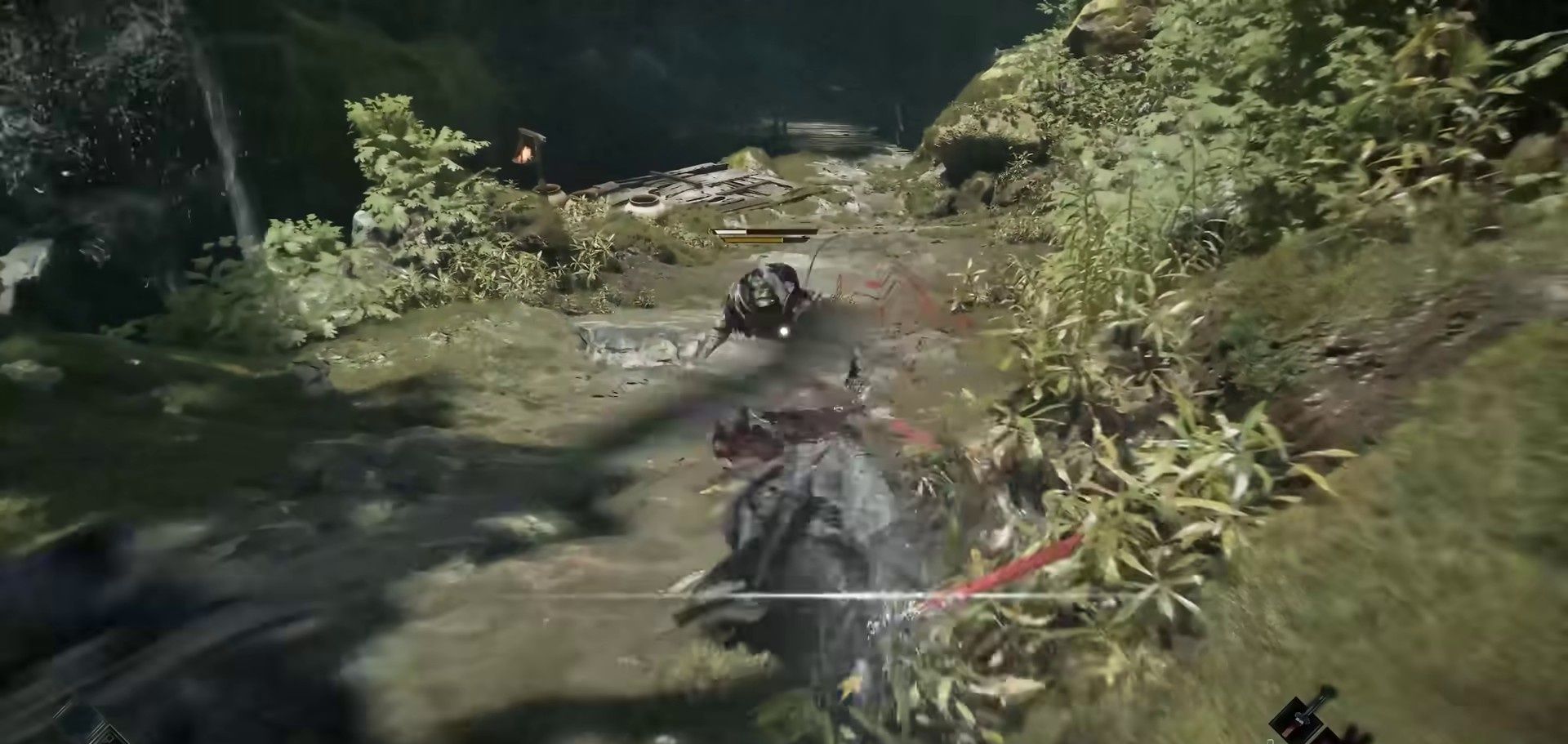
From rote memorization of attack patterns to clever use of the environment, late-game boss fights test not just your fingers, but your brain as well.
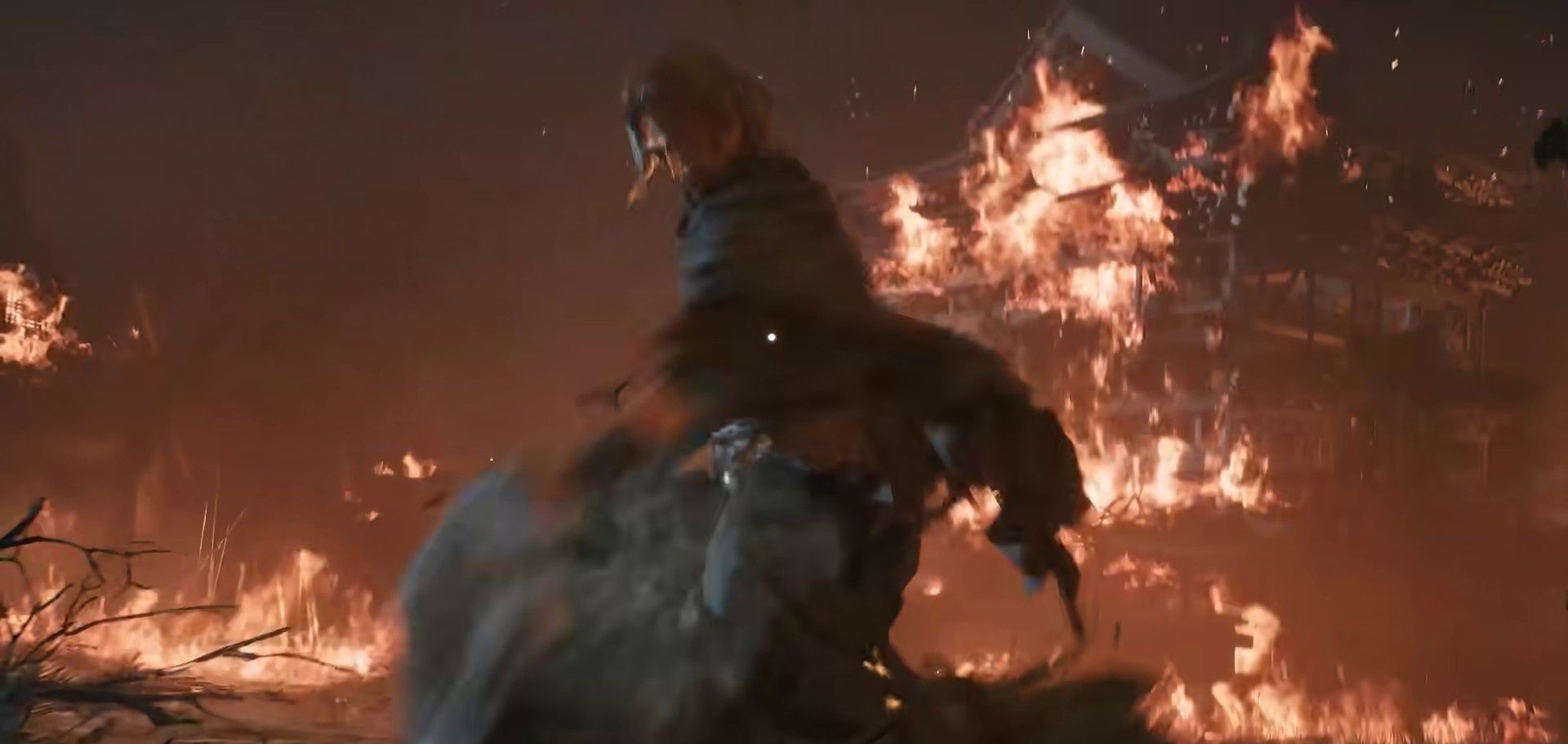
Piece all these details together, and the full picture of a new action title is already coming into sharp focus. And beyond the article itself, the mood in the comments section is every bit as intriguing - it reflects the complex, fervent emotions the player community holds toward this game.
Top Community Comments
@PaintedWingsWAVES (153 likes):
Why is this yet another adult game? [hot]
A throwaway quip with neither head nor tail - yet it racked up over 150 likes. No matter which layer of the meme this "adult game" comment is playing on, this kind of non-sequitur shitposting is precisely the norm in the comment sections of hugely hyped games: once the hype maxes out, people are long past earnest discussion, and instead use insider slang and memes to confirm each other as "one of us" - the buzz itself is proof of the popularity.
@SuperGullPrivate (21 likes, abridged):
You have to understand the people spamming "another soulslike": they watch others living glamorous lives while they can only hole up in a dark, cramped rented room, too poor to afford a PC or a console, holding up a secondhand phone worth a few hundred yuan, typing out "another soulslike" under someone else's soulslike video - and then feeling smug about it.
This is a widely circulated piece of sarcastic copypasta, aimed squarely at the keyboard warriors who indiscriminately slap the "soulslike" label on any action game they see. The sarcasm may be biting, but the problem it points to is very real: while Phantom Blade Zero wears soulslike trappings such as bells and fog, its killing-intent mind games, weapon swapping, trash mobs that never respawn, and environmental solutions all clearly carve out a path of their own. Summing it all up with a single word - "soulslike" - is simply too lazy.
@XuanyangziTheUpright (497 likes):
I used to turn on the danmaku when watching videos just for the fun of it; now I turn off the danmaku to keep my IQ and emotions stable.
The most-liked comment of the bunch, and the one that best speaks for the "silent majority." When memes, flame wars, and label wars take over the comment section, a growing number of viewers choose to switch off the danmaku and hand their attention back to the content itself. For a game that has yet to release, this may well be the best reminder of all: fewer preconceived labels, more patience to verify things firsthand.
📌 One-Sentence Summary
Phantom Blade Zero is not "yet another soulslike," but a new action title that stitches the razor-sharp flair of Hong Kong-style wuxia, the deep-rooted foundation of traditional martial arts, and the soaring imagination of steampunk into a diorama-style jianghu - the 66-day countdown has been wound tight, and all that remains is for players to step into the fray themselves.