Phantom Blade Zero Hands-On Deep Dive: The Dazzling Action Is Just the Tip of the Iceberg - Liang Qiwei Has Buried the RPG's Kindness Far Too Deep
When a long-anticipated homegrown single-player game finally opens its doors for a closed-door hands-on, everyone's first reaction is the same: can it actually fight? The dazzling action choreography, distinctive weapon designs, and unconventional wuxia-punk aesthetic have long formed the public's first impression of Phantom Blade Zero. But after a closed-door session in Beijing that lasted several hours, a stronger feeling surfaced - Liang Qiwei is still holding back.
The hardcore hack-and-slash, Chinese-style weaponry, and multi-boss battles that have been discussed over and over may be nothing more than the tip of this iceberg breaking the water's surface. Once you actually get your hands on it, you'll discover that what lies beneath is far more complex than the three letters "ACT" suggest - and far kinder, too.
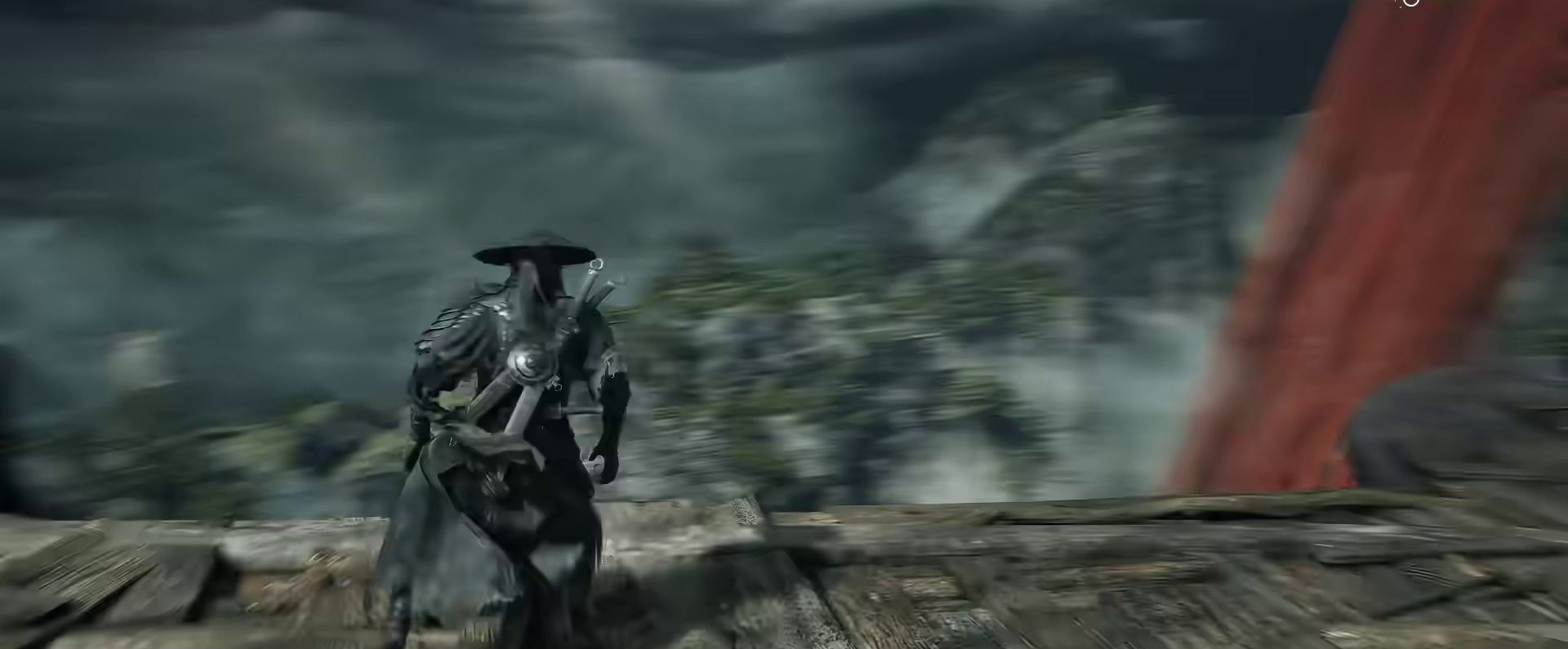
As one of the most anticipated homegrown single-player titles among players and the market alike, Phantom Blade Zero has already shaped most people's impression of it through its dazzling action choreography, unique weapon system, and rather unconventional wuxia-punk style. Yet after playing it, you'll find that these are still merely the tip of the iceberg floating on the vast ocean of public awareness.
With the hands-on time being limited, it was impossible to take in the full scope of Phantom Blade Zero. Even so, those few hours of play were enough to offer a faint sense of just how delightful the parts that exceeded expectations truly are.
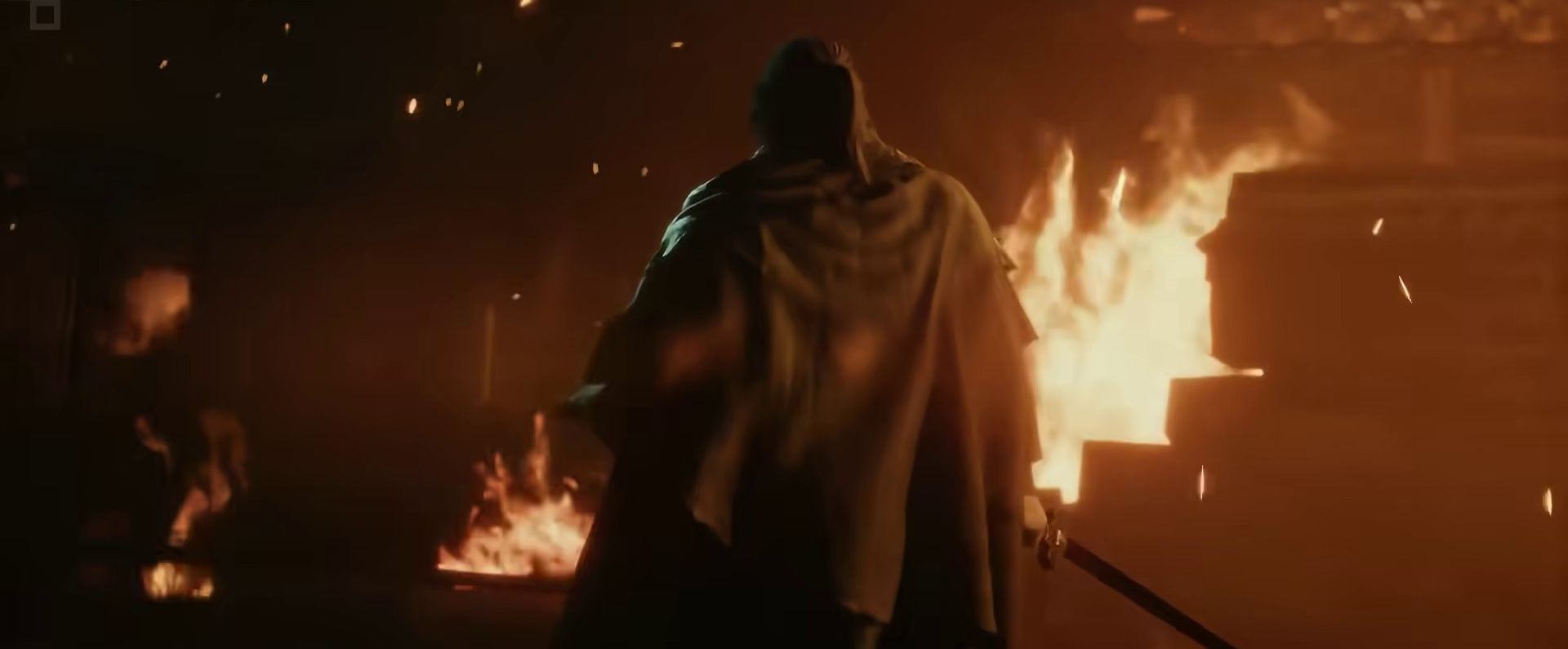
Beneath the Hardcore Action Shell Lies a Traditional RPG Skeleton
In most people's expectations, Phantom Blade Zero is a hardcore hack-and-slash action game: Chinese weaponry, multiple bosses, flashy action choreography - just fight and be done with it. But once you actually get your hands on it, you'll discover that its foundation actually leans much closer to a traditional RPG.
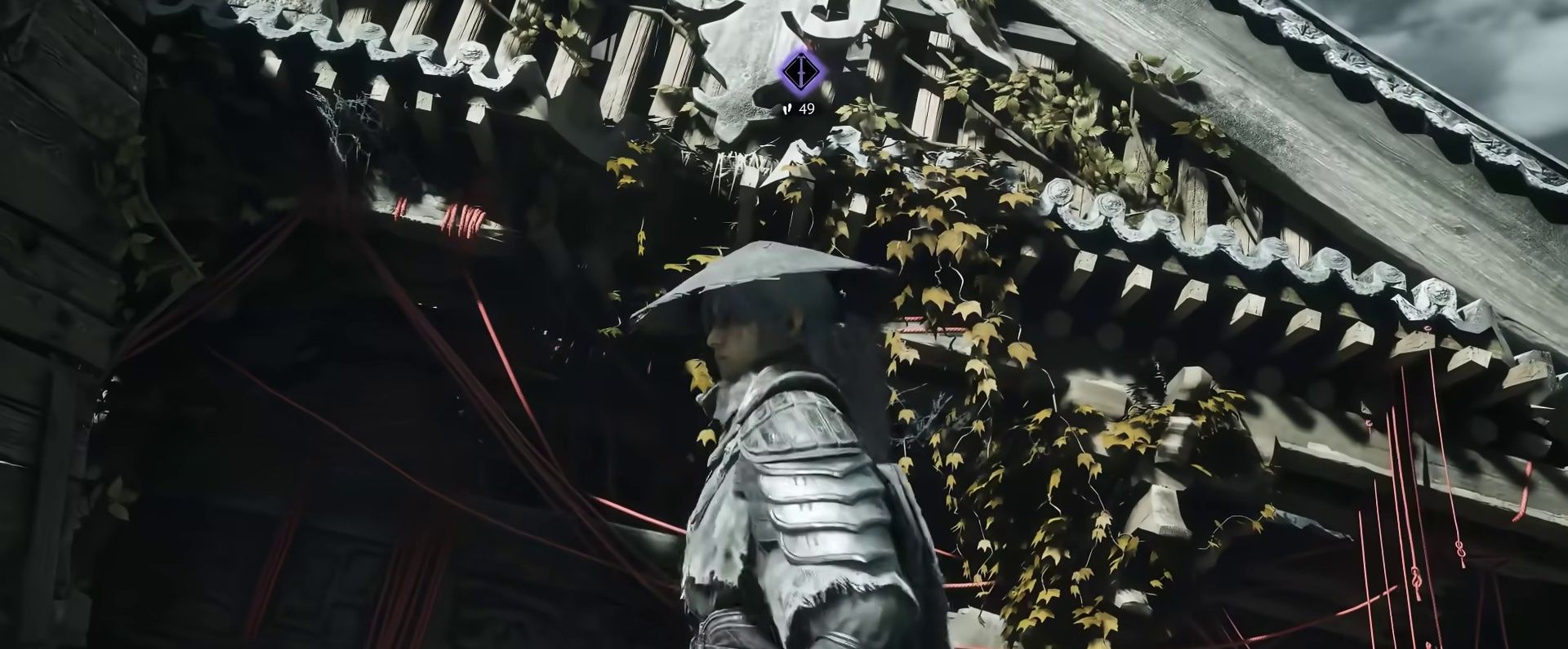
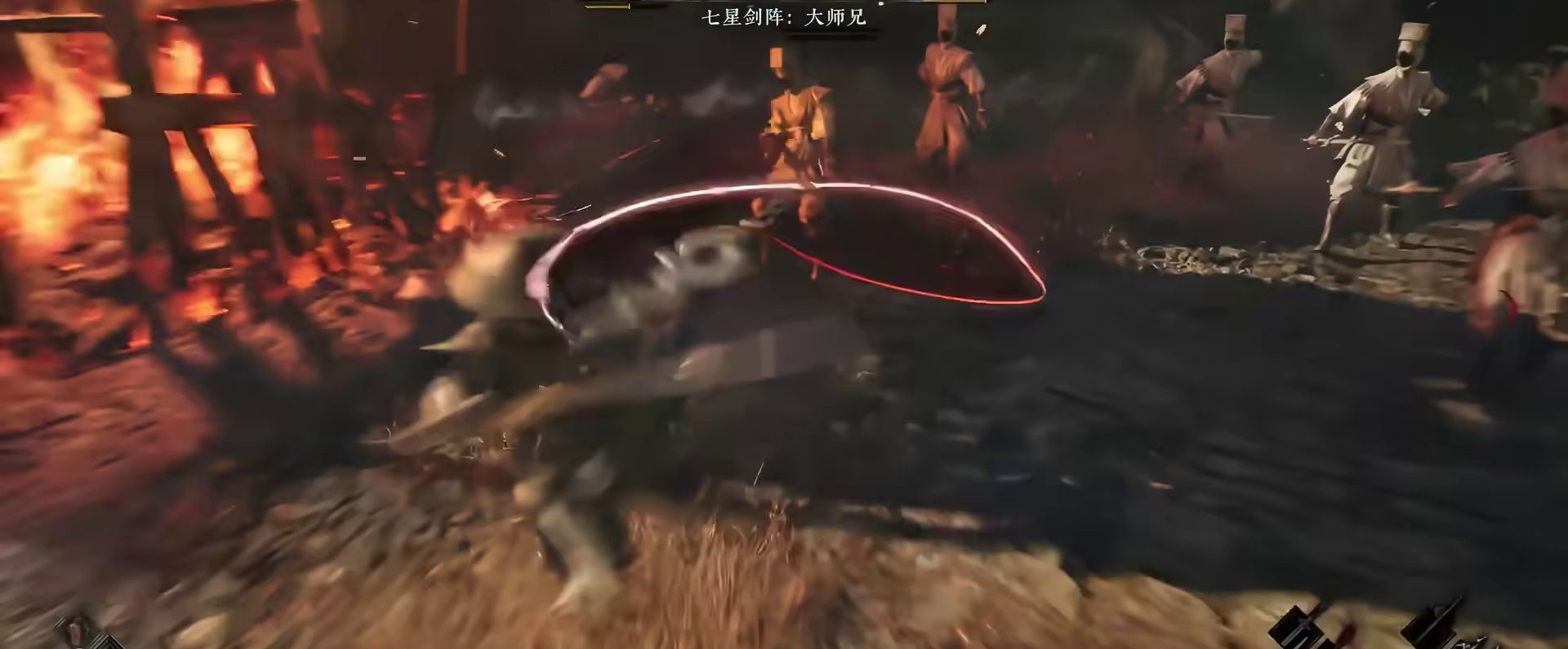
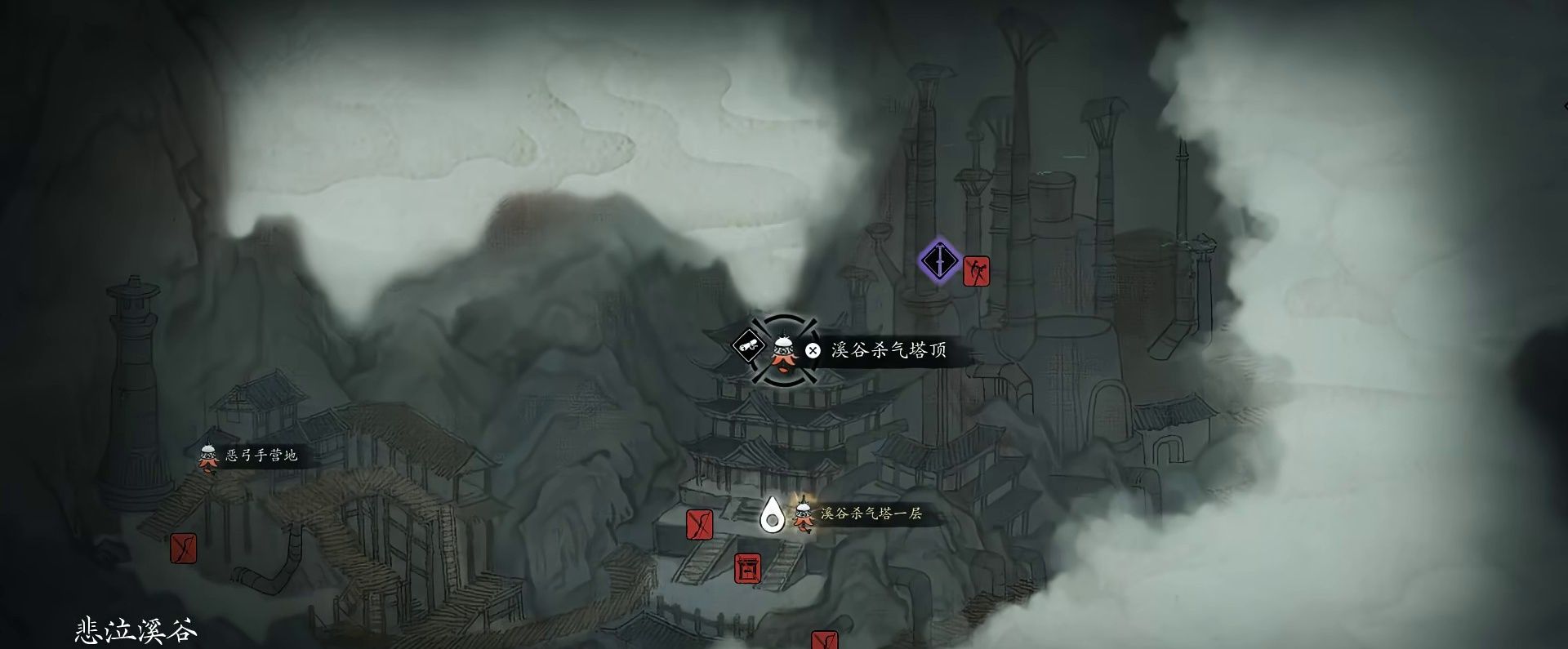
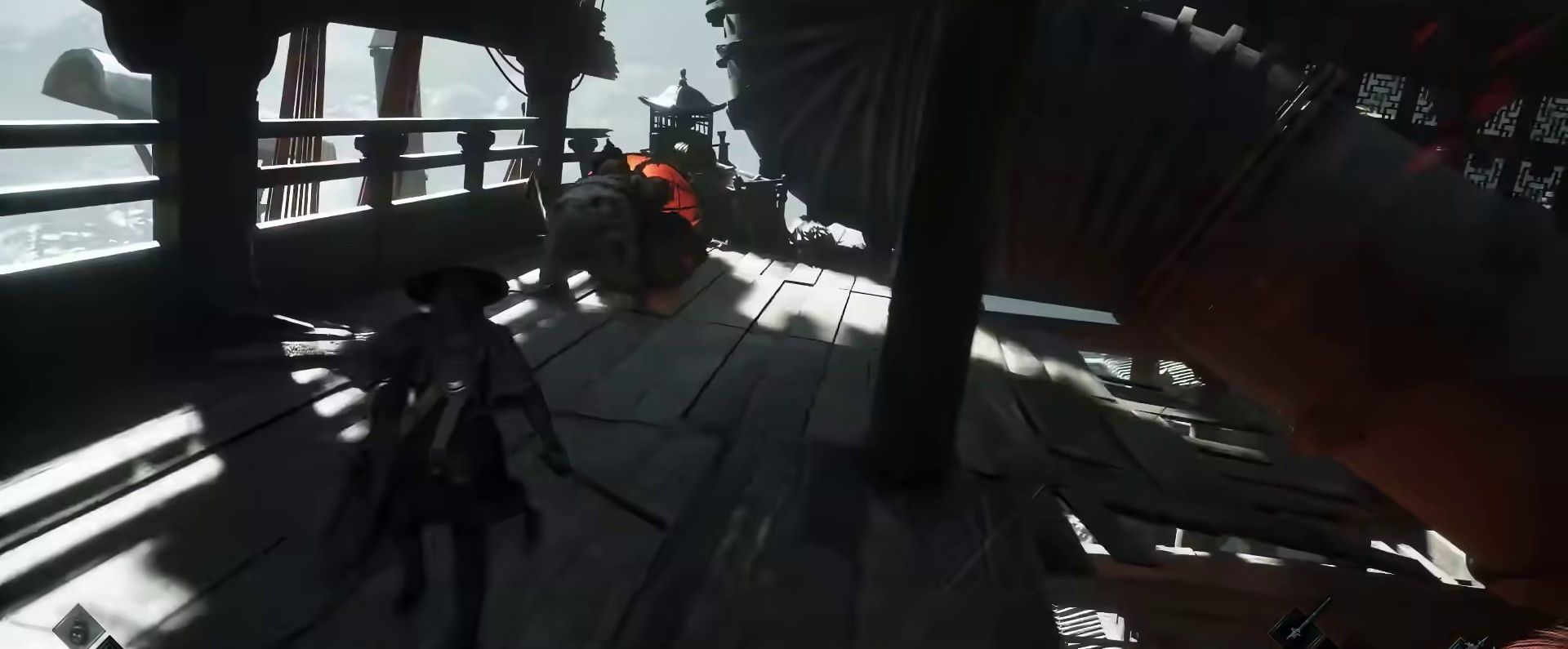
The quest system, NPCs, and side quests are exceptionally rich, and the density of dialogue and cutscenes exceeds expectations as well. The map is neither an open world nor purely linear, but rather a large, linear-leaning box-garden structure. The levels rely on elevation changes, ladders, and looping routes to create a three-dimensional sense of exploration with a distinctly soulslike flavor. As shown in the image, light-point rewards naturally guide players forward, and many seemingly ordinary scenes actually conceal multi-layered structures.
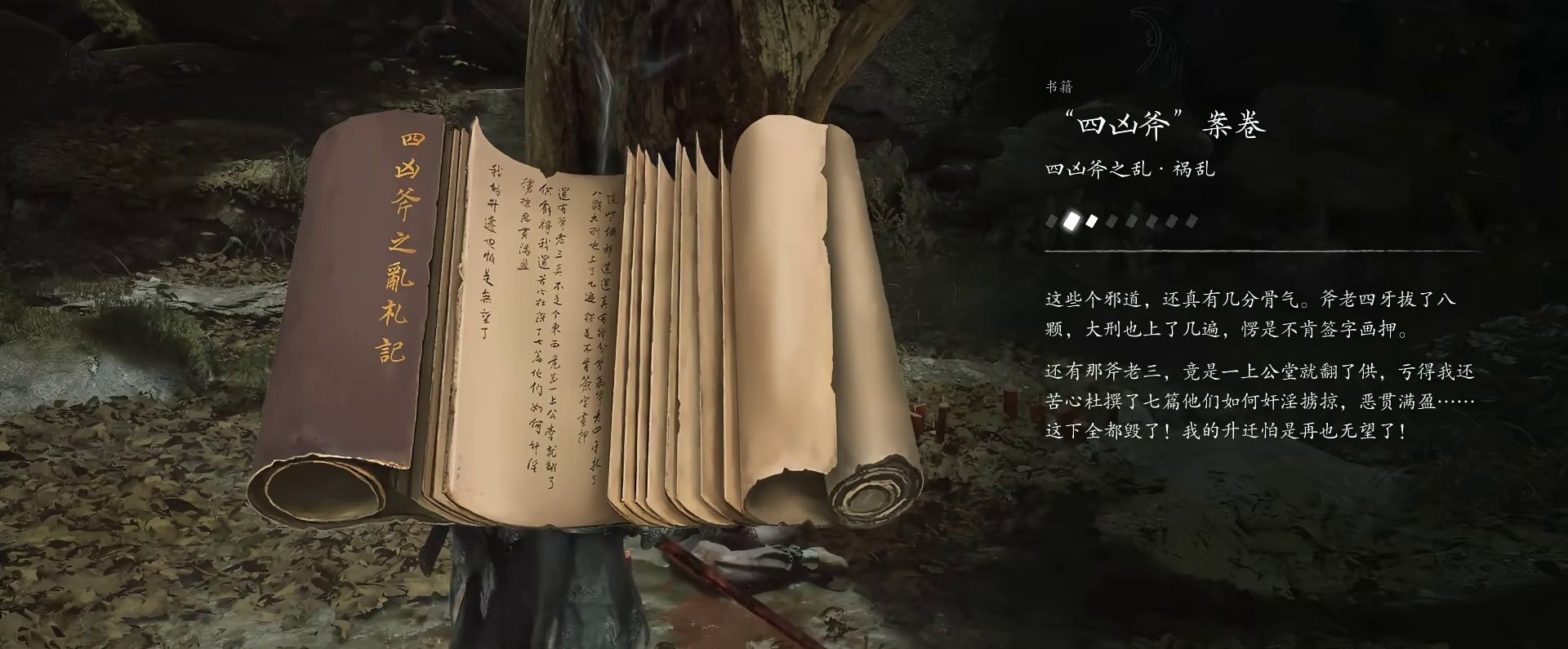
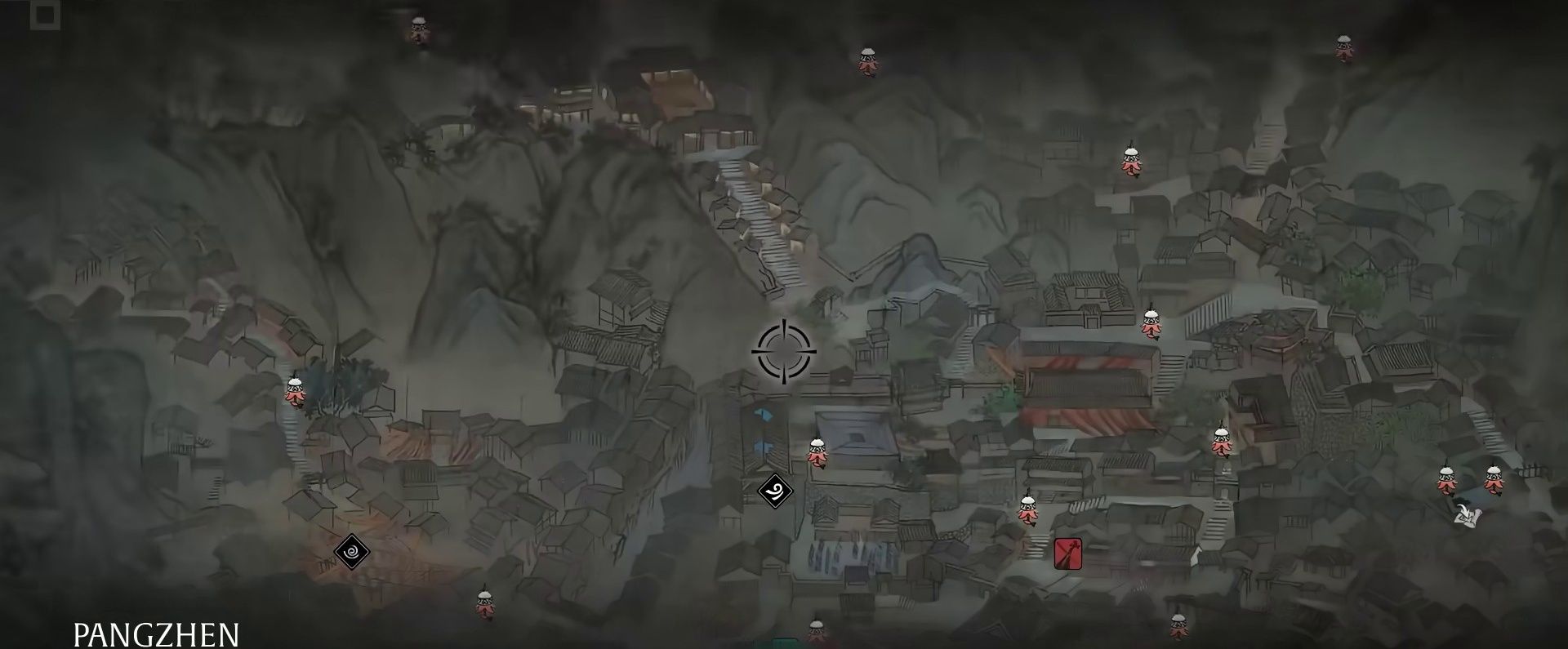
Take, for example, a tower on the map: it looks ordinary, but is actually divided into three levels - tower top, tower interior, and underground - each containing side quests, NPCs, and other content to explore. The key point is how much goodwill the game extends to players: main and side quest guidance is clear, the map directly marks objective points, and unexplored areas are indicated by fog. NPCs no longer play the "riddler" when handing out quests - they tell you plainly "where to go and what to do." Special locations such as Shadow Armament interaction points and key doors are automatically marked on the map as you approach, clearly designed to ease the burden of traversing the map.
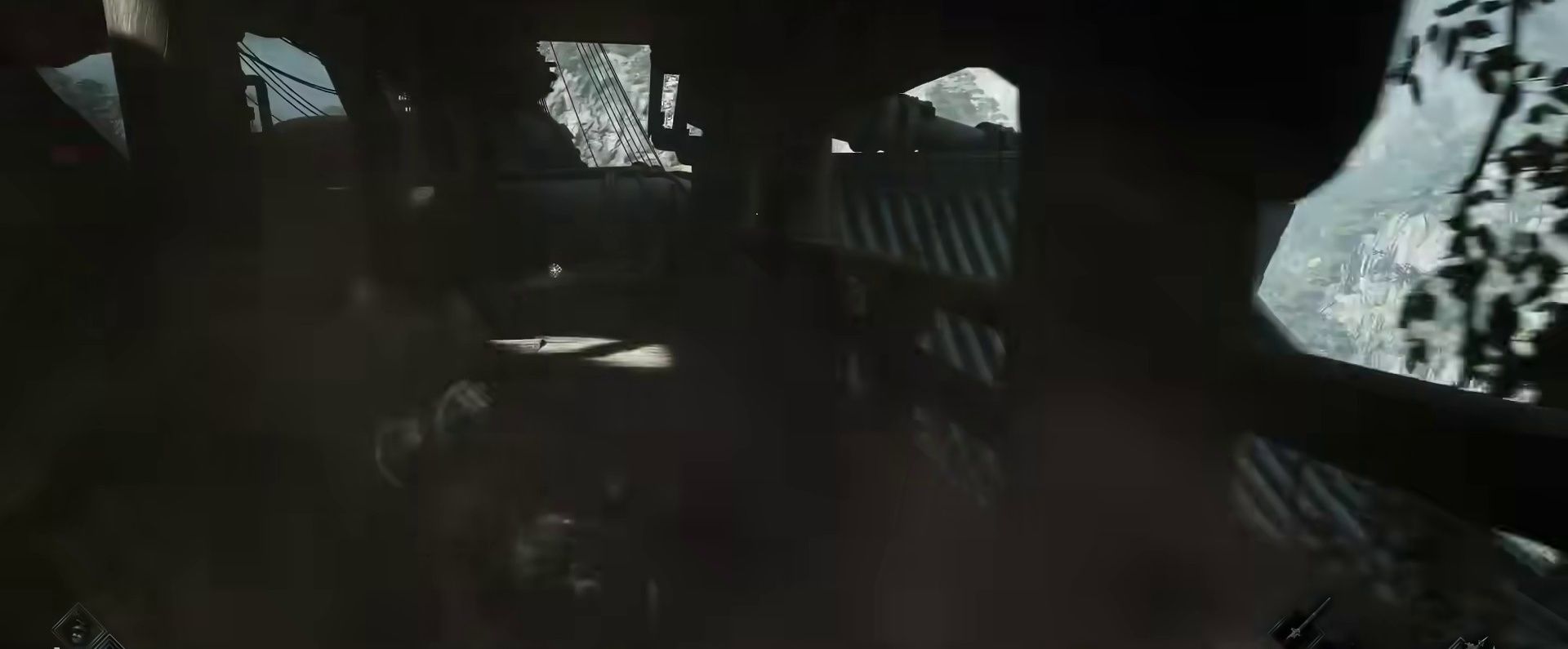
Combined with the key-ability lock design, once you obtain a new ability you can backtrack to open up new paths, and even use self-destructing enemies to blast open new passages - giving it a touch of Metroidvania-style synthesis.
Combat: It Looks Like Pure Execution, But It's More Strategic Than You'd Think
In terms of combat, Phantom Blade Zero once again builds its action system around the Shaqi bar for dynamic offense and defense. It looks like it's all about execution, but in actual hands-on play, it emphasizes strategy more than you'd imagine.
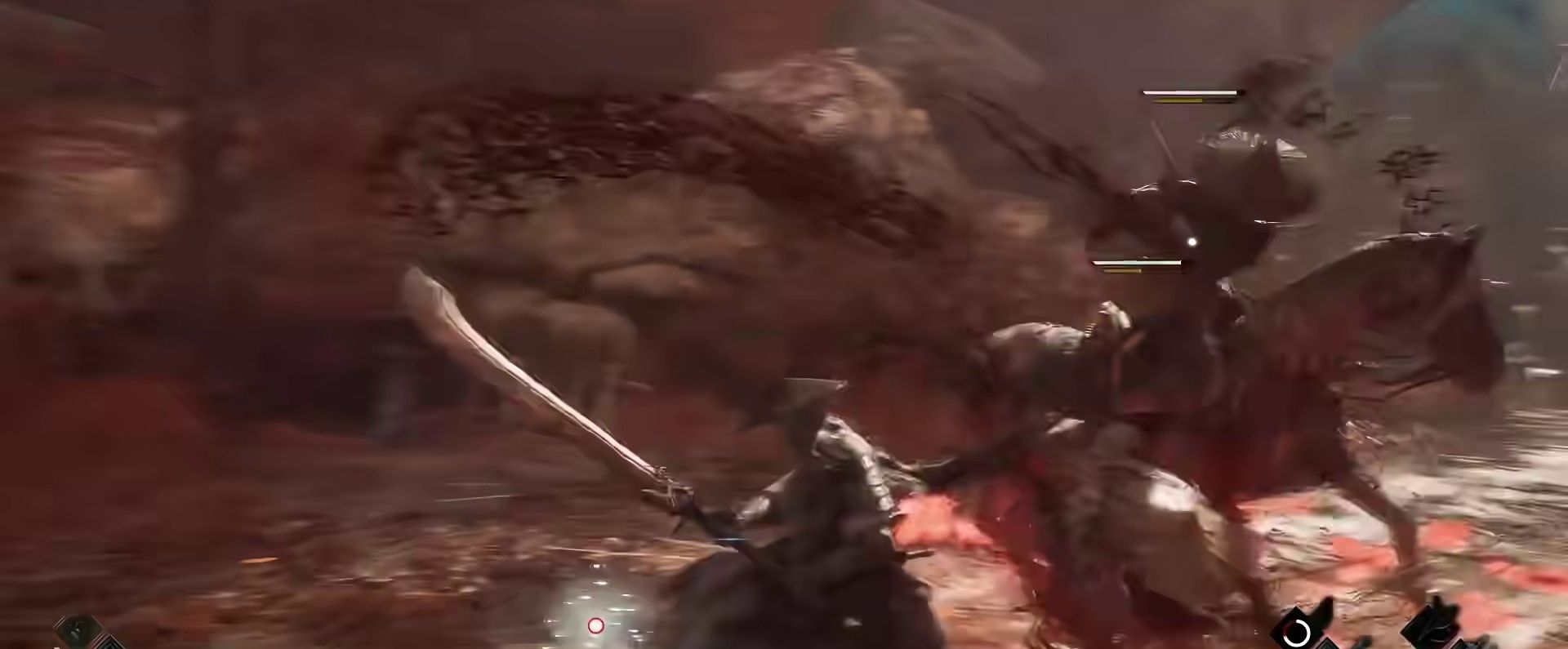
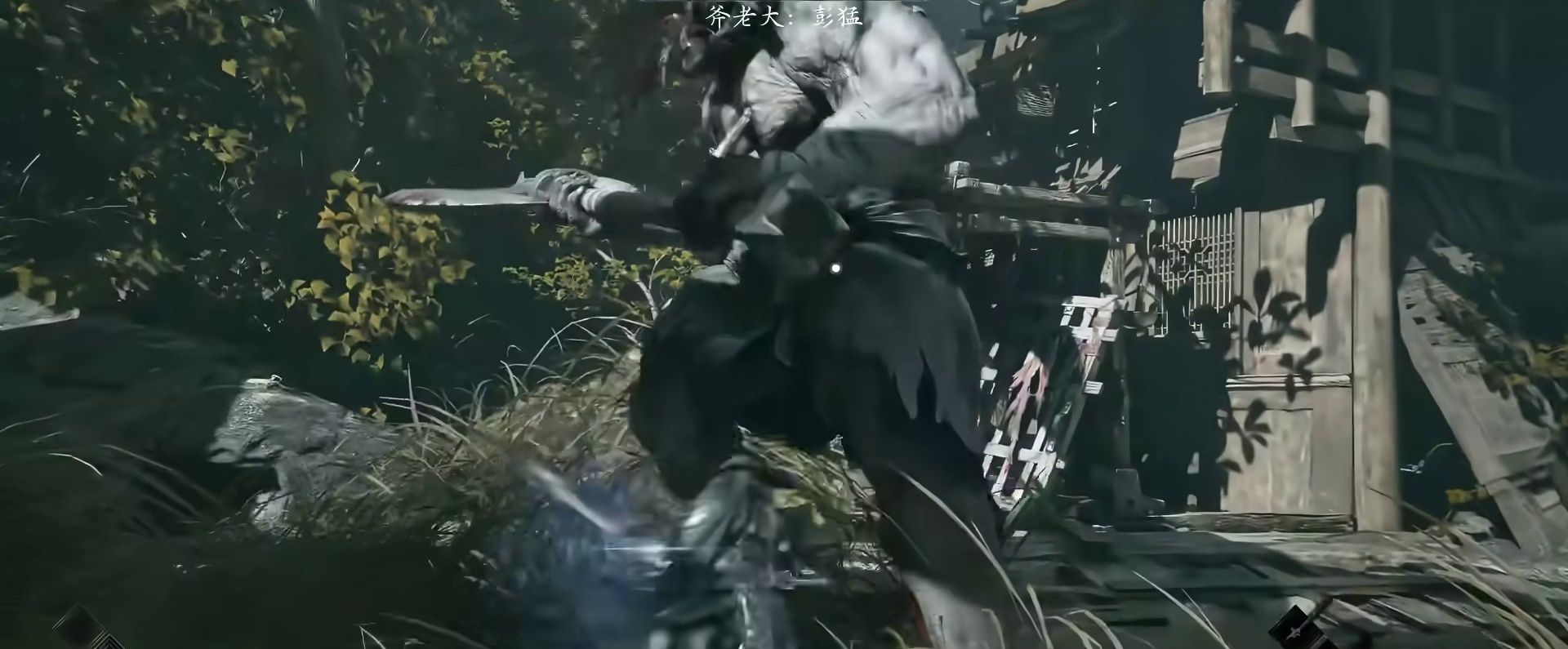
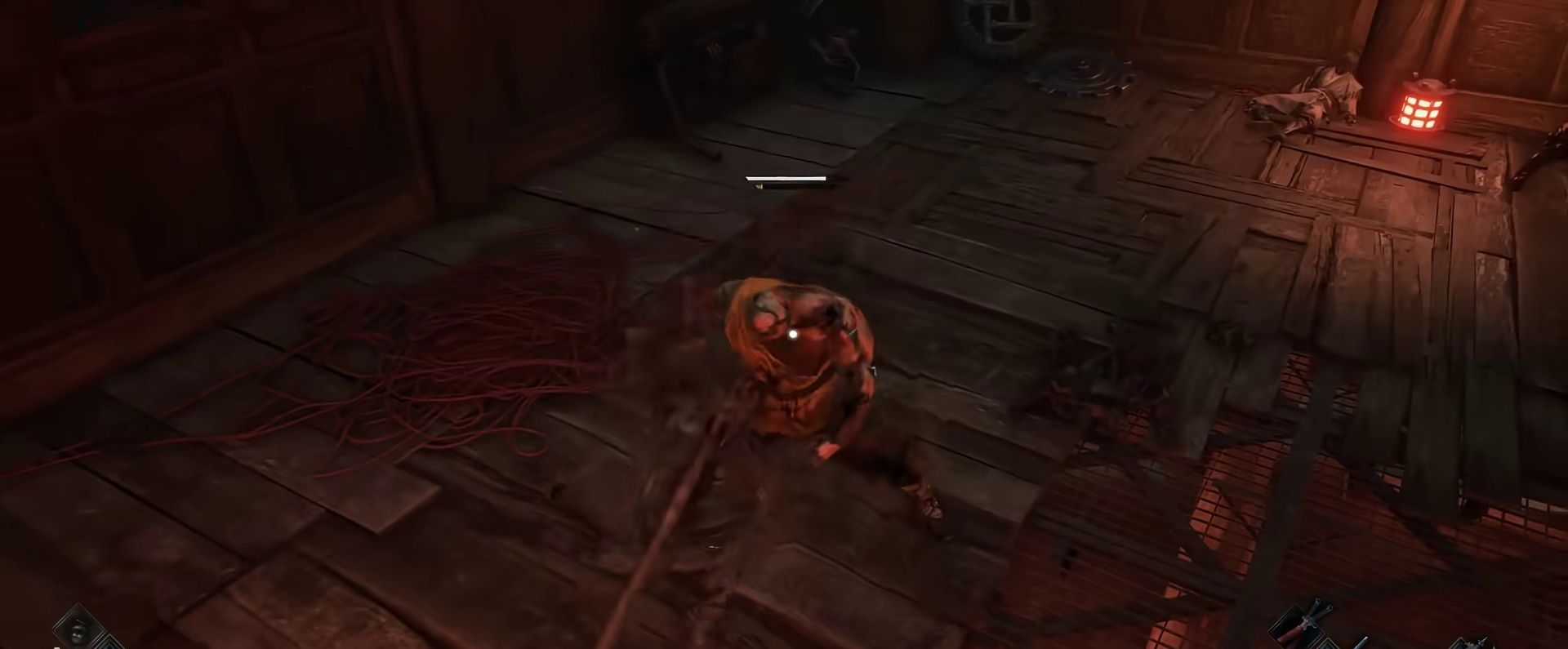
Players can carry two main weapons, two sets of Shadow Armaments, plus up to six skill slots. Put together, these systems make your choice of build hugely impactful. During the demo, we ran into plenty of counter-oriented setups: for example, enemies with blue iron shields can be handled efficiently with shield-breaking skills, heavy Shadow Armament attacks, or specific broadswords; likewise, one boss's cannon can be briefly silenced with water-elemental attacks, dropping its threat level right away.
Weapons, skills, and Shadow Armaments can all become your answer. But builds aren't a cure-all either. According to Liang Qiwei, builds and execution are a fifty-fifty split. The hands-on experience bore this out - boss fights still demand reading attack patterns and trading blows head-on; there's no "power-farming" playstyle where raw stats let you steamroll a boss in two hits.
To keep players from grinding their way into becoming a "Sword God of Shilipo" (a classic Chinese gaming meme for maxing out levels in the starting area), this entry leaves you almost no room for level grinding. Growth comes mainly from three sources: core stats are raised through limited items; weapon upgrades consume limited materials, and leveling up a weapon doesn't just boost its stats - it progressively unlocks weapon effects; the skill tree can raise your healing item cap, combo performance, Shaqi cap, and more, but resources in each area are limited, so there's no infinite grinding here either.
A Very Considerate Design: Enemies Don't Respawn After Resting
Another considerate touch is the bell - enemies don't respawn after you rest. Rather than using enemy respawn to make fast travel come at a cost, as soulslike games do, it opts to ease the burden of traversing the map and keep the growth curve more controllable.
Of course, not being able to grind levels doesn't mean players who struggle with action games can't enjoy this one. Those less familiar with the genre can also choose the "Formation Entrant" difficulty for a relaxed experience. What truly showcases Phantom Blade Zero's considerate design, however, may be its optimization of boss challenge points. For one, the bell respawn points are almost always right outside the main-story boss rooms, so the run back takes very little time; for another, the game has no death penalty, and if you're defeated by a multi-phase boss, your retry inherits the latest phase progress instead of starting from scratch.
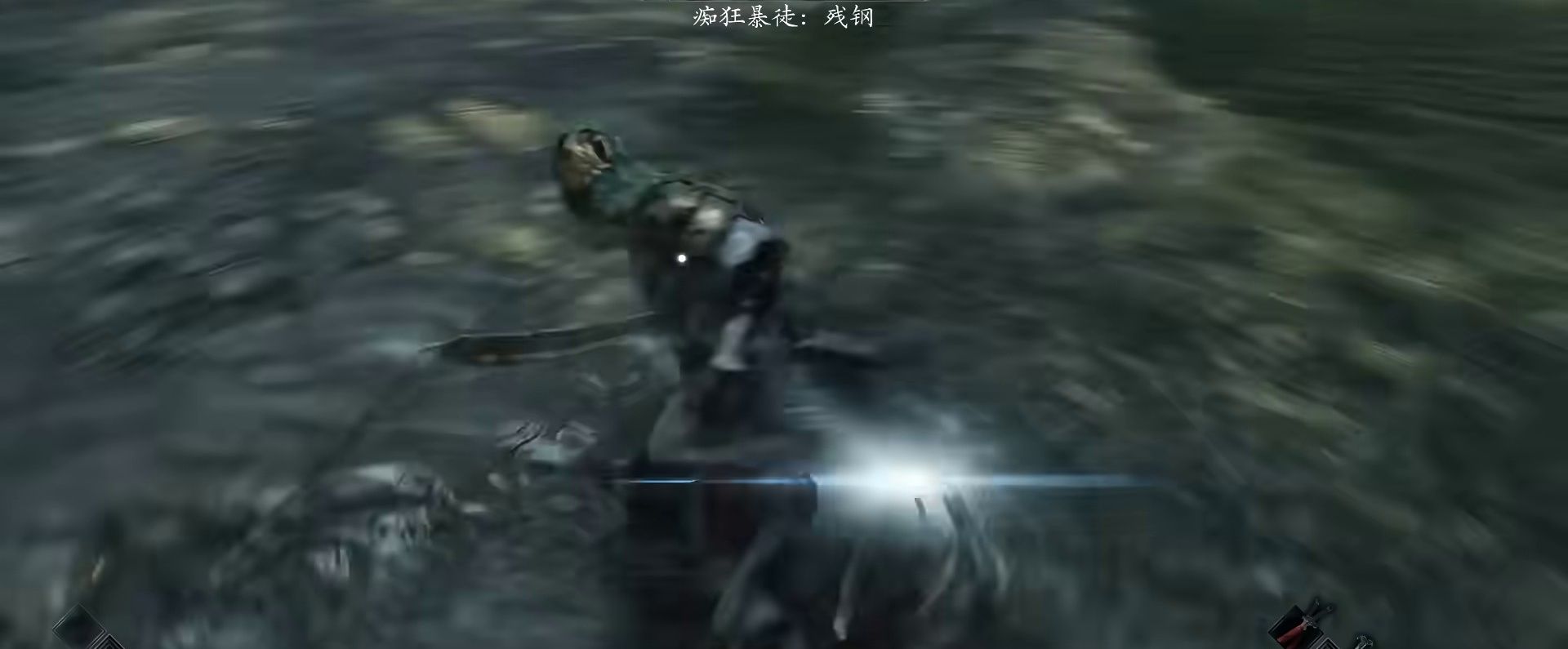
During the hands-on demo, this genuinely felt amazing. You never have to repeat phases you've already conquered - every failure brings you one step closer to true victory.
Story-Friendly: New Players Can Follow It Without Knowing the Previous Games
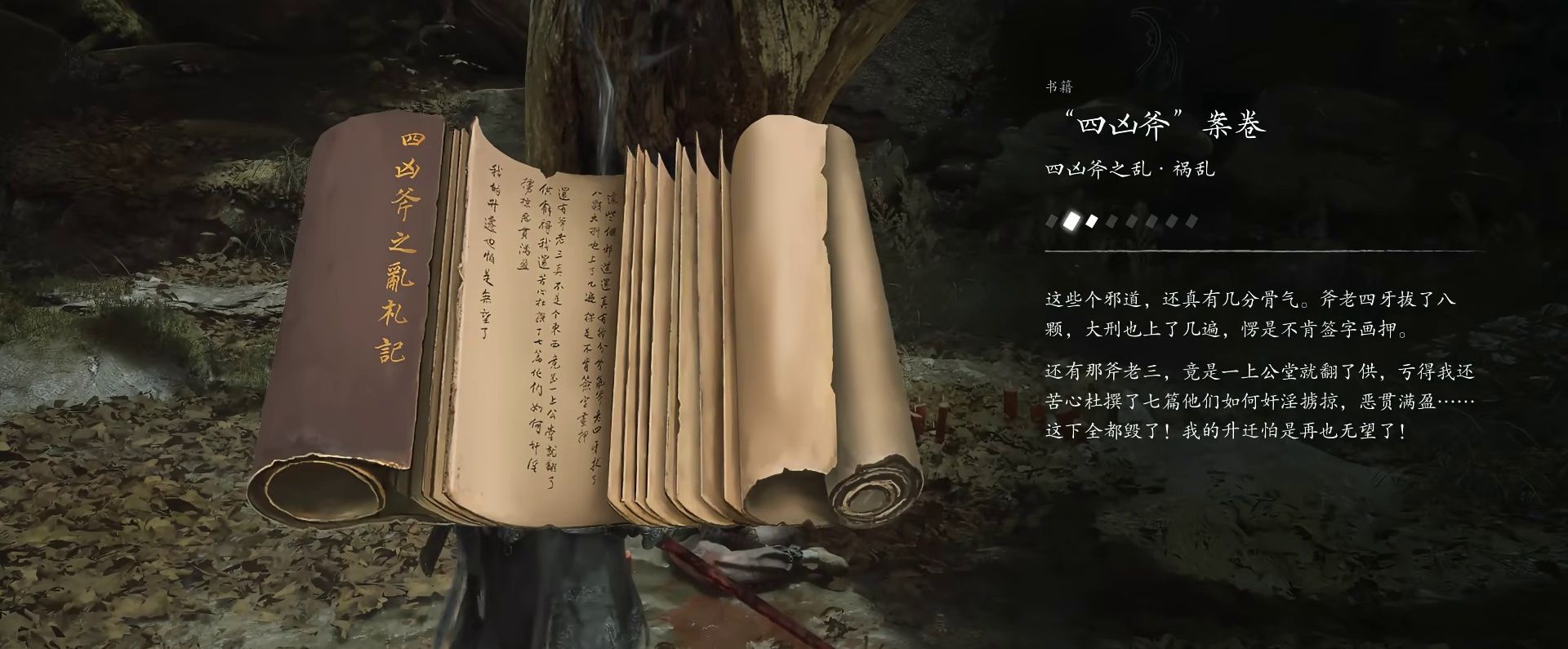
It's worth noting that the story is quite friendly as well. The main storyline is clear and never cryptic - even if you know nothing about the previous Phantom Blade games or their lore, you can still follow the main story without trouble. Side quests, on the other hand, lean toward a fragmented structure that blends fact and fiction, letting you piece together the full story bit by bit through letters and clues.
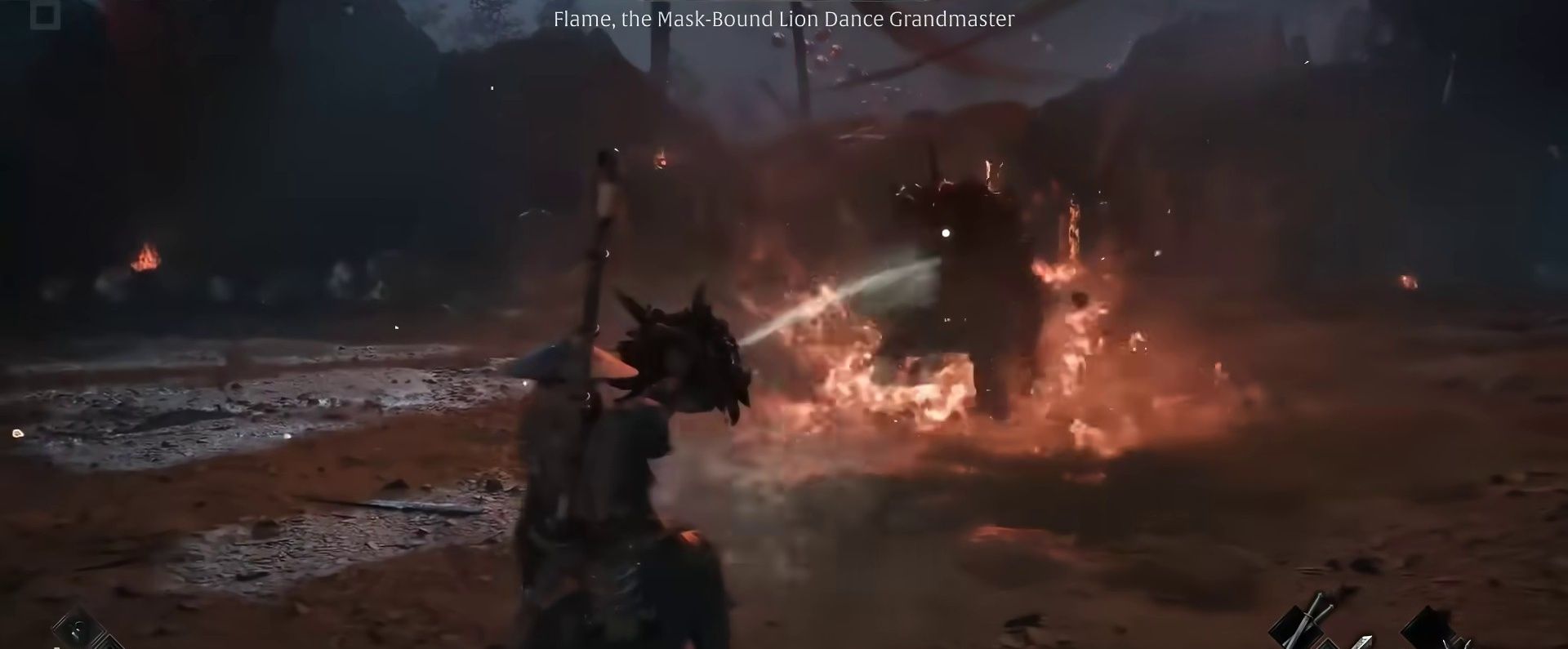
The one-line takeaway: Everyone gets to be a hero.
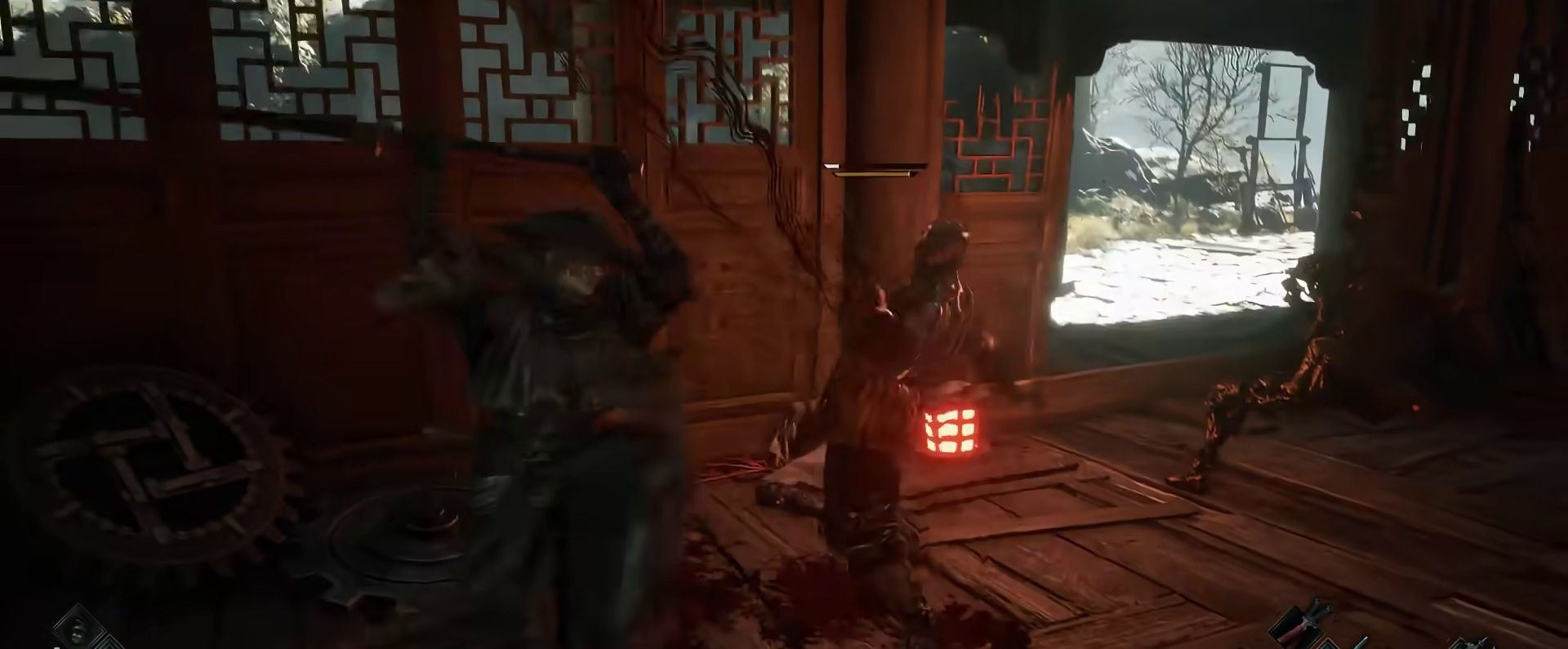
A Martial-Hero RPG Foundation, Loaded with Uniquely Styled Action Combat
All things considered, Phantom Blade Zero takes an ARPG foundation and packs it with a very distinctive style of action combat. There's a solid amount of story content, quest guidance is clear, and Builds offer room for strategy - but Boss fights still hinge on mechanical skill and reading enemy moves. It amounts to a relatively rare fusion and balancing of action and RPG.
At every turn, you can feel that the development team has no intention of making life difficult for players, yet they haven't turned the experience into mindless carnage where you could beat the game by pressing two buttons.
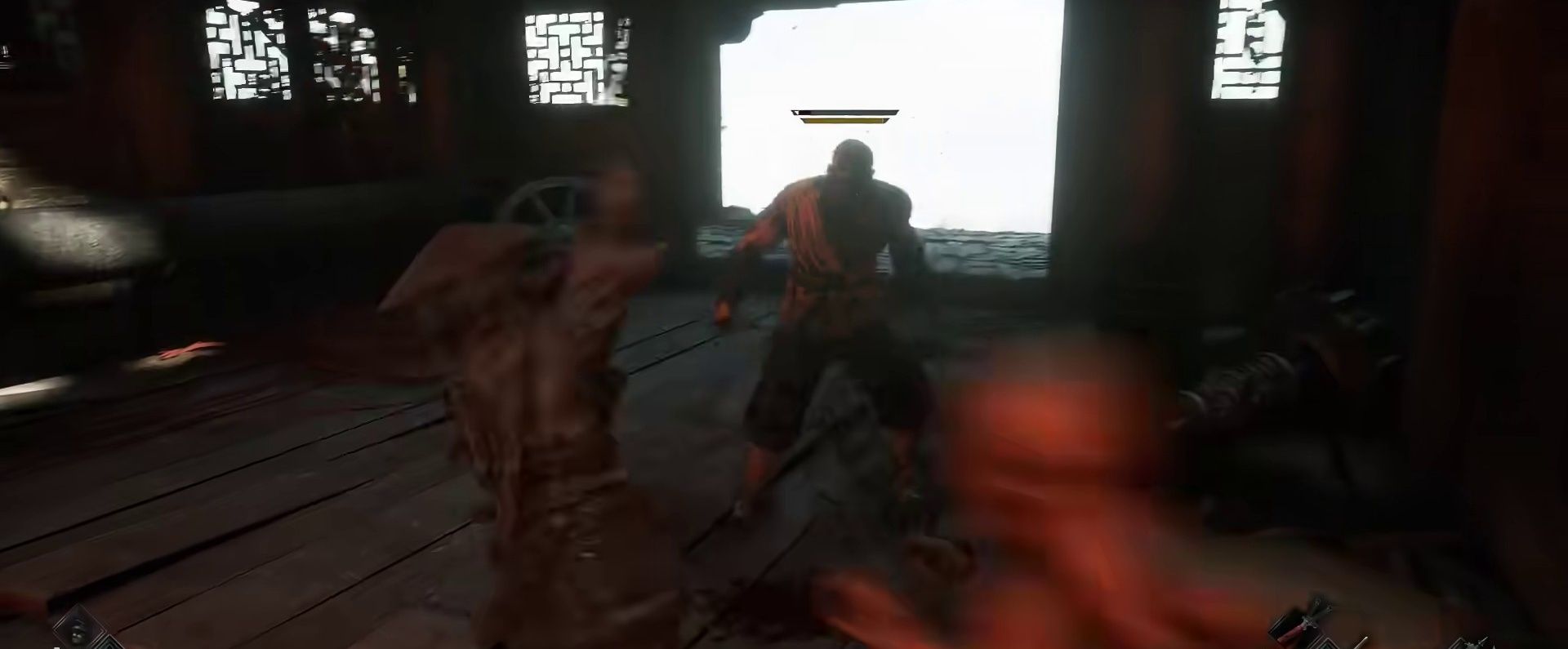
Take exploration, for example: fast travel only works at designated waypoints, and restrictions like no teleporting at will and consumable-type travel items are all in place. The calibration is just right - convenient, yet not so much that traversing the map and exploration get completely wiped out. There's also room for players who enjoy a challenge; the team may well have prepared more hardcore gameplay to satisfy that crowd seeking high difficulty.
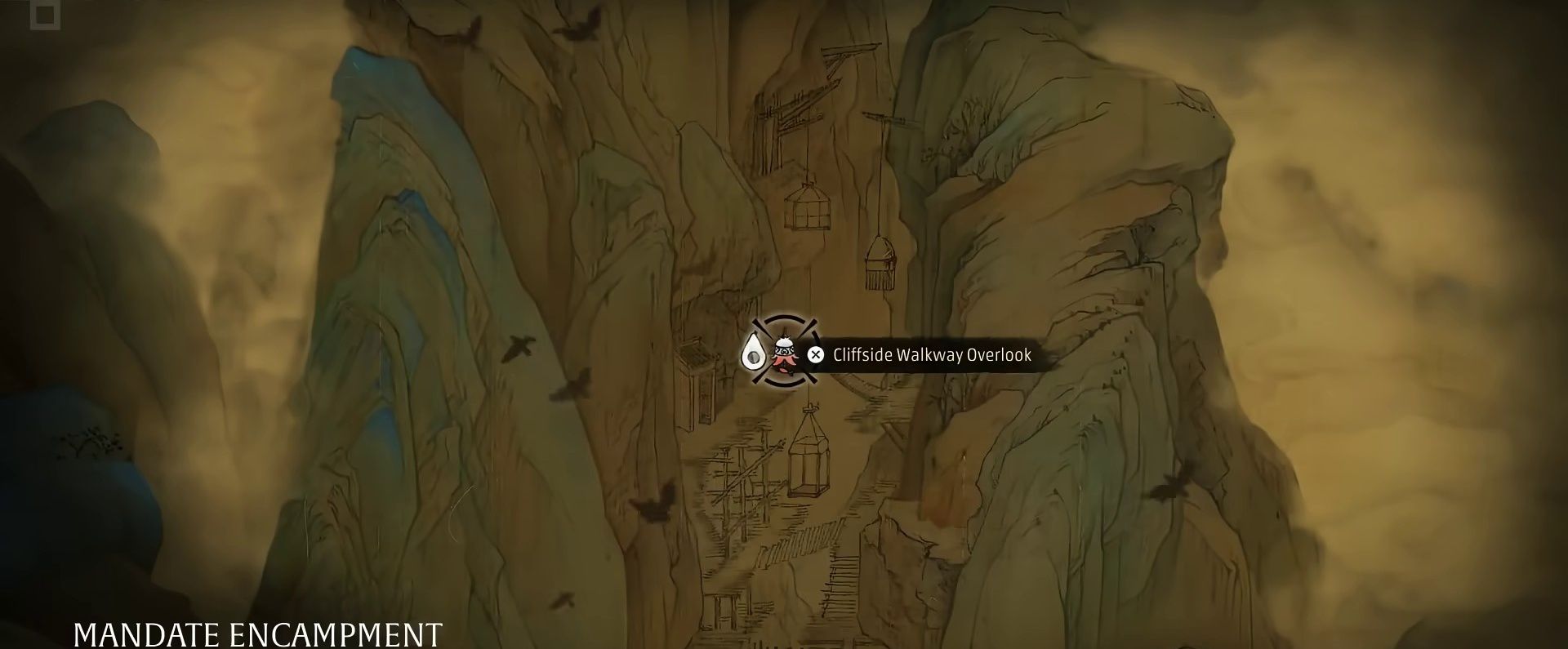
Over the four-hour hands-on, most attendees on site had only explored around fifty percent of the first map - and that's not even counting side quests. If the full game has eight maps, that volume of content may well be bigger than many people imagine.
From the Tip of the Iceberg to the Full Picture: It Aims for Far More Than Just "Satisfying Combat"
From these few hours of hands-on time, one could faintly sense just how delightful the parts of Phantom Blade Zero that go beyond expectations truly are. It never confines itself to the label of a "homegrown hardcore action game"; instead, it strives to strike a gentler, more enduring balance between exploration, narrative, progression, and combat.
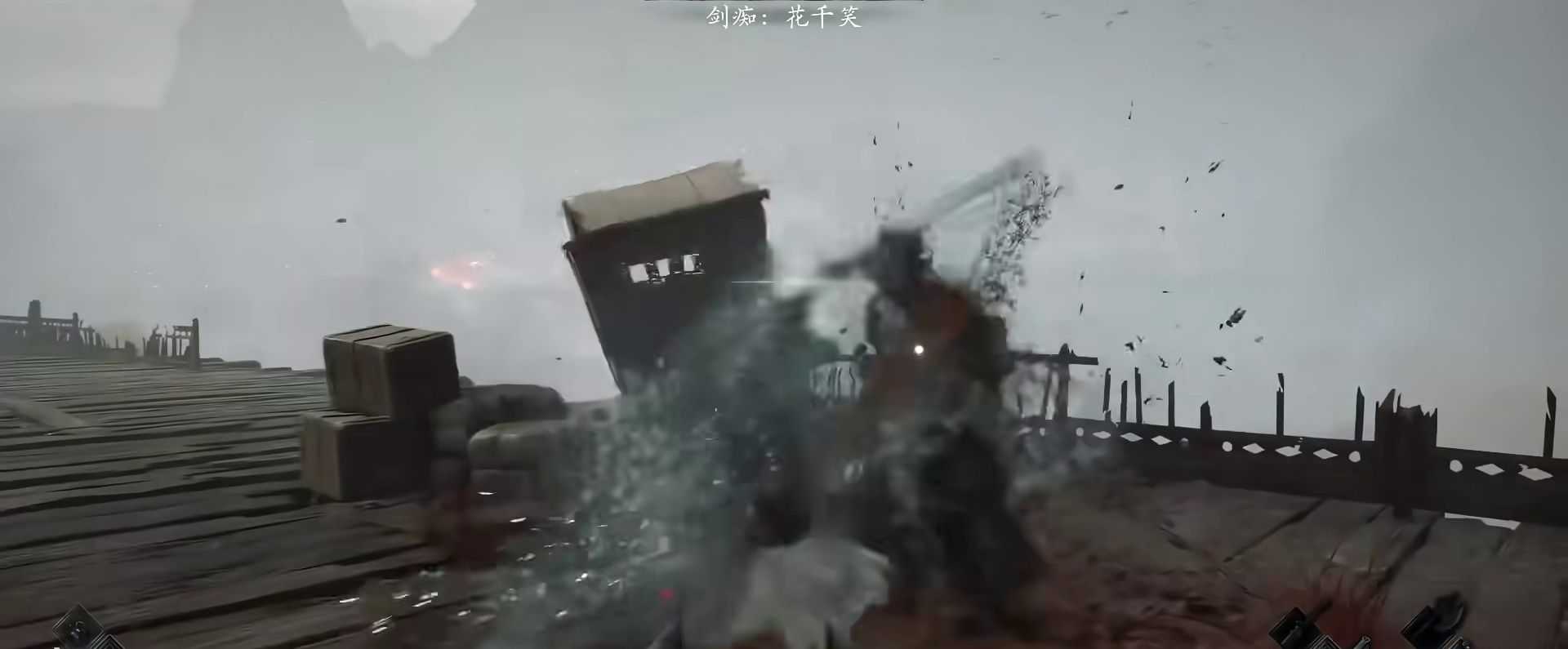
The dazzling action spectacle is, of course, still there - as are the distinctive weaponry and the wuxia-punk style. Yet beneath these surface flourishes, the quests, the maps, the builds, the difficulty curve, the death penalty, the fast-travel rules... every single one of these elements is broadcasting the same signal: the development team knows exactly where players will start to feel fatigued, and has laid down cushions at those spots well in advance.
This may well be what "still holding back" truly means. The tip of the iceberg the public has seen is already stunning in its own right, but beneath the waterline lies an entire, meticulously tuned RPG skeleton waiting for players to discover.
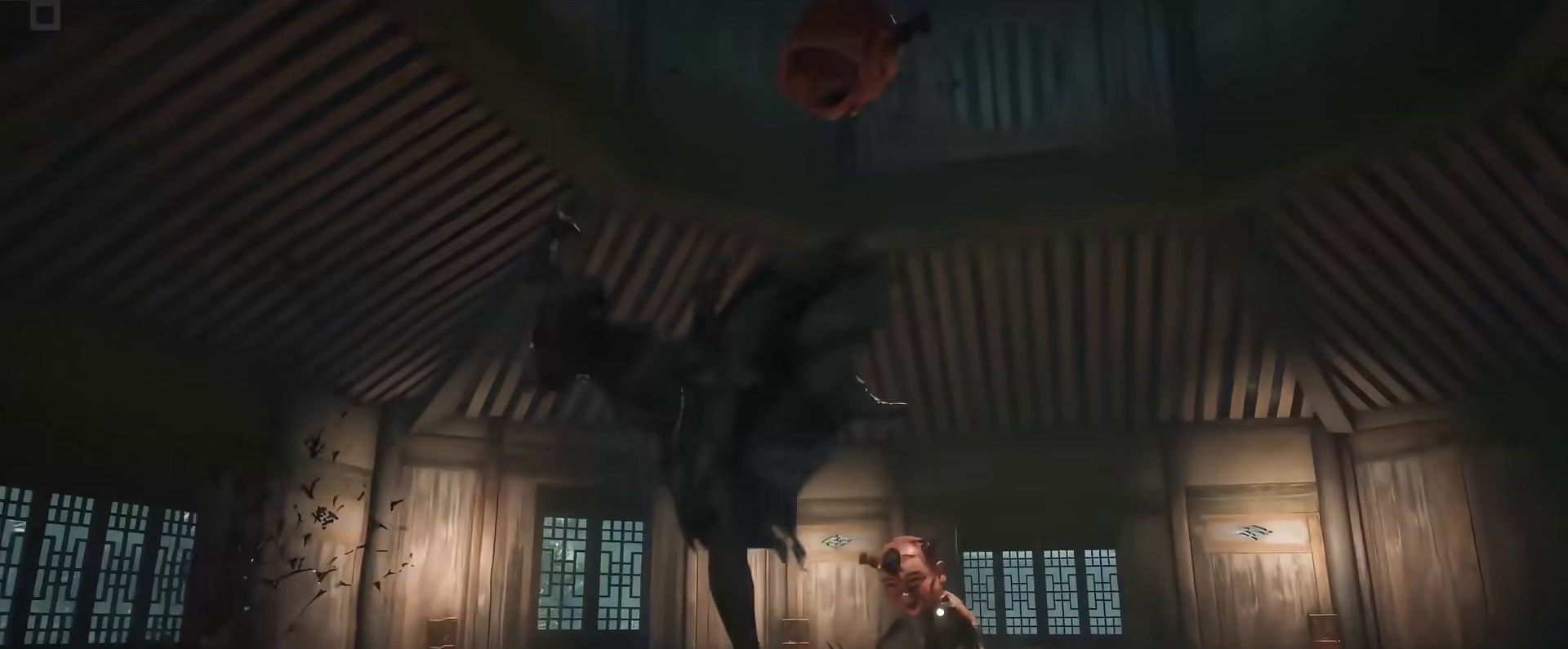
It doesn't want to make things hard for you - but it doesn't want you to breeze through mindlessly, either.
The real answer will only be revealed once the full version launches. But judging from this behind-closed-doors hands-on alone, Phantom Blade Zero has already demonstrated a solid enough foundation and a clear enough sense of self-awareness.
Top Community Comments
"The main story is clear and straightforward, and fragmenting the side quests is the right call. If the main story were fragmented too, wouldn't that just be a pure headache? You couldn't even make out what it's trying to say."
This comment struck a chord with many. It actually pinpoints, with precision, the trade-off Phantom Blade Zero makes in its narrative structure: the main story is tasked with keeping every player able to follow along, while the side quests shoulder the job of expanding the worldbuilding/lore and delivering fragmented storytelling. This layered design caters to the general player base while leaving room for those willing to dig deeper.
"Don't get ahead of yourself. A rich first map is one thing - the rest remains to be seen. Remember Mount Huaguo?"
This is a rather sober reminder. Demo chapters are often the sections a development team pours the most effort into polishing, and the richness of the first map indeed cannot fully represent the whole picture. The Mount Huaguo allusion is especially fitting here - dazzling early on, scaled back later - a lingering worry for many homegrown games. Whether Phantom Blade Zero can sustain the same density across all eight maps is a question only the full release can answer.
"What a trash game. Bought it over a month ago and it won't even launch."
This comment is clearly delivered with a wink. The game hasn't officially released yet, so the claim of "bought it over a month ago and it won't open" reads more like a reverse nudge to the developers. It indirectly reflects just how maxed-out community expectations have become - everyone is itching to actually get their hands on it.
📌 One-Line Takeaway
On the surface, Phantom Blade Zero is a gorgeous hardcore action game; at its core, it's an ARPG brimming with goodwill - Liang Qiwei is still holding back, and what lies beneath the iceberg may well be its true ambition.