Phantom Blade Zero: It May Not Be a Soulslike, but the Next Answer to High-Speed Wuxia Action
When the preview embargo lifted, Phantom Blade Zero finally stepped out of one stunning trailer after another and stood before a combat system that could be touched, questioned, and taken apart. In overseas media's hands-on feedback, the words that appeared most frequently were not "homegrown," nor "soulslike," but "deflect," "guard break," "execution," and "speed."
What makes this game most worth discussing is precisely that it never squeezed itself into a safe label. It has soulslike-style level structure and an oppressive atmosphere, yet at its combat core it charges toward high-speed action; it has the flashing blades of wuxia, yet it blends industrial ruins, mechanical prosthetics, and blood-red moonlight into a single aesthetic. Phantom Blade Zero no longer looks like merely "S-GAME's high-stakes gamble," but more like a concentrated burst of everything Liang Qiwei and his team understand about action games.
I. Preview Embargo Lifts: All Eyes Back on Phantom Blade Zero
After previews from IGN, GameSpot, and other outlets went live, the sentiment around Phantom Blade Zero has clearly shifted. Before this, many feared it might be just another title that "looks stunning in trailers but may not hold up in gameplay footage." But this round of hands-on feedback converged on one key point: its combat isn't a performance - it's a thrill that players can reliably reproduce.
Some previewers noted that Phantom Blade Zero's most captivating moment isn't simply landing a hit on an enemy, but breaking an opponent's posture with a precise parry, then closing out the fight with an execution. That rhythmic shift from defense to a lethal counterattack makes action gaming's most primal satisfaction feel vivid again.
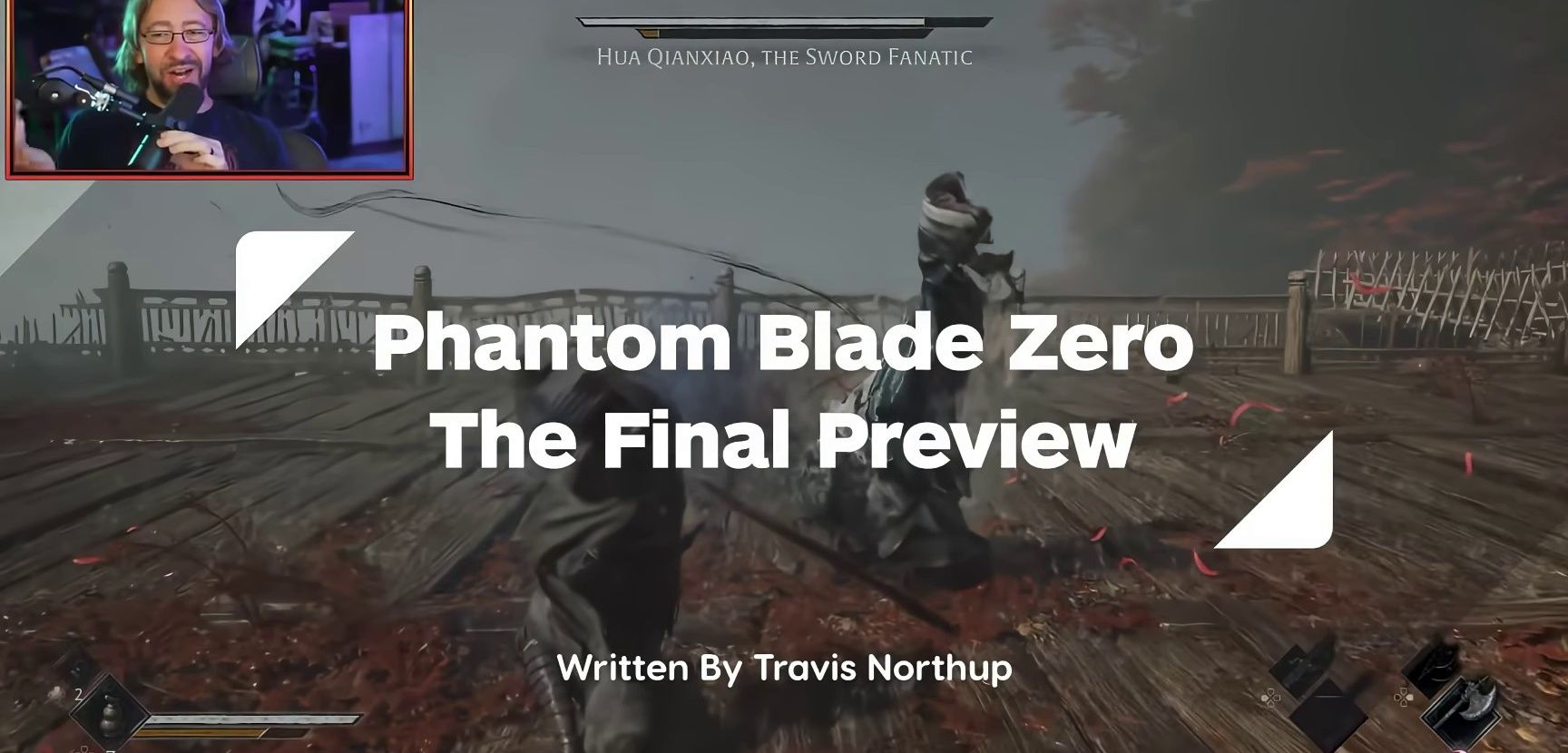
More crucially, it doesn't treat "difficulty" as its sole selling point. Difficulty is merely the process; what truly compels players to keep coming back for another attempt is the sense, after every failure, of getting one step closer to the depths of its systems. The reason Phantom Blade Zero's previews have sparked such heated discussion is precisely that they reveal a long-lost confidence - one that belongs to high-speed action games.
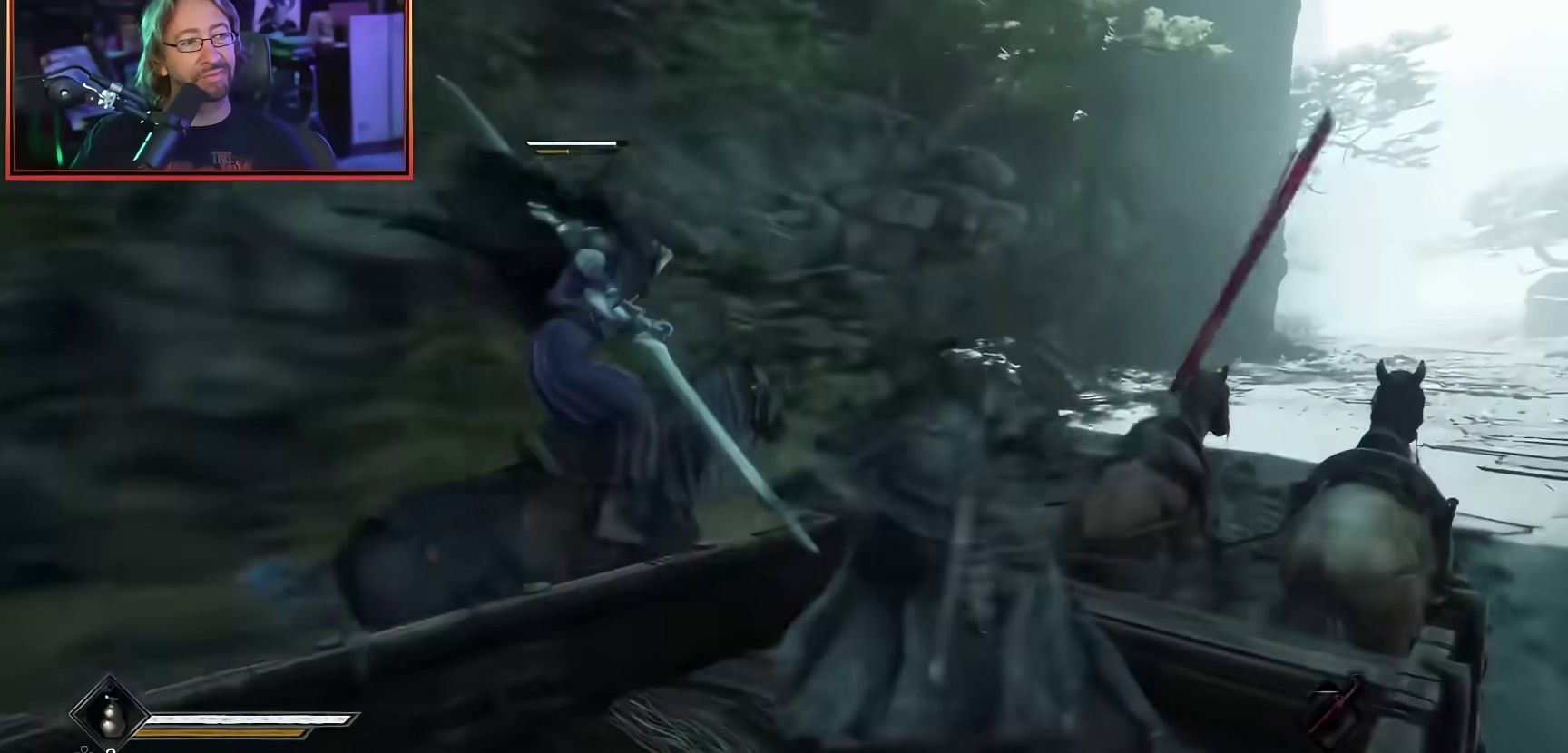
A truly masterful action game doesn't just make you press the right inputs - it makes you feel like a god.
II. The Combat Core: The Precise Violence of Parries, Guard Breaks, and the "Double Kick"
Phantom Blade Zero's combat system can be summed up in three words: fast, precise, and brutal. Whether the parry window feels fair, whether attack combos flow smoothly, whether enemy hit reactions read clearly - these are the most subtle yet most decisive aspects of any action game, and they determine whether it can go from "looking good" to "playing great."
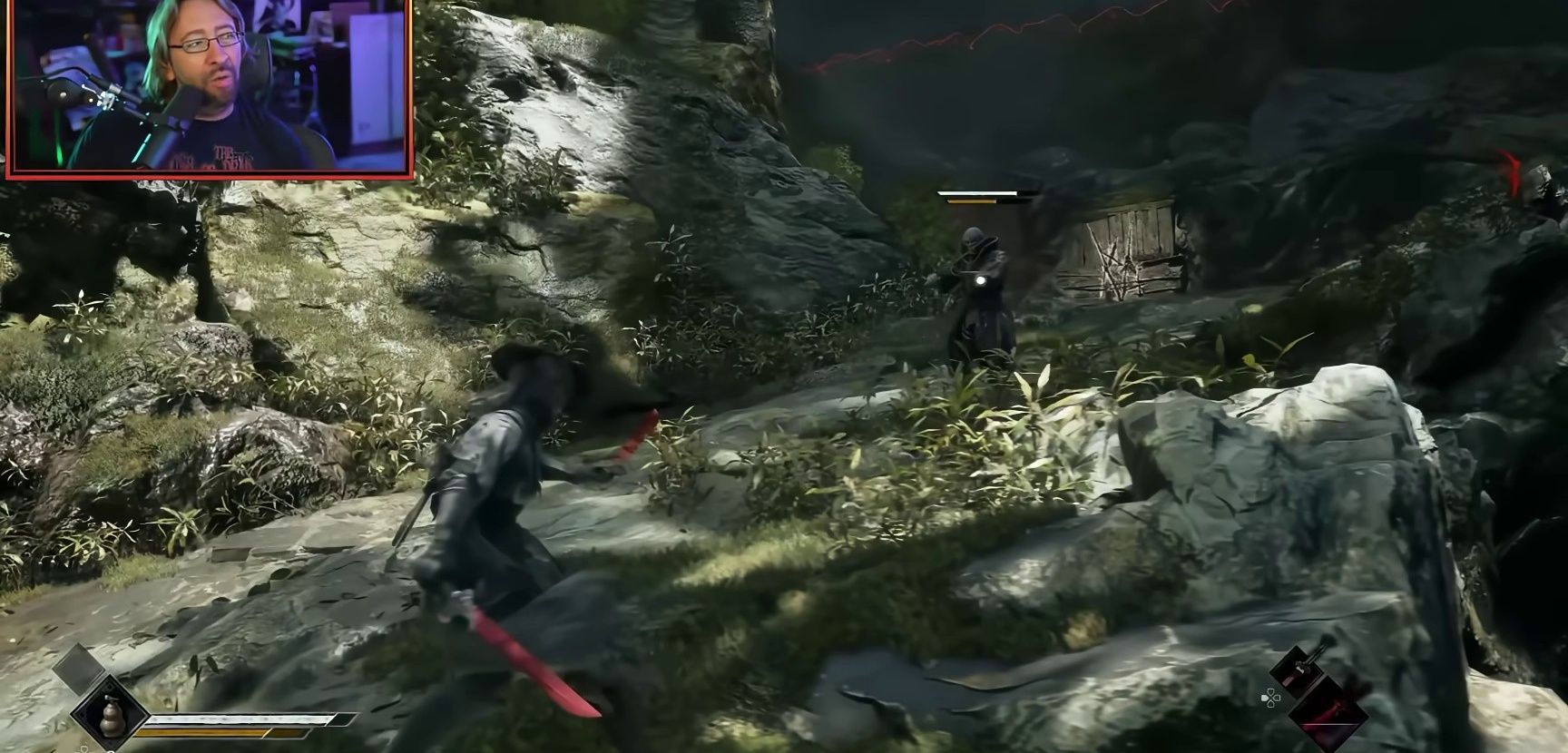
The most striking detail in the preview was that players can chain parries against enemy attacks, drain the opponent's guard meter, and then trigger an execution of extreme brutality. This isn't a simple QTE - it's a continuous chain of decisions built on rhythm reading, distance control, and input precision. You have to read your enemy in a split second, then answer even faster.
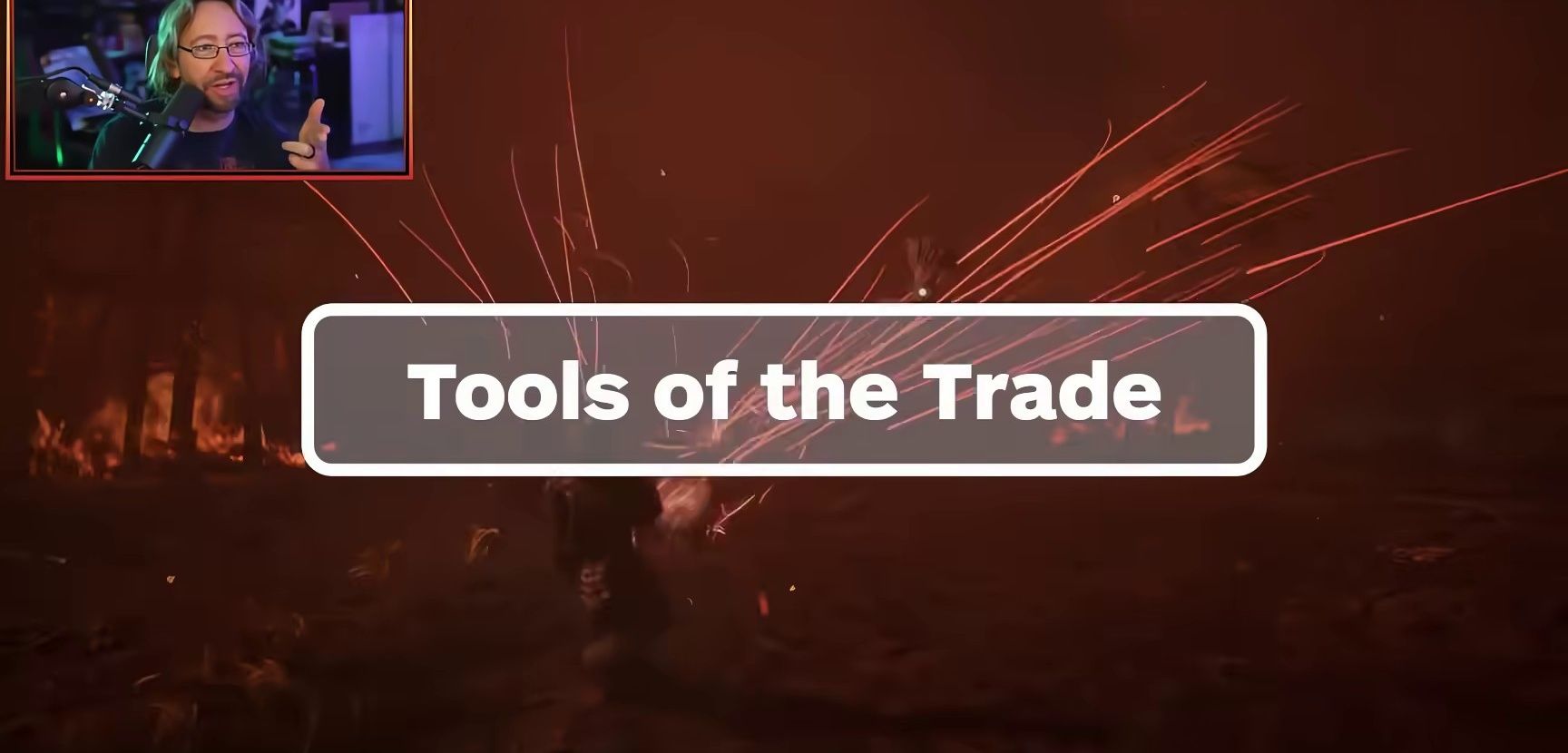
Even more outrageous: when enemies close in from front and back at the same time, Phantom Blade Zero lets you suppress both sides with a single, almost absurd double kick. The moment looks like the aerial kicks of a wuxia film crossed with the kind of "multi-target interaction" only top-tier action games dare attempt. It's not just about clearing the field - it's telling the player: you can turn chaos into order through sheer skill.
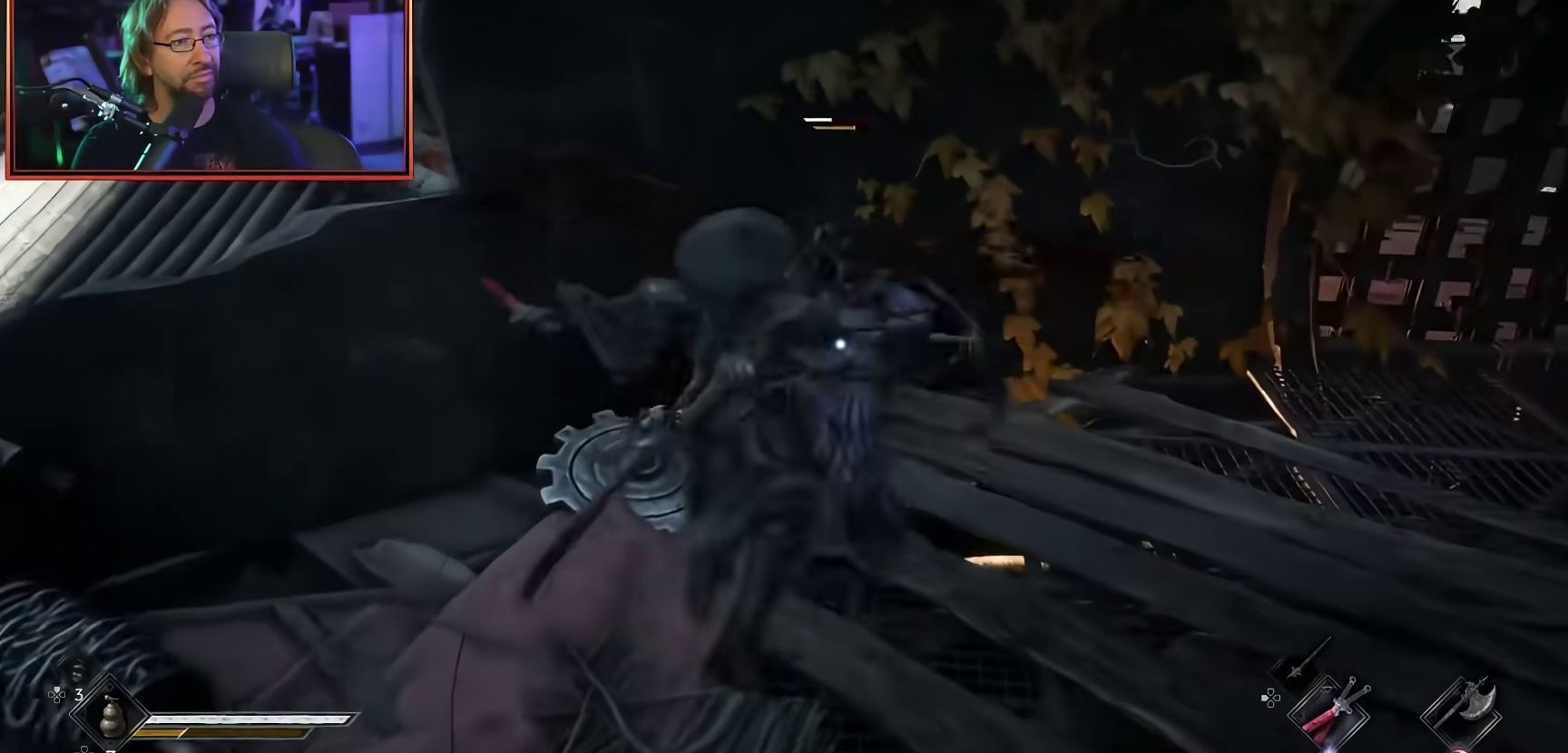
Parrying three throwing knives in a row, countering a pincer attack from front and back, launching an enemy airborne with a combo and pressing the chase - these sound like highlight-reel moves, yet the preview feedback described them as "happening more naturally than expected." That says a lot about Phantom Blade Zero's underlying design: it isn't built to punish players, but to reward intuition.
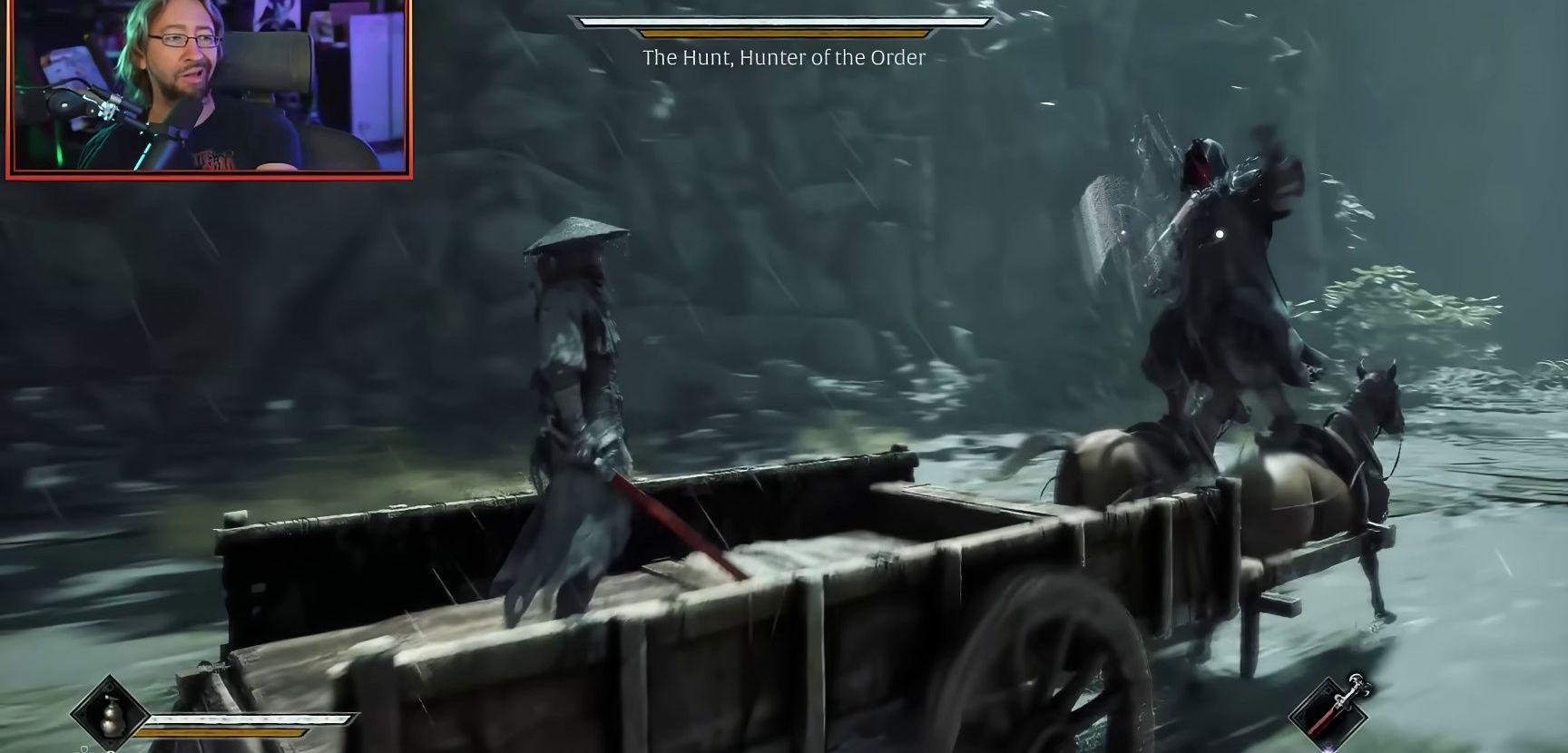
When parries, guard breaks, and executions flow into one unbroken line, an action game stops being about pressing buttons and becomes a form of expression.
III. It's Not Really a Soulslike - More Like the Crossroads of High-Speed Action and Wuxia
At first glance, many people instinctively file Phantom Blade Zero under "soulslike." But judging from preview impressions, that classification isn't accurate. Its level design does carry a soulslike flavor, but its combat philosophy is closer to Metal Gear Rising: Revengeance and Ninja Gaiden, while also drawing on the combo creativity of Devil May Cry and Bayonetta.
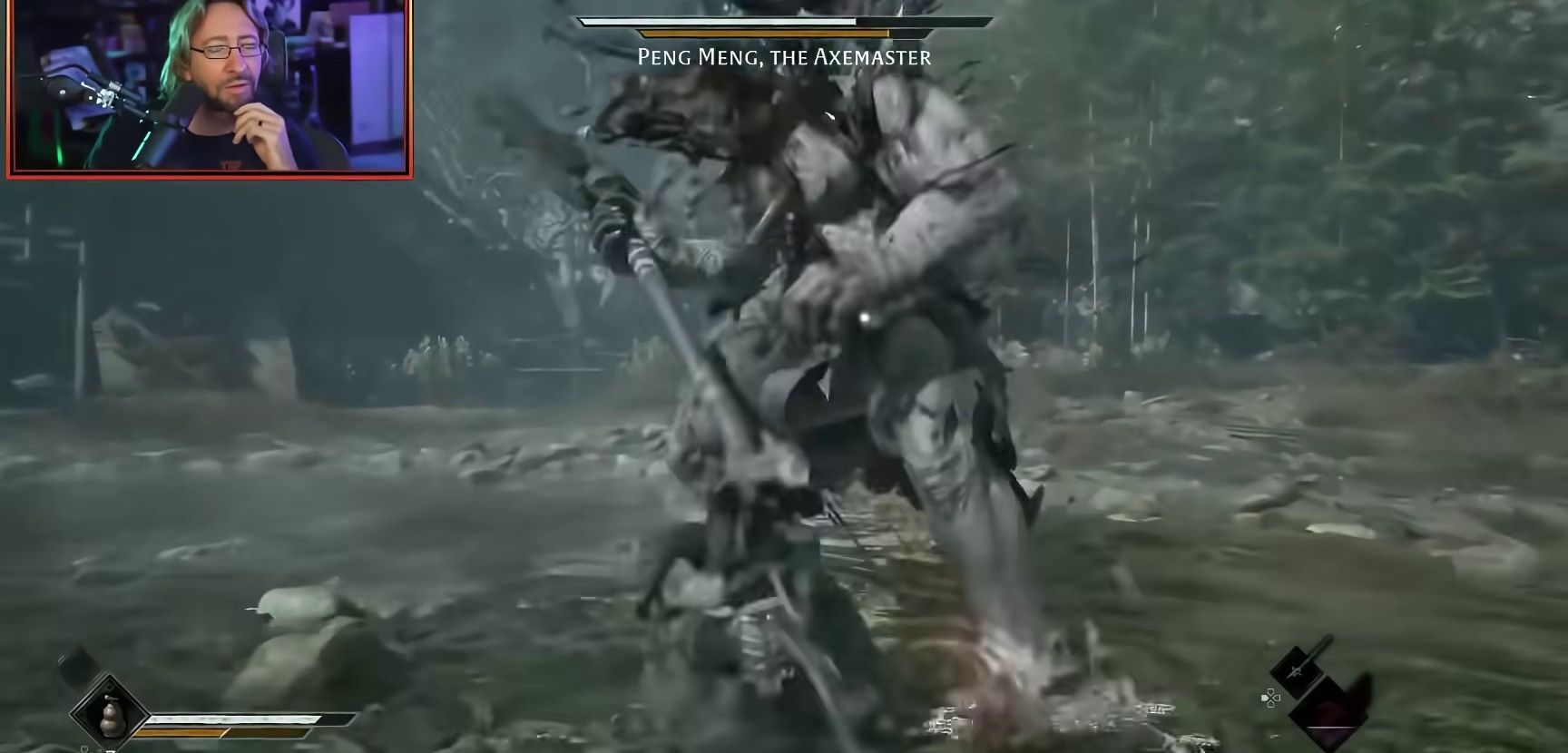
It's a peculiar hybrid: it demands that you read your enemies, manage spacing, and time your parries, yet it never encourages you to turtle up behind your guard. On the contrary, it wants you to throw yourself into the whirlpool where offense and defense constantly trade places. These lightning-fast exchanges align perfectly with the wuxia ideal of "every strike lethal, moving second yet arriving first."
Traditional wuxia action games tend to run slow, emphasizing move-for-move counters and a clearly defined rhythm of exchanges. Phantom Blade Zero pushes that philosophy into high gear: when enemies strike fast, your counters come faster; when their pressure is relentless, your guard breaks hit harder. This isn't about standing your ground and trading slashes - it's about dancing on the edge of a blade.
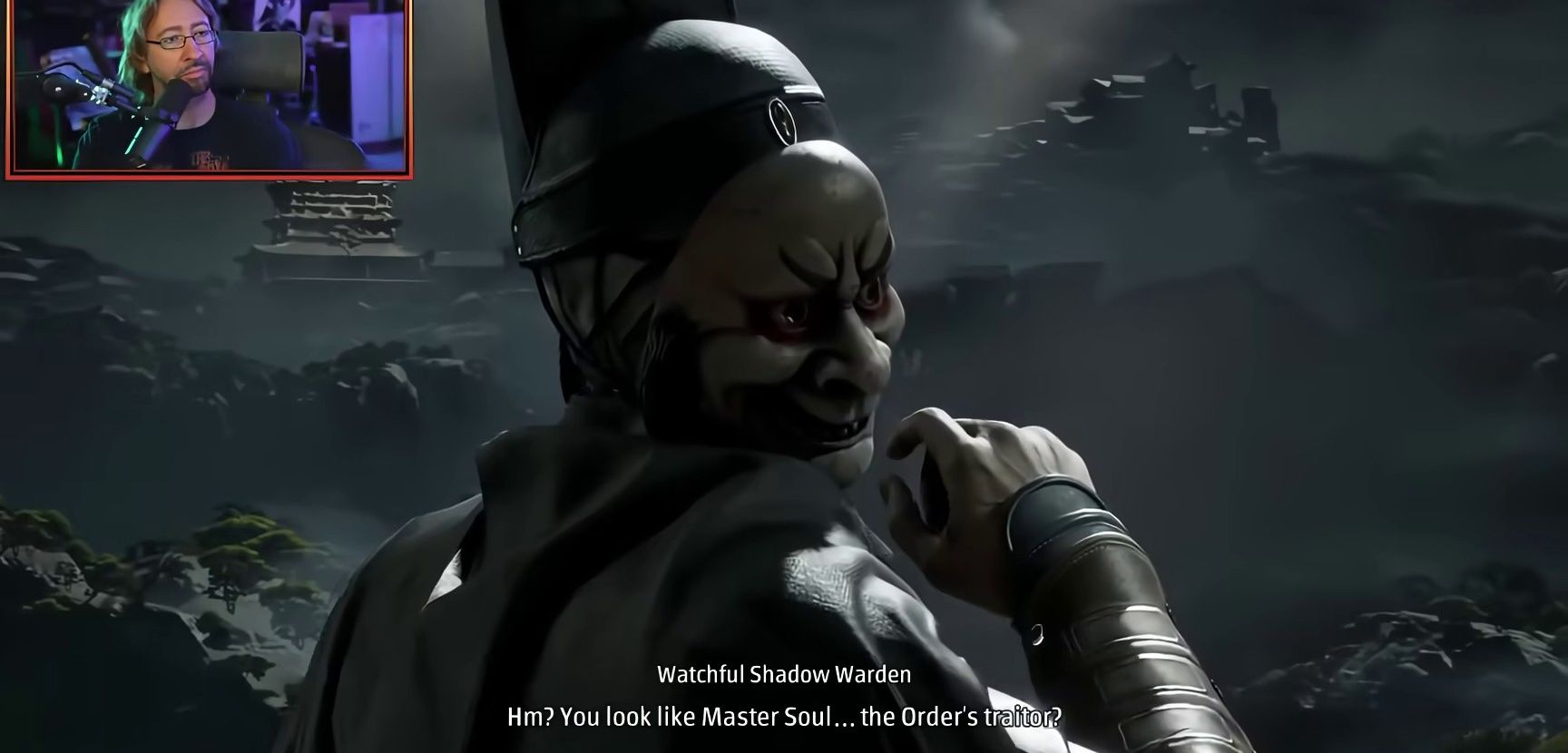
Soulslikes teach you to revere death; high-speed action games let you savor the thrill of passing through the flash of blades - alive.
IV. Weapons and Playstyles: Every Weapon Must Have Its Own "Personality"
If a combat system offers only one optimal solution, it quickly loses its vitality. The weapon diversity Phantom Blade Zero showcased in its preview is another reason for excitement. Different melee weapons aren't just simple stat swaps - they deliver entirely distinct feel, rhythm, and branching attack logic.
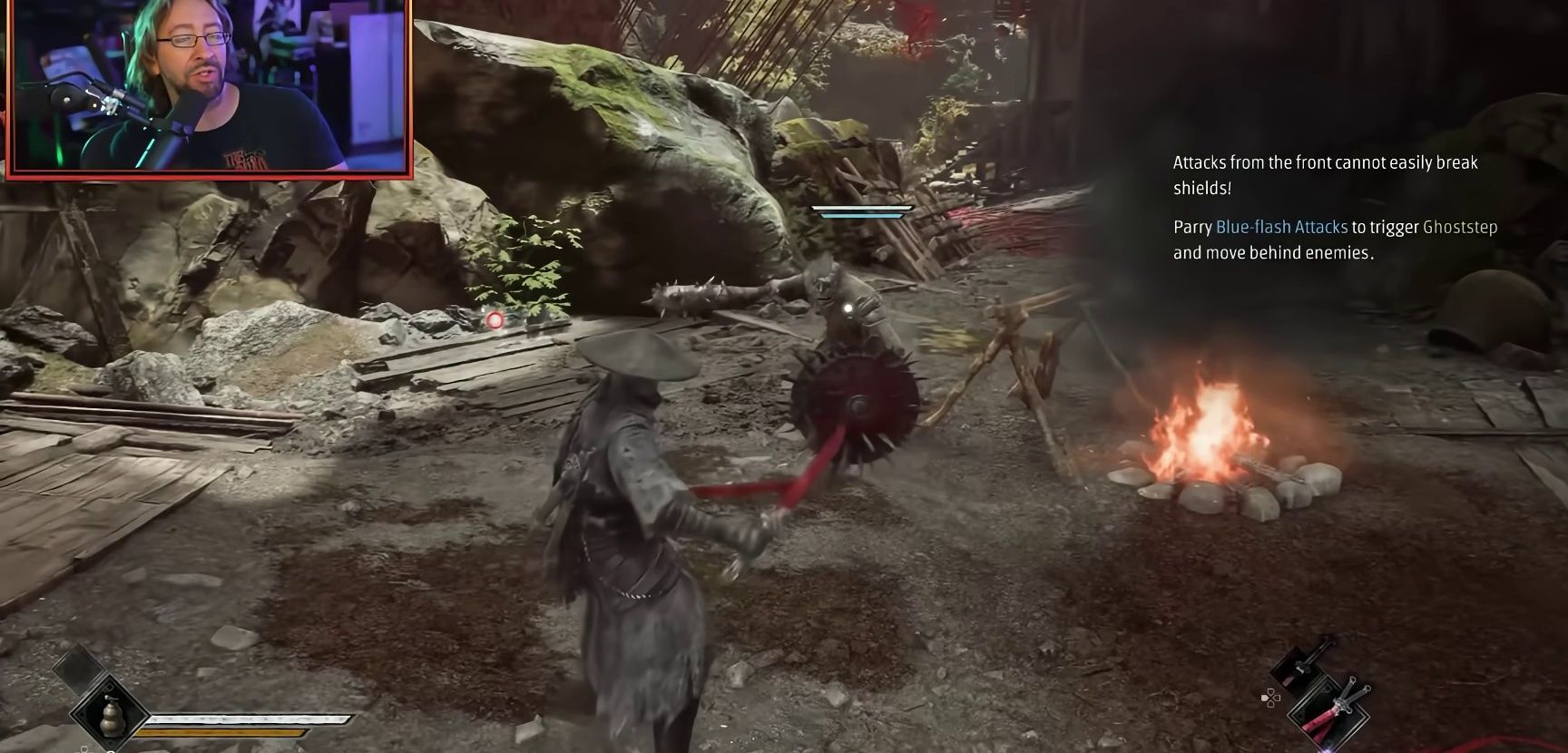
Hands-on players noted that some weapons are heavy and slow, yet boast an astonishing capacity to overwhelm; others are light and agile, ideal for closing in fast and chaining pursuit attacks. Some massive two-handed weapons even feel as though they completely change the character's center of gravity and combat range. This "swap the weapon, swap the character" design is where the true depth of an action game comes from.
Even more exciting, some special weapons may be obtainable through hidden bosses or side quest challenges. This means Phantom Blade Zero isn't just about linear progression - it also encourages players to explore, experiment, and dig deeper. Weapons become rewards, and also a way for players to express themselves.
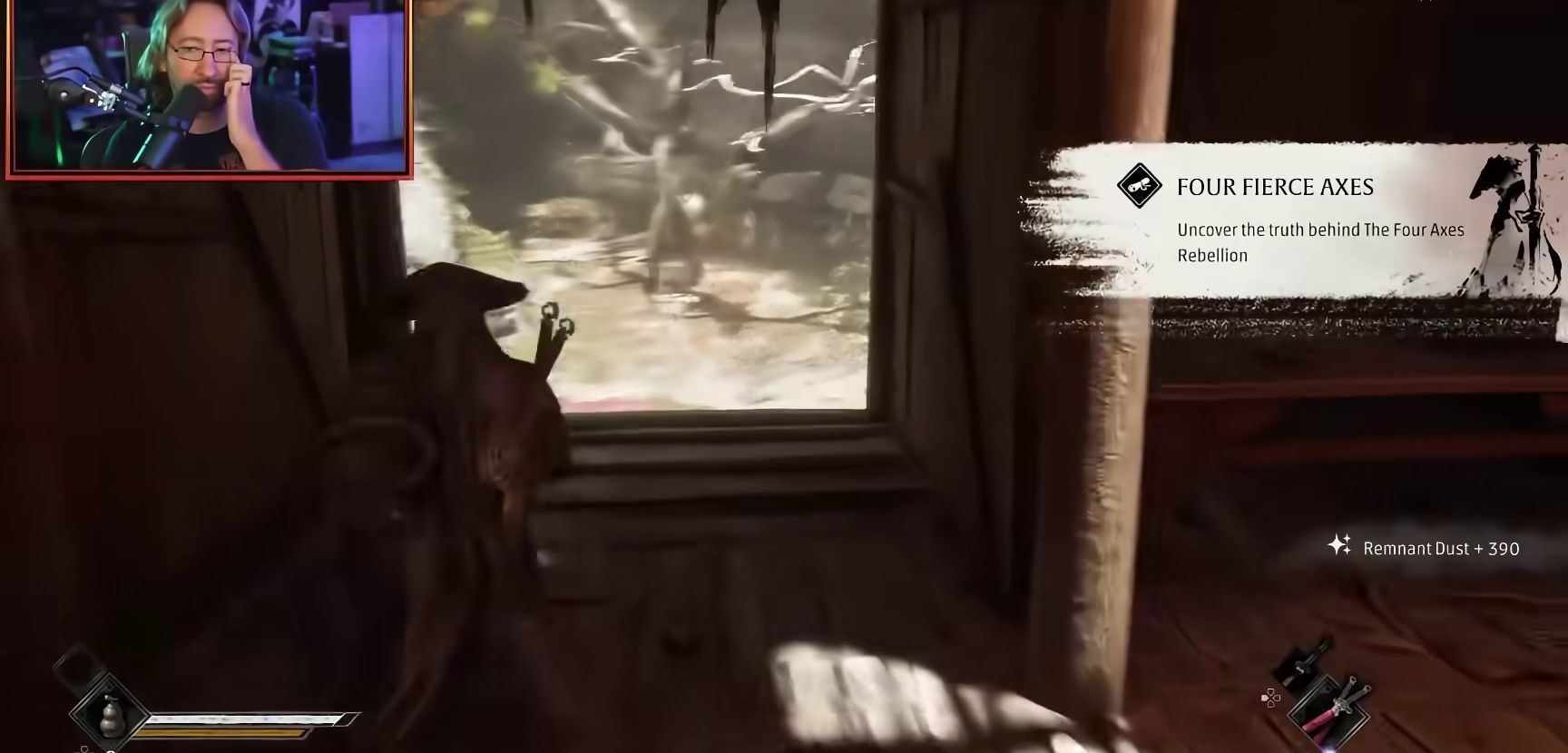
If weapons were nothing but stat skins, action games would be dead; but when weapons have personality, players get to live as entirely different kinds of swordsmen.
5. Shadow Realm Aesthetics: Even Industrial Ruins Can Convey the Spirit of the Jianghu
Phantom Blade Zero's visual style is hard to pin down with a single word. It carries the cold austerity of Chinese wuxia as well as the gritty roughness of steam-powered machinery; it offers the poetry of blood-red moonlight alongside the desolation of industrial ruins. Players have come to call this style "Shadow Realm aesthetics," and what makes it truly remarkable is that the scenery is more than just eye candy.
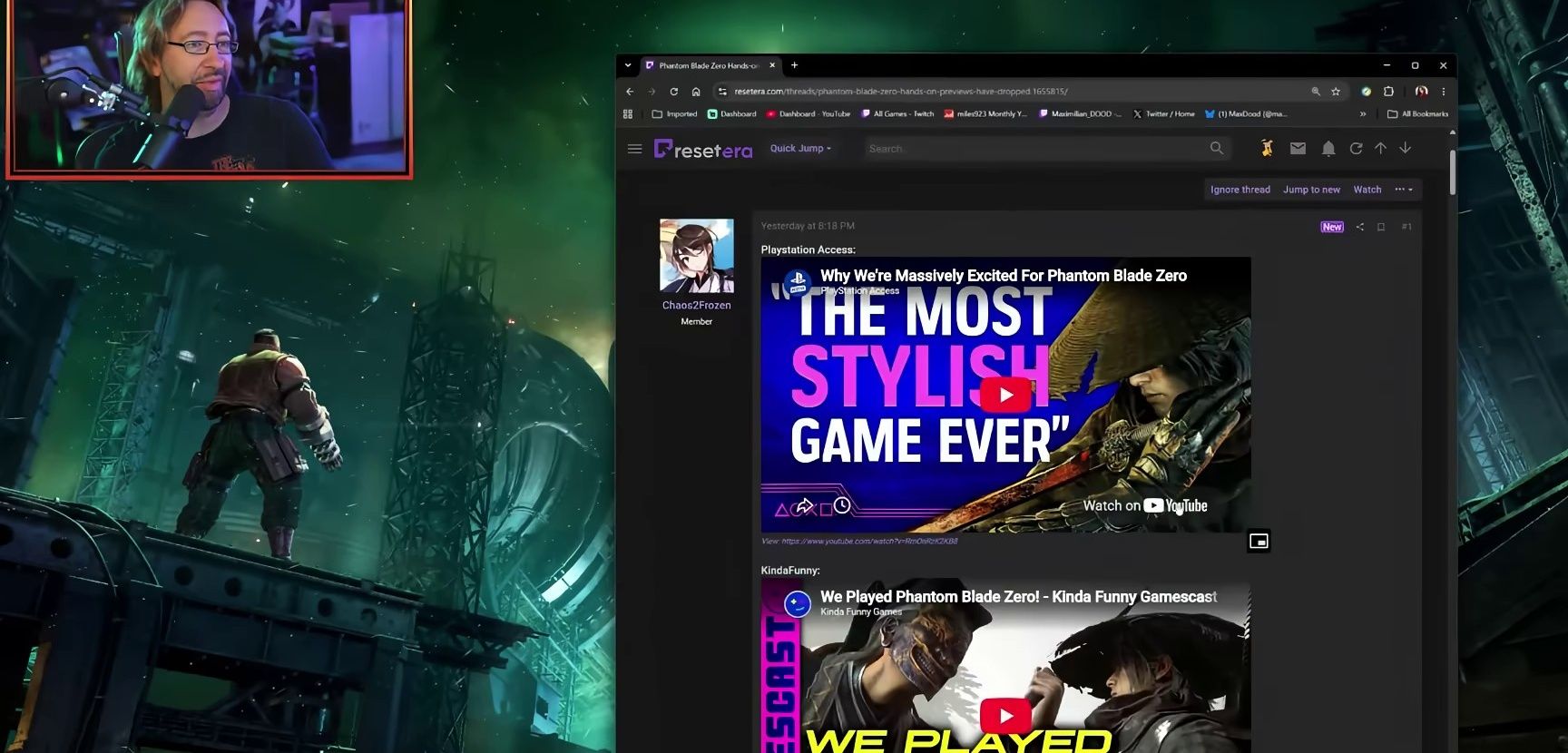
The industrial ruins segment mentioned in the preview sticks in the memory not because the textures are especially refined, but because it conveys a state of mind: decay, danger, and oppression - yet with a hidden order lurking beneath. As players make their way through it, they can sense the world crumbling without a single line of narration to explain it.
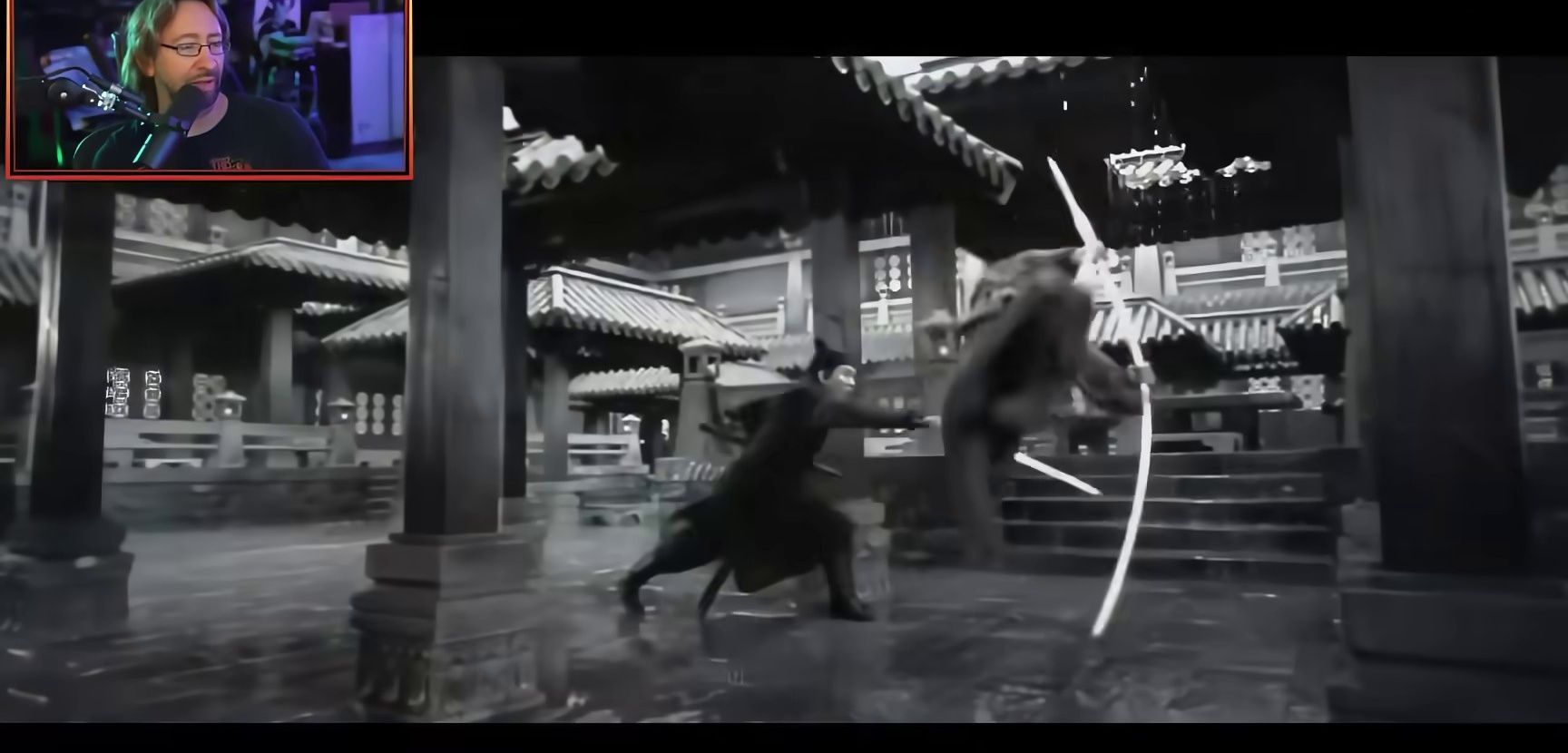
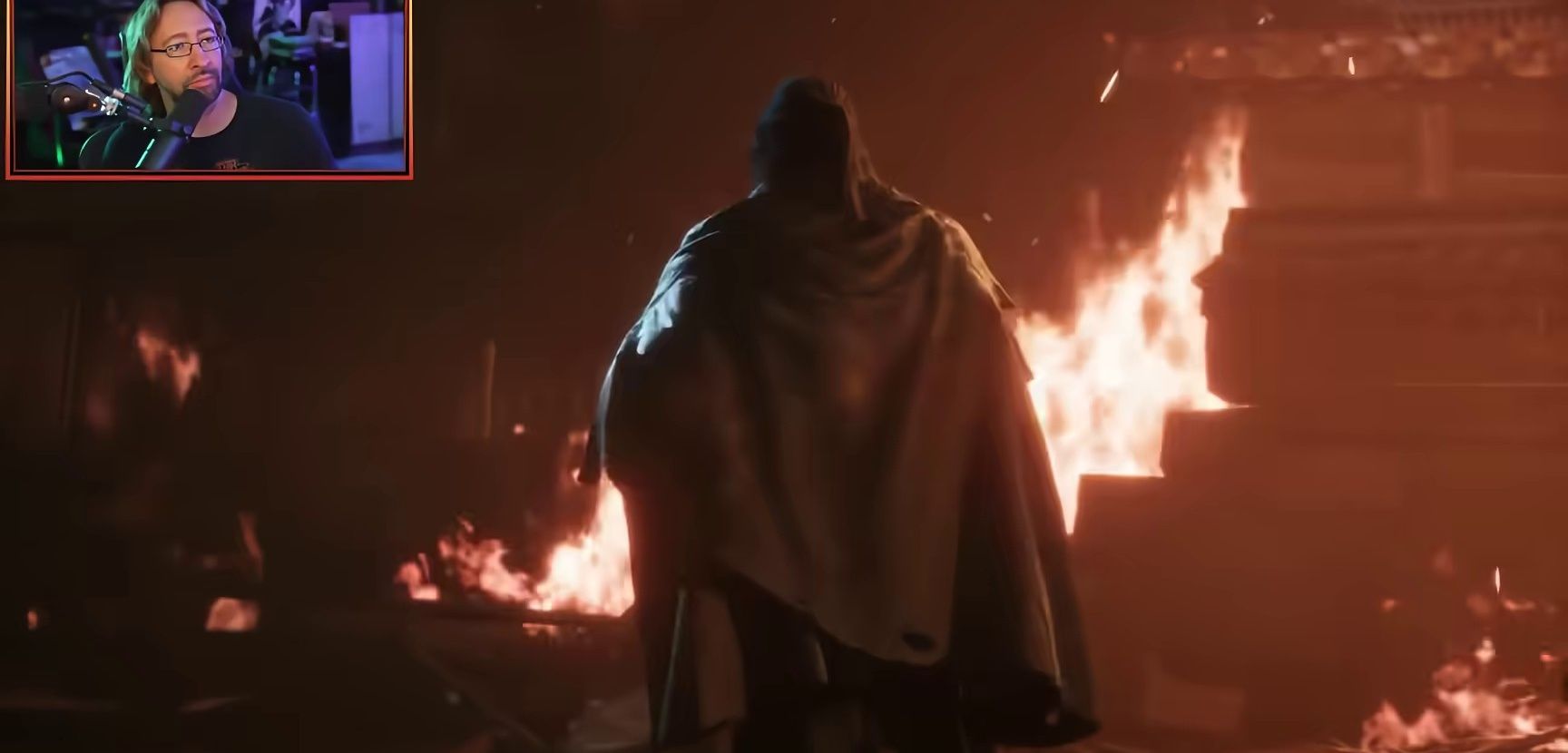
If Phantom Blade Zero's art direction settled for simply being "cool," it would soon be forgotten. Instead, it strives to make every environment take part in the storytelling: shattered machinery, hanging banners, damp alleyways, and the blood-red sky in the distance all hint at the cost of this jianghu.
The scenery is not just a backdrop - it is the dialogue that speaks when the characters fall silent.
6. Behind-the-Scenes Polish: Liang Qiwei's Obsession and S-GAME's Feedback Loop
A big part of why people are willing to believe in Phantom Blade Zero is that behind it stands not a team thrown together overnight, but a personal series that Liang Qiwei has stuck with for the long haul. The project set out from a deeply niche starting point, and only after its announcement drew massive attention and investment did the team get the chance to shape it into a truly complete work.
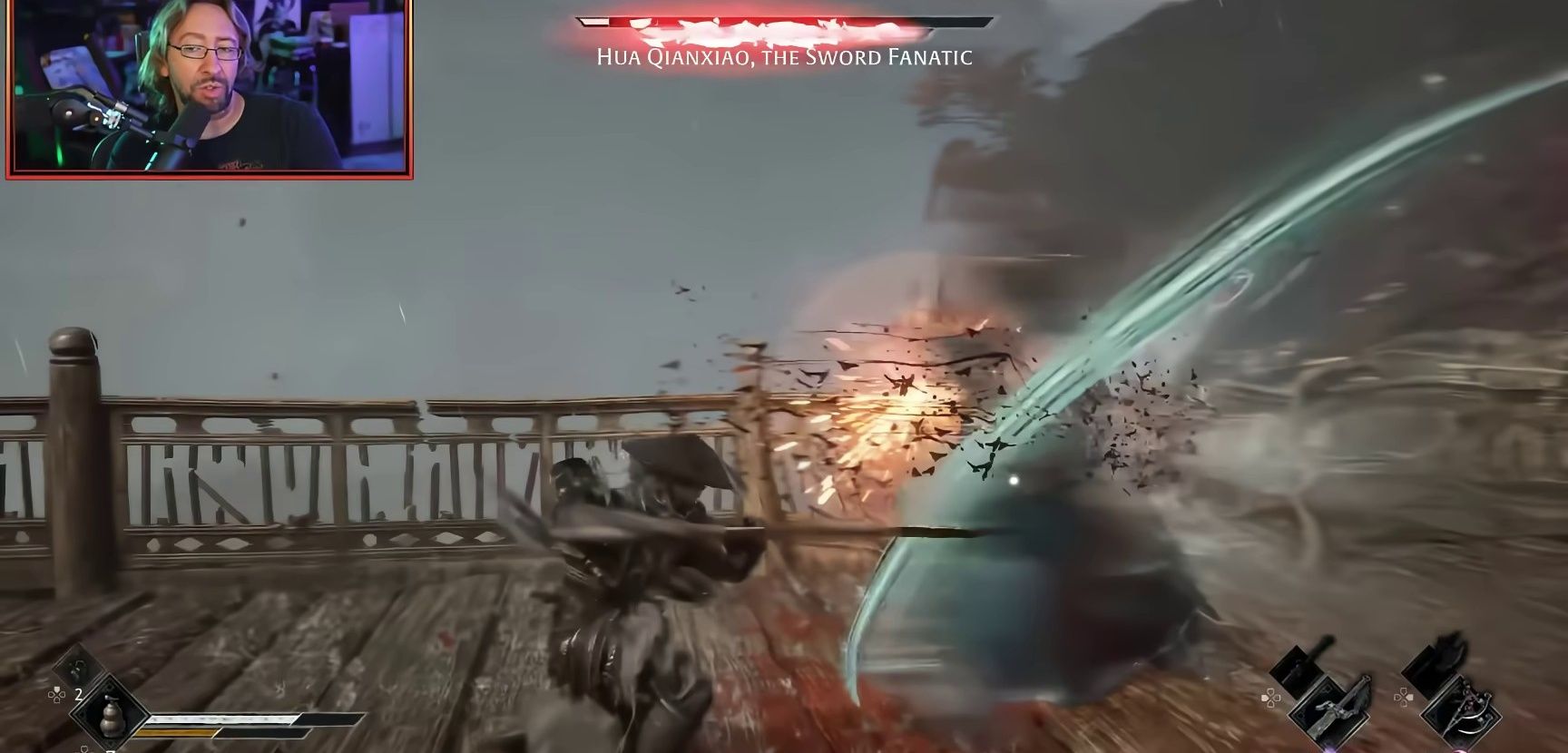
One detail from the preview feedback is especially moving: media outlets were invited to try an early build, and the team carefully collected their opinions - even recording feedback videos to bring back for internal discussion. The game then went through a delay and further polish. This process shows that S-GAME isn't working behind closed doors; it is using iteration to respond to the questions raised by players and the media.
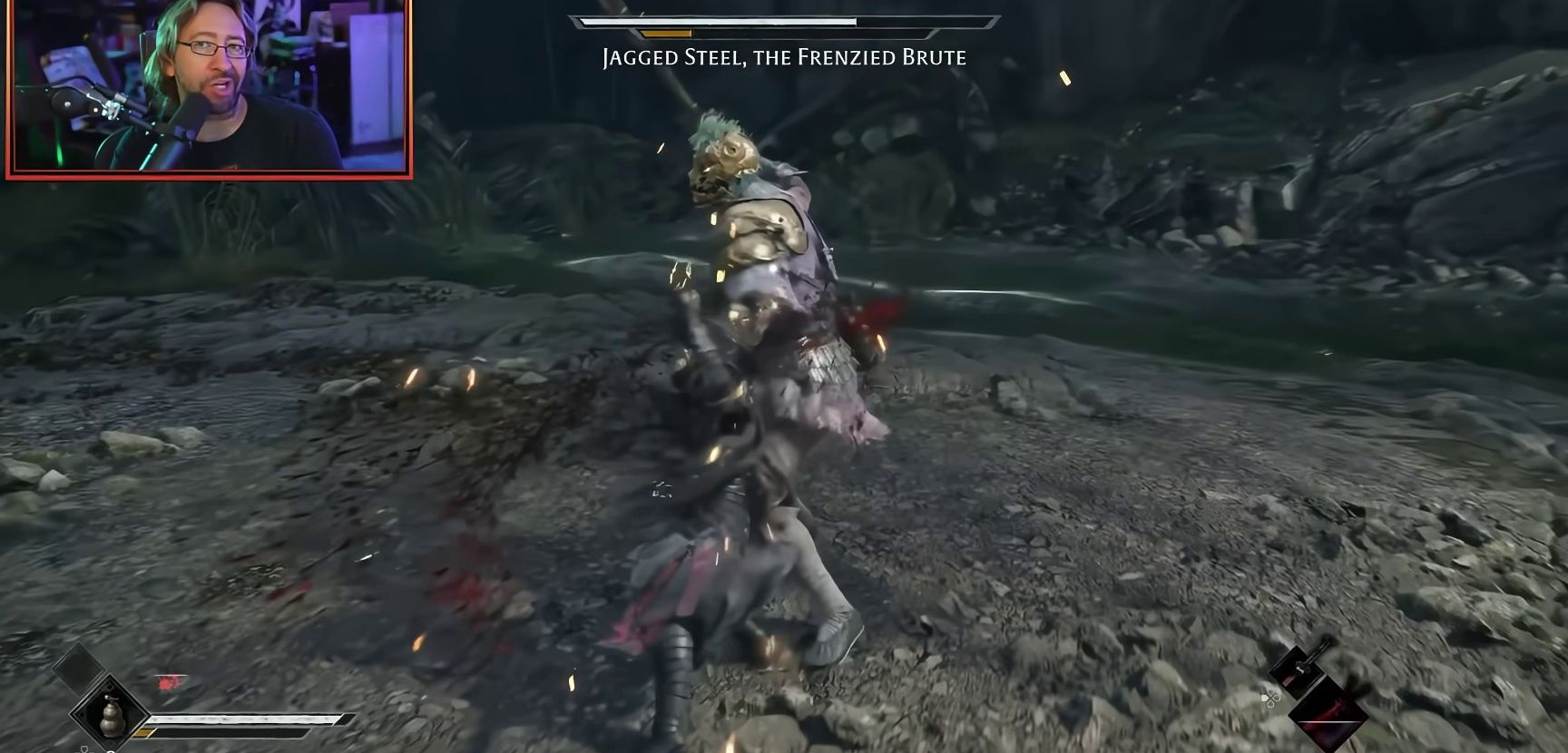
Another story that keeps coming up is how a certain boss was stonewalling playtesters. Liang Qiwei stepped in personally, died once first, then found the specific counter and cleanly dispatched that four-phase boss. This detail is more convincing than any marketing tagline: the people making the game truly understand their own combat.
In interviews, Liang Qiwei has expressed a fondness for the design philosophy of Metal Gear Rising: Revengeance and the art style of Bloodborne. Phantom Blade Zero clearly absorbs the former's high-speed slashing and the latter's oppressive aesthetic, but it doesn't stop at imitation - on top of that foundation, it grows a wuxia skeleton of its own.
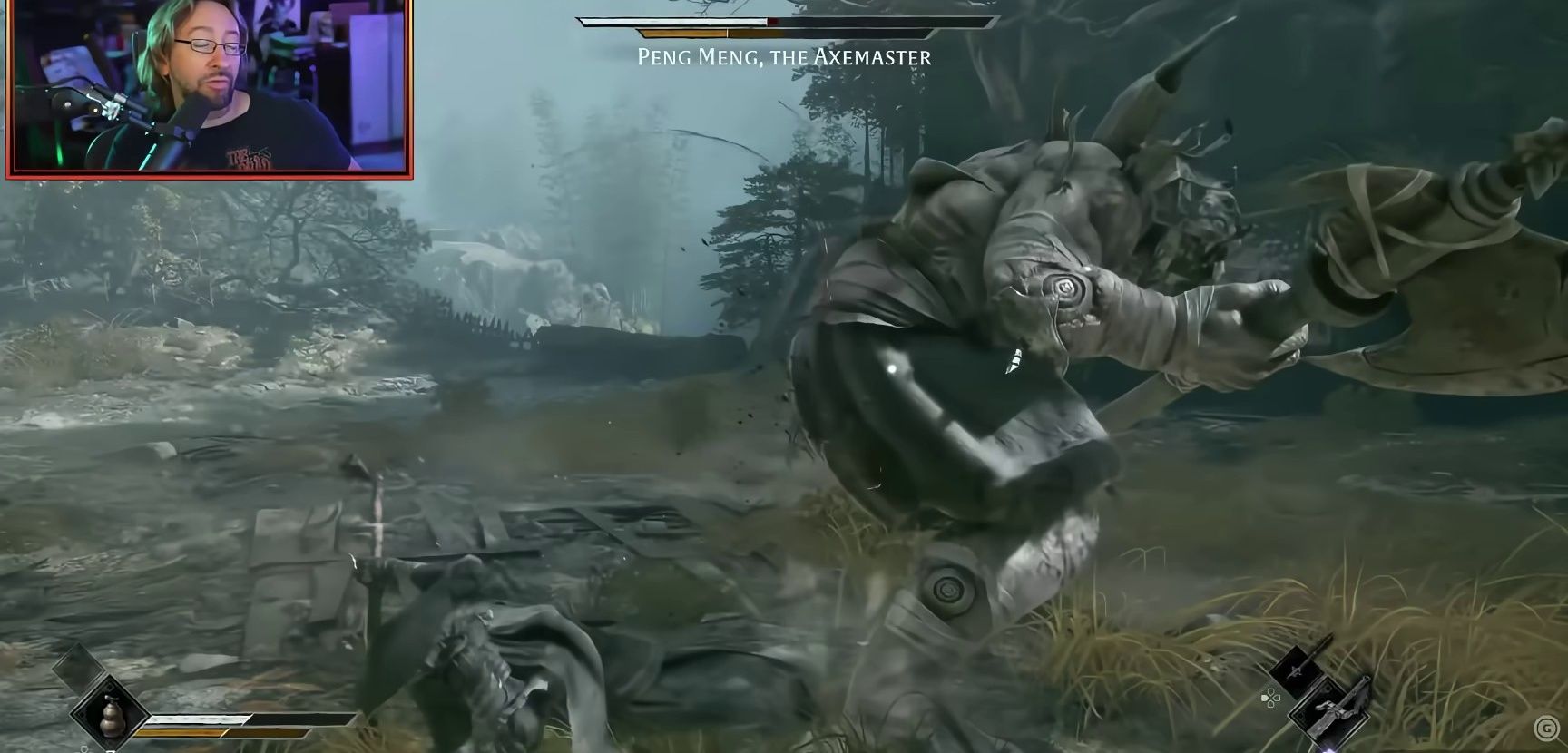
A project's most precious source of confidence isn't the budget figure - it's creators willing to step in personally and prove that the system holds up.
7. Controversy and Expectations: Hit Feel, Maturity, and the Surprise on the 29th
Of course, Phantom Blade Zero is not without controversy. Some players have pointed out that its hit feel hasn't yet achieved the solid, "lands-to-the-core" weight found in certain action games, and some have even described it as feeling like scraping paper. This kind of feedback deserves attention, because the thrill of high-speed action can't come from visuals alone - it has to be built from frame-by-frame pauses, sound effects, hit-stop, and hit reactions working together.
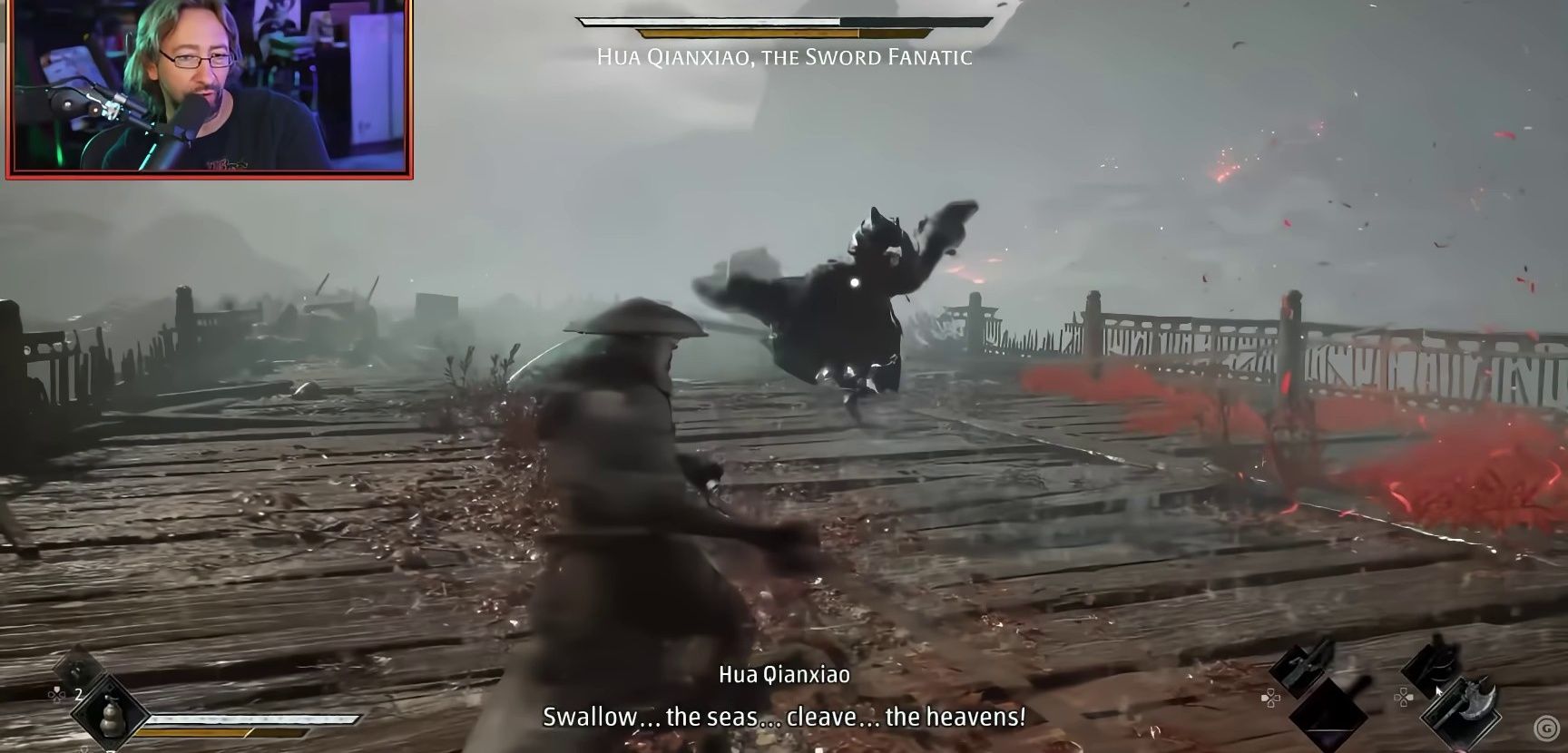
Some players have also pointed to titles like Summer Clover and Mirror as reference points, arguing that Phantom Blade Zero still needs polish in terms of weight and feedback. These comparisons aren't meant to talk the game down - if anything, they show that expectations have already risen to the benchmark of international action games.
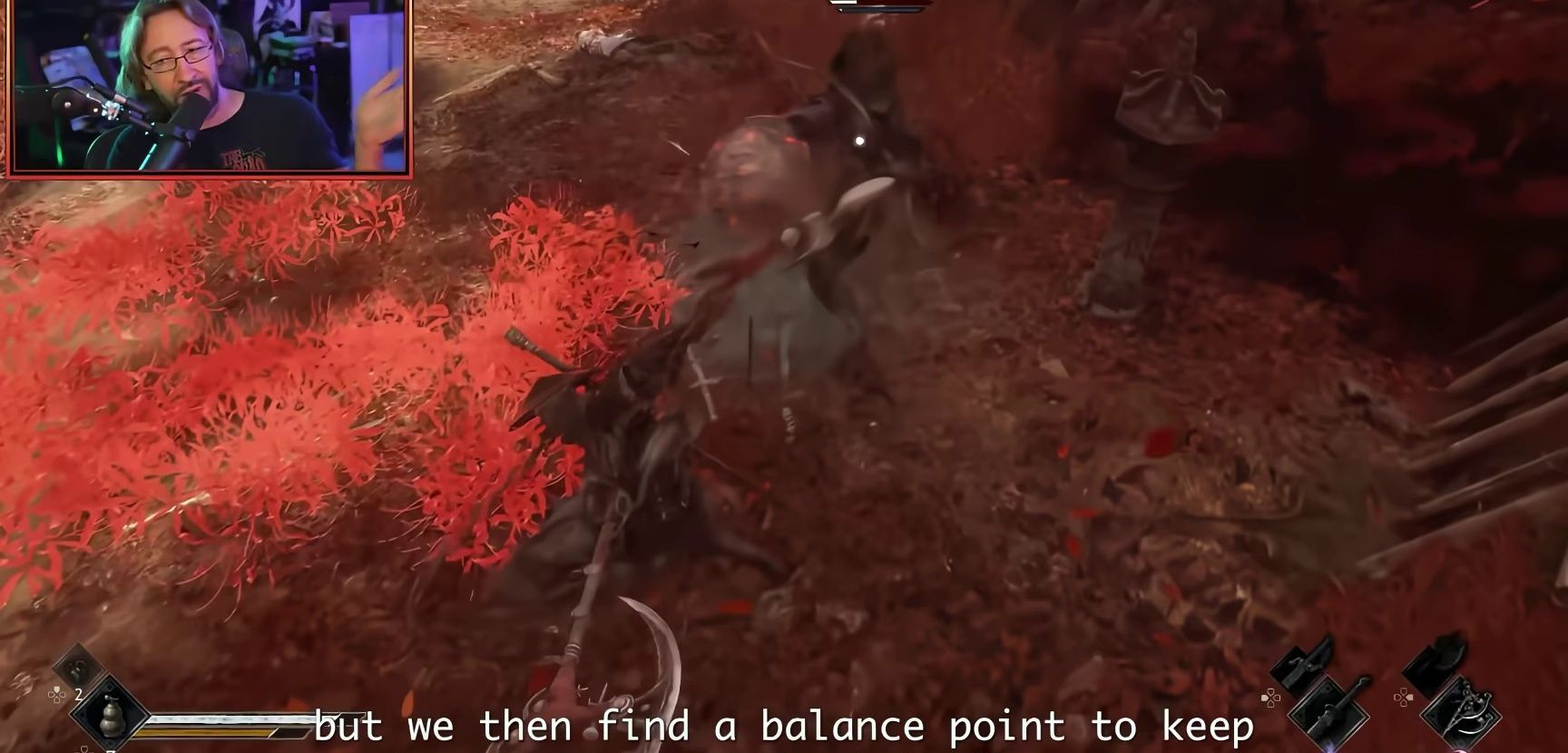
On the other hand, more feedback holds that Phantom Blade Zero is more mature than expected. Its combat leans toward high-speed action, emphasizing lightning-fast offense-defense transitions rather than the simple back-and-forth of attacking and blocking. This model fits the wuxia concept and makes it stand out sharply among the many homegrown action games.
If S-GAME can resolve the finer details of hit feel in the final version while preserving the freedom offered by parries, guard breaks, executions, and weapon variety, then Phantom Blade Zero has every chance of becoming a title that action players around the world seriously discuss. The showcase on the 29th may well be its opportunity to prove itself once again.
The hit feel of high-speed action can't rely on visuals alone - it has to come from frame-by-frame pauses, sound effects, and hit reactions working together.
Top Community Comments
"Both IGN and GS did a great job with their previews. IGN's Chinese article could almost stand alone as a full review; GS picked one angle and dug deep into it, and the reviewer had clearly done their homework on the background, so both pieces read very smoothly."
Interpretation: The quality of these overseas previews has, in turn, raised the bar for discussion around Phantom Blade Zero. People are no longer just looking at the visuals - they've started seriously analyzing the combat system, the lore, and the depth of the media's research. For a homegrown action game, that's a good thing.
"Right now, the hit feedback genuinely hasn't reached that Summer Clover level where every single strike lands with full weight all the way through - it feels a bit like scraping paper; Mirror's hit feedback is also worth drawing on."
Interpretation: This comment is sharp, but also extremely valuable. Phantom Blade Zero pursues speed and flashiness, which makes it easy for the weight of individual attacks to be diluted by that very speed. The final version must keep polishing its sound effects, hit-stop, hit reactions, and controller rumble so that "fast" never comes to mean "light".
"Liang Qiwei said in his GCORES interview that his favorite game philosophy comes from Metal Gear Rising: Revengeance and his favorite art style from Bloodborne. From what we've seen so far, Phantom Blade Zero has absorbed the strengths of both. The industrial-ruins sections carry a real Shadow Realm aesthetic flavor - the scenery isn't just beautiful, it conveys a state of mind. The action clearly leans toward high-speed action, with lightning-fast transitions between offense and defense that fit the wuxia spirit perfectly. Looking forward to the surprise it brings us on the 29th."
Interpretation: This comment pretty much sums up Phantom Blade Zero's core competitive strengths: a clear source of design philosophy, a unified aesthetic style, and a well-defined direction for its action. It isn't imitating the soulslike formula - it's forging high-speed action, wuxia atmosphere, and Shadow Realm aesthetics into a single whole.
📌 One-Line Takeaway
Phantom Blade Zero is proving that a homegrown wuxia action game doesn't have to hide in the shadow of soulslikes - with high-speed offense and defense, unique weapons, and Shadow Realm aesthetics, it can set a rhythm all its own.