Phantom Blade Zero: Kungfunk Dancing on the Blade's Edge - The Ultimate Duel Between "Killing Intent" and Aesthetics
A poisoned heart with only 66 days left to beat, and a jianghu blood debt born of betrayal by those closest to him. When "Soul," once the top assassin of The Order, is forced onto a journey to clear his name and uncover the truth, he is destined to be drawn into a conspiracy capable of upending the fate of the entire martial world.
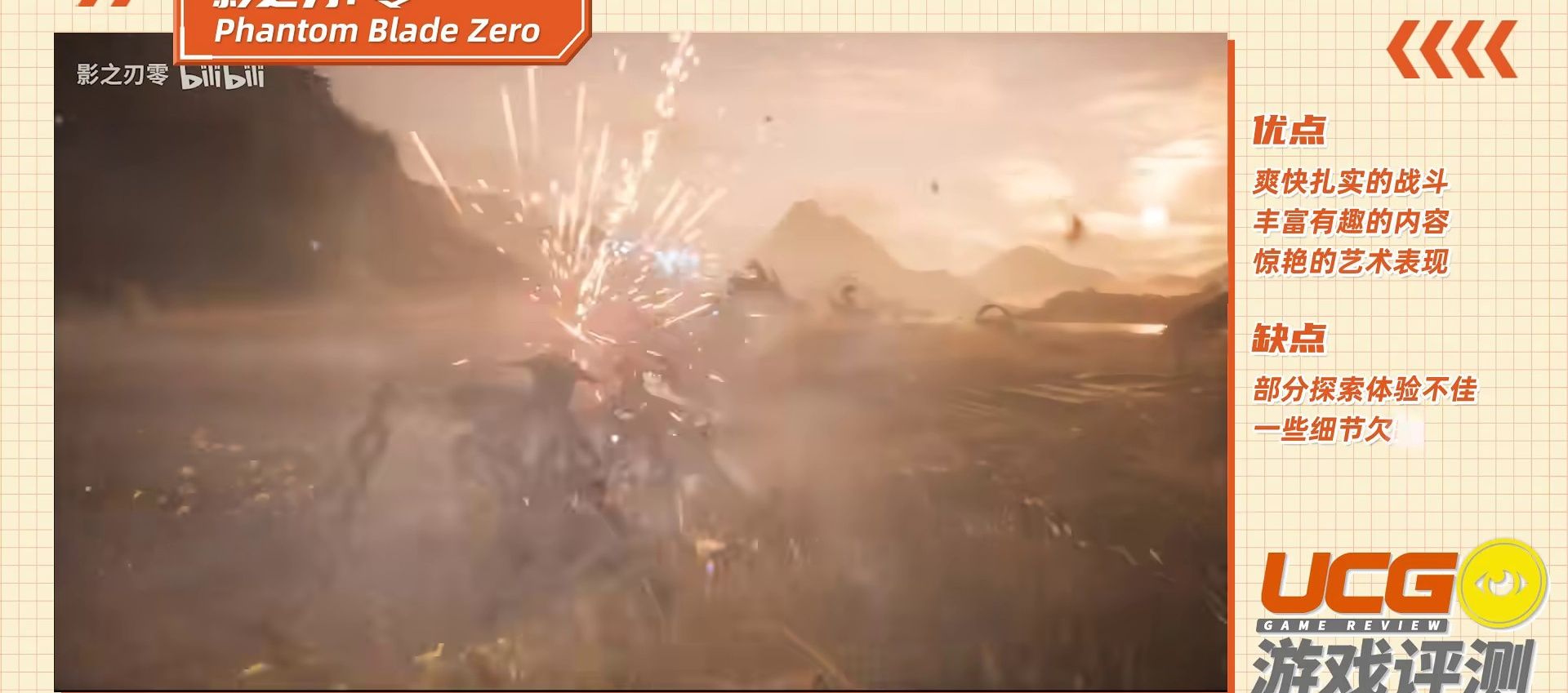
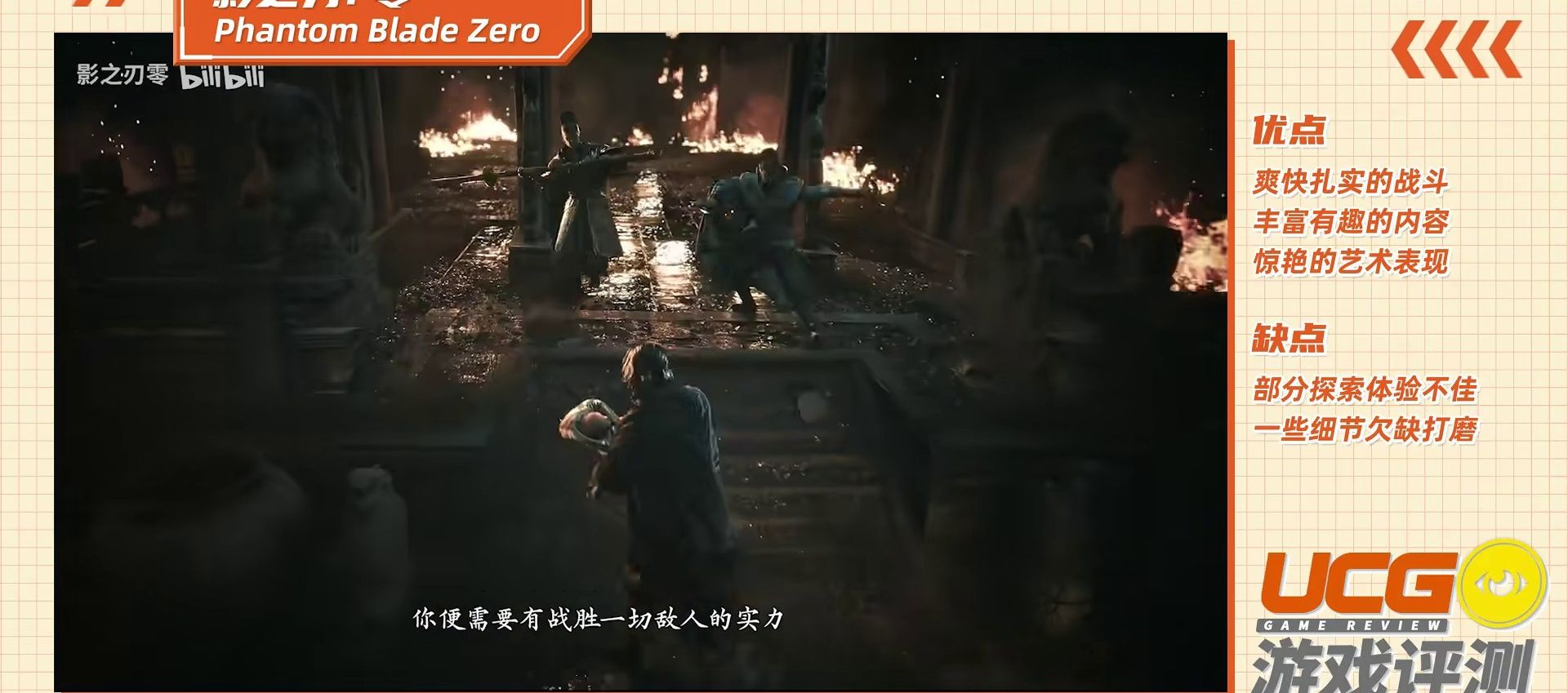
As one of the most closely watched homegrown hardcore action games, Phantom Blade Zero has turned in a satisfying performance. The combat system is solid and built to last, the action is fluid and dazzling, and its wealth of content keeps things fresh from start to finish. While some details still lack polish, the overall package remains a case of flaws failing to overshadow brilliance, and they do nothing to diminish the fun at its core.

The Sha System: The Core Interplay of Unified Offense and Defense
The core experience of Phantom Blade Zero's combat revolves around a single resource: Sha Value. It serves both as an offensive resource for unleashing powerful combos and as a defensive resource for blocking enemy assaults. Once your Sha is fully depleted, the protagonist falls into a "severe stagger" state, and the damage taken increases dramatically.
The most ingenious aspect of this system is that it applies equally to both sides - friend and foe alike - and to both offense and defense. The fiercer the offensive, the greater the openings it exposes.
This is by no means a game you can beat through sheer, relentless aggression. Unleashing Sha-fueled combos without restraint to overwhelm your enemies will certainly drain their combat strength, but the little Sha you have left will also lower your margin for error when you come under attack. Conversely, a perfect block repels attacks at zero cost while weakening the enemy's Sha; successfully handling an enemy's most powerful killer move can even fully restore your Sha and enable a devastating counterattack.
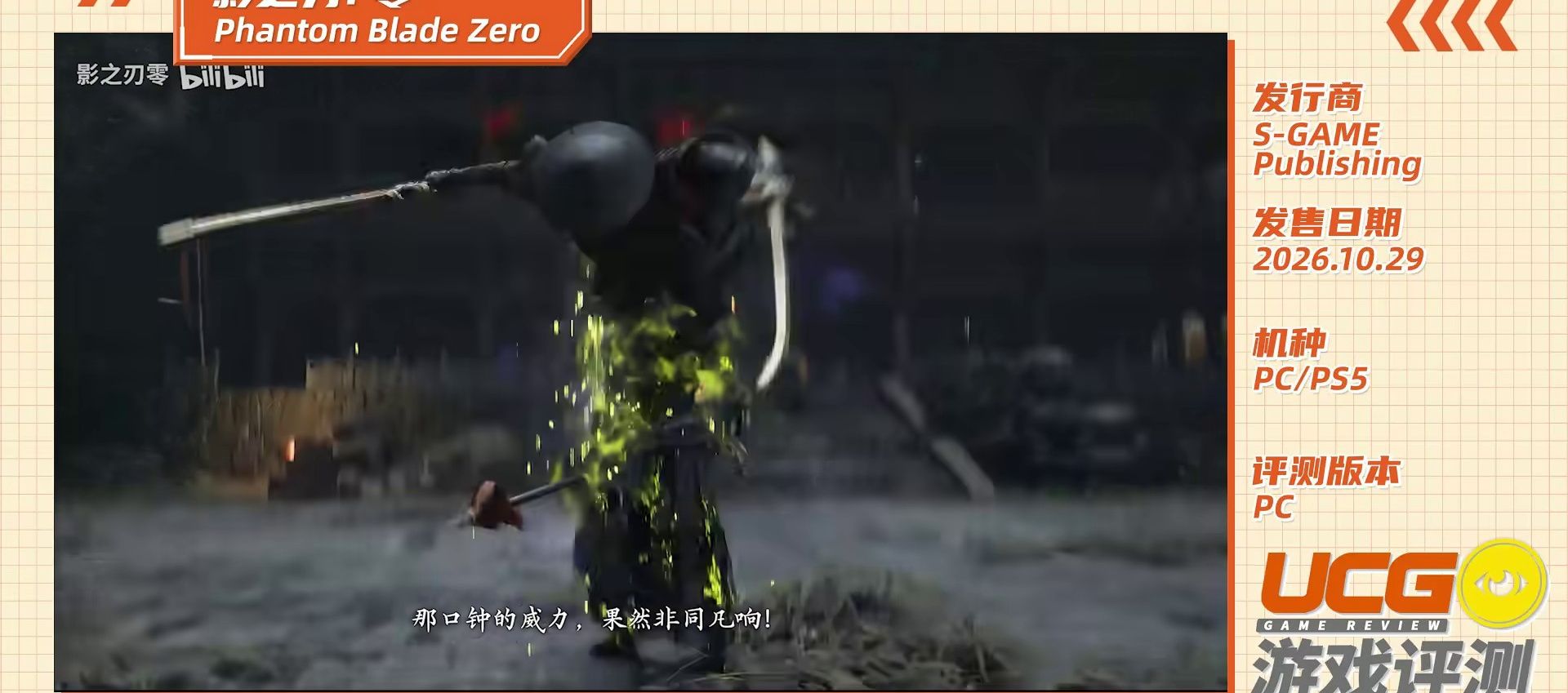
How you manage your Sha through weapon switching and perfect blocks determines how long you can keep dancing on the knife's edge. Wielding both the sharpest spear and the sturdiest shield - that is the very essence of this game's combat system.
30 Weapons, 30 Distinctly Different Combat Aesthetics
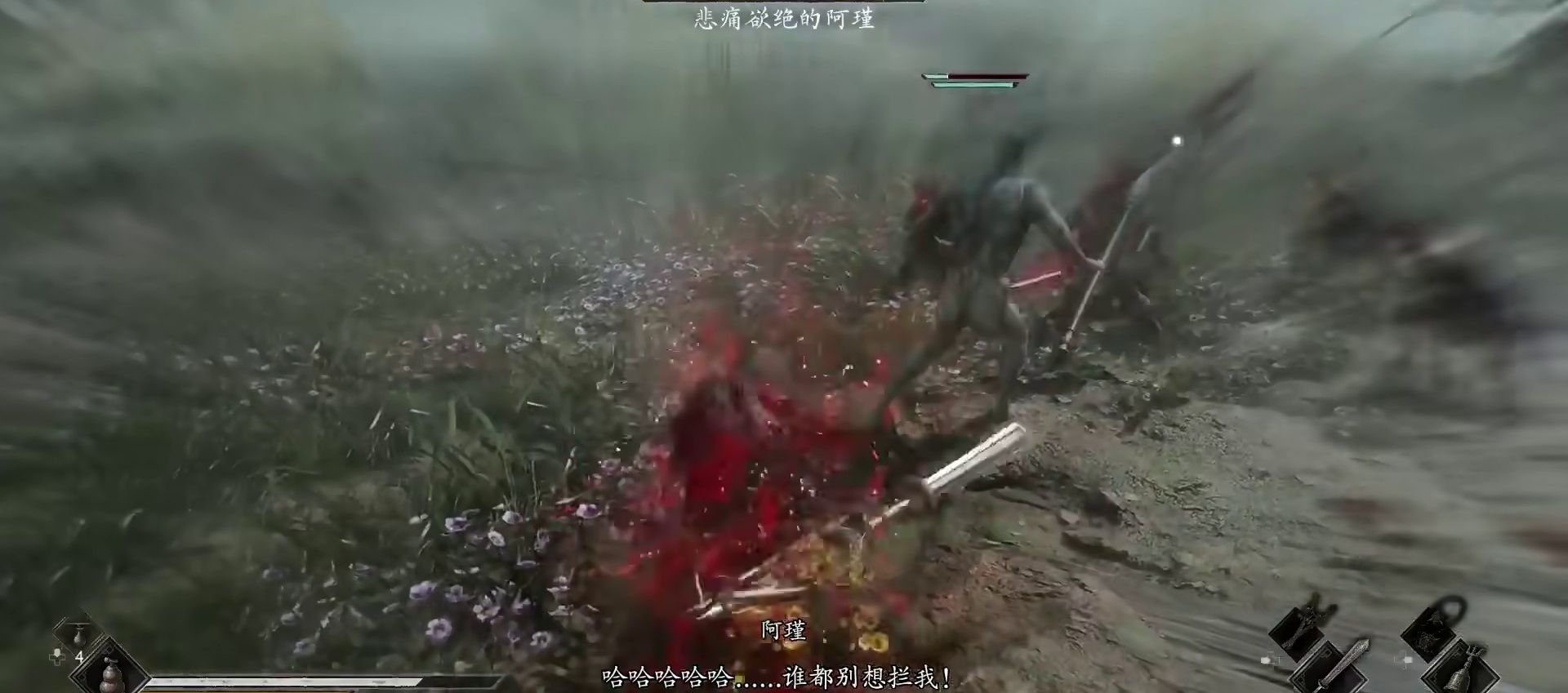
The game offers 30 weapons in total, each with its own distinct mechanics and traits. For example, the Sin Executioner's broken sword can not only deliver ranged attacks with a warning telegraph, but even dodge automatically; meanwhile, White Deer's twin swords work in tandem, alternating their strikes. The deeper you venture into the game, the more weapons with unique mechanics and animations await unlocking.
As you upgrade weapon levels and collect exclusive materials for soul-forging, they are granted even more mechanics - including new moves and entirely altered movesets - keeping the experience fresh from start to finish.
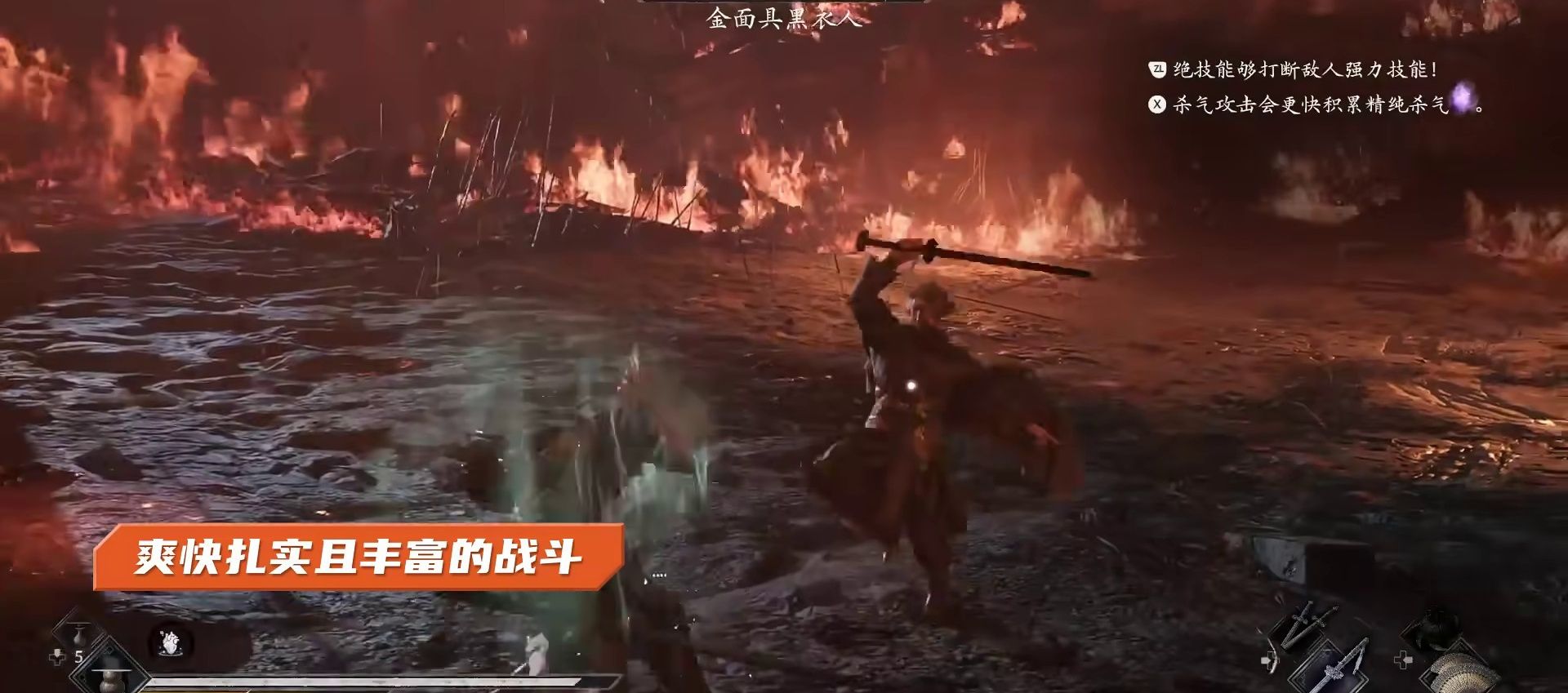
Skillfully combining the traits of two weapons can elevate the combat experience to something transcendent. Weapon switching alone carries immense tactical value: switching triggers a powerful bonus attack and cancels animation startup and recovery, keeping your combos fluid on offense; and since switching fully restores your Killing Intent, you can press the attack with confidence while always leaving yourself an escape route on defense. The repositioning effects of different weapons can also be used to quickly close in on enemies or disengage from battle.
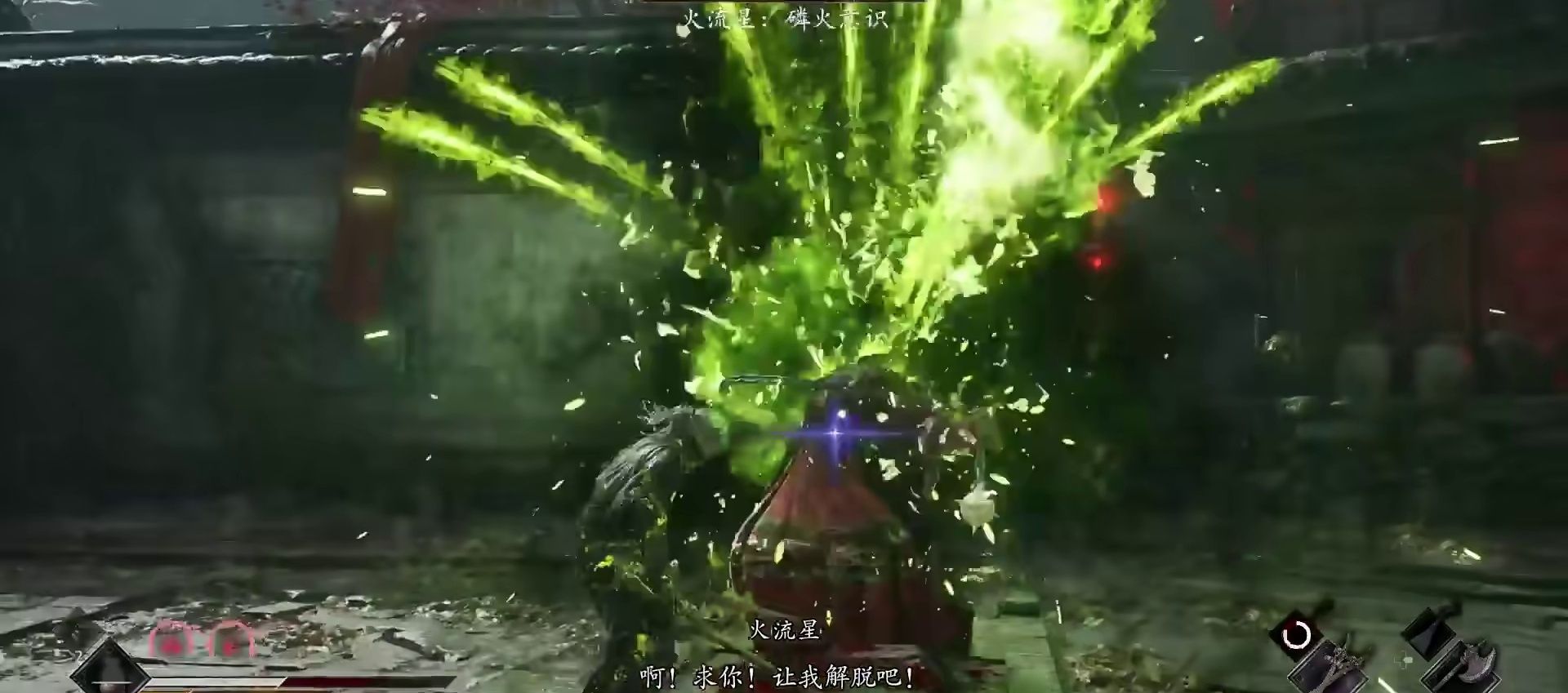
Boss Fights: A Dual Feast of Audiovisuals and Combat
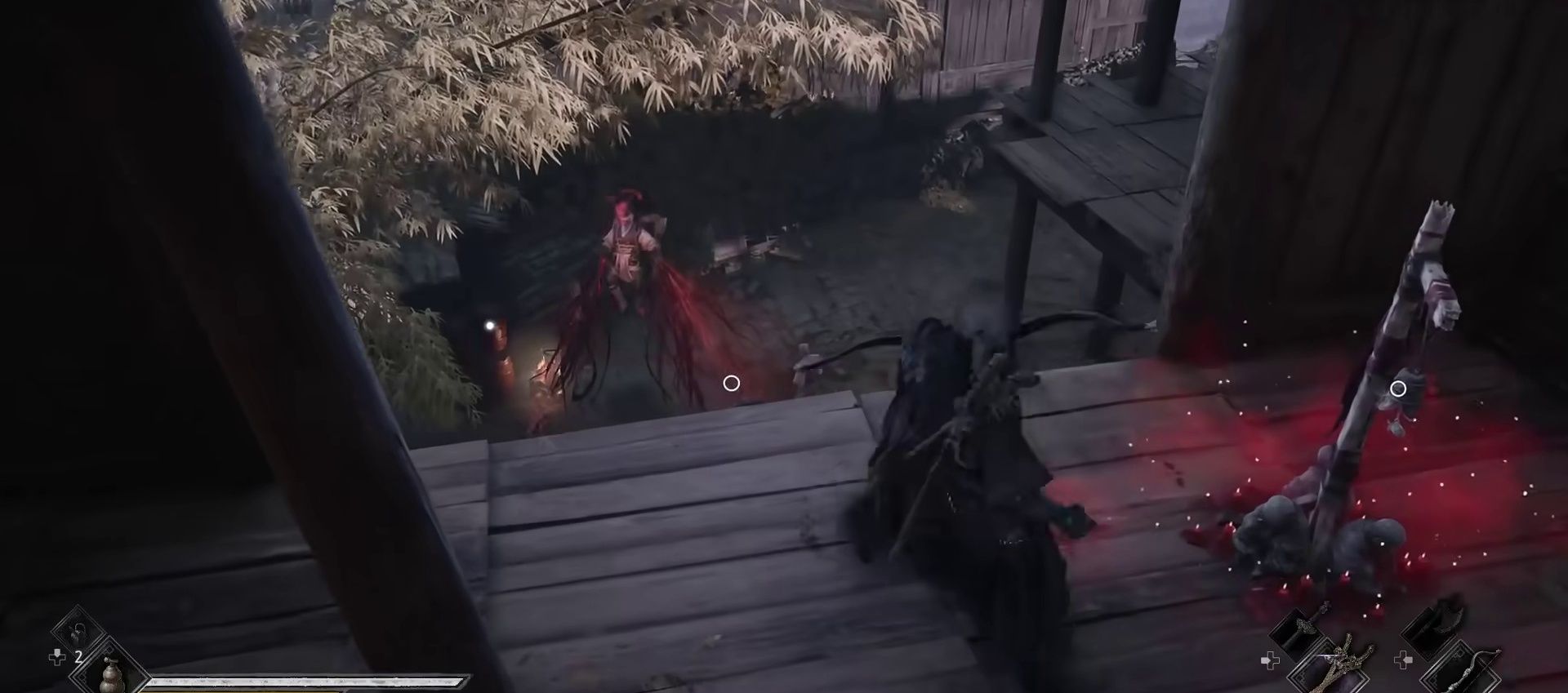
The core combat logic of boss fights is likewise built around the Sha system. Thanks to the wide variety of ways to recover Sha and cancel moves, players can go all out and commit boldly. Enemy attacks come with clear visual tells, and their trajectories read exactly as expected, so most can be handled through intuition or experience alone.
Beyond the familiar blue flash (block) and gold/red flash (dodge), enemies also wield powerful black-flash attacks - blocking one will drain a massive amount of Sha or even break your guard outright, and with a shorter wind-up and relatively counterintuitive timing, they can easily throw off your overall rhythm. If your guard is broken and you fail to switch weapons in time, there is a good chance you will be taken out by a single combo.
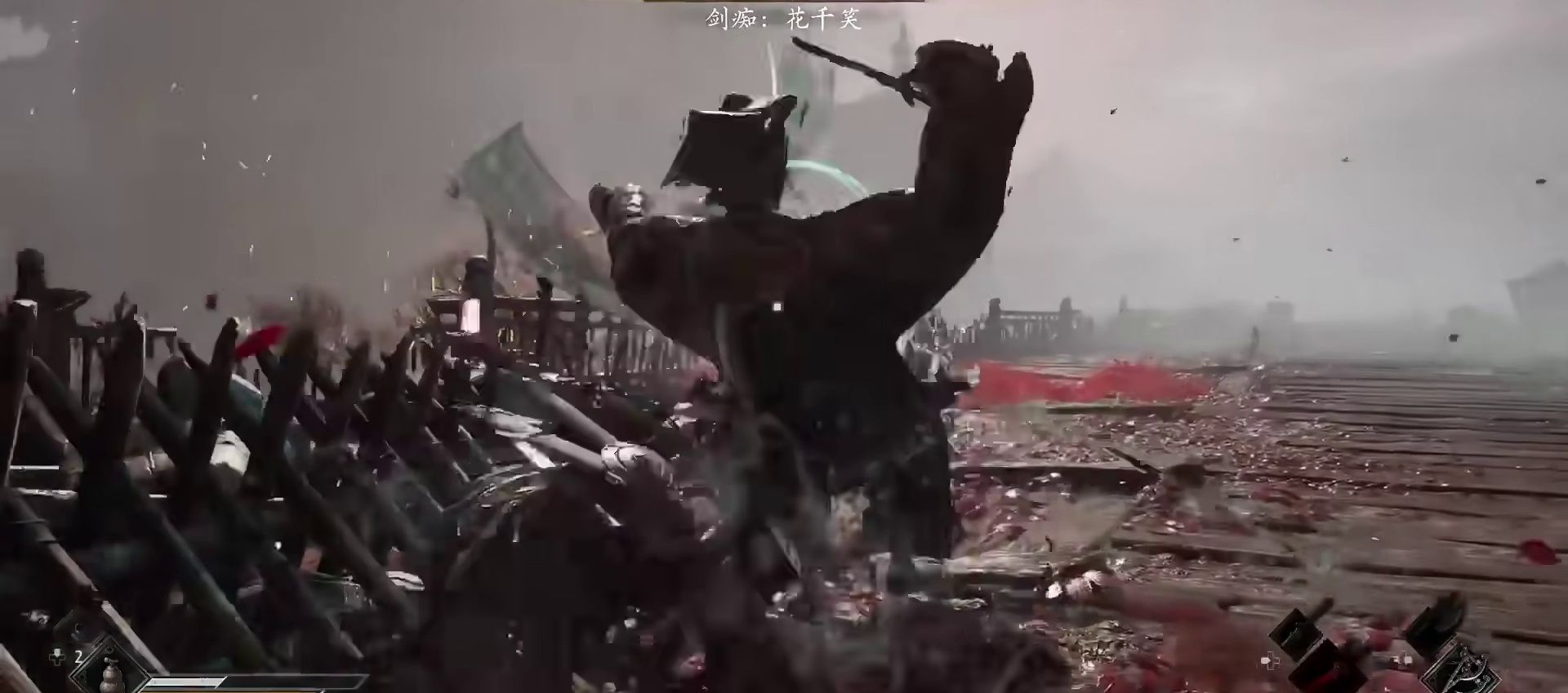
The differentiated experiences across the boss roster are equally impressive. The performance of the Martial Master Sovereign is nothing short of spectacular: every exchange of attack and defense blends seamlessly with martial arts, and when the sound of his weapon striking stone locks perfectly onto the beat of the background music, the goosebumps come instantly. Combined with the earlier indirect characterization of the martial master, the music shift in the second phase is enough to bring a lump to your throat.
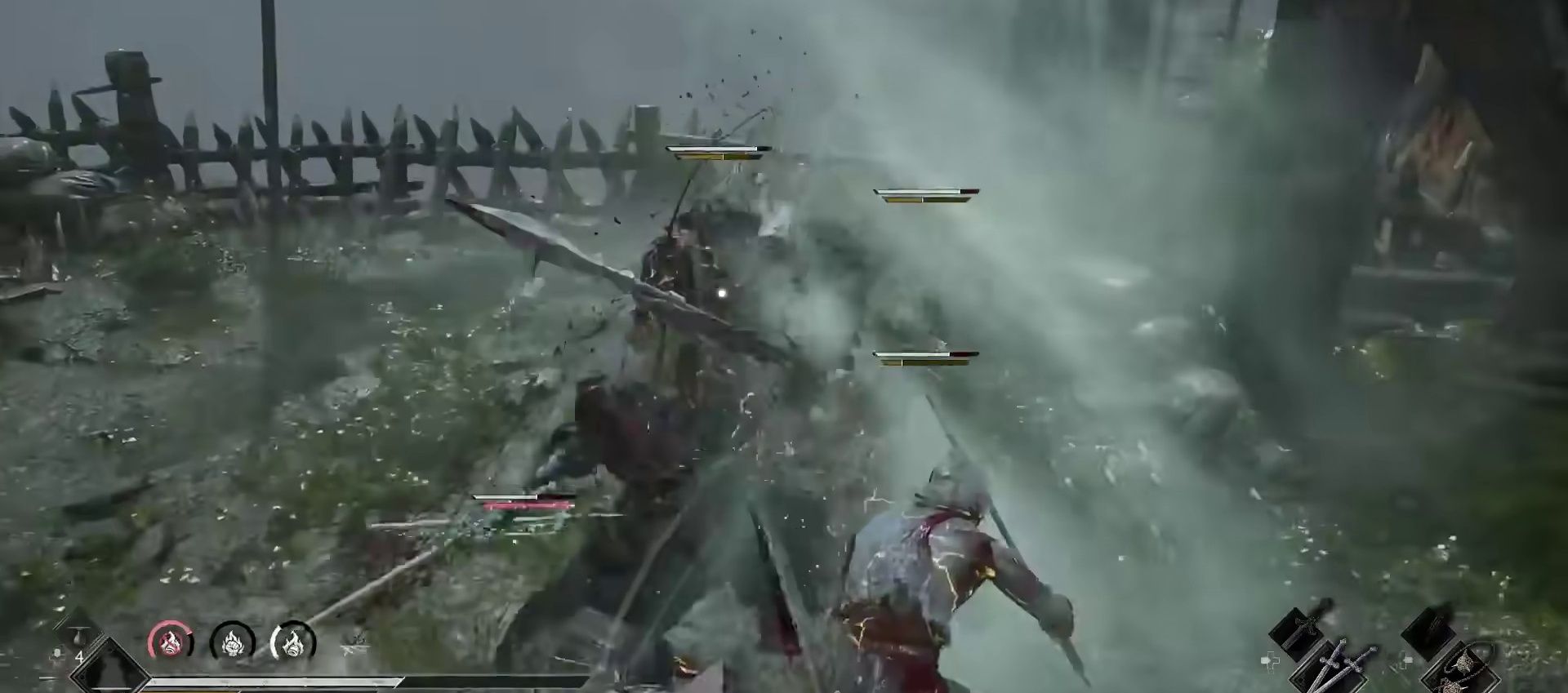
The highly anticipated "Master Ye", meanwhile, is a fine mentor for honing the player's fundamentals. Players need to steadily raise their perfect-block rate against regular attacks and become adept at reacting on the spot to guard breaks and combos. The battles he appears in near the game's closing stretch include both a story fight that channels the burning passion of the journey so far, and a fateful duel that serves as a comprehensive test of overall combat skill while delivering strong audiovisual spectacle.
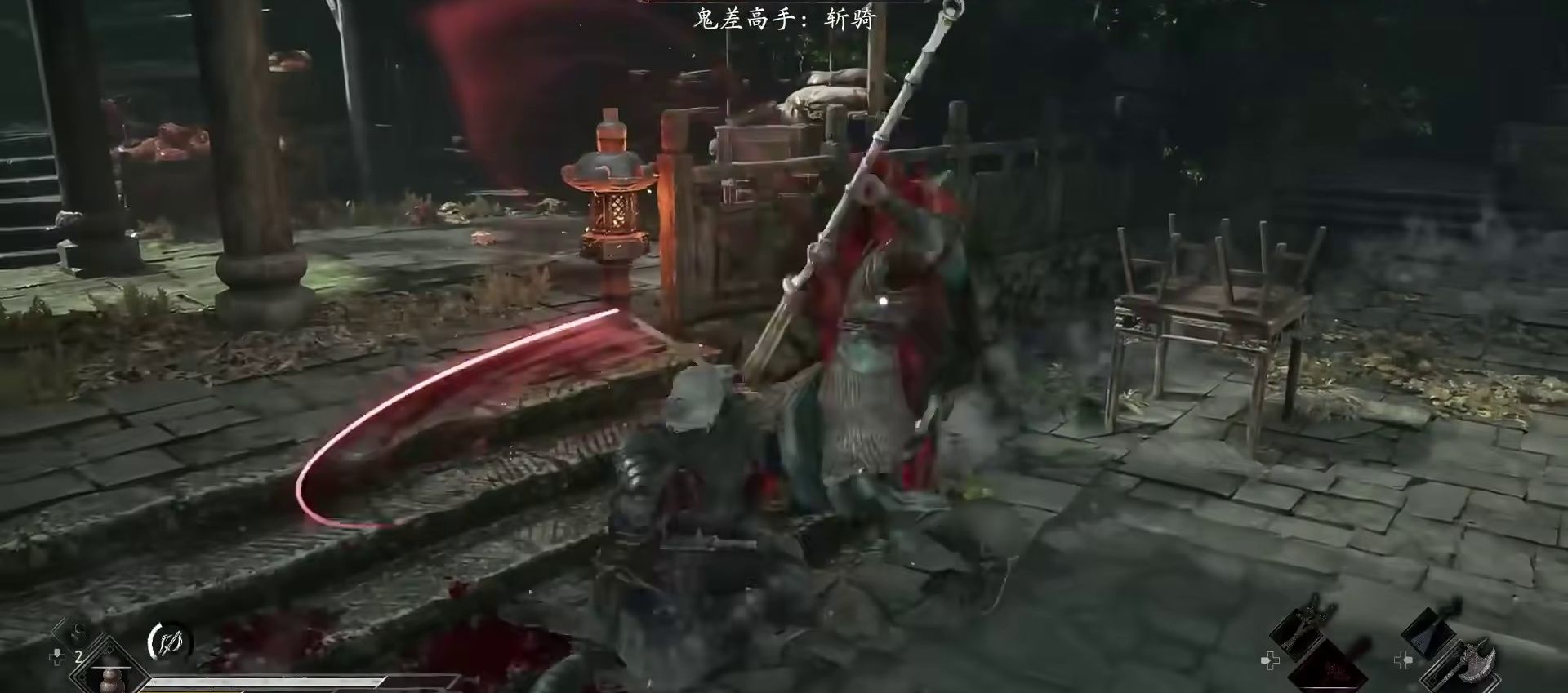
Mage bosses, however, show some variance in quality: some mage fights feel great, with an assist mechanic that lets you block and reflect some of the incoming projectiles; others fall short, leaving players stuck in a loop of relentless bombardment and trial and error, lacking the thrill of a genuine back-and-forth.
Crowd AI and Mobs: Disciplined Opponents
When it comes to fighting multiple enemies at once, the crowd AI ensures the overall experience holds up relatively well. Mobs outside your field of view will occasionally sit back and spectate, and when you're about to unleash a powerful attack, they'll lean in toward the screen as if to give you a heads-up; when multiple waves share the field, they maintain the offensive tempo as a whole, coordinating with one another and showing strict discipline. At times, your lock-on will even switch automatically to remind you whose turn it is to press the attack.
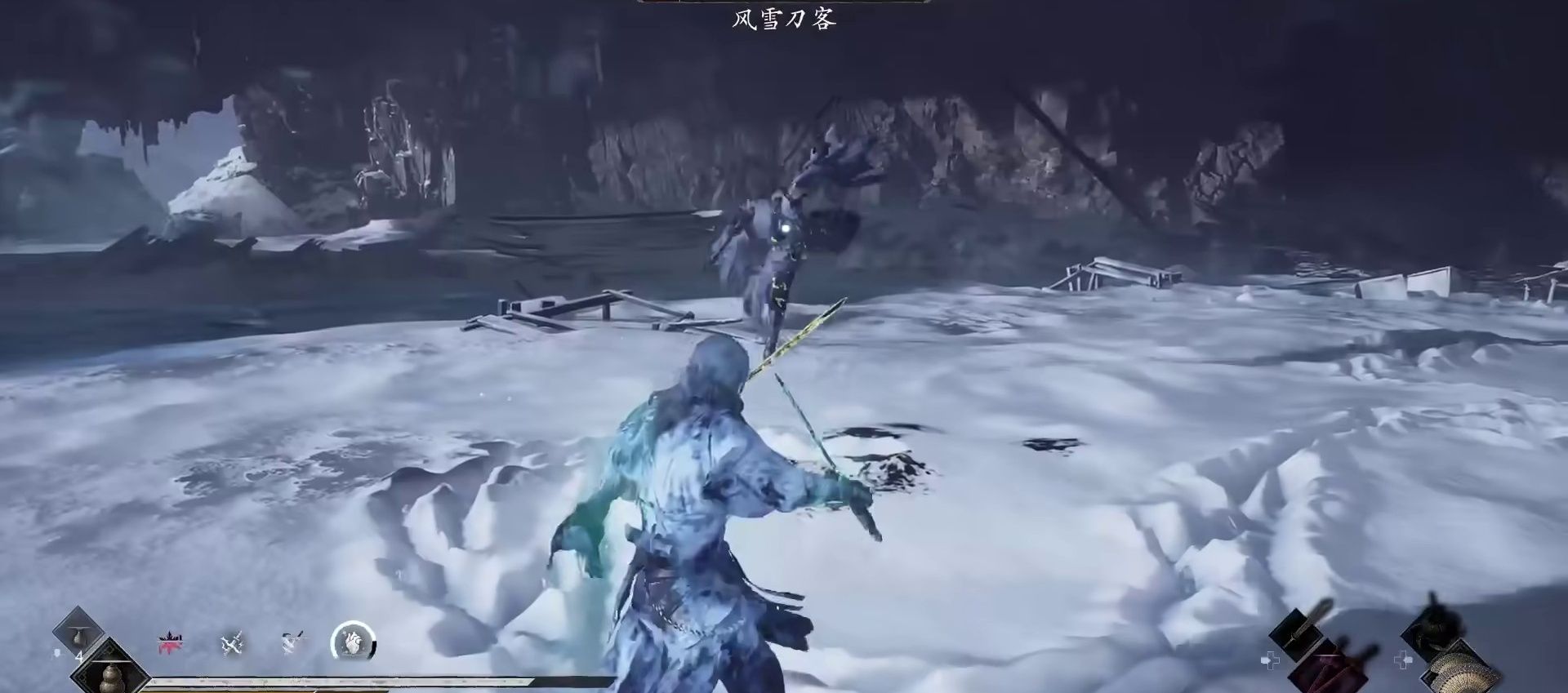
That said, on higher difficulties, mob fights can still occasionally leave you gasping for breath. The relentless rhythm of their assaults can easily become more than you can fend off.
Level Design: Large Sandbox Areas Interwoven with Linear Structure
The game's overall level design consists of large sandbox-style levels combined with partially linear structure, with the various areas interconnected. Players will encounter many paths that cannot be opened for the time being, and as the game progresses, they will return to these locations to explore brand-new areas.
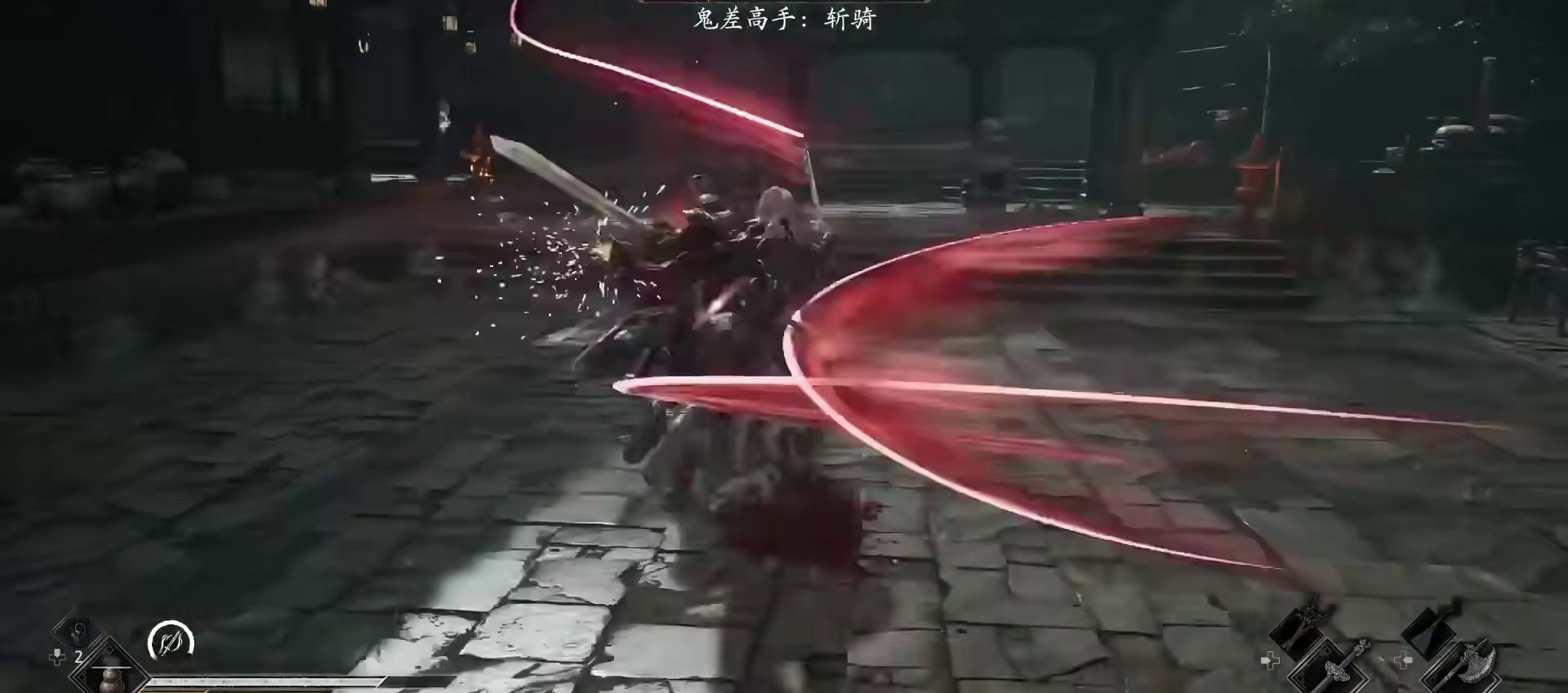
However, since the overall experience is not purely linear, from the mid-game onward players will face a massive number of branching paths, many of which they are not yet qualified to open. Hitting dead ends at every turn can bring a certain degree of pressure and frustration.
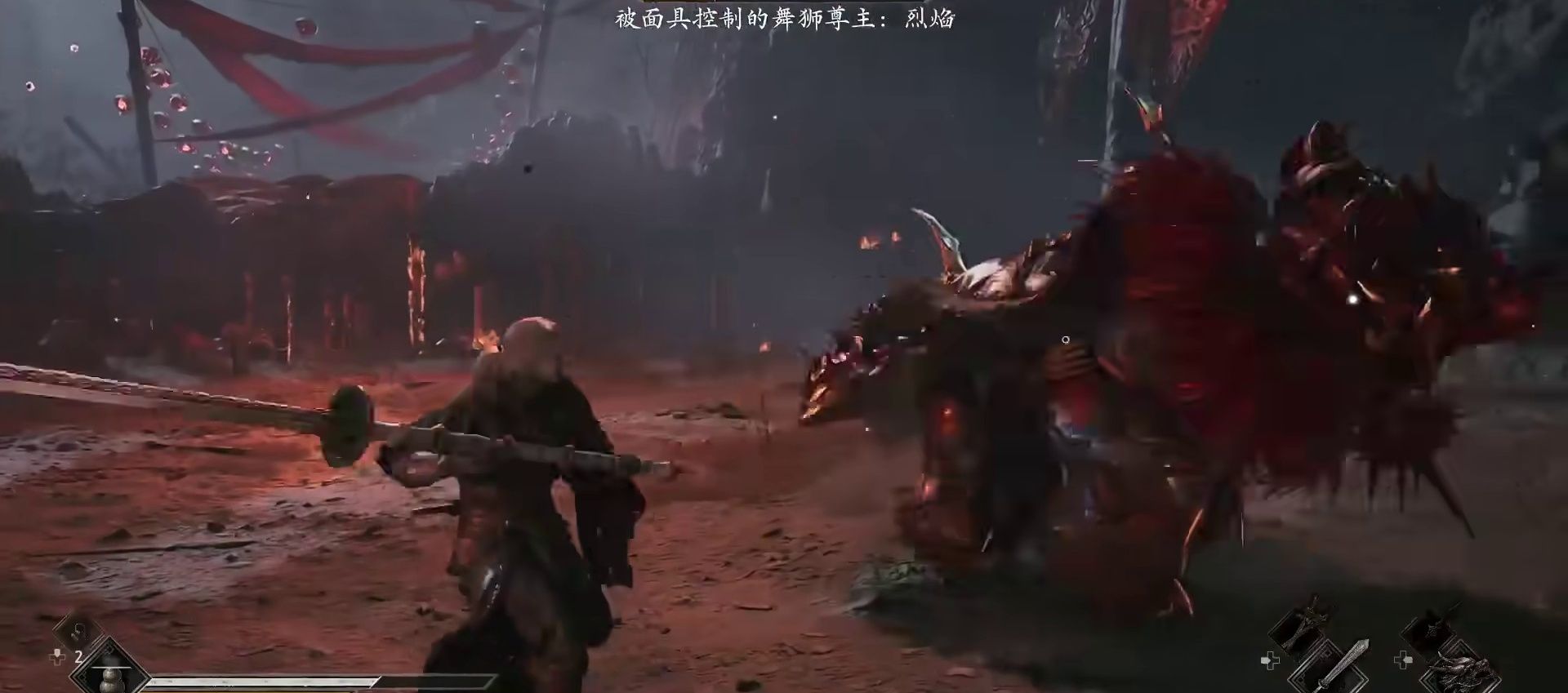
Fortunately, the exploration feedback is sufficiently rich: hidden bosses, side quests, items, and equipment are all carefully designed, and environmental storytelling is woven in as well, allowing players to gradually uncover the stories of the map and certain NPCs as they explore. The progression of many side quests intersects with the main quest, and advancing the main quest may in turn cause some side quests to be interrupted. In addition, the game features multiple endings, and important side quests tied to the endings will be clearly marked.
Story and Presentation: A Kungfunk Tapestry of the Jianghu
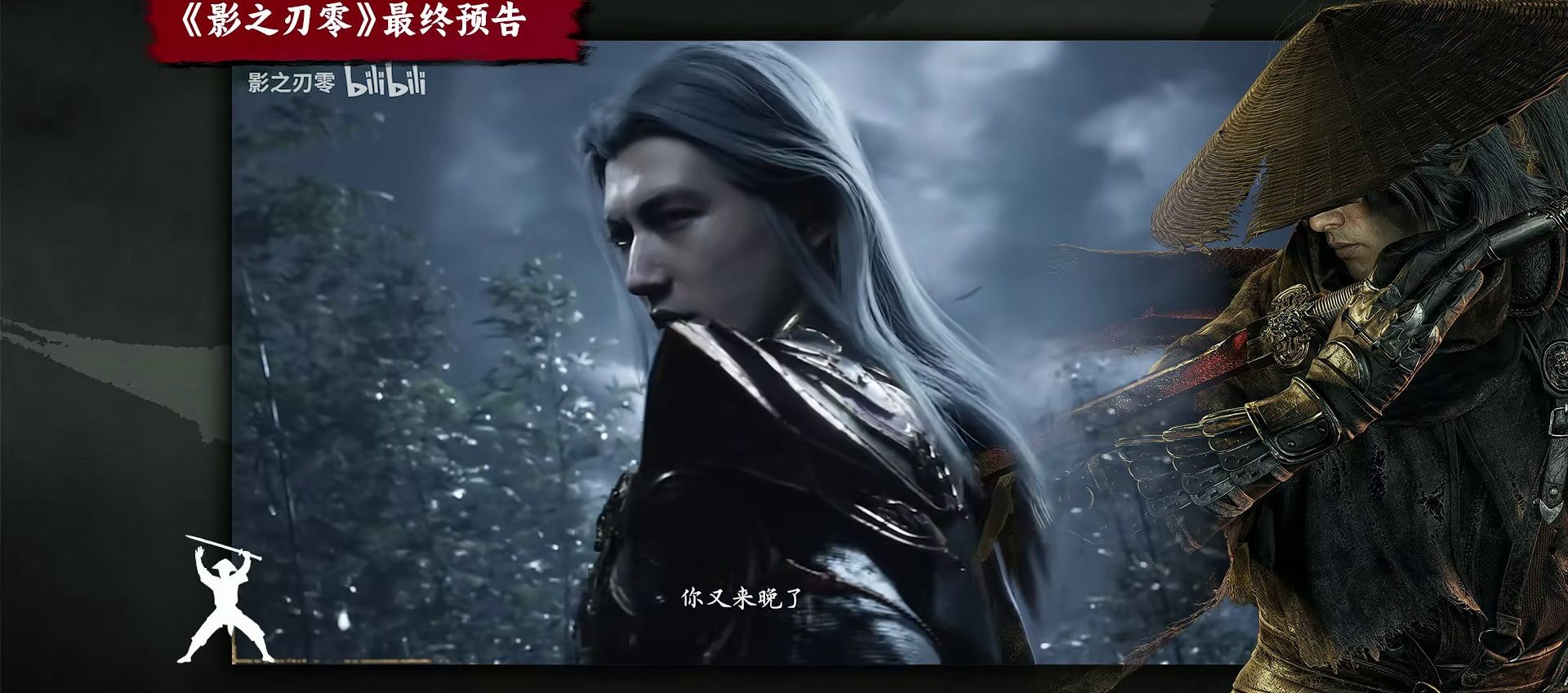
The protagonist, Soul, was once a master fighter within the organization - until a sworn brother framed him as the murderer of its leader. Gravely wounded in a clash with his arch-nemesis, he was forced to receive a poisoned heart that can only keep beating for 66 days. To clear his name, he sets out on a journey that will change the fate of the martial world.
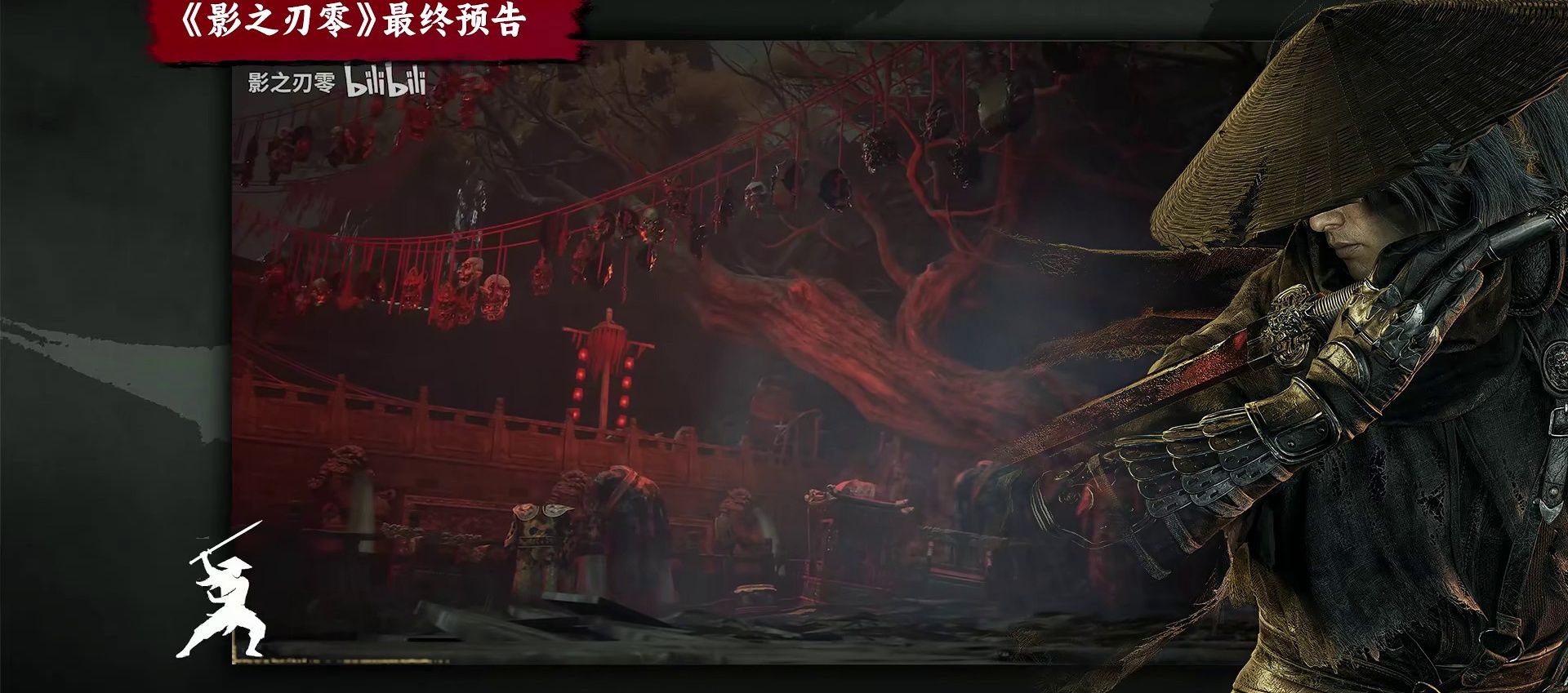
The martial world is torn between warring factions and clashing ideologies, while behind the scenes lurks a conspiracy that defies ordinary comprehension - puppets blinded by "killing intent," shambling like walking corpses, mysterious beliefs spreading among the common folk... These and other fantastical elements blend seamlessly with wuxia, conjuring a vivid, living kungfunk world.
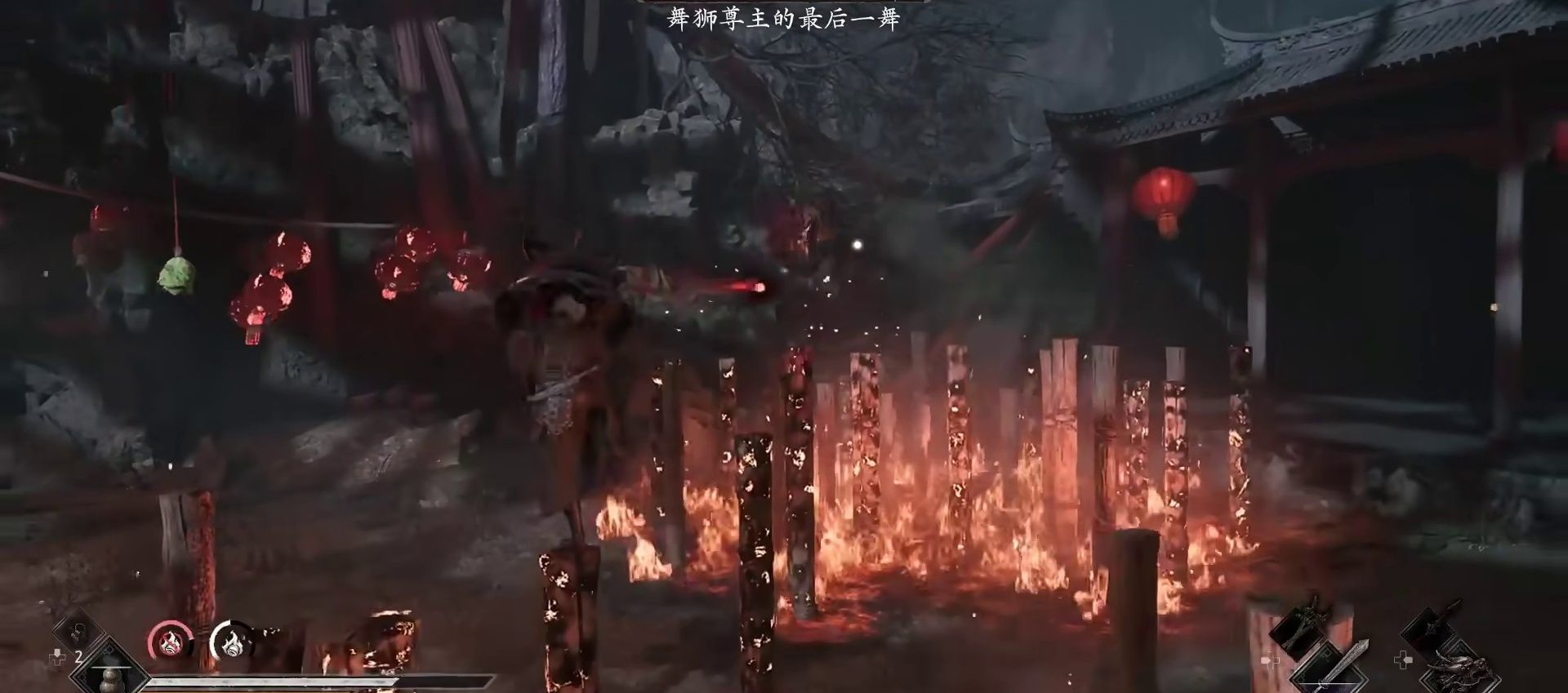
The game features story cutscenes in a wide range of styles - 2D, 3D, and even traditional art forms, each with its own distinctive charm. The music is equally impressive: varied in style and tailored to every scene, it perfectly heightens the atmosphere of combat.
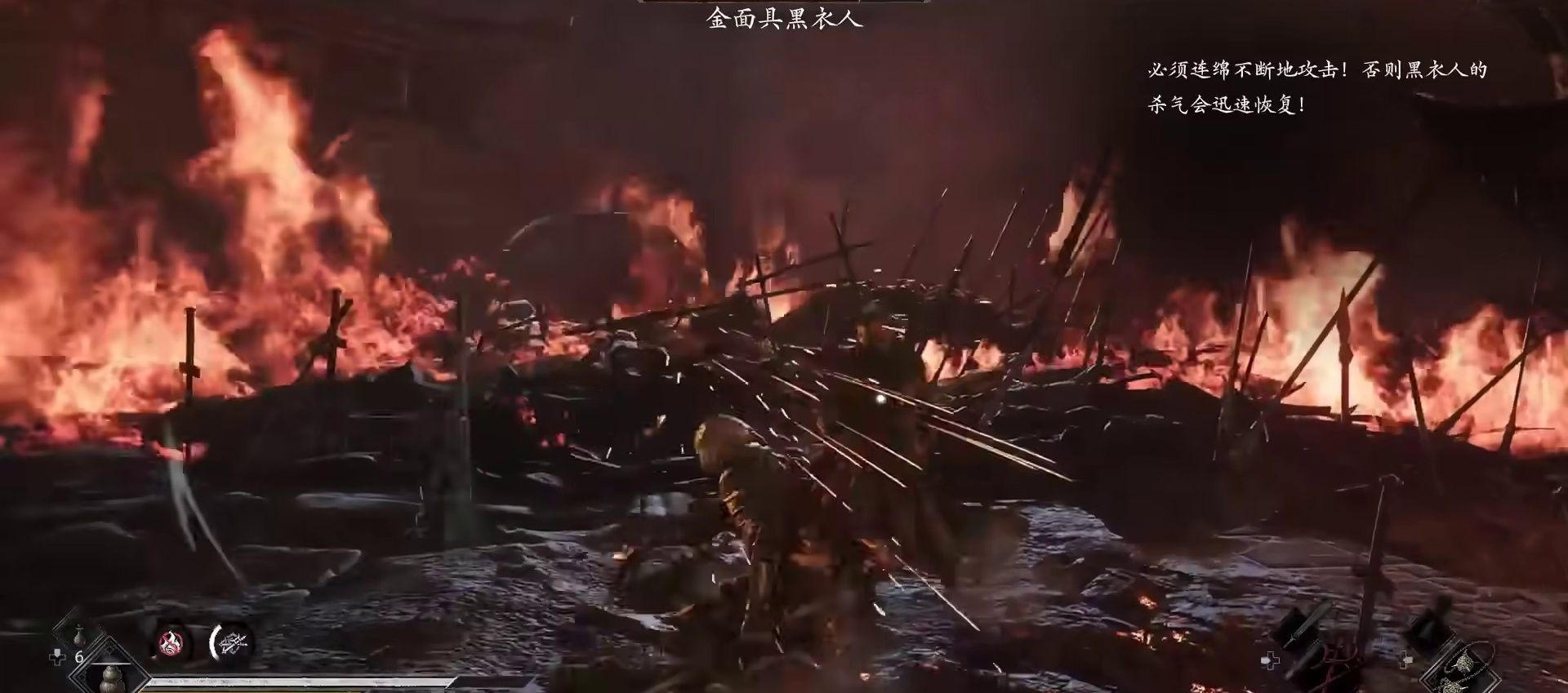
RPG Progression and Difficulty Curve
The RPG elements are fairly rich. Weapon enhancement and Soul forging add new traits to your main weapon - to the point of changing how it plays altogether; the skill tree further boosts the protagonist's performance, making side quests you couldn't clear early on much easier later; and inner arts provide auxiliary effects, such as damage reduction on weapon swaps, random effects triggered by using healing items, and special effects attached to perfect blocks.
The game's overall difficulty is not low, and there is a certain barrier to entry. But as your stats climb in the mid-game and your gear rounds into shape, the margin for error rises sharply - purely in terms of beating bosses, it actually gets easier. That said, quite a few mid-to-late-game bosses can end you with a single move, and one misstep can cost you the entire fight.
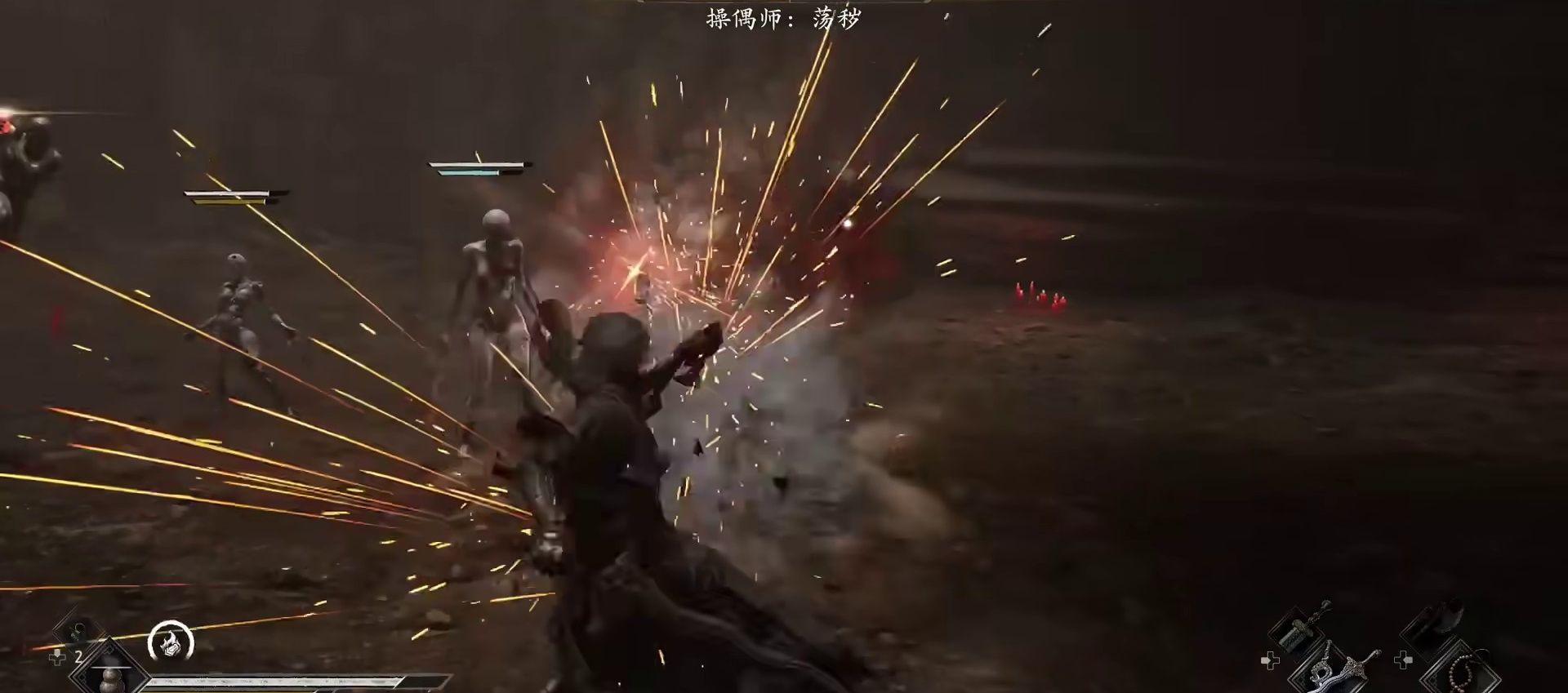
On higher difficulty, enemies are more aggressive, wield new moves, and offer a lower margin for error, but the combat pace is tighter and more spectacular to watch - well worth a try. Failure carries no death penalty - locked enemies won't respawn, and boss fights can be started directly from phase two.
Flaws and Outlook: The Details Still Need Polishing
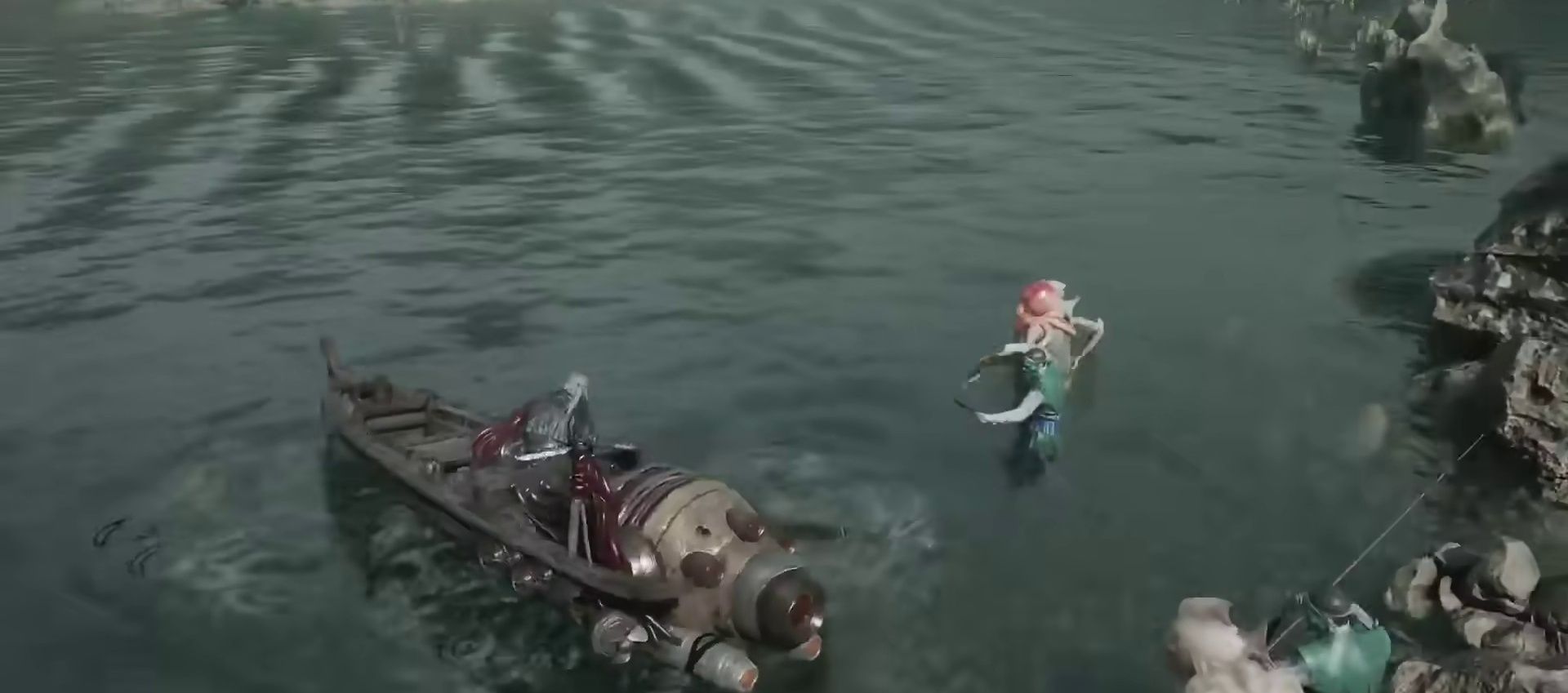
It must be admitted that the game still has some rough edges in the details: the handoffs between gameplay and cutscenes, as well as interactions with many objects and distant scenery, feel somewhat stiff; certain nooks and crannies of the map can easily snag the player's movements - in milder cases leaving you to be swarmed by enemies, in worse cases getting you stuck in the geometry; and in a few scenes (such as the boating section), loading a save is the only way out.
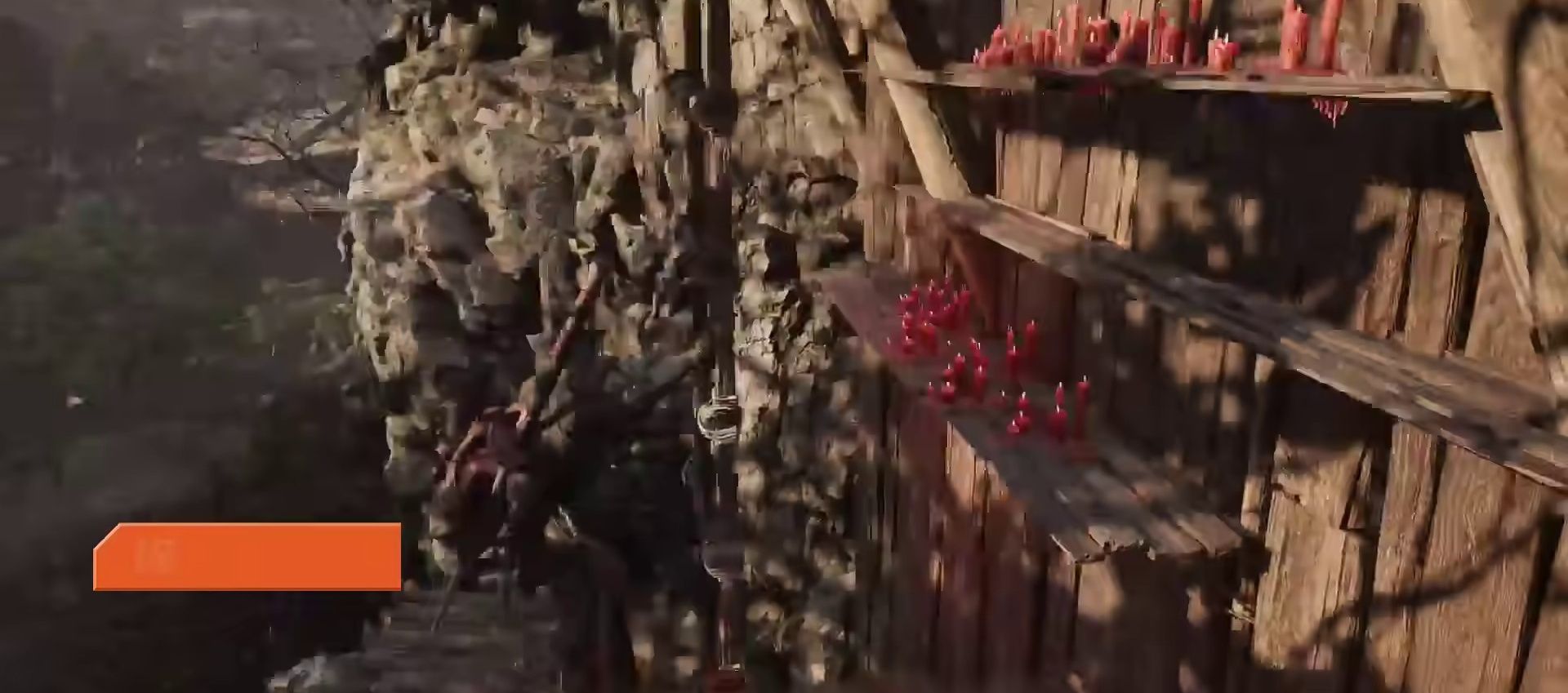
During the review period, we also ran into bugs big and small: enemy aggro never triggering at all throughout a run (allowing endless executions while making story progression impossible), audio and visuals falling out of sync in cutscenes, and background music drowning out dialogue. Fortunately, none of this touches what matters most about the game - it's fun. Many of these issues have already been reported to the development team, and most of the bugs have since been fixed.
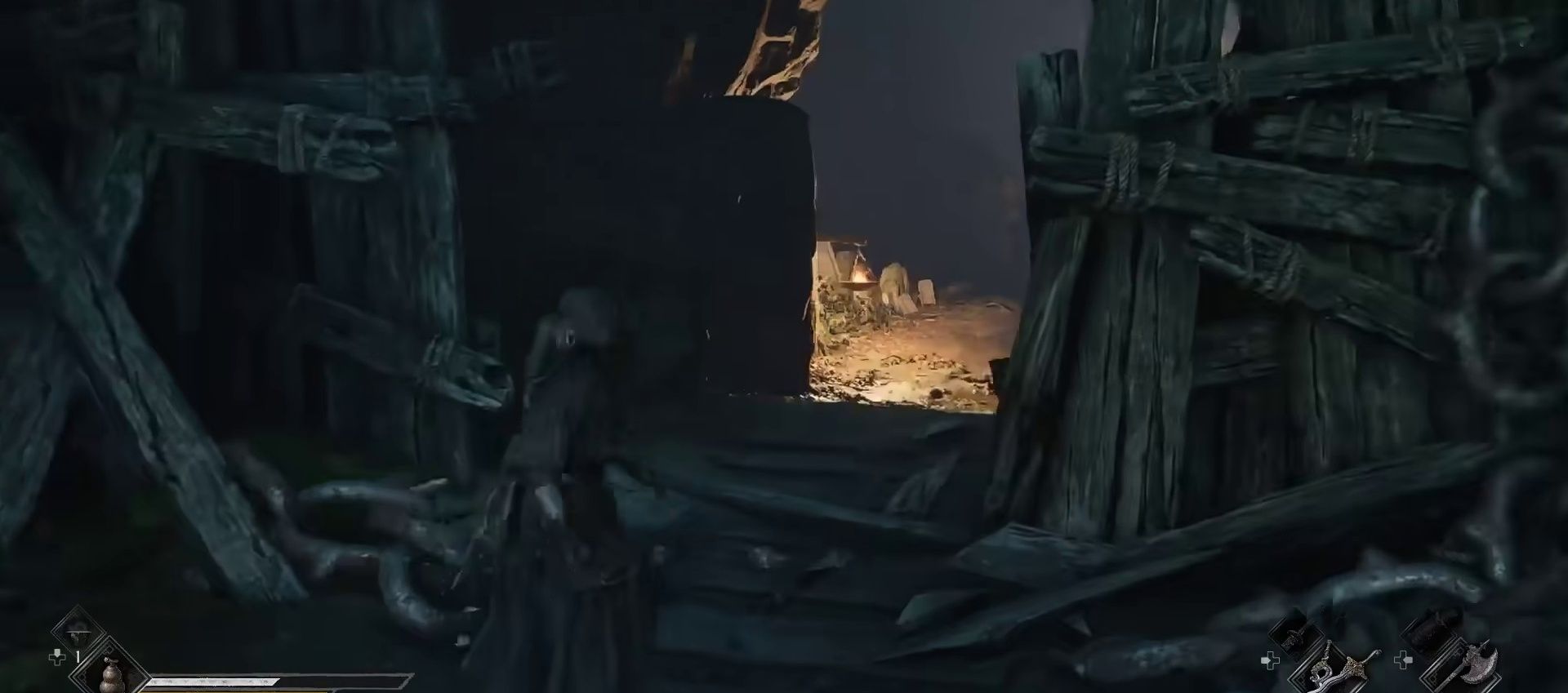
Conclusion: A Kungfunk Title Worth Looking Forward To
Phantom Blade Zero is an outstanding action game. Its moveset is rich and visually spectacular, and the combat system is solid with lasting depth, letting players of different skill levels each find their own brand of exhilaration. The diverse weapons and bosses that excel in both audiovisual presentation and gameplay deliver a constant stream of freshness and fun from start to finish.
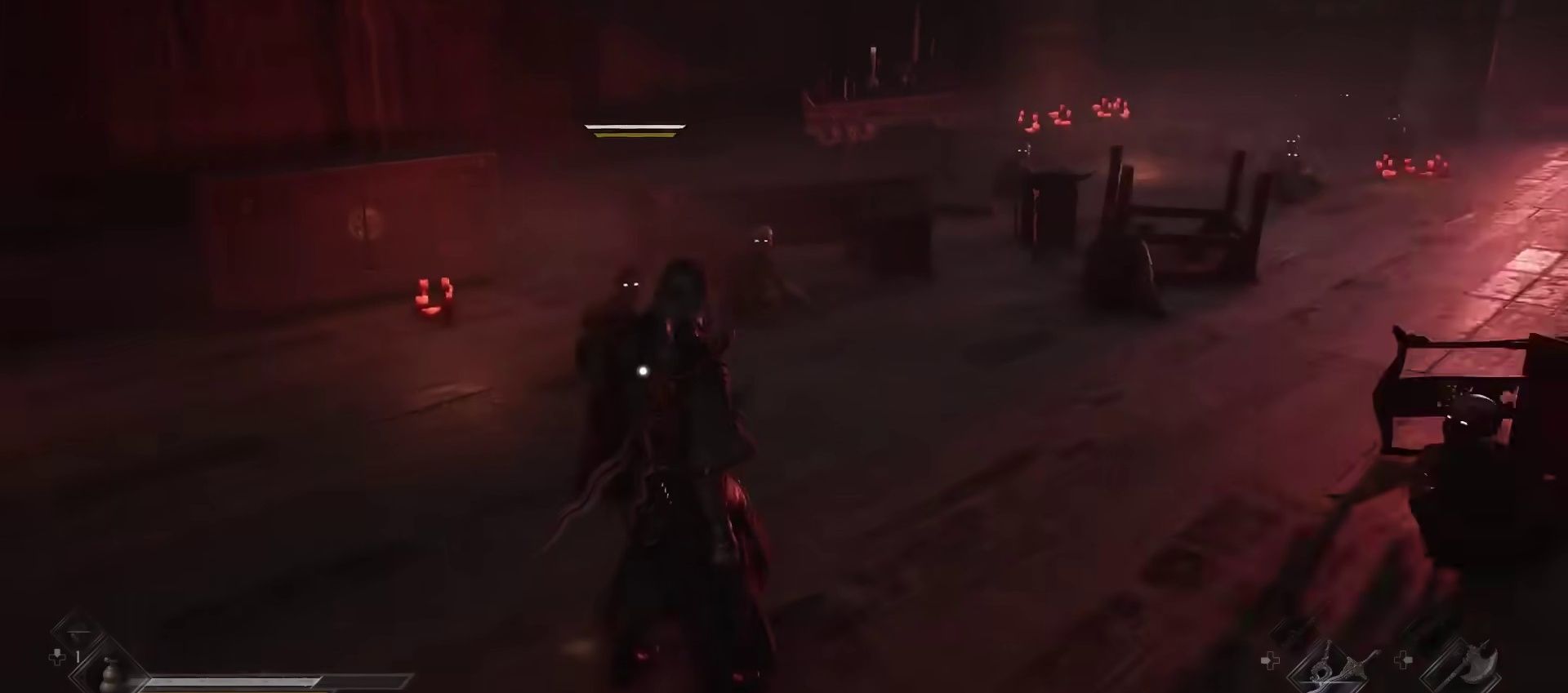
Excellent art, soundtrack, and worldbuilding come together to build an immersive kungfunk world. While some details and the ability-lock design still need polishing, on the whole, the elements that first drew you in will not let you down.
Top Community Comments
“An Ultimate Playful Take on the Shadow Realm’s Aesthetics”
A sharp-eyed viewer pointed out that the clever character breakdown of the title ‘Phantom Blade Zero’ reads ‘Shadow Realm = 78, Aesthetics = 13.’ This is actually a playful online jest that ingeniously splits the game’s English/pinyin title into Chinese words, rather than denoting any real statistical data. Still, the pun-filled wordplay elicited knowing smiles from many players, and many also intuitively felt the powerful impact of the game’s visuals and atmospheric design.
“The Agony of Wanting to Know Yet Fearing to Know”
Many players expressed their mixed feelings in the comment section: “I don’t want to watch reviews - outlets spoil the visuals and hurt the gameplay experience - but I can’t resist looking anyway.” This perfectly demonstrates just how powerful the content expressiveness and buzz of “Phantom Blade Zero” are at the moment - its imagery, Boss designs, and narrative presentation all pack enough punch to keep drawing people in, even when they’re trying to avoid spoilers.
“Hardcore Nostalgia Rivaling Onimusha”
One viewer brought up Onimusha’s perfect review rating from IGN, questioning why a homegrown title couldn’t receive similar treatment. This viewer captured the combat essence of Phantom Blade Zero perfectly: it truly evokes that blade-flashing, hardcore action golden age. The comment also sparked further discussion on media scoring standards and whether Phantom Blade Zero can take center stage on the global arena.
📌 One-Line Takeaway
Phantom Blade Zero builds a deeply immersive kungfunk jianghu through a combat system that fuses offense and defense via "Killing Intent," 30 weapons brimming with distinct personality, and incredibly tense boss encounters - there are minor flaws and moments of exploration frustration, but these blemishes don't overshadow the brilliance: at the end of the day, being fun is the only argument that matters.