Phantom Blade Zero on the Eve of Release: S-GAME's Ambition, Controversies, and a New Gamble for Homegrown Single-Player Games
Phantom Blade Zero is less than half a month away from its official debut. It carries the expectations of virtually all Chinese players for homegrown single-player action games, as well as the ambition S-GAME has nurtured ever since Rainblood. On the very day preorders opened, many snapped up the Deluxe Edition immediately; even before that, several PVE demos had pushed combat choreography, weapon movesets, and boss design to the very peak of anything we had seen, making people almost believe that this game was already a sure thing. But the six-hour hands-on preview released at the media embargo lift has put cracks in some of those once-certain judgments. This is not doomposting, but well-intentioned worry - the closer we get to release, the more these issues need to be laid out clearly.
I. The "Sure Thing" on the Eve of Release: Combat Is the Foundation
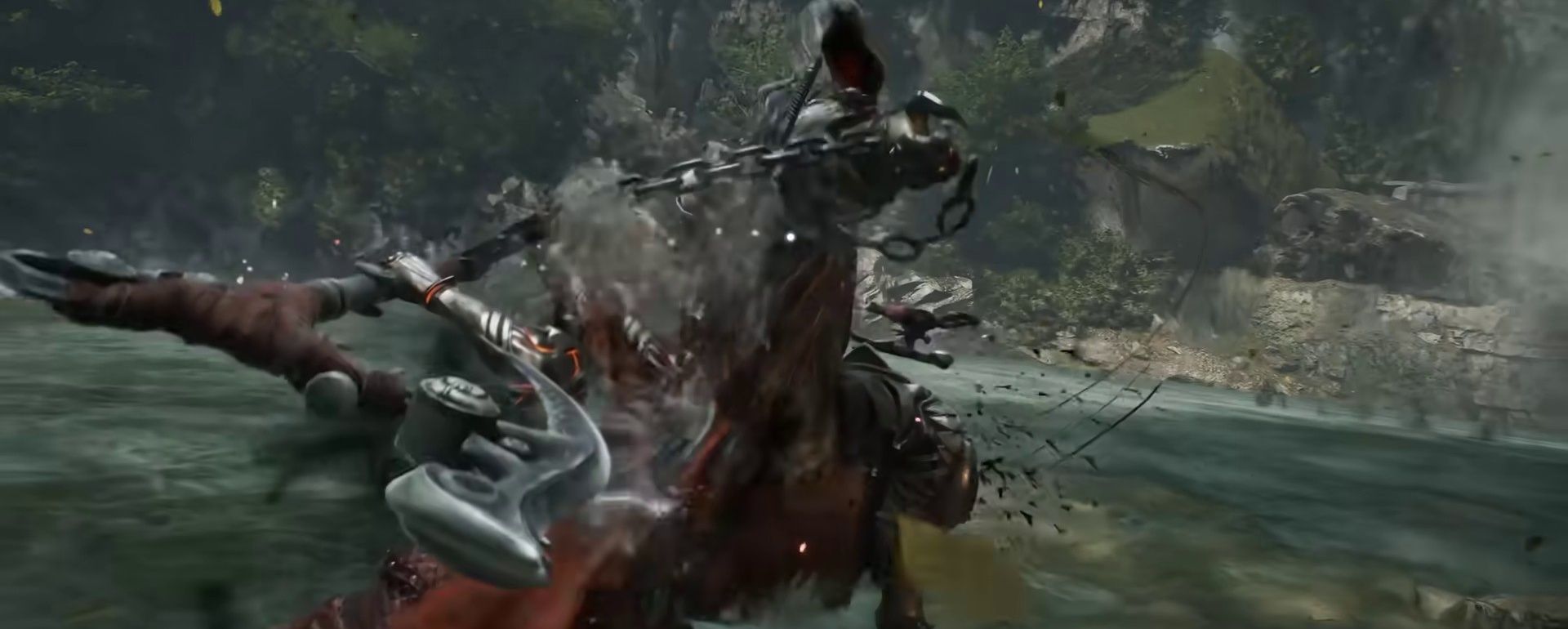
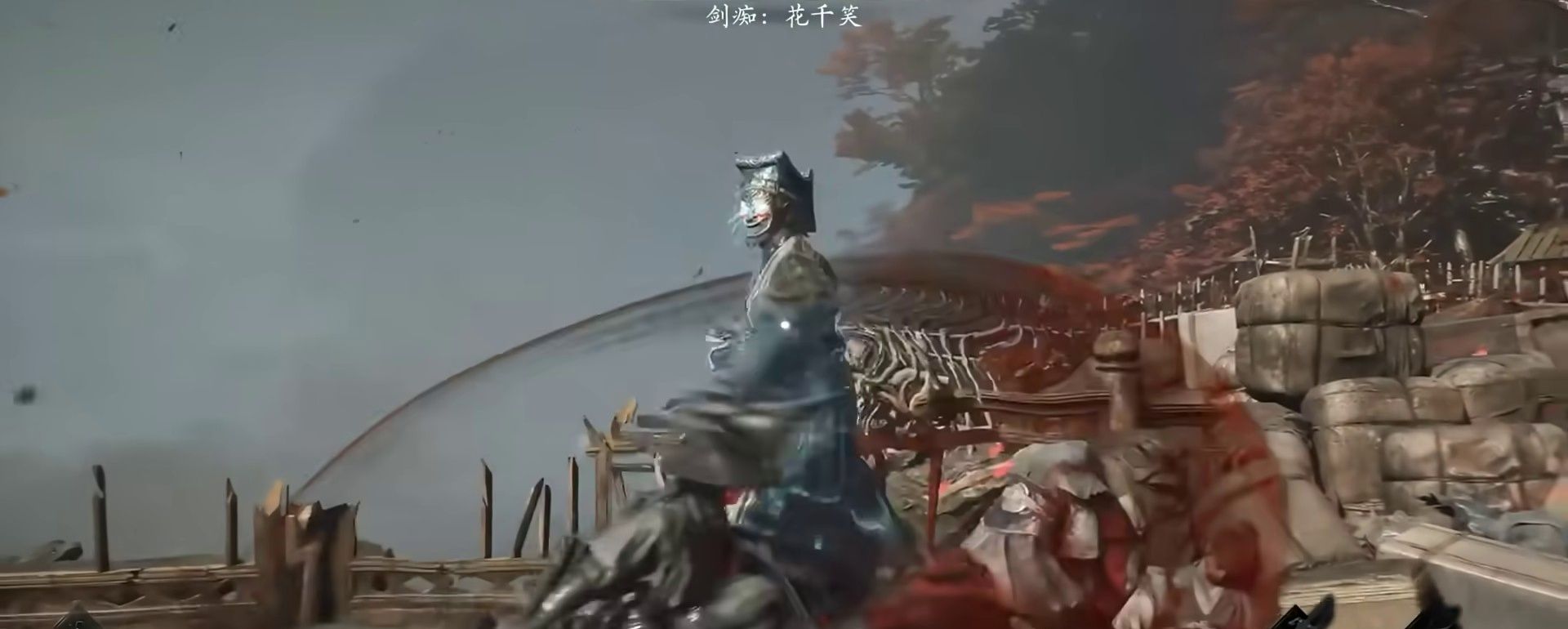
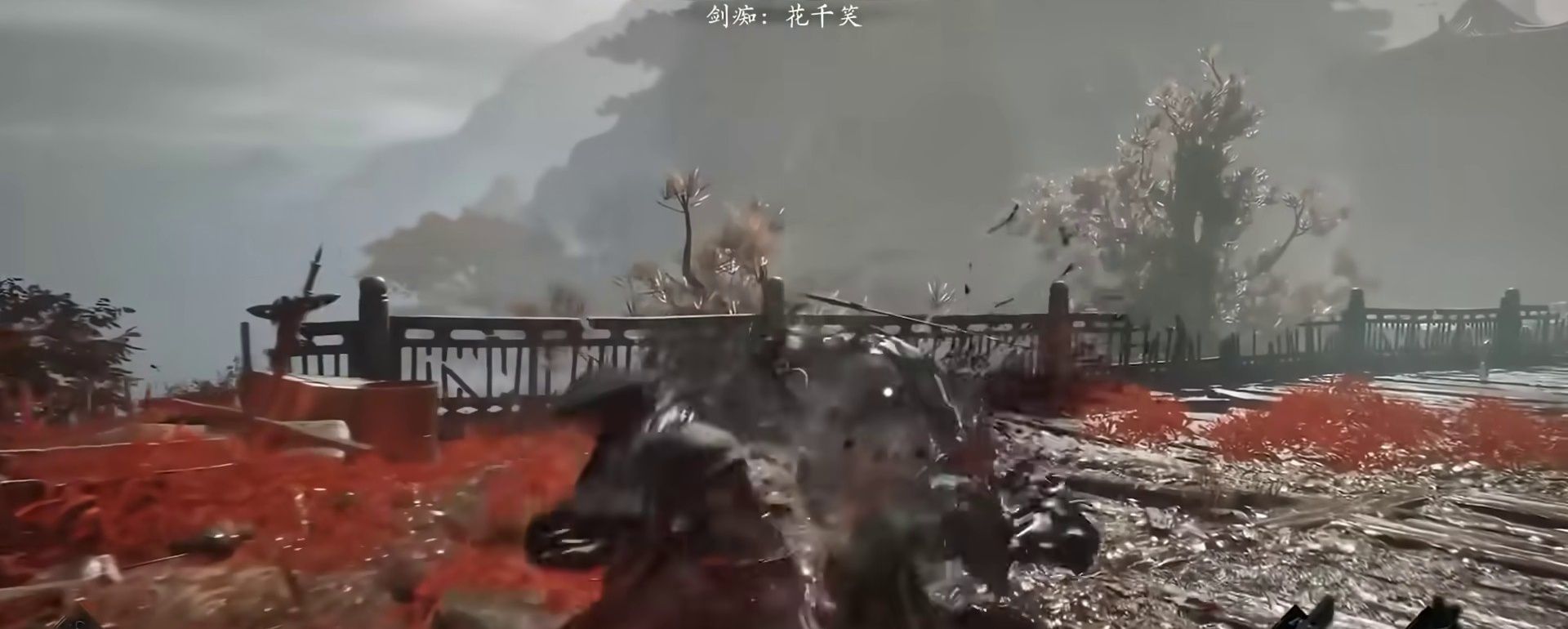
Among homegrown single-player action games, what has always made Phantom Blade Zero convincing first and foremost is not slogans, but combat. S-GAME seems to have genuinely pushed combat environments, action feedback, and enemy interactions to the very limit of their current capabilities. In the publicly released PVE demos, the weapon movesets, execution animations, the smooth transitions between throws and dodges, and boss designs that reportedly adapt to each player's combat habits have all repeatedly proven one thing: there is simply no way this game's combat experience won't be badass.
Combat is the foundation of Phantom Blade Zero - and the trump card it can least afford to lose.
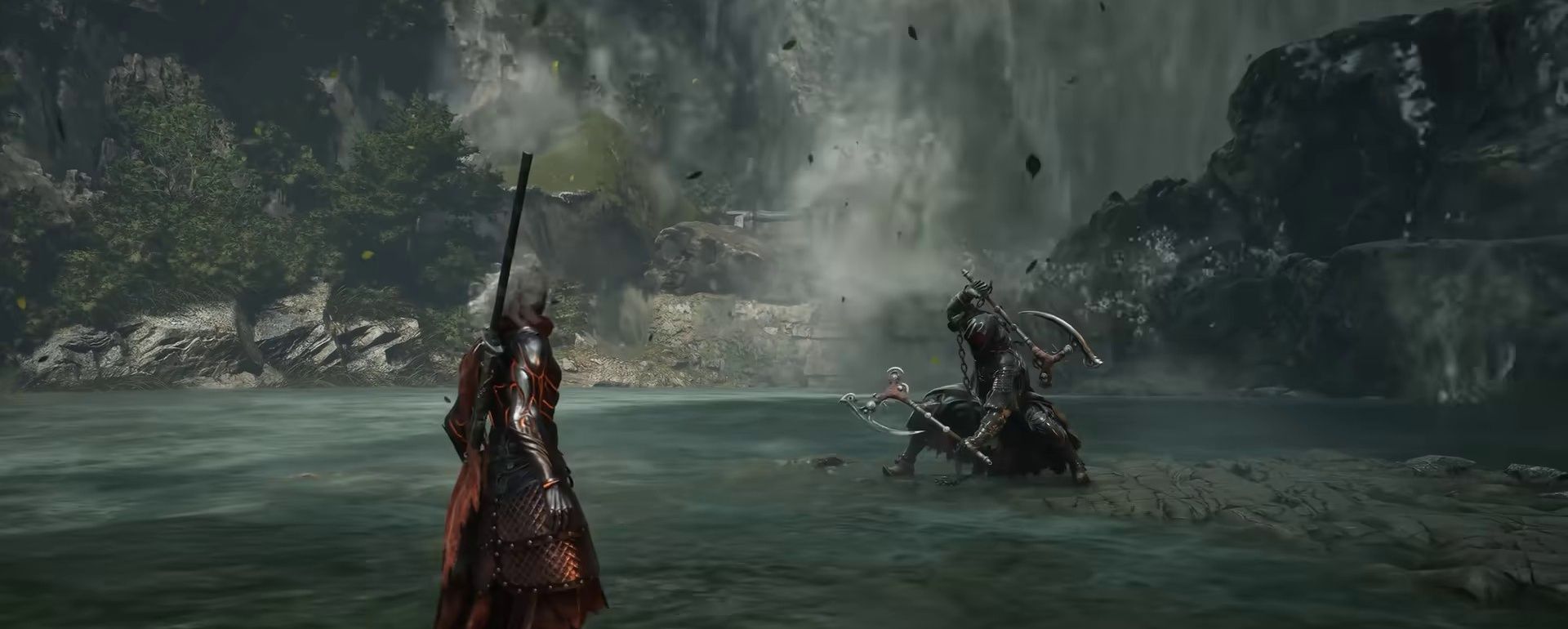
On the other hand, you never have to doubt a Chinese studio's ability to write a wuxia story. What's more, Phantom Blade Zero's worldbuilding has already been years in the making, laid down by the Rainblood series; as long as the narrative doesn't get overly fragmented again, the story side should be largely safe from major problems. Feedback on other aspects, such as map design, has also been mostly positive. I haven't actually played it myself, but judging by the overall impression, expecting an 8/10 is hardly overreaching.
So, everything was fine - at first. Players were counting down the days to release, hoping that S-GAME, following Black Myth: Wukong and Wuchang: Fallen Feathers, would keep building momentum for homegrown single-player blockbusters - and perhaps even take things to the next level. The trouble came precisely after the media embargo lifted: the information revealed in the six-hour hands-on previews contained at least two details that set off alarm bells.
II. The First Concern: Regular Enemies Don't Respawn - Immersion and Resource Anxiety
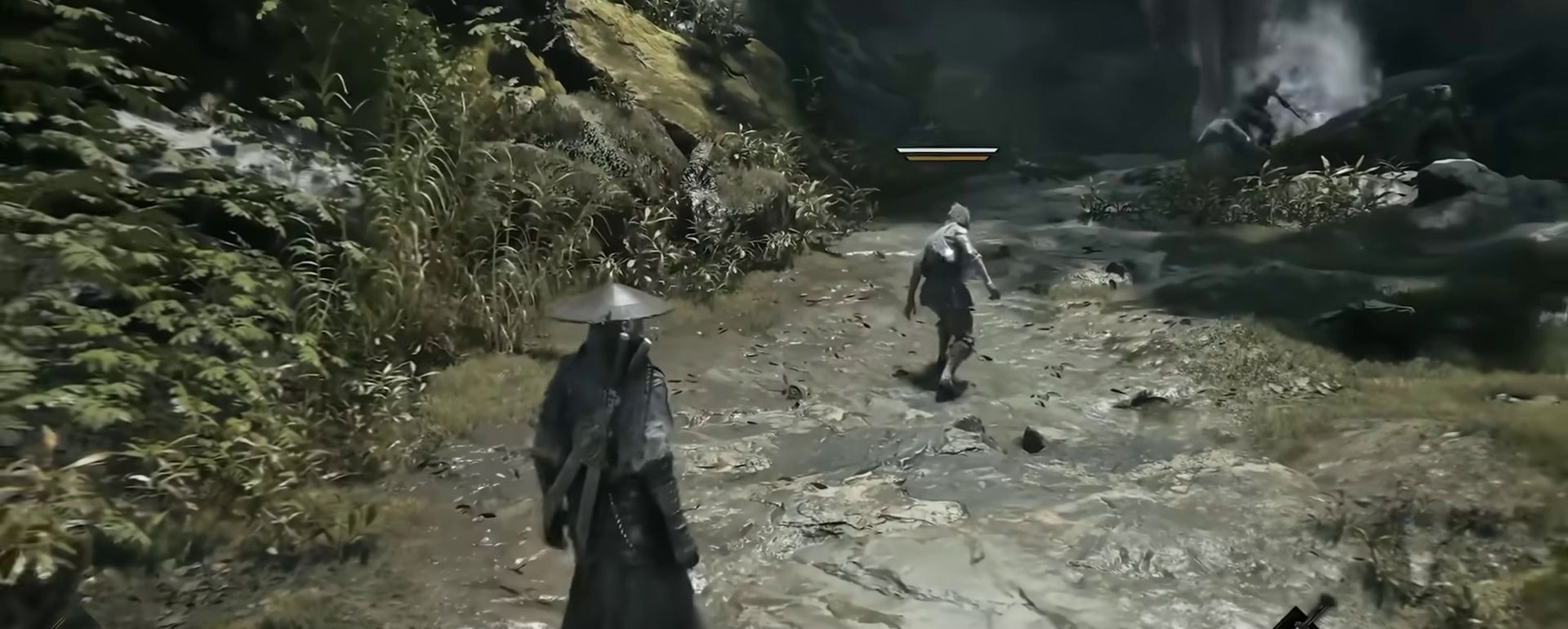
The first point of contention is an old problem that many action games have had to tackle: should regular enemies respawn or not? Based on what has been revealed so far, Phantom Blade Zero may adopt a design in which regular enemies do not respawn. If this only applies to certain areas, that would be one thing; but if enemies never respawn under any circumstances, it will create at least two headaches.
The first is how to handle enemy placement. Place too many, and trash mobs would account for too large a share of encounters, easily undermining narrative pacing, the immersion of exploration, and the map's sense of realism. Place too few, and with thirty-plus weapons and twenty-plus Shadow Armaments tied to a linear, twenty-plus-hour single playthrough, where exactly are players supposed to enjoy a new weapon once they pick it up? Surely they can't be expected to make do with the training room alone in the late game. That would be like spending the rest of your life relying on nothing but your right hand - it works, but the world would feel hollow and short on realism.
Regular enemies not respawning isn't the problem in itself; the problem is where players go to prove a new weapon's worth once they've picked it up.
Some will bring up God of War (2018) as a counterexample: Kratos's enemies don't respawn once defeated. That is indeed true - but it is equally true that Kratos's arsenal amounts to just the axe, the twin blades, and his son's bow, whereas Phantom Blade Zero offers more than fifty weapons to choose from. The God of War (2018) analogy simply doesn't hold up.
III. The New God of War Analogy Breaks Down: What Kind of Battlefield Do Fifty Weapons Need?
A finite enemy pool means finite resources - and finite resources mean players can only develop so much at any one time. If the rumors are true and a single playthrough offers just enough progression resources to build two loadouts simultaneously, that might not seem like a problem on its own. But the developers have also said in interviews that they want players who hit a wall against a boss to consider trying out new weapon combinations. And there lies the contradiction.
Even if reclaiming progression resources in Phantom Blade Zero costs next to nothing - or nothing at all - wouldn't players still have to respec and reallocate points over and over? At least judging from the gameplay footage, every time players recycle resources into weapon upgrades, they have to manually level a weapon up one level at a time. A few rounds of that, and it's hard not to get tired of it. Going a step further, if the developers' original intent was to place more progression resources into New Game+, that poses a new challenge to just how rich the New Game+ content can be: beyond weapon progression, how much incentive can you actually offer players to start another playthrough?
The solution, in fact, isn't complicated. For the lack of enemy respawn, the team could design zone-based dungeons or challenge missions that make sense within the narrative, letting players take them on repeatedly, complete with matching achievements and rewards. That would give those weapons room to shine without disrupting the story's unfolding. As for the progression mechanics themselves, the weapon-upgrading process could be streamlined each time - or the team could even take a page from live-service games and adopt preset build systems - while packing New Game+ with content compelling enough to pull players back in. That said, for a game about to release, what's already done is done; if it hasn't been done, the fix will probably have to wait for post-launch updates or DLC.
IV. The Second Controversy: Skipping to a Boss's Second Phase - Mercy or Dismantling the Fight?
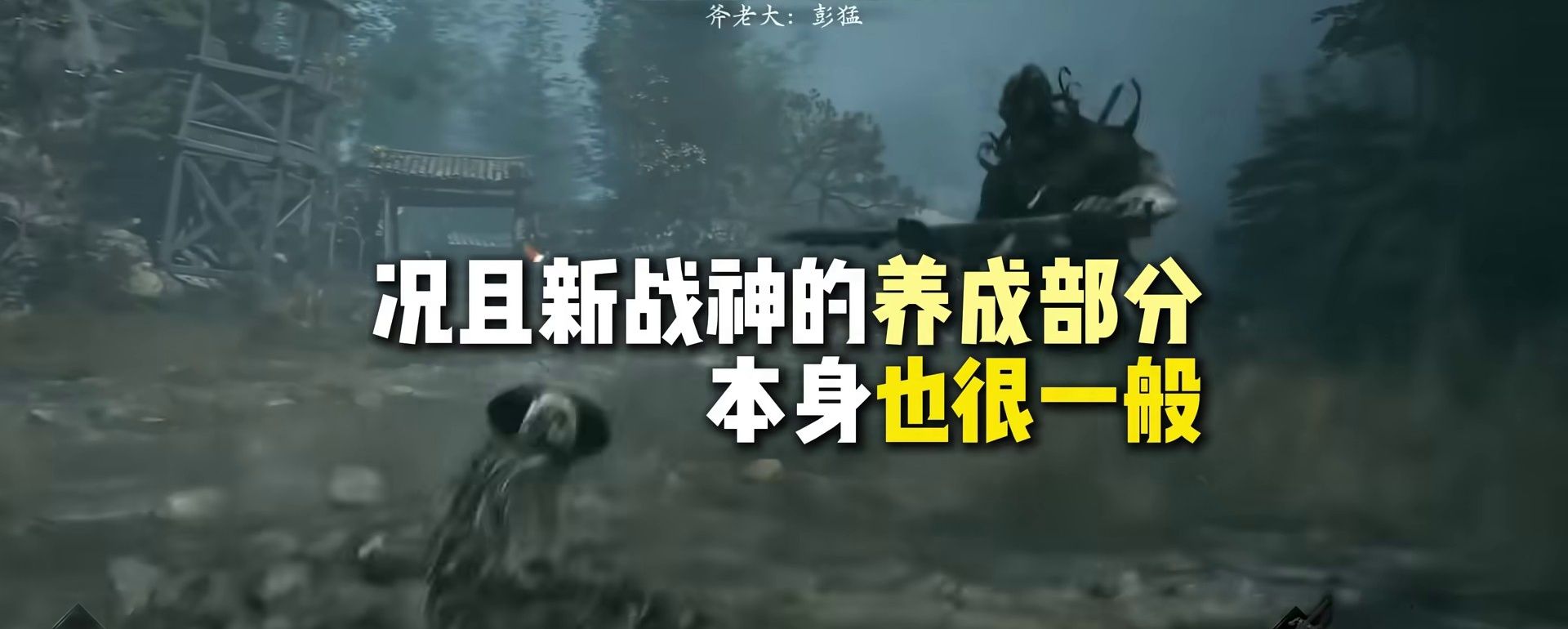
The second most controversial point is that when players die during a Boss's second phase, they can skip the earlier phases and jump straight back into the challenge. Based on the vague description alone, the most immediate impression is that S-GAME is deliberately reducing player frustration. That in itself is a good thing, but think it through, and there are plenty of unresolved details here that could directly shape the entire combat experience.
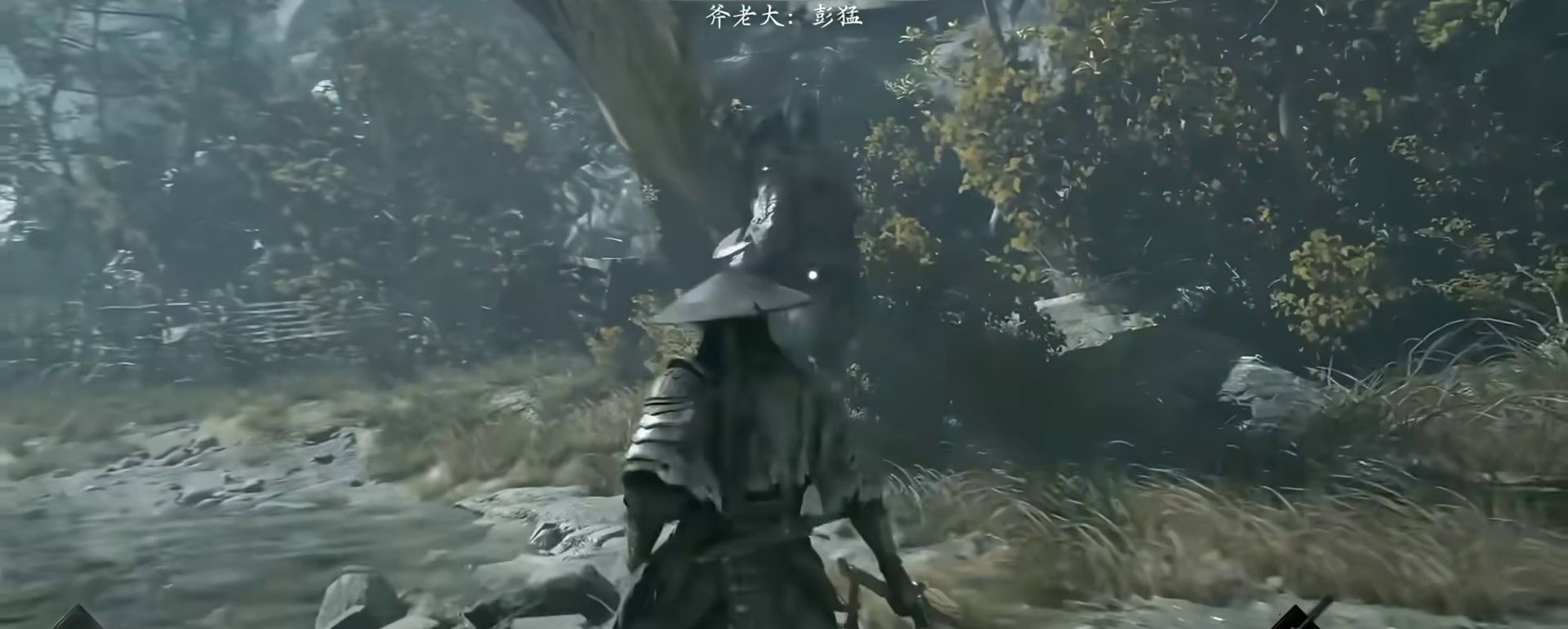
For example, after dying in the second phase, can players freely choose to retry immediately, or first abandon the attempt and return to a waypoint? If they choose to retry, are the combat resources already consumed - health, healing items, and so on - simply refilled, or reset to the state they were in when the second phase was first entered? And if they give up, return to the respawn point to swap gear or change their build, then come back to fight the Boss, will they still start directly from the second phase? Players who have tried the game in person may be better positioned to weigh in on these questions, but every single one is worth pressing.
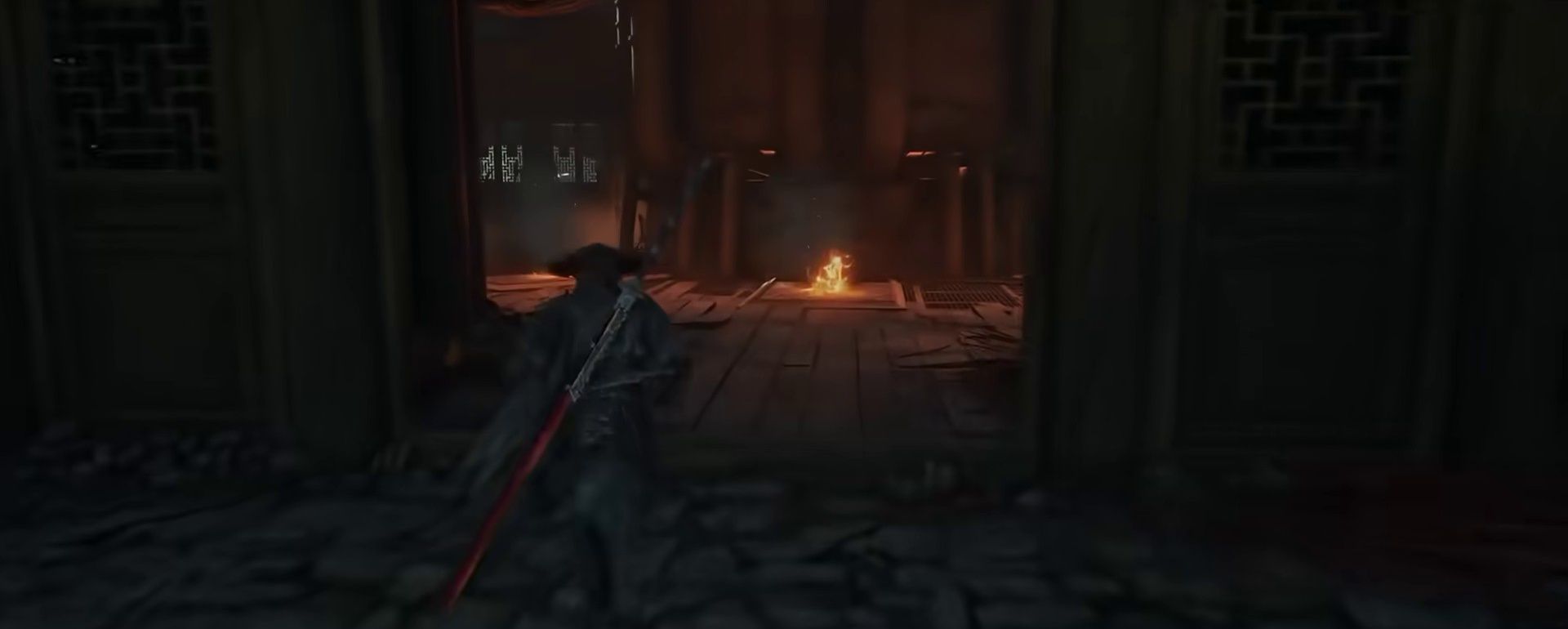
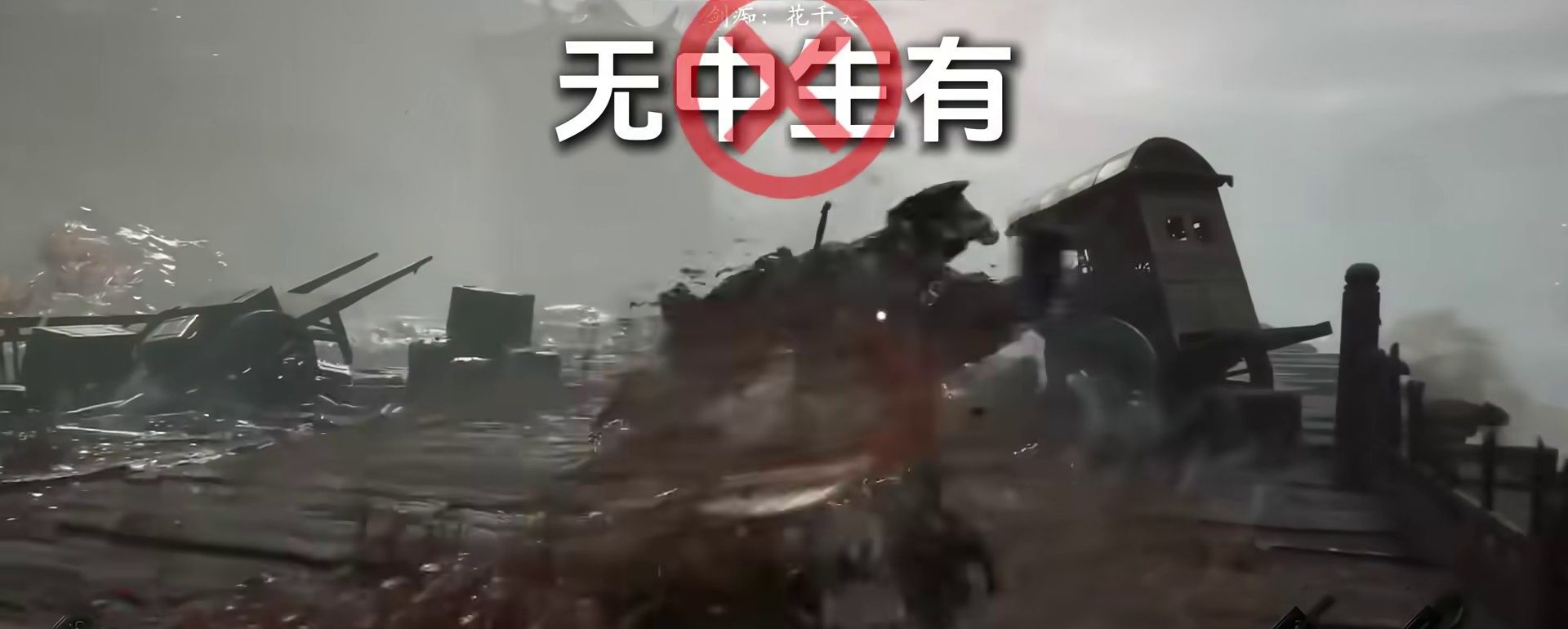
More subtle still is the fact that the difficulty and moveset design of each Boss phase are interconnected. If a Boss is designed to wield one weapon in the first phase and a different one in the second, the players' optimal strategy might become: deliberately die after clearing the first phase, swap weapons, and then return to trigger the second phase. Honestly, this wouldn't be a major flaw - at the end of the day, it's just one way for players to cheese the encounter - but at least from where I stand, it feels off no matter how you look at it, and I'd humbly argue it's not the right call.
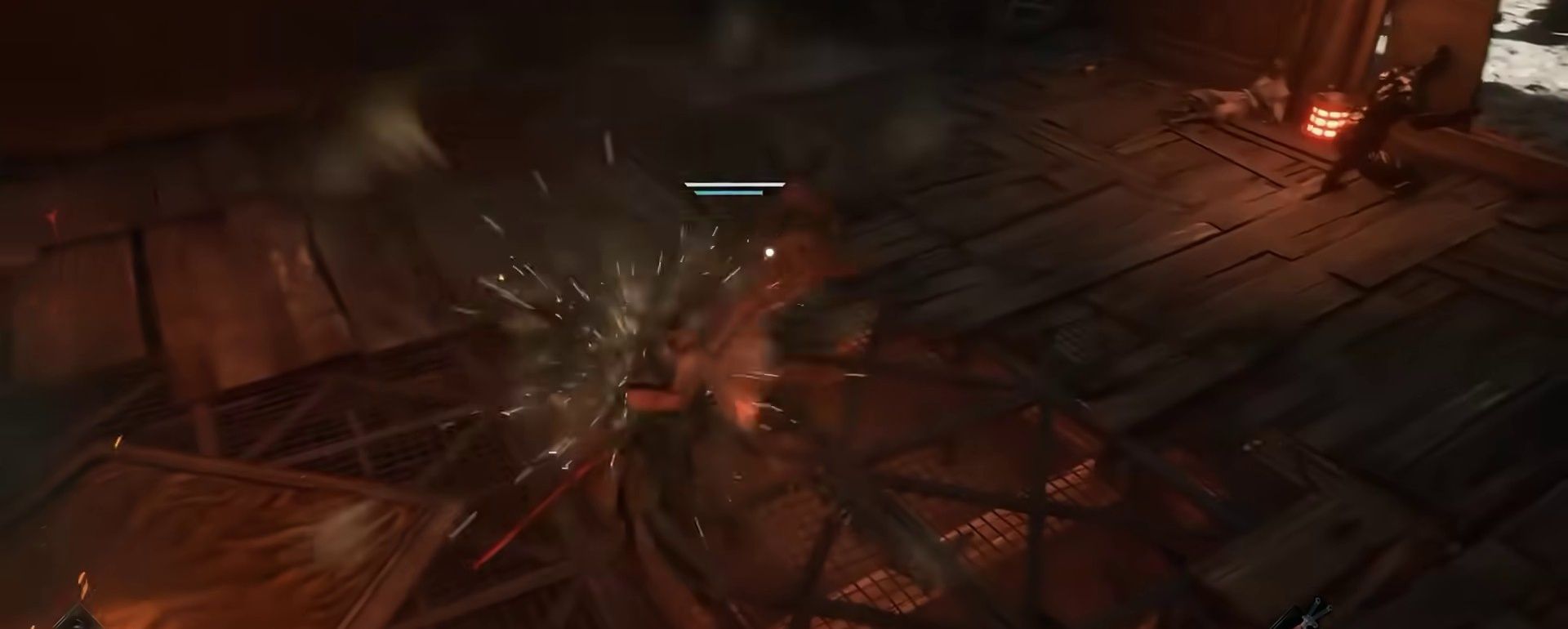
Moreover, according to friends who took part in the hands-on demo, the Bosses in the demo build were relatively easy on the standard difficulty; upon entering the second phase, health and healing items were restored to full by default. Viewed this way, doesn't the combat's barrier to entry seem a bit too low? Of course, that doesn't mean the Boss has to beat players black and blue, but I still hope Phantom Blade Zero can ultimately deliver combat that balances challenge, spectacle, and depth. That's no small ask - arguably a harsh one for S-GAME, which is developing a large-scale action game for the first time - but look at it from the other side, and Phantom Blade Zero will very likely go head-to-head with top-tier action games at the major action-game awards. It's only natural, then, that players hold it to such high standards.
V. S-GAME's Tightrope Walk: The Ambition of a Brand-New Genre - "Shadowlike" Games
At the end of the day, the two concerns above are nothing more than speculation pieced together from the game content released so far and a few fragmentary remarks from those involved - you could call it well-intentioned fretting over nothing. Perhaps Liang Qiwei and S-GAME had it all sorted out long ago. But whatever the outcome, viewed from another angle, these two design trade-offs and choices both speak to S-GAME's ambition and nerve.
S-GAME is like a tightrope walker: keep the balance, and it's a full house of applause; lose it, and a sky full of wind and snow comes pouring down.
They are like an acrobat on a high wire. Keep the balance, and a full house of applause awaits them; and who knows - perhaps, just as Liang Qiwei says, this really is an entirely new design philosophy, and the gaming world may yet see a genuinely new genre emerge: "Shadowlike" games. But if they lose that balance and fall off the wire, given the game's current buzz and the prevailing climate of public opinion, S-GAME would take a painful fall of their own. All kinds of labels - "arrogant," "hubristic," "in over their head" - along with extreme remarks made with ulterior motives, would inevitably come crashing down on them like snowflakes.
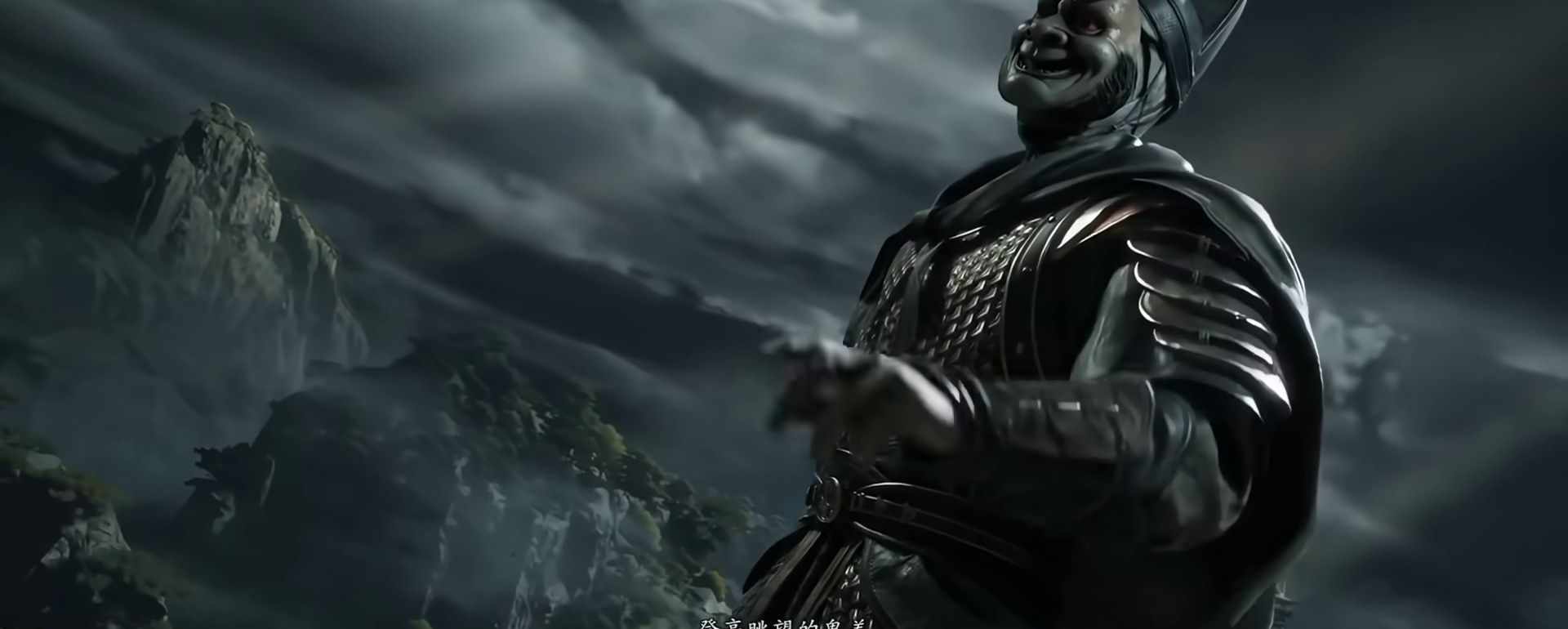
After all, on today's internet, the ghouls who feed on human blood, the demons who whip up emotions, and the dogs that slink along whichever way the wind blows all shout far louder than ordinary people do. This is not to say Phantom Blade Zero is beyond criticism - the point is that criticism and praise alike should rest on a foundation of reason: no inventing things out of thin air, no quoting out of context, and above all, no spouting nonsense just to chase a bit of traffic. In the end, I still hope Phantom Blade Zero sells big and leads homegrown single-player games in proving themselves to the world once again.
VI. A Rational Public Discourse: What Kind of Expectations Do Homegrown Single-Player Games Need?
The temperature of public discourse before a release is often more complicated than the game itself. Phantom Blade Zero's promotional cadence hasn't been particularly high-profile - to the point that some are anxious: it's already the 19th, so why haven't we seen a large-scale marketing push? This anxiety isn't malicious; it's a natural reaction once expectations have been stacked too high. Players fear the game being hyped to death, yet also fear it being left out in the cold; they want S-GAME to stay restrained, but worry the market buzz won't be loud enough.
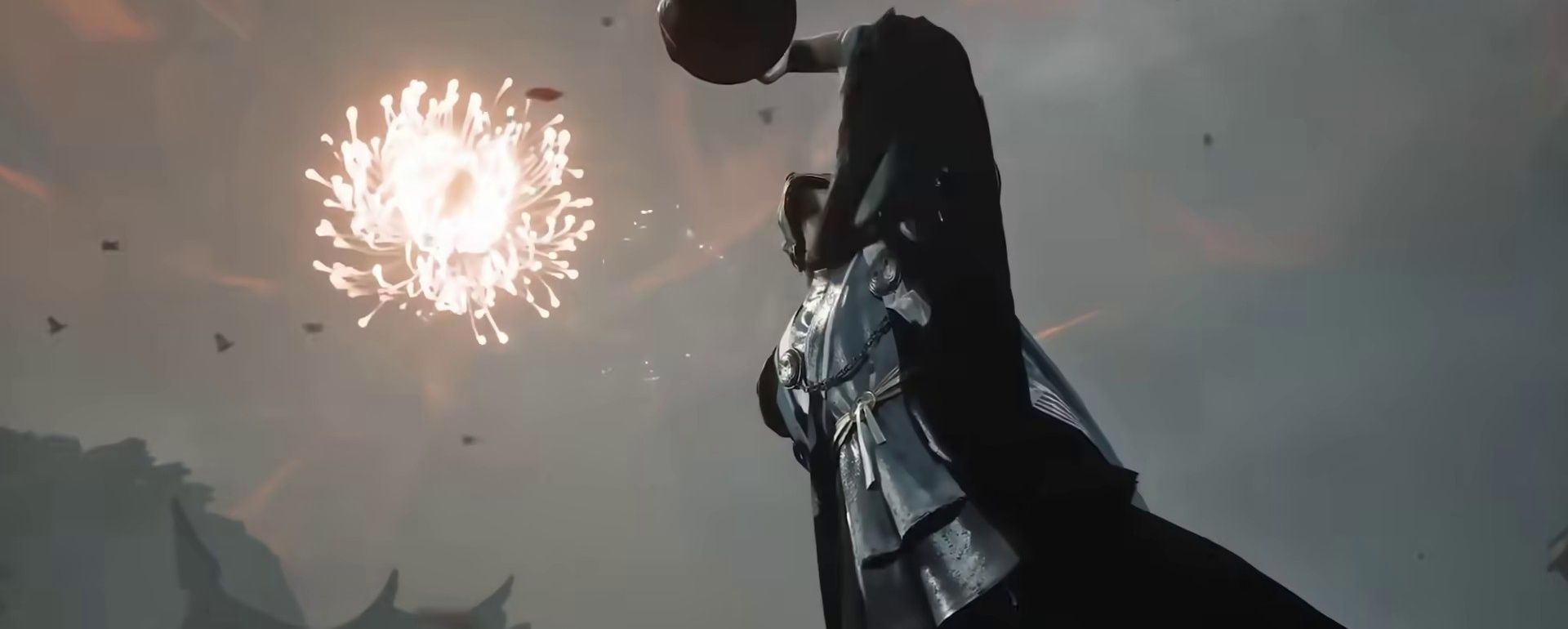
Some players also offer an optimistic reading from a "content-stacking" angle: in a typical game, enemy respawn for minor foes is usually there to pad out the playtime; the fact that Phantom Blade Zero dares to cut that entirely shows its confidence in the density of its pacing and the volume of its content. The stated 20 - 30 hour main story may simply be a form of expectation management - if a playthrough actually takes an easy 40 - 50 hours, players will come away thinking "now that's badass." This view isn't necessarily entirely correct, but it represents a kind of trust: the belief that S-GAME isn't being lazy with subtraction, but making deliberate trade-offs.
The community has even coined quips like "Soul takes care of the Phantom Blade, and Liangborghini takes care of the Zero." Behind the joke is an affectionate nickname celebrating Liang Qiwei's personal style, as well as an acknowledgment of the Phantom Blade IP's legacy. Expectation, trust, anxiety, and banter together make up the discourse on the eve of Phantom Blade Zero's release. A truly healthy discussion isn't one where you can only praise or only criticize, but one where, grounded in facts, both the concerns and the compliments are laid out clearly.
Top Community Comments
One player quipped: "Soul handles the Phantom Blade, and Liangborghini handles the Zero." The joke carries both trust in Liang Qiwei and recognition of the Phantom Blade series' lineage. It compresses the relationship between the producer, the IP, and the new title into a single line of community slang - at once affectionate and full of anticipation.
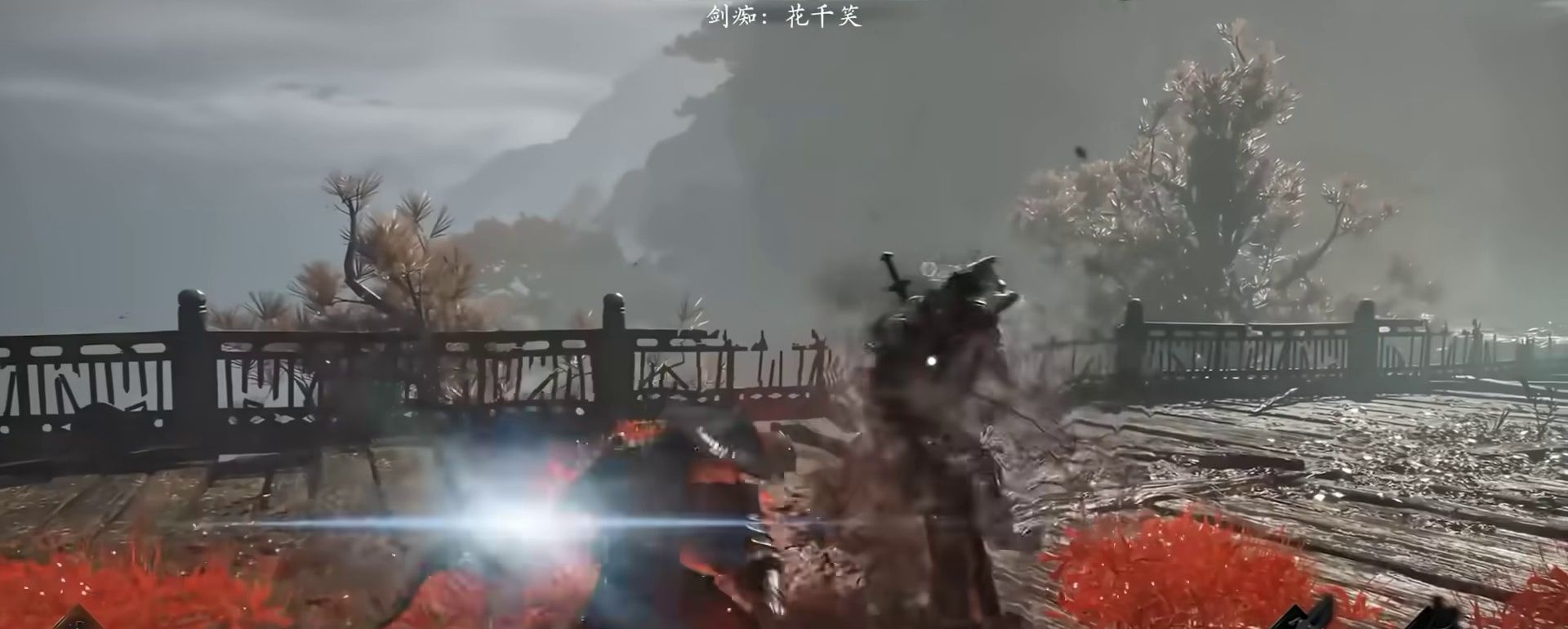
One player analyzed it from a content-density angle: "It's precisely because they've packed in so much content that they dare to do this. Normally, respawning minor enemies exists to pad out playtime; daring to cut them all shows confidence in how long the campaign actually runs. The so-called 20 - 30 hour main story might be a psychological tactic - making you think it isn't all that much, so that when you casually end up sinking 40 - 50 hours, you'll feel this game is truly badass." This is the optimist's reading: not respawning minor enemies isn't cost-cutting - it's confidence in content density.
Other players are anxious: "It's already the 19th - why haven't we seen any marketing yet?" Behind this comment lies the unease of a release drawing near with too little information. Good things come to those who wait, but the market needs a voice, and players need to feel heard. For Phantom Blade Zero, the marketing silence may be strategy, or it may be pressure - but either way, it will amplify the emotions already running through the community.
📌 One-Line Takeaway
Phantom Blade Zero's combat foundation and wuxia storytelling give plenty of reason for anticipation, but the design risks of lesser enemies not respawning and Bosses skipping phases still need to be validated in the full release; S-GAME is walking a tightrope, and players would do well to ground both their praise and their criticism in reason - then wait for October 29 and meet in-game.

Criticism and praise alike should be built on a rational foundation - not fabricated out of thin air, twisted out of context, or spouted as nonsense for the sake of traffic.
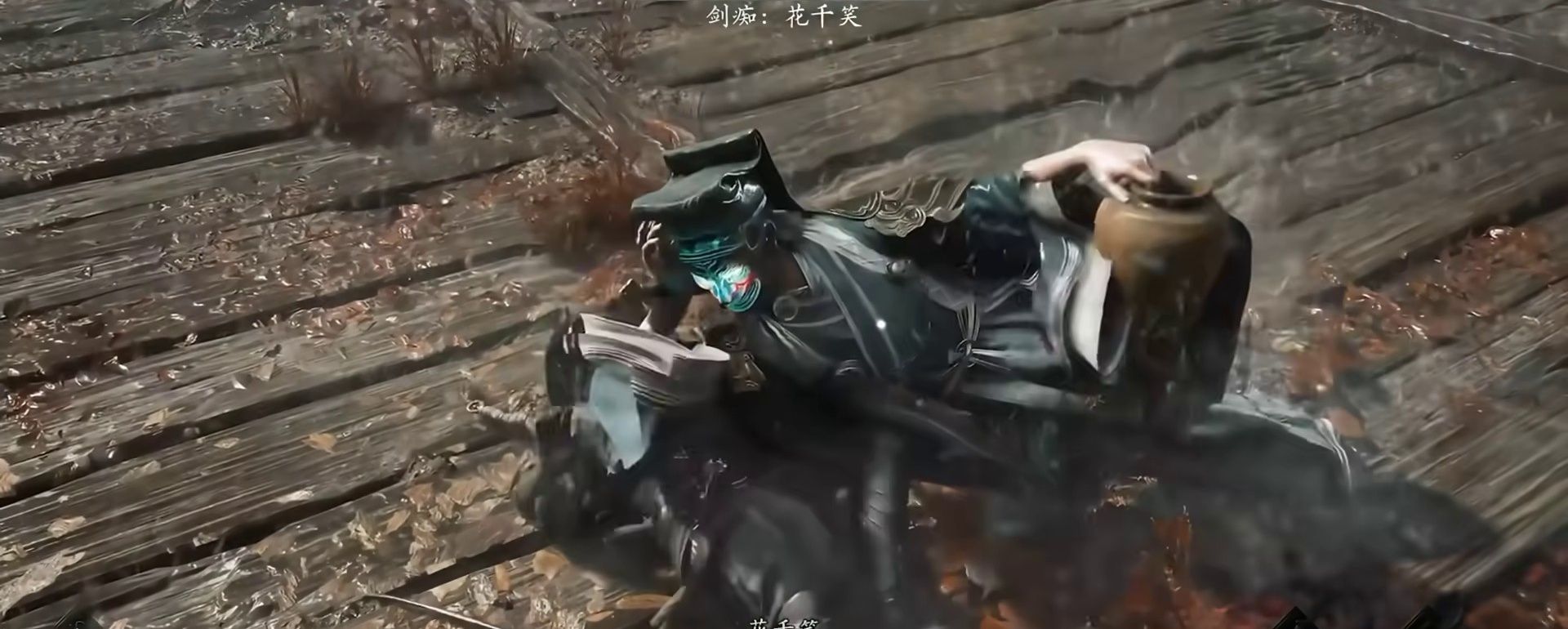
May Phantom Blade Zero sell big, and may homegrown single-player games, through tightrope walk after tightrope walk, find an ever steadier path forward.