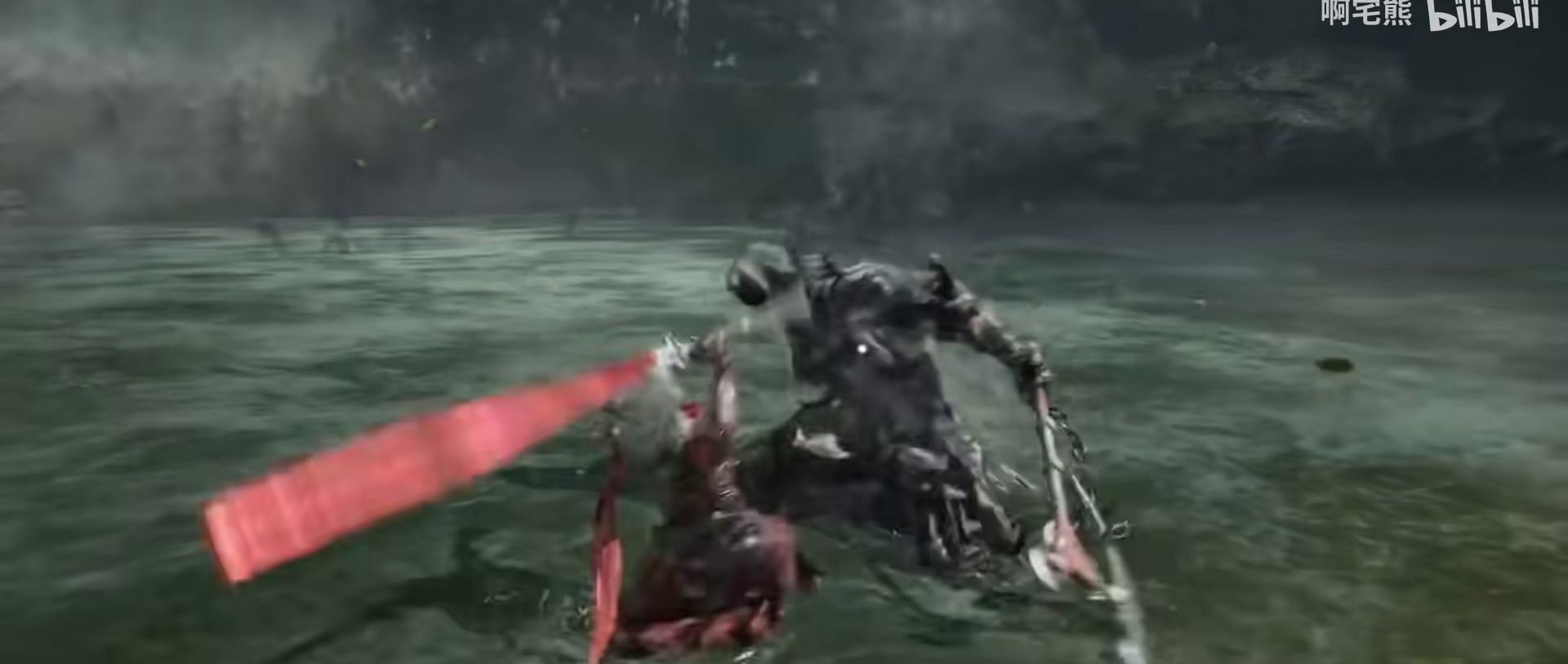
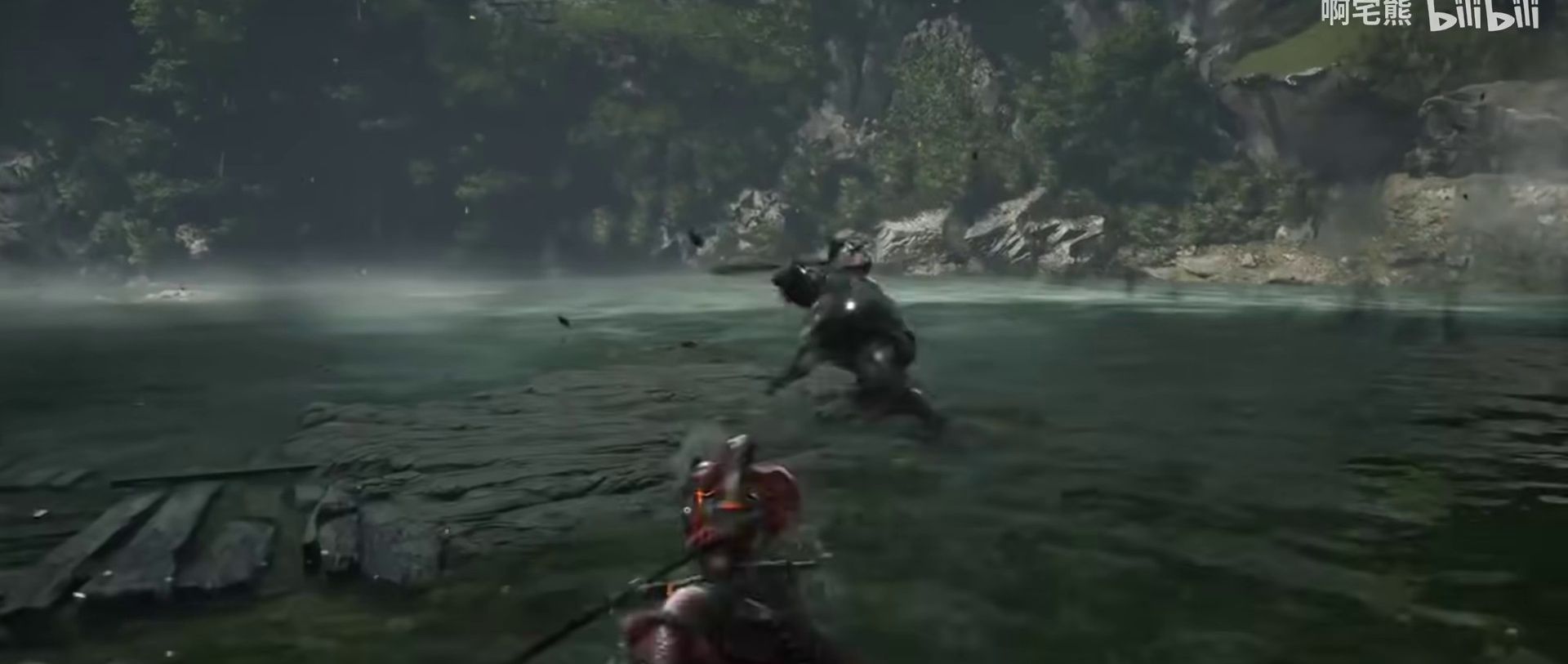
Phantom Blade Zero on the Eve of Release: When "Restrained Marketing" Collides with a Stacked Release Year, Why Silence Is Making Players Anxious
As October 29 draws ever closer, the discussion surrounding Phantom Blade Zero has taken on a peculiar divide: the combat system, the worldbuilding, the sprawling eight-chapter map, the fifty-plus primary and secondary weapons, and the extensive roster of bosses have all been subject to relentless player speculation - yet the official voice has suddenly narrowed during this final sprint. For a homegrown action RPG that has yet to truly break into the mainstream, this silence is more likely to stir unease than any gameplay footage.
I. Eerily Quiet: What Players Fear Isn't the Wait, but Being Forgotten
Many people aren't itching to "play a little" of it early on; rather, they worry that Phantom Blade Zero's buzz won't be strong enough to sustain the market position it deserves. As release approaches, a normal promotional cadence should be steadily heating up: the final trailer, media reviews, hands-on breakdowns, soundtrack releases, character and weapon spotlights - all of these should be taking the stage in turn at this point. Instead, what we're seeing looks more like the game slipping into radio silence right after the preview demo, leaving those looking forward to it with a nagging gut feeling that "something must be off."
Phantom Blade Zero's subject matter was never going to command the kind of nationwide cultural recognition that Black Myth: Wukong enjoys by virtue of being rooted in Journey to the West. Original wuxia, a dark jianghu, high-speed action - these tags hold strong appeal for core players, but for the broader audience, the barrier to awareness is by no means low. The Phantom Blade IP has historically existed mostly in mobile-game form, and the number of people who genuinely treat it as a "must-buy, day-one AAA action game" hasn't yet grown to the point where promotional volume can simply be ignored.
For a title that hasn't yet broken into the mainstream, the greatest danger isn't being criticized - it's being quietly passed over by the market.
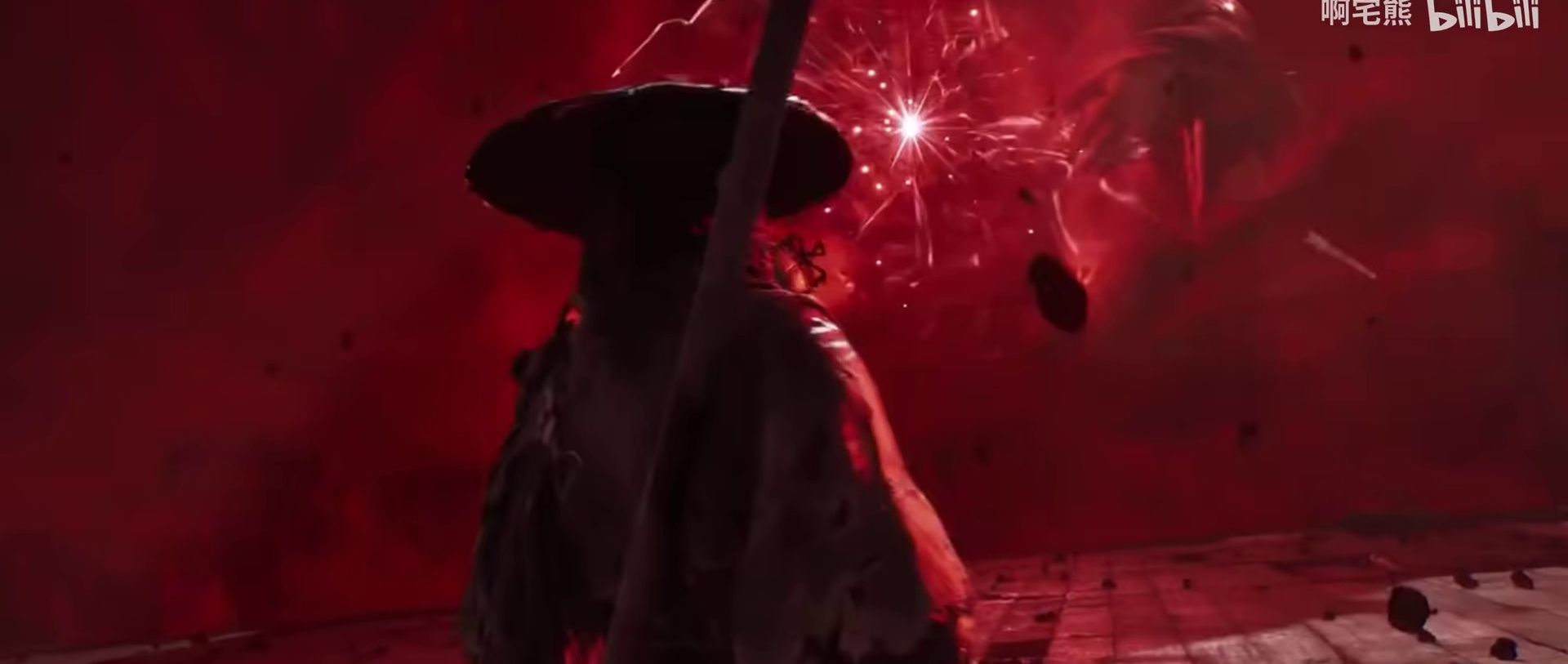
What's more subtle is that this past year hasn't exactly been devoid of new content. Quite the opposite: judging from publicly available information, the game's content reserves are anything but thin - a map on the scale of eight chapters, more than fifty primary and secondary weapons, and a boss lineup plentiful enough to feast on. Any single one of these would be enough to fuel a whole series of short videos with real viral potential. Yet none of these assets have been released in a sustained, systematic, well-paced manner; instead, they've left outsiders with the false impression that "maybe the devs have nothing left to show."
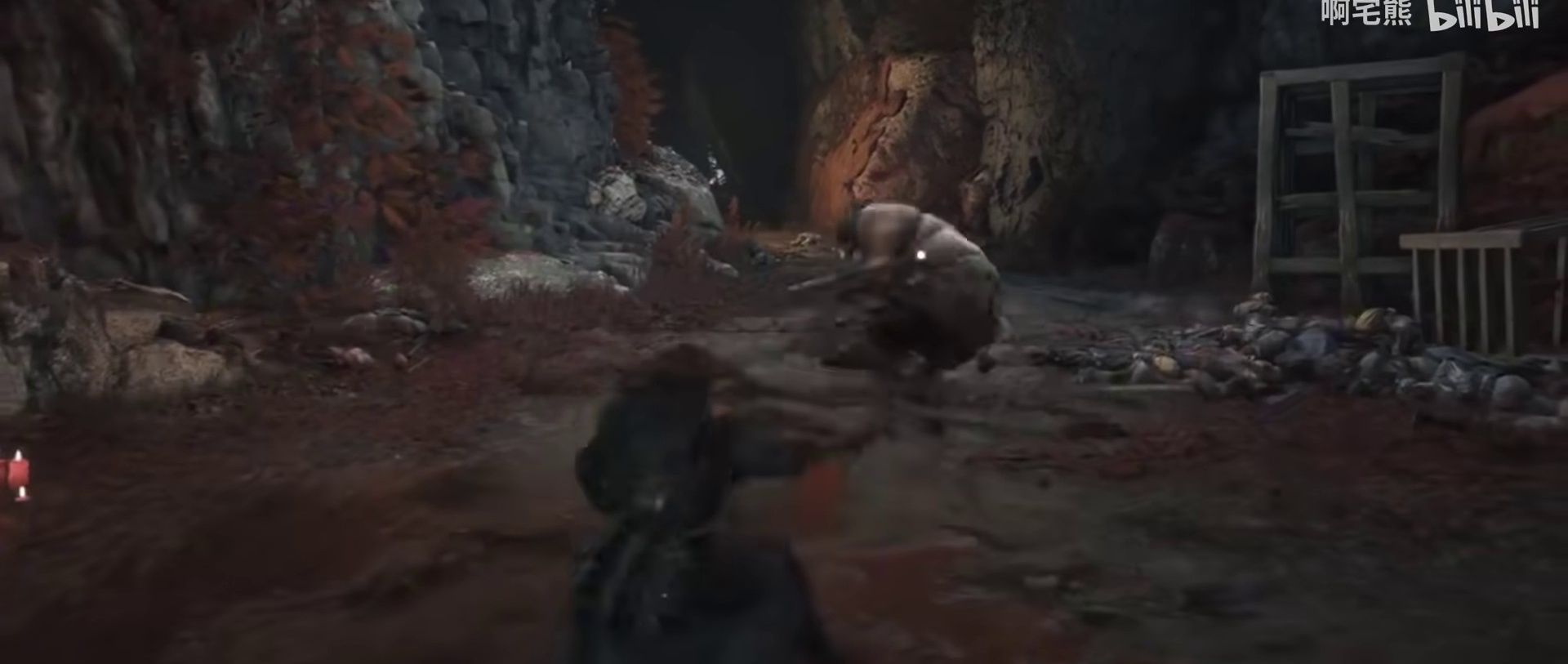
And once that impression takes hold, it comes back to bite preorders and launch-window discussion. Players aren't unwilling to wait - what they fear is that the thing they've been waiting for all along ends up as self-indulgent hype confined to the core fanbase. For a title like Phantom Blade Zero that needs to break out of its niche, silence doesn't automatically turn into mystique; more often than not, it simply turns into being forgotten.
II. Black Myth: Wukong's "Restraint" Is Not a Universal Template
The release of Black Myth: Wukong has indeed blazed a trail for homegrown single-player games, but it is not a reference template that can be copied unconditionally. Black Myth: Wukong itself enjoys an incomparable thematic advantage: the Journey to the West source material, a nationally iconic character, deep cultural sentiment, and two recurring time anchors - Chinese New Year and August 20 - that kept generating memorable moments. Its promotional content escalated layer by layer, from figurines, music, narrative, and character design all the way to combat design, worldbuilding, and system mechanics, and the quality of its PVs was high enough to serve as a near-textbook industry benchmark.
Precisely because of this, Black Myth: Wukong's "restraint" holds up. It is not that the game had no marketing - it turned marketing into a rhythm-driven project defined by high density, high quality, and strong memory hooks. Deliberately dialing down the hype and preserving an air of mystery was a choice built on nationwide attention and a powerful cultural foundation. If other titles see only that "Black Myth was restrained" while ignoring the thematic momentum and content cadence behind it, they will misjudge their own position.
Restraint in marketing presupposes that the public already knows who you are; otherwise, restraint gets misread as silence.
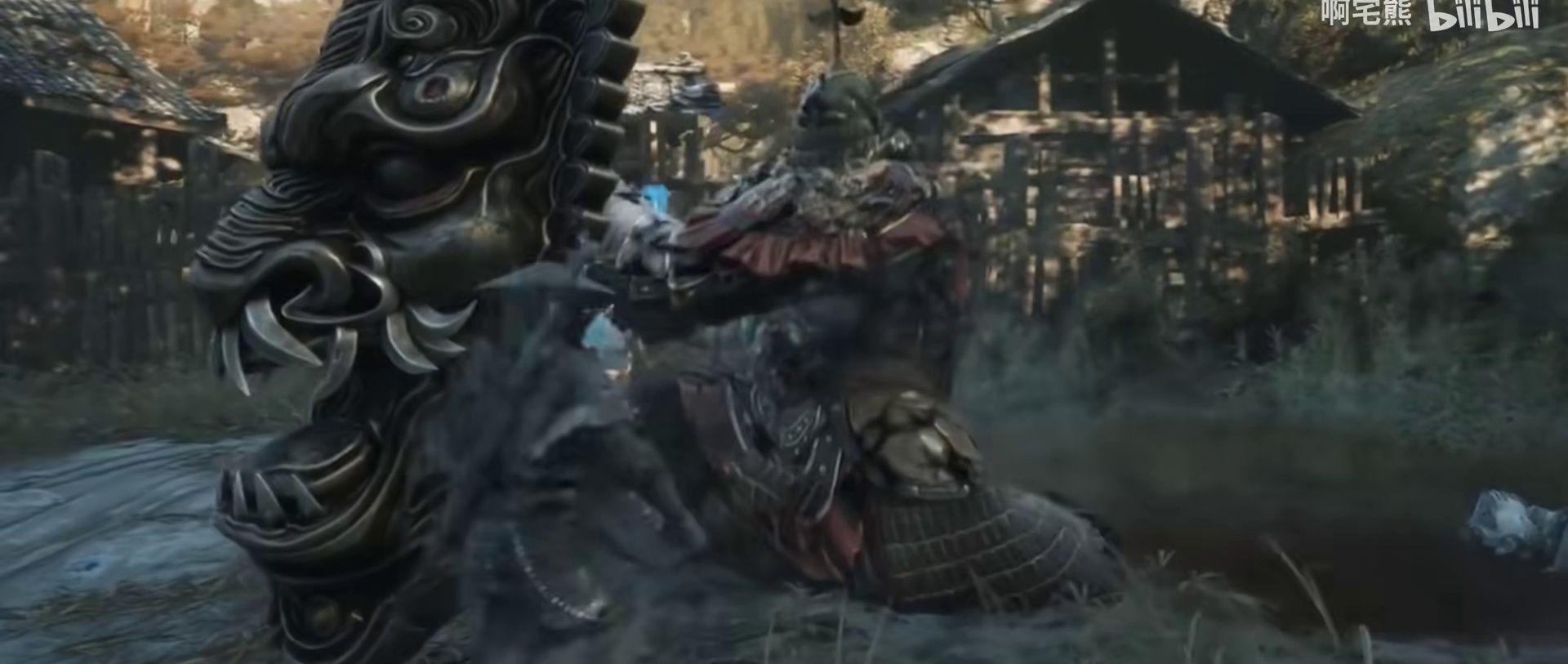
Phantom Blade Zero is not Black Myth: Wukong. Its IP recognition is not as high, and its thematic audience not as broad. Although its PVs over the past two years have built up a core following, its actual penetration into the mainstream spotlight remains limited. More crucially, compared with the eye-catching promotional videos of the previous two years, some of this year's marketing materials have not kept raising the bar in terms of presentation - and have even regressed in certain aspects of editing and pacing.
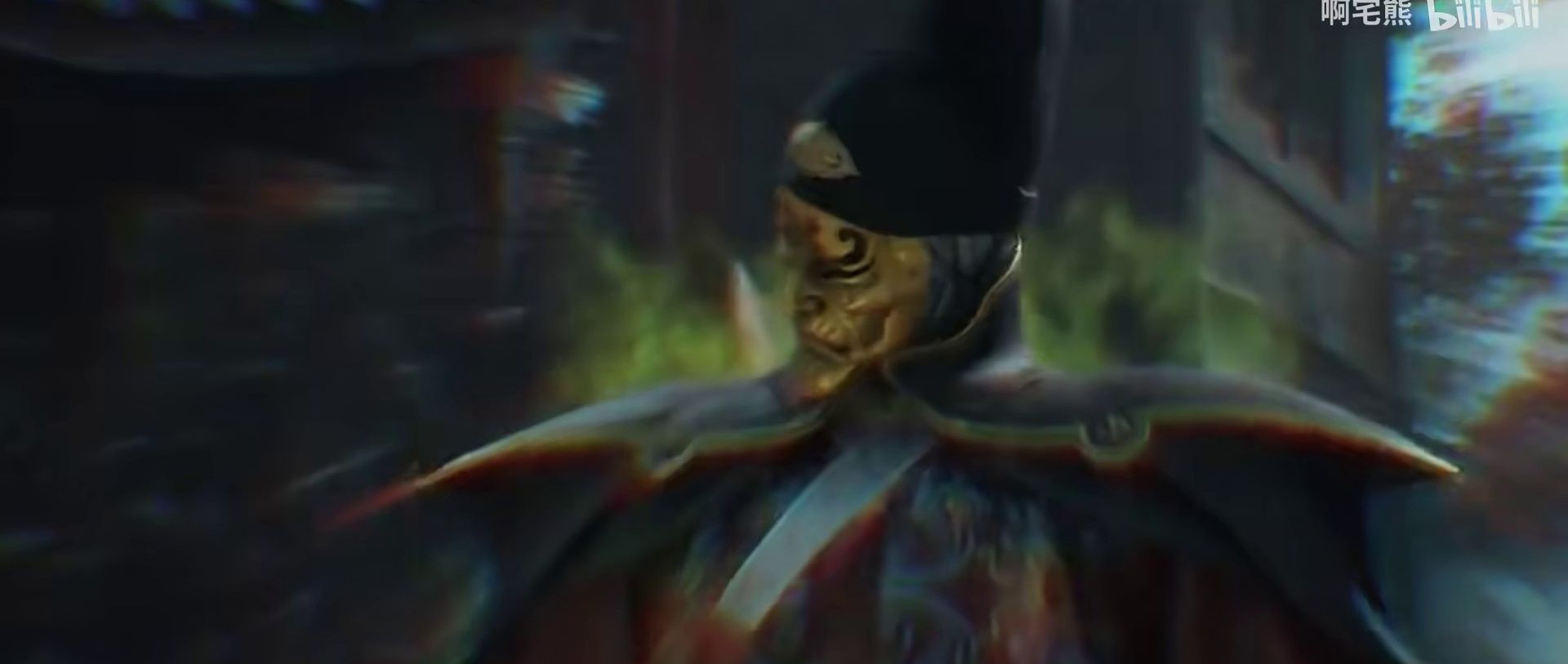
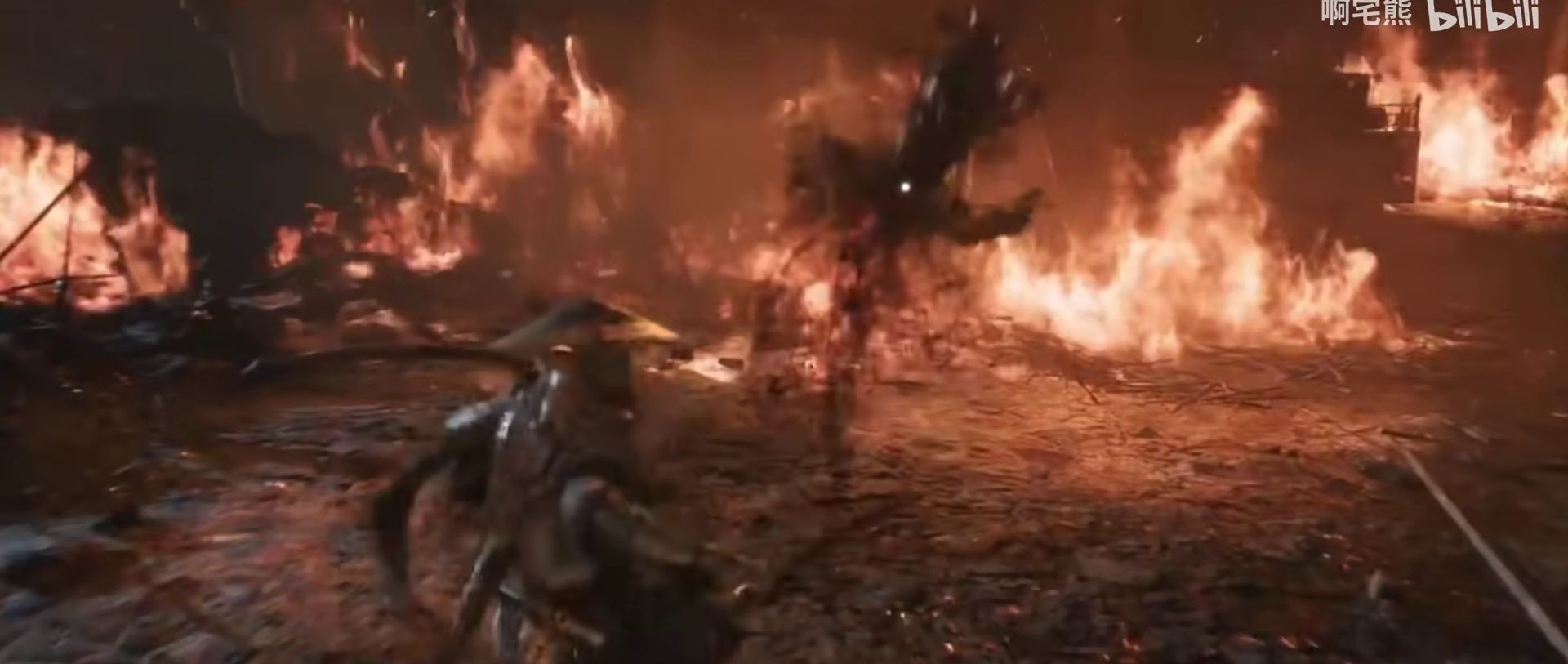
The preorder-opening PV is one example that has been discussed over and over. The opening mounted-combat sequence feels somewhat drawn out, while the subsequent shot editing leans toward soulslike pacing - compared with the sharp, flowing, stylized flair the team showed in its earlier "Year of the Snake New Year PV," this hardly feels like work of the same caliber. Players are not unable to accept change; they simply find it hard to read a clear marketing intent from this kind of change.
III. It's Not That There's No Content - It's That It's Been Released Too Scattered
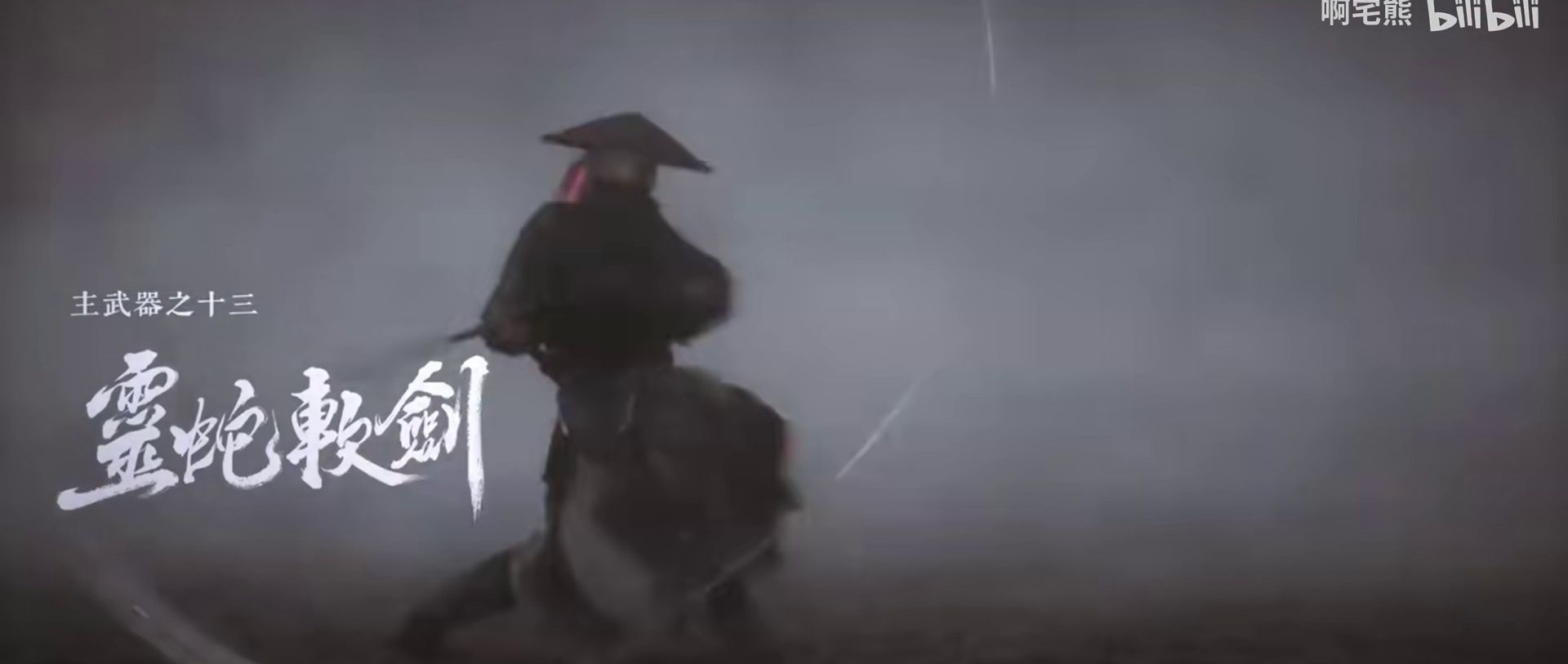
Saying that Phantom Blade Zero has nothing new would be flatly inaccurate. Eight sprawling chapter maps, over fifty primary and secondary weapons, a large roster of bosses - all of these are exceptionally strong promotional material. The problem is that they were never translated into selling points a general audience can grasp at a glance. For core players, "a multi-weapon, dance-like combat style" is a selling point; for the broader audience, what they need to see is "how cool this weapon looks in action," "how jaw-dropping this boss is," "how catchy this track is."
Take the fifty-plus weapons: the team could easily have released one short demo every few days, each covering a single weapon, a single combo, a single execution, or one small-scale duel. That way, the content wouldn't be burned through all at once, and visibility could be sustained through a stretch when every major title is fighting for the spotlight. The reality, though, is that the content was stockpiled and held back, the cadence swinging between highs and lows, leaving players to piece together the full picture from media hands-on previews and secondhand breakdowns.
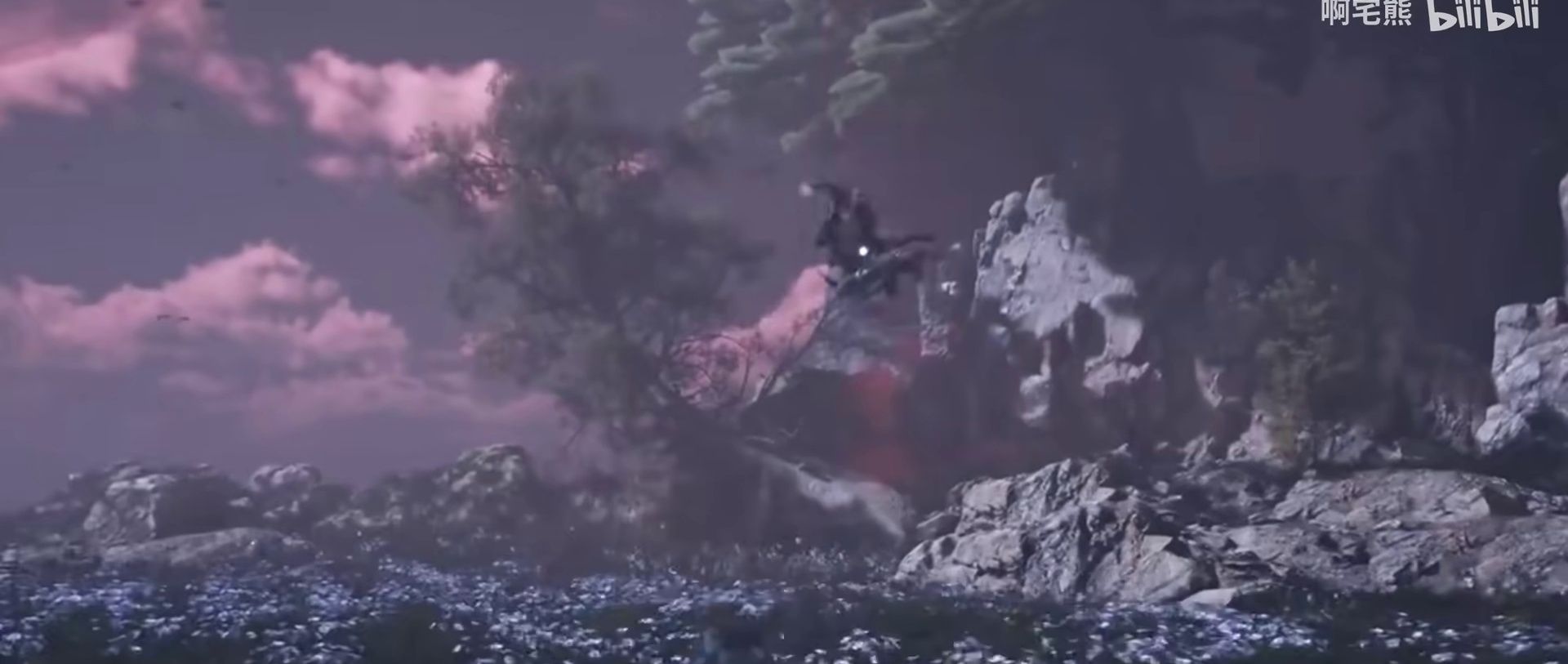
The showcase for the Deluxe Edition's bonus skins is another textbook case. The video in question was released through overseas media outlets, but the studio's own official channels never pushed it with anything close to the same weight - many players had no idea the news even existed. What marketing fears most is not a shortage of assets, but assets surfacing with no one on the official side to catch them. Every piece of content that could have become a talking point instead dissolved into fragments.
Content assets are not inventory. The bigger the year, the more you need to translate "I have things to show" into "why you should remember me right now."
IV. In a Blockbuster Year, Staying Quiet Is a Luxury
The market environment this year is not that of 2024. That was, in relative terms, a small year for games, one where attention was easier to focus; this year, by contrast, is unquestionably a big year, with major releases of every genre arriving one after another from January to December, repeatedly carving up players' time, budgets, and appetite for discussion. With a new Call of Duty up ahead, Zelda-related titles close behind, and that super-blockbuster that ignites discussion without even needing to be named, market attention has been sliced extremely thin.
In this environment, if Phantom Blade Zero still chooses to lie low, it would amount to further narrowing a window for mainstream crossover that was already tight to begin with. Core players will seek out information on their own, but general audiences won't. They only realize "oh, this game is coming out" when a trailer pops up in their feed, when it shows up trending, or when they hear friends talking about it. Without sustained reminders during the final month, many won't even know it's about to release.
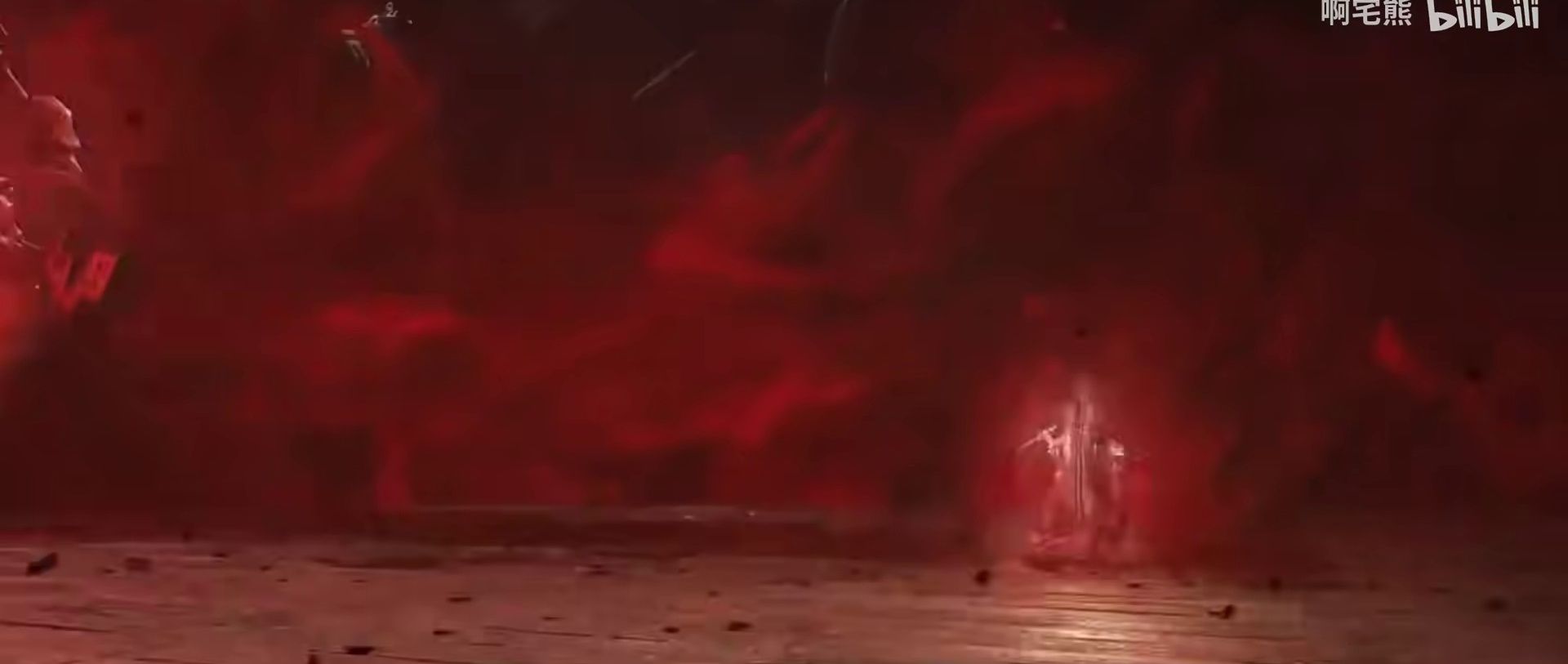
3 million wishlists is an important number, but it is not 3 million preorders. A wishlist represents interest; a preorder is a commitment. Between the two stands an entire conversion chain: price, release window, word of mouth, platform, system requirements, social discussion, and more. If the studio doesn't repeatedly re-engage this wishlist audience in the final stretch, the number will remain just a number.
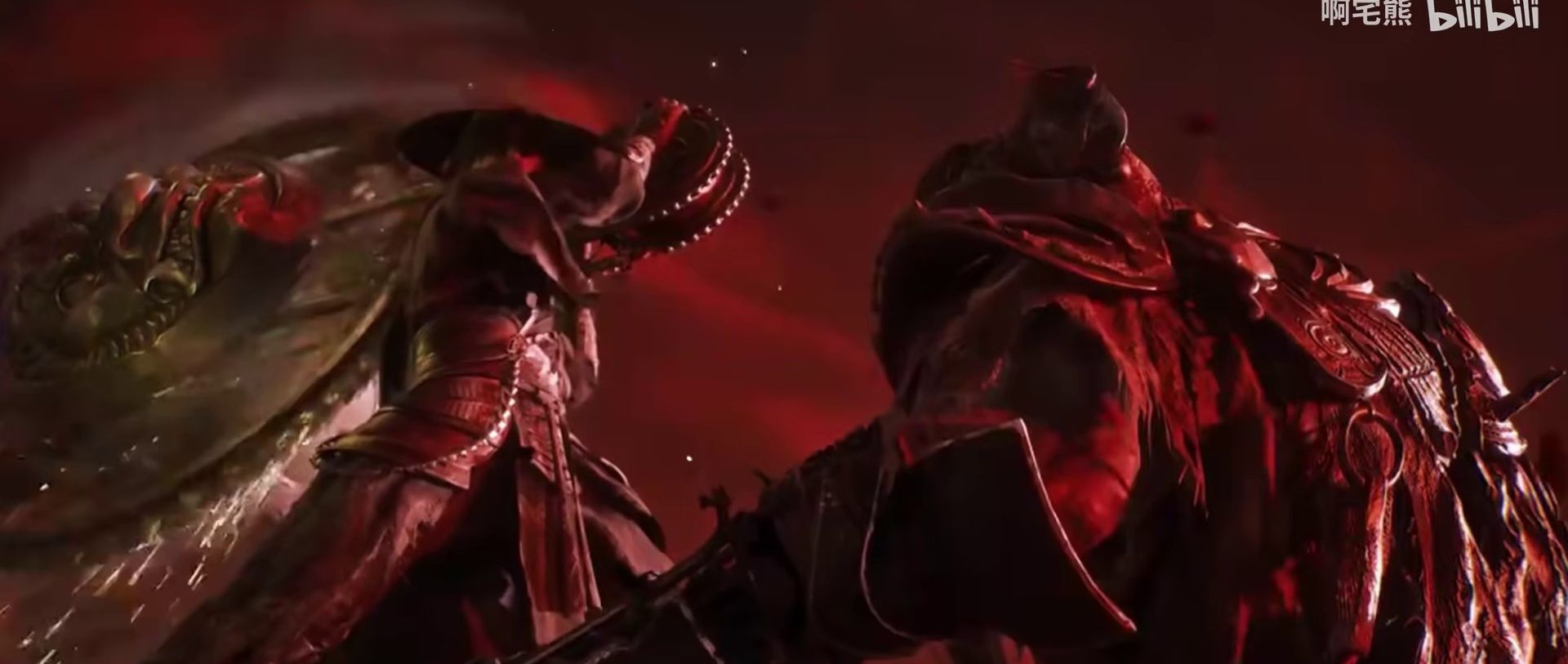
More realistically, this release window has strong rivals on either side. Players' wallets and attention are finite, and a title that has yet to break into mainstream awareness must offer a compelling enough reason to buy during the final sprint. Otherwise, even if the game ultimately proves excellent, it could still fall into the passive predicament of "belated word of mouth" due to insufficient launch buzz.
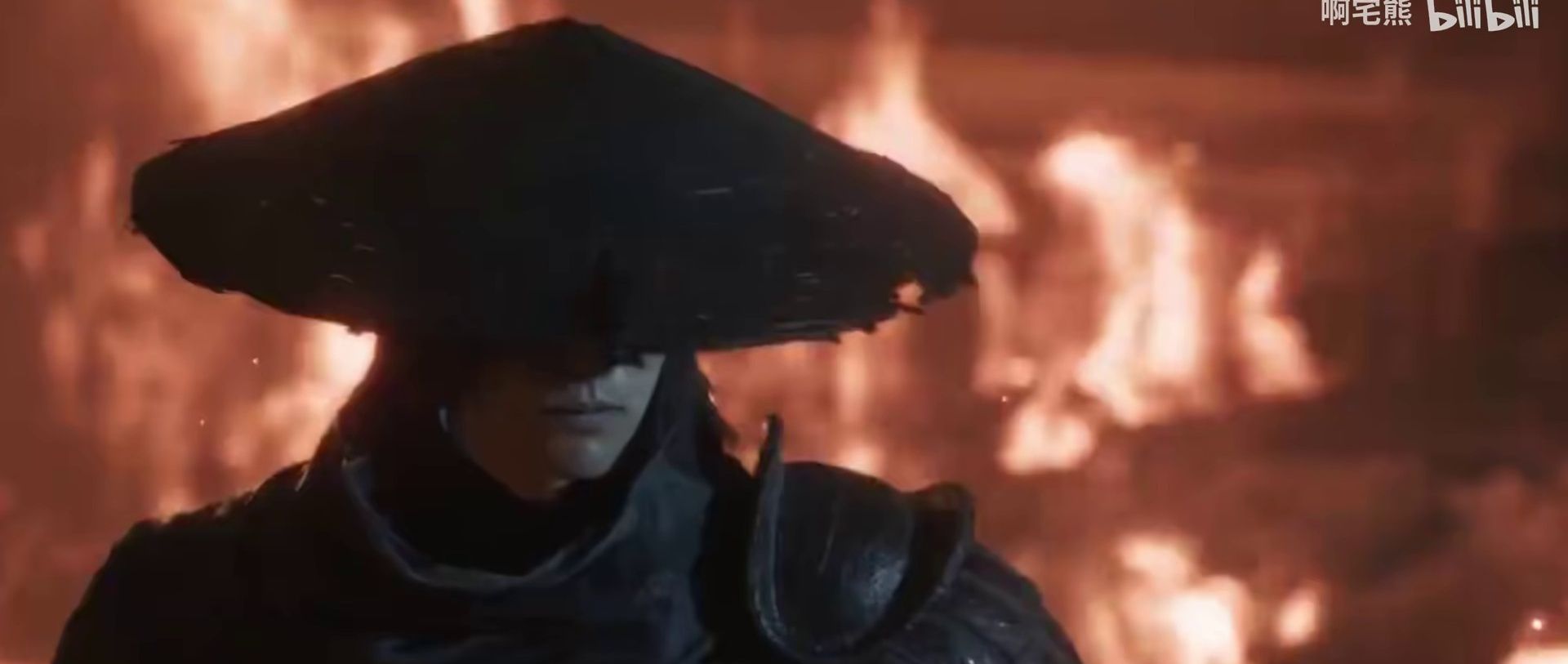
5. The Broken Rhythm: From Early Hands-On Previews to an "Abrupt Halt"
Looking back at Black Myth: Wukong's promotional cadence, even under a highly restrained approach, it still managed a tight, well-orchestrated drumbeat: preorders opened more than two months in advance, the final trailer dropped less than two weeks out, the media review embargo lifted one week before launch, followed by hands-on impressions from content creators and media outlets, plus an exclusive interview with Xinhua News Agency. Every step built momentum toward release day, culminating in a concentrated burst.
Phantom Blade Zero likewise opened preorders more than two months in advance, and a month out it released a wave of early hands-on preview coverage from media outlets. By all logic, this should have kicked off a high-frequency promotional phase: the final trailer, full media reviews, scores, gameplay features, music releases - it could even have dropped a different piece of information every day for five days straight, pushing the discussion to its absolute peak. But as of now, the rhythm feels as though the line has suddenly gone dead.
With S-GAME's past experience running long-cycle mobile games, a promotional rhythm like this shouldn't be beyond them. Liang Qiwei and his team cannot possibly be unaware of what the final month means. And that is precisely what makes it harder for outsiders to understand: with content in hand, topics to talk about, and a wishlist base to build on, why would the official side choose to turn the volume down instead? If this is deliberate, then the wager is on word-of-mouth doing the spreading on its own; but the odds on that wager are far from favorable in this year's bumper release market.
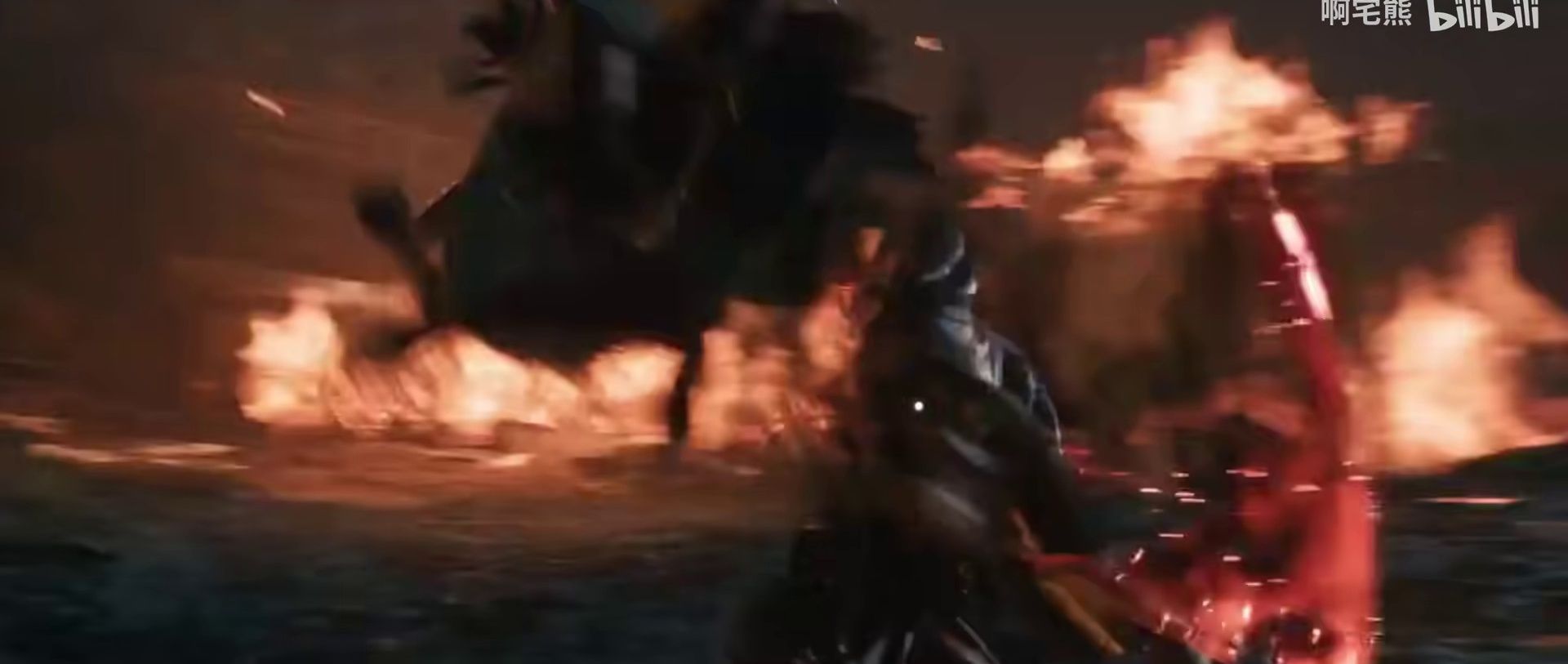
Quite a few people in the industry are baffled by this strategy as well: the broken rhythm, the scattered content, the uneven video quality - and, to this day, not a single signature music release comparable to what Black Myth: Wukong had back then. The entire marketing and publishing effort comes across as unfocused. This isn't to say they should carpet-bomb the audience with promotion - but at the very least, the market needs to know that this title has entered its final countdown.
VI. October 29 Isn't a Holiday, and It Shouldn't Be a Silent Milestone Either
The date of October 29 is neither a holiday nor a weekend. It doesn't carry the built-in memorability of Chinese New Year or August 20, nor does it come with the inherent consumer sentiment of the summer or Christmas release windows. Choosing this date may well reflect a combination of considerations around the product, the platform, the build, and the global rollout - but from a marketing standpoint, it demands an intensive promotional campaign to artificially manufacture a milestone, not quiet waiting.
If the official team had wanted to, the final stretch could have delivered a full combo: pick ten weapons out of the fifty-plus arsenal and drop one high-quality short gameplay clip every few days; then follow up with boss challenges, lore shorts, character theme songs, a final trailer, and the lifting of the review embargo - pushing Phantom Blade Zero's action aesthetics, wuxia flavor, and edge in sheer scale squarely in front of the mass audience in one concentrated push. It doesn't need to become Black Myth; it needs to become the Phantom Blade Zero that people remember at a single glance.
For many players, the sentiment is "the deeper the love, the sharper the criticism." They have faith in Phantom Blade Zero's quality and are eager to get their hands on it as soon as possible - but it's precisely because their expectations run so high that the marketing performance leaves them anxious. The ideal scenario, of course, would be this: the very next day after this article goes live, the official channels immediately start unleashing one ultimate move after another, using high-quality assets and off-the-charts hype to slap every last doubter in the face. If that actually happens, all these worries will turn into the best anecdote of the entire pre-release period.
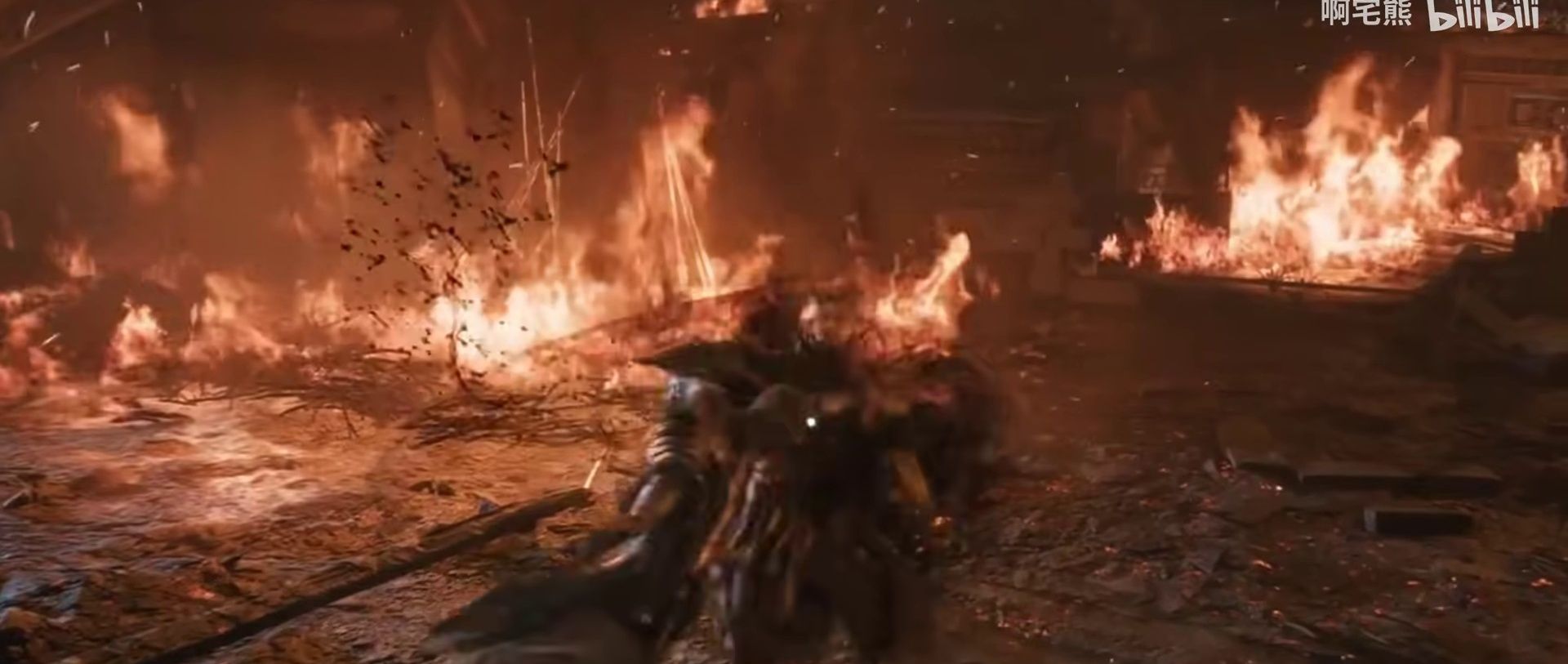
Players can accept the wait, and they can accept restraint - but it's hard to accept a great game quietly slipping past unnoticed on the eve of its release.
Top Community Comments
One player wrote with dark humor: the official team might come out the next day with a line like "The breeze brushes the hillside, the moon shines upon the great river - this was an extremely difficult decision..." and players would run with the joke: "Liang Qiwei, in the last sixty-six days of your life, what do you want to do?" Such banter may sound absurd, but behind it lies a collective anxiety about "a sudden mishap at the final hurdle." Players aren't hoping for disaster - they simply know all too well what silence before release might mean.
Another comment hit the nail on the head: "Honestly, a lot of people don't even know this game is about to release - don't assume Phantom Blade has broken into the mainstream." That line is more brutal than any statistic. The fervent discussion within the core community can easily lead to a misjudgment of public awareness; and what Phantom Blade Zero needs most right now is precisely to convert the core community's anticipation into the broader audience's "I've heard of it too."
Yet another player criticized the promotional videos outright: "The only one that really landed was the original Wudang Sword Formation PV; the other materials are hard to remember - I even had to skip through the full version. Messy editing, weak memorable hooks - it's not even in the same league as Black Myth: Wukong, where every single PV got rewatched over and over." This assessment may not speak for everyone, but the problem it points to is clear: marketing materials aren't about "just getting them out there" - they must leave strong, lasting impressions at the level of action, music, atmosphere, and characters.
📌 One-Line Takeaway
Restraint in marketing is no sin - but when a title has yet to break into the mainstream, the market is in a stacked release year, and the promotional cadence shows a gap, silence can shift from mystique into risk. What Phantom Blade Zero needs is not a blind saturation blitz, but a final-sprint plan built on memorable hooks, a steady rhythm, and the ability to deliver on its banked content assets.