Phantom Blade Zero Six-Hour Hands-On Deep Dive: It's Not a Soulslike, but a "Blade Symphony" of High-Speed Wuxia Action
When a blade skims through the curtain of rain and blood bursts open in the cold light, you'll quickly forget the word "soulslike." That's because what Phantom Blade Zero wants is not to pin players down at bonfire rests to suffer on repeat, but to push them onto the razor's edge - using move-reading, countering, weapon-swapping, and split-second judgment to perform a high-speed dance that belongs to wuxia.
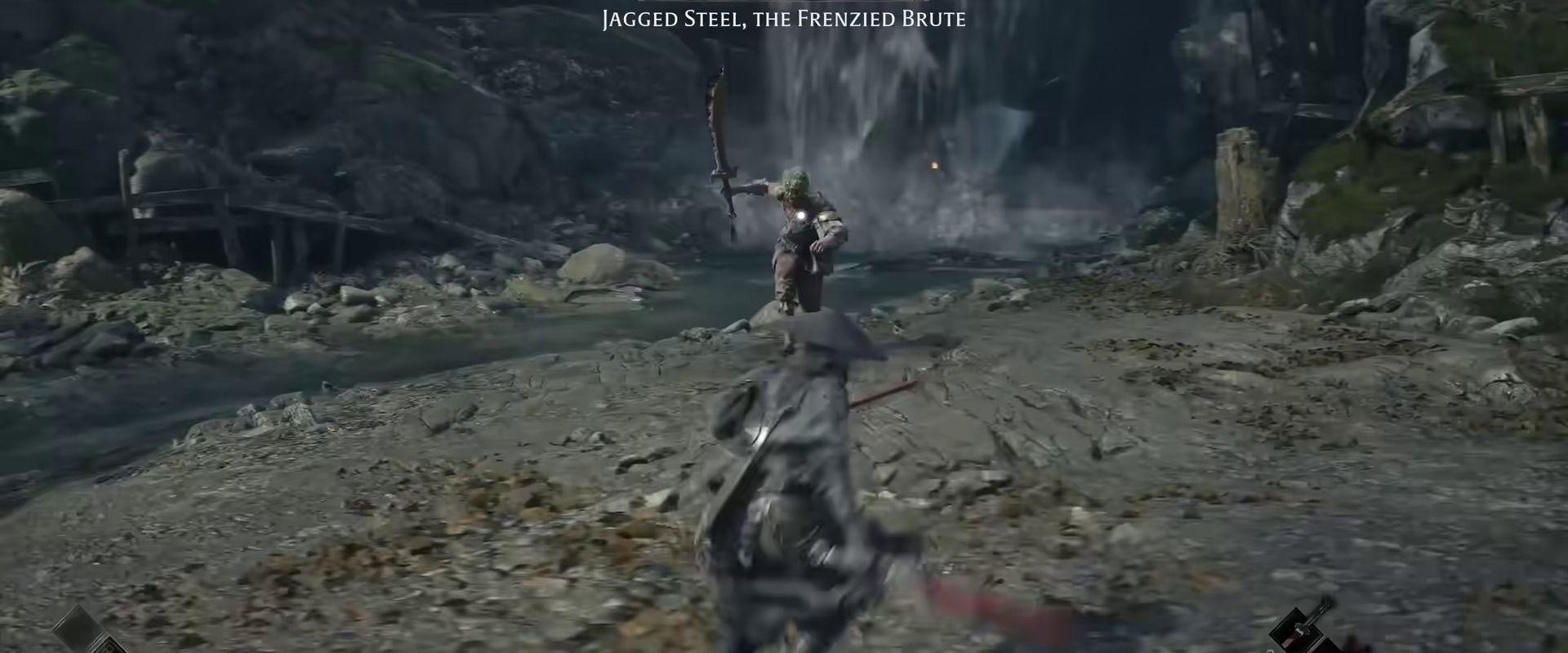
Judging from the six-hour hands-on experience revealed so far, this title - built by S-GAME and led by Liang Qiwei (Soulframe) - has not crammed itself into the safe template of the "homegrown soulslike." It is closer to a fusion of old-school action games and wuxia cinema: fast, ruthless, and precise, emphasizing interaction, emphasizing pressure, and emphasizing every choice the player makes within the briefest of moments.
1. First Impressions on the Blade: Fast, Ruthless, Precise - But Not "Soulslike"
Phantom Blade Zero makes a very direct first impression: its combat pace is far more aggressive than that of traditional soulslikes. Enemies won't wait for you to square up your stance, nor will they politely back off while you drink a healing potion. The game demands that you judge distance, direction, and the timing of your strikes in a split second - hesitate for even a moment, and you'll be buried under relentless pressure.
It doesn't turn "difficulty" into a stats gate - it turns "danger" into the breath of every single second.
In the hands-on demo, the most common state wasn't "pattern memorization" - it was "reading the enemy." Each foe has its own attack logic: some lunge in without warning, some constantly change up their moves mid-sequence, and some force a counterattack the moment you think you're safe. You can't just buy time with rolls and dodges, and you can't mindlessly mash the attack button either. Phantom Blade Zero's combat is more like a high-speed Q&A: the enemy poses the question, and you must answer with footwork, blocks, parries, and weapon swaps.
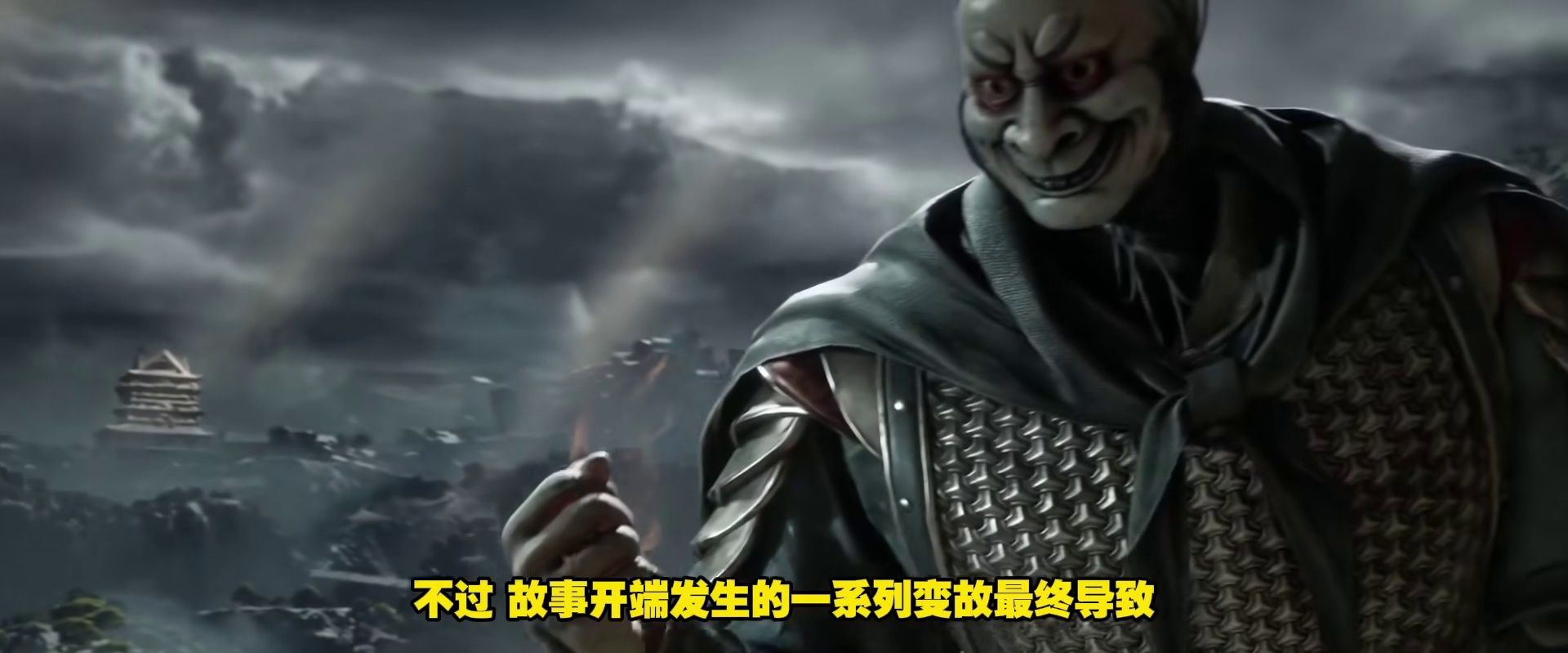
The experience immediately calls to mind the high-speed offense and defense of Ninja Gaiden, rather than the turn-based chess match of traditional soulslikes. It is certainly difficult, but that difficulty doesn't come from "enemies with thick HP and high attack" - it comes from "enemies that never let you catch your breath, and that you must learn to read." That's also what makes it so worth looking forward to: it doesn't treat "suffering" as the selling point - it treats the exchange of blows as the core.
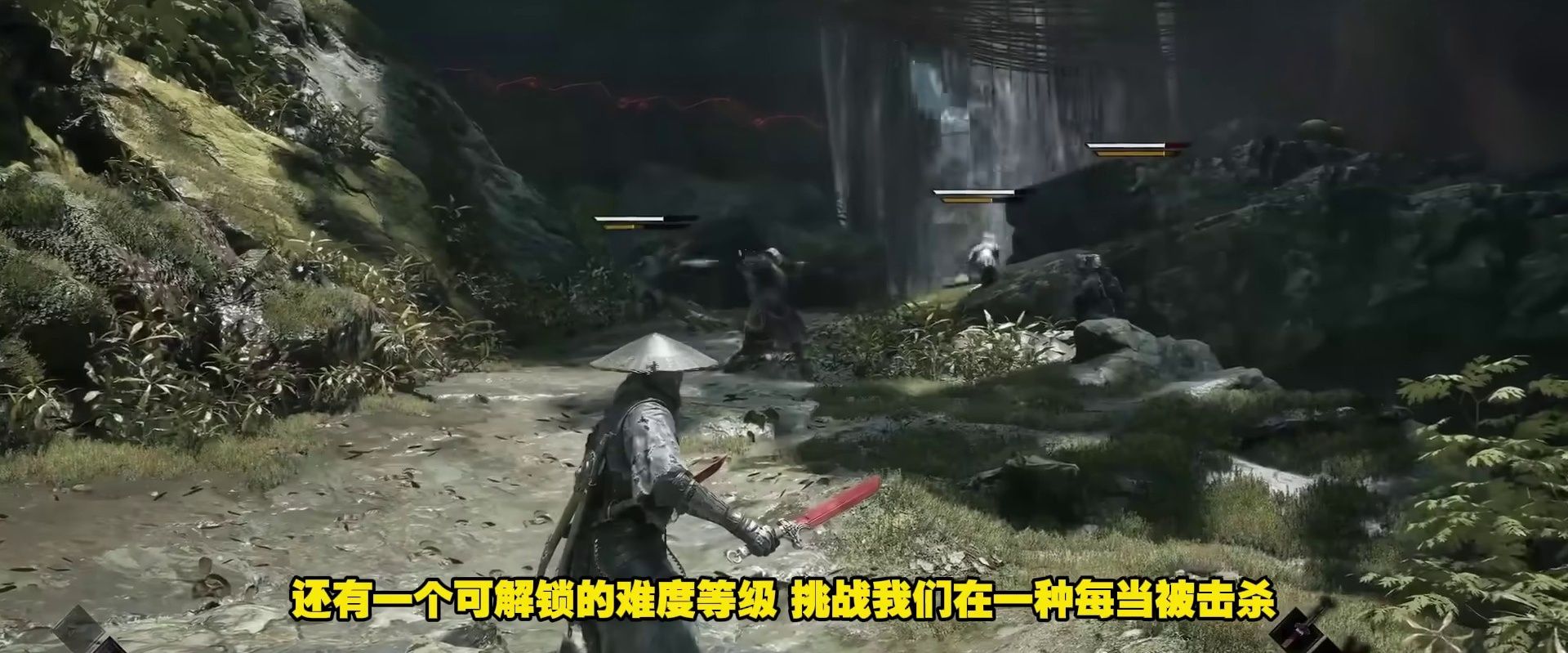
The "soulslike" label is too light to hold the ambition of this high-speed wuxia action.
II. The Core of the Combat System: Reading Attacks, Breaking Them Down, and Switching Weapons
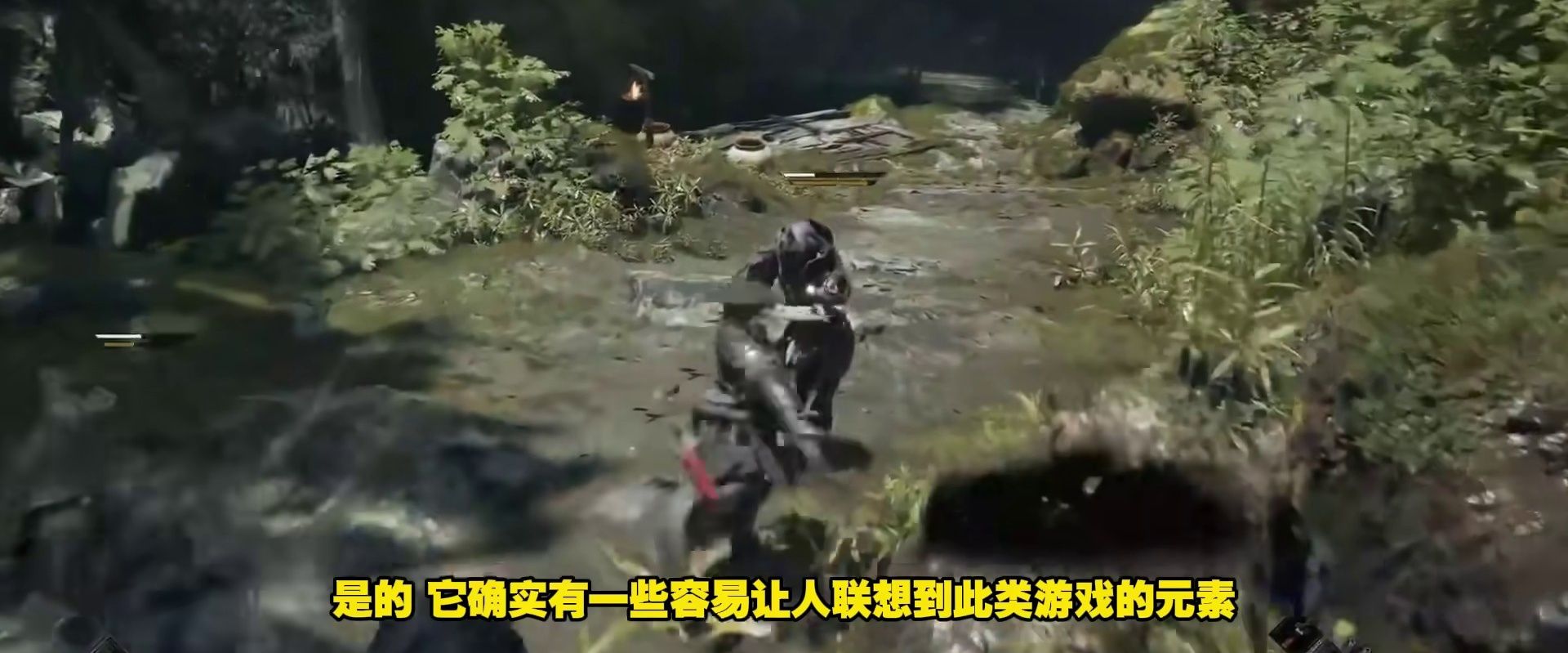
Phantom Blade Zero's combat system has a very clear direction: keeping the player in control through transitions between offense and defense. Traditional action games often split defense, dodging, and attacking into isolated modules, but here they feel more like different tones of the same language. Defense isn't about planting your feet and holding block - it's bound to positioning, spacing, and movement; attacking isn't just about dealing damage, but about suppression, probing, and baiting.
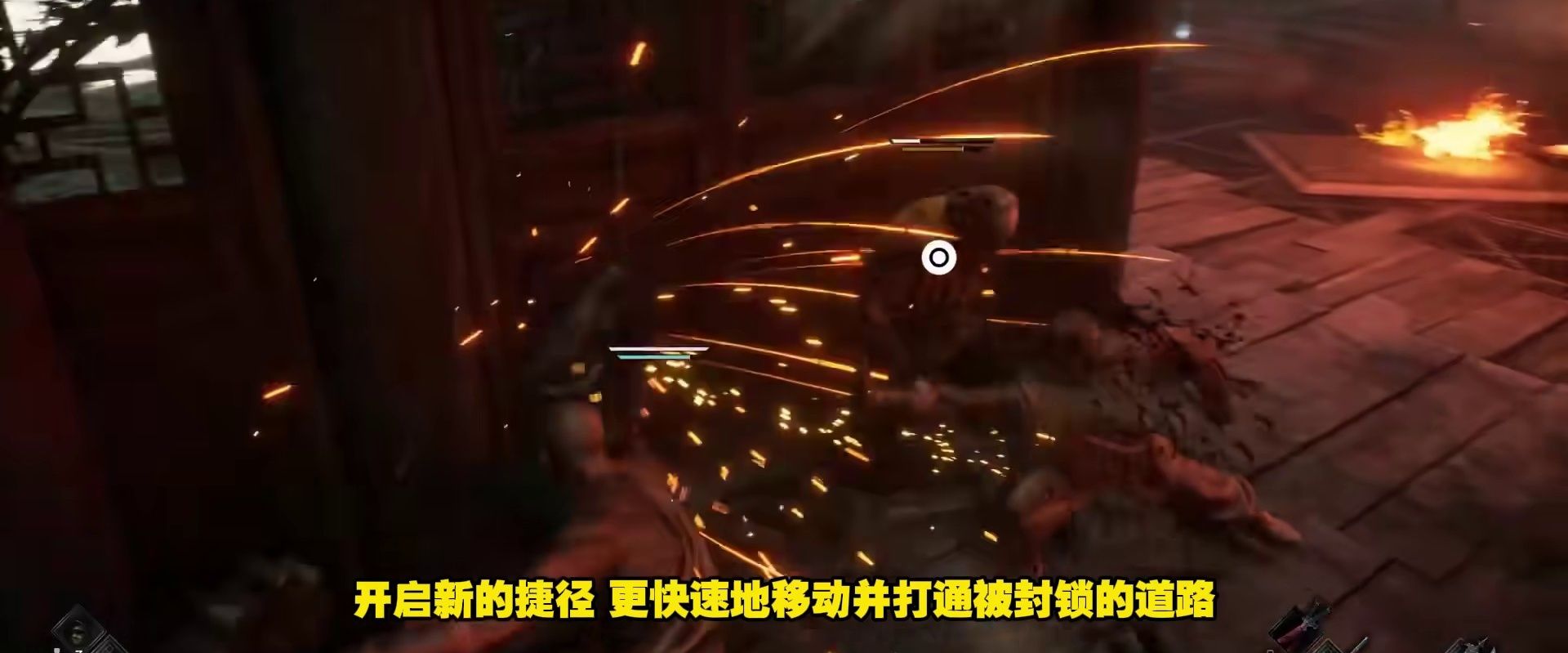
In the hands-on demo, enemies wield a wide range of distinctly different moves. Some excel at rapid slash combos, some use long-reach weapons to control spacing and apply pressure, and others rely on grabs or special maneuvers to throw off your rhythm. Your job isn't to memorize a fixed solution, but to adapt in real time to what the enemy does. "Read the attack - break it down - counter" forms the fundamental loop of combat.
In Phantom Blade Zero, defense isn't a button press - it's the sum of positioning, distance, and timing.
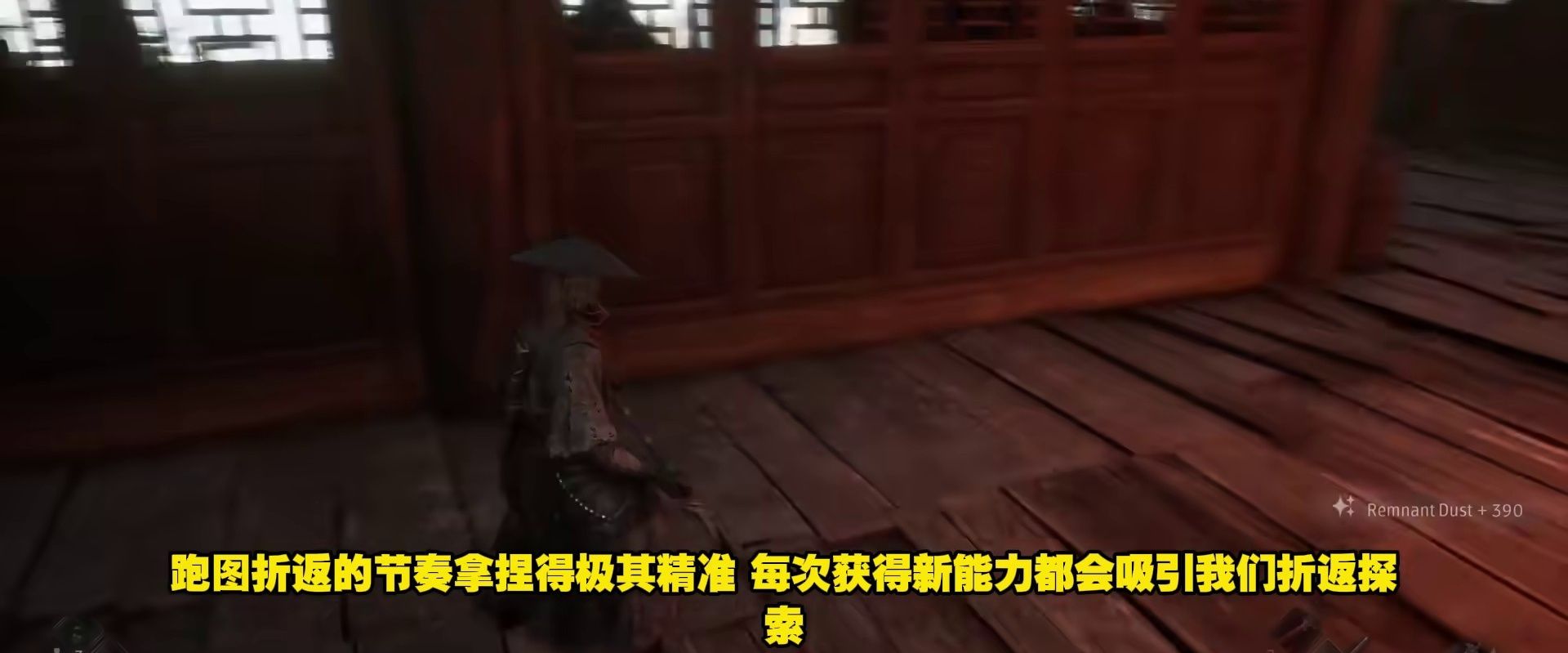
Weapon switching is a key link in this system. Players can swap between different weapons mid-fight, letting combos flow naturally between different movesets. More crucially, this isn't a simple case of "swap to another blade and keep slashing" - switching changes your attack range, swing speed, pressure options, and combo structure. In other words, switching weapons means switching to a different combat language.
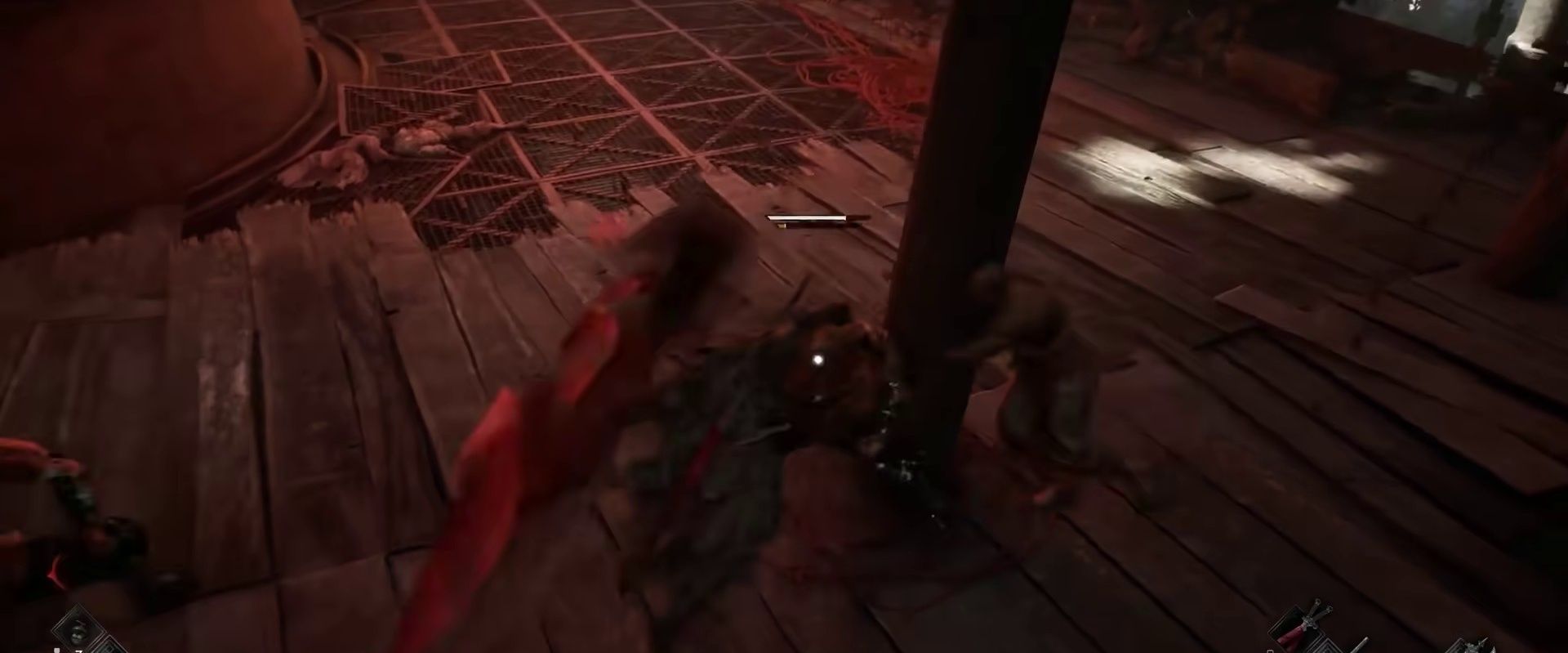
The demo also featured mechanics like drinking, special items, or status-triggered effects. These aren't just recovery tools - they're more like variations in the rhythm of combat: inserting a high-risk action into a high-pressure exchange in return for a stronger follow-up offense or different attack branches. This design keeps combat from settling into the flat loop of "slash once, dodge once."
III. Weapons and Movesets: Over 30 Combat Languages, a Wuxia Rhapsody of One-Button Switching
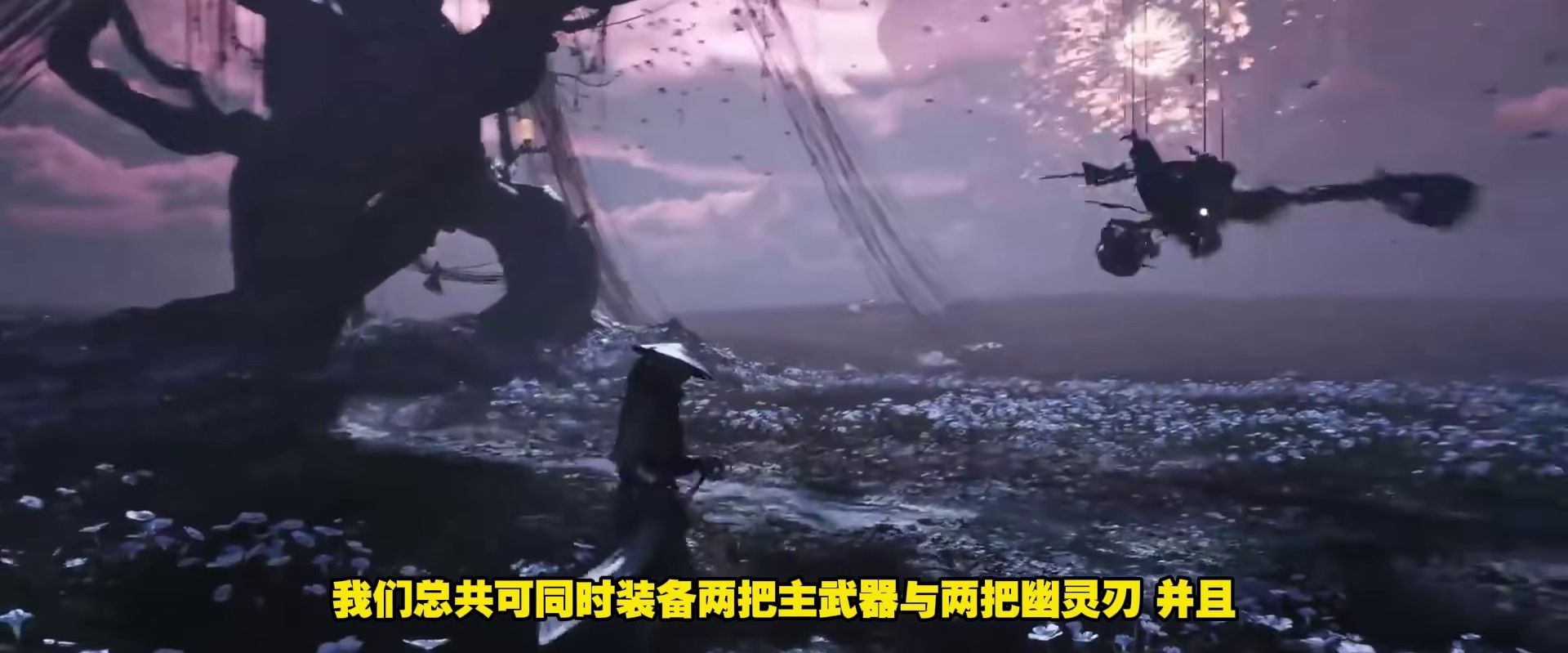
One of the most exciting revelations about Phantom Blade Zero is its more than 30 distinct weapon and moveset modules. If that number were mere padding, it could easily devolve into "looks like a lot, plays all the same." But judging from the hands-on demo, the development team cares far more about giving each weapon its own rhythm, reach, and temperament.
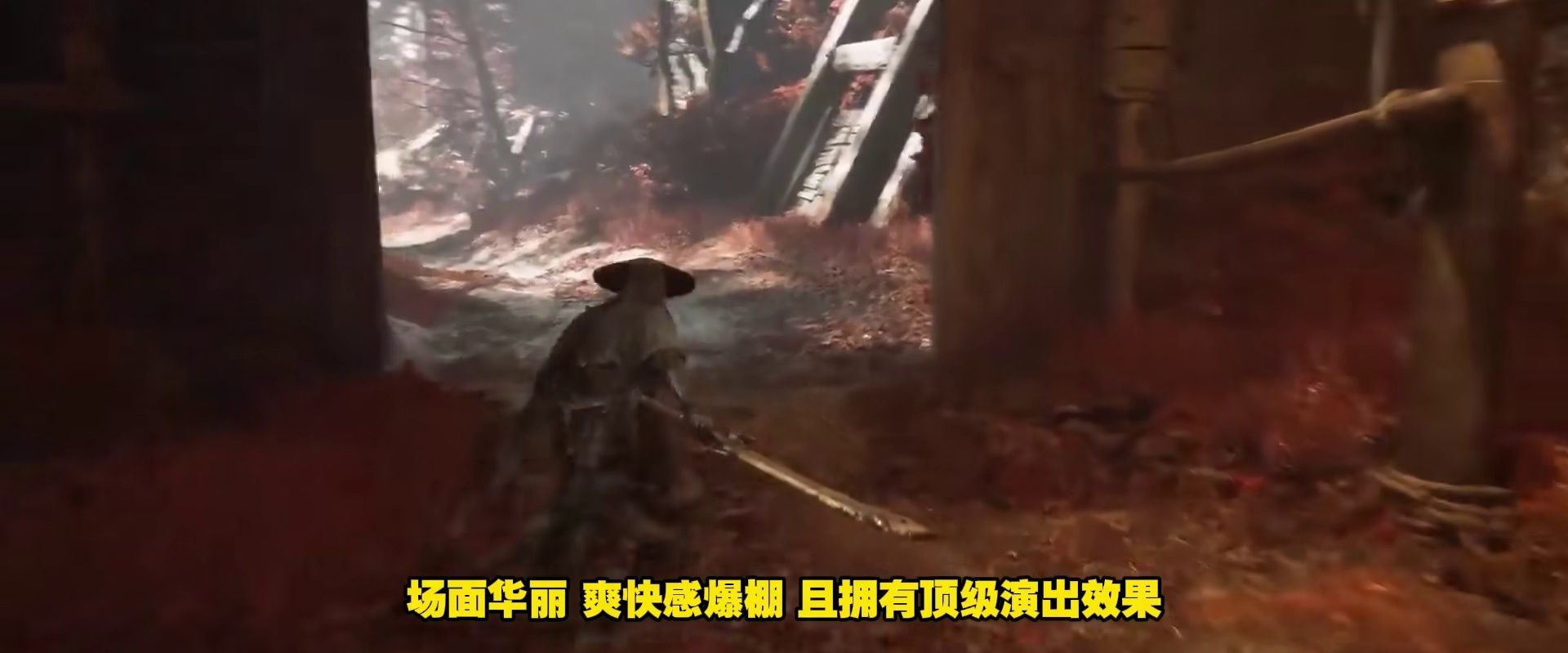
Some weapons emphasize rapid combos, ideal for close-range pressure; others have long reach and weighty momentum, suited to interrupting enemies at mid-range; still others come with distinct charge mechanics or special follow-ups that require players to plan ahead. These are not the same blade with different stats, but entirely different philosophies of combat.
The point of one-button switching isn't to give players one more key to press - it's to give a combo a second, even a third, personality.
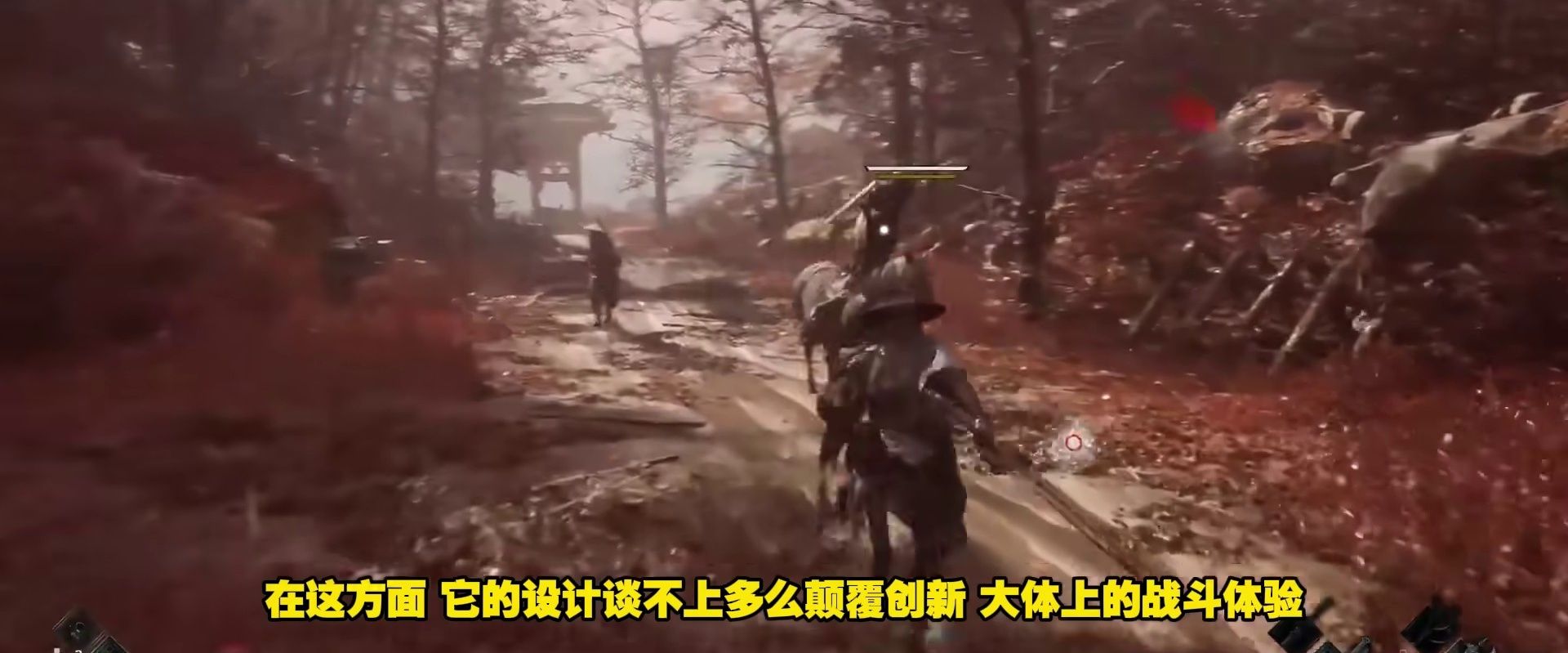
In the demo, the sequence of sheathing, drawing, switching, and striking again was handled with remarkable fluidity. Players can embed a switch mid-combo, extending an offensive that would otherwise be winding down. This design dramatically raises the skill ceiling and gives skilled players the chance to pull off visually spectacular, sustained pressure. For average players, it never becomes so complex that you have to memorize dozens of combos, because the core remains "read the enemy, then choose the most fitting weapon to respond."
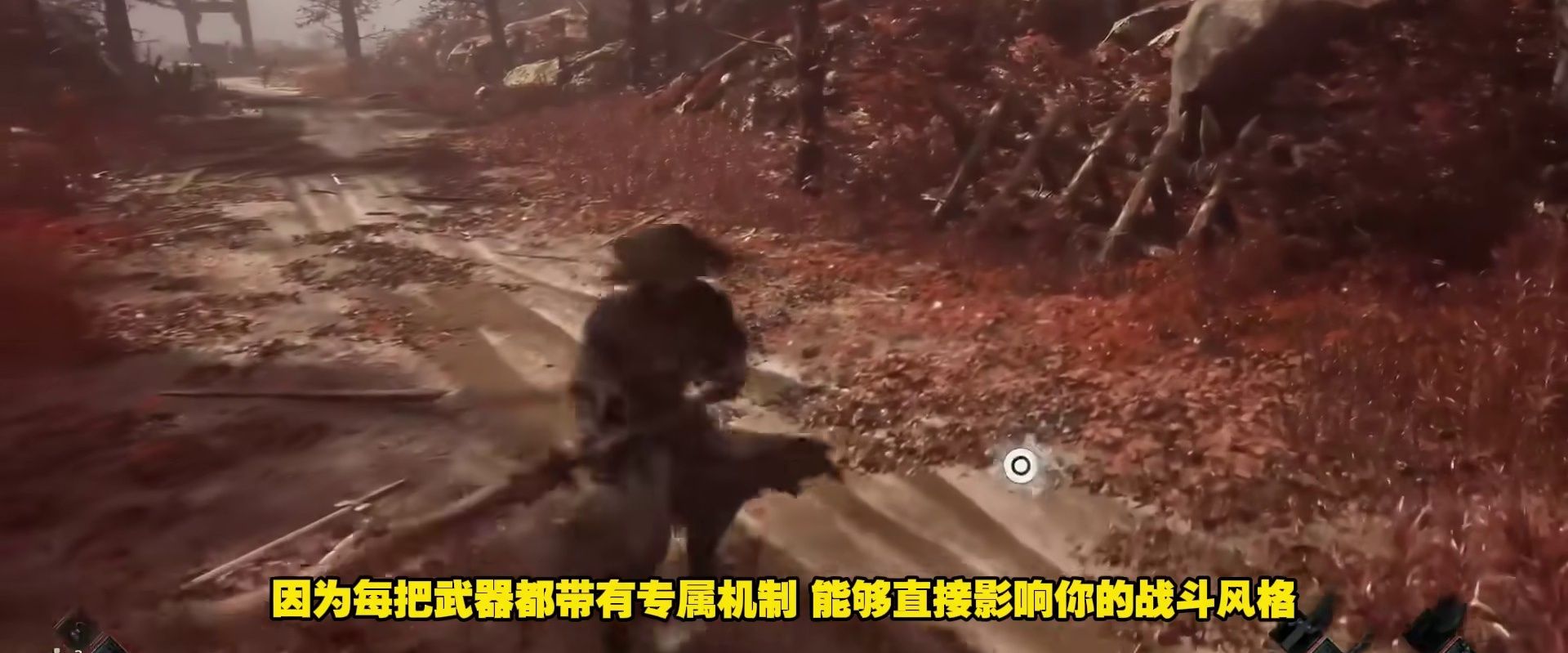
More importantly, this system encourages players to find their own playstyle. You can obsessively commit to a single weapon and hone it to perfection, or switch frequently, using different weapons to cover different situations. Phantom Blade Zero doesn't dictate a single answer - it hands "how to fight" back to the player.
IV. Enemies and Bosses: Opponents That Never Rest - Emphasizing Pressure Over "Suffering"
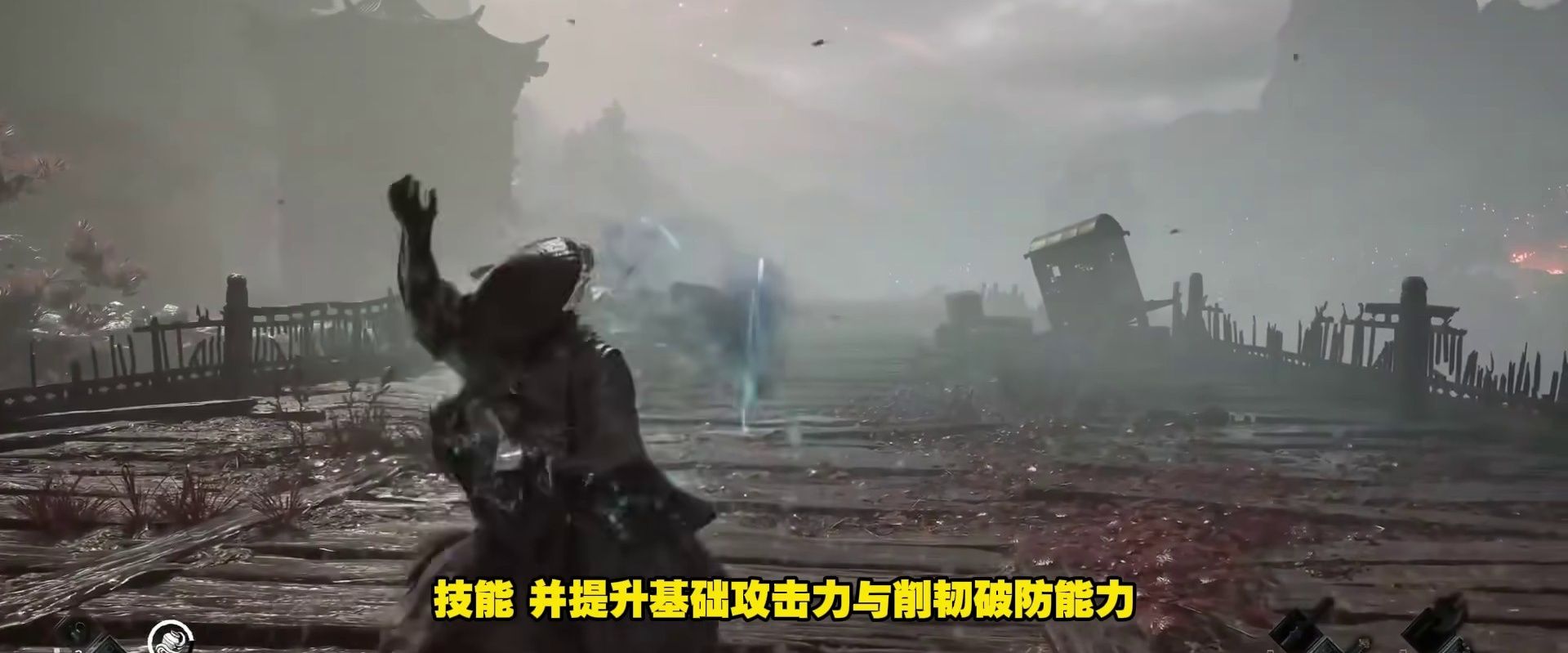
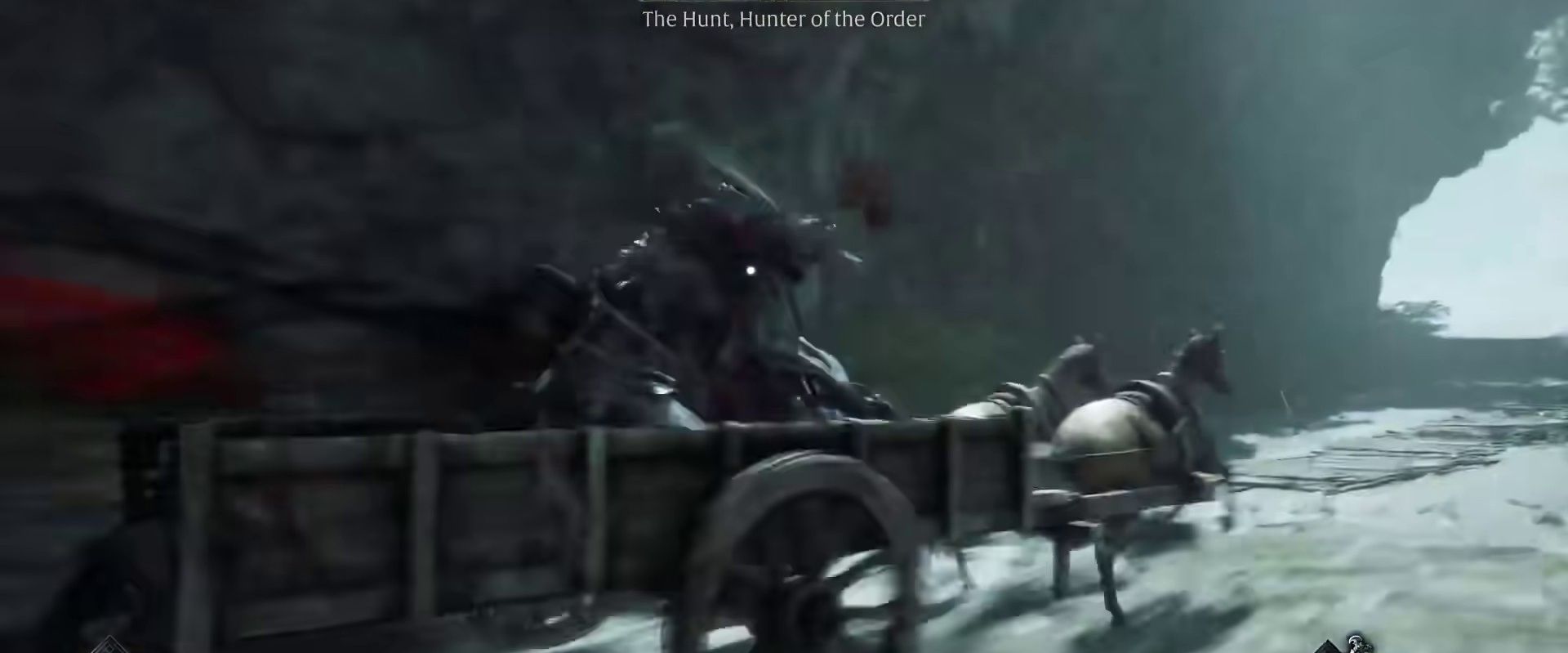
Phantom Blade Zero's enemy design has one unmistakable trait: its enemies never rest. Many action games leave players clear windows of safety, but here, enemies keep up constant pressure, give chase, and when you try to create distance, they use ranged attacks or lunging moves to latch back onto you. If you get greedy for extra hits at the wrong moment, the price is often not a sliver of health but having your rhythm completely shattered by a full combo string.
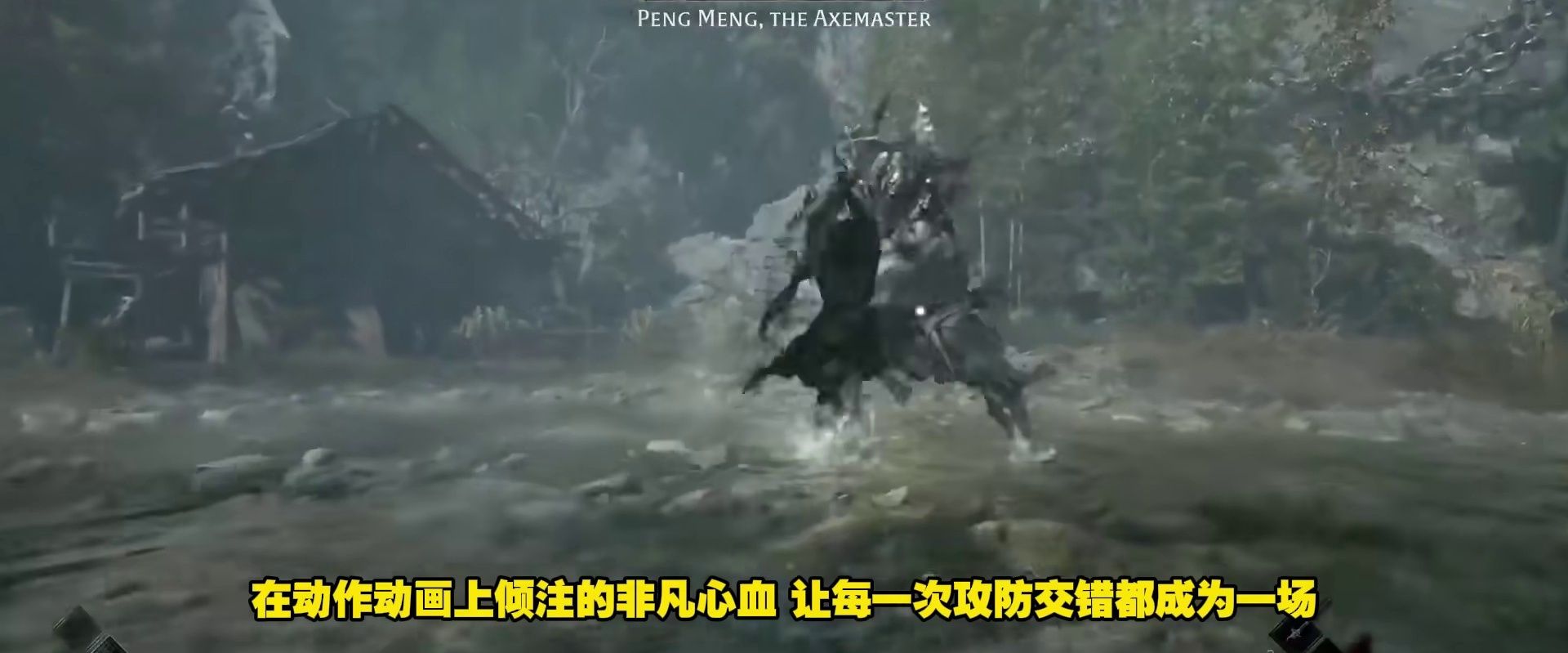
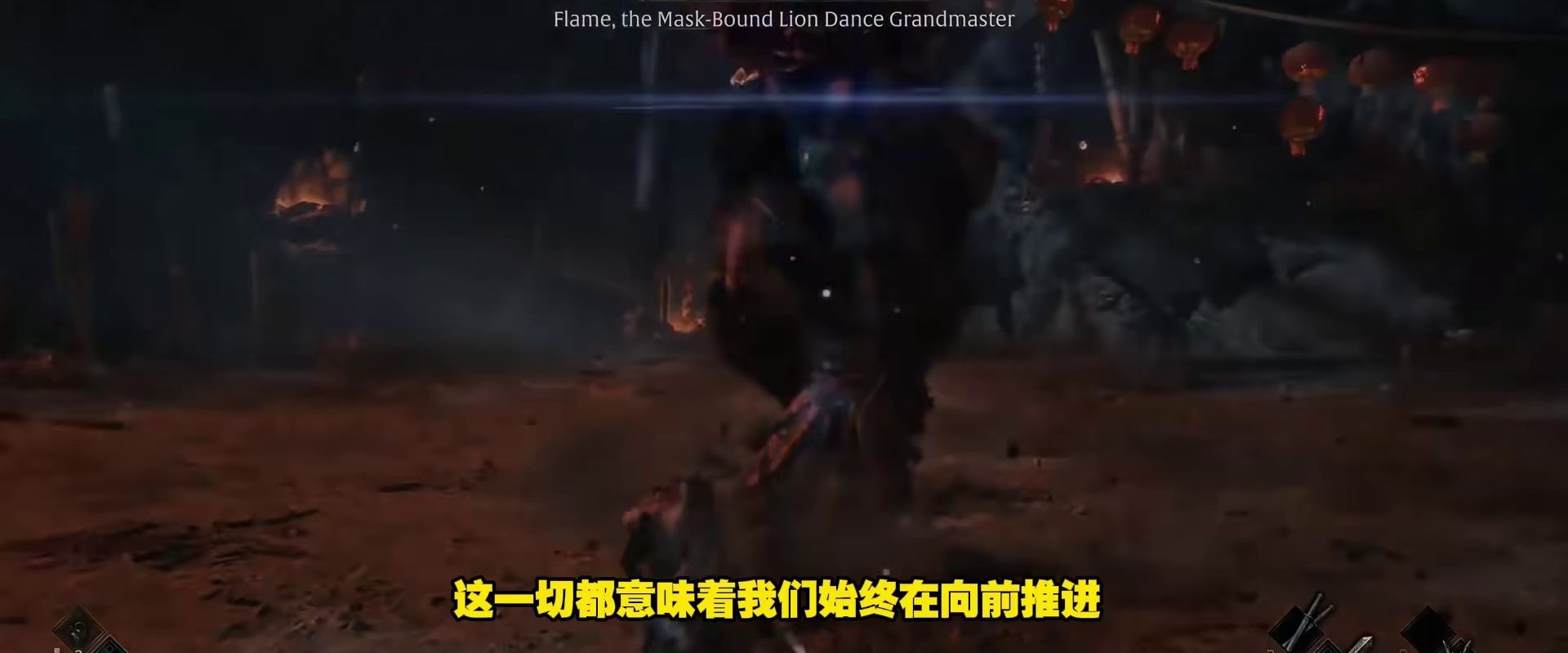
This is especially true of boss fights. The bosses that appeared in the demo weren't simply health sponges; they came with phase changes and multiple attack patterns. They force players to read a move within a split second, pick a response, and seize brief openings to counterattack. This design makes boss fights feel like a high-intensity dialogue rather than a drawn-out war of stats attrition.
The less breathing room the enemy gives you, the more weight you feel behind every successfully countered move.
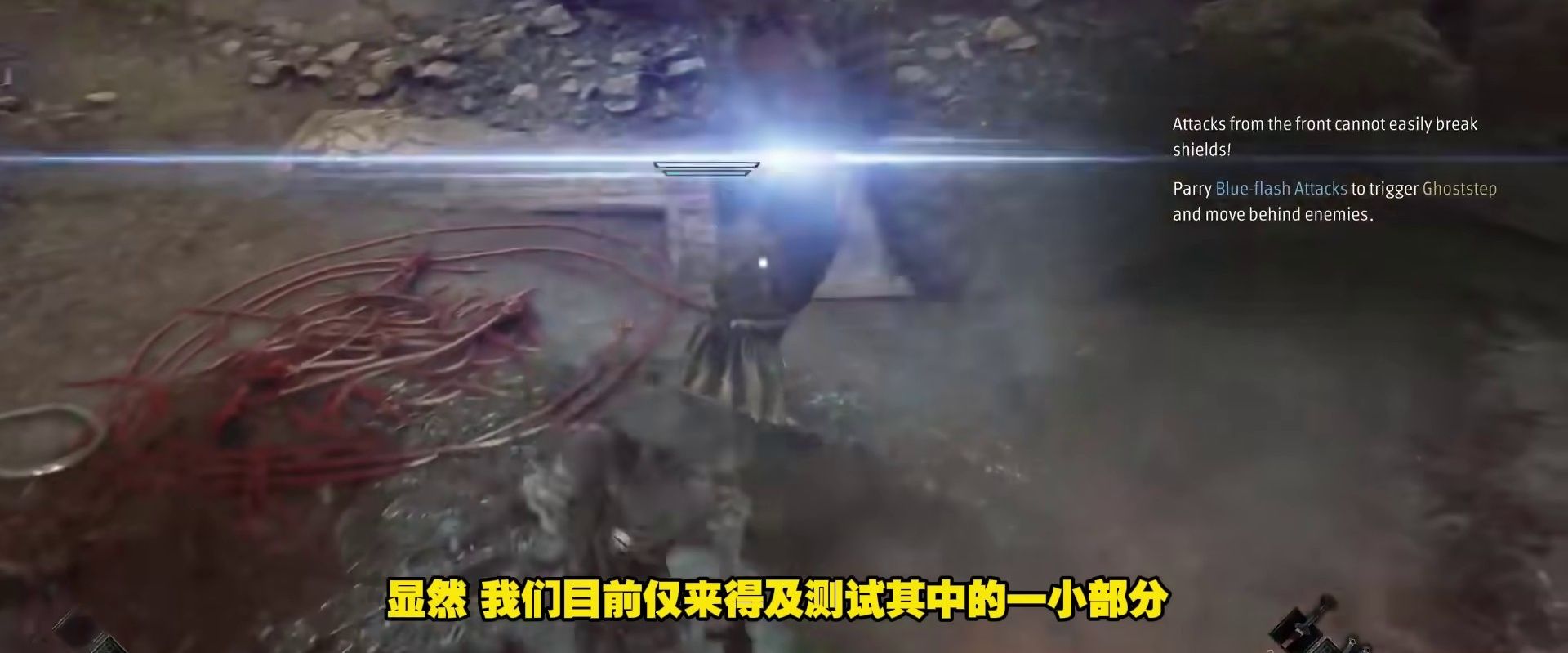
The demo also featured Ninja Gaiden-style enemies built for high-speed suppression. Unwilling to let players attack freely, they use relentless attack chains and spacing control to force you onto the defensive. Players must reclaim the initiative through precise blocks, dodges, or parries. This exhilarating back-and-forth between offense and defense is one of Phantom Blade Zero's core appeals.
Over the six-hour demo, different players may run into different enemies, different elite encounters, and different boss variants. This means the game doesn't linearly march you through "a few fixed fights"; instead, it embeds a wealth of optional battles and hidden challenges throughout the flow. Combat density is high, but it never devolves into mindless enemy stacking; it's more like a trial waiting around every corner.
V. Level Design and Exploration: Hidden Paths, Non-Linearity, and 6 Hours of Seeing Only the Tip of the Iceberg
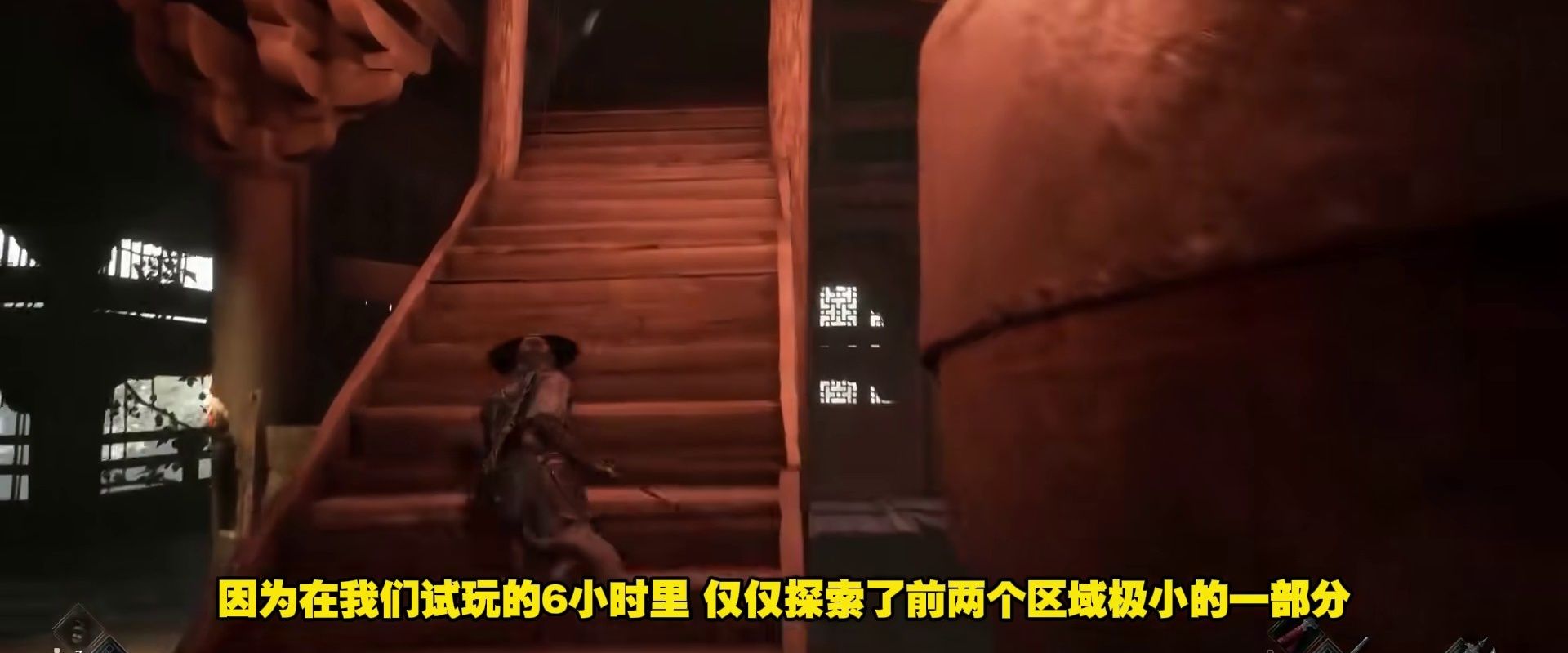
Beyond combat, Phantom Blade Zero also shows considerable ambition in its level structure. The demo featured hidden paths, branching routes, and explorable areas. These aren't simply there to funnel players into the next fight - they conceal rewards, story fragments, or extra challenges within the environments. This gives exploration-minded players a reason to keep studying their surroundings instead of sprinting straight through.
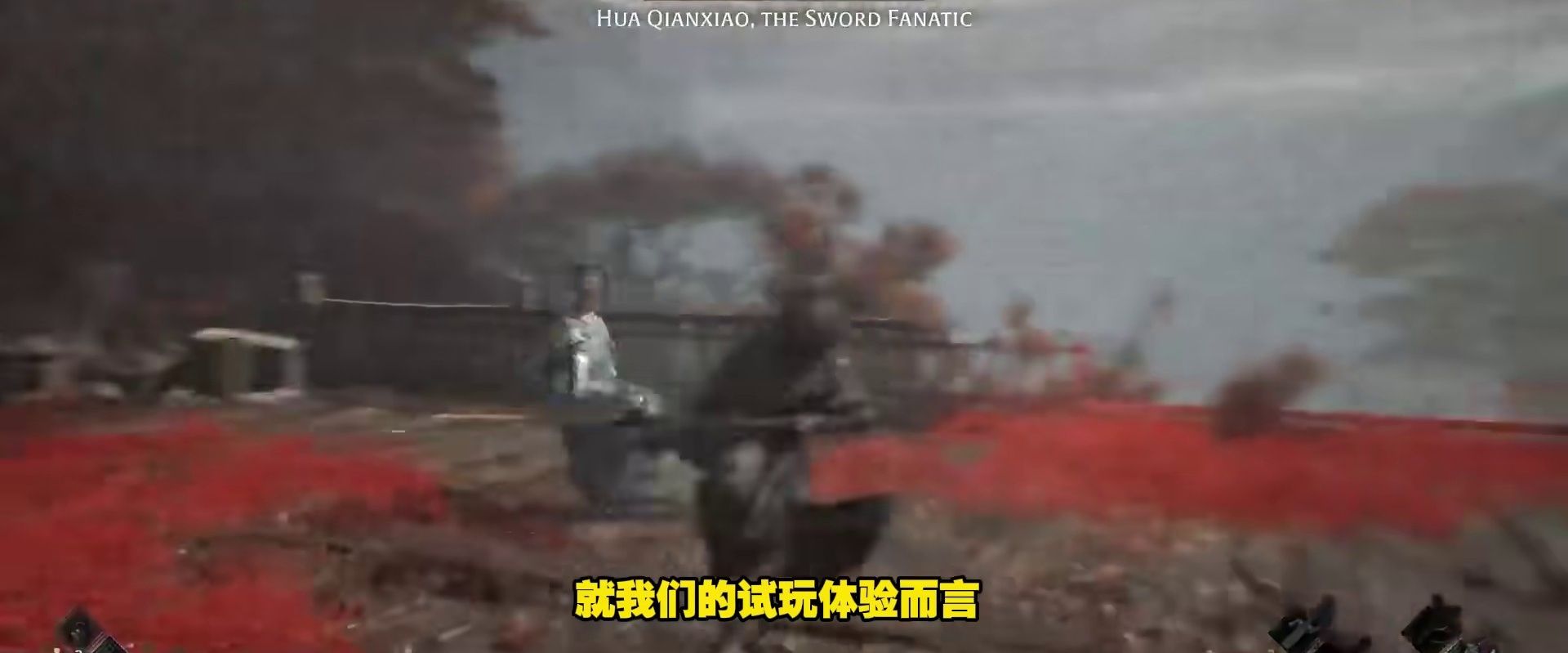
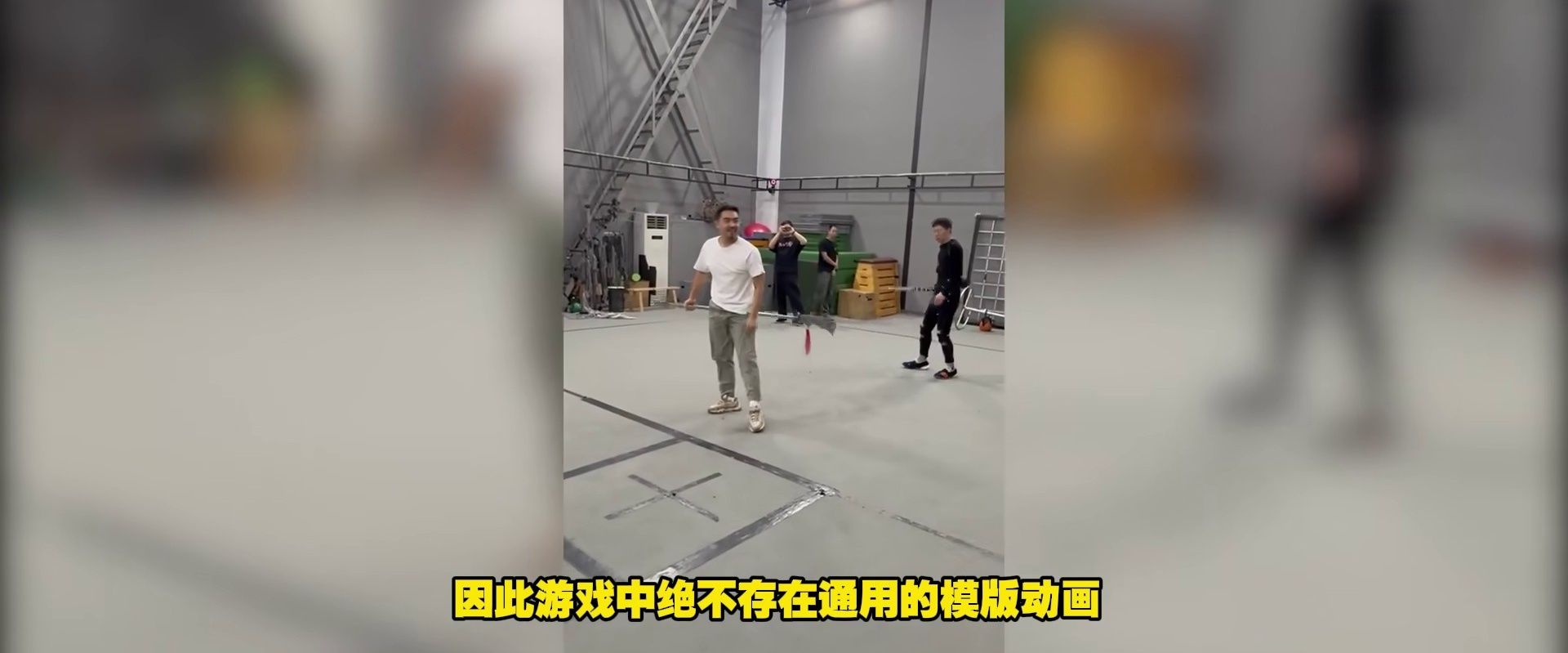
Based on the information available so far, the six-hour demo may only touch a very small fraction of the full game. Liang Qiwei has mentioned that the complete main story runs roughly 25 - 30 hours. If that scale holds, then the enemies, weapons, and environments shown in the demo may be nothing more than the prologue to the entire work. Six hours doesn't mean "we've played a lot" - it's more like "we've just pushed the door open."
What's truly exciting isn't how much has already been seen, but realizing how much still lies unseen ahead.
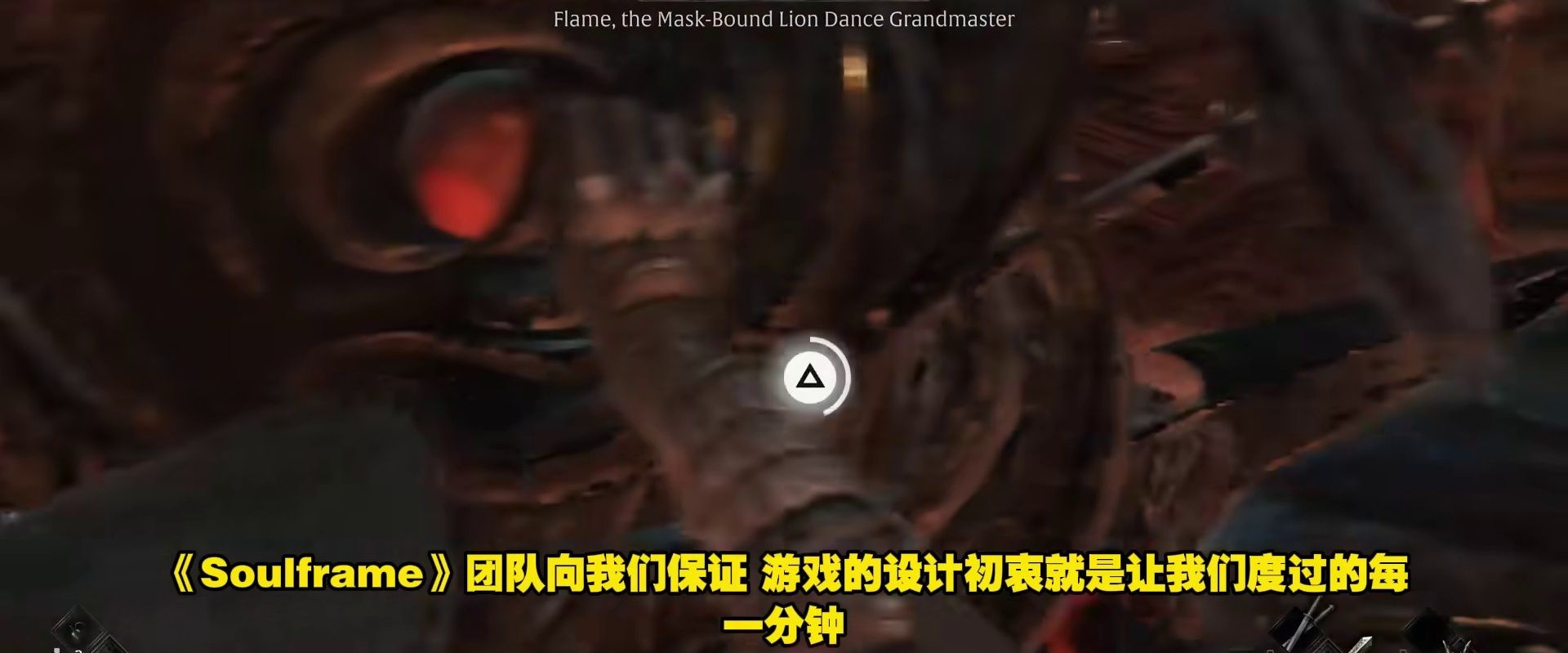
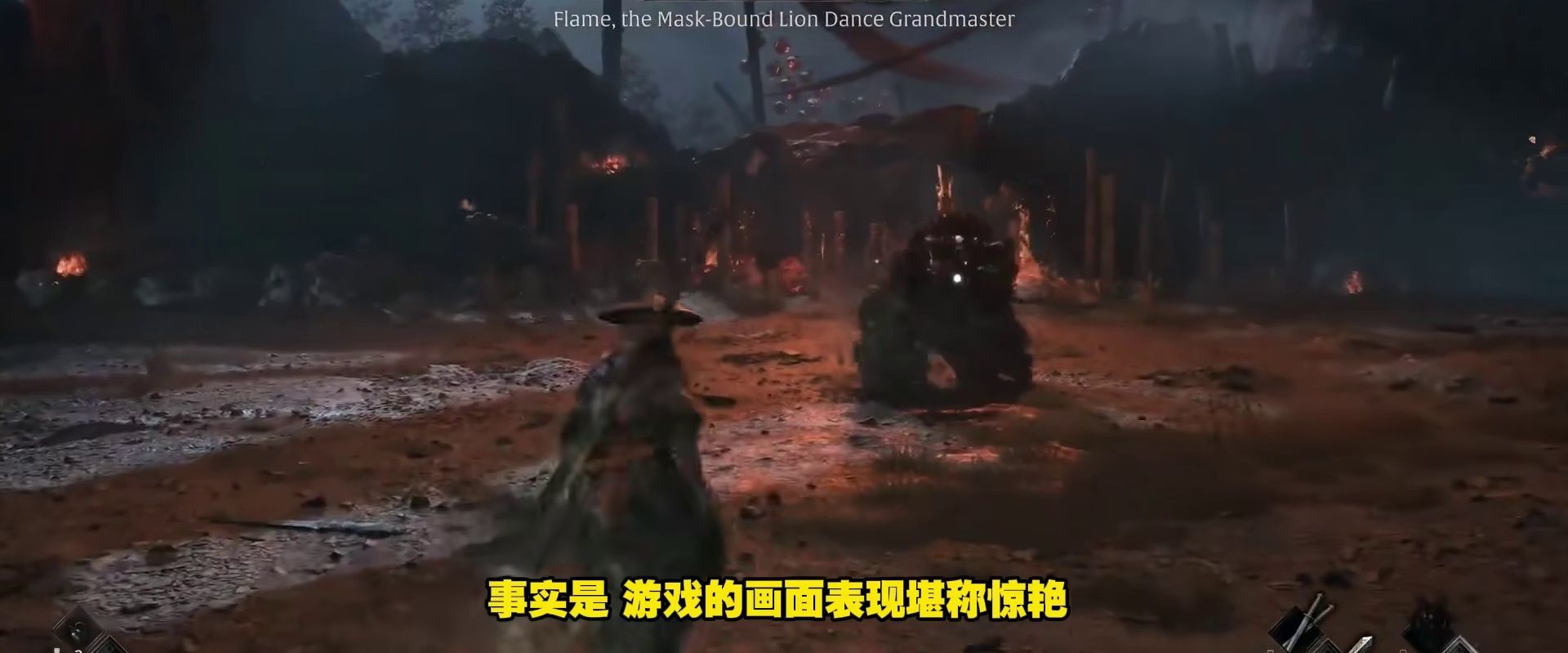
The environment art in the demo also deserves a mention. Rain-soaked nights, firelight, bloodstains, the cold gleam of clashing blades - all of it reinforces a stark, razor-sharp wuxia temperament. Reports suggest the core art team isn't large, yet it aims to support both in-game environments and film-grade presentation at the same time. This unified aesthetic keeps combat and exploration from being split into two separate games.
Sound effects and music take part in combat as well. Drawing the blade, blade clashes, executions, blocks - every key action comes with clear audio feedback. They may not steal the show, but they lend every exchange of attack and defense greater weight. For an action game, half of this "sense of impact" comes from the visuals, and the other half comes from sound.
VI. Scale and Ambition: A 25 - 30 Hour Campaign, S-GAME's Answer for Wuxia Action
Behind Phantom Blade Zero stand S-GAME and Liang Qiwei (Soulframe). This is not the team's first take on the wuxia genre, but Phantom Blade Zero is clearly a far grander display of ambition. It has to preserve the visceral thrill of high-speed action while keeping enemy design, weapon depth, and level pacing consistent across a 25 - 30 hour main campaign - a massive challenge for any team.
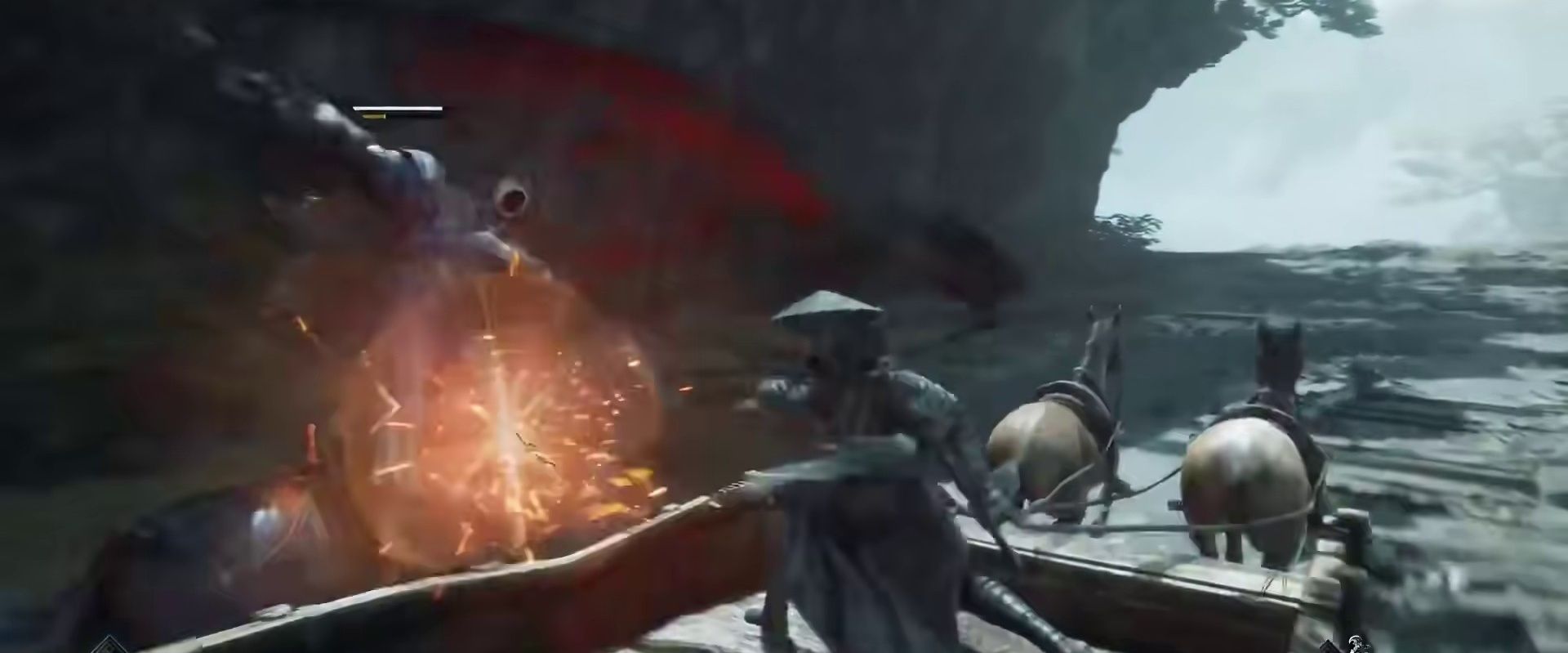
The signals from the demo are positive: the combat system has a distinct identity, weapon switching has real depth, enemy design carries genuine pressure, and the level design sparks the urge to explore. It doesn't blindly chase the soulslike formula, nor does it stay parked in the safe zone of the "homegrown action game." What it's attempting is something riskier: making players rethink the possibilities of wuxia action games amid high-speed offense and defense.
If soulslikes are about teaching players reverence, then Phantom Blade Zero would rather teach you to keep your cool on the edge of a blade.
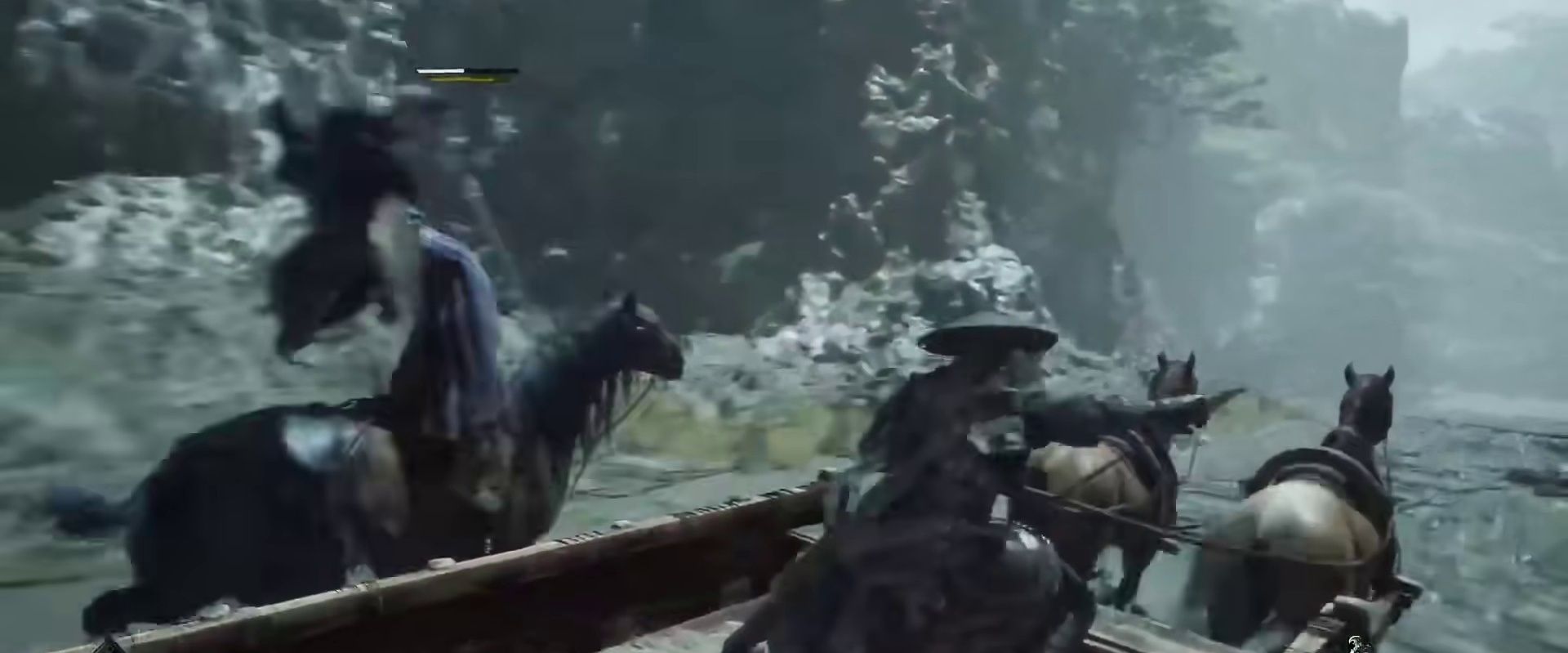
Of course, a six-hour demo can't answer every question. The full game's enemy variety, boss count, level repetition, narrative pacing, and progression balance will all still need to be validated in the final version. But judging from what's been shown so far, it already has the skeleton of a truly distinctive wuxia action game.
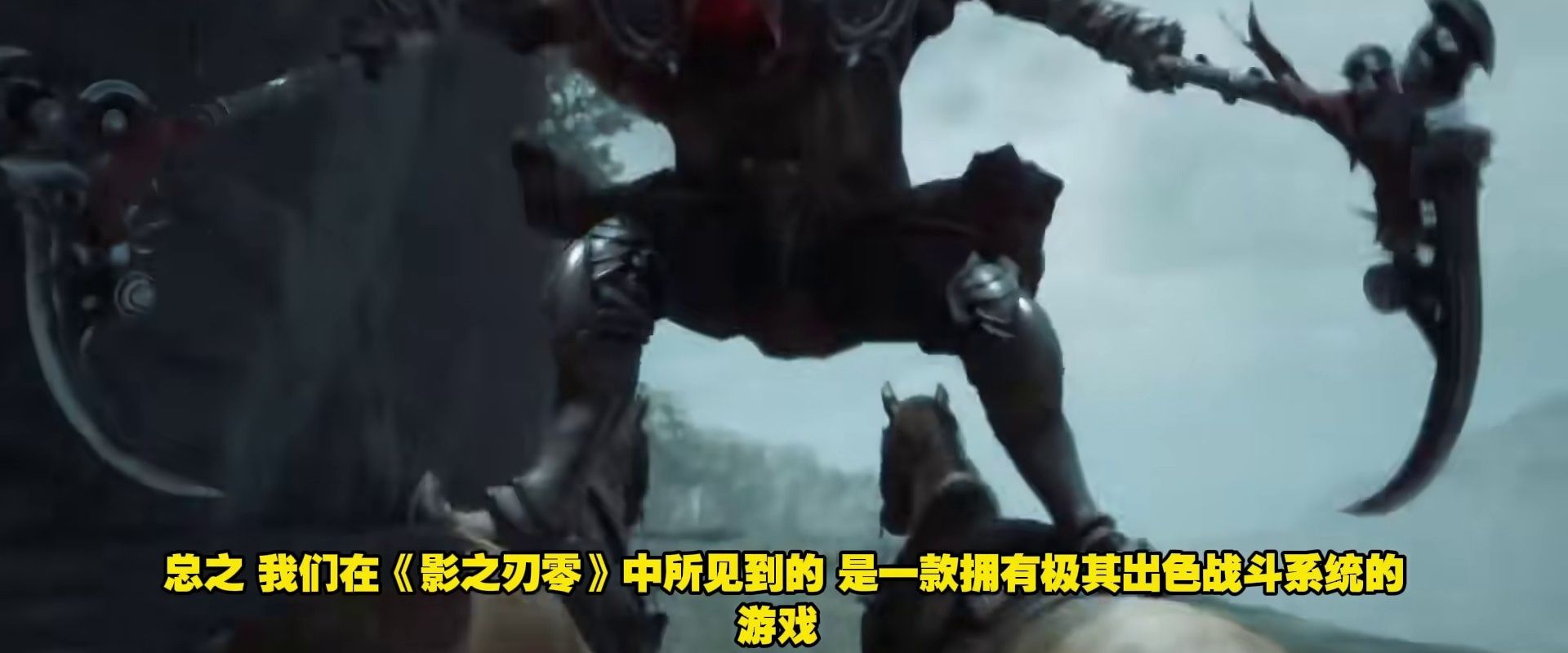
For players hoping to see homegrown action games break new ground, the most valuable thing about Phantom Blade Zero isn't who it "resembles," but who it's striving to "become." It isn't content to be a second soulslike, nor to rely on blade clashes and gore alone for its thrills. It's trying to use weapons, pacing, enemies, and exploration to piece together a fuller picture of what wuxia action can be.
Top Community Comments
- "Another homegrown game - do domestic developers only know how to make homegrown games?"
Posted with a laughing-crying emoji, this quip actually captures players' complicated feelings toward the "homegrown" label: anticipation on one side, fatigue on the other. Being homegrown is hardly an original sin; the real test is whether a title can push the label into the background and let quality do the talking. What Phantom Blade Zero must answer is not "is it homegrown?" but "is it good enough?"
- "Sigh, another soulslike. Sigh, another homegrown game. Sigh, more blade clashes. Sigh... and, um, I forgot."
A heavily upvoted, drawn-out sigh that almost condenses today's anxiety over action-game homogenization into a single line. Yet the Phantom Blade Zero demo pushes back against exactly this kind of lazy categorization: it plays closer to a high-speed character action game, where blade clashes are only the surface - the core lies in reading enemy moves, weapon switching, and sustained pressure. Whether it can truly break out of that mold will depend on whether the full version keeps delivering a sense of freshness.
- "No cinematics - nowhere near Onimusha. Giving it just 1 point."
This comment represents another kind of extreme yardstick: holding a new release to the presentation standards of old-school action games and Onimusha. Cinematics can certainly elevate the atmosphere, but Phantom Blade Zero clearly prefers to put its weight behind real-time controls and combat interaction. It has chosen a harder road - one that players can only truly understand by getting their hands on it.
📌 One-Line Takeaway
Phantom Blade Zero uses high-speed move reading, weapon switching, and oppressive enemies in an attempt to tear off the "soulslike" label and compose a symphony of blades that belongs to wuxia action games; the six hours are merely a prologue - the real test lies in the 25 - 30 hours of the full version.