Phantom Blade Zero: Twelve Years Walking Right, One Stab Left to Pierce the Jianghu's Maze
After a 36.5-hour first playthrough with a 97% collection rate, my heart remained unsettled for a long while. Phantom Blade Zero has finally stood before me in its complete, living form. Shadow Realm, The Order, Soul, and Black Wound - names that have accompanied players for many years - are no longer bound by the constraints of mobile; they now truly unfold across this magnificent, dark wuxia world. This world remains steeped in blood, with vileness and scheming at every turn, yet because a man like Soul exists, it can still be saved.

Without question, Phantom Blade Zero is outstanding, exceptional, and utterly one of a kind. With AAA-level investment on par with a major commercial production, S-GAME has realized an obsessive dream of game director Liang Qiwei. It displays auteur-driven vision and personal style to the utmost degree; built upon a gameplay framework mature and commercial enough, it does everything it can to ensure that even its most demanding elements can be accepted and enjoyed by the majority of players. Yes, Liang Qiwei did not lie this time: more than a decade of "moving right" has indeed given them enough strength to "move left." Before him, I had never seen a game like this.
Breaking the Mold: A Wuxia Duel Amid Flowing Killing Intent
Phantom Blade Zero's greatest strength is, without question, its exquisite combat system. You play as Soul, a master of the mystic arts in the Shadow Realm who takes to any weapon, martial technique, or illusion spell instantly, and who carries a signature skill all his own: the "Ghost Step." Run-of-the-mill bandits in the wilds can hardly lay a finger on him, and the mere mention of his title - "Black Wound" Soul - strikes terror into the hearts of heroes across the jianghu. Convincing players of all this through a character introduction alone is clearly nowhere near enough.
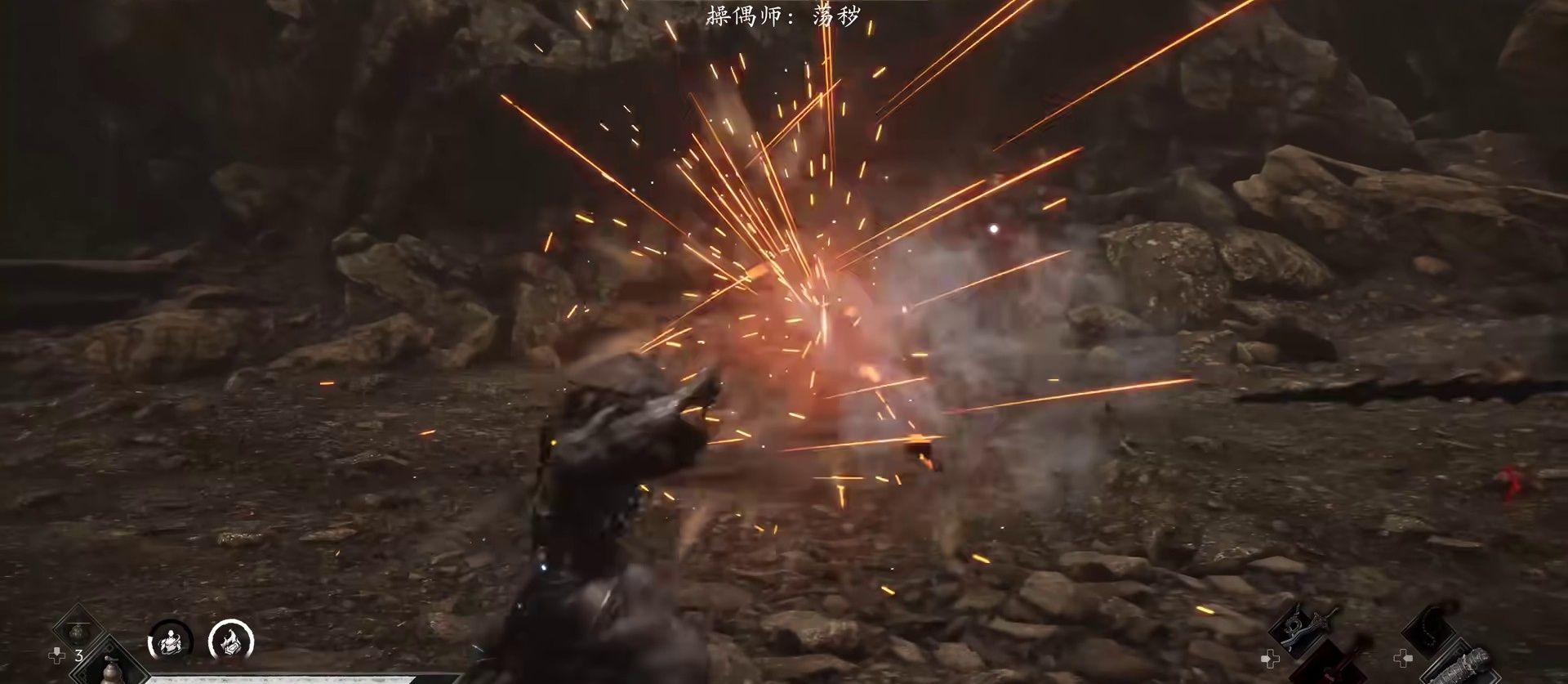
"To capture, within the game's realistic visuals and control feedback, the outrageous feats of wuxia fiction - 'a flying sword across a hundred paces, a thousand strikes in an instant' - standard light and heavy attacks, dodges, and blocks simply aren't enough."
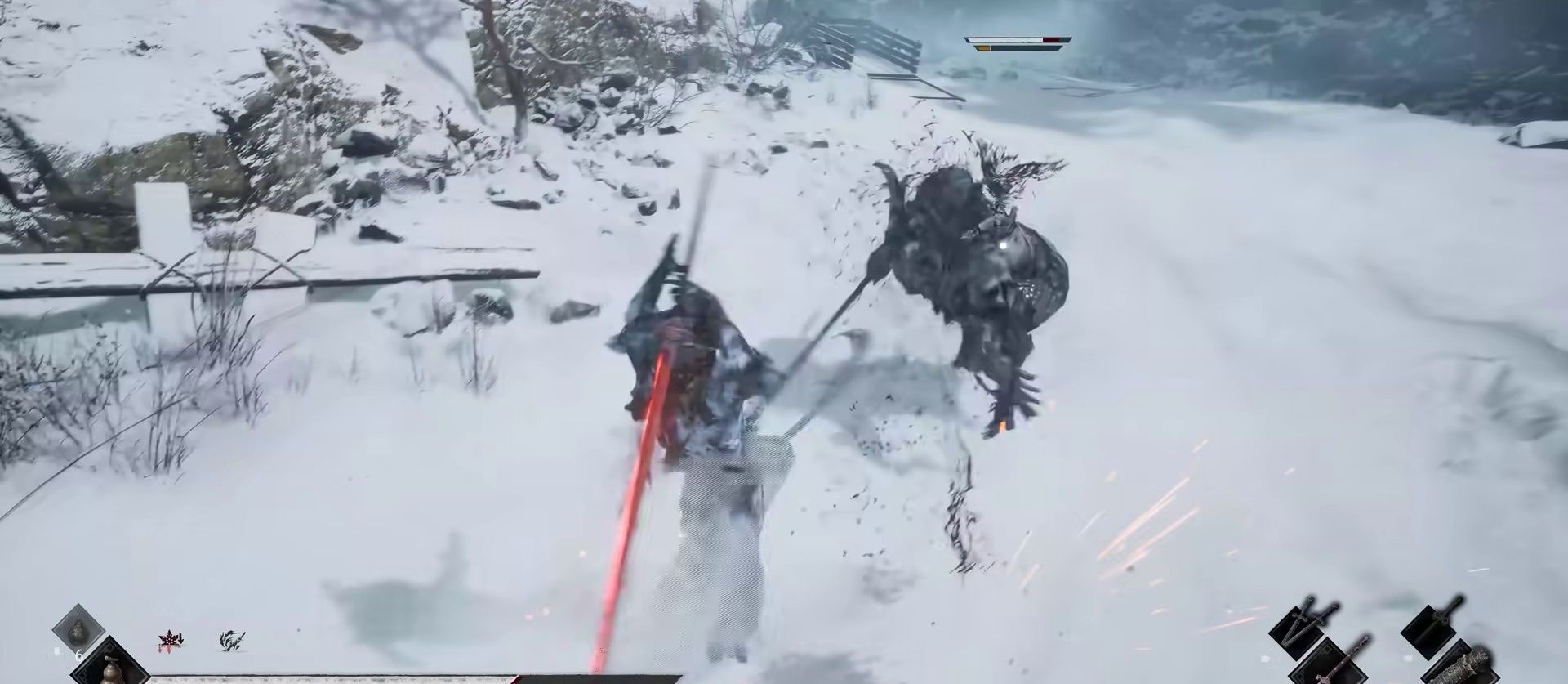
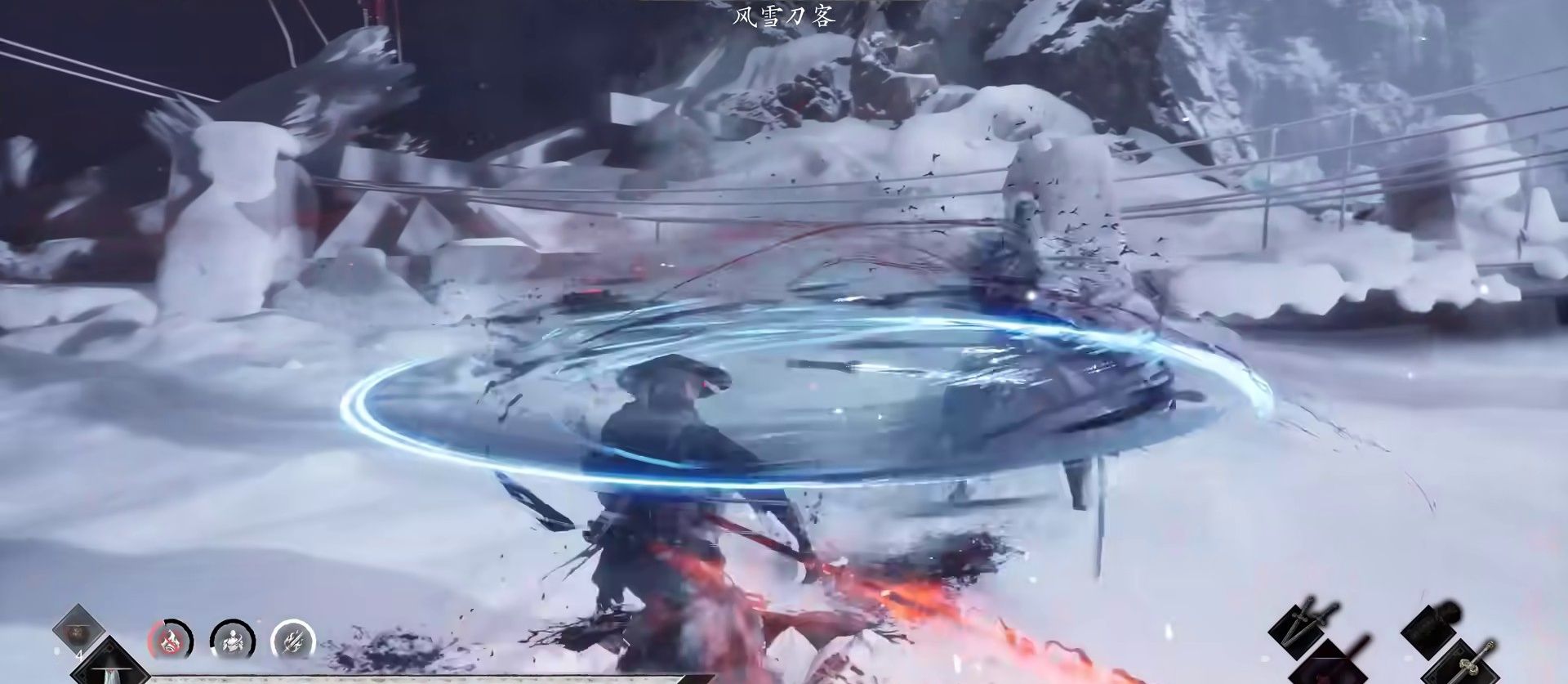
To that end, S-GAME gave Soul a terrifyingly powerful moveset, and through a chain-parry mechanic, lets even ordinary players trade blows in dazzling exchanges like the lead of a wuxia film. By holding down the guard in combat, Soul spends "Killing Intent" to chain blocks that follow the trajectory of each incoming enemy attack. Amid the crossing of blades, he answers the onslaught with a string of movements so fast they blur before your eyes.
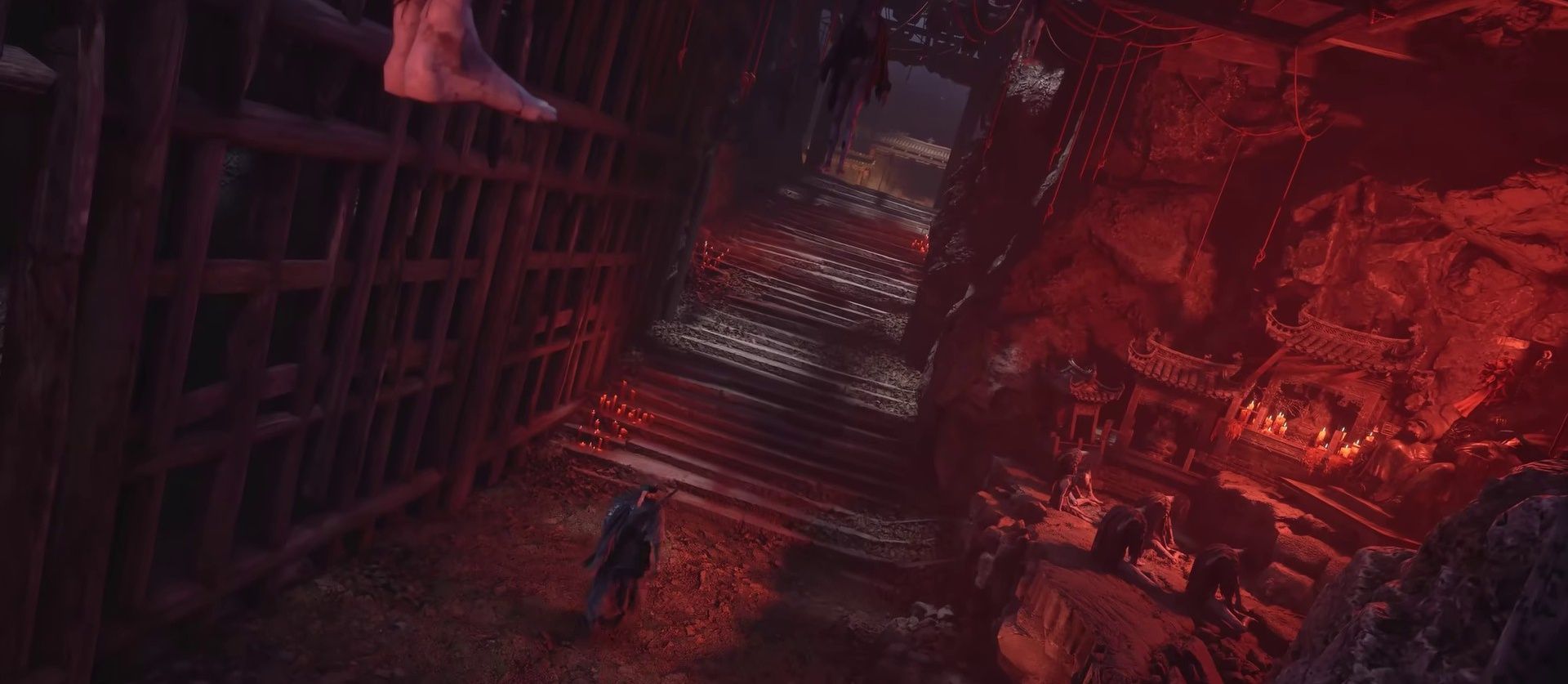
Core Philosophy: Fighting-Game-Style Victory Through Depleting Sha Qi
When ordinary moves fail to break through after a prolonged assault, enemies will unleash powerful attacks that cannot be blocked. These killing blows are telegraphed with red and blue light effects; input the correct response within the corresponding window and you will slip straight through the attack, ending up behind the enemy in an instant. This successful counter not only restores Sha Qi, but also lets you immediately follow up with another offensive, reclaiming the initiative in the space of a breath.
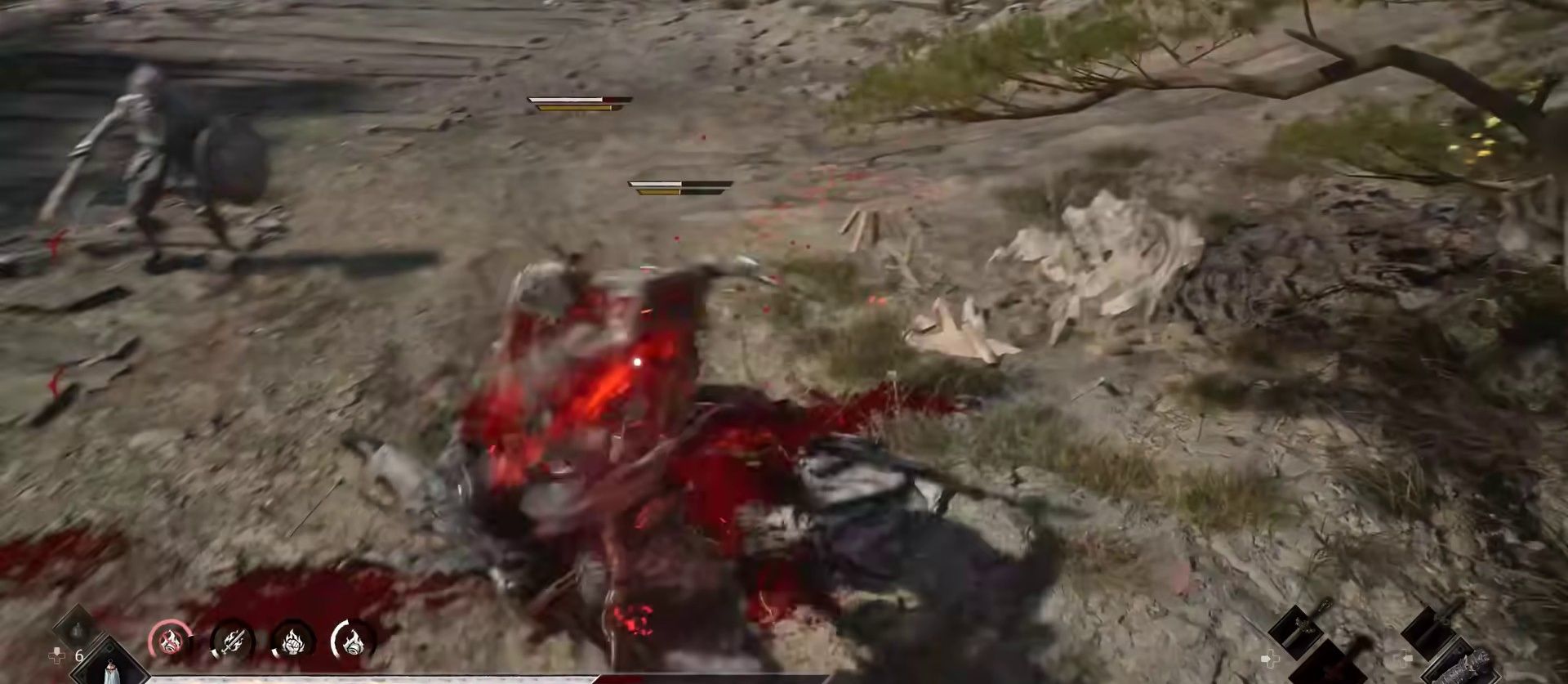
As for this "Sha Qi" (killing intent) gauge, there is considerable depth to it. It is neither stamina nor posture, but a combat resource that both sides possess in roughly equal measure. Chained parries consume it, and landing effective damage consumes it as well, while dodges and Sha Qi-depleting skills themselves cost no Sha Qi. Once either side's Sha Qi is fully depleted, they fall into a perilous state - one where effective defense becomes difficult and heavy damage is easily taken.
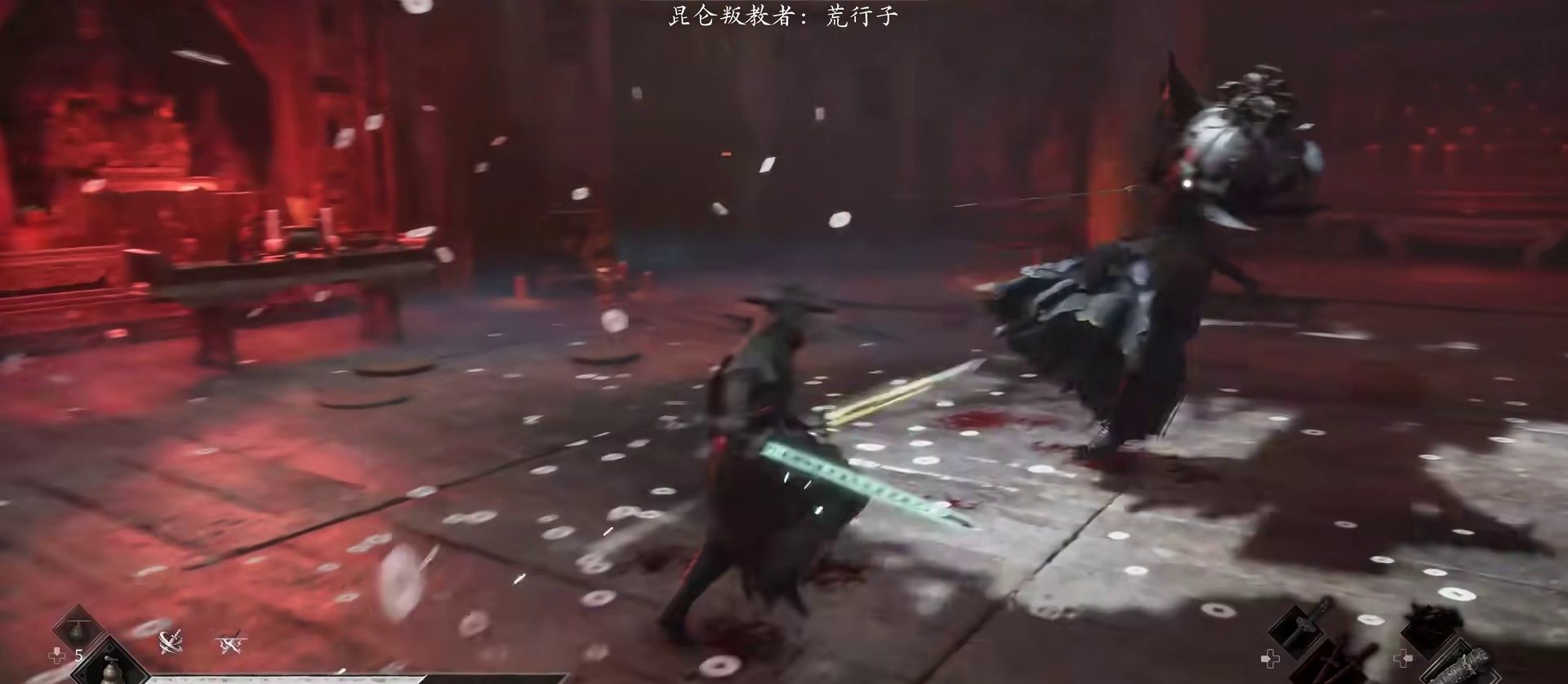
"How to efficiently spend your own Sha Qi while rapidly draining the enemy's has become the core combat philosophy of Phantom Blade Zero."
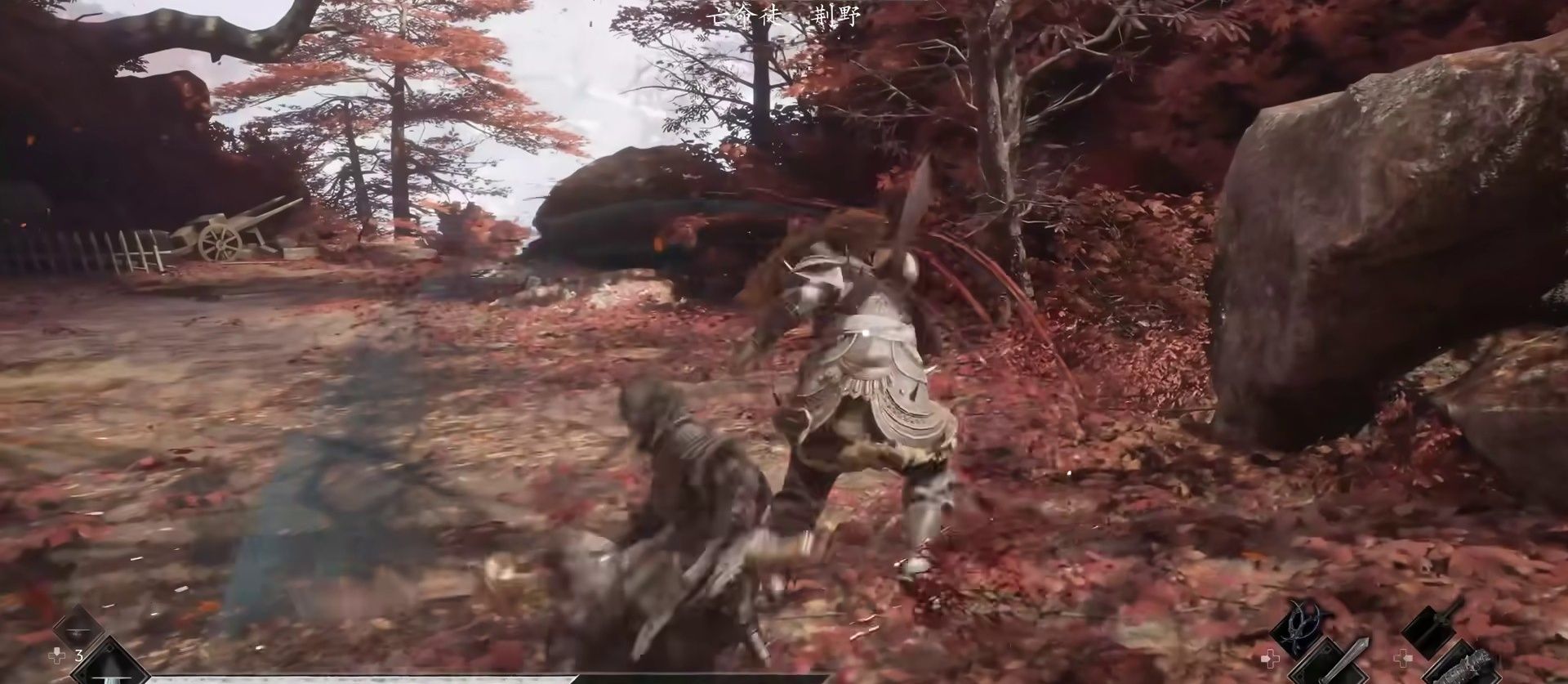
Between light-and-heavy attack combos, chained parries, and the Ghost Step, an interplay thus emerges that closely resembles a fighting game's "strike, throw, block" triangle. This ruleset gives the combat a rare sense of fairness - it is still far from a simple game, as a killing blow you fail to react to, or one greedy extra slash, can make the situation collapse in an instant. But unlike games where clearing a boss hinges on whether the opponent happens to pull out its nastiest moves, combat in Phantom Blade Zero is highly deterministic. In a great many fights, players can even hold the upper hand: nearly any action on your end can be canceled with follow-up inputs, and boss AI is remarkably clean, essentially never spamming its most brutal attacks.
Ultimate Feedback: A Hardcore Experience That Makes You "Die Knowing Why"
This produces a rather uncanny effect: it has been a long time since I last encountered an action game that could kill me a dozen times in a row without tilting me, and still leave me willing to go another round. Phantom Blade Zero makes you know exactly where you went wrong - nearly every move an opponent throws at you has a clear, efficient counter somewhere in this system. After a failure, I usually know what I should have done: I was just a beat slow, or got greedy with a few extra slashes - rather than pinning the blame on a boss that plays dirty.
A Hundred Executions: Exotic Weapons and Aesthetic Violence
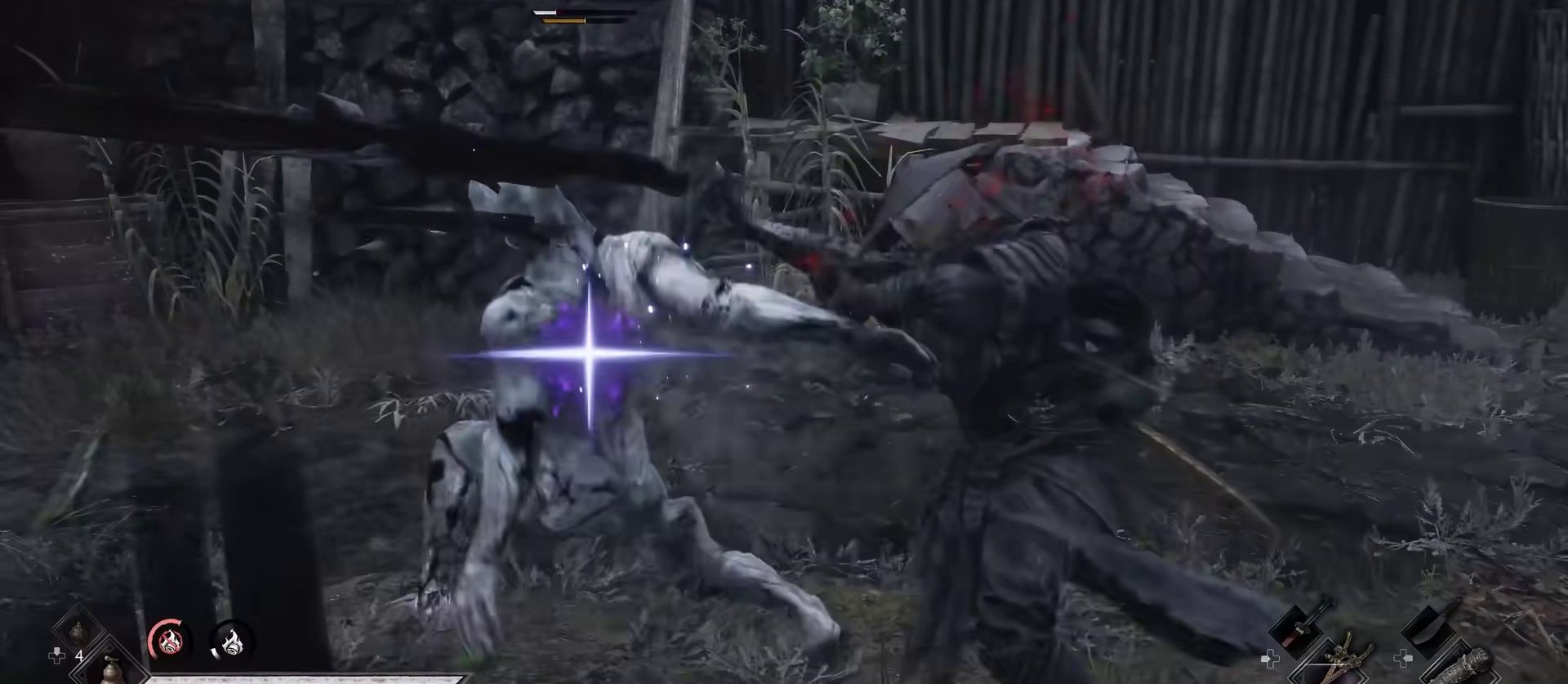
On top of that, the game features nearly 30 primary weapons, each with its own distinct moveset. Even just mixing light and heavy attacks into combos can produce dazzling sequences. The deeper you dive, the more you'll come to internalize each weapon's combo rhythm. Pair that with each weapon's signature ultimate fueled by refined killing intent, plus unique execution animations against different enemy types, and the expressive power of combat becomes downright explosive.
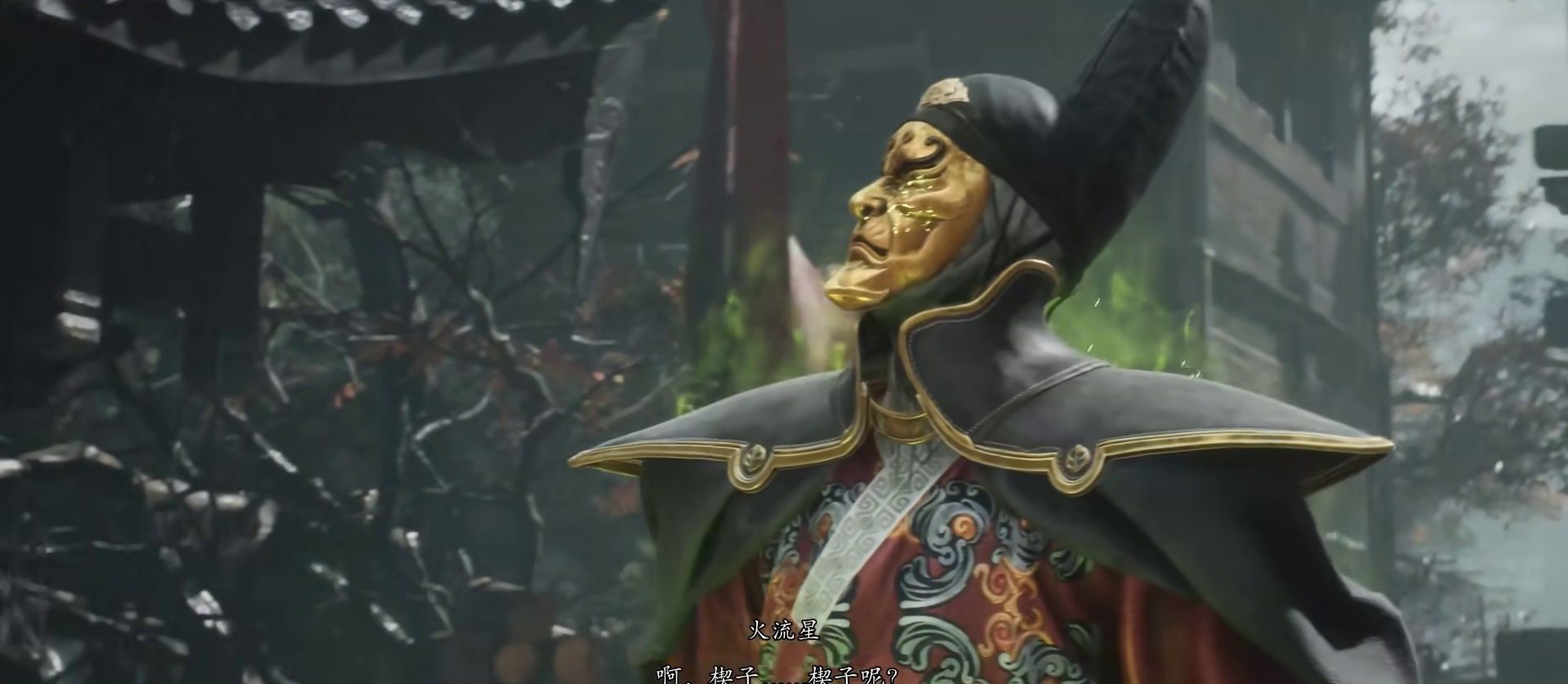
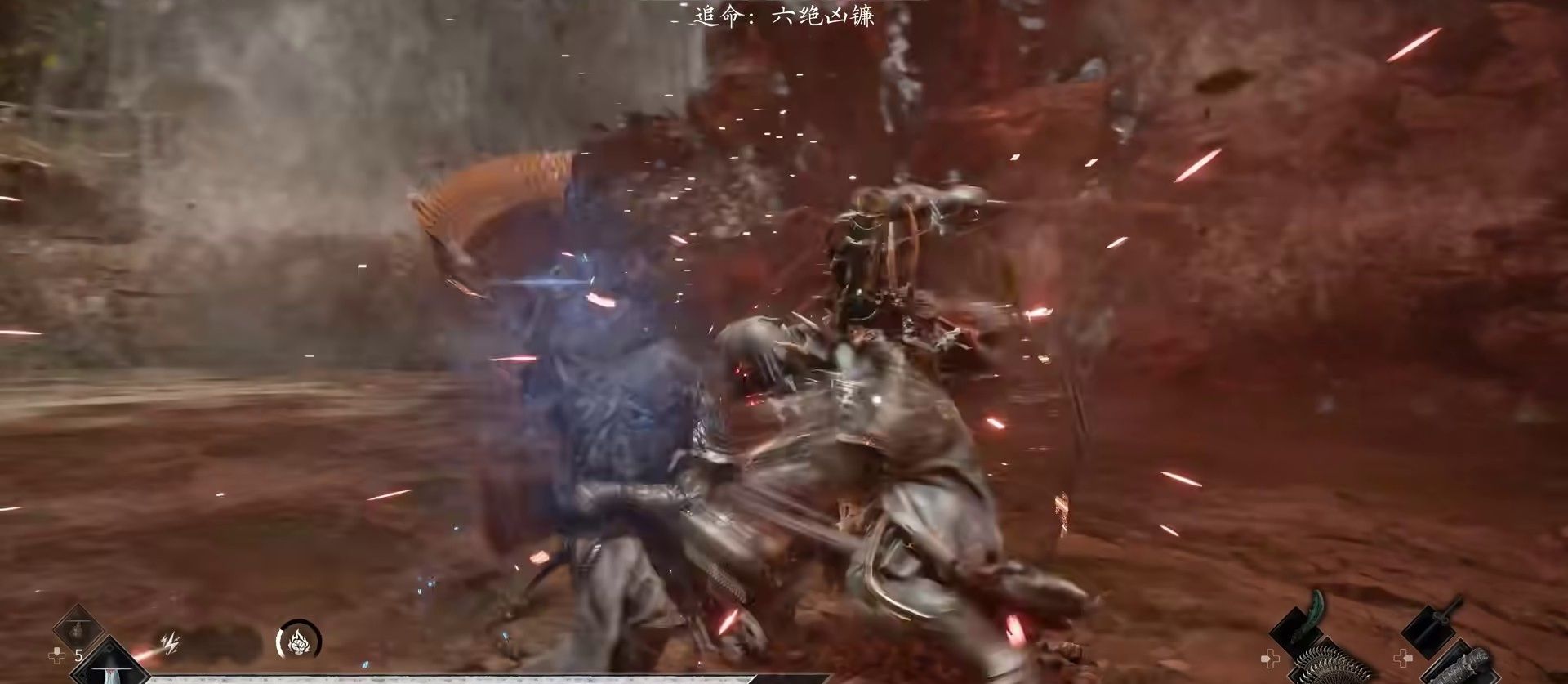
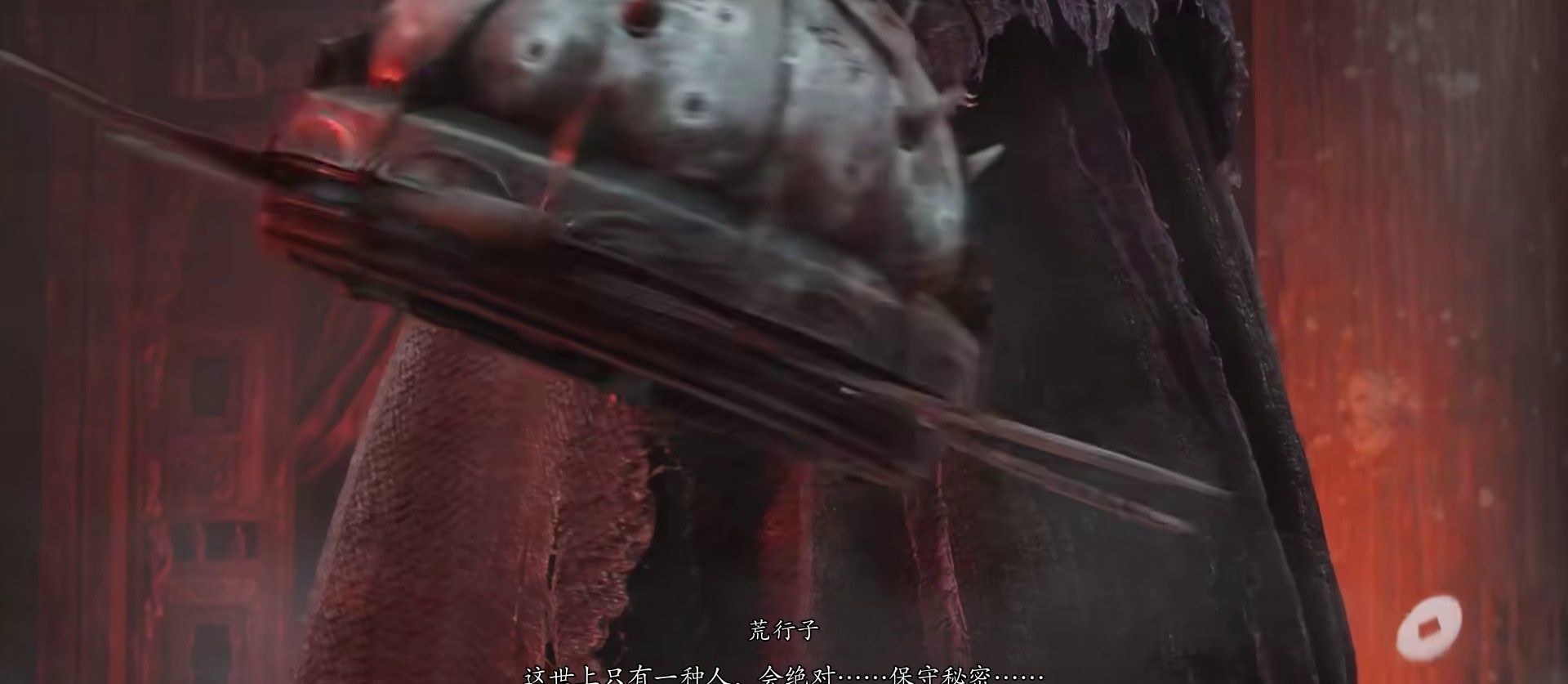
You can chain sword qi slashes to shred the Order's ghost envoys, or tear the arm off one of the Qiuming Sect's puppets and swing it to send the puppet's head flying. Facing the Masked Fiend, Soul will even yank his mask clean off and casually hurl it at another enemy. There are well over a hundred such animations in the game, and their sheer style and visceral thrill are downright addictive.
An Uncanny Jianghu Beneath the Steampunk
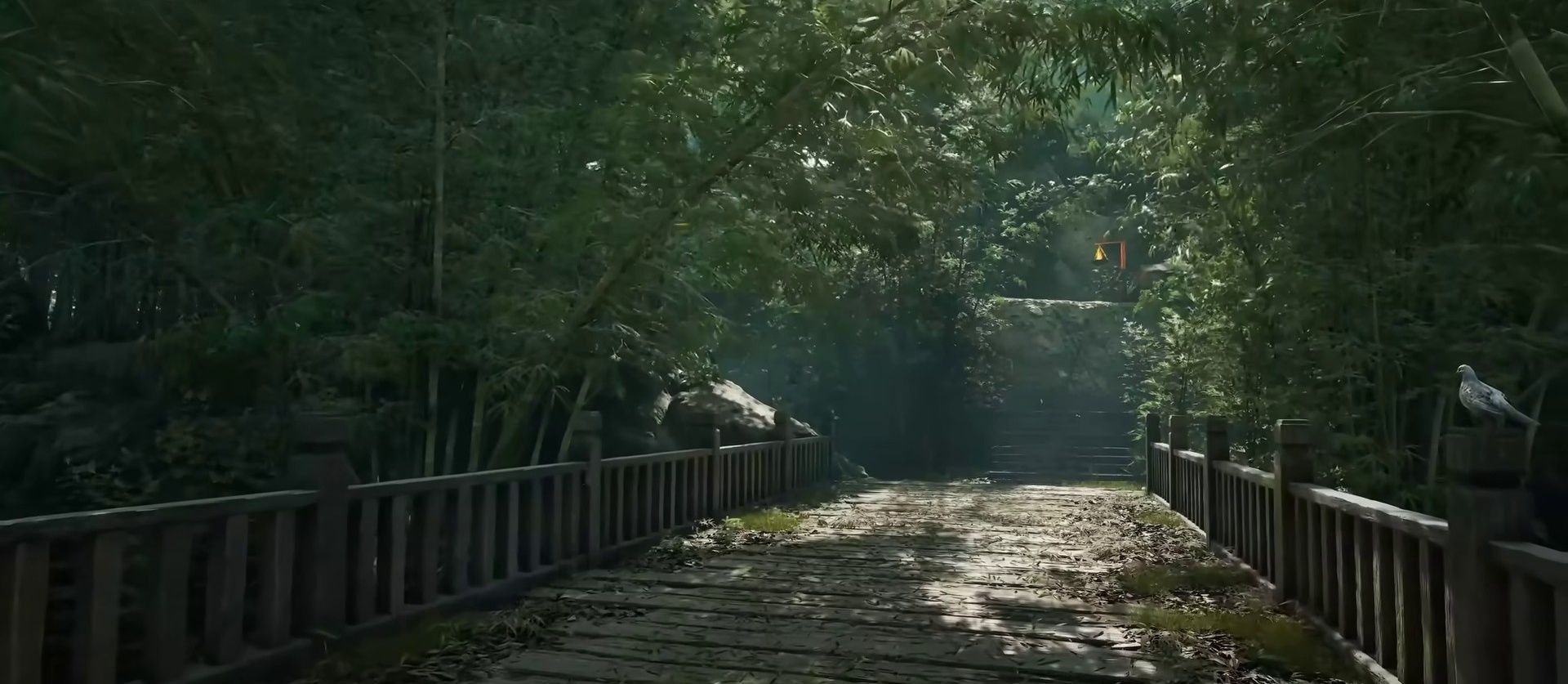
What kind of game world are these skills meant for? S-GAME has its own answer to that as well. The Shadow Realm features steam engines, mechanism arts, illusions, and killing-intent modification, while also teeming with supernatural forces and strange deities - lending its combat presentation a distinctive character. The characters' mannerisms and the camera blocking often feel familiar to anyone versed in wuxia cinema, yet what appears on screen instantly makes you realize - this world is not the jianghu you imagined.
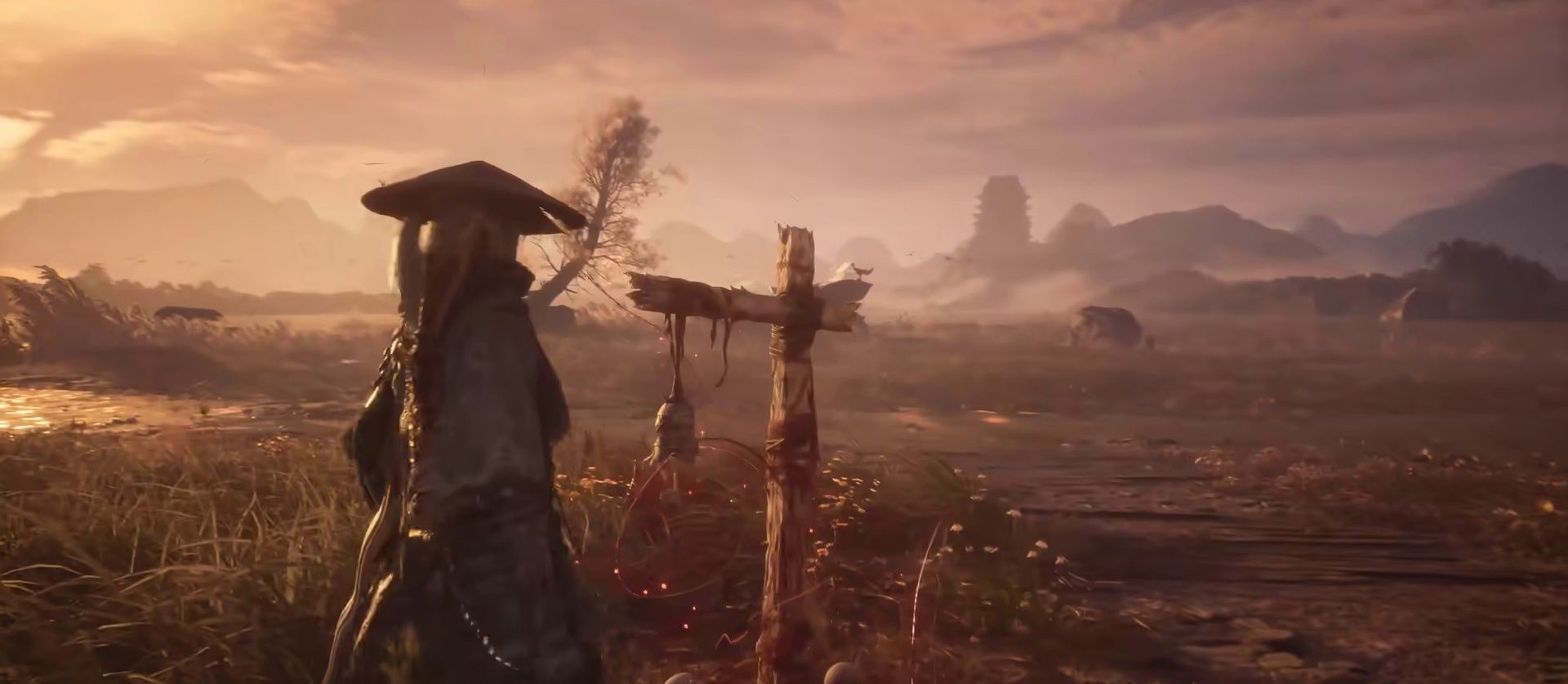
To avoid spoilers, I can only describe one of the fights like this: under the setting sun, reeds and lake waters surround a battle bridge, where Soul and his opponent face off from afar. At first I thought I had walked into Hero; as the fight wore on, it turned into Flying Swords of Dragon Gate; and only at the very end did I realize that this scene was, in truth, telling the story of Crouching Tiger, Hidden Dragon.
Music and Audiovisuals: A Symphonic Wild Dance of Tradition and Modernity
As for the music, it is simply extraordinary. The great Bo Caisheng once again gives his creativity unreserved release across the Shadow Realm. Classic tracks from the Rainblood series, rearranged and reinterpreted, make their return in the Shadow Realm, while certain levels also put traditional folk music to creative use. Here you will find traditional art forms echoing with rock, electronica, and metal. "Bright Moon," electronic music, and heavy metal blend perfectly within the game, showcasing an intense - even somewhat willful - personal style.
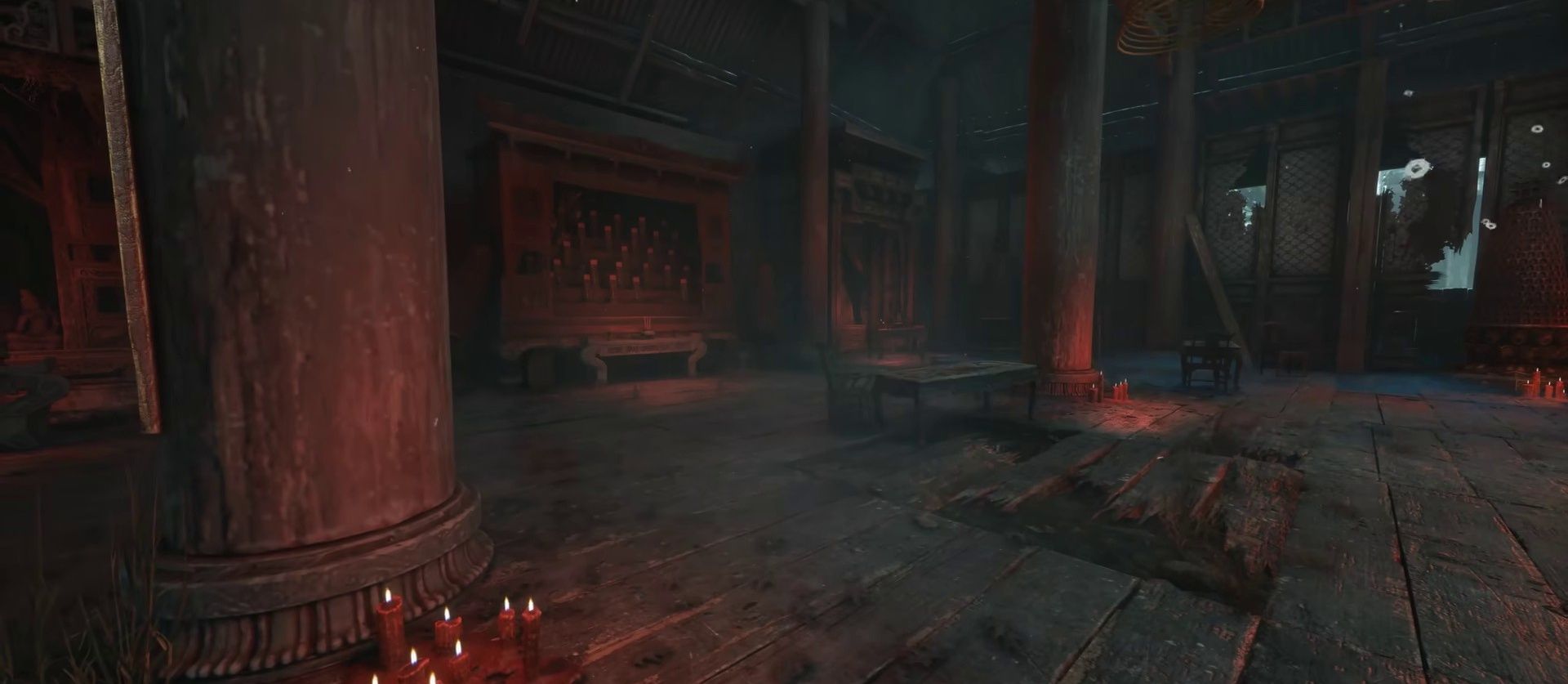
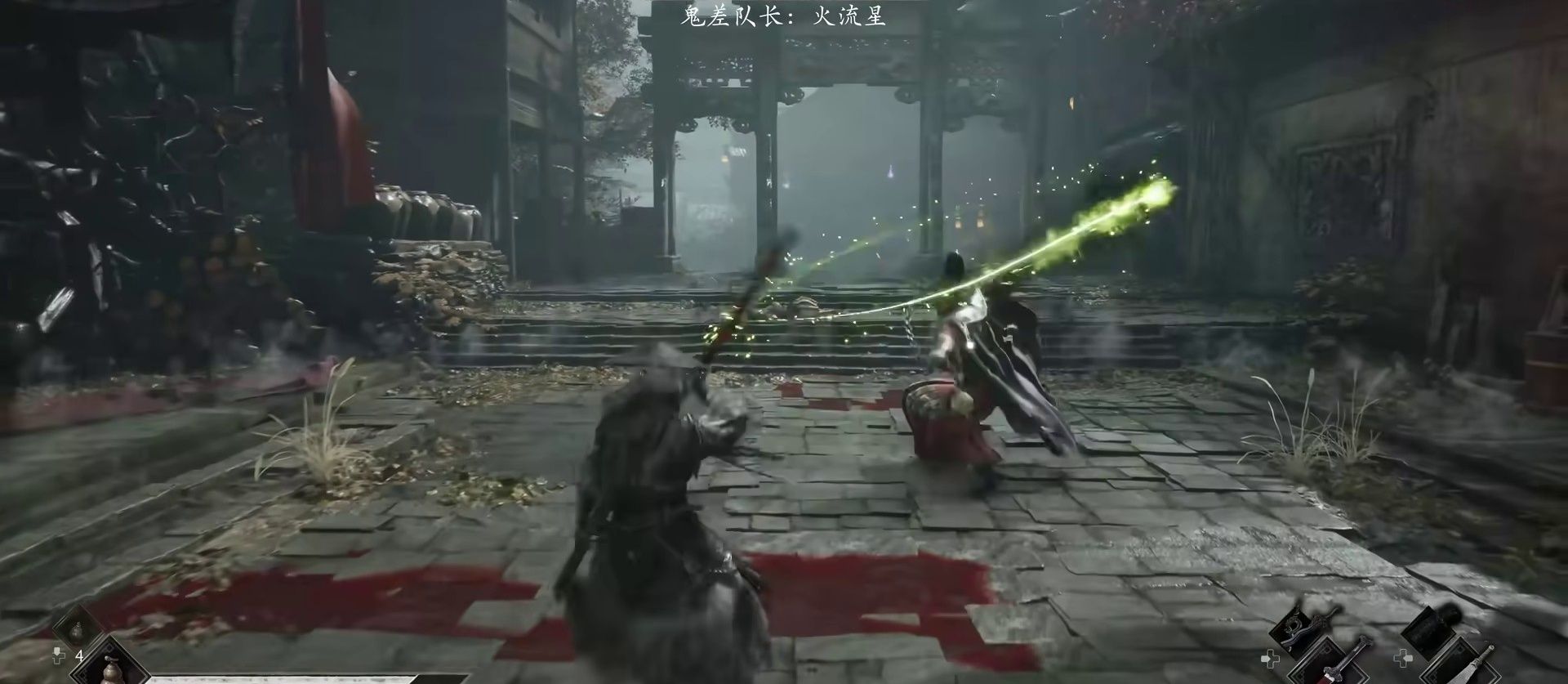
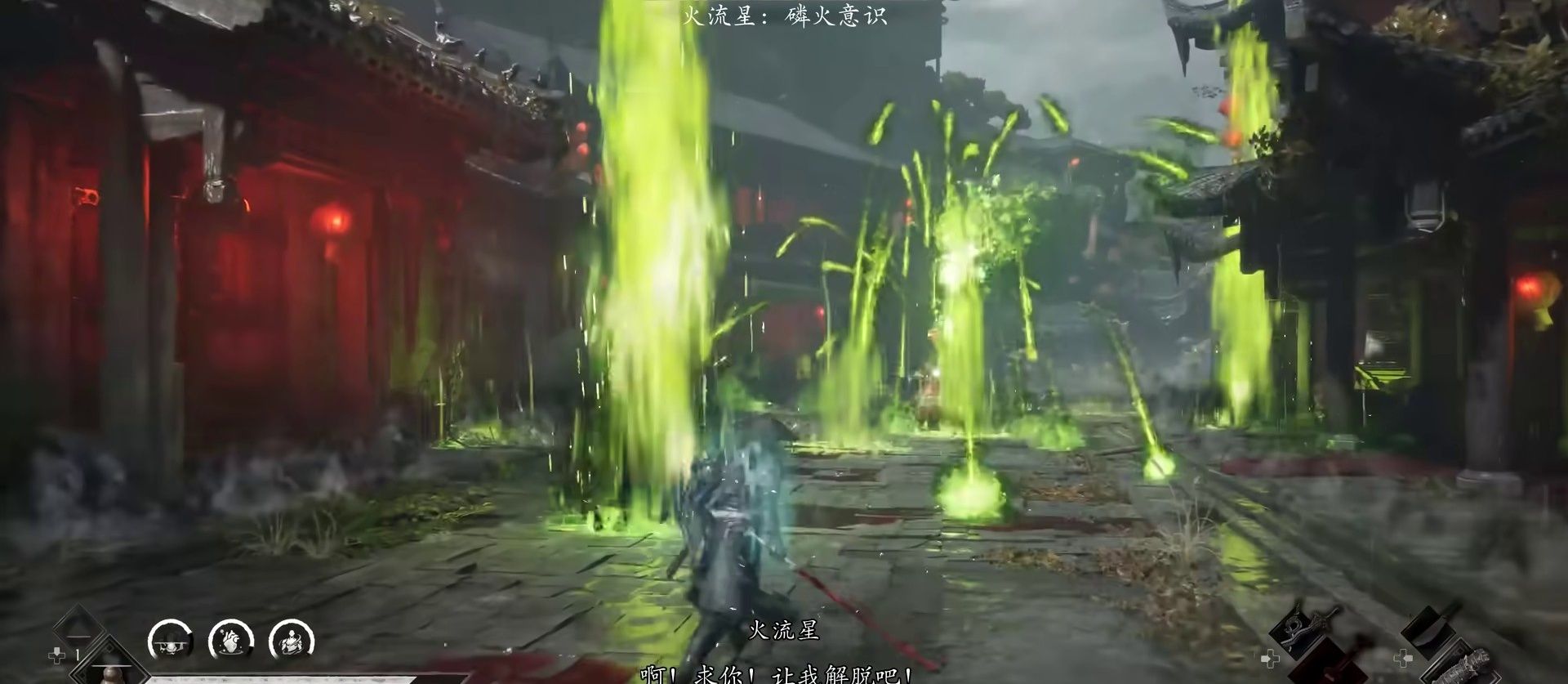
So what does this synergy between audio and visual assets actually achieve? In a rain-soaked Jiangnan town shrouded in mist, the air is thick with the acrid stench of burned corpses. The local residents have been slaughtered by a forbidden art - some cut down beneath the blades of the Order's Ghost Enforcers, others turned into walking corpses the moment they were caught by the "Life-Begging Remnant Soul."
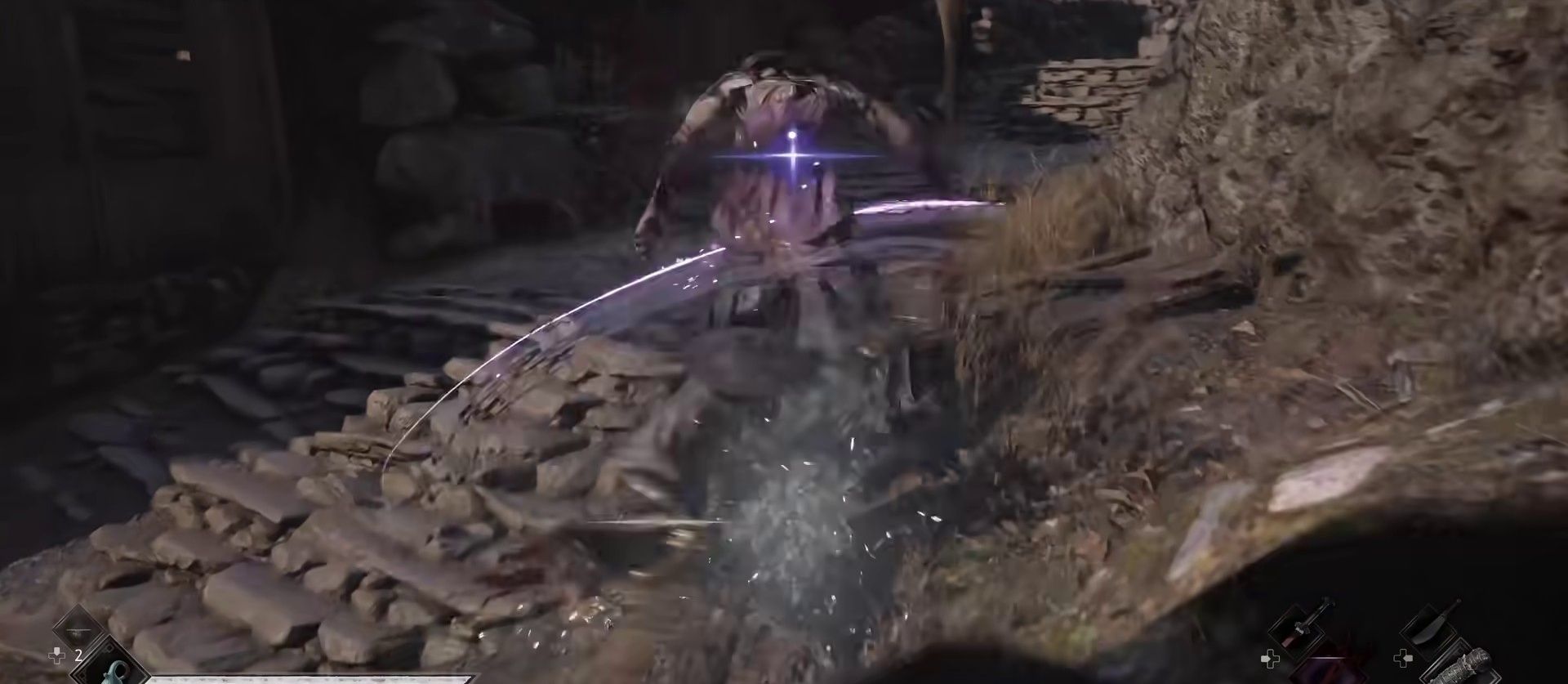
Beneath the adjoining bluestone arches, Soul and his foes are locked in paired combat. Beads of blood slide down the crimson blade of Black Wound - it is no longer possible to tell rain from blood. A bone-deep vendetta condenses into pure killing intent, then swells into a towering murderous aura that seems to warp the very space around it. As the classical rhythm of a Chinese drum comes crashing down, Soul flips like a swallow, becoming a crimson-black afterimage that streaks through the wind - and in the next instant, the man-eating, sight-obscuring foe has already been annihilated outright.
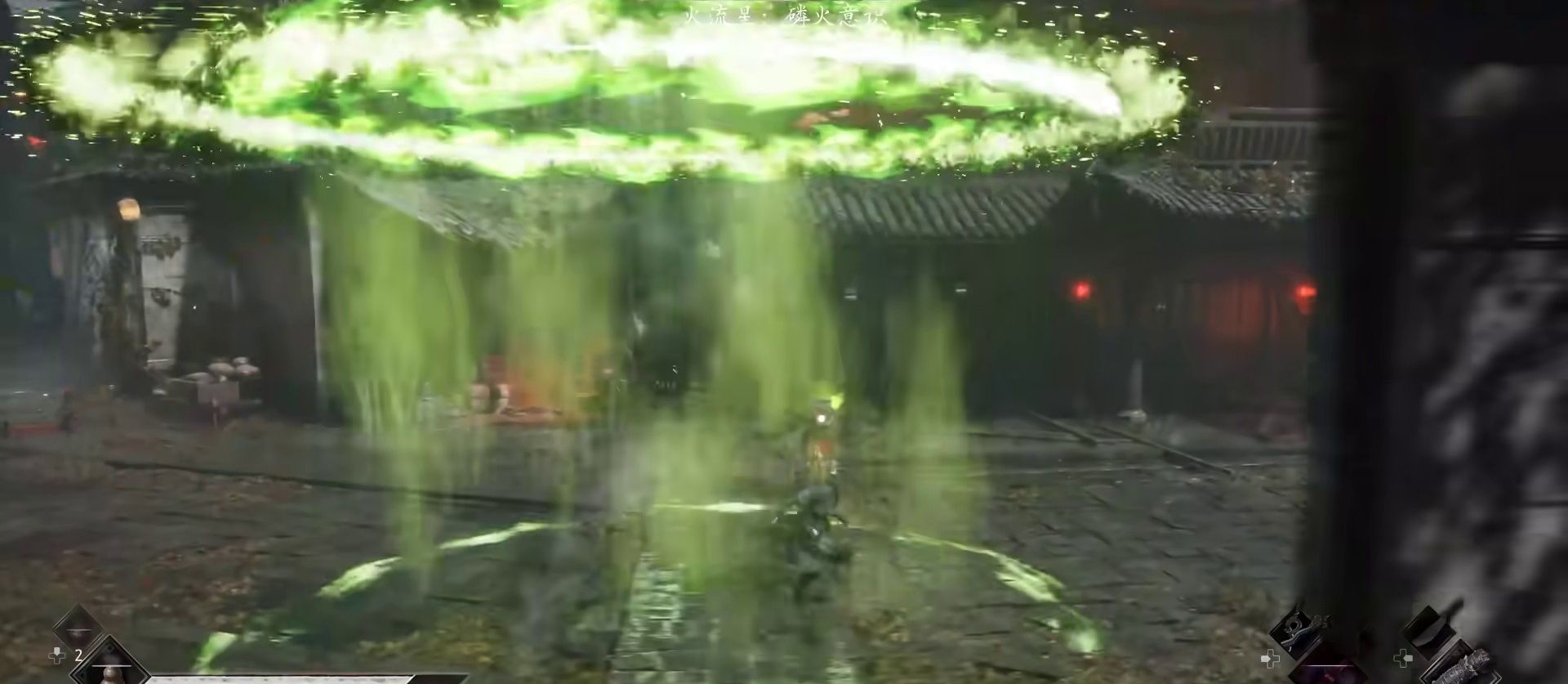
In the blink of an eye, the clang of Black Wound striking the meteor hammer crashes into your ears. Sparks scatter with every clash and thrust of blades; facing the spiritual-power onslaught of Lord Soul and his Black Wound, the faceless Ghost Enforcer seems to take it all in stride, yet is in truth already a spent force. At this moment, the Shadow Realm once again reveals its uncanny side, so far beyond the ordinary martial world: the faceless Ghost Enforcer lets out wave after wave of wails as its boiling murderous aura, whipping up flames, erupts from its joints and apertures - actually blasting its own head clean off and congealing into a surging tongue of fire at the severed neck.
Just then, the music in your ears begins to soar: metallic tones, electronic distortion, and Sona's piercing shrieks tear through the ink-wash fortress in which the original melody had been entrenched, pressing in step by step, driving the emotion of the battle ever upward - transforming a life-and-death struggle between martial masters into a frenzied dance co-performed by mechanism arts, exotic weaponry, and killing-intent modification.
The Shadow Realm's Undertone: Seeking Redemption in Perpetual Darkness
Anyone who has played the Phantom Blade mobile game series, or read up on its worldbuilding/lore and story, should know exactly what kind of place the Shadow Realm is. At its core, it is a colossal, sunless cesspit where the jianghu's winners and losers take the stage in turn. Some have barely settled into a position of power before they start guarding against the next person coveting their seat; ordinary people with no martial arts and no powerful backers are often as wretched as weeds, without a shred of hope - even living to a ripe old age is a luxury.
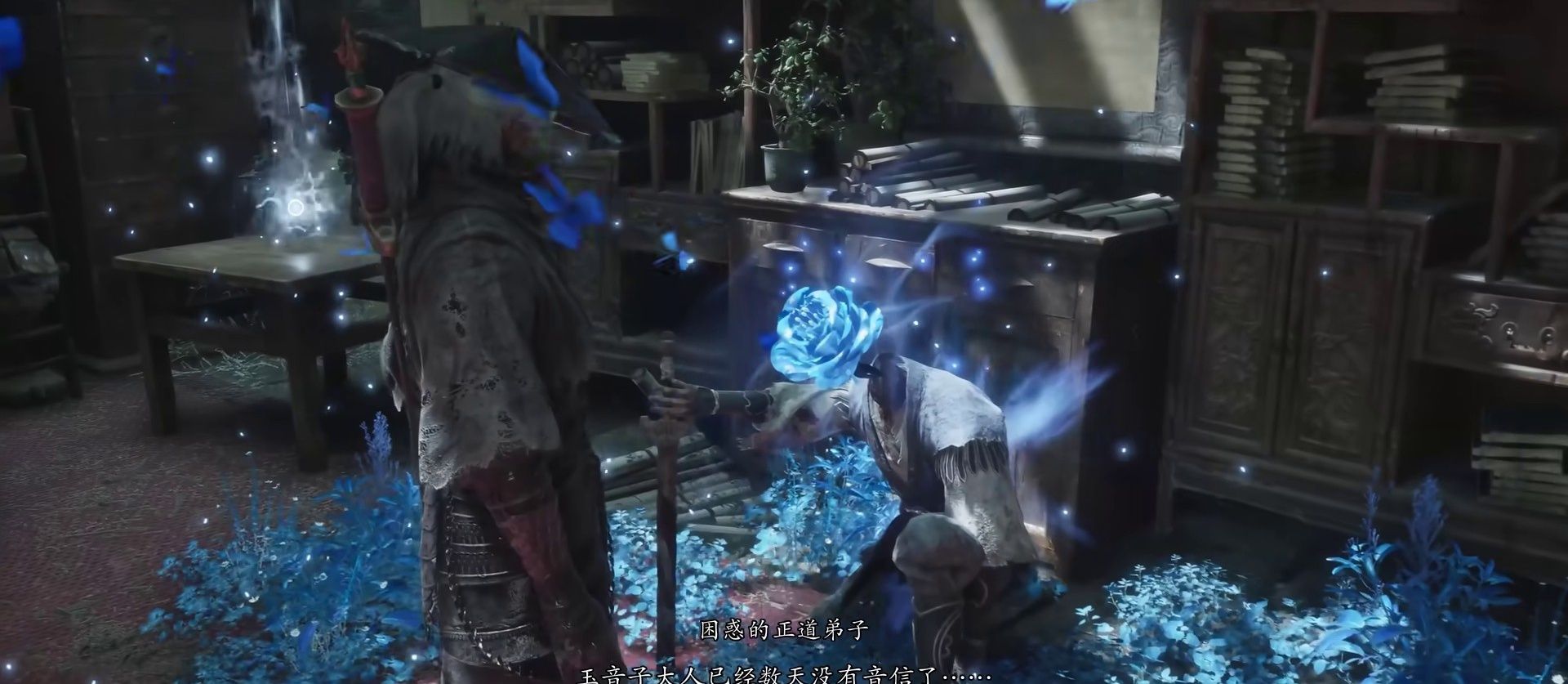
Naturally, there are those who want to change a place like this - and as it happens, the Shadow Realm has just as many idealists with flexible moral bottom lines as it has stray dogs by the roadside. Each has their own justification, and each their own methods for realizing it, built on the sacrifice of others. One idealist does another in, and a new order grows from the corpse of the old - this is what makes up the long and remarkable history of this world.
Reboot and Rebirth: A Wide-Linear Sandbox Spanning Eight Chapters
The story built up over eleven years has become Phantom Blade Zero's most valuable asset. The game retains the mature underlying framework of the Shadow Realm - killing intent and mechanism arts still deeply shape this world - but the specific direction of the story has changed a great deal. You can think of it as a reboot of Rainblood: Town of Death and Rainblood: Night City. Rainblood Chronicles: Mirage still stands as the preceding chapter, and the premise of Soul's wounded heart leaving him only 66 days to live remains the story's starting point. Setting out from there, however, what awaits veteran players is a journey utterly different from anything that came before.
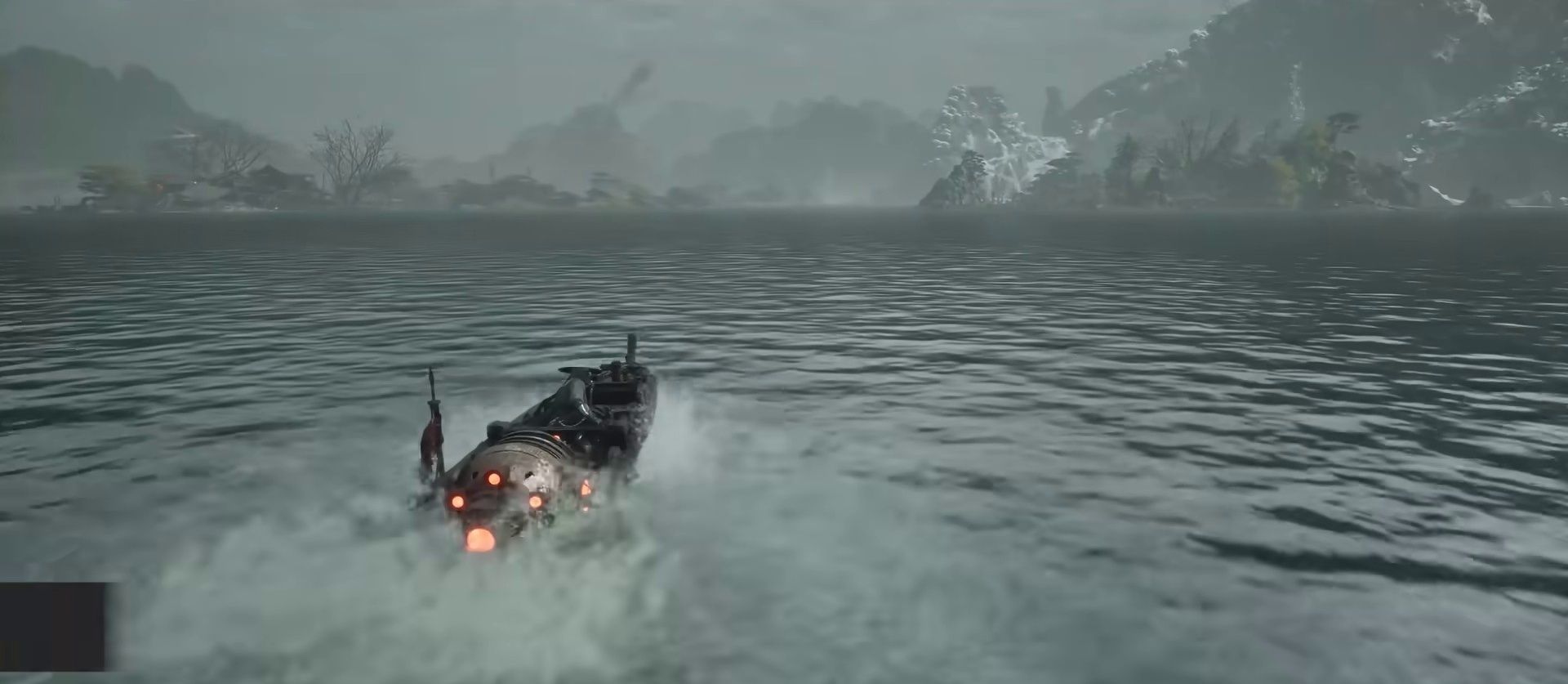
This journey unfolds across wide-linear maps of considerable scale, eight chapters in all. The main routes through these eight chapters are essentially well-defined: you won't need to spend much effort finding your way, and you can reach the end-of-chapter boss simply by sweeping away evil and cutting down powerful foes along the route. But beyond the main path, the branching trails, corners, and secret locations are scattered with plenty of chests, collectibles, and side quests, waiting for players to uncover.
Top Community Comments
After the stunning hands-on review of Phantom Blade Zero dropped, player discussion reached a fever pitch. Below are a few standout community comments, along with our interpretation of each:
"Eurogamer (the review outlet) - damn, this old repeat offender again."
Interpretation: This captures some players' tongue-in-cheek frustration with the inconsistent review standards across game media outlets, reflecting an emotional backlash from the community under the intense spotlight surrounding this title.
"Since you didn't give it a 100, I will not be using the GamerSky website for a month."
Interpretation: While clearly exaggerated and said in a fit of pique, this comment indirectly confirms the godlike status Phantom Blade Zero enjoys among its core fans - it carries virtually the entirety of Chinese single-player gamers' hopes for a "homegrown AAA wuxia" title.
"Nothing beats a formula for fast answers - this outlet gave Dragon Age: The Veilguard a perfect 10."
Interpretation: Players sharply called out the double standard in media scoring, using the comparison to mock how certain Western blockbusters are held to lax review standards while homegrown games are judged more harshly. This is also one of the complex public-opinion challenges Phantom Blade Zero faces on the international stage.
📌 One-Line Takeaway
With its unparalleled hit feel and brutal jianghu narrative, Phantom Blade Zero proves that homegrown single-player titles can not only capture the form of "wuxia" but have also come to deeply grasp the soul of "xia" at its heart - a romantic elegy dedicated to hardcore action players.