Phantom Blade Zero: Welding Attack and Defense Into One - Action Games Finally Bid Farewell to "Turn-Based" Combat
By now, action games have long conditioned us to an invisible etiquette: when the enemy attacks, you defend; when the enemy recovers, you strike. Your turn and my turn are kept strictly apart. But Phantom Blade Zero insists on erasing that line. It doesn't want you to choose between "attack" and "defense" - instead, it forces you to accept a truth closer to wuxia cinema: the moment your blade extends, it is already deflecting the opponent's strike.
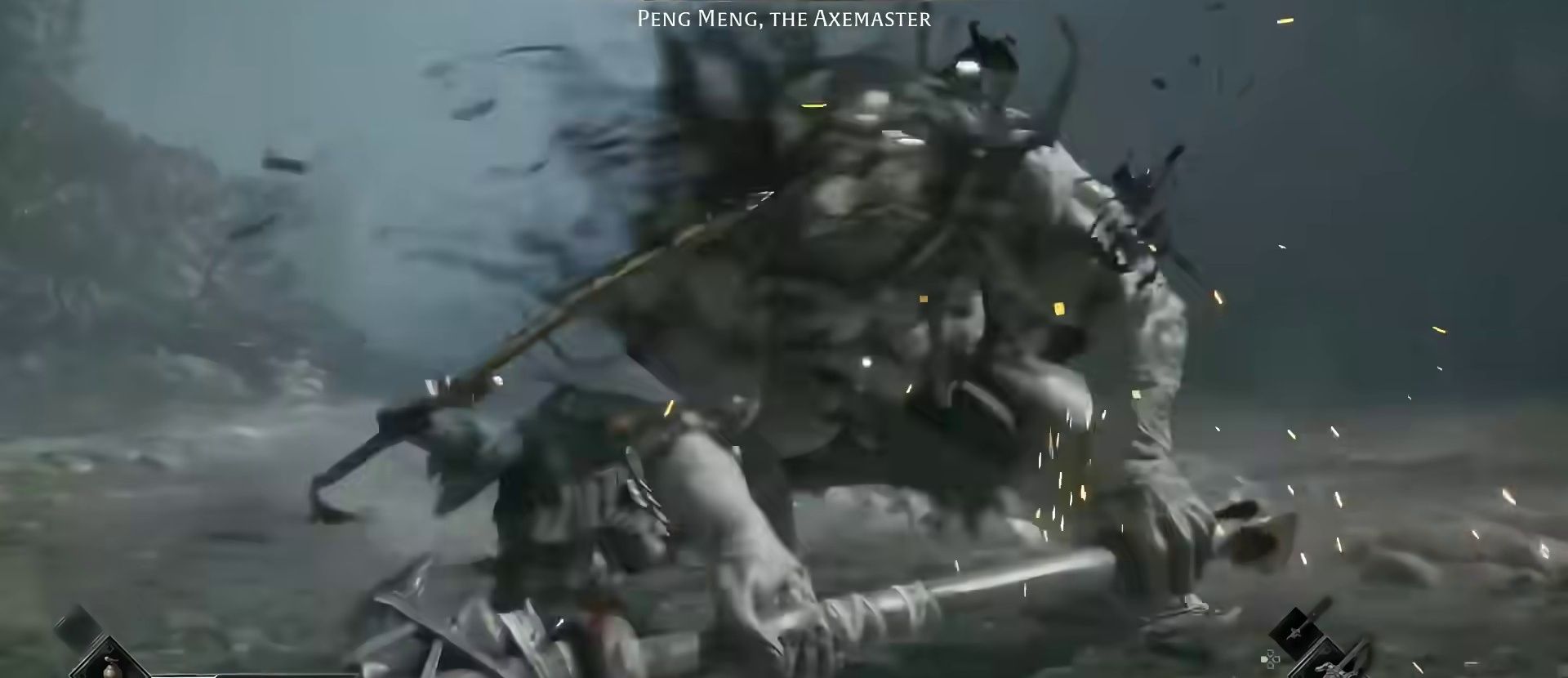
That was the deepest impression the game left during the hands-on preview in Los Angeles. Boss design, sound, and exploration with a Metroidvania flavor were all impressive enough, but what truly made action players sit up straight was the combat system built on a skeleton of motion-captured martial arts: it welds attack and defense into the very same instant.
I. No More "Your Turn, My Turn": The Wuxia Logic of Attack and Defense in the Same Frame
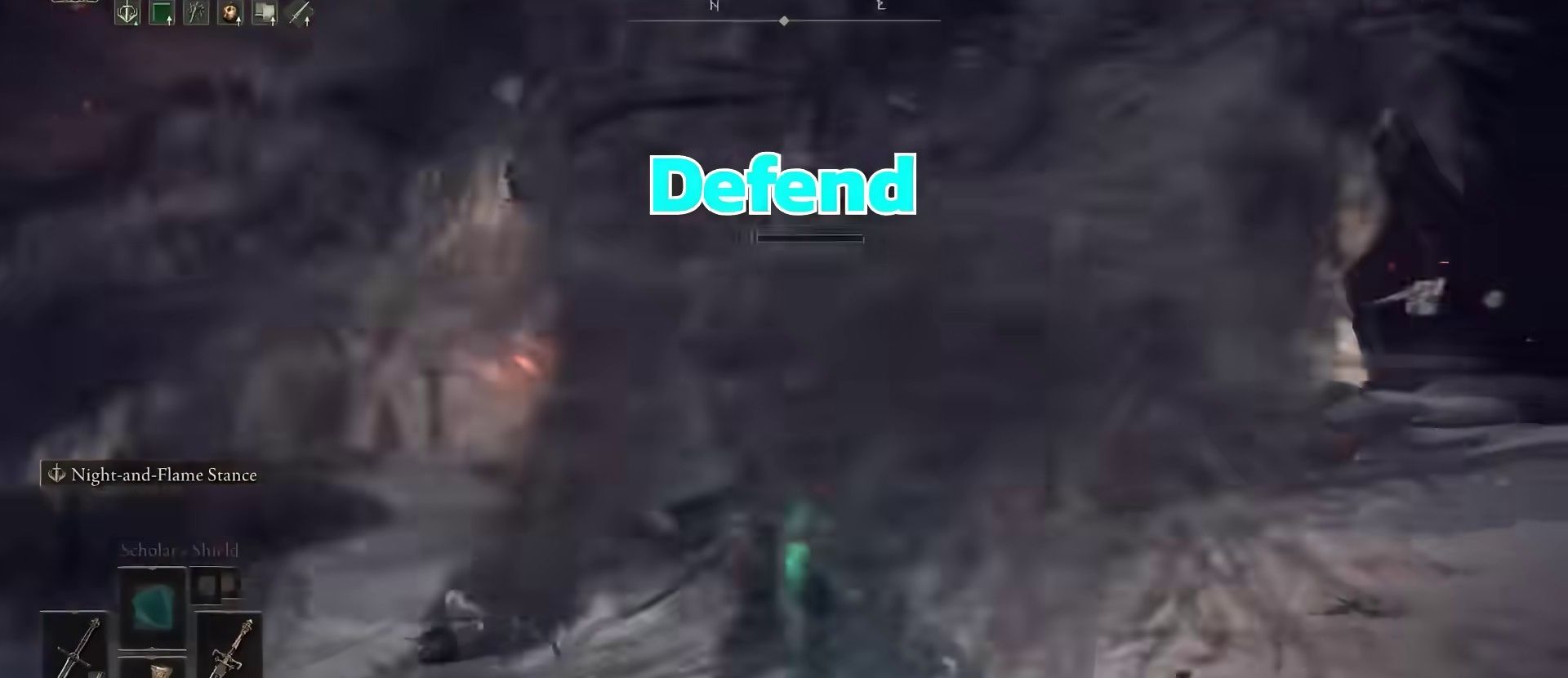
Modern action games share a remarkably common core philosophy: you see an attack coming, and you choose to counter or dodge; once you commit to a move, you must bear the recovery frames and the risk that comes with them. At its heart, this design is a form of "commitment" - you commit to attacking, or you commit to defending, with a clear transition between offense and defense. As a result, many games end up playing like high-speed turn-based combat: the enemy finishes their combo, then it's your turn to deal damage; you finish your combo, then fall back and wait for the next round.
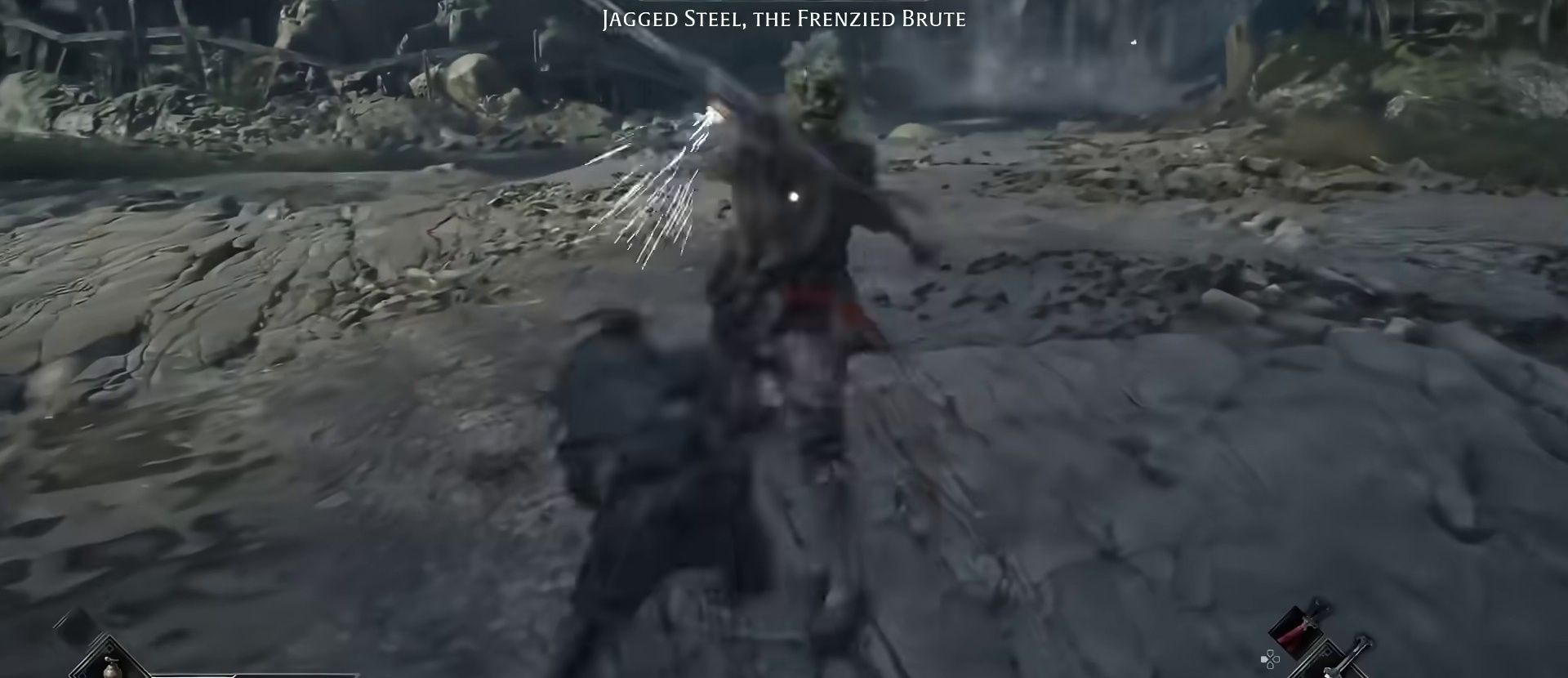
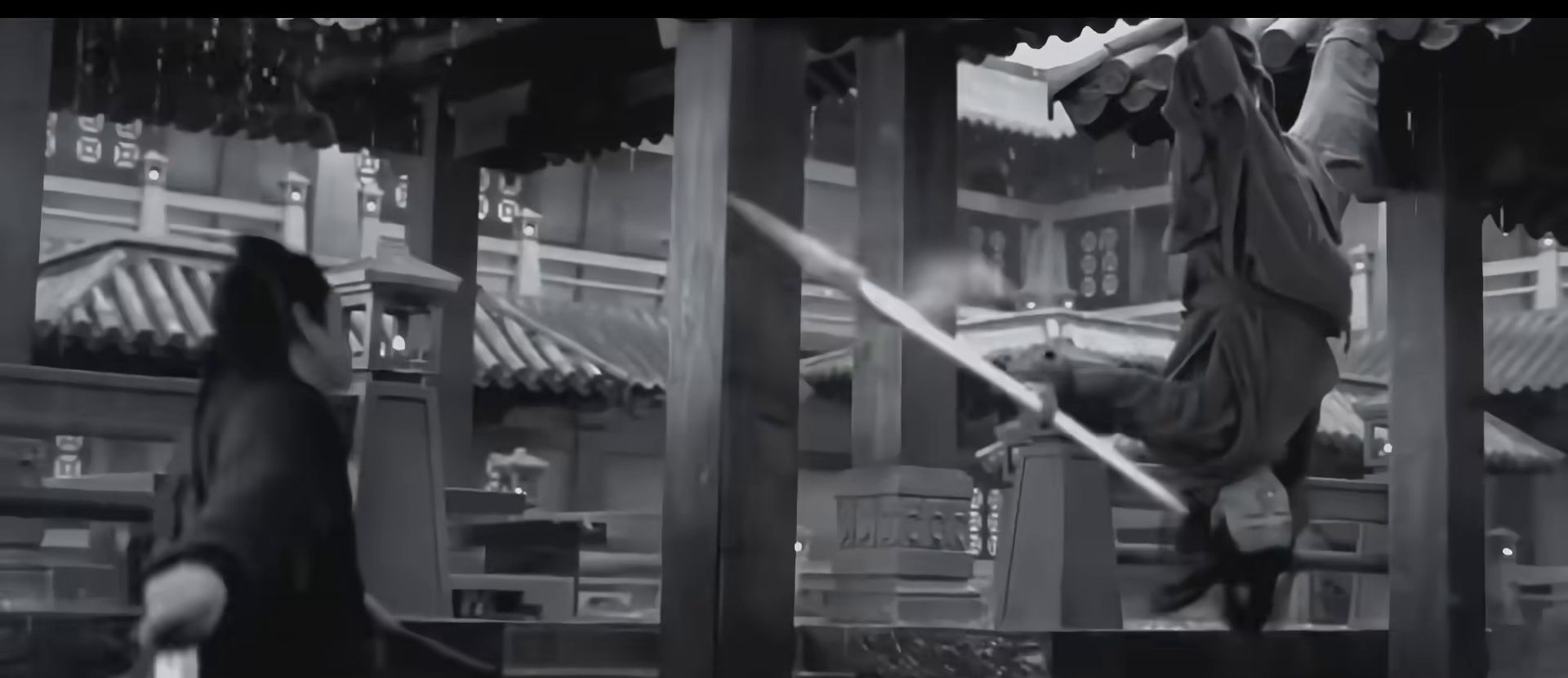
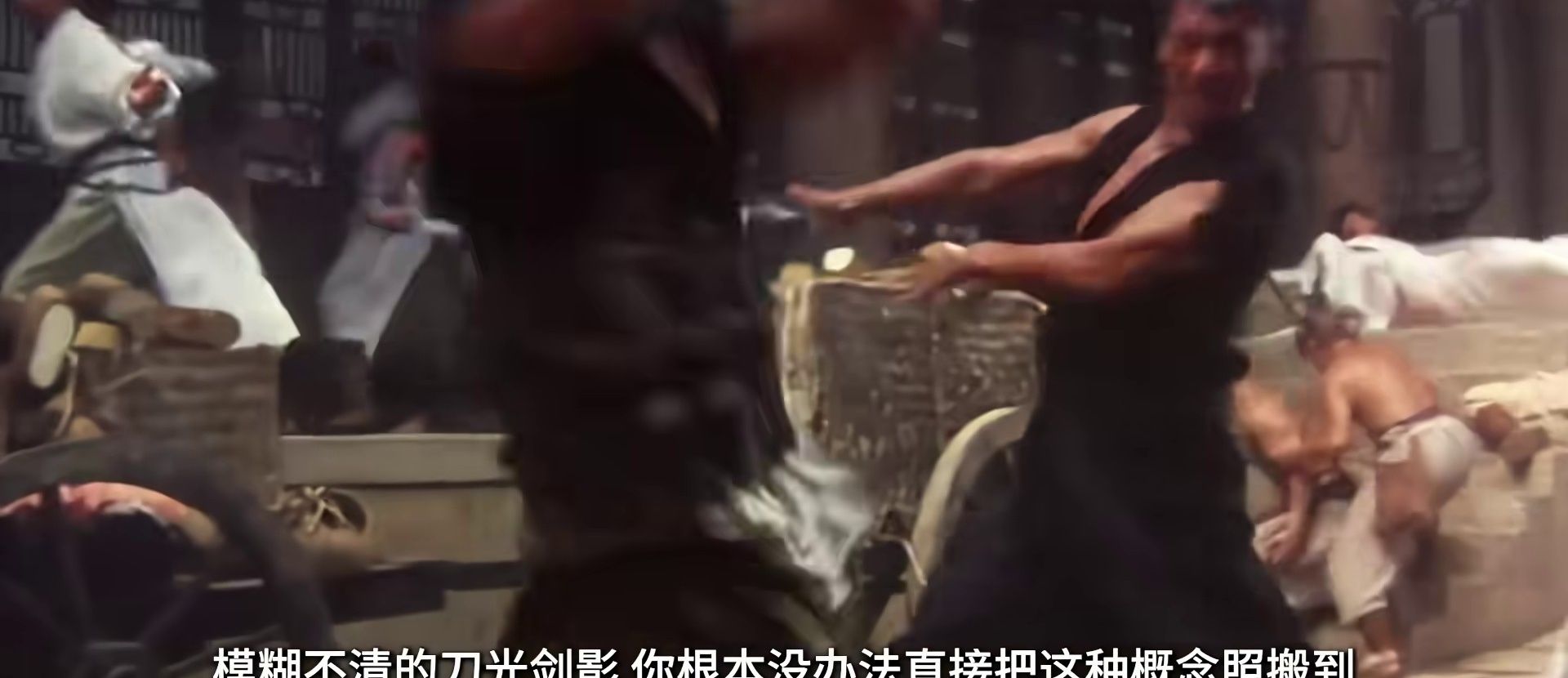
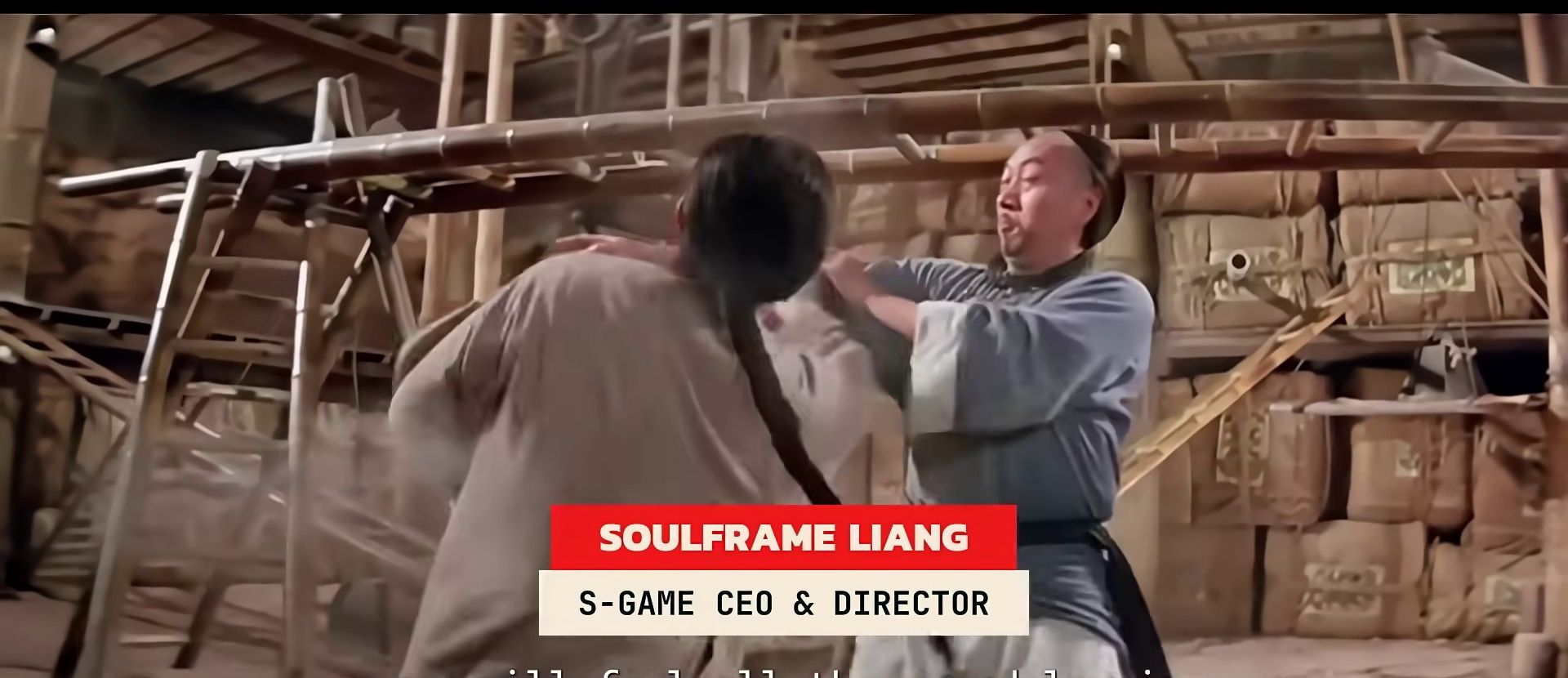
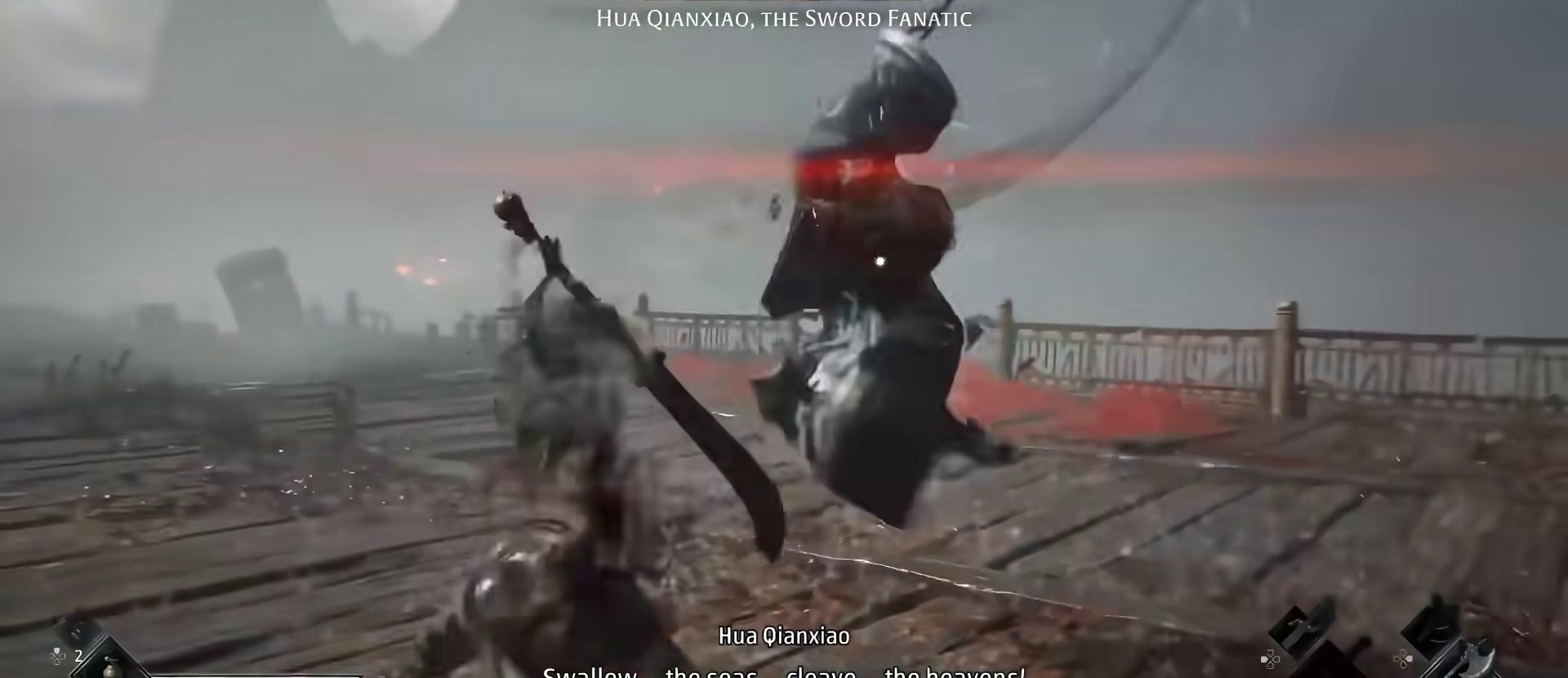
What makes Phantom Blade Zero most distinctive is its attempt to make attack and defense happen simultaneously. In the swordplay of Hong Kong's golden-age kung fu films, the pattern was rarely "defend first, then attack" - offense and defense landed on the same beat: the instant two blades clash is at once a defense and the starting point of a counterattack. That is precisely why the fights in those films feel so dynamic and fluid, like a river that never stops flowing.
True Chinese swordsmanship has never been about "defending first, then attacking" - offense and defense happen on the same beat.
This is exactly the rhythm Phantom Blade Zero seeks to recreate. It wants players to keep making defensive reads even as they swing the sword, and to hold on to their offensive intent even as they defend. Combat is no longer about "whose turn it is," but about "who can accomplish more within the same instant."

II. From Hong Kong-Style Wuxia to Playable Systems: S-GAME's Foundational Rebuild
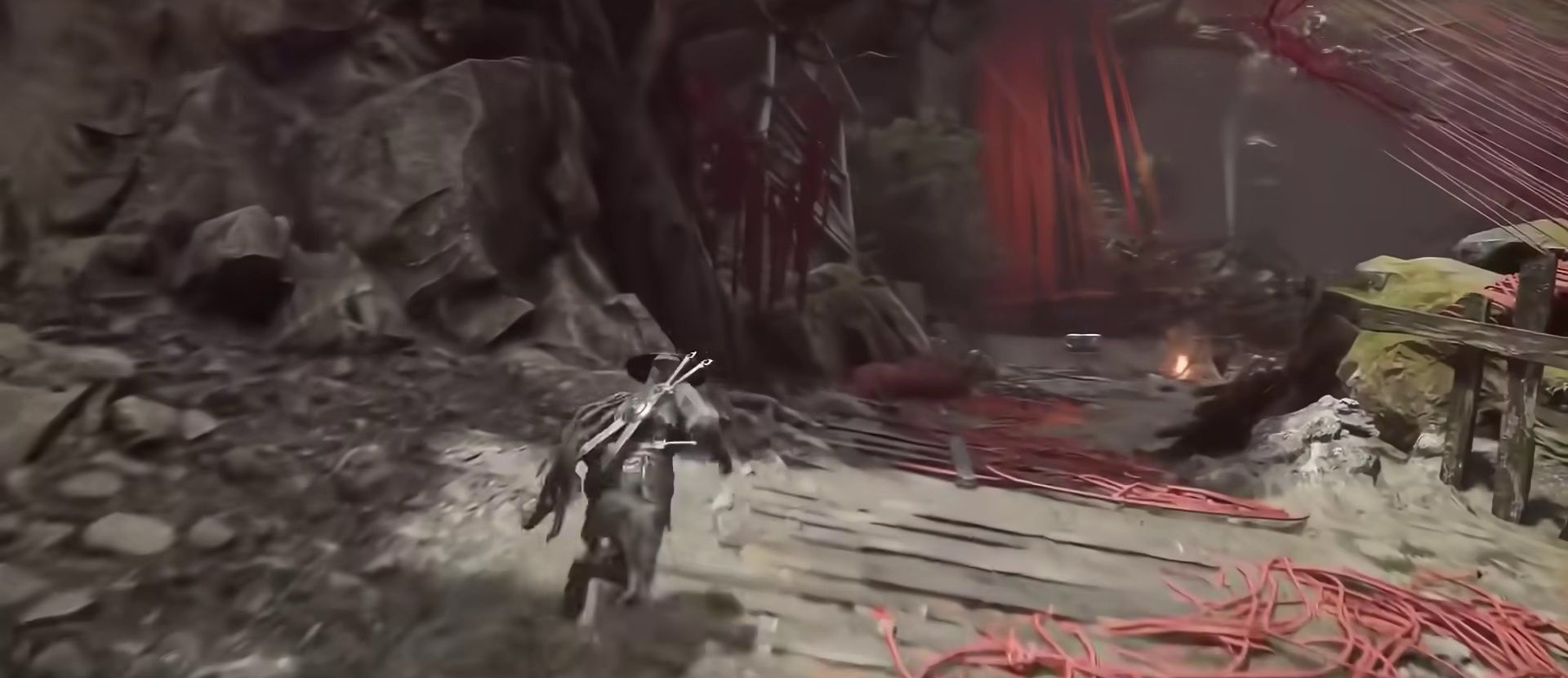
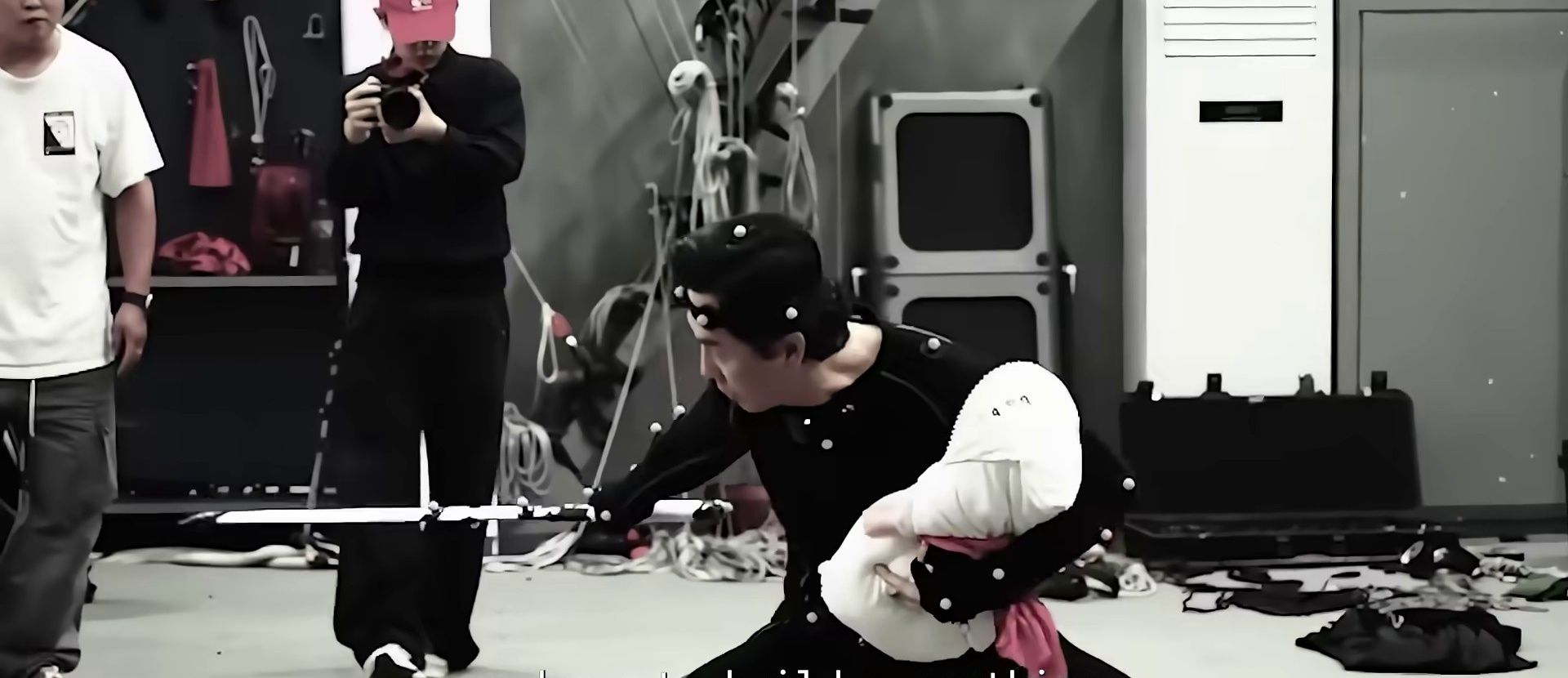
In the past, few titles have brought authentic Chinese kung fu and Chinese gameplay into the global action game industry. What S-GAME and Liang Qiwei had to confront was not merely designing a set of good-looking moves, but rebuilding the combo, defense, and attack systems from the ground up: how to translate the movement logic of Chinese martial arts into mechanics that players can understand, execute, and master on a gamepad.
This is not as simple as slapping on a wuxia skin. The combo strings, parries, dodges, hitstun, and cancels of traditional action games are all built on a clear switch between offense and defense; the offense-defense unity seen in Chinese martial arts films, by contrast, demands precisely the blurring of that switch. The team therefore had to find a new balance between accessibility and creativity, so that players would not need to become martial arts experts to deliver combat that looks close to a kung fu film.
After speaking with Liang Qiwei, this direction becomes even clearer: the goal of Phantom Blade Zero is to have the game perform complete martial arts forms as realistically as possible, without sacrificing its playability as an action game. What it aims for is not "looking like a movie," but "being a movie the moment you play it."
3. Light and Heavy Attacks and "No-Commitment Combos": You Can Keep Slashing After a Parry
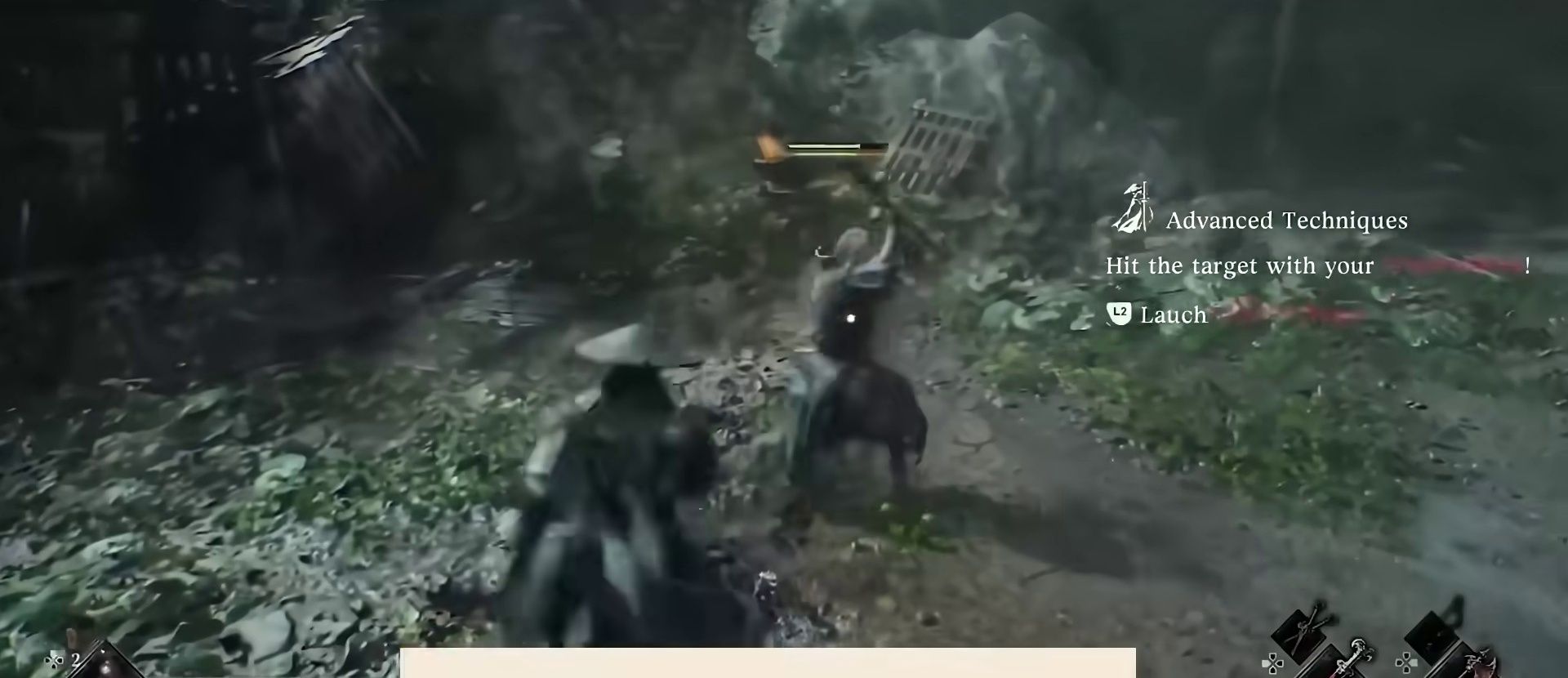
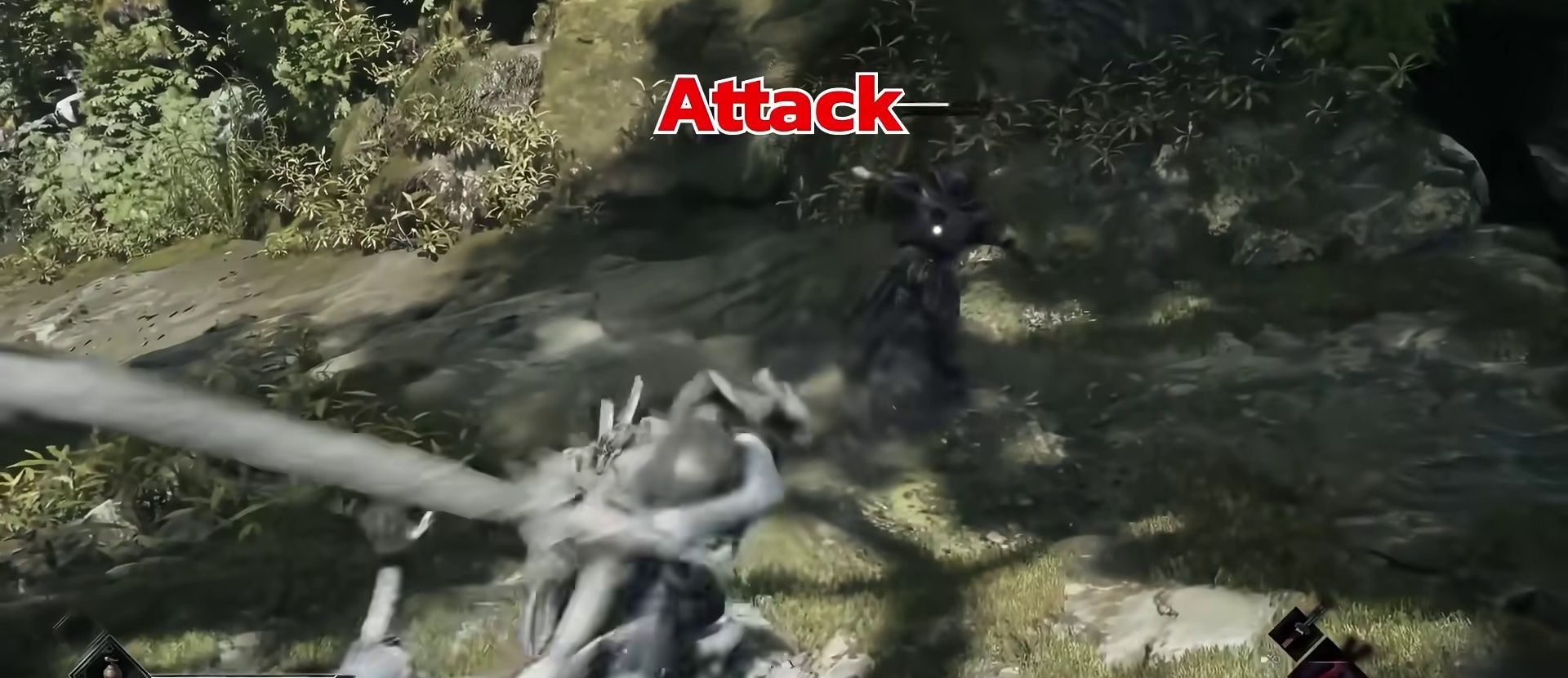
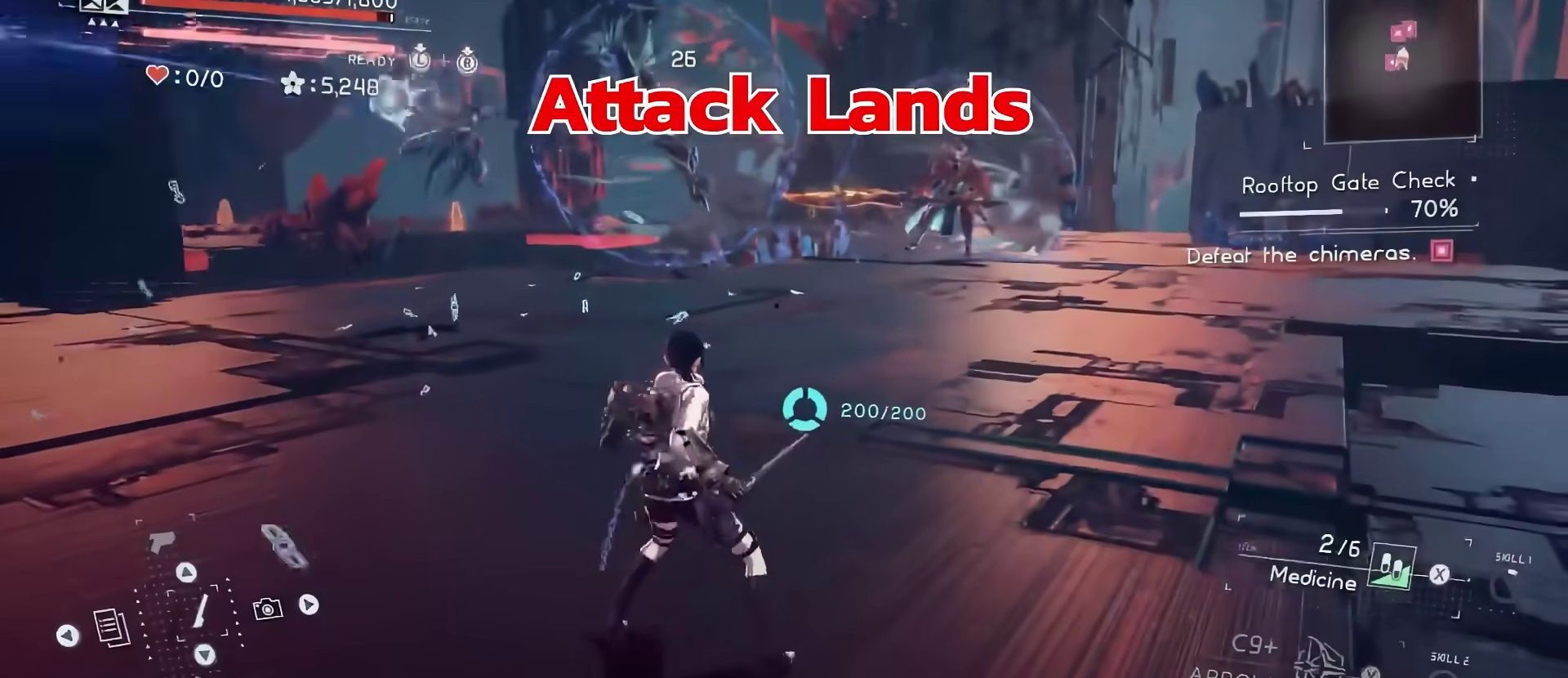
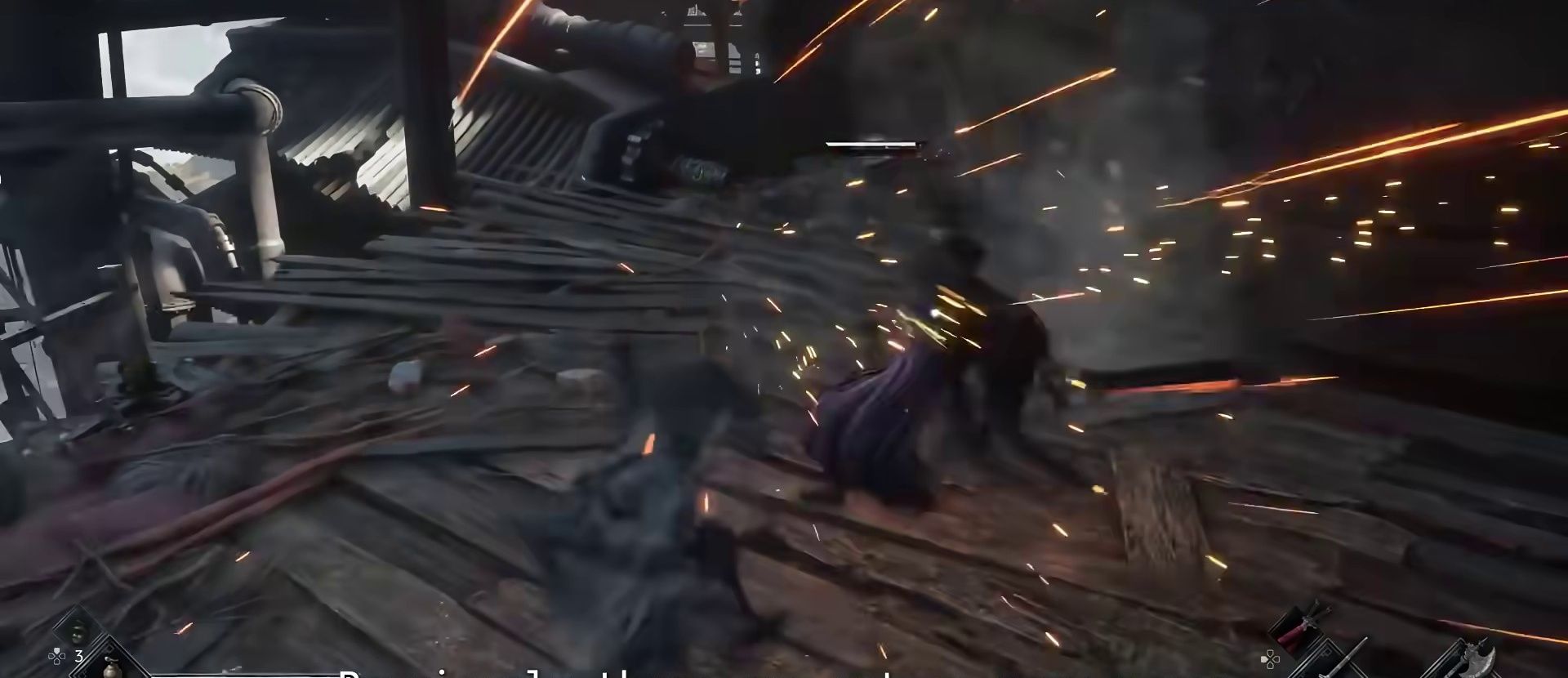
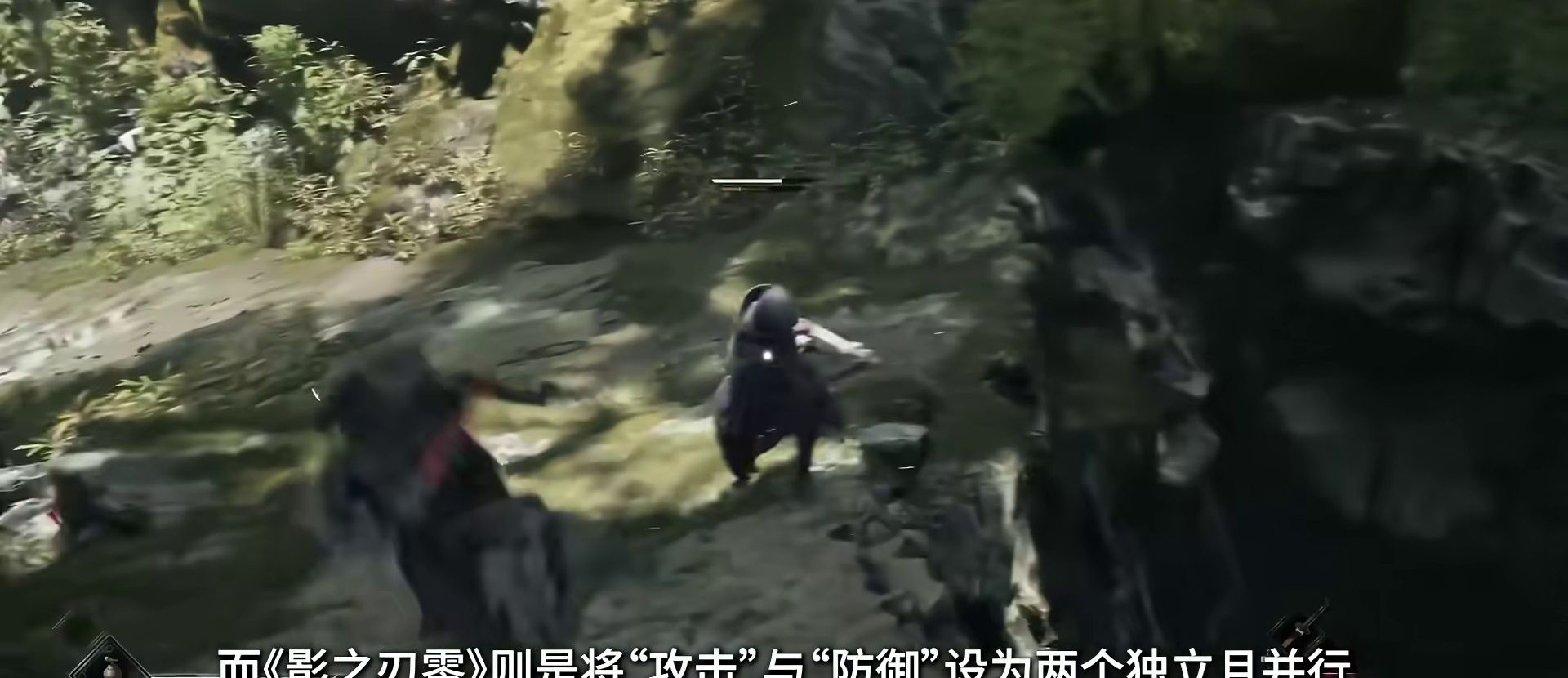
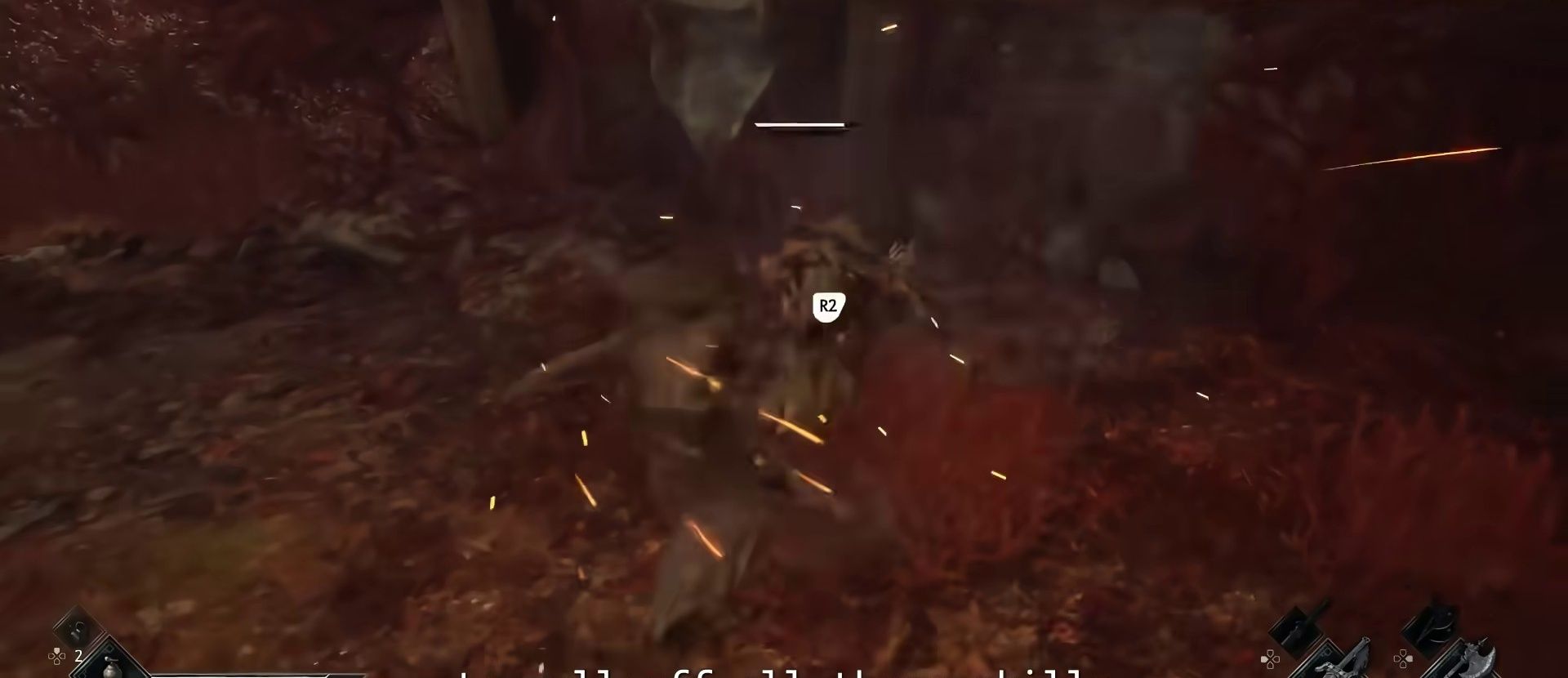
In Phantom Blade Zero, players have both light and heavy attacks, alternating between the two to chain together combos. That alone is nothing unusual. What is unusual is that the game does something most character action games would never do: many attacks carry no "commitment." In other words, throwing out an attack doesn't mean you're locked into eating the full recovery animation - and mid-combo, you can even parry an incoming strike and then pick your combo right back up without interruption.
In traditional combat design, this is close to taboo. Most action games hold players accountable for every button press: committing to an attack means accepting the risk, and once a combo is interrupted, you have to rebuild your offense from scratch. Phantom Blade Zero, however, chooses to build attack and defense as two parallel systems: you can sustain your offense while dismantling the enemy's incoming moves.
This resembles the dual-blade system in Wuchang: Fallen Feathers, which lets players clash their own attacks against incoming strikes, creating a blade-on-blade feel of "turning offense into defense." But Phantom Blade Zero goes a step further: it puts attack and defense on the table at the same time, so the two are no longer substitutes for one another but run simultaneously. The player is no longer choosing between "attack or defend," but searching for the answer to "how do I attack and defend at the same time."
IV. Changing Muscle Memory: From Waiting Your Turn to Pressing the Attack
Once you truly get hands-on, the hardest thing to change isn't your fingers - it's your brain. Years of action games have drilled a "your turn, my turn" habit into you: you instinctively stand in place waiting for the enemy to make a move, wait for a safe parry window, and only then start dealing damage. But Phantom Blade Zero's design forces you to delete that habit from your head.
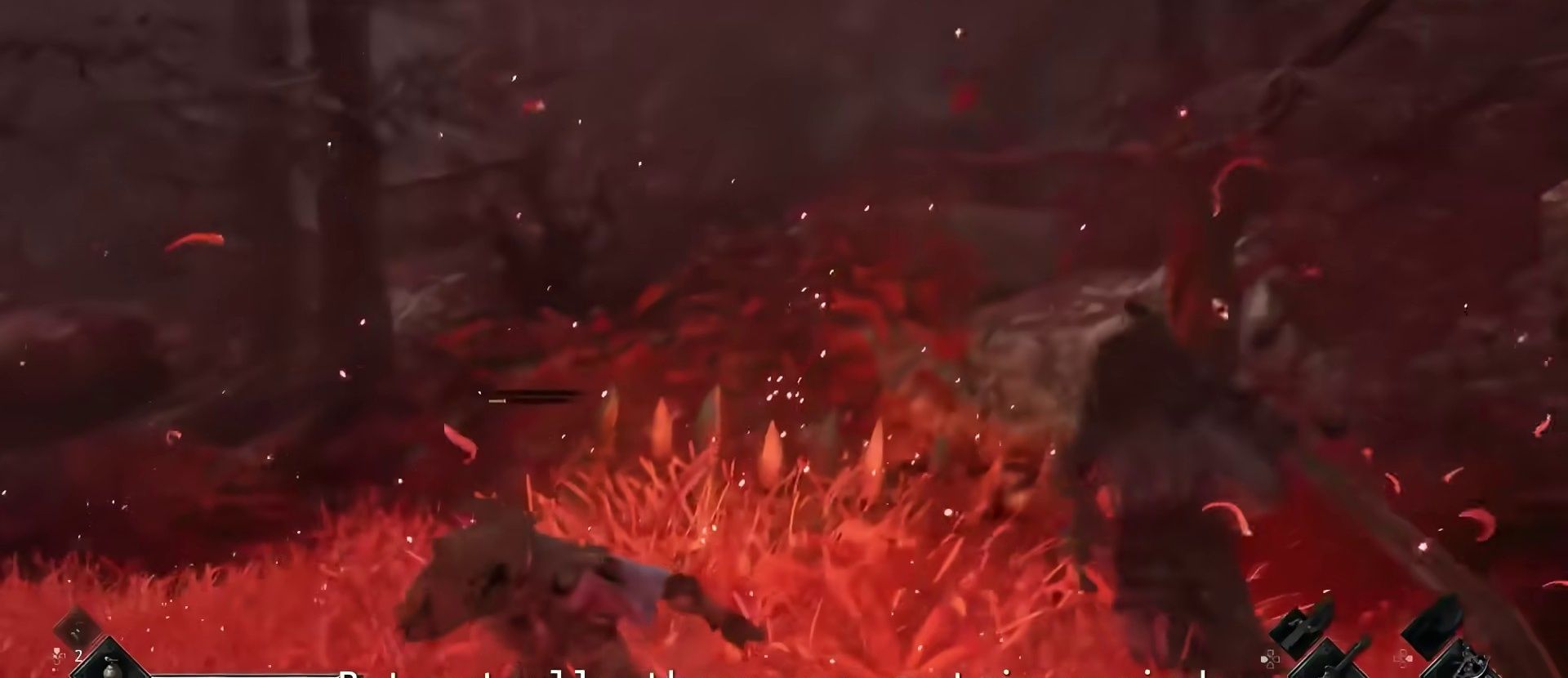
Once you grasp the logic that attack and defense are one, the rhythm of combat changes completely. You're no longer just waiting - you're pressing forward; instead of letting the enemy finish their combo, you attack while reading the tells from the very instant they start a move. Blades deflect off each other left and right, the clash of steel merges into one continuous roar, and combat turns from "answering questions" into "holding a conversation." This fast, chaotic beauty is precisely what makes Hong Kong-style wuxia films so mesmerizing.
Attack when you want to attack, defend when you want to defend - and the enemy can do the same.
What players feel isn't just exhilaration, but a rare sense of control: you're not memorizing the enemy's script - you're co-writing the fight with them.
5. Enemies Can Parry Too: Mistakes, Sha Qi, and Focus Punishment
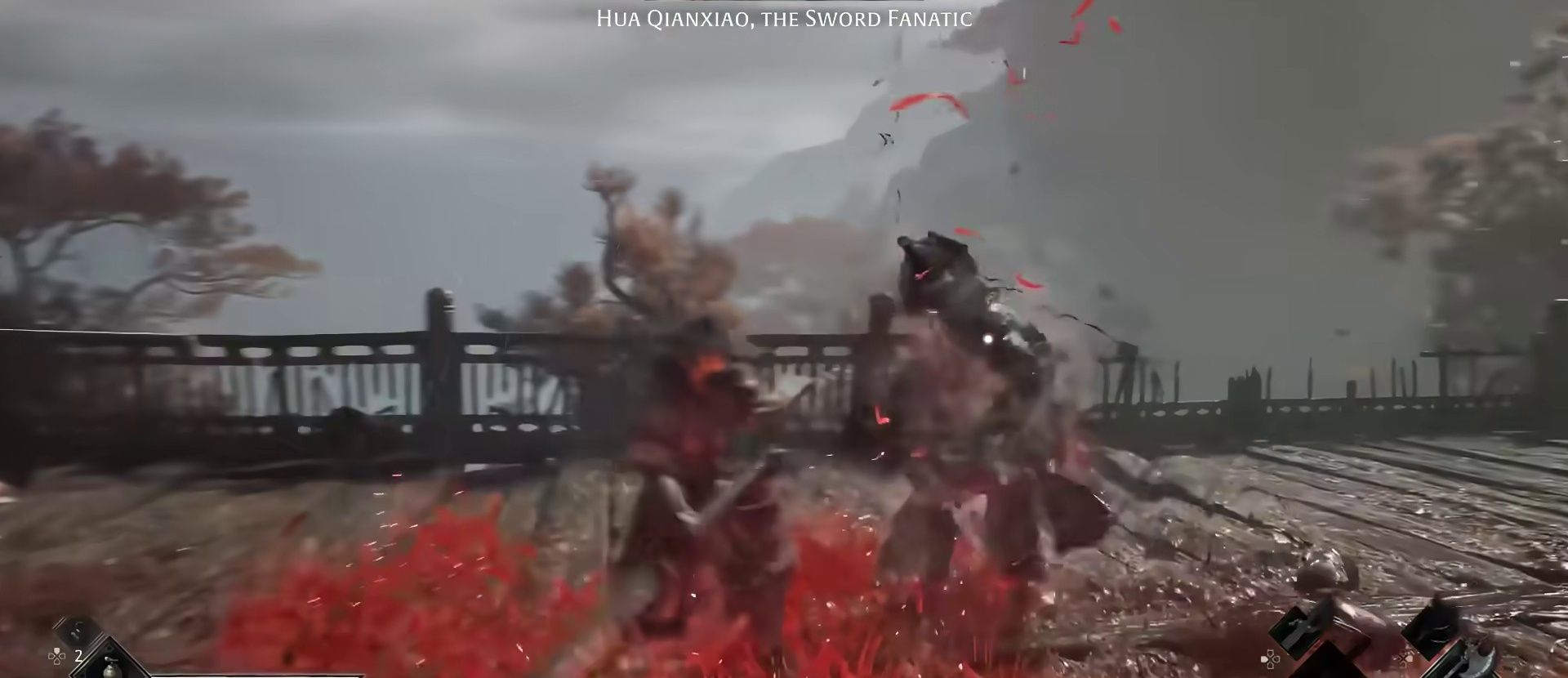
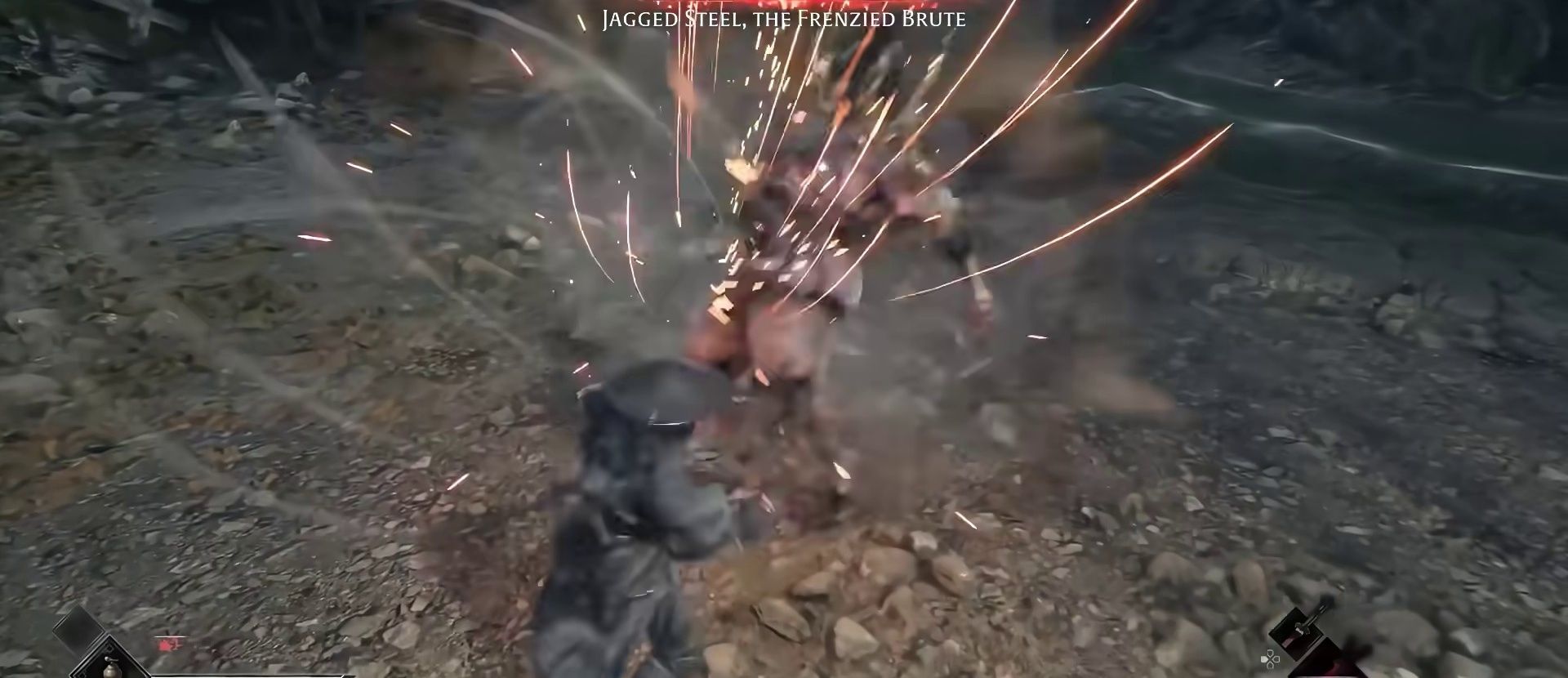
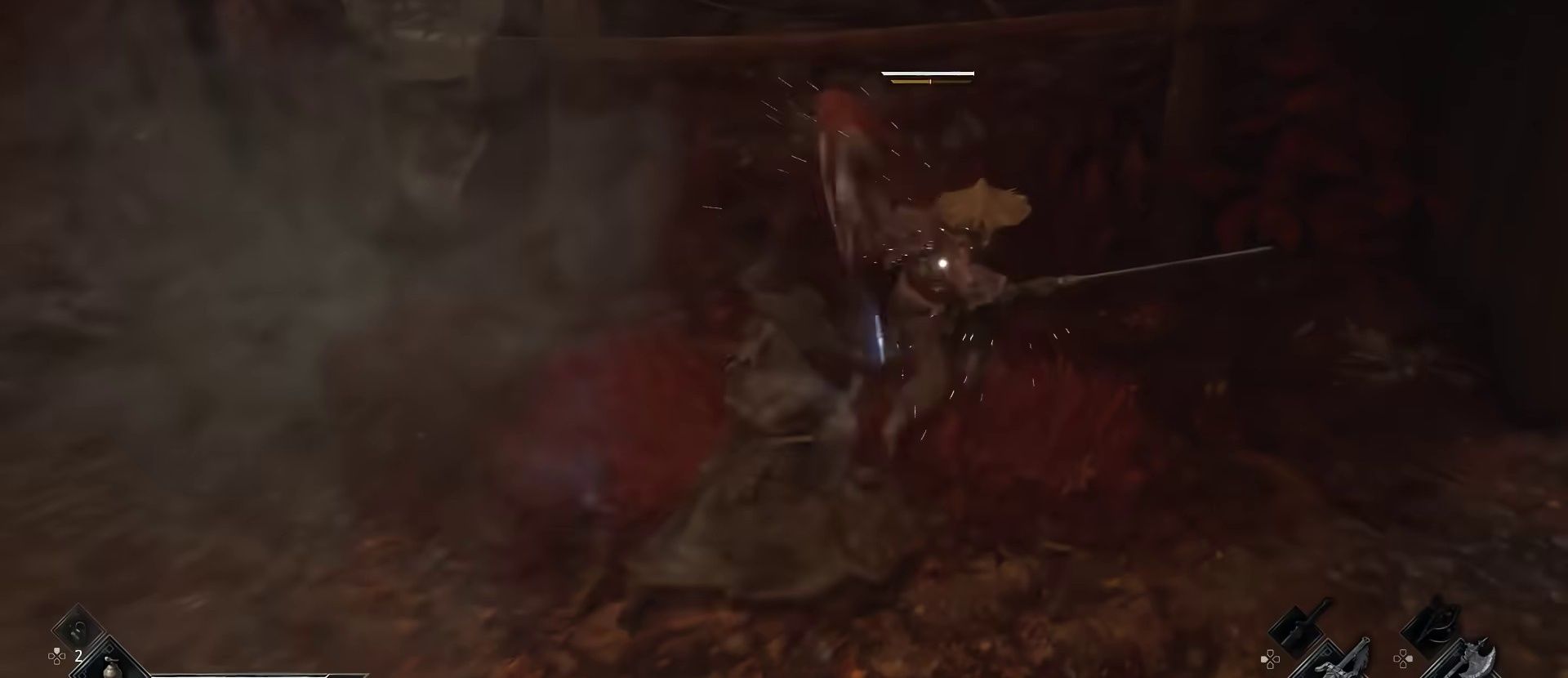
Phantom Blade Zero's unified offense-and-defense system isn't reserved for the player alone. Enemies can parry your attacks as well. If your parry timing is slightly off, the attack is merely blocked, draining your Sha Qi (killing intent). And if the parry misses entirely, you'll often be knocked flat on the ground, your combo coming to an abrupt end.
This means the game is constantly punishing lapses in attention. It encourages players to stay locked on, keep observing, and keep the rhythm, rather than mindlessly mashing buttons. On top of that, the game layers in additional systems: special counters, skills, buffs, stances, loadout configuration, and combo execution. Weaving these complex mechanics into a single offense-and-defense framework is clearly a deliberate choice by S-GAME: complexity here isn't a burden, but the very thing that sets Phantom Blade Zero apart from other action games.
It demands that players make judgments in the middle of high-speed exchanges, rather than waiting out cooldowns from a safe zone. Every successfully dismantled attack, every combo kept alive after a parry, brings players one step closer to that quintessential wuxia experience of "countering each move as it comes."
VI. Blurring the Line: Balancing Accessibility and Creativity
Making such a system work is no easy feat. Developers must ensure that players can understand the combat rules, make basic judgments on instinct, and build on that foundation to unleash skills and chain combos. There is an inherent conflict here: accessibility demands clear rules, while creativity demands blurred boundaries.
Phantom Blade Zero's answer is to strike a balance: it preserves the overall feel of "attacking while defending," yet distinct defensive and offensive phases still exist in actual combat. The only difference is that it dissolves the moment of transition between the two. Moments of pure offense and pure defense remain, just as in any action game; but the thrill lies in letting players flow seamlessly between the two states.
We're not eliminating offense and defense - we're just blurring the line between them.
This design philosophy makes Phantom Blade Zero the perfect vessel for the concept of "unified offense and defense." Although many hands-on players haven't fully realized this mechanic even exists - some even find the combat too simple or too chaotic - once you truly understand it, you'll discover that this system is far from being fully exploited. What it needs is not flashier moves, but players relearning how to fight.
Top Community Comments
One viewer approached the topic through the lens of review-score culture, arguing that overseas media tend to evaluate homegrown action games in a familiar pattern - "praise first, then nitpick the flaws, and finally hand down a safe score" - and on that basis predicted that Phantom Blade Zero might land at around MC 85, in the same tier as Black Myth: Wukong; they also cautioned against treating platform partnerships, timed exclusivity, or Game of the Year as obsessions. This judgment may not prove accurate, but it represents a level-headed expectation: review scores are external coordinates, not the ceiling of the work.
Another viewpoint shifted the focus back to the language of reviews themselves: a reviewer of real caliber would immediately latch onto the core idea of "offense and defense as one," possess a solid enough grounding in martial arts cinema, and be able to translate that understanding into words readers can grasp. This precisely illustrates that Phantom Blade Zero's combat cannot be squeezed into the traditional action-game template of "combo - dodge - parry"; it demands a new descriptive language.
The most direct player feedback came from the hands-on experience: "Attack when you want to attack, defend when you want to defend - and the enemies do the same. If you can't win, reflect on your own play instead of memorizing when to defend and when it's safe to strike." This line pinpoints the most enticing thing about the game: it pulls action games out of the rote-memorization exam and back into a dynamic contest. Push the attack from start to finish, counter every move as it comes, and slip lethal strikes into the gaps between clashes; relying on deflects and dodge rolls alone will not win you the fight.
📌 One-Line Takeaway
The most radical thing about Phantom Blade Zero isn't its wuxia veneer - it's how the game fuses offense and defense into one, yanking action games out of the ingrained "your turn, my turn" rhythm: you have to fight like a kung fu movie protagonist, defending while attacking and attacking while defending.