Phantom Blade Zero: When "Shadow Realm Aesthetics" Become Action Wuxia's Strongest Asset
What's most worth discussing about Phantom Blade Zero isn't that it "wants to do everything," but that it knows exactly what it wants to perfect. Masks, wine, broken blades, old grudges, blade-seizing executions, side-quest case files - these elements are all woven into a single, highly unified aesthetic system. It doesn't rush to prove that it covers every base; instead, it pushes its strengths - movesets, cinematic presentation, weapon-driven storytelling - to a level that's hard for anyone to ignore.
1. Masks and the Shadow Realm: Even Minor Characters Need to Be Memorable
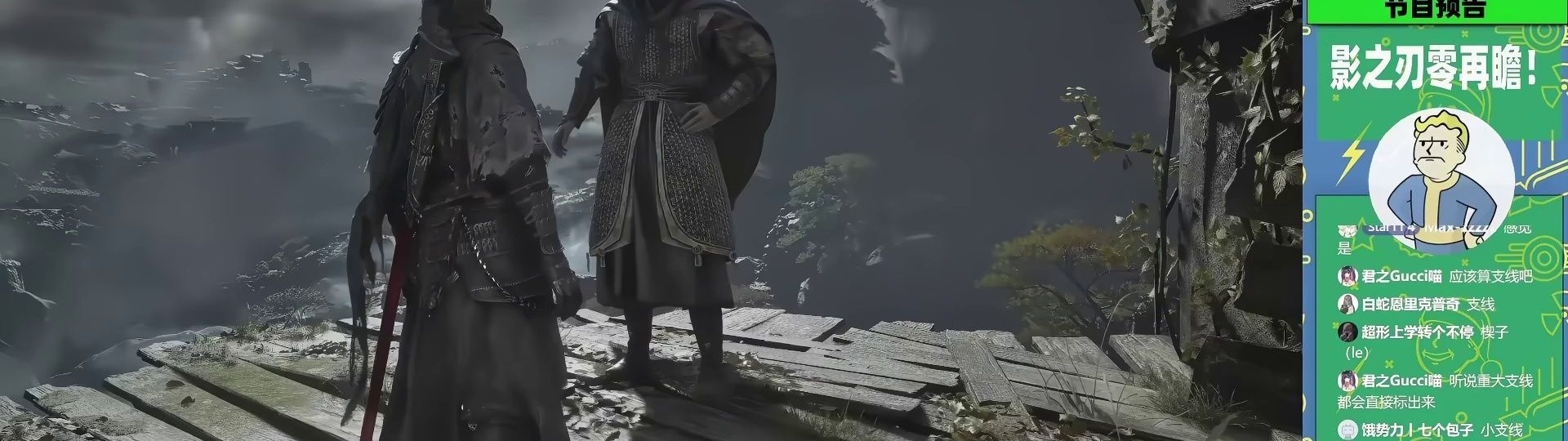
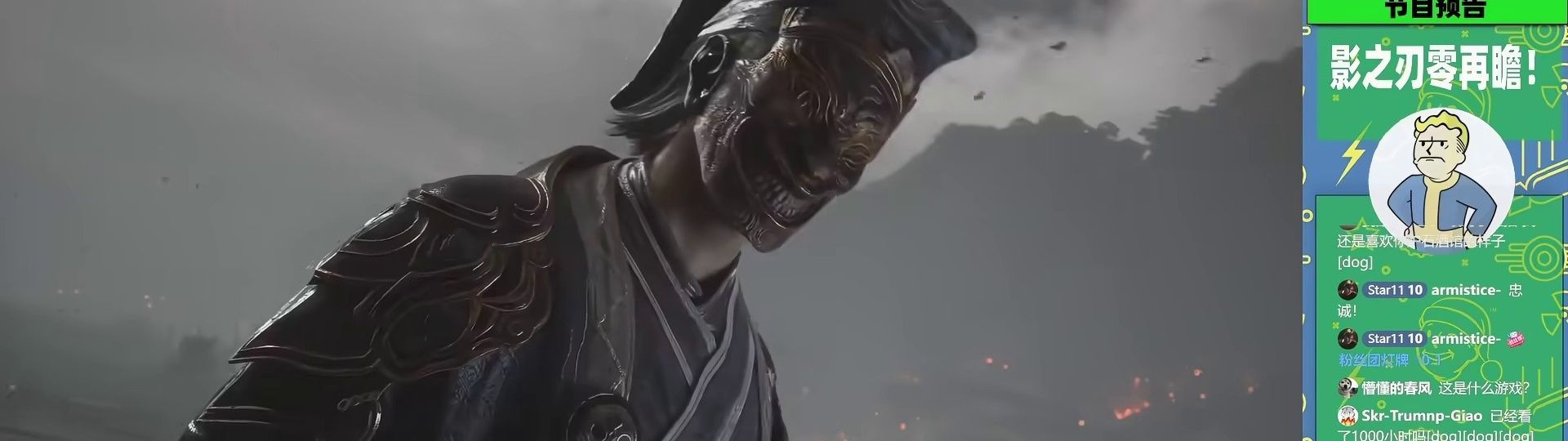
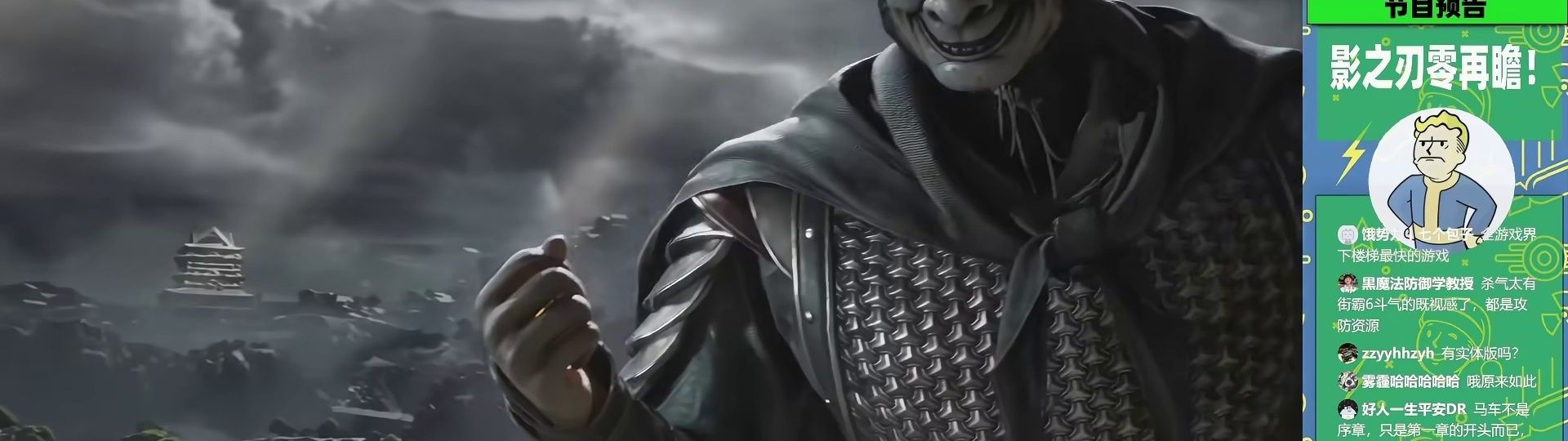
One of Phantom Blade Zero's smartest choices is how liberally it uses masks. Villains wear masks, NPCs wear masks, and even characters in minor side quests may well appear behind one. This isn't just a cost-saving trick to hide faces - it's deeply bound to the worldbuilding of the Shadow Realm: in the jianghu, identities are blurred and deadly intent lurks everywhere, so the mask is both a disguise and a symbol.
For game media and players alike, the most immediate benefit of this design is that even a peripheral character can become instantly recognizable in seconds. A mask, a suit of battered armor, a drunken line of dialogue - enough to make you remember which side quest he came from, who he holds a vendetta against, and why the sword in his hand is broken. The Shadow Realm aesthetic is no empty slogan; it's a complete system of visual storytelling that runs from character presentation all the way to environmental interaction.
II. Going All In on Action: S-GAME's Philosophy of Trade-offs
Facial capture is an expensive and difficult technology, especially for a team of limited size but enormous ambition. S-GAME's choice was clear: rather than grinding away at facial capture just to reach a passing grade, they would pour their resources into animation sets, motion capture, and combat presentation. In other words, it's not that they didn't know where their weaknesses lay - they simply decided to make their strengths long enough to change the very yardstick by which the game is judged.
"Save the money and go all in on our own animation sets and motion capture."
Behind this statement is Liang Qiwei and his team's judgment about the product's identity. Phantom Blade Zero's core selling point isn't "every NPC performing complex micro-expressions" - it's that players feel solid, weighty feedback with every sword strike, dodge, execution, drink, and counter. Multiply the animation sets, max out the cinematic presentation, and stretch that strength to infinite length - and the weaknesses will be diluted by comparison.
3. Hua Qianxiao: The Drunken Sword, Old Grudges, and Chinese Voice Acting
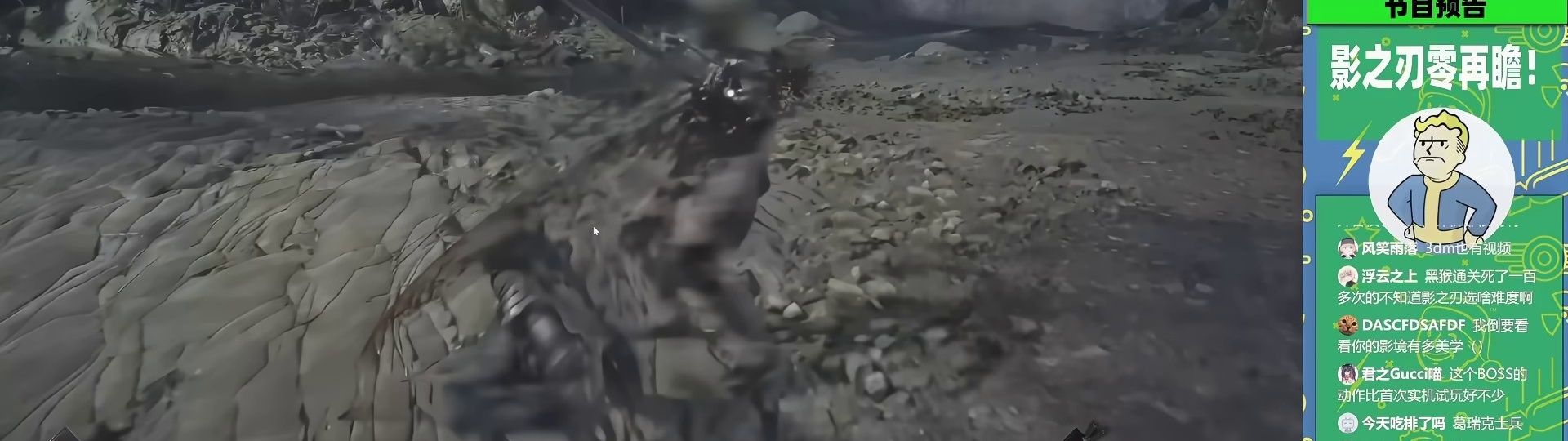
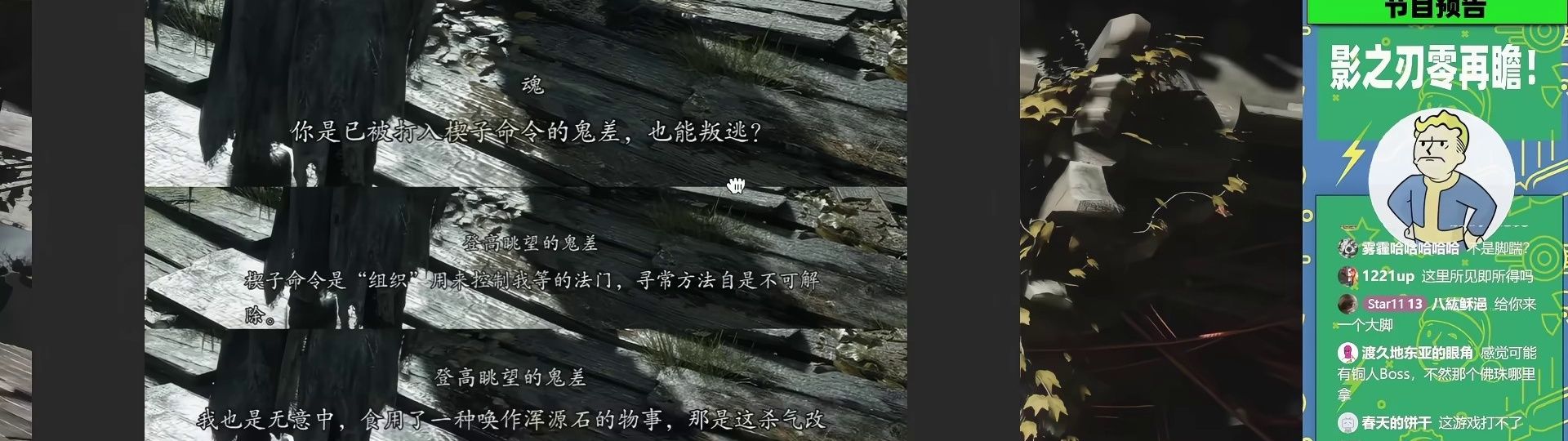
The debut of Hua Qianxiao makes the side quest flavor of Phantom Blade Zero feel far more concrete. He shows up drunk, his words lurching and incoherent, yet he hurls a question at Soul - one steeped in old grudges:
"Was it you who broke this old man's sword?"
Lore-wise, when Hua Qianxiao walked away from the Righteous Alliance, he crossed blades with Soul and his crew, and his sword was severed by Soul himself. When they meet again years later, he arrives reeking of booze - hatred, bitter disillusionment, and madness all stirred into one. The Chinese voice acting holds a distinct edge here: it isn't merely relaying information, but channeling the grit of the jianghu, the slur of drunkenness, and a genuine sense of menace. The English dub certainly holds up as well, but phrases like "this old man," "Righteous Alliance," and "the grudge of a broken sword" simply carry more flavor in the Chinese context.
A character like this doesn't need to claim much of the main storyline, yet he makes one thing clear to players: Phantom Blade Zero's side quests aren't checklist errands - they're fragments of the jianghu's old, unsettled scores.
IV. Wine and Killing Intent: Tipsy, Heavily Drunk, and Jamie-Style Combos
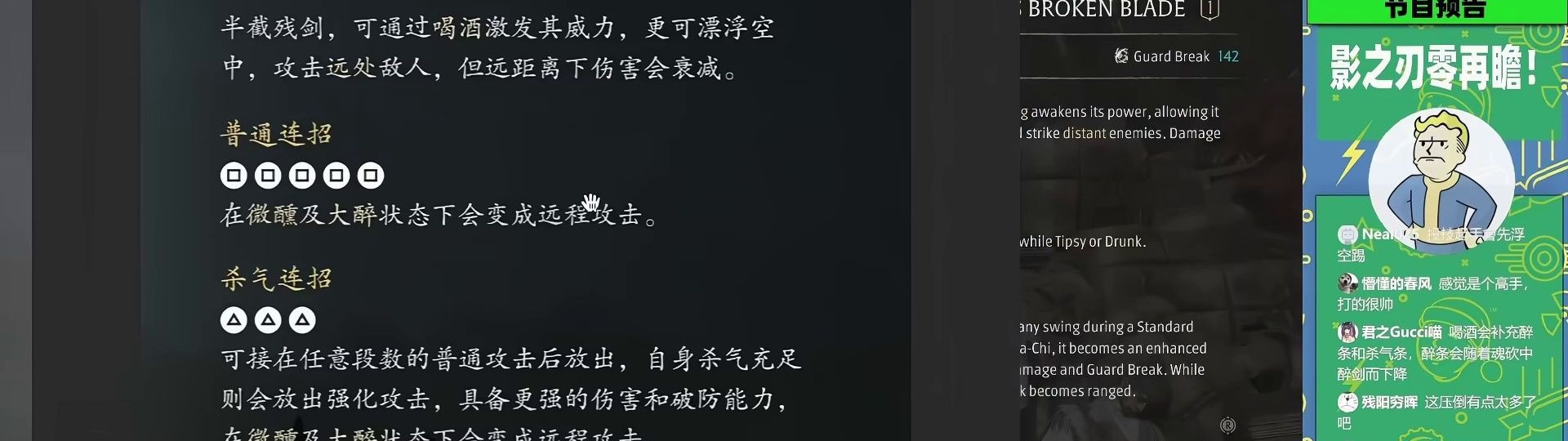
In Phantom Blade Zero's combat system, wine is far from a simple recovery item - it's a rhythm resource. With the left shoulder button + medium attack/heavy attack input, players can slip a drink into normal attacks or any combo. This logic immediately brings to mind Jamie's drinking mechanic in Street Fighter 6: the smoother your drinking, the stronger your state, and the heavier your combo pressure.
The Remnant Blade itself also has a progression track, unlocking new mechanics at levels 5, 10, and 15 respectively. In the tipsy and heavily drunk states, attack power rises dramatically, and drinking also restores battle qi while speeding up the drinking process. The accelerated drinking unlocked at level 5 is especially crucial - without it, the drinking window would be extremely tight in high-intensity combat. The tipsy state lasts about 5 seconds, and in the heavily drunk state, a precisely timed press of the left shoulder button lets you evade an attack while drinking and counterattacking simultaneously - practically unlocking a guard point (GP) with a drinking animation attached.
Liang Qiwei has also mentioned before that after drinking, the dodge becomes shorter and harder to pull off, but you can still avoid attacks by shifting left and right while in the state. Heavy attacks, meanwhile, consume battle qi, and when your killing intent is ample, they unleash an enhanced attack with higher damage and stronger guard-breaking power. The action depth of Phantom Blade Zero lies hidden within these "drink - killing intent - battle qi - counterattack" loops.
5. Blue Flashes, Zero-Frame Startups, and Perfect Defense
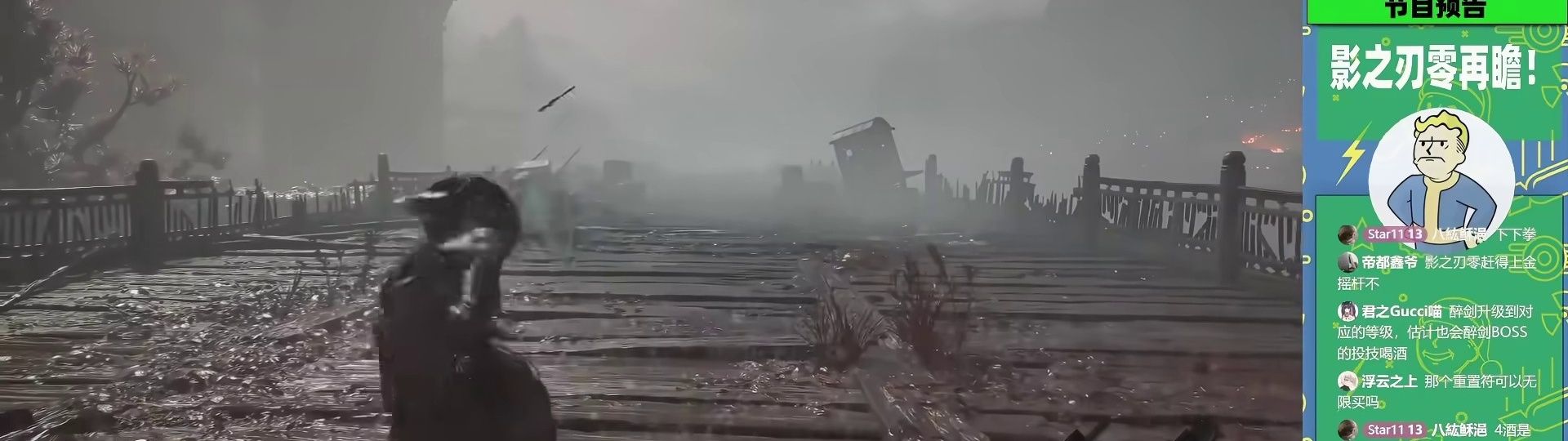
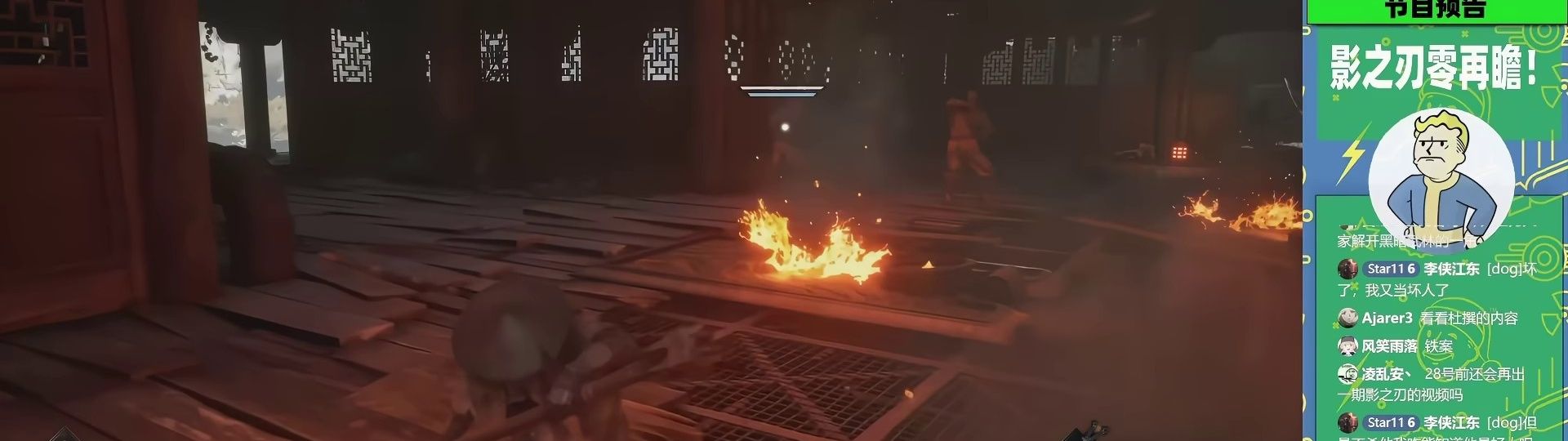
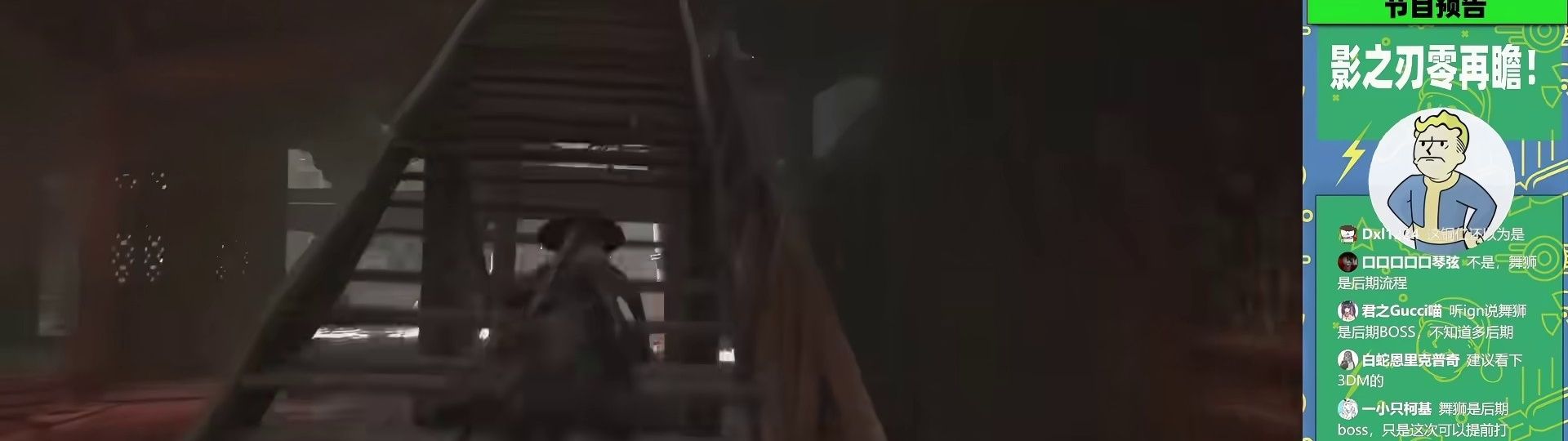
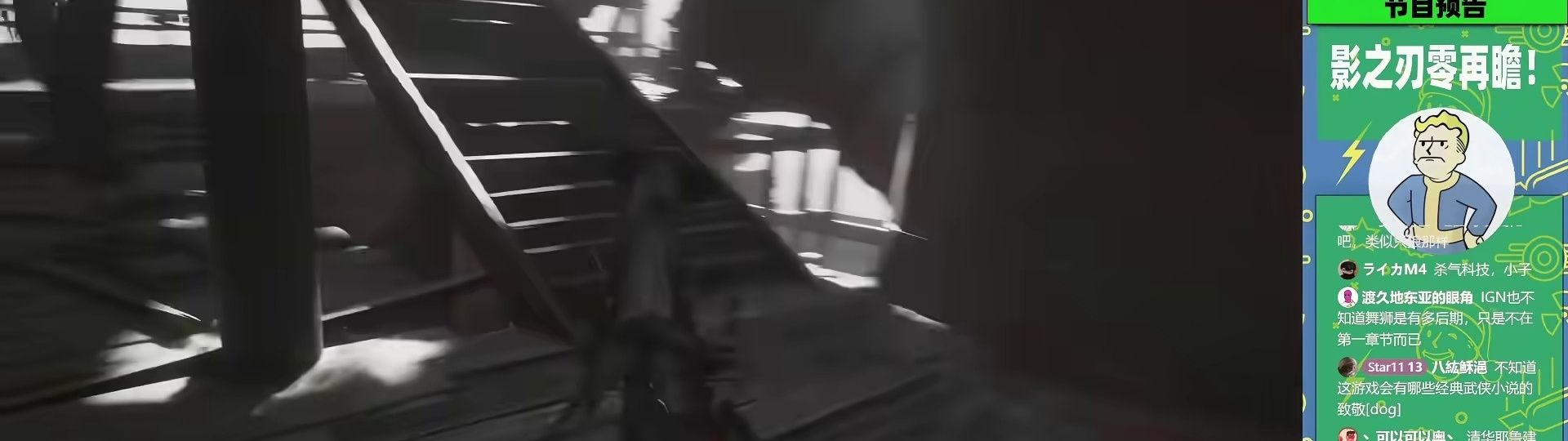
In the gameplay footage, the blue flashes that occasionally flicker between strikes are well worth noting. They may not be mere visual effects, but rather cues for killing-intent timing, a buff window, or precise inputs. Much like the design in action games where pressing the button at just the right moment yields higher damage or resource gains, this would drastically reshape how players understand basic attacks: you're not mechanically mashing away, but reading the rhythm, waiting for your window, and managing your resources.
Even more crucial are defense and counterattacks. A perfect defense steadies the killing intent gauge, and once a counterattack is neutralized, both sides are thrown back into a fresh round of mind games. The so-called "zero-frame startup" is all about the most thrilling instant in action games - striking with almost no windup, testing your reflexes and your memorized patterns. Even the broken half of a blade can inflict bleed, further tying weapon condition to combat feedback. What Phantom Blade Zero pursues is not the flashiness of any single move, but making a choice under pressure with every single strike.
6. Cinematic Executions: Auto-Matched Wuxia Performances
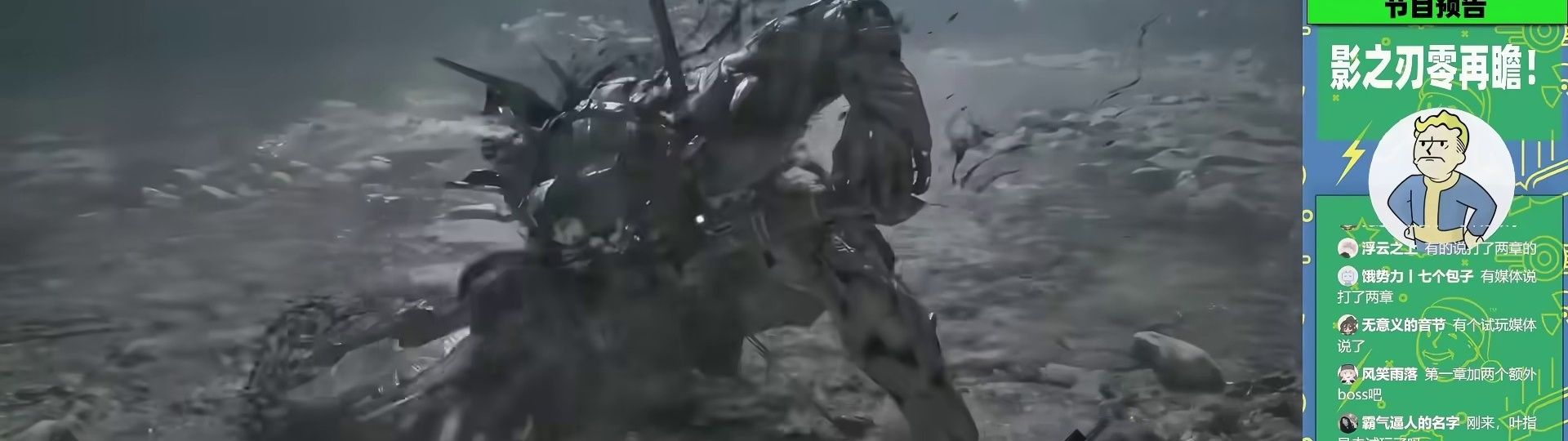
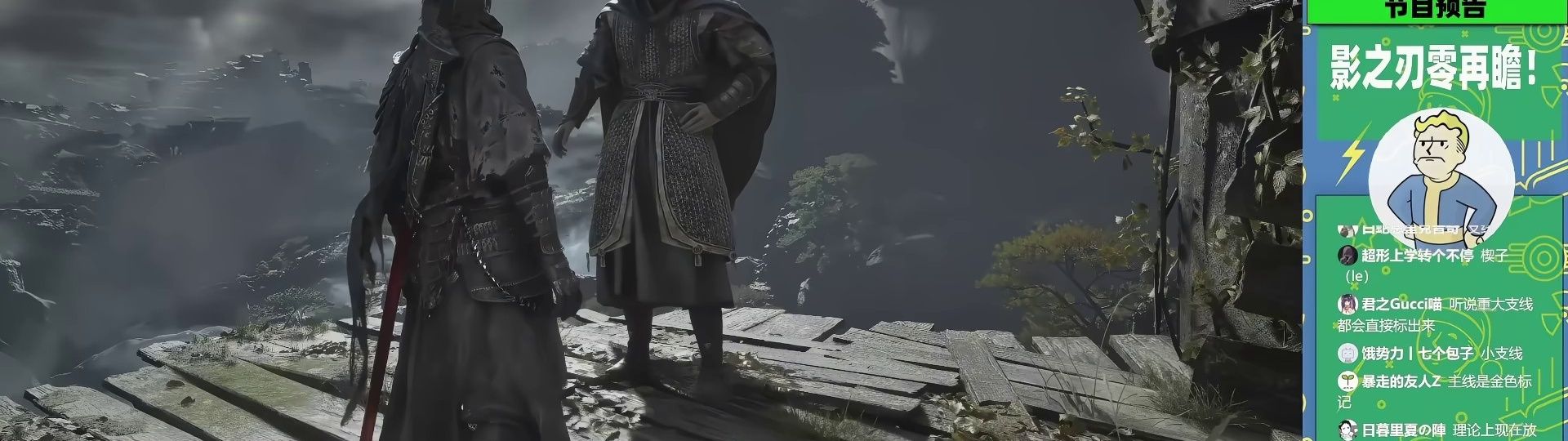
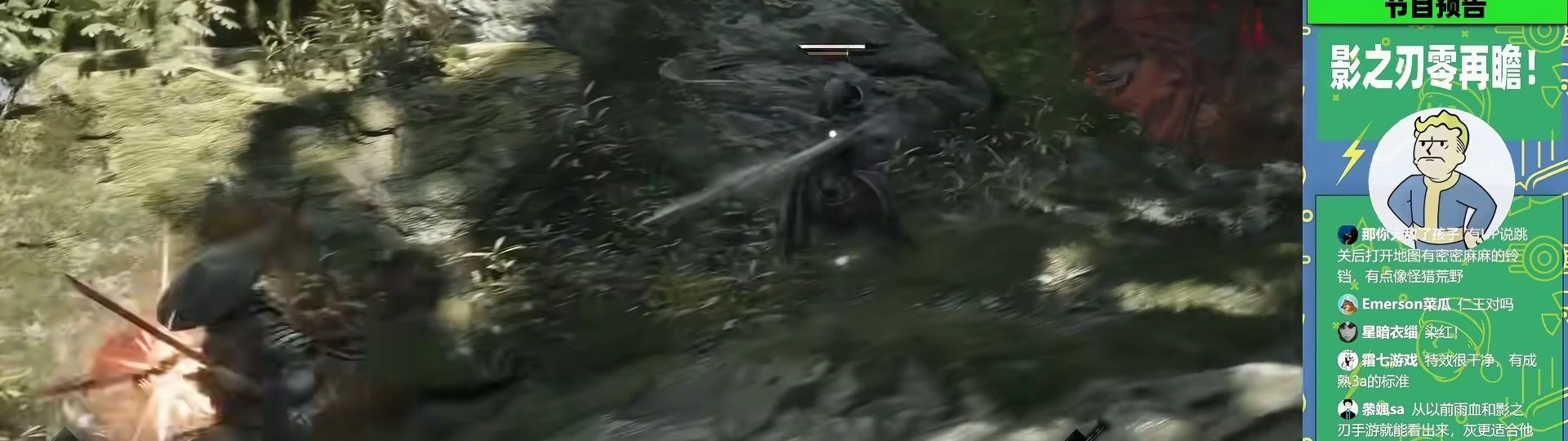
What's most easily underestimated about Phantom Blade Zero is its cinematic combat presentation. Blade seizures, counter-stabs, executions - many moves are automatically matched to the enemy's body size, positioning, and current state, with no extra input required from the player. You never have to memorize "which button combo triggers a special animation against which type of enemy"; the system delivers the appropriate performance based on the battlefield relationship.
This design makes combat look more seamless and gives it a genuine wuxia-film texture. Whether the enemy is a regular mob, an elite, or standing in a particular spot, the moves shift according to that relationship. Layer on the secondary weapon system - leaping onto an enemy's head for a flurry of chained slashes, or pinning them down with claw-type secondary weapons - and all of it becomes an extension of the protagonist's moveset. In the early builds, before shadow armaments and secondary weapons even existed, the protagonist could already pull off seriously stylish sequences with nothing but a single blade - proof that the foundation of the base moveset runs deep.
7. The Carriage Battle and Chapter One's Density: An Opening with Just One Blade
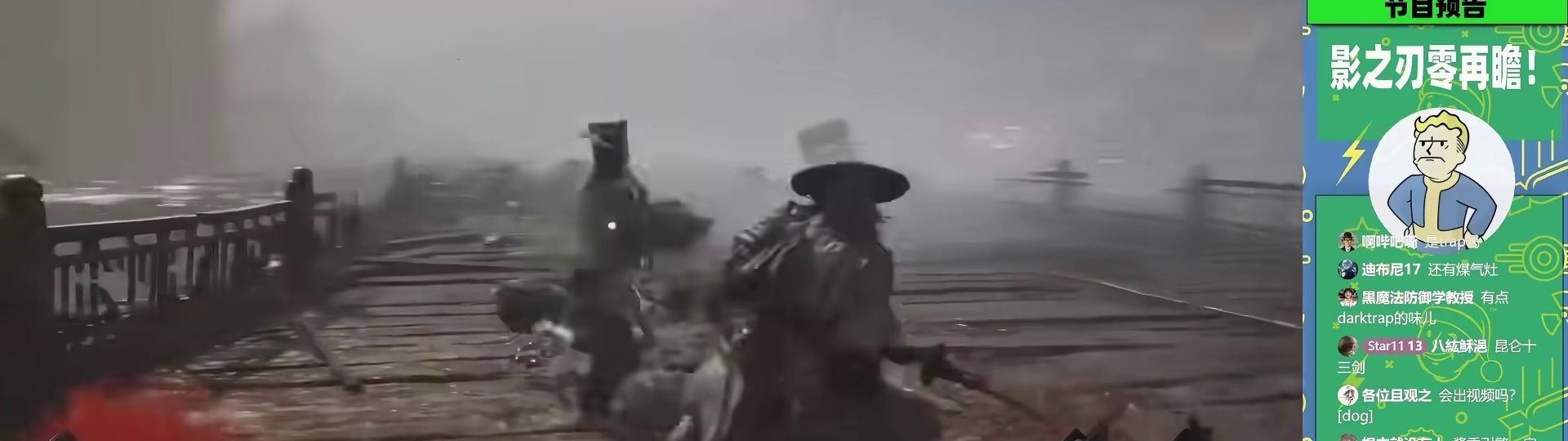
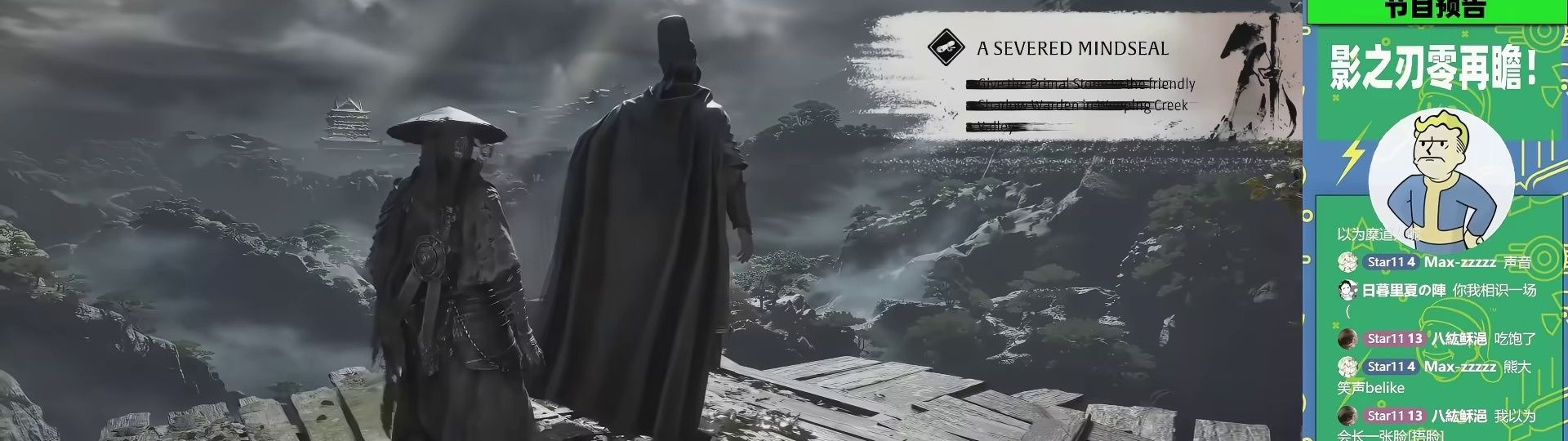
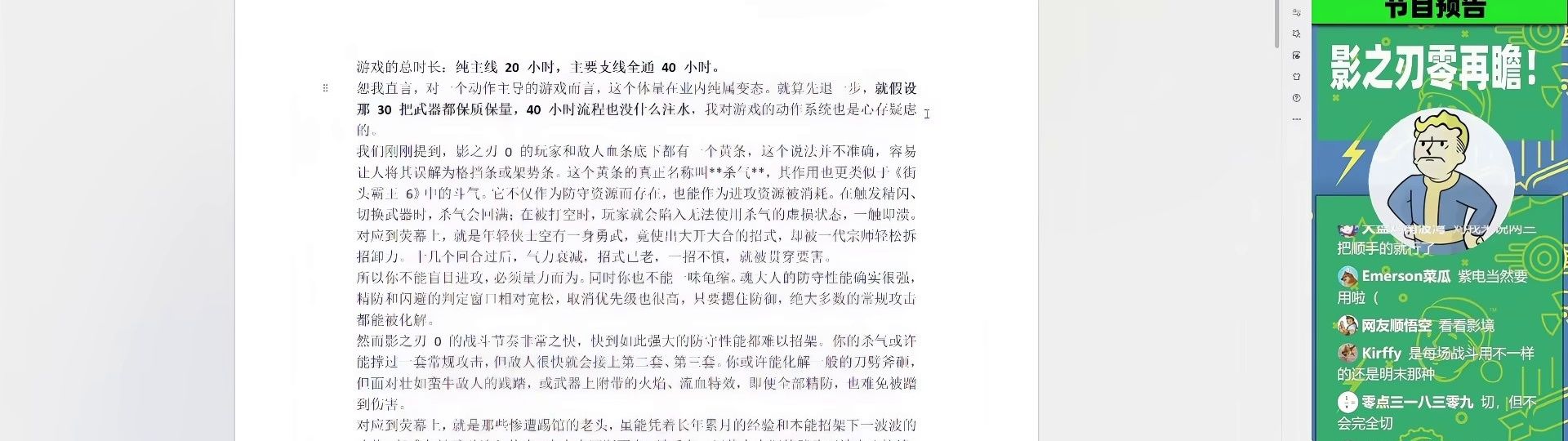
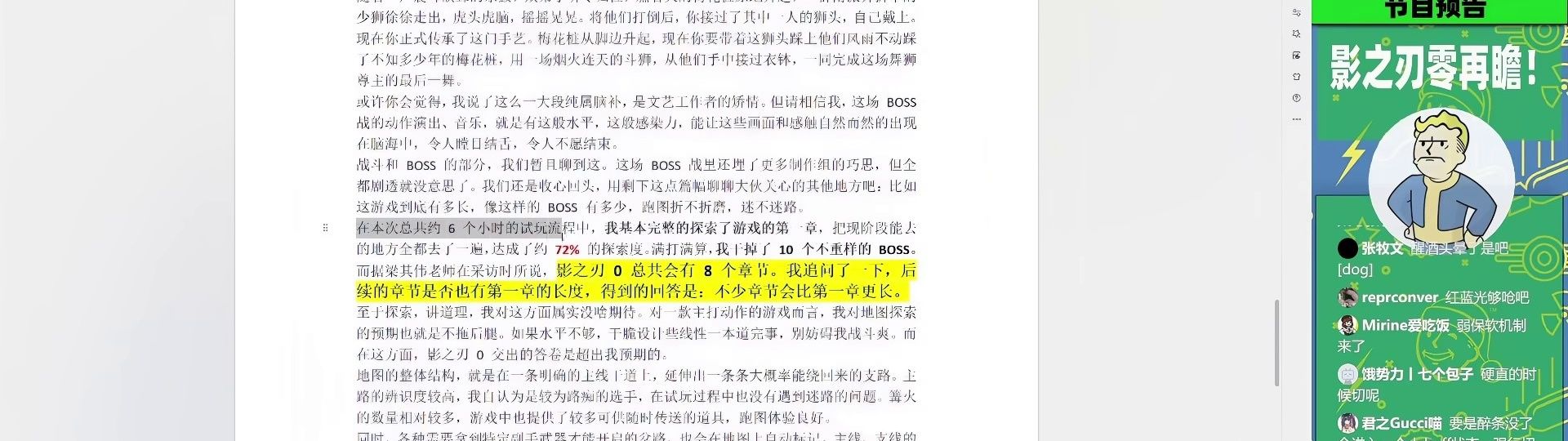
The carriage battle is easy to mistake for a major mid-game set piece, but judging from the demo playthrough, it actually takes place very early on. Across the six-hour demo, the press played from the very beginning and only made it through Chapter One - and even then, without collecting everything. In other words, when the carriage battle happens, the protagonist may have nothing but a single blade, without even a secondary weapon or shadow armaments unlocked yet.
This speaks volumes about Phantom Blade Zero's content density and pacing. It doesn't save all of its flashiest material for the late game; instead, it grabs your attention with high-intensity spectacle right from the opening. At the same time, it ensures Chapter One carries enough side quests and collectibles that even six hours may not be enough to see it all. For an action wuxia title, this structure - "high energy from the very start, yet with deep waters still ahead" - is far more convincing than simply stacking bosses.

8. Side Quest Case Files and Exploration: The Four Fiends Case, Territory Struggles, and Interactive Details
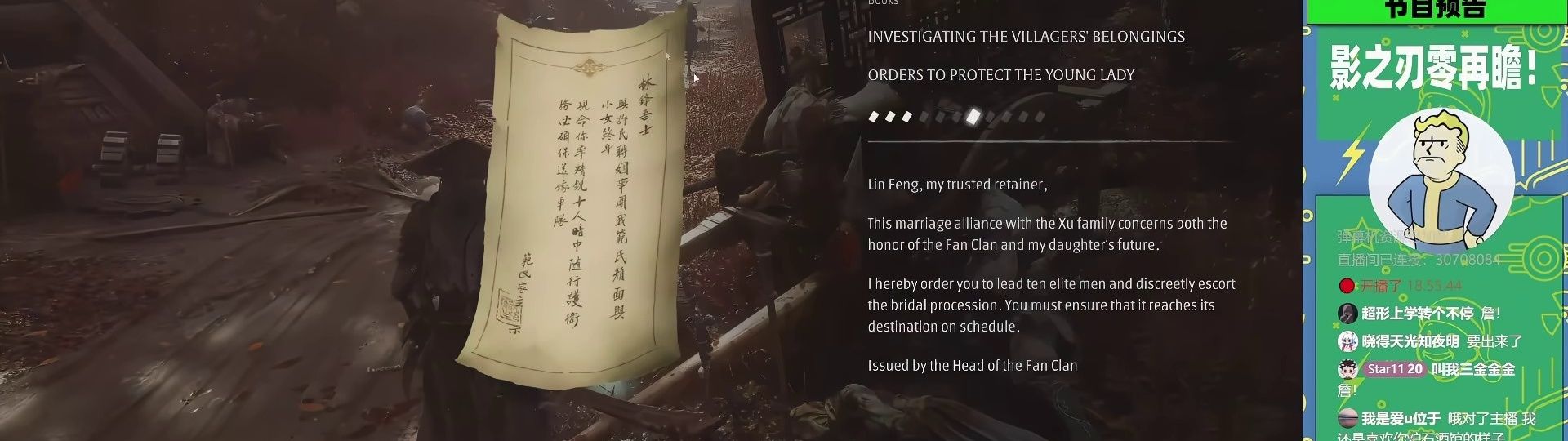
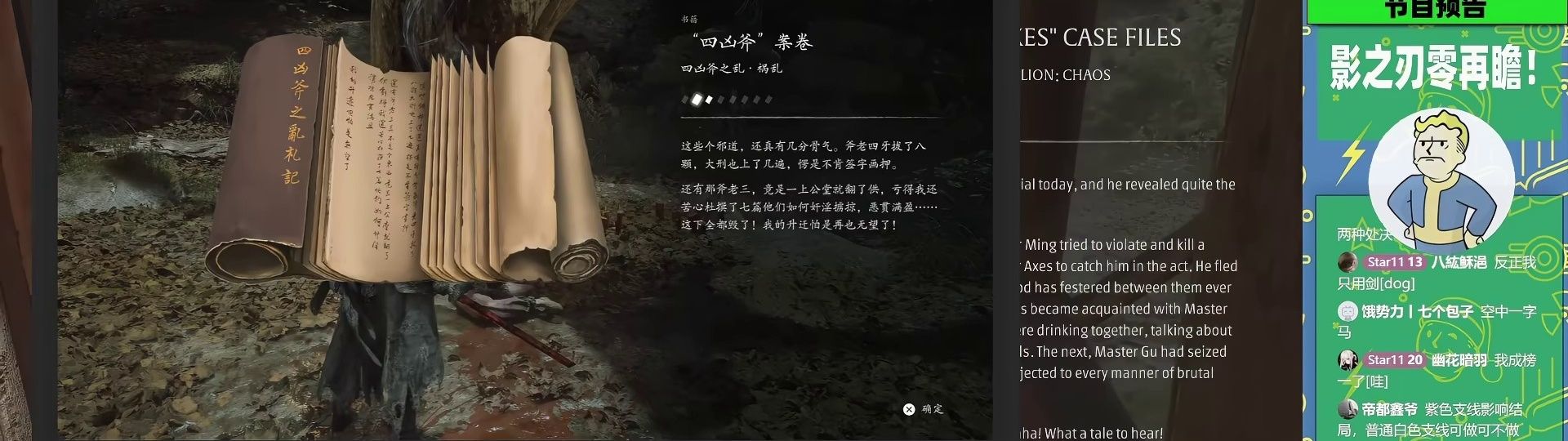
In the side quest texts, the case-file style of storytelling carries a distinctly Phantom Blade Zero flavor. Names like the Four Fiends Case, Fu Lao'er, the Four Fiends Manor, and Hero Gu are woven together, telling not a simple "go somewhere, kill someone" story, but an old case muddied by jianghu factions, torture, stigma, and revenge. Players piece together the truth fragment by fragment, and may even trigger a boss fight or obtain a secondary weapon as a result. Side quests are no longer mere filler outside the main storyline - they are the flesh and blood of the worldbuilding.
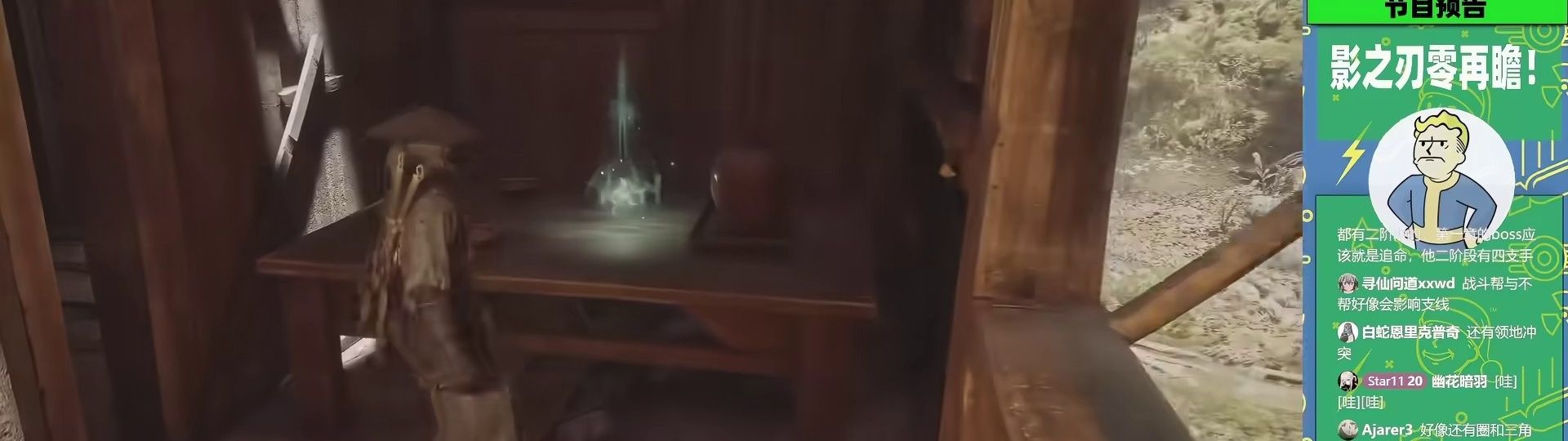
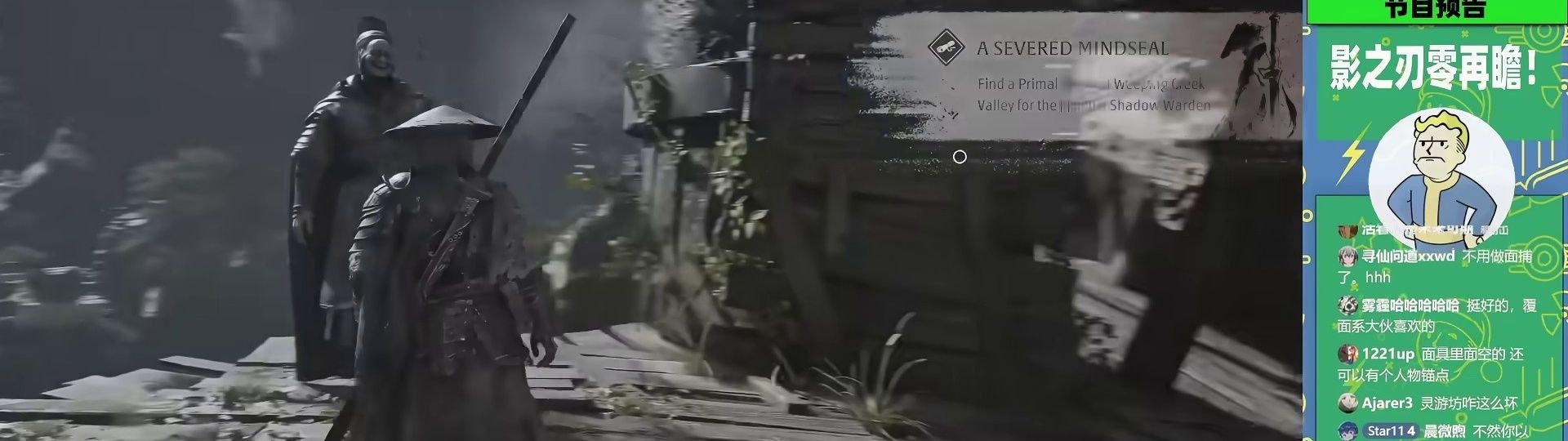
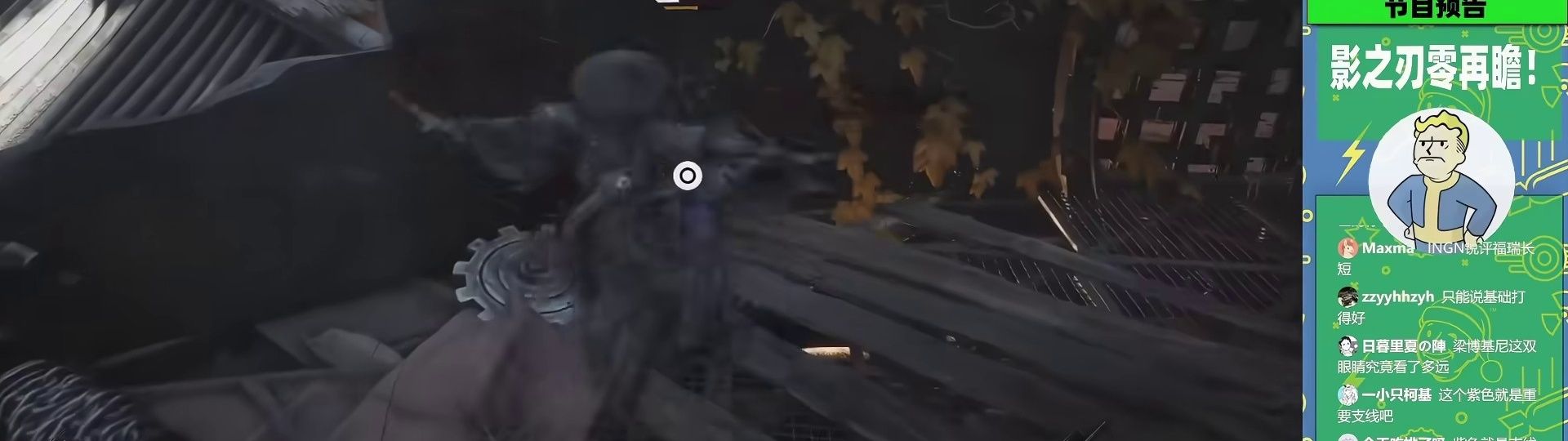
The exploration carries a similar quality. Territory struggles and infighting show that the jianghu is far from a monolith, while interactions with notices, vines, and other environmental objects make exploration more than just traversing the map and opening chests. Beyond combat, players can also sense faction relationships and regional ecosystems through environmental details. Phantom Blade Zero's ambition clearly goes beyond "fighting with style" - it aims to make the Shadow Realm a jianghu players can truly reach out and touch.
Top Community Comments
One player marveled: "This grand Shadow Realm, this grand aesthetic - everyone who's tried it says it's great." The remark may sound like a throwaway joke, but it actually points to a real fact: Shadow Realm is no longer just an art style - it has become an experience label that players can perceive as a whole and hype to one another.
Another commented: "Whoever came up with the term 'Shadow Realm aesthetic' is absolutely insane - in the best possible way." That summary lands so precisely because it covers, all at once, the masks, the weapons, the wine, the old grudges, the execution sequences, and the side-quest case files, distilling scattered selling points into a single, recognizable aesthetic system.
Then there's the classic tough-talk comment: "Phantom Blade Zero is just so-so. I bought it and haven't opened it once in two months, and after watching this latest round of gameplay footage, I won't be opening it for another half month either." A textbook case of reverse endorsement - it sounds dismissive on the surface, but the more you watch, the more the itch grows. People who are truly hooked by the action and the aesthetic tend to deliver their most honest words in the most disdainful tone.
📌 One-Line Takeaway
Phantom Blade Zero doesn't try to be everything at once. Instead, it pushes its strengths - Shadow Realm aesthetics, an action system fueled by wine and killing intent, cinematic executions, and densely packed side quests - to a height where its shortcomings become easy to overlook.