Phantom Blade Zero "World Chapter" Deep Dive: Eight Sprawling Ink-Wash Maps, 1-vs-2 Boss Fights - Liang Qiwei Hid the Most "Cursed" Things in Broad Daylight
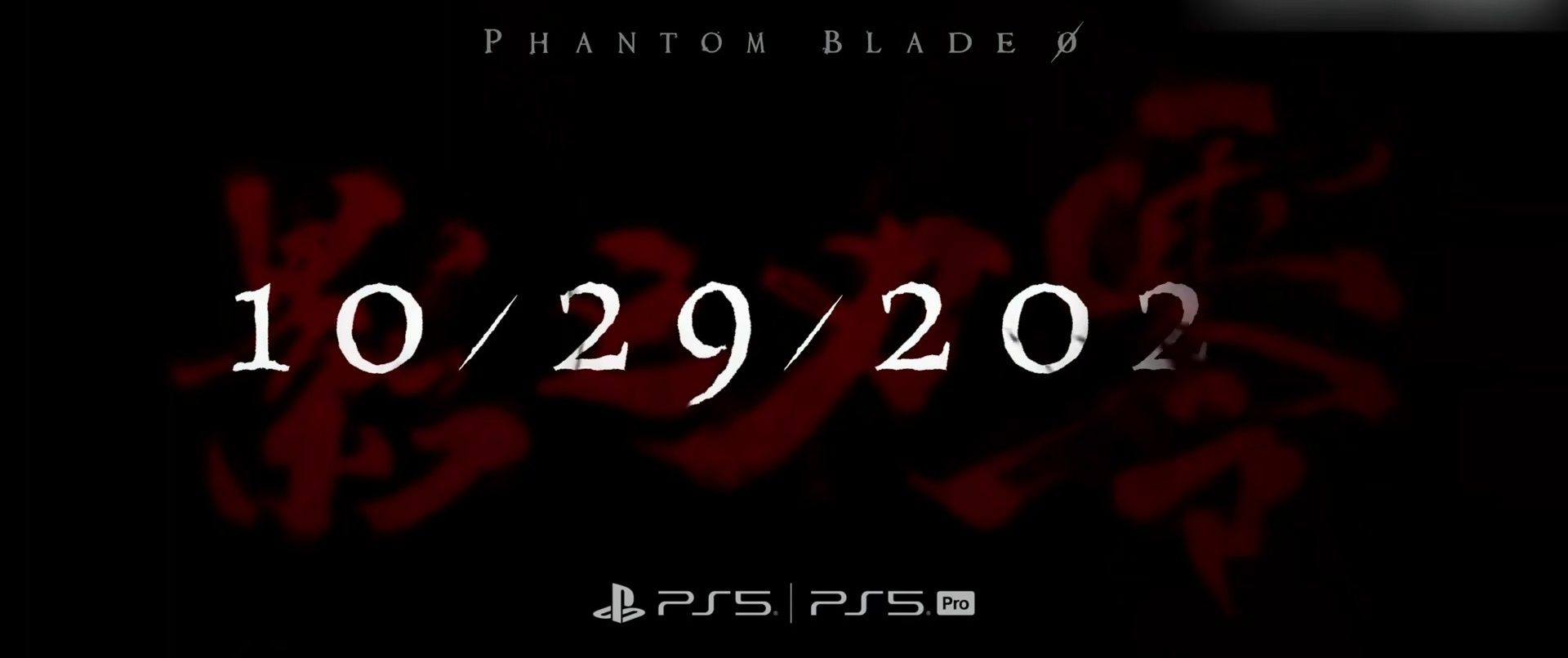
With the release date fast approaching, Phantom Blade Zero unveiled the second chapter of its trailer series - the "World" chapter - during the latest PlayStation State of Play (SOP). If the previous combat showcase answered "how you fight," this chapter answers "where you fight, who you fight, and what else this world is hiding once the fighting is done." From the water town of Pangzhen to an abandoned warehouse strung with puppets, from eight sprawling, fully hand-drawn ink-wash maps to the "Inner Wulin" that only veteran players will recognize, the sheer volume of information is considerable. In this piece, we combine the official quotes with a shot-by-shot breakdown to unpack this chapter in exhaustive detail.
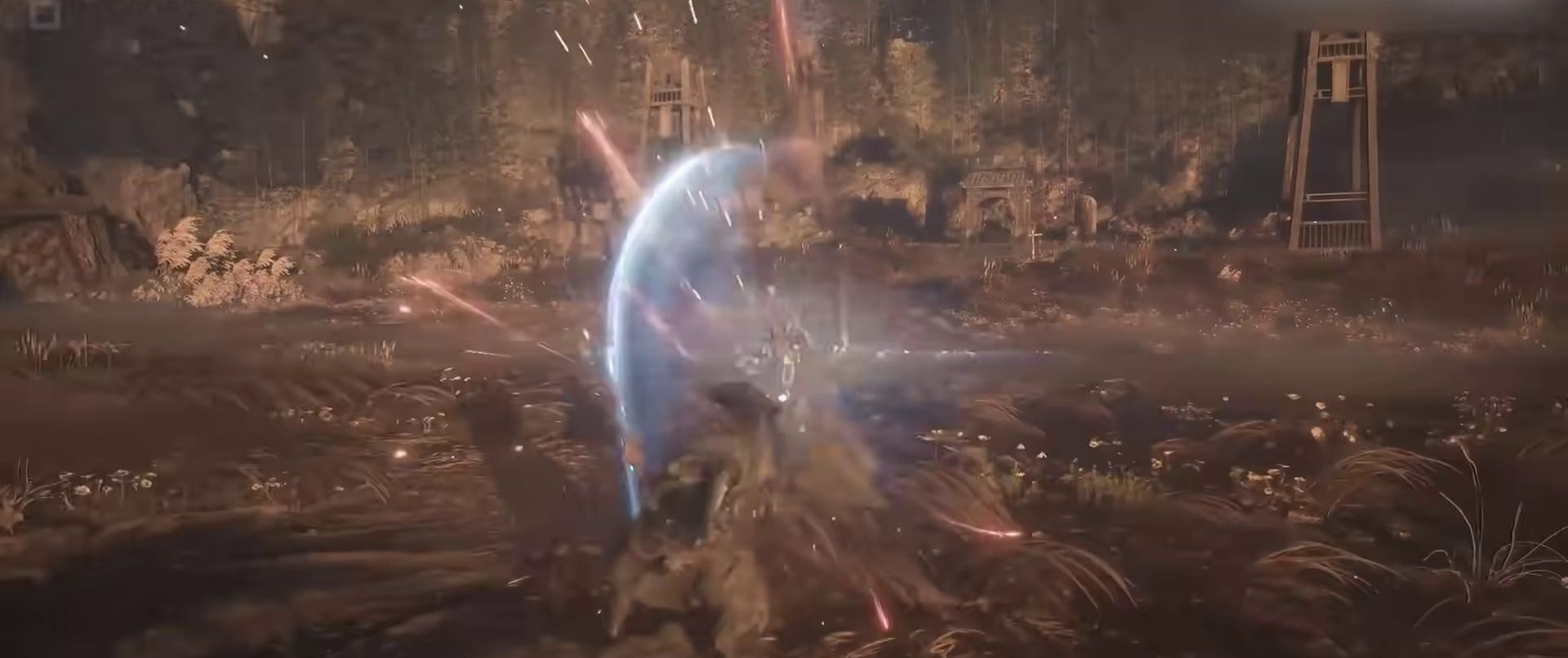
The Verdict First: This Will Be a Game Packed with "1-vs-2" Boss Fights
Let's put the most notable finding up front: Phantom Blade Zero will feature a large number of "1-vs-2" boss fights, and behind them lies a "choice - cost" system.
Take the "Seven Star Sword Formation" encounter from last year's demo: if you defeat the Senior Brother's spouse, the "Senior Sister-in-law," atop the high tower, you'll directly obtain "Black Stone," a progression item; but if you choose not to attack her and instead leap straight past the tower to chase down the Senior Brother and take on his second phase, then once he's down to half health, the Senior Sister-in-law will join the fray herself - and a genuine 1-vs-2 begins. According to players who went hands-on with the highest difficulty, this doubles match was enough to knock them down six times before they barely scraped through.
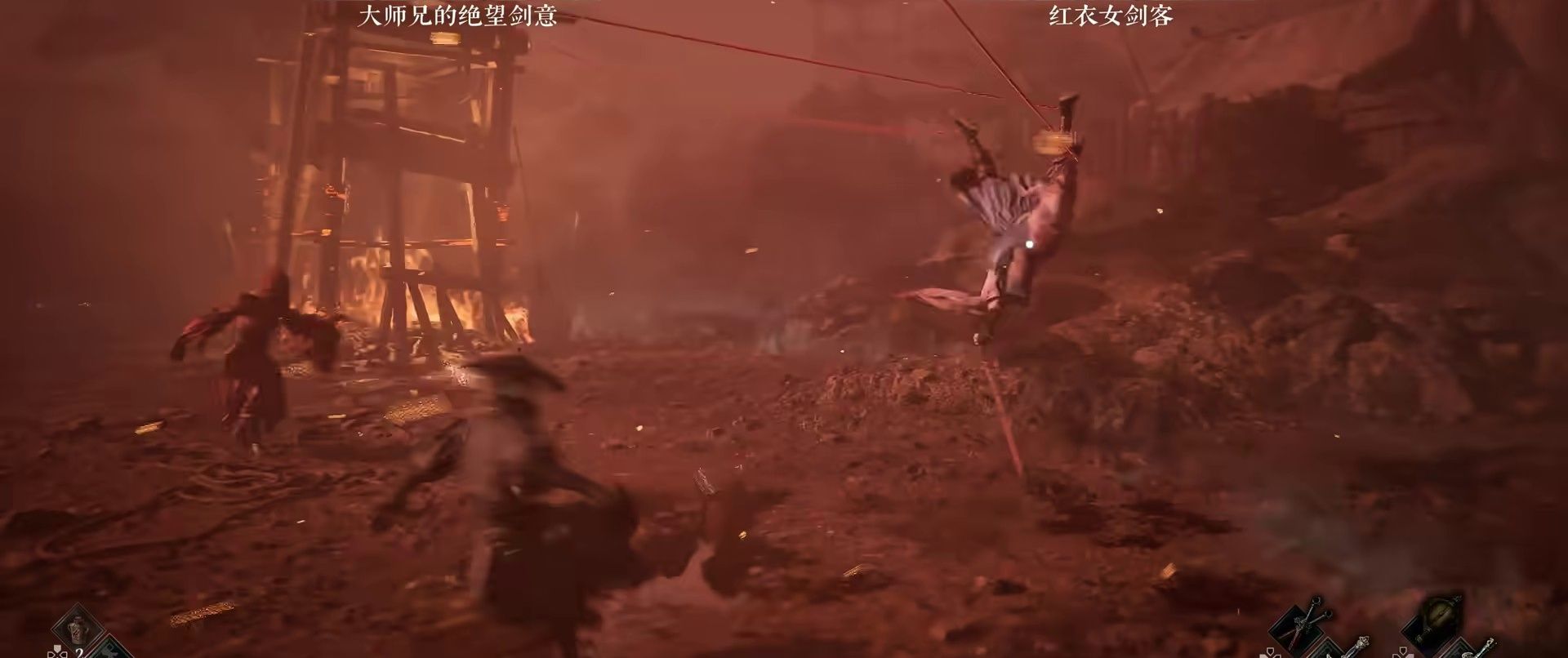
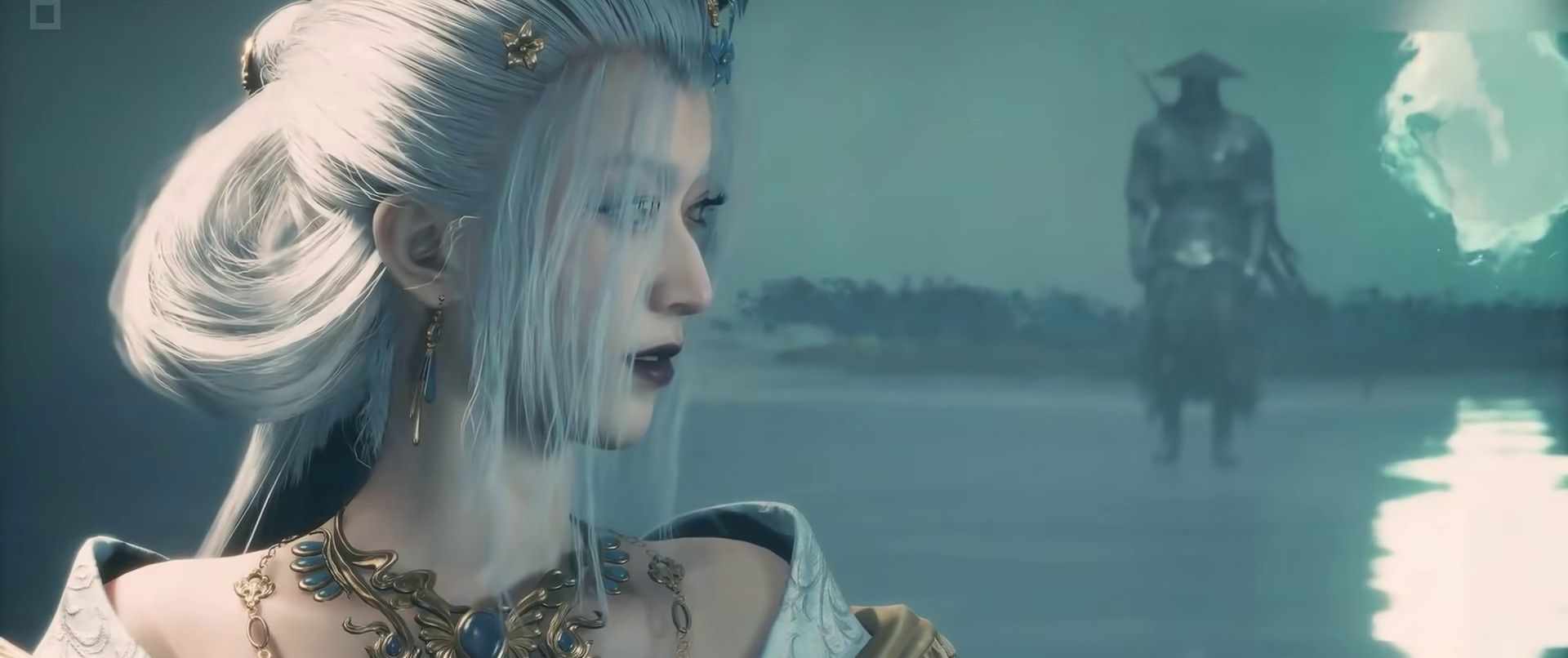
This time, at the lakeside arena where Soul and Meng Xiaohui are about to cross blades, a similar "pick one of two" setup appears once again. While the footage so far doesn't reveal what triggers the choice, one thing is certain: two completely different boss fights will unfold depending on your choice - in one, Soul duels Meng Xiaohui solo; in the other, Soul faces both "Iron Ghost" and "Yu You" at once. That's right - another 1-vs-2.
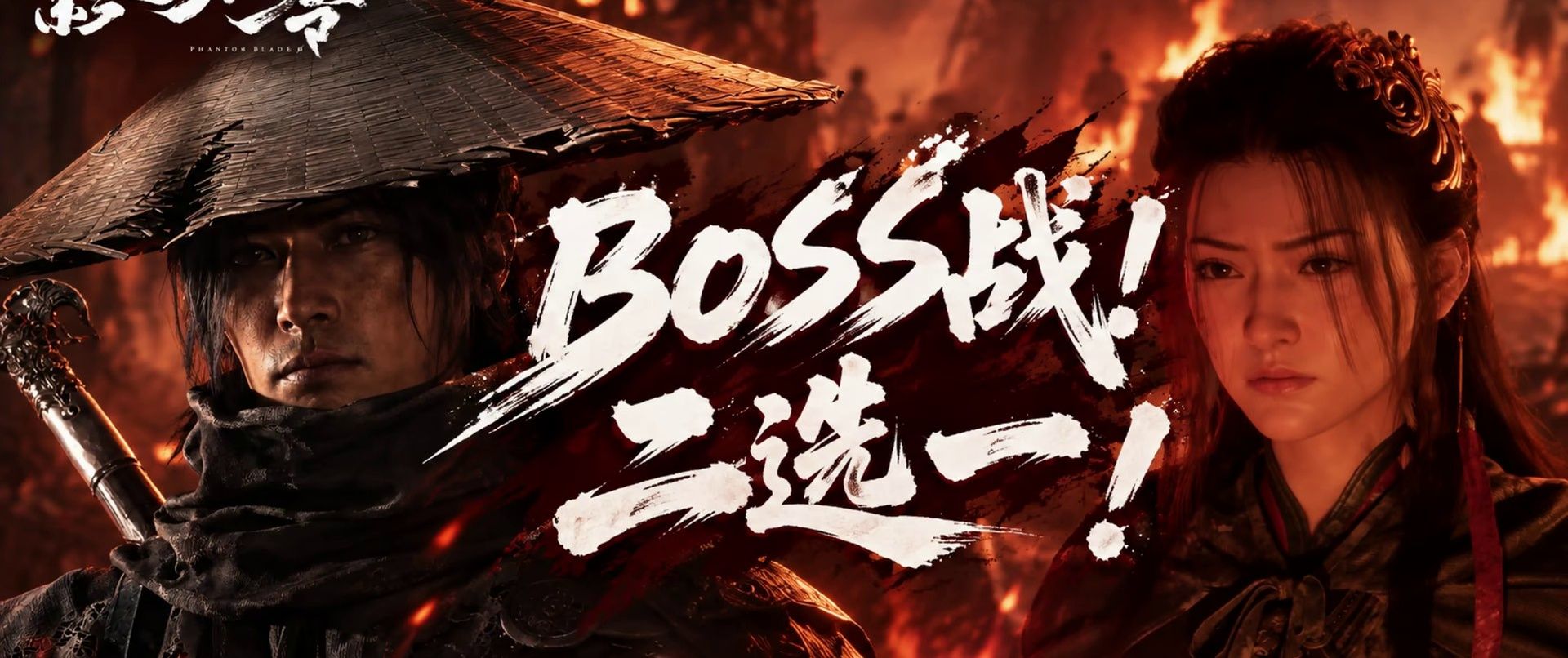
In other words, S-GAME is weaving "route choices" into its boss fight design: rewards or difficulty - you can only pick one. This approach is far from common in action games, and it gives every boss fight natural replay value - you'll always be itching to see what the opponents on "the other path" actually look like.
When "should you attack the Senior Sister-in-law" is no longer a moral question but a choice between difficulty and reward, that's when the ruthless edge of this jianghu truly shows.
The "World" Chapter: A First Lesson in Worldbuilding for New Players
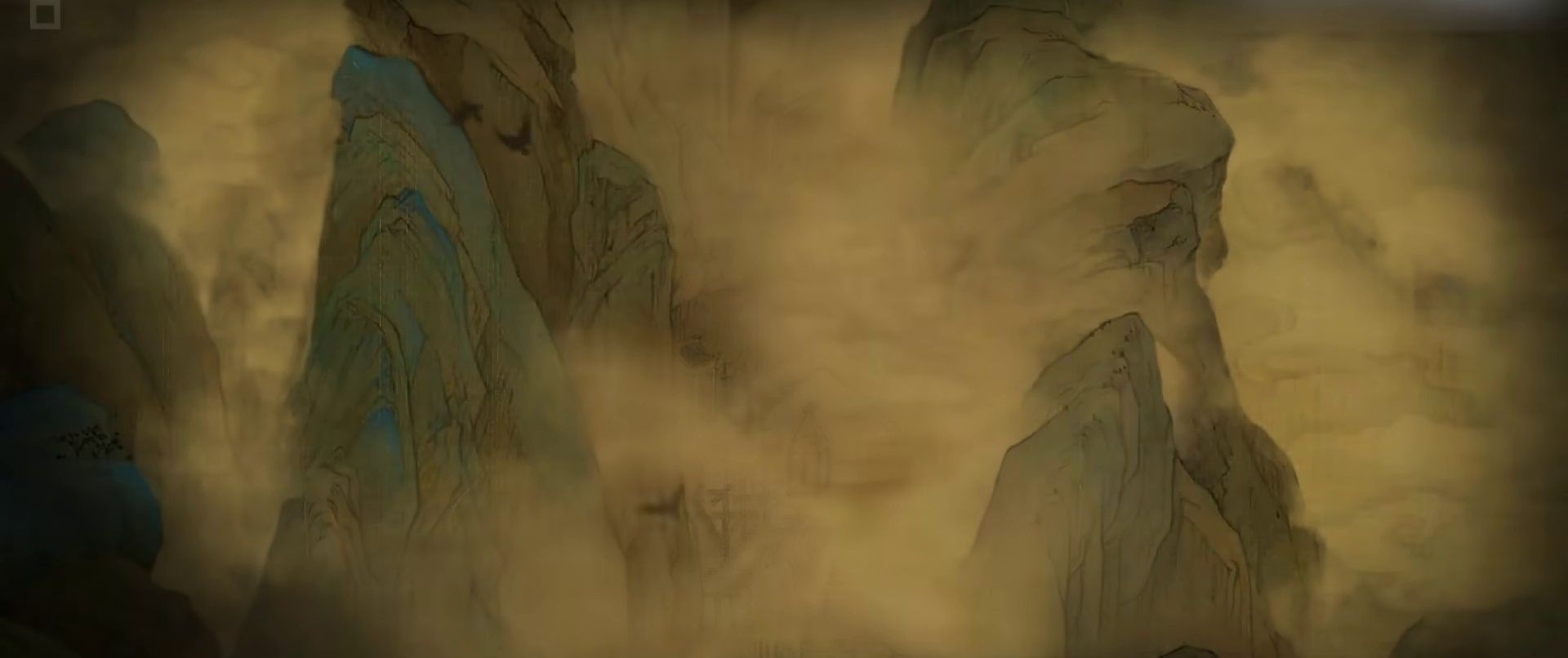
The second chapter of this SOP is titled the "World" chapter, centering on environment art, the fast-boat lake crossing, and eight large maps, among other topics. It is aimed primarily at players encountering the Phantom Blade series for the first time, introducing the worldbuilding, the distinctive features of exploration, and the style of the environment art.
For S-GAME, this is a necessary "make-up lesson." The loyal fans built up through Rainblood and the Phantom Blade mobile games are naturally familiar with the rules of the Shadow Realm, but Phantom Blade Zero is a major action title aimed at a far broader audience, and for many players this will be their first step into the jianghu - devoting an entire chapter of trailers to laying out the stage in full is a rather clever move in terms of promotional pacing.
It is worth noting that even series veterans may find this section somewhat unfamiliar at first glance - after all, in the established impression, the art of the Phantom Blade series is supposed to be dark, overcast, and drenched in torrential rain, with sunny days being a rarity. Yet this "World" chapter begins precisely with "weather and scenery," redefining players' first impression of the Shadow Realm.
A Shift in Art Direction: More Sunny Skies, Fewer "Underworld" Scenes?
The trailer features plenty of sunny skies and dusk scenes, with landscapes rendered in stunning, lifelike detail. Judged purely on visual presentation, the environment art of Phantom Blade Zero is indeed less dark and "underworld"-flavored than before - there is a noticeable tilt toward catering to mainstream players, a departure from the fiercely stylized, maverick path of the first two Rainblood titles.
This is an absolute boon for mainstream players. An overly oppressive visual tone once kept plenty of potential players outside the door; today's brighter, more dimensional Shadow Realm is clearly aimed at "getting more people to step inside."
But it is equally certain that producer Liang Qiwei ("Old Liang," as players call him) will not abandon his stylized art entirely. The more plausible reading is - the scenes showcased in the trailer are the ones suited to the vast majority of players, while some exceptionally distinctive environments and weather conditions are likely still being kept hidden.
Old Liang has always been a master at hiding things, and this time - even with a State of Play trailer - will be no exception.
In other words, those "underworld" moments that make veteran players smile knowingly - torrential rain, pitch-black night, a blood-red setting sun - are most likely still buried in some corner of the game, waiting for players to uncover them with their own hands. The brighter the trailer, the more it suggests that the parts you haven't been shown are all the more worth seeing.
A Pilgrimage Through the Shadow Realm: From Pangzhen and the Puppet Warehouse to the Shougang Park Tower
What follows is a segment-by-segment breakdown of the official statements and footage. As for the stages, here is how the developers put it:
"The Shadow Realm is the main stage of the style we call 'kungfunk.' Here, traditional kung fu is interwoven with steam machinery, body modification, and more."
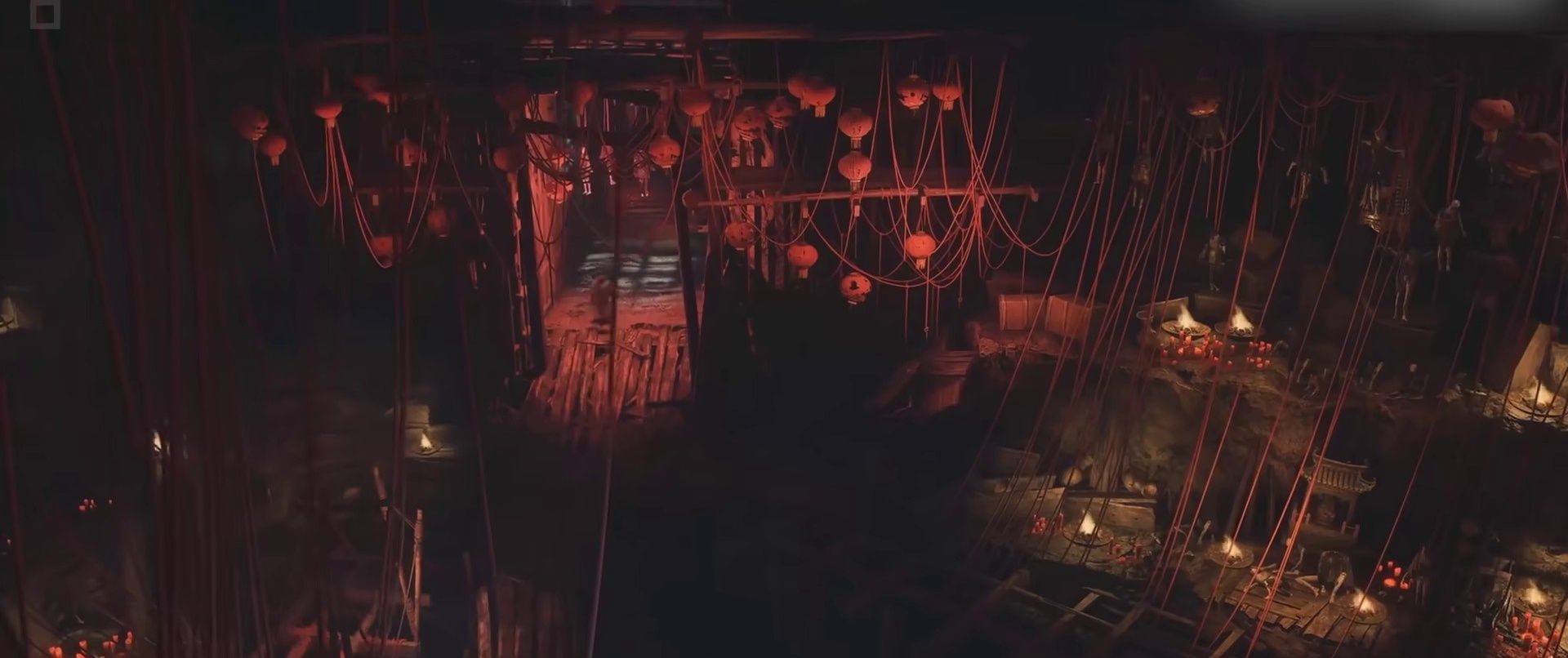
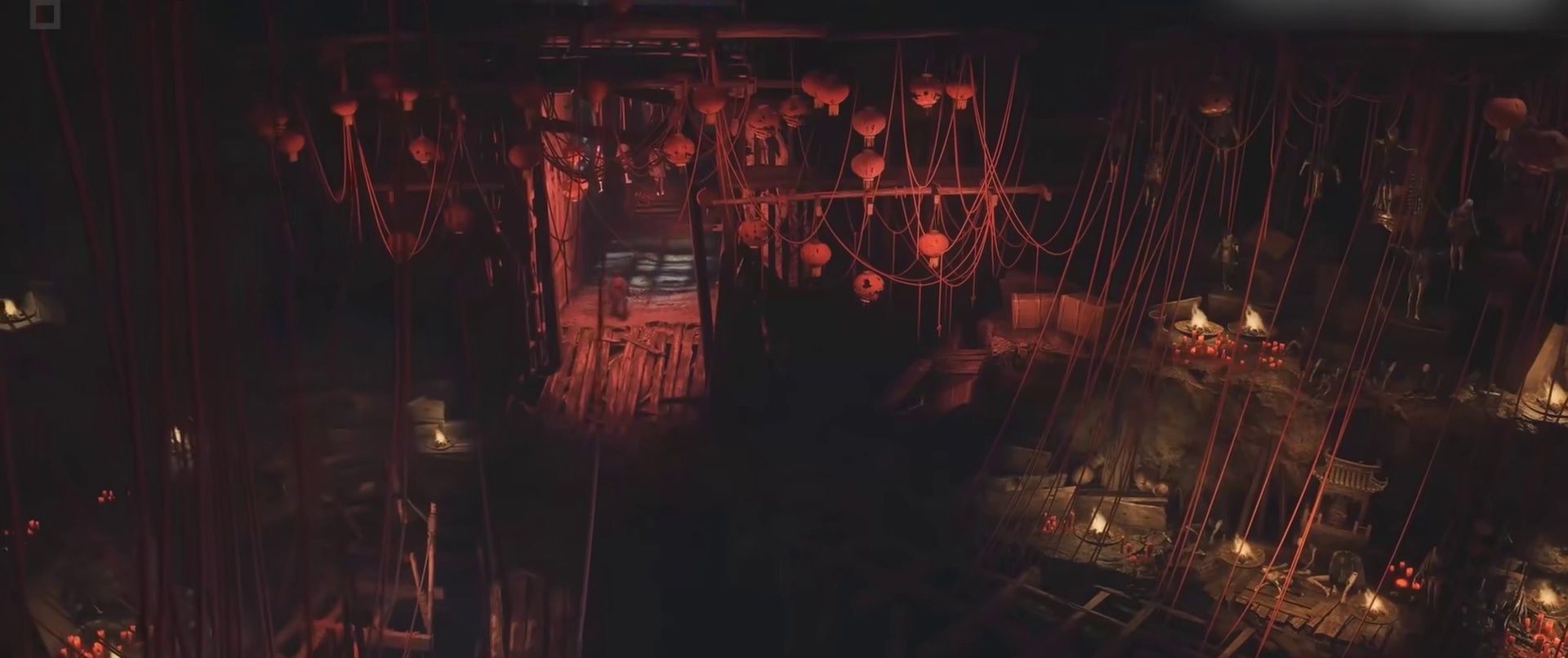
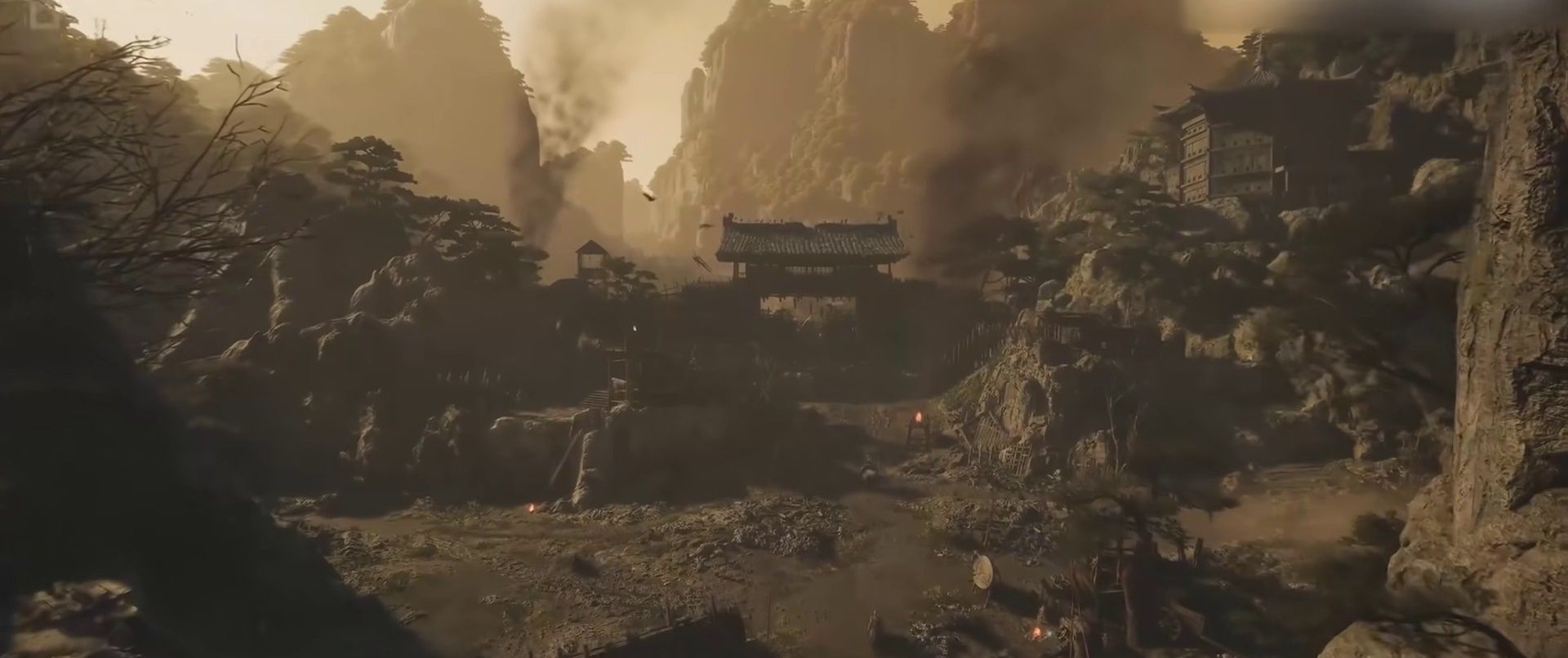
The journey will span multiple intricate, phantasmagorical settings: delving into the heart of Pangzhen and its surrounding villages, valleys, lakes, and shadow-shrouded lands - including a valley occupied by brutal bandits, an abandoned warehouse hung with puppets (where some dark ritual appears to be underway), a steam-powered steel tower built for forbidden experiments, and a vast lake - across which Soul must sail aboard a peculiar speedboat.
Pangzhen: The opening is an overhead shot of Pangzhen's water town. In the original Rainblood, Pangzhen was nowhere near this massive - back then it was still just a small town; its current scale clearly carries far greater narrative ambition. Then come two consecutive environment-interaction demos featuring Soul - first scaling walls to reach the upper floors, then leaping along ziplines - the fluidity of the multi-level traversal speaks for itself.
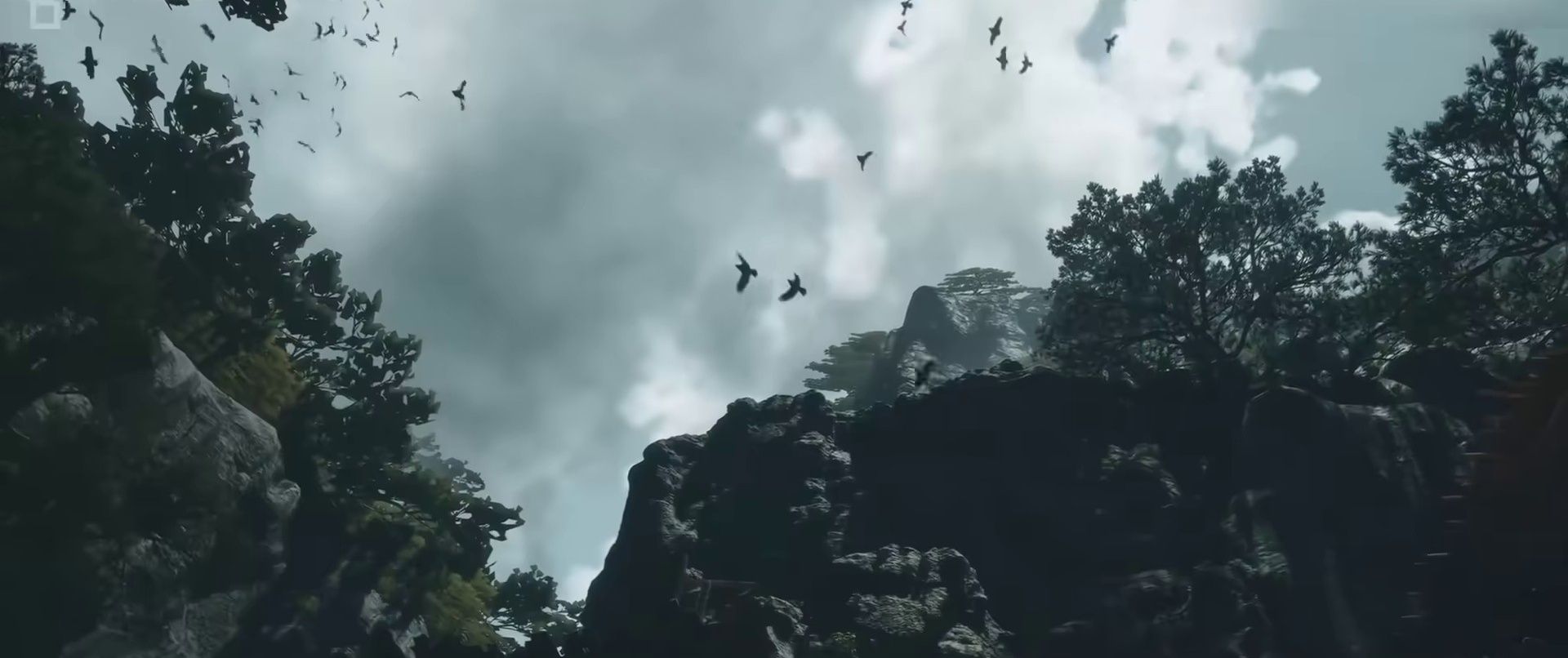
The Valley: The camera cuts to a valley where great flocks of birds gather in the sky. Through some rather clever audiovisual metaphor, these birds stand in for the common folk fleeing for their lives - because this valley has been seized by brutal bandits, and Soul's mission on this leg of the journey is to wipe them out. Incidentally, that handy weapon from last year's demo may well have been obtained after defeating this bandit gang's final boss. Immediately after comes a bandit's facial close-up lasting less than a second, then a cut to an overhead shot of the abandoned warehouse hung with puppets - this "blink-and-you-miss-it" editing is itself a hook, planted for your second and third viewings.
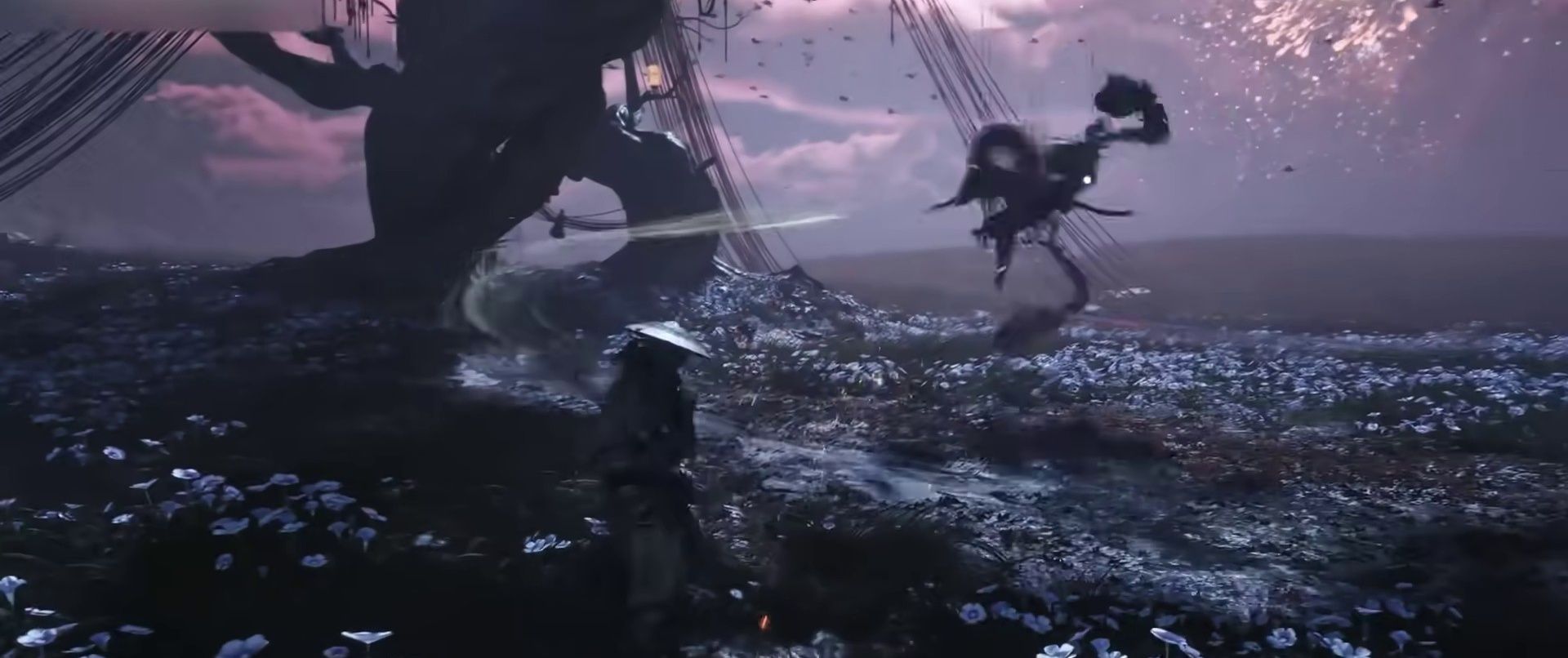
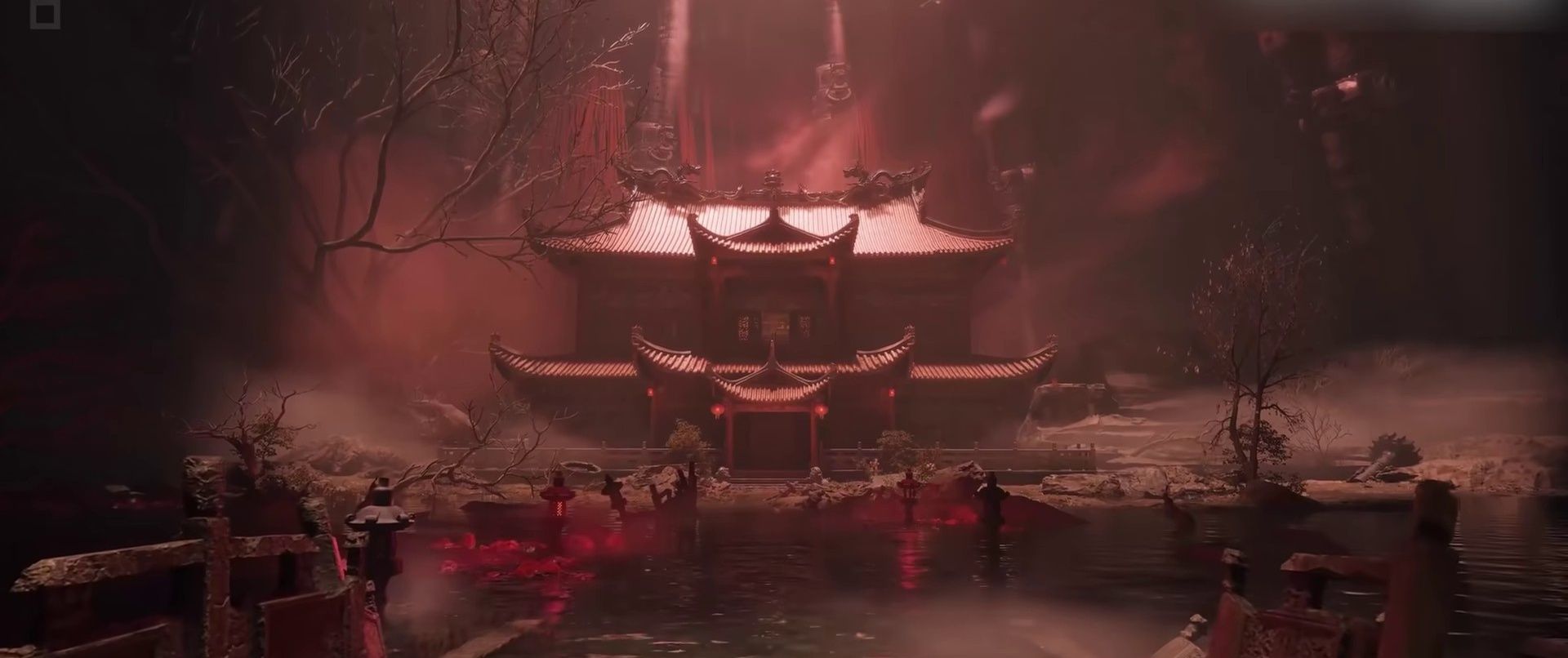
The Puppet Warehouse: As it stands, this warehouse should have some connection to the "Sage" and the boss "Twin-Snake Possession: White Snake Lian" - White Snake Lian and her band of devotees are presumably conducting their unspeakable dark sacrificial rituals right here; and this mini-boss's direct superior is none other than the "Holy Mother of Dream Flowers." Puppets, sacrificial rites, a Holy Mother - the cult vibe of this side quest is already spilling off the screen.
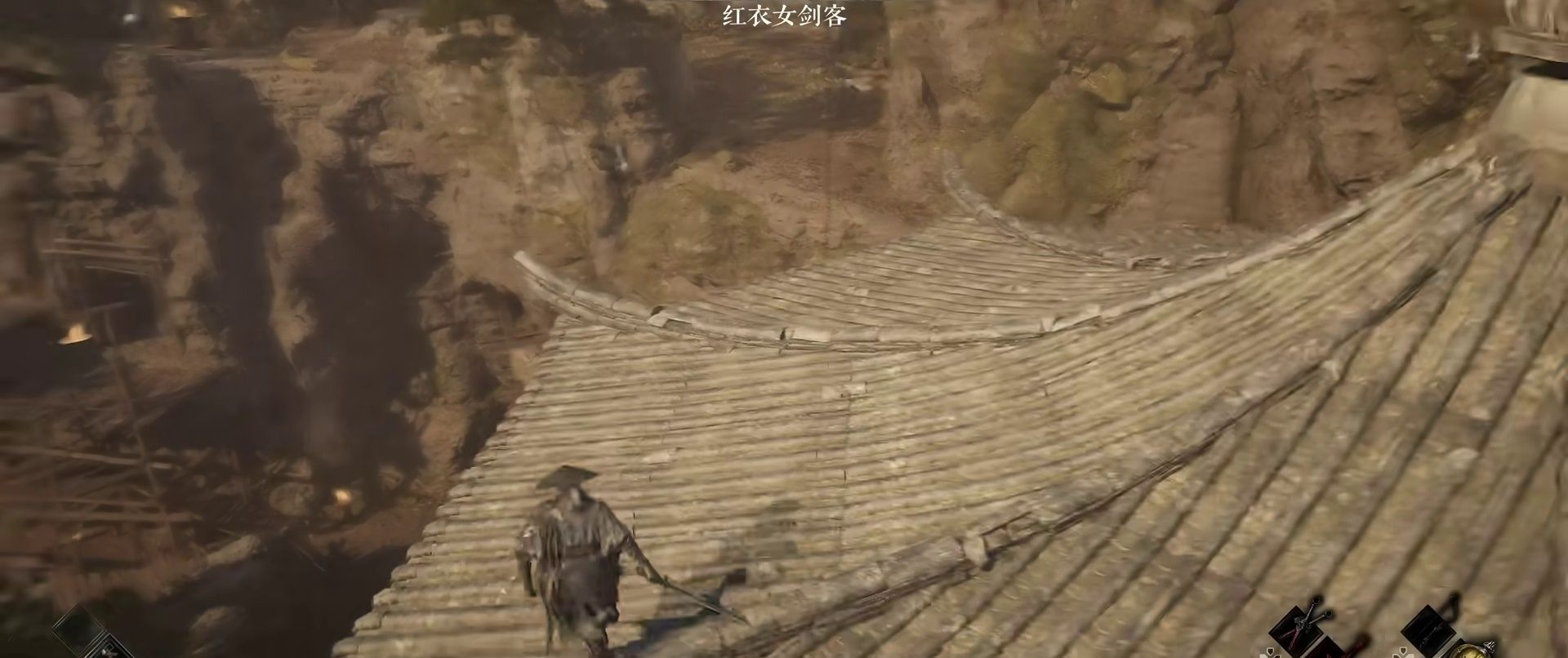
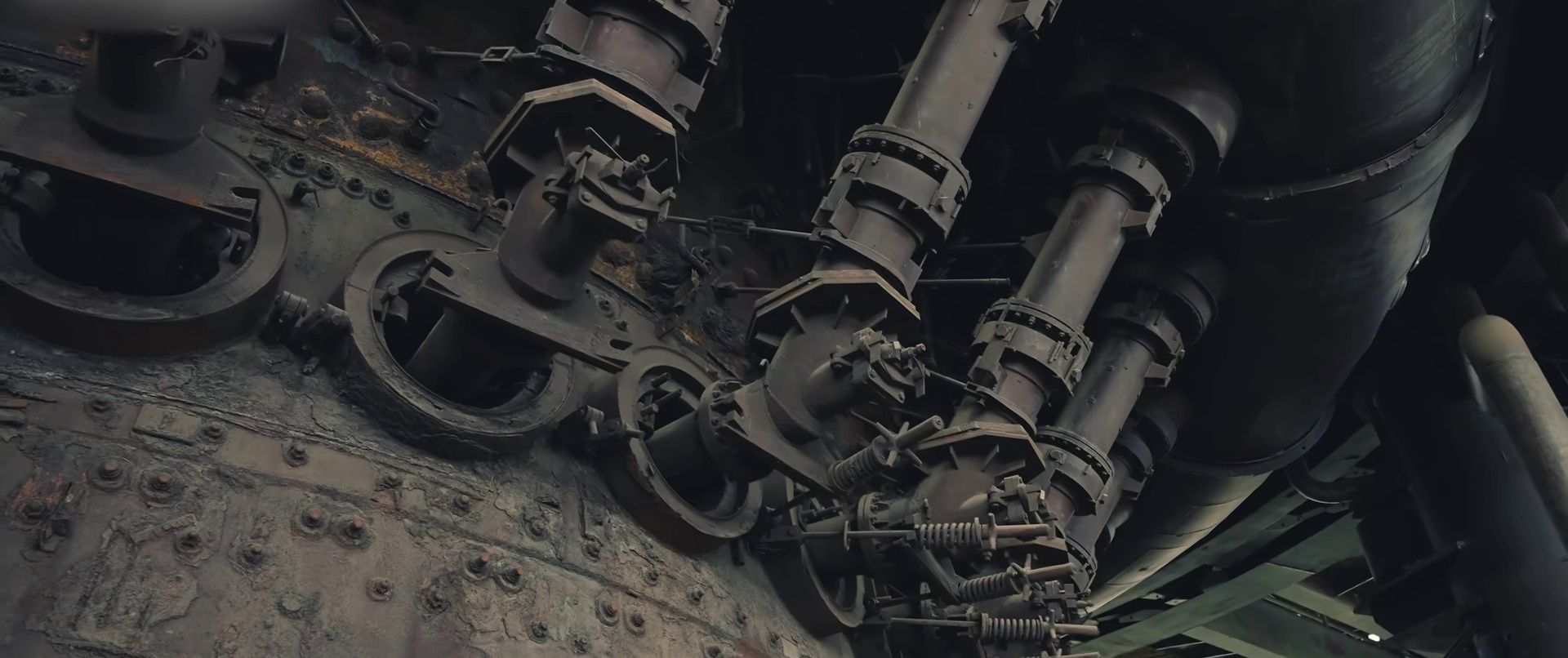
The Steel Ruins: The next stop brings us face to face with the steel ruins. These ruins were designed with Beijing's Shougang Park as their prototype; in the story of Phantom Blade Zero, they serve as a site for forbidden experiments - interpreted through the series' lore, this should be the Phantom Blade line's "Killing-Intent Modification": ordinary martial artists emerge from modification with vastly greater power, at the cost of their humanity. Transposing a homegrown industrial landmark like Shougang Park into a kungfunk world is one of the most instantly recognizable design choices in the entire trailer.
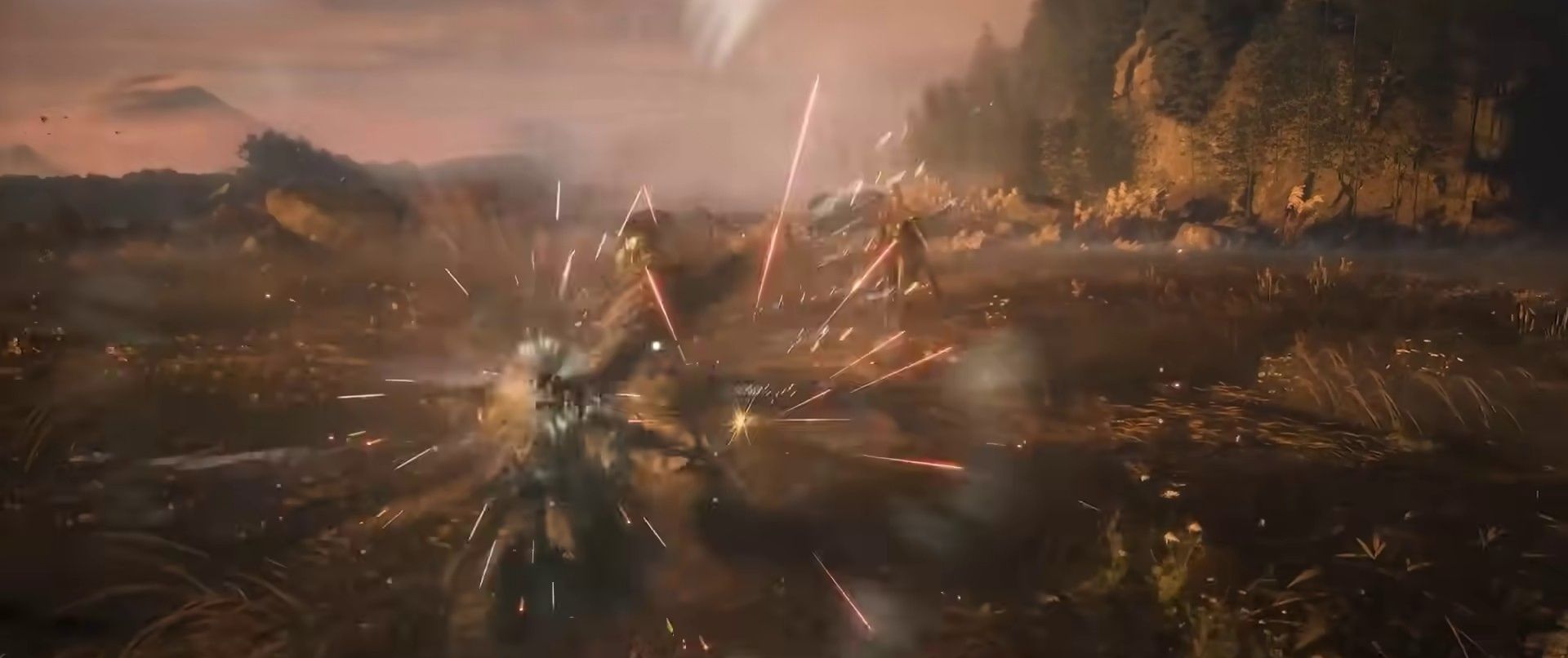
The Lake: Finally, there is a vast lake - and this lake is none other than the arena for the boss fight between Soul and Meng Xiaohui - the very place where that earlier "choose one of two" moment takes place. Sunset, a speedboat, two silhouettes locked in a standoff - the developers have cranked the theatrical staging of this scene all the way up.
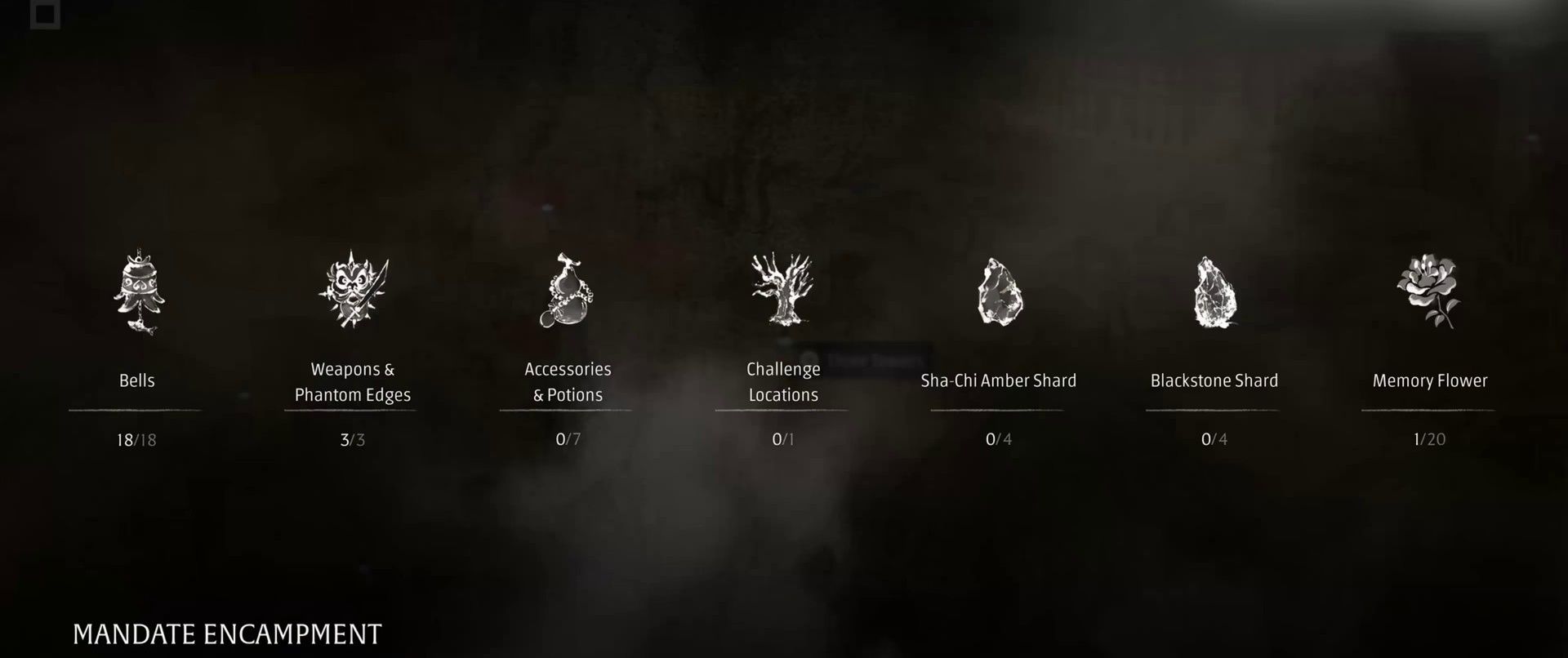
Eight Ink-Wash Maps: Neither an Open World Nor a Linear Progression
On the exploration structure, the official word is quite clear:
"Your journey is guided by 8 purely hand-drawn Chinese ink-wash maps. In structurally complex areas, they offer only a rough sense of direction, leaving you to explore on your own and unravel the remaining secrets."
These maps connect seamlessly to form one complete world; between discovered locations, players can fast travel. The official team also made a point of framing the game's identity:
"Phantom Blade Zero is neither an open world game nor a linear adventure that runs from beginning to end. Instead, every corner of this world has been meticulously hand-crafted, brimming with countless surprises and secrets waiting to be unearthed."
To put it in plain terms: handcrafted sandbox levels + a seamlessly connected semi-open structure. Each of the eight large maps hides plenty of surprises, and once players get their hands on the game, they'll inevitably slow their pace and feel their way around carefully - along the way, you'll uncover hidden enemies, side quests, rare treasures, and major story clues.
For players accustomed to the "clear the question marks" style of open world design, this "give you a bearing, never the answer" approach actually hews closer to the old-school action-adventure romance of exploration: the map only points the way - the surprises are yours to stumble upon.
The Speedboat, Dual Hooks, and Inner Wulin: Gameplay Gates and Hidden Story in the Footage
Beyond the environments themselves, this chapter’s cinematography hides plenty of gameplay and story information. Let’s go through it point by point.
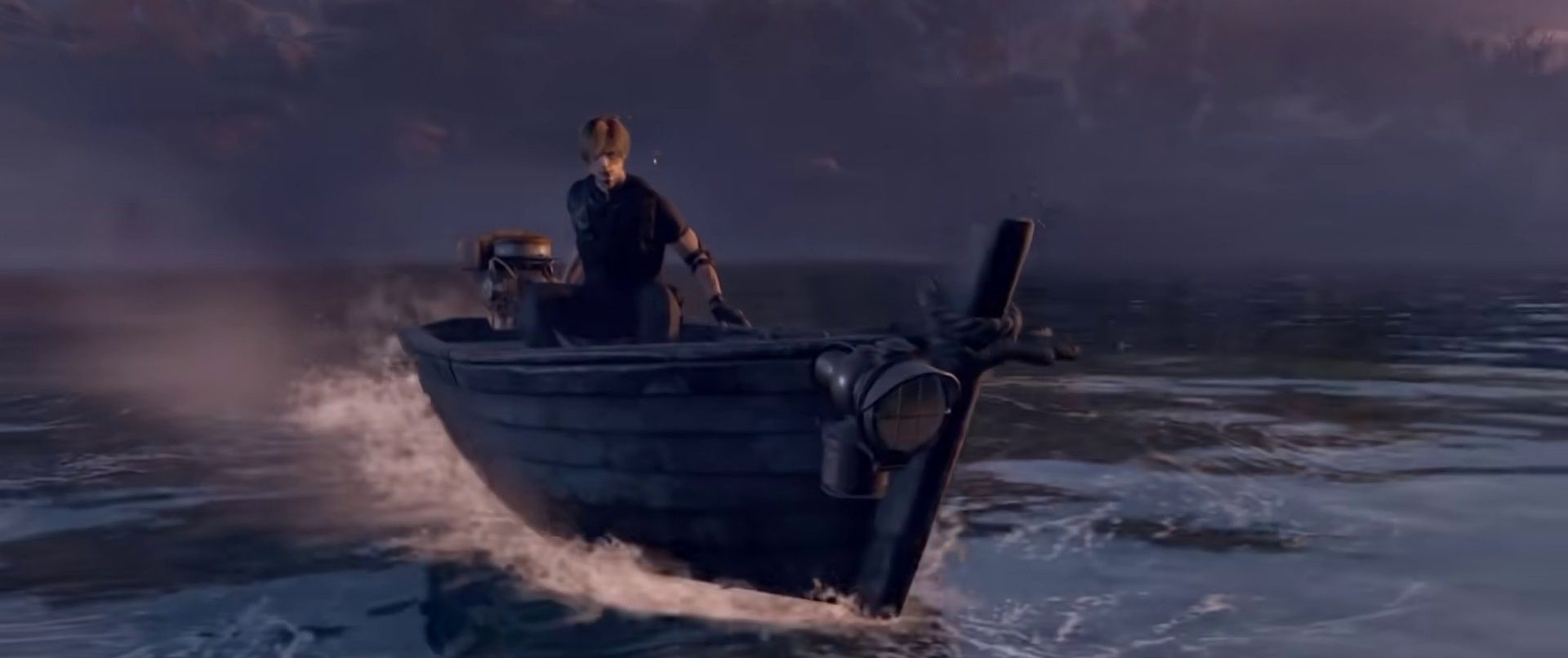
The Speedboat and Resident Evil 4: Under twilight skies, Soul pilots a speedboat loaded with industrial-tech flair across a lake - this scene looks exactly like the classic boat escape sequence in Resident Evil 4. Overseas players even outright called it “Resident Evil 4 with swords,” and that comparison is remarkably apt.
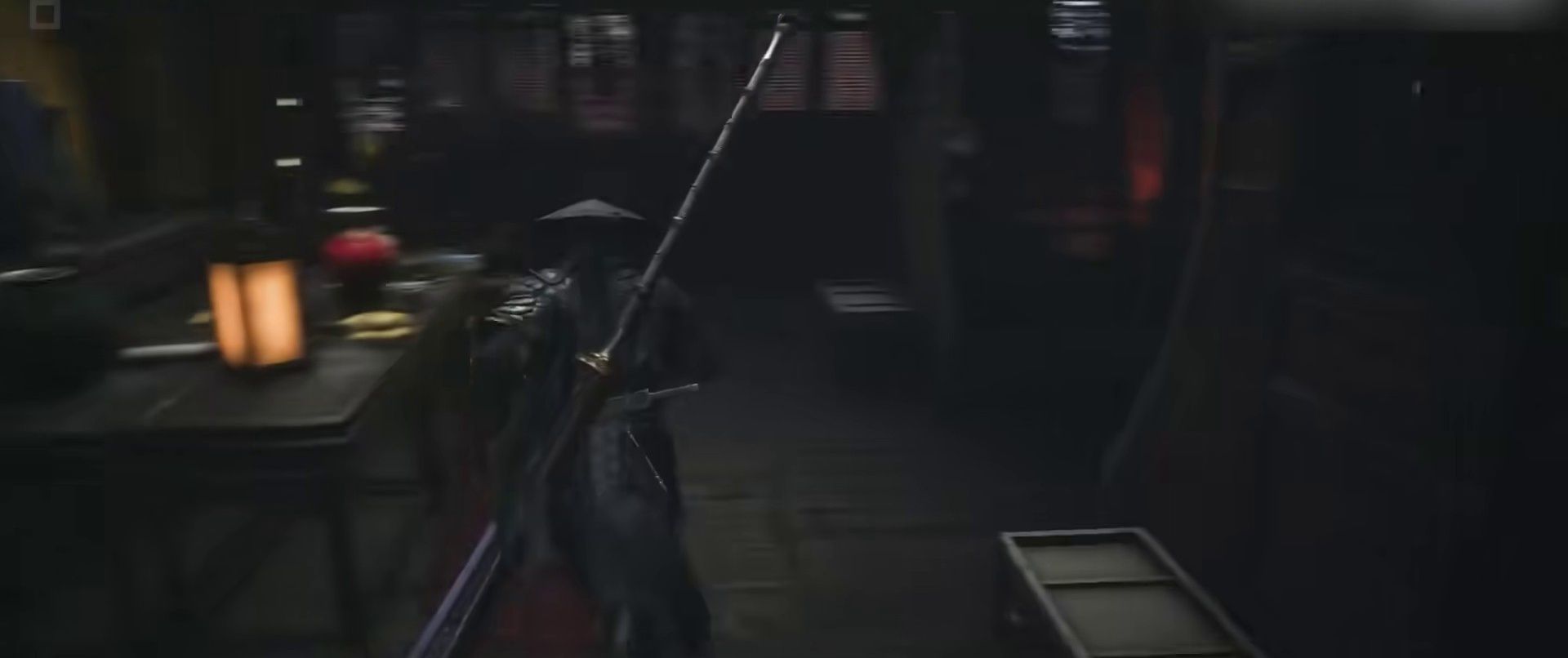
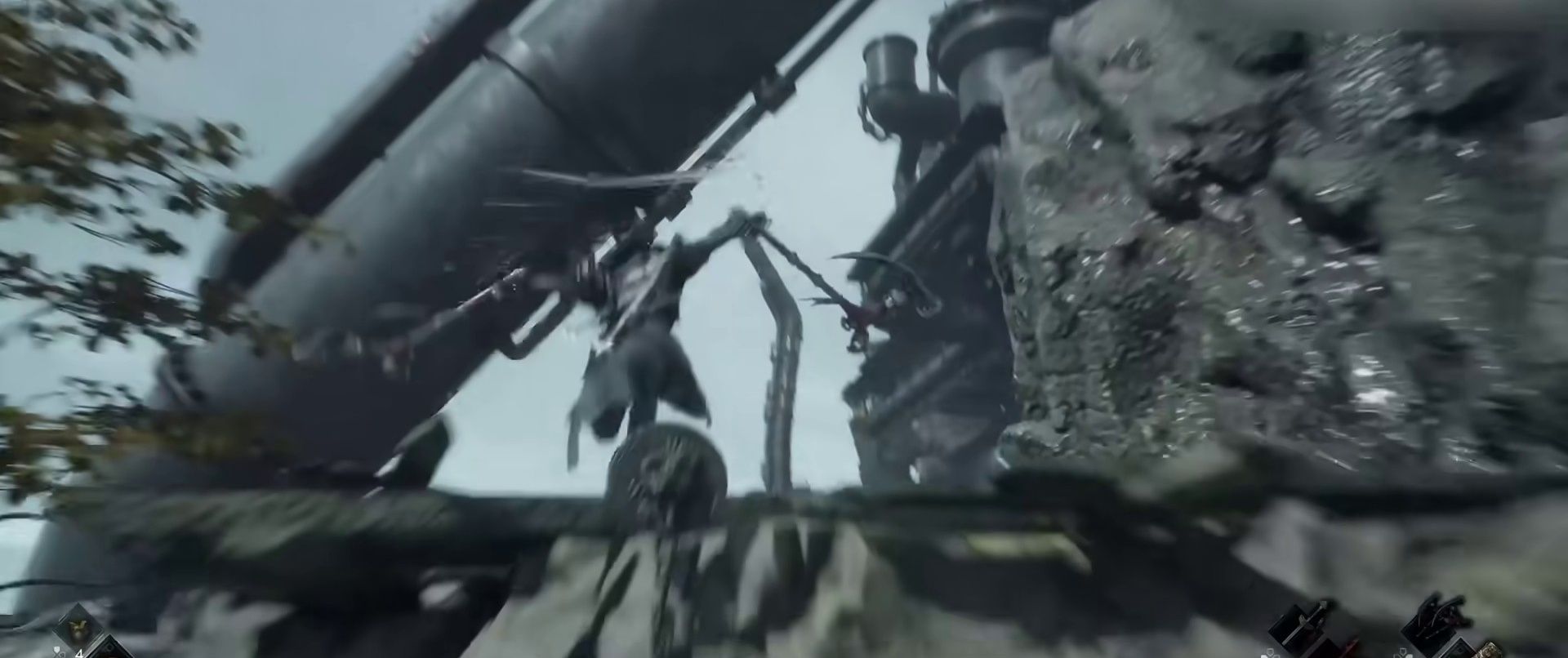
The Dual-Hook Gate: After a scene resembling an inn, Soul pulls out the “Death-Chaser” dual hooks, hooks onto a wooden post on the cliff, and leaps up to complete the traversal. This reveals a key detail: you must own the dual hooks to be allowed to perform this kind of environmental interaction - without them, the area above is off-limits. Using equipment gates to restrict exploration is a time-honored trick of classic action-adventure, and it turns “getting the new hook” itself into a spark that ignites the urge to explore.
Other Scenes at a Glance: From a high vantage point, distant scenes are brightly lit; the mourning hall that appeared in last year’s demo is shown again; in a beautiful shot bathed in the slanting western sun, an old man in white seems to be sitting in the tree on the left; a bamboo forest and a wind bridge bring a wave of traditional wuxia flavor; a camp bustling with vendors and piled with goods; and a desolate palace shrouded in a snowy atmosphere - it looks exactly like a horror movie set, clearly setting the stage for a major boss fight, though who the boss is remains unclear. Further on, what looks like “Mech City”: the regular enemies and bosses in this area are mostly mecha-type, and the most famous is the little girl “Cier,” who always pilots a giant mech - maybe we’ll even see the mechanical genius “Xiaosi,” who is closely tied to her.
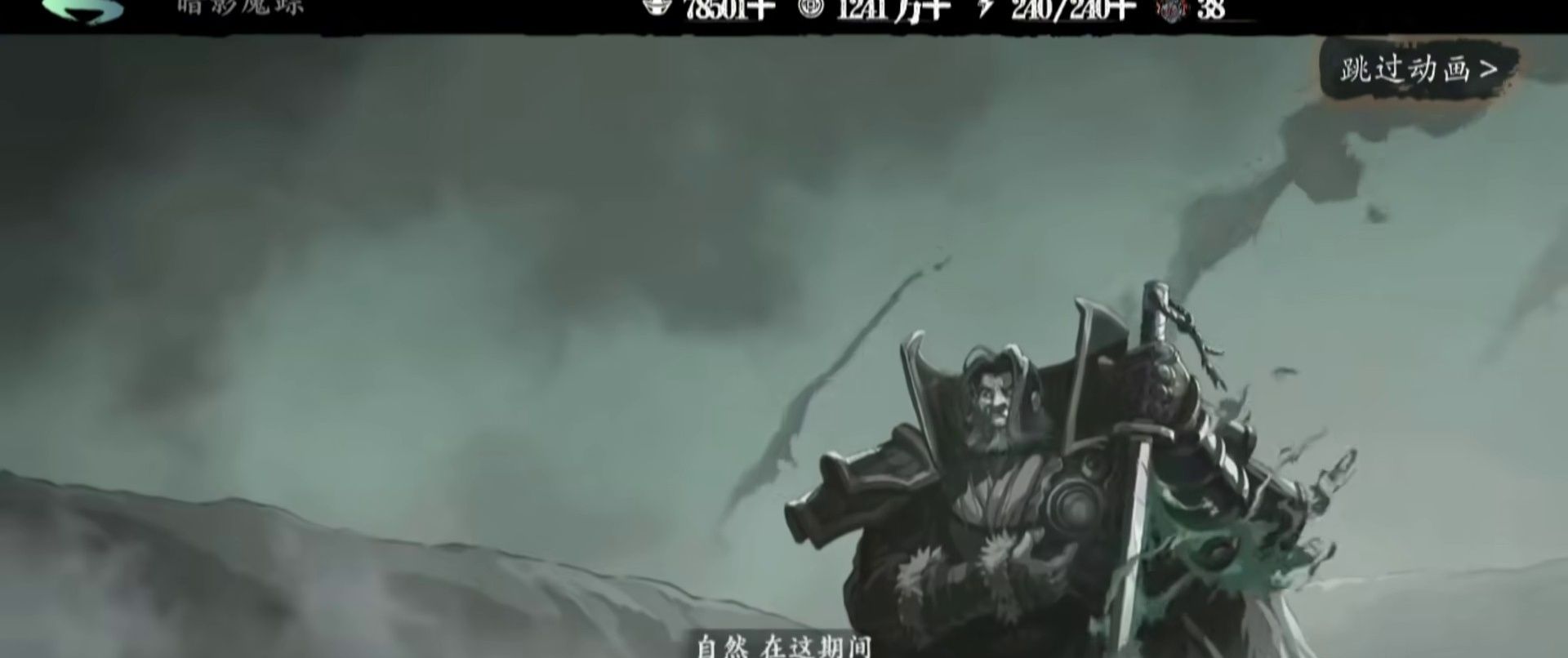
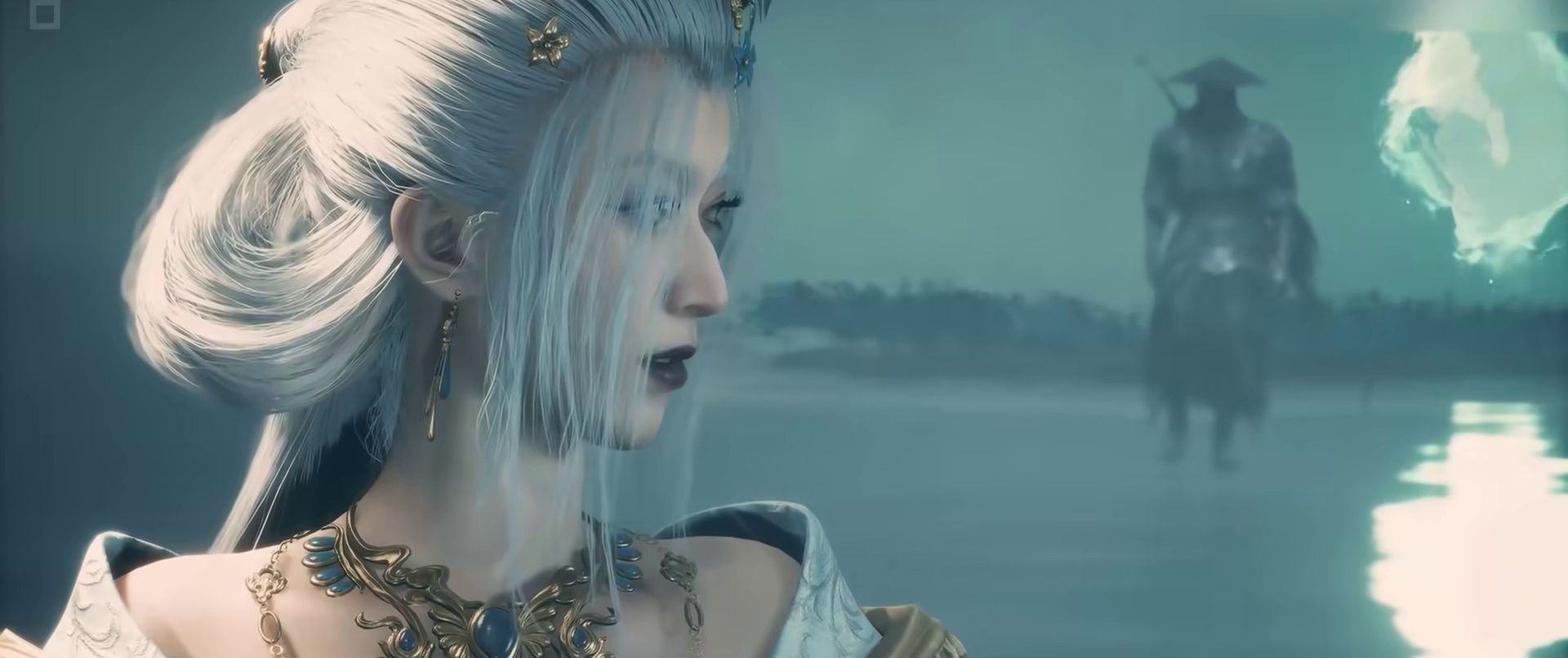
The Void Proprietress and Inner Wulin: At the end of the chapter, the developers showed some old footage, but the last one is a shot of the Void Proprietress - the portal through which she has a “secret rendezvous” with Soul is no ordinary one. This is likely not a traditional scene, but rather a portal spanning space and leading to the famous otherworld of the Phantom Blade series - Inner Wulin. Put simply, Inner Wulin is the space where players in previous games farmed gear and materials; gameplay-wise, it lets players repeatedly challenge bosses, while narratively it is established as an otherworld that ordinary people struggle to enter. Soul likely takes on quests from the Void Proprietress and unlocks key items here.
The waters in Inner Wulin run deep - just wait and see.
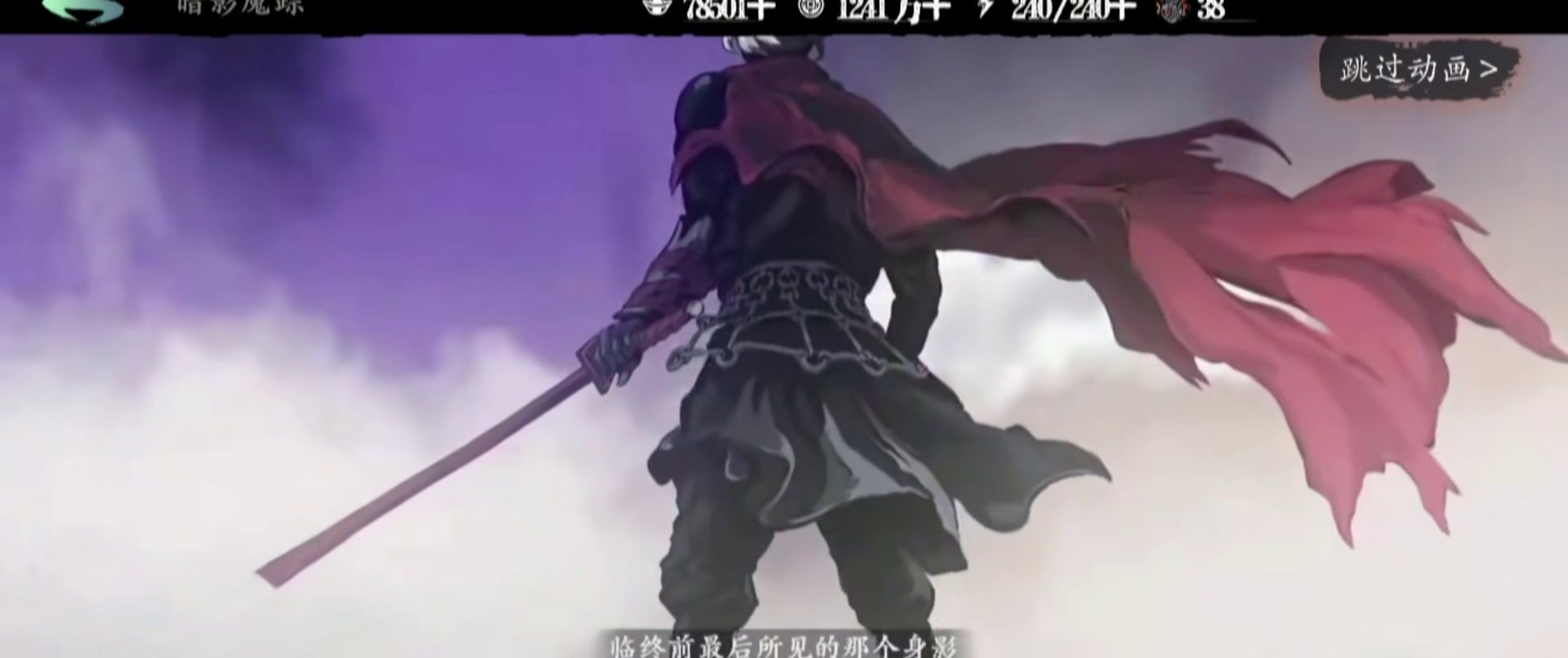
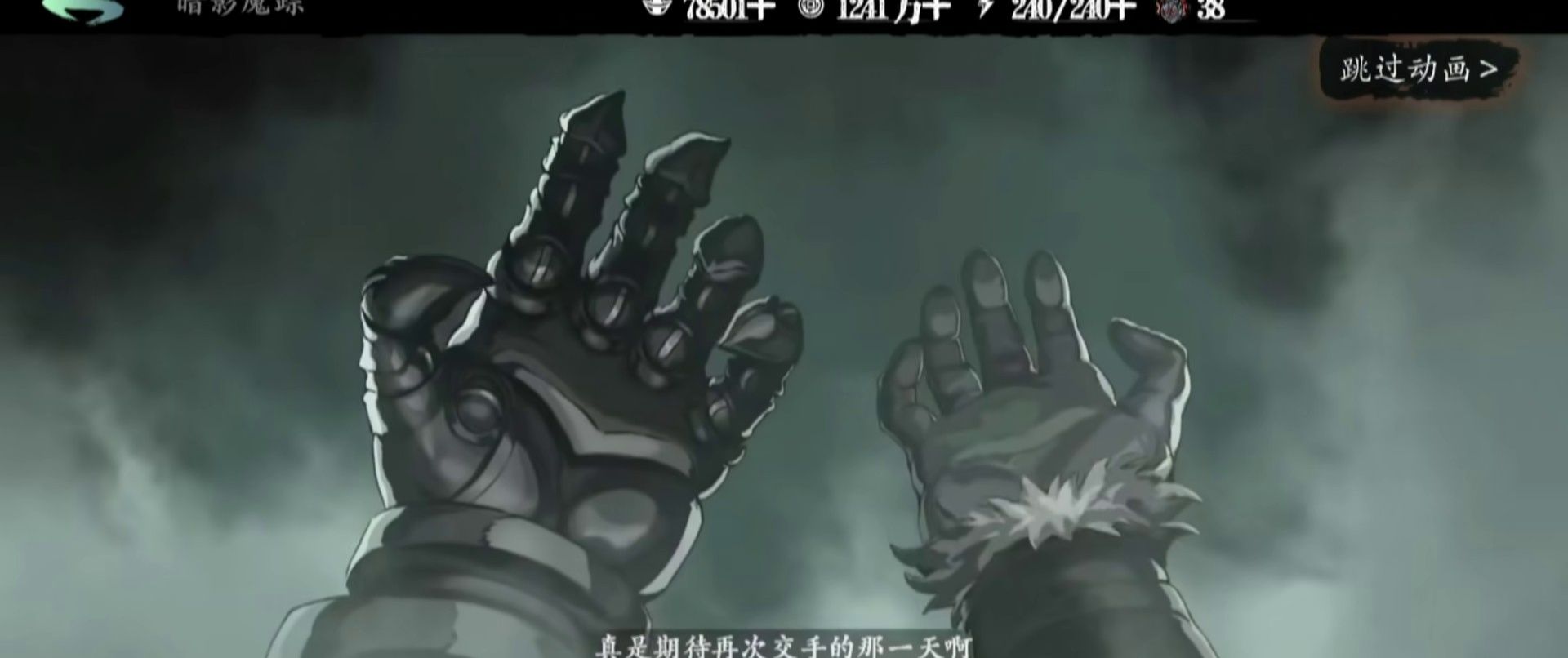
Closing Monologue: The monologue at the end of this section is likewise worth savoring word by word - “Back then, when the grand plan failed, I had no face to meet the Fortress Lord, and could only cling to a shred of obsession, wandering within Inner Wulin... The figure I saw before my death - I have never forgotten it for a single moment. He is of the Demon clan’s bloodline, and should have borne the mission of reviving the Demon clan, yet he stubbornly refuses to see reason and willingly throws his life away for the Organization.”
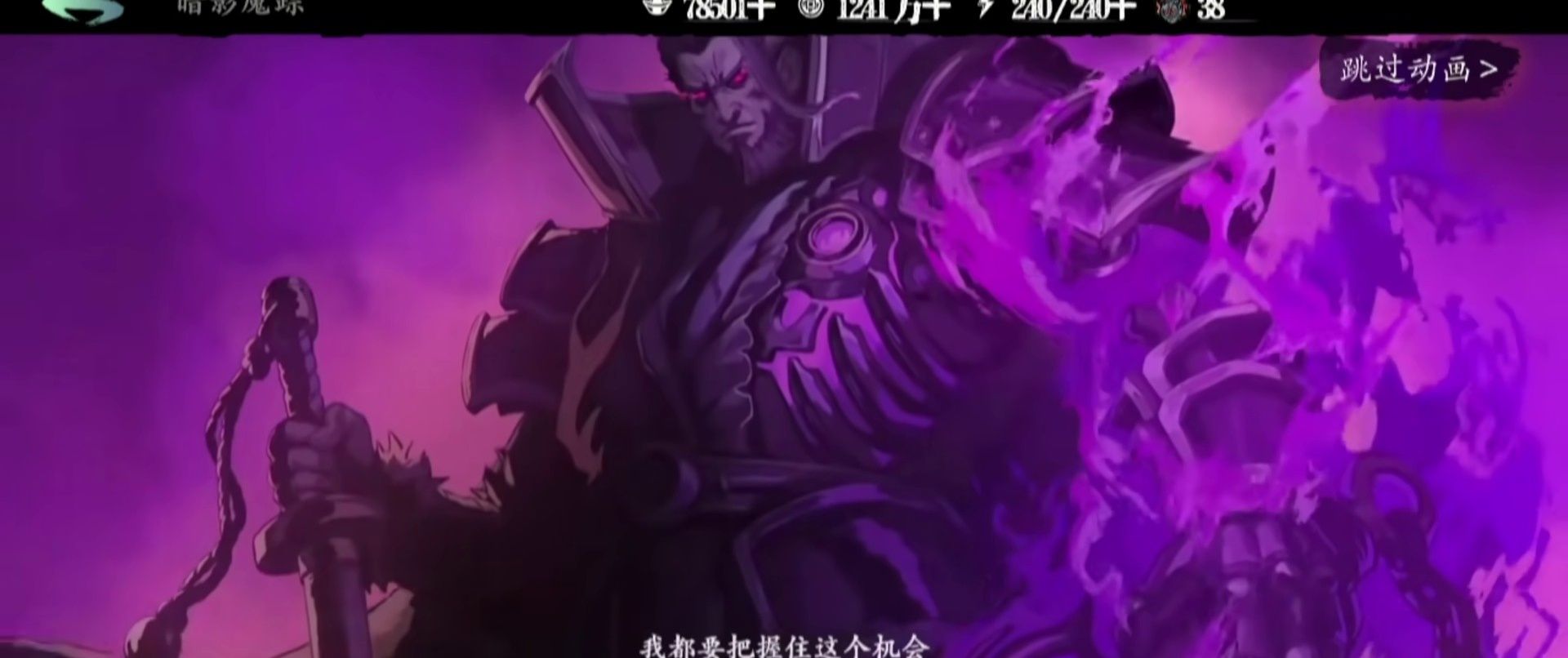
The speaker is clearly a lingering obsession of the dead, devouring countless small fry in Inner Wulin to strengthen itself, waiting for the day it breaks free of its shackles and returns to the mortal world, so that “he” will accept his true destiny - to revive Dark Demon Fortress, even if the martial world is stained with blood and he falls into Avici Hell, he will not shrink from it.
Between this avenger, who “saw that figure before death,” and the protagonist, who carries the “Demon clan bloodline,” an almost complete storyline has been sketched out across the gulf. Soul’s origins, the Organization’s betrayal, and the restoration of Dark Demon Fortress - three fuses have been laid, just waiting to be lit together at release.
Top Community Comments
"China has its own Leon." (75 likes)
The top comment is just one sentence, yet it nails the viral hook of this trailer. The shot of Soul steering a boat across the lake, combined with the overall feel of a "Resident Evil 4 with blades," made players naturally associate this protagonist with Leon. That a cross-cultural comparison could land this smoothly shows that Phantom Blade Zero's cinematic language is one players all over the world can read.
"Judging by the environments alone, the visuals are streets ahead of Onimusha. Onimusha's combat system was well made, but ever since I got proficient with Issen, every other combat option became dead weight - for me personally, Issen was both the highlight and the flaw. I hope Phantom Blade can truly impress me." (8 likes)
This comment splits evenly between an old-school action player's hopes and worries: on the visual front, Phantom Blade Zero has already earned the confidence to go head-to-head with Capcom classics; on the combat front, this player invokes Onimusha's lesson that "Issen decides life or death" to remind S-GAME: the depth of the move pool must hold up under repeated digging by mastery-level players - don't let a single solution carry every encounter.
"The dark areas are so dark you can't see a thing - same as Black Myth: Wukong. Doesn't the dev team check their own game?" (5 likes)
A complaint with plenty of heat behind it, but it dovetails nicely with this article's observation that "the art has gotten brighter": the sunny skies in the trailer are certainly easy on the eyes, yet what players genuinely worry about is the readability of dark scenes. Black Myth: Wukong saw repeated discussion over similar issues; how to balance atmosphere and brightness is the answer S-GAME must deliver before release.
📌 One-Line Takeaway
With its "World" trailer, Phantom Blade Zero tells everyone: beneath the sunny skies lie eight meticulously handcrafted ink-wash jianghu vistas; and deep within that jianghu hide a 1-vs-2 boss fight, dark rituals that must never see the light of day, and a fallen soul - Soul - waiting in the inner jianghu to restore the Dark Demon Fortress to power. Old Liang's knack for hiding things remains as strong as ever.