Phantom Blade Zero's Drunken Sword Boss Deep Dive: One Jar of Liquor Fires Up the "Sauce-Aroma Engine," Turning Wuxia Art Design into a Textbook Example
After the embargo lifted on Phantom Blade Zero's overseas hands-on preview and gameplay footage, the scene that went most viral was neither the protagonist Soul's fluid combos nor the light-and-shadow atmosphere of the Shadow Realm - it was a drunken sword boss clutching a liquor jar and chugging straight from it. Overseas players' reactions were strikingly unanimous: this is the most lifelike portrayal of drunkenness they have ever seen in a game.
But if all you took away was "a drunk guy fighting looks cool," then you've missed what is truly scary about S-GAME this time - the art design of this character is chilling the deeper you look. Today, from an art-direction standpoint, let's dig into just how meticulous this "drunkard" really is.
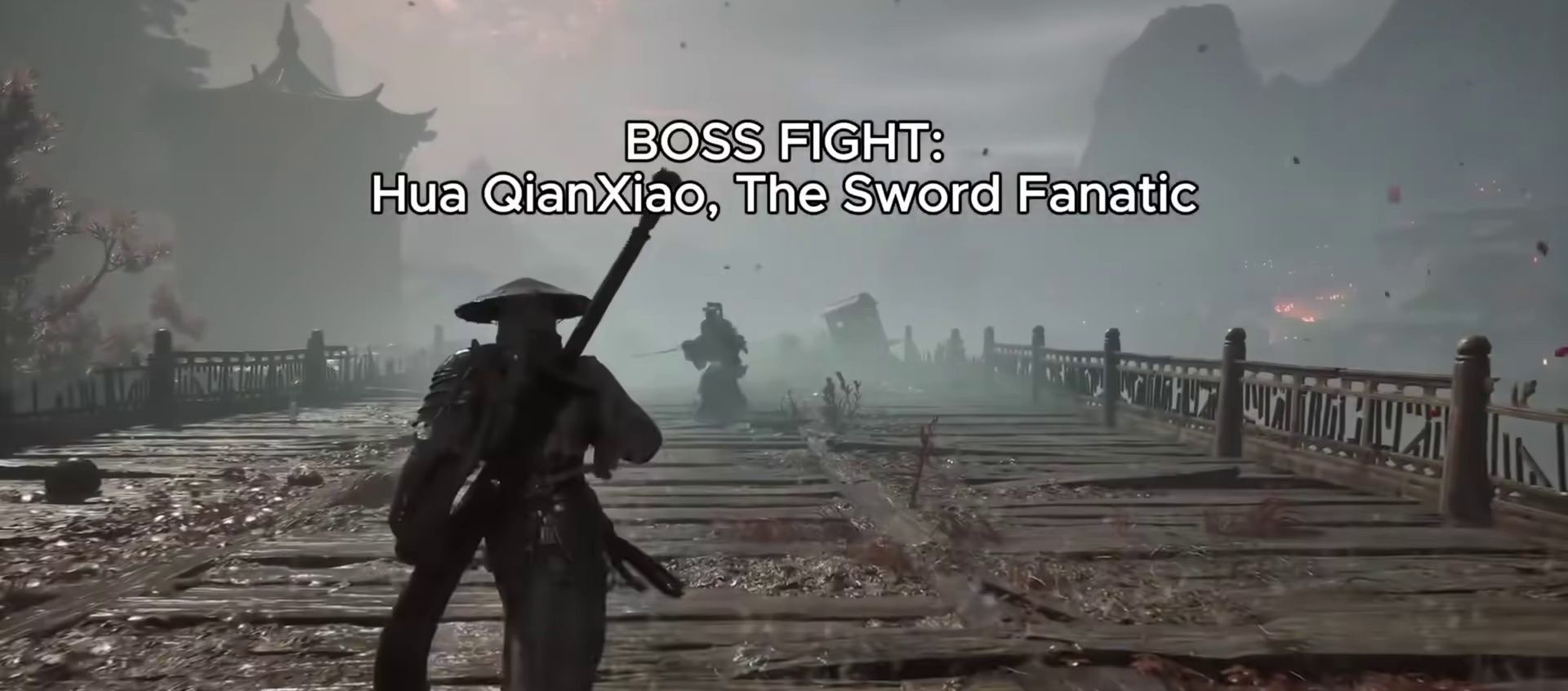
The Most Stunning Thing Isn't the Protagonist - It's This Drunkard Clutching a Wine Jar
Across the various overseas reviews, nearly every video was flooded by the same shot: a swordsman carrying a wine jar staggers toward the protagonist, then beats him so thoroughly with a dazzling flurry of drunken swordplay that he can't even lift his head. Western players heaped on the praise, calling it "the most realistic drunk animation ever seen in a game."
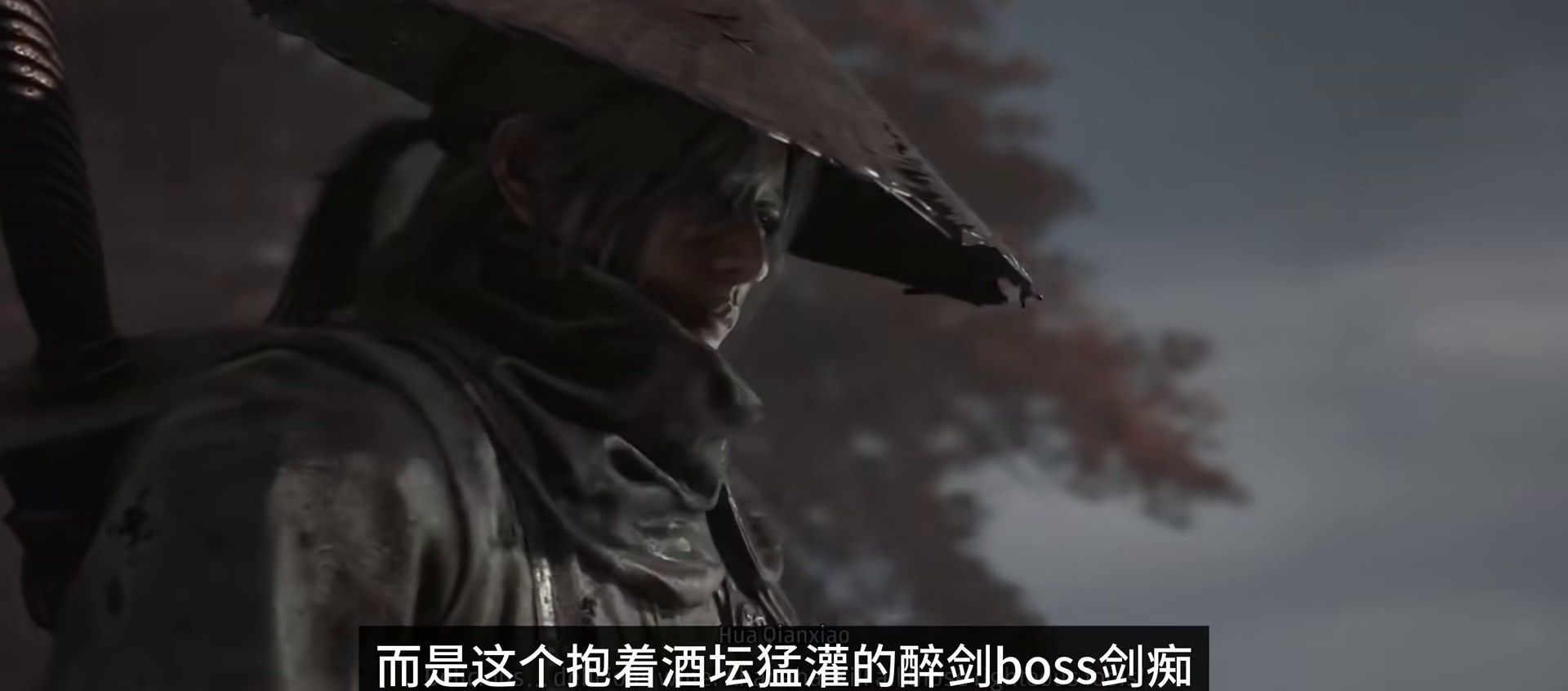
Most people probably just found the drunken sword fighting seriously cool, without noticing that this character's art design is what's genuinely chilling once you think about it. The lifelike animation is only the surface - what truly sends a chill down your spine is the airtight visual logic behind the design: every single detail tells a story.
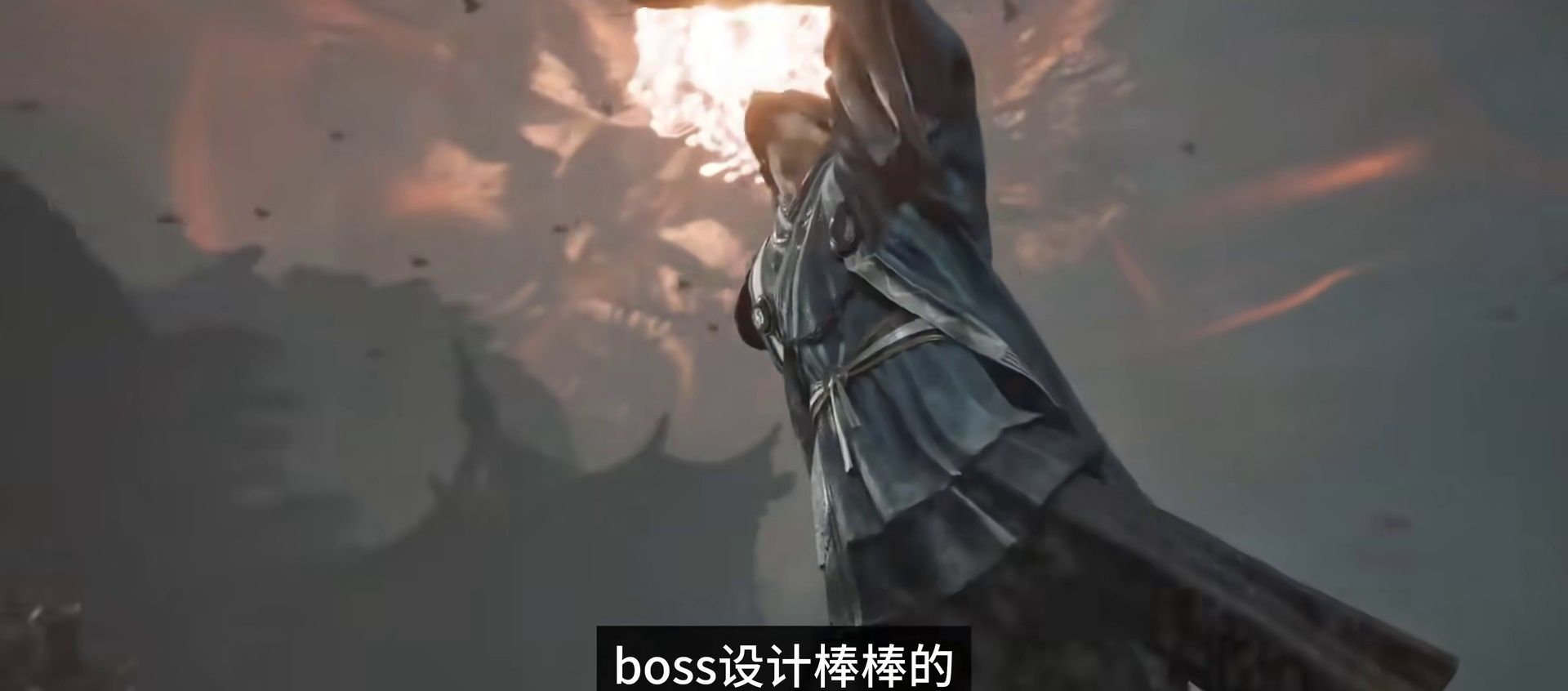
"The More Normal, the More Dangerous": The First Layer of Foreshadowing Hidden Beneath a Respectable Facade
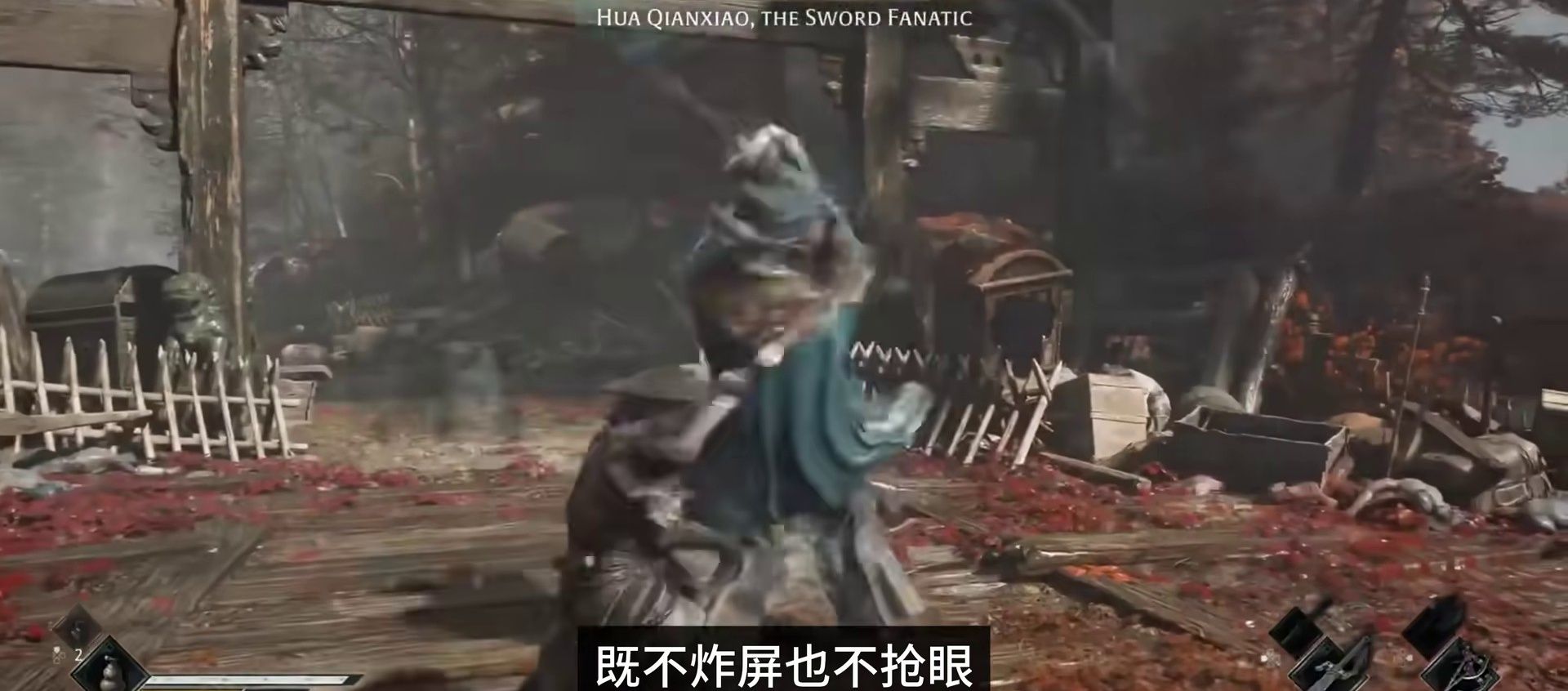
First, look at him before he's had a drink - you'd think he couldn't be more normal: a complete human form, no exaggerated proportions, dressed as a swordsman, making his entrance slightly tipsy, every inch of him reading "a proper martial artist who loves his liquor."
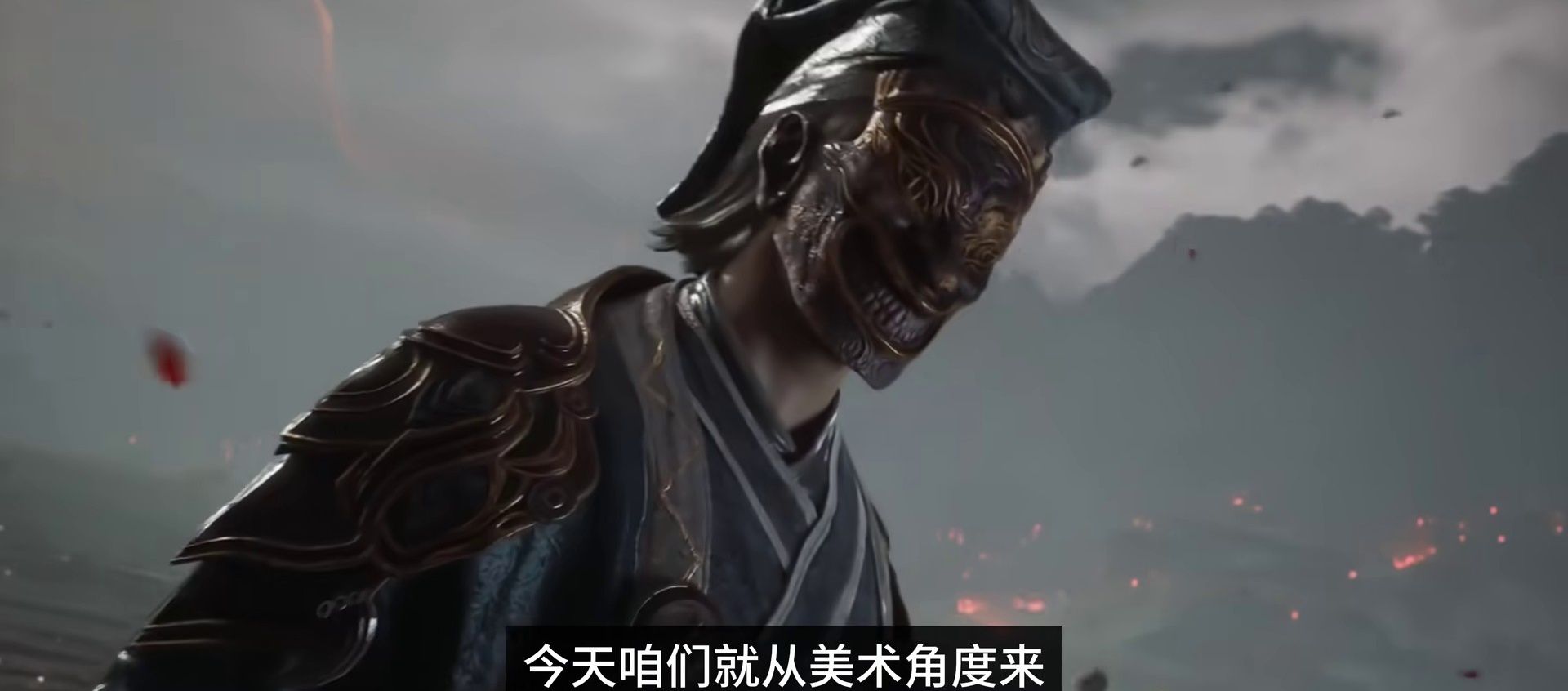
But look closer, and this is precisely where the art design shows its brilliance: the more normal he is, the more terrifying he may become later on.
Keep in mind, in the worldbuilding of Phantom Blade Zero, survival is already a struggle for ordinary people - and the more respectable a martial artist appears, the deeper the secrets of losing control hidden behind that facade. This "undercurrent beneath a calm surface" is the base tone of the entire Shadow Realm, and the Drunken Sword boss is its most direct visual embodiment of this narrative logic.
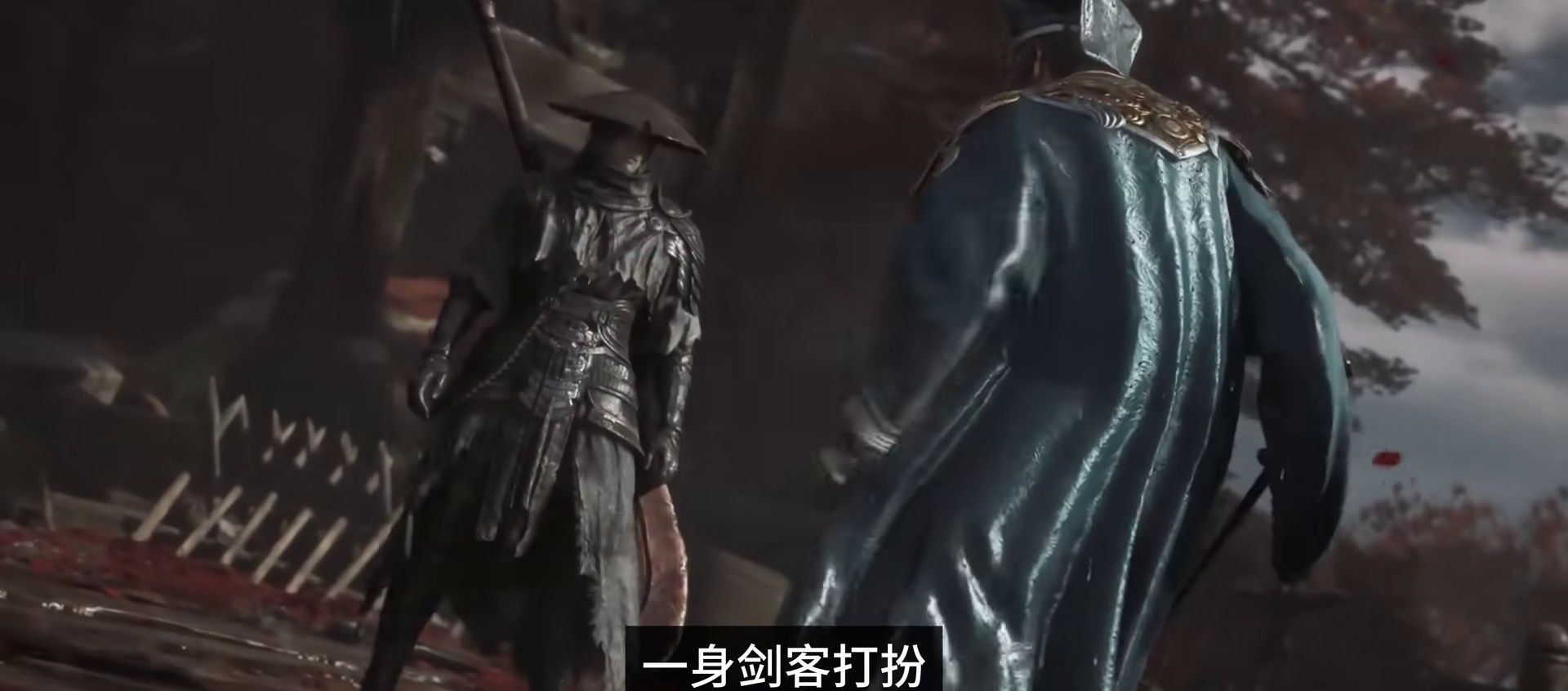
That normalcy is the sea level deliberately held low before the storm breaks.
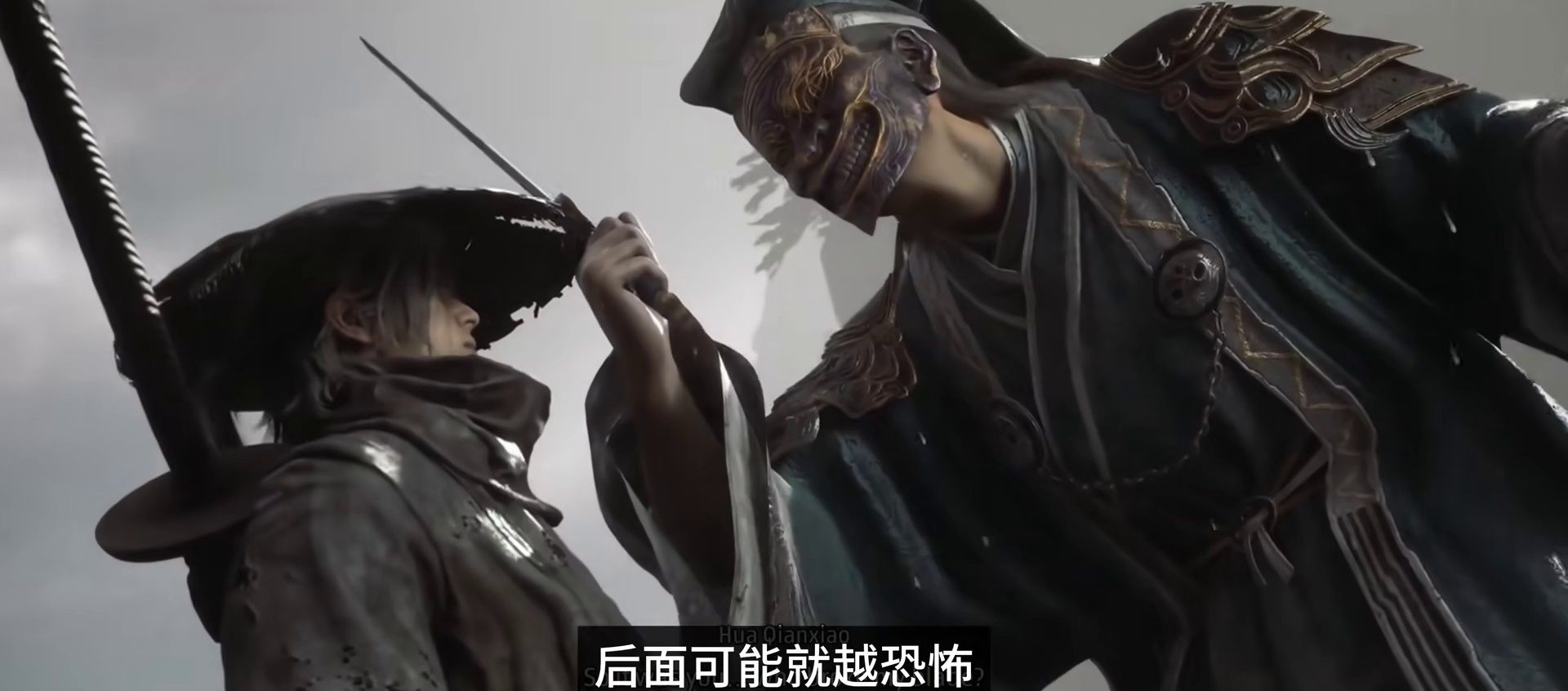
The Sword and the Wine: A Danger Signal Etched into Wuxia Aesthetics
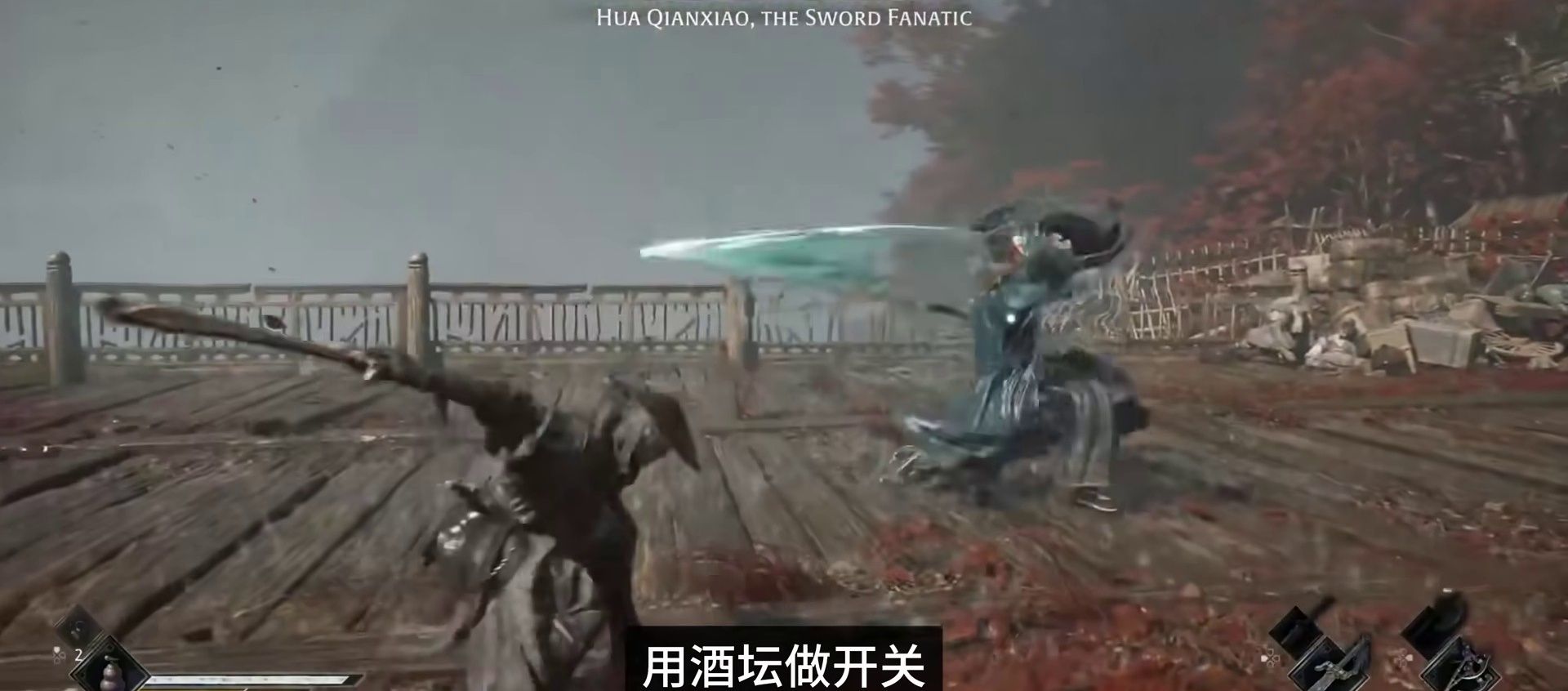
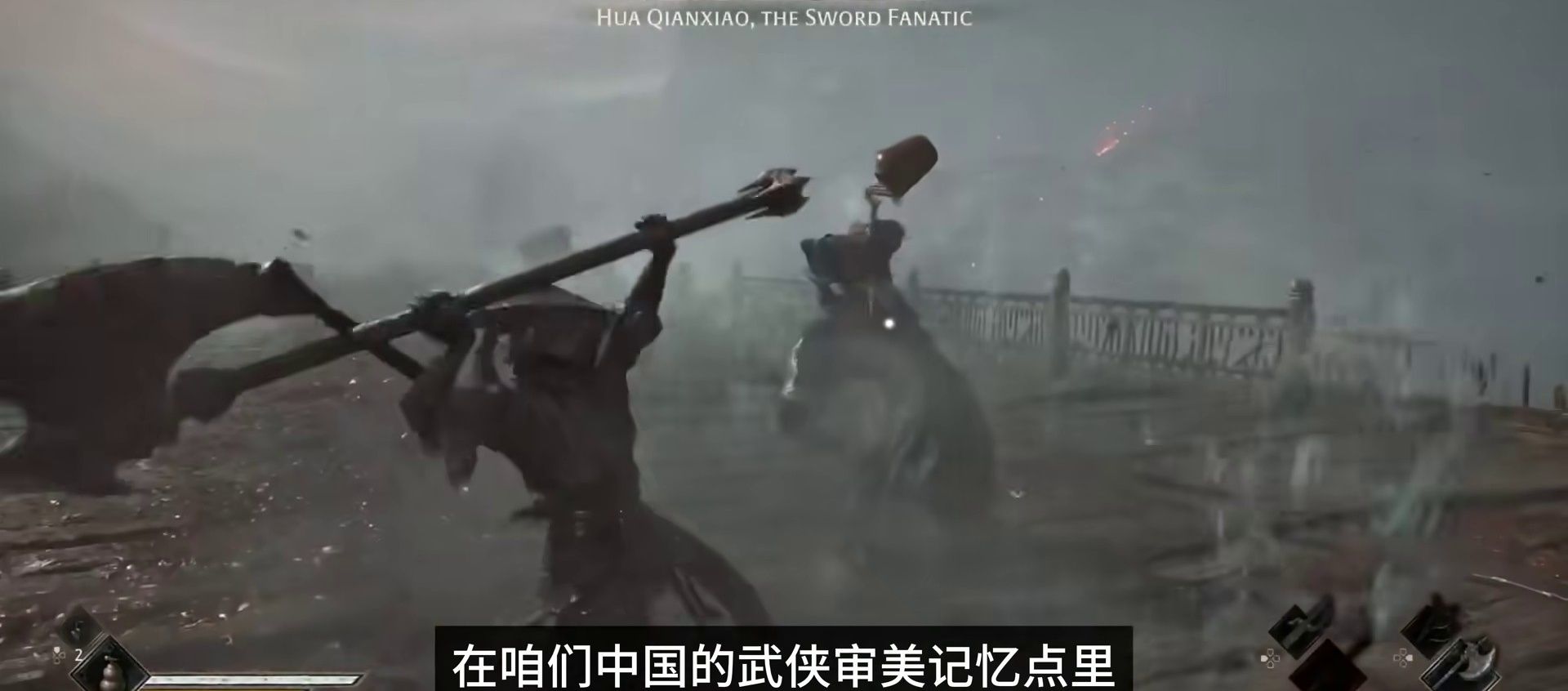
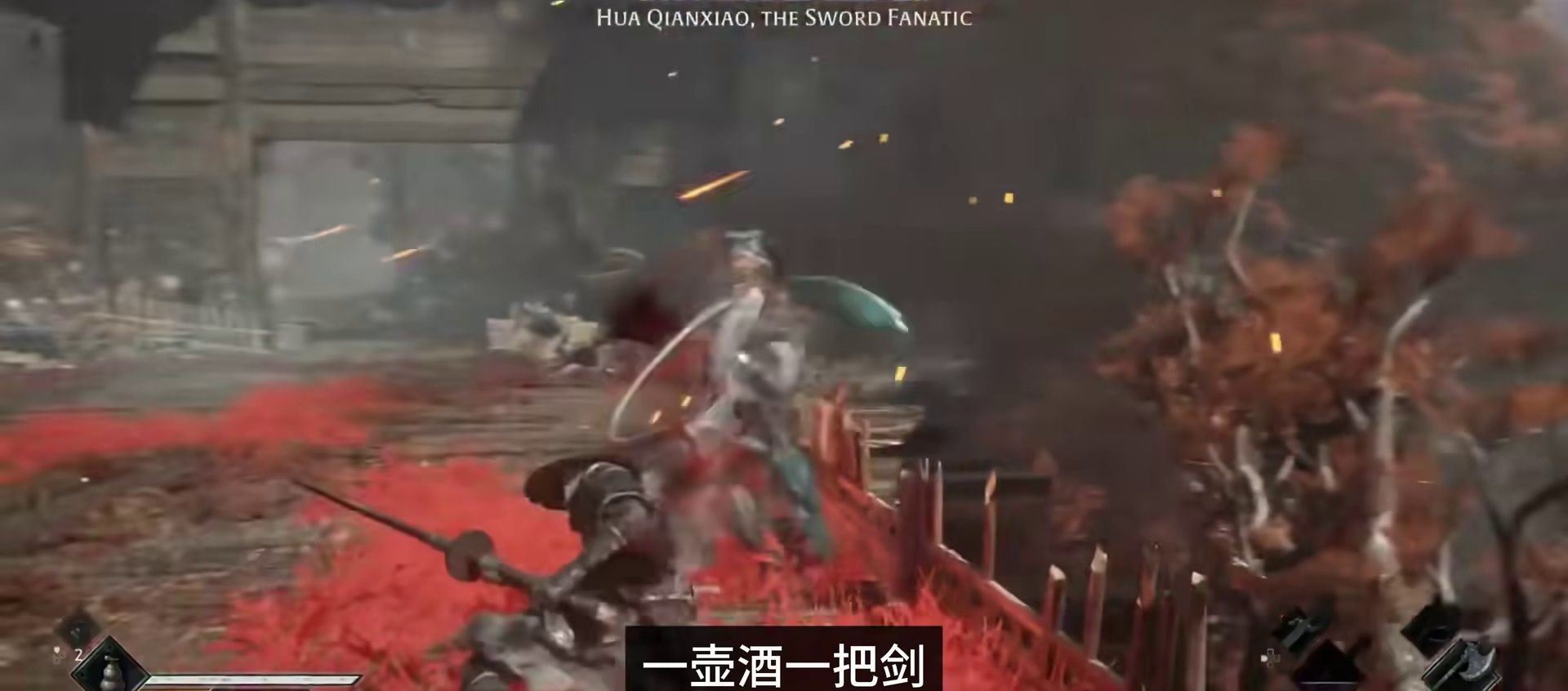
The wine jar he cradles in his arms is no decorative prop - it's the master switch of the entire character design.
Where others head out with a blade or a sword, he carries not just a sword but a flask of wine as well. And here's the thing: in the Chinese wuxia aesthetic system, the moment a sword and wine appear together, that look sends one message - this man is anything but ordinary.
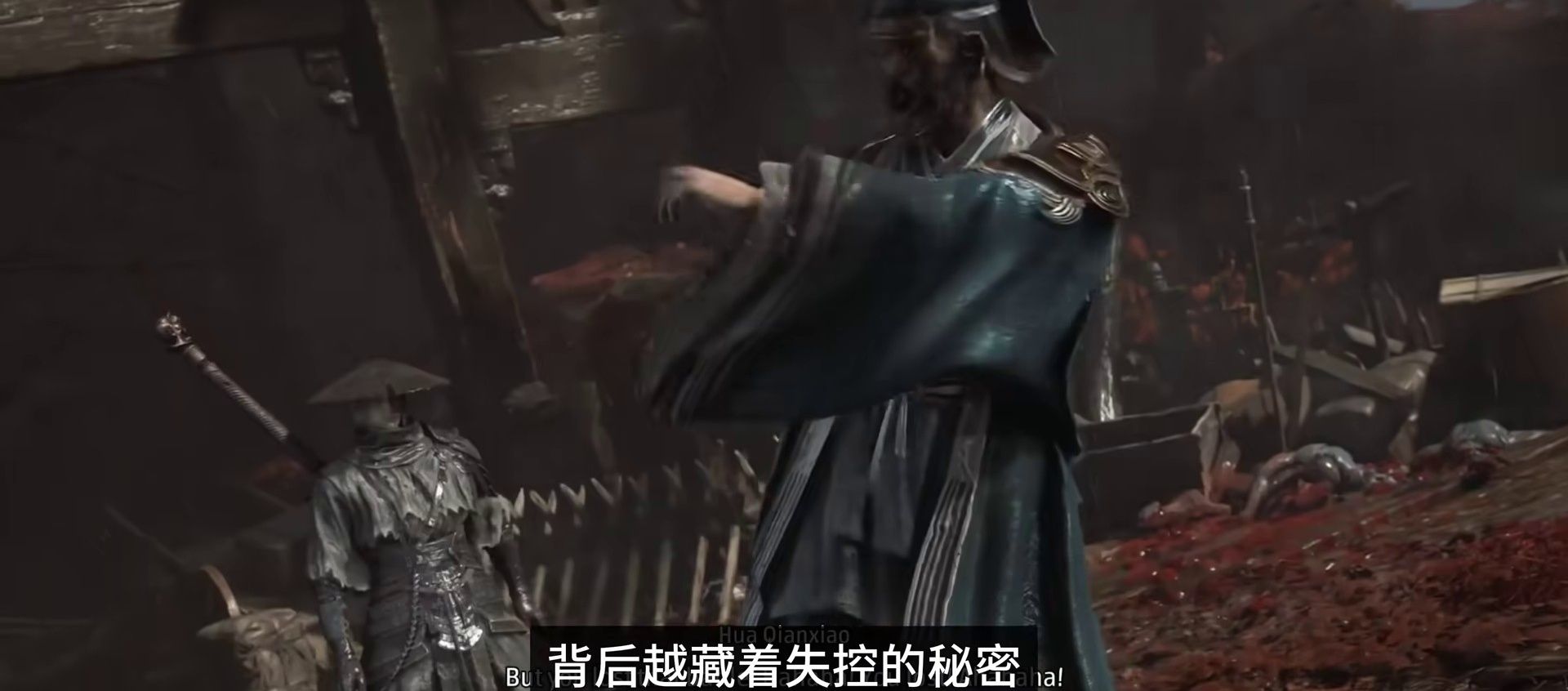
As the old saying goes:
A flask of wine and a sword - if he's not a sword immortal, he's a bastard.
From Li Bai to Linghu Chong, the pairing of "sword" and "wine" in wuxia contexts has never been mere props; it's a personality announcement: either gracefully otherworldly, or unhinged to the bone. S-GAME welded this cultural DNA straight into the character design - so even the first time players lay eyes on him, their subconscious automatically sounds the alarm.
Igniting the Sauce-Aroma Engine: A Textbook "Transformation" Sequence
The drinking sequence is the single most brilliant moment of all - I'd call it one of the finest transformation visuals ever put into a homegrown game.
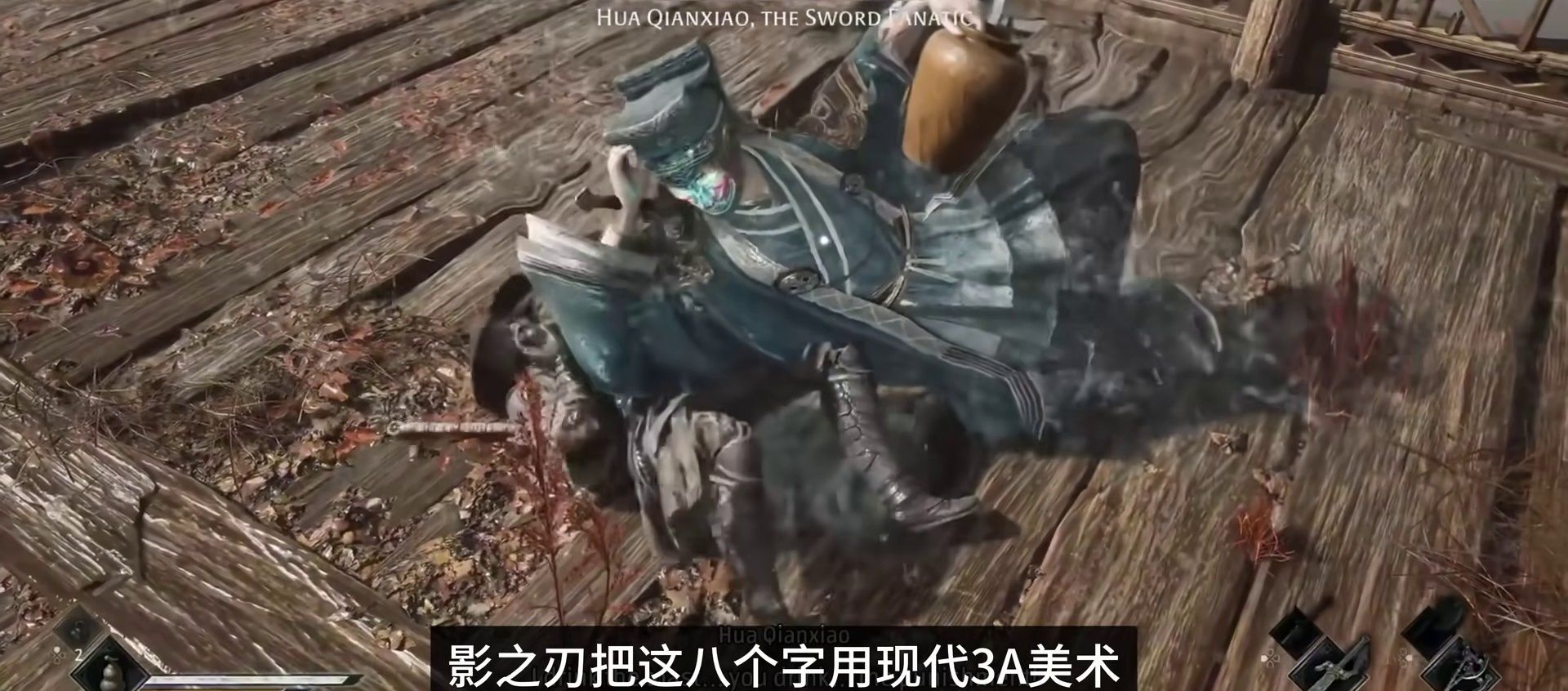
He hoists the wine jar and chugs like a man possessed, and in an instant his eyes flash with azure-and-red light. Note that this is no casually tossed-in glow effect - it's a signal of corruption. In the art language of Phantom Blade Zero, red eyes mean killing intent run berserk - and that the man himself is being devoured by the power.
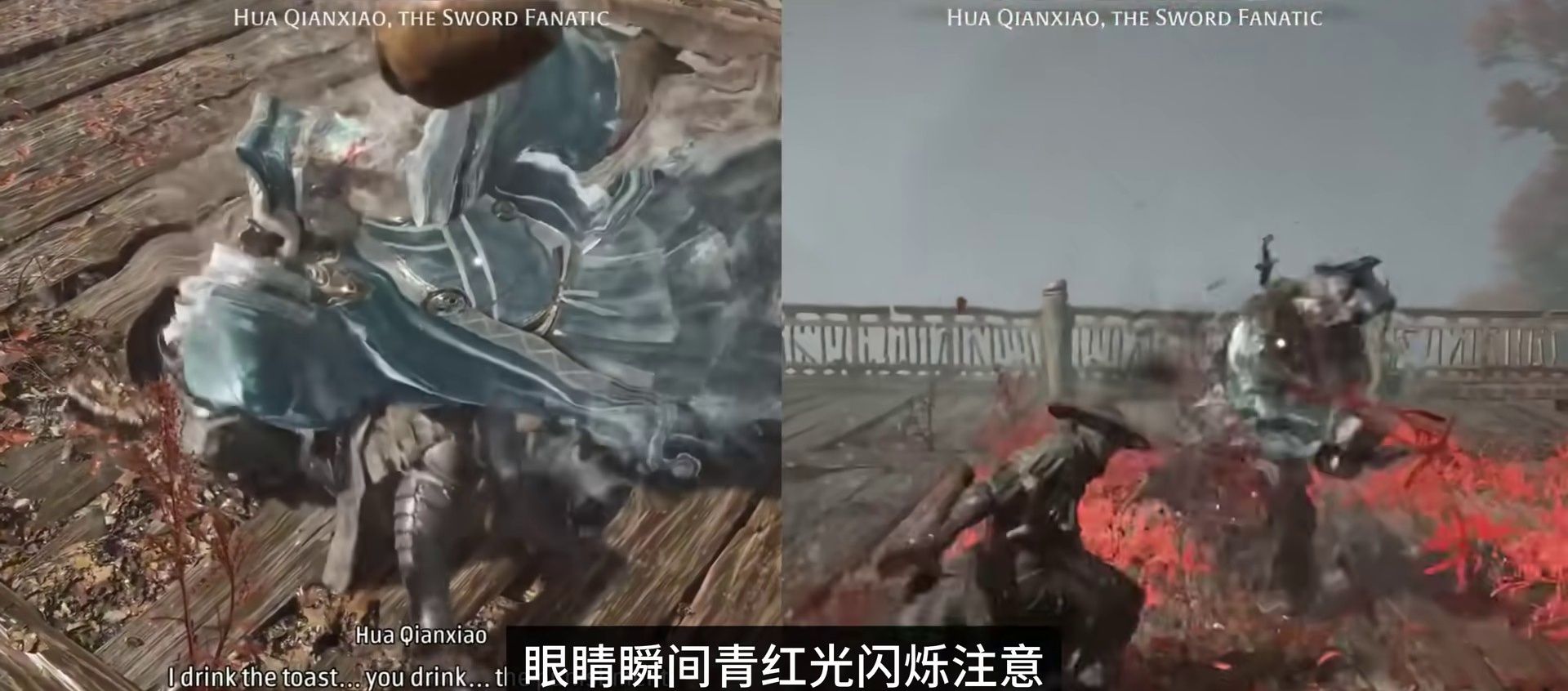
One gulp down, and he goes from a mildly tipsy swordsman to unhinged frenzy in a heartbeat: his form begins to lurch and twist, his center of gravity swaying back and forth, drifting without anchor - yet he somehow moves with even more agility and ethereal grace. If drinking for other people is about the rush of the moment, then for him, drinking is a straight-up ignition of the "Sauce-Aroma Engine."
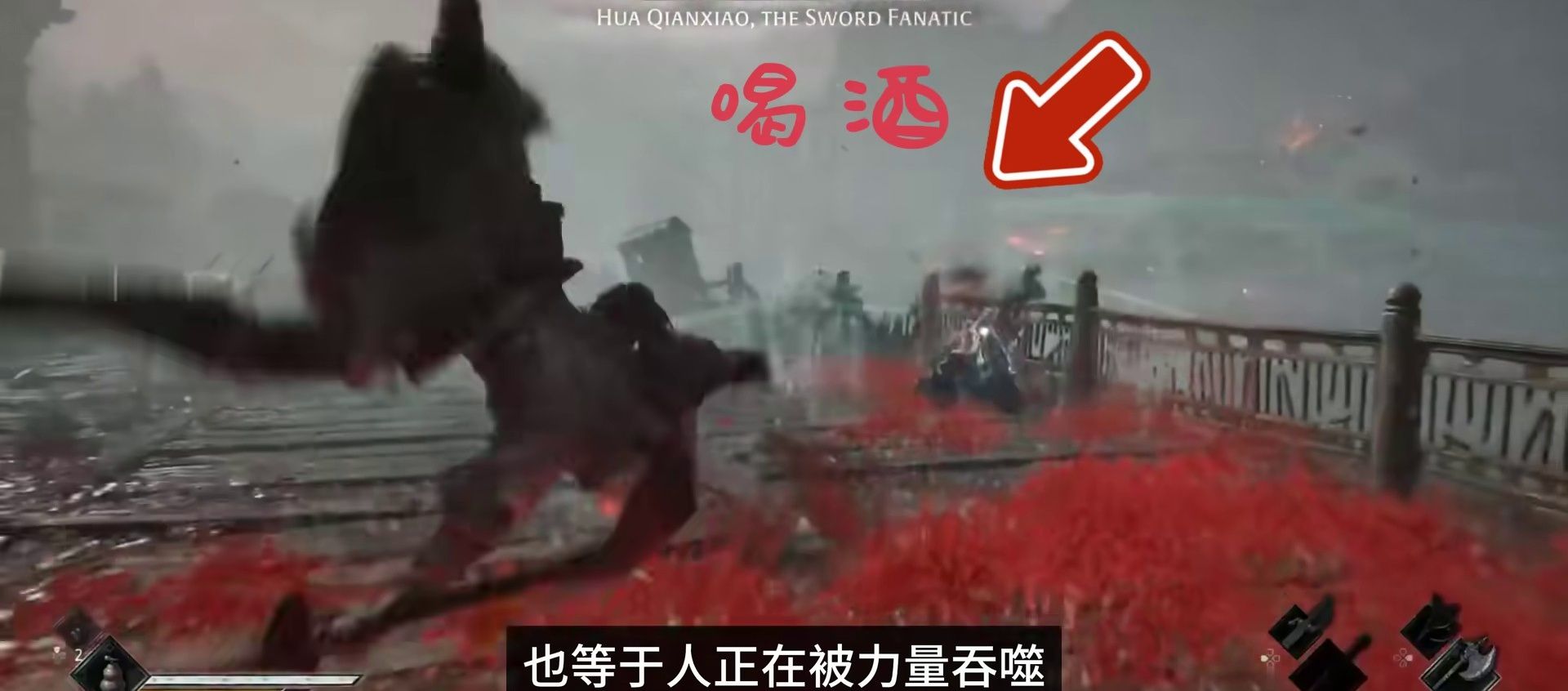
Even more remarkable, this transformation isn't an instant cut - it unfolds as a process: first the red eyes, then the swaying stance, and finally the blade lifting into the air - building layer by layer, with the rhythm of the sequence handled to absolute perfection.
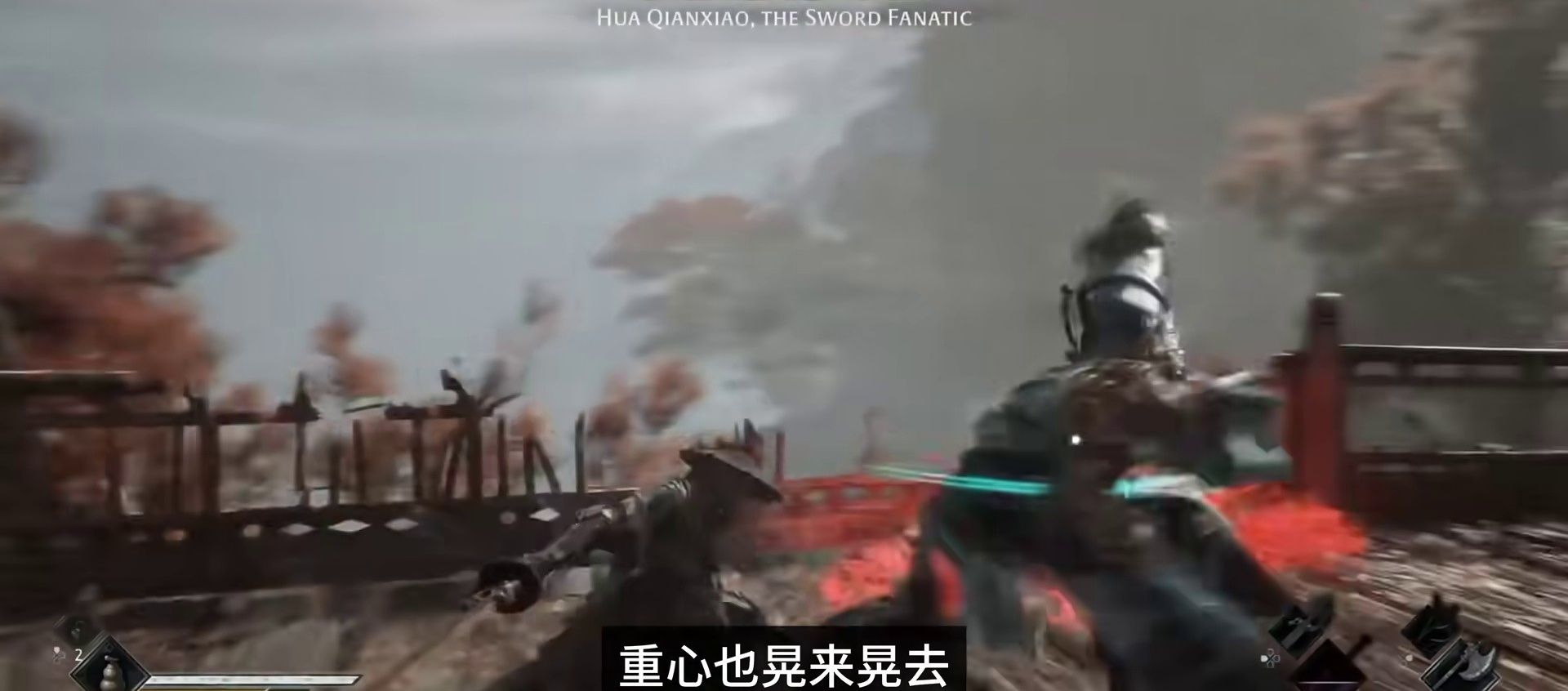
Order in Chaos: The Action Aesthetics of a Drunken Silhouette
The aesthetic design of his drunken movements is where the real hardcore substance of this boss's artistry lies.
Watch him after he takes a drink: his entire silhouette turns irregular - one shoulder hunched high, the other drooping low, his footwork unsteady, his sword swinging at every whim - the very picture of carefree flair. An ordinary swordsman's silhouette reads as "steady"; his reads as "chaotic" - yet there is order within the chaos, and every sway is charging up his next strike.
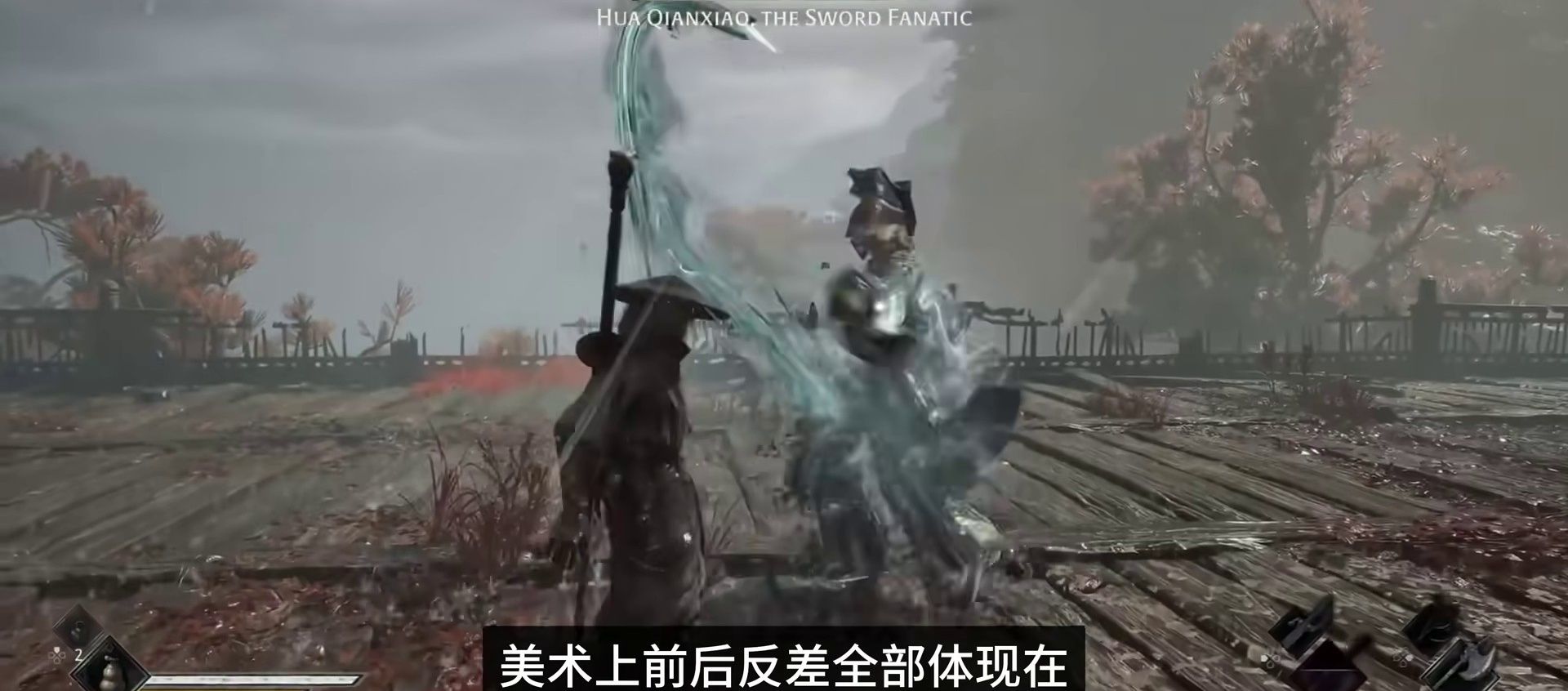
This is a remarkably sophisticated piece of visual communication: the player's eye instinctively concludes "he can't even keep his balance," and so relaxes its read on the rhythm of his attacks - when in truth, each off-balance wobble is precisely the disguise for an attack's wind-up. Drunkenness becomes the perfect cover.
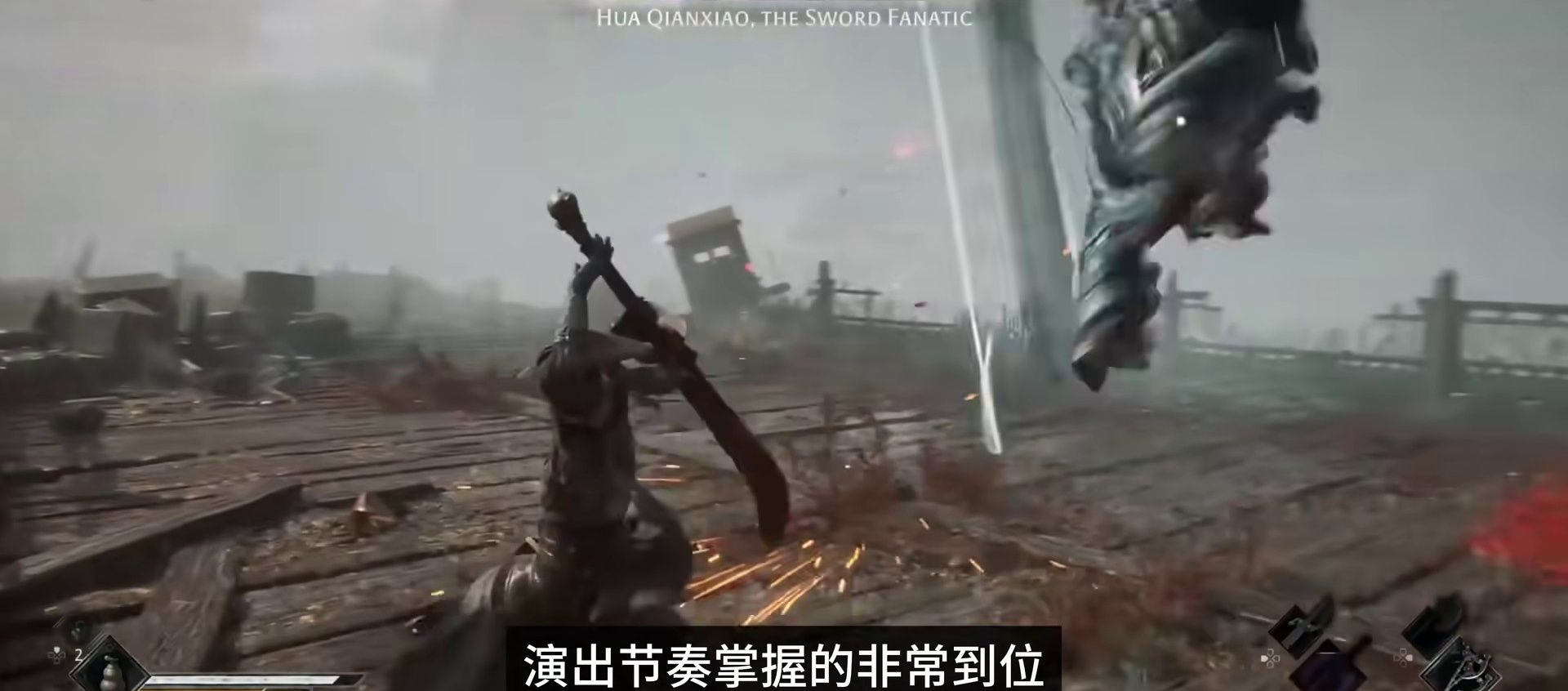
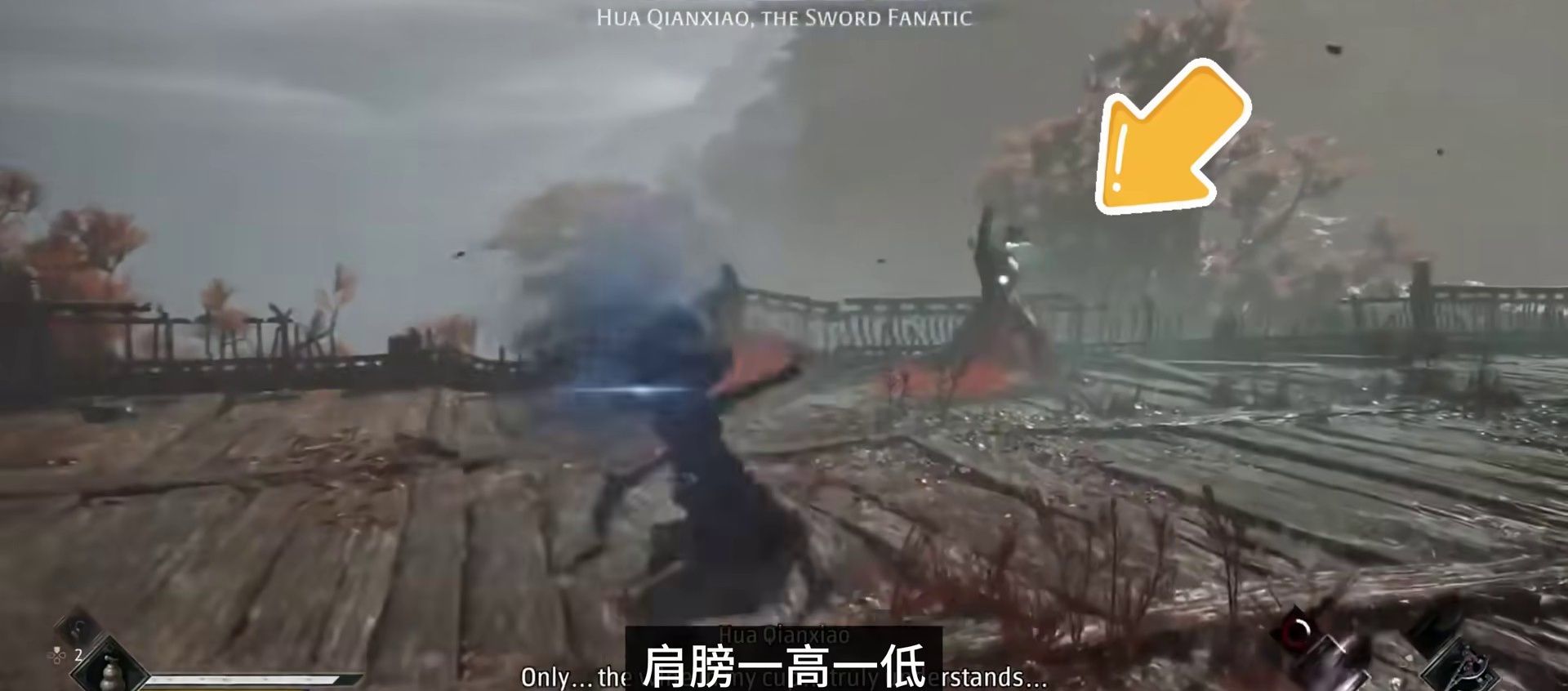
Hard to Tell Real from Fake: Using "Unsteadiness" to Build Oppression
And the most brilliant part of all is his footwork presentation: he comes drifting in standing atop his sword, his silhouette floating like a phantom; he pins the protagonist beneath him and violently rips at the protagonist's clothes - oh wait, no, he's furiously pouring wine down his own throat.
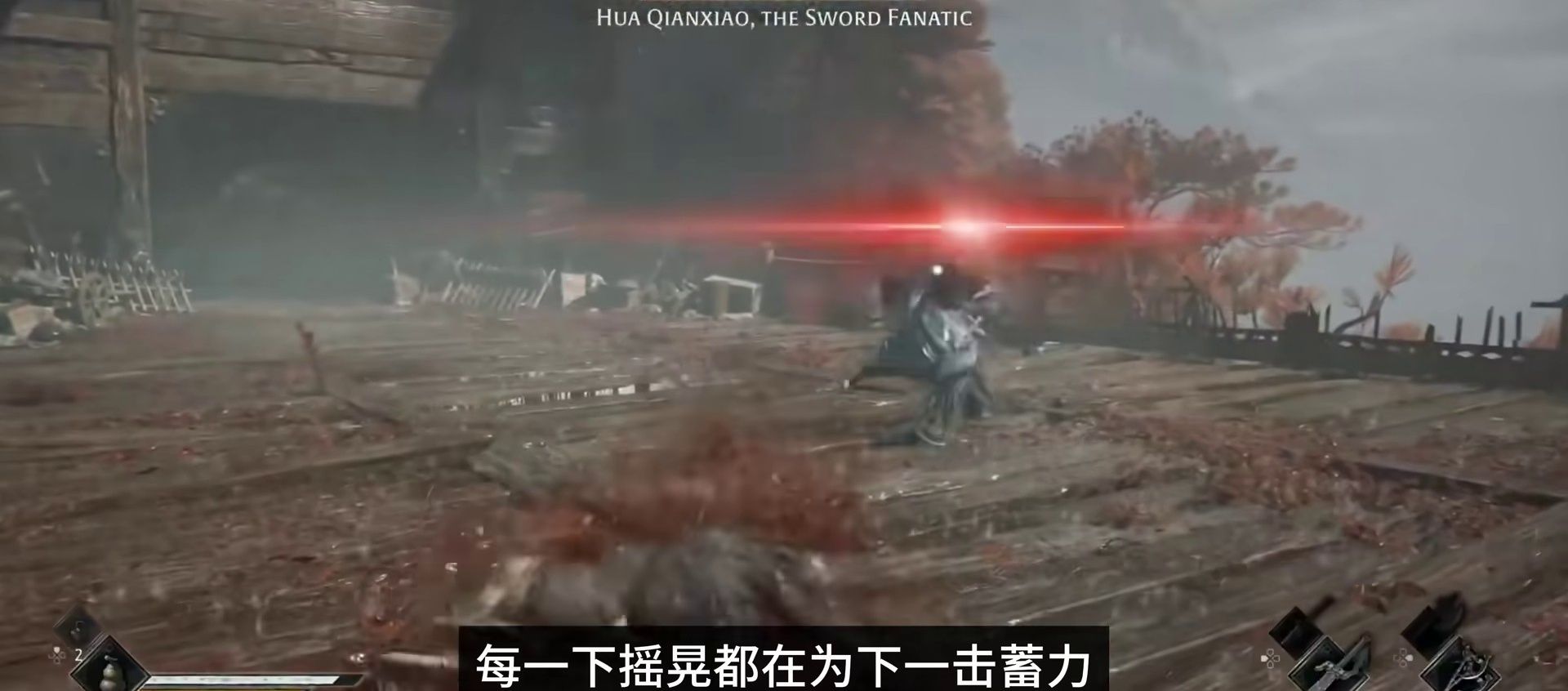
His attack trajectories and drinking motions are impossible to tell apart - you never know whether the next move is a killing strike or a toast.
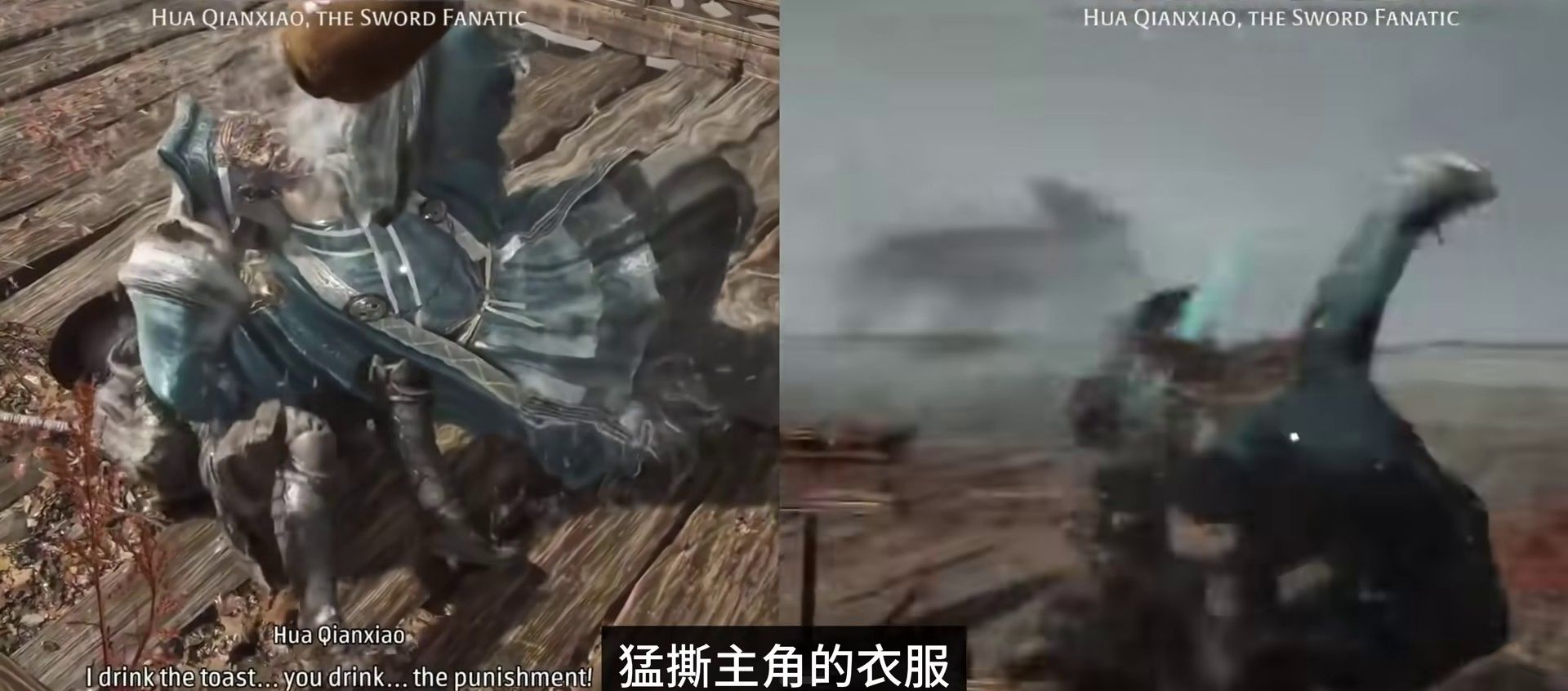
The art direction here follows a crystal-clear logic: use the visual illusion of "unsteady footing" to create the tension of "you can never guess what he'll do next."
That's why so many overseas players rave that Phantom Blade Zero has the most realistic drunken animations - they're not actually praising how convincing the acting is, but how the art team nailed the rhythm of drunkenness.
Drunkenness is not a pose - it's a rhythm.
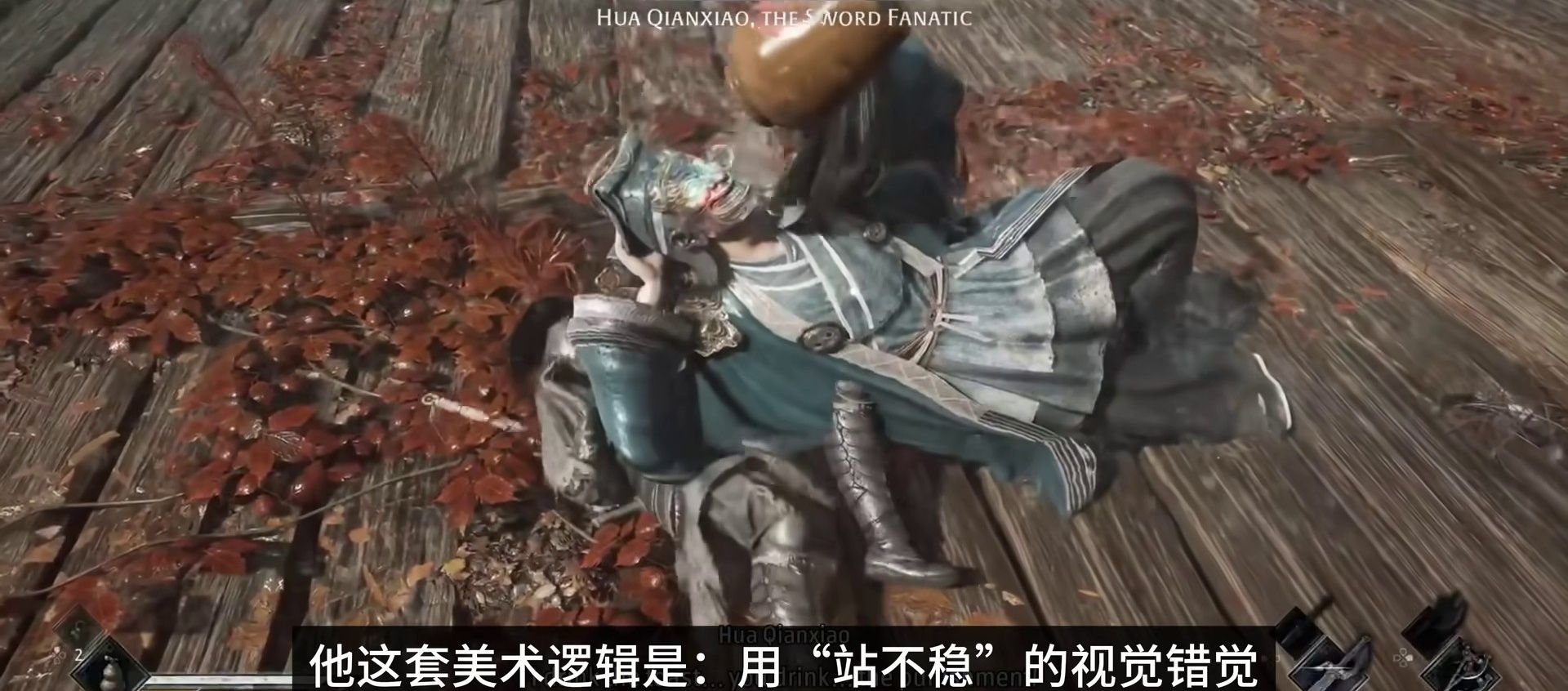
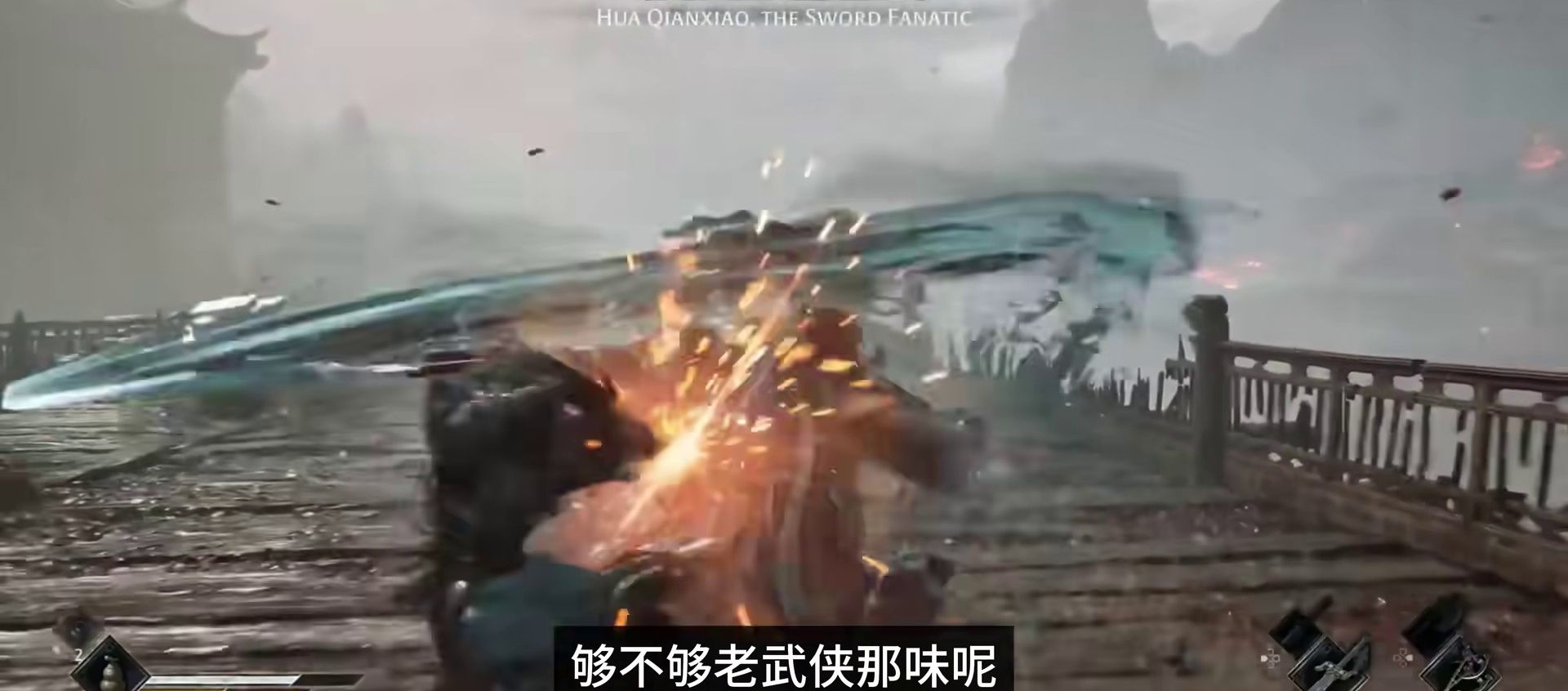
Restrained VFX: A Touch of Red Light, A Streak of Cyan Shadow
Finally, the visual effects deserve special praise - they are used with remarkable restraint.
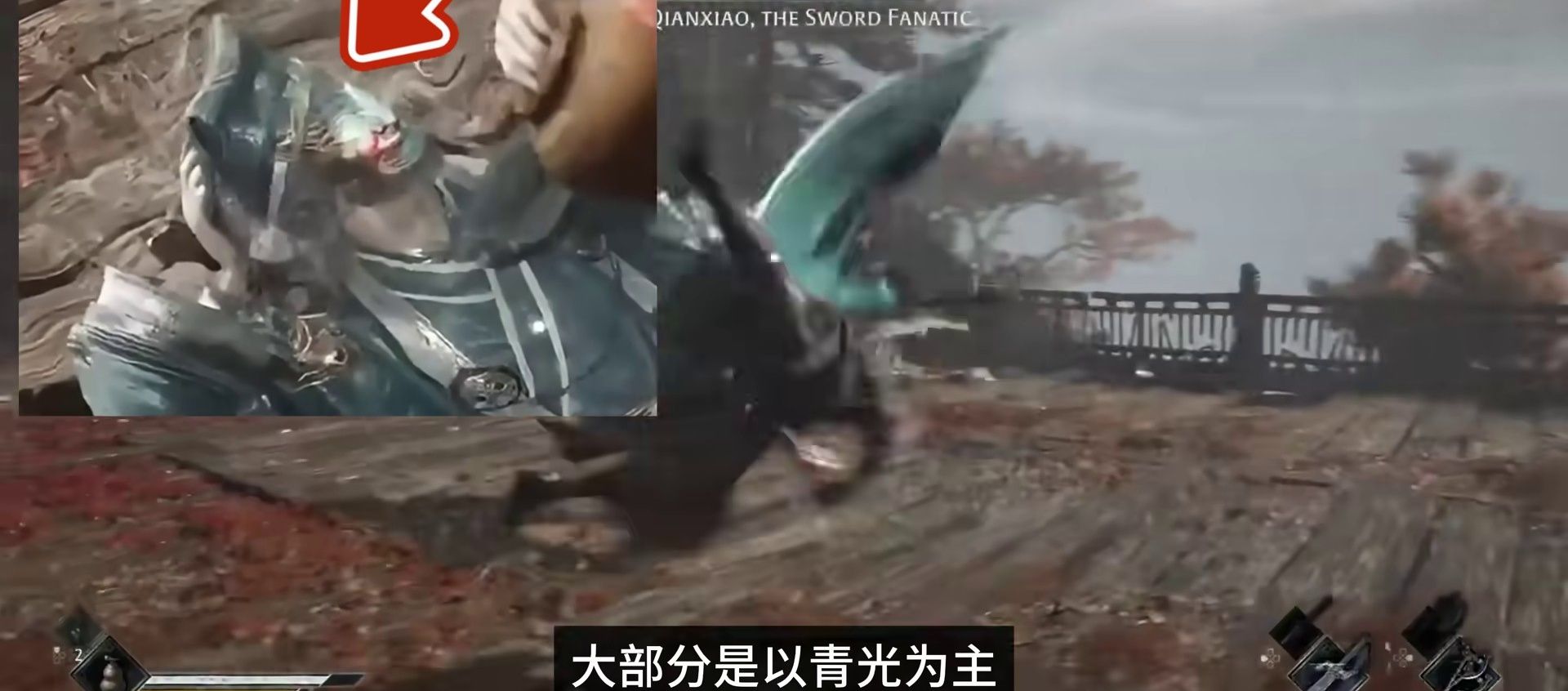
The red eyes are rendered as nothing more than a faint red glow, with cyan light dominating the overall look: it conveys that the boss is being influenced by killing intent without compromising his ethereal grace as a swordsman. The sword qi, likewise, appears as a trailing afterimage of cyan ink - never screen-filling, never attention-grabbing - keeping the player's visual focus entirely on the character's movements.
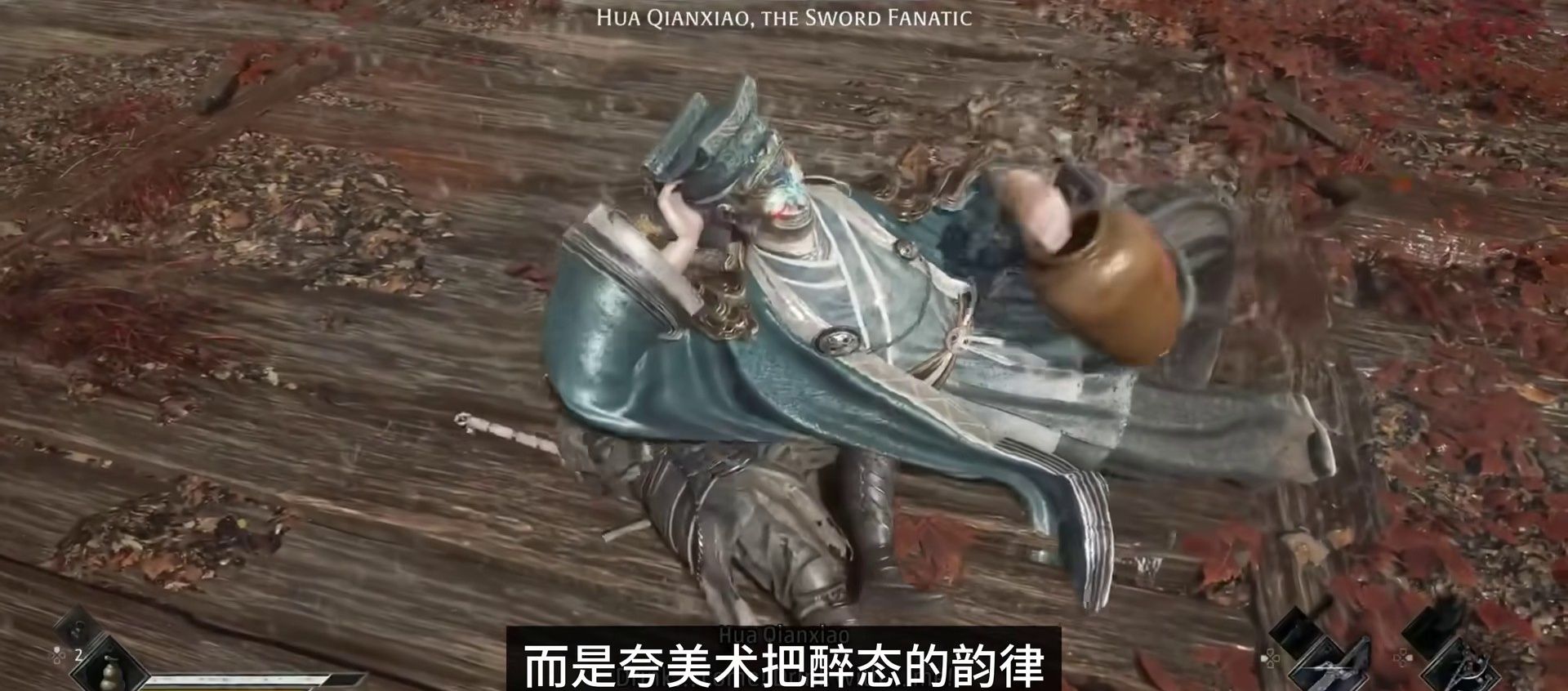
In today's industry climate of "the more effects, the more premium it looks," this confidence in subtraction has become a rare commodity. VFX are the seasoning, not the main course - and S-GAME clearly knows this well.