Phantom Blade Zero's "Mesh AI": A Wuxia Dream, or the Next "Dart Hell"?
Every time S-GAME founder Liang Qiwei describes Phantom Blade Zero's "mesh AI" to the public - enemies are no longer puppets lining up to get their heads taken off, but a net that flanks, rotates, and coordinates with itself - an old question is once again thrust into the spotlight: Is stronger enemy AI ultimately a good thing for players, or a bad one?
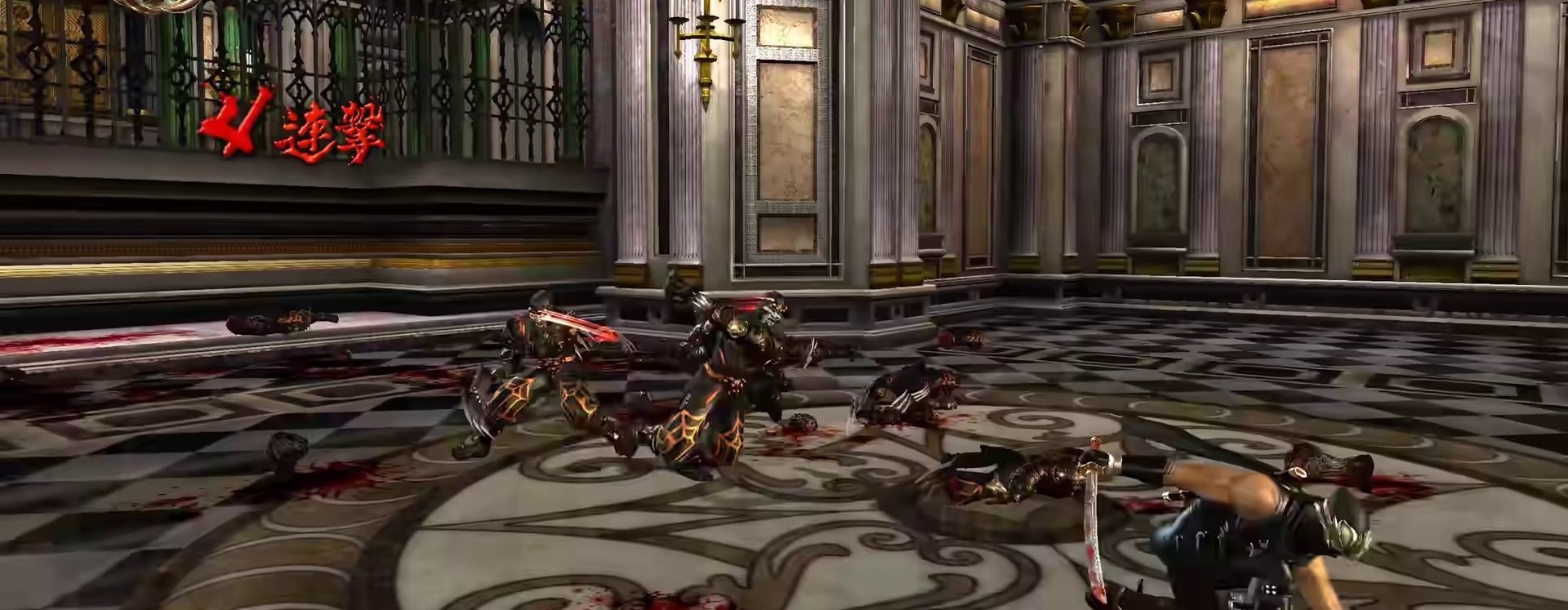
This question has no standard answer. But there is one kind of footage that is precisely the most honest evidence for answering it: not highlight reels of fluid, stylish showboating, but one very real death after another. The reason is simple -
"99.99% of viewers can't tell how a master wins, but 100% can tell how a master dies."
A Clip of "Dying for All to See": Why the AI Conversation Should Start with Failure
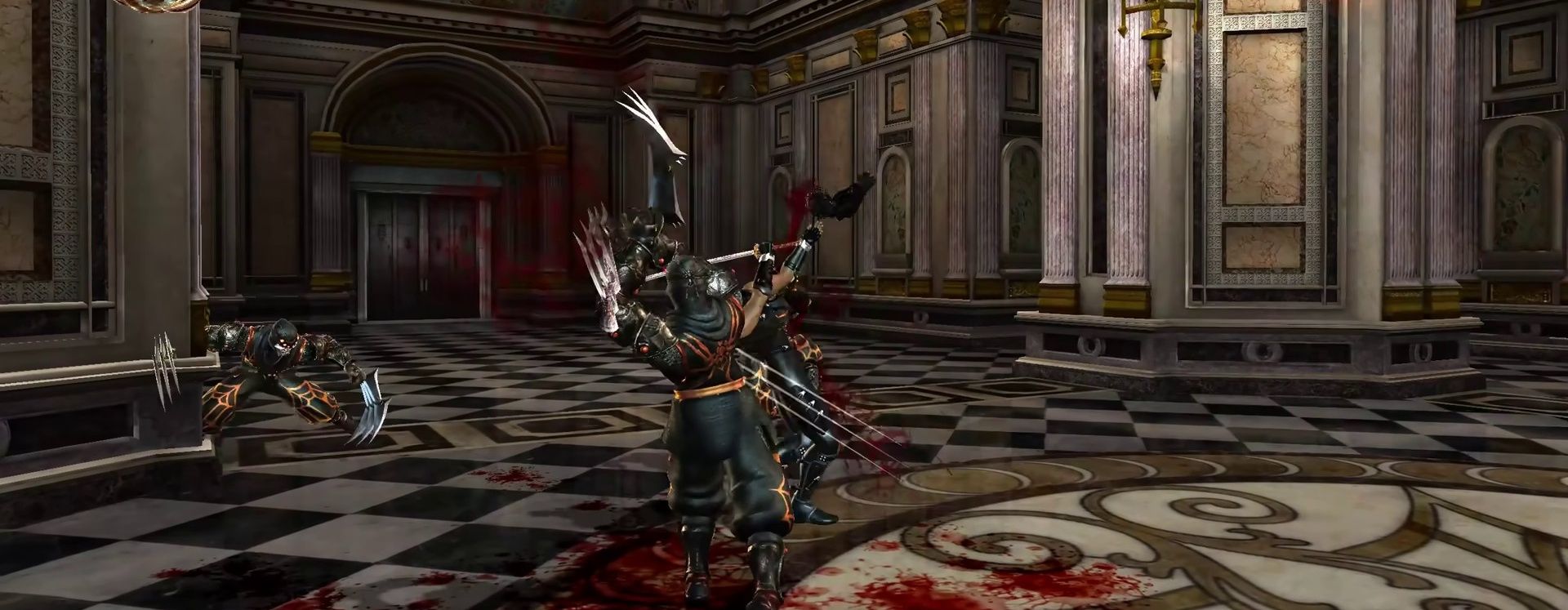
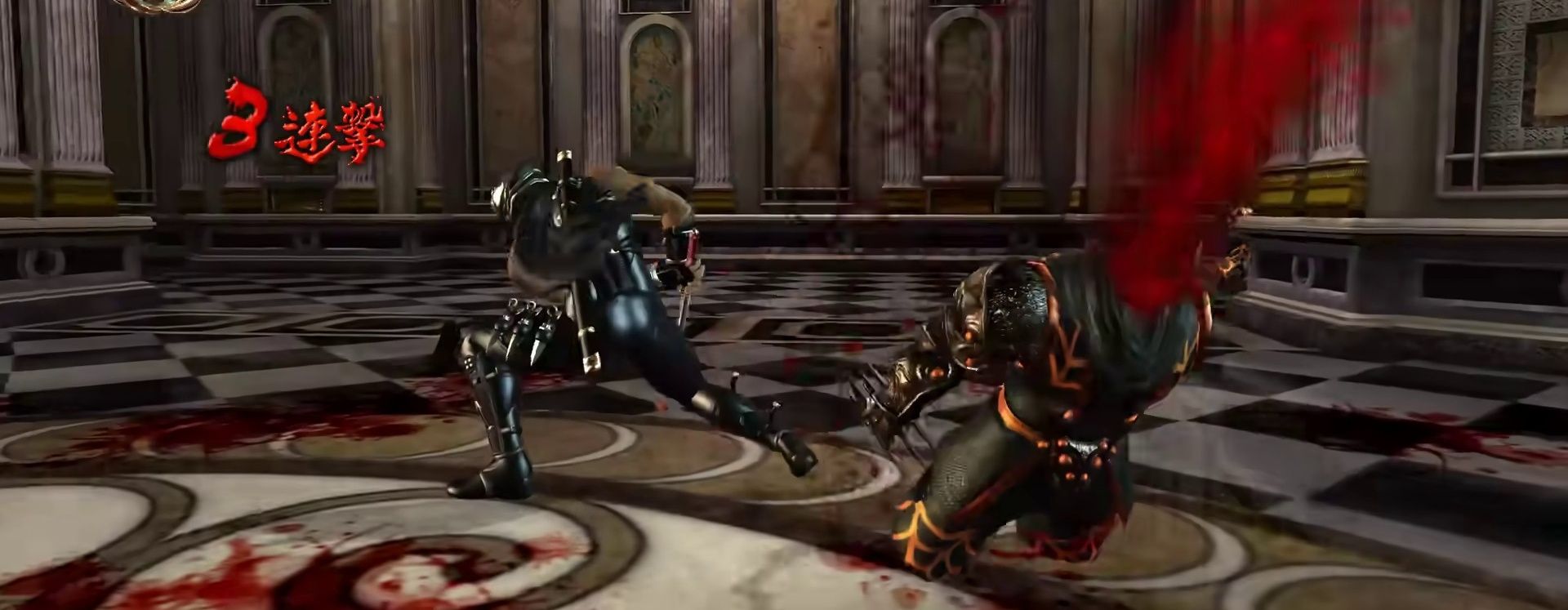
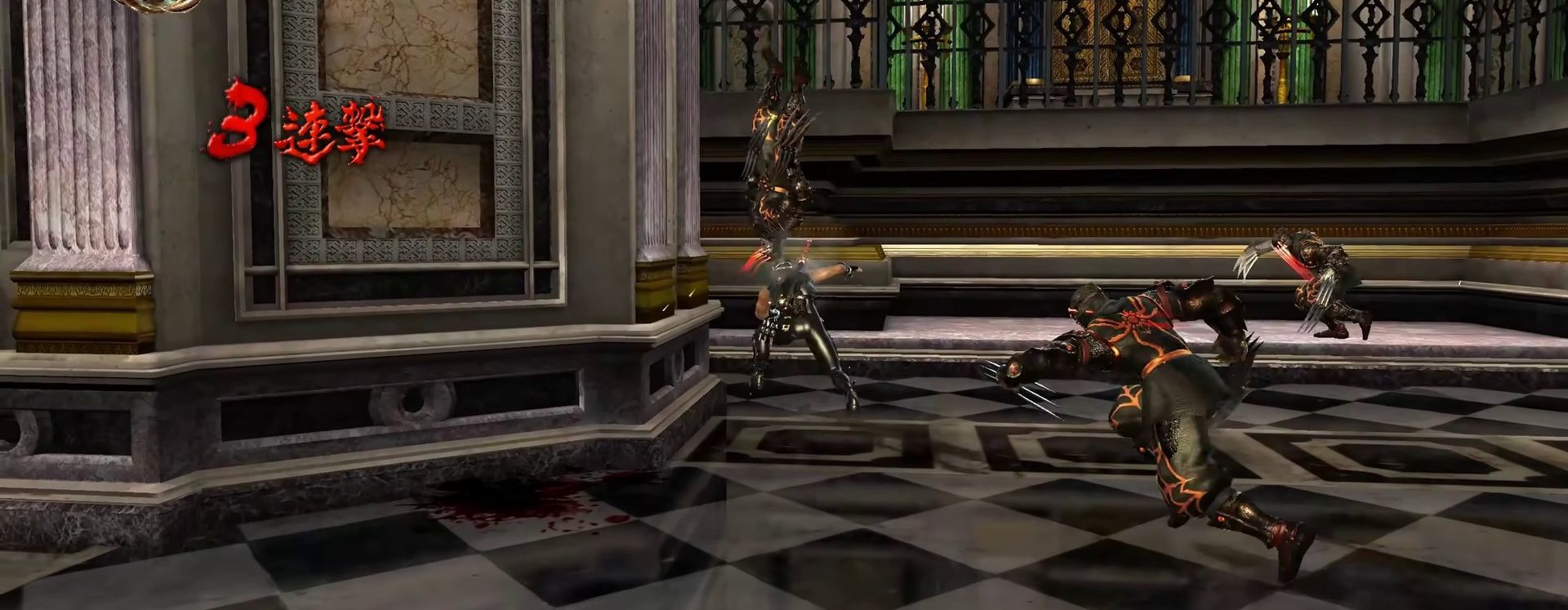
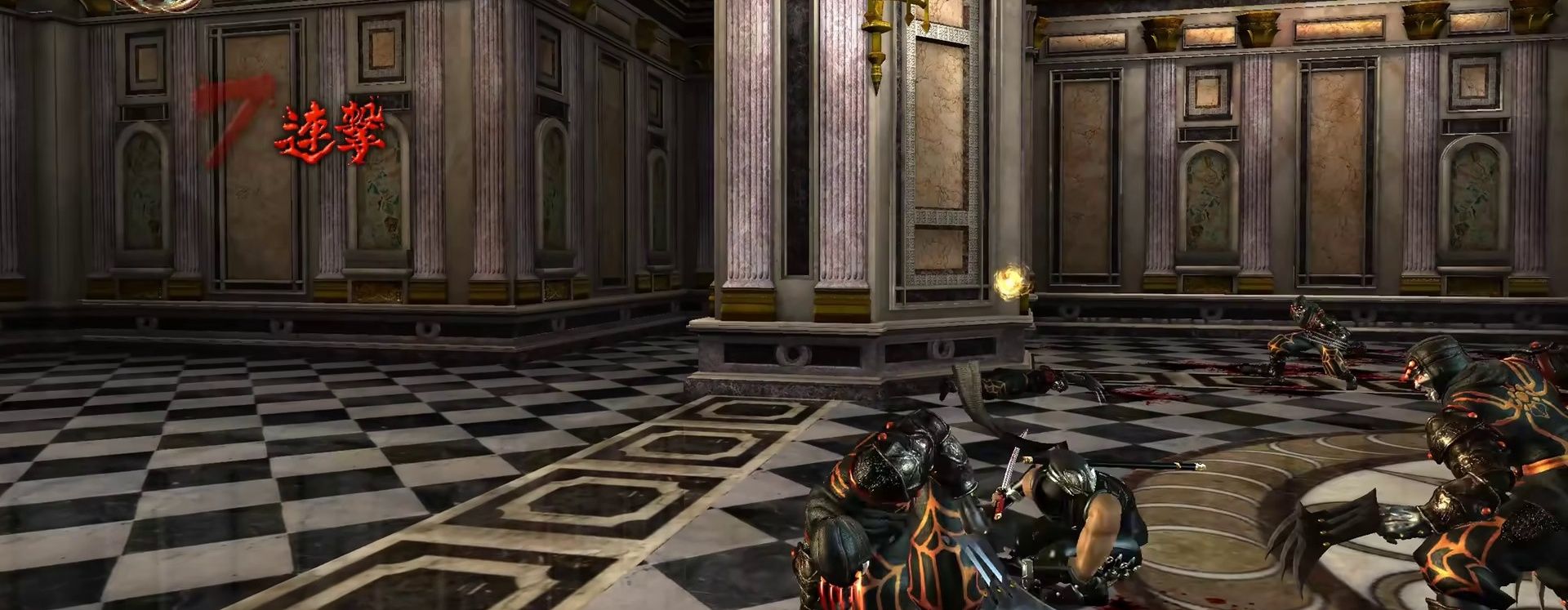
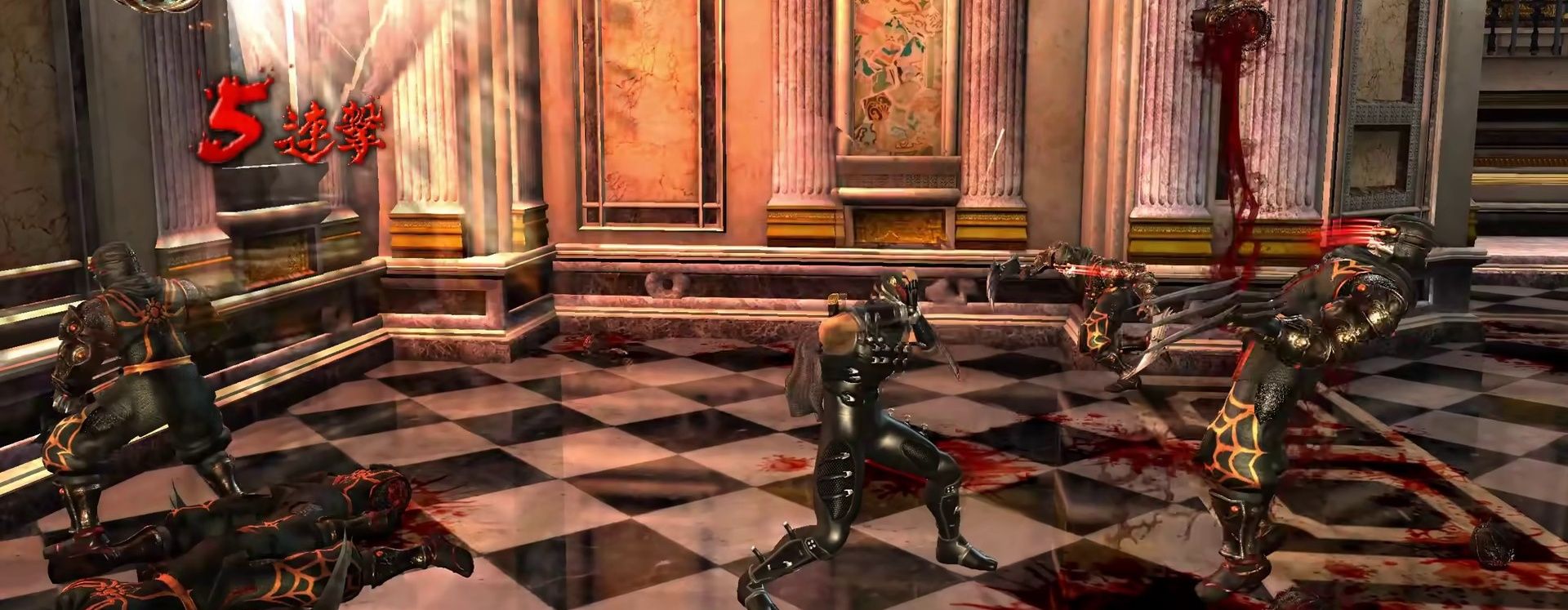
These death clips come from an extreme challenge run of the church scene in Ninja Gaiden 2 (hereafter NG2): a Level 1 (unupgraded) Dragon Sword, one life, and Ninpo disabled - a set of thoroughly self-imposed rules. Facing an enemy configuration whose AI is ferocious enough to constantly interrupt you and switch moves with zero delay, the difficulty climbs exponentially - even taking a Level 2 or Level 3 weapon into a one-life, no-Ninpo run is already a brutal fight. Only about 0.001% of players worldwide would actively choose to play this way.
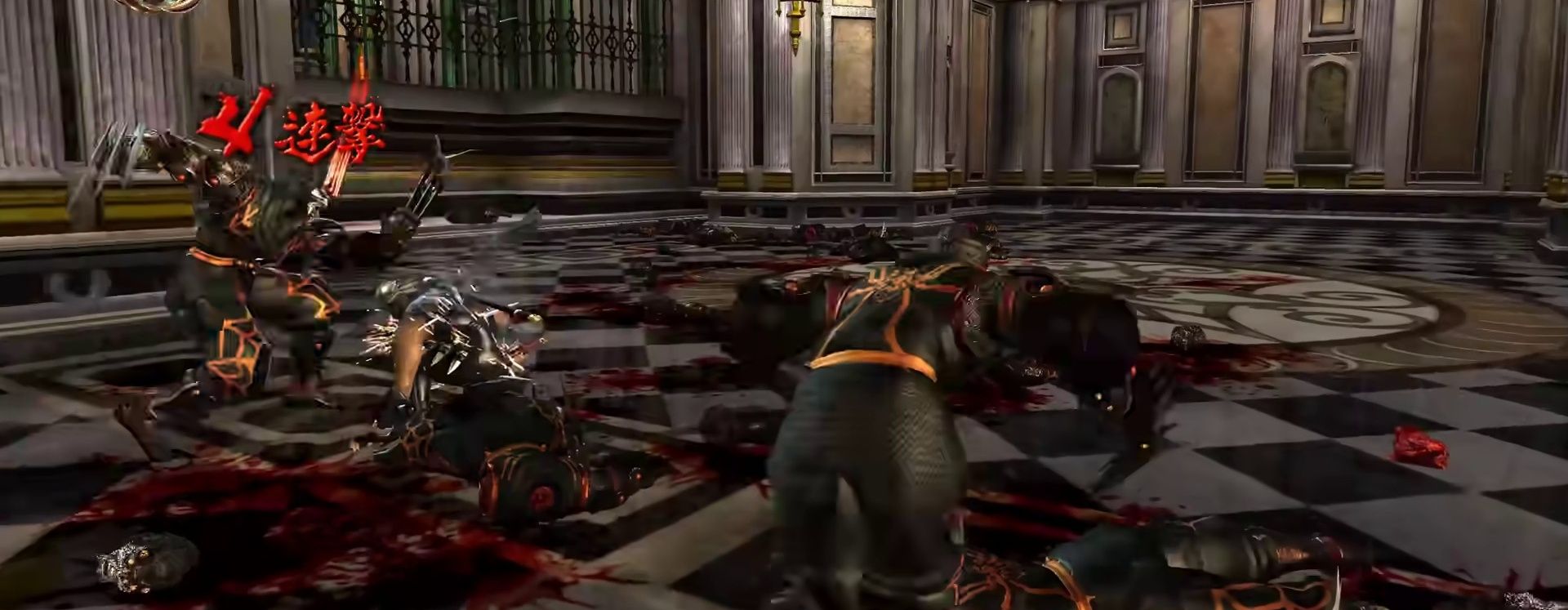
But precisely because of that, failure is more informative than victory. Extreme play conceals a wealth of micro-decisions that ordinary viewers cannot parse: which frame a cancel lands on, which step of footwork, which i-frame is timed just right - even slow-motion playback may not make these legible. Death is different: it is the most direct developing fluid for AI behavior - why you died, which AI action you died after, whether you made a mistake before dying, and whether there was a chance to recover after that mistake - every link in the chain is written out clearly in the footage.
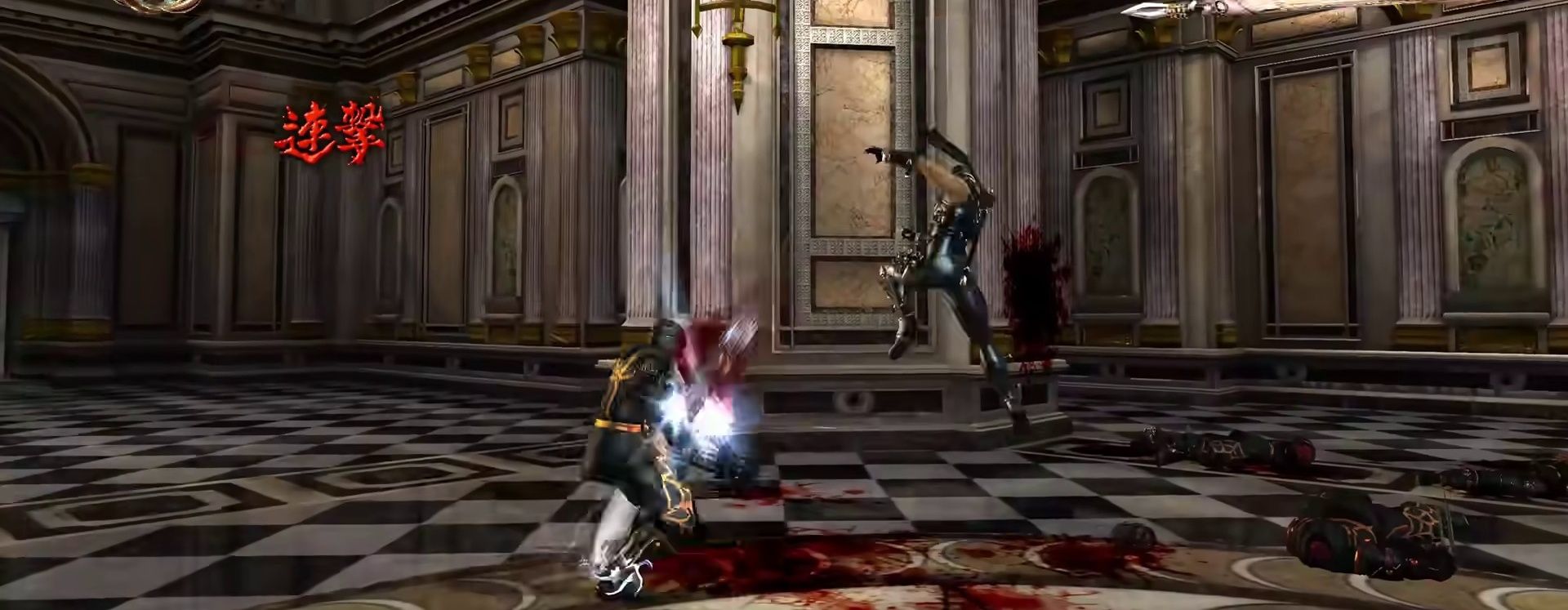
So rather than arguing in a vacuum about "whether strong AI is good or bad," it is better to fix your eyes on the death replays and see exactly what shape a sufficiently strong AI squeezes the player experience into.
Ninja Gaiden 2: The Unavoidable Mountain of Action Game AI
Bringing up Ninja Gaiden 2 is by no means picking a random target. This 2008 title's group AI remains textbook-grade in the industry to this day: mad-dog pack aggression - most enemies harass while one leads the main assault, with offense-defense transitions so fast they are measured in frames. If you want a game that makes you genuinely feel what it means to take on many alone - to savor the thrill of dancing on a knife's edge through blistering-fast exchanges of attack and defense - it still sits at the top of the list for many action players to this day.
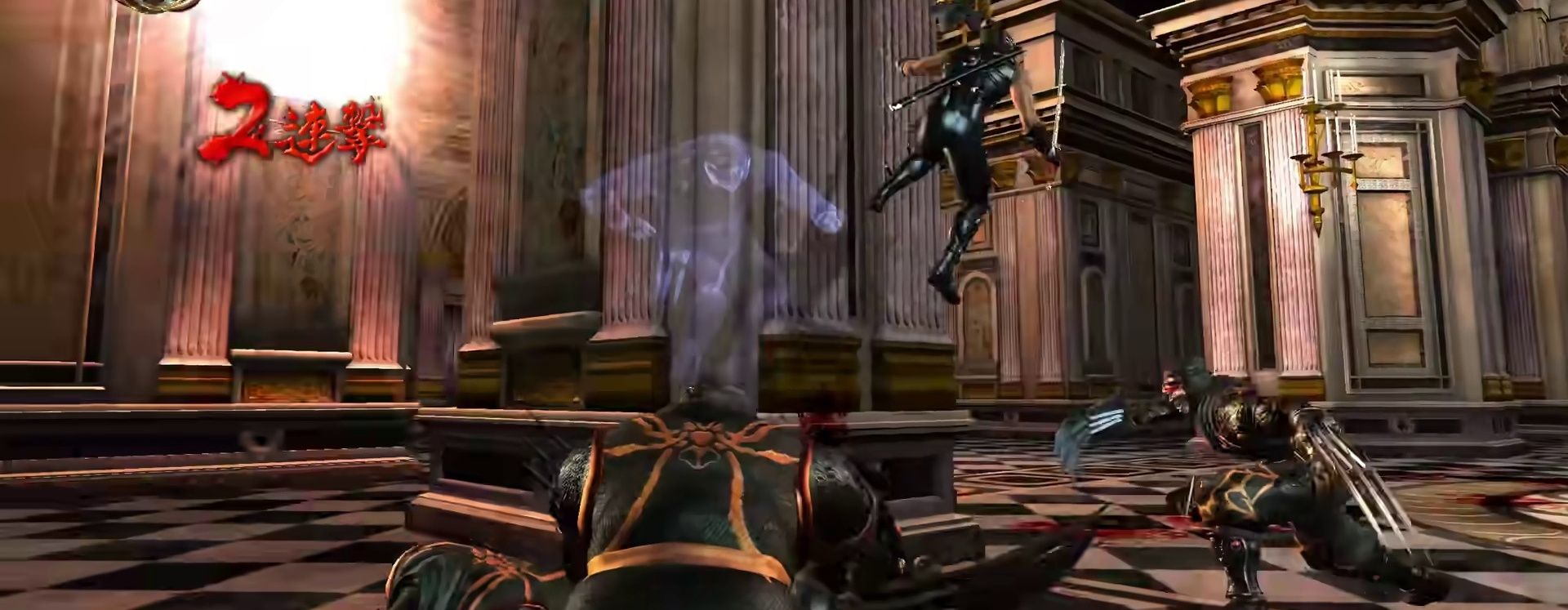
Within the community of homegrown action game developers, it is practically an article of faith. Ask almost anyone making a homegrown single-player action game about the title that first inspired them, and they will name it: some beat it under the deathly red glow of the Xbox 360's Red Ring of Death, some ran Master Ninja difficulty more times than they can count, and others specialized in every kind of extreme-rule challenge run.
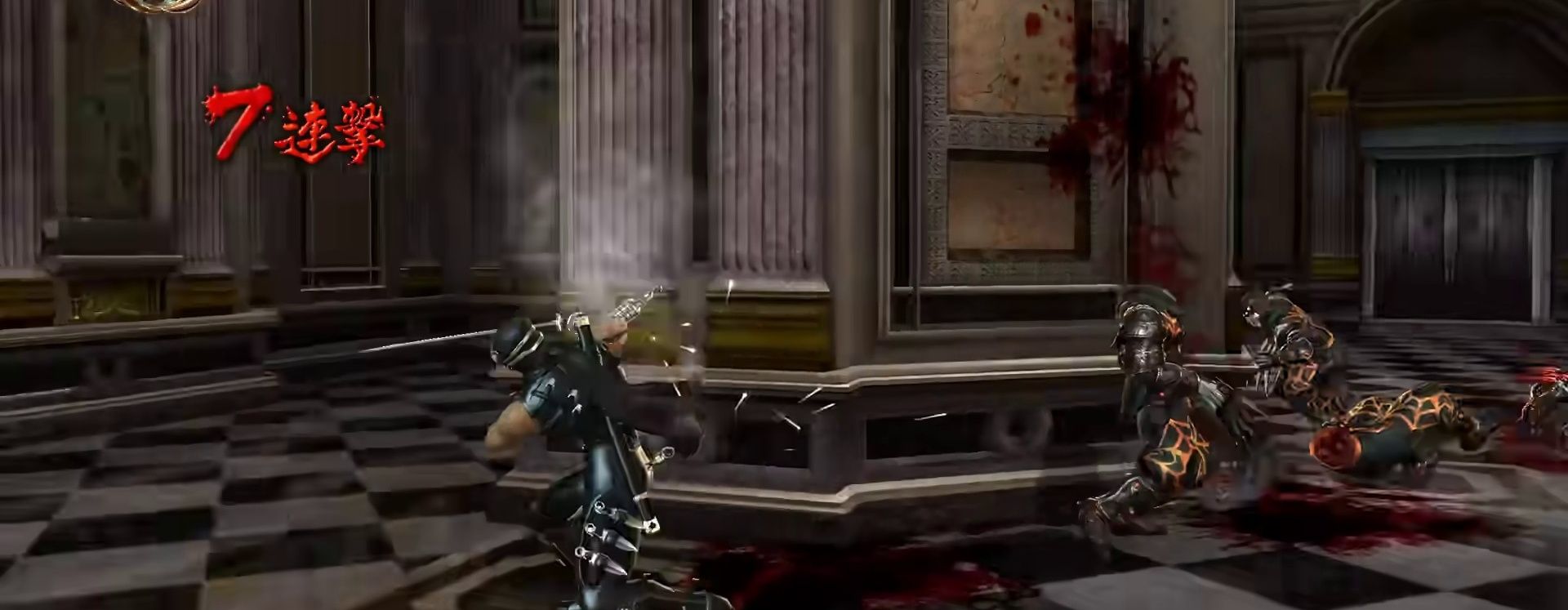
And it is precisely because it is strong enough and famous enough that it makes a valid frame of reference: when a game with AI strong enough to cross a certain critical threshold is placed in front of you, the shape that the player experience takes can be clearly observed. When discussing the AI ambitions of Phantom Blade Zero, Ninja Gaiden 2 is the most fitting yardstick there is.
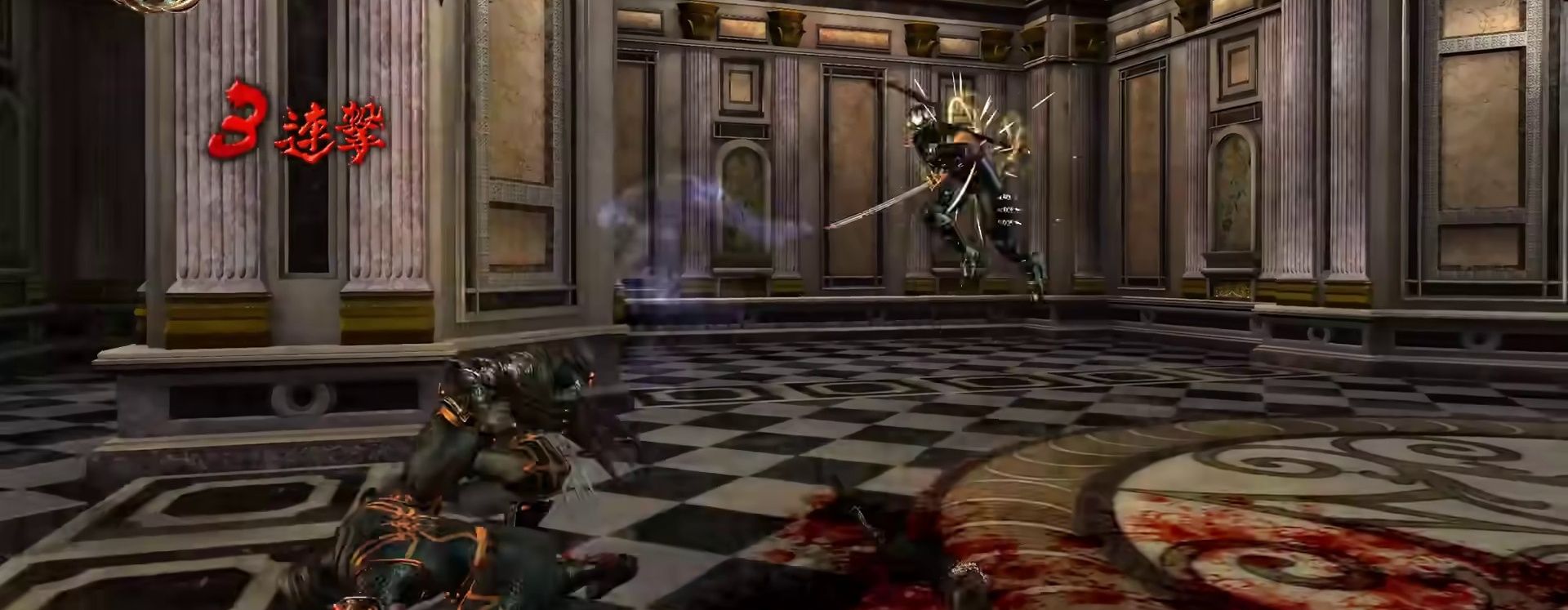
Explosive Darts: What Players Go Through When the AI Starts "Mind-Reading"
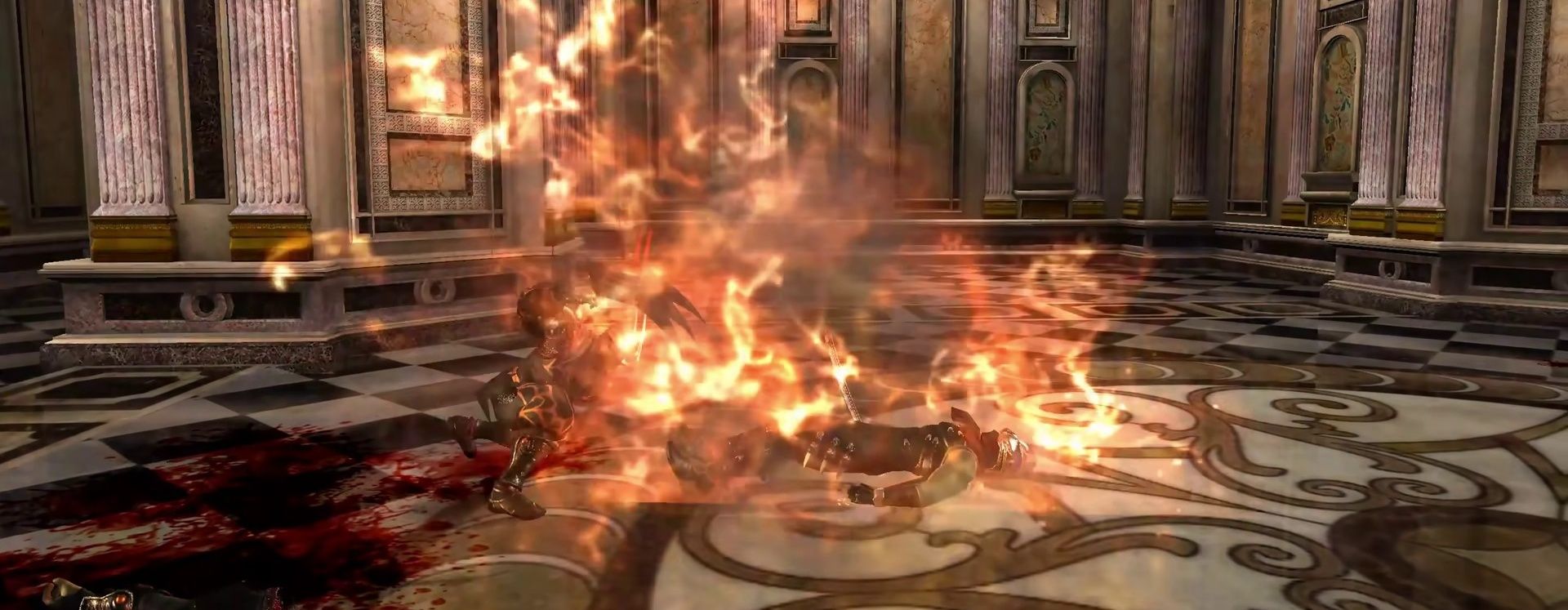
Most of the deaths in the footage point to a single culprit: explosive darts. The rules behind this design in the original Ninja Gaiden 2 are quite subtle - when stuck in the player, a dart carries a three-second fuse; when stuck into the ground or a wall, it detonates instantly. Worst of all, damage from an explosion at your feet cannot be avoided through blocking - hold block all you want, and you'll still lose health.
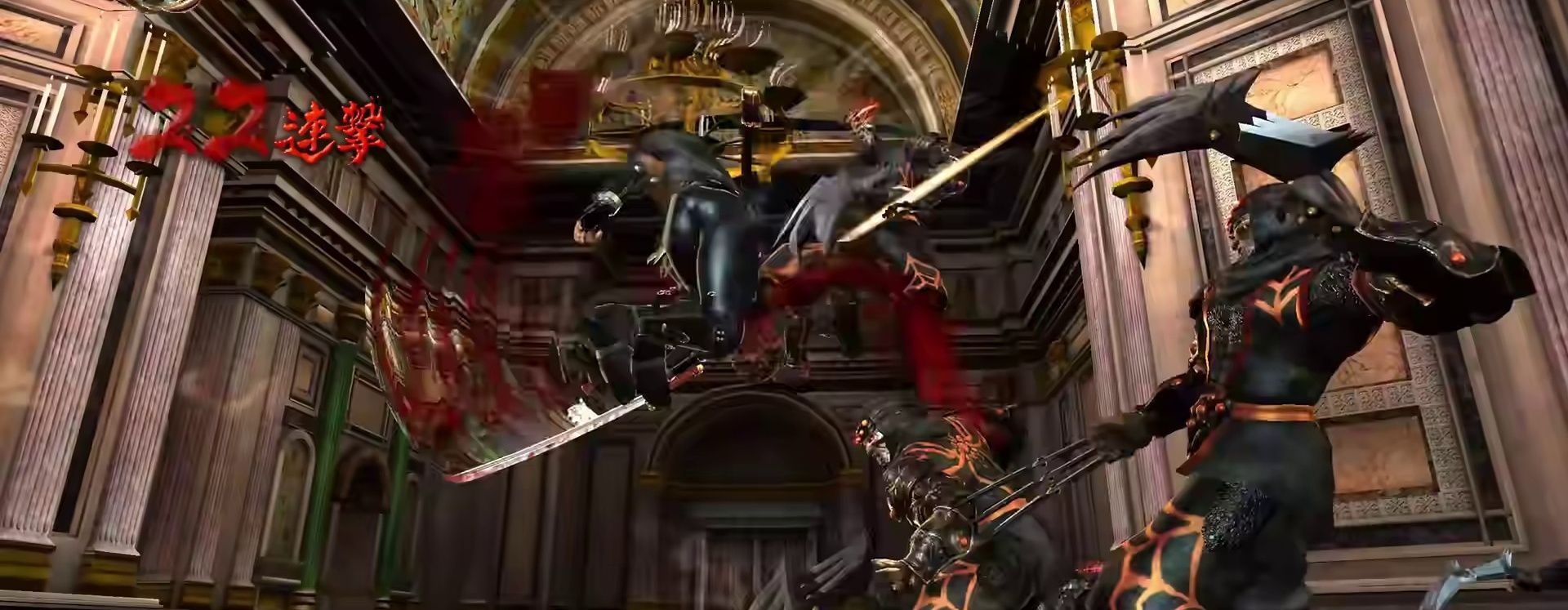
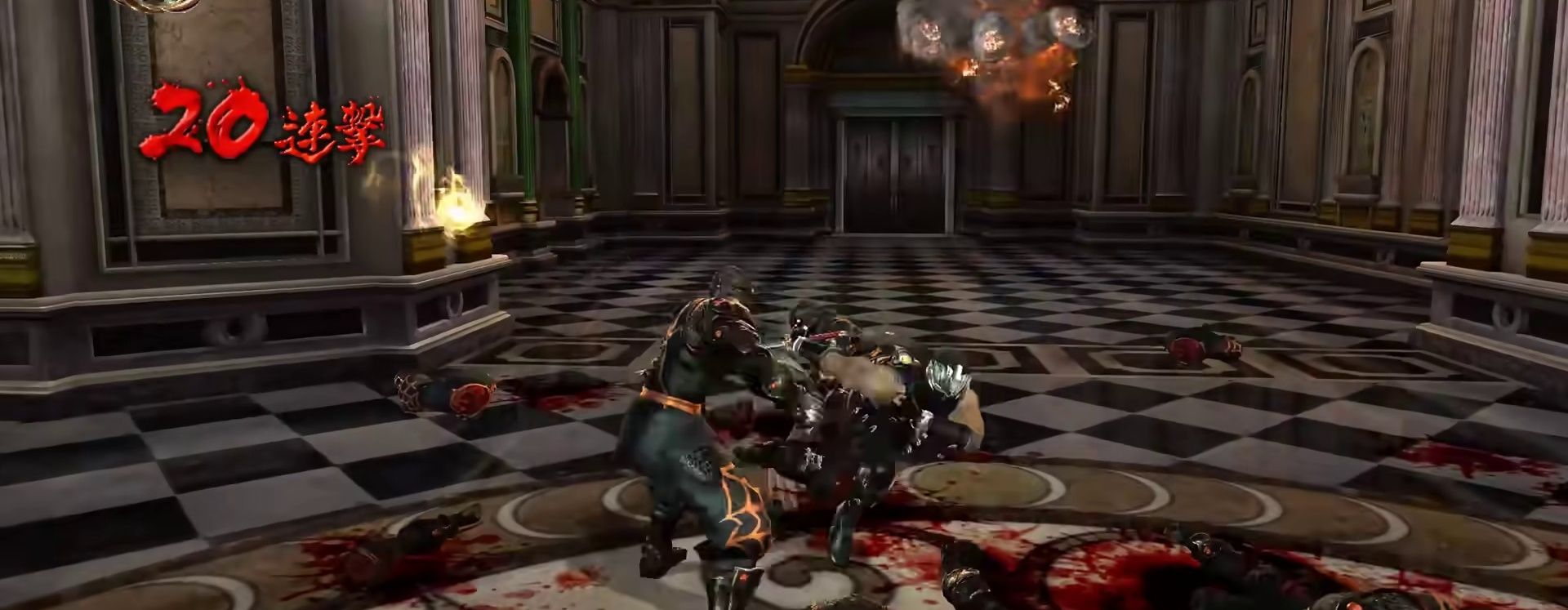
What truly sours the experience is how the AI uses explosive darts. The moment the player shifts into an offensive stance, the enemies that had been circling and harassing from all sides immediately pull back and unleash a triple volley of explosive darts; combined with zero-delay move switching, they will even pre-read the position of your next action, hurling darts straight at your feet or pinning them to the wall you are bound to pass. Before you have made a single mistake, the damage is already sealed.
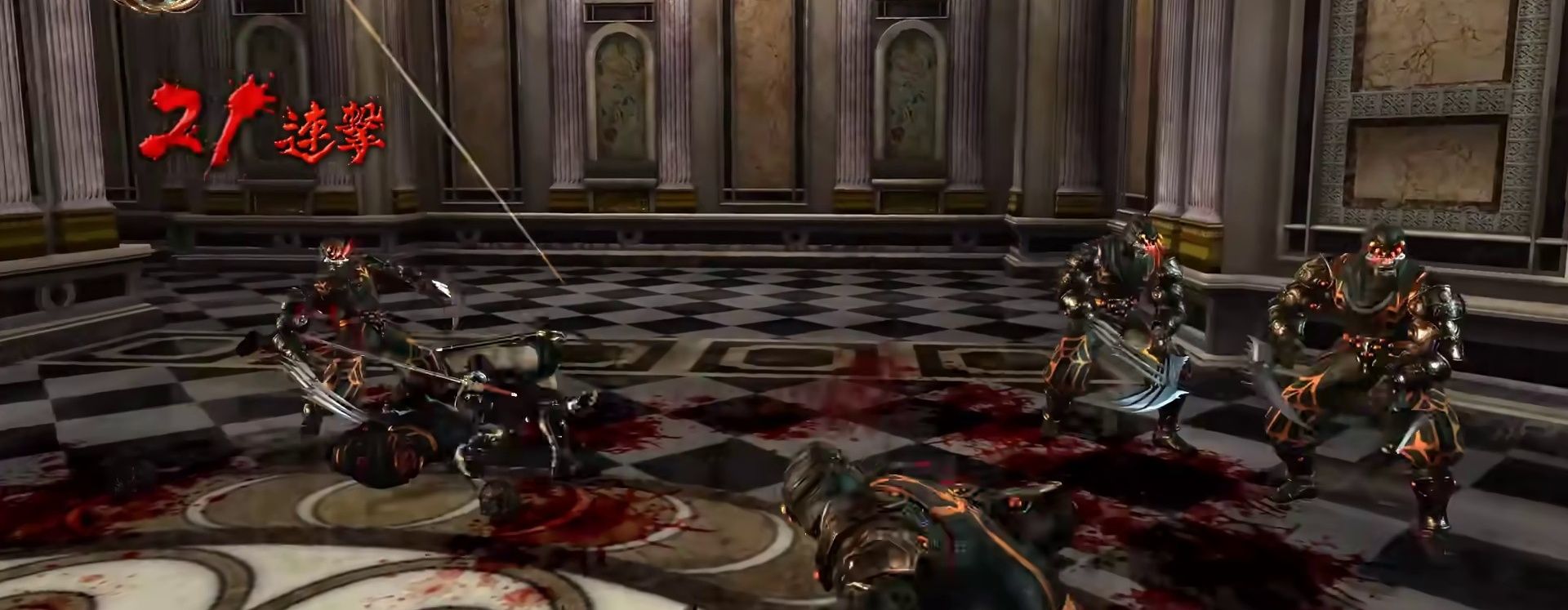
Counterplay does exist: Wind Path stomps, Guillotine Throws, and the invincibility frames on the first swing of the Windmill Slash can all be used to evade, and in certain situations holding block can also let you dodge the detonation. But wall and ground explosions are almost purely unsolvable - your only countermeasures come down to one or two options, and using even those carries risk in itself. When enemies can interrupt you from range at any moment, whip you around like a spinning top up close, and the margin for error is compressed to nearly zero, "strong AI" no longer translates into "a fun game."
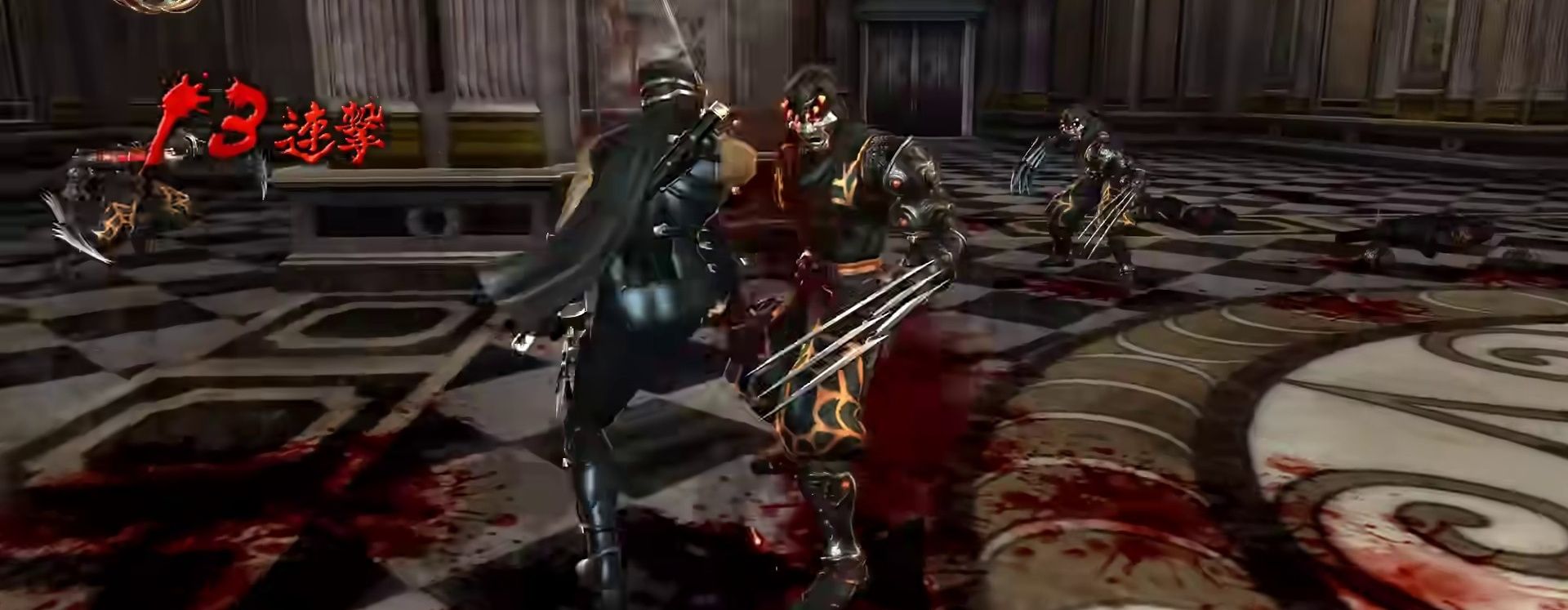
This is the dark side of strong AI: what it tests is no longer your execution, but your luck and patience.
AI Strength Is Never an Isolated Variable
So, is it actually a good thing when the AI is stronger? The answer depends on a whole chain of objective factors, including at the very least:
- Enemy capabilities: what moves and projectiles they have, and whether they can interrupt you at any moment;
- Your character's capabilities: how many counterplay options the character has, and how costly and risky each one is to use;
- The environment: in a cramped corridor versus an open arena, the same AI behaves like night and day;
- Player condition: proficiency, reaction speed, and how familiar you are with the enemy;
- Execution ceiling: whether you can fully bring out everything the character is capable of.
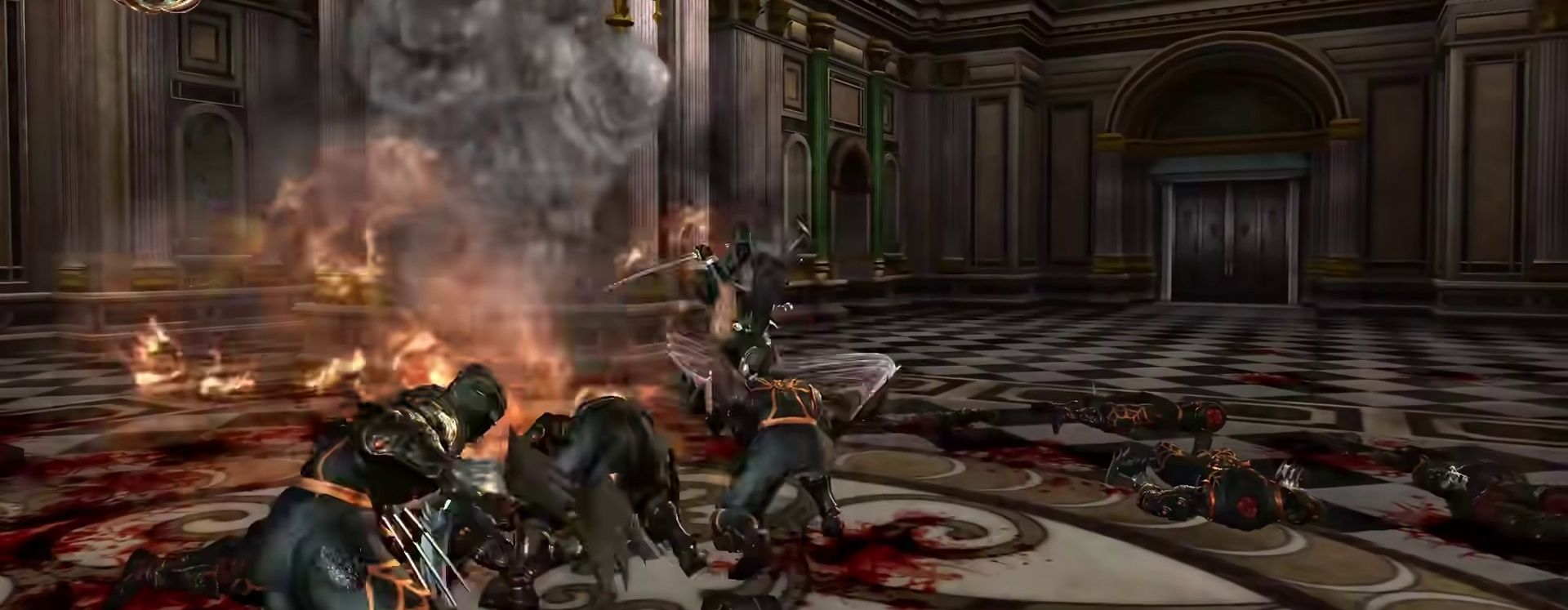
The same level of AI strength, dropped into different combinations of capabilities and scenario setups, might be a wuxia duel of flashing blades and back-and-forth exchanges - or a projectile hell of one-sided executions. Discussing how strong the AI is in isolation from these variables is like discussing cooking heat in isolation from the ingredients - it's meaningless.
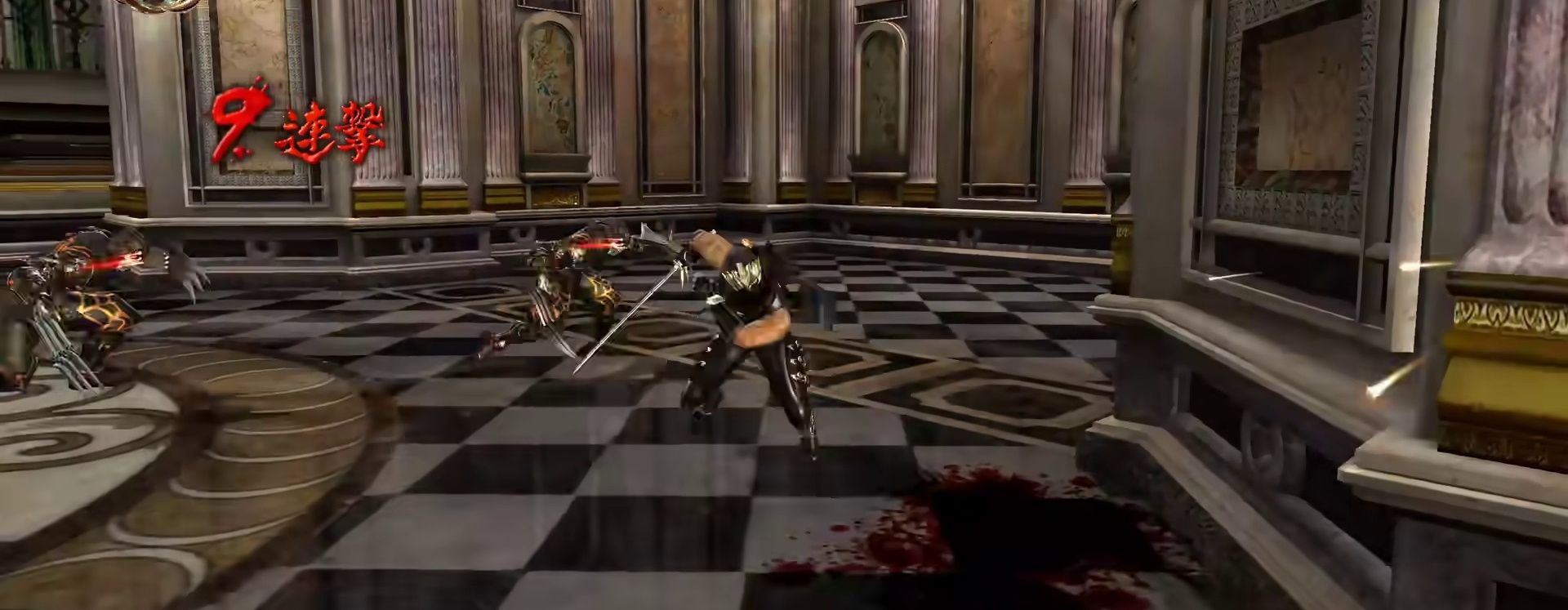
This also explains why both camps - "strong AI = good experience" and "strong AI = bad experience" - can each rally huge numbers of believers: they simply aren't playing the same game at all.
The Non-Negotiable Bottom Line: Never Punish a Player Who Hasn't Made a Mistake
Above all the variables, there is one principle worth etching into the edge of every AI designer's monitor -
"Game AI must never punish a player who hasn't made a mistake."
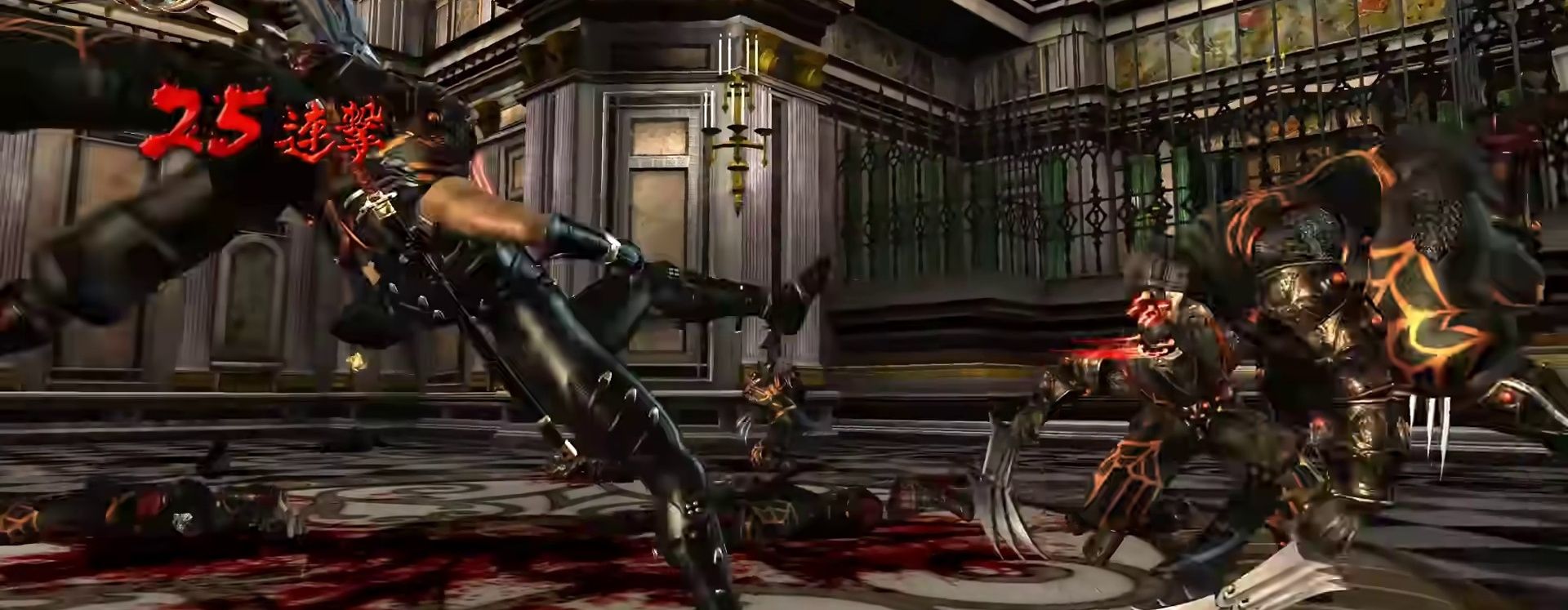
Escort-fail clips feel so suffocating precisely because so many of those deaths happen under the condition that "the player did nothing wrong": no greed, no standing still, no button-mashing - you were simply winding up your next move when the AI pre-read your position and pinned the damage right at your feet. A challenge must have a way out, and a punishment must be attributable - players need to be able to look back and conclude "I died because I did X," not "I died because it knew I was going to do X."
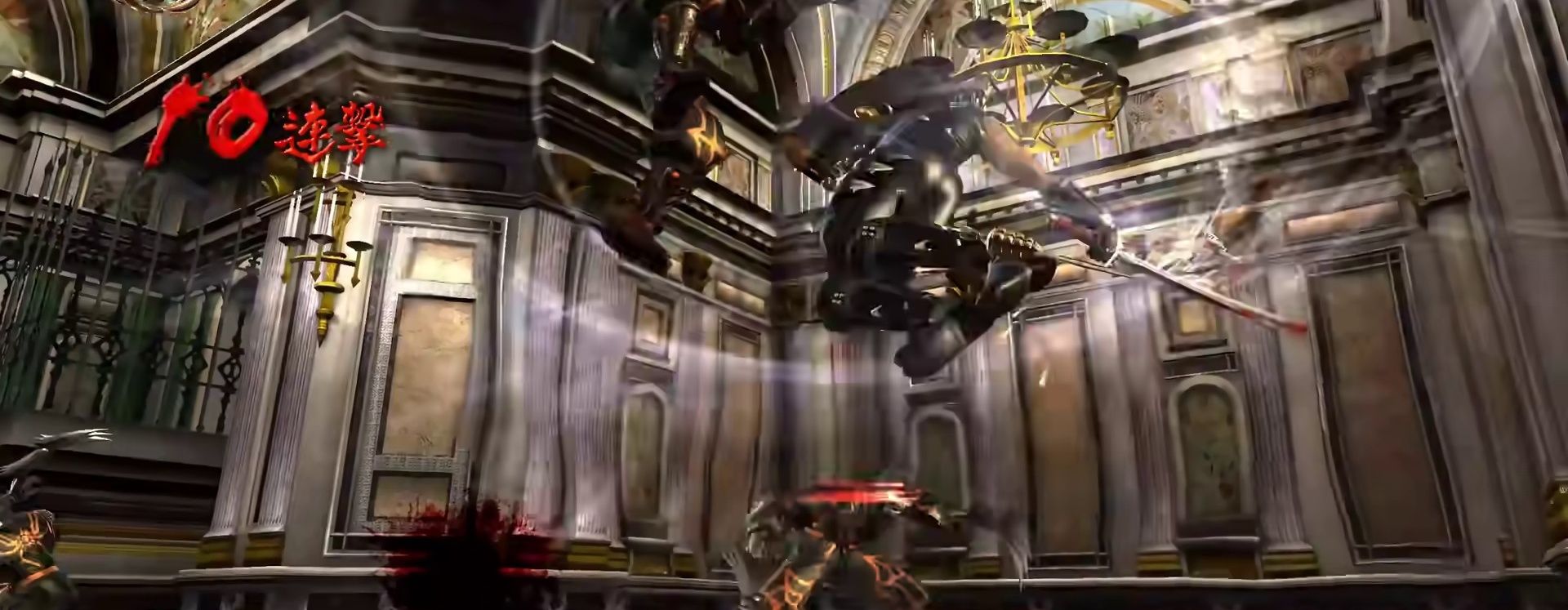
Input reading itself is not necessarily the original sin - plenty of excellent action games quietly rely on it; the question is what the AI does once it has that information. Does it adjust its encirclement angles and leave you a path to survival, or does it switch moves with zero delay and seal off every option outright? The former creates pressure; the latter creates helplessness. Pressure makes players fight harder; helplessness makes them throw their controller.
The Other Half of Mesh AI: The “Promise” That Skips Performance and Configuration
Back to Phantom Blade Zero. The vision of mesh AI is genuinely captivating: enemies work in concert like a net - flanking, rotating, filling gaps, and applying pressure - letting players truly step into the iconic “one against many” scenes of wuxia novels. If it delivers, this would be a major breakthrough in group combat for homegrown action games.
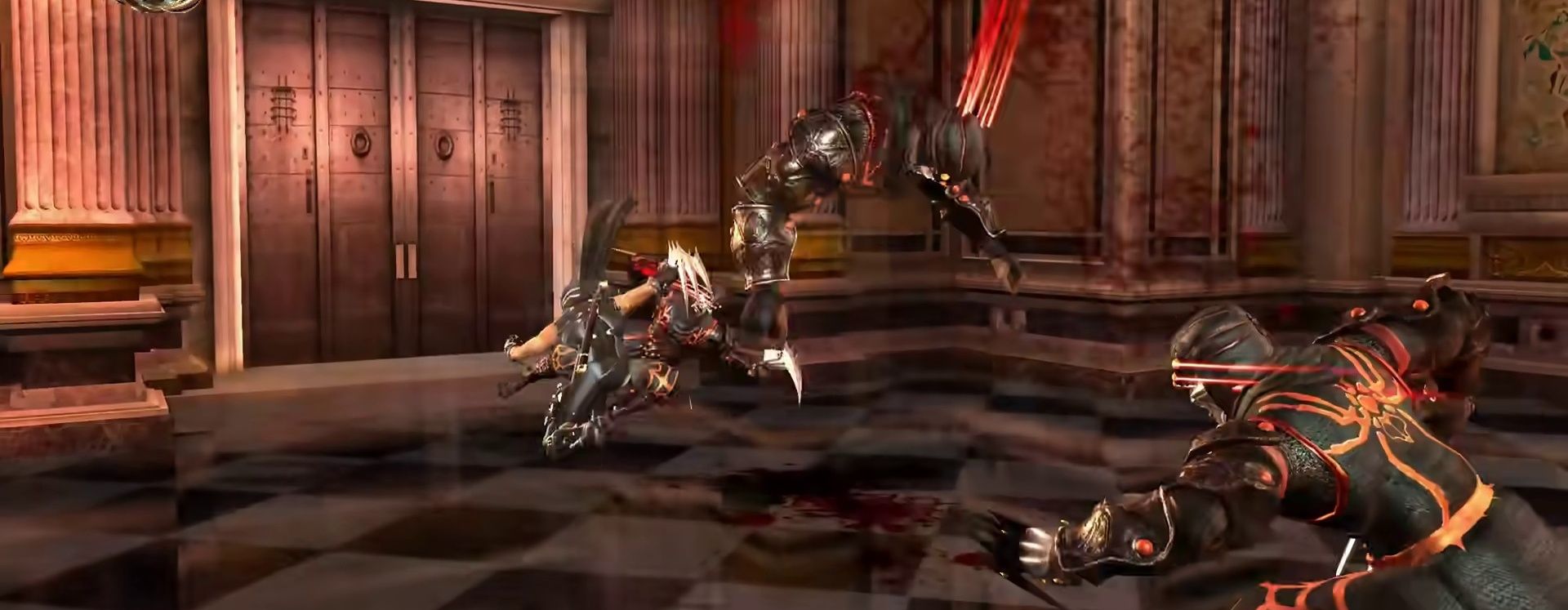
But that is exactly where the problem lies: when people talk about mesh AI, there is no discussion of the character’s performance, no discussion of enemy performance, and certainly none of what sort of impact different enemy configurations would have on combat - yet these are precisely the other half of the puzzle that determines the ceiling of the mesh AI experience. Mesh AI paired with restrained, sensible enemy performance could be a stroke of genius; mesh AI paired with input reading, zero-delay move switches, and exploding darts all over the ground might well be another church.
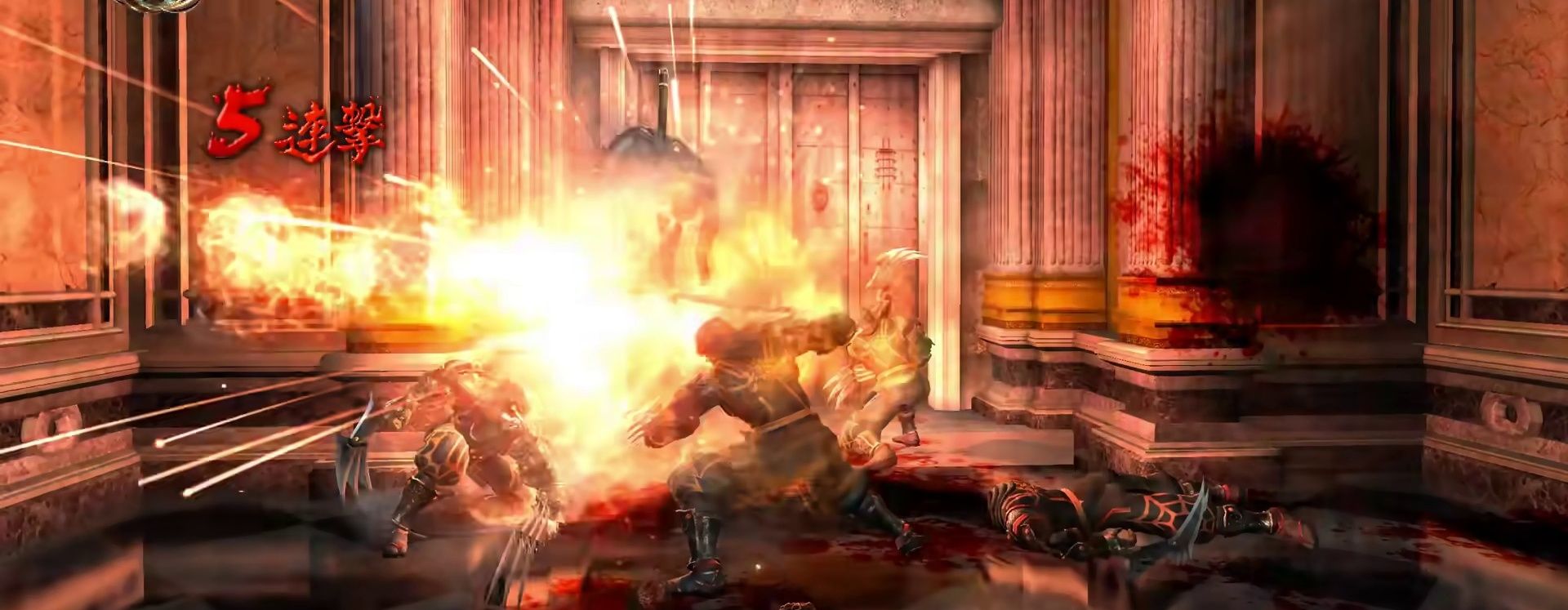
To be fair, keeping information under wraps before release is standard practice in the industry, and plenty of cards are meant to stay hidden until launch. But precisely because, before the game is out, no one knows how this AI will actually fare under real performance combinations -
“Rushing to talk about mesh AI before the game’s release is, in my view, not a particularly wise choice - rather, it’s a matter that easily exposes the game’s weaknesses.”
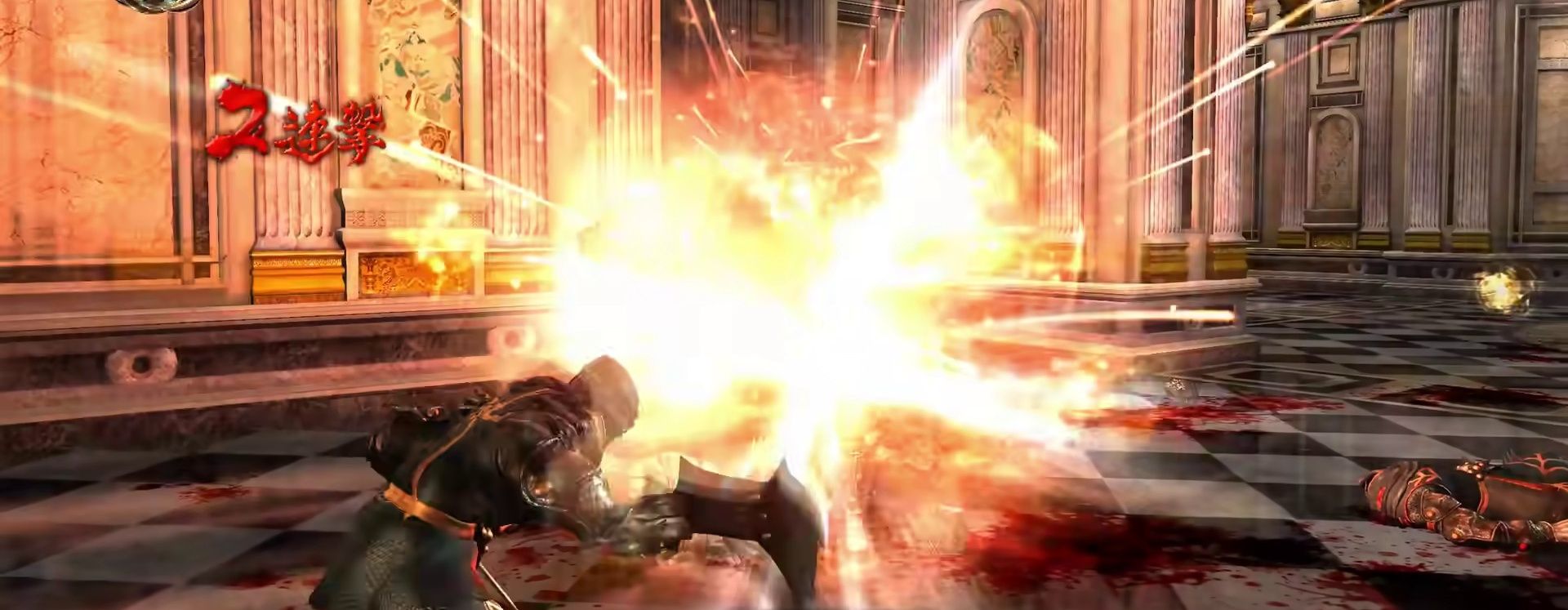
An AI boast is the easiest boast in the world to make - and the hardest to verify. When the marketing says “enemies will coordinate intelligently,” players have no way to disprove it; but when release day comes, everyone will be out with a magnifying glass, hunting for that “net” - find it, and it’s a footnote to a masterpiece; fail to find it, and the backlash will be amplified severalfold.
Confidence, or a Landmine of Your Own Planting?
Of course, there is another way to read it: daring to keep emphasizing AI ahead of release is itself a pledge staked out in plain sight - put the standard on display first, and anyone is free to verify it when the time comes. For a game that has already amassed a mountain of expectation on the strength of its gameplay footage, that stance alone at least shows the team knows exactly what it's doing.
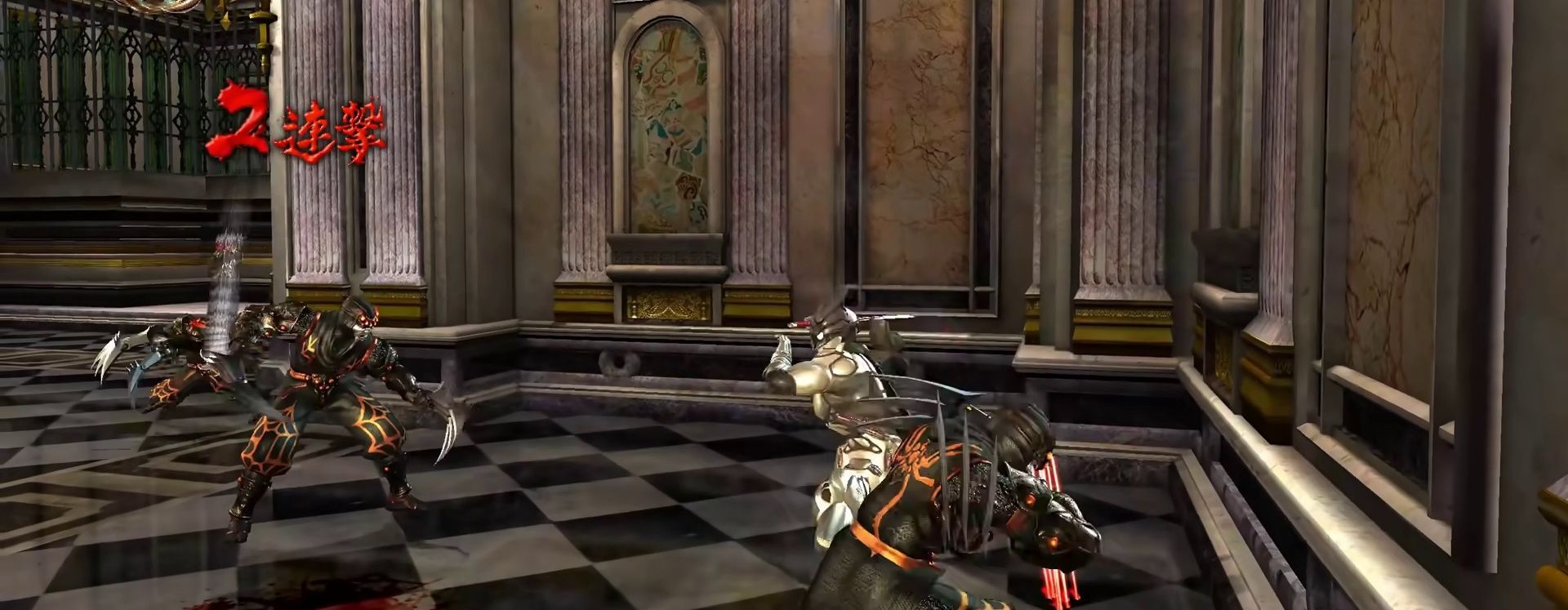
The problem with a pledge, though, is that it also hands everyone a yardstick. Veterans of Ninja Gaiden 2 - precisely the most discerning and most knowledgeable audience that homegrown action games have - are already champing at the bit. They will walk into Phantom Blade Zero holding it to the standard of that legendary church fight, testing whether the web is truly "a back-and-forth of flashing blades" or just "input reading with explosive darts served on the side."
In the end, what will decide the experience of Phantom Blade Zero is not AI as an isolated highlight, but the far larger web woven together by enemy capabilities, player-character capabilities, encounter setup, and the player's growth curve. Web-style AI is only the thread - how you weave it is the real kung fu.
Top Community Comments
This debate over AI carried on into the comment section, echoing in three different directions.
@Musezxz (15 likes) took aim at the speaker himself:
"Let's be blunt: Liang Qiwei just can't get the hang of Ninja Gaiden himself - he got beaten into tilt on Master Ninja difficulty, and that's the only reason he trots out Ninja Gaiden's AI as a negative example."
This is a textbook "motive-based" rebuttal - instead of engaging the argument head-on, it slaps a "bad at the game, therefore salty" label on the other side. Yet it inadvertently confirms, from another angle, the core judgment of the main text: any assessment of the AI experience can never get around the evaluator's own skill ceiling and degree of familiarity, whether praise or criticism.
@ChijixiongLianjixiong (14 likes) then shifted the discussion to the community level:
"Since last year, countless people from the Ninja Gaiden community have been making Phantom Blade Zero videos. Whether it's hate or love - you're paying this much attention, and then you turn around and accuse others of riding your community's coattails. That's more than a little out of line, isn't it?"
This mildly resigned complaint points to an interesting fact: veteran Ninja Gaiden players are precisely the group following Phantom Blade Zero most closely and producing the most content about it right now. Nitpicking and anticipation have always been two sides of the same coin - those who understand crowd-combat AI best are the ones who care most about whether that net can actually be woven.
@HeiYing030 (32 likes, the top comment) delivered the sharpest "marketing perspective" take:
"When Liang Qiwei talks about mesh AI, it's fundamentally the same thing as him talking about wuxia day in and day out - it's all to make outsiders who can't get into action games, or barely play games at all, think this game is badass. As for whether the claims hold up, or whether they expose weak spots? Doesn't matter."
Read together, the three comments piece together the complete picture of this debate: players are questioning motives, the community is scrutinizing the posture on display, and the top-liked voice points out - mesh AI may have been, from the very beginning, a narrative told for outsiders' ears. As for whether it can withstand the scrutiny of church-tier players, the answer can only be left to release day.