Rave Reviews! Phantom Blade Zero's Global Media Hands-On Review Roundup: "The Most Thrilling Action Experience Since Sekiro"?
Recently, nothing has set the gaming world abuzz quite like the embargo lift on Phantom Blade Zero's exceptionally lengthy media hands-on. S-GAME, founded by Liang Qiwei, delivered a full six hours of complete hands-on content to media outlets worldwide - a volume substantial enough for reviewers to dig into everything from the combat system all the way to the story's narrative buildup.
As the reviews rolled out one after another, we combed through every version we could find, covering not only top-tier outlets like IGN US and IGN China, but also renowned international media such as The Outer Haven, Game Informer, and GameSpot, along with domestic platforms like 3DM. Below, we've sorted everything by outlet and broken down each one's overall verdict, optimization, combat, bosses, map, and story point by point - so you can enjoy it all in one sitting.
One note upfront: the various outlets' explanations of the combat system are largely similar, so this article will only dissect the combat in depth in the first review; the sections that follow will focus more on the differences and standout highlights among the different outlets.
IGN's Two Editorial Teams: One Rave, One Yellow Card
The heaviest weight, naturally, came from IGN US and IGN China. Don't be fooled by the shared brand - these are two fully independent editorial operations, and their opinions often diverge.
IGN US set the tone remarkably high: "This is one of the coolest action games of 2026." The reviewer even said that after just five minutes of hands-on play, the game shot to the number one spot on his wishlist.
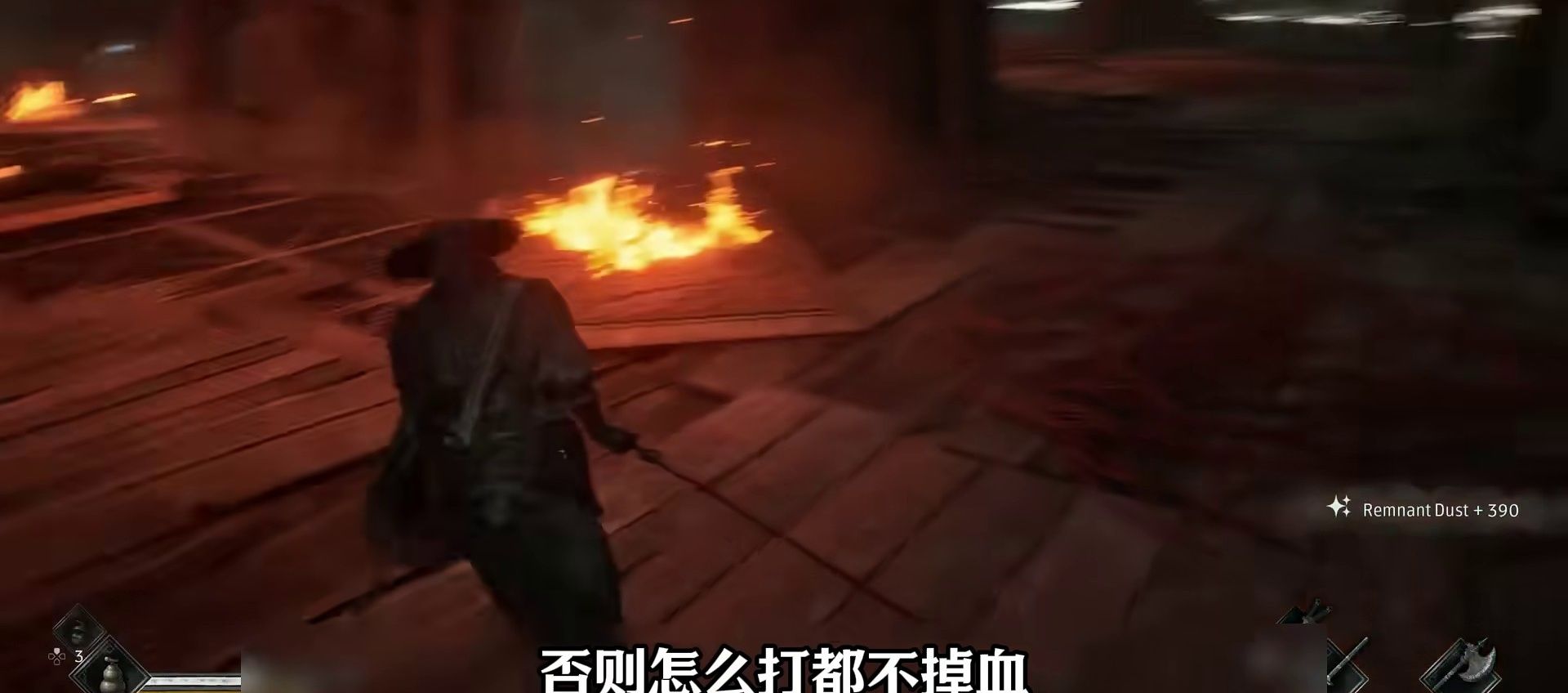
That said, IGN US was also the only outlet at the entire show to flash a "yellow card" - optimization. It pointed out that the demo build suffered from fairly severe frame drops, and since testing was done on a high-end PC, the outlet was especially worried about how the PS5 version would be optimized. IGN China, meanwhile, never brought this up, noting only that no serious bugs affecting progression were encountered in the first few hours, and stating clearly: This build isn't final yet - the team is still debugging and optimizing.
On the combat front, IGN US's line deserves to be quoted verbatim:
"This is the smoothest, most satisfying action experience since Sekiro: Shadows Die Twice."
He even offered an example: blocking three throwing knives in a row, then chaining into an aerial tumbling combo - "it felt like I was the only person in the world who could pull that off."
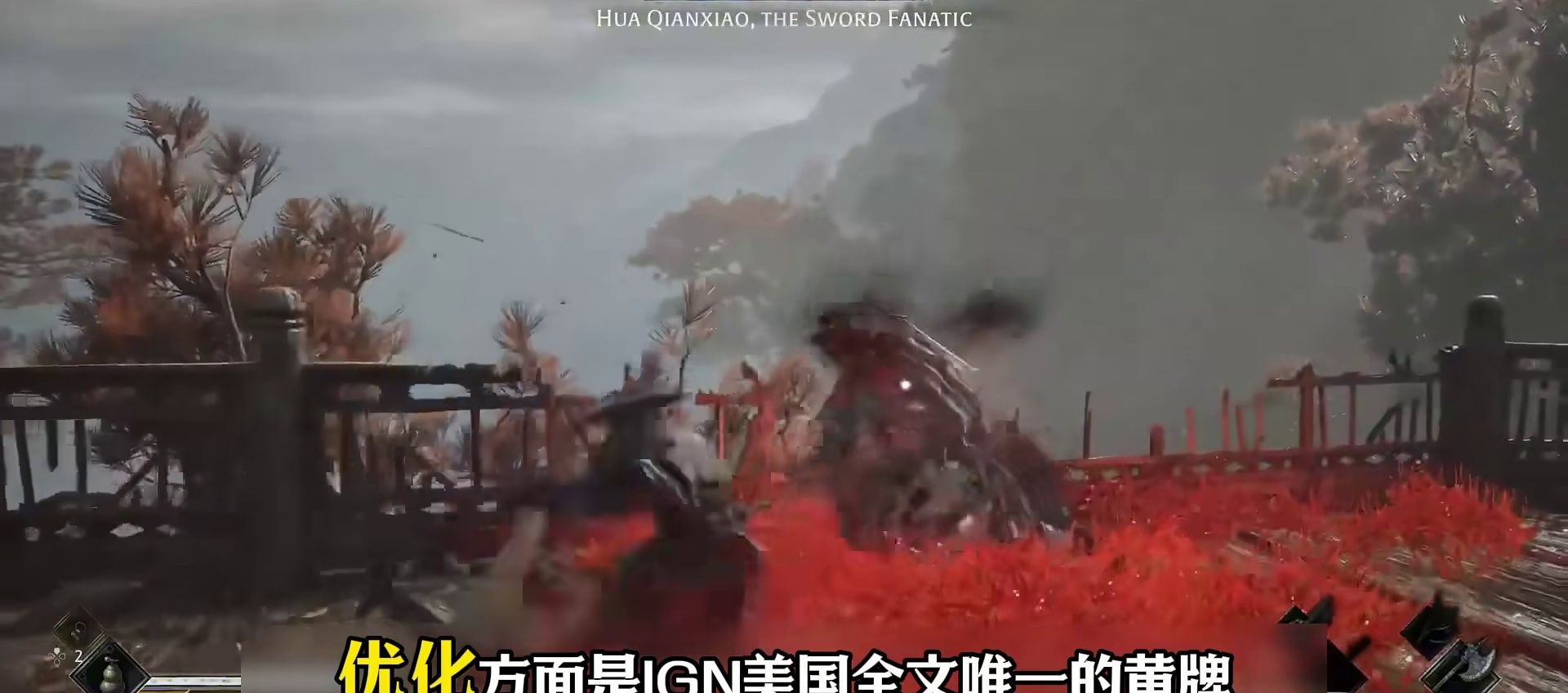
IGN China was even more direct - its headline simply read: "Possibly the most internationally appealing Chinese wuxia game." As for the story, the two outlets weren't on the same page: IGN China believed both new and veteran players would be able to follow the plot, and that the family massacre behind the protagonist's origins would appear multiple times and prove crucial; IGN US was more reserved, feeling that much of it was setup work - decent, but not especially gripping. We'll dig into this part later.
Combat Deep Dive: The Killing Intent System Is the Soul, Blue and Red Lights Are the Heartbeat
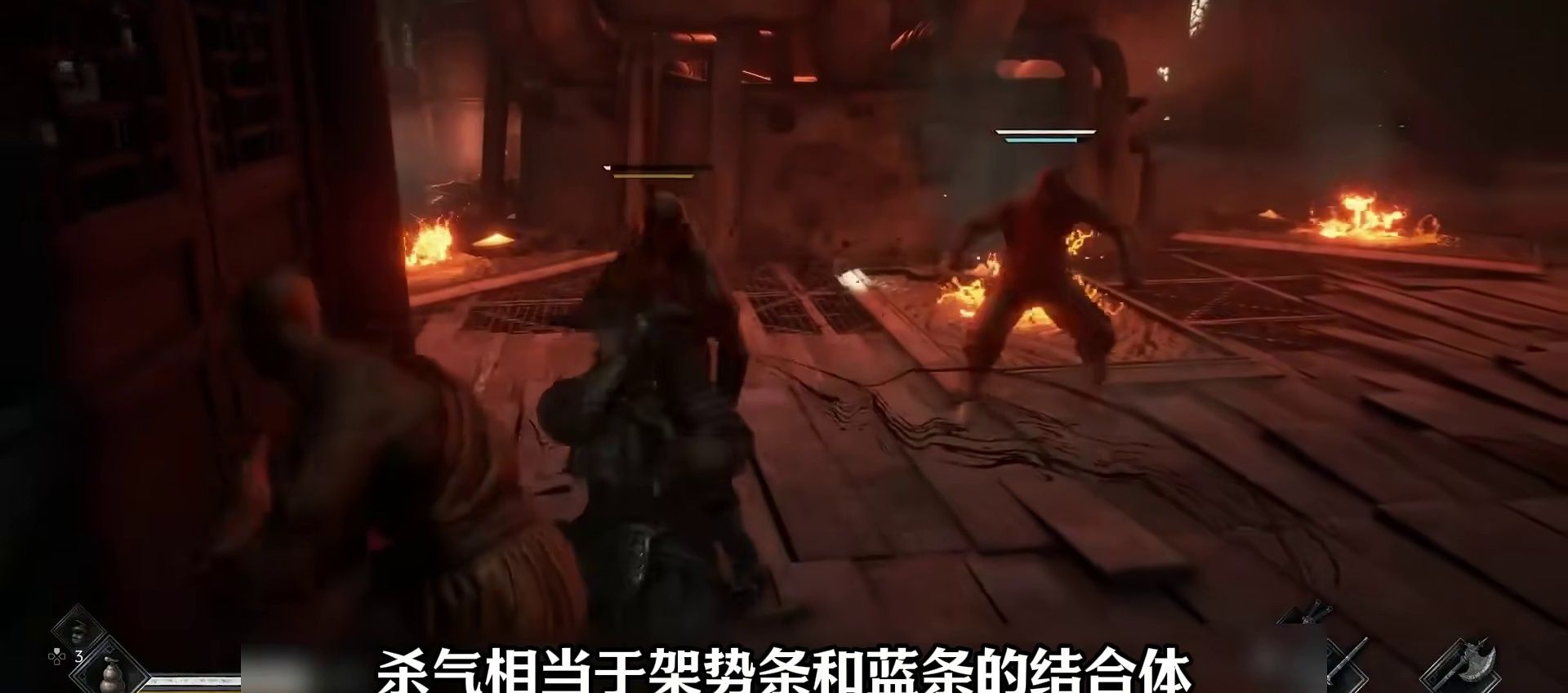
IGN China offered the most detailed breakdown of the combat system. At the core of the game is the Killing Intent system - offense and defense draw from a single shared resource: both certain attacks and sustained blocking consume Killing Intent, and once it runs dry, you'd better brace yourself to have your guard broken and take the hits.
However, each weapon's Killing Intent is independent: after switching weapons, you draw on the new weapon's Killing Intent, while the one you swapped out automatically refills to full. The game lets players equip two weapons at once, so choosing the right moments to swap weapons - recovering and spending Killing Intent - will be one of the game's core mechanics.
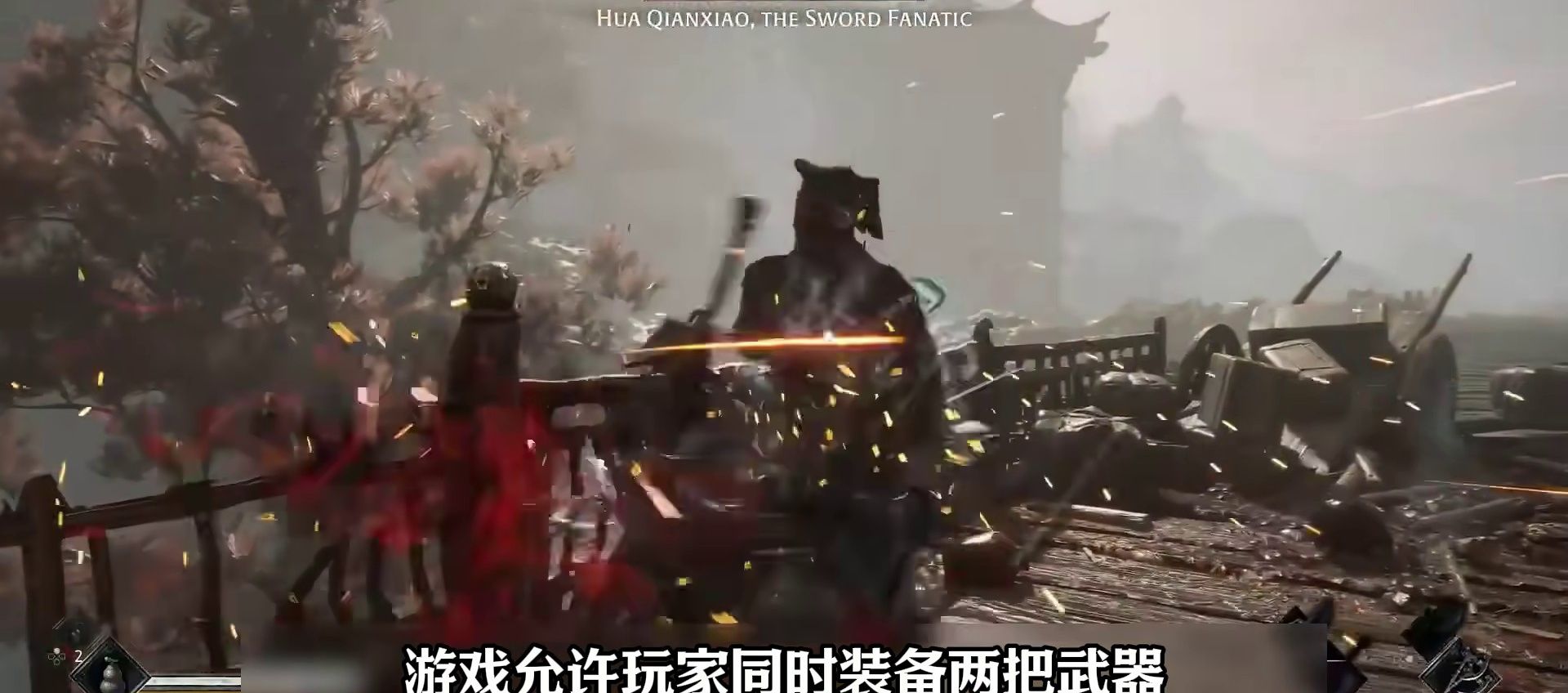
Complementing the regular Killing Intent consumed in standard combat is a system called Pure Killing Intent: it builds up by spending regular Killing Intent while on the offensive, and is used to unleash the signature technique of your currently equipped main weapon. Most signature techniques are finisher moves that automatically chain attacks together, and they also carry an interrupt effect that breaks enemy attacks during execution - timed well in combat, they can absolutely turn the tide of a fight in a single stroke.
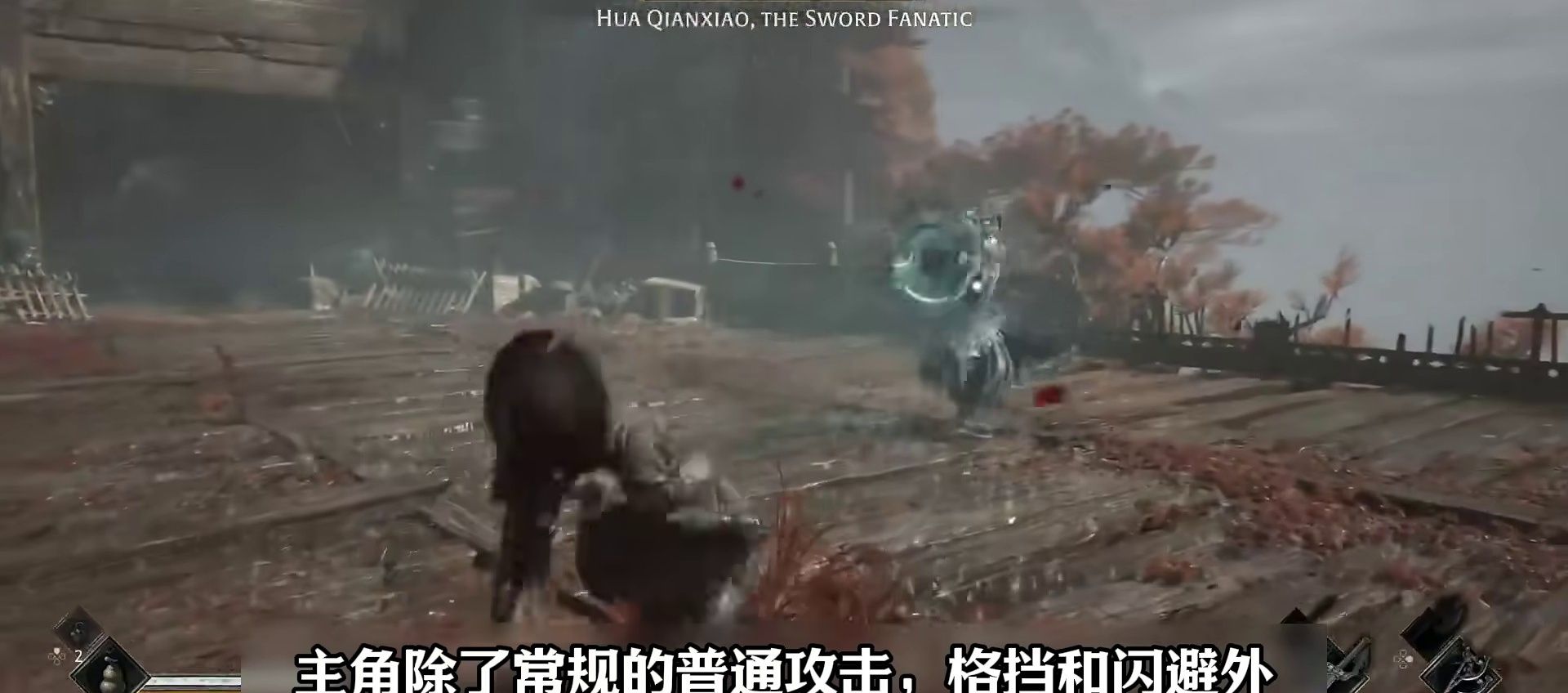
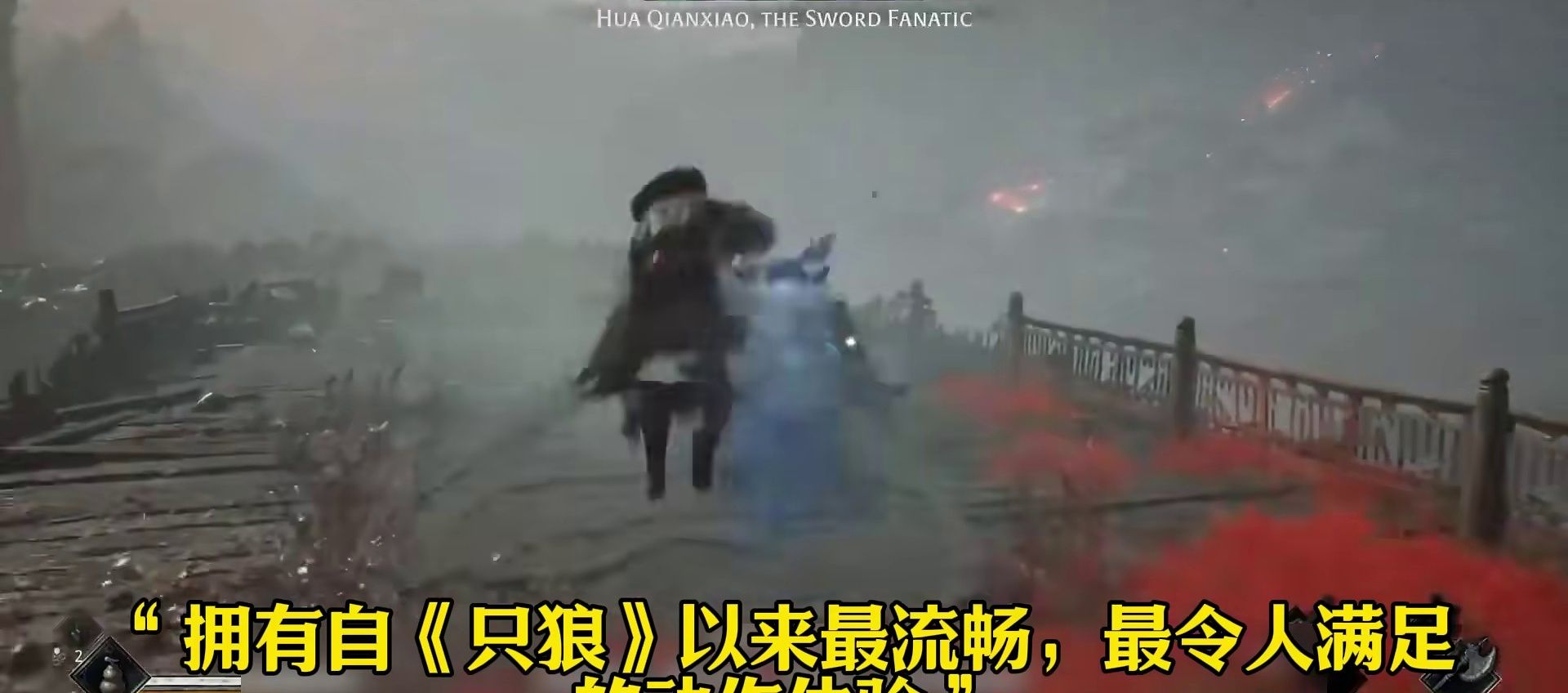
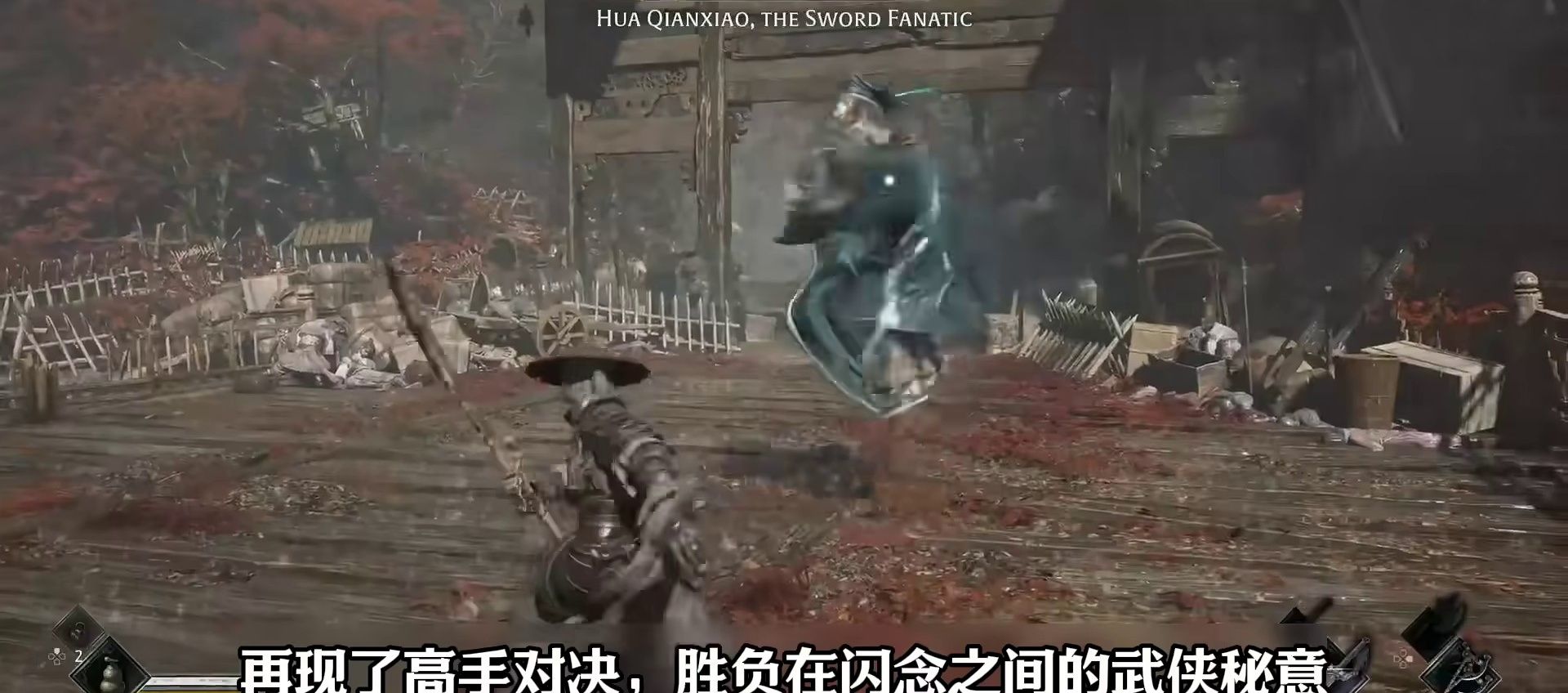
Beyond the standard attacks, blocks, and dodges, the protagonist must also keep a close eye on the blue-light and red-light skills enemies unleash: blue-light skills can be blocked - press block at the instant an enemy attack is about to land for a perfect block; red-light skills cannot be blocked and must be dodged - likewise, pressing dodge at the moment of impact results in a perfect dodge. Either way, beyond the flashier presentation, these open up prime counterattack opportunities - the wuxia ideal of master duels decided in a split second has been genuinely built into the mechanics themselves.
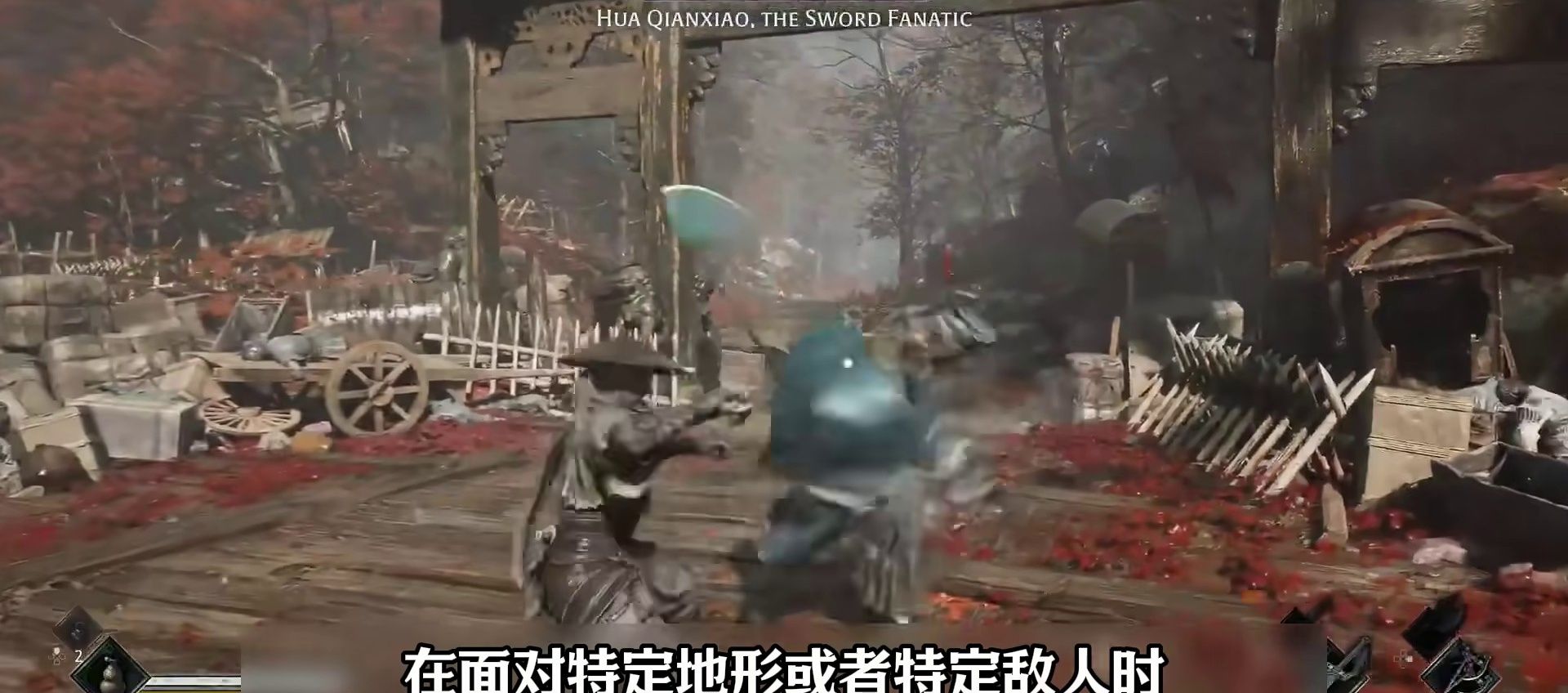
The arsenal is also impressively large: 30 main weapons and 25 secondary weapons, each of which gains additional skills through upgrades, with the cap shown so far sitting at level 25. Below level 10, all upgrade resources can be refunded without loss; past level 10, it requires consuming specific items - the development team is clearly encouraging players to experiment. On top of that, equipment, accessories, and a skill tree system will grow alongside the player: specific gear can work wonders against particular terrain or enemies, and different slots can be freely mixed and matched to maximize bonuses. Just how deep this RPG design goes - we'll likely have to wait until release for a final verdict.
Interestingly, The Outer Haven's description of the combat dovetails perfectly with IGN US's. In his view, the "speed" of Phantom Blade Zero is an entirely different rhythm from Sekiro: with perfect dodges and ghost steps weaving between weapons, you'll almost never be standing still - the whole thing plays like a fluid dance. He also made a point of stressing one thing: "Mashing the attack button won't get you far."
Boss Lineup: Six Major Battles, Each One Different - Wuzun Becomes the "Crowd Favorite"
IGN US spent six hours fighting through six boss battles, and every single one played out differently - some bosses even took a dozen-plus attempts to get past.
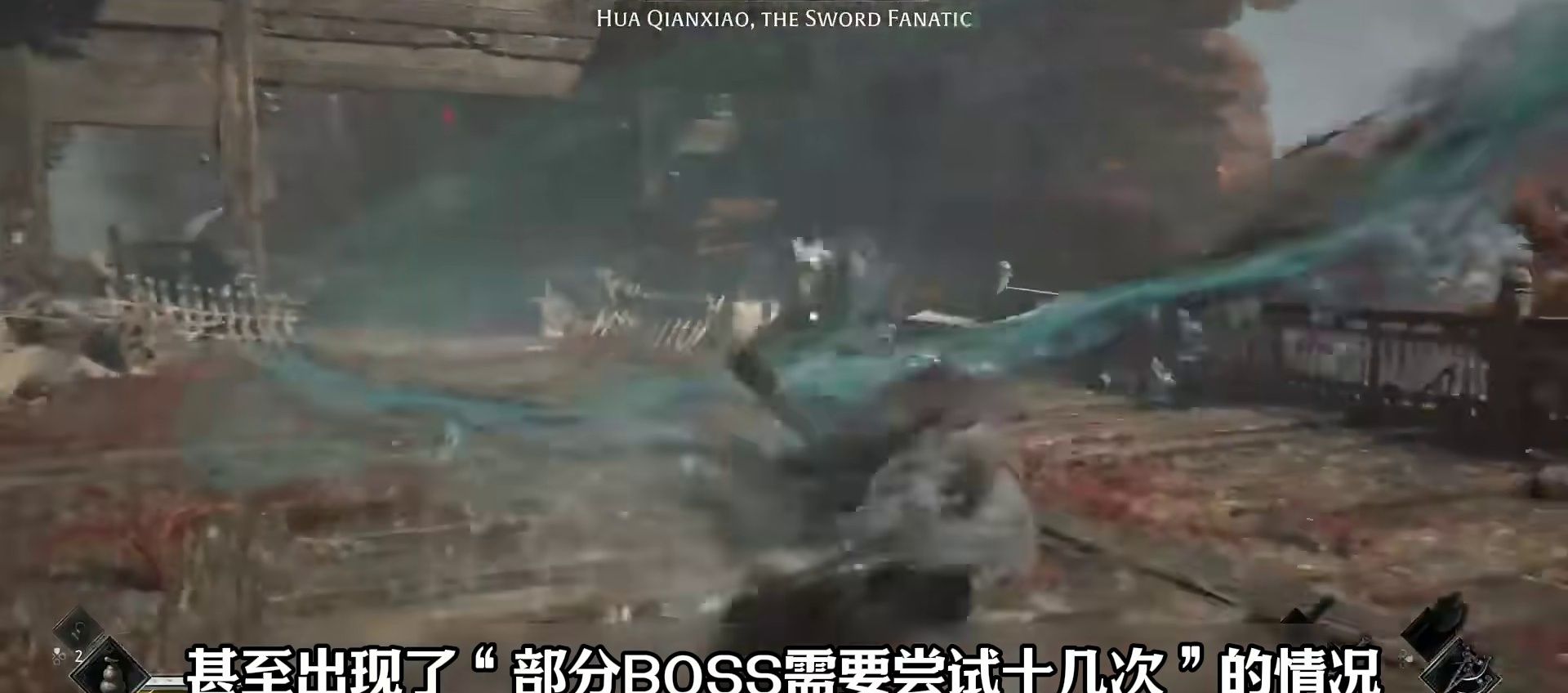
IGN China, meanwhile, laid out the full roster and each boss's role: the early-game Remnant serves as a tutorial boss; Peng Meng, the "Buddha boss" of the first level, is a textbook power-type - his moves are broad and sweeping, and both his sheer frame and the impact of his strikes keep the entire screen continuously shaking. Defeating him rewards you with a secondary weapon that can be used to cleave open paths through the terrain; the late-game Sword Maniac Hua Qianxiao, on the other hand, comes with a fairly lengthy story cinematic, clearly marking him as a principal antagonist who carries enormous weight in the game.
Beyond the main story, two mid-to-late-game bosses were also available for hands-on play at the event: Madam Twin Serpents and Wuzun. The former's soul drifts around the arena - to borrow 3DM's phrasing: in this boss's second phase, someone shows up to help the player, but her movements are far too nimble, so only ranged attacks of the sleeve-arrow variety offer decent windows to deal damage.
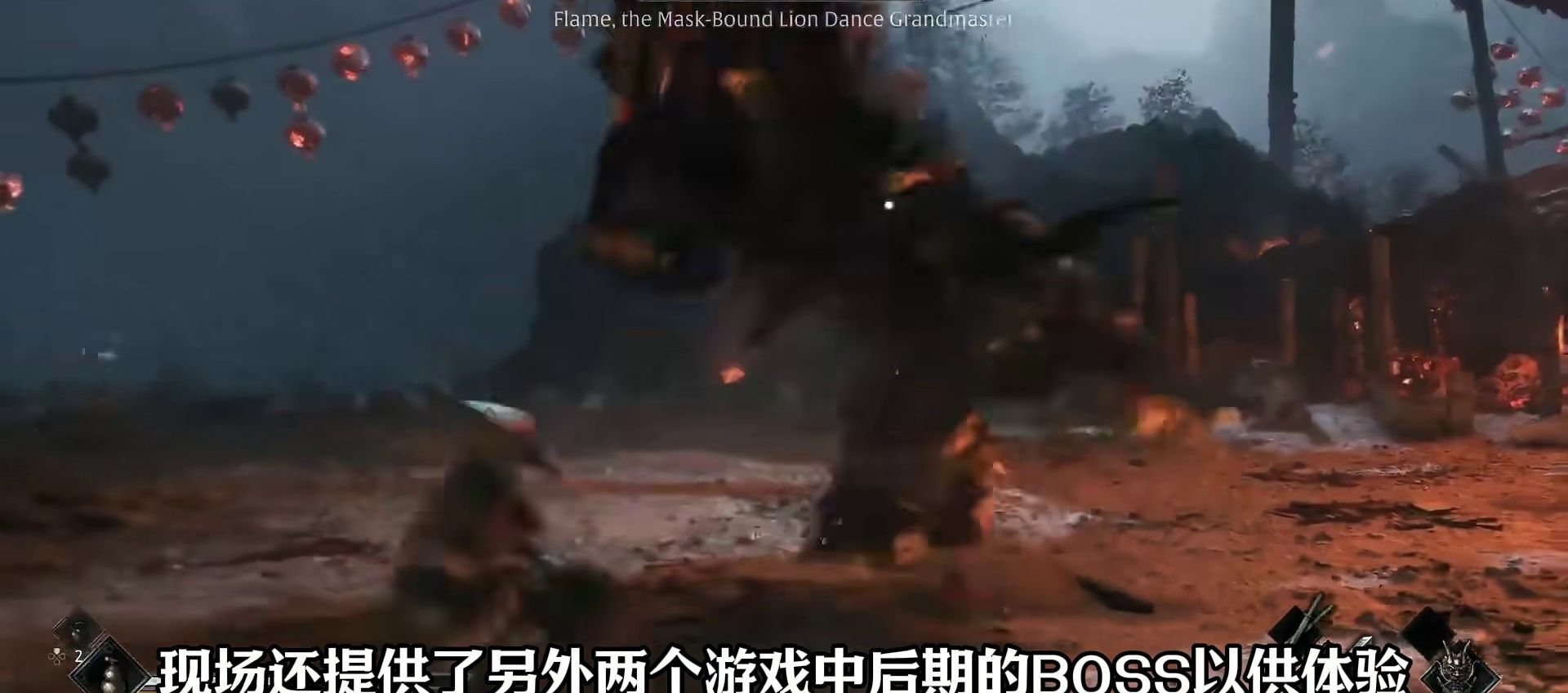
With Wuzun, IGN China's editor spotted a design built around "making smart use of mechanics": since the lion head comes with fire attacks, brute-forcing it head-on is a quick way to eat heavy damage; but if you find a water vat in the environment and douse him with it, the fire damage drops dramatically, lowering the difficulty of the boss fight.
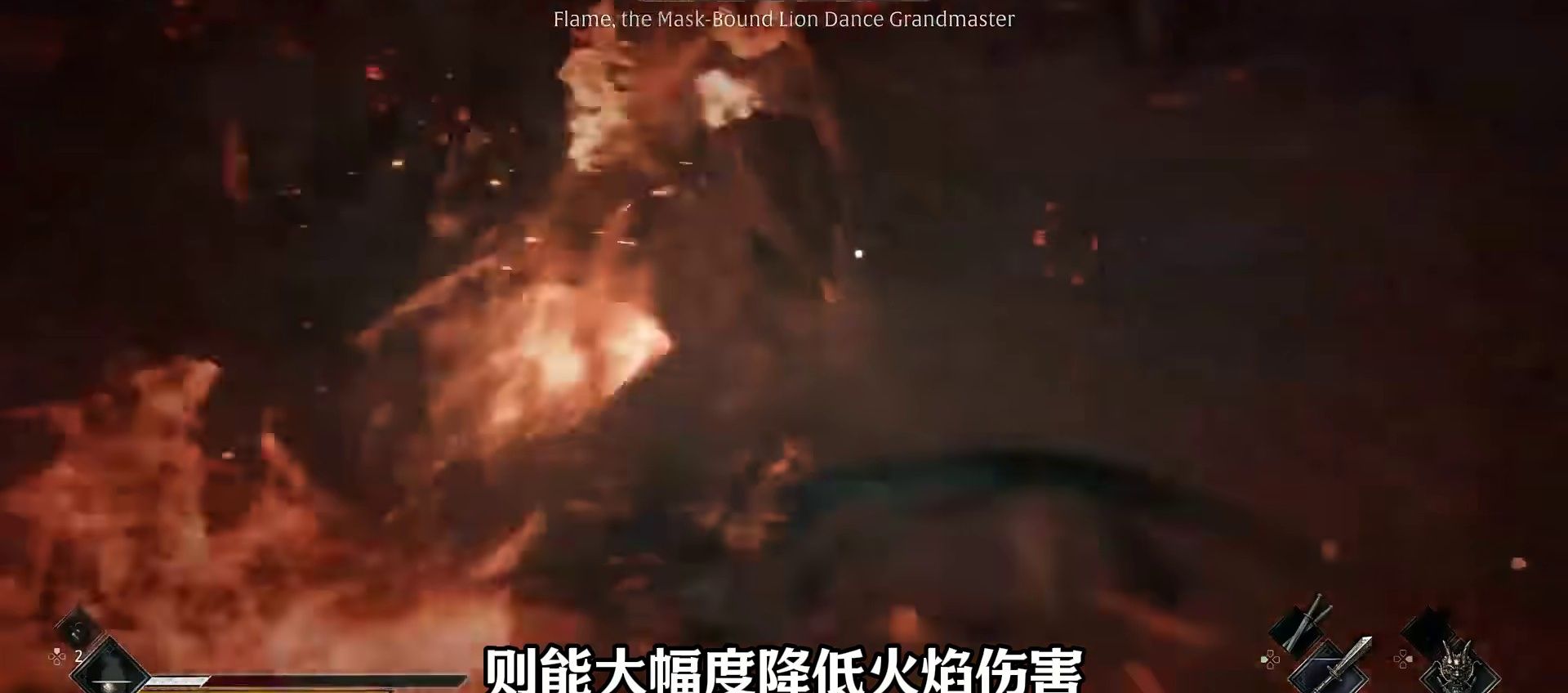
Assessments of Wuzun were surprisingly high across every outlet. The Outer Haven put it in these exact words:
"I've fought similar things in Elden Ring, but this one wins hands down - wins hands down, easily."
Game Informer, for its part, delivered the highest praise of all: the entire set of mechanics and the presentation are superb, and the "dual Wuzun" action is utterly one of a kind - after taking down the last assisting minion in phase two, you can even snatch a lion-head mask, leap onto the plum blossom poles yourself, and spray your very own fireballs at the boss. His verdict on the carriage boss fight, however, was notably more reserved: the spectacle outweighs the practical gameplay - there are no QTE segments at any point, yet the whole thing feels like you're playing one.
Maps and Level Design: One Word - "Hidden" - and a Rejection of "Yellow Paint"
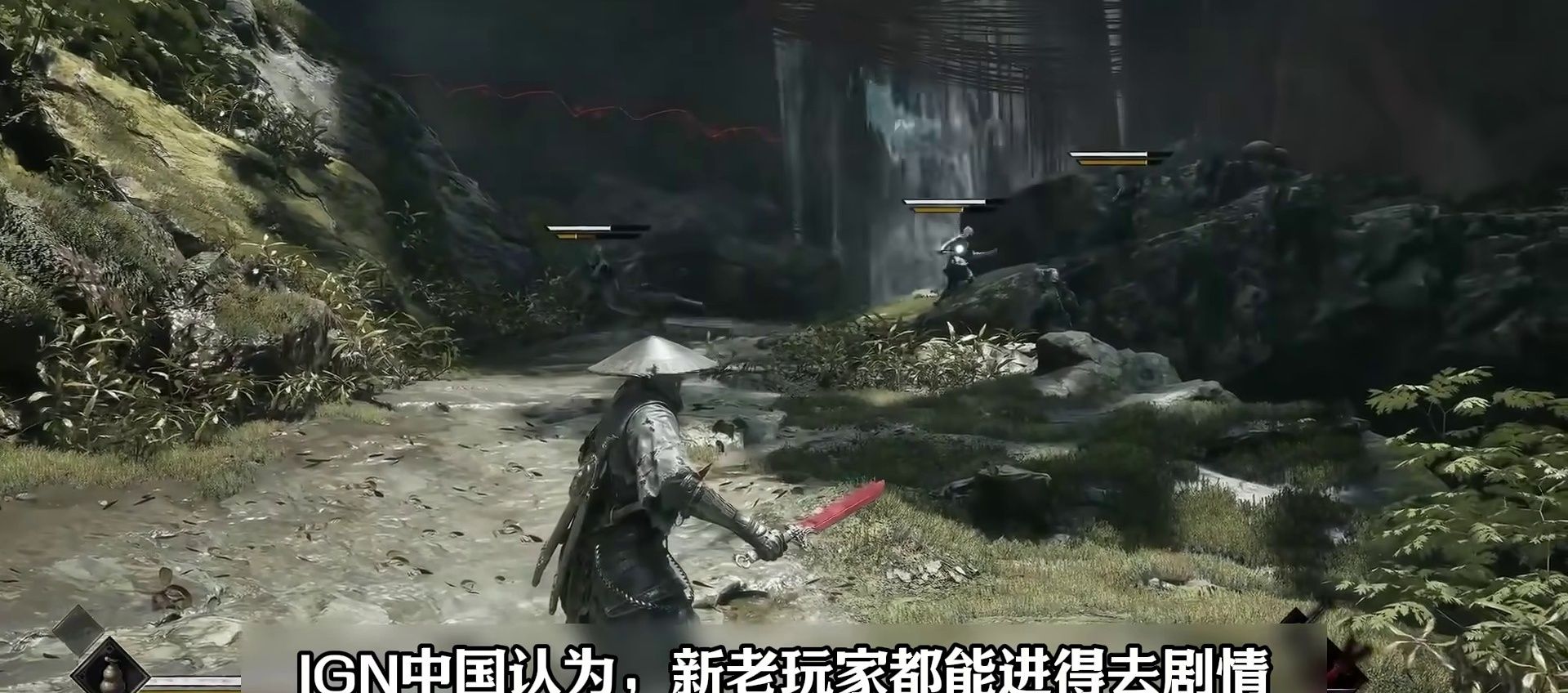
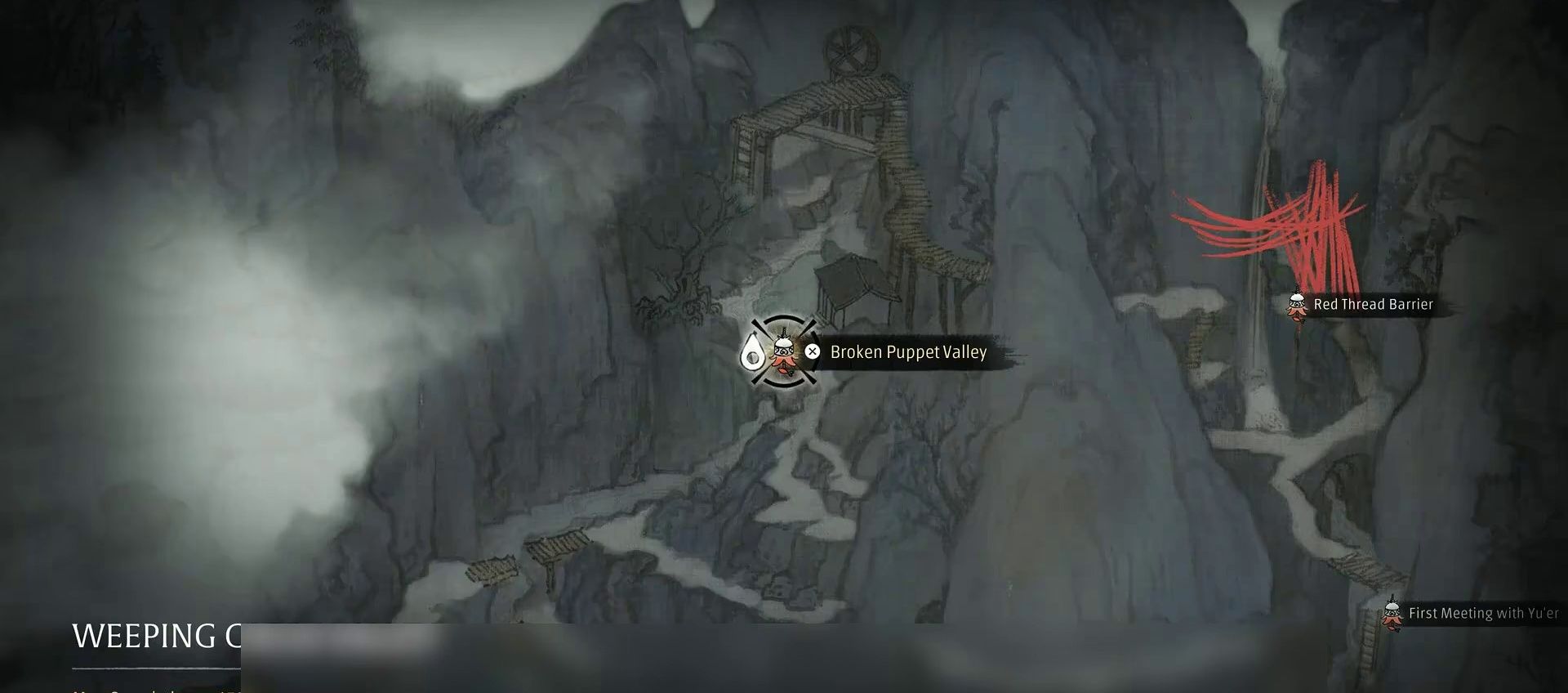
On the map-design front, both IGN outlets emphasized the word "hidden." IGN US found weapons that no other demo players had ever laid eyes on, a hidden boss, and an underground fortress that only revealed itself on the way back; IGN China went into finer detail: the game adopts hakoniwa-style (box-garden) level design seamlessly connected into one large map, and defeated regular enemies do not respawn - a choice that should make exploring the map far easier for players.
The Outer Haven's comment captured it well:
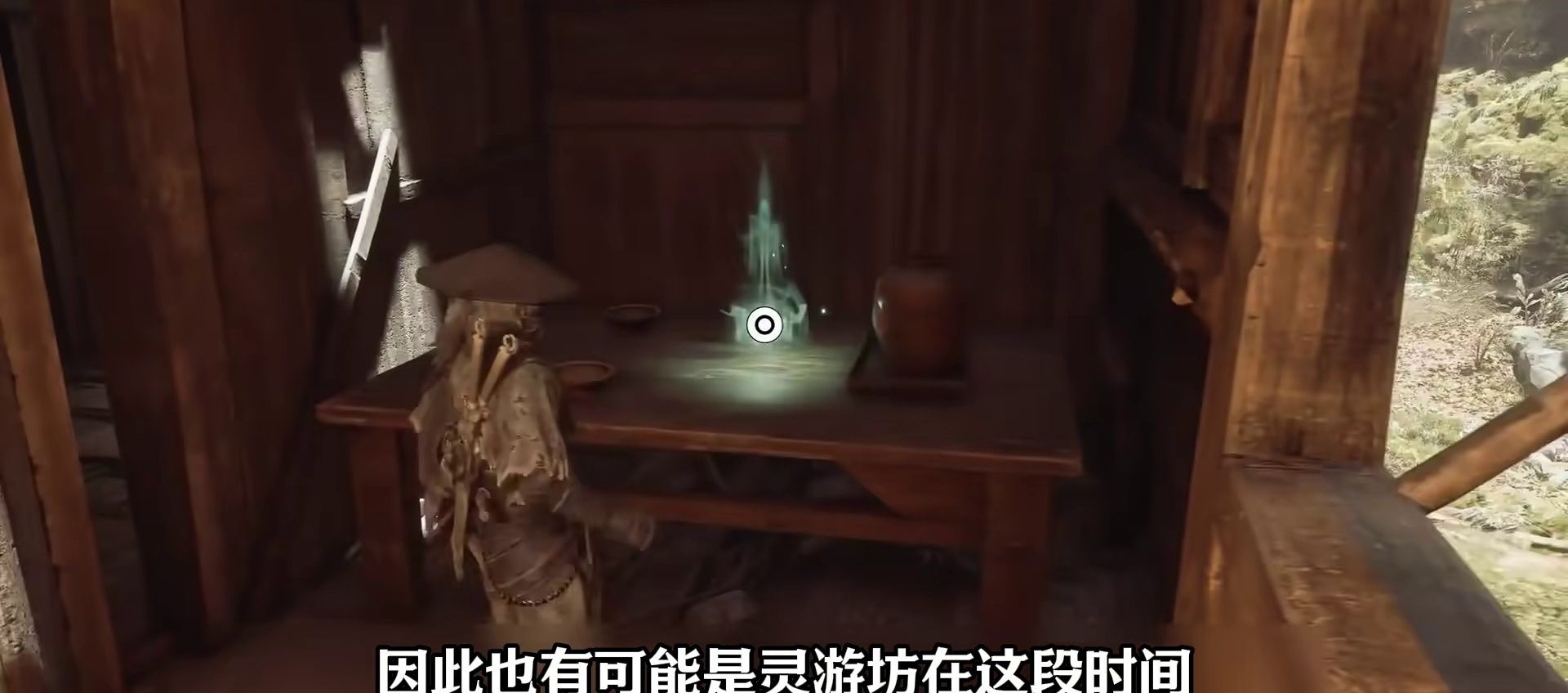
"The game doesn't point a giant marker at everything, nor does it paint the environment yellow and yell 'Hey, over here!' It uses visual design to naturally guide players so they never miss anything. I really like that."
Game Informer offered an observation from another angle: given how heavily the game leans into combat and combat choreography, he had initially feared it would boil down to a string of arena-bound fights; but the protagonist, Soul, can sneak up on enemies and open up shortcuts, and you can also find characters who need help and offer quests. As a result, he's reluctant to file Phantom Blade Zero under the soulslike category - the game overall comes across as more forgiving, but its level layout does indeed call that structure to mind.
Story and Narrative: The Family Massacre, the Archery Master, and the 66-Day Countdown
In terms of story, IGN China felt that both newcomers and veteran players can follow it smoothly; the massacre tied to the protagonist's backstory recurs multiple times throughout the plot and proves quite pivotal. IGN US was more reserved: it's mostly setup work - decent, but not especially gripping.
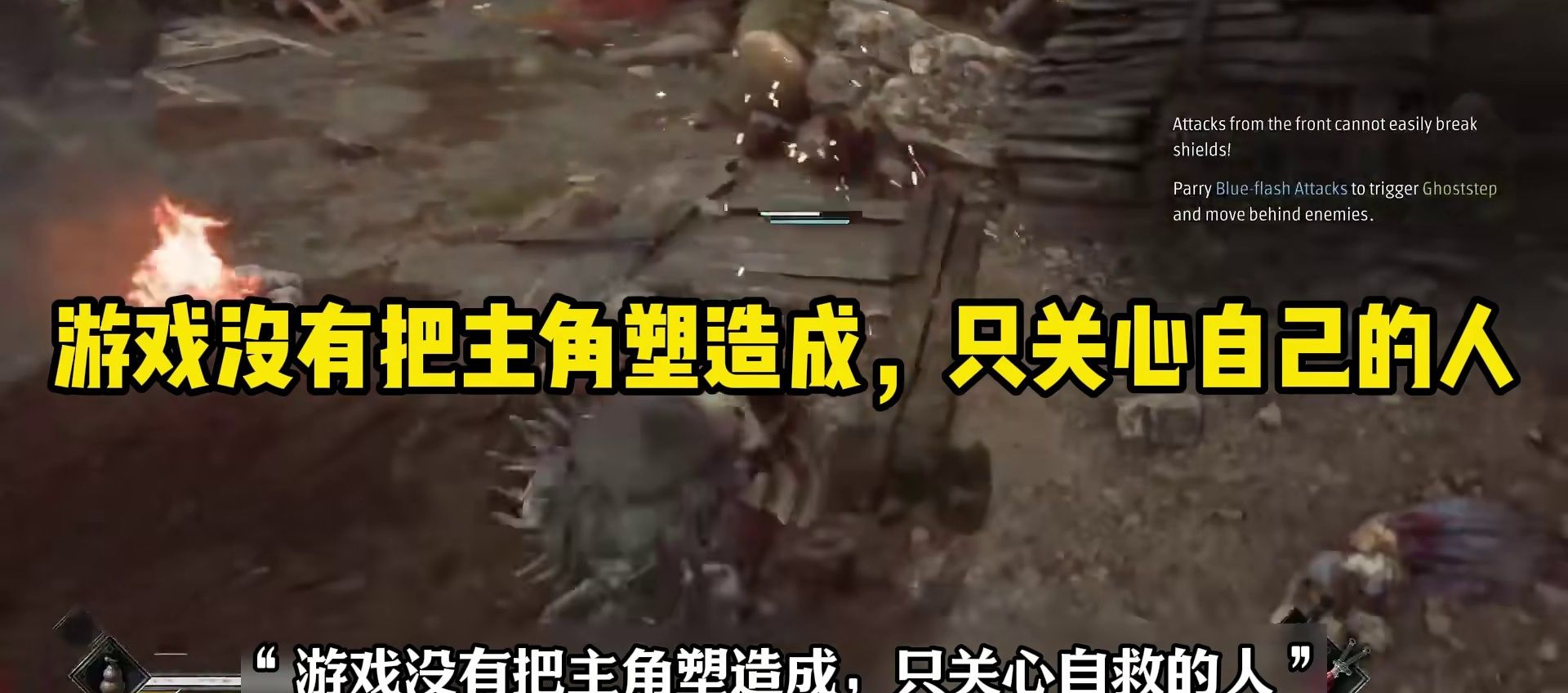
The Outer Haven brought up one side quest that left a deep impression on him: a student trained by an archery master uses the very skills he was taught to kill, and the master asks you to deal with him; afterward, you return the damaged bow to him in exchange for a ranged attack ability. His verdict: "The game never portrays the protagonist as someone who only cares about saving his own skin."
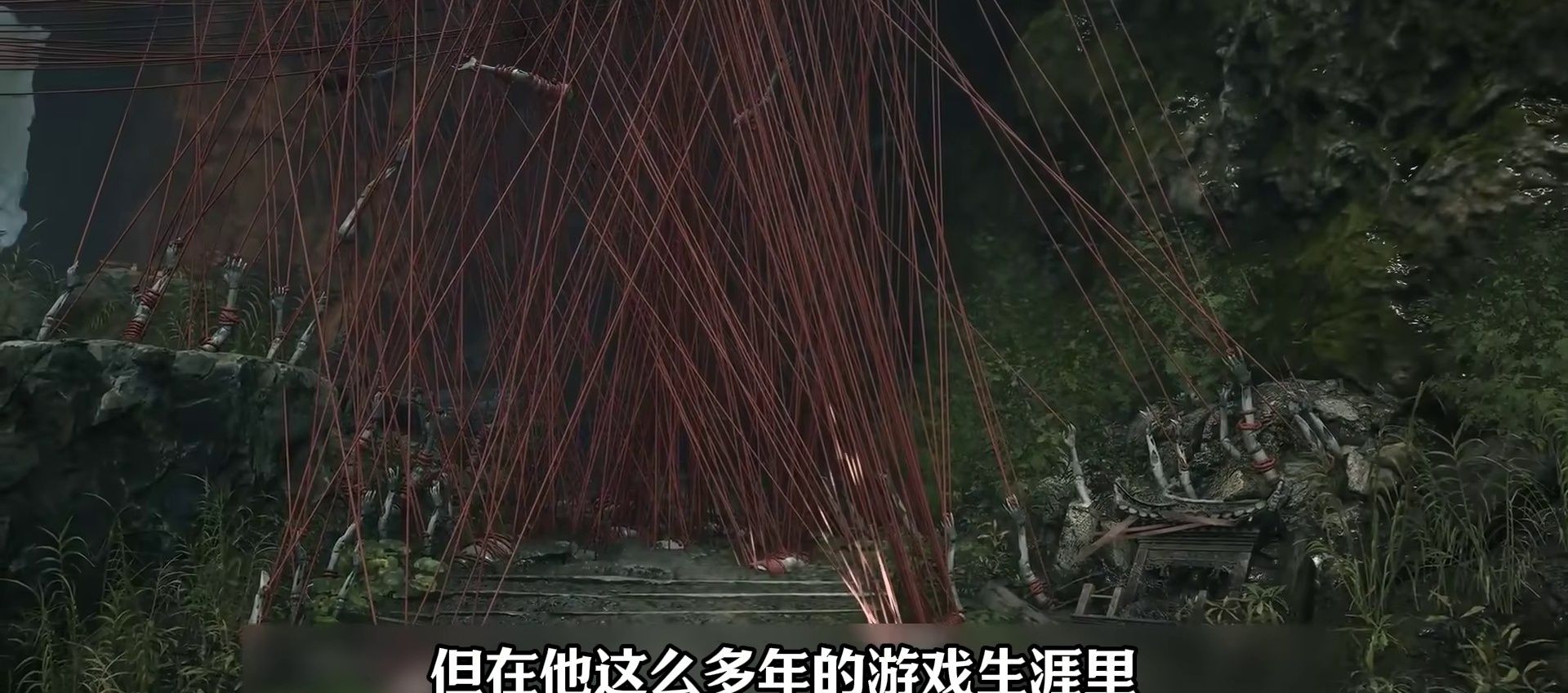
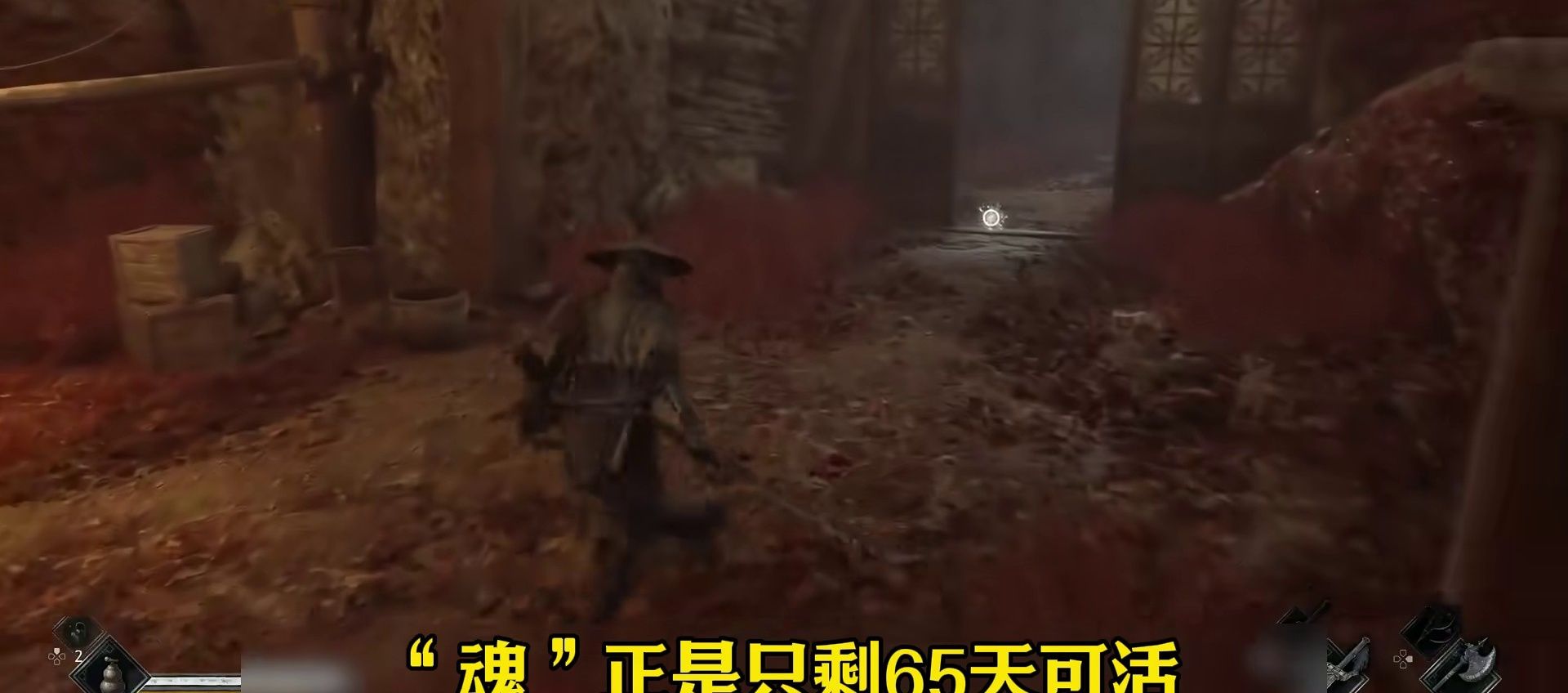
As for the tone of the main storyline, Game Informer put it most vividly: after Soul wakes from a coma, the game declares in a strikingly impactful way - he officially has only 66 days left to live.
"No time left."
These three words are both the engine of the plot and the key to that famous assessment in the next section.
Details Make the Difference: The Best Ladder-Climbing Feel in Video Game History?
Game Informer and GameSpot both attended gamescom in August, and both came away deeply impressed by Phantom Blade Zero. The former delivered the single most viral line of the entire hands-on preview round: *"Phantom Blade Zero may have the best ladder-climbing feel in video game history."*
Praising ladder-climbing as a mechanic in its own right might sound odd at first, but he took the time to explain it in his write-up: Soul is the fastest ladder-climbing character he has ever controlled. In most games, ladders drag the pacing to a standstill - you push the analog stick, then you wait; if you're lucky, you can press the sprint button to make your character climb a little faster, or just slide straight down. "Even in Elden Ring, that's already the best-case scenario."
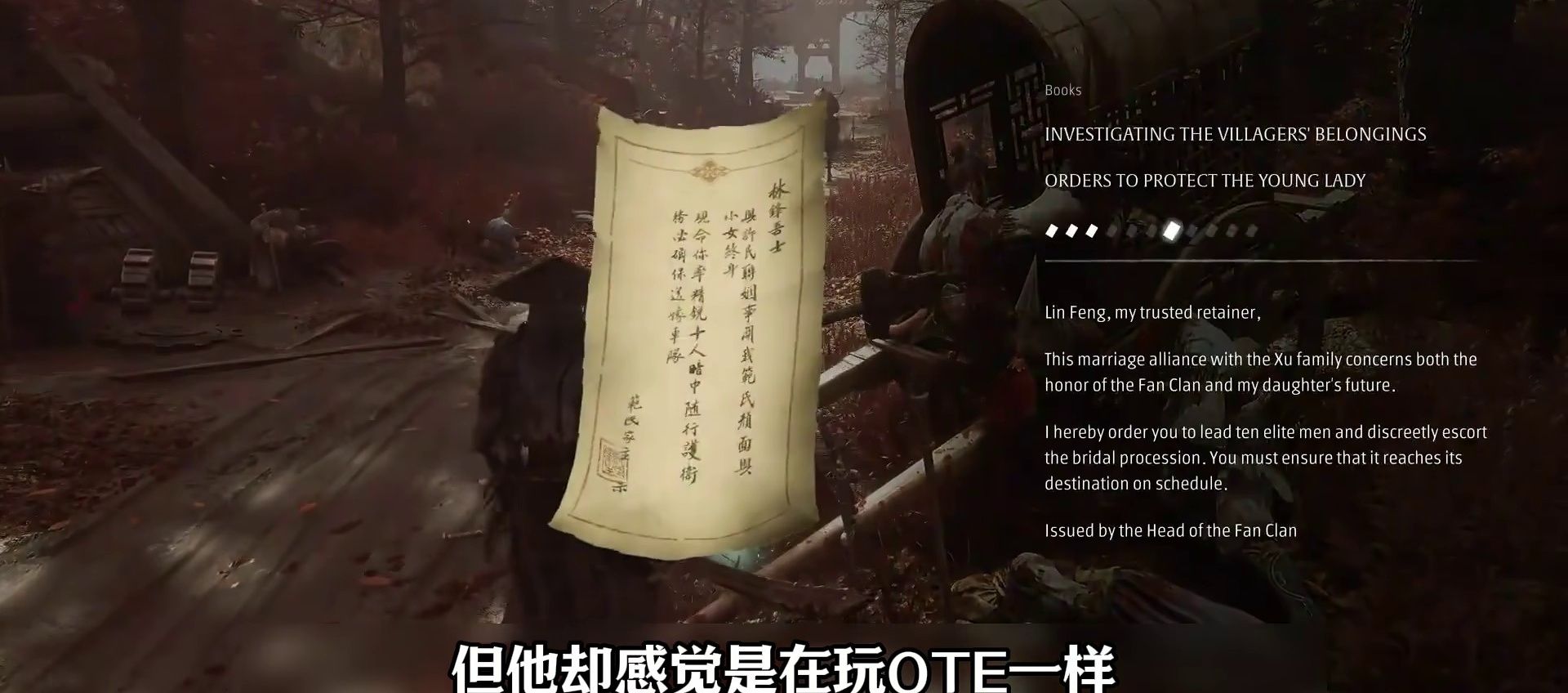
But when Soul climbs a ladder, it's like Spider-Man sprinting up the side of a skyscraper - just like the player racing toward the next unforgettable moment, he has no time to gingerly plant his feet and grip the rungs one by one. After all, why would a man with only 66 days left to live slow down?
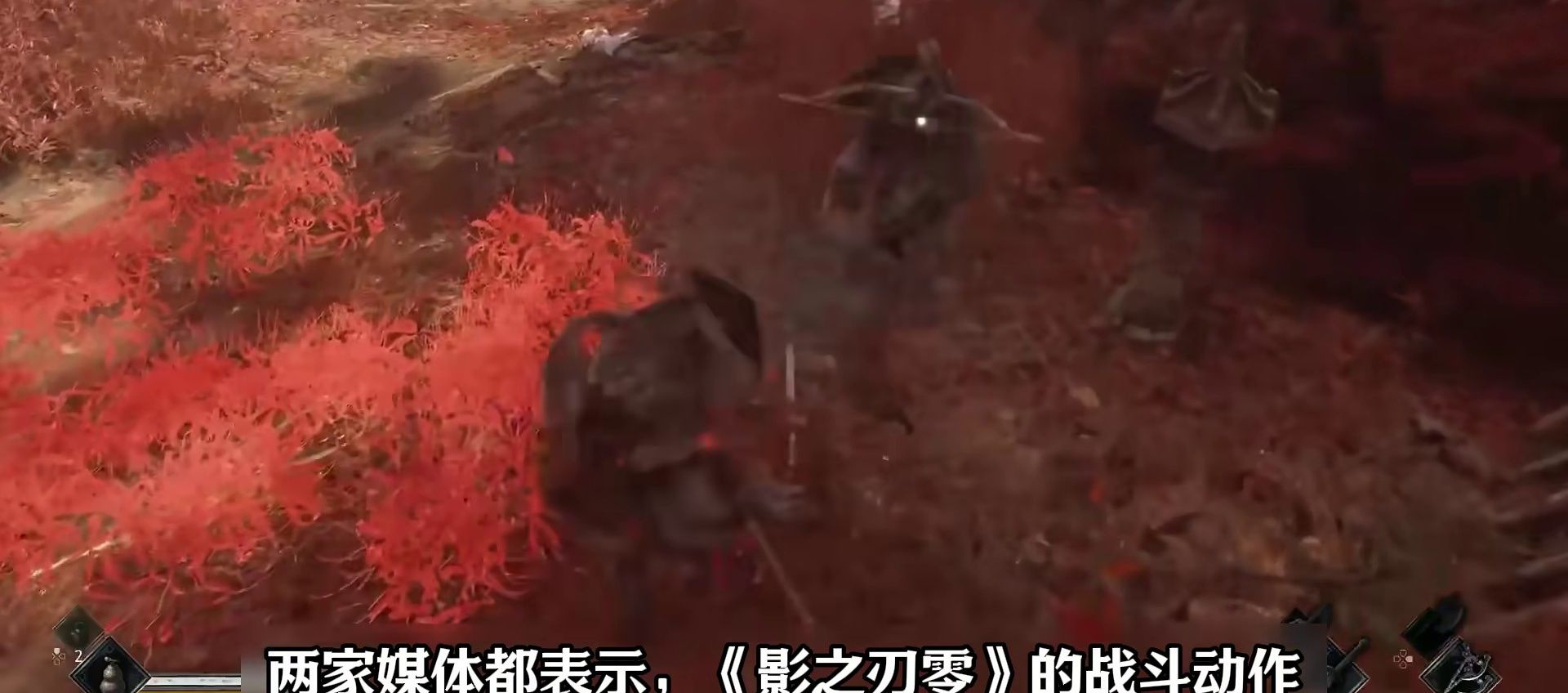
Another intriguing detail: both Game Informer and GameSpot said that Phantom Blade Zero's combat moves instantly brought Crouching Tiger, Hidden Dragon to mind - that elegance and beauty unique to Chinese martial arts have genuinely been brought to life by S-GAME. And GameSpot's verdict was refreshingly blunt: "Completely won over by this game."
Reception and Suspense: A Game of the Year Nomination, "Taming Unreal Engine 5," and the PS5 Question Mark
Putting all the outlets' evaluations side by side, the phrase "overwhelmingly positive" is no exaggeration: The Outer Haven believes Phantom Blade Zero could earn a Game of the Year nomination, and after six hours of play said, "I still want more"; the IGN US reviewer had it at the number one spot on their wishlist within five minutes.
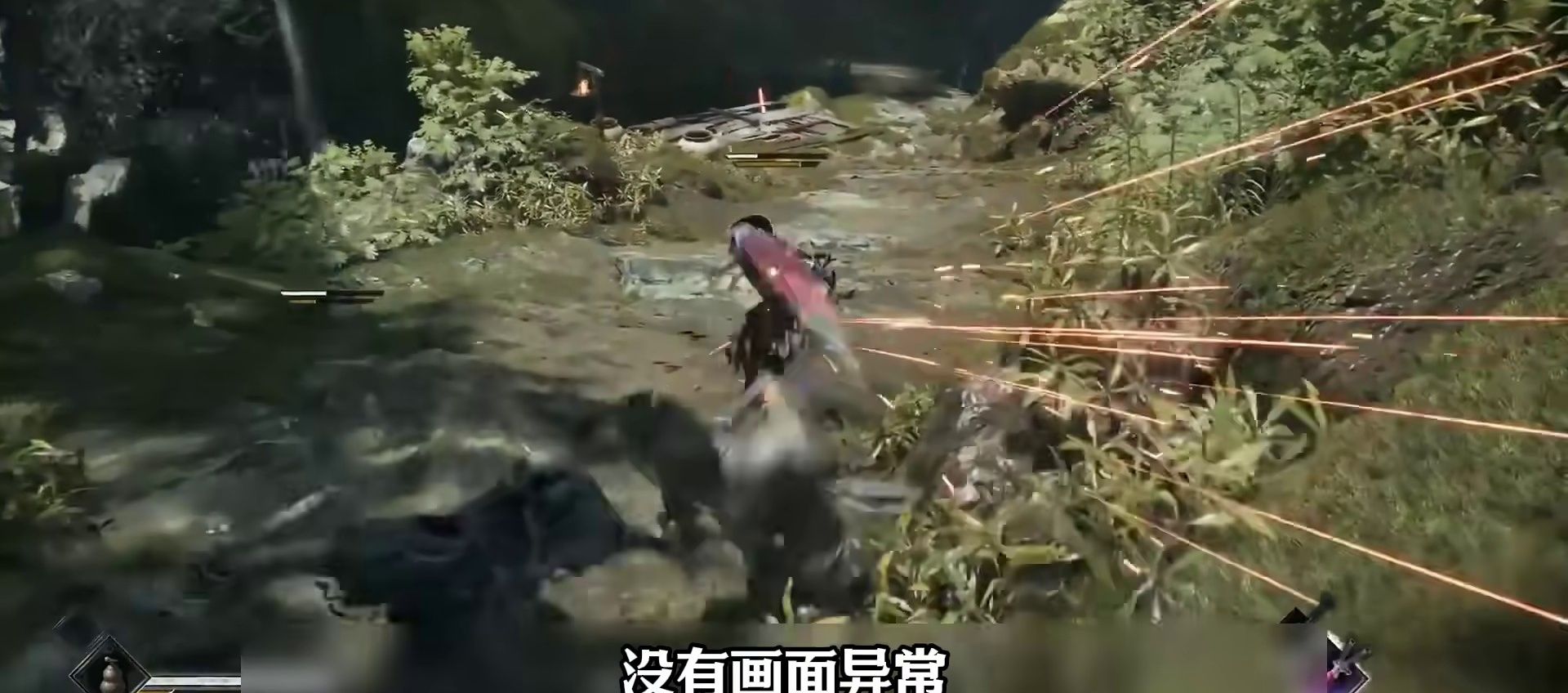
Optimization is the only area where a "Rashomon" situation has emerged. The Outer Haven made it clear that he played on PC and that performance was excellent throughout: no stuttering, no noticeable frame drops, no graphical anomalies - he even went so far as to declare that "S-GAME has completely tamed Unreal Engine 5" - though he added one caveat: his machine is a high-end rig, so it can't speak for the state of mid- and low-tier hardware. This stands in direct contradiction to IGN US's claim of "severe frame drops on a PC of the same tier," and both sides insist their accounts come from hands-on testing.
One possible explanation: the IGN US editor had recording enabled during their play session, which ate into part of the system's performance; meanwhile, feedback from the subsequent wave of hands-on sessions in China has been almost uniformly that the game runs smoothly - possibly because S-GAME squeezed in another round of optimization work during this window.
What remains genuinely unresolved is how the PS5 version will perform, and just how far that "not yet locked" demo build can ultimately be polished; the depth of the RPG systems - equipment, accessories, and the skill tree - will likewise only become clear at the game's official release. But on at least one point, every media outlet is in complete agreement: this time, no one doubts the international appeal of Chinese wuxia action games.
Top Community Comments
@AncientGrievance (83 likes): "Another Chinese game? Is making Chinese games all China can do?"
This top comment drips with irony - with Phantom Blade Zero currently riding a wave of acclaim, this kind of "doom-saying" reads more like players imitating and poking fun at certain sour takes. Still, it reflects a genuine phenomenon from another angle: as Chinese-made wuxia action games keep delivering highly polished work one after another, the label "Chinese-made" is turning from a minus into a plus - and some people's stereotypes clearly haven't kept up.
@OhNoTranslator (50 likes): "Basically preordering Game of the Year / Feels like a Sekiro ripoff / Another soulslike / Feels worse than Onimusha / Feels better than Onimusha / Honestly not as good as Black Myth: Wukong / Honestly better than Black Myth: Wukong"
A single comment distills the "standard playbook" of Chinese-game discussion threads: hype it as Game of the Year first, then cry plagiarism, then pit it against rivals to knock it down, and in the end - inevitably - circle back to Black Myth: Wukong. The clever part is how this routine plays out in subtle dialogue with real media reviews: Sekiro was indeed name-dropped repeatedly by IGN, but the conclusion they landed on was "the smoothest action experience since Sekiro." The gap between clout-chasing comparisons and professional reviews is plain for anyone to see.
@PatrickStar (6 likes): "Holy crap, I'm begging you - knock me out until the 29th."
One joke, and it says everything about how eager players are. There's still a stretch of time before the next chance to get hands-on with the game, and "knock me out until that day" has become the most down-to-earth countdown imaginable - more than any gushing anticipation, the desire to actually play it firsthand is the truest review of all.
📌 One-Line Takeaway
Phantom Blade Zero turned a six-hour hands-on demo into a collective standing ovation from media around the world - the label of "the smoothest action experience since Sekiro" still needs to be validated by the full release, but this time, no one doubts the international appeal of Chinese wuxia action games.