Six-Hour Hands-On Ignites an Overseas Podcast: How Does Phantom Blade Zero Make "Onimusha Look Like the Little Brother"?
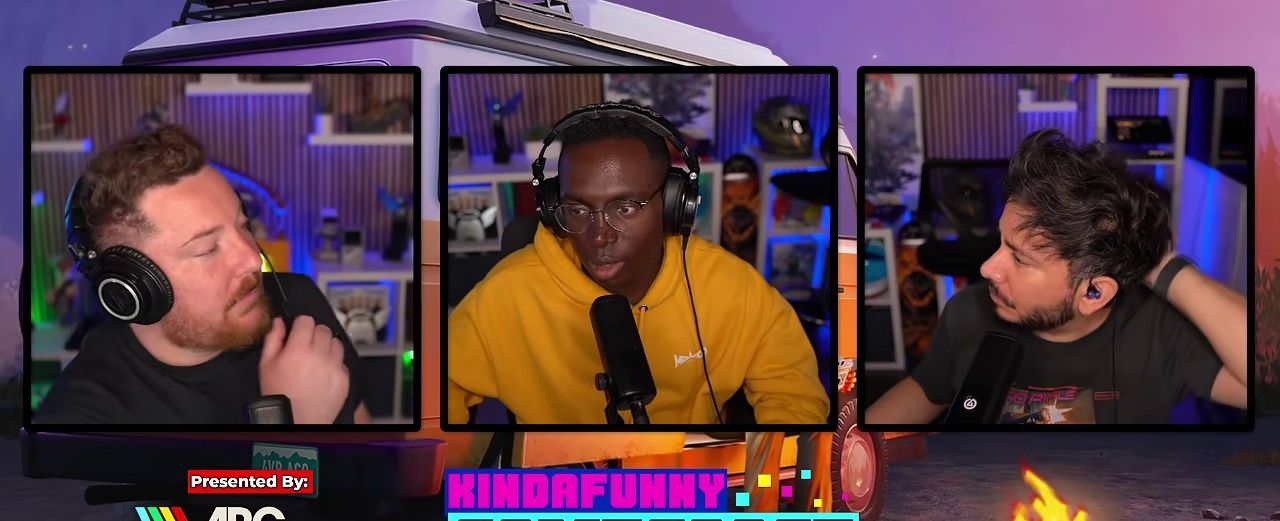
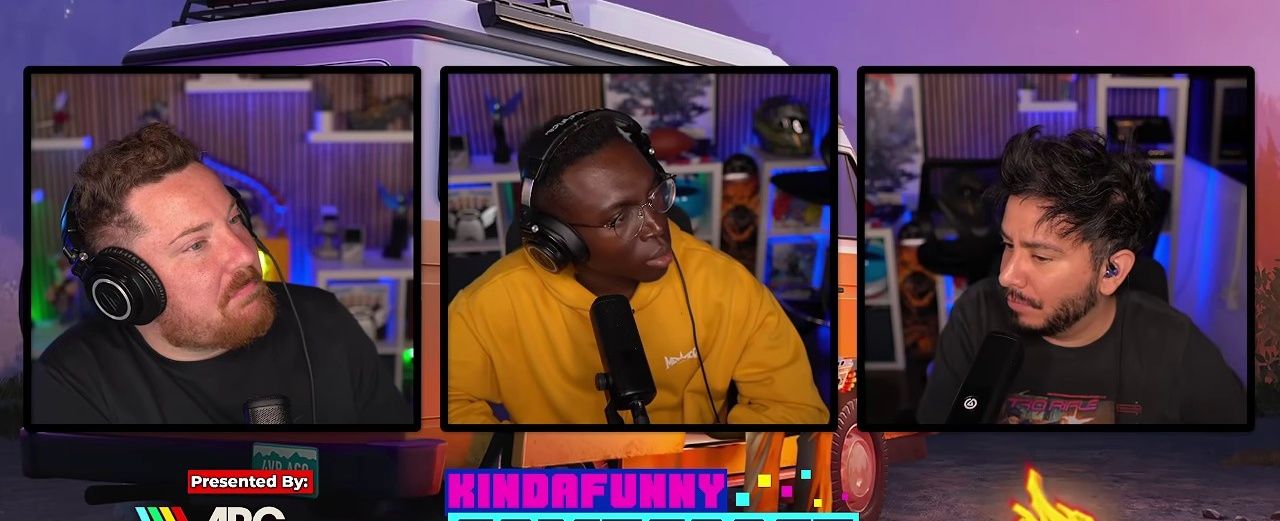
When a homegrown action game no longer needs to trade on the word "homegrown" for extra goodwill, and instead becomes the absolute star of an entire episode on a leading overseas gaming podcast, things get genuinely interesting. This well-known show, funded by member crowdfunding, read through its opening sponsor list and then wasted almost no time before announcing the episode's topic: Phantom Blade Zero - because Andy, their resident action-game specialist, had just wrapped up a hands-on session that ran a full six hours.
The moment the mic was passed over, the question was already on the table:
"We're the most die-hard action game fans in the company, so there's only one thing we want to know - will it be the next blockbuster phenomenon?"
The Weight of a Single Episode: What "Six Hours" Really Means
For overseas media, a 30-minute behind-closed-doors demo is standard practice - but six straight hours of hands-on play is access on an entirely different scale. Six hours means no longer just dabbling in the tutorial or running through a scripted demo route, but truly venturing into the depth of the game's systems: repeatedly verifying the feel of combat, stress-testing against a rotating gauntlet of bosses, and grinding through the patience-draining loop of death and retry. These are conclusions that only extended immersion can produce - and they are precisely the touchstone of an action game's true caliber.
Even more telling is the show's attitude. There was no perfunctory "a quick word while we're at it" - the entire episode was handed over to this Chinese game that has yet to see release. For a program that covers countless AAA blockbusters every week, that kind of treatment says it all.
In the lexicon of overseas core gamers, "the next big title" is a phrase that carries tremendous weight. Ever since Black Myth: Wukong burst onto the scene, action game fans across the globe have been searching for the next Eastern face that could keep them up at night. Andy's six hours were, in effect, an early answer delivered on behalf of countless players.
A Quick Primer: What Exactly Is Phantom Blade Zero?
On the show, the host read out the game's official description, word for word:
"Produced by S-GAME, Phantom Blade Zero - an exhilarating action game powered by Unreal Engine 5. You play as 'Soul,' a warrior with only 66 days left to live. Fend off the assassins hunting you down, uncover a conspiracy that could upend the world, and defend your convictions with your own life."
Taken apart, every line deserves a closer look: the developer, S-GAME (Lingyoufang), is a Beijing studio that has spent more than a decade honing its "dark wuxia" aesthetic; the game is built on Unreal Engine 5, centered on high-speed, high-density melee action; and the protagonist, "Soul", is the top assassin of the organization "The Order" - framed and poisoned by a rare toxin, his life now a ticking countdown - a protagonist handed a "death sentence" from the very start, destined to burn it all to the ground in the time he has left.
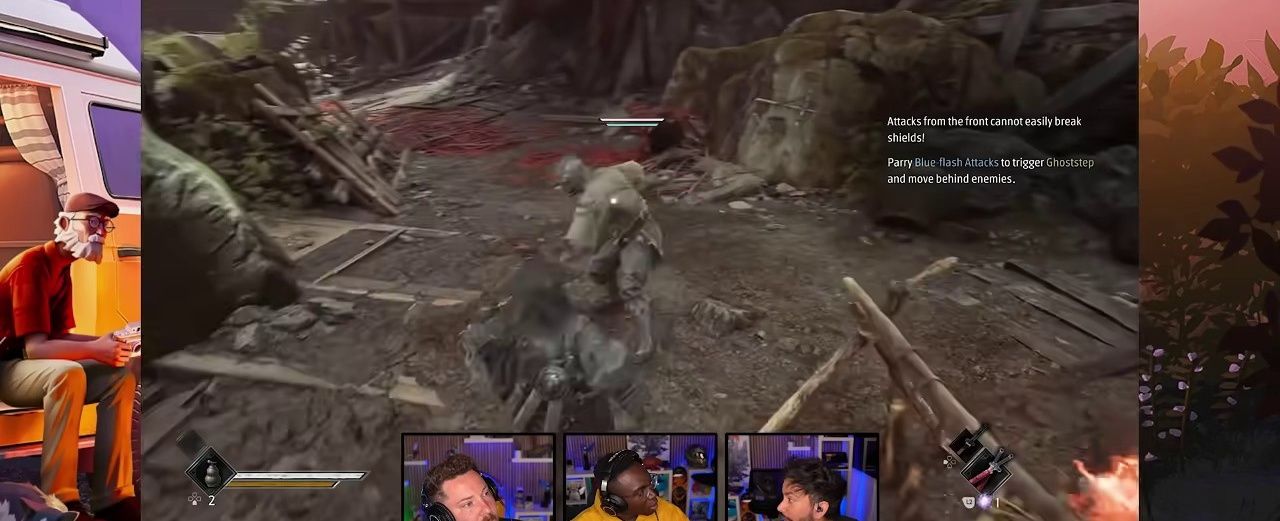
"66 days to live" is more than a narrative gimmick - it sets the emotional tone for the entire game: every battle carries the resolve of a last stand, and every choice is a race against the countdown. This narrative tension of "living toward death" is exactly why it's instantly memorable at first glance among a sea of action games.
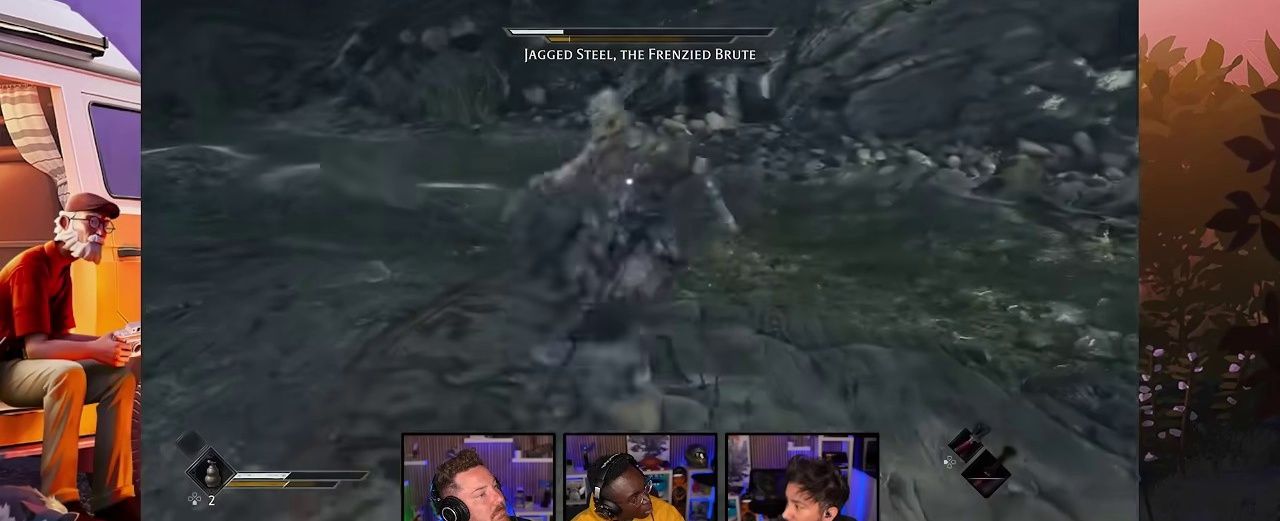
How Do You Pronounce "Wuxiang"? A Charming Cross-Cultural Mini Lesson
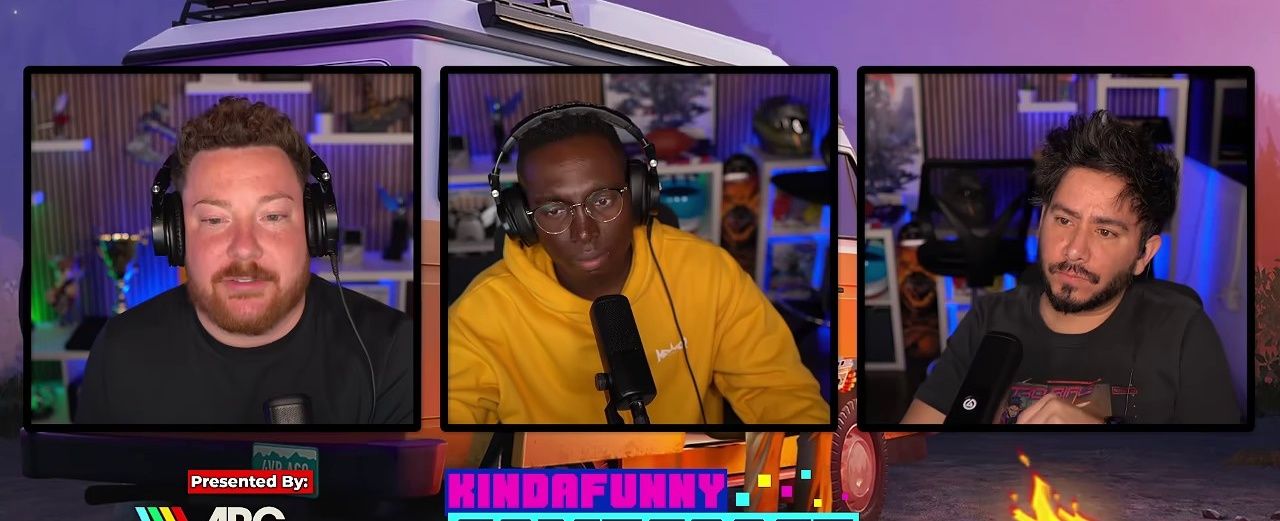
The most viral moment of the show turned out to be a seemingly unrelated detail. Before going live, streamer Mike was still playing a tutorial video on loop, practicing the pronunciation of a Chinese term from Phantom Blade Zero - "Wuxiang" (Wúxiàng). The streamers distilled a "pronunciation guide" on the spot:
"If you're not in the know, just say 'Woo-shah' and you're fine; if you're American, 'Woo-shah' is good enough. But if you want to nail the precise pronunciation - swallow the W sound, say 'Oo-shyahng,' and give the trailing A a little turn."
When Mike, stumbling but earnest, delivered a version close to the original pronunciation, a fellow streamer's "So proud of you" cracked up the whole room. The conversation then swerved into language learning: one spent eight years on Spanish and still couldn't roll their R's; another spent nine years on French and "doesn't have a single word left." The group even seriously debated "whether kids should start learning foreign languages early or wait until they want to on their own" - it all wrapped up with "back then I couldn't even tie my own shoelaces," and another streamer's reply was the perfect finishing touch: "To this day, I still can't tie mine."
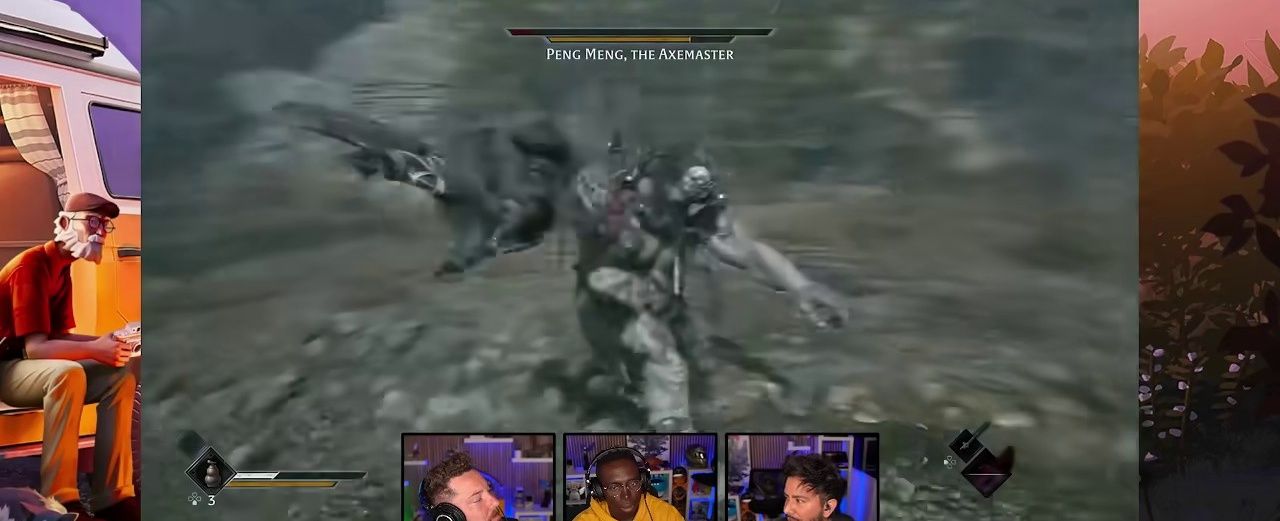
All jokes aside, the symbolic significance of this moment far outweighs its entertainment value: a top overseas creator being willing to rehearse the pronunciation of a Chinese term over and over before going live was almost unthinkable in gaming shows of the past. The first step of cultural export often hides in details like this - not grand narratives, but making the other side feel that "getting your name right" is something worth taking seriously.
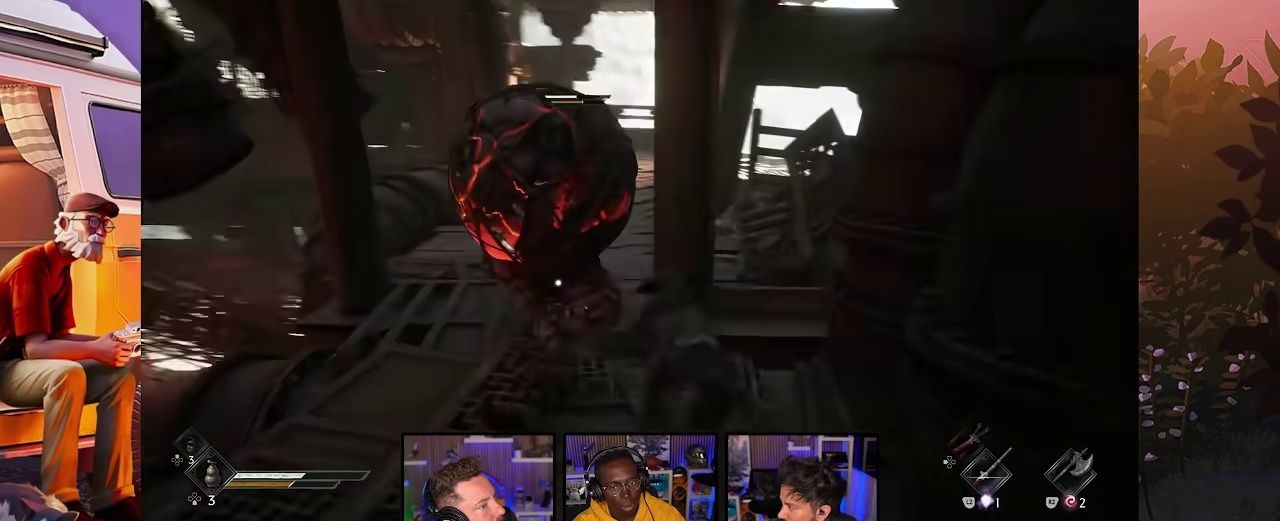
Six-Hour Preview: The Acceptance Checklist of Action Game Veterans
Back to the matter at hand. For a group of veterans who have "played more action games than cooked meals," the question of "the next big title" conceals an unspoken acceptance checklist:
- Is the combat feel solid, and are the parry and dodge timing windows "worth practicing";
- Across a six-hour playthrough, is there enough variety in bosses and enemies to avoid the "three moves to rule them all" problem;
- Can weapon switching and branching moves support real depth in build crafting;
- Can the pacing balance between narrative and combat sustain the dramatic tension of the "66-day countdown."
Not a single one of these questions stays at the surface level of "does it look good" - every one of them cuts straight to the core experience of an action game. And Andy's six hours of immersion were precisely meant to answer them, one by one.
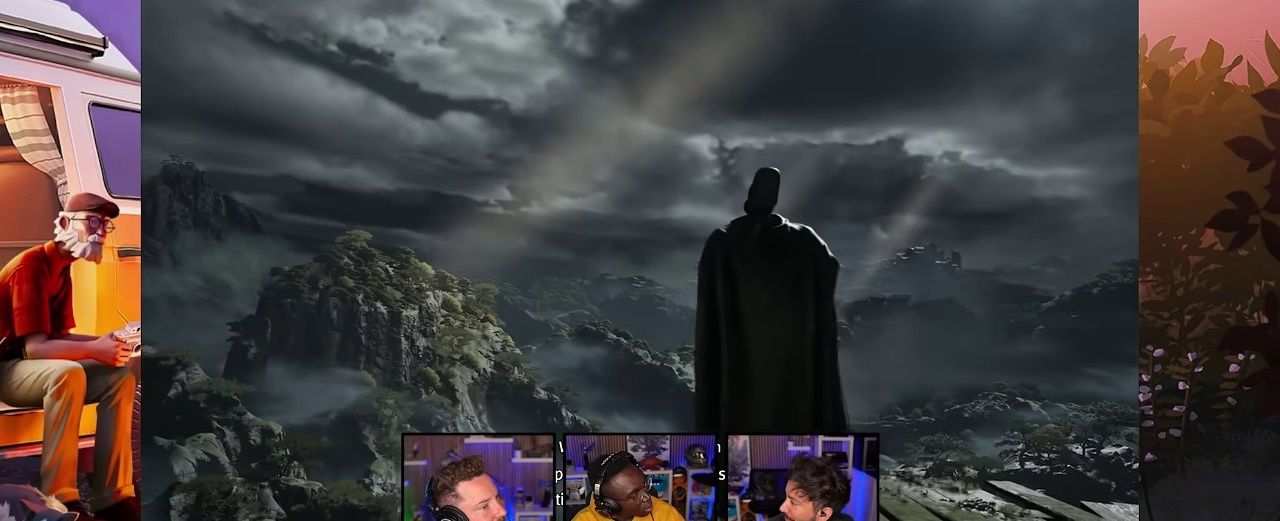
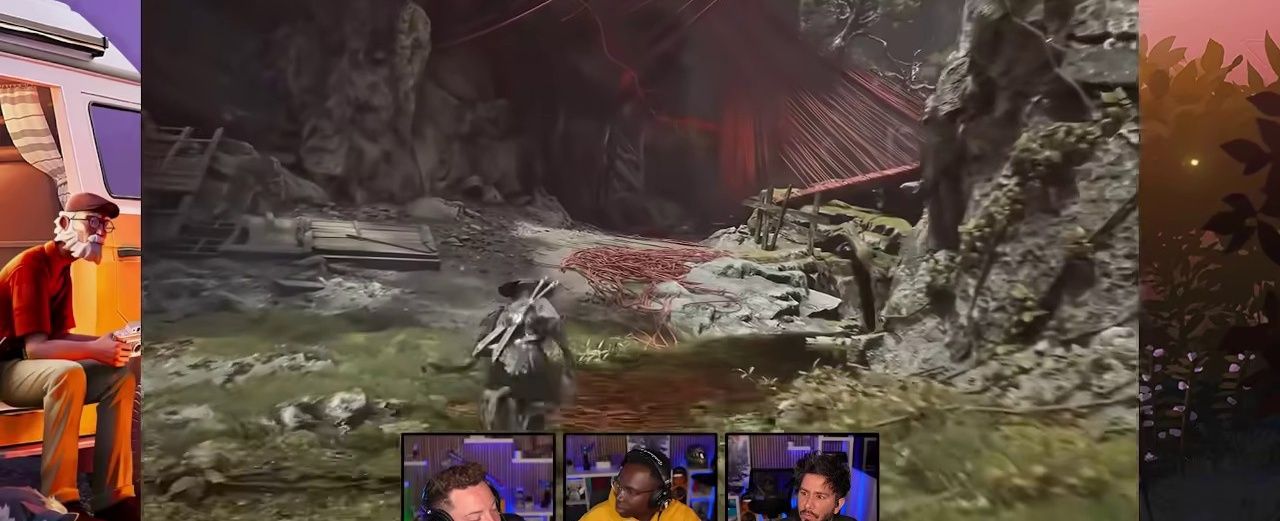
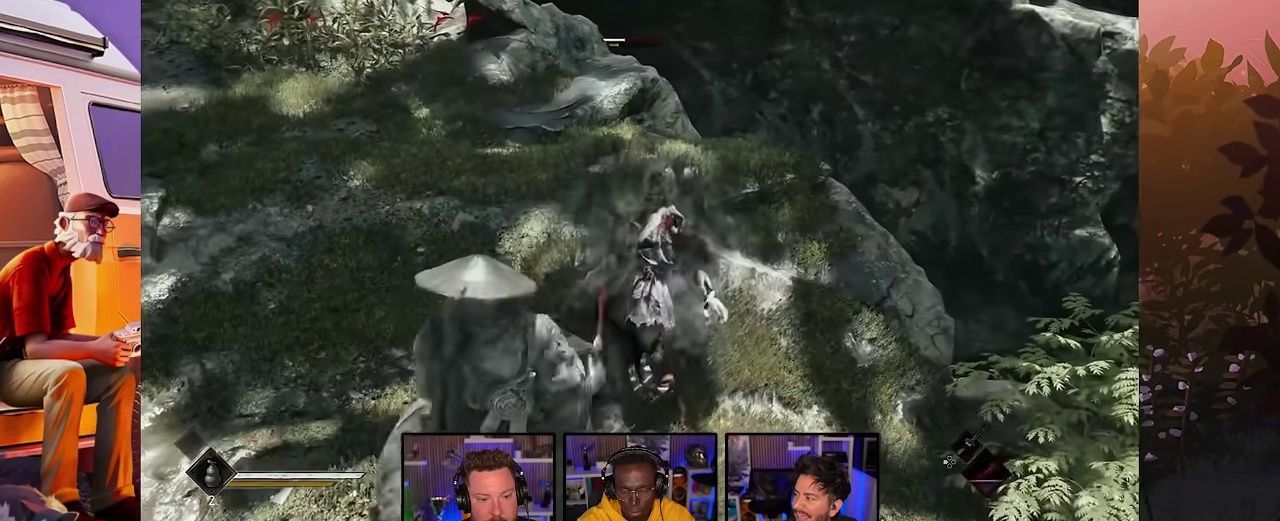
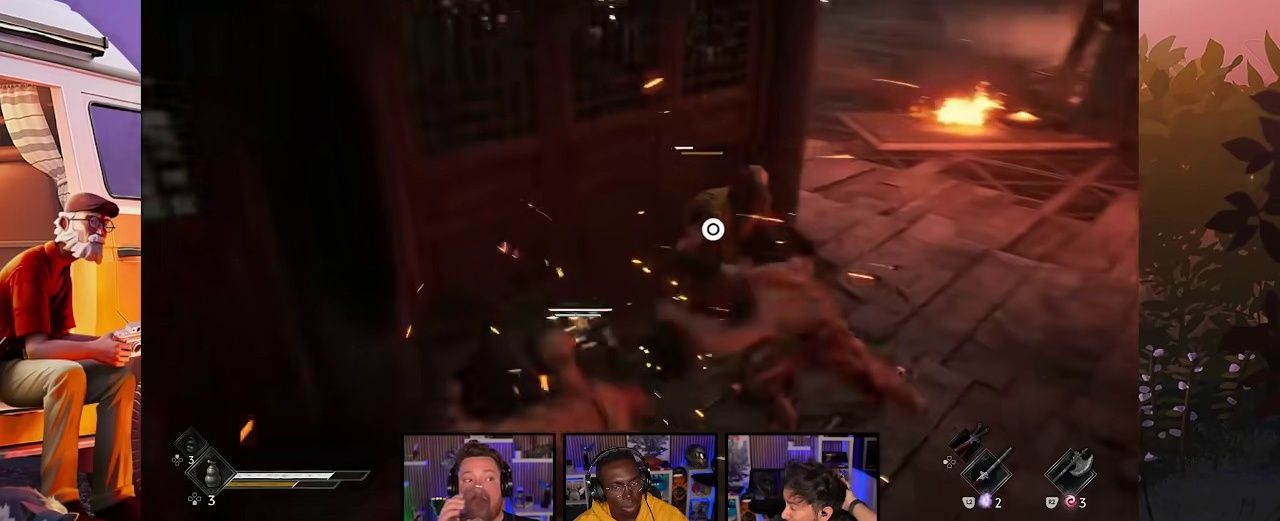
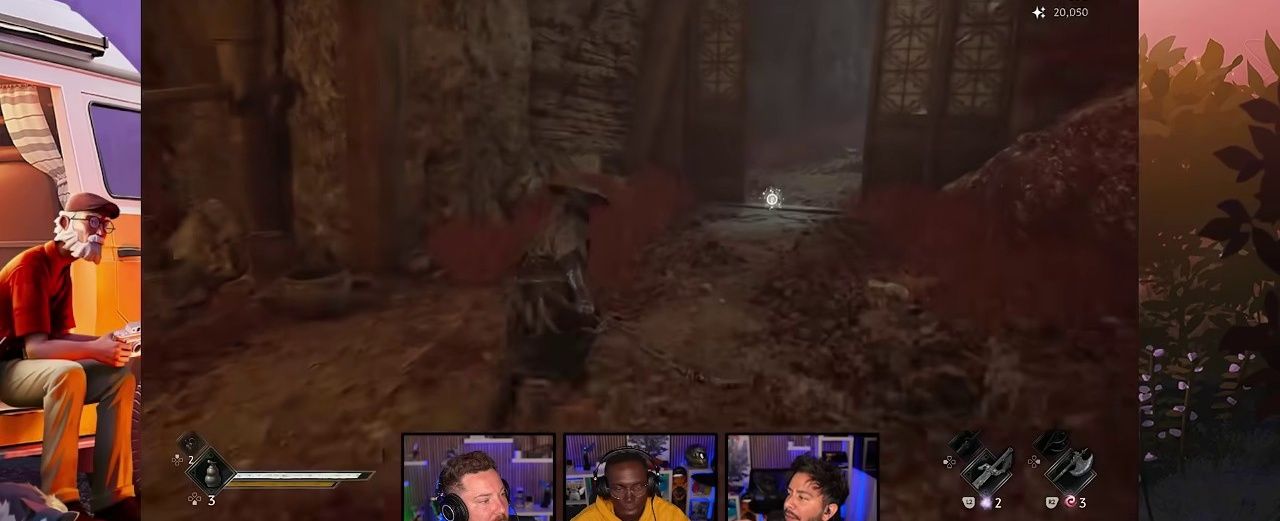
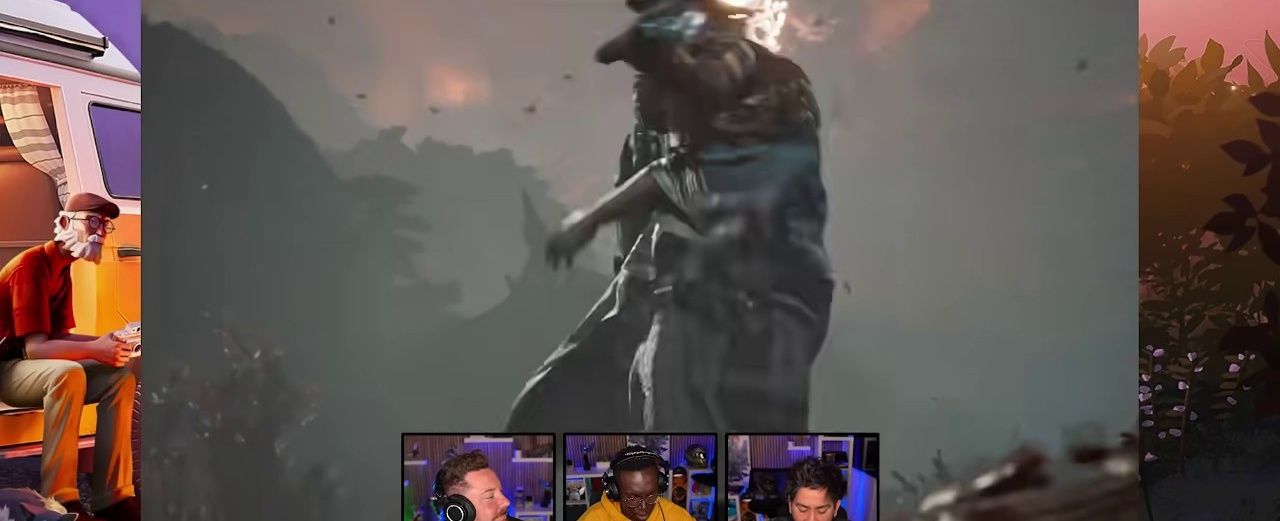
Judging from the hands-on details made public so far, Phantom Blade Zero's answer is a decidedly aggressive one: the combat pace is blisteringly fast, emphasizing executions after precise parries and fluid combo transitions; the protagonist can seamlessly switch between multiple weapons, with branching moves forming a massive moveset; and layered on top are systems like "Mystic Arts," letting players craft a playstyle entirely their own. In other words, this isn't "an action game with a wuxia skin slapped on" - it's a game that has truly forged wuxia weaponry and movement techniques into the very skeleton of its combat system.
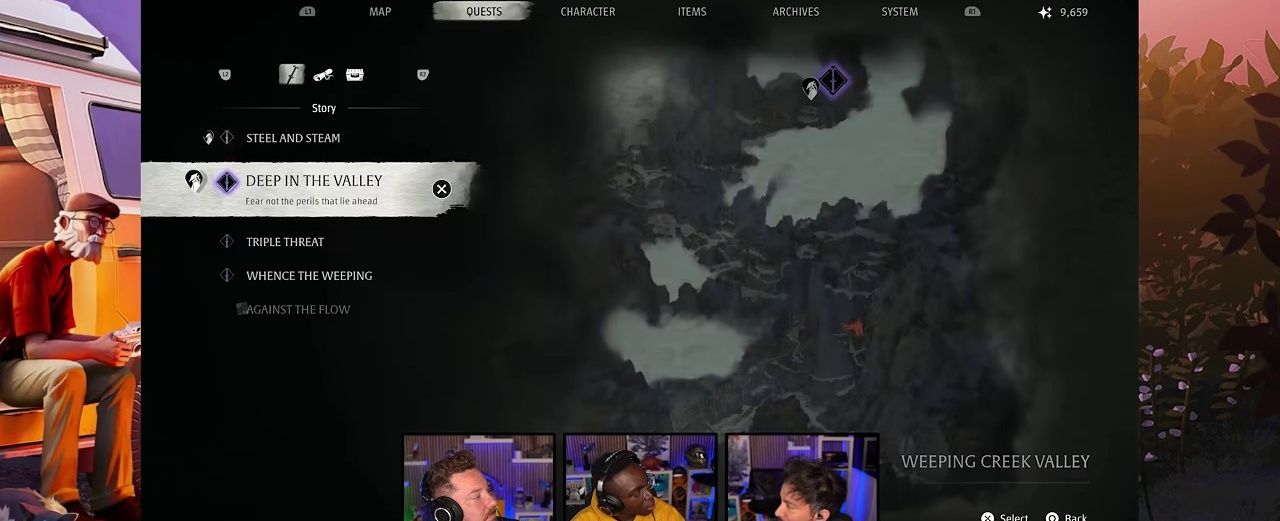
Unreal Engine 5 and "Exhilarating Action": How Solid Is the Technical Foundation?
The official descriptor for Phantom Blade Zero is "exhilarating action" - an action experience so exhilarating it takes your breath away. To live up to that adjective, design alone isn't enough; the technology has to be there to back it up.
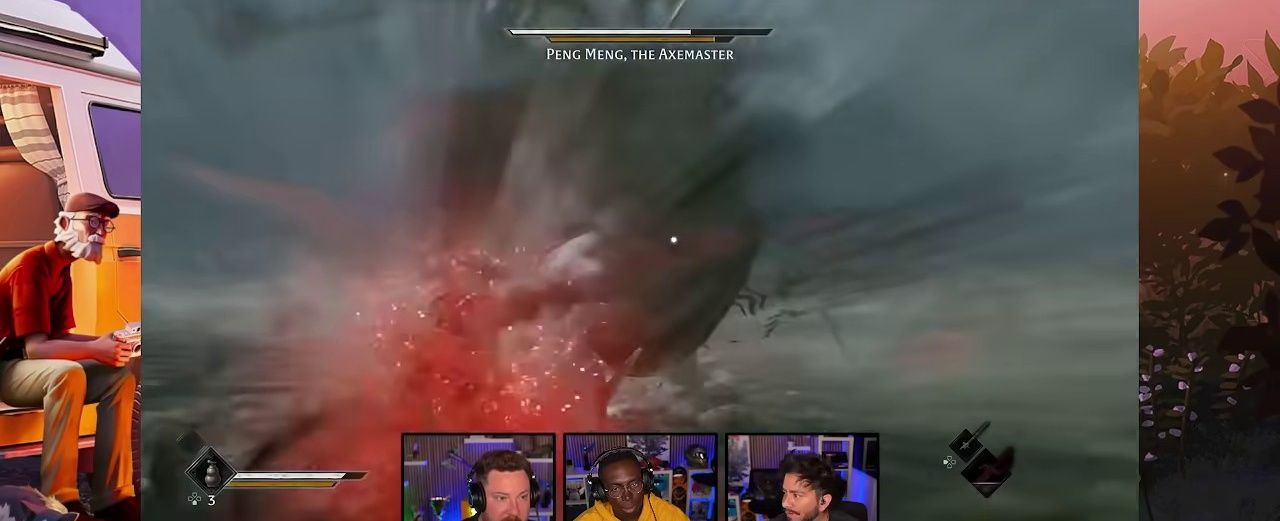
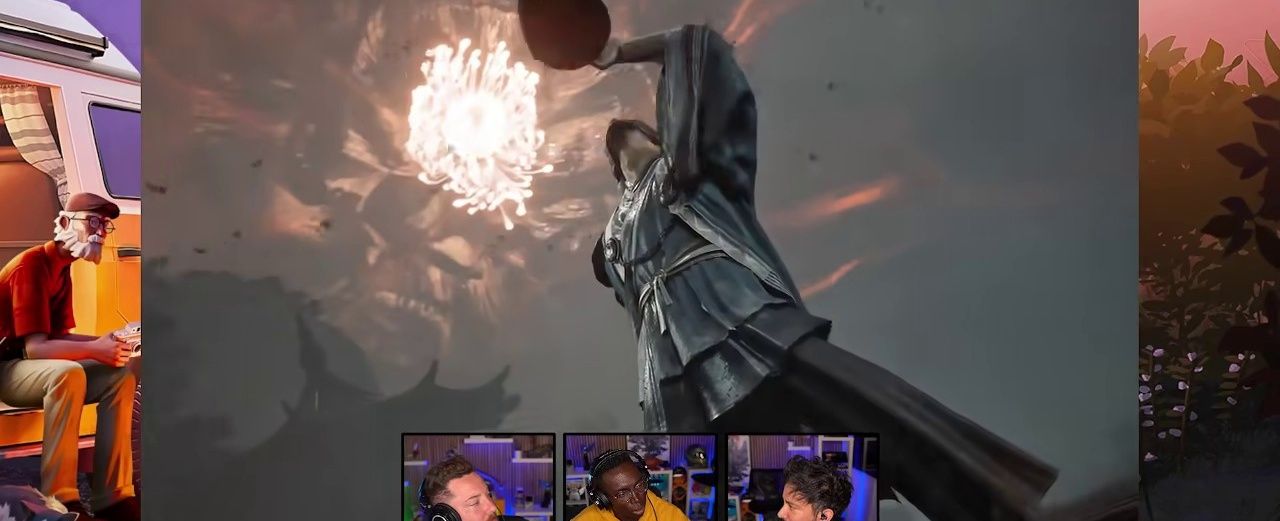
New Unreal Engine 5 technologies like Nanite and Lumen underpin the rain-soaked eaves, the glow and shadow of lanterns, and the spark effects of clashing blades in this dark wuxia world - all in service of the idea that "every single strike deserves a slow-motion replay." On the motion capture side, S-GAME (Lingyoufang) poured massive resources into martial arts filming, striving to give every move the authentic backbone of real martial arts - which is also where the "cost argument" in the community comments later in this piece comes from.
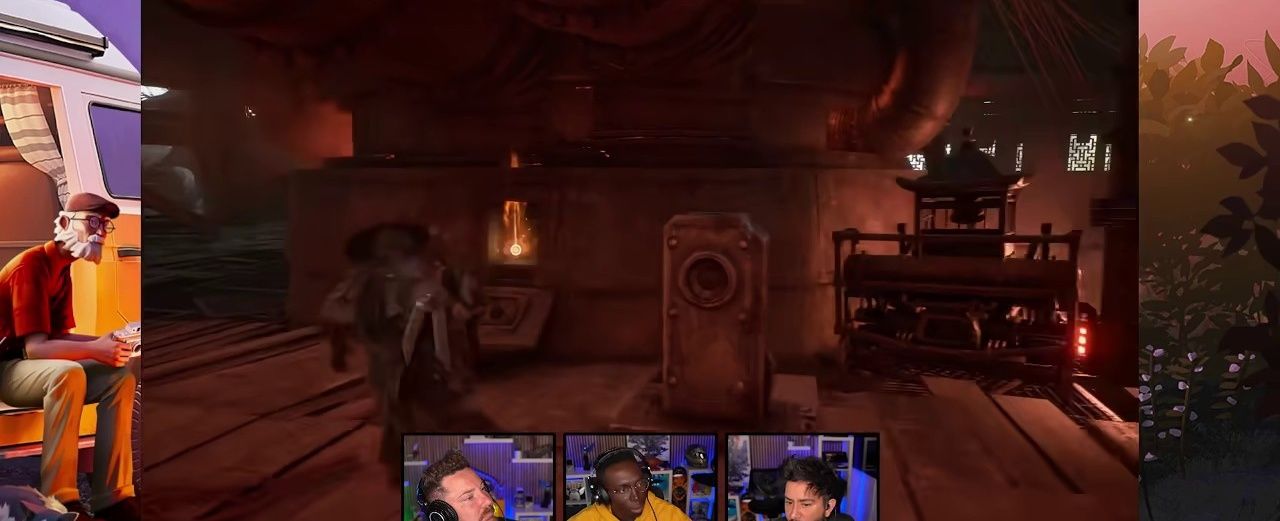
For action games, technical prowess has never been about racking up benchmark scores - it's about making hit feedback land: stable frame data, clear hit reactions, and camera work that never steals the show. From hands-on demo feedback to a show dedicating an entire episode to the game and earnestly debating whether it's "the next big title," the performance delivered on this UE5 architecture has, at the very least, made the overseas action game community willing to bet on it early.
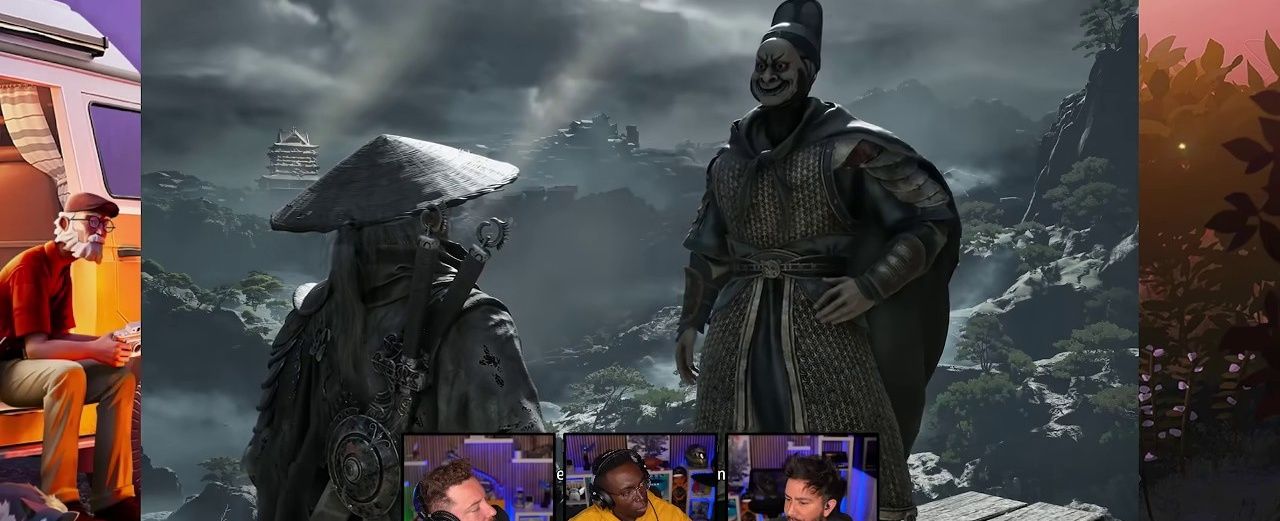
After all, getting seasoned veterans who've seen it all to shift the question from "can it deliver?" to "is it the next big title?" is itself an answer.
"Onimusha Is Just the Little Brother": The Narrative War Behind a Headline
As this episode made the rounds in China, nothing caught the eye quite like the claim that "Onimusha is just the little brother." The line didn't come out of nowhere: Capcom's new Onimusha installment and Phantom Blade Zero are both Eastern cold-weapon action games, making them natural points of comparison - and overseas media covering Phantom Blade Zero have indeed repeatedly used Onimusha as their frame of reference.
But the scales of comparison aren't as simple as the headline suggests. The most upvoted takes in the comment section offer another layer of perspective: in Western markets, Onimusha is actually a relatively niche IP, with its core player base and sales rooted in China and Japan. For overseas creators and media outlets, using a Japanese IP that Western players barely know to hype up Phantom Blade Zero is less a head-to-head comparison of strength than telling a new story through familiar reference points.
That said, cooler voices have offered a reminder: this kind of "build one up by tearing the other down" headline rhetoric is, at its core, a publicity strategy of the attention economy. The two games differ in scale, budget, and release timing; forcing a verdict on which is superior is not only unrigorous, but also risks derailing the discussion. In the end, only one question truly matters: whether Phantom Blade Zero can stand on its own.
Viewed from this angle, "Onimusha is just the little brother" reads more like an emotional rallying cry - one that hits players' sweet spot dead-on, yet may also obscure the real substance behind the comparison: within the Eastern action game genre, a Chinese studio has, for the first time, gone from "challenger" to "the benchmark."
From Rainblood to Phantom Blade Zero: S-GAME's Blade, Ten Years in the Making
To grasp the ambition behind Phantom Blade Zero, you have to turn the clock back more than a decade. Liang Qiwei (Soulframe) was still a student when he virtually single-handedly created the indie wuxia RPG Rainblood: Town of Death, winning acclaim at home and abroad with its chilling, sinister take on dark wuxia. The Rainblood series kept iterating from there, and the spin-off Phantom Blade mobile games carried the worldbuilding of the "Shadow" universe to a mass audience.
Phantom Blade Zero can be seen as the culmination of this road: more than a decade of accumulated worldbuilding, visual language, and action-design expertise, all funneled into a major single-player title for consoles and PC. The protagonist is named Soul, and the producer's English name happens to be Soulframe - this near-obsessive act of self-projection goes some way toward explaining the "do-or-die" aura the game has carried since its very first trailer.
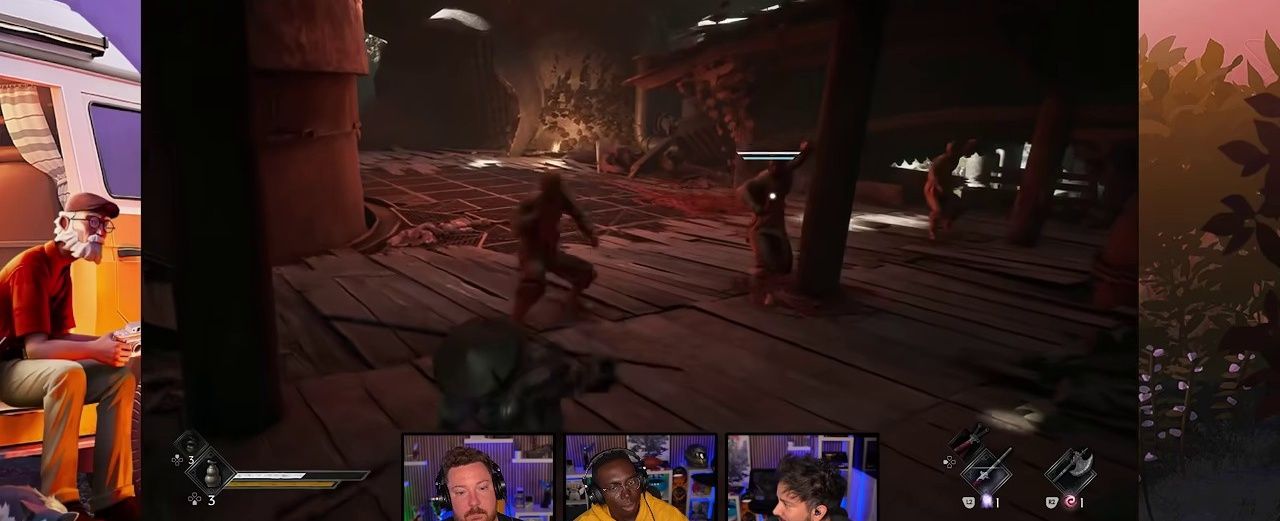
From a modest two-person indie project to a AAA production on Unreal Engine 5, S-GAME (Lingyoufang) completed the leap in just over a decade. And Phantom Blade Zero is both the finish line of this long-distance run and, quite possibly, the starting line of a whole new race.
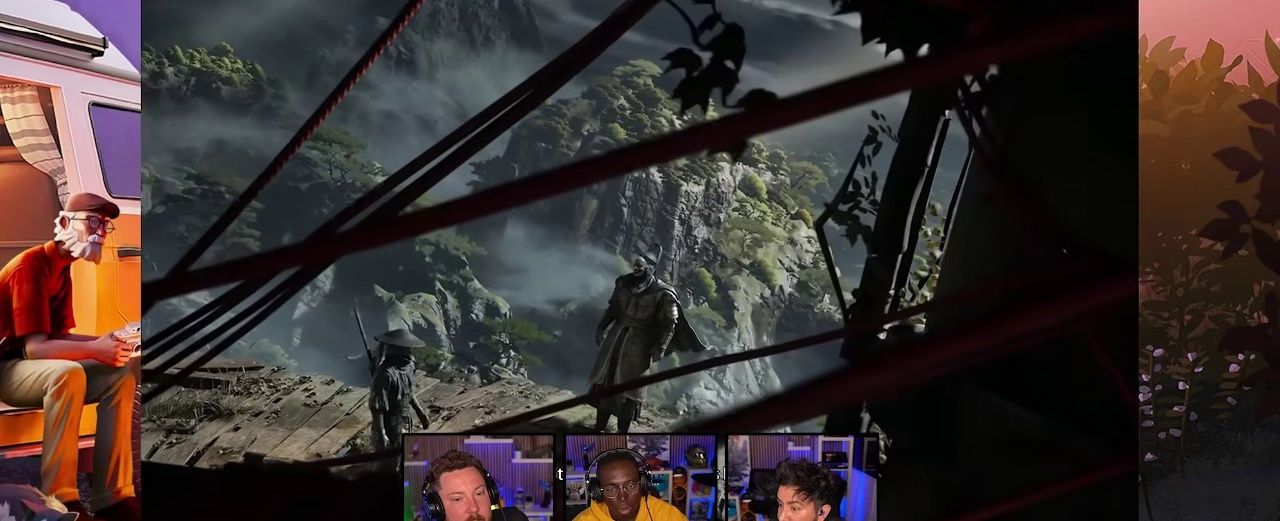
The Going-Global Moment: The World Is Now Actively Watching Us
Black Myth: Wukong proved the market potential of homegrown single-player games, and now titles like Phantom Blade Zero are proving something else: core overseas media outlets and creators have already begun actively tracking Chinese games. From its spotlight debut at the PlayStation Showcase, to the long queues for hands-on demos at Gamescom, to this podcast's six-hour deep-dive preview - Chinese action games are shifting from "surprise discoveries" to "eagerly anticipated titles."
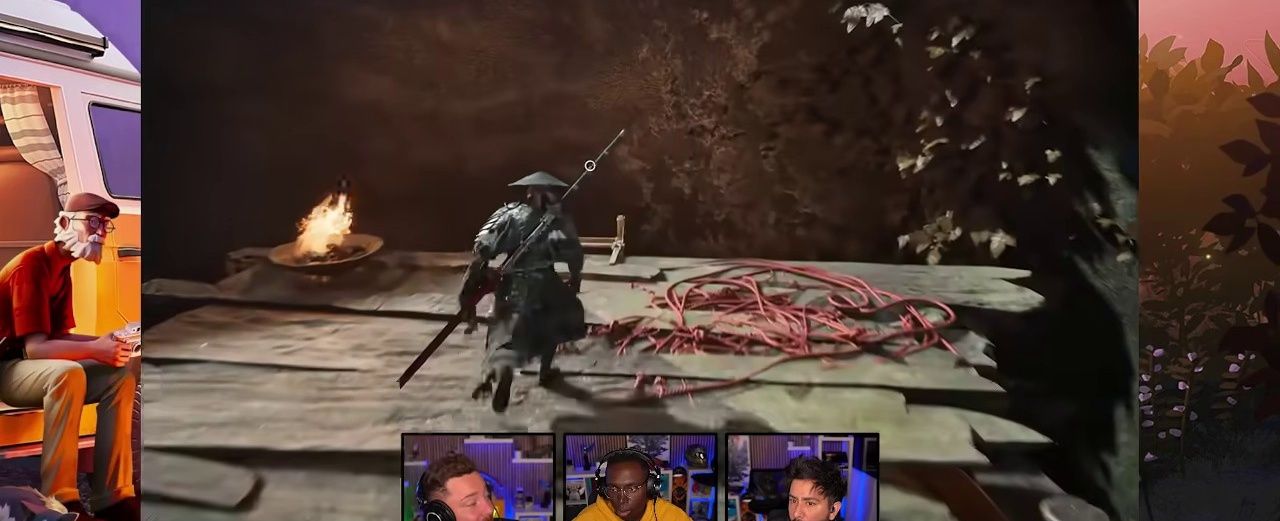
One telling detail: from the sponsor acknowledgments and opening banter to the pronunciation practice, every segment of this episode revolved around a single Chinese game, discussed with the same natural ease as any AAA blockbuster. No exoticism, no "wait, this is actually a Chinese game?" gasps - this very "matter-of-factness" is, in itself, the highest form of recognition.
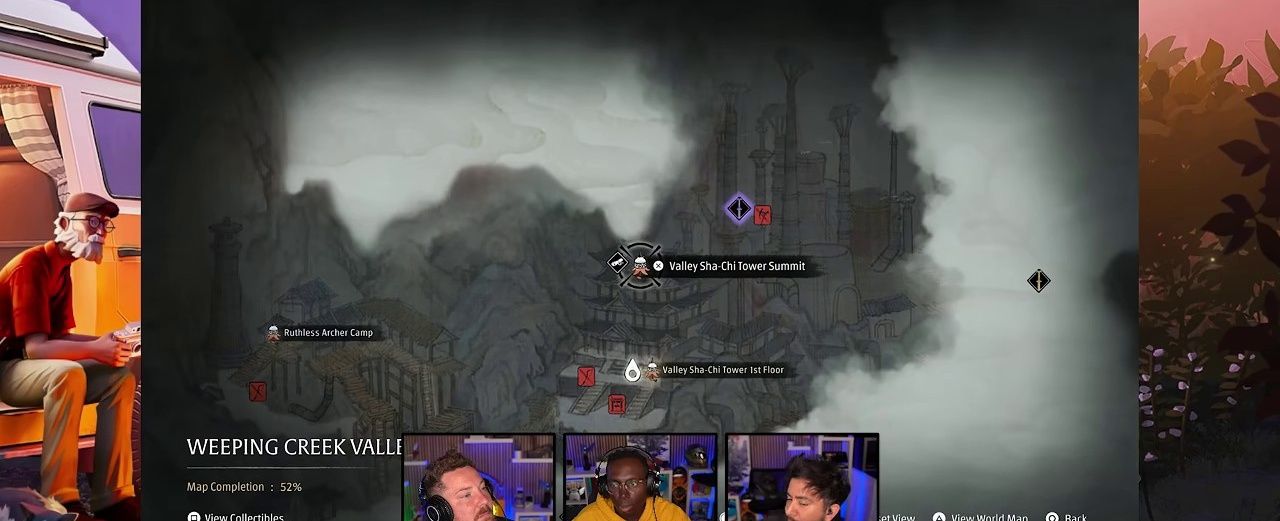
Only one question remains: when the game officially releases, can it live up to the expectations built over six hours of hands-on play? Judging by the feedback so far, at the very least, the overseas action-game community has already penciled Phantom Blade Zero onto its must-play list.
Top Community Comments
After the content made its way back to China, the comment section quickly turned into a miniature battlefield of public opinion. Three representative comments happen to capture three distinct perspectives on the "Onimusha comparison":
@XingyuZhuifeng_a (17 likes):
"A small-scale title like Onimusha shouldn't even be compared to Phantom Blade Zero. Its production budget probably doesn't even match what Phantom Blade Zero spent on motion capture alone."
This is the most direct version of the "budget argument": in the eyes of some players, the two games simply aren't in the same investment league, so the comparison itself doesn't hold up. The figures may not be precise, but Phantom Blade Zero's heavy investment in motion capture and martial-arts choreography is indeed a selling point that S-GAME (Lingyoufang) has repeatedly emphasized - an action density built with cold, hard cash is exactly what gives it the confidence to be compared in the first place.
@AerithQuanwaiNanyou (122 likes):
"Onimusha barely has any players in the West - its sales base is in China and Japan. On the PlayStation platform, where Western players make up the bulk of the user base, its review count (digital version plus the free demo) didn't even surpass the day-one review count for the digital version of Marvel's Wolverine. So for overseas content creators and media outlets who like Phantom Blade Zero, Onimusha is the perfect stepping stone."
This highly upvoted comment brings a market-data perspective to the table: the so-called "Onimusha comparison" is really a case of overseas media explaining the new through reference points they already know - for Western audiences, the most ready-made anchor for an "Eastern samurai action game" is Onimusha. The "stepping stone" jab may be harsh, but it lays bare a rule of cross-cultural communication: new things always have to stand on old reference points before they can be quickly understood.
@Theasync (5 likes):
"Classic headline: hype one, trash the other."
The shortest of the three, yet the most necessary reality check. It reminds everyone that no matter which side the conclusion favors, the "hype one, trash the other" framing is itself engagement bait - rhetoric that can easily drag a discussion that could have been more rational into side-taking and flame wars. Whether a game is good is ultimately decided by the controller in your hands, not by the headline.
Taken together, the three comments form a complete sample of the discourse: one makes its case with budgets, one with market data, and one stays wary of the rhetoric itself. And no matter which side you take, one fact is impossible to ignore - Phantom Blade Zero has already earned the right to be compared again and again, and to be seriously debated - treatment that no homegrown action game has ever received before.
📌 One-Sentence Summary
When a top overseas podcast is willing to spend six full hours on a homegrown action game - even putting in serious practice on Chinese pronunciation beforehand - Phantom Blade Zero has already won the hardest step of going global: getting the world to come to it of its own accord. As for whether Onimusha ends up playing second fiddle, the answer will have to wait until release day, when every player delivers the verdict with their own hands.