Sixty-Six Lives in the Jianghu: A Deep Dive into Phantom Blade Zero's "66 Days" Ultimate Difficulty
With the release countdown entering its final month, the Phantom Blade Zero team has put out a complete introduction to its difficulty system. The grand finale of the reveal, the "66 Days" mode, turns protagonist Soul's remaining 66 days of life directly into a death clock hanging over the player's head - every death shaves off one day, and when the count hits zero, that save file is gone for good. This is no simple difficulty slider; it's closer to a "life-or-death pact" that S-GAME is handing straight to players. Drawing on the official gameplay footage and behind-the-scenes details revealed by the development team, this article takes the whole system apart.
I. Four Difficulty Tiers, One Pyramid
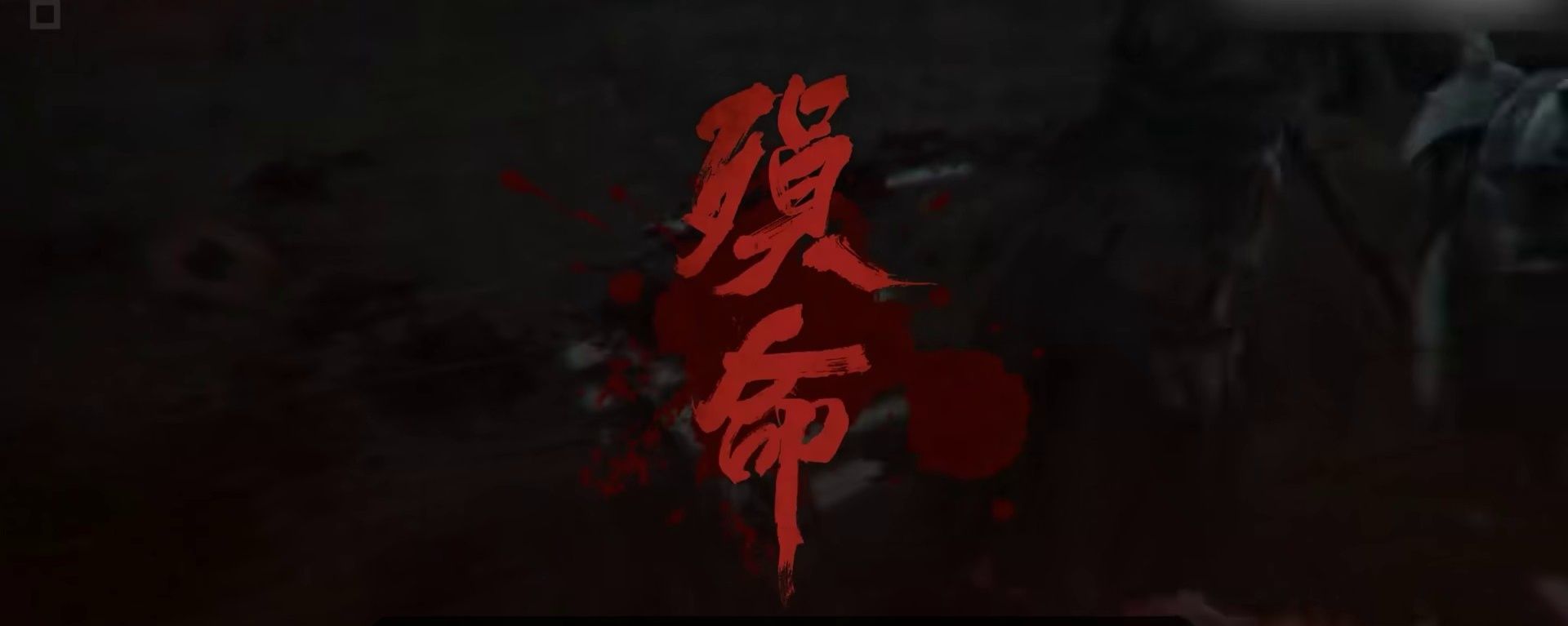
Phantom Blade Zero features four difficulty tiers: Entrant, Breaker, Defier, and, as the ultimate trial, "66 Days".

The entry-level Entrant mode is "intuitive and performance-focused" - the official wording is refreshingly blunt: make everyone feel like they've become a martial arts master. Enemies encircle you in waves, fights wrap up with wuxia-film-style camerawork and choreography, and each one ends frozen on a dazzling execution. It's all about the "combat high."
Defier, meanwhile, brings in the essence of fighting games: boss enemies no longer rely on fixed patterns. The AI is granted "humanity" - it adjusts its positioning, punishes you for trying to cheese, and adapts in real time to your attack habits.
And "66 Days" is defined most starkly of all:
Unlike the other tiers, this mode turns Soul's 66-day countdown into a real rule of the playthrough. It carries the same intensity as Defier, but every defeat costs you a precious day; when the count hits zero, it's permanent death.
The four tiers correspond to four identities - "spectator, challenger, rival, desperado" - and inscribed at the very tip of the pyramid is the player's own life.
II. A Crane Statue, Half a Story: The Metaphors in the Opening Shots
The gameplay footage doesn't rush to draw a blade; instead, it opens with two thought-provoking shots.
The first is a frame filled with red robes - it's hard not to think of "Red Robe Temple," the key location in Phantom Blade 3, where players tangled with masked monks more than a few times back in the day. Whether this sea of red signals an echo between the two titles in setting or story is something only release can confirm.
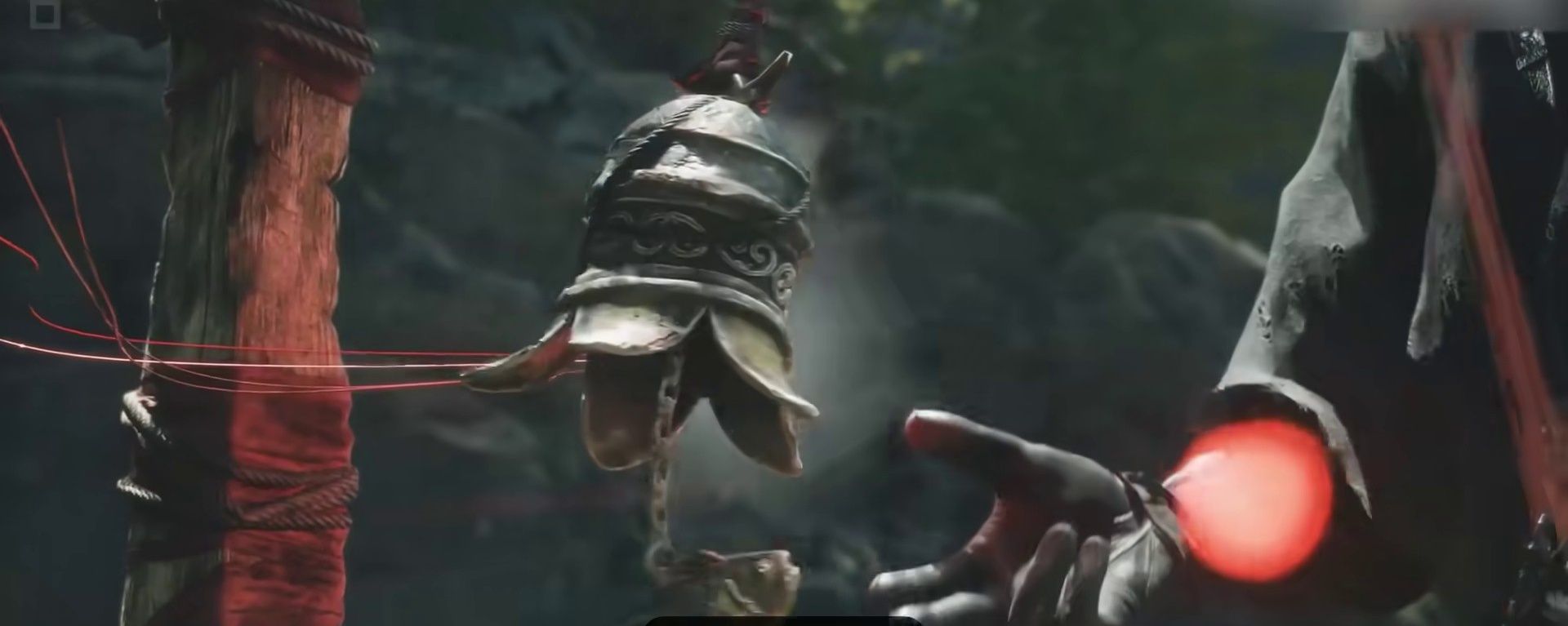
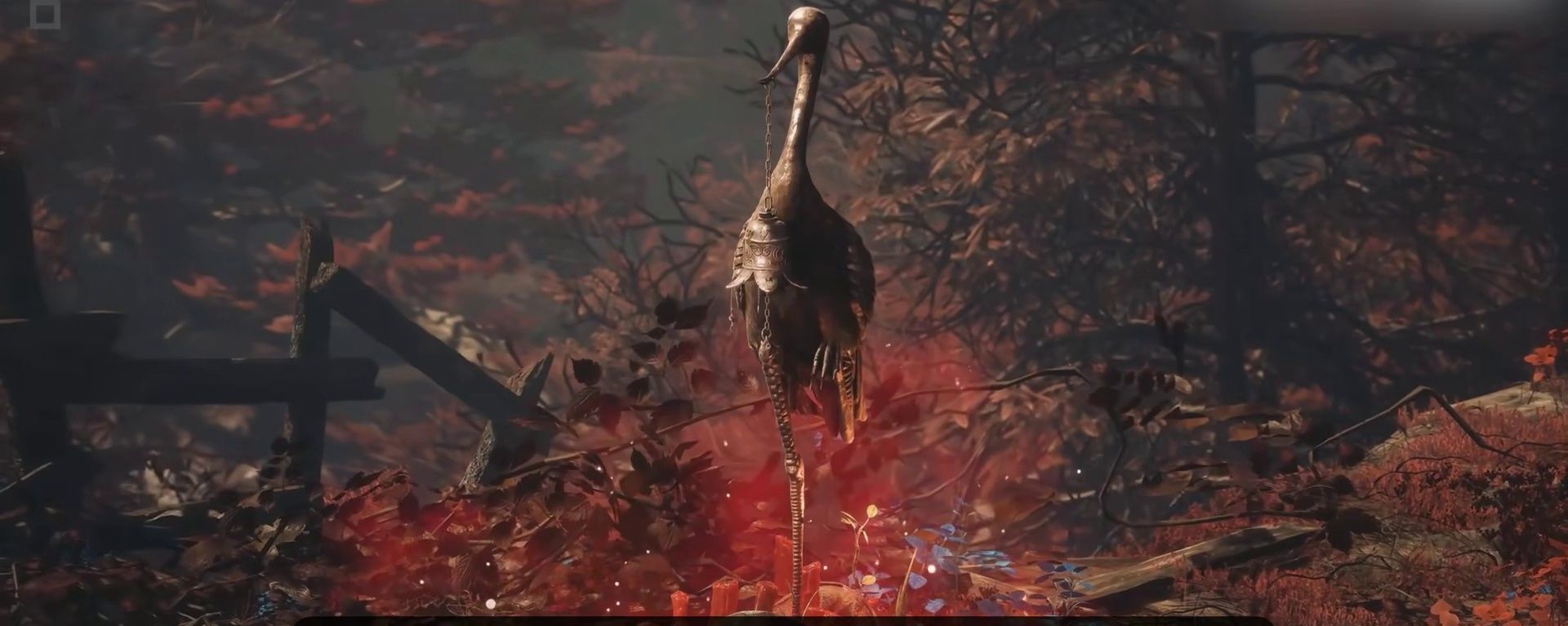
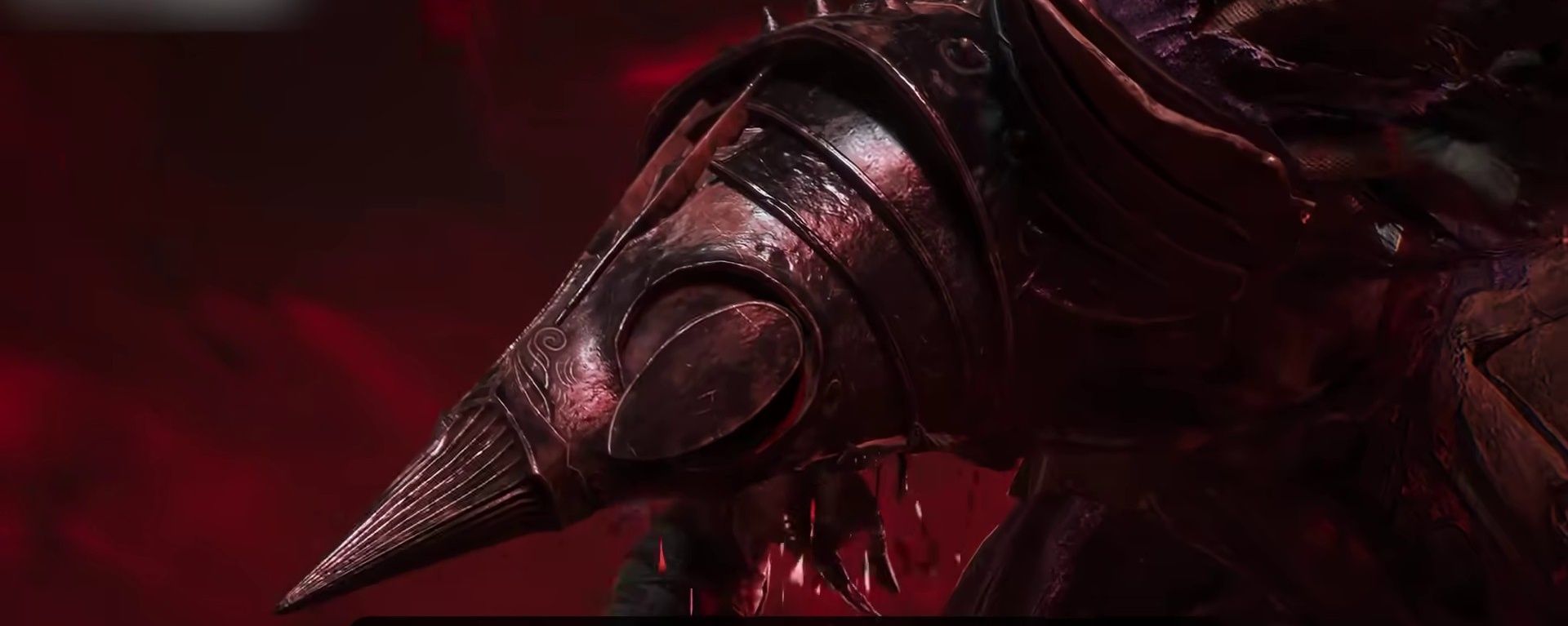
The second shot rewards a piece-by-piece reading: a statue of a crane, a bell held in its beak, a bronze fish hanging beneath the bell, and a crescent moon suspended from the other side. Set against the symbolic language of the series' storytelling, the answer all but surfaces on its own:
- The crane represents vitality, the extension of life, and hope;
- The bell represents the aid and life-sustaining resources the outside world grants Soul;
- The bronze fish represents what Soul truly cannot let go of and is determined to find;
- The crescent moon is the obsession that ceaselessly pulls him into the depths of danger.
Read together, these objects tell a story: Soul is on the verge of death; the crane means a thread of life still remains; the bell offers him tangible help to stay alive; and the fish and the crescent moon point to the road he has no choice but to walk. To sum it up in one line -
Soul will keep walking, for the sake of this jianghu of the Shadow Realm.
3. The Difficulty Selection Screen: Even the Fine Print Is in on the Act
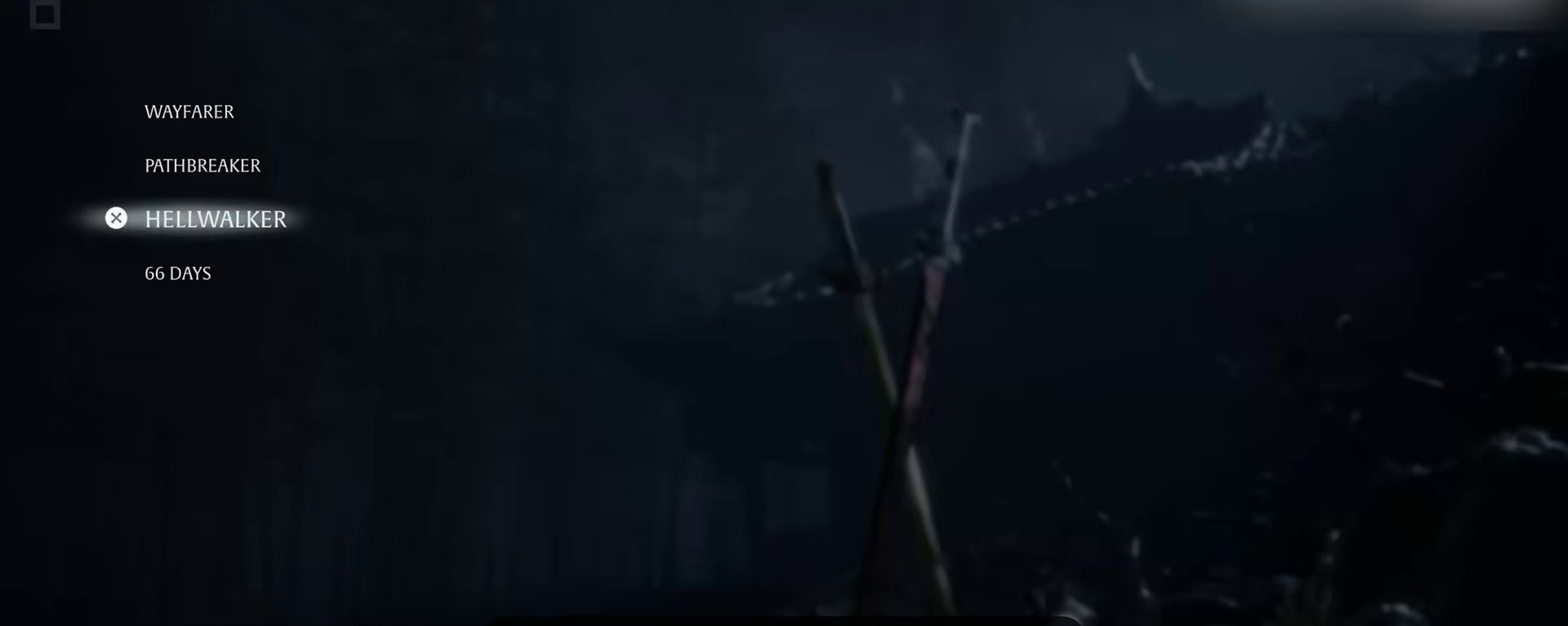
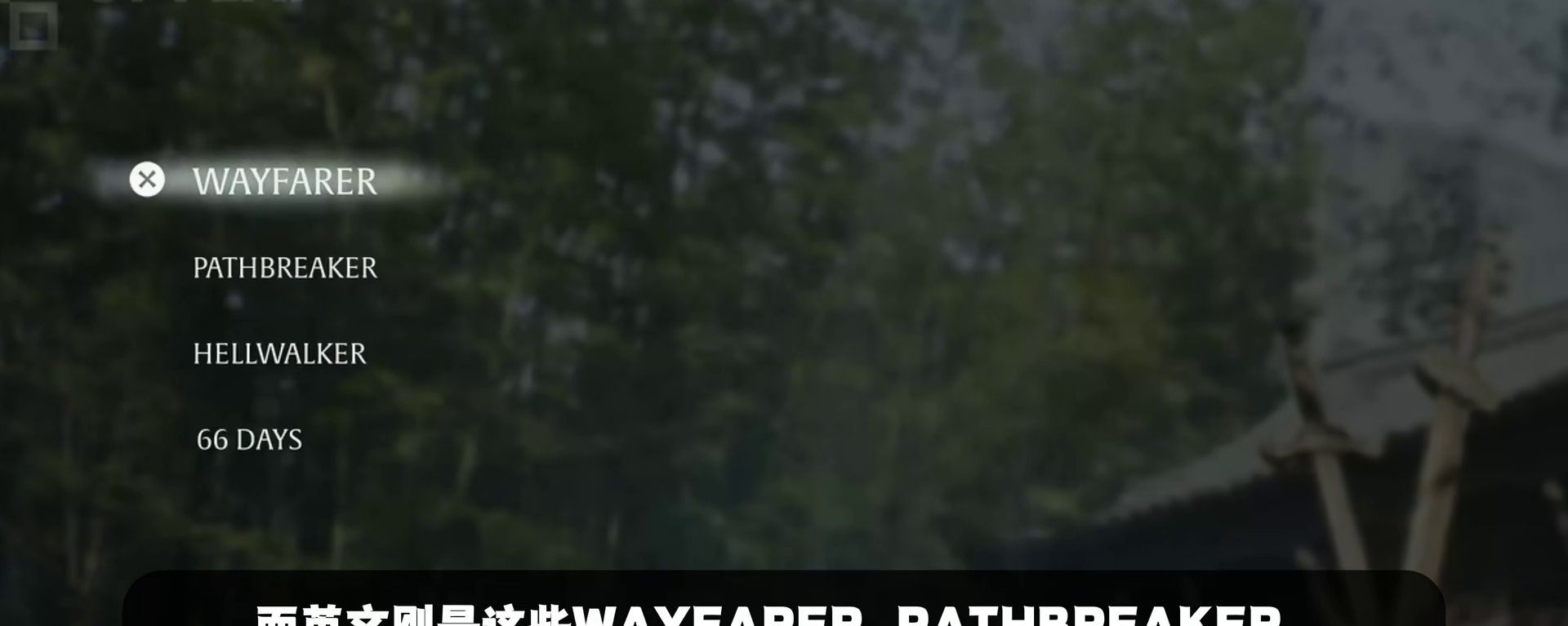
In the top-left corner of the difficulty selection screen, four options stand side by side, with the Chinese and English names each forming a system of their own. On the Chinese side, they read "Entrant to the Fray," "Deadlock Breaker," "Heaven Defier," and "66 Days," while the English names translate roughly as "Traveler," "Pioneer," "Hellwalker," and "66 Days" - in either language, a wuxia flavor seeps through between the lines.
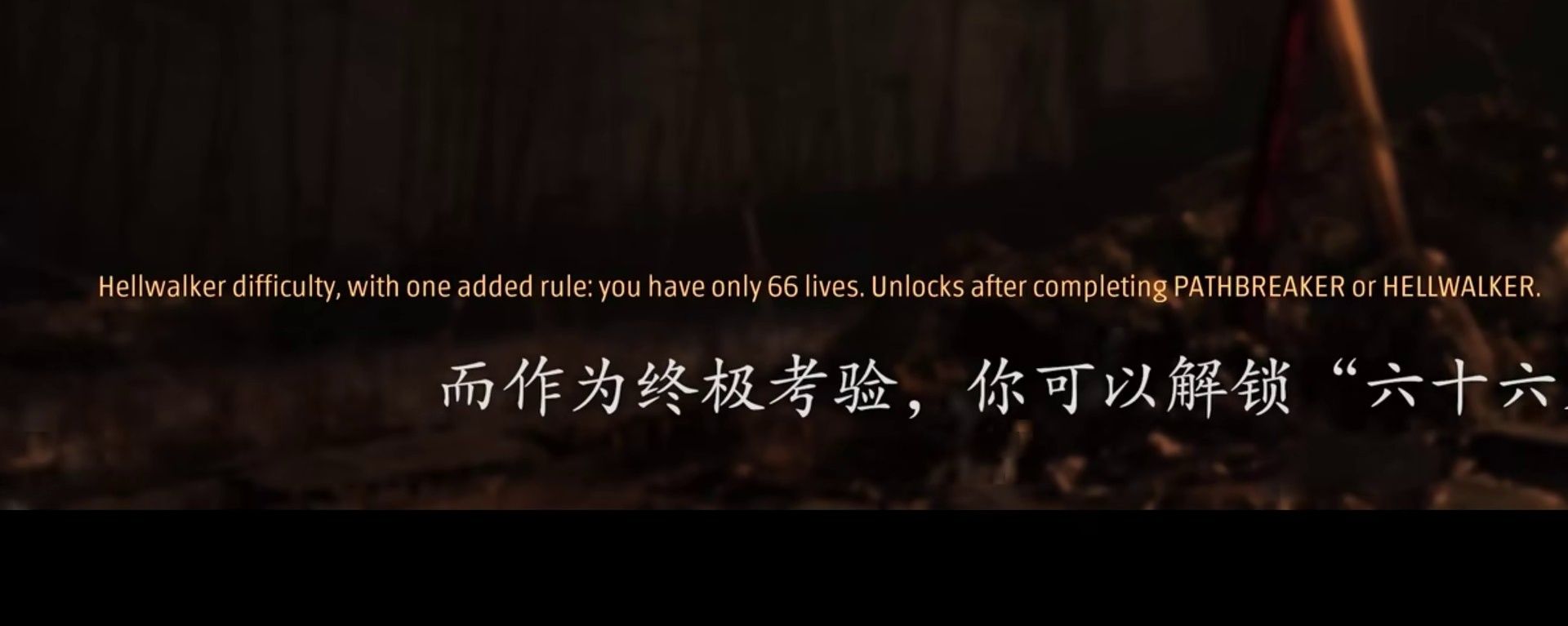
What truly shows the craft is the line of fine print in the bottom-left corner of each option:
- Entrant to the Fray: Focus on the story, get to know the world, and fight at your own pace;
- Heaven Defier: "The final judgment - enemies attack without mercy, adapt without warning, and never back down";
- 66 Days: "Additional rules layered on top of Heaven Defier difficulty: the player has only 66 lives; unlocked after clearing Deadlock Breaker or Heaven Defier difficulty."
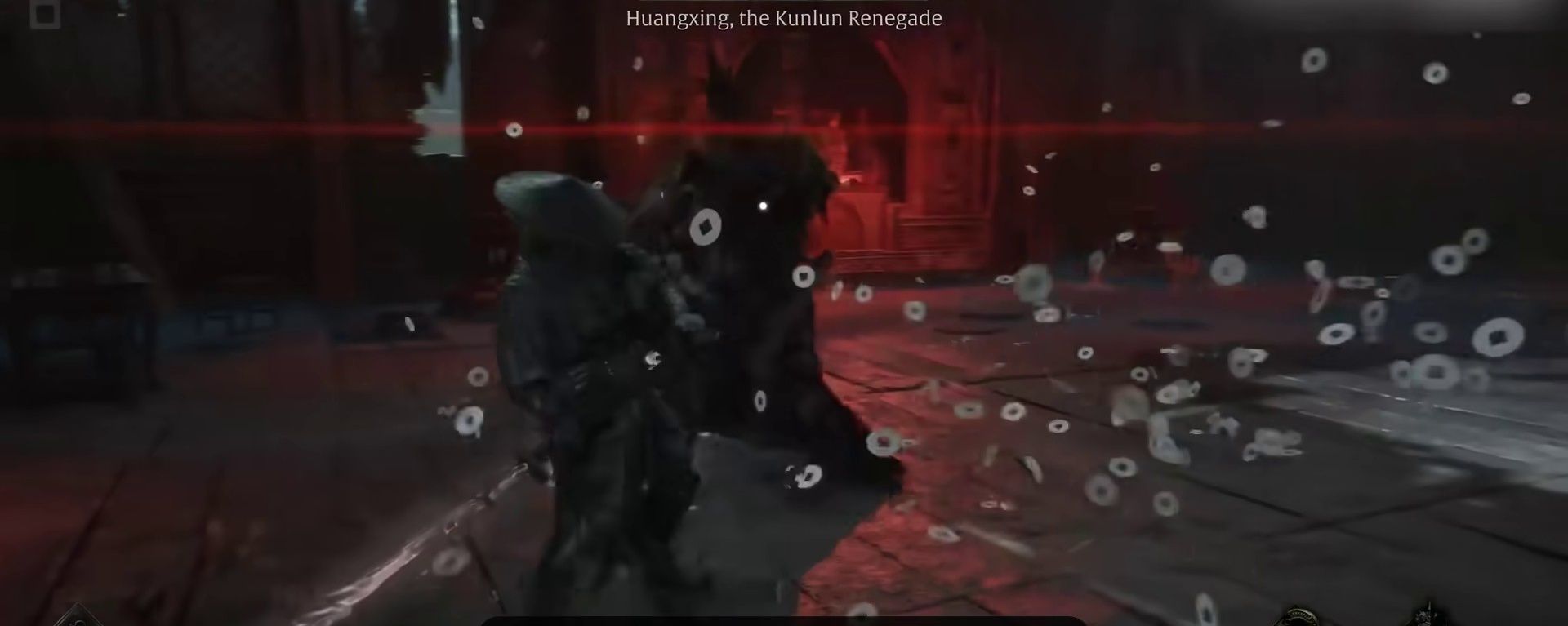
What's worth noting is the unlock condition - the 66 Days mode is placed in the second playthrough. On a first playthrough, no matter which difficulty tier you choose, the "remaining days" exist purely as a story-level narrative element. The developers clearly know exactly what they're doing: learn to walk first, then talk about a fugitive's journey to the ends of the earth.
IV. Defiant Difficulty Demo: The AI Really Reads You
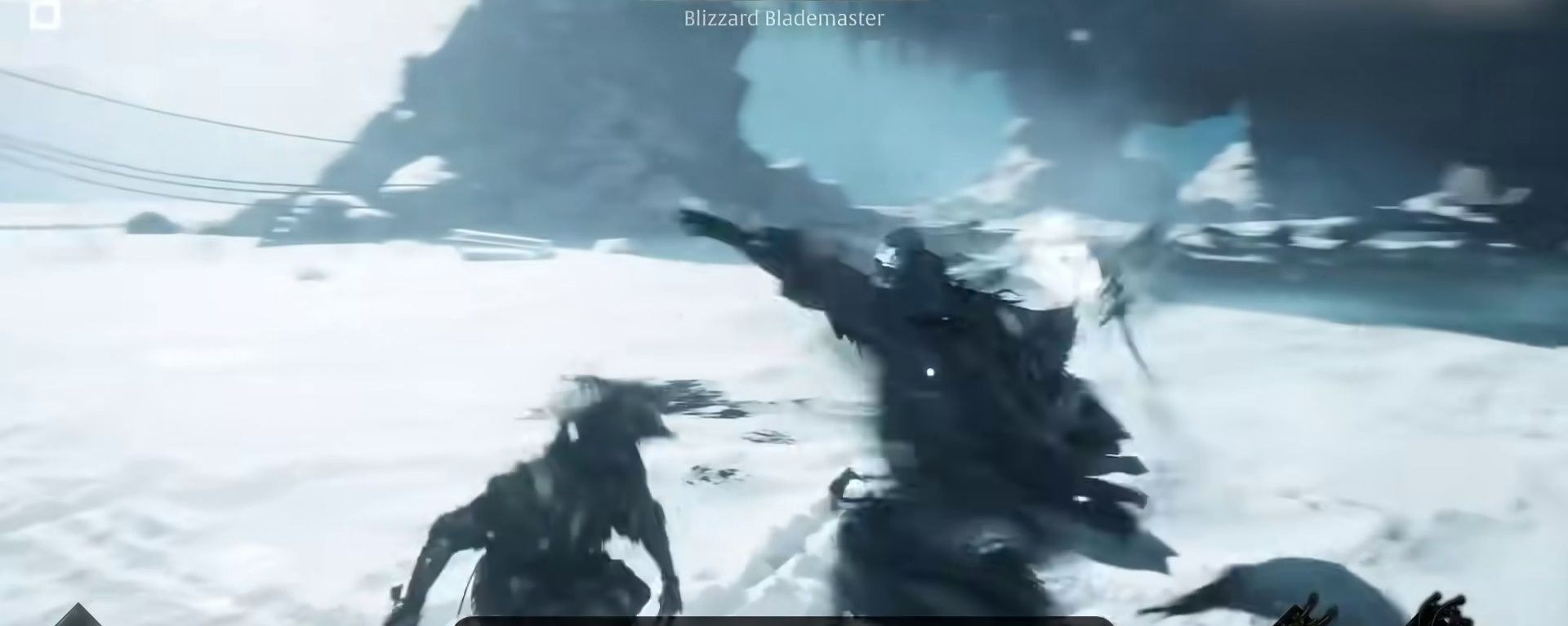
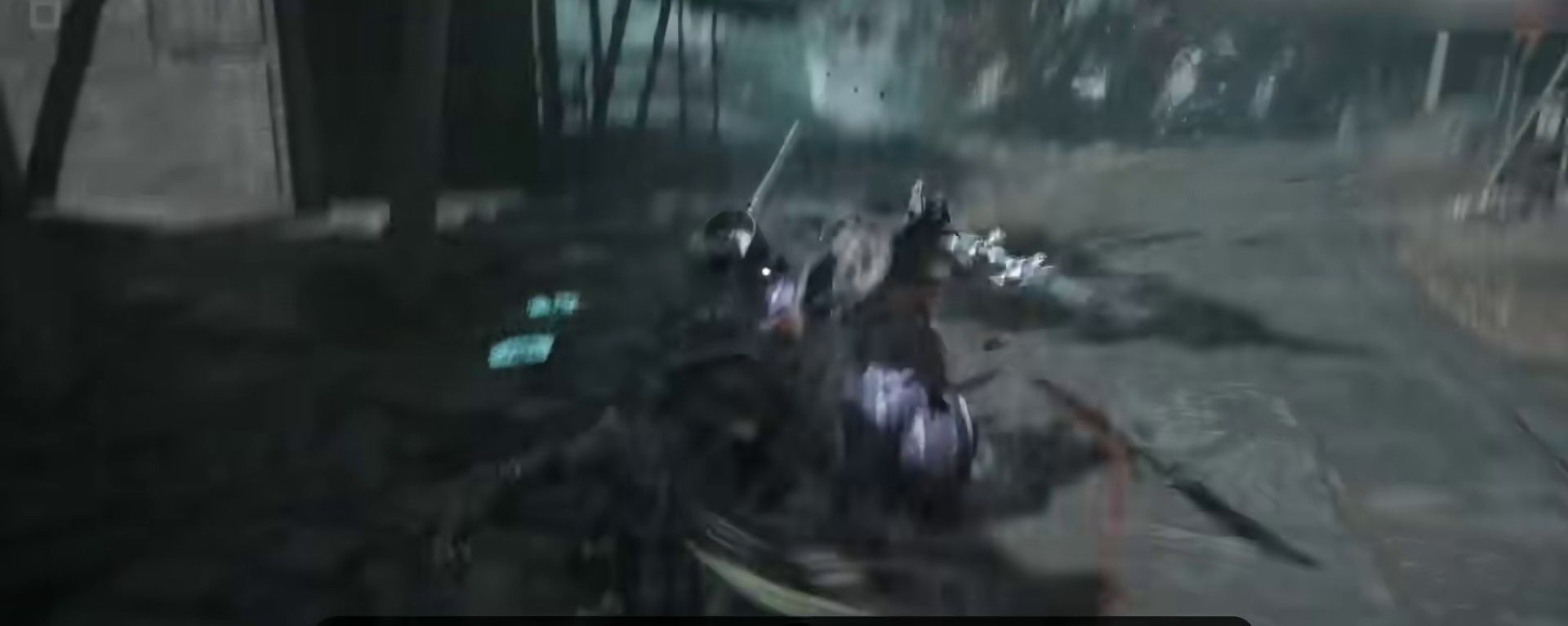
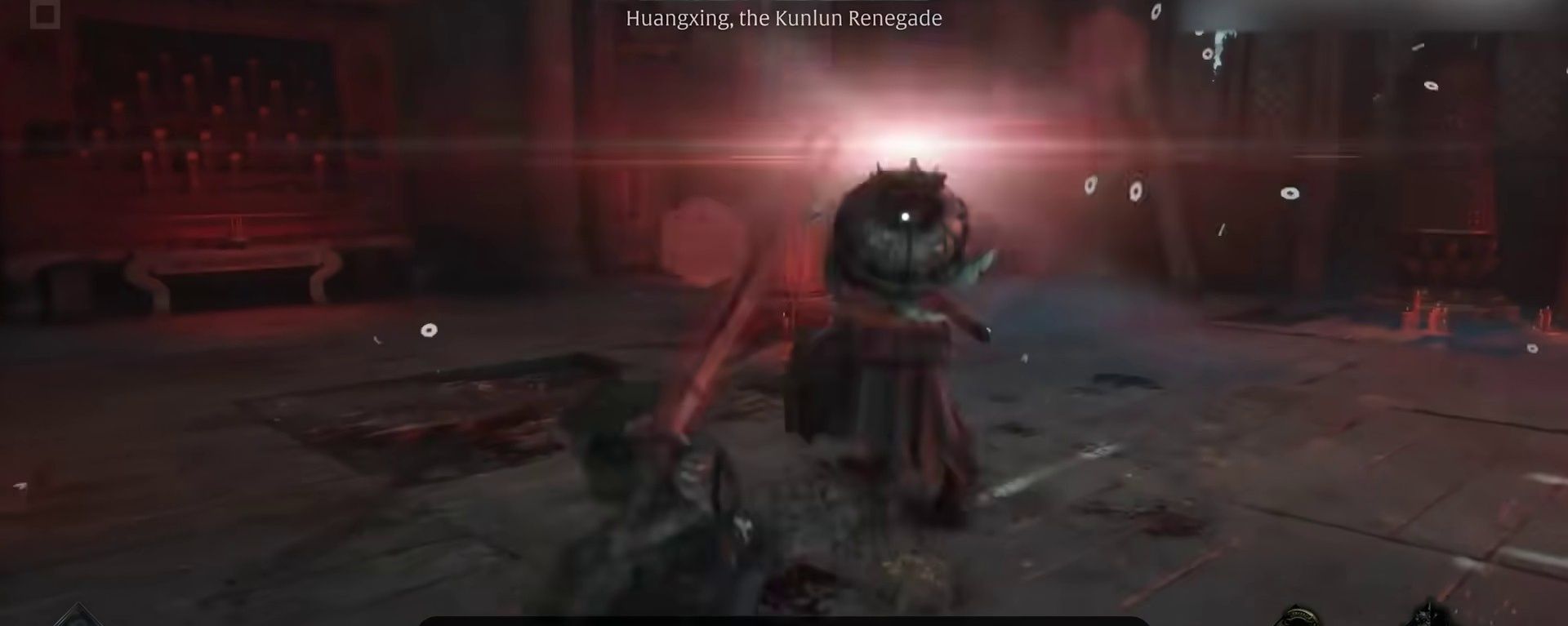
In the official demo, the boss Huang Xingzi on Defiant difficulty deals astonishing damage even in phase one, and can also charge up in place for a heavy attack. If the player raises their blade to block, they are immediately put into a guard-broken state, after which they can only stand there and take hits - in other words, the correct answer to a charged heavy attack is to dodge, not block.
Even more outrageous is the follow-up combo: Huang Xingzi first throws a Blood Droplet that shaves off about one-seventh of the protagonist's health; then comes a red-glowing Blood Droplet, instantly leaving the health bar at just 20% and shattering their posture as well; finally, an aerial Blood Droplet finishes the job, cleanly completing a three-hit kill.
The message this demo conveys is crystal clear: red-glow attacks are the line between life and death on Defiant difficulty, and only a perfect dodge of a red-glow strike earns you the right to counter with a combo. The AI will adapt to you and punish you, but once you learn its temperament, the roles of hunter and prey can reverse at any moment - this is exactly where the fun of fighting-game-style mind games lies.
5. Blademaster of Wind and Snow: The Nickname "Three Blades of Snow" Is Already Booked
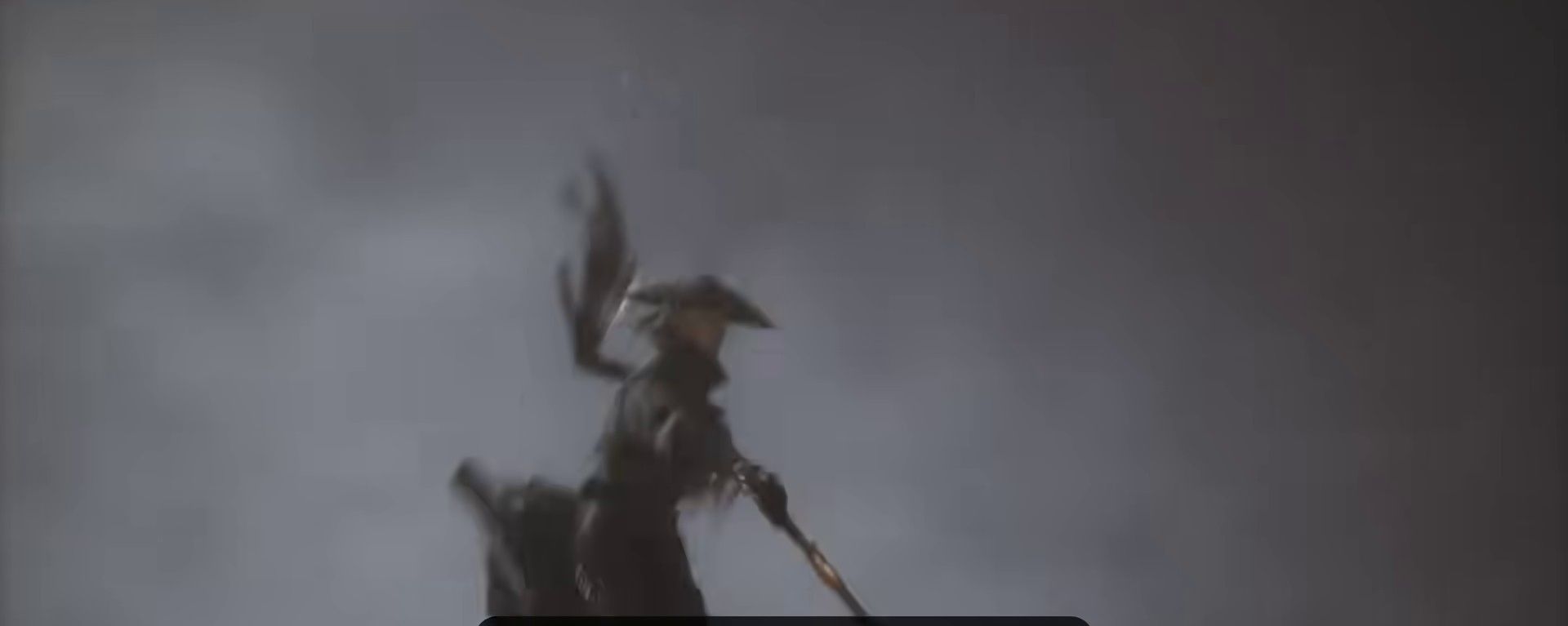
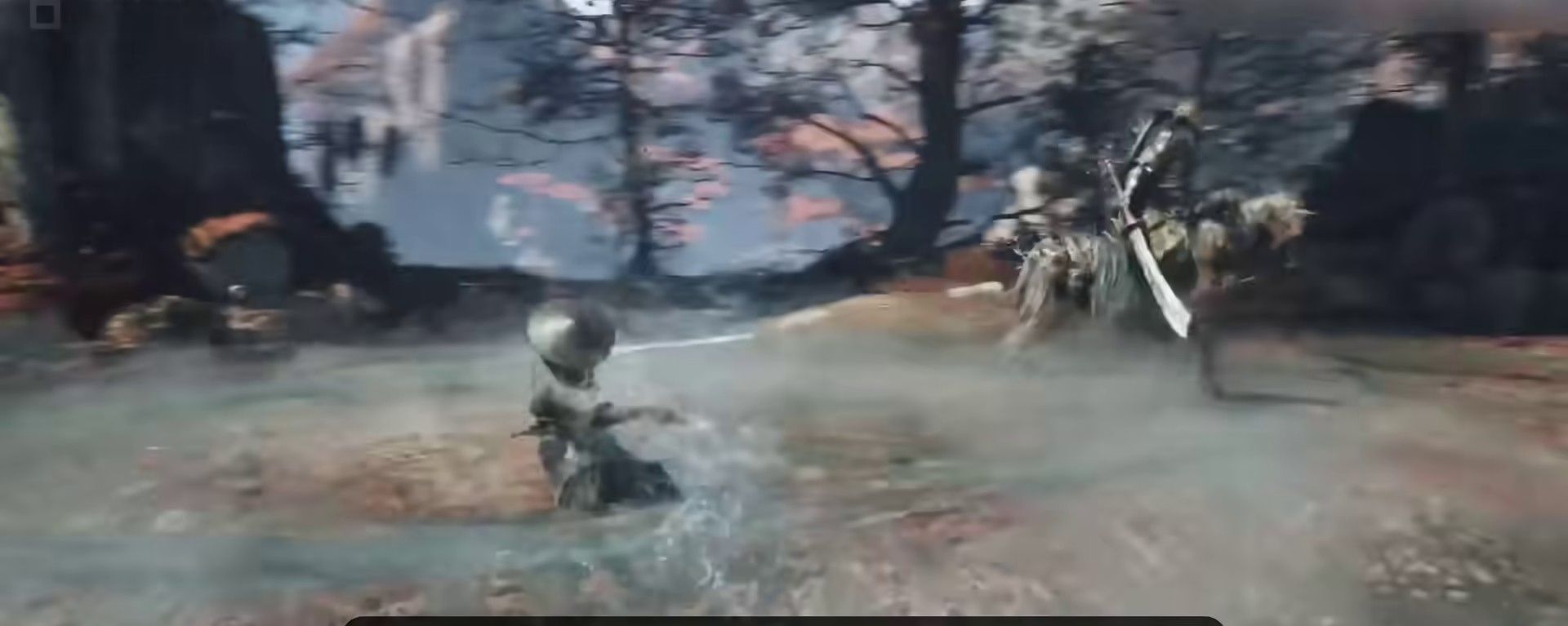
In the 66-Day Mode demo, players run headlong into a late-game roadblock - the Blademaster of Wind and Snow. This one is a true heavyweight: even with only one-sixth of his HP remaining, his attack power still hits like he's running cheats - three slashes and it's instant death, no questions asked. After release, he will almost certainly be handed a resounding nickname by players - "Three Blades of Snow."
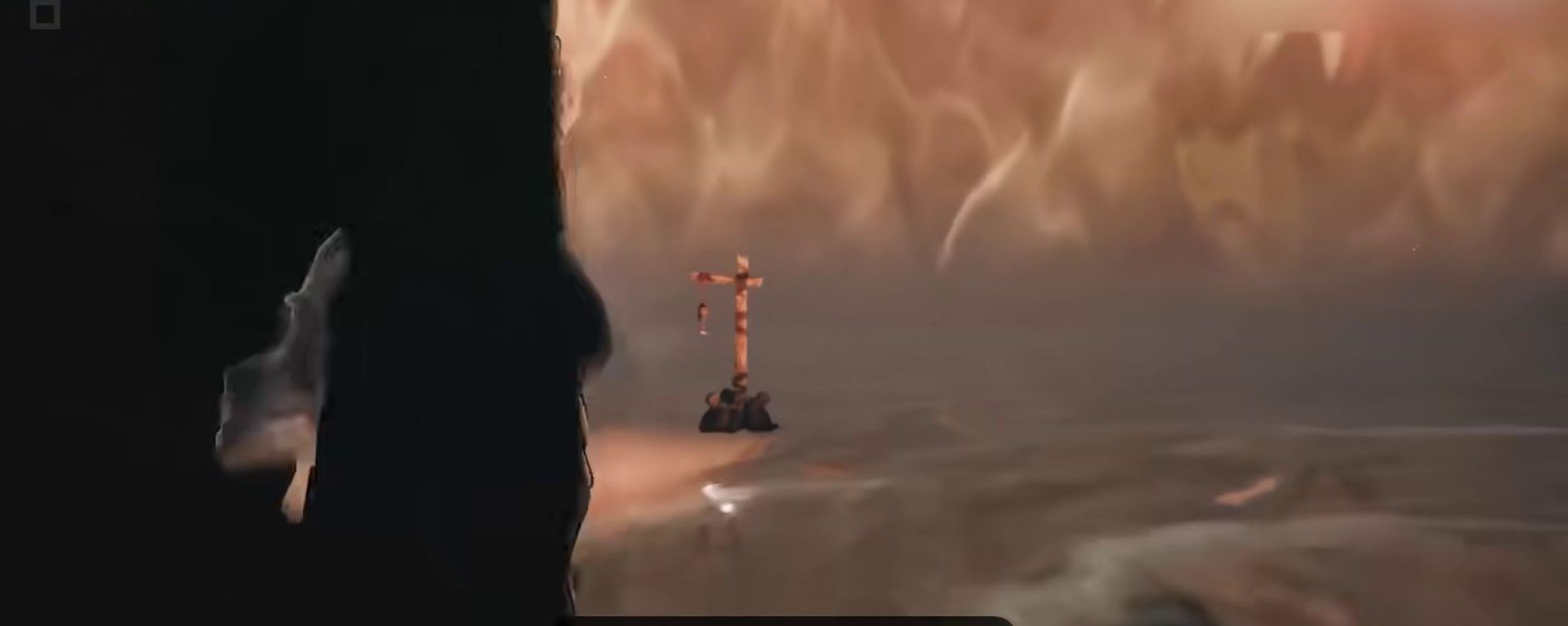
At the end of the demo, the developers also gave a look at what happens once the 66 days run out: a frozen tableau of Soul on his knees, slumped to the ground, with a conspicuous pipa (Chinese lute) standing upright beside him. No bombastic score, no slow-motion flourish - he simply kneels there in silence, the sense of ritual and destiny dialed all the way up.
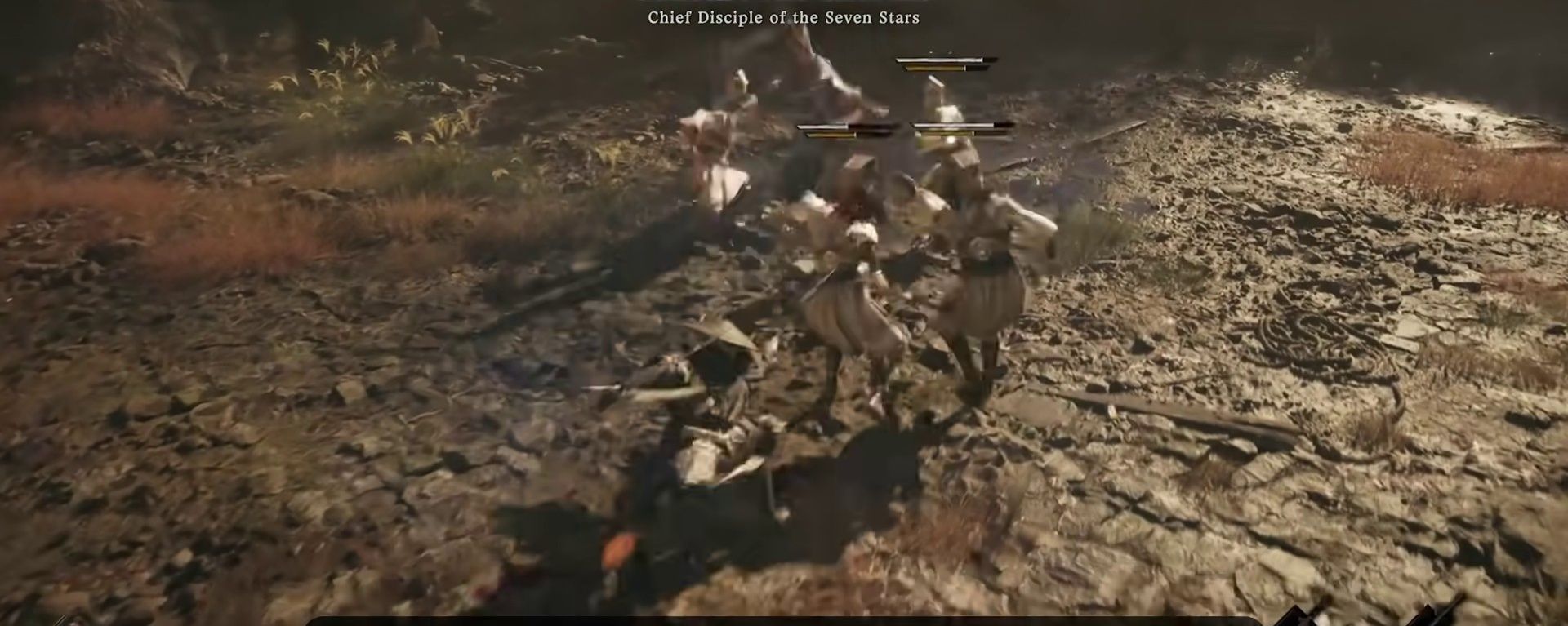
Three moves are the handiwork of a boss; three slashes are the full stop to a jianghu tale.
VI. From Sifu to 66 Days: A Long-Gestating Ambition
According to information revealed by the development team, the inspiration for the 66 Days mode had already taken shape as early as 2017 and 2018. Later, the French studio went on to create Sifu, and after playing it, Liang Qiwei heaped high praise on the game - quite possibly the most wuxia-flavored work in the entire console gaming industry.
Sifu's best-known mechanic is precisely "die once, age one year": death is no longer a matter of reloading a save and starting over, but an irreversible price to pay. The 66 Days mode in Phantom Blade Zero clearly resonates with this concept, yet S-GAME did not simply copy it - the team reworked the idea around the game's own worldbuilding and narrative logic, swapping "aging" for a "countdown" and binding the day count inextricably to the very life of the protagonist, Soul.
Another behind-the-scenes detail reveals just how much iteration went into this difficulty system: the developers at one point considered cutting the Heaven Defier tier entirely, keeping only three - Entrant, Breaker, and 66 Days. But playtest feedback showed that without the Heaven Defier as a stepping stone, the difficulty curve snapped abruptly, and players howled in protest. In the end, after careful deliberation, the tier was restored, resulting in the four-tier structure that stands today.
7. Liang Qiwei's Long-Form Post: Why He Didn't Let 66 Days Rule the Entire Game
On difficulty design, Liang Qiwei once wrote a dedicated long-form post, which revealed what 66 Days originally looked like -
When I conceived this project in 2018, the entire game was exactly this: an unselectable ultra-high difficulty, where players would meet their end after 66 deaths. With each retry, as your skill improved, you might get closer to the ending than the last time.
In other words, 66 Days was originally not a mode but the entire game itself. But after repeated testing, the team realized this loop was far too long: the vast majority of players could not accept the game forcibly drawing to a close after they had invested twenty or thirty hours - that would effectively make Phantom Blade Zero, for most people, a game that could never be finished, leaving nothing but endless frustration. Pure torture.
So the final structure was split in two: the first playthrough keeps the traditional flow, with three difficulty tiers so players can pick what suits them - Liang Qiwei admits he is not a hardcore player in the absolute sense, and during testing, the Entrant difficulty was cleared far more often than the other tiers, since it lets you explore the world at a leisurely pace while relying on RPG stat bonuses to break through enemies with ease, shaping what he calls a "complex easy-difficulty system"; 66 Days unlocks on the second playthrough, when the countdown truly begins claiming players' lives. He can also almost picture another scene: a streamer, dozens of hours in, facing down a formidable foe with only their final life left - just how electric would the livestream room get? In the era of livestreams and short videos, the ultimate challenge itself becomes content worth watching.
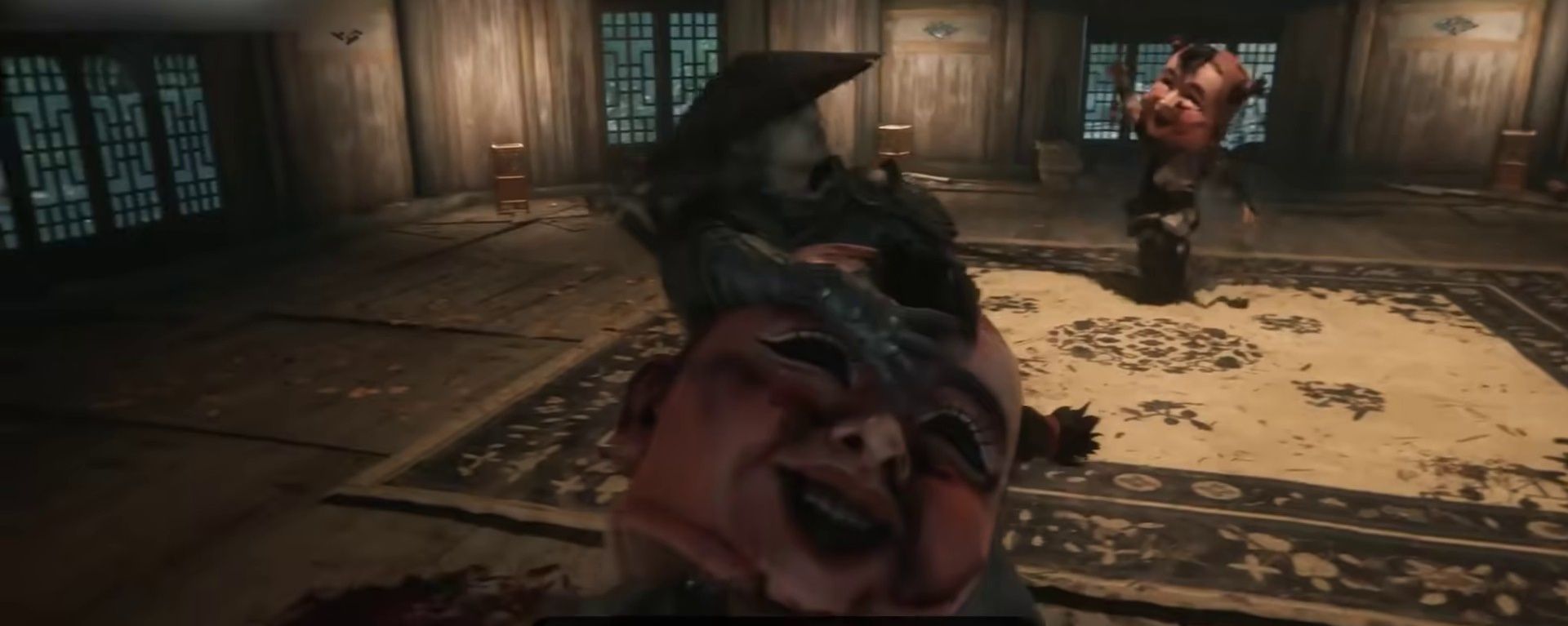
The rules in 66 Days mode are also deliberately "merciless": saves on the highest difficulty are completely separated from all other difficulties; touching the bell triggers an auto-save, with no manual saving; and from the very first moment, the run records all your mistakes and regrets in real time, with no loading a save to return to a point before a mistake.
Just like life itself.
When the days run out, a short closing animation plays; once the cutscene ends, that run's data becomes history forever, and only then does the game ask whether you want to start over. Liang Qiwei stresses that true refinement, the joy of the ultimate challenge - or an experience closer to protagonist Soul's life-hanging-by-a-thread ordeal - is non-utilitarian and entirely the player's own free choice - one of the countless difficult decisions Phantom Blade Zero has made.
Two practical tidbits along the way: first, whether you want to casually enjoy the original worldbuilding and dazzling martial-arts choreography, or push your limits and exhaust the full depth of the action system, all four difficulty tiers have a place for you; second, the Platinum trophy can be earned in a single playthrough, so trophy hunters can plan their run with peace of mind. As for judging whether a player is a true master, the simplest and bluntest criterion comes down to just one thing - whether they can clear the 66 Days difficulty entirely on their own.
VIII. Arcade Coins, Soulslike Pain, and the Answer One Month Later
The 66-Day Mode readily stirs the memories of two generations of players.

The first is the arcade era: back then, Metal Slug and Knights of Valour gave you three lives per coin, and once those ran out, you had to feed in another coin to keep going - every pair of eyes in the queue behind the cabinet was glued to the lives left on screen. The 66-Day Mode carries that "counted in lives" tension back onto the console screen, exactly as it was.
The second is the soulslike era: first encounters with Dark Souls III and Sekiro have always reduced players to tears - you wail and practice in equal measure before earning your ticket to the ending. Phantom Blade Zero pushes even further down this road - not only must its AI deliver a tougher challenge, death itself is given a quota. Some players have said outright that this highest difficulty is even more brutal than Hidetaka Miyazaki's games - a telling glimpse of Liang Qiwei's ambition.
Of course, how it all actually turns out will only be proven at release. Plenty of players already have their opening runs planned: a first playthrough on Normal difficulty to get a taste, then straight into 66-Day Mode on the second - die through one run, start right back on another - to see whether this system can truly carry the grand gambit Liang Qiwei has laid out, and to find out just how far these hands of theirs will have to be trained to walk this stretch of the jianghu to its end within sixty-six days.
One month later, the answer was revealed.
Top Community Comments
@HeartAndSoul: How many more videos can you milk before release?
With release drawing near, official info is arriving wave after wave, and the follow-up breakdowns naturally come one after another. This "hurry-up-and-update" jab may read as a tease, but it actually exposes the community's current state - players' hunger for information is fully maxed out, and every new demo can set off another round of discussion.
@joker&luna: The hanging fish on the bell - is the dev team playing a homophone gag here?
This comment shows remarkably sharp instincts: "bell" (líng) echoes "spirit" (líng), and "fish" (yú) echoes "surplus" (yú) - so the fish hanging beneath the life-extending bell can be read as "the rest of one's life" (yúshēng). If this really was deliberate, then the whole set of visual symbols - from the crane statue to the bell to the hanging fish - forms a double closed loop with the "66-day countdown" theme, running from imagery all the way to homophone. That understated quality of Chinese wuxia art is hidden entirely in the details.
@PerennialLurkerDeepSeaSaltedFish: The 66 Days mode is essentially built for the small minority of players who chase difficulty - apart from the 66-lives restriction, the combat difficulty is identical to Heaven Defier. What I'm more curious about is just how intelligent the high-difficulty AI the devs talked about actually is. Also, what high-difficulty races and speedruns fear most is traps and obnoxious field enemies encountered while traversing the map; players actually spend a huge chunk of their time optimizing the best route for traversing the map, and in the end the boss fights turn out to be the most practiced part of all. I wonder whether the devs have factored this in. But even if they haven't, players will develop their own optimal routes - or even outright cheese.
This comment pushes the discussion from "is it hard?" to "is the difficulty elegant?": what truly torments hardcore players is often not the boss, but the time repeatedly burned on the road to the boss. How to make high-difficulty content coexist with level pacing is a shared exam question for every high-difficulty action game. And that final line - "players will figure out the optimal route, even cheese, on their own" - is also an early preview of the iconic moments to come after release: the devs set one exam question, but players are always solving their own.
📌 One-Line Takeaway
With its "66-day" mode, Phantom Blade Zero turns the protagonist's death countdown into the player's own life allowance: on a first playthrough, anyone can savor the jianghu to their heart's content; on a second, only the willing step into a crucible where life hangs by a thread. As for how much substance this years-in-the-making ambition truly holds - one month from now, the blade will tell.