The Combat Is Still Insanely Cool, but Phantom Blade Zero Is Far More Than "Cool" - An In-Depth Report from a 6-Hour Closed-Door Preview
Early last month, we were invited to Beijing for the latest round of closed-door media previews of Phantom Blade Zero, where we took in the entirety of the final version's first chapter in a single sitting.
Over the past few years, this highly anticipated title has made plenty of appearances at trade shows in China and abroad, and to players who have been waiting with bated breath, its gameplay, systems, and overall tone have long been no secret. A showcase this completely unreserved, however, was still a first.

I spent nearly six hours on site, largely sticking to my usual habit of "turning down every fork and grabbing everything in sight" while scouring the map, and even by the end of the session I still hadn't fully picked Chapter One clean. Considering that the full release will feature eight chapters' worth of complete maps, you can already get a sense of just how substantial this journey through the Shadow Realm will be.
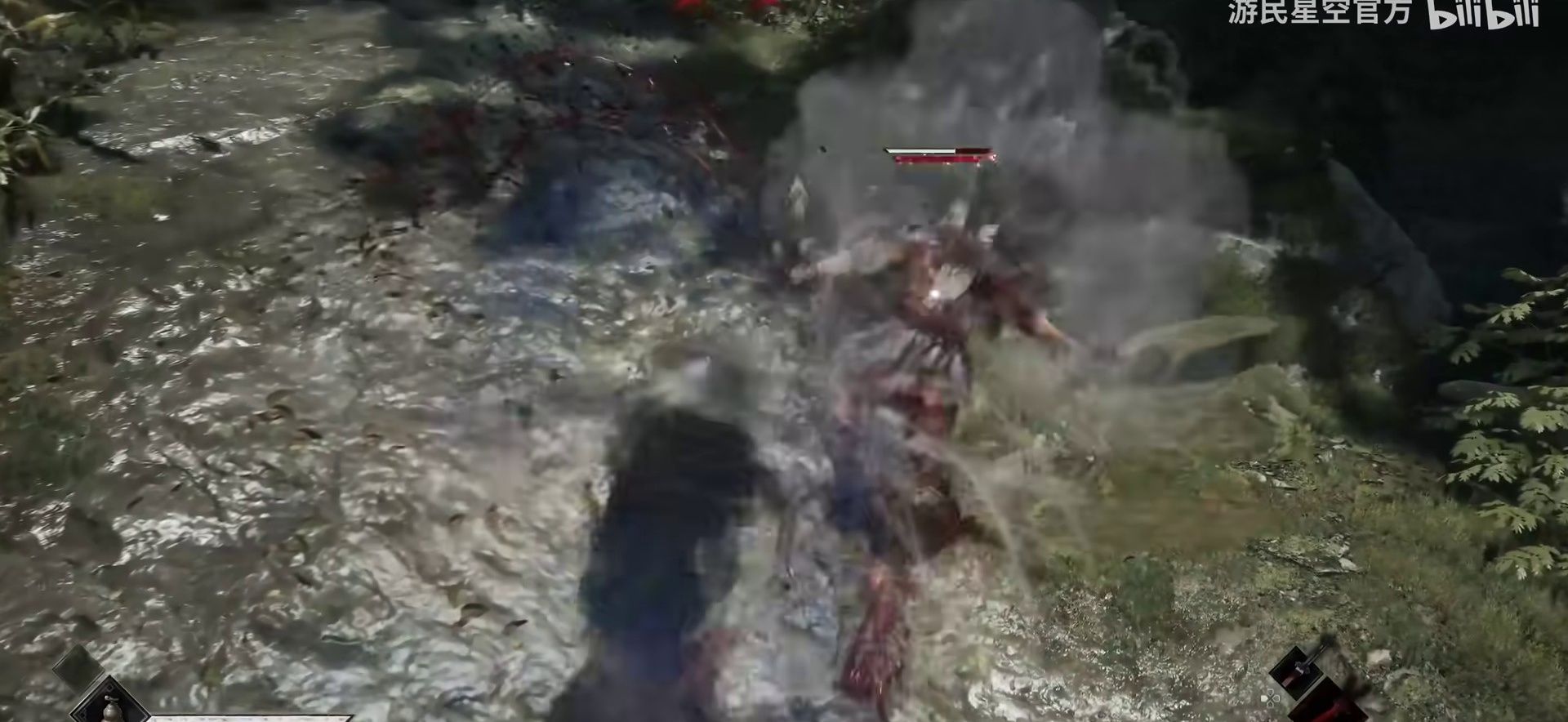
Let's start with the most reassuring part: the combat is still insanely cool. But after six hours with the game, what I really want to say is this - cool is merely the outermost layer of this game.
Combat: Simple Controls, a Supreme Master's Performance
Ever since Rainblood: Labyrinth, S-GAME (Lingyoufang) has been wrestling with the same question: how to let players deliver an armed duel that is both spectacular to watch and genuinely engaging to play, using relatively simple controls. Phantom Blade Zero carries this design philosophy all the way through.
Killing Intent and Pure Killing Intent form the resource system, main weapons and Phantom Weapons provide the movesets, and Ghost Step and chained parries constantly reward the player's correct reactions. With these mechanics interlocking, the most immediate result is -
You'll soon be fighting like a supreme master, all while knowing full well that you're actually pretty mediocre at this.
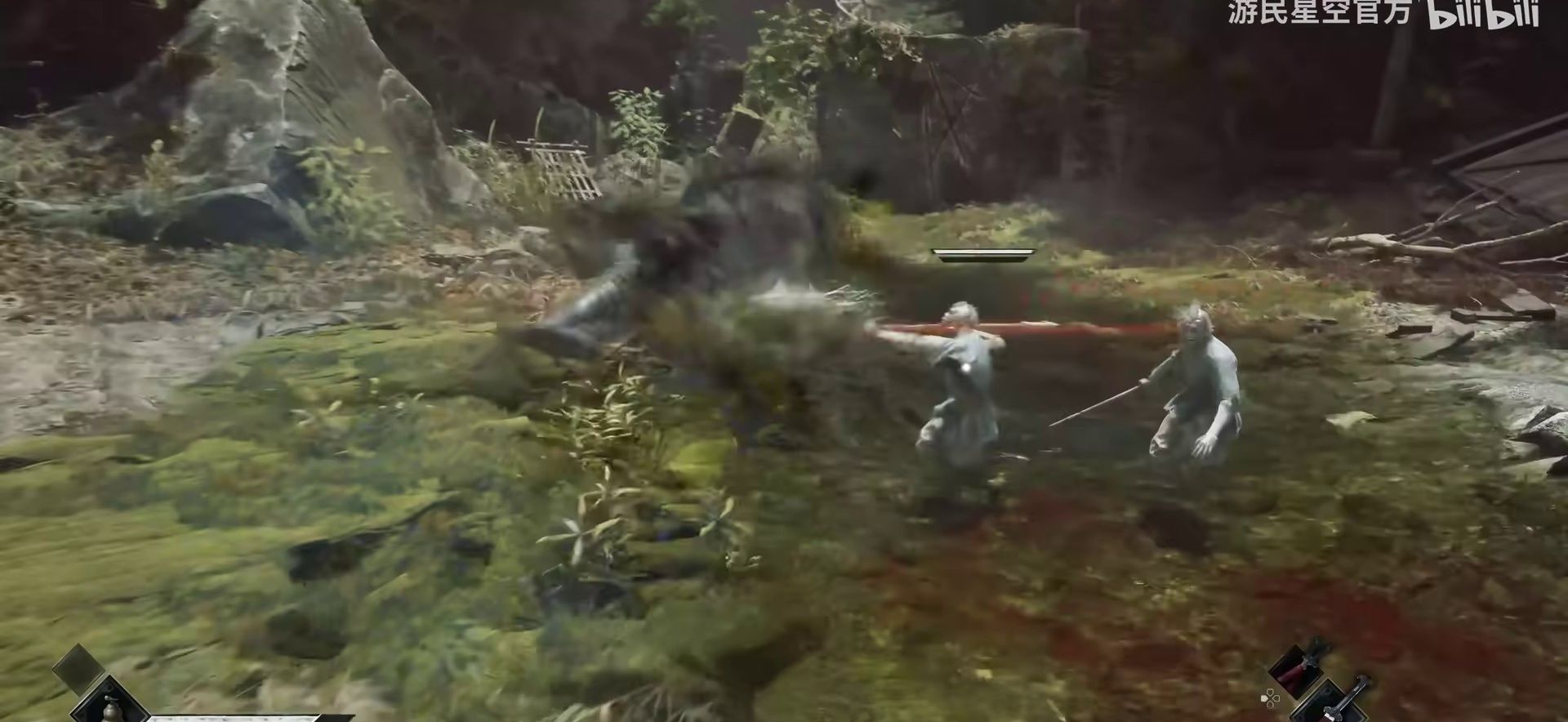
Chapter 1 sustains the freshness of combat remarkably well. I picked up 6 main weapons, each with its own distinct moveset - longswords, dual blades, long sabers, bleed weapons, and exotic weapons all make an appearance - plus 3 Phantom Weapons. Just as I was getting the hang of the weapon in hand, the next formidable foe would come along bearing something new.
The only pity is that the minor enemies along the route won't respawn just because the player wants to practice - after all, "if a person gets killed, they die" is what fits the lore of the Shadow Realm. But this also genuinely left me unable to find anyone to test my blade on, more than once.
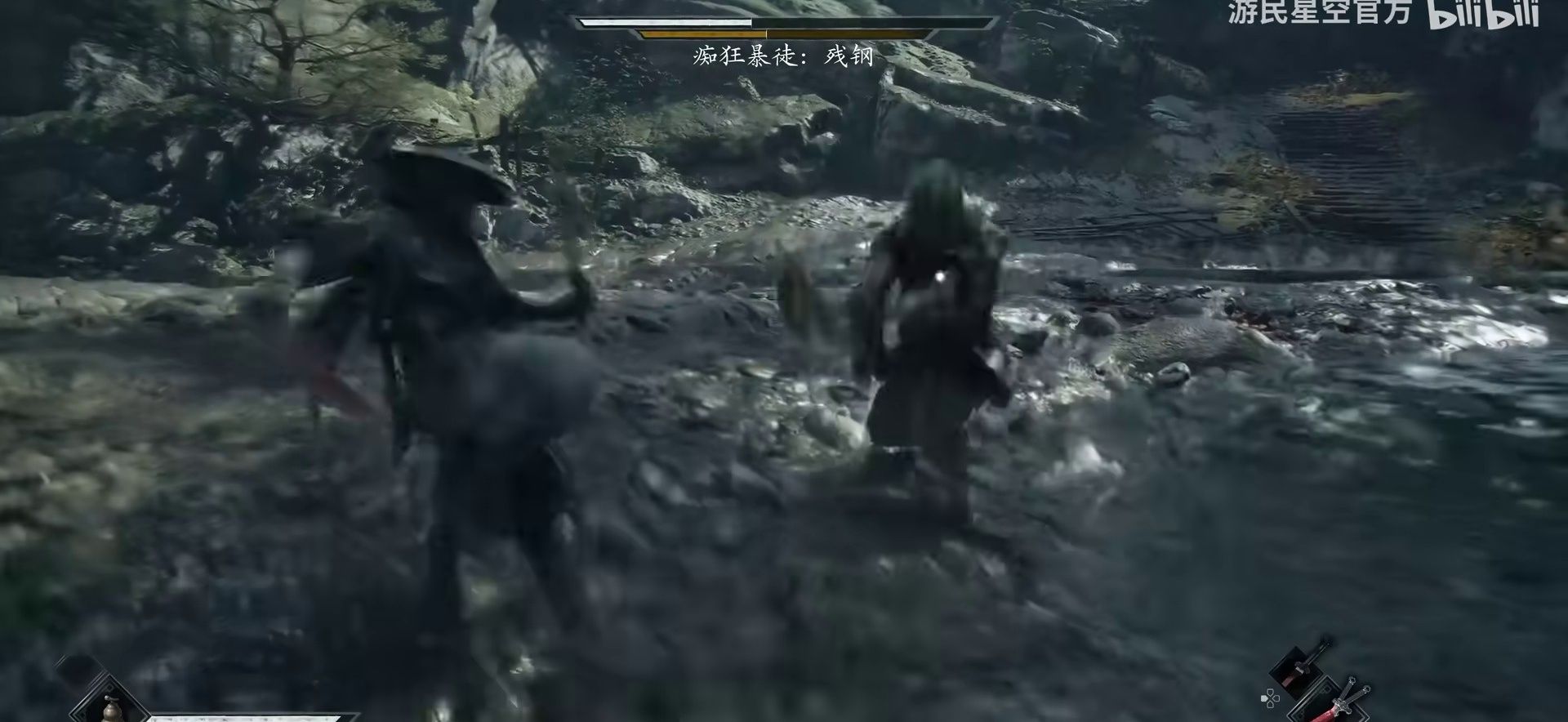
Serving as sparring partners for these legendary arms are at least 4 named boss-level enemies with visible health bars. I say "at least" because I haven't finished exploring either, and I can't guarantee some big shot isn't lurking in some obscure corner.
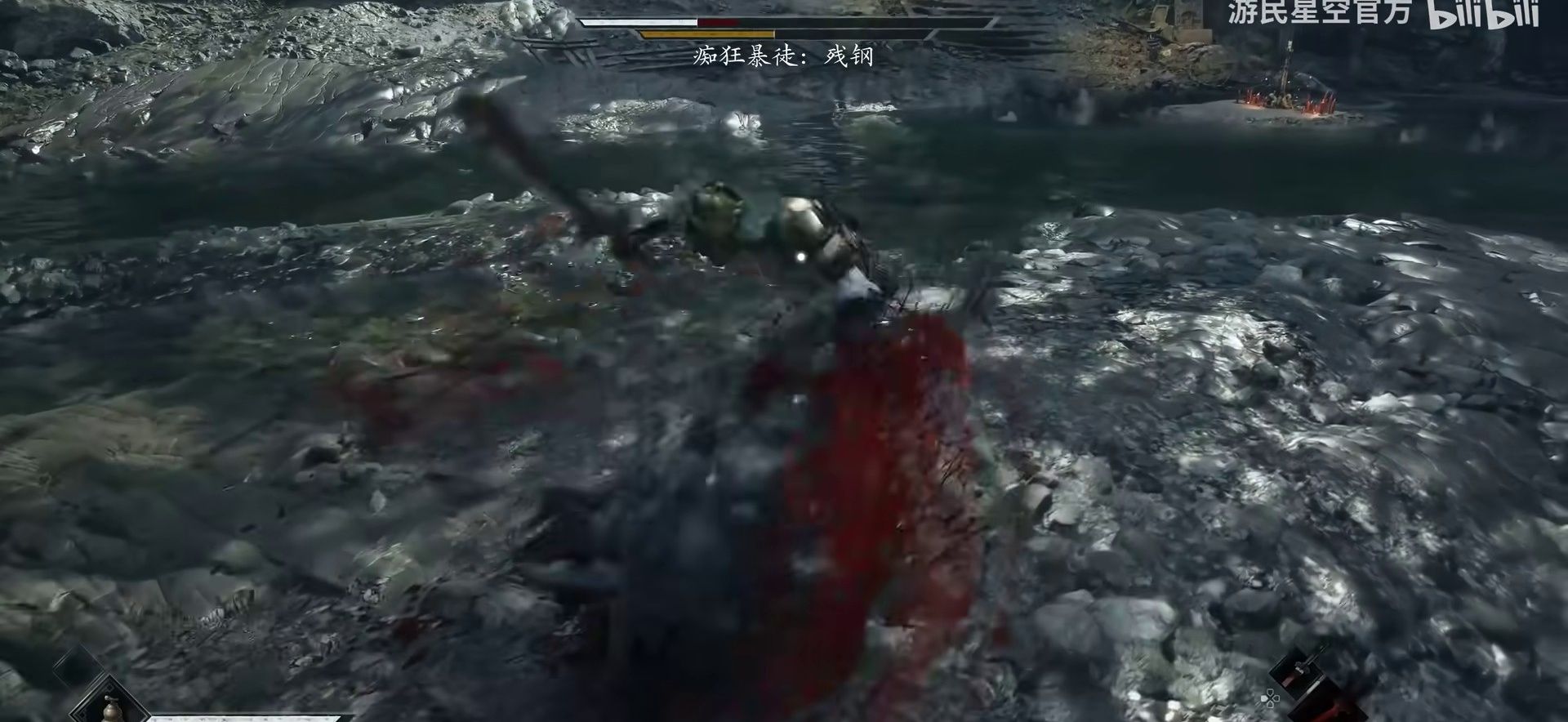
These bosses differ dramatically in how they fight: Boss Fo wields a massive axe where a single swing can deal fatal damage, but his movements are extremely slow - bold combos and careful dodging are enough to handle him with ease. Zhuiming is far more unhinged: the moment he makes a move, he launches into long combo strings, as if you never even get a turn. But the startup of every one of his big moves gives you a clear Ghost Step timing window, and a single guaranteed punish buys you an entire round of offense.
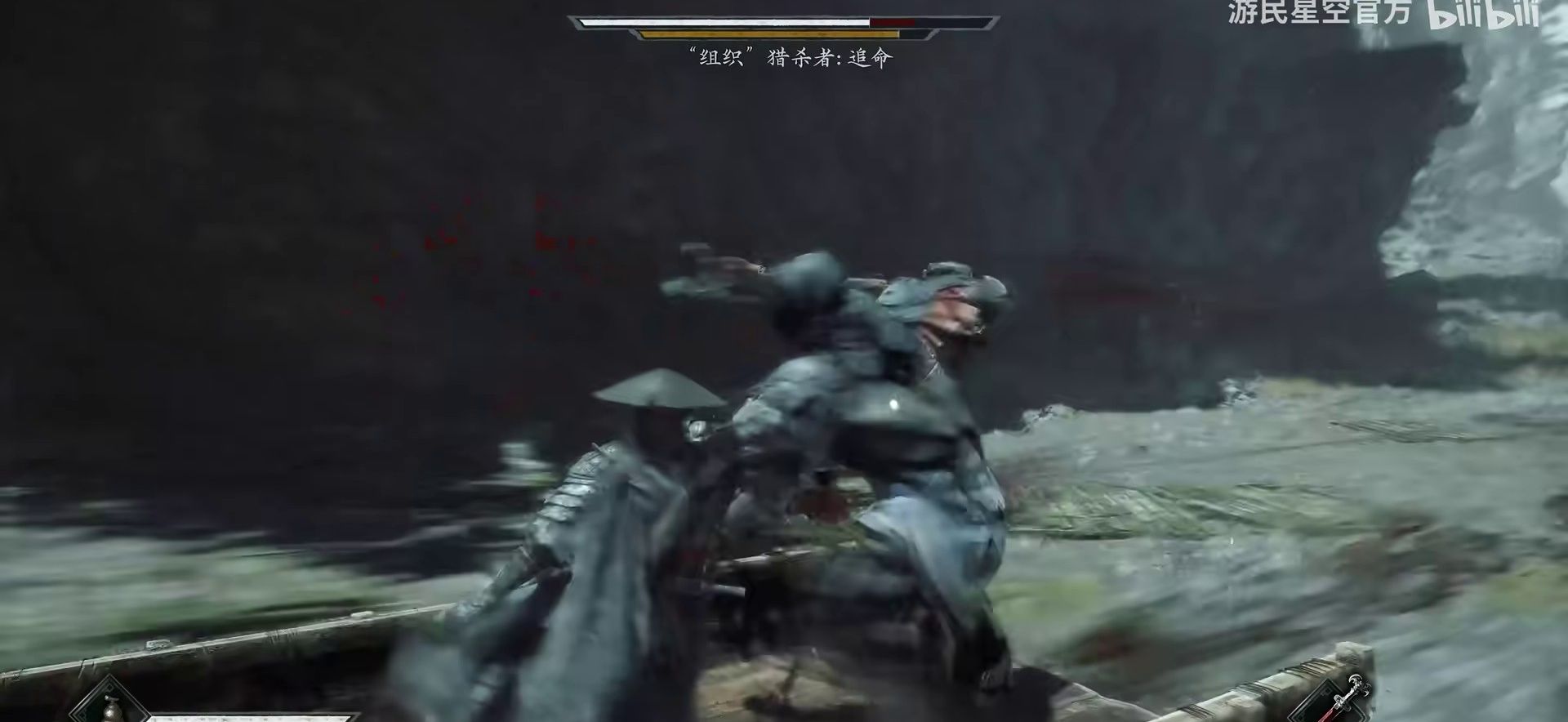
Over the course of the playthrough, as long as you read the weapon descriptions carefully, watch a few rounds of each boss's attack patterns, and pick the right strategy, Normal difficulty goes fairly smoothly.
Encouraging Offense: Don't Plan on "Waiting Him Out"
That said, this doesn't mean Phantom Blade Zero will be an easy game. In fact, if you're deeply accustomed to passive combat strategies in soulslikes, chances are it will humble you.
With conventional stamina replaced by Killing Intent on both sides, and both player and enemies boasting superb character performance, Phantom Blade Zero becomes a game that aggressively rewards offense.
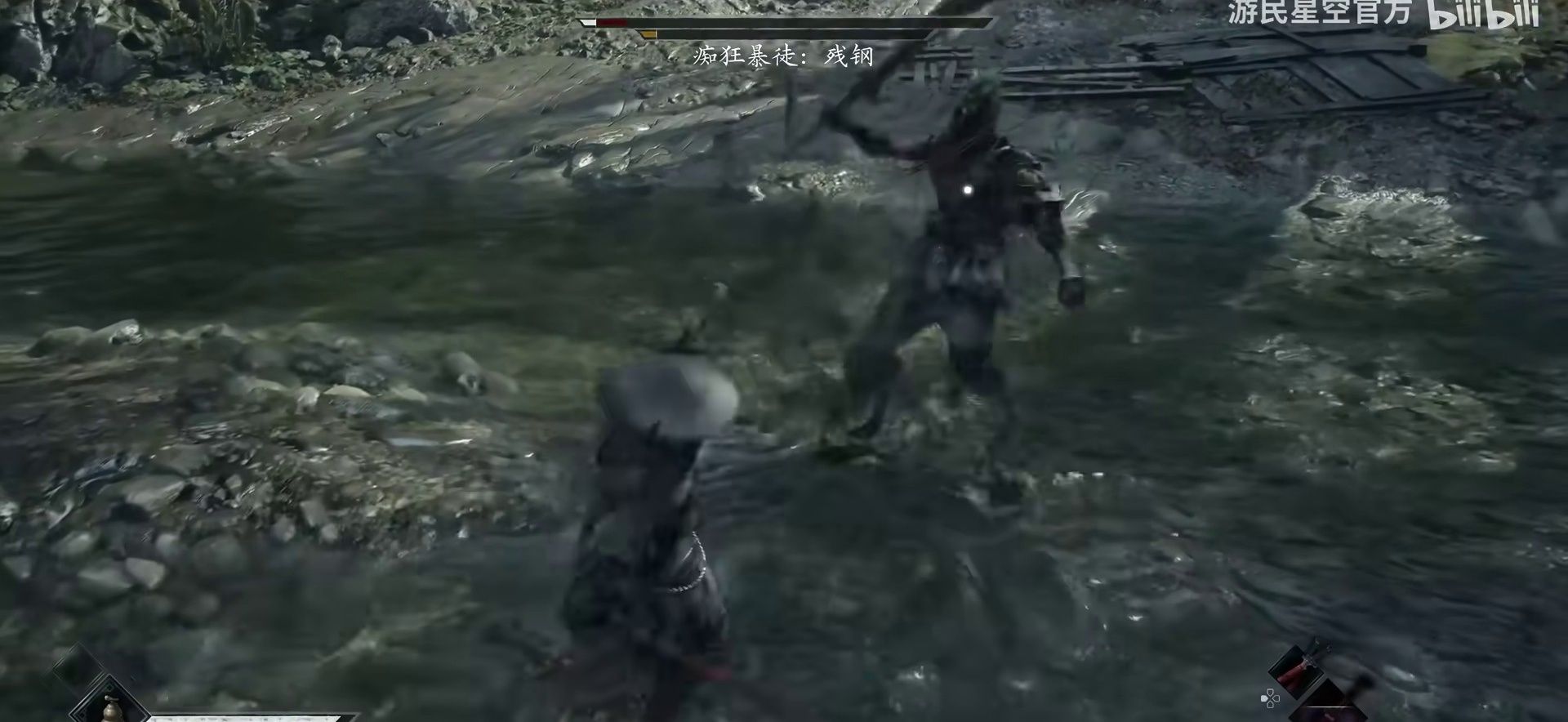
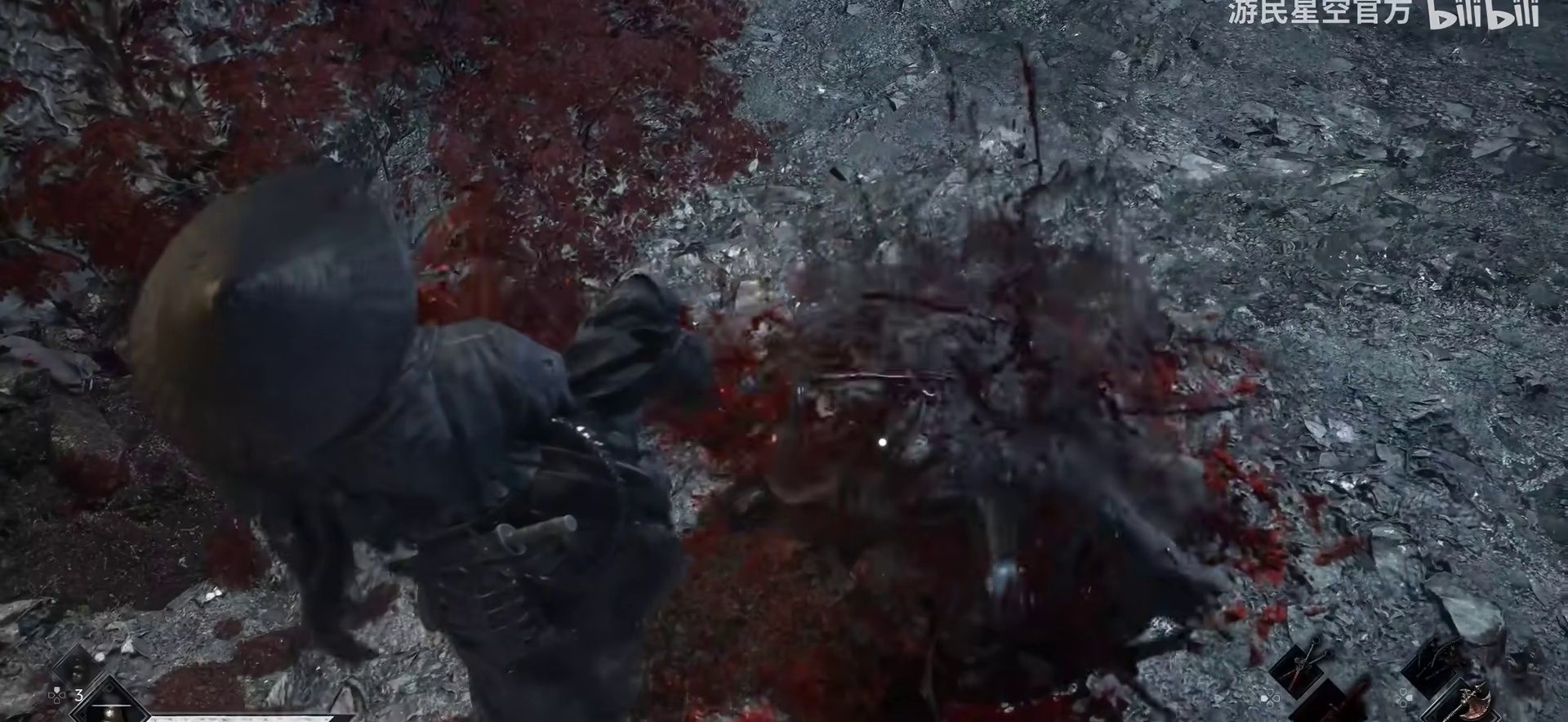
If you're a Street Fighter 6 veteran, the combat rhythm it rewards most will feel instantly familiar: use light-and-heavy attack combos, chained parries, and every other tool at your disposal to keep the boss locked down in pressure, drain their Killing Intent gauge as quickly as possible, then unload massive HP damage once they fall into a guard-broken state. Backing off with the mindset of "waiting until he gets tired" will only drag you onto the back foot.
Yes - it plays a lot like the pressure game in Street Fighter: snowball your advantage, and punish every opening the instant it appears.
The Phantom Step, your answer to special attacks telegraphed in red or blue, is a crucial opening to reclaim the initiative: a successful counter restores your own Killing Intent while draining the enemy's, and it comes bundled with a move so stylish it would have viewers firing off danmaku on the spot. An attack that began as the enemy's, handled well, becomes the launchpad for your next round of pressure.
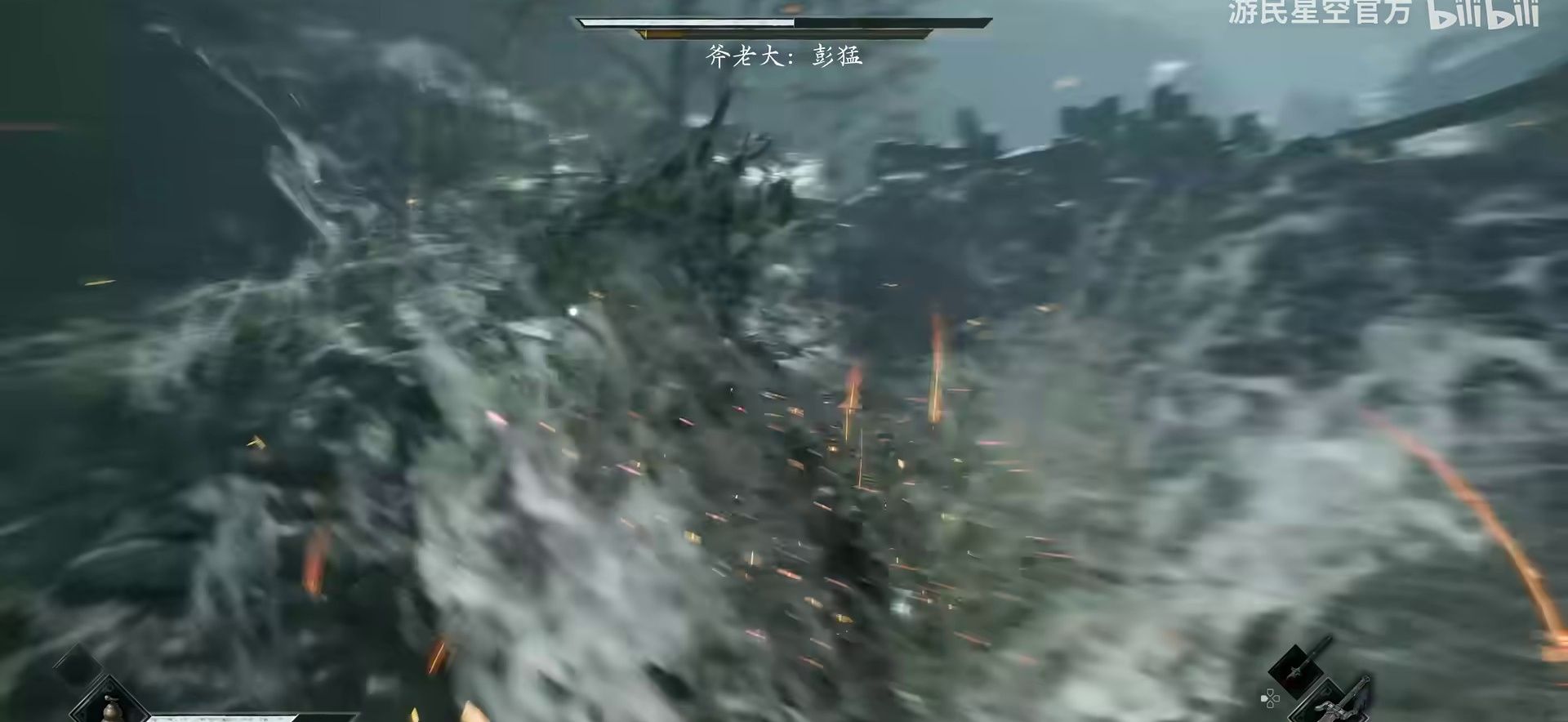
The timing window isn't nearly as strict as you'd imagine, either - if you're familiar with gun parries, blue-attack guards, blade clashes, or Just dodges, you should find the feel of it in no time.
The slick feedback keeps nudging you to "try one more time," and every success genuinely makes the next round of offense feel that much smoother.
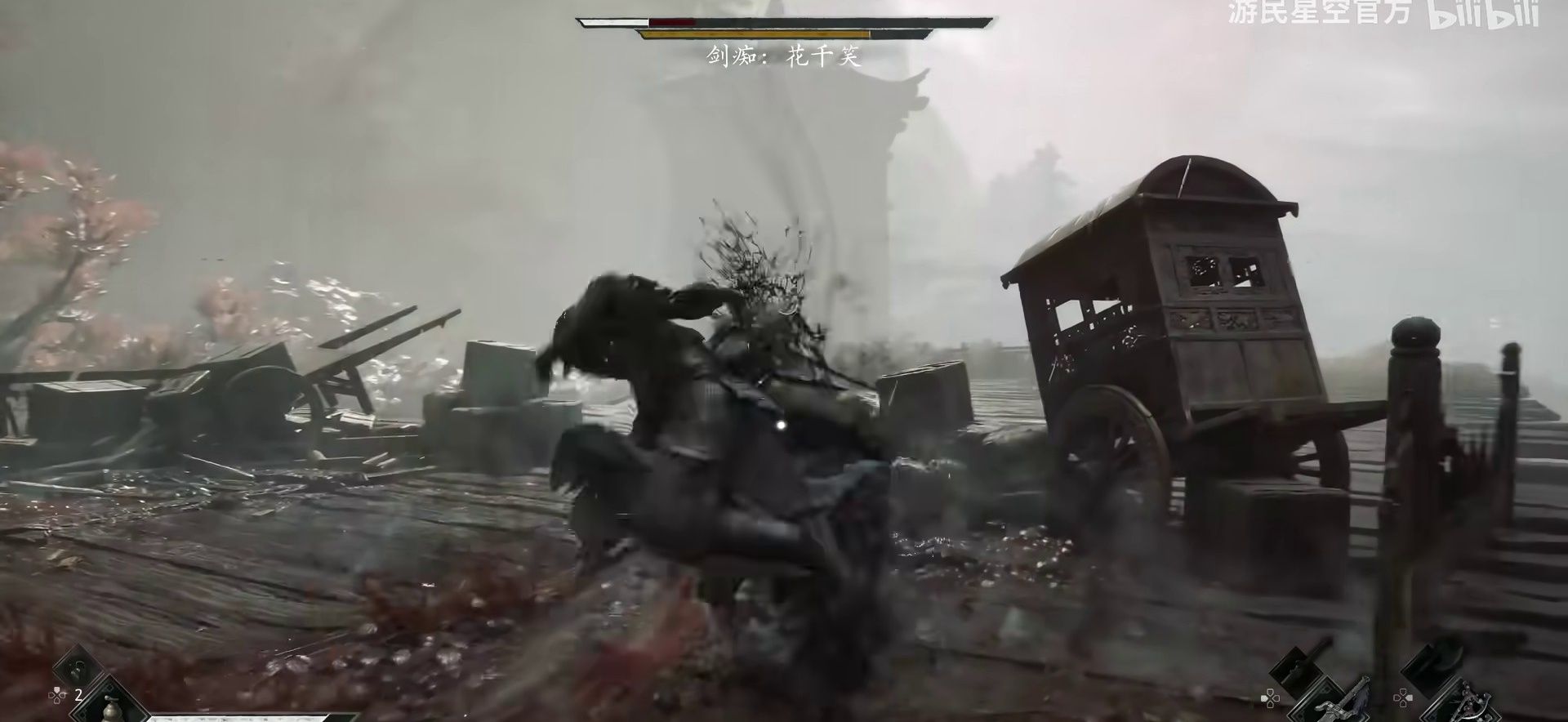
The Other Half Hidden Behind the Marquee: An ARPG with Deeply Layered Progression
Because its "combat" marquee is simply too eye-catching, many players and media outlets had subconsciously imagined Phantom Blade Zero as a traditional action game in the vein of Devil May Cry. The reality is nothing of the sort - it is an ARPG with deeply layered progression and a huge amount of hidden content.
The protagonist, Soul, can equip two primary weapons and two Shadow Armaments simultaneously, and all equipment can be upgraded by spending resources. Weapon upgrades not only raise stats but also unlock new attack branches; some Shadow Armaments even gain additional uses beyond their active effects - for example, once Juque is upgraded, an extra input mid-combo lets you follow up with a pursuit strike, directly finishing off lesser enemies that a full combo previously couldn't kill.
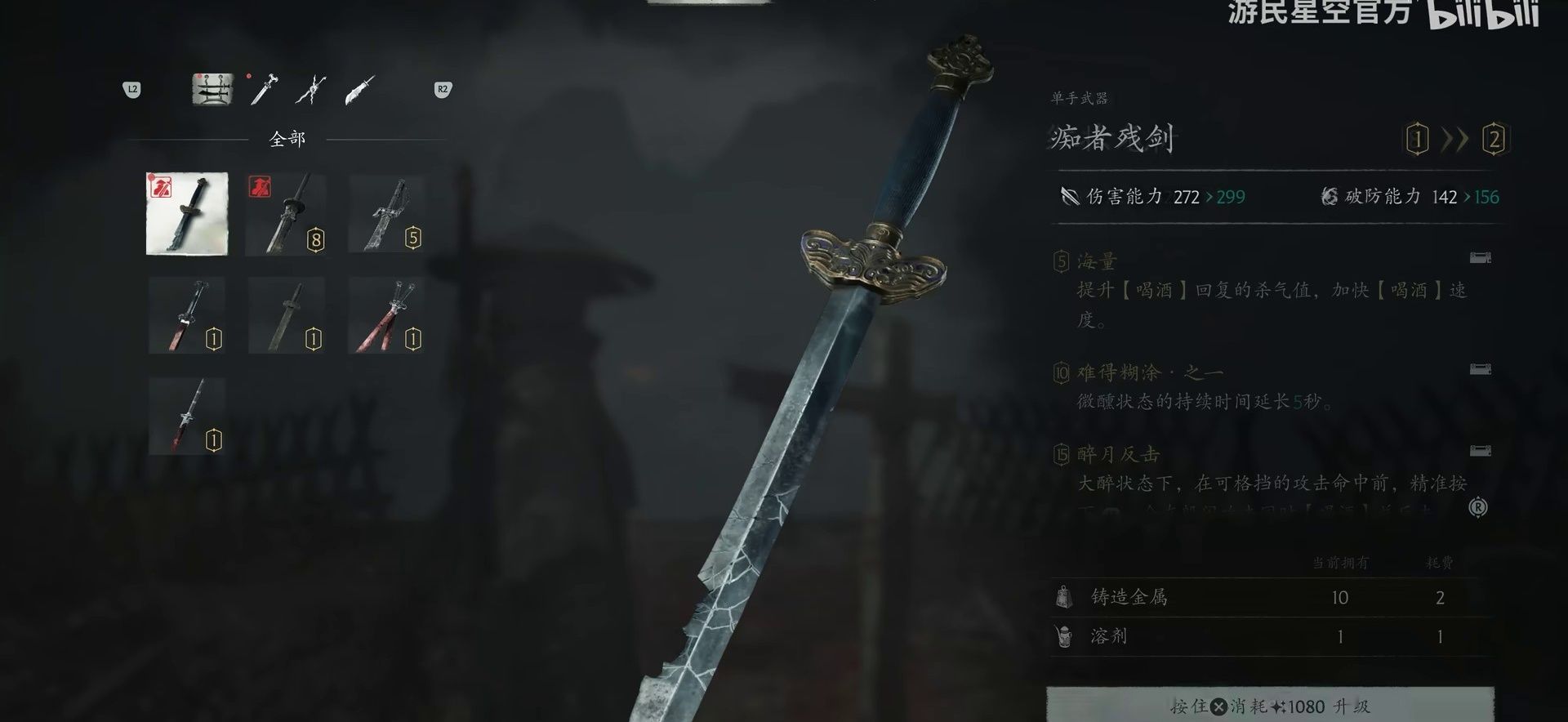
Soul can also equip six food items that provide stat and combat performance buffs; add to that a talent tree that isn't especially complex, upgraded with a Red Orb - like resource earned through exploration and by defeating powerful enemies - from base attributes to dodge-counter performance, there's room for further fine-tuning across the board.
Together, these two progression tracks form the RPG systems of Phantom Blade Zero, and they very explicitly allow players to customize their own combat style.
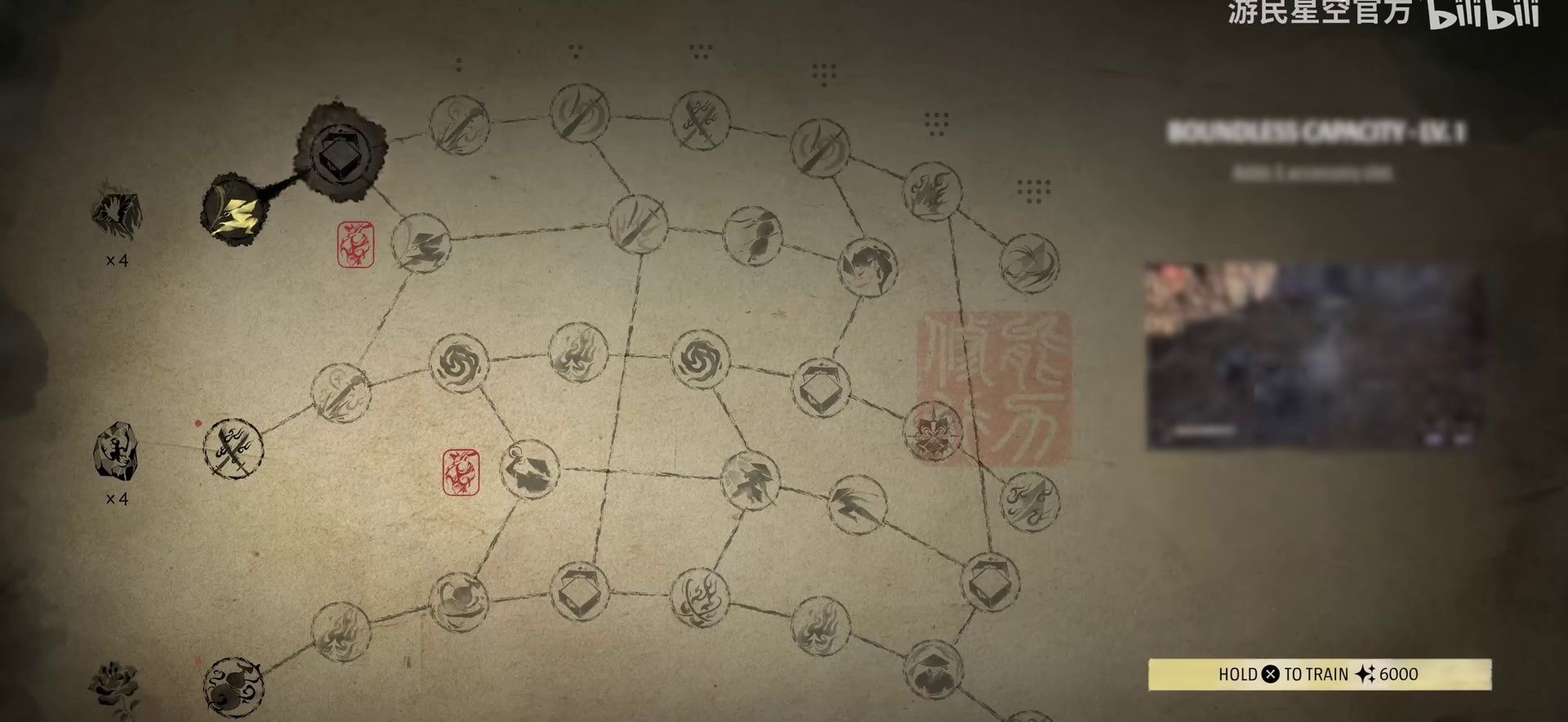
According to producer Liang Qiwei (Soulframe), as you progress deeper into the game, the RPG systems will branch out into a wealth of additional features and synergy logic, and there will also be enemies with special mechanics that require players to adopt specific builds to counter.
It's worth noting that both weapon upgrades and talent point allocation can be rolled back with virtually no loss. For a game featuring more than 30 primary weapons, each with its own distinct moveset, this is a remarkably considerate design choice - you can experiment with every playstyle with total peace of mind.
Wide-Linear World Design: Eight Seamlessly Connected Maps, Navigation Included
The levels in hands-on play revealed far more than what the earlier combat gameplay footage had shown.
Phantom Blade Zero adopts a wide-linear structure: the direction of the main path stays relatively clear, while plenty of explorable branches spring up along the way. The eight maps are seamlessly connected in physical space - you can think of it simply as "Black Myth: Wukong with seamless transitions between chapters" - except that S-GAME (Lingyoufang) hands you a map right from the start.
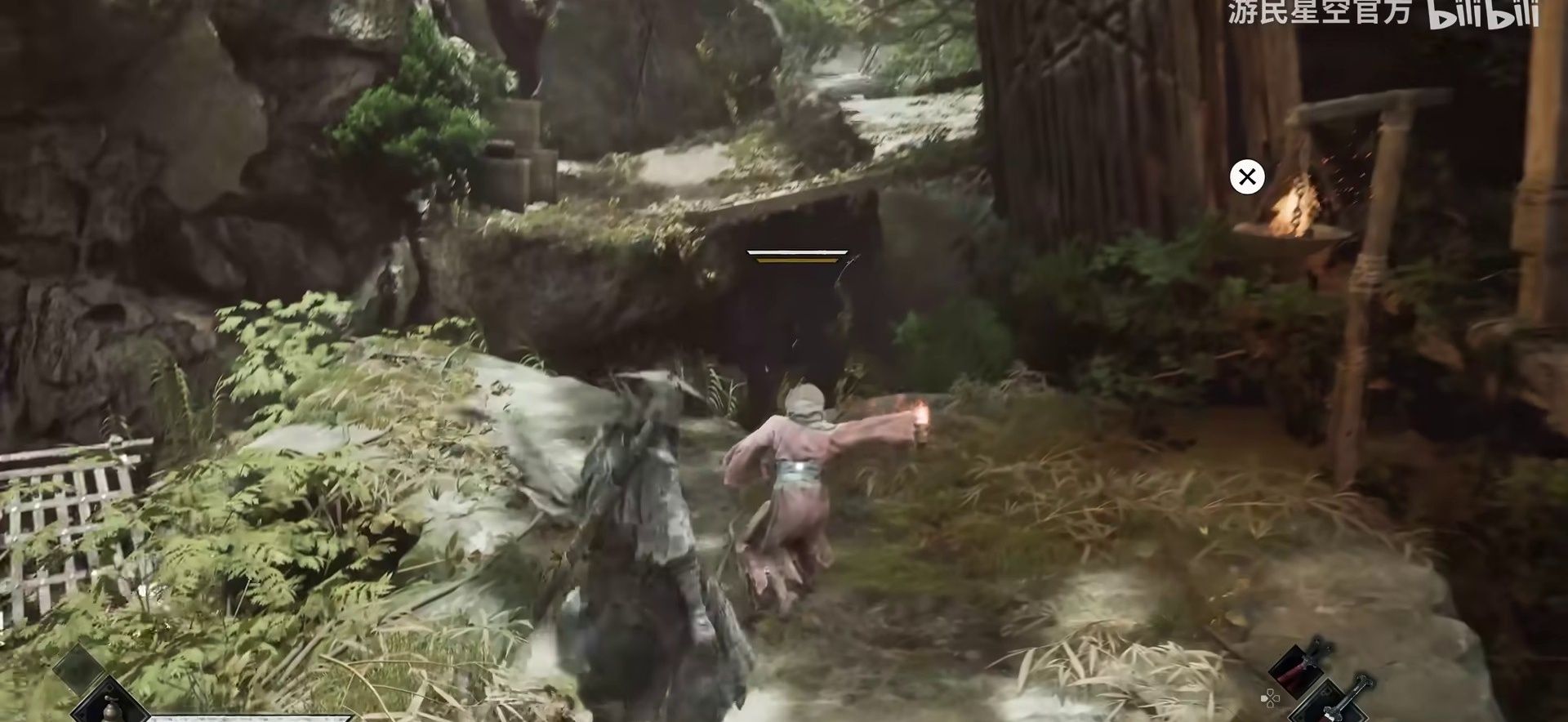
Beyond the main path, there are collectibles, hidden bosses, side quests, and special interactive terrain, along with cultural landmarks worth pausing to take in. After nearly six hours of play, I was fairly sure I had covered every reachable corner - yet my overall completion rate for Chapter One still sat at 85%.
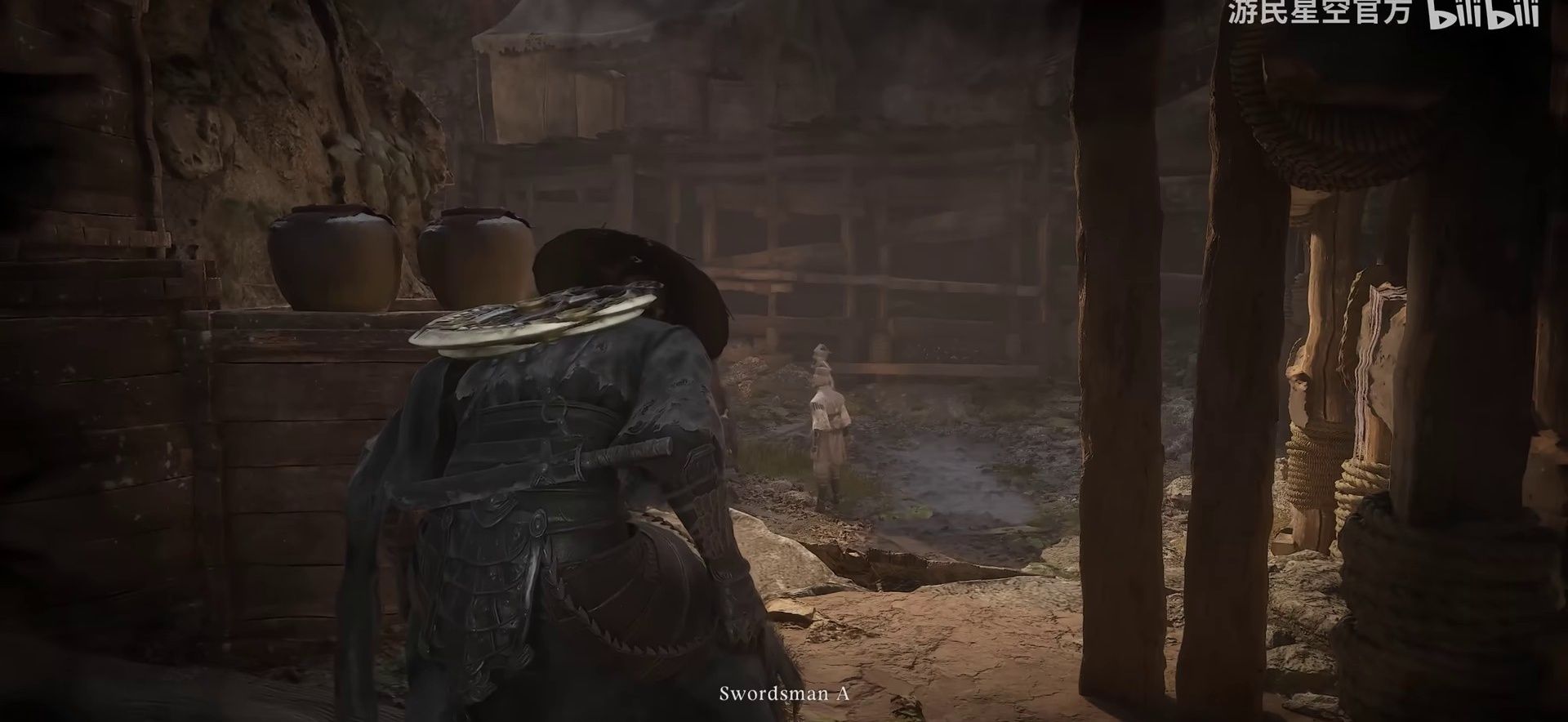
Among all this hidden content, beyond hidden bosses such as "The Tempering of the Vow," what is most worth your time are the dialogues, written notes, and side events scattered across the world. They gradually transform the Shadow Realm - a worldbuilding project Liang Qiwei has spent more than a decade constructing - from a handful of faction names and a revenge story into a place where you meet specific characters and stumble into specific events.
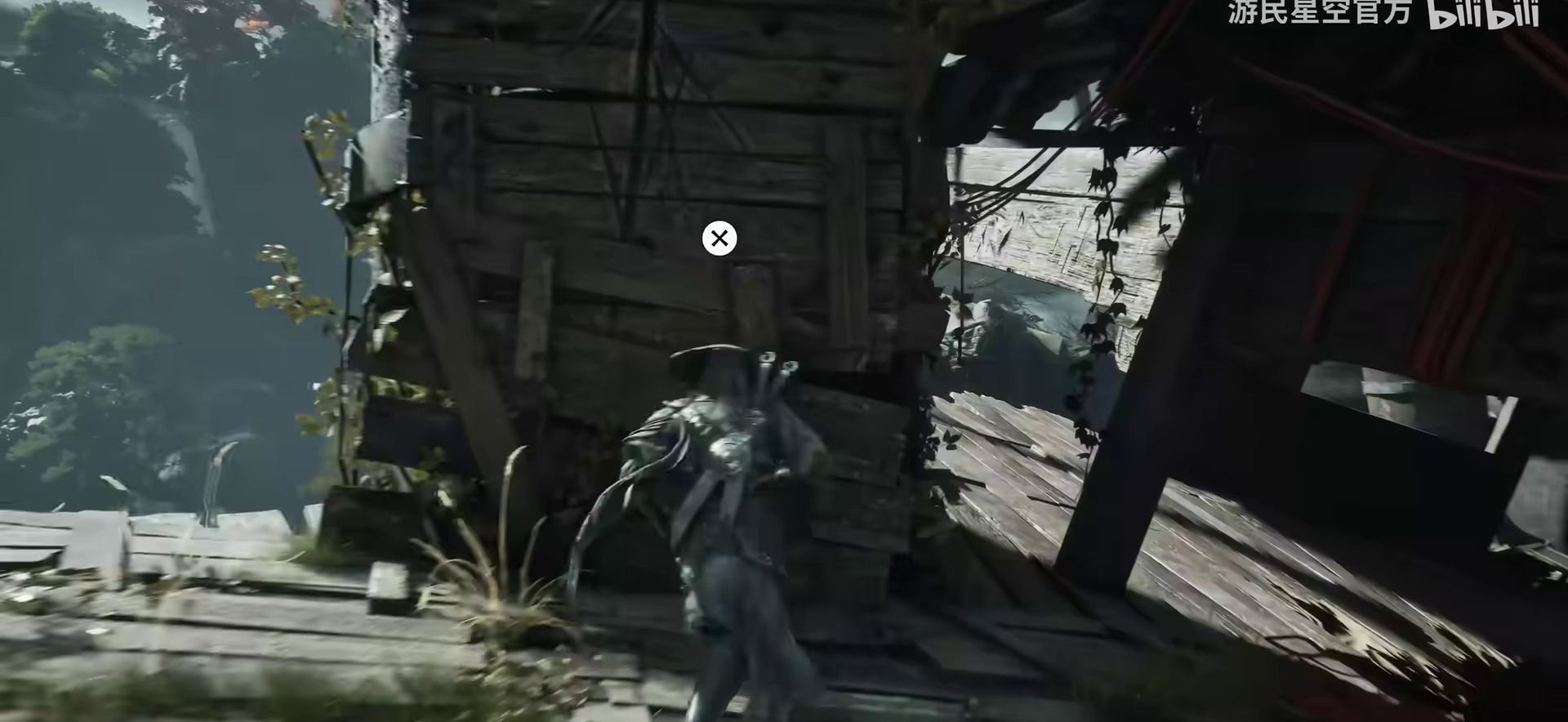
Side Quests with a Sense of Proportion: No "Great Rune Shattered"-Style Shocks
Anyone who has played Phantom Blade: Executioners or Phantom Blade: The Executioner will likely recognize the flavor of these side quests: while following the main path, you figure you've just casually dealt with some minor matter in passing - but look a little closer at what's off to the side, and you'll discover there's another layer of entanglement to the whole thing, one that requires you to head back through areas you've already explored, hunting down certain clues and defeating powerful enemies.
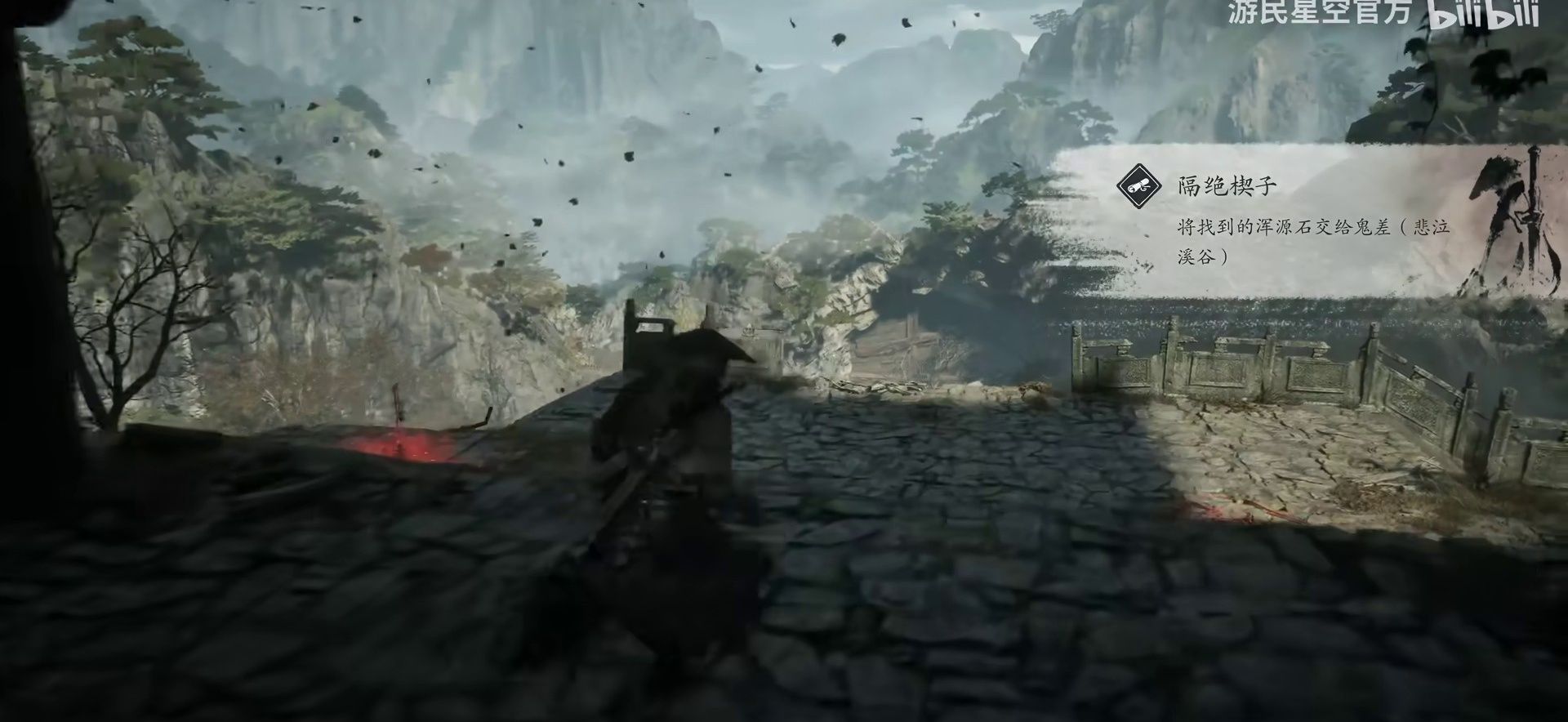
Of course, with so many side quests, it's hard not to worry that some offhand bit of progression might cause an NPC to meet an abrupt instant death - or that you'll suddenly receive a message like "A Great Rune has been shattered somewhere."
On this point, Soulframe Liang gave a definitive answer: The game will clearly flag key main-story beats and choices that would alter the ending or cut off side quests. For players who want to experience the full story but would rather not trek through the entire game with a walkthrough in hand, this at least takes one layer of psychological weight off exploration.
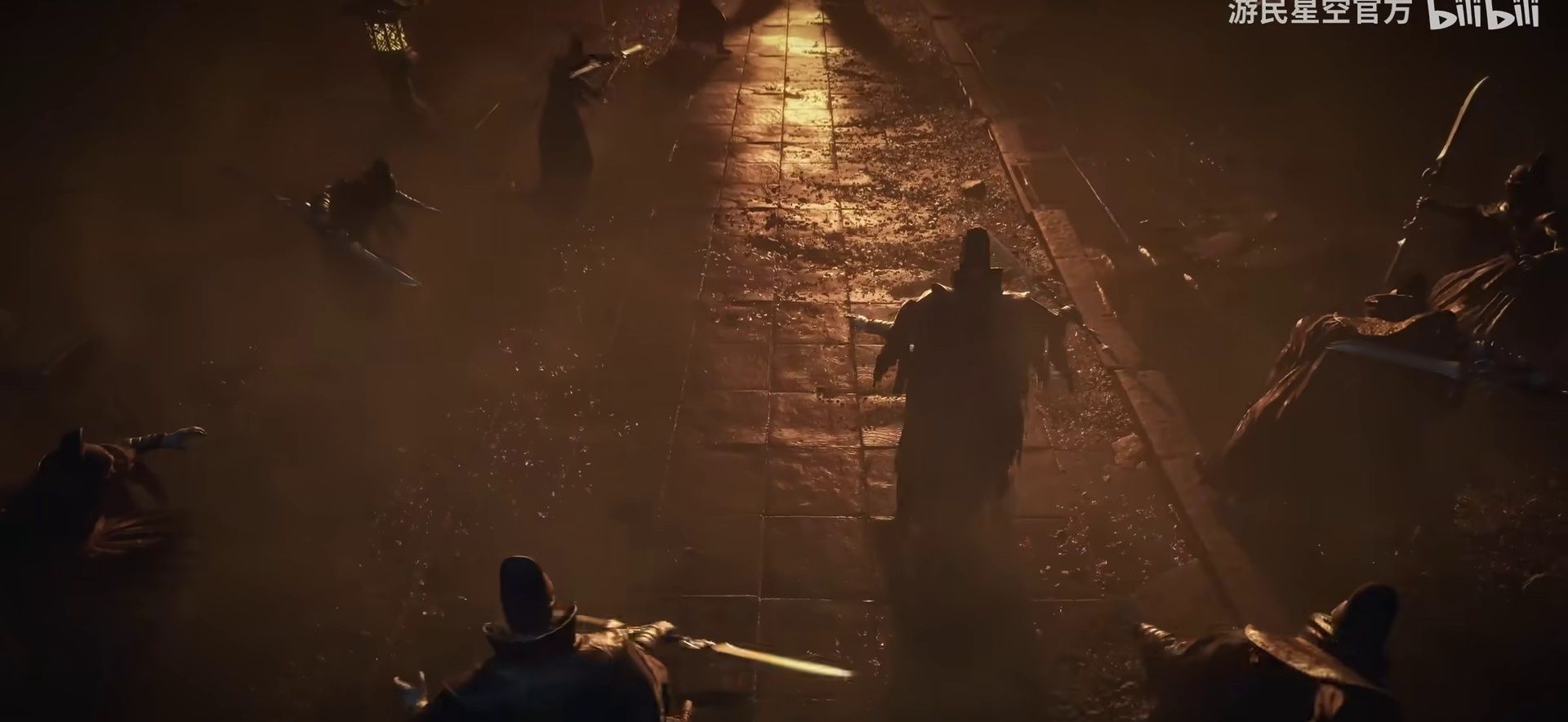
The "Splash of Vinegar" I Really Wanted to Write: Shadow Realm Returns
Truth be told, this is the part I really wanted to write all along - the "splash of vinegar" these dumplings were made for.
As a single-player title rebooting the Shadow Realm's worldbuilding, Phantom Blade Zero is packed with things veteran players will recognize at a glance: the ill-fated girl who sets out from Pangzhen in search of medicine for her father still gets an offhand rescue from Soul when he chances upon injustice on the road, then forms a bond with him and sinks into the mire of fate; the Order, the Snake Shamans, the Righteous Alliance, the Pavilion of Eleven, the Dark Demon Citadel - all these familiar names take the stage once more.
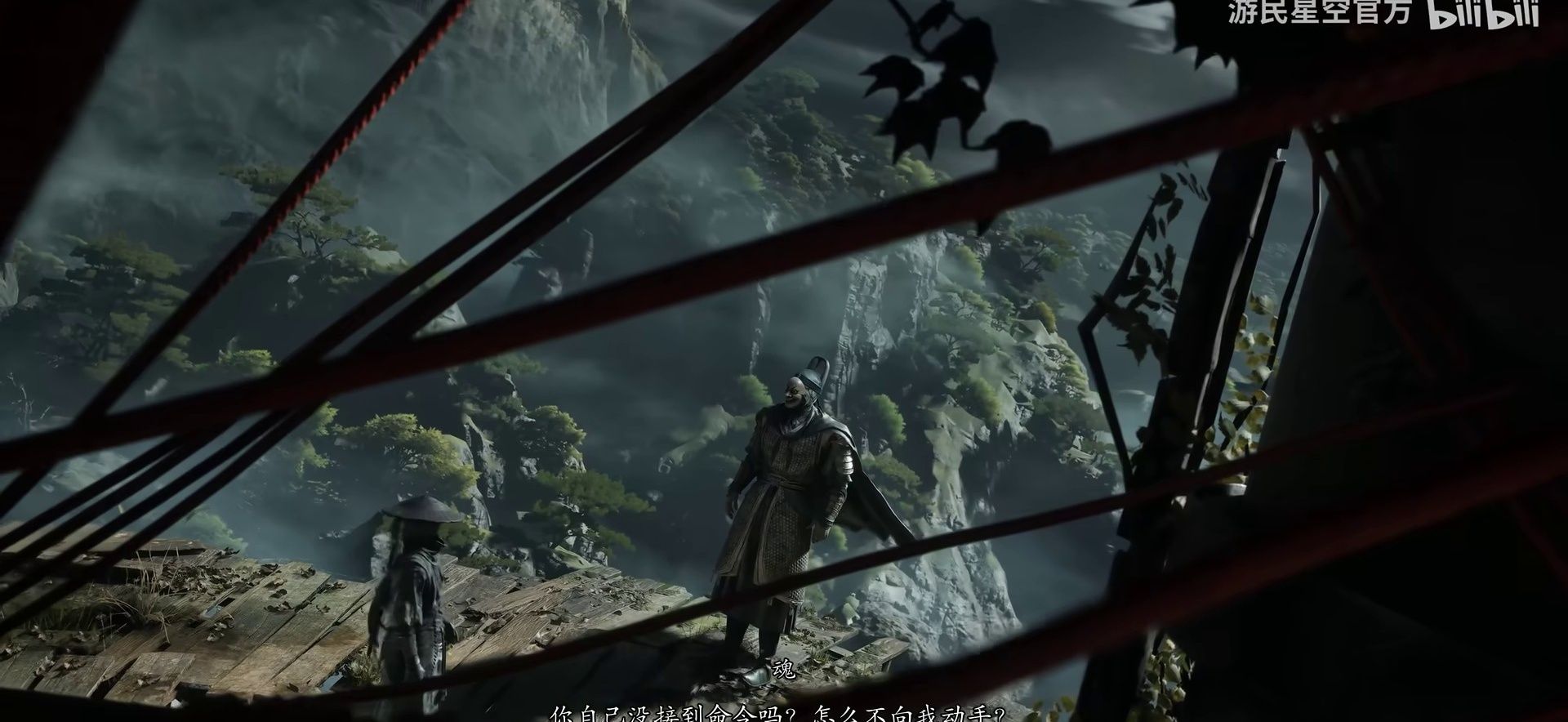
Classic Bo Caisheng tracks like "Swallows Return to the River" ring out at exactly the right moment, enough to give you goosebumps.
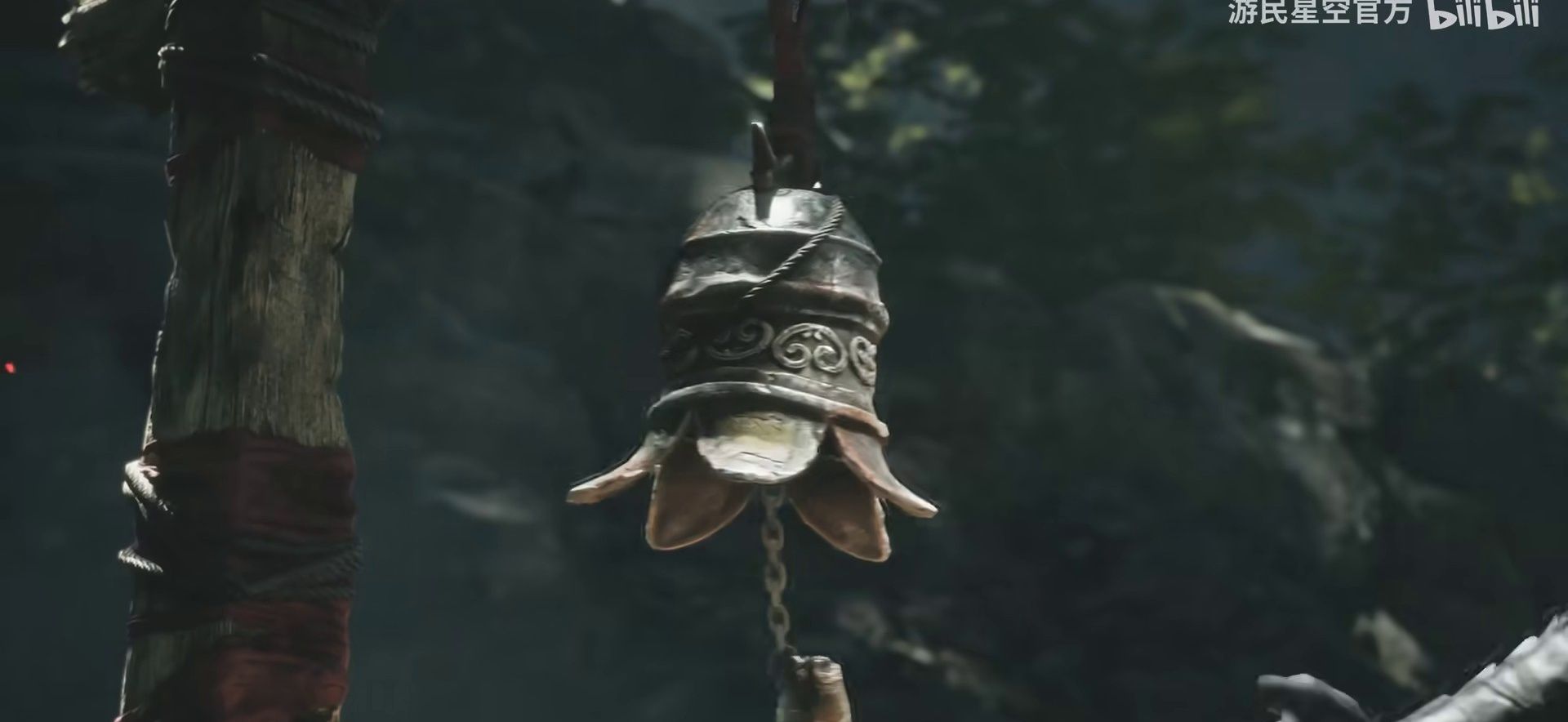
When these elements - at once familiar and entirely new - reappear, I can't help but feel a surge of fondness and delight.
It's a callback to the gaming memories of my student days, and a wondrous experience that belongs to longtime series fans alone.
That sense of closeness also made me especially keen to see how it would rewrite the past. Once preorders went live, the first thing I did was go back and revisit the stories of the Rainblood and Phantom Blade series - after all, only by knowing where the Shadow Realm came from can you understand where it's headed this time.
Top Community Comments
@Mr_steer (31 likes):
Saint Liang's grand Shadow Realm aesthetics 🥵 can't wait to get my hands on it 🥵
That single word "Saint" is half meme, half heartfelt reverence. From the indie gems of the Rainblood era to today's hotly anticipated 3D blockbuster, the Shadow Realm worldbuilding that producer Liang Qiwei has spent more than a decade building has become the most prestigious hallmark in the hearts of series fans. Those two "🥵" are less a meme than the physical embodiment of sheer impatience - for veteran players, "returning to the Shadow Realm" is, in itself, already worth the price of admission.
@MoliMoliYati (18 likes):
Trash game. Bought it days ago and haven't touched it once.
A textbook case of that classic "mouth says no, body is honest" meme. The mouth curses "trash game," while the body honestly follows through with the preorder; as for "haven't touched it once," it's less about not wanting to play and more a self-deprecating joke about the game not having released yet - leaving them with nothing to do but stare blankly at their library. This kind of tongue-in-cheek "negative review" is precisely the privilege of players whose hype is maxed out - a real negative review is one where you can't even be bothered to open your wallet.
@Huanguo (65 likes):
Gamersky's copy just reads better - the AI articles next door give off way too strong an uncanny fake-human vibe.
This top-voted comment is less a compliment to any one outlet than an expression of how much players treasure content with a "human touch." With AI-generated articles flooding the scene, players are growing ever warier of that uncanny "fake-human" feel: only someone who has truly gotten hands-on with the game could write a detail as warm and lived-in as "couldn't find anyone to test the blade on." That is precisely what makes in-depth hands-on previews irreplaceable.
📌 One-Sentence Summary
With its six-hour first chapter, Phantom Blade Zero proves one thing: it's not just "drop-dead stylish" - the style is only skin deep, and beneath it lies an ARPG that encourages aggressive play, offers deep progression systems, and brims with hidden lore. And the return of the Shadow Realm is precisely the "secret sauce" that makes longtime fans more than happy to pay up.