The Offense and Defense of Killing Intent, Blood on Every Strike: An In-Depth Six-Hour Hands-On Preview of Phantom Blade Zero
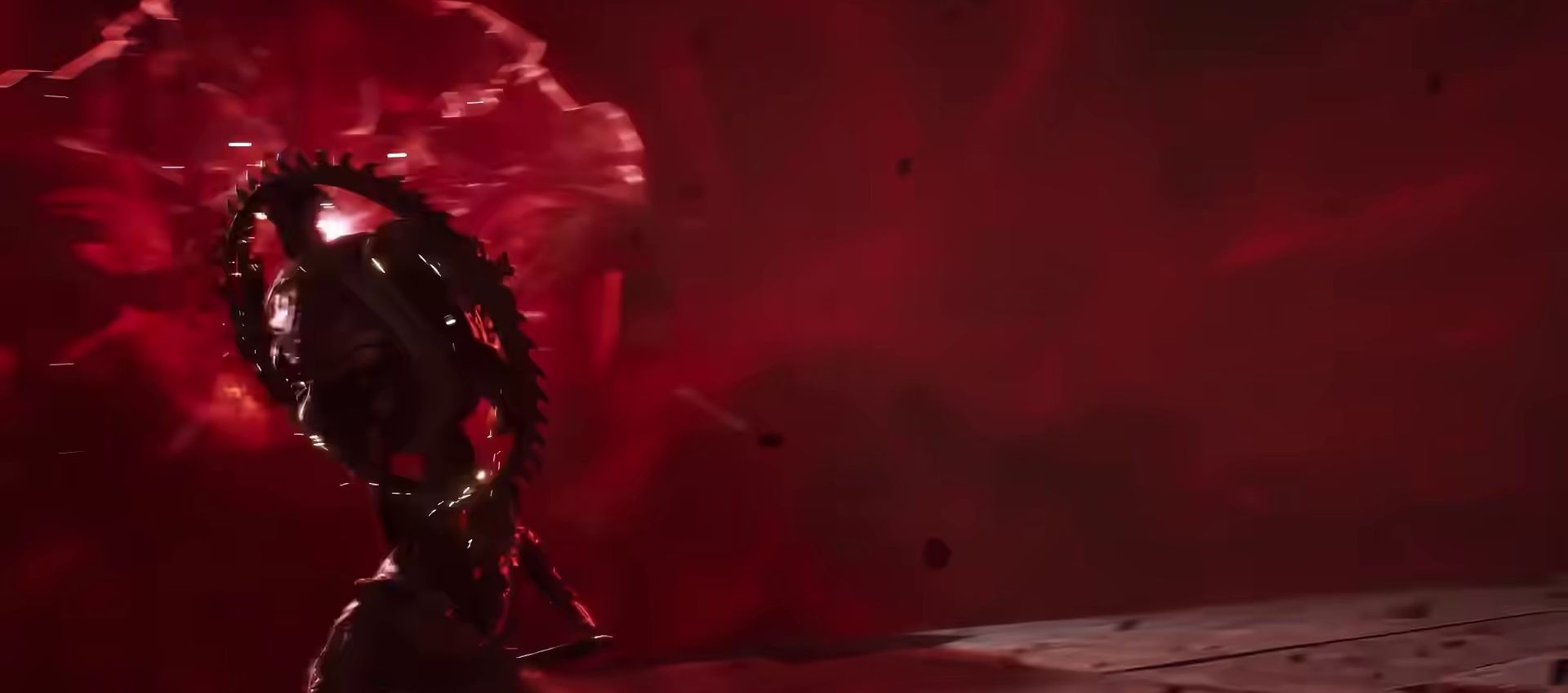
At the invitation of S-GAME (Lingyoufang), we made a special trip to Beijing in early September and spent six full hours immersed in Phantom Blade Zero. Ever since the 11-minute gameplay footage and our exclusive interview, player anticipation had long since been pushed to its peak. This time around, we went up against Zhuiming, the Suoming Pavilion assassin who arrives to waylay the carriage; Lady Twin Serpents, with her long, flowing move sets; the crushingly imposing Martial Sovereign; and we took on Moyuan - the showstopper waiting at the end of the demo - not once but twice. Nearly every standout moment from that earlier gameplay reveal, we now got to play through with our own hands. What a thrill.
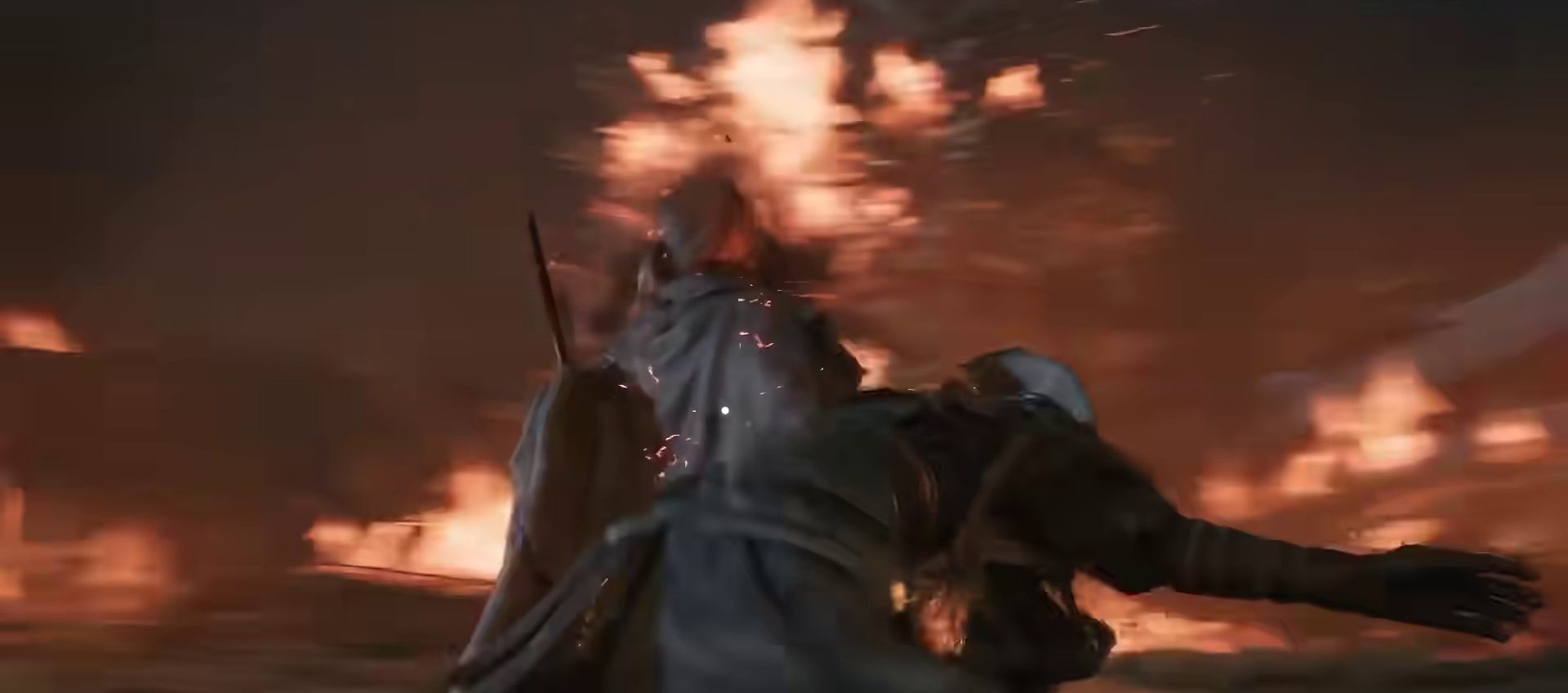
A quick note before we begin: recording was not permitted on site, so all images in this article were provided by S-GAME (Lingyoufang); a few may differ slightly from the written descriptions, and we ask for your understanding. The content and performance of this preview build are also subject to the final release. Now, let us walk you through our six-hour hands-on experience in detail.
Killing Intent: The Core Resource at the Heart of All Offense and Defense
Combat is the undisputed centerpiece of Phantom Blade Zero - it not only accounts for an enormous share of the game, but is also the aspect S-GAME (Lingyoufang) has polished most meticulously. The entire offense-and-defense system revolves around a single resource called "Killing Intent": the yellow gauge right beneath your health bar.
With Killing Intent, you can hold your stance and block most enemy attacks; you can also spend it proactively to unleash razor-sharp Killing Intent combos. The ways to recover it are just as varied: perfectly parrying blue-glow attacks and perfectly dodging red-glow attacks both instantly restore a large chunk of Killing Intent.
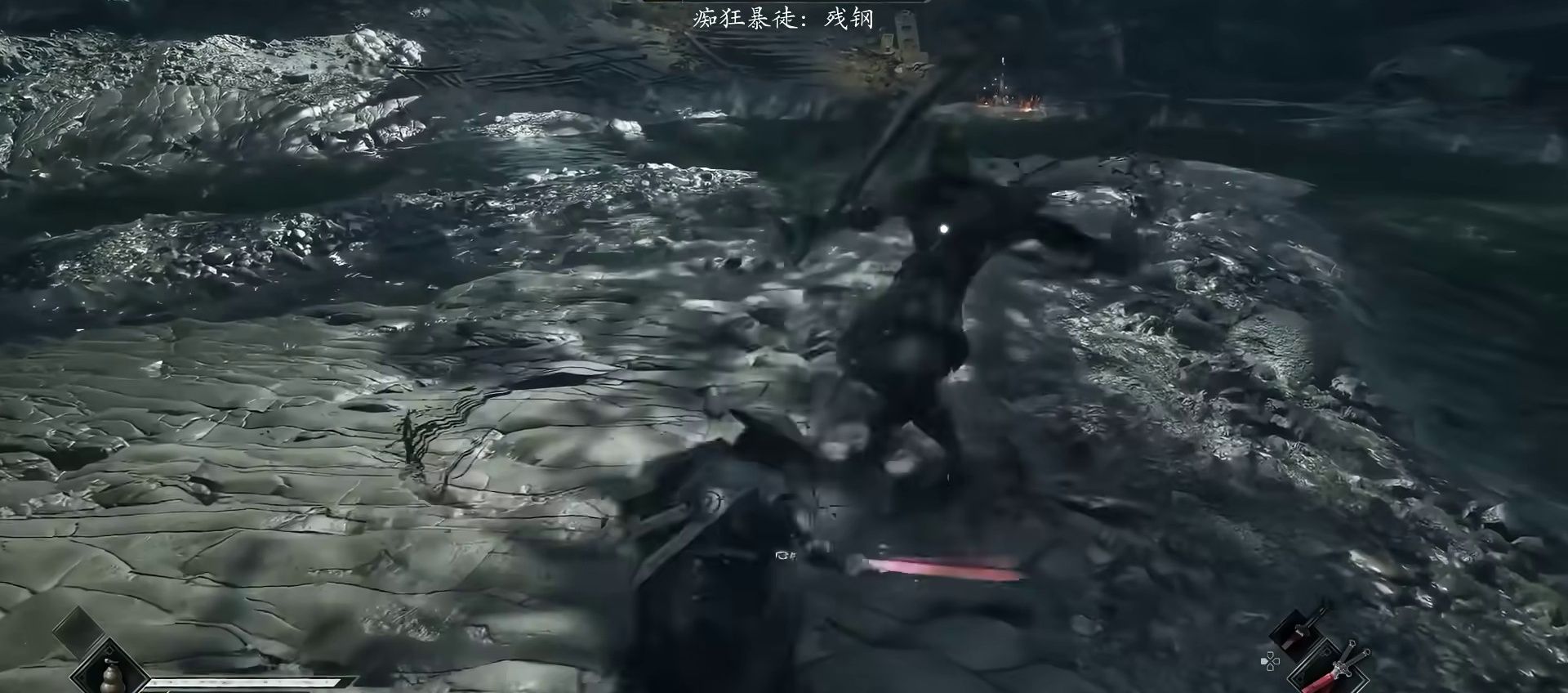
Of course, high rewards come with high risks - mistime your parry on a blue-glow attack and you'll lose a big chunk of Killing Intent instead; red-glow attacks can't be parried at all, and if you fail to dodge, you'll eat a heavy hit head-on.
On top of that, switching weapons instantly refills your Killing Intent. It serves as an extra safety net - a trump card kept up your sleeve - and it's the core mechanic for sustaining Killing Intent in this game. That said, weapon switching comes with its own cooldown, so it can't be spammed mindlessly.
Once your Killing Intent is drained, you're left in a very passive position: no Killing Intent combos, and no perfect answers to blue- or red-glow attacks. The same logic applies to enemies - as long as they have Killing Intent, they can parry nearly everything you throw at them; once it's depleted, they fall into a guard-break state, left utterly at your mercy.
It's worth emphasizing that Killing Intent is not stamina. Even with the gauge completely empty, dodges and normal attacks remain fully available, so you're never left entirely helpless.
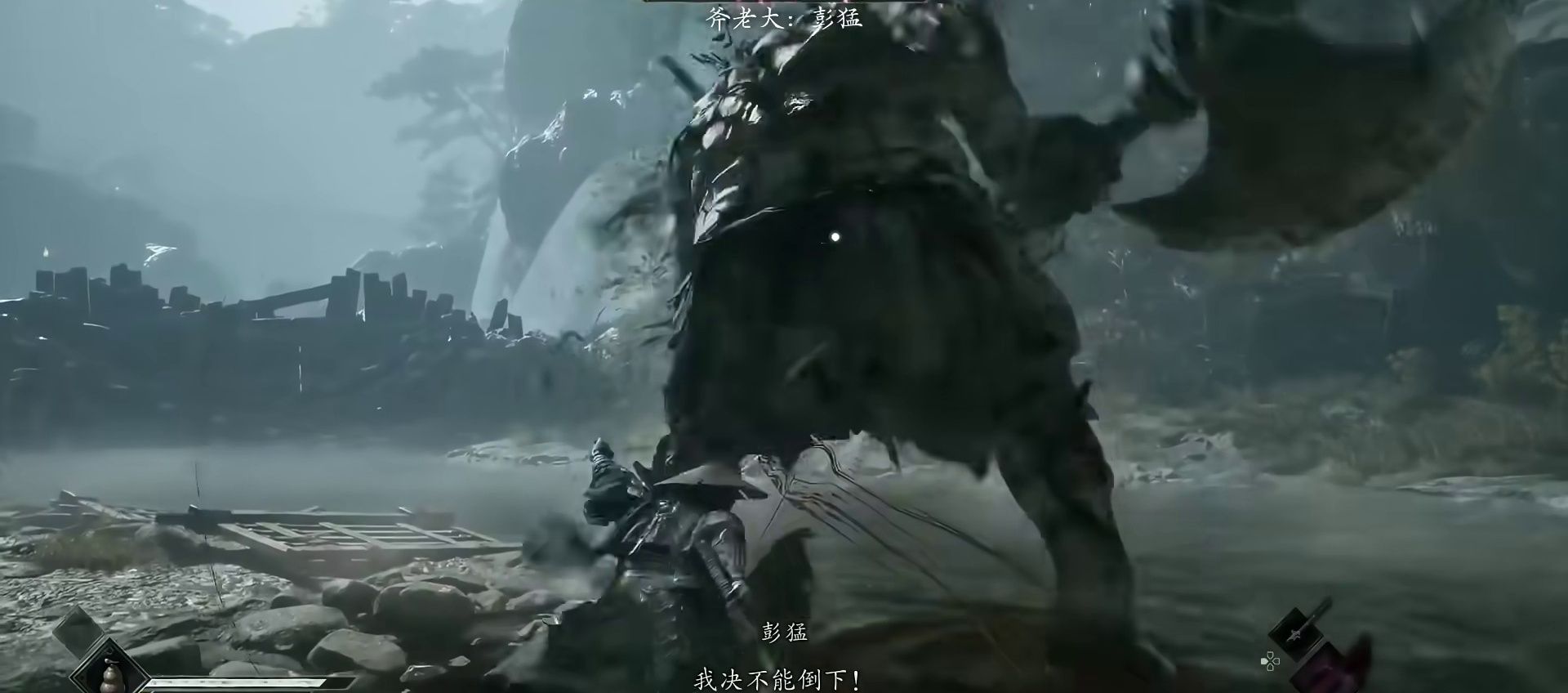
At the same time, combat steadily builds up refined Killing Intent; fill up a single pip and you can unleash your weapon's ultimate move - the Apex Skill. Apex Skills aren't just devastatingly powerful - they can often hard-interrupt an enemy's action. So even when your Killing Intent has been fully drained, as long as you're still holding an Apex Skill in reserve, a comeback from the brink is always on the table.
Blue Light, Red Light, Black Light: Reading Every Signal the Enemy Sends
If Slay is the resource, then blue and red lights are the "traffic lights" that govern its flow.
Blue-light attacks can be parried. A perfect parry sends a hefty amount of Slay back your way, making it the ideal moment to turn the tables - but mistime it, and the price is every bit as steep. Red-light attacks, on the other hand, cannot be blocked at all; dodging is the only correct answer. A perfect dodge likewise restores a large chunk of Slay, but get greedy with your combo or react half a beat too late, and what awaits you is a heavy blow.
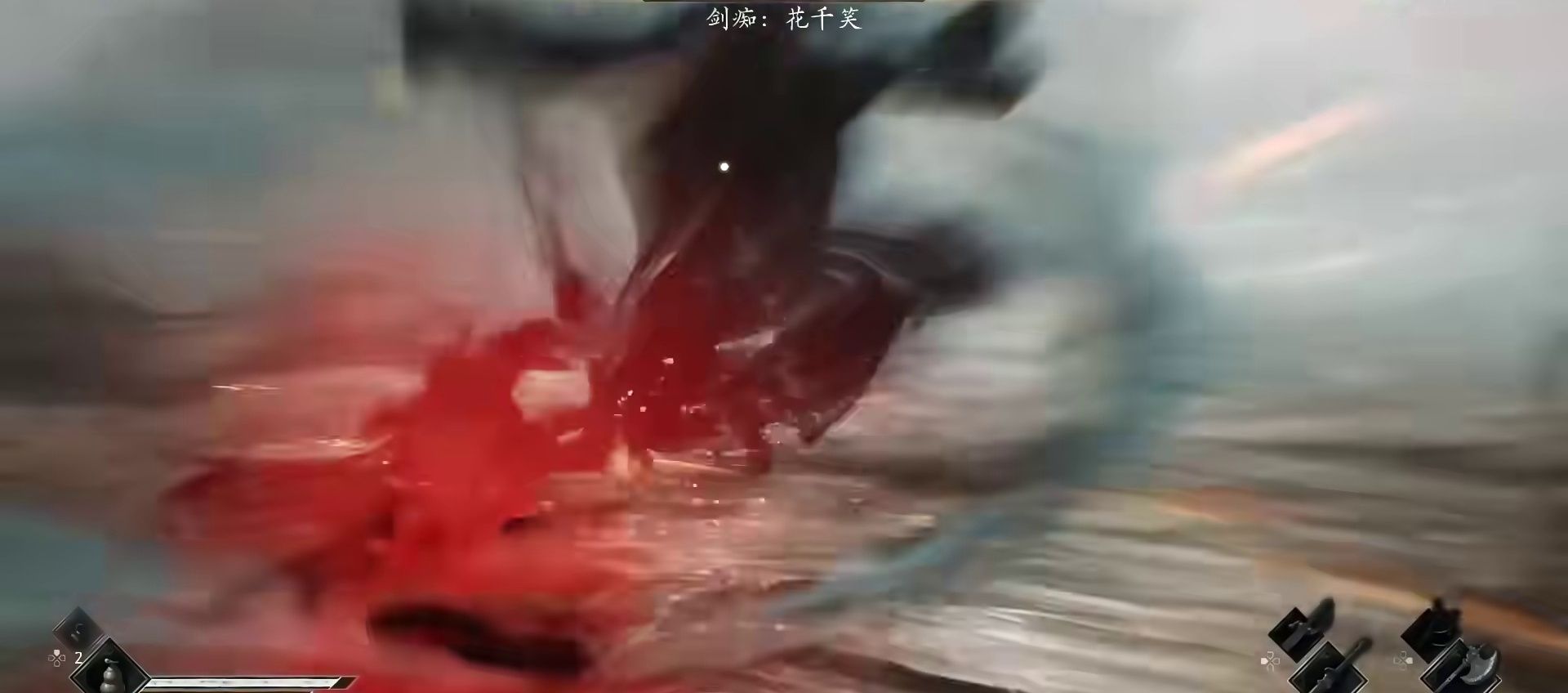
And in this hands-on demo, we also ran into a previously unseen attack type: the instant one of these moves triggers, the entire screen briefly drains into black and white. For now, we're calling them "black-light attacks."
Black-light attacks are parriable in theory, but doing so leaves your Slay wiped out entirely - effectively trading your whole resource bar for a single parry. That's terrible value, so in actual play, you're far better off simply getting out of the way.
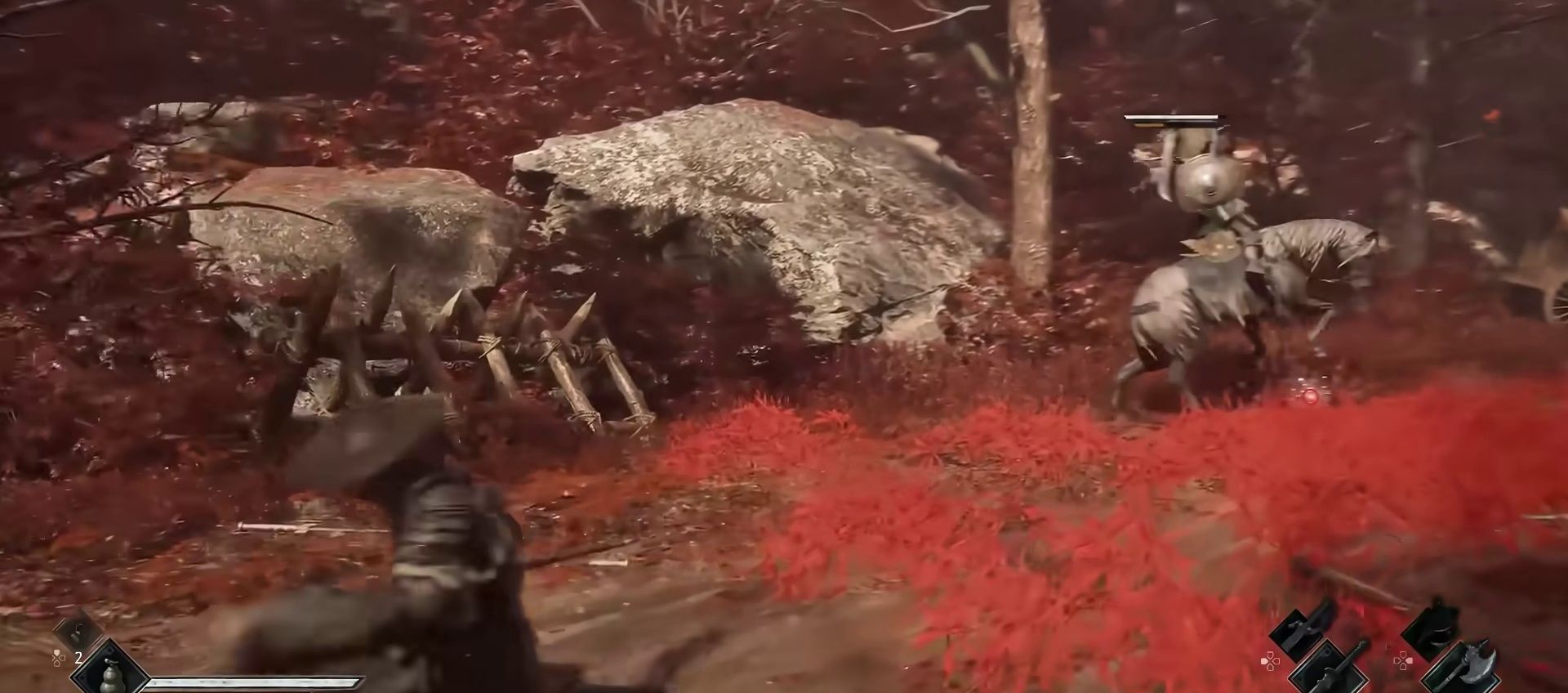
Three colors of light, three different answers. Players have to run the full "recognize - decide - execute" loop in a split second. This design forces you to genuinely read your enemy's moves instead of scraping by on mindless button-mashing. Every time an enemy lights up, it's a clearly posed exam question: this one - can you handle it?
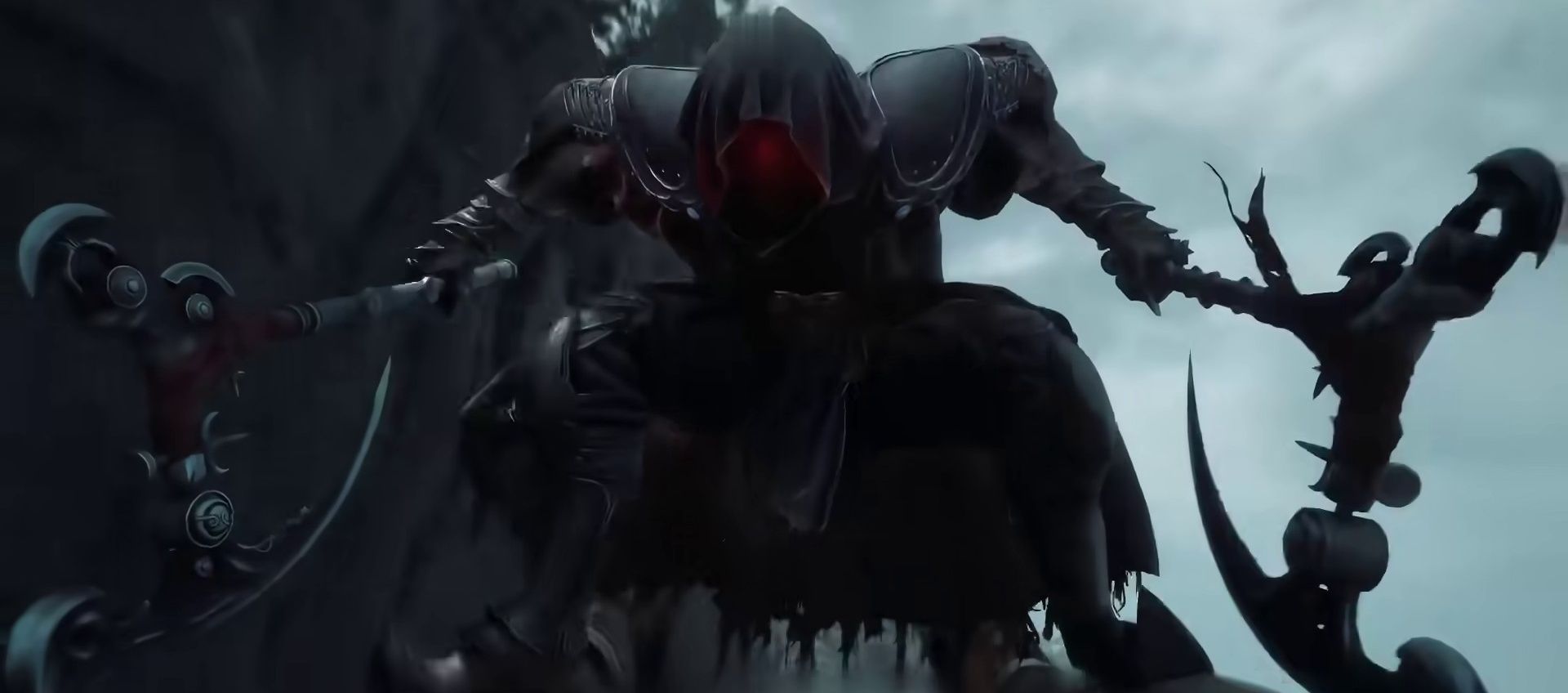
Making Momentum Tangible: Reading the Battle Like a Wuxia Film
Anyone who has watched wuxia films knows that the momentum between masters in a duel is fluid. Even when the two fighters exchange not a single word, the audience can tell from their eyes, their footwork, and the arc of their blades which way the battle is tilting.
The brilliance of S-GAME (Lingyoufang) lies in this: Killing Intent is shaped into a mechanic that directly reflects the ebb and flow of momentum between combatants.
When Killing Intent surges, one's aura scorches all, and attack and defense flow freely; when it runs dry, life hangs by a thread, and every step is fraught with peril.
Both sides will look to drain the opponent's Killing Intent through offense and defense while safeguarding their own. The stronger fighter can sustain their Killing Intent, snowballing advantage into victory; the weaker one, the instant they expose a single opening or have one mistake punished, is plunged into peril. On top of that, each side holds an ultimate move capable of turning the tide in an instant, adding yet another layer of uncertainty to this contest.
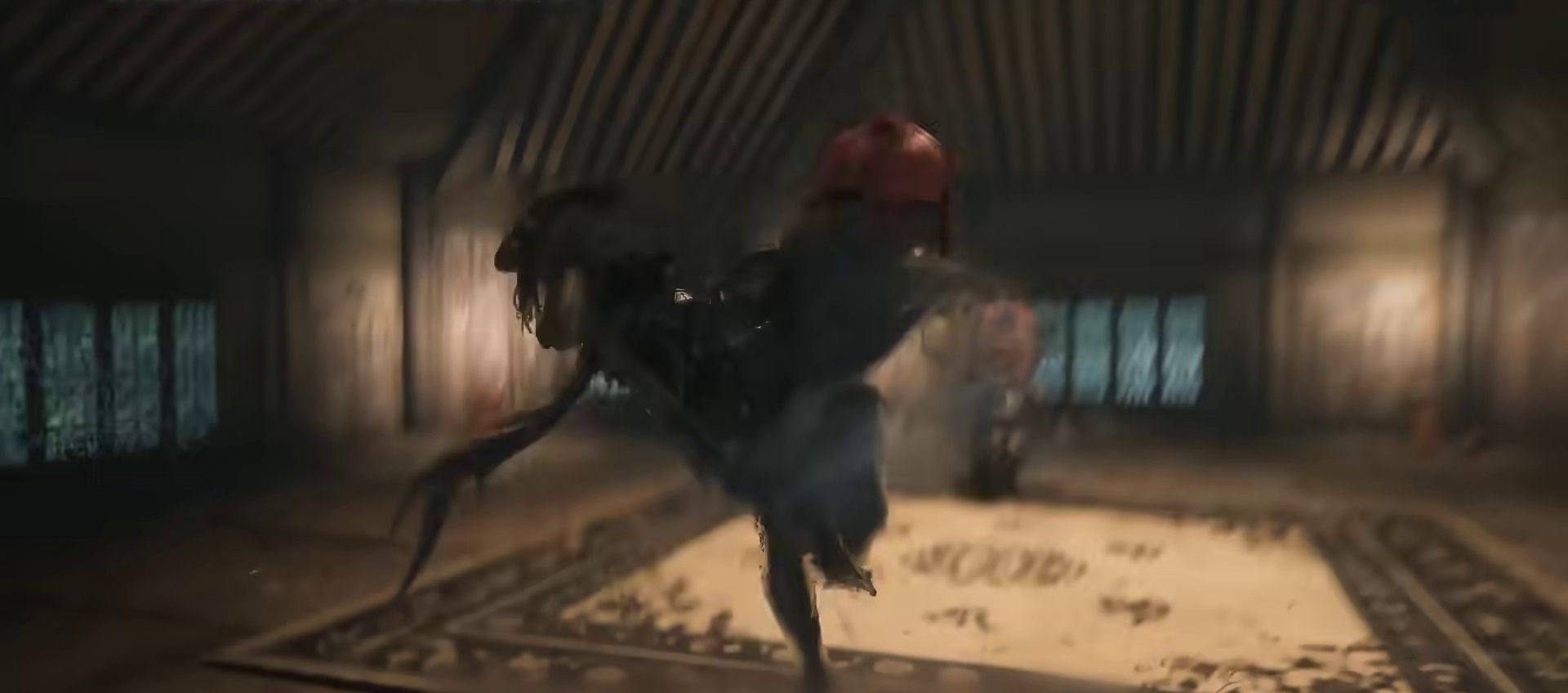
In other words, victory in Phantom Blade Zero often hinges not on HP, but on momentum. Long before the health bar runs dry, the outcome has already been foreshadowed in the rise and fall of the Killing Intent gauge - and that is the most captivating tension of a wuxia duel.
The Better You Play, the Cooler You Look: An Irresistible Positive Feedback Loop
After all this talk about mechanics, the truth is that action game fans are, at least in part, in it for the simple joy of looking cool in combat. And this is precisely where Phantom Blade Zero shines.
For one, the game features a wealth of beautifully crafted martial arts animations for moves like perfect parries against red-glow attacks and weapon arts - the flash of blades, the footwork and body movement. Simply watching them unfold is a visual feast in its own right.
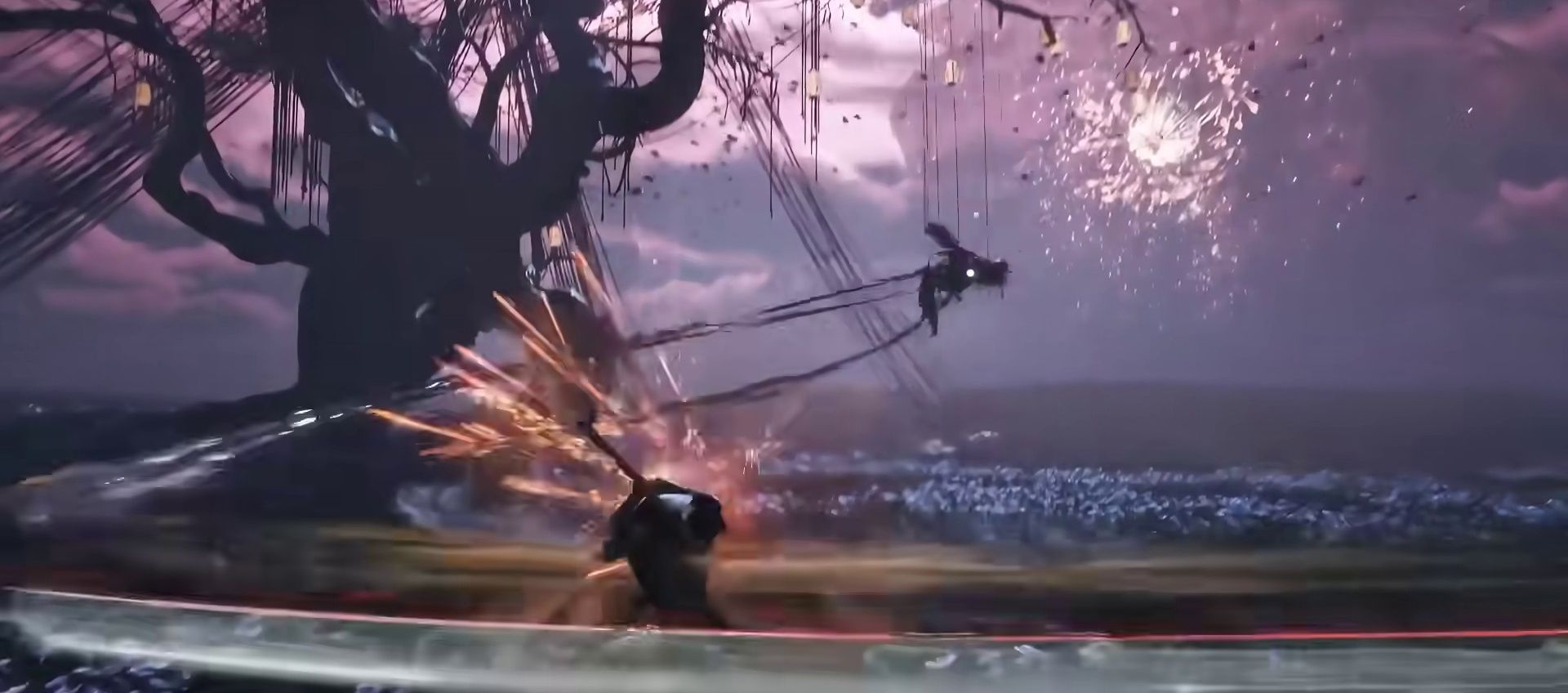
For another, triggering these dazzling animations usually means the player has made the right play. They deliver clear positive feedback on a gameplay level, and thus a beautiful loop takes shape:
The better you play, the cooler you look; the cooler you look, the better you play.
On top of that, the demo periodically refreshed the lineup of bosses available to challenge and weapons available to try out, so every fight came with a built-in sense of novelty. Exhilarating, stylish, and always feeling fresh - this may well be why Phantom Blade Zero's combat is so addictive.
Zhui Ming and the Twin Chains: From the Carriage Battle to the Second-Phase Gambit
Next, let's talk about the boss and weapon that left the deepest impression on us during this hands-on demo. The reason we're covering the two together is that the game features a rather delightful design choice: after defeating a boss, players can often claim the very weapon that boss wields - some are added to your main weapon slots, while others are kept as secondary weapons.
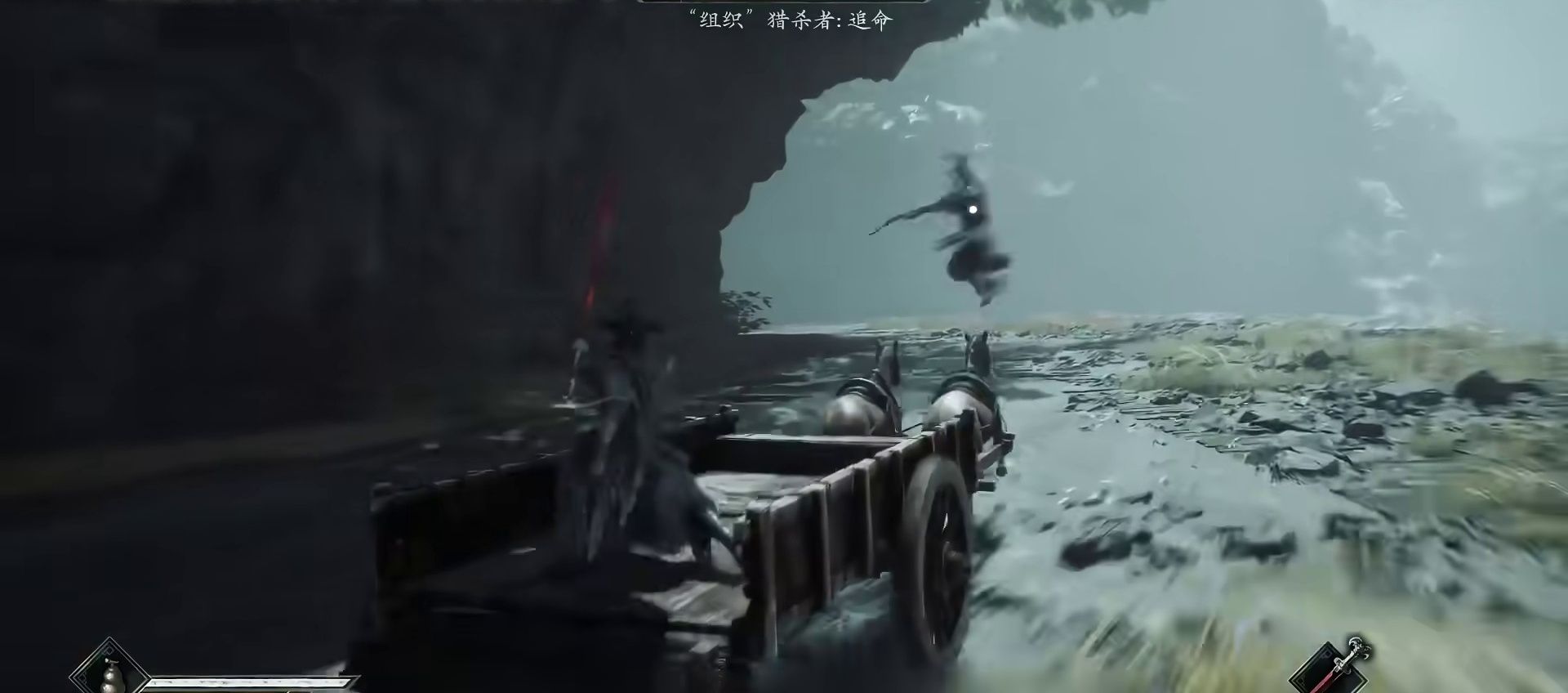
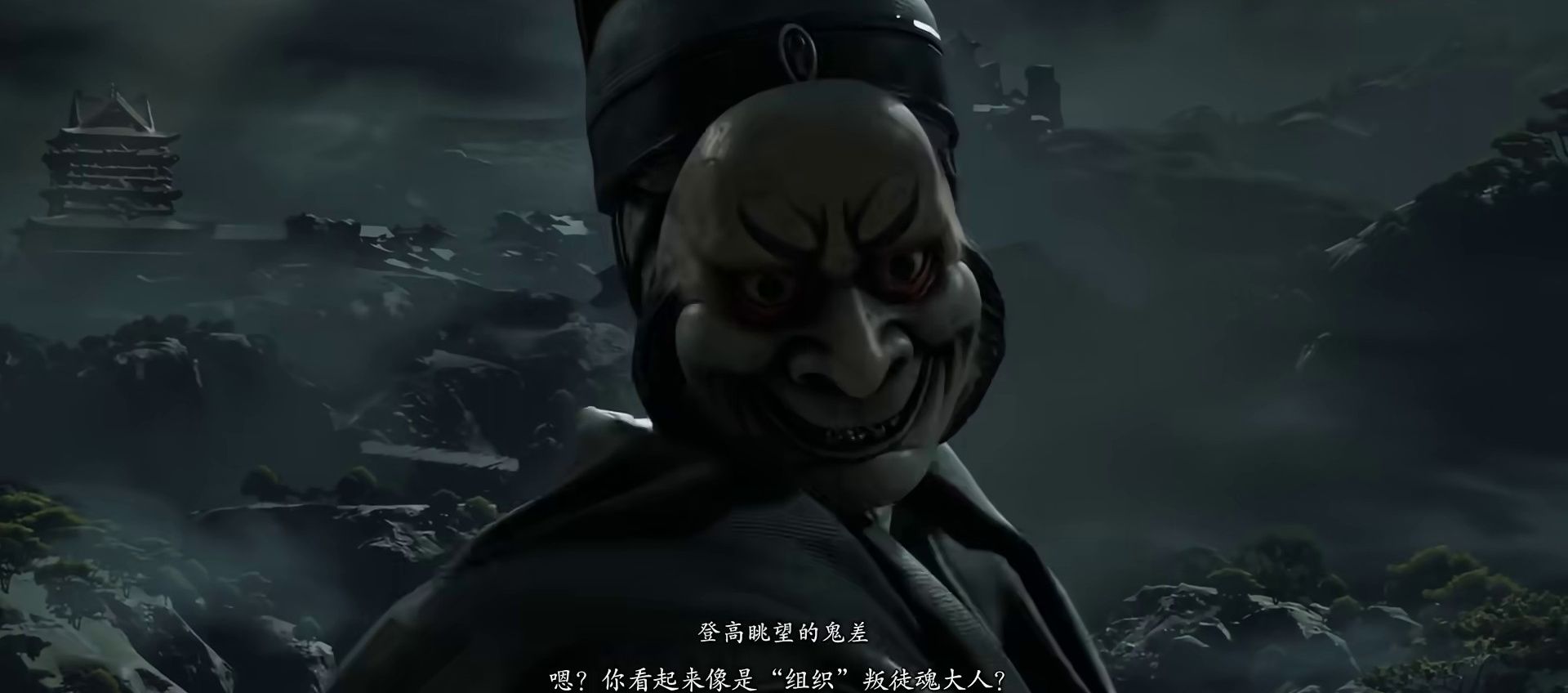
Let's start with Zhui Ming, the Soul-Seizing Pavilion assassin who ambushes the carriage right at the opening. As many players suspected, Zhui Ming - who plummeted off a cliff at the end of the carriage battle - did not in fact die, and we'll cross blades with him again later in the game.
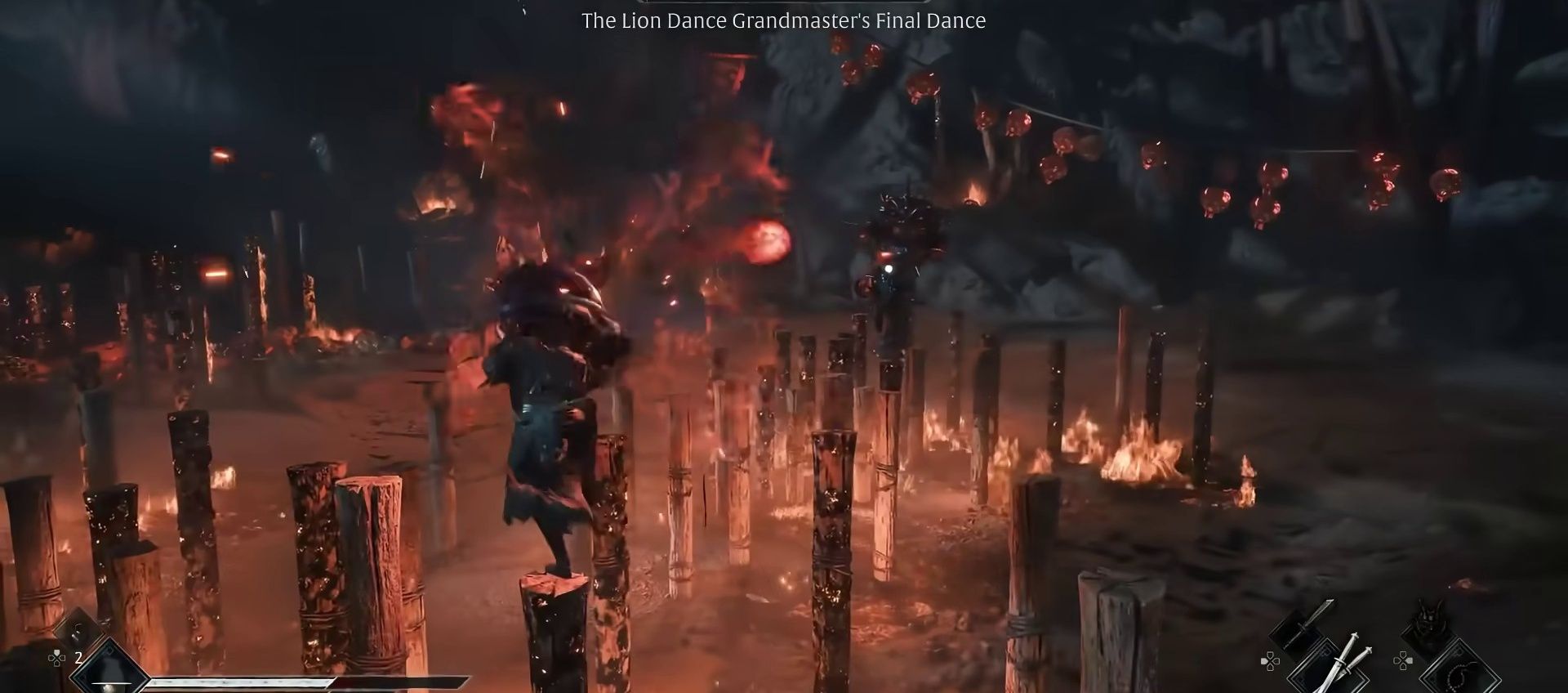
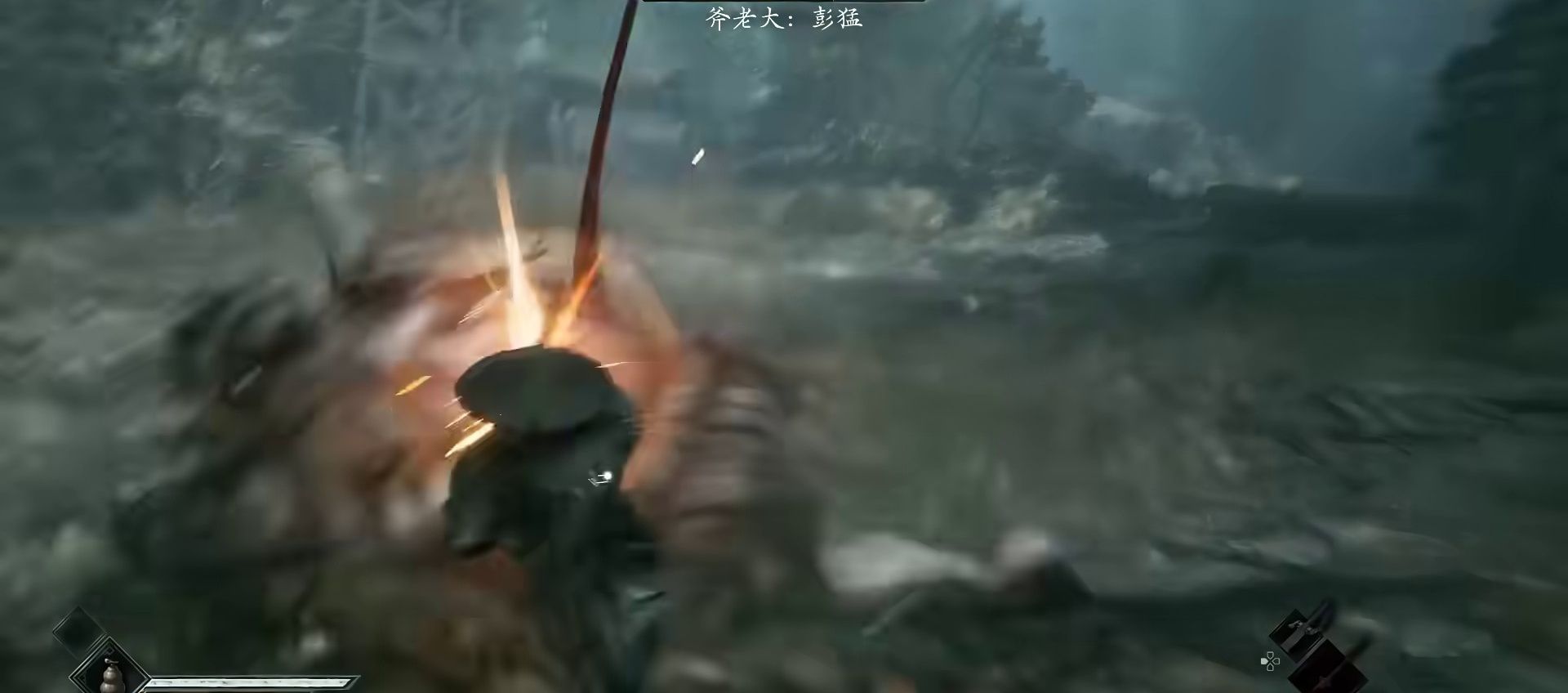
In terms of combat feel, Zhui Ming attacks by whirling his twin chains, interspersed with blue-glow and red-glow attacks. Since his attacks come out blazingly fast, if you're proficient at perfect parries, his entire combo will actually bounce a hefty amount of Killing Intent right back to you - making him a veritable walking "Killing Intent resupply station."
He is also the first second-phase boss we encountered in the game. In his second phase, Zhui Ming moves with even greater frenzy and mixes in some new move variations, but the core approach to handling him remains unchanged.
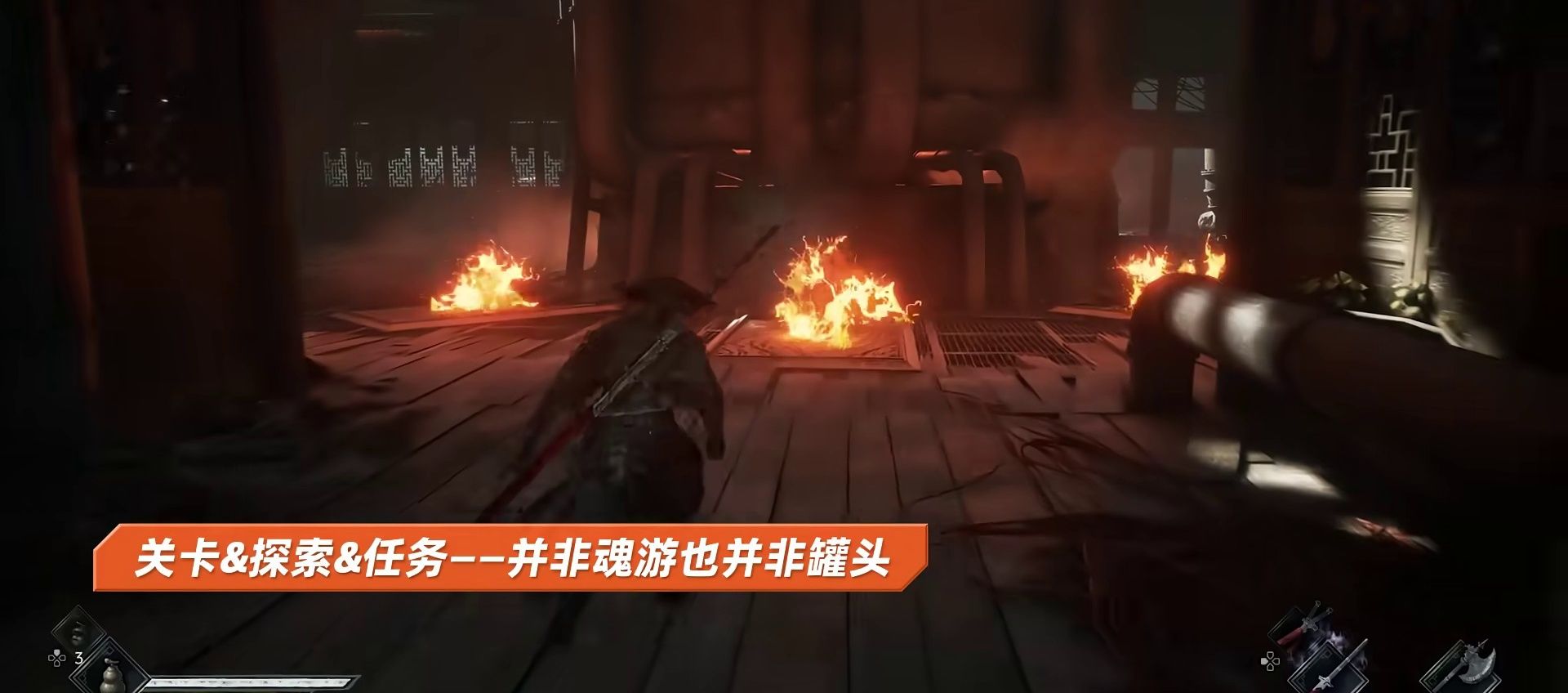
Here, we must stress once again the game's player-friendly design: even if you go down during a boss's second phase, you'll respawn straight back into that second phase and keep fighting. This mechanic, which carries virtually no death penalty, lets you play with zero psychological burden and throw yourself into the fight at full strength with a clear head.
After taking down Zhui Ming, we got our hands on his chains, which serve as a melee secondary weapon. The chains come with wide-area attacks perfect for clearing out trash mobs, and can also double as a grappling hook to close in on enemies quickly. On top of that, they have one more clever use - but we'll set that aside for now and go into detail later.
Cavalry, Shield Bars, and the Great Cleaver: A "Life-for-Life" Early-Game Godsend
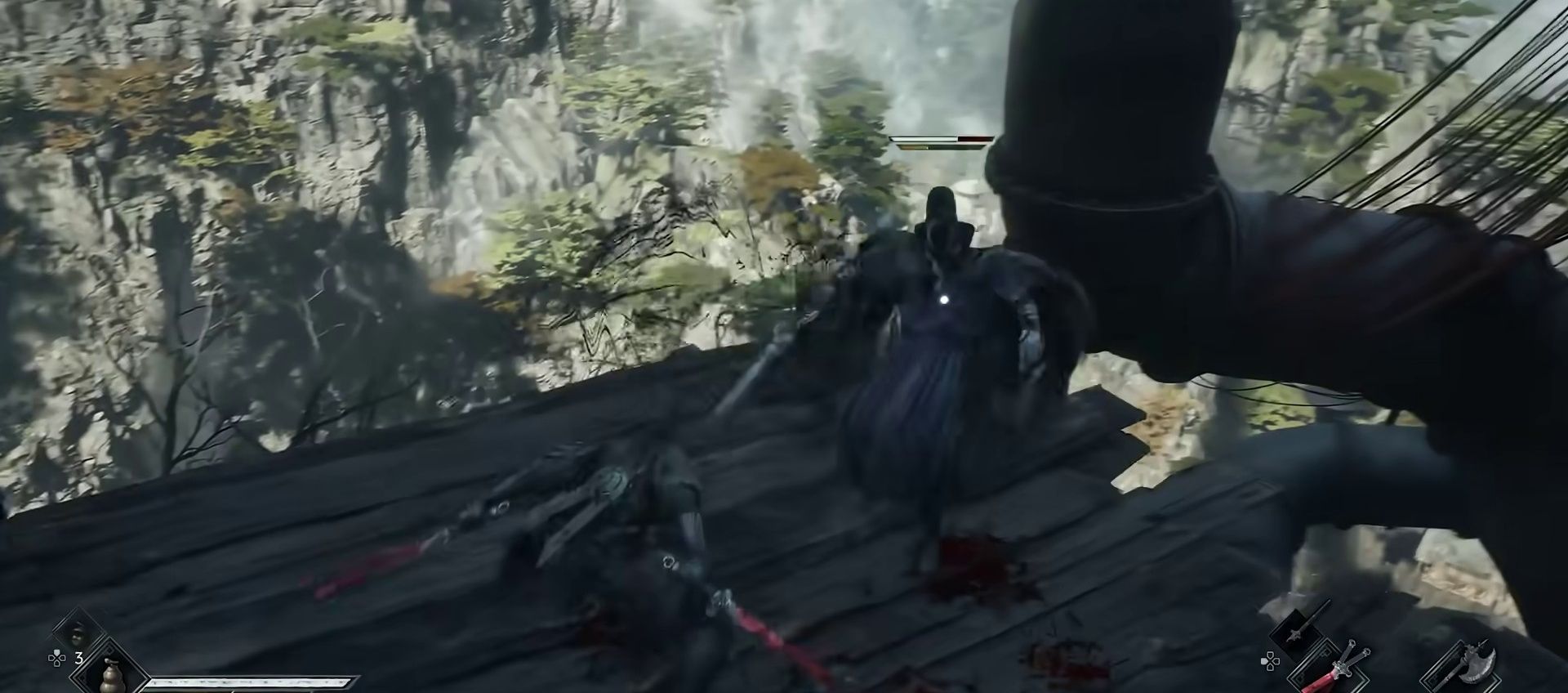
The second one worth an in-depth look is the Cavalry Boss encountered along the way - the very one who made a brief cameo in the 11-minute trailer.
In his mounted form, he's extremely mobile, so we're basically limited to waiting for him to close in and attack before seizing an opening to counter. He also has a ranged skill that fires homing projectiles, which is quite the nuisance - thankfully, he doesn't use it all that often. As his HP drops, he dismounts and shifts into an infantry form, wielding a shield in one hand and a blade in the other.
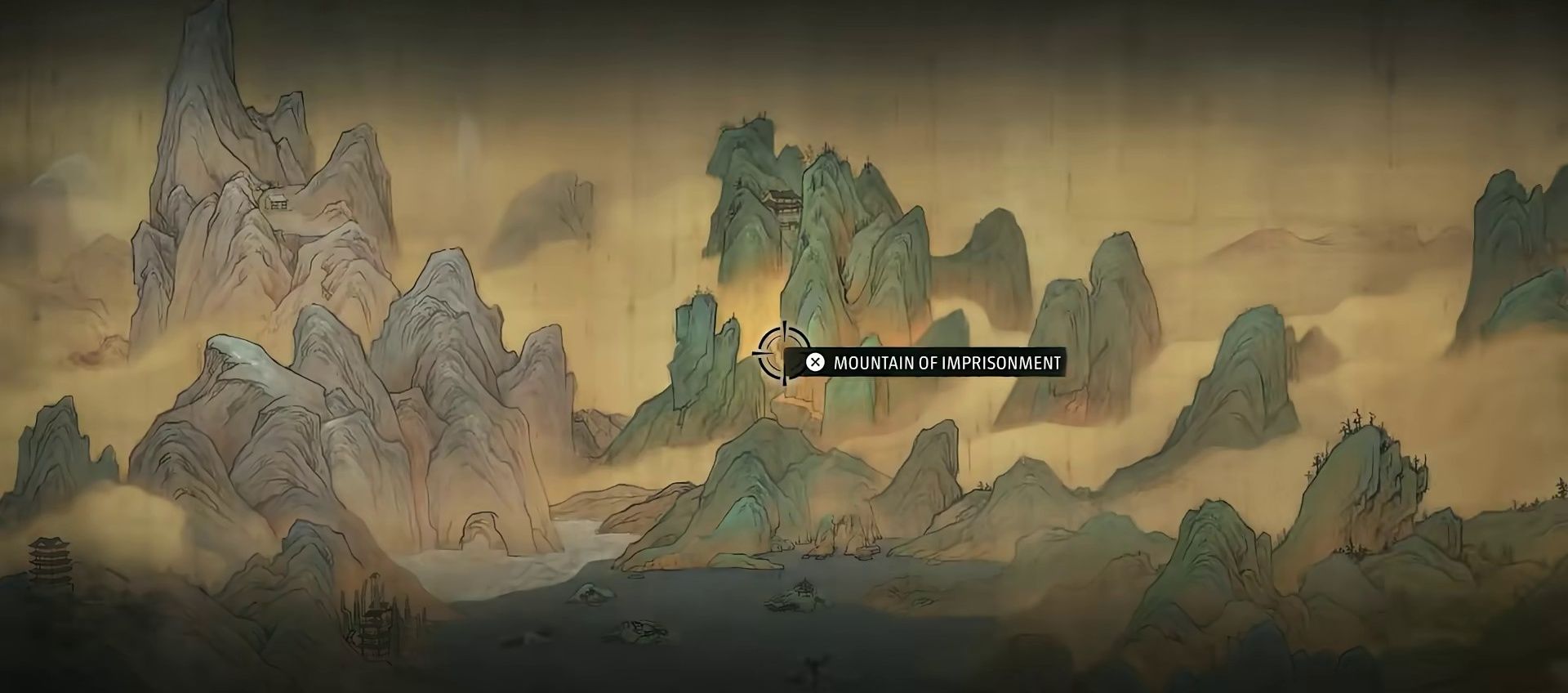
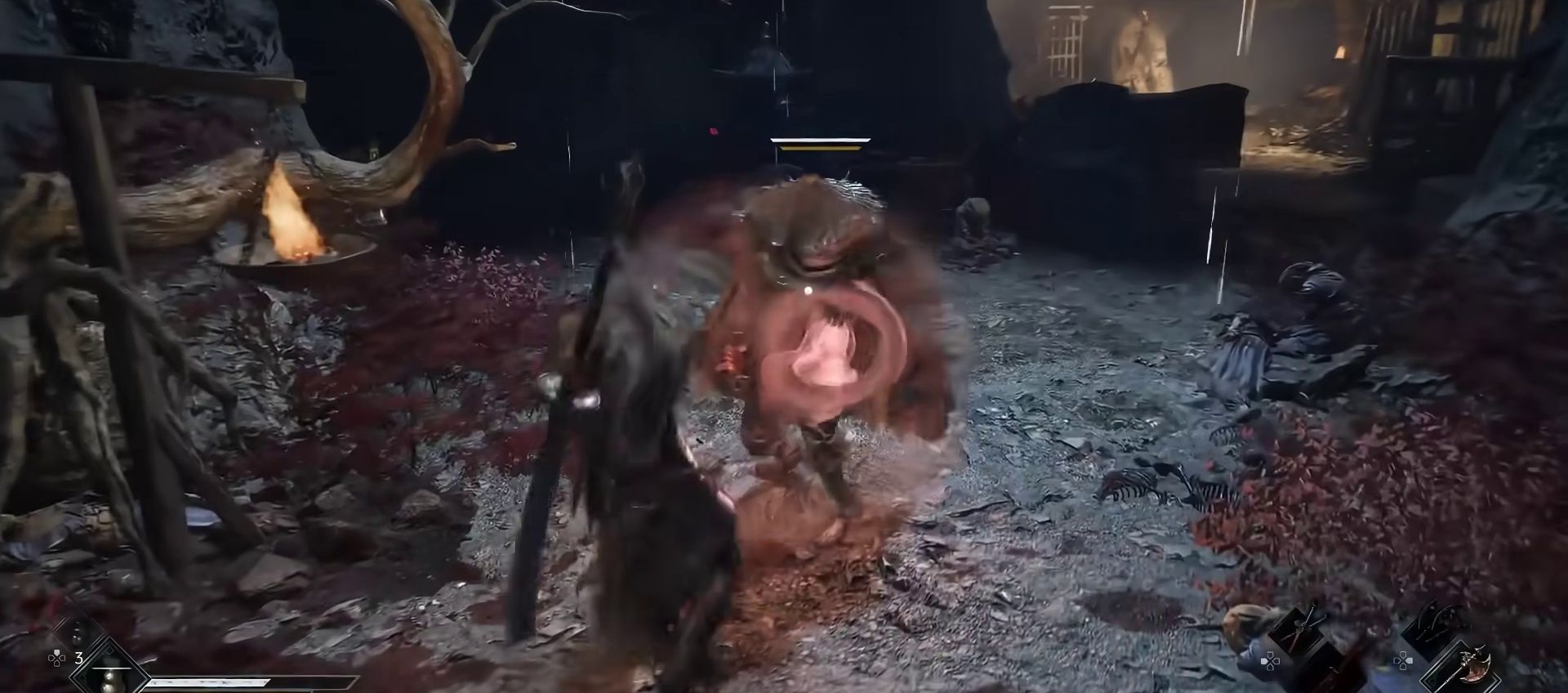
This is where the game's shield mechanic comes into play: for shield-wielding enemies, the killing-intent bar beneath the health bar is replaced by a shield bar, and there are two ways to crack it - one is to perfectly parry a blue-glow attack to trigger "Ghost Step," slipping you straight behind the enemy; the other is to break the shield head-on with a heavy weapon.
That said, this boss is a crafty one: his shield is fitted with spikes, so if you opt for the head-on shield break, the protagonist takes spike damage as well. Little touches like this, tucked away in the details, are a genuine delight.
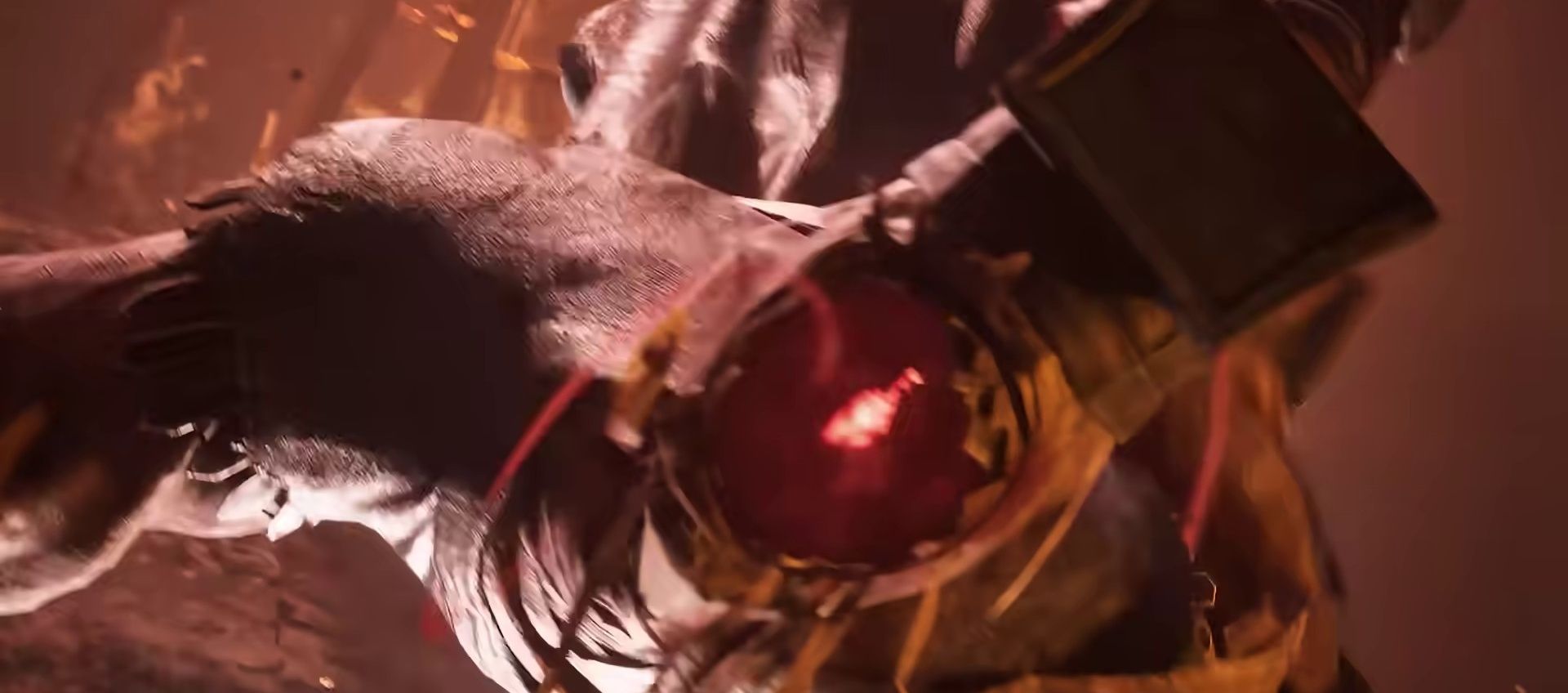
After defeating him, we got our hands on his Great Cleaver. This primary weapon's defining trait is that both its normal attacks and its special skill come with built-in lifesteal, while the combo derived from heavy attacks converts your own HP into phantom health - phantom health vanishes when you take a hit or after a set period of time, but it can be drained right back through normal attacks and the special skill.
At first glance, this looks like a gambler's weapon that wagers life for life; in practice, though, as long as you steer clear of the killing-intent combo, you can sidestep the risks of phantom health entirely. By comparison, the lifesteal on normal attacks and the special skill provides a huge margin for error during the early game - in my book, it's the ultimate early-game godsend.
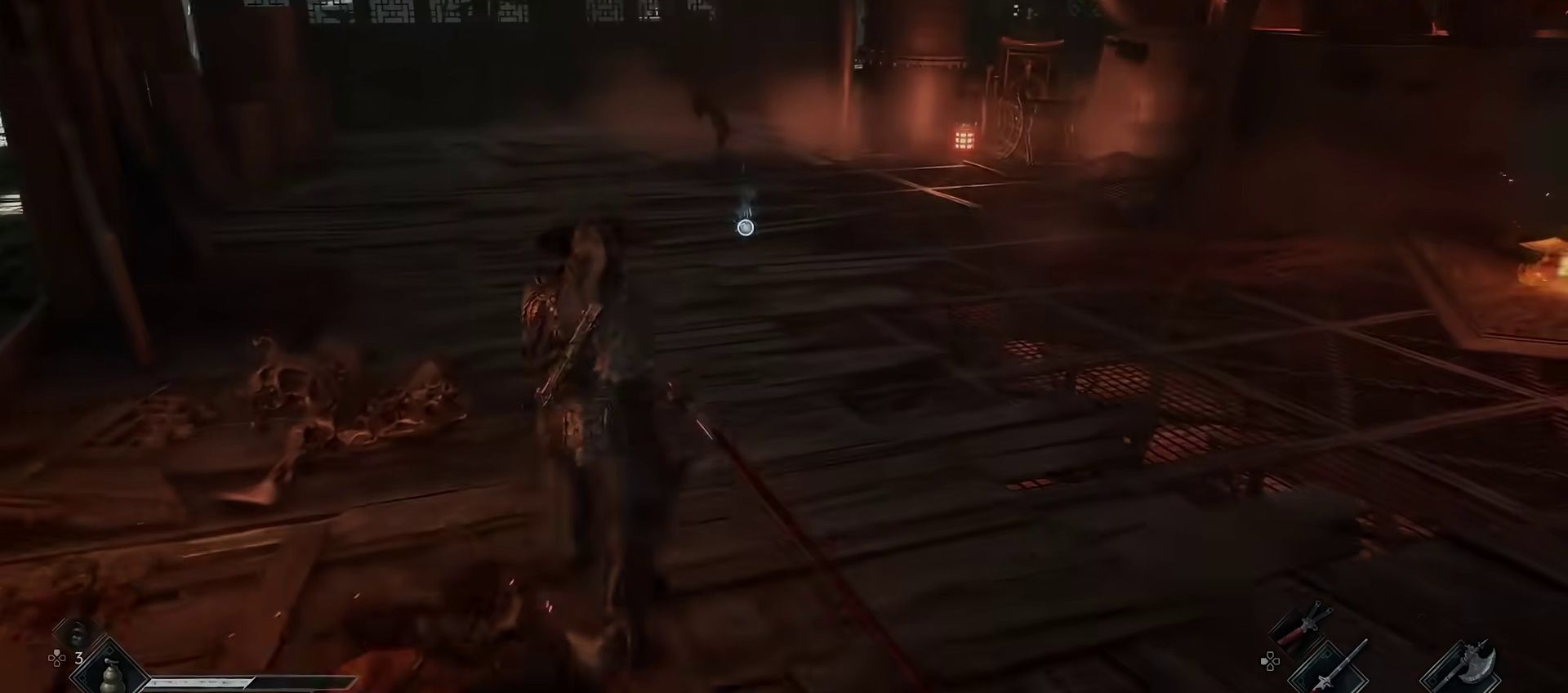
Lady of the Twin Serpents, the Assist Mechanic, and the Demo's Grand Finale
Third up is Lady of the Twin Serpents. By now, most players have seen her entire moveset in the 11-minute gameplay footage; but once you actually cross blades with her, you'll discover that her attacks carry unusually long reach - even after you've fully drained her killing intent, you often have to sprint halfway across the arena before you can close in and deal damage, which means the rhythm of your pursuit needs to be planned in advance.
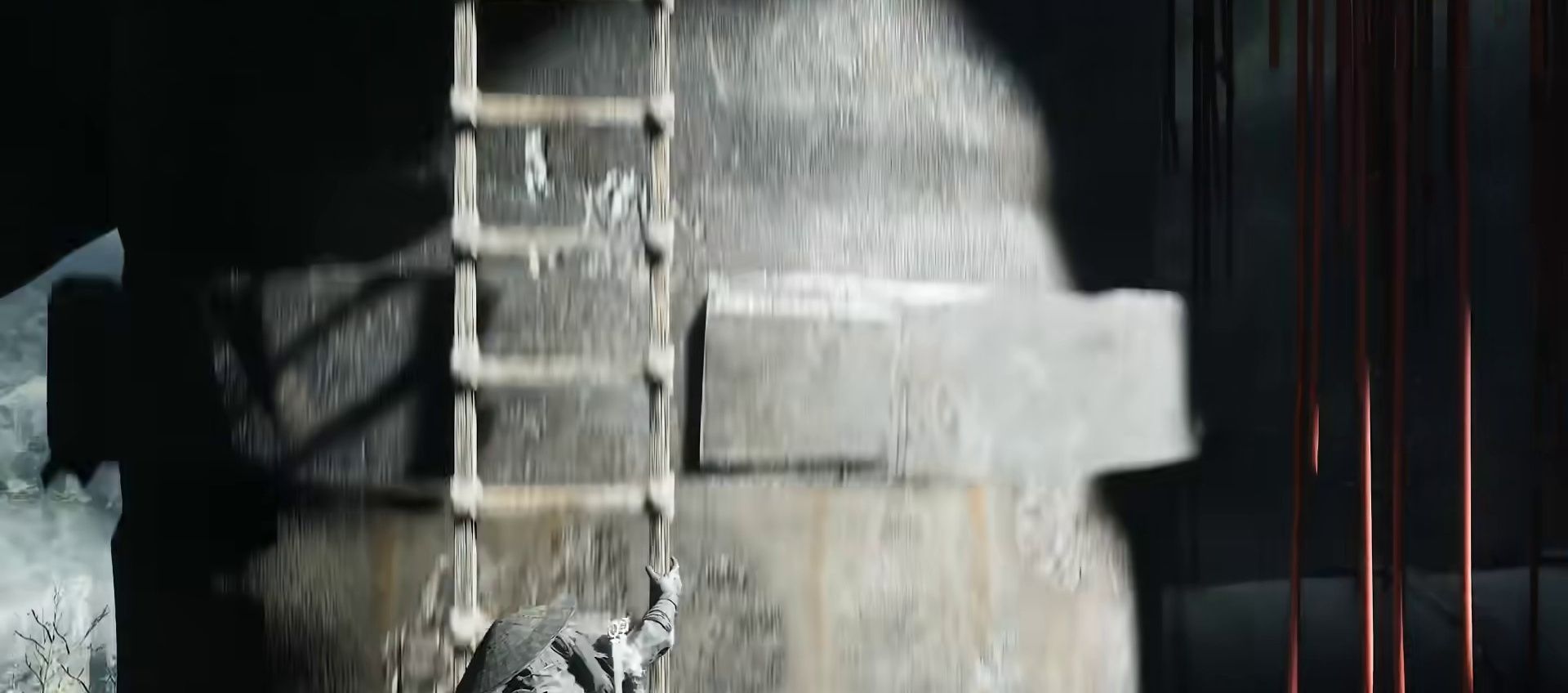
What makes this fight particularly interesting is the introduction of an assist mechanic: once players meet certain conditions, an NPC will step in to join the fray, dramatically lowering the difficulty. For action-game newcomers, this is undoubtedly a dignified "easy way down" - you can either tough it out solo or lean on an ally to get through; the choice always remains in your own hands.
As for Moyuan, the showstopper that brings the gameplay footage to a close, we took it on twice this time around. As the climactic finale, its weight and oppressive presence speak for themselves - we'll save the detailed breakdown of its mechanics and combat strategies for our upcoming full feature.
Final Thoughts: A Martial World Within Reach
Six hours in, the deepest impression Phantom Blade Zero left on us is that it translates "wuxia duels" into clear, playable rules: killing intent is momentum, blue and red glows are the language of every move, a broken guard is simply stamina run dry, and ultimate techniques are the trump-card killing blows held in reserve.
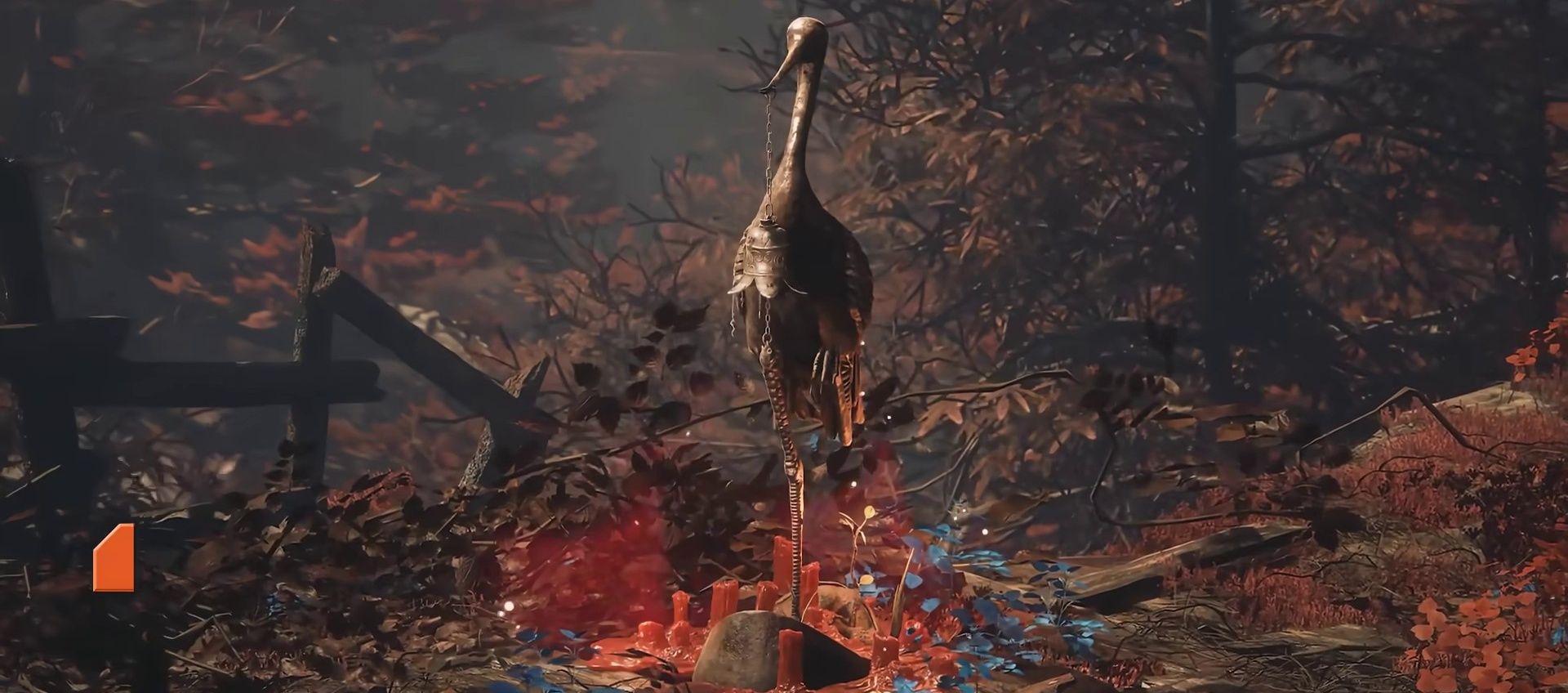
A respawn system with virtually no death penalty emboldens players to throw themselves at challenges again and again; the design where defeating a boss grants you their weapon provides sustained motivation for repeat playthroughs; and the ally-assist mechanic opens its doors to players of every skill level at once. A hardcore core wrapped in a considerate shell - that was the most immediate takeaway from this hands-on session.
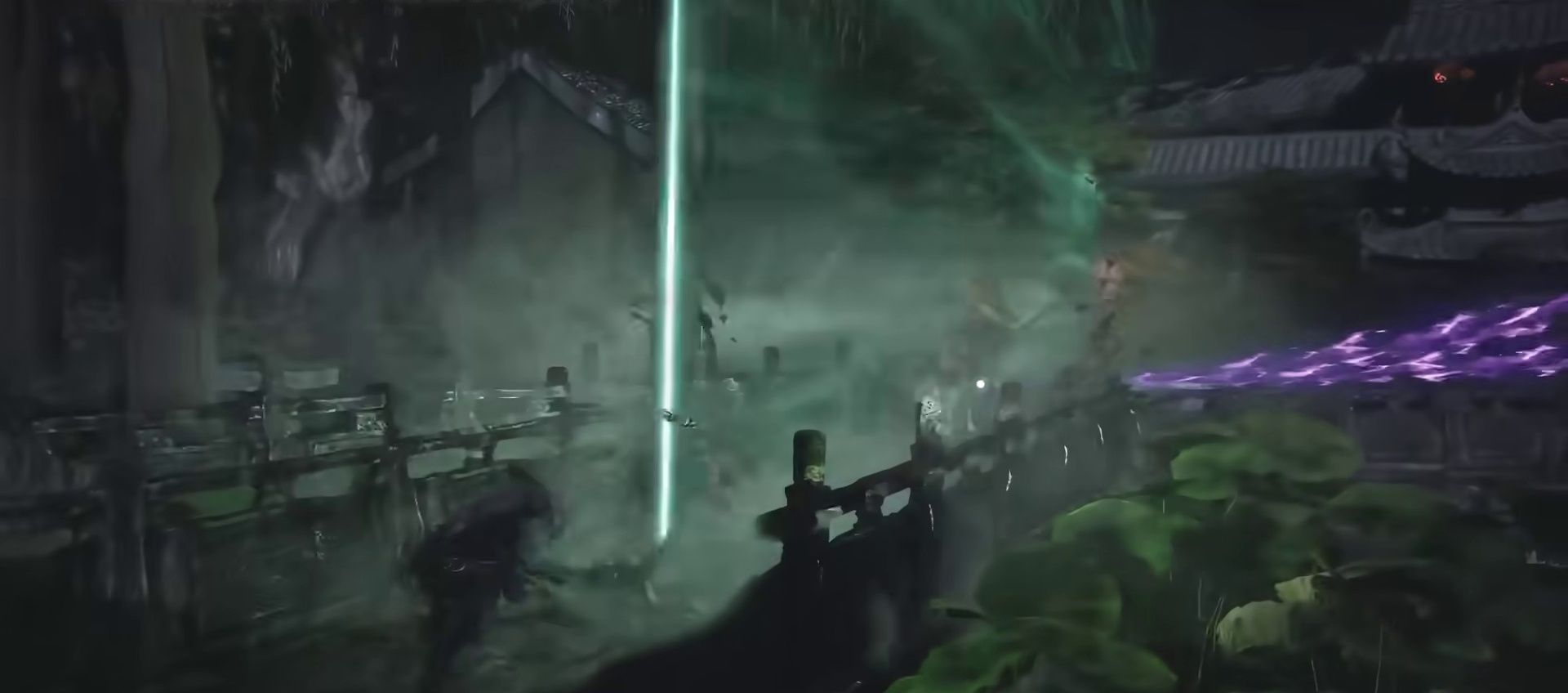
From the indie origins of the Rainblood series to today's highly anticipated Phantom Blade Zero, Soulframe Liang and S-GAME (Lingyoufang) have carried their unwavering devotion to "wuxia action" from start to finish. From the 11-minute gameplay footage reveal to six hours of hands-on play, the polish and sheer exhilaration on display are enough to convince anyone: the jianghu that once existed only in wuxia films is finally within reach.
Top Community Comments
After the preview content went live, the comment section proved every bit as lively. We've picked out a few representative comments and added a touch of our own interpretation.
@Mogray37 (28 likes):
It's time to block all content related to Phantom Blade Zero. The internet will not affect my gaming experience.
With promotional material flooding every corner of the internet, this player chose the most resolute option - voluntarily going "offline" until release. It may look willful, but it is really a way of treasuring the experience: saving every surprise, every shock, and every judgment for the moment the controller is finally in hand. This "spoiler-proof anticipation" is itself an unconventional testament to just how much buzz the title has generated.
@WinterSunBoy (5 likes):
Another soulslike, aren't people tired of it yet; the hit feedback is awful; too hard; too easy; the protagonist never speaks; there shouldn't be difficulty options; exploration is crammed with enemies; the map is kind of empty with barely any enemies...
This user has compiled a "greatest hits" collection of classic quotes, sweeping up every controversial take that has surfaced online. The beauty of it is that these voices contradict one another: "too hard" coexists with "too easy," and "crammed with enemies" shares the frame with "barely any enemies." Some complain that "letting you start a boss fight straight from phase two is for babies," while others object to difficulty options altogether. In a tongue-in-cheek way, it reminds everyone that before a game's official release, many emphatically declared conclusions are nothing more than preconceived side-taking. The answer, in the end, only counts the moment you get your hands on the game.
@DecadentFoxAmberGlass (36 likes):
18 more years! I can't wait! I can't wait! I can't wait!...
Spamming dozens of "can't wait"s in a row is exaggeration bordering on performance art, yet the emotion behind it is utterly real: the wait is unbearable. The closer the release date, the more intense this restlessness becomes. For a game that has been endlessly debated before it's even out, players being this "impatient" may well be the best compliment it could ask for.
📌 One-Line Summary
Phantom Blade Zero brings the momentum-driven, life-or-death duels of wuxia cinema into a game through an offense-defense battle of wits built around "Sha" (killing intent) - six hours of hands-on play were utterly exhilarating, and this homegrown wuxia action game deserves a spot on your wishlist.