Why Are Foreign Players Even More Hooked Than We Are? A 10,000-Word Deep Dive into the Story Behind Phantom Blade Zero's Explosive Demo Hype
Phantom Blade Zero's producer, Liang Qiwei, has recently been making the rounds of interviews with major media outlets across the globe. And with the latest round of media hands-on previews lifting their embargoes, what this Beijing-based S-GAME delivered in return has even the most seasoned overseas gaming outlets collectively "popping the champagne" - a sight rare enough in its own right.
A homegrown Chinese wuxia game whose overseas hype actually runs hotter than its domestic buzz - why exactly is that? Drawing on all the material released from the hands-on previews, the answer is, in fact, already quite clear.
It Hasn't Even Released, and Overseas Media Are Already Popping Champagne Like Fountains
First, a quick look at just how concentrated the "gushing praise" from overseas media has been since this round of hands-on previews dropped:
"The next true must-have game for PS5."
"My most anticipated action game of 2026."
"My personal Game of the Year."
"The best action game in nearly a decade."
"It deserves the same hype as GTA6."
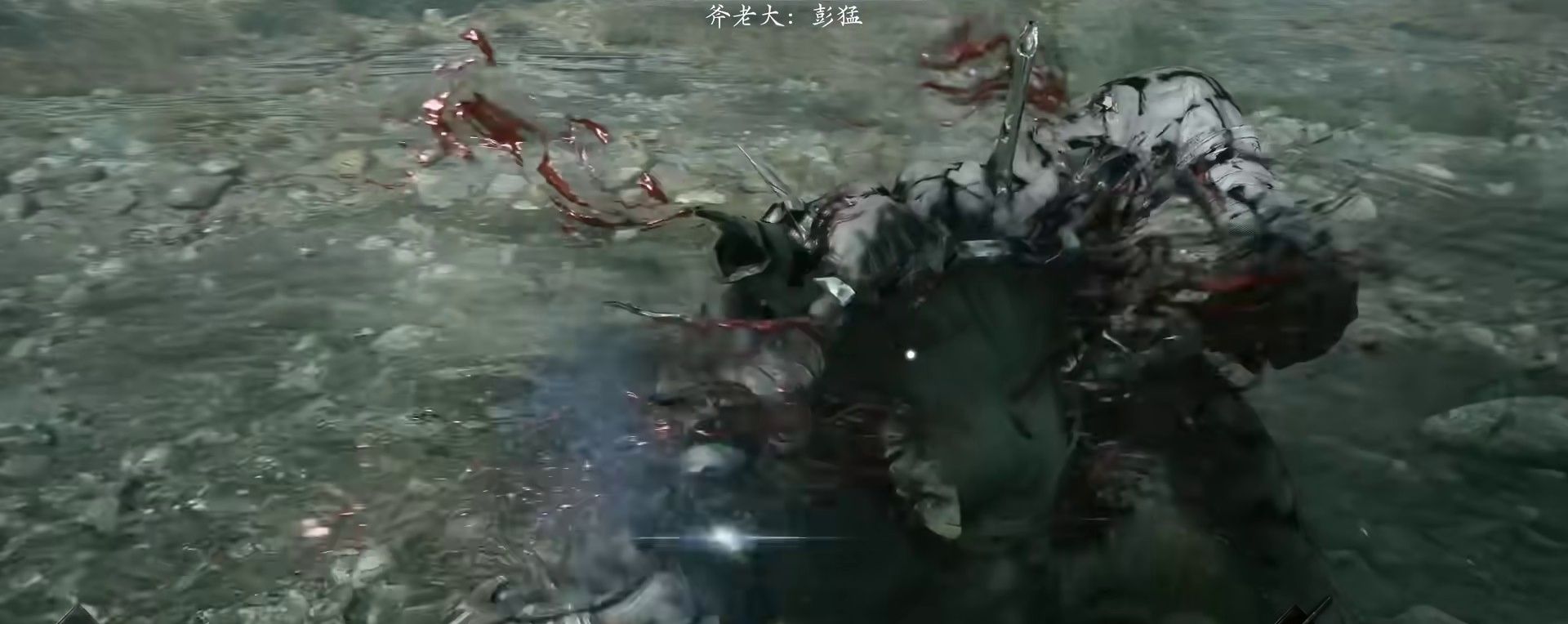
The most exaggerated take goes even further: even GTA6 has to "think twice," because Phantom Blade Zero could very well sweep the major awards of 2026. Keep in mind: over the past few years, you can count on one hand the titles featuring humanoid bosses built to the same scale as the protagonist - ones that give you goosebumps just watching them stand there in the footage - and Phantom Blade Zero is unquestionably the finest of them.
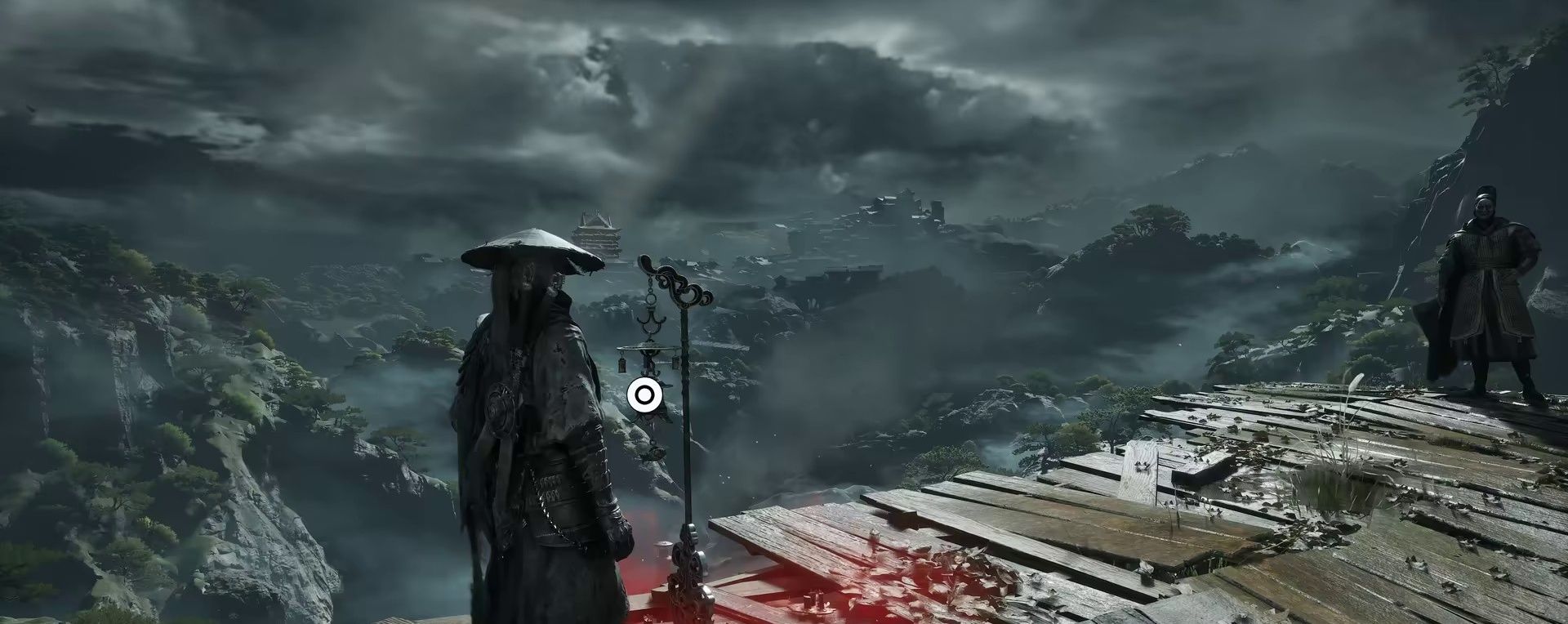
To be fair, statements like these aren't entirely free of clickbait from certain outlets - after all, the line between overhype and genuine anticipation is razor-thin. But amid all the acclaim, one astonishing detail has come to light: Phantom Blade Zero is not only the homegrown single-player game with the largest fanbase on YouTube - its subscriber count has even surpassed that of its own official Bilibili channel.
For a single-player game built on wuxia themes and drenched in Chinese cultural context to win even greater popularity on the other side of the twin barriers of language and culture - this is clearly no stroke of luck. The reasons can be broken down into four layers: the wuxia theme, kungfunk, the gameplay genre, and the resonance of passion.
YouTube Subscribers Overtake Bilibili: The Overseas Code Hidden in 3 Million Wishlist Additions
Let's start with the question on everyone's mind: over its full lifecycle, how many copies will Phantom Blade Zero sell?
An earlier analysis combined view-count data from several of the biggest recent single-player hits on YouTube, IGN, and the official PlayStation channels, and arrived at one conclusion: as long as there's no major flop, sales will land in the ten-million tier at minimum. The 3 million wishlist additions the game has already racked up further reinforce that judgment - those wishlist entries mean 3 million people are still sitting on the fence; stack that on top of the silent majority who have already preordered, and ten-million-tier sales are all but a sure thing.

The more telling detail is this: more than half of those 3 million come from overseas. That ratio lines up perfectly with the follower comparison between Phantom Blade Zero's domestic and international official accounts. In other words, YouTube subscribers overtaking Bilibili isn't some kind of mysticism - it's one consistent fact running from wishlist numbers all the way to subscriber counts.
So here comes the question: what exactly has overseas players so hooked on a wuxia game? The first reason takes us back to decades of kung fu cinema.
Reason One: The Wuxia Theme - Western Audiences Have Long Been "Half Wuxia Fans"
Many people may not realize this: the core creative team behind Sifu - the French game that captured the very essence of Chinese kung fu - are all longtime martial arts film buffs. From Bruce Lee's classic pictures to the Shaw Brothers productions and Jackie Chan films of the '80s and '90s, and on to Donnie Yen's Ip Man, they know them all by heart. In their own words:
"We wanted to make Sifu a love letter to the films we love so dearly."
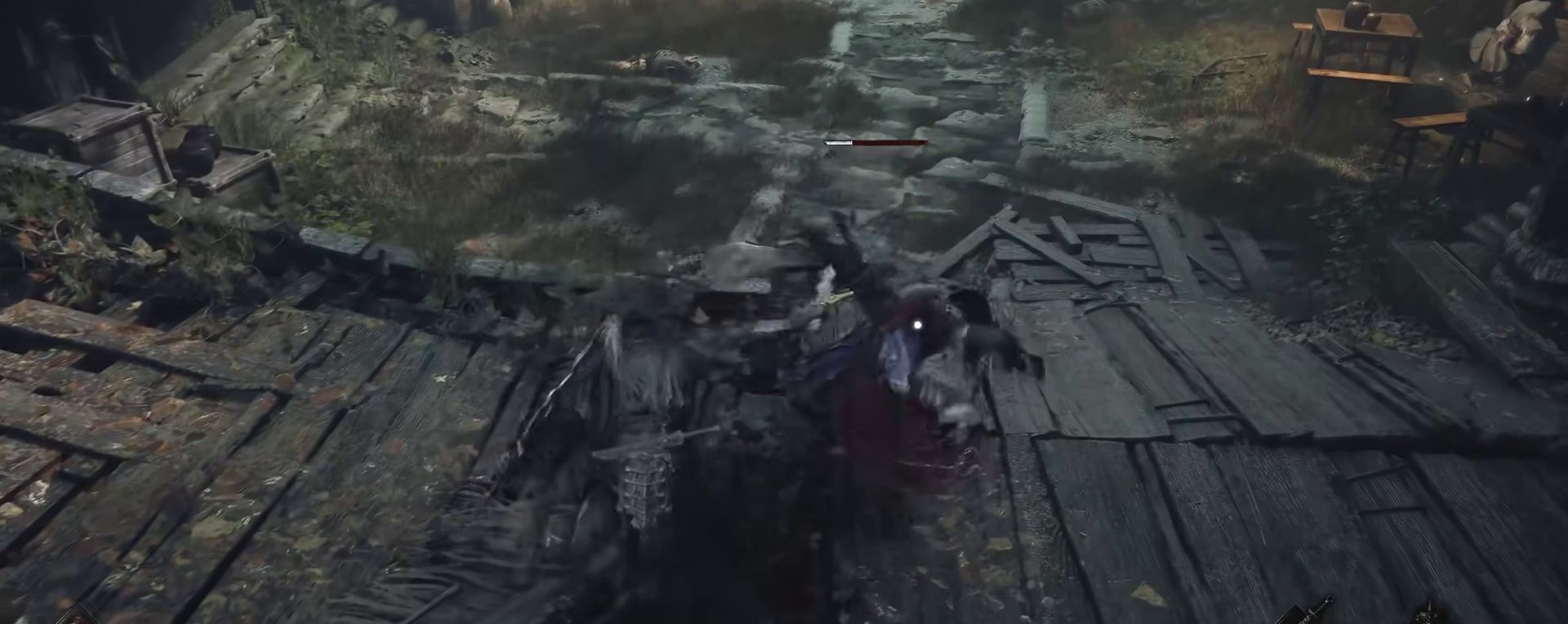
And they didn't stop at being fans - they went and trained for real at a kung fu school, where they met Benjamin Colussi, head of a Bak Mei kung fu school. Colussi had been visiting the Shaolin Temple with his father since childhood; his obsession with Chinese kung fu ran so deep that he went on to major in Chinese culture at university. Later, through a twist of fate, he became a disciple of Grandmaster Liu Weixin - whose father, Liu Shaoliang, was one of the founding patriarchs of Foshan Bak Mei kung fu. After completing his training, Benjamin opened his own school in Paris, carrying Foshan's Bak Mei kung fu and martial arts culture along with him. It was only natural, then, that he took several members of the Sifu development team on as students, ultimately serving as the game's martial arts director and cultural consultant.
This story illustrates a simple truth: thanks to a relay of superstars across generations - Bruce Lee, Jackie Chan, Jet Li, Donnie Yen - Chinese wuxia and Chinese kung fu have long since permeated generation after generation of overseas audiences in the form of classic cinema. After Ang Lee's Crouching Tiger, Hidden Dragon hit theaters, quite a few Westerners genuinely asked, in all seriousness: Can all Chinese people fly?
This "question of the century" finally received its most direct answer this year - Phantom Blade Zero means Western players no longer have to gaze up at wuxia from behind a movie screen; they can pick up a controller and play the wuxia-hero dream into reality with their own hands.
Western players' obsession with Phantom Blade Zero inevitably owes much to the game standing on the shoulders of giants with its choice of wuxia as its subject matter.
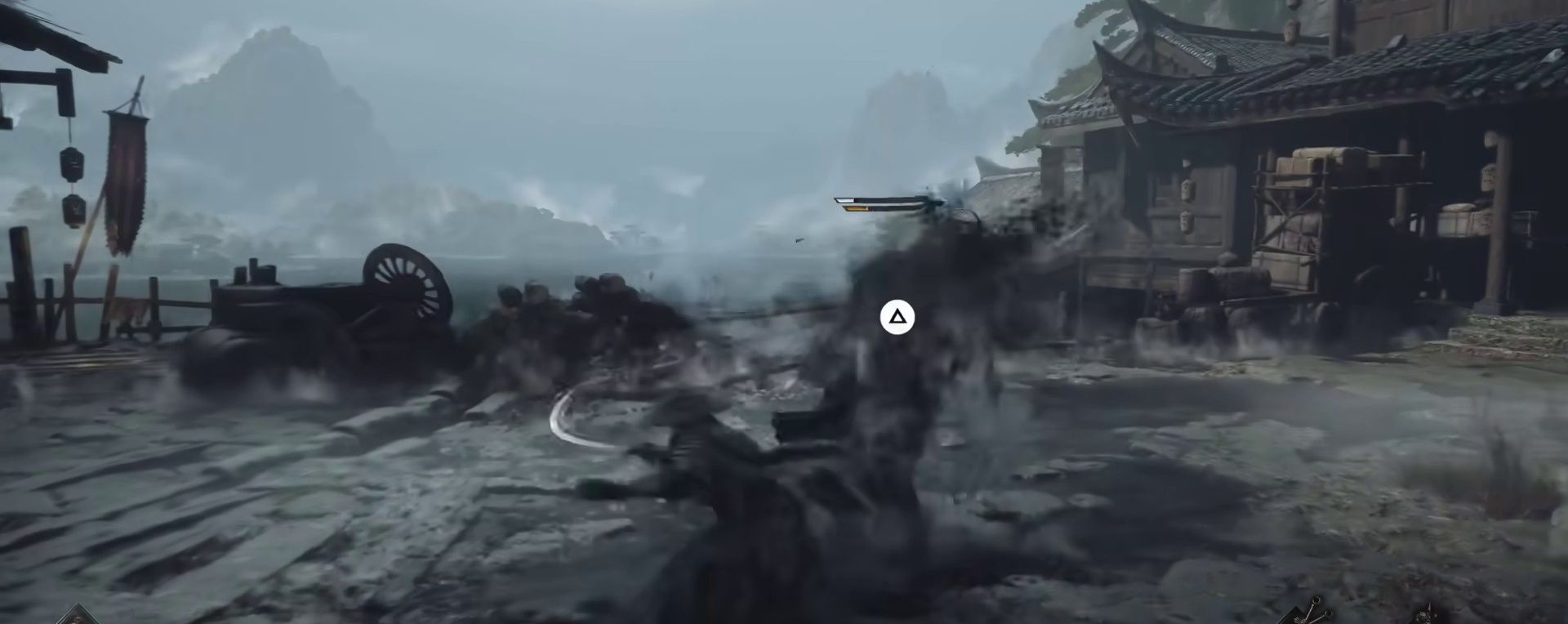
But to fulfill Western players' every imagining of wuxia and kung fu cinema, one precondition applies: you have to actually deliver a wuxia movie that can be played. And as it happens, Phantom Blade Zero really did pull it off. Once the hands-on preview embargo lifted, multiple Western media outlets voiced nearly identical opinions - playing Phantom Blade Zero feels like playing a wuxia movie. So how exactly did S-GAME manage it?
1,000 Hours of Motion Capture: Recording "Wuxia Cinema" into the Game, Frame by Frame
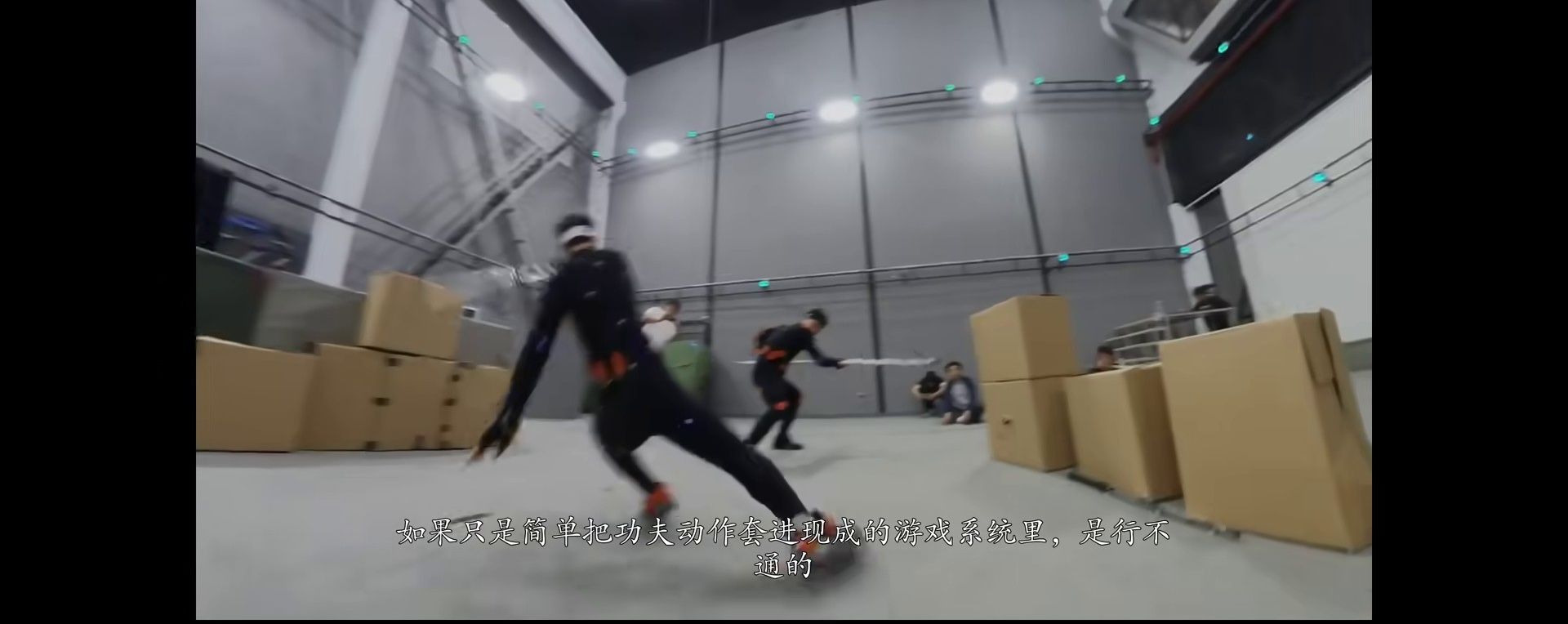
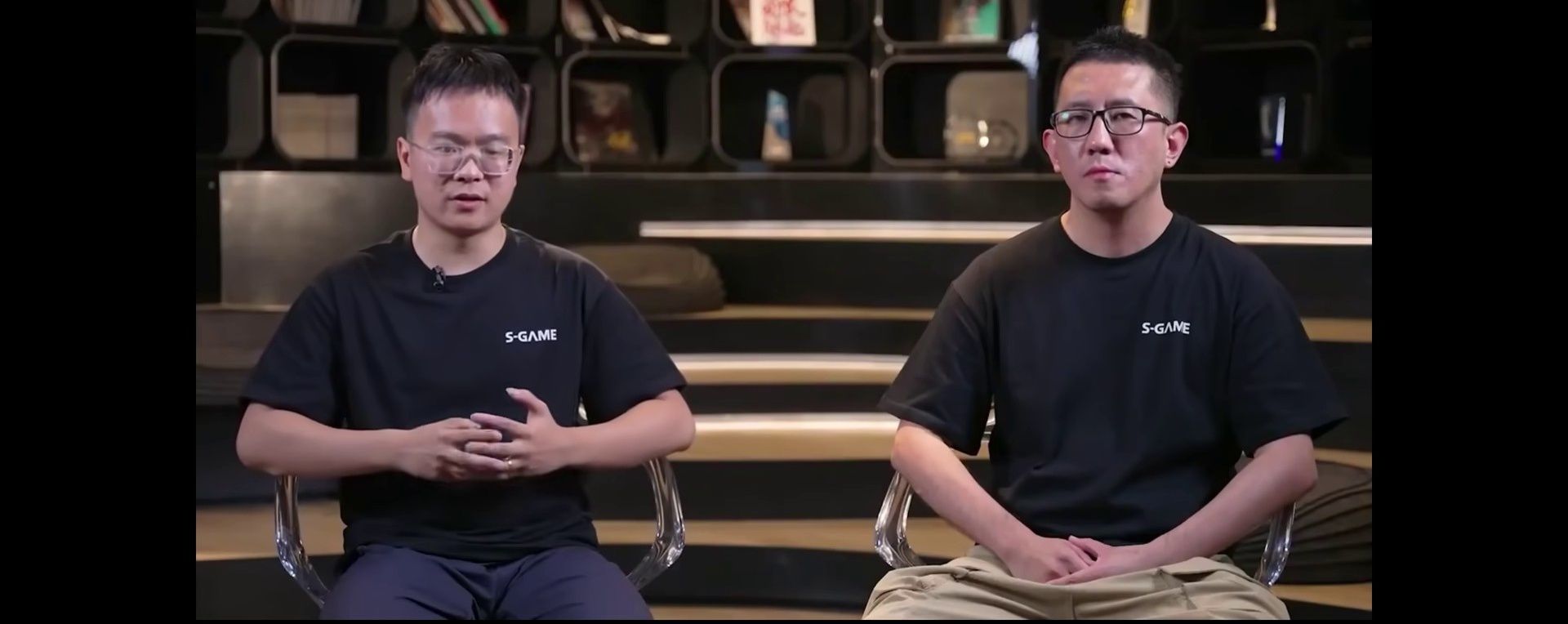
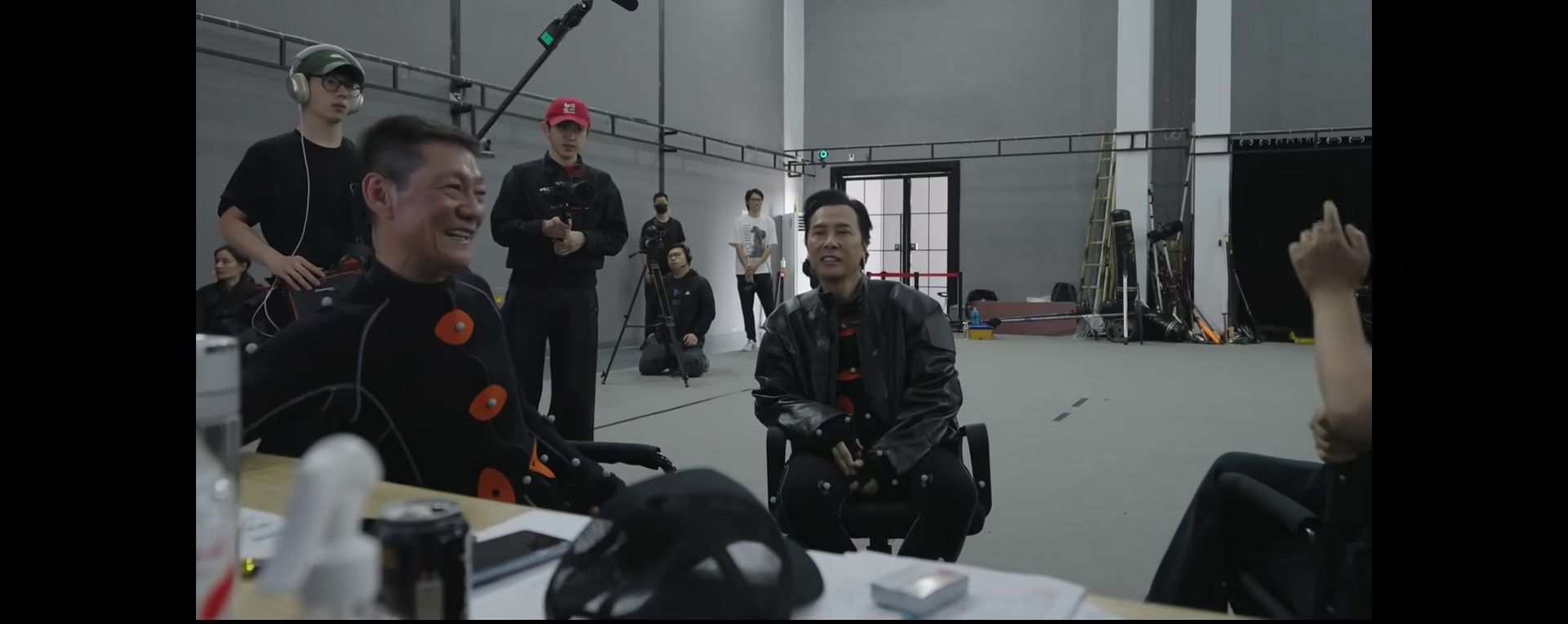
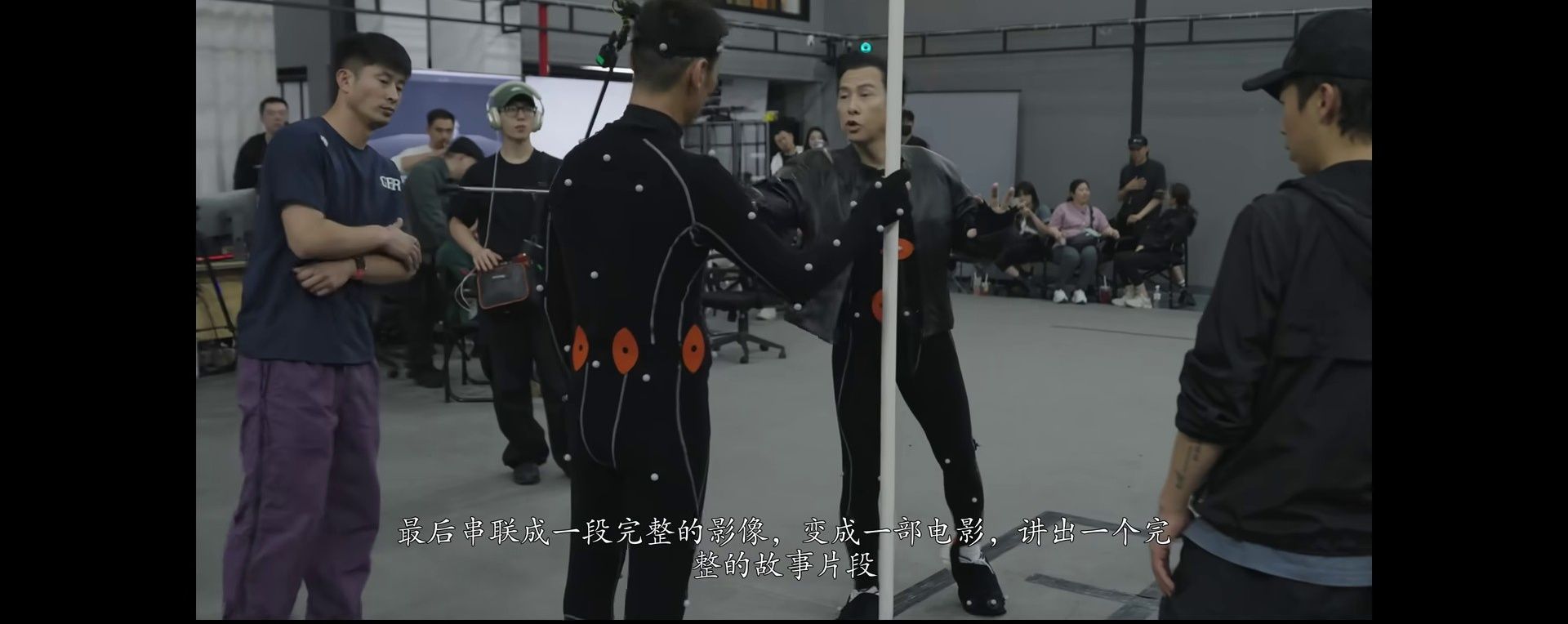
According to available figures, Phantom Blade Zero logged over 1,000 hours of studio time on motion capture alone. Do the math: even maxing out at eight hours a day, that means 125 straight days of recording. And bear in mind, mocap studios bill by the hour - which goes a long way toward explaining why this game "burns money."
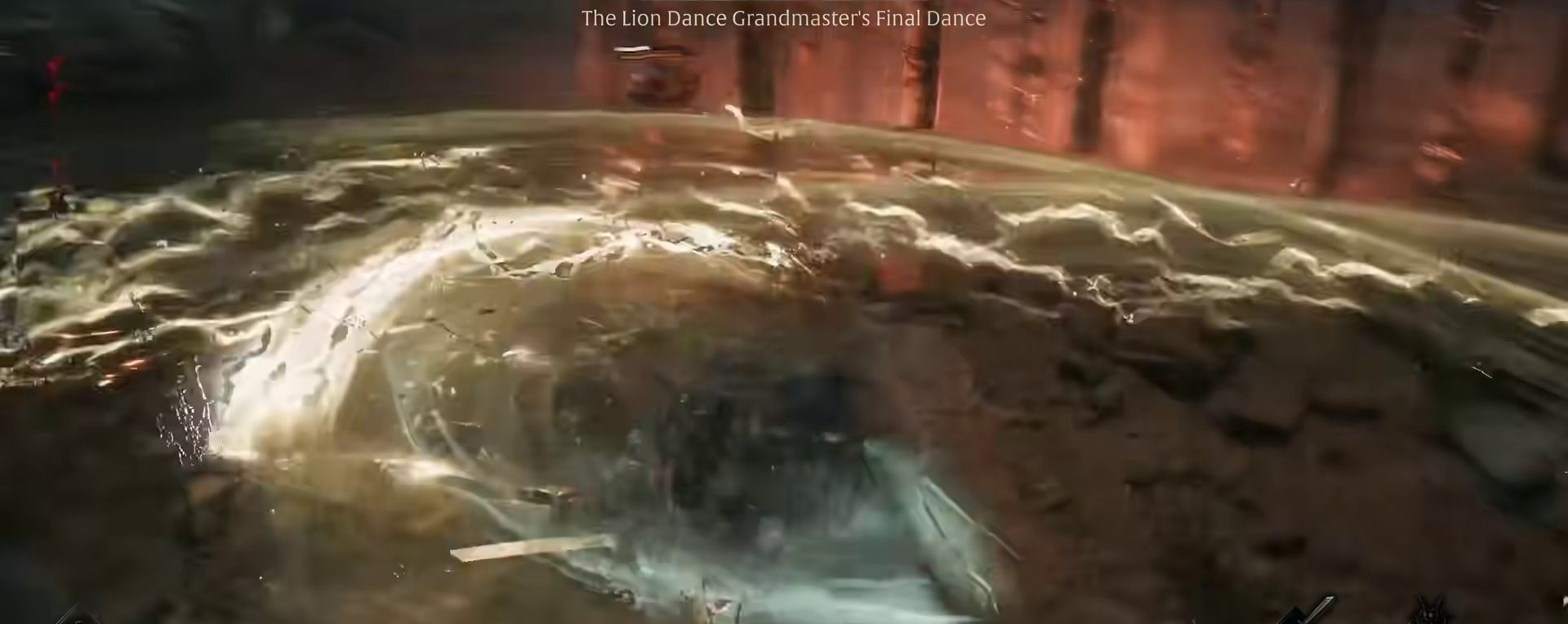
But throwing money at it isn't enough - it also takes skill and genuine care. Take the most granular example: the snap-to-target motion a character plays when closing in on an enemy. If there were only one version, it would quickly grow monotonous and repetitive. So S-GAME prepared more than ten different approach animations at the design stage, captured every one of them as mocap assets, and then paired them with in-game algorithms that decide which to use based on the character's current posture and state - so the animation ultimately plays out natural and fluid.
And that's just the polish on a single action. For the various combos and derived moves of the game's 30 primary weapons and 25-plus secondary weapons, the mocap resources burned - and the animators' hair along with them - will only amount to far more.
Some have already run a rough back-of-the-envelope calculation: take the most basic "Black Scar" as an example. The basic combos alone come in 5 sets, each with 3 to 5 moves. Taking the midpoint of 4, that's 20 moves per weapon; across 30 primary weapons, 600 moves. Even with asset reuse between weapons of the same type, once you add in the 25-plus secondary weapons, plus all the movement, dodges, blocks, and executions in the game, the protagonist alone almost certainly tops a thousand moves.
More daunting still, this tally covers only the protagonist's moves. The animation library on the enemies-and-bosses side is an undertaking of an entirely different order of magnitude.
Thirty Weapons and the "Three Weaknesses": Genuine Kung Fu at the Gameplay Level
At this point, someone is bound to push back: with this many weapons, if the game feel isn't clearly differentiated, it's just padding for padding's sake; and even if the feel is differentiated, how do you keep the game's style consistent?
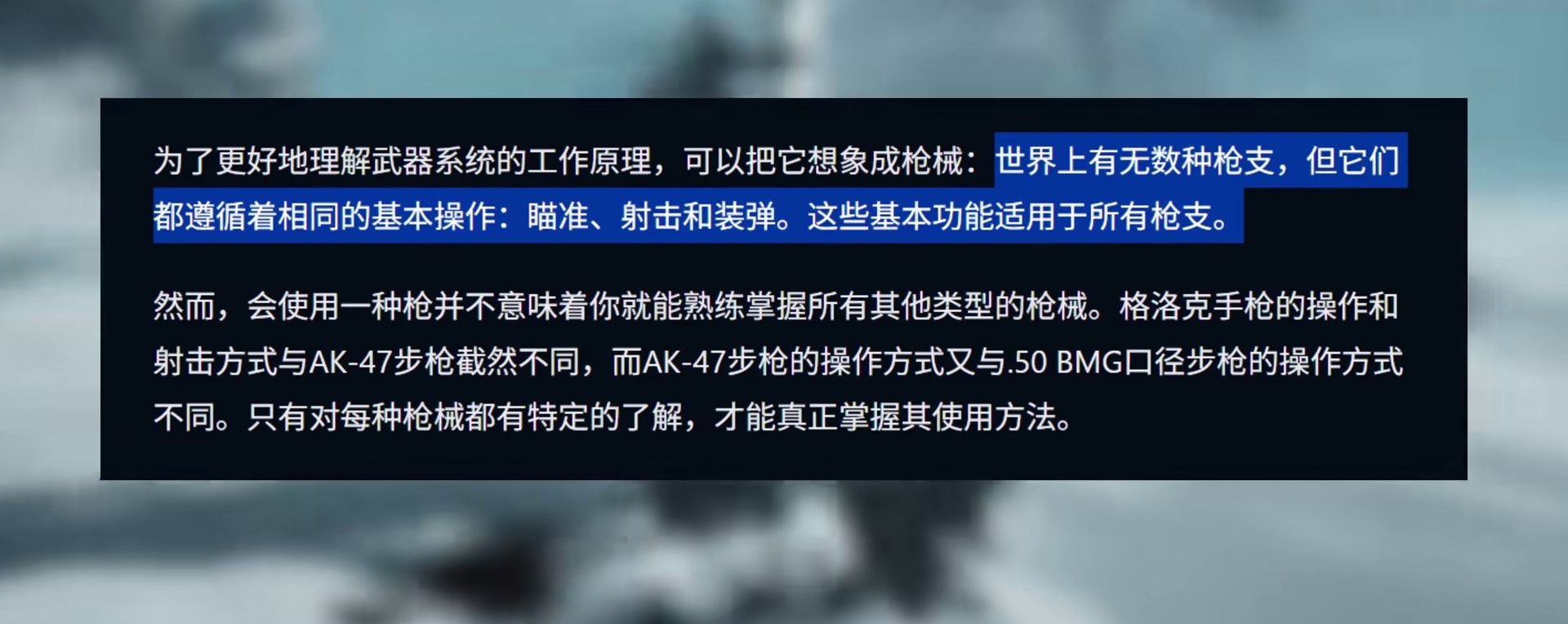
In response, the editors at Game8 offered a clever analogy drawn from firearms: there are countless kinds of guns in the world, yet they all follow the basic logic of aiming, shooting, and reloading; still, only by gaining a concrete understanding of each specific firearm can you truly master its use. Phantom Blade Zero works the same way - you need to build a concrete understanding of each weapon before you can truly get to grips with it. For example, the Great Axe can break shields, the Hidden Steel Blade can inflict bleeding, and the Sin Blade can enhance dodging and attacks - each weapon has its own distinctive mechanics and playstyle.
This is precisely the third reason the game's overseas hype has stayed sky-high - the hard power of its "gameplay genre." Liang Qiwei revealed that enemies are designed around the "Three Weaknesses Principle":
- Hard weaknesses: without the right weapon, they are very difficult to defeat;
- Soft weaknesses: using a specific weapon can significantly lower the difficulty of the fight;
- Story-driven weaknesses: equipping specific items and weapons triggers special dialogue and reactions.
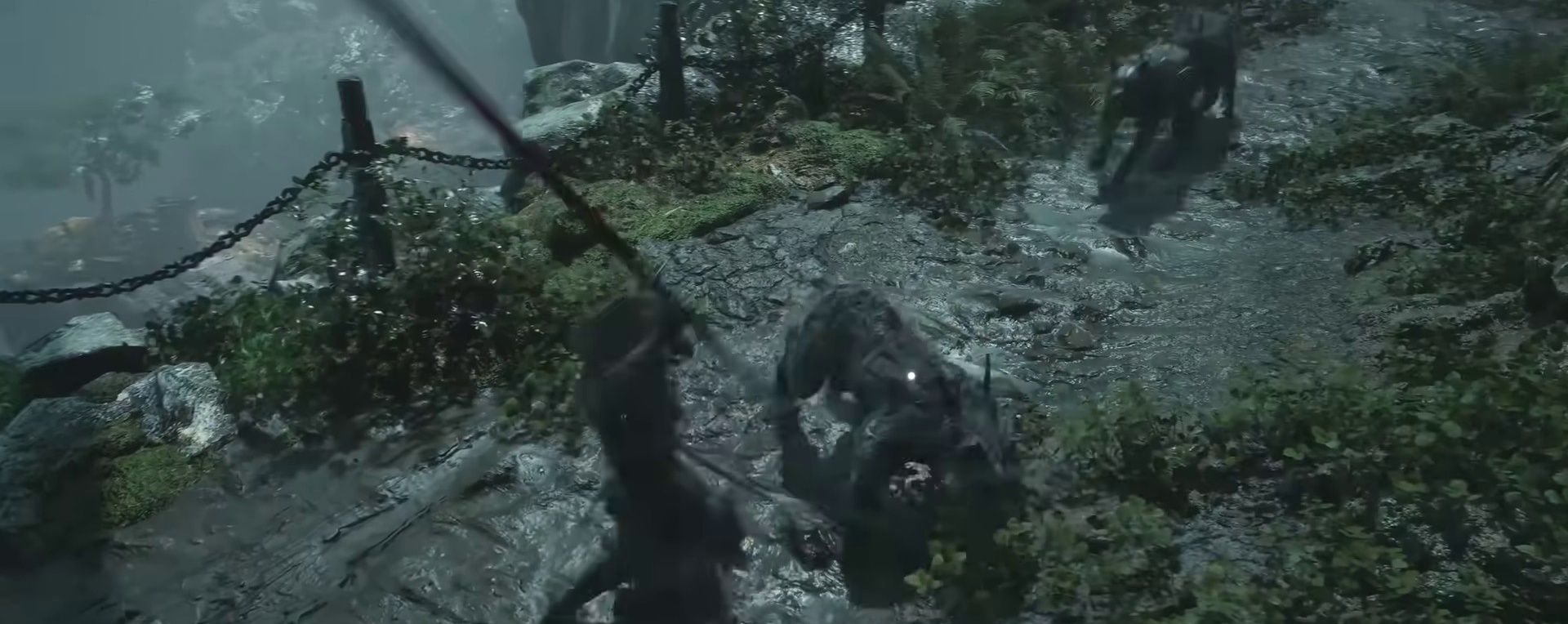
But no matter what kind of enemy you run into, as long as you have trained a single technique to perfection, you can brute-force your way through any number of trials on pure skill alone.
This line is the "antidote" to the entire weapon system - it hands the choice back to the player: you can go wide, assembling a complete arsenal and countering each move as it comes, or go deep, grinding a single technique to its absolute limit and taking on the world with one move. Hardcore players eat this up.
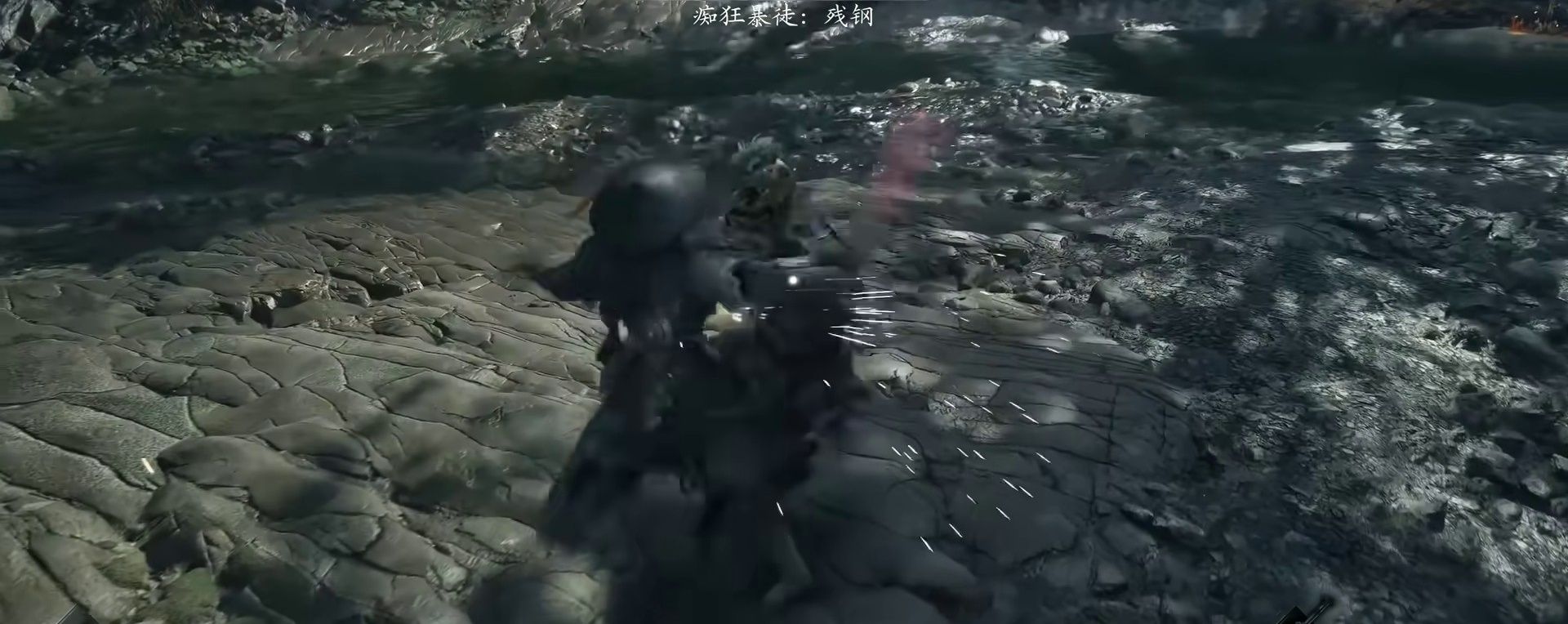
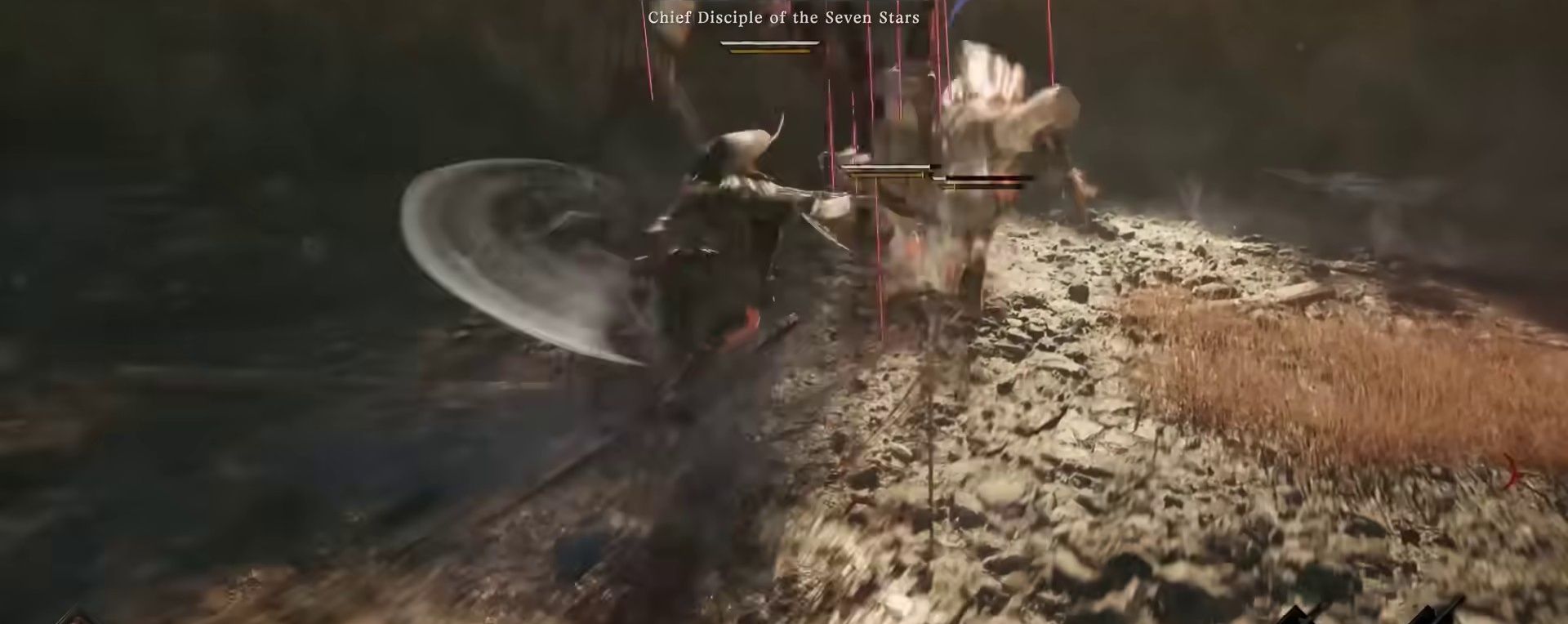
There is also a surprising fact hidden in the design: most of the weapons players obtain in the game come from bosses. In other words, 30 main weapons plus more than 20 sub-weapons means at least 50-odd bosses. During this very hands-on session, some media outlets reported fighting a dozen or so bosses in Chapter 1 alone; add to that the officially announced 8 chapters - with quite a few later maps even larger than the first - and the "50 bosses" estimate may well turn out to be conservative.
25 to 30 Hours to Beat - "A True Hero Would Never Unclog a Toilet"
On the subject of scale, Liang Qiwei's answer is this: not counting boss fights, the game can be beaten in 25 to 30 hours. For reference - one media outlet speedran the first chapter of the main story in 2 to 3 hours, only to find they were barely past the halfway point; another spent 6 hours and, convinced they had licked the map clean, still saw their completion rate stuck at 85%. Add in the even larger maps still waiting further in, and how long a straight clear versus a full-collection run would take - feel free to do the math yourselves.
What's even more remarkable is that a game of this scale shows not a trace of padding - on the contrary, it achieves refinement taken to the absolute extreme. Liang Qiwei has stressed this point more than once:
"A true hero would never unclog a toilet."
Every piece of content in the game has been hand-crafted and thoughtfully placed. He has even said that if the team ever starts agonizing over whether a given piece of content should be cut, then that content should be cut.
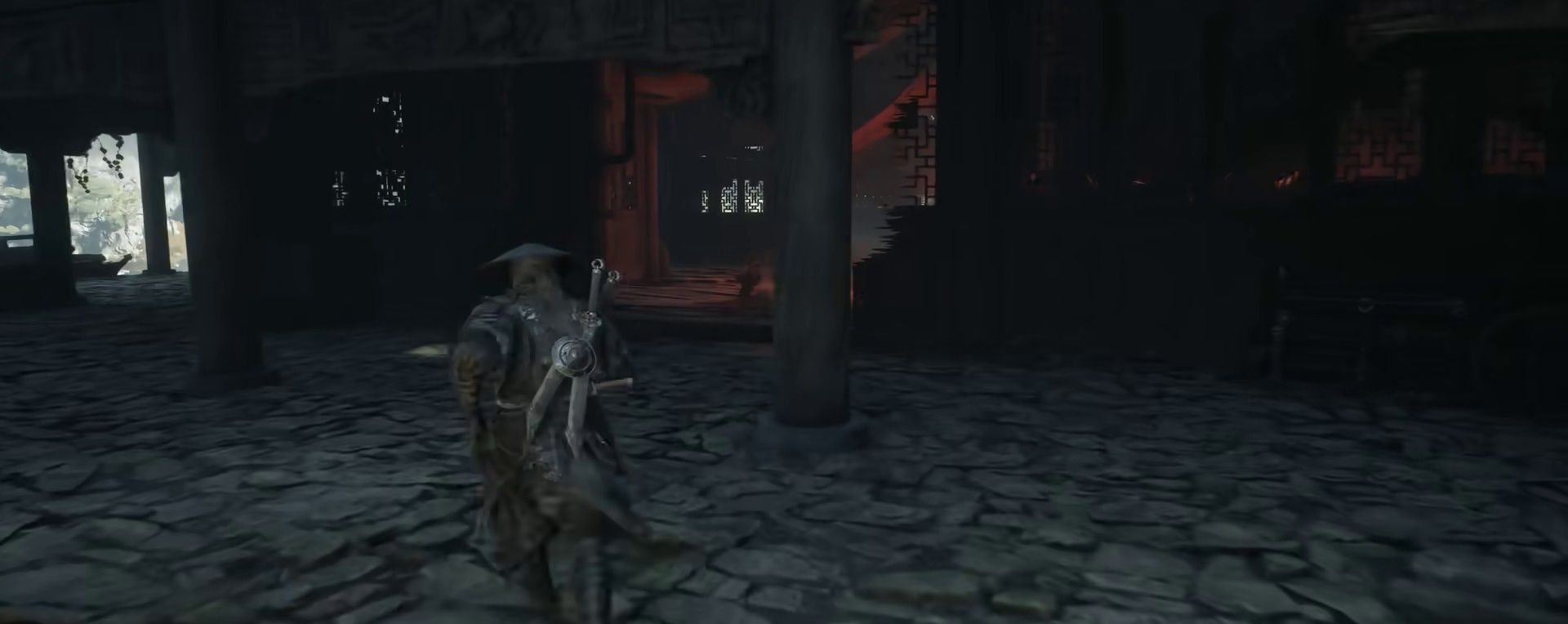
It is precisely this near-obsessive restraint that earned the side quests high praise from overseas outlet Game8: the side quests are engrossing, probing deep into the many forms of "loss" in this despairing world - good people framed and humiliated, small-town residents living in dread of violence right at their doorstep, a master looking on in disappointment as his student slides step by step into corruption. Judging from the gameplay footage officially released so far, the "Fourth Senior Brother's Case Files" side quest tells, in all likelihood, precisely that story of "good people framed and humiliated."

All in all, Phantom Blade Zero has, just as Liang Qiwei promised, delivered a complete experience more than capable of fulfilling wuxia fans' "great hero" dream - and it naturally has what it takes to catch every overseas player's fantasy of the wuxia world. Still, standing on the shoulders of wuxia superstars alone doesn't fully explain why it has gone viral abroad - the game's own style is the very foundation it stands on. Which brings us to the second reason behind Phantom Blade Zero's overseas breakout: kungfunk.
Reason Two: “kungfunk,” a Stroke of Genius in Cultural Translation
The concept of “kungfunk” was a brilliant piece of foreshadowing that Liang Qiwei planted as early as the game’s 2022 and 2023 reveals. Its brilliance lies in this: both words that make it up can be instantly grasped by Western audiences.
The first word, “kung fu,” needs no introduction in terms of its overseas influence - Bruce Lee’s explosive popularity, Jackie Chan receiving an Oscar Lifetime Achievement Award, and Donnie Yen breaking through again with the John Wick series all prove the point; the second word, “punk,” is simply a catch-all in overseas pop culture - from cyberpunk to steampunk, Western audiences have an almost instinctive affinity for it.
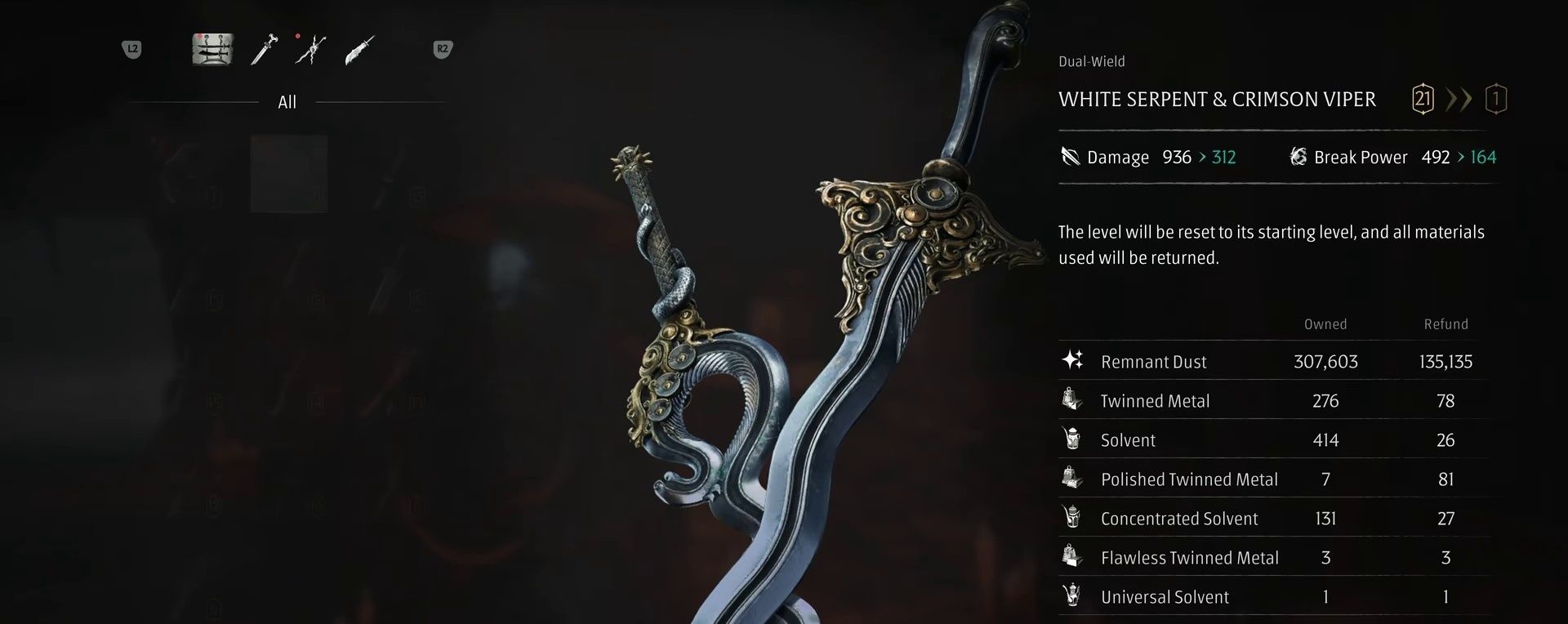
So just by seeing the word “kungfunk,” Western audiences can immediately sense the game’s stylistic foundation without even seeing gameplay footage. This is a textbook-level act of cultural translation: instead of painstakingly explaining what the jianghu is or what a xia is, it uses two symbols Western audiences know best and hands the space for imagination directly over to them.
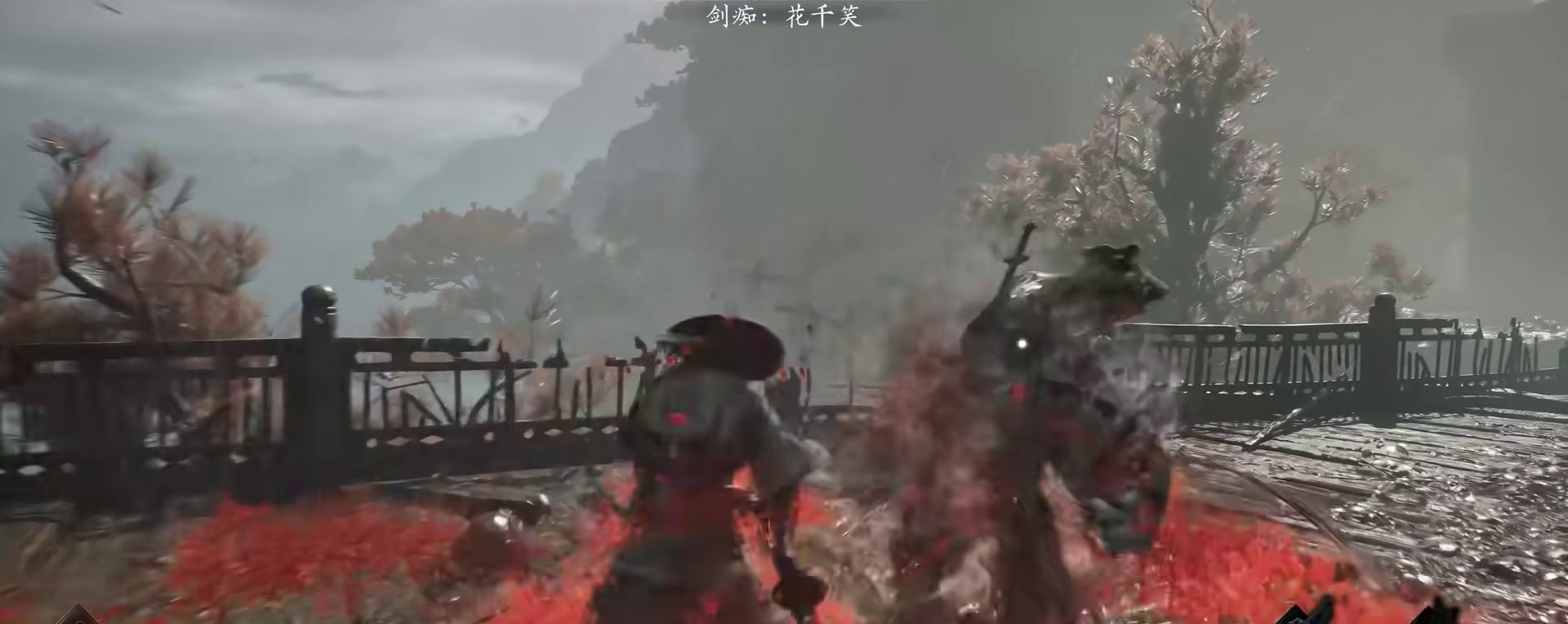
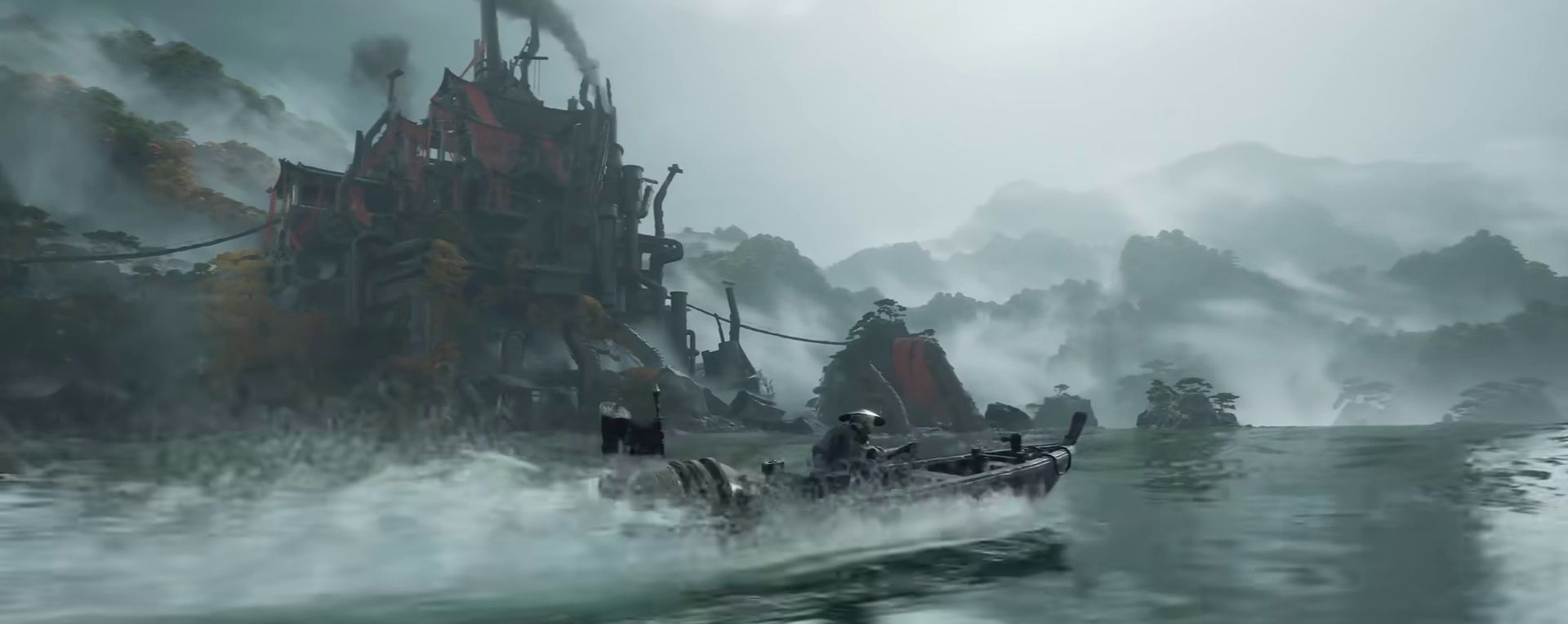
Of course, a concept alone isn’t enough; the game’s quality has to live up to it. As it happens, Phantom Blade Zero’s current showing more than lives up to it: 1,000 hours of motion capture, over a thousand animations, more than 50 bosses, and a scope with absolutely no filler all vouch for the term. As for how the game’s Chinese aesthetic details will continue to blend with its punk sensibility, players will likely have to wait until release to fully savor them.
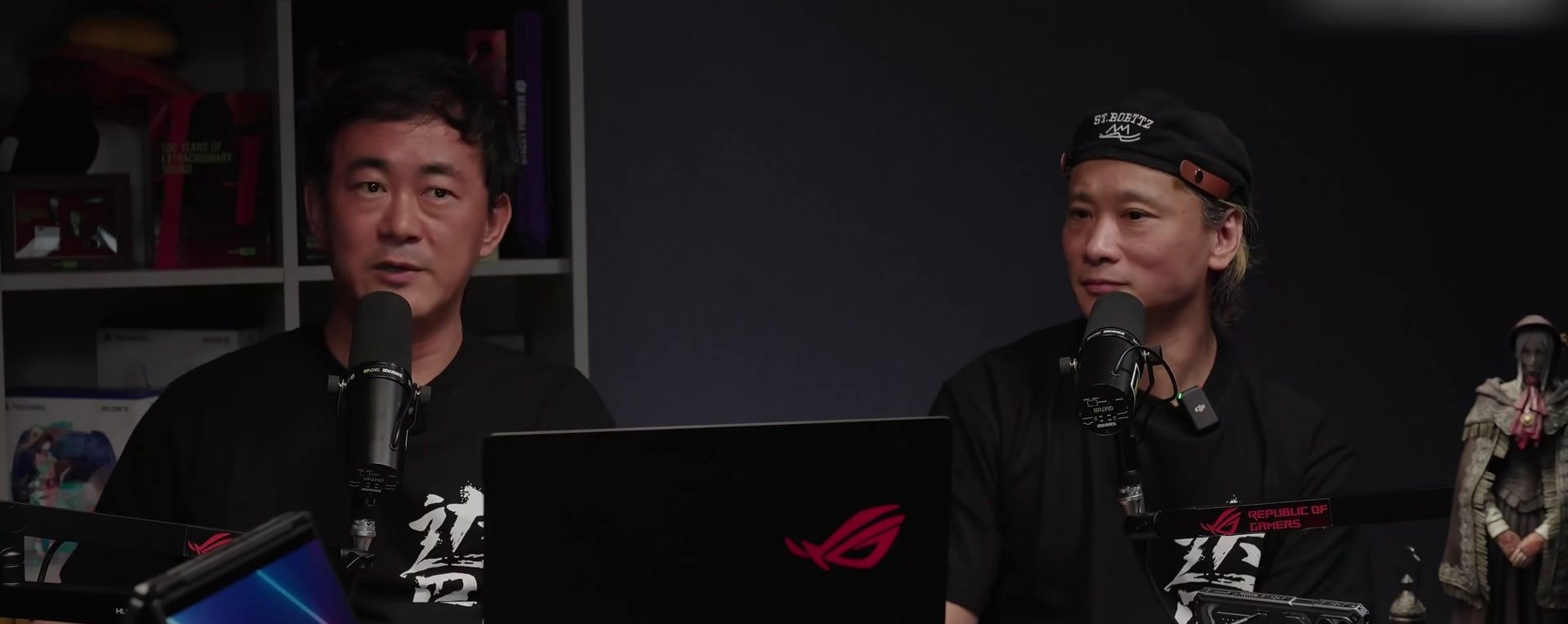
To Hype or Not to Hype? Fix the Bugs, and Let the Bullets Fly a Little Longer
Back to the original question: should Phantom Blade Zero be hyped or not?
To be fair, claims like "sweeping 2026" and "rivaling GTA6" carry more than a touch of clickbait exaggeration - the line between killing a game with praise and genuine anticipation is razor-thin. But dismissing the very real sincerity behind the hands-on demo would be its own kind of arrogance - 1,000 hours of motion capture, 30 primary weapons, 25+ secondary weapons, 50+ bosses, a 25-to-30-hour campaign with zero filler, and a "three weaknesses" design philosophy - numbers like these can't be made up.
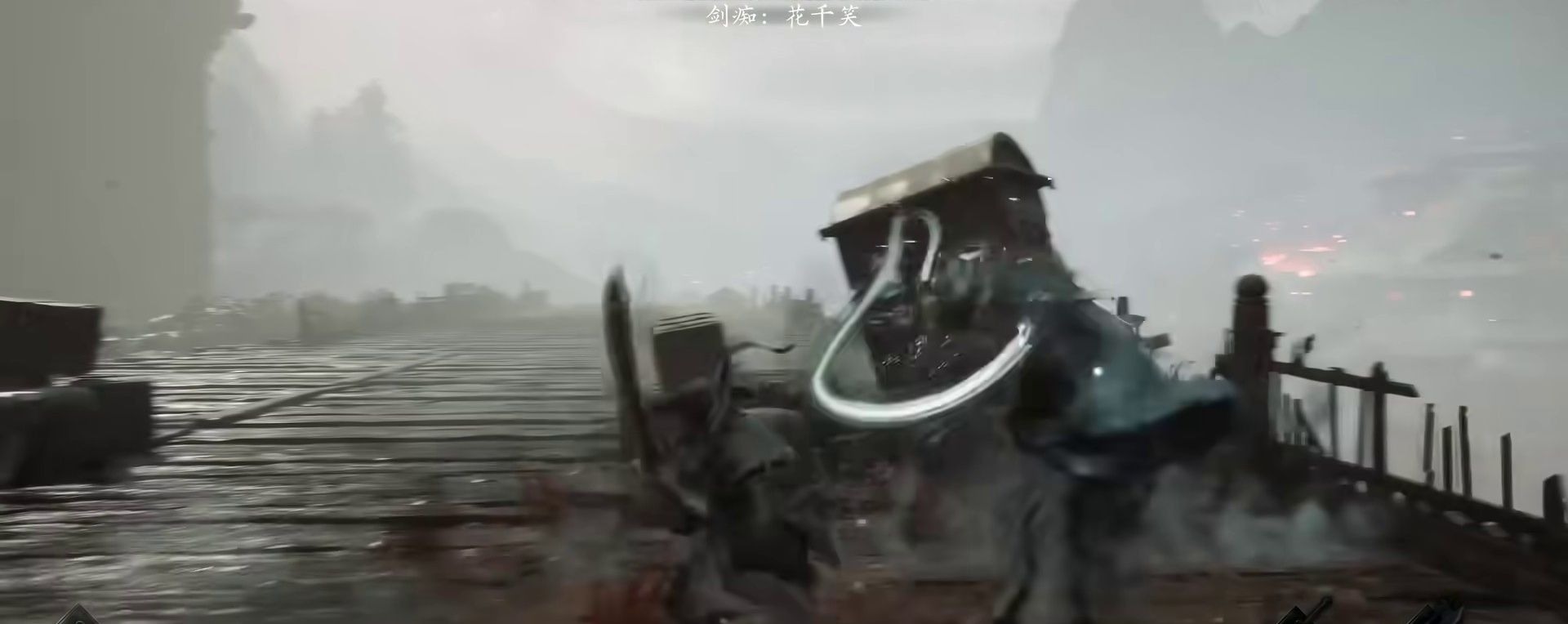
Equally heartening is the maturity of the community: a fan-built Phantom Blade Zero Wiki is already live - type in the pinyin initials and you're taken straight there; long-form deep-dive content keeps pouring out; and one sharp-eyed player even spotted a minor bug in the gameplay footage where the blade material appeared to "melt," kindly suggesting the devs patch it. The deeper the love, the sharper the criticism - and that is precisely proof of just how maxed out the attention is.
As for "why are overseas players so hooked," the answer is now complete: the wuxia genre gave it decades of cultural foundation, kungfunk delivered a precise cultural translation, gameplay depth gave hardcore players a reason to stay, and the dev team's obsession with craft turned it all into genuine resonance. With all four buffs stacked to the max, it's hard not to get hooked.
All that remains is to wait for the official release in 2026 and see whether it can firmly catch this wave of expectations from around the globe. After all, wishlists and subscriber counts only prove "attention" - sales and word of mouth, in the end, will have to be earned by the finished product.
Top Community Comments
@bili9610432791 (51 likes):
Overseas players are going crazy over this, and beyond the subject matter being right up their alley, it's because in recent years plenty of AAA "chefs" love to season their dishes with "that particular ingredient" - like it or not, whatever lands on the table carries a bit of that flavor. When a hearty main course with a distinctive taste, made from real ingredients and without that "coffee-colored sauce" drizzled on top, finally comes out of the kitchen, you'd be wolfing down two bowls of rice too.
This viewer's "cooking" metaphor strikes precisely at the pain points of recent years - the homogenization of AAA blockbusters and the widespread criticism heaped on live-service games. The rarity of Phantom Blade Zero lies exactly in its now-uncommon path of "buy-to-play pure single-player + a complete narrative experience" - scarcity breeds value, and the appetites of players worldwide are one and the same.
@CharWhoLovesRed (24 likes):
The title actually isn't hyping the right thing: Phantom Blade Zero has always been the contender that buys traffic aggressively while its metrics never catch up with the Black Myth series - for the same view count, its likes might be only a tenth of Game Science's, especially on YouTube, where the traffic-buying has gone "beyond all reason."
This is a rare dose of sobriety. It reminds us to distinguish between "buzz generated by paid placement" and "buzz organically generated by players": subscriber counts and view counts can be bought, but like ratios, the fan-creation ecosystem, and long-tail word of mouth don't lie. Phantom Blade Zero's true core player base may deserve closer, ongoing observation than the numbers on any chart.
@DoesntRunFromTheRain (23 likes):
That self-introduction segment - could it have been cut?
A textbook case of "the mouth complains while the body stays honest" - the viewers who snark all the way through yet still finish the long-form content are precisely the most invested ones. This kind of blunt, straight-shooting interaction is also an endearing testament to the homegrown gaming community's gradual maturing, now bold enough to "look its creators in the eye as equals."
📌 One-Line Takeaway
Phantom Blade Zero's explosive popularity overseas is no accident: it stands on a wuxia foundation that the likes of Bruce Lee spent half a century laying, completes the cultural translation with a single term - "kungfunk" - and then, armed with a thousand hours of motion capture, thirty weapons, and the restraint of "a true hero never plunges a toilet," serves up a wuxia film you can actually play. Whether you buy into the hype is a matter of personal taste, but it has certainly earned this level of global anticipation.